

In a competitive landscape where the customer experience is paramount, selecting the right serving solutions for beverages can significantly enhance service quality. Disposable plastic cups made of polypropylene (PP) are ideal for bubble tea shops, restaurants, food trucks, and event planners. Their unique attributes like durability, heat resistance, and environmental considerations make them the preferred choice for catering to diverse beverage demands. This article walks you through the materials and properties of disposable plastic cups, explores their advantages and applications across various settings, and advises procurement strategies with environmental considerations, ensuring you make informed decisions for your business.
The Material Core of Disposable Plastic Cups: Polypropylene’s Strength, Safety, and Sustainability
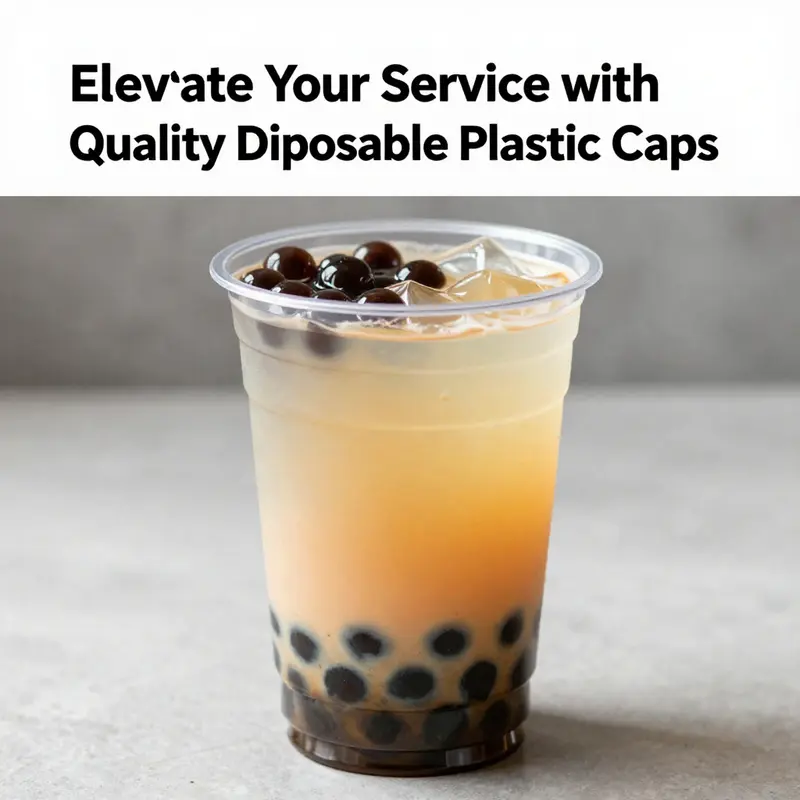
In this chapter, we step inside the quiet engine of a familiar travel companion—the disposable plastic cup made from polypropylene, or PP. The cup’s everyday utility often overshadows the science that makes it reliable in kitchens, at events, and on the move. Yet the material story of PP is the backbone of what users experience: a container that is clear enough to watch the color of a drink, sturdy enough to hold up to a carbonated surge, and safe enough to touch liquids that will later be consumed. When we trace the chain from resin to ready-to-serve cup, a coherent picture emerges of why PP has become the standard for a wide range of beverage needs, from a simple afternoon latte to a high-energy sports event, and why it continues to adapt as markets shift toward safety, convenience, and selective environmental responsibility.
At the heart of PP’s appeal is its balanced blend of heat resistance and mechanical resilience. Polypropylene is a thermoplastic polymer whose intrinsic stability translates into a high heat tolerance. In practical terms, this means a PP cup can confidently hold hot beverages—think of a steaming cup of coffee or hot tea—without softening or warping under typical service temperatures. The material’s thermal tolerance is noted to reach up to about 130°C, which is a threshold that supports both hot and cold beverage applications and even light microwave use in some consumer contexts. This level of heat resistance makes the same cup a feasible packaging choice across numerous service environments, from a busy cafe’s to-go line to a catered wedding reception where beverages may be preheated or kept warm briefly in a serving station.
Yet PP’s heat resistance comes with the expectation of safety. In the food-contact domain, plastic choices are judged not simply by how hot they can get but by how safely they interact with food and drink. A key attribute of PP is its chemical stability. The polymer is resistant to a wide range of common beverage components, including sugars, acids, and caffeine solutions found in coffee and fruit drinks. This chemical inertness reduces the risk of interactions that could impart off-flavors or migrate into the liquid. Importantly, food-grade PP products are designed to be non-porous and non-toxic, which is essential when the container is consumed directly from. The safety narrative is reinforced by the industry emphasis on BPA-free formulations. For many manufacturers, PP cups are marketed as BPA-free, aligning with growing consumer expectations for plastic products that minimize exposure to controversial additives. In the broader context of consumer health, BPA-free PP supports peace of mind during a daily ritual as ordinary as taking a beverage on the go.
From an engineering perspective, PP cups are prized for their combination of clarity and strength. The transparent nature of the material not only makes the cup visually appealing but also enhances user experience. In social settings such as parties, exhibitions, coffeehouses, or pop-up events, the ability to see the layer and color of the liquid inside can be quite valuable. Sight, after all, communicates freshness, carbonation levels, and even portion quality. The polymer’s optical clarity is complemented by its physical robustness. A PP cup is designed to resist deformation even when filled with carbonated beverages that can exert internal pressure. This resistance to deformation is crucial for ensuring a stable stack, a reliable seal with lids, and a consistent drinking experience across thousands of servings in a single event or in a high‑volume cafe. The result is a vessel that remains dependable from the first pour to the last sip, reducing spillage and the need for frequent replacements during peak service.
Capacity variety is another facet of PP cup design that reflects both consumer demand and operational efficiency. Manufacturers offer a range of sizes—from compact 2.5-ounce (about 74 milliliters) portions suitable for sample tastings and desserts to larger 16-ounce (about 473 milliliters) options for iced beverages, milkshakes, or juice. This spectrum supports diverse service models: a cafe may rely on multiple cup sizes for different drinks; an event planner can segment portions to manage throughput and waste; a catering operation can standardize packaging for quick service in both indoor and outdoor venues. The modularity of PP cups in terms of size is matched by the predictability of their performance. The same resin family provides a familiar touch and handling experience for both staff and customers, which matters in settings where speed and consistency govern the experience.
A further practical strength of PP cups lies in their integration with other design features. Clear cups are frequently paired with compatible lids and sleeves, turning a simple vessel into a complete packaging system. The lids often rely on the same polymer family to create a snug seal that prevents leaks during transit, a critical attribute for takeout, delivery, and outdoor events. The compatibility between cups and lids is not incidental; it is a deliberate, engineered compatibility that reduces the likelihood of seal failure and makes the flow from counter to customer seamless. In many cases, the combination of PP cup and its lid is designed with consumer handling in mind: wide rims for easier sipping, reinforced rims to resist collapse under pressure, and surface textures that improve grip in variable weather conditions. The overall approach emphasizes how a well-chosen material, paired with precise geometry, creates a reliable experience across a range of use environments.
From a manufacturing vantage point, polypropylene’s toughness and processability enable scalable production that can meet high demand with consistent quality. PP is well suited to standard thermoplastic processing methods, including injection molding for bodies and cap components or extrusion for certain formats. The material flows readily under standard processing temperatures and forms a homogenous product with minimal risk of hotspots or weak points. Many producers also emphasize the material’s recyclability, which is essential for end-of-life considerations in today’s circular economy discourse. The resin code most commonly displayed on PP items is “5,” signaling that the cups are part of a widely accepted recycling category. This code helps municipal programs sort PP products from other plastics, promoting a more efficient recycling pipeline. The outcome of this processing discipline is not only a durable product but one that can re-enter the material loop when communities and brands invest in recycling or, where possible, recycled polypropylene (rPP) content in new cups.
Even as we celebrate PP’s strengths, the conversation about sustainability is nuanced. The fact remains that PP is a petroleum-based polymer, and it is not inherently biodegradable, which places a responsibility on manufacturers, distributors, and end users to participate in responsible consumption patterns. In practice, however, PP’s recyclability offers meaningful avenues for reducing material footprints when systems exist to collect, reprocess, and remanufacture. Some brands and suppliers are actively pursuing recycled polypropylene content (rPP) in new cups, presenting a pathway toward resource efficiency while maintaining the performance standards customers expect. In parallel, there are explorations into modified PP concepts that aim to accelerate compostability or to enhance degradation under specific environmental conditions. While these developments are not universal across all PP cups, they illustrate a broader industry push toward reducing the life-cycle impact of single-use packaging.
The environmental dimension also intersects with consumer safety and regulatory expectations. Today’s food-contact materials operate under a framework of certifications, inspections, and standardized tests that aim to verify both safety and environmental claims. In the PP cup space this often means ensuring compliance with food-safety standards, validating that the resin and the finished product do not leach contaminants at typical service temperatures, and confirming that the product remains inert and non-toxic through its intended use. Some suppliers also publish CIQ reports, CE certifications, or BPI certifications to signal alignment with international safety and environmental benchmarks. Such documentation is not merely a regulatory checkbox; it is a signaling mechanism that helps buyers, whether a cafe owner stocking 10,000 cups a day or an event organizer deploying tens of thousands of cups for a festival, to feel confident about the choice they are making for guests and for waste management partners after the event closes.
A practical look at procurement and usage helps connect the material science with day-to-day operations. In many supply chains, the unit price for PP cups falls within a broad band that reflects capacity, packaging, and surface finishes. The economics of scale—where large lots reduce per-unit cost—encourage large-volume orders for events, cafeterias, and retail settings. Minimum order quantities (MOQs) are a recurring consideration, and branding or printing options can raise the entry price, though these customizations are often critical for corporate or hospitality branding. Lead times can range from a few weeks for a first order to shorter windows on subsequent orders, depending on production schedules and the complexity of customization. The ability to accommodate a range of sizes and a bulk order cadence makes PP cups versatile in both everyday cafe operations and episodic large-scale events. In practice, this translates into operational efficiency: staff can focus on service speed rather than on managing a fragile container, and the cup’s predictable performance under high flow reduces back-of-house waste and spillage.
From the perspective of a consumer journey, PP cups contribute to a consistent brand experience. A transparent cup that shows the drink’s hue and bubbles, a sturdy straw‑free design, and a dependable lid can reinforce perceptions of quality and care. In hospitality settings, such cues matter as much as the beverage itself. The cup’s appearance and handling characteristics influence the perceived temperature and freshness of the drink, the ease with which a guest can carry a beverage during a busy commute, and the sense of trust that a brand communicates through reliable packaging. The delivery of these experiences hinges on the material properties of PP and on the engineering that converts raw resin into a finished product that meets both performance and safety standards. The resulting narrative is one of everyday reliability, where a single cup embodies a blend of thermal resilience, chemical safety, optical clarity, mechanical strength, and end-of-life practicality.
To appreciate how these attributes translate into real-world outcomes, consider the lifecycle of a typical PP cup in a fast-moving service environment. A barista or vendor selects a cup because it holds up under high volumes, resists the pressures of a carbonated beverage, and maintains its form during rapid handoffs between server and customer. A single cup’s ability to withstand a hot pour without deforming reduces spill risk and improves service speed. The same cup’s clarity helps the consumer gauge the drink’s appearance, from the color of a cold brew to the gradient of a layered iced beverage. Even the experience of sipping through a lid is enhanced when the lid fits securely—a result of precise tolerances in the cup’s rim design and the compatibility of components produced within the same material family. All these aspects come together to shape a reliable ecosystem where hospitality meets engineering.
In the broader context of packaging and consumer expectations, the PP cup remains an adaptable platform. Brands seeking a product that can be used across a spectrum of beverage formats—hot, cold, carbonated, thick, or thin—often choose PP for its versatility. The material’s heat resistance, combined with its inert interaction with beverages, supports both the safety and pragmatics of everyday consumption. The option to print or apply branding on cups or lids then enables a seamless marketing extension for outlets that want to reinforce identity without sacrificing practicality. In addition, the trend toward sustainability has encouraged the industry to explore recycled content and, in some cases, compostable or degradable modifications. While not universal, these efforts reflect a responsive approach that aligns with consumer demand for responsible packaging options. It is in this tension between durability, safety, and environmental awareness that PP cups continue to evolve, preserving their fundamental benefits while adapting to a changing landscape of materials science and waste management.
A final note about connections—between material science, design, and everyday use. The journey from resin to finished cup is not a linear path but a collaborative system in which suppliers, manufacturers, and end-users share a common objective: to deliver a safe, efficient, and practical beverage experience. Even a seemingly simple decision to select a PP cup involves evaluating a matrix of features—temperature tolerance, chemical stability, mechanical integrity, transparency, and recyclability—that collectively determine how well the product fits its intended setting. In a world that increasingly values both performance and responsibility, polypropylene’s material attributes offer a dependable foundation. The narrative here is not about a single product but about a material platform that can power countless cups of cold juice, hot coffee, and everything in between, in venues ranging from intimate gatherings to mass-scale outdoor events.
For readers who want to explore related packaging options and see how PP cups compare with other materials in practice, one could examine packaging lines that emphasize compatibility with PP lids and accessories. PP lid takeout container serves as a reminder that the material family governs not just the cup body but the whole user experience, including the sealing mechanism, grip, and overall ergonomics. Even as other packaging formats rise in visibility—such as paper-based or biodegradable options—the PP cup maintains a distinctive blend of performance, safety, and efficiency that keeps it central to beverage packaging strategies across sectors. The ongoing dialogue about sustainability may shift the mix toward cleaner end-of-life options, but the fundamental material advantages of PP remain durable anchors for high-volume beverage service.
External reference: https://www.alibaba.com/product-detail/Bamboo-Resource Custom Disposable Plastic Cup, 450ml Capacity, Made of PP Material
Clear, Capable, and Contained: The Practical Cosmos of Disposable PP Cups
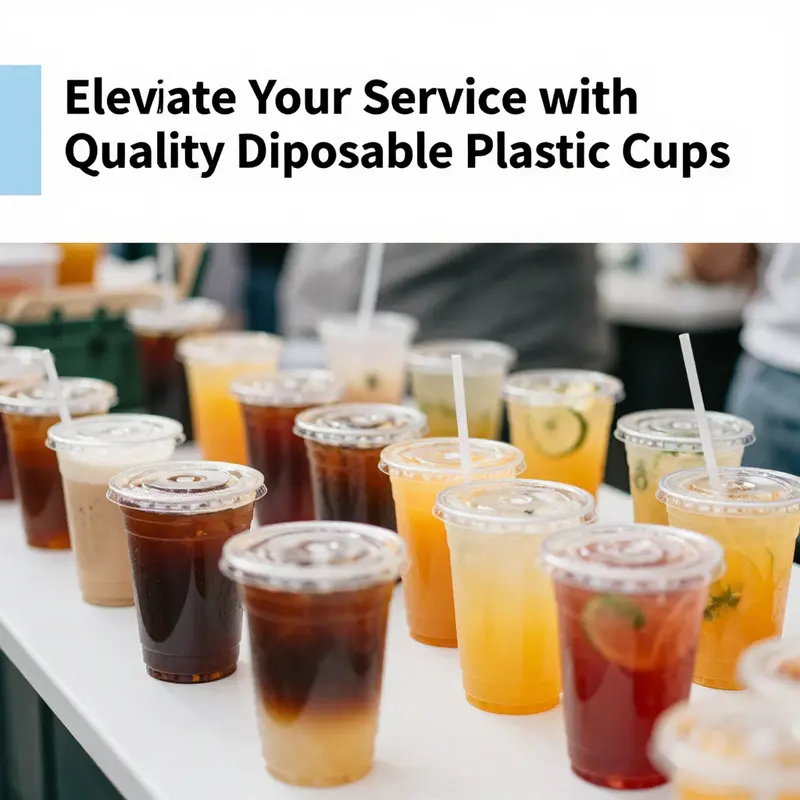
In everyday service, a disposable PP cup is a simple tool with a strategic role. Polypropylene offers heat tolerance, food-grade safety, and lightness that support fast, reliable beverage service. It can handle hot drinks and brief microwaving without deforming, which helps staff keep lines moving and customers satisfied.
Beyond performance, the material’s clarity matters: a transparent cup showcases the beverage and supports branding while letting staff verify fill levels at a glance. The design also contributes to operational efficiency, with reliable stacking, lid compatibility, and durable handling during busy shifts. From production to distribution, PP cups are designed for scale and cost efficiency, enabling large orders with consistent quality across batches.
Environmental and disposal considerations add nuance. Recyclability varies by region, and some lines carry industrial compostability certifications. Operators should map local waste streams, communicate disposal guidance to customers, and consider reuse strategies where feasible.
In practice, the PP cup balances safety, performance, and practicality. It is not a fancy luxury item but a dependable component that supports speed, presentation, and waste management in modern beverage service.
Sourcing with Purpose: Procurement Pathways and Environmental Realities for PP Disposable Cups
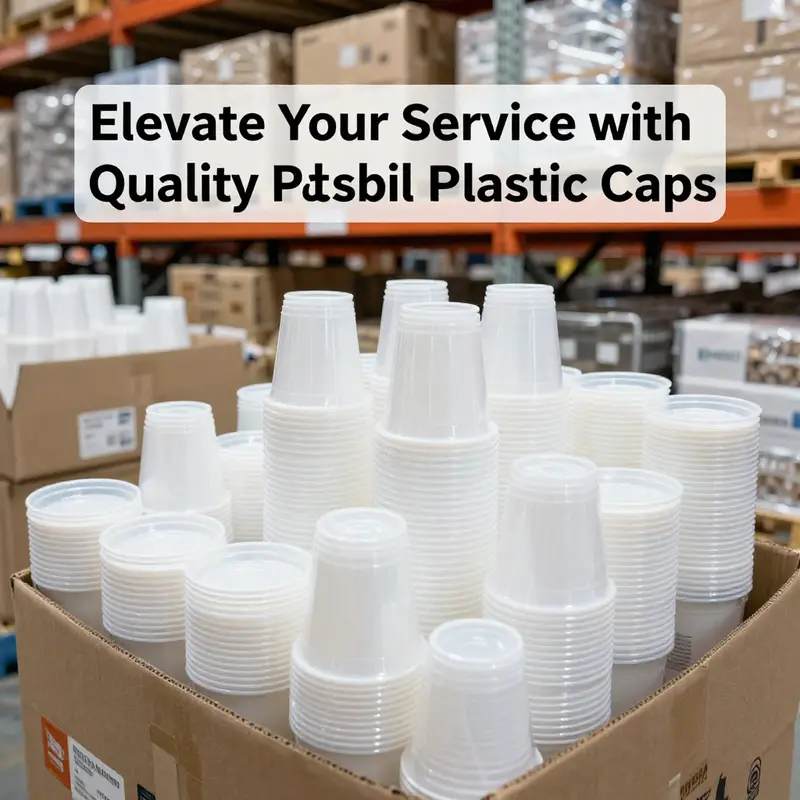
The procurement of polypropylene (PP) disposable cups unfolds at the intersection of performance, safety, and responsibility. These cups are not merely vessels for beverages; they are touchpoints for brand experience, food safety, operational efficiency, and the evolving demands of environmental stewardship. In practice, a well-considered procurement approach begins with a firm understanding of material properties, then expands to vendor capability, regulatory alignment, and finally the broader ecological footprint across the product’s life cycle. It is a line of inquiry that asks not only what the cup can do for a busy service environment, but what the cup will do after its short service life, and how those outcomes align with a company’s strategic commitments to sustainability and resilience.
At the core of PP cups is a material that blends heat resistance, clarity, and strength in a way that is particularly suited to the high-traffic contexts in which these cups operate. Food-grade PP offers robust heat tolerance, capable of handling hot beverages such as coffee or tea without compromising structural integrity. This heat resilience is not merely a comfort feature for the user; it translates into safer handling for staff and customers, reducing the risk of brittle cups during service and minimizing the frequency of leaks or spills in the hands of a fast-paced team. Moreover, PP’s clarity makes the beverage visually appealing, allowing the color and composition of the drink to be a part of the consumer experience. In many settings, that visual cue—whether a vibrant juice, a layered latte, or a frothy smoothie—may influence purchase decisions in a crowded display or on a busy counter, where presentation and appetite cues matter.
From a safety and regulatory perspective, PP cups manufactured for food contact carry important assurances. The material’s food-grade status helps meet baseline expectations for direct contact with beverages and the potential for microwaving, should a venue require quick reheating of drinks. The supplier’s documentation, including credible testing reports and certifications, becomes a first line of defense for a procurement team seeking to minimize risk across many locations. In this regard, the availability of CIQ testing reports, CE markings, or equivalent third-party verifications can be a deciding factor when a buyer evaluates supplier credibility across multiple geographies. A robust procurement process does not merely chase cost; it pursues confidence that the cups meet food safety standards consistently and across batches.
But no discussion of procurement is complete without addressing the broader environmental context. PP, like many plastics, is recyclable in principle, yet real-world recycling rates are shaped by local infrastructure, waste collection practices, and consumer sorting behavior. The raw material’s recyclability, therefore, becomes a function not only of the resin itself but of the system that receives and processes post-consumer plastic. In regions with mature, well-funded circular systems, PP cups can re-enter the production stream as recycled PP (rPP) for a range of new products. In other markets, insufficient separation streams or a lack of end-of-life infrastructure can lead to misrouting, where cups languish in landfills or contribute to microplastic leakage in the environment. This discrepancy underscores a core procurement challenge: choosing partners who operate with a closed-loop or high-recovery approach rather than relying solely on labeling alone.
Given that reality, the procurement conversation inevitably turns to supplier capabilities and sustainability practices. The most forward-looking buyers seek more than short-term price advantages; they look for evidence of invested systems. Is the supplier engaged in a take-back or return-and-recycle program that returns PP cups to a manufacturing stream, reducing virgin resin demand? Is there a measurable commitment to reducing carbon footprints along the supply chain, whether through optimized logistics, energy-efficient production, or the use of renewable energy sources? These questions are not academic; they shape the long-run efficiency and risk profile of a program that must scale across multiple sites and time zones. Here, international standards and third-party certifications matter. An ISO 14001 environmental management system, for example, signals a formal commitment to continual improvement in environmental performance. While ISO 14001 does not guarantee perfect outcomes, it provides a framework for setting objectives, measuring progress, and auditing performance, which in turn offers buyers a defensible basis for supplier selection.
In addition to management-system credentials, the presence of third-party eco-labels and end-of-life assurances becomes a meaningful differentiator. Certifications such as Cradle to Cradle or recognized compostability/biodegradability labels can inform a procurement team about the product’s potential alignment with circular economy goals. Yet this is not a green halo that can be bought with a single certificate. The real question is whether those labels reflect outcomes that are verifiable within the actual supply chain, including how the cups are manufactured, what happens to them after use, and the extent to which post-consumer streams support a genuine loop back to resin production. In practice, the strongest value comes from suppliers who can point to concrete programs—whether it is a closed-loop recycling arrangement, the use of recycled PP in new products, or a documented strategy to reduce virgin plastics over time. In other words, certification becomes credible when it is coupled with performance on the ground, not merely a badge on a spec sheet.
The economics of PP cups in a procurement program also demand careful consideration of scale, lead times, and customization options. The cost per unit is tightly linked to volume, with price ranges that reflect quantity breaks, raw material availability, and the costs of compliance with safety standards across jurisdictions. When a buyer weighs an order in tens or hundreds of thousands, small changes in unit cost can translate into meaningful differences in total cost of ownership. Beyond unit price, the procurement decision must also account for minimum order quantities (MOQs), printing and branding options, and the practical realities of lead times. Early-stage planning often reveals that the first order may require a longer horizon, whereas subsequent orders can be synchronized with demand forecasts and marketing campaigns. In many cases, the initial lead time may stretch to a month or more, as suppliers align production planning, raw material procurement, and packaging readiness with the client’s rollout schedule. Once the baseline is established, repeat orders can shorten the cycle to a matter of weeks, enabling a smoother forecasting process for both supplier and buyer.
The environmental dimension of cost cannot be separated from operational realities. Transportation and logistics decisions influence the total carbon footprint of a cup program, especially when global supply networks bring together resin suppliers, converters, and packaging facilities across continents. The optimal pathway for procurement may involve local or regional production clusters that reduce freight miles and minimize exposure to global supply shocks. From a risk-management perspective, diversification of supplier bases can help avoid dependence on a single facility that might be disrupted by events such as weather-related incidents, labor unrest, or regulatory changes. A resilient procurement strategy recognizes that environmental and economic performance are not competing aims but interdependent threads in a single tapestry of supply chain health.
The design of the cups themselves also interacts with sustainability imperatives. Clear, transparent PP is visually appealing and communicates quality, but the durable form factor that makes it ideal for hot beverages and outdoor events can translate into longer lifespans in the hands of consumers, even when discarded. A careful design can facilitate post-consumer collection by enabling easier separation and processing. For instance, the absence of complex coatings or adhesives that would complicate recycling can be a practical consideration during supplier evaluation. Similarly, packaging decisions that minimize waste and optimize pallet density can reduce the environmental burden of distribution. Procurement teams increasingly push for packaging specifications that align with circular economy objectives, such as compatibility with automated sorting streams and compatibility with standard recycling processes in the target markets. These considerations, while technical, translate into real-world advantages in terms of both environmental performance and total cost of operation over the product’s life cycle.
A further dimension is the consumer-facing brand dimension embedded in many PP cup programs. The aesthetic and functional attributes of the cup—clarity, smooth finish, and reliable performance—become part of a brand narrative about quality and responsibility. When a buyer can point to a supplier that supports responsible procurement through ongoing outreach, education, and collaboration with waste-management partners, it reinforces a broader message of stewardship to customers and partners. In this sense, procurement functions as a bridge between operational excellence and public accountability. It is not enough to provide a cup that works; the program must also demonstrate a credible plan for how the cup will be integrated into a functioning circular system over time. As a result, procurement decisions should be anchored in a forward-looking view of the industry’s evolving infrastructure, rather than the constraints of today’s recycling rates alone.
To operationalize these considerations, many teams adopt a framework for evaluating suppliers that blends technical performance, safety compliance, and environmental stewardship. Such a framework asks for robust documentation of resin sourcing, processing methods, and quality-control regimes; it seeks evidence of waste-management collaboration, energy-intensive process improvements, and measurable emissions reductions. It also requires alignment on end-of-life management, including the feasibility of recovering resin from used cups and reintegrating it into manufacturing streams. In practice, this means interrogating suppliers about their traceability practices, their capacity to quantify environmental impact, and their willingness to participate in extended producer responsibility (EPR) or similar programs that place responsibility for post-consumer outcomes on the producers. The objective is not to weaponize regulatory compliance but to cultivate a culture of continuous improvement that keeps pace with advancing standards and growing expectations from customers and regulators alike.
In this landscape, the value proposition of PP cups lies not only in their performance at point of sale but in their potential to participate in a circular economy. A procurement decision that embraces this potential looks beyond the immediate price and into a longer horizon where cups are designed for recoverability, and the supply chain is organized to close the loop. It is here that the concept of renting or leasing becomes worth considering as a model to reduce capital expenditure while increasing access to high-quality, standardized packaging that can be cycled back into production. It is also here that partnerships with waste-management entities or cooperative consortia can enable more predictable and scalable recycling outcomes, turning a typical packaging solution into a shared asset for a community of users and recyclers.
The discussion would be incomplete without acknowledging the practical steps buyers can take to advance sustainable procurement without sacrificing reliability. First, prioritize suppliers who demonstrate a credible plan to incorporate recycled PP into their products. This reduces dependence on virgin resin, lowers embodied energy, and supports the development of stable markets for recycled material. Second, favor suppliers who participate in or support a producer-responsibility framework, such as EPR programs, which encourage higher recovery rates and responsible post-use management. Third, look for evidence of system-level thinking, including energy audits, water-use efficiency, and waste-diversion metrics in the manufacturing process. Fourth, seek assurances about end-of-life routes, whether through take-back programs, partnerships with recyclers, or allocations to established municipal recycling infrastructures. Finally, consider the broader alignment with standards like ISO 14001, and be open to certifications that indicate cradle-to-cradle or circular design principles, provided they are accompanied by verifiable performance data.
Incorporating these considerations into procurement practice is not a ritualistic exercise in chasing sustainability badges. It is a disciplined approach to risk management, cost control, and reputational integrity. When a business commits to materials that perform reliably under varied conditions, while also contributing to a more resilient and transparent recycling system, it creates a value proposition that resonates with customers, employees, and investors alike. The resulting program is more than a supply-chain achievement; it is a statement about the company’s willingness to navigate complexity and to invest in outcomes that extend beyond the next quarter. It is about recognizing that the cups used in today’s service environment are not isolated objects but nodes in a broader system that links manufacturing, consumption, and regeneration. This is the spirit in which sustainable procurement for PP disposable cups becomes a practical, scalable, and future-facing discipline.
To readers seeking deeper context or concrete examples of how to operationalize these ideas, an exploration of supplier capabilities and industry practices can be complemented by external resources that synthesize the state of plastic recycling and circular economy initiatives. For instance, a credible external reference that offers an industry-wide perspective on plastics recycling processes, standards, and best practices can be found at The Plastic Recycling Association’s website. This resource provides up-to-date information on how PP and other plastics are handled in recycling streams, including considerations for market demand, processing technologies, and the regulatory landscape that shapes how post-consumer resin is integrated back into production. Such information helps procurement teams translate sustainability rhetoric into measurable actions and align supplier selection with credible, third-party insights. External resource: https://www.plasticsrecycling.org/
Within the broader article, one practical signal of a supplier’s commitment to responsible procurement is the availability of eco-friendly and responsibly sourced options that can be integrated into branding and marketing strategies. For organizations that wish to reinforce their sustainability narrative without compromising service levels, one option is to explore pathways for customized cups that balance clarity, temperature tolerance, and recyclability. In this context, a targeted internal example might be a supplier page that emphasizes eco-friendly, printed-logo paper cups designed for take-away coffee. Such a resource can be used to illustrate how branding needs intersect with environmental considerations, demonstrating that a supplier can deliver both the functional performance required by a busy café and a packaging solution that aligns with a brand’s environmental promises. See an illustrative example of this approach in an eco-conscious product listing such as eco-friendly printed-logo paper cups. This reference can be accessed through the internal page eco-friendly printed-logo paper cups for readers who want to connect sustainability narratives with tangible procurement choices, while keeping in mind that the central thrust remains the lifecycle implications of PP cups and the systemic pathways needed to realize genuine circularity.
As the industry evolves, the procurement decision for PP disposable cups will continue to hinge on a careful balance of immediate operational needs and longer-term environmental outcomes. The best programs are iterative and data-driven, combining clear performance criteria with transparent reporting on waste, energy, and material recovery. They establish a dialogue among procurement, facilities, sustainability, and brand teams, so that every shipment of cups supports both the business’s service goals and its environmental commitments. In that sense, the procurement of PP cups is not a standalone act of purchasing; it is a collaborative exercise in shaping how a business engages with waste, resource conservation, and the public conversation about plastic use and reuse. It is a practical manifestation of a larger shift toward responsible consumption, where every choice—from resin to return to resin—contributes to a more resilient material economy and a more trustworthy, accountable brand narrative.
In this ongoing dialogue between performance and responsibility, the chapter on procurement and environmental considerations becomes less about choosing a single best option and more about designing a system that can adapt to local realities while progressing toward broader circularity. It invites buyers to explore a spectrum of possibilities—from high-performance cups designed for rapid service to innovative materials that enable higher recovery rates—while remaining anchored in the shared objective of protecting public health, conserving resources, and reducing environmental impact. The result is not merely a more efficient supply chain; it is a more thoughtful engagement with the material world and the communities that depend on it. A chapter of procurement at this level thus reads as a narrative of balance: between heat tolerance and recyclability, between cost and accountability, between today’s operational needs and tomorrow’s resilience. In this light, the PP disposable cup becomes more than a container; it becomes a conduit for sustainable practice, a modest but meaningful lever in the pursuit of a more circular and more responsible packaging ecosystem.
Final thoughts
Utilizing disposable plastic cups made of PP not only enhances your beverage service offering but also aligns your business with eco-conscious values. Their durability and versatility across various applications make them a smart investment for bubble tea shops, restaurants, food trucks, and caterers. By understanding their properties, advantages, and the importance of sustainability in your procurement process, you can take actionable steps toward elevating your customer experience. Don’t miss the opportunity to partner with suppliers who prioritize quality and environmental responsibility.