

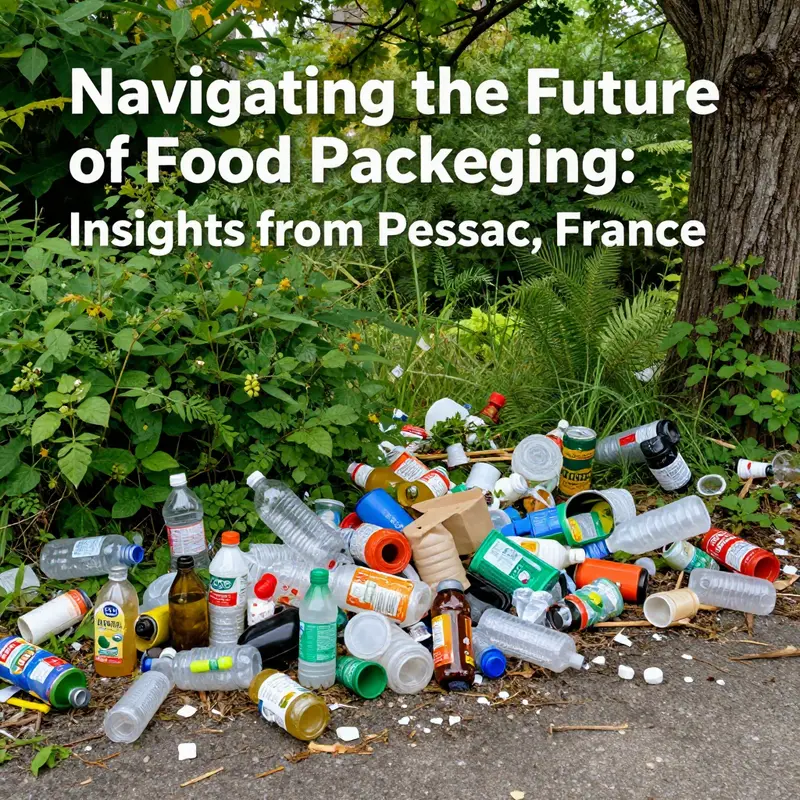
Plastic packaging food containers are ubiquitous in modern food businesses, from bubble tea shops and restaurants to catering services and event planners. Yet, their environmental impact and associated health risks are under increased scrutiny, particularly in regions like Pessac, France. Recent studies highlight the alarming generation of microplastics from common materials such as polypropylene, used widely in food packaging. As we unpack the implications of plastic food containers in Pessac, we will first explore the environmental pollution caused by these materials. Next, we’ll address the health risks related to microplastics that may leach into the food that consumers enjoy. Finally, we will discuss sustainable alternatives available to businesses. Through this exploration, businesses in the food service industry stand to gain valuable insights that can inform their packaging decisions and contribute to an eco-friendlier future.
null
null
When Everyday Containers Become Hidden Threats: Health Risks of Plastic Food Packaging in Pessac
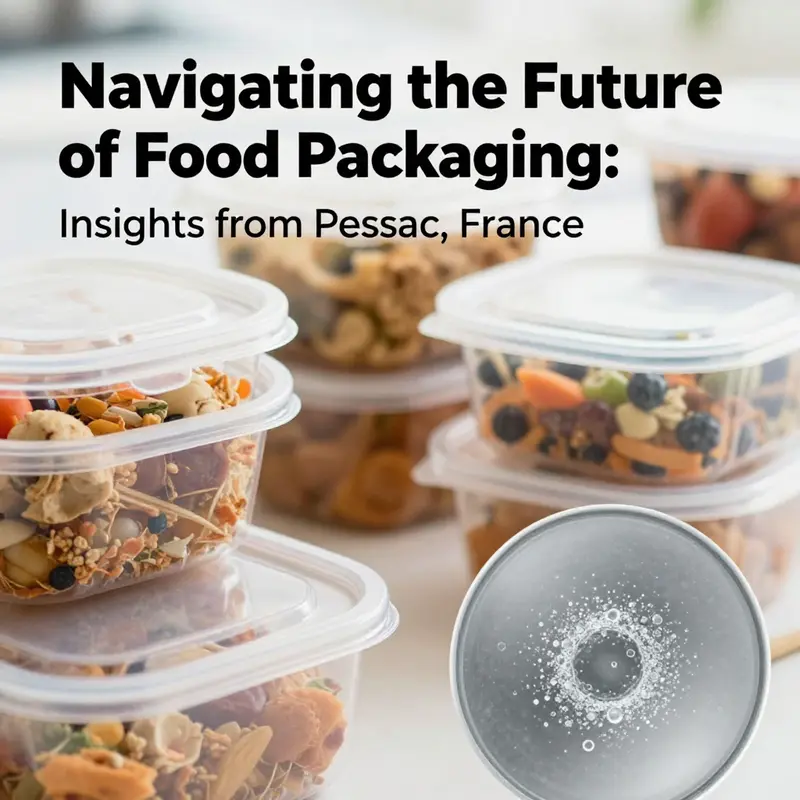
When everyday plastic food containers show wear or are heated, they stop being neutral tools. In Pessac, as across France, polypropylene and other plastics are widely used for storing, reheating, and transporting food. The convenience of these materials has hidden consequences. Over time, physical degradation and chemical migration can turn a simple container into a pathway for harmful substances. This chapter traces those pathways and explains what they mean for health. It draws on the growing science around microplastics, chemical leaching, and contamination risks. The discussion focuses on realistic exposures in households and small businesses in Pessac. It also outlines practical actions residents can use to reduce harm.\n\nPolypropylene, the focus of the Pessac study on nano-to-microplastics, is common because it resists heat and is inexpensive. Yet, under repeated stress, its surface sheds particles. Scratches, scuffs, and thermal cycling create weak points. Over time, tiny fragments break free. These fragments range from nanometers to micrometers. Once released, they mix with food, migrate through packaging seams, or remain suspended in liquids. Regular activities cause most of this release: microwaving, repeated washing, contact with acidic or fatty foods, and mechanical abrasion. The Pessac research shows that these processes are not theoretical. They produce measurable nano- and microplastic fragments from polypropylene surfaces. Those fragments behave differently than larger plastic debris. They have larger surface area per unit mass. They can adsorb other chemicals. They can penetrate biological barriers more easily.\n\nChemical migration is a separate but related risk. Plastic formulations include additives. Plasticizers, stabilizers, flame retardants, and water- and grease-resistant coatings are typical. Many of these compounds are not chemically bound to the polymer matrix. Heat, fat, and acidity increase their mobility. Phthalates were long used as softeners. Bisphenols, including BPA and its substitutes, have been added to some resins. PFAS are applied to impart grease and water resistance. These chemicals have different health profiles. Some interfere with the endocrine system. Others accumulate in tissues. PFAS are persistent and resist biodegradation. They are now widely found in food chains, in household dust, and in human blood. When containers release microplastics, those particles may carry or concentrate leached chemicals. The double exposure—particles plus sorbed chemicals—adds complexity to risk assessment.\n\nMicroplastic ingestion has emerged as a pressing concern. Food and drink are key exposure routes. Studies show microplastics in seafood, salt, bottled water, and now in prepared meals. In Pessac, typical diets and packaging practices suggest daily ingestion is plausible. When plastic containers are used for hot or fatty meals, microplastic release rises. When containers are washed aggressively, or scrubbed with abrasive materials, release also increases. Once ingested, particles can provoke inflammation. Animal studies link microplastic exposure to oxidative stress. Some evidence indicates particles accumulate in organs like the liver and kidneys. The long-term health impacts in humans remain uncertain. But the signals from experimental research merit caution, especially for vulnerable groups like pregnant women, infants, and the elderly.\n\nBacterial contamination interacts with plastic degradation in ways often overlooked. Tiny scratches and crevices foster biofilms. Bacteria can survive cleaning if those surfaces are not effectively sanitized. Plastic surfaces tend to sustain micro-roughness after repeated use. That roughness shelters microbes from detergents. When food is stored in such containers, bacteria can persist and proliferate. The risk is higher for protein-rich or moist foods, and when containers are stored at temperatures allowing microbial growth. For households in Pessac, the combination of micro-scratches and improper cleaning multiplies foodborne risk. This is a practical, day-to-day hazard that complements chemical and particle exposures.\n\nRegulatory frameworks set boundaries but do not eliminate risk. In France, EU rules regulate materials intended to contact food. These rules restrict specific chemicals in certain uses. BPA is banned in baby bottles and limited in some food contact materials. National agencies issue guidance and conduct monitoring. Yet regulations often lag behind science. They may not cover particle release or complex mixtures present on degraded surfaces. Many standards apply to new materials under standard use conditions. They rarely model repeated stress, prolonged reuse, or combinations of heat, fat, and mechanical wear. In short, being legally compliant is necessary, but not always sufficient to prevent exposure under real-world conditions.\n\nUnderstanding exposure requires attention to three realistic scenarios common in Pessac households and businesses. First, reheating meals in plastic containers is frequent. Residents microwave leftovers or warm meals in single-use trays. Microwaving raises the temperature and creates pressure differentials that accelerate additive migration. It also softens polymer chains, enabling particle detachment. Second, reusing thin single-use containers as storage is widespread. These containers were never designed for repeated thermal stress or multiple wash cycles. Repeated use increases surface damage and the likelihood of microplastic shedding. Third, outdoor storage or exposure to sunlight common for picnic containers or market food stalls introduces ultraviolet radiation. UV degrades polymer bonds. It embrittles material and speeds fragmentation.\n\nPopulation-level vulnerability varies. Children ingest more food per body weight and have developing systems that are more sensitive to endocrine-disrupting chemicals. Pregnant women face potential impacts on fetal development from exposures to endocrine disruptors. People with chronic conditions, such as metabolic or immune disorders, can respond differently to chemical and particulate insults. Local patterns matter. In Pessac, the intersection of culinary habits, household routines, and local food service practices shapes exposure patterns. For example, a community with many families that frequently reheat meals in plastic will have different aggregate risks than a community relying on fresh or glass-contained foods.\n\nRisk reduction relies on realistic behavior changes and better material choices. At the household level, the most impactful step is switching storage and reheating to inert alternatives. Glass, stainless steel, and ceramic behave differently. They do not shed plastic particles and are chemically stable when heated. Choosing alternatives reduces both particle and chemical exposure. Where single-use plastics are unavoidable, avoid repurposing them for repeated heating. Labeling such items clearly can help. For daily use containers, replacing them when they show visible wear or deep scratches lowers risk.\n\nCleaning practices also matter. Gentle cleaning that avoids abrasive scouring reduces micro-fractures. Use soft sponges and appropriate detergents. High-temperature dishwashers can accelerate degradation of many plastics, especially those not rated for such use. If a container’s label says it is dishwasher-safe, follow the manufacturer’s guidance but remain cautious with older items. For food service businesses in Pessac, rotating containers and using industry-grade, durable materials pays off. Proper cleaning protocols and scheduled replacements reduce both contamination and reputational risk.\n\nLabel literacy helps consumers make informed choices. The phrase microwave-safe does not mean free of chemical migration. Instead, it indicates a product will not deform or melt under specified conditions. Consumers should interpret such labels cautiously. Look for materials that specify food-grade certification and for containers without extraneous coatings. Be mindful of grease- or water-repellent coatings, which often rely on PFAS chemistry. When in doubt, move hot, fatty, or acidic foods into glass or ceramic before heating.\n\nSmall municipal and regional policies can reduce population exposure. Encouraging retailers to phase out PFAS-treated packaging helps. Incentives for businesses to supply reusable container programs reduce single-use reliance. In public institutions schools hospitals and canteens, prioritizing durable, non-plastic food contact materials protects sensitive populations. Local waste management practices also influence risk. Improved collection and recycling reduce environmental plastic loads. Reducing the amount of plastic in the waste stream limits secondary contamination of soil and water, which indirectly lowers human exposure.\n\nDesign improvements matter for manufacturers. Selecting additives with lower mobility and using polymer matrices with stronger bonding reduce leaching. Surface treatments that are durable under heat and abrasion help limit particle release. Better labeling about intended use and lifecycle increases consumer awareness. Life-cycle assessments that account for product longevity, recycling, and real-world use are essential to choose genuinely lower-risk alternatives. Municipal procurement policies in Pessac can push markets toward safer designs by favoring suppliers who demonstrate lower migration and lower particle shedding under realistic conditions.\n\nMonitoring and research close the knowledge gap. The Pessac study on nano-to-microplastics highlights the need for localized data. Measurements in local markets, kitchens, and waste streams would define exposure more precisely. Biomonitoring can detect trends in chemical burdens and correlate them with local consumption and packaging practices. Epidemiological studies, even at small scales, can identify associations between long-term exposures and health outcomes. Citizen science approaches, where households participate in simple sampling programs, can expand local datasets and raise public awareness simultaneously.\n\nCommunication must balance caution with practicality. Alarmist messages often backfire. Clear, actionable guidance works best. For example, advising residents to avoid heating food in plastic is immediate and feasible. Explaining why glass and stainless steel are safer helps people adopt alternatives. Explaining the limits of microwave-safe labels reduces false reassurance. Public health messaging should target specific behaviors, explain the mechanisms of harm, and provide low-cost substitutions.\n\nCertain simple steps can markedly reduce exposure in Pessac homes. First, avoid heating food in plastic containers. Reheat in glass or ceramic instead. Second, retire containers that show surface damage. Third, do not reuse single-use plastic trays for multiple meals. Fourth, prefer uncoated paper or compostable alternatives for cold takeaway. For those looking for a practical alternative, consider eco-friendly kraft paper bowls and similar packaging for single-use situations. These options often use fewer persistent chemicals and degrade more readily, offering a lower-risk short-term option for takeaway meals. Fifth, follow safe cleaning practices and avoid abrasive scrubbing.\n\nAt the community level, coordination between health authorities, waste managers, and retailers is effective. Local authorities can run exchanges, where residents trade old containers for discounts on safer alternatives. Food vendors can be encouraged to provide reusable container programs. Schools and care facilities should be prioritized for transitions away from harmful plastics. These measures protect those who cannot choose their meals and rely on institutional food provision.\n\nDespite clear risks, uncertainties remain. Long-term human studies on microplastic accumulation and its health consequences are limited. The interaction of multiple chemicals with microplastic particles complicates toxicology. Dose-response relationships for chronic, low-dose exposures are often unclear. Thus, the precautionary principle is appropriate. Reducing exposure where practical protects public health while research clarifies long-term effects.\n\nThe story in Pessac is not unique, but it is actionable. The Pessac study demonstrates nano-to-microplastic generation from polypropylene surfaces and shows the process is real. It clarifies which household practices increase release. Residents and local businesses can respond with modest changes that substantially reduce exposure. Policy makers can shape markets through procurement and incentives. Researchers can focus on local monitoring and targeted epidemiology. Together, these steps will lower both chemical and particle burdens in local diets.\n\nFor further detailed scientific context on chemical migration, microplastic contamination, and regulatory perspectives, consult the comprehensive review on plastic food container safety available from the National Institutes of Health: https://www.ncbi.nlm.nih.gov/pmc/articles/PMC9781542/
From Microplastics to Meaningful Change: Reimagining Food Container Packaging in Pessac, France
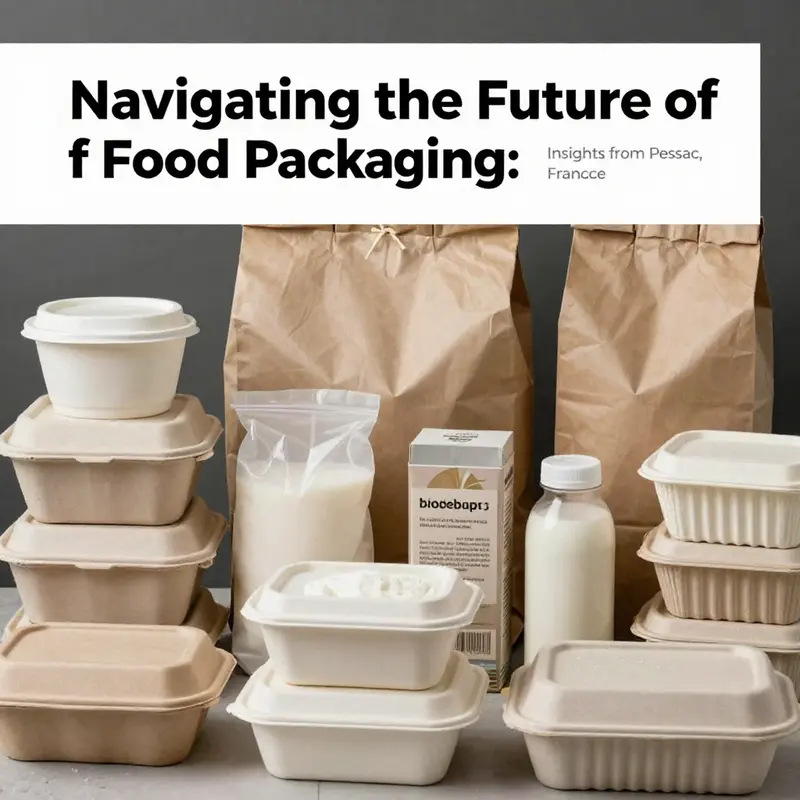
The problem of plastic packaging waste has moved from a distant environmental concern to a local, tangible reality for communities across France, including the city of Pessac. In recent discussions about food containers, researchers have spotlighted a troubling mechanism: polypropylene surfaces, a mainstay of many take-away and household containers, can shed particles as small as nanometers to as large as micrometers when exposed to everyday environmental conditions. Nano-to-microplastics generated from such materials can migrate through soil and water systems, infiltrate food chains, and ultimately raise questions about food safety and ecosystem health. The research conducted in Pessac does not merely quantify a hazard; it compels a broader reflection on the lifecycle of packaging materials, urging designers, manufacturers, policymakers, and consumers to reimagine how we protect food without compromising the environment or public health. In this sense, the Pessac study functions as a bridge between laboratory insight and real-world practice, highlighting how microplastics concerns translate into concrete design challenges and policy opportunities on the ground in a city that sits at the crossroads of research and industry along the Bordeaux corridor.
From this vantage point, the pathway toward safer, sustainable packaging in Pessac is not a single invention or policy but a tapestry of shifts: in materials science, in regulatory intent, in manufacturing workflows, and in consumer expectations. The central tension is clear. On one side lies the urge to keep food containers convenient, affordable, and hygienic—the very qualities that plastic packaging has delivered for decades. On the other side lies the imperative to curb the microplastic footprint of those same containers and to reconfigure packaging systems so they contribute to a healthier environment and a safer food landscape. The Pessac case, located within a broader French and European push toward more sustainable packaging, makes vivid how local innovation can emerge from a national policy horizon and a global environmental concern.
The local response in Pessac has the virtue of proximity. The city benefits from its position near research universities, scalable manufacturing ecosystems, and forward-thinking municipal programs that together can accelerate the testing and adoption of alternatives to conventional plastics. In this context, sustainable packaging is not a distant policy ambition but an actionable agenda that translates research findings into pilot projects, supply-chain adjustments, and consumer-facing options. The shift is visible in how materials scientists are approaching the problem: rather than treating packaging as a single-use end product, they are examining the packaging system as a lifecycle, from renewable inputs to end-of-life pathways and, crucially, the potential for degradation products to enter the environment. Pessac’s trajectory demonstrates how a city can become a living laboratory for material choices, product design, and end-of-life strategies that collectively reduce the generation of microplastics while maintaining the safety and convenience that people rely on daily.
A cornerstone of Pessac’s sustainable packaging narrative is the emergence of bio-based and renewable-material alternatives. Across the Bordeaux region, researchers are exploring the potential of agricultural byproducts as feedstocks for bioplastics and related materials. Among these, rapeseed meal—a byproduct of oil production—has drawn interest for one-step processing methods that yield bioplastic materials with improved renewability and reduced dependence on conventional fossil-based plastics. This line of inquiry aligns with broader French policy aims to decouple food packaging from non-renewable inputs while maintaining performance standards such as barrier properties, heat resistance, and mechanical strength. The allure of rapeseed meal-based bioplastics lies in its compatibility with existing agricultural supply chains and its potential to integrate with composting or advanced recycling streams. Yet, such materials must also be tested for real-world performance in contact with diverse foods, for migration and safety considerations, and for compatibility with waste-management infrastructure capable of handling biobased products.
The policy landscape in France creates meaningful upstream incentives for these innovations. By 2030, France seeks a 50% reduction in single-use plastic bottle sales, signaling a broad shift away from disposable, fossil-fuel–derived packaging. More transformative still is the plan to ban the marketing of single-use plastic packaging entirely by 2040. These milestones are not merely symbolic; they reshape market expectations and investment priorities. They encourage packaging designers to prioritize recyclability, compostability, and reuse, while pressuring manufacturers to retool lines, suppliers to adjust materials portfolios, and distributors to rethink shelf-ready packaging choices. In Pessac, the policy push dovetails with local sustainability goals, enabling a coordinated approach that connects research, industry, and municipal waste-management programs. When a city aligns regulatory timelines with scientific insight, it creates clarity for businesses and a roadmap for communities to phase out problematic packaging while maintaining food safety and consumer convenience.
Industry adaptation in Pessac reflects both prudence and experimentation. Many local packaging developers are pursuing compostable serviceware and other eco-friendly options that can function in restaurant and retail contexts without compromising user experience. The approach spans beyond mere substitution of plastics with alternative materials. It involves a reexamination of packaging geometry, surface chemistry, and material compatibility with food and with disposal streams. For instance, some designers are exploring the use of plant-based fibers, wax- or resin-coated papers, and other bio-based systems that offer barrier properties and structural integrity without generating persistent microplastics. These efforts are not simply about swapping the material; they are about reimagining the entire packaging system—from sourcing and manufacturing to consumer use and end-of-life processing. The aim is to reduce fragmentation in waste streams, improve compostability or recyclability, and minimize leakage of microscopic particles into the environment.
The challenge, however, extends beyond material selection. A crucial dimension is the management of end-of-life pathways. If a bioplastic or paper-based alternative ends up in a disposal stream that is not optimized for it, it may fail to degrade as intended or may contaminate higher-value recycling streams. In Pessac, this reality has spurred a more holistic approach to packaging design. Designers ask not only how a substitute performs in a shelf-and-use scenario but also how it behaves after disposal. Can it be collected with existing recycling streams without compromising efficiency? Can it be composted in municipal facilities? Does it require separate waste streams? These questions shape the design criteria that guide projects in Pessac, aligning material science with waste-management realities.
To connect theory with practice, the city has fostered collaborations that act as bridges between the laboratory and the marketplace. Universities and research centers near Bordeaux play a pivotal role in testing new materials under conditions that mimic real-world use. At the same time, municipal programs provide feedback about consumer acceptance and the practicality of integrating new packaging into the local retail and hospitality sectors. In this environment, the ideal packaging system is not a single product but a cohesive ecosystem in which renewable inputs, manufacturing processes, packaging performance, and post-consumer treatment work in concert. The goal is to design packaging that is safe for food, resilient in everyday use, and ultimately aligned with circular economy principles that minimize waste and resource consumption.
Central to this ecosystem is the design approach that emphasizes recyclability and compostability without compromising food safety. For many containers, polypropylene offers a strong barrier and mechanical performance, but its microplastic-generation risk under environmental conditions raises valid concerns about long-term safety and ecological integrity. Therefore, researchers advocate for design strategies that minimize degradation triggers and particle release. This includes surface engineering to reduce abrasion, stabilizers to resist wear, and barrier layers that allow for safer end-of-life processing. In parallel, engineers are evaluating how to maximize the landfill-diversion and compost-enrollment potential of new materials. The ambition is not simply to replace PP with an alternative, but to produce packaging that can be integrated into a robust, traceable, and economically viable waste-management system.
Alongside material innovation, Pessac’s packaging agenda emphasizes the social and economic dimensions of transition. Sustainable packaging must be accessible to small and medium-sized food businesses, not just large industry players. It must be affordable and reliable, with supply chains that can weather price and availability fluctuations in renewable materials. Public procurement can play a catalytic role, prioritizing suppliers who demonstrate clear life-cycle benefits, transparent supply chains, and verifiable end-of-life performance. When municipalities adopt such procurement criteria, they can steer demand toward packaging solutions that align with environmental goals while supporting local enterprises and job creation. The result is a more resilient local economy that is less dependent on single-use plastics and more capable of adapting to evolving regulations and market preferences.
An important dimension of Pessac’s narrative is the value placed on knowledge dissemination and stakeholder education. As communities grapple with microplastics concerns, it is vital to translate scientific findings into practical guidance for businesses, schools, and households. This means communicating how packaging choices influence microplastic exposure, how to interpret disposal labels, and how to participate in local recycling and composting programs. It also requires clarity about what constitutes a sustainable alternative in different contexts. A bioplastic that performs well in a laboratory setting may face performance or regulatory hurdles in a busy restaurant, while a compostable cup design may demand specific composting facilities that are not universally available. The conversation in Pessac thus centers on pragmatic pathways that balance ideal environmental outcomes with real-world feasibility.
One concrete example of how these considerations translate into practice is the growing interest in kraft-based packaging options. Kraft paper, known for its strength and biodegradability, is increasingly piloted as a backbone material for a variety of food containers, including bowls and clamshells. Within the broader network of French packaging innovation, such options are shaped by both technical performance and consumer expectations for clean, recyclable, and compostable packaging. The aim is to reduce reliance on petrochemical-based plastics while maintaining product integrity and user experience. In this sense, the local discourse in Pessac mirrors a wider European shift toward materials that can contribute to a circular economy, especially when paired with established recycling and composting infrastructures that can handle paper- and bio-based streams.
The practical implications for retailers, caterers, and households in Pessac are nuanced. Retailers must manage shelf-stable performance, cost, and consumer appeal while steering customers toward more sustainable choices. Caterers and food-service operators must consider a range of factors, including heat resistance, grease and moisture barriers, and ease of disposal at the point of use. Households, meanwhile, benefit from clearer labeling, simpler disposal pathways, and more reliable access to sustainable packaging alternatives. The net effect is a more resilient system in which packaging decisions are informed by life-cycle thinking, environmental risk assessments, and an understanding of local waste-management capabilities. The city’s ongoing efforts demonstrate that sustainability is not a single product feature but a strategic orientation that integrates science, policy, and everyday practice.
An essential thread in this evolving tapestry is the role of information and data sharing. Researchers in Pessac and the broader region are increasingly committed to transparent reporting on material performance, migration potential, and end-of-life outcomes. This openness helps build trust with consumers and provides a basis for continuous improvement in packaging design. At the same time, open data supports policymakers in calibrating regulations to reflect the latest evidence, ensuring that protective measures keep pace with scientific advances while avoiding unnecessary burden on industry and consumers. In short, the Pessac approach treats packaging not as a static product but as a dynamic, iterative system that evolves with ongoing research, policy refinements, and shifts in consumer behavior.
The integration of local innovation with national policy and market dynamics is perhaps most visible in the trajectory of sustainable packaging options beyond plastics. A broader suite of materials is being explored, including paper-based and bio-based composites that can deliver comparable performance while reducing microplastic risk. In practice, this means more robust barrier properties, improved heat tolerance, and enhanced compatibility with existing recycling and composting streams. It also means a broader catalog of package geometries and serviceware forms that support a range of food-service contexts, from single-use takeaway to reusable systems designed for multi-use cycles. The overarching objective is to deliver packaging that performs reliably in use, supports safe food contact, and ultimately channels materials through circular loops rather than into the environment as microplastic detritus.
As this chapter unfolds within the larger article, it becomes clear that sustainable alternatives to plastic packaging in Pessac are not merely speculative ideas but actionable strategies rooted in local capability, reinforced by national policy, and guided by rigorous scientific inquiry. The path from research to practice is paved with collaborative experiments, pilot programs, and regulatory clarity that helps convert concern about microplastics into tangible improvements in packaging design and waste management. The city’s story reveals that progress is not about abandoning plastic overnight; it is about rethinking packaging choices, reconfiguring supply chains, and reimagining end-of-life options in ways that protect food safety and ecological health. A practical takeaway for practitioners and readers is that durable, safe, and environmentally responsible packaging can be achieved through a careful combination of renewable material research, lifecycle accounting, and a supportive policy environment that rewards sustainable choices while maintaining economic vitality.
In this light, the chapter’s discussion of sustainable alternatives in Pessac serves a dual purpose. It illuminates how a local community can become a site of experimentation and learning, while also offering a blueprint for other towns and regions confronting similar concerns about microplastics and packaging waste. The emphasis on renewable inputs, compatibility with waste-management infrastructure, and a circular economy mindset stands as a practical compass for designers, manufacturers, and policymakers who seek to reconcile the convenience of modern food packaging with the imperative to safeguard health and the environment. The narrative emerging from Pessac underscores a broader truth: meaningful progress in packaging requires not only technical breakthroughs but also coherent strategies that align research, policy, industry, and consumer behavior toward a shared goal of reduced microplastic exposure and a healthier, more sustainable food system.
For readers seeking pathways to translate these insights into local action, a clear takeaway is the value of aligning material innovation with waste-stream realities. While the technical performance of a new bioplastic or paper-based packaging matters, its success ultimately depends on how well it integrates with available recycling and composting infrastructure and how effectively it communicates disposal options to users. This alignment reduces the likelihood that improved packaging ends up in suboptimal disposal pathways, thereby curbing microplastic release at the source. In Pessac, such alignment is supported by a framework of research excellence, policy direction, and industry collaboration that together can accelerate the adoption of sustainable packaging across the food sector.
Ultimately, the chapter moves beyond the sterile comparison of materials to present a vision of packaging design that is adaptive, responsible, and community-centered. It is a vision where every container is not merely a vessel for food but a node in a circular system—designed for reuse when viable, or for safe and efficient end-of-life processing when it is not. In this vision, Pessac has the potential to become a living laboratory for sustainable packaging, where laboratory findings about microplastics inform everyday choices in shops and kitchens, and where local culture and policy support a shift toward packaging solutions that protect both health and habitat. The microplastics challenge, rather than stalling innovation, becomes a catalyst for rethinking how we package, use, and return materials in ways that respect health, the environment, and the social fabric of a modern French city.
As communities look to robust, scalable alternatives, the example from Pessac encourages a pragmatic, systems-based approach: identify the environmental risks, accelerate the development of renewable, recyclable, or compostable options, ensure end-of-life pathways are practical and well understood, and build a regulatory and market environment that rewards decisions aligned with a circular economy. In doing so, Pessac provides a microcosm of how regional innovation can contribute to national and European objectives, while maintaining the everyday conveniences that people expect from modern packaging. The overarching message is clear: sustainable packaging is not an abstract future ideal but a reachable objective rooted in local capacity, informed by science, and supported by policy.
To connect with ongoing practice in packaging design and to explore concrete options for households and businesses alike, consider the growing availability of kraft-based packaging forms that demonstrate both practicality and environmental consideration. For instance, in regional packaging networks, kraft-based containers such as the kraft paper octagonal bowl with lids are being explored as a practical alternative for serving and storing foods while reducing dependence on petroleum-derived plastics and enabling more straightforward waste-stream routing. While these options require careful alignment with local disposal capabilities, they offer a tangible path toward lower microplastic risk and improved resource efficiency without sacrificing user experience.
Looking ahead, the broader narrative in France and across Europe points toward a packaging landscape that increasingly prizes circularity, transparency, and resilience. A growing body of market dynamics, policy instruments, and research findings suggests that sustainable packaging is not only technically feasible but economically viable when supported by integrated systems thinking. In Pessac, this means continuing to cultivate collaborations between universities, industry, and local government, while sustaining a dialogue with citizens about the goals and the practical steps involved. The result could be a durable shift in how food is packaged, sold, and disposed of—one that protects health, supports ecosystems, and preserves the essentials of modern dining.
External perspectives on this transition illuminate broader market trajectories and policy drivers that shape local practice in Pessac. For readers seeking a wider lens, consult resources that analyze sustainable packaging industry dynamics in France, including market analyses, regulatory roadmaps, and industry perspectives that contextualize the local efforts described here. This broader view helps connect the microcosm of Pessac’s packaging experiments with nationwide and European ambitions to reduce plastic waste and microplastic release while maintaining consumer safety and competitiveness.
External resource for broader context: https://www.kenresearch.com/industries/food-and-beverage/sustainable-packaging-industry-market-france/
Internal link: As packaging designers and retailers explore options like kraft-based containers, practical examples from regional packaging networks can guide decisions. See an example of sustainable kraft-based packaging form factors that are being tested for food-service contexts: kraft paper octagonal bowl with lids.
Final thoughts
As the food service industry continues to evolve, understanding the implications of plastic packaging food containers is essential for businesses in Pessac, and beyond. The environmental pollution caused by microplastics poses a challenge that cannot be ignored, and the health risks associated with these materials call for immediate attention. However, the bright side is that sustainable alternatives are becoming readily available, offering practical solutions for businesses looking to make a positive change. Embracing these eco-friendly options not only benefits the environment and public health, but also positions food businesses as responsible players in a world increasingly focused on sustainability. Moving forward, let’s work together to create a cleaner, healthier future for our communities.