
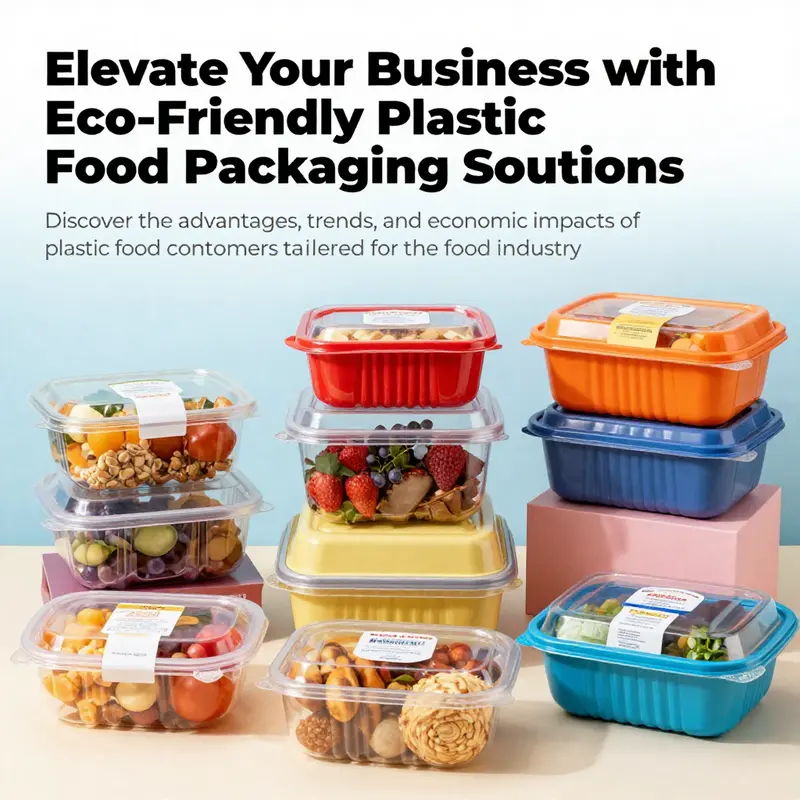
In today’s competitive food industry, effective packaging solutions are critical for operational success and customer satisfaction. Plastic packaging food containers serve as versatile and practical choices for various businesses, from bubble tea shops to catering services. Understanding the different types of containers available, their properties, and how manufacturers supply them could shape your procurement strategies. Additionally, as sustainability redefines consumer choices, the role of eco-friendly practices in packaging becomes paramount. This comprehensive exploration will outline the economic impacts of plastic food containers, identify emerging trends and innovations, and illuminate how these insights can enhance your business operations.
The Material World of Food Containers: How Plastic Types Shape Freshness, Safety, and Everyday Convenience
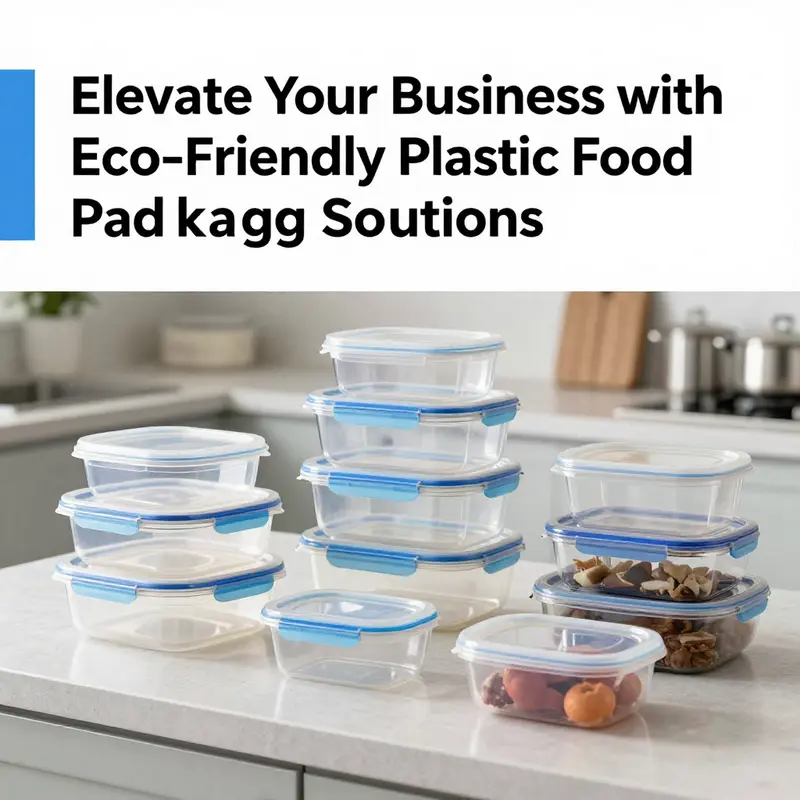
Food packaging sits at the crossroads of science, logistics, and daily life. The container you pick for a takeout burger, a chilled salad, or a pantry staple is not just a box or a lid; it is a designed system intended to preserve freshness, ensure safety, and deliver convenience in the flow of everyday use. Plastic packaging has become common because its diverse family of polymers offers a spectrum of properties that can be tuned for different foods, temperatures, and handling environments. Yet within this spectrum, each plastic type carries strengths and limitations, and the craft is selecting the right material for the right job while considering safety, cost, and end-of-life considerations. The result is a pragmatic material vocabulary that underpins modern food storage, distribution, and consumption.
At the heart of that vocabulary are several familiar plastic families, each with a character that emerges from chemistry and the way the material behaves with food, heat, and light. Polyethylene in its HDPE and LDPE forms is a workhorse for films and rigid containers. LDPE’s flexible nature makes it a good moisture barrier in bags, while HDPE is rigid, tough, and chemical-resistant, suitable for jugs, tubs, and bottles that must withstand transport and kitchen use. These two relatives of polyethylene illustrate how small changes in density and structure yield meaningful differences in performance.
Another major pillar is polypropylene, a polymer that tolerates heat and maintains stiffness. Its use in hot-fill and microwave-relevant applications makes it a common choice for takeout boxes, lids, and yogurt tubs where shape and seal matter. The safety calculus is practical: materials chosen for hot or warm foods must avoid deformation or unwanted leaching, and PP is designed with this in mind.
Polyethylene terephthalate contributes clarity and barrier properties that help keep foods fresh by limiting oxygen ingress and moisture loss. PET’s transparency supports product appeal, letting the contents speak visually. The barrier is especially important for salads and beverages, though PET has heat-tolerance limits and is generally not the material of choice for hot foods or microwave reheating. This illustrates how a single material family can support cold and room-temperature uses while staying out of high-heat scenarios.
Polystyrene rounds out several common containers. GPPS and HIPS provide rigidity and clarity for cups, clamshells, and some meat trays, but PS has heat resistance and environmental considerations. It can melt at modest temperatures and may become brittle under impact, making PS a cost-effective option for certain formats but less ideal for hot or long-shelf-life usage.
In a newer and increasingly important niche, polylactic acid (PLA) offers a sustainability bridge. PLA is biodegradable and often compostable under industrial conditions, with good clarity and a renewable-resource story. Its heat tolerance, however, is more limited than older petrochemical polymers, which means it is more suitable for cold or room-temperature foods and where industrial composting is available. The expansion of PLA into compostable trays and utensils signals a shift in packaging life cycles, but sustainability remains a spectrum, not a single solution.
If you look at the practical picture, you see a balance of strengths and limitations across these materials that drive real-world decisions. Clarity matters for display; barrier properties influence shelf life; durability matters for transport. Heat resistance and microwave compatibility determine whether a container can safely reheat food. Each attribute—clarity, barrier performance, durability, heat resistance—helps guide which material ends up on the shelf. In practice, many containers rely on single polymers or simple blends, while more demanding products use multi-material laminates that optimize barrier properties but complicate recycling. The result is a world where the container must harmonize with the specific food, serving scenario, and end-of-life options.
The decision matrix extends into design and manufacturing. Rigid PP or PET boxes with secure lids provide reliable seals for flavor and texture while offering predictable stacking and handling. High-clarity PET may be chosen to showcase color and texture, while HDPE containers offer rugged performance for heavy or durable products. For cost-sensitive needs, PS clamshells and cups can deliver rigidity and visibility at a lower price, with attention to heat tolerance and recycling challenges.
Modern packaging also emphasizes how containers are used in practice. Seals, gaskets, and locking lids extend shelf life by limiting air entry and moisture migration. The design language is modularity and safety, marrying barrier and heat-resistance with user-friendly features that align with consumer expectations. Multi-compartment formats enable culinary segmentation without compromising integrity, while microwave-safe PP or PET trays enable convenient reheating without cross-flavor transfer.
From a supply-chain perspective, the economics of plastic packaging involve more than the price tag on a single container. Businesses weigh material performance against procurement costs, volume commitments, and scalability for wholesale or retail. Recyclability depends on material, additives, design, and local recycling streams. Multi-material laminates pose challenges for recycling, even if barrier properties and heat resistance are excellent. This tension pushes for smarter materials, simpler laminates, and more robust recycling pathways.
Consumer education around reuse, disposal, and recycling codes becomes part of the packaging story, guiding households to separate, recycle, or compost where feasible. As the landscape evolves, the conversation about plastic packaging becomes a conversation about how to preserve freshness, protect safety, and sustain convenience while expanding the possibility of responsible waste management. The modern food-distribution ecosystem owes much to these material decisions, and the next steps will likely involve smarter material systems, better recycling streams, and packaging concepts that blur the line between performance and sustainability.
For readers seeking a concrete anchor, consider how a consumer might decide on a container for a specific use: a clear PET container for a cold salad that needs shelf appeal and a long cold-chain life; a sturdy PP tray for reheated meals; HDPE for durable condiments with strong transport demands; or PLA-based options where industrial composting infrastructure is available. In all cases, consumer education about recycling and disposal becomes part of the packaging story.
The chapter sketches a map: plastic packaging containers are not a monolith but a family of choices whose properties are tuned to safety, storage life, heating and handling, display appeal, and end-of-life responsibility. The selection balances clarity against heat resilience, barrier performance against recyclability, and cost against consumer expectations. As the landscape evolves, the conversation centers on smarter materials, better recycling streams, and packaging concepts that support both performance and sustainability.
From Factory Floors to Fridge Aisles: The Makers Behind Plastic Packaging Food Containers
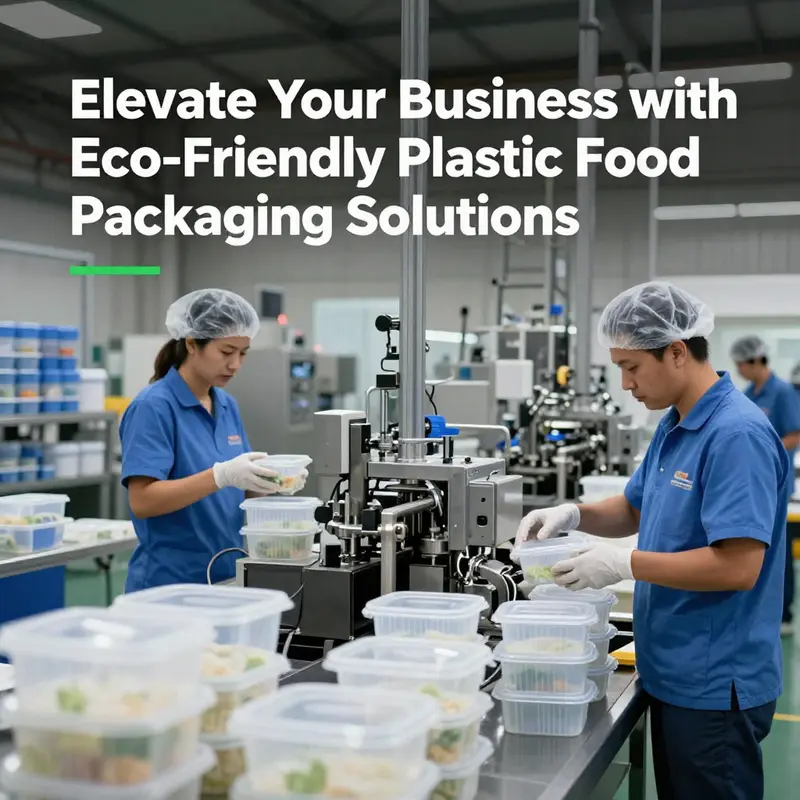
A plastic packaging container does more than hold food. It carries information—about safety, shelf life, and convenience—and it travels from resin to recycler through a carefully choreographed network of manufacturers and suppliers. In this ecosystem, the factory floor becomes more than a place of production; it is a locus where material science, process engineering, and logistical strategy converge to shape what ends up in a shopper’s cart or a restaurant’s takeout bag. The journey begins with a handful of polymer families—PET for clarity and moisture control, HDPE for toughness and chemical resistance, PVC for barrier versatility, and Tritan for heat and impact resilience. Each resin offers a distinct balance of properties that makes it suitable for specific applications, whether a transparent clamshell housing a sandwich, a multi-compartment tray for a meal kit, or a rigid bottle that protects flavors during transit. The choice of material is never arbitrary. It is guided by barrier requirements—moisture, oxygen, and aroma barriers—and by use-case realities such as microwave compatibility, stain and odor resistance, and temperature performance. In practice, this means the supply chain is segmented not only by end-use (beverage, ready meals, fresh produce) but also by the manufacturing capabilities that best exploit a resin’s strengths. A typical producer will align its machinery, tooling, and quality systems to optimize clarity, rigidity, heat resistance, and seal integrity. The result is a spectrum of containers engineered to preserve product quality while remaining user-friendly at the counter, in the kitchen, or in the pantry.
The scale and spread of modern plastic packaging manufacturing are striking. In regions with concentrated plastics clusters, plants often operate multi-site networks that share common certifications and engineering practices to ensure uniform performance across product lines. A leading producer, for instance, may run dozens of injection-molding machines across several facilities, coordinating production to meet seasonally shifting demand. The related logistics are not a narrow operation; they encompass upstream resin supply agreements, downstream consolidation, and a broad portfolio of contract manufacturing services. The capacity to produce hundreds of millions of units annually requires not only capital investment but also rigorous process control. Quality assurance becomes a continuous discipline, anchored in internationally recognized standards such as ISO9001 for quality management, ISO14001 for environmental management, and ISO45001 for occupational health and safety. Certifications of this kind signal to customers that a supplier can sustain consistent performance while adhering to environmental and safety expectations that increasingly govern global supply chains.
In the realm of food packaging, certifications are complemented by food-safety accreditations. BRC Global Food Safety and FDA approvals, for example, are not mere stamps of legitimacy; they reflect a company’s competence in controlling contamination routes, maintaining hygienic production environments, and validating that packaging materials do not interact negatively with foods. These assurances matter across the chain—from manufacturers supplying large-scale food processors to smaller brands seeking reliable co-packers. The capability to export to Europe, the Americas, or Southeast Asia hinges in part on such certifications, as they provide a dependable signal to buyers when evaluating risk, traceability, and compliance with diverse regulatory regimes. A modern supplier thus silently performs another kind of labor: maintaining transparent processes that enable rapid remediation if a quality issue ever arises, ensuring that a single lot’s deviation does not cascade into a broader recall scenario.
The physical footprint of a container—its shape, its lid style, its sealing mechanism—matters almost as much as the resin itself. Clamshells, hinged containers, multi-compartment lunch boxes, and single-serve portions each demand a tailored approach to molding, topography, and closure design. In practice, designers and engineers work hand in hand with toolmakers to develop molds that yield consistent wall thickness, optical clarity, and robust sealing lines. A typical supplier will offer a spectrum of standard formats while maintaining the flexibility to customize—an OEM capability that has become essential as brands seek to differentiate themselves through packaging. Customization can extend beyond geometry to branding elements: logos, colorways, and printed information that must endure washing, reheating, or brief immersion without fading or flaking. The ability to provide such customization at scale often differentiates a regional supplier with a deep local service network from a more distant operation whose strengths lie primarily in sheer volume.
A recurring theme in this ecosystem is the tension between standardization and customization. On one hand, universal formats and universal materials simplify procurement and reduce lifecycle costs. On the other, brands increasingly demand packaging that communicates safety, sustainability, and visual appeal in a crowded market. This tension is resolved through OEM services that blend the reliability of mass production with the nimbleness of design iterations. Some suppliers boast the operational bandwidth to deliver small-batch runs quickly, while others lean into geographies with ultra-fast dispatch capabilities, such as same-day or 24-hour local delivery in fast-moving markets. Such capabilities help restaurants, retailers, and food-service providers maintain lean inventories and respond to sudden demand shifts without sacrificing the consistency that end-users expect from their packaging.
The market for plastic packaging containers also reflects a broader conversation about sustainability and end-of-life stewardship. While plastics bring impressive functional advantages, they also confront scrutiny over recyclability, waste, and environmental impact. The structural reality is that many packaging designs must balance barrier performance with recyclability considerations. Multi-layer configurations or opaque formulations can complicate recycling streams, prompting designers to pursue more recyclable resins, simpler color schemes, and monomaterial constructions where possible. Suppliers increasingly promote eco-friendly and recyclable options, and the best players actively invest in process improvements that reduce energy consumption, waste, and water use. Innovation in barrier coatings, advanced recyclability strategies, and the exploration of recycled-content resins illustrate a sector that is both responsive and responsible, even as it grapples with the complexities of global waste management systems. In this context, the value of a robust supplier network extends beyond immediate production milestones; it encompasses ongoing collaboration with customers to optimize packaging across cycles, aiding in greener design choices while maintaining performance.
The procurement landscape surrounding plastic packaging containers is characterized by both bulk efficiency and adaptable sourcing. Wholesale pricing structures reward scale, enabling buyers to source large quantities at favorable unit costs. At the same time, the market remains capable of supporting varied configurations—from straightforward, standard-issue containers to highly customized sets that align with specific branding or functional requirements. This is the kind of flexibility that supports a diverse ecosystem: food-service providers seeking dependable, cost-effective takes on everyday containers, manufacturers seeking to streamline line shoots and reduce downtime, and retailers pursuing consistency in shelf presentation.
As a reader traces these threads—from resin selection to sealing design, from certification to delivery—the one constant is the interconnectedness of the network. A single container embodies the collaboration of resin suppliers, material processors, moldmakers, quality engineers, package designers, logistics coordinators, and regulatory specialists. The result is a product that performs reliably where it matters most: protecting safety and freshness, delivering convenience, and reinforcing a brand’s message in crowded markets. In this shared space, the role of the supplier is not merely to provide a container but to partner in a broader stewardship of product quality, consumer trust, and sustainable practice. This collaborative spirit is what sustains a resilient supply chain that can adapt to shifting consumer preferences, evolving regulatory landscapes, and the pressures of global distribution.
For readers who want to glimpse analogous packaging ecosystems beyond plastics, consider how adjacent packaging formats intersect with plastic in contexts such as eco-friendly, printed-paper solutions integrated with plastic components. The conversation around these interfaces highlights a growing reality: even when plastic remains a dominant solution for protection and shelf life, brands increasingly demand packaging systems that harmonize performance with responsible design.
Internal link example excerpt: As part of this broader conversation, various packaging formats converge in supply chains that value sustainable, customized, and scalable solutions. For instance, some packaging configurations blend different materials to achieve desired aesthetics and functionality while still prioritizing recyclability and efficient logistics. See an example of eco-conscious paper-based packaging with a distinctive, printed branding approach here: eco-friendly printed logo paper ice cream cups with lid.
From a strategic standpoint, buyers increasingly view supplier selection as a multi-criteria decision: capacity, geographic reach, certifications, customization capabilities, and a proven track record of reliability under peak demand. A mature supplier base supports agility—rapid prototyping, quick tooling adjustments, and responsive on-site technical services. The best providers maintain regional service networks that shorten lead times and give customers direct access to technical advice, problem resolution, and co-creation of packaging solutions. In practice, this means that a brand can move from concept to carton on a schedule that aligns with product launches, seasonal promotions, or supply-chain contingencies, all while preserving the integrity of food safety and regulatory compliance.
External resource for further reading: https://www.senkai-packaging.com
Guardians of Freshness and Footprints: The Delicate Balance of Sustainability in Plastic Food Packaging
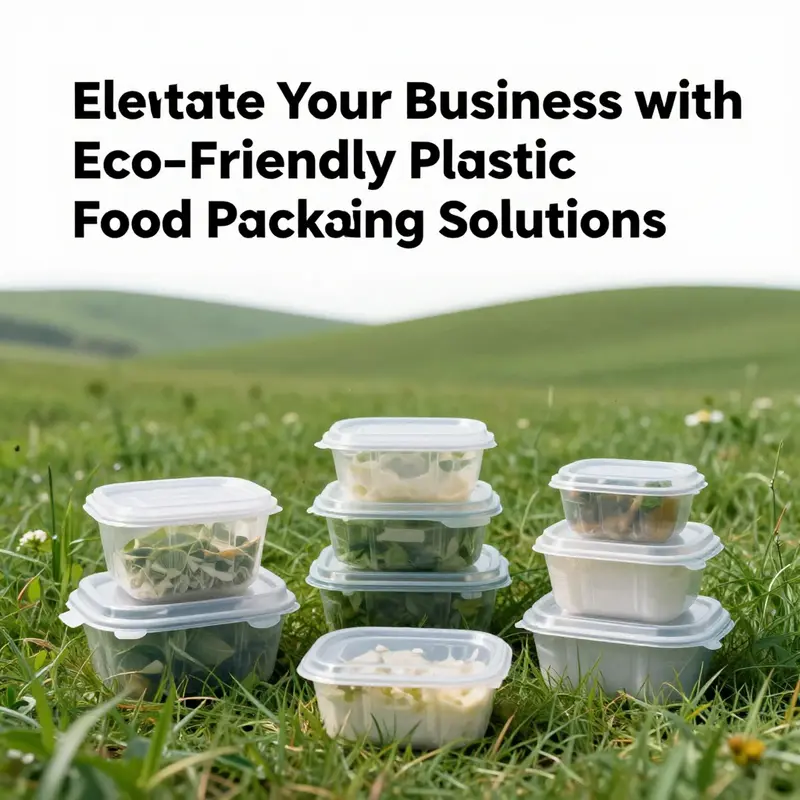
Plastic packaging for food containers sits at a pivotal intersection of protection, performance, and responsibility. It preserves safety, preserves quality, and, in many cases, reduces waste by extending shelf life and enabling efficient distribution. Yet the same material that keeps perishable goods safe also carries an environmental burden that has driven regulatory reform, consumer scrutiny, and a relentless push for innovation. The role of sustainability in plastic packaging is not a simple equation of “eco” versus “economy.” It is a holistic design and governance challenge that demands attention to the entire life cycle of the product, from raw materials and manufacturing to use, reuse, and eventual disposal. It is, in essence, a story about how to keep food secure while reducing the environmental footprint of the packaging that carries it. As population grows and climate pressures intensify, the packaging system must become more efficient, more transparent about trade-offs, and more capable of delivering both safety and stewardship in equal measure.
A fundamental truth anchors this discussion: plastic packaging excels where barriers matter most. It forms an effective shield against moisture, oxygen, and microbial intrusion, and it is remarkably light, strong, and versatile. These attributes translate into practical benefits for food safety and supply chain resilience. Clear, shatterproof containers help retailers and consumers quickly assess product condition, while reliable seals and barrier layers extend shelf life and reduce spoilage. In a world where food waste is a major driver of greenhouse gas emissions, the ability of plastic packaging to preserve product integrity can be a meaningful part of the climate solution. But the same properties that protect food can also complicate end-of-life management. Multi-material packaging, difficult-to-separate layers, and additives designed to enhance performance can hinder recycling streams. This dual reality pushes the industry toward strategies that maintain safety and performance while improving recyclability and reuse.
To advance sustainability without sacrificing function, the industry has pursued several core avenues. Foremost is the development of refillable and reusable solutions that reduce single-use waste. Deposit return schemes and brand-led reuse programs, when effectively implemented, can lower the volume of disposable containers entering the waste stream while maintaining the integrity and hygiene standards required for food contact. In parallel, innovation in materials has moved beyond simple substitutions. Bioplastics and alternative feedstocks are accelerating, supported by partnerships that align packaging performance with food safety and environmental goals. These efforts are often paired with a shift toward more localized production of fundamental polymers—polyethylene (PE), polypropylene (PP), and polyethylene terephthalate (PET)—to minimize supply chain vulnerabilities and reduce the energy intensity of distribution. Local production can shorten transport routes, dampen price volatility, and improve traceability, all of which matter when packaging decisions ripple across manufacturing networks, retailers, and waste-management infrastructure.
Yet material substitution is not a silver bullet. Sustainability in plastic packaging requires careful life-cycle thinking that weighs cradle-to-grave impacts against the immediate needs of the food system. A common misstep is to optimize one phase of the life cycle while compromising another. For instance, a packaging option that uses a renewable feedstock but increases energy use in production or complicates recycling may not deliver a net environmental benefit. Conversely, a design that prioritizes recyclability must still guarantee compatibility with the needed barrier performance. The dialogue between designers, manufacturers, retailers, and waste managers must be ongoing, data-driven, and oriented toward real-world outcomes. This is where the concept of circularity becomes central: materials should be recoverable and reusable, and the value they carry should be retained within the economy rather than lost to landfills or downcycled to low-value products.
Within this framework, a growing number of industry initiatives emphasize integrated sustainability across four major dimensions: climate impact, circularity, nature, and social equity. Climate considerations drive efforts to reduce energy use in production, transport, and cleaning processes, and to curtail greenhouse gas emissions along the entire value chain. Circularity focuses on designing packaging that can be recycled or reused, and on building systems that close the material loop through collection, sorting, and reprocessing. Nature involves investing in bio-based materials where they offer genuine environmental advantages, while also protecting biodiversity and ensuring that sourcing does not compete with essential ecosystems. Social equity addresses how packaging choices affect communities and economies, including labor practices, local economic development, and access to recycling infrastructure. Together, these dimensions form a holistic view of sustainability that transcends single metrics and aspires to systemic change across food value chains.
Concrete momentum in these areas often arises through cross-sector collaboration and strategic alignment. Companies are increasingly reporting on climate and circularity performance, adopting design-for-recycling principles, and pursuing labels or certifications that communicate responsibility to customers. Across the industry, there is a clear trend toward materials and designs that facilitate recovery through standard recycling streams, as well as toward business models that decouple growth from single-use waste through reuse schemes and take-back programs. This shift is reinforced by regulatory signals and consumer expectations that reward transparency, safety, and environmental performance. It is also shaped by the evolving economics of packaging—where initial costs may be higher for sustainable options, but overall life-cycle costs can be reduced through waste avoidance, improved product integrity, and the value recovered at end of life.
For readers seeking a broader perspective on sustainable packaging innovation, a leading external resource offers a structured view of the industry’s forward trajectory. It maps how plastic packaging can drive environmental gains while maintaining the essential functions of containment and protection. This analysis underscores the importance of system-level thinking and the integration of climate, circularity, nature, and social considerations into packaging strategies. External readings such as this provide a strategic context for the choices that brands and manufacturers face as they navigate the transition toward more sustainable packaging solutions.
The conversation about sustainability is not limited to material science alone. It extends into design choices that influence how packaging is used, reused, and disposed of. For instance, the shift toward clear plastics in some applications serves more than aesthetic preferences; it supports accurate inventory and reduces waste by making contents immediately visible. However, visibility must be balanced with end-of-life considerations. Transparent packaging that blends well with recycling streams is easier to process in many municipal systems, yet the choice of adhesives, inks, and coatings can complicate sorting. A thoughtful approach weighs how a container’s design affects consumer behavior, recovery rates, and the ultimate fate of the material.
Another layer of complexity arises from the need to protect public health. Food safety demands that packaging materials meet stringent requirements for contact with food and resistance to migration, leakage, and contamination. Sustainability initiatives must therefore avoid sacrificing barrier performance or food integrity in pursuit of recyclability. The best outcomes emerge when design teams, material scientists, and waste-management experts collaborate early in the product-development process. Early-stage optimization can help identify packaging that delivers necessary protection while remaining compatible with recycling infrastructure and capable of being reused where feasible. In this sense, sustainability is less about choosing between safety or environmental performance and more about harmonizing safety with smarter end-of-life management.
From a consumer standpoint, the perception of packaging sustainability is influenced by visible cues, recyclability guidance, and the availability of convenient disposal options. Consumers are more likely to engage with sustainable packaging when they understand its benefits and when the recovery path is clear and simple. Clear labeling, standardized resin codes, and consistent messaging help align consumer actions with recycling capabilities. In turn, consumer participation improves recovery rates and drives the economics of recycling, making sustainable packaging more scalable and impactful. The social dimension of sustainability also matters here: equitable access to recycling systems and the support of local waste-management employment contribute to broader community resilience. When packaging design aligns with community capabilities, environmental benefits compound with social well-being, delivering a more robust value proposition for the entire supply chain.
In translating these principles into practice, it is crucial to acknowledge the challenges that persist. The pursuit of sustainability in plastic packaging involves trade-offs among functionality, cost, recyclability, and end-of-life management. A high-performance barrier might require complex multilayer structures that resist recycling by themselves. Conversely, highly recyclable designs may demand compromises in barrier strength or product compatibility. Regrettably, not all recycling streams are equally capable, and regional disparities in collection, sorting, and processing infrastructure can distort the perceived benefits of certain packaging choices. These realities call for adaptable strategies that vary by product category, geography, and end-use scenario. The most successful solutions are those that harmonize material science with system-level design, policy support, and consumer engagement, ensuring that sustainability is not a theoretical ideal but a practical, measurable outcome.
To illustrate a concrete example of practical sustainability thinking, consider how a reusable or refillable approach could reshape a category that currently relies heavily on single-use containers. A packaging system designed for repeated use may significantly reduce waste streams and extend the lifecycle value of the container itself. Yet such a system must guarantee hygiene, ease of cleaning, and reliable return flows to be viable at scale. The economic calculations become more nuanced, balancing upfront investment against long-term savings, and requiring robust logistics for collection and refurbishing. In many markets, the transition benefits from policy instruments and incentives that encourage reuse, while ensuring that consumer convenience remains high. When designed with these considerations in mind, reusable solutions can complement or even replace certain single-use options, delivering meaningful reductions in material use and waste without compromising safety or performance.
Research and industry discourse increasingly emphasize the necessity of an integrated sustainability framework that spans climate, circularity, nature, and social equity. Within this framework, materials development, product design, and business models are not isolated activities but interconnected decisions that shape the packaging ecosystem’s environmental footprint. Leadership in this space recognizes that a truly sustainable plastic packaging system must be adaptable, data-informed, and capable of evolving as technologies and consumer expectations shift. It must also be guided by a transparent account of trade-offs, so that stakeholders—consumers, manufacturers, retailers, and policymakers—can work together to optimize outcomes for food safety, environmental health, and social welfare. As the industry continues to experiment with novel materials, regionalized production, and new reuse strategies, the horizon for sustainable plastic packaging grows clearer: a future where reinforced safeguards for the food supply are harmonized with regenerative approaches to materials and waste. In this future, the container is not a single-use artifact but a component of a broader system designed for resilience, accountability, and continual improvement.
For readers who want to explore a real-world example of sustainable packaging options, one practical pathway is to examine eco-friendly disposable packaging solutions that emphasize recyclability and responsible design. This example demonstrates how brands can pursue both performance and environmental goals in tandem, leveraging design choices that support recovery and reuse while maintaining the integrity of the product and the safety of the consumer. This approach also resonates with the growing interest in materials that are easier to process within existing waste streams, reducing the friction points that often hinder recycling. By examining such options, practitioners can glean insights into how to balance competing priorities and move toward packaging systems that are restorative rather than merely less harmful.
For readers who want a broader, strategic view of industry-wide sustainability and innovation, external research underscores the accelerating pace of change and the emergence of new paradigms in plastic packaging. See the following resource for an overview of how materials, design, and process innovations intersect to drive greener outcomes across PE, PP, and PET applications: https://www.gartner.com/en/sustainable-business/insights/plastic-packaging-innovation. This resource contextualizes the trends discussed here and highlights how organizations are integrating climate metrics, circularity targets, nature stewardship, and social equity into packaging strategies. The conversation is ongoing, and the pathway toward sustainable plastic packaging will continue to evolve as new materials, new business models, and new policy frameworks mature. In the meantime, the core principle remains clear: sustainability in plastic packaging is about enabling safer food systems while advancing a resilient, inclusive, and regenerative economy.
Internal resource note: readers seeking a practical example of eco-friendly packaging options can explore this related offering: Best-Selling Eco-Friendly Disposable Snack Packaging. This example illustrates how a single product category can demonstrate the balance between performance and environmental considerations, including ease of disposal, material choice, and alignment with recycling streams. Best-Selling Eco-Friendly Disposable Snack Packaging.
External resource (for further reading): Plastics: Driving Innovation in PE, PP, and PET for a Greener Future. https://www.gartner.com/en/sustainable-business/insights/plastic-packaging-innovation
Layered Value, Lean Costs: The Economic Pulse of Plastic Packaging Food Containers in the Modern Food Industry
Plastic packaging has quietly become the engine of the modern food supply, a silent infrastructure that underpins safety, accessibility, and scale. Behind the gleam of transparent clamshells, the sturdy white bowls, and the lean profiles of takeaway trays lies a tightly woven economic logic. When managers in a retailer, a distributor, or a restaurant chain weigh the cost of a container against the spoilage, waste, and logistical frictions that can derail a shipment, plastic packaging moves from a mere necessity to a material that shapes margins, cash flow, and even strategic planning. The economic impact of these containers does not hinge on a single advantage but on a layered set of benefits that unfold across the entire supply chain. By protecting contents from moisture and oxygen, deterring contamination, and maintaining quality from factory to fork, plastic packaging enables longer, safer, and more efficient distribution. This, in turn, reduces the volume of unsold or spoiled product that must be absorbed by producers, wholesalers, and retailers, a reduction that translates into tangible cost savings and steadier profit streams.
The most immediate economic dividend of modern plastic packaging is a dramatic reduction in food waste. In a world where supply chains stretch across continents and shelf lives are calibrated to consumer demand, even modest improvements in preservation can yield outsized financial returns. Airtight seals, moisture barriers, and light-weight yet protective structures help maintain product integrity during transport and storage. When a cereal, a nut, or a prepared meal spends less time exposed to air and temperature fluctuations, spoilage losses decline, and retailers experience fewer markdowns tied to compromised quality. The downstream effect is a lower need for write-offs, fewer supply disruptions, and steadier stock levels, all of which improve return on investment for the packaging ecosystem as a whole. In this sense, plastic containers act as a financial lubricant, smoothing the friction that often accompanies the movement of perishable goods from plant to consumer.
Equally important is the preservation of freshness and product safety, which support brand reliability and consumer trust. In the food industry, the cost of a damaged reputation can dwarf the price of packaging itself. Plastic containers—whether clear PET for visibility or rugged HDPE for tough, spill-resistant applications—allow retailers to showcase products while delivering the protection that preserves flavor, aroma, and texture. For producers, that translates into fewer out-of-stocks and returns, translating into more predictable revenue and clearer demand signals for downstream partners. For consumers, it means consistently fresh experiences, reinforcing brand loyalty and reducing the perceived risk of purchasing unfamiliar items. All of these factors contribute to a more stable and efficient marketplace, where pricing decisions can reflect value earlier in the chain rather than being distorted by waste and spoilage.
Cost dynamics in plastic packaging are also shaped by scale, customization, and supplier competition. The economics of bulk procurement are well documented: when a business orders large volumes—often in hundreds of thousands or millions of pieces—the unit cost declines markedly. This is where the economics of plastic packaging diverge from more artful or artisanal packaging options. The ability to negotiate favorable pricing, secure reliable supply, and reduce per-unit transport and handling costs creates a virtuous circle. In practical terms, a plastic container designed for mass distribution can become a keystone asset in a business model built on high throughput and tight margins. The opportunity for branding through OEM (original equipment manufacturer) services adds another layer of economic value. Brands can align packaging aesthetics with market positioning, using custom colors, logos, and configurations to enhance shelf appeal while maintaining consistent performance and cost control. This balance between customization and standardization makes plastic packaging a flexible financial instrument as much as a protective wrapper.
The design and material science behind these containers also carry meaningful cost implications. PET’s crystal clarity and barrier properties against moisture and oxygen make it a preferred choice for beverages, ready meals, and transparent merchandising. HDPE’s toughness and chemical resistance suit items like dairy and condiments, where durability reduces breakage losses during handling and distribution. The economics of material choice depend on the expected lifecycle of the product, the temperature profile of storage and transport, and the target consumer experience. While PET might deliver premium visual appeal and low weight, HDPE offers resilience where stacking, loading, or rough handling is a concern. These trade-offs influence not just the upfront cost of the container, but the cumulative costs associated with breakage, contamination, returns, and energy use across the supply chain. In short, the choice of plastic type is a strategic financial decision that can affect shrinkage, spoilage, and the efficiency of the cold chain.
Beyond material properties, durability and ease of use interact with labor economics in significant ways. Airtight seals and microwave-safe features reduce the need for secondary packaging and minimize user handling steps at the point of sale or in the kitchen. Flexible, secure packaging also lowers the risk of product damage during transit, which translates into fewer costly recalls or compensations. In commercial kitchens and quick-service environments, shatterproof plastic containers reduce injury risk and associated insurance costs, while their lightweight nature lowers fuel consumption in transportation, contributing to operating expense reductions across fleets. The net effect is a streamlined, safer, and more cost-efficient system that benefits producers, distributors, and retailers, and, ultimately, consumers who enjoy lower prices or better value.
Another dimension of the economic impact lies in waste reduction and end-of-life considerations. Recyclability and the potential for material reuse influence the downstream economics of packaging. When suppliers offer recyclable or recyclable-compatible plastics, waste streams can be diverted from landfills or incinerators, lowering disposal costs and sometimes unlocking revenue from recyclables. The capacity to customize packaging at scale means brands can optimize packaging geometry to minimize material use without sacrificing protection, further driving down material costs per unit. Of course, there are limitations. Some containers stain when exposed to highly colored or acidic sauces, which may affect aesthetic appeal and potentially influence reuse or recycling pathways. Even so, the overarching economic narrative remains positive: the efficiency gains in protection, transport, and labor, combined with the flexibility to tailor packaging to product and market needs, tend to outweigh the drawbacks. The key is continuous design optimization and a robust recycling or recovery infrastructure that can close the loop efficiently.
The broader ecosystem also responds to these economic realities through strategic partnerships and procurement practices. Suppliers frequently offer OEM services, enabling brands to align containers with packaging configurations, branding, and regulatory requirements. The ability to customize while maintaining cost discipline is a powerful tool for scale-driven businesses that need to manage product lines across multiple territories and customer segments. It is here that the industry converges with the economics of risk and resilience: standardized yet adaptable packaging reduces the variability that can undermine supply reliability, a crucial consideration in a world where demand can shift rapidly due to events, seasons, or changing consumer preferences. In practice, a well-structured supplier network can deliver predictable pricing, high-quality materials, and timely deliveries that keep production lines running and inventories aligned with demand forecasts. The practical impact is a smoother cash flow, lower carrying costs, and improved service levels across the entire value chain.
Retail display, too, has a measurable economic impact. Clear, appealing packaging can improve product visibility and shopper confidence, translating into higher conversion rates and reduced reliance on promotional discounts. The more efficient a container is at protecting product integrity while also supporting queue-free throughput in the supply chain, the more predictable the revenue stream becomes. These performance benefits are not merely about aesthetics; they affect shrinkage, stockouts, and the cost of unsold inventory—issues that directly impinge on a company’s bottom line. In this sense, plastic packaging functions not only as a protective medium but as a revenue-enhancing and cost-reducing system. The net effect across producers, distributors, and retailers is a healthier profitability profile, better inventory control, and a more resilient market presence.
All of these economic dynamics are interwoven with the realities of scale and customization. The wholesale pricing structures and the opportunity to leverage OEM capabilities mean that even smaller players can access cost-efficient packaging when purchasing in volume. The economic logic remains consistent: the container’s cost is dwarfed by the value it creates through reduced spoilage, improved supply chain reliability, and enhanced consumer experience. When these benefits accumulate across millions of units, they become a material driver of industry profitability and competitiveness. The chapter’s core takeaway is not a single formula but a recognition that plastic packaging containers sit at the intersection of material science, logistics, branding, and finance. Their economic impact is felt at every tie point in the food system—from the plant door to the consumer’s table.
For readers seeking a deeper technical grounding on the composition, standards, and industrial applications of white plastic food containers, a detailed overview offers valuable context and benchmarks. This external resource provides a rigorous look at how material choice, processing standards, and regulatory expectations shape performance and cost across industrial projects. See here for a comprehensive overview: https://www.example.com/white-plastic-container-overview.
Internal note for practitioners: as procurement teams plan for next-year budgets, consider the total cost of ownership rather than the unit price alone. Include factors such as transport energy, spoilage loss, labor savings, and the potential revenue lift from improved display and reliability. When feasible, explore OEM collaborations that allow branding and packaging optimization without sacrificing performance or process efficiency. In practice, a well-designed packaging program aligns financial incentives with product quality, operational efficiency, and consumer trust, creating a durable, scalable business model that can adapt as the market evolves. And for teams exploring specific packaging configurations or looking to brief suppliers on a need for scalable, customizable containers, an example of a practical option is showcased in this internal resource: food-grade take-away bowls with lids.
In sum, the economic impact of plastic packaging containers in the food industry emerges from their ability to reduce waste, preserve freshness, enable efficient logistics, and support scalable branding and customization. While no material system is devoid of challenges, thoughtful design, material selection, and supplier partnerships unlock substantial value across the value chain. The narrative is not simply about keeping food intact; it is about maintaining margins, stabilizing operations, and sustaining the trust that underpins a modern, global food economy.
From Clarity to Circularity: Trends and Innovations Shaping Plastic Packaging Food Containers
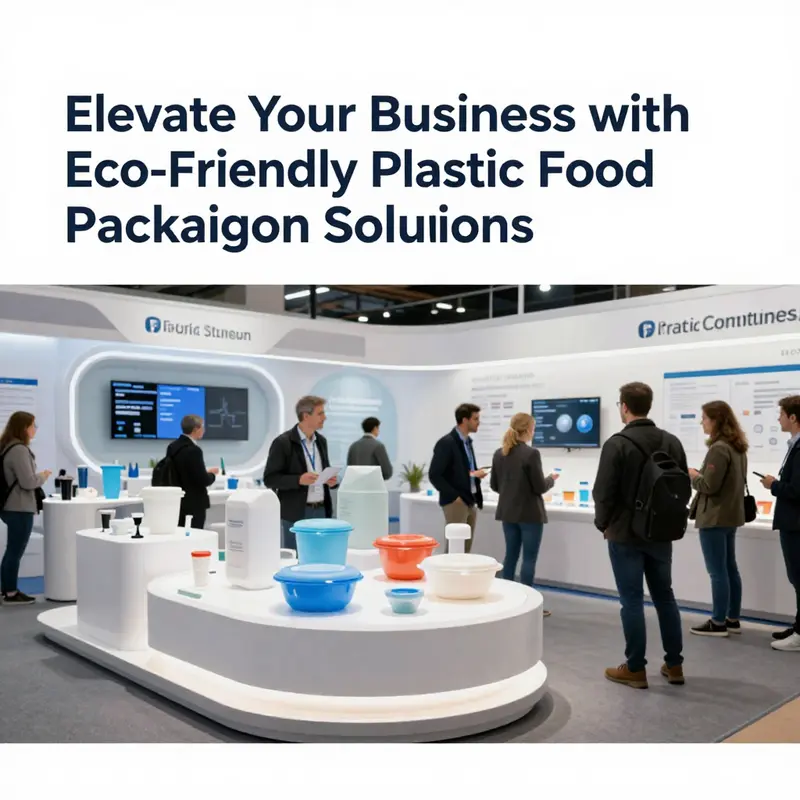
Plastics have long dominated the packaging for food because they are light, affordable, and highly adaptable. Yet growing concerns about the environment are driving a wave of trends and innovations aimed at making plastic packaging more sustainable and easier to manage at end of life. Rather than simply asking for less plastic, the industry is increasingly pursuing smarter plastics—materials and designs that protect food, reduce waste, and fit into circular systems that keep materials in use longer. The result is a narrative of progress that balances performance with responsibility, and it unfolds across several intertwined strands.
One of the most influential shifts is toward mono-material packaging. Historically, many containers relied on complex multi-layer structures to combine barrier performance with stiffness or clarity. While effective in protecting food, these layered formats complicate recycling because the disparate plastics must be separated before processing. The move to single-resin designs—often polypropylene or polyethylene—alters the calculus. With a single polymer, sorting and reprocessing become more efficient, reducing the contamination that can derail recycling streams. The simplification also lowers the cognitive load for consumers who would otherwise need to navigate intricate recycling labels. Of course, the transition requires careful material engineering to preserve barrier properties, mechanical integrity, and heat tolerance, but the net effect is a packaging portfolio that is easier to reintegrate into the material loop.
Another core trend is the growing emphasis on refillable and reusable containers, supported by deposit-return systems in many markets. Reuse shifts the business model from one-and-done to a design-for-life, where containers are cleaned, inspected, and reintroduced into circulation multiple times. The implications touch everything from how containers are sealed and labeled to how they withstand repeated cycles of use and washing. This approach does not simply shrink waste; it can change how brands size production runs, plan inventories, and coordinate logistics so that the same container serves across multiple product formats or channels. The transition toward reusable packaging aligns with broader sustainability ambitions, but it also hinges on reliable post-use infrastructure and consumer participation.
Material science is driving much of the practical progress in this space. Innovations focus not only on new resins but on smarter architectures that preserve performance while enhancing end-of-life outcomes. Polyolefin multilayered structures are being refined to deliver strong barrier protection with simpler recycling streams. Crystallized PET trays, designed to withstand higher temperatures, expand the range of foods that can be safely packaged and heated, enhancing shelf life without compromising clarity. There is also meaningful work on composites that blend plastics with natural fibers or other fillers. These materials can improve rigidity and heat resistance while offering a cleaner signal to recycling systems than some traditional blends. The overarching aim is to achieve a balance: retain the functional benefits food teams rely on while reducing the complexity and environmental impact of disposal.
Collaboration across the value chain is accelerating the development of plastics that sit more comfortably within sustainable frameworks. Bioplastics, derived from renewable resources, are being explored as alternatives or complements to conventional plastics. The best outcomes from these partnerships acknowledge that renewable content does not automatically equal better end-of-life outcomes unless the design, labeling, and processing contexts align. Some bioplastics are formulated to be compostable in industrial facilities, while others are engineered to be compatible with existing recycling streams. The challenge—and opportunity—is to close material loops, ensuring that the chosen plastic type is recoverable and reusable in practice, not just in theory. In the end, the most successful designs integrate material choice with waste-management realities and consumer education so that the intended end-of-life pathway is clear and achievable.
Geopolitical shifts and supply-chain fragility have sharpened the focus on resilience. Dependence on a single global network for polymer feedstocks can amplify disruption risk, especially during times of geopolitical tension or logistics bottlenecks. As a result, many producers are exploring regionalized or near-market production models, diversifying feedstock sources, and building redundancy into their supply chains. This isn’t a retreat from global trade; it is a pragmatic strategy to stabilize availability, maintain quality, and reduce the volatility that can affect product pricing and availability in critical markets. Localized or diversified manufacturing not only cushions brands against shocks but can also speed up response times to changing consumer demands and regulatory landscapes.
From a performance and safety perspective, barrier properties remain a central driver of container design. Foods with high moisture sensitivity or oxidation risk require packaging that minimizes contact with air and humidity while withstanding the rigors of distribution and storage. At the same time, many applications demand the ability to heat or reheat in consumer kitchens, which presses the need for temperature tolerance without compromising safety or structural integrity. Odor resistance and stain resistance also matter, particularly when containers are reused or repurposed. Importantly, advances in materials science are enabling clearer, crisper visual appeal without sacrificing the protective functions that food-grade packaging must deliver.
The aesthetic and brand dimensions of packaging cannot be overlooked. In a crowded marketplace, the container itself communicates quality and identity. Transparent or clear materials continue to offer advantages for displaying product attributes, while design teams pursue clean, minimal branding that speaks to modern consumer sensibilities. The packaging must perform under diverse handling scenarios—from busy restaurant takeout lines to consumer pantries—while presenting brands with a versatile surface for messaging and logos that will not degrade with use or recycling. The design process increasingly integrates performance testing with consumer insights, ensuring that enhancements in barrier performance or rigidity do not erode usability, cleanliness, or convenience.
End-of-life considerations are inseparable from the ongoing evolution of packaging. While mono-material designs improve recyclability, they also heighten the importance of precise labeling and robust sorting signals. Clear resin codes, accurate material disclosures, and straightforward separation guidance help ensure that what ends up in the waste stream is more readily recoverable. In parallel, take-back programs and return schemes are being piloted to strengthen recovery rates and create clearer value propositions for reclaimed materials. These efforts are most effective when they align with local or regional recycling infrastructure, enabling a tangible reduction in landfill disposal and a higher-quality stream of recycled feedstock.
To illustrate how these principles materialize in real-world decisions, consider the growing interest in packaging options that balance barrier performance with environmental considerations. Some manufacturers are experimenting with systems that combine a moisture- and oxygen-tight barrier with a more recyclable packaging base, allowing for extended shelf life while keeping end-of-life processing straightforward. In parallel, brands are exploring packaging as a branding asset that can travel across channels—from retail shelves to online orders—without compromising recyclability or safety. The goal is to empower choice within a framework of practical feasibility and environmental accountability, so products reach consumers in a container that protects quality, signals care for the planet, and remains approachable to collect, sort, and process after use.
A useful way to map this evolution is to view the packaging landscape as a continuum rather than a fixed set of options. On one extreme lies high-clarity, rigid, single-material trays and bottles that captivate on the shelf and perform reliably under normal handling. On the opposite end sits an expanding family of solutions designed for reuse, resupply, and seamless integration into circular systems. Between these poles lie material innovations, process optimizations, and policy shifts that are guiding manufacturers toward a more sustainable equilibrium. The objective is not to force a single path but to broaden the range of viable packaging configurations so brands can tailor choices to food type, distribution channels, and end-of-life capabilities—without sacrificing convenience, safety, or taste.
Taking these ideas from theory to practice involves concrete decisions at multiple touchpoints in the supply chain. When a brand evaluates a container for a new product, the assessment must include barrier performance, processing compatibility, and cost, but also how the packaging will fare when sorted and remanufactured after use. In some cases, a mono-material, transparent, form-fitting tray will deliver the best combination of shelf appeal, barrier protection, and recyclability. In other scenarios, a durable, reusable container could dominate because of a longer in-use life and the potential for a deposit-refund program that incentivizes return and cleaning. The overarching objective is to harmonize product protection, consumer experience, and end-of-life outcomes within a cohesive packaging strategy that supports a greener future.
Within this context, a practical example of the push toward balanced, recycling-aligned packaging can be seen in packaging options that combine barrier performance with more recycle-friendly designs. For readers seeking to explore related packaging formats and understand how less plastic can still meet demand for safety and convenience, a useful reference is a PLA-coated, eco-friendly kraft box designed for fast-food and snack applications. See senang02-disposable-eco-friendly-kraft-box-boat-shape-pla-coated-custom-packaging-for-fast-food-cookie-sugar-tray for a detailed look at how plant-based coatings can improve barrier properties while remaining compatible with certain waste streams. This example underscores how the industry is moving beyond a single metric—protective performance—toward a holistic view that includes end-of-life practicality, consumer acceptance, and branding potential.
For readers who want a broader strategic perspective on how sustainable packaging plastics are evolving for PE, PP, and PET ecosystems, a comprehensive external resource offers deeper analysis of material choices, process innovations, and policy dynamics shaping the market in coming years. External resource: Sustainable Packaging Plastics: Driving Innovation in PE, PP, and PET for a Greener Future.
Final thoughts
In conclusion, plastic packaging food containers represent an essential component of modern food service, offering a wide range of benefits, including versatility, economic efficiency, and sustainability. As businesses seek solutions that not only meet functional demands but also align with changing consumer values, the importance of eco-friendly options continues to grow. Adapting to these advances in packaging can enhance customer satisfaction and streamline operations. By making informed choices about plastic food containers, businesses can thrive in a competitive landscape while promoting sustainable practices.