
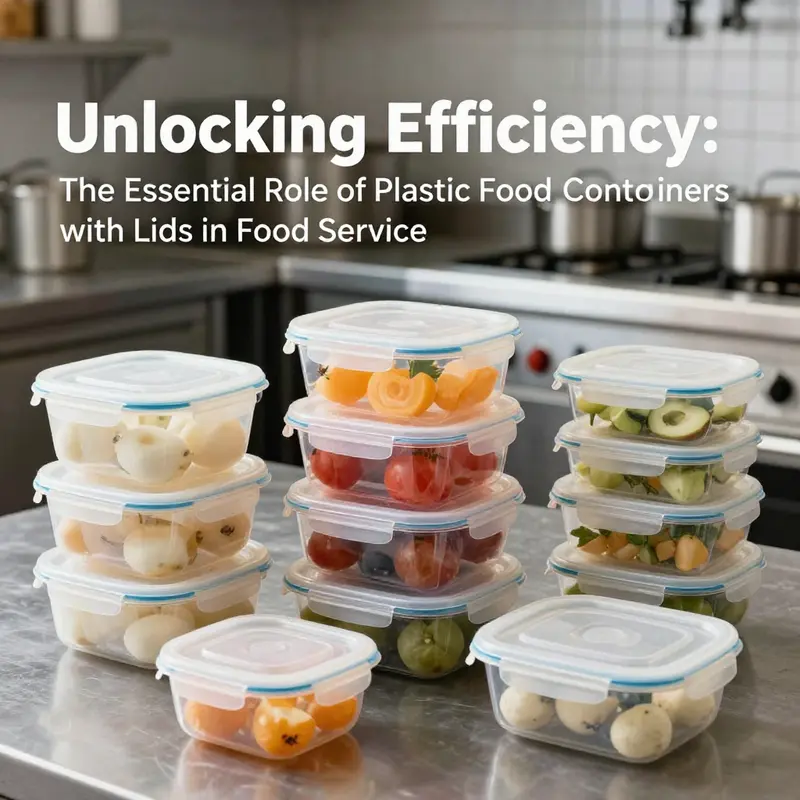
Plastic square food containers with lids are not just kitchen staples; they are a crucial component for businesses in food service, from bubble tea shops to event planners. Understanding their design, materials, and market trends is imperative for enhancing service, ensuring food safety, and meeting consumer demands. This article delves into the intricate aspects of these containers, exploring their functionalities, materials, and brand comparisons, to showcase the benefits they offer in meal prep and storage. Each forthcoming chapter will build your knowledge, ensuring you are equipped to make informed decisions for your culinary business.
How Design Drives Function: The Practical Engineering of Plastic Square Food Containers with Lids
Design and Function in Practice
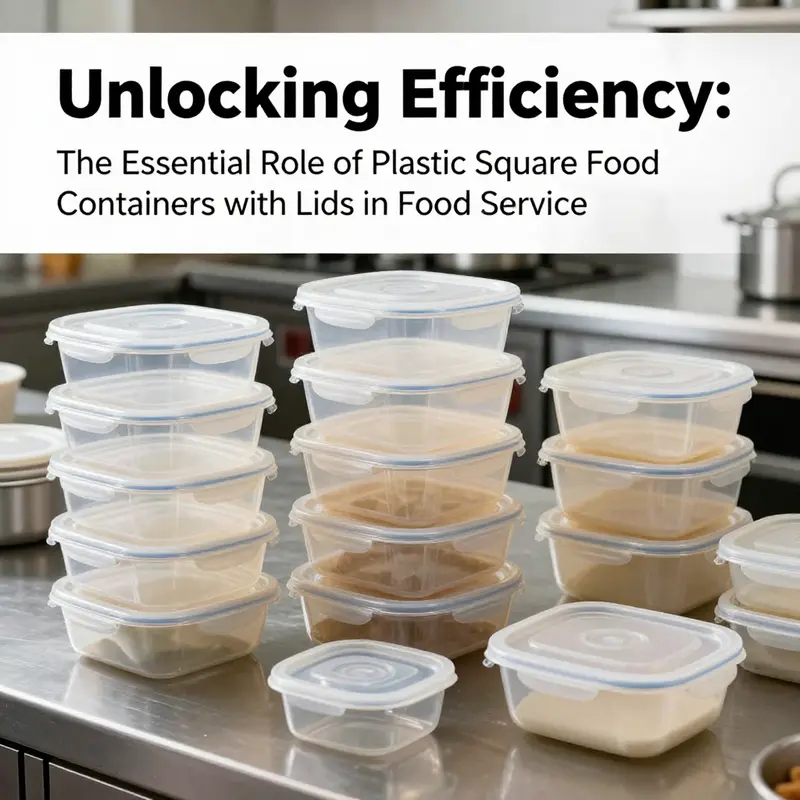
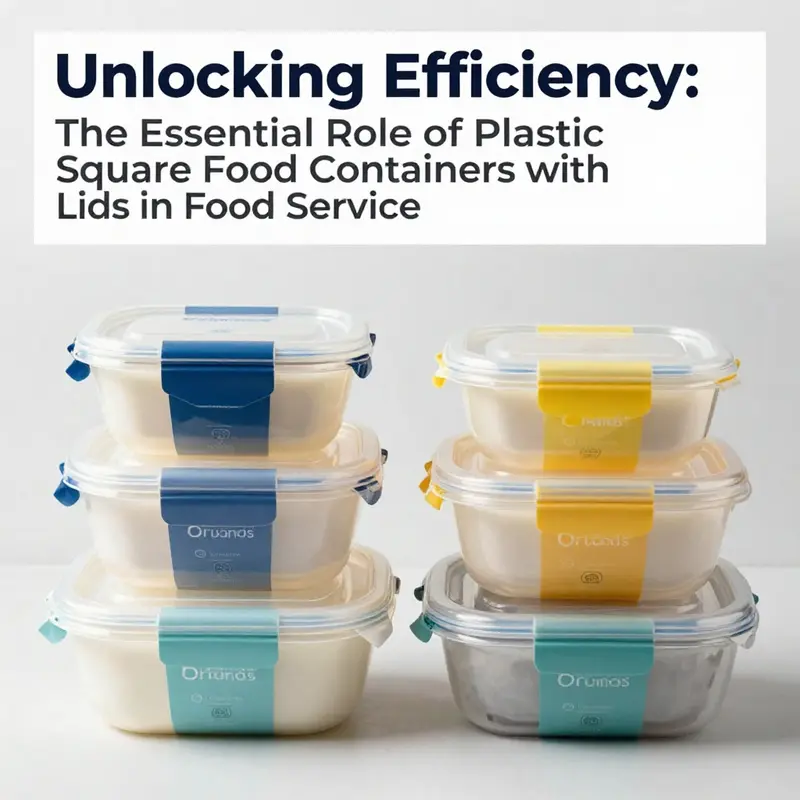
Plastic square food containers with lids are a study in efficient utility. Their geometry, materials, and closure systems work together to solve common storage and transport problems. The square footprint reduces wasted space in refrigerators, cabinets, and delivery vehicles. Edges align neatly, and multiple units form an organized grid rather than wasted arcs. This simple shape change improves both domestic organization and commercial logistics.
Material choice is central to performance. Polypropylene (PP) is widely used because it balances heat resistance, chemical stability, and food safety. It can handle reheating in a microwave and surviving low temperatures in a freezer. PP is resilient to repeated cycles of use and cleaning. Polyethylene terephthalate (PET) appears in higher-clarity applications where visibility matters. PET provides a clearer window and a stronger barrier to certain gases and moisture, useful for premium display packaging. Both can be formulated to meet food contact regulations, often as virgin-grade resins, which limits contaminants and helps ensure compliance with hygiene standards.
Lid design completes the functional story. Snap-on lids, twist-lock rims, and gasketed seals answer different needs. Snap-on lids prioritize speed and convenience. They are easy to mate and unmate while still providing a secure fit for most everyday uses. Twist-lock systems add mechanical retention for heavier loads and for liquids moved in transit. When leak resistance matters most, lids with integrated silicone seals create an airtight join. Some designs integrate a small vent or a flexible film tab that lets steam escape during microwave reheating without fully removing the lid. That combination of features reduces spills, preserves texture, and limits moisture loss.
Stackability and structural reinforcement are more than convenience. Commercial kitchens, caterers, and packagers value containers that stack predictably without sideways slipping. Reinforced bases and interlocking rims deliver stable vertical columns, which increases capacity per shelf or pallet. For manufacturers and supply chain managers, predictable stacking reduces transit damage and optimizes truck or warehouse space. Well-designed square containers also nest efficiently when empty, saving return logistics space when being transported back or stored.
Thermal stability drives versatility. Containers that tolerate both reheating and freezing reduce the need to transfer food between vessels. PP-based containers often withstand temperatures above typical microwave use and below typical freezer settings. That allows meal preppers to cook, portion, freeze, and reheat in one vessel. The thermal characteristics also affect wall thickness choices. Thicker walls resist warping under heat and provide better insulation during transport. Thinner walls save material and lower cost, but they may deform at high temperatures or fail under heavy stacking.
Transparency versus opacity is a practical trade-off. Clear walls let users identify contents quickly. That saves time in busy kitchens and reduces unnecessary lid openings that expose food to air. Opaque containers may block light to better protect sensitive foods. They can also be colored for visual coding of menus, days of the week, or dietary restrictions. The choice depends on priorities: display and inventory management favor clarity, while protection against light-induced flavor or nutrient changes favors opacity.
Durability and chemical resistance determine longevity. PP resists oils, mild acids, and most common cleaning agents. This resistance decreases the chance of leaching and helps maintain hygienic surfaces. Still, repeated exposure to strongly colored or aromatic foods can cause staining or trap odors over long use. Careful cleaning and periodic airing help, and some users reserve certain containers for particularly potent foods. For the most demanding environments, opting for virgin-grade plastics and thicker sections will reduce long-term degradation.
Functional details influence everyday usability. Bases with textured patterns reduce suction on wet surfaces and make removal from trays easier. Slightly tapered walls enable nesting and separation without sticking. Rims designed for secure lids may include a locking lip, an alignment notch, or visible closure indicators that show whether the lid is fully engaged. Ease of opening matters too: lids that require excessive force can be frustrating for elderly users or those with limited dexterity. Thoughtful ergonomic design balances secure closure with easy release.
Sealing performance is not binary. Some containers are labeled airtight, others leak-resistant, and a few are fully leakproof with tested performance. Liquid containment depends on lid geometry, gasket presence, and material flexibility. A rigid lid without a gasket struggles with soups and dressings. Conversely, a flexible gasket plus a robust locking mechanism can keep liquids secure during upright transport. For mixed-use kitchens, choosing containers with verified leakproof seals for wet foods, and simpler seals for dry goods, minimizes waste and mess.
Compatibility across use cases matters. Microwave-safe labeling must be accompanied by usage guidance. Heat can concentrate localized temperatures, so venting options and avoiding direct contact with heating elements are important. Freezer-safe claims likewise require attention to brittleness at low temperatures; some plastics become more prone to cracking when frozen solid. Dishwasher safety is frequently claimed, but top-rack recommendations often apply because high-temperature wash cycles and strong detergents can accelerate wear.
Sustainability frames long-term value. These containers are reusable and more eco-efficient than single-use cups or disposables. However, they are not biodegradable. End-of-life strategies should therefore focus on reuse and recycling. Markings like the resin identification code help recycling streams, and PP is widely recyclable where local infrastructure exists. Choosing containers with longer expected lifespans and modular parts that are replaceable can reduce lifetime environmental impact. For single-use-oriented businesses, there are hybrid options that pair recyclable plastic lids with compostable bowls, offering transitional steps toward lower-impact packaging. For those exploring disposable alternatives, consider product lines such as the eco-friendly food-grade reusable square salad bowls with PP lids for instances when disposability and convenience meet regulatory demands.
Selection guidance helps users match products to tasks. For daily meal prep, medium-thick PP containers with snap lids and moderate clarity work well. For transport of liquids, choose models with gaskets and secure locks. For display or retail packaging, clear PET windows or full clarity materials present items attractively. For heavy-duty commercial use, reinforced bases and interlocking rims matter more than transparency. Consider stack height and foot print for shelving optimization. Think about nesting ratio to save storage space when containers are empty.
Care and maintenance extend service life. Rinse containers promptly after use to reduce staining and odor retention. Avoid abrasive scrubbers that can create micro-abrasions and harbor bacteria. Use baking soda or vinegar solutions to tackle persistent smells. Avoid dishwashers with high heat settings for older containers to prevent warping. Replace lids or bases if they show cracks, deep scratches, or permanent deformation. Small preventative practices preserve both safety and appearance.
Manufacturing tolerances influence interchangeability. Not all lids fit all bases, even within a similar size range. Tolerance variations in injection molding can mean a lid from one production run fits loosely on another. For users requiring strict interchangeability, procuring full sets from the same production batch is wise. In commercial contexts, standardized dimensions and robust closure features reduce errors during busy service hours.
Economic factors shape choices. Thicker materials and more complex lid mechanisms raise unit cost. For budget-sensitive operations, balancing durability against upfront cost is key. Investing in more robust containers reduces replacement frequency. For high-turnover disposable needs, choosing recyclable or compostable single-use alternatives might be more appropriate. The right economic choice depends on frequency of use and the value of reduced labor from fewer container changes.
The convergence of geometry, materials science, and human factors makes plastic square food containers with lids a versatile solution. Their efficient shape, varied sealing options, and material properties address a spectrum of needs from home kitchens to industrial supply chains. Thoughtful selection, careful use, and proper end-of-life practices unlock both functional and environmental value.
For a deeper technical perspective on standards, materials, and industrial applications, review the comprehensive industry guide linked here: https://www.foodserviceindustry.com/plastic-square-food-containers-guide
From Polypropylene to Tritan: How Materials Shape Safety, Longevity, and Sustainability in Square Food Containers with Lids
The materials chosen for plastic square food containers with lids do more than determine how long a container lasts or how it looks on a shelf. They define what happens when food is stored, reheated, or transported. They influence safety, ease of cleaning, and the environmental footprint of daily kitchen routines. In this space, three materials—polypropylene (PP), polyethylene terephthalate (PET), and Tritan™—stand out for their distinctive strengths and trade-offs. Their differences matter whether you’re parceling out a week’s worth of meals, packing a work lunch, or organizing a freezer full of ready-to-heat ingredients. The square form itself, valued for its space-saving efficiency, becomes even more effective when the underlying material aligns with how people actually use containers: repeated use, careful handling, and simple maintenance.
Polypropylene is perhaps the most widely encountered material in reusable square containers. Its appeal lies in a robust balance of flexibility, toughness, and chemical resistance. When a product is described as PP, it signals a material that can withstand the rigors of daily kitchen life. PP is known to perform well under a range of temperatures, accommodating the cycle from fridge to microwave to dishwasher without excessive concern about warping or cracking. This temperature versatility makes PP-based containers a practical choice for meal prep, freezer storage, and daily transport. From a safety perspective, PP is FDA-approved for food contact, which offers reassurance to households that want reliable performance without stepping into more uncertain materials. In terms of environmental impact, PP is highly recyclable and is labeled with recycling code #5, which signals a pathway back into the circular economy when municipal programs accept it. The combination of safety, durability, and recyclability underlines why PP remains a staple in reusable square containers.
Yet, there is more to sustainability than recapture in recycling streams. The true ecological story of PP hinges on long use. A container designed to endure repeated cycles of washing, freezing, and occasional microwaving can dramatically reduce waste relative to single-use alternatives. The message here is pragmatic: the more a PP container survives use without losing performance, the lower its life-cycle impact per serving stored. When care and proper labeling procedures are followed, PP containers resist the wear that often leads to early disposal. This durability complements the modern kitchen’s push toward meal-prep routines that minimize waste, enabling households to plan, portion, and reheat without notching up wasteful habits.
PET, another common material in square containers, provides a contrasting set of advantages. PET is celebrated for its clarity and light weight, attributes that make contents visible at a glance and reduce the perceived need to handle lids and containers multiple times during preparation and display. In terms of barrier properties, PET offers strong moisture and gas resistance, helping to preserve freshness by slowing the ingress of air and humidity that can degrade flavors and textures. The combination of visibility and barrier performance makes PET a logical choice for certain storage needs, especially where presentation and short- to mid-term freshness matter. PET is also cost-effective to produce at scale, which explains why many bulk packaging solutions rely on its balance of performance and price. recyclability is an important aspect here too, as PET carries the recycling code #1, inviting recycling programs to reprocess PET into new materials. While PET’s transparency and barrier properties are advantages, it’s worth noting that in many everyday kitchen contexts PET is favored for semi-reusable or single-use applications rather than long, repeated cycles of washing and reheating. This distinction matters for households aiming to optimize both safety and sustainability through durable, reusable choices.
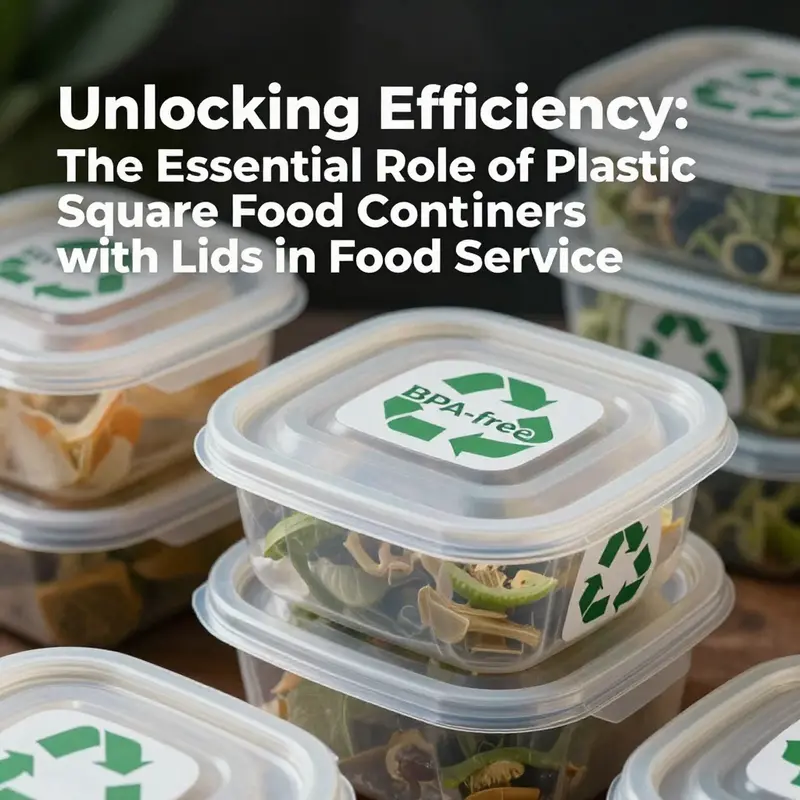
Tritan™ introduces another dimension to the discussion. This copolyester has gained popularity in premium containers due to its durability, clarity, and safety profile. Tritan™ is BPA-free, a feature that resonates with households seeking assurance that hot or cold foods can be stored without concerns about leaching or odor transfer. The material’s shatter resistance is a practical advantage in busy kitchens where containers may be dropped or mishandled. Tritan™ also demonstrates strong performance in dishwasher and freezer use, resisting staining and odor absorption over time. Its glass-like clarity is another draw, enabling easy identification of contents without sacrificing the strength needed for heavy or bulky leftovers. However, Tritan™ occupies a slightly more nuanced place in sustainability discussions. While it is highly durable, not all Tritan™ variants are as readily recyclable as PP or PET in every municipal program. Still, the longevity of Tritan™ containers can offset this limitation by reducing the frequency of replacement. Consumers who value long-term usability alongside clean, simple aesthetics often gravitate toward Tritan™ as a premium option for square containers with lids.
The decision among PP, PET, and Tritan™ is rarely about a single win for one feature. It’s about balancing performance with practical constraints and personal priorities. For kitchens that emphasize frequent reheating, a PP-based design can deliver the most reliable everyday resilience. For those who prize visual cues and straightforward contents identification, PET’s clarity offers a functional advantage, particularly in pantries and refrigerated drawers where quick recognition speeds organization. For households that want the feel of glass without the fragility, Tritan™ provides a compelling blend of durability, cleanliness, and long-term reliability. In practice, many square containers blend these considerations across sets, with different sizes and lids made from slightly different materials to suit varied uses, from bulk meal prep to sleek, clear storage in the fridge.
The lids that complete these containers play a critical supporting role. A secure, leakproof lid is essential to preserving freshness by limiting exposure to air, moisture, and odors. The interplay between lid design and base material often determines the true performance of a storage solution. In some environments, a tight seal goes hand in hand with a lid that tolerates repeated microwaving or dishwasher cycles without warping. In others, a simple, durable lid pairs with a sturdy base to maximize longevity under freezer conditions. The square shape that makes these containers space-efficient also challenges designers to ensure that the lid’s geometry maintains a reliable seal across many cycles. The best systems integrate a reliable lid with a material that resists cracking, warping, or delamination, a combination that often favors polypropylene and Tritan™ in terms of resilience and long-term performance.
Care and labeling emerge as practical considerations that affect safety and sustainability. Many containers—especially those designed for meal prep or bulk storage—include built-in labels or markers. These features help households track contents and expiration dates, reducing waste by enabling timely use of leftovers. Beyond labeling, the care routines that accompany each material influence life span. PP often withstands repeated dishwasher cycles well, while Tritan™ tends to resist staining and odors with minimal maintenance. PET, while crystal clear, may show wear sooner if subjected to aggressive cleaning or long-term exposure to strong odors. Following manufacturer guidelines for cleaning and reuse is essential to extending life and avoiding the pitfalls that lead to premature disposal.
All of this feeds into broader conversations about safety standards and regulatory oversight. When selecting containers, consumers benefit from confirming that the materials used in the food-contact surfaces have recognized safety approvals. In addition to general guidance, a thoughtful approach includes verifying that the product is intended for the specific use case—whether it’s microwave reheating, freezer storage, or dishwasher cleaning. The overarching message is practical: know your food-safety standards, understand the material’s temperature and chemical resistance, and treat the container as part of a system designed to preserve flavor, texture, and nutrients.
From a sustainability standpoint, the conversation is most meaningful when it centers on use and reuse. PP’s high reusability, coupled with clear recycling pathways where programs exist, makes it a dependable backbone for multi-use storage. PET’s barrier properties offer compelling advantages for freshness but may align more with short- to mid-term storage needs. Tritan™ contributes longevity and a clean, durable user experience that discourages premature disposal. The true environmental impact hinges on consumer behavior: choosing durable designs, adhering to recommended usage, and actively participating in recycling and waste-reduction practices. In practice, the strongest approach combines a well-matched material with a thoughtful design for repeated use, careful cleaning, and mindful disposal when a product’s life cycle ends.
For readers seeking a tangible sense of how these materials translate into real-world options, it helps to explore the range of container designs that emphasize PP lids and square shapes as a functional default for many households. A representative category showcases eco-friendly, reusable square bowls with PP lids that align with meal-prep routines and durable performance. Such designs illustrate how material choice intersects with everyday use, making the abstract discussion about safety and sustainability concrete in kitchen practice. For a closer look at these kinds of options, you can explore an internal listing focused on eco-friendly square bowls with PP lids that emphasizes safe, reusable design without delving into brand-specific claims. This helps anchor the discussion in practical, everyday considerations rather than marketing language, while still offering concrete pathways for those who want to see how the theory translates into the home.
In closing, the materials used in plastic square containers with lids shape not only performance but also the values embedded in everyday food storage. PP, PET, and Tritan™ each offer a distinct profile of safety, durability, and recyclability. The optimal choice depends on how a household cooks, stores, reheats, and recycles. What stays constant is the need for clear labeling, careful handling, and adherence to food-contact guidelines. The square container remains a quiet but powerful enabler of organized kitchens, enabling efficient stacking, straightforward identification, and a practical pathway from prep to plate. As science advances and consumer preferences evolve toward longer-lasting, safer, and more sustainable solutions, these materials will continue to define what it means to store food with both confidence and care.
External resource: For authoritative standards on how materials interact with food, see the FDA’s guidelines on Food Contact Materials. https://www.fda.gov/food/food-contact-materials
null
null
null
null
Efficient Shelving and Freshness: How Square Plastic Containers with Lids Transform Meal Prep and Storage
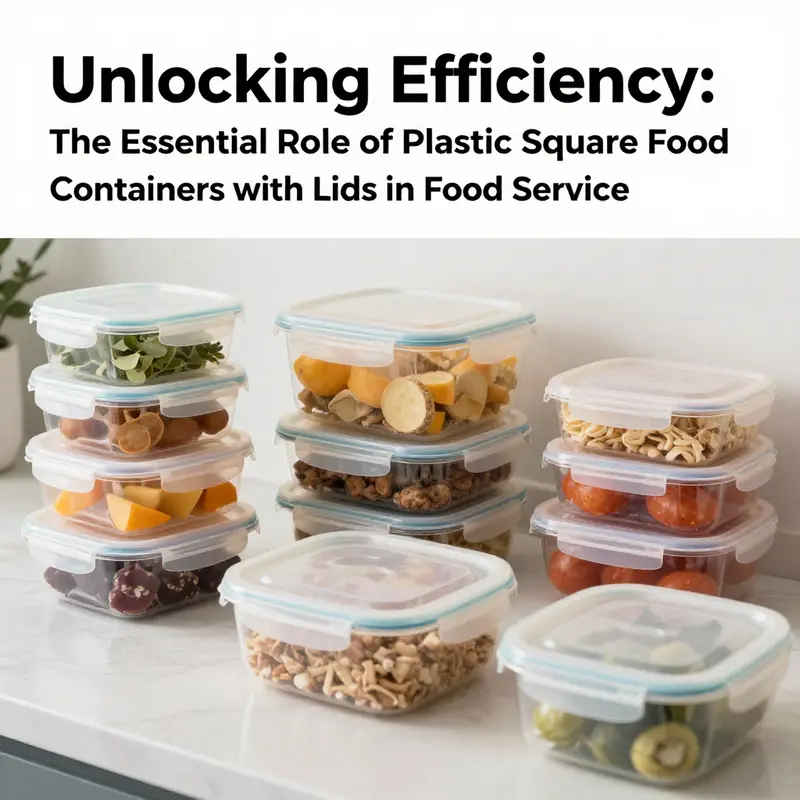
Square plastic containers with lids sit at the crossroads of practicality and habit in modern kitchens. They are not merely receptacles for yesterday’s leftovers; they are the quiet workhorses that shape how we plan meals, manage groceries, and reduce waste. The square form offers advantages that go beyond aesthetics. It makes the most of refrigerator and pantry real estate, enables predictable stacking, and keeps contents visible. When a family plans a week of meals, uniform containers lined up in the fridge become a visual cue that portions are controlled and expiration dates are easy to monitor.\n\nThe lid is where many gains in food quality originate. An airtight seal protects contents from air, moisture, and cross-contamination of odors. This is not just convenience; it helps lock in freshness and preserve texture and taste. Leftovers stay moist where it matters and prevent drying at edges or sogginess in the center. A reliable seal also reduces leaks during transit and storage, aligning with busy routines.\n\nMaterials matter. PP and HDPE are the common workhorses because they endure daily use. PP offers chemical resistance and structural integrity, making it suitable for heating and cooling cycles; HDPE emphasizes durability and impact resistance. Both are valued for tolerating temperature extremes, supporting safe reheating in microwaves, secure freezer storage, and dishwasher-cleaning when allowed by care instructions. This triad of durability, safety, and temperature resilience underpins a broad range of tasks without compromising performance.\n\nFrom a safety perspective, many containers are BPA-free and FDA-compliant or aligned with equivalent standards. The materials resist staining from sauces and oils, and maintain a tight seal after repeated use. The lid and sturdy sides enable stacking and re-stacking without compromising integrity, which matters when containers are moved around a busy kitchen.\n\nThe practical versatility extends beyond leftovers. Square shapes support meal-prep routines, where portions are measured and stored for individual consumption. Clear visibility helps identify contents quickly, reducing rummaging. For school or work lunches, uniform containers enable quick assembly in the morning. The microwave-safe characteristic, when present, supports flexible timing and reduces dishwashing. Freezer-ready designs extend ingredient life and make bulk preparation feasible. Dishwasher compatibility simplifies cleanup and encourages reuse.\n\nLabeling spaces on lids or sides are simple yet powerful design features. When multiple meals, proteins, and vegetables are stored together, labeling improves organization and reduces confusion about freshness. A recessed area or dedicated label space can hold dates or dietary notes, which is helpful in households or shared spaces.\n\nDesign philosophy recognizes that square containers respond to human behavior. They maximize space without sacrificing accessibility, promote vertical storage, and reduce the chance of rolling or tipping. Easy-grip edges and reliable latches support safety and confidence for all ages of users.\n\nEnvironmentally, recyclability in PP and HDPE streams matters. Proper care—washing, drying, and storage—extends life and reduces waste. Reusable containers are part of a broader strategy to minimize kitchen waste while maintaining convenience.\n\nThe scope extends to schools, offices, and small food businesses where reliable, easy-to-clean storage is essential. A consistent sizing system, with stable lids and clear visibility, standardizes workflows and improves hygiene. The result is a versatile tool that supports healthy eating patterns, reduces waste, and smooths daily routines.\n\nIn closing, a reliable set of square containers with lids can transform how a kitchen operates. The combination of efficient design, freshness preservation, durable materials, labeling convenience, and a culture of reuse creates a holistic storage solution. If you want to explore the materials and standards behind these products, you can find technical context in related resources. Explore ideas about rectangle-lid storage to streamline packing and transport.
Final thoughts
In conclusion, plastic square food containers with lids emerge as invaluable tools for enhancing operational efficiency in food service businesses. Their design maximizes storage space, while material safety and sustainability are increasingly favored by consumers. As you consider options available in the market, the insights gained from this article equip you to make informed choices and elevate your service standards. Optimizing storage solutions not only streamlines meal prep but also reinforces your commitment to quality and sustainability, positioning your business for success in a competitive landscape.