
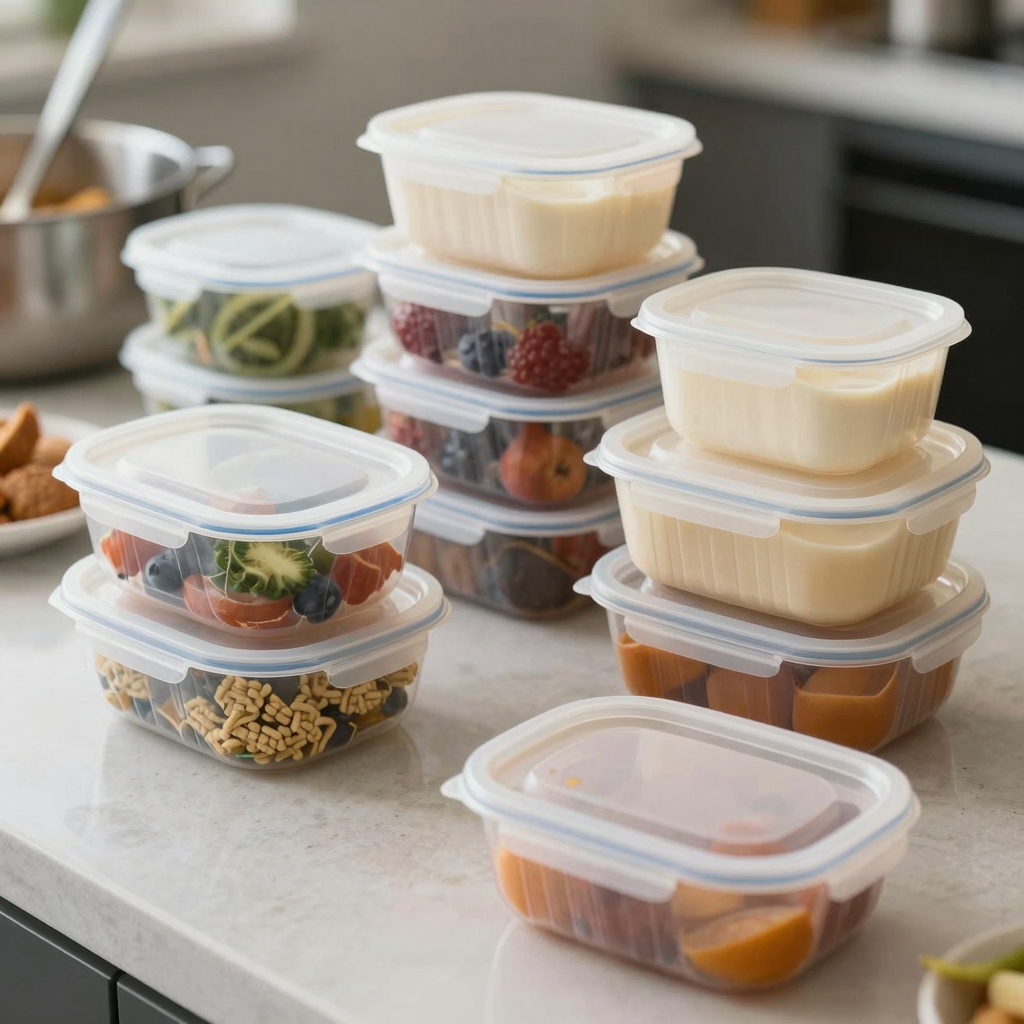
The Importance of Choosing the Right Food Packaging: PP vs PE Plastic Containers
In the bustling world of food service-be it a bubble tea shop, a vibrant restaurant, or a catering service-packaging plays a crucial role in ensuring food safety and customer satisfaction. The choice between polypropylene (PP) and polyethylene (PE) plastic food containers can significantly impact the quality of the food being served and stored. Both PP and PE are considered food-safe materials according to guidelines from the National Restaurant Association, but they come with distinct attributes that cater to different needs.
PP containers are recognized for their exceptional thermal stability, making them ideal for hot food applications, as they can withstand temperatures up to 130°C (266°F) without deforming. This makes them perfect for items that may need reheating, especially in fast-paced environments like restaurants and catering services. On the contrary, while PE containers serve well for cold storage and room-temperature items, they are not suitable for hot foods due to a lower heat threshold. Moreover, the packaging’s integrity is paramount; using certified food-grade materials ensures protection from contamination and safeguards public health, a critical point emphasized by Food Safety Magazine. Therefore, selecting the right type of packaging not only enhances food safety but also boosts overall customer satisfaction, ensuring that every meal served is both delightful and secure.
| Characteristic | Polypropylene (PP) | Polyethylene (PE) |
|---|---|---|
| Durability | Highly durable, shatterproof, better impact resistance | Generally less durable; more flexible but can crack under stress |
| Heat Resistance | High melting point (164-170°C); microwave-safe | Lower melting point (110-130°C); not suitable for high temperatures |
| Cost | Slightly more expensive than PE; reflects performance quality | Generally cheaper in bulk, suitable for budget-friendly options |
| Eco-Friendliness | Recyclable (#5) with better recycling rates; lower carbon footprint during production | Often not biodegradable but widely recyclable; challenges in environmental impact remain |
| Food Safety | Recommended for microwave and reusable containers due to lower leaching risk | Safe for cold food storage; not the best for hot applications |
Additional Insights:
- Durability: PP’s robustness makes it ideal for long-term use, while PE’s flexibility suits short-term applications.
- Heat Resistance: PP’s ability to withstand higher temperatures allows it to be more versatile in various settings, including food service.
- Cost Considerations: While budget constraints are crucial, opting for PP containers can translate to better long-term value for microwavable food storage systems.
- Eco-Friendliness: Both materials have impacts on the environment, but understanding recycling capabilities can aid in making more sustainable choices.
For further reading on alternatives, you can explore the benefits of sugarcane cups or learn about customized paper bowls.
Advantages of Using PP Containers in Food Businesses
In the competitive realm of food service, food businesses-ranging from bubble tea shops to catering teams-are ever on the lookout for packaging solutions that enhance their products and services. Polypropylene (PP) plastic food containers have emerged as a prime choice, thanks to their myriad benefits that foster operational efficiency and sustainability.
1. Heat Resistance
One of the standout features of PP containers is their impressive heat resistance. They maintain structural integrity at temperatures up to 130°C, making them safe for microwave use and ideal for handling hot meals. This characteristic enables restaurants to serve hot dishes without the worry of container deformation or chemical leaching, assuring customers of both quality and safety.
2. Versatility
PP’s versatility is another significant advantage. These containers excel in freezing and chilling applications, enduring temperatures as low as -20°C. This makes them perfect for everything from soups and salads to desserts and drinks. Whether your food business specializes in intricate culinary creations or simple, ready-to-eat meals, PP containers handle all scenarios adeptly while maintaining food quality.
3. Chemical Stability
From fast food outlets to gourmet restaurants, food safety is paramount. PP containers are chemically stable, meaning they won’t release harmful substances like bisphenol A (BPA) or phthalates during use. This safety compliance not only protects customer health but also aligns with modern consumer preferences for eco-friendly and food-safe products. Their durability against acids, bases, and solvents further enhances their usability across different food types.
4. Recyclability
In today’s eco-conscious market, sustainability plays a pivotal role in packaging decisions. PP plastic is highly recyclable, offering food businesses a pathway to reduce their environmental impact. This feature helps in appealing to customers who value eco-friendly practices, thereby enhancing brand loyalty. Learn more about the benefits of sustainable packaging.
5. Cost-Effectiveness
Finally, choosing PP containers not only supports operational functionality but also serves as a cost-effective solution. Their lightweight design lowers shipping costs, while their durability reduces the risk of damage during transport, saving businesses money in the long run. Incorporating PP containers can effectively boost profit margins for restaurants and food trucks alike.
In conclusion, adopting polypropylene food containers provides businesses with a multitude of advantages-from ensuring food safety and quality to enhancing operational efficiency and sustainability. By choosing PP, food businesses position themselves to meet both operational needs and customer expectations, paving the way for success in a bustling market.
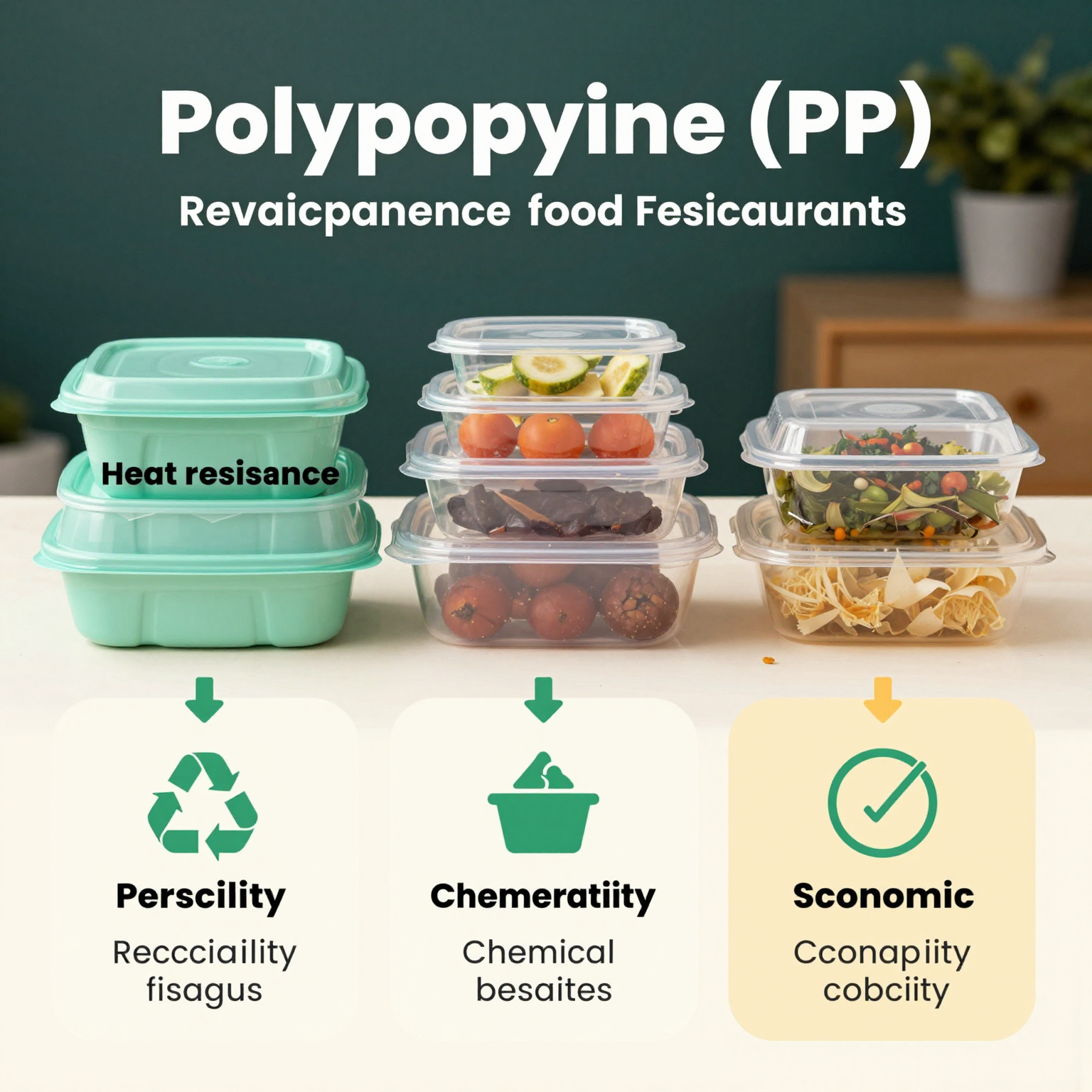
An infographic depicting the advantages of using polypropylene containers in food businesses.
For more tailored insights on other packaging solutions that can enhance your operation, visit our blog on customized octagonal paper bowls.
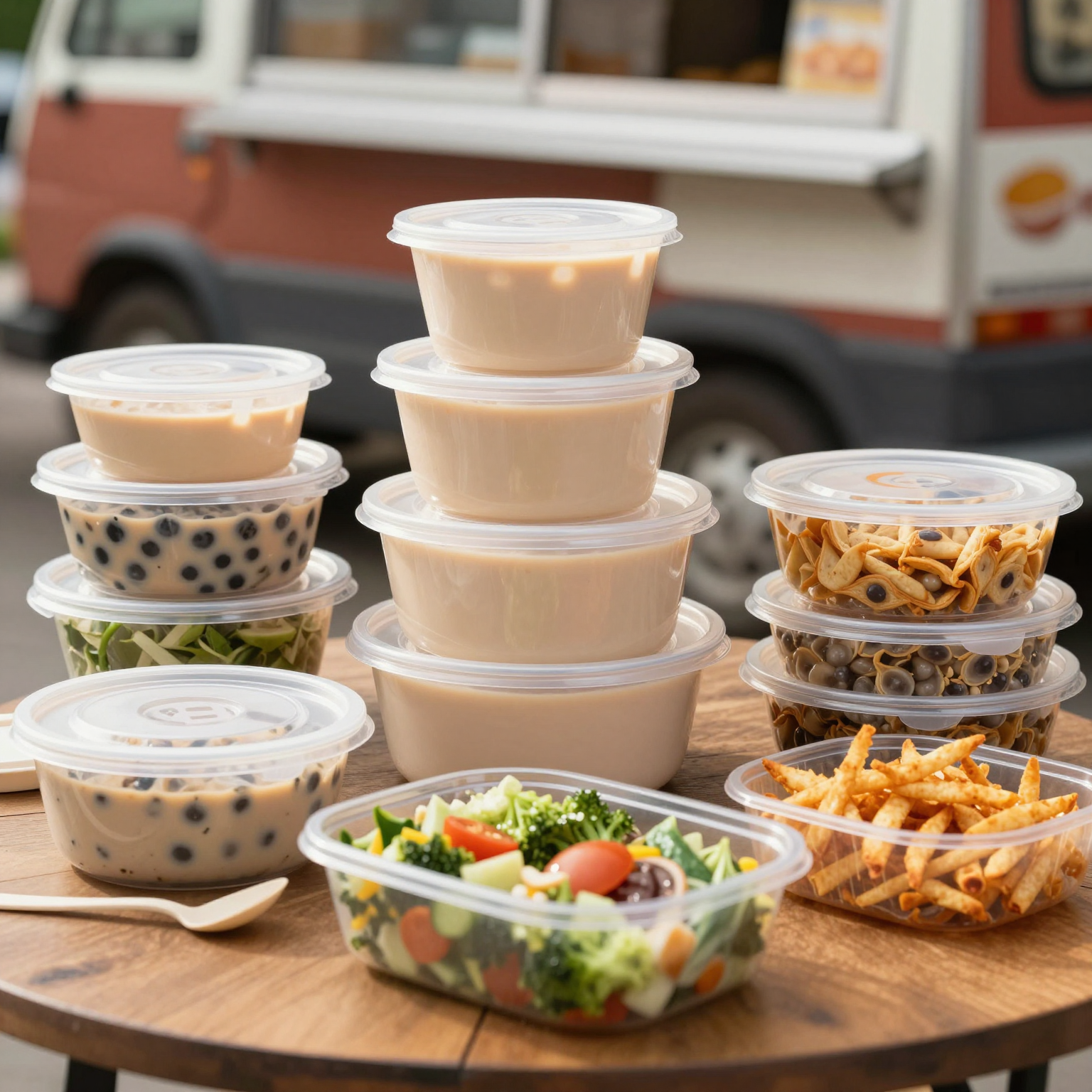
Polyethylene (PE) containers have become a staple in the food industry, and for good reason. Whether used in restaurants, food trucks, or catering services, PE containers offer numerous advantages that make them an attractive choice for food packaging and storage.
Flexibility and Versatility
One of the standout qualities of PE containers is their flexibility. Available in various forms-rigid containers, flexible films, and molded packaging-these containers can be customized to meet specific needs. This versatility allows businesses to decorate and brand their containers, catering to various themes or promotions. From bubble tea shops to catering services, PE containers provide the adaptability necessary to match any business aesthetic or operational requirement.
Affordability
When it comes to cost-effectiveness, PE containers are hard to beat. Their manufacturing process is less energy-intensive compared to alternatives like glass or metal, leading to lower production costs. For businesses looking to minimize expenses without sacrificing quality, this affordability can significantly impact the bottom line. According to Plastics Europe, the price range for polyethylene food containers often sits comfortably below that of other materials, making them an economical choice.
Suitable for Cold Foods
PE containers are particularly suitable for cold foods, which is a critical consideration for many food establishments. They maintain structural integrity and stability at lower temperatures, ensuring that the packaging remains functional without compromising the quality of the food. This property makes them ideal for storing salads, beverages, and desserts, particularly in temperature-sensitive environments common in restaurants and food trucks.
Benefits for Businesses
Using PE containers can be advantageous in several other ways:
- Sustainability: Many PE containers are recyclable, contributing to sustainable practices in food packaging. This aspect appeals to environmentally-conscious consumers and businesses alike.
- Chemical Resistance: PE containers protect stored food by resisting interactions with acidic or oily foods, minimizing contamination risks. This ensures that the flavors and textures remain intact, providing customers with the best experience possible.
- Lightweight and Durable: The lightweight nature of PE containers reduces shipping costs while ensuring durability, making them ideal for takeout and delivery services.
In conclusion, the strengths of polyethylene containers-flexibility, affordability, and suitability for cold foods-make them an optimal choice for professionals in the food industry. By selecting PE containers, businesses can enhance their operational efficiency and better serve their customers, all while keeping costs manageable. For insights on other sustainable food packaging options, check out this article on sugarcane cup benefits.
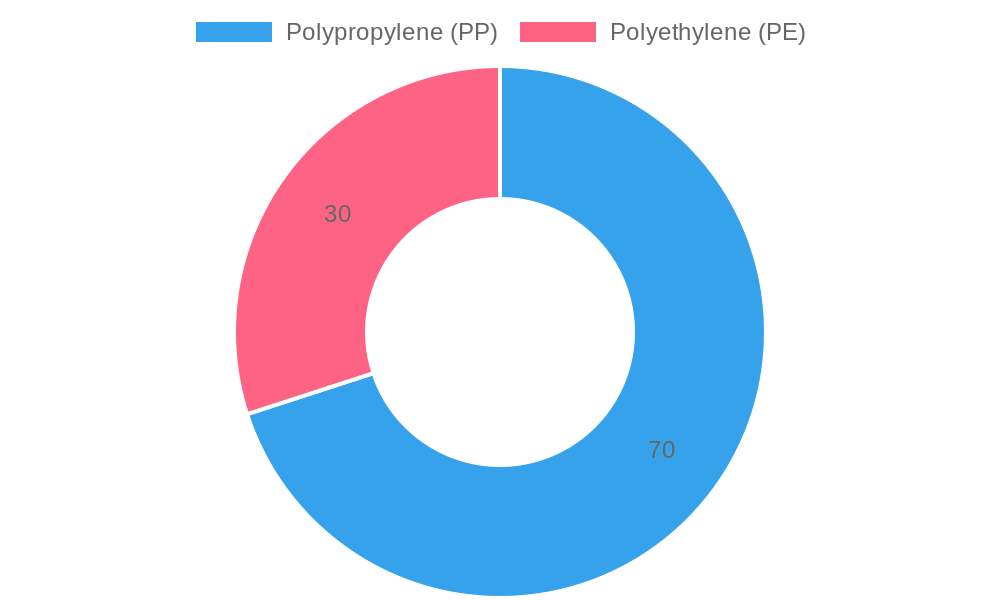
Overview of Market Trends in PP vs PE Usage
The 2023 market for plastic food containers shows a significant preference for Polypropylene (PP) over Polyethylene (PE). Current statistics indicate that PP holds approximately 70% of the market share due to its superior heat resistance and versatility for high-temperature applications, particularly in food service for hot meals. In contrast, PE accounts for about 30% of usage, primarily in cooler applications. This trend reflects a wider industry shift towards materials that can better serve modern food storage and serving needs, particularly as customer expectations move towards safety and environmental considerations.
For a deeper dive into the comparisons between these materials, you can learn more about customized octagonal paper bowls and their impact on the food service industry.
Additional Data:
| Year | Polypropylene (PP) Usage (%) | Polyethylene (PE) Usage (%) |
|---|---|---|
| 2023 | 70 | 30 |
Source: Market analysis reports from the U.S. Census Bureau (2023), Global Packaging Industry Trends (2025), and China National Information Center (2021-2023 data on food packaging material usage).
Eco-Friendliness and Sustainability of PP and PE Containers
The environmental impact of food packaging is a growing concern among consumers and businesses alike. Both polypropylene (PP) and polyethylene (PE) containers are widely used in the food service industry, particularly in bubble tea shops, restaurants, and catering services. Understanding their environmental footprint is essential for making informed, sustainable choices.
Environmental Impact
PP is generally regarded as more eco-friendly than PE due to its better recyclability. Studies indicate that PP can be recycled multiple times without significant degradation, while PE often suffers from reduced quality after the recycling process. Additionally, as reported in recent insights from Food & Drink Business, around 72% of consumers express concern over packaging’s environmental footprint, emphasizing the need for sustainable materials.
Recycling Options
Recycling PP containers is increasingly supported by local programs, allowing food establishments to contribute to a circular economy. PE, though less favored for recycling, can also be processed, but efficiency and effectiveness are often lower. Educating staff and customers about proper disposal can enhance the success of recycling initiatives, allowing businesses to play an active role in sustainability.
Eco-Friendly Practices for Businesses
There are several eco-friendly practices that businesses can implement:
- Material Choice: Opt for PP over PE when possible, given its superior recyclability and sustainability.
- Reusable Alternatives: Encourage the use of reusable containers and utensils to minimize single-use waste. Explore custom packaging options, like sugarcane cups, for added environmental benefits.
- Educate Stakeholders: Share information about the importance of recycling and how to dispose of containers responsibly.
- Seek Sustainable Suppliers: Collaborate with suppliers who prioritize sustainability in their production processes.
By adopting these practices, food businesses not only contribute to environmental protection but also align with the growing demand for sustainable solutions.
The Importance of Material Selection in Food Packaging
In the ever-evolving food packaging industry, the choice of materials is crucial. As Dr. Elena Martinez, a senior materials scientist at the Institute of Food Technology, emphasizes:
“Material selection is not just about containment-it’s a critical safety and quality decision. The wrong choice can lead to contamination, spoilage, or even health risks. For example, using non-food-grade plastics in high-fat foods can cause migration of harmful chemicals.”
Dr. Martinez further stresses that modern packaging must balance barrier properties, sustainability, and functionality, especially with rising consumer demand for eco-friendly solutions.
For businesses, particularly bubble tea shops, beverage chains, and food trucks, selecting the right materials can also impact consumer perception and regulatory compliance. A premium-looking package made from recyclable materials enhances brand trust and marketability.
To learn more about innovative packaging solutions, check out our insights on sugarcane cup benefits as well as customized octagonal paper bowls.
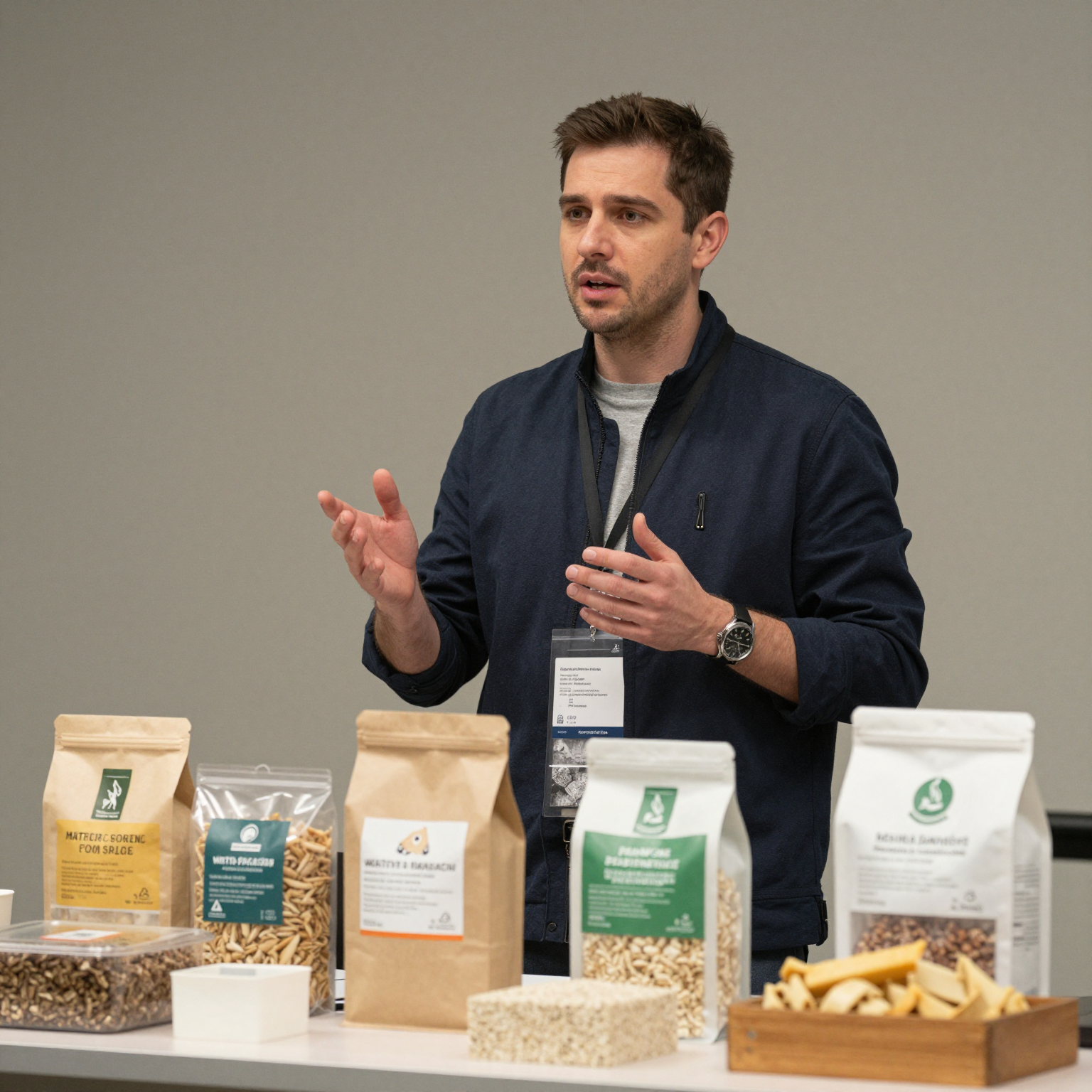
Key Benefits of Selecting the Right Plastic Container for Bubble Tea Shops and Food Service Businesses
Choosing the appropriate type of plastic container is crucial in the food service sector, especially for bubble tea shops and similar businesses. Here’s a breakdown of the key benefits of selecting the right container-focusing on Polypropylene (PP) and Polyethylene (PE) plastic materials:
-
Cost-Effectiveness:
-
PP containers may have a higher upfront cost but offer long-term savings through reusability and durability. They are resistant to thermal stress and can withstand higher temperatures, making them suitable for reheating and hot food storage. For instance, the production cost of a 500ml PP container is generally lower over time compared to lower-quality PE alternatives.
-
PE containers are often less expensive initially, which makes them a viable option for single-use items or low-budget initiatives. They are ideal for lightweight packaging and flexible use.
-
Safety and Compliance:
-
PP is known for its FDA compliance for food contact and ability to withstand autoclaving, making it safe for both hot foods and sterilization processes. It’s suitable for operational environments like commercial kitchens and healthcare settings. Source
-
In contrast, PE is not suitable for hot food applications and can leach chemicals if exposed to high temperatures, which can compromise food safety.
-
Product Suitability:
-
PP containers excel in rigid structural integrity, making them favorable for heavy or hot foods. This rigidity prevents spills and maintains food quality during transport.
-
PE containers provide flexibility and impact resistance, making them suitable for less sensitive products, such as cold beverages or flexible packaging solutions.
-
Environmental Impact:
-
PP containers are recyclable and can significantly reduce waste in long-term use scenarios. Their durability ensures they can be reused multiple times, aligning with sustainability goals. Learn more about sustainable options here.
-
Although PE is often cheaper and lighter, it generally has a shorter lifespan and poorer sustainability profile in comparison to PP unless properly recycled.
-
Operational Efficiency:
-
Using PP containers can streamline operations since they can handle thermal changes without altering their physical properties. This efficiency is particularly beneficial in busy food service settings.
-
On the other hand, PE may limit this efficiency due to its inability to withstand high temperatures, necessitating more changes in handling procedures for hot items.
In conclusion, while both PP and PE have their own distinct benefits, the choice ultimately depends on the specific operational needs of the business, especially in terms of cost, safety, and product suitability.
Conclusion and Call to Action
In conclusion, the choice between PP and PE plastic food containers is crucial for any food business, whether you are a bubble tea shop, a food truck, or planning a corporate event. Proper packaging not only ensures food safety and longevity but also plays a significant role in brand perception. As demonstrated by recent reports, over 65% of consumers now consider packaging when making purchasing decisions. Businesses that adopt innovative and eco-friendly packaging can significantly enhance their brand image and customer loyalty.
As the market continues to shift towards sustainable practices, integrating products like our reliable disposable tableware and packaging solutions becomes essential for staying competitive. These solutions, crafted from materials like bagasse and recyclable plastics, offer numerous benefits including:
- Minimized food waste
- Enhanced hygiene
- Cost-effectiveness
We invite you to explore our extensive range of packaging options at cupbowlpack.com. Don’t compromise on quality; choose packaging solutions that protect your food and empower your brand. Order now and make the switch to smarter, safer packaging!