

Introduction
Safe heating practices in the food industry are not just a guideline; they are a necessity. For businesses like bubble tea shops and restaurants, where customer satisfaction hinges on quality and safety, understanding how to heat food in plastic containers correctly is paramount. Many proprietors face challenges such as the risk of harmful chemicals leaching into food when plastic is heated, which can compromise the health of customers and tarnish reputations. Additionally, balancing efficiency with safety during busy hours can be daunting for busy kitchens. As demand grows, so does the need for safe, effective methods to serve delicious food without compromising safety. In this article, we’ll explore the best practices and solutions that can empower food service businesses to achieve safely heated meals without sacrificing quality. Learn more about the benefits of sugarcane cups and discover how these materials can help meet your heating needs without health risks.
Benefits of Using Plastic Containers for Heating Food
Plastic containers have become a staple in many kitchens, especially in settings such as bubble tea shops, restaurants, food trucks, and catering services. Here are some of the key advantages of using plastic containers for heating food:
-
Convenience: Plastic containers are lightweight and easy to handle, making them ideal for busy environments. They are often designed for easy stacking and storage, facilitating quick access and organization in a kitchen setting.
-
Weight Reduction: Unlike glass or metal containers, plastic containers drastically reduce the weight of your food packaging. This helps in minimizing transportation costs and makes it easier for staff to handle large quantities of food.
-
Cost-Effectiveness: Generally, plastic containers are less expensive than their glass or metal counterparts. This cost efficiency makes them an attractive choice for businesses looking to optimize their food service operations without compromising on quality.
-
Reheating Capabilities: Many plastic containers are microwave-safe, allowing for convenient reheating of food without the need to transfer them to other dishes. This saves time and minimizes the risk of spills.
-
Durability: Designed to withstand changes in heat and maintain structural integrity, quality plastic containers can be reused, reducing costs further and minimizing waste in food service operations.
For businesses looking for durable, convenient, and economical food storage solutions, plastic containers offer a compelling choice.
Learn more about customizable options here. To explore more benefits of sustainable packaging, check out our sugarcane cup benefits page.
Comparing Plastic Materials Suitable for Heating
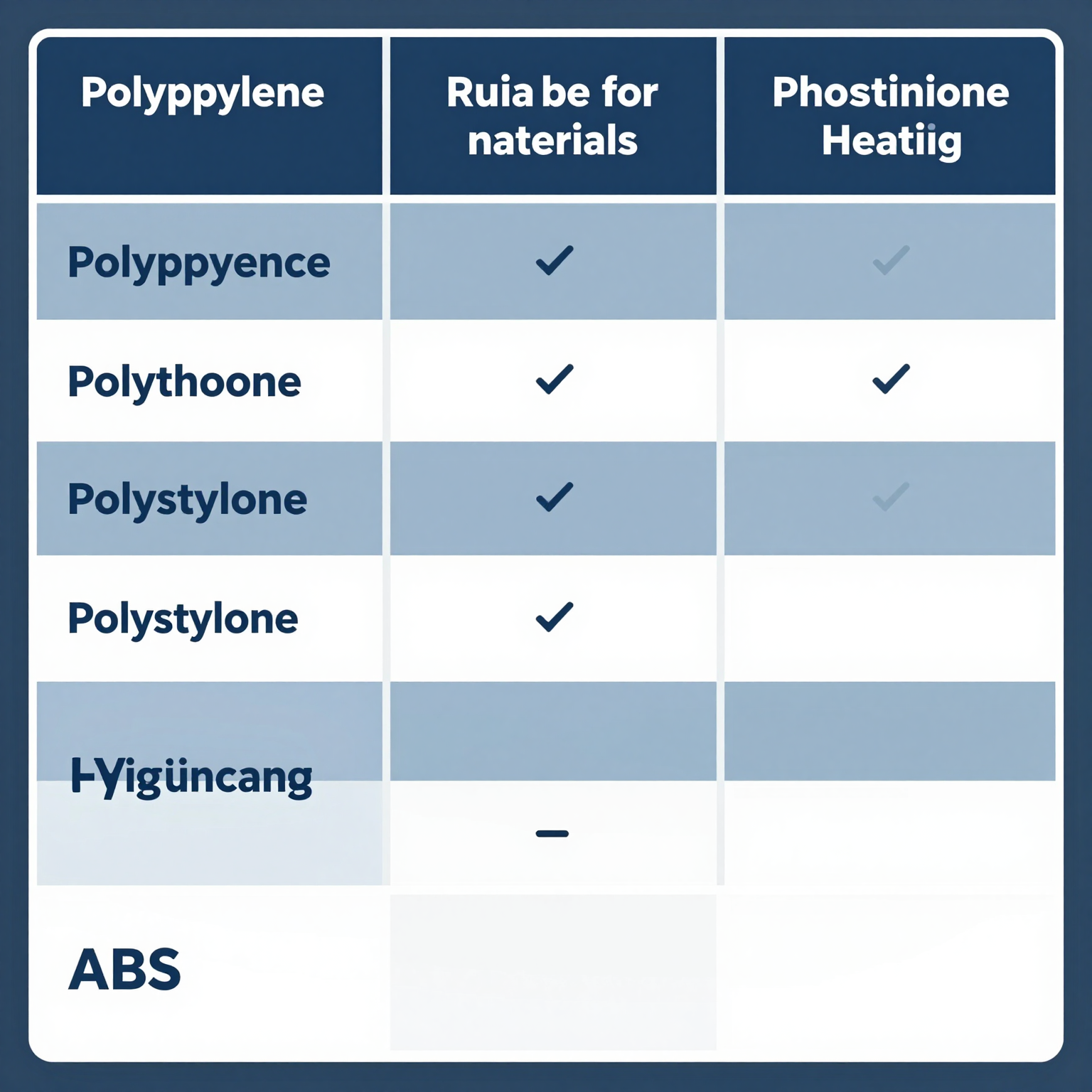
When it comes to heating food in plastic containers, various materials offer unique properties that cater to different needs. Below is a comparison of commonly used plastic materials, highlighting their heat resistance, safety standards, and ideal usage scenarios.
| Plastic Type | Heat Resistance (°C) | Safety Standards | Ideal Usage Scenarios |
|---|---|---|---|
| Polypropylene (PP) | 110-150 | FDA, EU regulations, RoHS, REACH | Microwavable containers, food packaging |
| Polyethylene (PE) | 80-130 | FDA, EU regulations, GB 4806.7-2023, low migration rates | Cold food storage, low-temperature applications |
| Polystyrene (PS) | 70-100 | FDA, EU regulations; caution for high temperatures due to possible leaching of styrene | Single-use food containers, cold beverages |
| Acrylonitrile Butadiene Styrene (ABS) | 80-100 | FDA, EU regulations, GB 9685-2016; requires specific conditions to avoid harmful substance migration | Durable containers, non-food applications |
Choosing the right plastic material is crucial for ensuring food safety while delivering quality and convenience in service. For further details on food-safe containers, learn more about customized solutions here.
Introduction
Heating food in plastic containers has become a common practice among many food service providers, including bubble tea shops, restaurants, food trucks, and catering services. However, it’s essential to be aware of the safety concerns involved in this method.
Chemical Leaching
One of the primary concerns when heating food in plastic is the potential for chemicals to leach into the food. Studies indicate that certain chemicals, like phthalates and BPA, may escape from plastic containers when heated. Even plastics labeled as “BPA-free” can still release similar harmful substances, such as BPS and BPF, under high temperatures. According to research from the Harvard T.H. Chan School of Public Health, heating food in improper containers can significantly increase risks of chemical exposure, especially with fatty or acidic foods.
Proper Temperature Guidelines
To mitigate risks, it’s crucial to adhere to proper temperature guidelines when microwaving or heating food in plastic. The U.S. Food and Drug Administration (FDA) advises consumers to use microwave-safe plastics, which are defined as capable of withstanding temperatures up to 120°C without compromising safety. Always check for labels indicating microwave suitability.
Suitable Plastics for Microwaving
Here’s a brief overview of common plastic types:
| Plastic Type | Code | Microwave-Safe | Notes |
|---|---|---|---|
| Polypropylene (PP) | #5 | ✅ | Most recommended type |
| High-Density Polyethylene (HDPE) | #2 | ⚠️ Limited | Can tolerate up to 130°C |
| Polystyrene (PS) | #6 | ❌ | Not suitable for heating |
Conclusion
In summary, while heating food in plastic containers is convenient, it’s crucial to choose the right type of plastic and pay attention to temperature limits. To ensure safer options, consider transitioning to materials like sugarcane or glass for heating purposes. Additionally, learn more about the benefits of sugarcane cups for environmentally friendly alternatives.
Safe Heating Practices for Plastic Containers
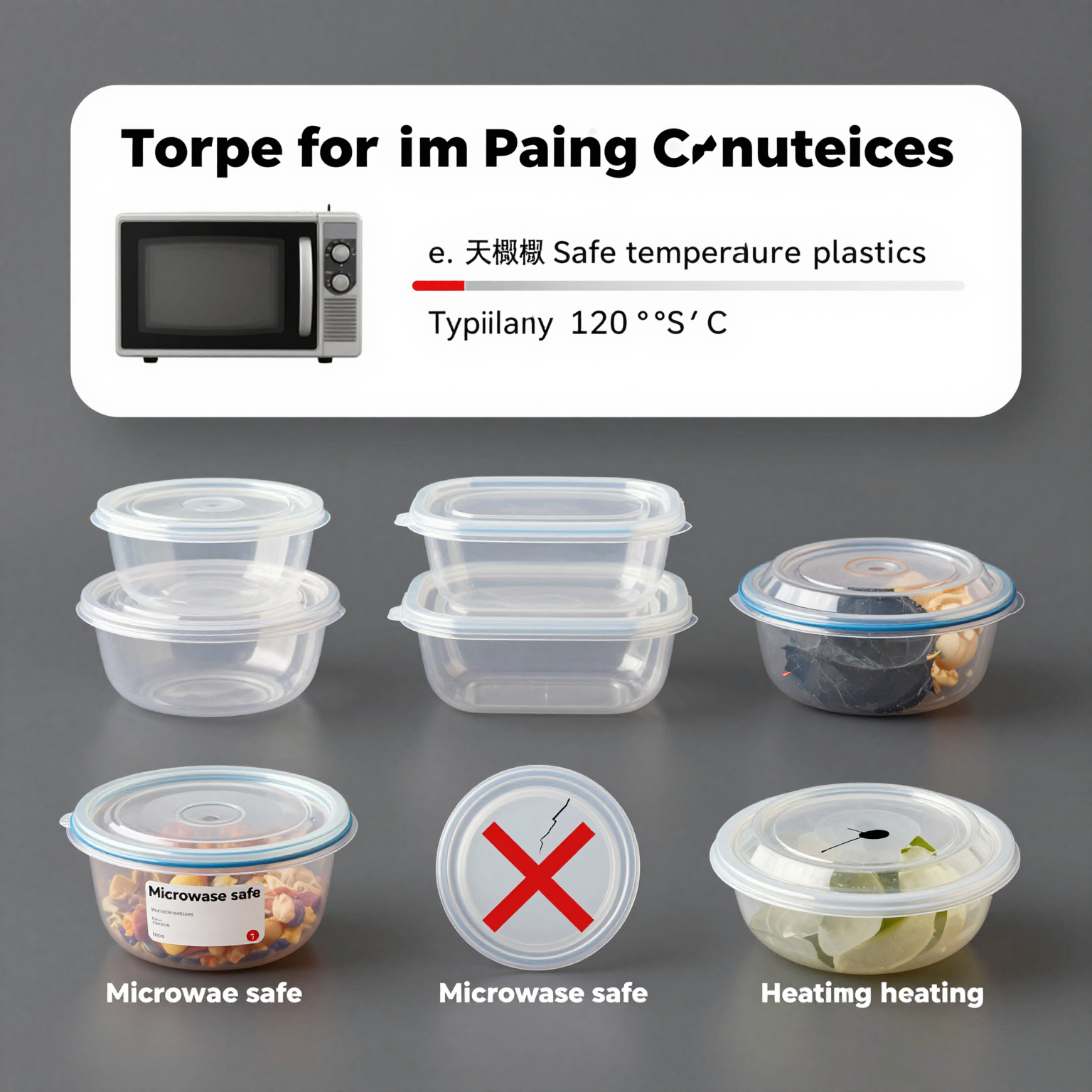
When heating food in plastic containers, it’s essential to follow safe practices to avoid health risks and ensure food quality. Here are some key points to consider:
- Temperature Guidelines: Always check the maximum safe temperature for your specific plastic container. Most containers are safe up to about 120 degrees Celsius (248 degrees Fahrenheit).
- Microwave Safe Labels: Ensure your plastic containers are labeled as “microwave safe”. This ensures that they meet safety standards and will not release harmful chemicals when heated.
- Proper Ventilation: When microwaving food, leave the lid slightly ajar or use containers designed for microwave use that have vents. This prevents pressure build-up, which can cause spills or even explosions.
- Avoid Damaged Containers: Discard any containers with scratches or cracks, as these can break down more easily when heated, potentially contaminating food.
Following these guidelines will help you ensure safe and effective heating of food in plastic containers, enhancing the quality and safety of your food service operations. For more insights into suitable containers, you can learn more about customized paper bowls here and explore the benefits of sugarcane cups here.
Best Practices for Heating Food in Plastic Containers
Heating food in plastic containers can be safe if you follow certain best practices. Here are key guidelines to ensure the safety and integrity of your food:
-
Use Microwave-Safe Containers: Only heat food in plastic containers that are clearly labeled as “microwave-safe.” Avoid using containers not specifically tested for microwave use, such as those made from polystyrene or some types of polyethylene.
-
Check the Recycling Codes: Look for containers with recycling codes #1 (PET), #2 (HDPE), and especially #5 (PP) for safer heating options. Always ensure these are marked microwave-safe as well.
-
Limit Heating Times: As a general rule, do not exceed 2 minutes of heating time per serving. This minimizes the risk of overheating and potential chemical leaching.
-
Monitor Temperature: Keep the temperature below 212°F (100°C), which is the boiling point for water. Prolonged exposure to high heat can warps some plastics, leading to chemical leaching.
-
Vent the Container: When heating, leave the lid slightly ajar to prevent steam buildup and pressure. This helps to avoid container damage and allows steam to escape, making food easier to heat evenly.
-
Avoid High-Fat and Acidic Foods: Foods high in fat or acidity can cause plastics to leach chemicals more quickly when heated. It is advised to use glass or ceramic containers whenever possible for these types of foods.
-
Be Cautious with Reheating: For leftover food, it is best to reheat smaller portions to reduce the risk of overheating. Ensure even heating by stirring the food halfway through the heating process.
For more information on best practices and applicable safety guidelines, consider reading the FDA’s recommendations on plastic food containers and best materials for heating here.
Ensuring safety when heating food in plastic containers is critical, especially in the food service industry. Implementing these practices can help safeguard both your staff and customers.
Heating Food Up in Plastic Containers: Safety Considerations
Using plastic containers to heat food is common in many food service environments, including bubble tea shops, restaurants, and food trucks. However, it’s important to understand the potential risks involved in this practice, especially concerning the materials that are being heated. While many plastics are labeled as “microwave-safe,” this label does not guarantee that harmful substances won’t be released when the container is heated.
Research from the U.S. Food and Drug Administration (FDA) emphasizes that microwaving food in certain plastic containers can be done safely, provided the containers are explicitly labeled as such. Nonetheless, they warn:
“Plastic containers marked as ‘microwave-safe’ are only safe when used according to label instructions, and should not be subjected to high temperatures for extended periods.” This is essential advice for those in the beverage and catering industries to ensure the health and safety of their customers.
One noteworthy study highlights that heating food in some plastics can cause the leaching of substances known to be harmful to human health. According to the Environmental Working Group (EWG), even “BPA-free” plastics can release endocrine-disrupting chemicals when heated. They state that:
“Plastics, even those labeled ‘BPA-free,’ may still release other harmful compounds when exposed to heat, potentially contributing to health issues with long-term exposure.”
To minimize risks, it is crucial to:
- Use containers that are explicitly marked for microwave use.
- Avoid heating oily or acidic foods in plastic, as these can exacerbate chemical leaching.
- Frequently check for recommended practices and updates from credible sources such as the FDA and industry guidelines.
By being informed and cautious, businesses can ensure food safety while providing high-quality service to their customers.
Understanding Plastic Container Usage in Food Service
As the food service industry evolves, plastic containers remain a cornerstone for restaurants, food trucks, and beverage chains. Recent data reveals that the global market for plastic food containers reached approximately ¥2,530.5 billion in 2023 and is projected to increase to ¥3,554.9 billion by 2030, showcasing a compound annual growth rate (CAGR) of 4.9%. Despite rising health and environmental concerns, plastic containers maintain a dominant position, capturing 77.13% of the market share in beverages and food sectors.
A significant factor contributing to this trend is the industry’s compliance with stringent safety standards. A recent inspection report indicates that there is a 100% compliance rate for food-grade plastic containers, reflecting the industry’s commitment to quality and safety. Furthermore, despite the heightened awareness around environmental impacts, plastic containers are favored for their lightweight, cost-effective, and durable nature, proving indispensable for food service operations.

Plastic Food Containers Market Statistics
For more information on how to choose the right containers for your needs, consider exploring customized octagonal paper bowls or the benefits of sugarcane cups.
In conclusion, adhering to safe heating practices in plastic containers is crucial for maintaining food safety and protecting consumer health. With the potential for harmful chemicals to leach into food when plastic is heated, especially at high temperatures, it’s essential for beverage and food service providers to choose the right type of containers for their heating needs. Always opt for containers designed for heat resistance, such as those made from polypropylene (PP), which can safely withstand higher temperatures up to 120°C.
Additionally, avoid using single-use plastics or low-grade materials that could compromise food quality and safety. By employing safe heating methods, you not only ensure the health of your customers but also enhance the reputation of your business.
To ensure you’re making the right choices in disposable tableware and packaging solutions, consider our custom bagasse sushi box for eco-friendly options or explore our sugarcane cup benefits for responsible disposables. Together, let’s work towards a safer and more sustainable food service environment.
FAQ: Heating Food in Plastic Containers
1. Is it safe to microwave food in plastic containers?
Yes, but it depends on the type of plastic used. Look for containers labeled “microwave safe” or with a recycling code of #5 (PP). These are deemed safe for microwave use. However, other plastics, especially those marked with #1 (PET) and #6 (PS), can release harmful chemicals when heated. To stay safe, avoid using older or scratched containers, and follow industry best practices regarding food safety.
2. What are the best practices for heating food in plastic containers?
- Check Labels: Always ensure your container says “microwave safe.”
- Avoid High Temperatures: Limit microwaving time to 1-2 minutes to prevent overheating, which can degrade the plastic and cause leaching of toxins.
- Use Safe Materials: Choose glass or ceramic when possible, especially for high-fat foods, which can reach higher temperatures and pose a risk when stored in plastic.
3. What should I do if I notice melting or Warping?
If you see any signs of warping or melting, stop using the container immediately. These are indicators that the material is not suitable for heating or has reached its thermal limit. It’s best to switch to materials like glass or ceramic, which maintain structural integrity under heat.
4. How can I troubleshoot issues when heating food in plastic?
- Heating Too Long: If your food is hot on the outside but cold inside, try adjusting the heating duration to ensure even warming.
- Food Odors: If your food develops an off smell while heating, it could indicate chemical leaching. Discontinue using that container immediately and choose one that is rated for microwave use.
For more information about safe food packaging, check out our blog on customized octagonal paper bowls.
By following these guidelines, you can enjoy the convenience of reheating food in plastic without compromising safety.