
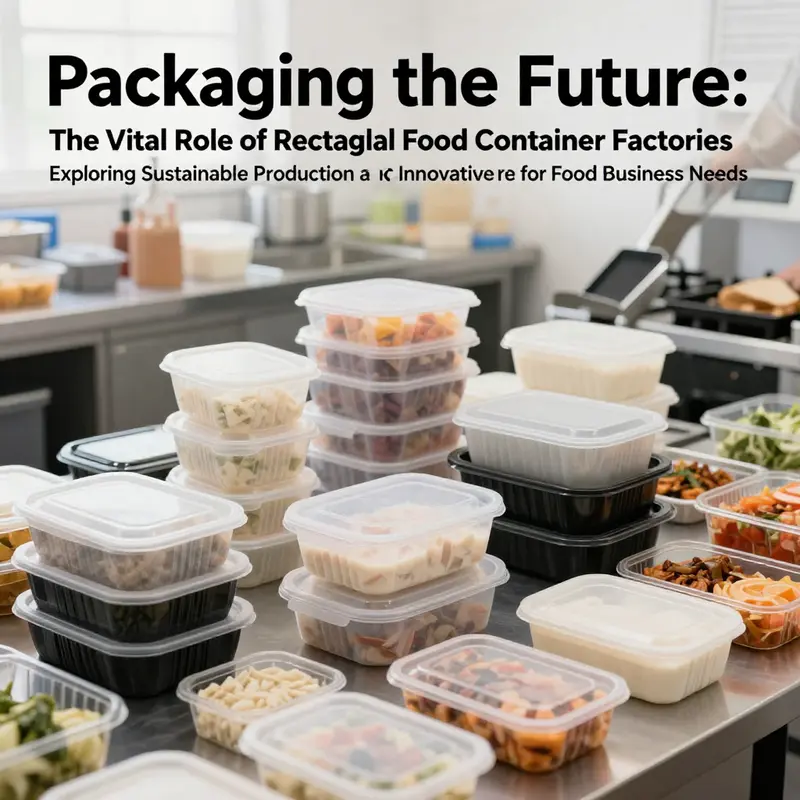
Rectangular plastic food containers have become essential in the food service industry, serving a variety of businesses from bubble tea shops to catering services. As the demand for reliable and efficient storage solutions grows, factories specializing in these containers are innovating to meet diverse customer needs. This article delves into various aspects, starting with an overview of supply materials, followed by exciting design innovations, a look at current market trends, and sustainable practices that demand attention, before concluding with an analysis of the economic impact on global markets. Each section is tailored to provide insights for your business and inform your packaging choices.
Engineering the Rectangle: How Factories Turn Plastic and Heat into Everyday Food Containers
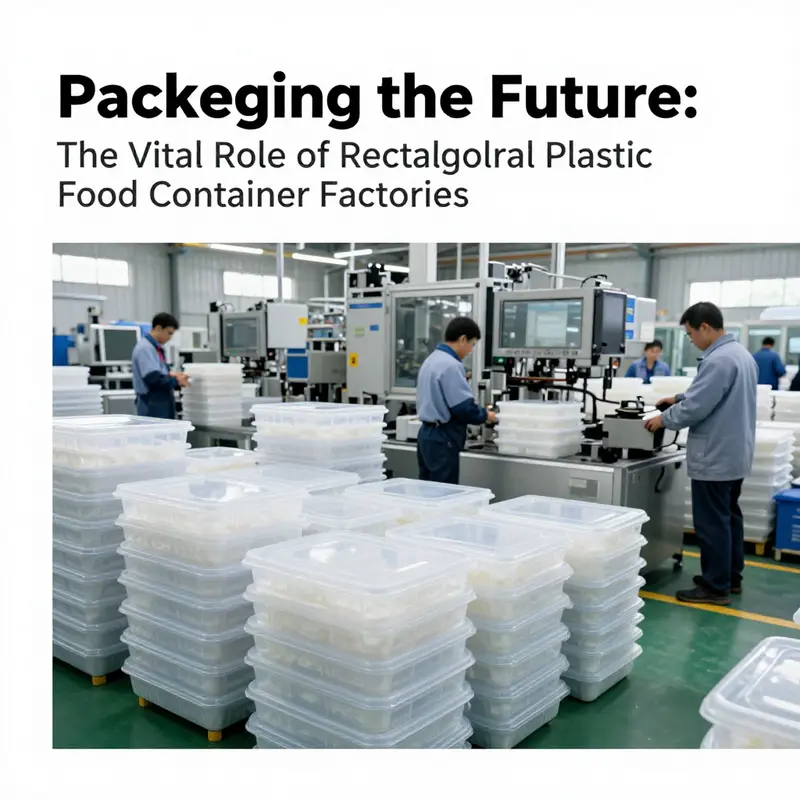
Manufacturing a rectangular plastic food container is a carefully choreographed operation where materials science, process engineering, and logistics intersect. The core polymers—predominantly virgin polypropylene and, in many markets, CPET for higher heat resistance—are selected to balance durability, chemical inertness, and temperature tolerance. PP supports everyday use in freezing and microwaving, while CPET enables longer microwave exposure without warping. The choice of resin guides wall thickness, seal geometry, and recyclability, all of which drive safety and total cost.
On the factory floor, resin pellets are melted and directed through molding lines that may include injection molding for lids and closures and thermoforming or injection-stretch-blow for trays. Each geometry is tuned to deliver uniform wall thickness, a stable base, and mating surfaces that form a leak-proof seal. Some lids use hinge mechanisms, others rely on snap-lock profiles; the goal is a reliable seal after repeated cycles and easy separation for consumer use.
Stackability is a practical design imperative. Uniform external dimensions and compatible lid shapes enable efficient stacking in storage, on pallets, and in retail displays. Visibility through transparent lids reduces handling and helps inventory control in fast-paced kitchens and cafeterias.
Global supply chains feed these factories. In Asia, particularly in major hubs, manufacturers offer a spectrum from small runs to supermarket-scale production. Minimum order quantities vary by supplier and product line, while capacity can scale to hundreds of thousands of sets for large operators. Buyers weigh lead times, tooling flexibility, and the ability to customize lids, colors, and branding against price and reliability.
Material choices reverberate through the lifecycle of the product. From resin procurement and processing temperatures to cooling rates and end-of-life options, the selected polymer influences performance, recyclability, and regulatory compliance. Many markets now demand clear labeling, certifications for food safety, and traceability across batches to reassure customers and satisfy auditing bodies.
Quality assurance permeates every step, from raw material receipt and inline process controls to final packaging. Microwave safety marks, dishwasher compatibility, and freezer-grade performance are verified through testing that simulates real-world use. A factory’s strength lies in its ability to maintain consistency across lots, monitor seal integrity, and sustain performance as volumes scale up.
Beyond the plant, supplier ecosystems provide options for customization—dimensions, lid designs, branding, and colorways. For operators, the ability to tailor packaging to service models, from quick-service restaurants to institutional kitchens, adds strategic value. Sustainability considerations push suppliers to offer alternatives and to invest in certifications that track material provenance and environmental impact.
Looking forward, the rectangle remains a compact archetype for efficiency, safety, and convenience. The challenge for engineers is to refine processing parameters, control tolerances, and optimize tool maintenance so that every container delivers predictable performance from freezer to microwave and through multiple wash cycles. In this ecosystem, data-driven quality assurance—collecting tolerances, seal strengths, and traceability metrics—becomes as important as the physical parts themselves.
As a closing note, the rectangle continues to symbolize a balance of functionality and responsibility, guiding packaging design toward reliability, recyclability, and relevance in diverse food-service contexts.
Form, Function, and the Factory: Designing Rectangular Plastic Food Containers for a Sustainable Future
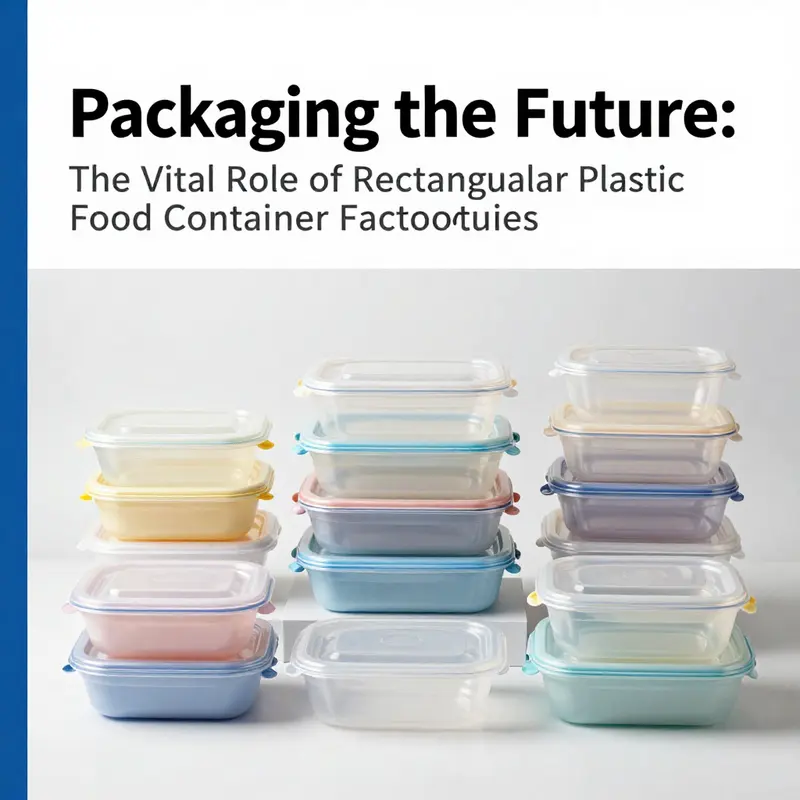
Rectangular plastic food containers produced in modern factories are more than simple shells for meals. They are carefully engineered systems where material science, process engineering, and user behavior converge. In the current wave of innovation, factories prioritize solutions that perform under kitchen temperatures, withstand routine dishwasher cycles, and align with ambitious sustainability targets. The journey from resin to ready-to-use box involves precise molding, quality control, and smart design decisions that can dramatically reduce waste across households and catering operations. A manufacturing approach that balances rigidity, clarity, and grip while keeping costs in line with market demand is the core challenge—and opportunity—for rectangular container lines. When these containers are designed with the end user in mind, they become tools for healthier, more organized eating, not mere receptacles.
Materials selection drives almost every performance metric that matters. Polypropylene offers toughness, chemical resistance, and a degree of clarity that helps with content identification. It also carries a favorable recycling profile in many regions. CPET, with its superior heat tolerance and more glass-like transparency, extends the range of reheating and serving scenarios without compromising safety. The ongoing emphasis on sustainability pushes factories to optimize the resin blend for recyclability and energy efficiency, and to design containers so they can be disassembled or redirected into circular streams at end of life. The result is a set of plastic containers that meet culinary and hygienic standards while reducing material footprint over the product lifecycle.
One of the most visible design choices is the transparent lid. A window on top means users can locate soups, salads, or multi-item meals without opening the container. This reduces exposure to air, limits moisture loss, and helps maintain hygiene during storage. In busy food service settings, transparent lids cut service time and minimize door openings in walk-in coolers. Home cooks benefit as well, because the ease of visibility lowers the likelihood of overcooking or leaving leftovers behind. The lid design also contributes to integrity during transport, ensuring that pressure changes or minor bumps do not loosen the seal.
Another thread in this design tapestry is modular compartmentalization. Single or multi-compartment formats support portion control and organized meal prep. The compartments can be molded as an integral feature or added through compatible inserts, enabling users to separate mains from sides or sweets from sauces without cross-contact. This modularity resonates with lunch box ergonomics, catering trays, and kitchen-batch cooking. It also creates a tangible advantage in supply chains, where batch variation can be reduced and stock-keeping efficiency improved through standardized across-container geometries. With compartmental designs, the same outer shell can serve a variety of meals, letting manufacturers scale a family of products without starting from scratch for each new configuration.
Customization has moved beyond color choices to size grids, lid styles, and even branding elements printed or embossed on the exterior. Factories equip tooling fits that let customers specify different depths, square corners, and wall thicknesses to tailor containers to specific menus or storage spaces. Custom logos and color accents help operators maintain brand identity in crowded settings, from hospital kitchens to street-side takeout. The ability to print or mold branding directly into the container minimizes post-processing steps and reduces overall packaging complexity. For a broader sense of design variation in a related packaging family, consider this example of a rectangular take-away salad paper container with lid rectangular take-away salad paper container with lid. It illustrates how geometry, lid philosophy, and external aesthetics can converge in non-plastic materials, offering a useful contrast to plastic container design while highlighting the same underlying principles of space efficiency and user-centric use.
Heat resistance remains a decisive criterion. Heat-resistant versions extend the life of a container beyond its storage use, enabling microwaving or hot-holding where policies allow. Even when reheating is considered, safe margins are built into the corners and rims, preventing warping or bagging that can compromise seals. This capability is particularly valuable for prepared meals and school or workplace catering, where a simple reheating cycle can transform cold storage into ready-to-eat portions. The engineering challenge is to maintain structural integrity under repeated heat and cool cycles, while preserving clarity so that contents remain visible through the lid. In practice, this means calibrating wall thickness, ribbing patterns, and sealing geometry to balance stiffness, heat tolerance, and stackability.
Ergonomics also drive everyday usefulness. Slim profiles that remain stackable in crowded shelves help households and facilities manage space more efficiently. Practical touches—gentle curves that nest with other containers, rounded edges to ease handling, and light, integrated handles for transport—make the containers friendlier for daily life. These ergonomic refinements pay dividends in energy and labor costs: fewer dropped containers, easier loading into dishwashers, and less breakage over time. Through these subtle adjustments, manufacturers translate complex performance targets into tactile, everyday experiences that reinforce consistent use and reduce waste by encouraging reuse rather than discard.
Sustainability has become a headline driver, guiding both materials development and packaging strategy. The industry seeks biodegradable or bio-based alternatives that can break down more readily in the environment, while maintaining the same safety and performance standards. Lightweight materials that preserve strength enable lower material consumption and easier transport, further reducing the total environmental footprint. Yet the trade-offs are real: biodegradability often carries constraints on heat tolerance, shelf life, or mechanical resilience. The current design language therefore embraces a spectrum of options, from highly recyclable, conventional polymers to more advanced, compostable or bio-based variants that can be integrated into established recycling streams wherever feasible. The aim is not to replace plastic but to use it more thoughtfully, with end-of-life pathways that minimize waste and maximize recovery.
From a health and safety perspective, the priority is to ensure food-grade compatibility throughout processing and use. Industrial design teams work with stringent standards to prevent migration of additives and contaminants, and to guarantee that any surface contact remains within acceptable limits across the product’s lifecycle. This requires control over the manufacturing environment, including clean molding conditions, quality resins, and tested sealants for lids. The conversation around safety inevitably intersects with environmental sustainability; some regions require clear labeling about recyclability and reuse options. In practice, this means that factories are balancing functional performance with regulatory clarity and consumer trust, an equilibrium that strengthens both the integrity of the product and the reputation of the brands that rely on it.
Behind every successful container, there is a synchronized set of processes. Injection molding, multi-cavity tooling, and automated inspection lines come together to produce uniform walls, precise lid fits, and consistent locking mechanisms. The aim is to achieve repeatable geometry so that lids mate cleanly with bases across thousands of cycles, which supports automation in restaurants and distribution centers. The design language thus informs the factory workflow: if a lid must snap into place reliably, the rib pattern and the lip geometry must be optimized, not just for aesthetics but for speed, precision, and waste reduction. This is where the art of packaging design meets the science of manufacturing, and where small deviations can cascade into costly recalls or customer dissatisfaction. The result is a product that looks simple but embodies a complex ecosystem of tolerances, tests, and standards that keep everyday food safe and convenient.
Looking forward, the conversation around rectangular plastic containers is likely to pivot on disassembly-friendly designs and more adaptable production lines. Designers will increasingly seek to unify outer shell geometry with interior features so that a single platform can serve multiple end uses. The push toward circular economy principles will encourage systems that facilitate recycling, repair, and material recovery without compromising user experience. In the lab and the factory, researchers test new blends and reinforcement approaches that bring higher stiffness with lower weight, while preserving clarity and safety. The industry may also explore bio-based feedstocks that integrate with existing recycling infrastructure, reducing lifecycle emissions as consumer expectations shift toward responsible packaging. The overarching idea remains clear: durable, safe, and highly functional containers can be produced in ways that align with environmental values and business realities, ensuring that the rectangular form stays relevant in a world hungry for efficiency and responsibility. This curiosity will be continued in the next chapter, where the mass production and supply chain implications are explored.
As these products travel from resin to shelf, their success hinges on the subtle balance of material science, ergonomic design, and sustainable logistics. For market context and current offerings, see the external resource here: https://www.alibaba.com/product-detail/Rectangular-Plastic-Food-Containers-Pp-Disposable1600572945328.html?spm=a2700.galleryofferlist.po&algopvid=8e4f9a9b-fd3a-4e8c-b60c-52982099b9ed&algoexpid=8e4f9a9b-fd3a-4e8c-b60c-52982099b9ed-1&btsid=210524a317400297881792824e19e1
Rectangular Resolve: How Sustainable, Automated Rectangular Plastic Food Containers Are Reshaping Modern Food Service
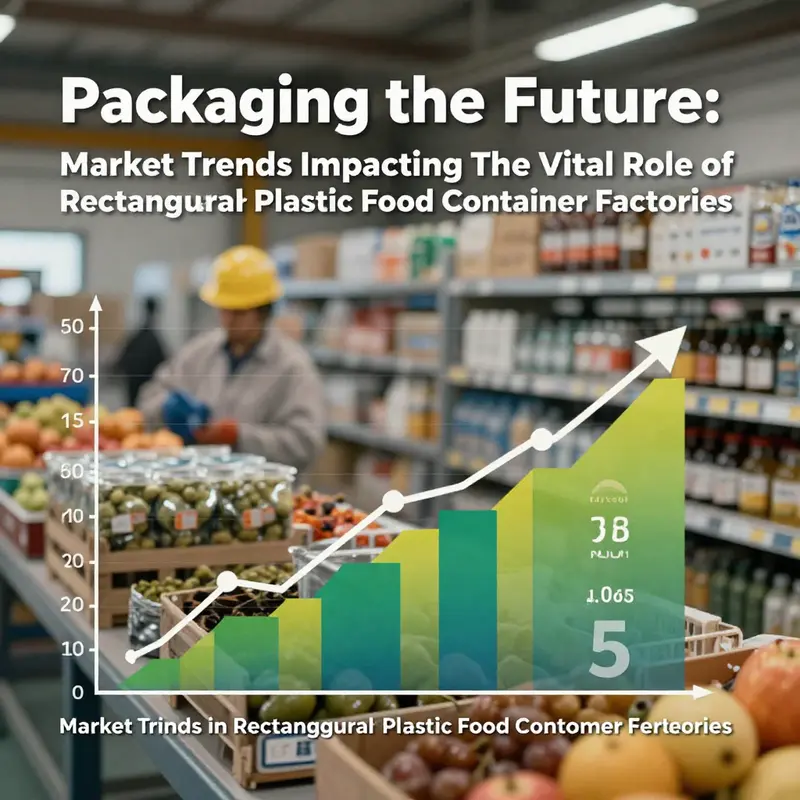
Rectangular plastic food containers have quietly become a strategic backbone of modern food service, translating shifts in consumer behavior into tangible changes on the line. The shape itself is longer, flatter, and easier to stack, fitting the rhythm of busy kitchens, takeout workflows, and warehousing. In factories that produce these containers, the blend of material science, precision engineering, and disciplined supply chains determines how a simple food box can carry more than meals: it can carry brand integrity, safety, and sustainability across a chain that runs from prep station to customer doorstep. The discussion of these rectangles, made mainly from polypropylene and CPET, shows how the industry balances convenience with safety and how automation turns design into reliable, scalable reality.
Materials hinge on two principal polymers: polypropylene and CPET. Polypropylene offers rigidity, clarity, and chemical resistance, ideal for stackable, durable boxes that survive cold storage, microwave reheating, and dishwashing. CPET, or cyclic olefin polymer expanded by crystallinity, brings higher heat resistance and clarity, allowing containers to withstand microwaves and hot fill while preserving the visual appeal of food. This dual material strategy is more than versatility; it aligns with health and regulatory expectations. Food contact safety is non negotiable, and both PP and CPET can be formulated to minimize migration risks when certified under FDA 21 CFR and applicable EU regulations. The industry focuses on BPA free polymers to support consumer safety as packaging material interactions with food, time, and temperature are scrutinized. In practice, containers for a spectrum of uses from cold storage to hot serving must maintain barrier properties and mechanical integrity without compromising safety or performance.
Sustainability emerges as a gravitational force shaping design and production. Consumers demand eco friendly packaging, and regulators tighten requirements around recyclability, post consumer recycled content, and end of life. For the rectangular container segment, the response is to favor recyclable resins such as PP and HDPE, while exploring PCR resins that can be integrated without sacrificing safety or performance. The industry moves toward a circular economy where containers are not just disposed of but reintroduced into the material stream. This requires robust testing to verify that recycled content does not erode leakage resistance, impact strength, or microwave compatibility. Manufacturers invest in resin procurement strategies that prioritize traceability and contaminant control, so recycled content does not introduce variability that could undermine consumer trust. The push toward sustainability extends beyond materials to manufacturing footprints, energy use, waste reduction, and packaging design that minimizes material input while maintaining function. The result is a family of products that meet the needs of busy kitchens while aligning with global initiatives to cut plastic waste and advance circularity.
Technological innovation sits at the center of improving performance and capacity. Modern rectangular container lines rely on fully automated blow molding processes that deliver high volume output with tight control over wall thickness and wall to lid fit. Precision is essential: small deviations in thickness can lead to weak corners, leak resistance issues, or misfit lids that fail during transport. Automated lines enable consistent wall thickness distribution, which is crucial for stackability in crowded storage environments. Wall strength translates into better drop resilience during handling and transport, while rigid wall geometry supports predictable behavior under stacking loads, reducing deformation that could compromise seal integrity. Quality assurance extends from the raw resin to the final product. Inline sensors monitor parameters such as wall thickness, material uniformity, and mold integrity, while post mold testing screens for leakage, impact resistance, and thermal performance. The result is a reliable product family whose performance reduces returns, fewer complaints, and steadier supply for restaurants, cafeterias, and food distributors.
The geography of manufacturing adds strategic nuance. In key hubs such as Zhejiang, Hebei, and Guangdong, factories benefit from integrated supply chains, proximity to ports, and advanced automation that reduces turnaround times and costs. This geographic clustering fosters a rapid feedback loop: designers, mold makers, and resin suppliers can synchronize on product iterations, ensuring new container designs meet demand signals without sacrificing safety, performance, or regulatory compliance. Proximity to packaging ecosystems, including lid suppliers and closure technologies, enhances compatibility and reduces total cost of ownership for buyers who rely on reliable end to end packaging solutions. The regional ecosystems also support flexibility in MOQs, allowing startups and smaller distributors to enter the market with leaner capital commitments while still receiving the assurances of safety and performance that larger buyers expect.
Customization and flexibility have moved from optional features to fundamental market expectations. Buyers seek designs tailored to specific applications, such as unique dimensions to maximize space in a given cabinet or to fit in a particular workflow. The ability to start with modest production runs, sometimes as low as a hundred units, encourages experimentation, enabling new brands to test concepts, branding, or service formats without a heavy upfront investment. This trend toward scalable production is inseparable from the broader sourcing framework that weighs price, technical compliance, and material safety alongside robust post sale support. Testing for droppability, vibration endurance, and leakage prevention is no longer a luxury; it is a baseline requirement that informs supplier selection and contract terms. The seller ability to adapt to branding requests such as lids with colors or branding panels, embossed logos, or windowed designs for product visibility has become a differentiator in a crowded market space. In this context, the rectangle geometry is not merely a functional choice; it is a platform for branding, merchandising, and customer experience.
The interplay of design, material choice, and process control sustains confidence along the supply chain. For example, a container that performs reliably in a freezer and then transitions to a microwave with strong lid sealing is not just convenient; it reduces waste by preventing spoiled food and returns. The ability to maintain integrity under mixed-use cycles cold storage, reheating, and dishwasher cleaning speaks to the maturity of both materials and processes. This is especially critical as consumer preferences tilt toward multi use packaging that can endure the full lifecycle of a ready to eat or ready to heat meal. Manufacturers recognize that every increment in reliability compounds into lower total cost of ownership for customers, reinforcing the value of investing in high quality materials, rigorous testing, and precise molding.
The same attention to safety and environmental stewardship informs the selection of supplier networks and the emphasis on pre and post sale support. Material safety testing, process validation, and performance testing are not merely formalities; they are mandatory steps in guaranteeing product reliability and ensuring regulatory alignment across jurisdictions. Suppliers that can demonstrate a rigorous testing protocol for migration, heat resistance, and mechanical performance gain credibility with buyers who operate under tight quality controls and stringent health standards. In turn, buyers benefit from reliable performance in their own downstream operations, fewer product defects, less waste, and better consumer trust.
Alongside these technical and regulatory considerations, market rhetoric surrounding convenience and packaged foods has expanded the role of rectangular containers in the food service ecosystem. The growth in e commerce and food delivery has elevated the importance of durable, hygienic packaging that can withstand the rigors of last mile logistics. The emphasis on stackability, efficient use of freezer and refrigerator space, and compatibility with a range of storage conditions translates into real world savings: more efficient cold chain management, reduced spoilage, and a cleaner, more professional food presentation upon receipt. This is why the rectangular form endures as a preferred standard; it is a practical, scalable response to the pressures of modern food service, from the prep station to the customer experience.
For readers seeking a broader external perspective on market dynamics, the latest global plastic food container market analysis provides context for what these factories are responding to in terms of demand, pricing pressures, and regulatory evolution. External reference: https://www.researchandmarkets.com/reports/5347869/global-plastic-food-container-market. This source frames the expansion of the sector as a combination of convenience driven growth and sustainability driven constraints, underscoring why manufacturers invest heavily in automation, material science, and design flexibility to stay competitive.
One internal touchpoint worth noting, in the spirit of continued collaboration between producers and end users, is the potential for closely integrated packaging options that align with broader branding and sustainability goals. For example, many buyers look for packaging solutions that can support customized branding while delivering eco friendly attributes. A representative example in the broader packaging ecosystem shows how the same design principles stackability, heat resistance, leak resistance, and seal integrity can be extended to more sustainable packaging formats without sacrificing functional performance. To illustrate a related option available in the packaging marketplace, one example of customizable eco friendly packaging options can be explored here: https://cupbowlpack.com/product/senang05-eco-friendly-disposable-kraft-food-packaging-bowl-window-customizable-size-color-embossing-option/.
The trajectory of rectangular plastic food container manufacturing is one of measured advancement rather than sudden disruption. It rests on a foundation of material science that ensures safety and performance, industrial automation that guarantees scale and consistency, and a market ecology that rewards both sustainability and adaptability. The result is a family of products capable of supporting the evolving needs of modern food service from compact cafes that rely on efficient pantry storage to large scale operators delivering millions of meals across diverse geographies. As factories continue to refine resin blends, optimize molding cycles, and expand MOQs without compromising quality, the rectangle remains not only a geometric form but a pragmatic solution that helps kitchens work smarter, safer, and more sustainably. The chapter on market trends has set the stage for how ingredient choices, process control, and supplier collaboration converge into a robust value proposition for the rectangular plastic food container industry, while hinting at the innovations that will define the next wave of packaging design and manufacturing excellence.
Rectangular by Design, Sustainable at Heart: Reimagining Material Choice and Lifecycle in Plastic Food Container Manufacturing
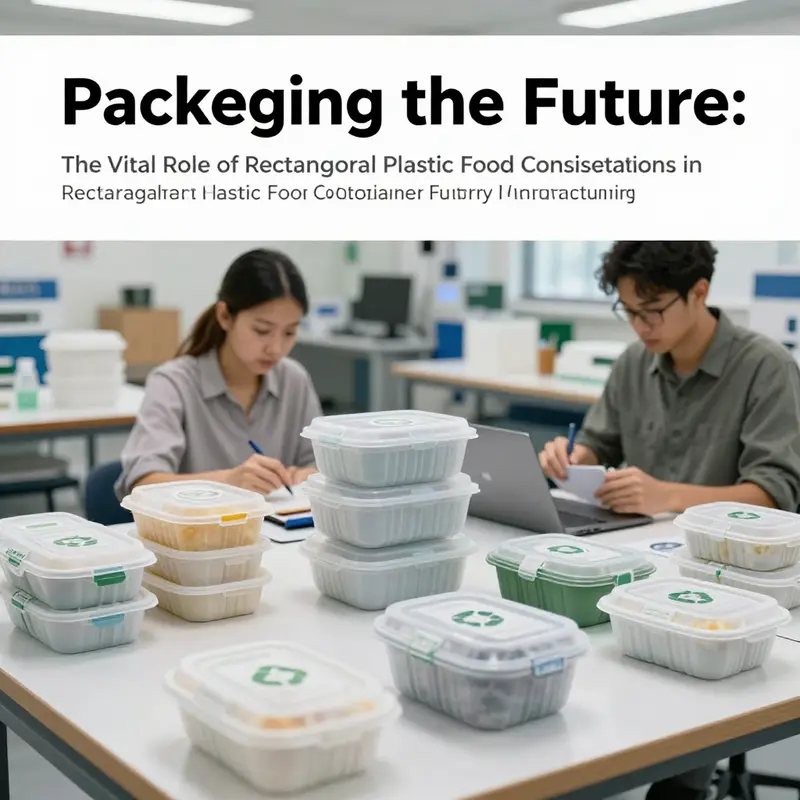
Rectangular plastic food containers occupy a quiet yet essential role in the food service ecosystem. They pack efficiently, stack neatly, and fit a broad range of menu formats—from single-serve meals to family-sized packs. Yet beneath their everyday utility lies a tension that modern manufacturers must manage with precision: how to sustain performance while curbing environmental impact. In this chapter, the focus shifts from the immediate features of containment to the broader arc that shapes every container’s life—from raw material selection and production to end-of-life processing and the regulatory and consumer pressures that redirect investment toward more sustainable pathways. The rectangle remains the familiar frame, but the decisions that define its manufacture are increasingly guided by lifecycle thinking rather than by isolated performance criteria alone. The industry commonly aligns with two thermoplastics that offer distinct blends of durability, heat tolerance, and processability. Polypropylene, often selected for its toughness and microwave safety, is prized in hot-meal and takeout applications. Cyclic polyesters, processor-friendly CPET, bring high heat resistance and clarity that support display-oriented or cold-chain uses. Both materials carry advantages, yet their environmental footprints diverge in meaningful ways, especially when considered across the product’s full life cycle. Recyclability, energy intensity during production, and the potential for pollution at the end of life are central to any meaningful assessment. A core principle guiding contemporary practice is design for recyclability. This means simplifying material streams, clustering compatible resins, minimizing adhesives or coatings that complicate separation, and enabling easier dismantling at end-of-life facilities. It also means reducing energy demand in manufacturing and leveraging recycled content wherever feasible. In a sector where containers are frequently used for hot or refrigerated food and must withstand repeated cycles of washing or microwaving, the balance between durability and recyclability becomes a practical design constraint. The push toward recycled content is not merely a response to resource scarcity; it is a strategic decision to stabilize supply chains and align with government and corporate sustainability goals that increasingly treat packaging as a lifecycle issue rather than a one-off product. A key implication is that even with materials that perform well in use, the post-consumer stage must be navigated with care. The transition from a single-use perception to a circular mindset requires an integrated approach. Materials must not only be safe for contact with food but also amenable to high-quality recycling streams. In practice, this translates into closed-loop thinking: can a container be made with a higher proportion of recycled feedstock without compromising safety, leak resistance, or thermal performance? Can the end product be recovered, reprocessed, and reintroduced into the same market or a similar use without degrading performance? These questions are no longer theoretical; they guide capital budgets, supplier selection, and the design language across lines. The regulatory environment reinforces this shift. Authorities increasingly demand clearer chemical safety profiles, stronger labeling that supports recycling infrastructure, and explicit lifecycle assessments that quantify energy use, emissions, and potential for pollution across the product’s journey. In many jurisdictions, policies encourage or require the uptake of PCR content, penalize wastefulness, and incentivize innovations that reduce packaging weight without sacrificing integrity. This alignment of policy with market demand creates a powerful impetus for the industry to pursue smarter materials strategies. Yet challenges persist. Polymers like PP, while durably suited to the rigors of microwave heating and repeated washing, pose concerns if not managed through efficient recycling systems. They persist in the environment, raising questions about reuse, reclamation, and the ultimate fate of plastics after use. PS, long favored for its insulation properties in certain delivery contexts, contributes disproportionately to single-use waste, underscoring why many manufacturers are evaluating alternatives that break the cycle of disposability. In response, a spectrum of potential solutions is under active exploration. Biodegradable or compostable materials offer promise for reducing the persistence of waste, but their scalability, cost, and real-world performance under diverse food service conditions remain points of ongoing evaluation. For instances where performance demands still outpace the capabilities of biodegradable options, manufacturers pursue hybrid strategies: conservative material selection that favors recyclability, calibrated thickness to minimize material use without compromising strength, and advanced process controls to extract more usable life from each container. The lifecycle approach also invites a deeper look at upstream and downstream processes. Energy intensity in the extrusion, molding, and finishing stages can be mitigated through improved process efficiency, renewable energy integration, and smarter plant design that reduces waste. Downstream, the end-of-life question becomes a test of system compatibility: can the container material be sorted and processed within existing recycling streams? Does it contaminate other streams, or does it contribute to a clean, high-quality recycled resin that can be reintroduced into a new round of manufacturing? The OECD Case Study on Detergent Bottles, introduced in the research materials, offers a relevant framework for weighing these trade-offs in a broader rigid plastic packaging context. It emphasizes a holistic lens that considers chemical safety, recyclability, and lifecycle environmental impact. While detergent bottles differ in function and composition from food containers, the underlying principles—transparent lifecycle metrics, attention to end-of-life destinations, and the balancing of performance with ecological responsibility—are widely applicable. The lesson is clear: sustainability cannot be bolted onto a product; it must be embedded in the design, materials selection, and manufacturing posture from the outset. Industry players have recognized this by increasing collaboration with recyclers, auditors, and policy bodies to refine the pathways for circularity. They are also experimenting with recycled content that does not compromise safety or performance. Through process optimization and material stewardship, they aim to realize energy and waste reductions that accumulate across thousands of production lines and millions of containers. The conversation about sustainable rectangular containers is also a conversation about alternative packaging ecosystems. In some corridors of the market, there is a growing interest in sustainable, non-plastic solutions such as kraft-based, bagasse, or other fiber-reinforced options. These pathways, while not a universal substitute today, reflect a broader industry willingness to diversify the packaging toolkit. The integration of such options often involves careful assessment: barrier properties against moisture, compatibility with microwaving or dishwashing, and the logistics of supply in a high-volume, price-sensitive sector. Even within plastic packaging, the drive toward lighter weight and smarter design helps reduce material use without sacrificing performance. Engineers are rethinking geometry, wall thickness, and lid interfaces to optimize strength-to-weight ratios. They are also refining the adhesive and labeling systems to simplify sorting in recycling streams, a practical step toward minimizing contamination and enabling higher-quality recycled outputs. This is not a retreat from performance; it is a strategic reallocation of resources toward a more resilient manufacturing model that can weather regulatory shifts, fluctuating material costs, and evolving consumer expectations. The interconnection between material science, process engineering, and lifecycle thinking continues to shape the decision matrix in rectangular container manufacturing. It is a field where incremental improvements—small reductions in energy intensity, slight increases in recycled content, or modest adjustments to design for easier disassembly—accumulate into meaningful environmental gains over time. The narrative is not simply about choosing one material over another; it is about orchestrating a suite of decisions that align performance with responsibility. In practice, this orchestration involves cross-disciplinary collaboration: material scientists, process engineers, sustainability analysts, and supply-chain planners working in concert to map a product’s lifecycle, identify hotspots of environmental impact, and implement targeted improvements. The chapter’s core message converges on a simple yet powerful idea: sustainable rectangular packaging is achievable when design parity with performance is complemented by lifecycle accountability. The rectangle becomes a vehicle not only for food but for responsible manufacturing. It is a canvas on which material choices, waste prevention, energy efficiency, and end-of-life feasibility converge to define a new standard for packaging in the food service sector. For readers exploring practical avenues, the inclusion of forward-looking packaging options—such as eco-friendly kraft-based alternatives—can be instructive. For instance, readers may find it useful to review developments in kraft-paper-based containers that emphasize recyclability and compostability in real-world settings. For more on such options, one example is discussed in industry content describing eco-friendly kraft-paper soup bowls with lids, which illustrate how supplier ecosystems are expanding to meet sustainability goals while maintaining the critical features of containment and user convenience. eco-friendly kraft paper soup bowl with lid. In this broader context, the journey toward sustainable rectangular containers is ongoing, marked by steady progress in material science, recycling infrastructure, and lifecycle assessment practices. It is about choosing the right materials for the right use, ensuring that those choices translate into reduced environmental footprints without compromising safety or performance. It is also about recognizing that packaging strategies do not exist in isolation; they influence resource use, waste streams, and ultimately the sustainability narratives that shape consumer trust and regulatory legitimacy. To close with a reminder that echoes beyond the factory floor, the pursuit of sustainability in rectangular container manufacturing is a continuous conversation about value—value for users who demand safe, reliable packaging; value for communities seeking waste reduction; and value for the planet that bears the cumulative result of packaging choices. As such, the journey will increasingly hinge on robust data, transparent reporting, and ongoing collaboration with policymakers, recyclers, and suppliers who share a commitment to responsible stewardship. For researchers and practitioners seeking a framework to examine these trade-offs, the OECD case study referenced earlier offers a structured lens for evaluating how rigidity in packaging design interacts with flexibility in end-of-life options, chemical safety, and environmental performance over time. External resource: https://www.oecd.org/environment/chemicals-safety/pube-case-study-on-detergent-bottles.pdf
Manufacturing Momentum: How Rectangular Plastic Food Container Factories Shape Global Market Dynamics
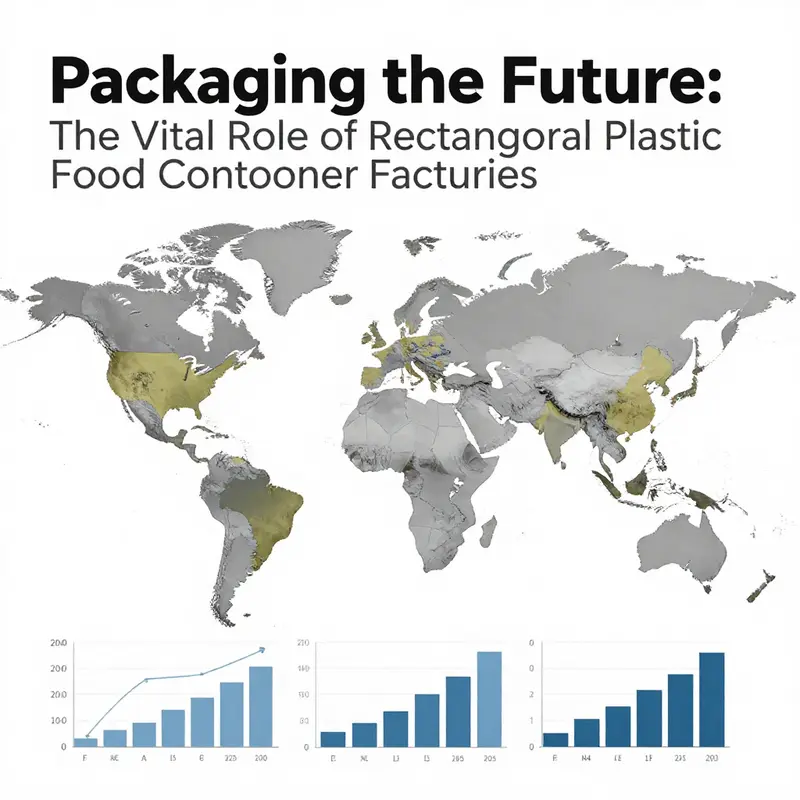
Rectangular plastic food containers sit at a quiet intersection of everyday need and global manufacturing power. They are not mere vessels; they are the end products of integrated value chains that span resin chemistry, tooling precision, quality testing, and logistical networks that deliver fresh meals, ready-to-eat snacks, and batch-prepared ingredients to kitchens, cupboards, and coolers around the world. The factory floor behind these containers is a study in scale and efficiency. It begins with polymers such as polypropylene and CPET, materials chosen for a balance between rigidity, heat resistance, and lightweight resilience. From there, rapid injection molding, precise sheet thermoforming, and high-speed sealing create a family of shapes and lids designed to endure the rough choreography of a busy service environment. The containers must not only withstand microwaving and dishwashing but also maintain their integrity when stacked high in refrigerated aisles or snug under a shelf in a delivery box. In many factories, the challenge is to harmonize material properties with design features that improve usability while keeping costs predictable for a vast, diverse customer base. The result is a product line that looks simple but is built on sophisticated decisions about thickness, transparency, rigidity, and surface finish. Each batch represents not just a shipment of containers but a node in a global system where a shopper’s quick stop for a ready-made meal or a restaurant’s bulk packing operation rely on predictable performance, consistent supply, and a compelling price-to-value ratio.
The economic logic driving this production is anchored in mass scale. The cost per unit drops as annual volumes rise, but the capital and operating costs rise as well. Capital-intensive tooling, automation, and quality control systems enable a factory to produce millions of units with a narrow defect rate. The economics hinge on the balance between throughput, waste minimization, and speed to market. In practice, this means a continuous emphasis on process improvement, from resin drying and melt temperatures to cycle times and mold maintenance. When a plant achieves stable cycle times, the savings ripple outward: lower unit costs, a more aggressive price ladder for customers, and the ability to fund ongoing research into new designs and materials that better align with consumer expectations for safety, convenience, and sustainability. The manufacturing sector supporting rectangular containers thus becomes a lever for broader economic activity, supporting supplier networks, equipment suppliers, and skilled labor across regions.
The market dynamics around these vessels reflect a duality: disposable convenience and durable reuse. In many parts of the world, the demand for disposable containers remains robust due to the immediacy of foodservice and the logistics of takeout and home storage. Yet at the same time, there is a growing emphasis on durability, recyclability, and reuse. This duality pushes factories to diversify offerings—producing a spectrum of products from lightweight, single-use rectangles with secure snap lids to sturdier families intended for longer service life and variable reuse cycles. The design challenge is to preserve the functional advantages that end users value—clear content visibility, reliable sealing, resistance to chilling and microwaving—while aligning with evolving waste management policies and consumer attitudes toward packaging footprints. Plastics researchers and factory engineers respond with innovations in barrier properties, lid-fit precision, and surface textures that resist staining and scuffing, all of which contribute to longer usable lifespans and fewer replacements. By aligning product development with real-world usage patterns, factories produce containers that reduce meal prep labor, speed up kitchen workflows, and enhance the efficiency of cold-chain storage.
Market data illuminate the scale of this transformation. The global plastic containers market, which includes both disposable and reusable rectangular formats, has projected growth that reflects changing eating patterns, urbanization, and the expansion of food service and takeout ecosystems. A sustained CAGR around six percent signals not only growing demand but also a broadening base of end-use applications—hotels, schools, office cafeterias, convenience stores, and online food retail platforms all rely on stable supply and standardized sizes. The rectangle, as a form factor, offers storage efficiency and stacking advantages that translate into measurable logistics savings. For a distributor or a cuisine operator, the ability to optimize shelf space and transportation loads means lower carrying costs and less product damage in transit. As containers become more versatile—compatible with refrigeration, dishwasher cycles, and microwave heating—operations can standardize on a smaller set of SKUs while still meeting a wide array of storage and service scenarios. These efficiencies feed back into the price arena, enabling more predictable budgeting for buyers and more stable demand signals for manufacturers.
The role of major retail and foodservice platforms in shaping this market should not be underestimated, even when we keep to a general frame rather than naming particular brands. Large retailers and procurement networks favor products that can be produced at scale, meet safety standards, and offer reliable performance in high-volume settings. The preference for transparent or translucent lids and body walls, for example, is not merely aesthetic; it is a functional choice that reduces time spent identifying contents in cold storage and decreases handling errors. In kitchens and storage rooms, such features translate into real-world gains: faster retrieval, clearer inventory checks, and less product waste from misidentification. When factory output aligns with these operational needs, the economic case strengthens. Mass production becomes not just about churning out more units but about consistently delivering containers that help preserve food quality, reduce spoilage, and support efficient workflows in diverse service environments, from bustling urban cafeterias to quiet neighborhood takeout outlets.
Sustainability considerations increasingly steer the trajectory of rectangular container production. While plastic remains a practical choice for its light weight, protective properties, and cost efficiency, the industry faces a shifting regulatory and consumer landscape. The emphasis is on improving recyclability, enhancing reuse potential, and designing for end-of-life recovery without compromising performance. Materials selection matters here: polypropylene offers a balanced set of heat resistance and rigidity, while CPET delivers superior temperature tolerance for microwaving and cold storage. The trade-offs between transparency, stiffness, and barrier performance are rarely abstract; they shape what factories can produce, how much it costs, and how long a given design will remain viable in a market that increasingly values sustainability footprints. Forward-looking factories invest in process technologies that reduce scrap, optimize material usage, and enable recycling-compatible designs. They also explore lightweighting strategies that maintain strength while lowering resin consumption. In regions with mature waste-management ecosystems, the circular economy logic can drive additional value through programs that recover and reprocess containers into new resin streams, blunting the environmental impact while preserving the functional advantages that users require.
Regional dynamics add another layer to this story. Asia-Pacific remains a pivotal production hub, offering proximity to large consumer bases and to diversified supply chains. North America and Europe, meanwhile, push for tighter standards and more robust recycling infrastructures, prompting manufacturers to adapt designs and production lines accordingly. Such geographic diversification helps spread risk and supports resilience in supply chains, a consideration that matters when raw-material prices swing or when logistics pressures intensify. The capacity to tailor container dimensions, lid configurations, and surface finishes to local regulatory requirements and consumer preferences reinforces a factory’s ability to serve multiple markets with a unified production system. In this context, the rectangular container becomes more than a commodity; it is a modular solution that aligns with the broader aim of enabling convenient, high-quality food storage and service while navigating the complexities of global trade, regulation, and sustainability.
Economic impact, then, emerges not only from the direct sales of millions of containers but from a broader cascade of benefits. Factory employment, skilled-trades opportunities, and technical training all rise as automation and quality-control practices mature. The supply chain spawns ancillary demand for tooling, molds, packaging materials, and testing services. Local economies benefit from investment in new machinery, energy efficiency upgrades, and waste-management partnerships that extend the life cycle of containers beyond a single use. In a market projected to reach well over four hundred billion dollars in the next decade, the rectangular plastic container factory stands as a critical engine—driving cost-effective production, enabling the rapid fulfillment of growing food-service needs, and shaping how households and institutions organize, preserve, and access meals. The chapter of this global story is written in the language of throughput, durability, adaptability, and responsible stewardship, a language that manufacturers, retailers, and users alike learn to speak with greater fluency as material science, logistics, and policy continue to evolve.
Final thoughts
The role of rectangular plastic food container factories goes beyond simply manufacturing; they are pivotal in shaping the future of food service packaging. With sustainable materials and innovative designs at the forefront, these factories cater to a diverse array of businesses, ensuring product functionality aligns with eco-friendly practices. Understanding market trends and economic impacts helps businesses make informed decisions about packaging solutions that meet both operational needs and sustainability goals. As the industry evolves, so too must our approaches to packaging, ensuring we support not just our businesses but our planet as well.