
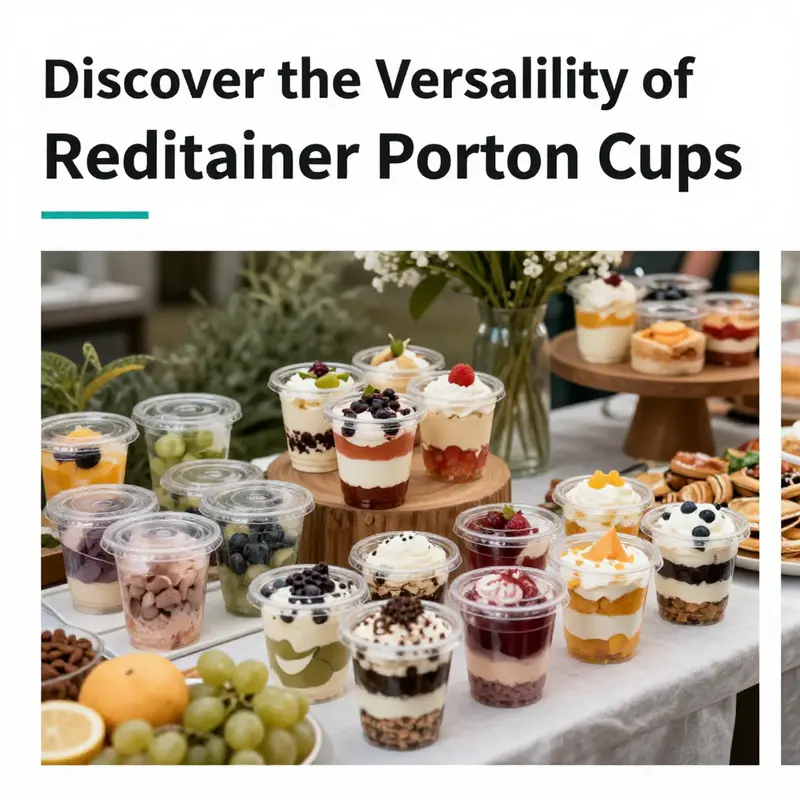
Reditainer plastic disposable portion cups, specifically the 5.5-ounce pack of 100, are revolutionizing how food and beverage businesses operate. With their robust design and practical features, these cups are ideal for bubble tea shops, restaurants, food trucks, and catering services. Each chapter will dive into the exceptional features of these cups, their diverse applications in the food service industry, their environmental impact, and their cost-effectiveness, providing a comprehensive view that highlights their importance in modern business settings.
Innovative Design and Unmatched Practicality in Disposable Portion Cups
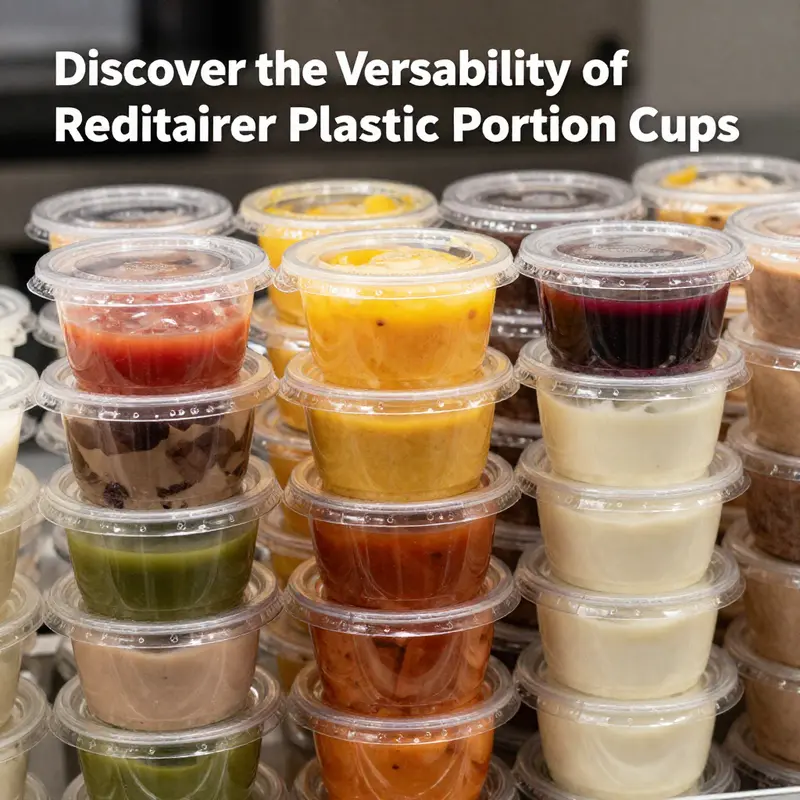
Reditainer plastic disposable portion cups present a refined solution for modern food service requirements. These carefully engineered cups combine efficiency with practicality, delivering a single-use product that upholds hygienic standards while ensuring a reliable experience for providers and customers alike. Designed with a focus on consistency in portion control, each 5.5‐ounce cup plays a crucial role in facilitating quick and uniform servings. Their creation revolves around the interplay between durability and ease of use, making them highly adaptable to scenarios ranging from casual dining to elaborate catering events. The clear construction not only accentuates visual appeal but also provides transparency, allowing users to assess the served content at a glance. Incorporating advanced features such as a leak‐proof seal and a stackable configuration, these cups address storage concerns and minimize waste transportation inefficiencies. Furthermore, the cup’s form factor is intuitively designed to simplify the service process, allowing staff to serve sauces, desserts, or even small samples without the encumbrance of bulky packaging. Businesses that rely on quick turnarounds and high-volume orders can greatly benefit from this well-considered design. In addition to offering consistency in serving sizes, the usability of these cups assures that every portion retains its freshness and meets presentation standards. The thoughtful engineering extends to every detail, balancing economic feasibility with high performance, making these cups a natural asset in any fast-paced food service environment.
Crafted from a durable, recyclable plastic, these cups are engineered for strength without sacrificing convenience or sustainability. The choice of material reflects a commitment to eco-friendly practices while ensuring that the cups remain resilient during continuous use. Their recyclable nature enables responsible disposal after use, satisfying businesses that aim to reduce their environmental impact. This fusion of durability and sustainability does not compromise the lightweight characteristics required for ease of handling and storage. The robust plastic maintains its integrity even when exposed to temperature fluctuations common in busy kitchens or during outdoor events. In environments where spills or leaks could cause operational setbacks, the reliability of the material becomes a vital advantage. Moreover, operators appreciate that a single-use design significantly minimizes cross-contamination risks, creating a hygienic serving solution. The interplay of material strength and thoughtful design invites a level of performance that redefines the disposable serving cup, ensuring that each unit performs consistently throughout its use while contributing to an overarching strategy of environmental responsibility and operational excellence.
Functionality is at the heart of every design decision for these disposable cups. Their precise 5.5‐ounce capacity guarantees that every serving is consistent, a critical factor for applications that require exact portion control. Whether used for presenting appetizing desserts, tangy sauces, or small servings of beverages, each cup delivers a uniform amount that helps control food costs while meeting customer expectations. This consistency not only aids in culinary precision but also bolsters the confidence of both service providers and end-users. The design further supports efficient hygiene practices by reducing the need to reuse items, thereby diminishing the risk of cross-contamination. In bustling kitchens or during fast-paced events, the ease of disposal simplifies clean-up operations and streamlines overall workflow. Service personnel can concentrate on core responsibilities without being weighed down by the logistical challenges of managing multi-use items. The cup’s design also encourages operational efficiency, as its single-use format allows establishments to uphold rigorous sanitary standards effortlessly. In addition, the thoughtful design supports efficient workflows in settings where speed and compliance with health protocols are paramount, reinforcing the benefits of a product that merges simplicity with technical precision.
An exceptional feature of these disposable portion cups is their innovative stackable design. Engineered to optimize storage and transportation, the cups occupy minimal space when not in use, allowing operators to maximize storage efficiency. In dynamic food service environments where space is often limited, this characteristic enables a compact arrangement that contributes to a smoother, more organized operation. The ability to stack the cups securely not only saves valuable room but also ensures easy accessibility during busy periods. Catering services and event coordinators benefit from the streamlined process of setting up a serving station or transferring supplies between locations. The uniformity in cup design means that the stacking process is both secure and intuitive, reducing the risk of damage or disarray. Additionally, a tidy storage area reflects well on overall operational management, leading to fewer disruptions during critical service times. From inventory management to on-the-go transport, this stackable feature offers multifold advantages that blend practicality with design ingenuity. In this way, the thoughtful stacking capability is more than a convenient trait—it is an integral component engineered to meet the demands of contemporary food service operations while boosting productivity and satisfaction.
Versatility is a hallmark of these disposable portion cups, making them well-suited for a broad array of culinary applications. Their uniform capacity and sturdy construction position them as an ideal choice for serving everything from delicate desserts and elegant mousses to zesty sauces, tangy dips, and even small portions of soups. The clear, transparent design greatly enhances presentation by allowing visual appeal to merge with functionality. This transparency offers customers an enticing preview of the contents, building anticipation and ensuring that every serving meets high aesthetic standards. In commercial kitchens and busy catering environments, the adaptability of these cups translates into consistent quality across diverse menu offerings. Culinary professionals appreciate that the cups maintain their pristine condition regardless of whether the contents are served hot or cold. This adaptability further permits their use in numerous service styles, from formal banquets to casual pop-up events. The blend of simplicity and technical precision invites culinary experts to explore innovative presentations while relying on a product that consistently delivers outstanding performance and value.
The clear and transparent nature of these cups plays a pivotal role in enhancing both functionality and customer appeal. One of the most significant advantages of transparent packaging is that it allows the visual characteristics of food or beverages to stand out. This clarity is particularly useful in settings where appearance is key, as it provides an immediate, honest view of the quality and freshness of the contents. Whether the presentation involves vibrant sauces, layered desserts, or artisanal dips, the see-through design contributes to a heightened sensory experience. Restaurateurs and event organizers can leverage this feature to create visually engaging displays that attract attention and stimulate appetite. In addition, the inherent transparency assures customers of the product’s quality while providing an unfiltered snapshot of the serving’s contents, thus fostering trust. This design approach—merging aesthetic appeal with functional advantage—transforms a simple disposable cup into a critical element of modern presentation strategies. Ultimately, the clear construction underlines a commitment to quality and opens up creative avenues for those looking to impress with both taste and style.
Temperature adaptability is another defining characteristic that underscores the practicality of these disposable portion cups. Meticulously engineered to withstand both high and low temperatures, the cups consistently perform regardless of whether the contents are hot soup or chilled dessert. Their resilient design means that even when exposed to sudden temperature shifts, the cups retain their structural integrity, thus ensuring that the contents stay securely contained. This quality is particularly beneficial in fast-paced food service environments, where items often transition quickly from the heat of a kitchen to the coolness of the dining room or outdoor setting. The ability to maintain performance across a spectrum of temperatures minimizes leakage risks and enhances confidence among service providers. This reliability allows catering managers and chefs to include these cups as an integral part of their routine operations, knowing that the product will perform consistently under varying conditions. By accommodating temperature extremes without compromise, these cups offer an elegant fusion of innovation and practical resilience, meeting the diverse demands of culinary applications with unwavering reliability.
Convenience in operation is at the forefront of the disposable cup’s design ethos. The combination of a reliable leak-proof seal with an easily stackable form factor positions these cups as a robust solution for a variety of high-demand environments. From large-scale events and catered banquets to intimate gatherings and everyday home use, they facilitate a seamless transition from preparation to presentation. Their ease of handling and efficient storage significantly reduce setup time during peak hours, ensuring that service flows remain uninterrupted. Chefs, caterers, and event planners benefit from the reduced risk of spills and simplified logistics, freeing them to concentrate on crafting memorable dining experiences. This focus on user convenience is complemented by design excellence that minimizes operational distractions and maximizes productivity. An example of innovative, efficient design is demonstrated by products like the eco-friendly printed logo paper ice cream cups with lids, which similarly marry practicality with sustainability. This blend of ease, environmental responsibility, and technical precision reinforces the cup’s suitability for a wide array of applications, affirming its place as a modern solution tailored to the rigors of both professional kitchens and casual settings.
In summary, these disposable portion cups flawlessly combine intelligent design, material strength, and operational efficiency. Their leak-proof, stackable attributes and suitability for both hot and cold servings deliver reliability and aesthetic appeal. For more details, visit the official listing on Amazon. This innovative offering elevates every dining experience remarkably.
A Versatile Solution for Modern Food Service: Exploring the Multifunctional Role of 5.5-Ounce Disposable Portion Cups
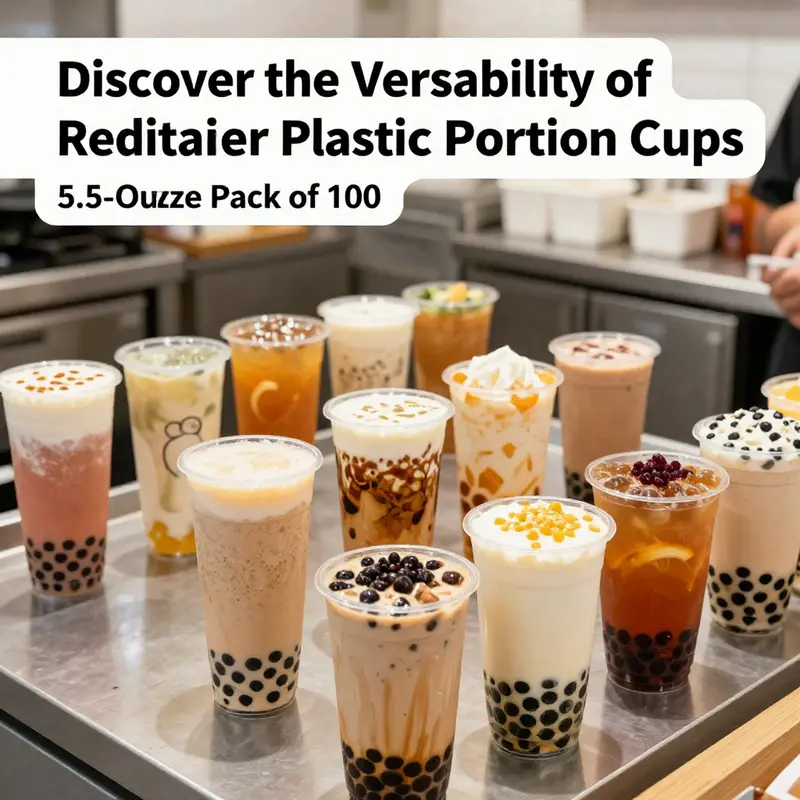
In the dynamic world of food service, convenience and reliability are as essential as the culinary artistry itself. Disposable portion cups, especially those with a 5.5-ounce capacity, have emerged as an indispensable tool for many businesses, blending functionality with economic efficiency. These cups, crafted from durable and recyclable polypropylene, are meticulously engineered to offer a robust solution for a wide spectrum of food service applications. The underlying design emphasizes leak-proof properties, hygiene, and the ease of stacking for storage, making them a natural choice for restaurants, catering events, and retail sampling stations alike.
At the heart of their appeal is the assurance that every serving is consistent. With a capacity of 5.5 ounces – a volume that translates roughly to 160 milliliters – these cups provide precision when it comes to portion control. Whether it’s dispensing a measured amount of a savory sauce, an appetizing dollop of dessert topping, or even a small tasting sample of an artisanal condiment, the design ensures that overflow and spills are kept at bay. This precision mitigates waste, streamlines cost management, and sets a high standard for presentation across various service environments. In essence, they help businesses serve the right portion every single time, which is vital for both operational efficiency and customer satisfaction.
One of the fundamental applications of these disposable cups lies in their ability to serve desserts and jellies. The clarity of the plastic material offers a visual appeal that accentuates vibrant desserts. For example, when serving delicacies such as fruit gelatin, creamy puddings, or even delicately layered parfaits, the transparency of the cup enables an enticing view of the dessert’s intricate layers. This aesthetic quality not only enhances the dining experience but also doubles as a marketing asset when items are displayed under ambient lighting, be it along buffet tables or at specially arranged sampling stations. The secure lids that accompany many of these cups seal in freshness, ensuring that the dessert remains as pleasing in presentation as it is in taste, even when transported from the kitchen to the dining room.
Portion control is another arena where these cups excel. In fast-paced environments such as casual dining establishments and buffets, the ability to maintain consistency in serving sizes is critical. These cups help chefs and servers alike by providing a predetermined volume for sauces, condiments, and dips. Whether it is a drizzle of tangy barbecue sauce, a dollop of creamy hummus, or a smear of zesty mustard, every ingredient is portioned out with meticulous accuracy. This not only fosters a sense of fairness among customers but also aids in managing food costs and minimizing wastage. Moreover, in settings where dietary concerns and nutritional information are paramount, having a reliable and consistent serving size serves to inform customers about their intake while reinforcing the establishment’s commitment to quality and efficiency. For those interested in similar packaging solutions, the innovative design of the takeaway bowl with lids designed for fast food and salad offerings echoes the same principles of functionality and reliability.
In addition to their productive role in portion control and dessert presentation, these disposable cups have become a staple in sampling and tasting stations. Whether featured at grocery stores offering a taste of a new product or at bustling event booths where samples of yogurt, baby food, or other delicacies are made available, the ease of use and hygienic properties of the cups are highly prized. When serving samples, the last thing a vendor wants is cross-contamination, and the single-use nature of these cups provides the ideal solution. Customers can enjoy a tasting experience without the worry of residue from previous servings, ensuring that every sample is as fresh as if it were being served straight from the kitchen. This approach, when coupled with a leak-proof and visually appealing container, creates a positive impression that not only drives immediate interest but also builds long-term consumer trust.
Beyond their common uses in desserts, sauces, and sampling, these cups also find application in serving cold beverages and smoothies. Although primarily designed for solid and semi-liquid foods, their robust construction makes them suitable for short-term use with chilled beverages. Fast food outlets and quick-service restaurants can leverage these cups to offer protein shakes, smoothie blends, and even light refreshment drinks during peak hours. The durable nature of polypropylene provides resistance to temperature variations and helps maintain the desired texture and flavor of the beverage until it is consumed. This dual functionality – serving as both a container for food and drink – underscores the versatility of these disposables in a variety of consumer settings.
The realm of catering and event services has also embraced these 5.5-ounce cups with enthusiasm. In large-scale events such as weddings, corporate gatherings, and celebratory parties, every minute detail matters, and the success of these events often hinges on the seamless execution of food service. Disposable cups serve as an efficient and hygienic way of delivering individual portions of appetizers, garnishes, or even small entrees. The advantages of using single-use disposables extend to reducing the labor required for post-event cleaning, thereby allowing event coordinators to focus on creating memorable experiences. The stackable design further simplifies logistics by enabling compact storage and straightforward transport, an attribute that is particularly beneficial in busy environments where space is at a premium.
Central to these varied applications is the underlying material – recyclable polypropylene. This form of plastic is renowned for its durability, flexibility, and its ability to withstand both hot and cold temperatures without warping or losing integrity. It reassures users that regardless of the conditions – whether a restaurant is serving piping hot meals or cool, refreshing drinks – the containers will perform consistently. In an era where environmental consciousness is at the forefront of business practices, the recyclability of polypropylene offers an additional advantage. Food service operators can confidently use these cups knowing that they align with sustainable practices and contribute to waste reduction. In practical terms, not only are they a boon for everyday operational efficiency, but they also help businesses meet environmental standards and regulations.
The design emphasis on stackability and compact storage further enhances the practicality of these disposables. In busy kitchens and storage areas where space is a luxury, the ability to neatly stack cups without risk of damage is invaluable. This simplicity in storage translates into faster service times and better organization, a factor that can lead to improved overall operational efficiency. When a restaurant is inundated with orders during a busy service period, having readily accessible and well-organized disposables can significantly reduce the turnaround time for food preparation and service. As a result, customers experience reduced wait times and more consistent service quality.
Another important aspect to consider is the role these cups play in upholding consumer safety and hygiene standards. In a time when food safety is paramount, the fact that these cups are designed for single-use cannot be overstated. They eliminate the risk of contamination that might arise from reusing items that are not easily sanitized. This straightforward approach to hygiene is particularly advantageous in high-turnover environments such as fast food chains and catering services. By ensuring that each serving comes in a brand-new, uncontaminated cup, providers can maintain a high standard of cleanliness and protect the health of their customers. The enhanced security against spills also minimizes the chance of accidents in busy restaurants or event settings, contributing further to a safe dining environment.
There is also an economic advantage to employing disposable portion cups. Their cost-effectiveness, combined with the convenience they offer, makes them an attractive option for businesses operating within tight margins. When used for portion control, these cups help avoid over-servicing, a factor that directly influences food cost management. Furthermore, the ease of disposal and the minimal need for post-use cleaning mean that labor resources can be allocated more efficiently, further driving down operational costs. This economic rationale is especially persuasive for catering companies and restaurants that handle large volumes of orders and need to manage both food wastage and overhead expenses prudently.
A deeper exploration into their application reveals their role in enhancing customer experience. Presentation is a critical aspect of dining that often influences repeat business and customer loyalty. The clear nature of these cups offers an element of transparency – both literally and metaphorically – by allowing customers to appreciate the quality and appearance of the food inside before it is served. The modern consumer is increasingly conscious of the visual appeal of dining, and when a dessert or sauce is presented attractively within a sleek, clean container, it elevates the overall impression of the establishment. Such an enhanced presentation can be instrumental in establishing a restaurant’s reputation, particularly in markets where competition is intense.
Moreover, the cups’ leak-proof design is integral to their appeal. In any food service setting, the accidental spilling of sauces or beverages not only presents a safety hazard but also tarnishes the brand’s image. The engineering behind these cups addresses this risk head-on, ensuring a tight seal that holds even under the rigors of transit or during high-traffic service periods. This reliability is paramount for food vendors who must ensure that every dish reaches the customer in pristine condition. When customers observe that their meals are served without mishap, it instills confidence in the brand and encourages positive word-of-mouth recommendations.
The multi-application aspect of these cups also lends itself to innovation in menu design and service delivery. Chefs and event planners are continuously seeking creative ways to present food, be it in tasting menus, modern fusion cuisine, or themed events that involve interactive food stations. With a standardized and dependable container at their disposal, they can experiment with elaborate presentations that might include layered desserts, molecular gastronomy techniques, or gourmet small bites. This adaptability means that the same cups can serve multiple roles within a single service event, from holding a savory dip during an appetizer course to serving as a vessel for a sweet concluding treat.
In the expanding ecosystem of food service ware, such disposables have emerged not merely as functional objects but as facilitators of culinary innovation and operational excellence. Their role transcends basic containment; they serve as silent partners in delivering a consistent, engaging, and safe customer experience. In many ways, the success of a meal depends on seemingly mundane details such as these cups. Their humble presence helps maintain the high standards that consumers have come to expect, whether they are dining in a high-end restaurant or sampling a new product at a local store.
The integration of these cups into daily operations has transformed many facets of food service logistics. Businesses once burdened by cumbersome ware management now embrace the simplicity of disposable, stackable solutions that free up time and resources. This transformation is evident not only in domestic food service but also in broader global trends where hygiene, sustainability, and efficiency are the cornerstones of operational success. As the industry continues to evolve, innovations in disposable ware like the 5.5-ounce portion cups are likely to lead to further advancements in food presentation and safety protocols.
In summary, the multifaceted applications of these cups make them a cornerstone in modern food service. From securing dessert displays and managing precise condiment portions to offering safe sampling stations and accommodating on-the-go refreshment needs, their versatility is unmatched. Their recyclable nature addresses the dual challenge of operational efficiency and environmental responsibility, a combination that is increasingly important in today’s business landscape. For businesses looking to merge practicality with quality presentation, these cups stand out as a pragmatic choice that significantly reduces cleanup time while upholding hygiene standards.
Every facet of a successful food service operation is underscored by the tools chosen behind the scenes. The 5.5-ounce disposable portion cup is a testament to thoughtful design—a product that addresses multiple needs through a single, well-considered application. As the food industry adopts more sustainable and efficient practices, such solutions become even more critical, paving the way for innovations that ensure consumer safety, enhance efficiency, and support cost-effective operations. They are more than just a container; they symbolize a commitment to quality that is transparent to every customer who experiences their well-crafted design.
For further insights on eco-friendly practices within food service packaging and to explore additional innovative solutions, visit the EPA’s comprehensive resource on recycling at EPA Recycling Resources.
Ultimately, the journey of these disposable cups from a simple design concept to a multi-functional tool reflects the evolving nature of the food service industry. Their omnipresence across different domains—from high-organized catering settings to fast-paced restaurants and retail sampling zones—speaks volumes about their reliability and versatility. As businesses strive to balance cost, convenience, and quality, the evolution of such disposables remains a critical factor in the ongoing quest to enhance customer service and operational excellence. Whether it is a fine dining establishment, a bustling fast service outlet, or an event coordinator managing a large banquet, the humble disposable cup continues to hold a pivotal role in shaping the customer experience and the overall efficiency of food service operations.
Tracing the Ecological Footprint: The Environmental Implications of Disposable 5.5-Ounce Plastic Portion Cups
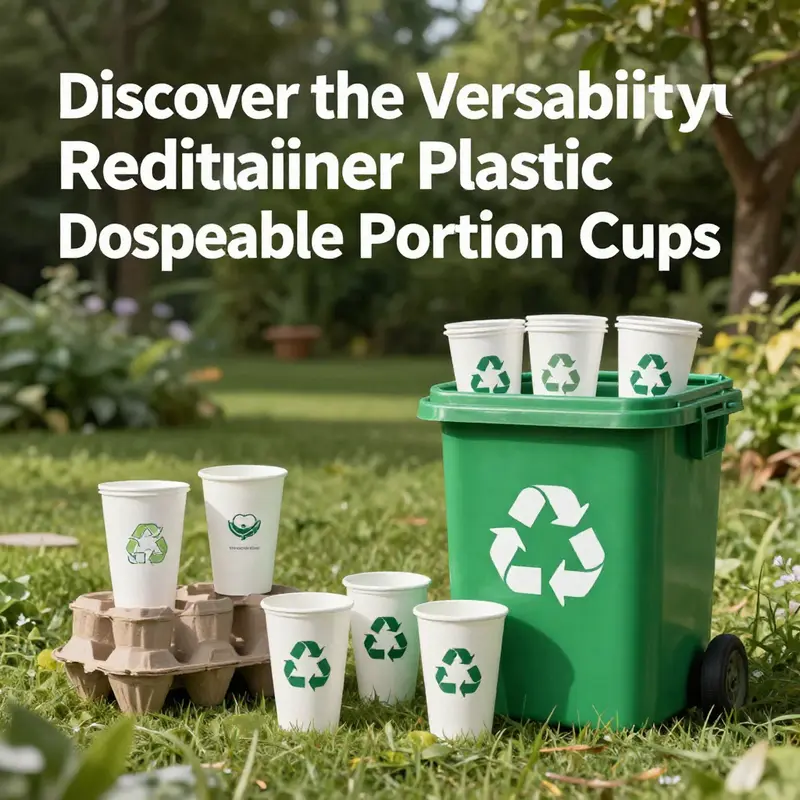
The modern food service industry is marked by its quest for practicality and convenience, and among its ubiquitous tools are the disposable plastic portion cups. These cups, designed to provide a simple and effective serving solution, carry an environmental cost that extends far beyond their brief moment of use. From the extraction of raw fossil fuels for their production to the persistent waste that endures long after disposal, the 5.5-ounce plastic portion cups generate concerns that are both significant and far-reaching.
These cups are crafted from polypropylene, a type of plastic flagged by the recycling code #5. While polypropylene is prized for its durability, stability, and cost-effectiveness, it is derived from fossil fuels. This fact alone sets the stage for a complex environmental narrative. The manufacturing process demands considerable energy, and its reliance on fossil fuels contributes directly to the emission of greenhouse gases. Given that the food service industry often balances efficiency with environmental responsibility, the lifecycle of these products poses a challenge. Every cup, manufactured with precision to serve sauces, desserts, or portioned samples, also embodies a legacy of energy consumption that affects global climate dynamics.
Once produced, the tangible benefits of these cups in terms of cost and convenience are evident. Their transparency offers easy visibility of contents, and their stackability allows for streamlined storage, especially in busy kitchens, restaurants, and catering services. However, their utility is counterbalanced by the stark reality of their environmental impact. As documented by environmental agencies, disposable plastics are rarely kept within a circular loop of reuse and recycling. The U.S. Environmental Protection Agency (EPA) notes that only about 9% of all plastic produced has ever been recycled. This dismal recycling rate suggests that the vast majority of these 5.5-ounce cups, used for less than a quarter of an hour in a food service setting, are destined for landfills, incinerators, or, worse, the natural environment.
The environmental burden of these disposable items is compounded by the reality of their slow degradation process. Polypropylene does not biodegrade in a practical timeframe. Instead, it disintegrates into microplastics, minuscule particles that infiltrate our soils, oceans, and even living organisms. Research increasingly illustrates that microplastics now lurk in places once thought to be pristine. They have been detected not only in remote marine environments but also within agricultural lands and, alarmingly, in human bloodstreams. The detrimental effects of microplastics on ecosystems are gradually being understood, and the role of items such as disposable portion cups in this process is undeniable. Despite their short duration of active use, these products contribute to environmental problems that persist far into the future.
There is the added dimension of marketing language that sometimes suggests durability and reusability. Although certain descriptions claim these cups to be “durable and reusable,” their classification and common use as single-use items do not align with these assertions. The reality is that without rigorous systems in place to collect, clean, and redistribute them, the promise of reusability remains largely theoretical. Life cycle assessments have shown that if a polypropylene cup is to match the environmental performance of alternatives such as paper or biodegradable plastics, it must be reused extensively – in some cases at least 20 times. In controlled environments, like well-organized events where reuse is methodically practiced, even three or more cycles may yield environmental savings. Yet, in typical service scenarios, the disposable nature of these cups means that true reusability is rarely achieved. A cup used briefly during a busy lunch period might be discarded immediately after a single use, thereby locking in its high environmental footprint.
The environmental implications extend well beyond the immediate consequences of production and disposal. Each 5.5-ounce cup entering service represents a potential threat to natural habitats. In the absence of efficient recycling and waste management systems, these plastics often escape proper disposal routes. They accumulate in landfill sites that are already overloaded, and when incinerated, they release toxins that further degrade air quality. Given the global challenges of managing waste and reducing greenhouse gas emissions, the lifecycle of these disposable items is emblematic of larger systemic issues. The reliance on fossil fuel-based plastics directly feeds into global warming, exacerbating the challenges of climate change.
Moreover, the persistence of these plastics in the environment has prompted scientists to re-examine the very notion of convenience in modern society. Contemporary environmental studies highlight that convenience often comes with hidden costs that are borne out by both ecological systems and human health. A disposable cup used at a bustling food festival or in a fast-paced restaurant is a stark example of this trade-off. In effect, a product that serves with utmost efficiency in momentary service ends up creating long-term consequences that ripple through ecosystems and weather systems alike.
A further complication lies in the unchecked proliferation of such single-use items. In economic sectors with high volumes and rapid turnover rates, the aggregate environmental burden intensifies. Thousands of cups, employed in a single day by a large chain restaurant, accumulate into a significant volume of waste. Even if a minute fraction might find its way into recycling streams, the vast majority become part of an environmental cascade of problems. It is not merely the waste itself but the myriad ways in which it alters soil composition, impacts wildlife, and eventually cycles back to affect human health through food and water contamination.
While some argue that innovations in recycling technology and improvements in waste management might alleviate these problems, the practical challenges remain monumental. Polypropylene, due to its durability and chemical composition, resists biodegradation and complicates recycling efforts. The inadequate collection systems and the lack of incentives for proper recycling mean that these products often remain in the cycle of consumption and disposal without a viable path to recovery. In essence, the cups that once served as practical solutions end up as long-lasting pollutants.
In an effort to address these multifaceted challenges, experts advocate for a shift towards a circular economy. The concept of a circular system in food service involves the design, use, and management of disposable items in a way that prioritizes reuse, recycling, and overall sustainability. By considering the entirety of a product’s lifecycle—from the extraction of raw materials to the product’s eventual decomposition—stakeholders can identify opportunities to reduce environmental impact. For disposable plastic cups, this means not only rethinking the materials from which they are made but also developing systems to collect and redeploy them in a sustainable manner.
One approach to mitigating these issues is to explore alternative materials that may offer a more sustainable profile. Materials such as biodegradable plastics or even paper-based alternatives have been highlighted in several comparative studies. For instance, alternatives that utilize renewable resources and decompose more quickly could significantly reduce the long-term environmental burden. Such alternatives are beginning to gain traction, especially as consumer awareness grows and the environmental regulations become more stringent. A compelling instance of sustainable transition can be found in the realm of eco-friendly food service products. Eco-friendly printed logo paper ice cream cups represent one such alternative that is gaining recognition for its reduced environmental footprint compared to traditional fossil fuel-based plastics.
The broader challenges of plastic waste management also prompt a reassessment of how we, as consumers and industry stakeholders, define sustainability. It is no longer sufficient to consider economic cost alone; the environmental cost is increasingly weighed as the true price of convenience. The 5.5-ounce plastic portion cups serve as a microcosm of the broader debate over modern disposable goods. They are designed to be lightweight, cost-effective, and user-friendly. Yet, the apparent advantages during their usage phase come at a steep ecological price that lasts far beyond their intended lifetime. Even if a singular cup is used for only fifteen minutes, its potential to pollute and disrupt ecological cycles persists for centuries. This inherent contradiction calls for a thorough rethinking of what disposable means in the contemporary context.
It is important to note that the challenges posed by disposable plastics are not limited to environmental degradation. Social and economic factors also play a significant role. On one hand, the efficiency and low cost of disposable products support busy service industries, where speed and convenience are paramount. On the other hand, the societal cost of cleaning up plastic pollution, battling climate change, and mitigating health risks associated with microplastics is immense. These hidden costs are often externalized, meaning they are borne not by the businesses that profit from these products but by the community and the broader environment. Over time, the accumulation of such externalities may force a reckoning, potentially leading to stricter regulations and increased costs for single-use items.
In this light, adopting circular systems in food service is not merely an environmental choice but an economic and social imperative. The infamous lifecycle of a disposable portion cup—from production, through a brief use, to a long-lasting waste product—illustrates the disconnect between convenience and sustainability. To bridge this gap, industries and policymakers must collaborate to create systems that incentivize reuse and proper recycling. This might involve investments in technology for efficient cleaning and back-end collection systems, as well as consumer education programs that emphasize the environmental impact of disposability.
Furthermore, the narrative of disposable cups is interwoven with the broader themes of industrial ecology and sustainable development. Every stage in the life of a product—from raw material extraction, through manufacture and use, to ultimate disposal—represents an opportunity to intervene and reduce environmental harm. In considering the environmental impact of the 5.5-ounce disposable plastic portion cups, it becomes clear that the responsibility lies not only with manufacturers but also with regulators, businesses, and consumers. By rethinking packaging design and encouraging shifts in consumer behavior towards sustainable alternatives, a positive transformation is within reach.
In today’s interconnected world, every product decision carries implications that extend beyond immediate corridors of commerce. The porcelain clarity of these disposable cups belies the murky eco-systems they can ultimately affect. It is a sobering reminder that convenience, as sought after in busy kitchens and bustling storefronts, often masks a legacy of environmental degradation. Such insights challenge us to question whether short-term benefits justify long-term ecological costs. The disposable nature of these cups stands as a metaphor for a broader challenge: how do we reconcile the demands of modern life with the principles of environmental stewardship?
Moving forward, industries must consider robust waste management policies, invest in research for sustainable materials, and rethink design principles that favor longevity over disposability. Policy reforms, in tandem with innovation in material science, can eventually tip the scales. Some promising avenues include the development of advanced recycling processes tailored specifically for polypropylene or the integration of recycled materials into new production cycles, thereby reducing the reliance on virgin fossil fuels. Such strategies call for cooperative efforts across industries and governments, with shared responsibility for the environmental legacy left behind by disposable products.
At its heart, the core challenge is epistemological. How do we evaluate convenience when the environmental damage unfolds over centuries? A disposable cup that served its purpose in a matter of minutes may persist in the ecosystem for hundreds of years. This temporal disparity forces a reevaluation of what it means to be responsible in a rapidly evolving global economy. The tension between the immediate gratification of single-use convenience and the enduring burden of environmental degradation is a dilemma that affects every facet of modern industry, from small local eateries to multinational corporations.
It is also useful to consider the psychological dimension of disposability. Consumers have grown accustomed to the ease of throwing away items without considering their long-term impacts. This mentality, once entrenched, can make initiatives aimed at reducing waste adoption slow and fraught with challenges. Shifting consumer behavior requires persistent education, transparent communication regarding the impacts of waste, and demonstration of viable alternatives that do not compromise the convenience that modern life demands. In this context, the conversation around the environmental impact of disposable cups is as much about cultural change as it is about industrial reform.
In summary, the environmental implications of disposable 5.5-ounce plastic portion cups are profound and multifaceted. Their production rooted in fossil-fuel-derived polypropylene, their minuscule yet persistent contribution to microplastic pollution, and the high ecological cost of their short-lived utility collectively paint a picture of a product that is emblematic of modern unsustainable practices. The drive for convenience in food service, while beneficial in the immediate operational sense, often neglects the full environmental cost. The vast majority of these cups, having served their purpose in moments, linger as pollutants in landfills or as insidious microplastics infiltrating natural systems.
The journey toward sustainable use of disposable products involves reassessing present practices, reimagining product lifecycles, and actively fostering systems that emphasize reuse and recycling. While innovations and alternative materials provide a glimmer of hope, it is paramount for all stakeholders to engage in a comprehensive dialogue about sustainability. Only through collective effort can the adverse environmental impacts be mitigated. As industries and consumers become more aware of these challenges, the impetus for change grows stronger.
For a product so deeply integrated into the fabric of daily service operations, its environmental cost is too high to ignore. These cups, tiny in size yet vast in ecological consequence, serve as a stark reminder of the inherent costs associated with modern convenience. Advancing towards a circular economy, where the sustainability of materials is embedded in every step from creation to disposal, represents the best hope for mitigating these impacts. A future where waste is minimized and resources are perpetually cycled back into production is a goal that must drive innovation and policy alike. Every step taken in this direction is a step toward protecting our environment for the generations to come.
For authoritative data on plastic waste and lifecycle impacts, visit the U.S. Environmental Protection Agency’s page on plastics at https://www.epa.gov/plastics.
Maximizing Operational Efficiency: The Economic and Functional Advantages of 5.5-Ounce Reditainer Disposable Cups in Business Settings
In the competitive realm of food service and catering, operational efficiency and cost-effectiveness are paramount. The 5.5-ounce disposable cups, tailored for portion control and efficient service, embody a solution that significantly reduces overhead costs while enhancing service delivery. Constructed from a durable, recyclable polypropylene material (recycle code #5), these cups have been developed with an eye toward minimizing waste and enabling seamless functionality across multiple applications in commercial food settings. In an environment where even marginal savings per unit can culminate in substantial overall cost reductions, these cups represent a critical asset to businesses looking to streamline operations while maintaining consumer safety and product integrity.
The journey toward maximizing cost efficiency begins with the robust material properties of the polypropylene used in manufacturing these cups. Known for its strength, lightweight nature, and minimal susceptibility to breakage during transport or handling, this material is optimally chosen for dynamic food service operations. Its inherent resistance to impact and physical deformation reduces the risk of spillage or product damage, incidents that can force operators to reorder supplies frequently and incur additional expenses. Moreover, this resilience speaks directly to the long-term economic benefits realized from fewer product imperfections and diminished waste, enhancing overall operational performance.
Beyond the choice of material, the design of these cups plays a significant role in bolstering their cost-effectiveness. The clear, transparent construction allows kitchen staff and service personnel to verify the contents visually with ease. This straightforward feature supports consistency in presentation, quality control, and inventory management, as employees can readily assess each cup before use. The innovative leak-proof design ensures that liquid elements—whether sauces, desserts, or beverages—are securely contained even during rapid handling or transportation, protecting both the product quality and the reputation of the establishment. The combination of reliability and simple, intuitive design eliminates the need for multifaceted storage practices that often arise from using lower-quality alternatives.
Bulk packaging is another aspect that contributes to the economic appeal of these disposable portion cups. Offering a standardized pack of 100 cups, the product is ideally suited for high-volume operations such as restaurants, cafeterias, and large-scale event catering. Bulk orders reduce the administrative burden associated with frequent reordering, abbreviate downtime related to inventory shortages, and simplify budget forecasting by providing predictable supply costs. Businesses can leverage the inherent packaging efficiency to manage storage space more effectively, as these cups are designed to be stackable with minimal space requirements. This reduction in storage footprint can lead to savings on warehousing and transport logistics, further underlining the cost advantages of the product.
The design is carefully conceived to support hygiene and regulatory compliance, which are critical for food service operators. Each cup is intended for single-use, a feature that minimizes cross-contamination risks and simplifies cleanup processes. This single-use rationale, while often raising sustainability concerns in other contexts, is balanced by the potential for recycling under appropriate municipal waste management systems. Moreover, in environments with strict health codes, the assurance of a fresh cup for each serving provides both staff and customers with tangible security, mitigating liability issues and enhancing customer trust.
Equally compelling is the inherent versatility offered by these disposable cups. The 5.5-ounce capacity makes them well-suited for a diverse range of applications, including serving sauces, portion-controlled desserts, soups, and even sampling applications in tasting events. Their suitability for both hot and cold contents further broadens their utility, allowing establishments to use a uniform cup for different menu items. This multipurpose functionality not only simplifies inventory management but also reduces the need to stock multiple specialized containers. In a business world where streamlining operations is synonymous with enhanced profitability, the adaptability of these cups represents a significant competitive advantage.
In addition to their practical benefits in day-to-day operations, these cups have the potential to serve as low-cost marketing tools. While the brand itself may still be establishing its footprint in the competitive market landscape, businesses can customize the cups with unique branding elements such as logos, slogans, or color schemes. Branding disposable items is a cost-effective way for organizations to extend their marketing reach without incurring extra costs. An internal resource that discusses similar cost advantages can be found in an article on affordable disposable cups for beverage service, where the focus is on the role of well-designed packaging in enhancing overall brand visibility and customer appeal. Such customization transforms an everyday disposable item into a moving advertisement, ensuring that every use reinforces the business’s brand identity.
Furthermore, a direct economic comparison to alternative materials, such as paper or compostable options, illustrates the superiority of these plastic disposable cups in terms of durability and cost-per-unit value. While paper products may seem appealing from an ecological viewpoint, they often fall short in structural integrity and might incur higher transportation costs due to their weight and bulk. Polypropylene cups, by contrast, combine a lower material cost with a reduced likelihood of damage and shattering during transport. The result is a more reliable product that not only saves money on replacement and spoilage costs, but also enhances overall service consistency. Businesses that evaluate the long-term cost implications of their service ware selection are likely to recognize that investing in high-quality, durable disposables yields substantial operational savings over time.
Supporting these operational advantages, the careful engineering of these cups ensures that when paired with lids, they maintain exceptional product integrity. The lids are specifically designed to complement the cup structure by providing a secure seal, thereby preventing leaks and spills. This design detail is particularly valuable in high-paced service environments where even a minor spill can result in significant cleanup efforts and the potential for customer discomfort. The coupling of a leak-proof cup with an effective lid embodies the product’s overall commitment to safety and convenience. In fast-paced environments, where every second counts, this combination reduces the time and labor required for post-service cleanups—time that can instead be devoted to enhancing customer service or managing additional orders.
A critical aspect of adopting any disposable product is the consideration of environmental impact and sustainability. Although the use of any plastic product raises environmental questions, the specific design and manufacturing process of these cups mitigate certain concerns. The recyclable nature of the polypropylene used means that when disposed of properly, these cups contribute less to long-term waste accumulation compared to non-recyclable alternatives. Furthermore, some product descriptions suggest the potential for reuse when circumstances allow, particularly for applications where a single-use approach might be reconsidered. This reuse strategy, albeit limited in scope, offers an additional avenue for enhancing the long-term value of the product, making it a more attractive option for businesses that are increasingly under pressure to adopt responsible environmental practices.
The cumulative benefits of reliability, cost efficiency, and versatile functionality support the strategic decision by businesses to transition toward disposable service ware that does not compromise on quality. The design and material choices inherent in these cups lend themselves to an overall reduction in operational risks, such as spillage, breakage, and inconsistent portion sizes. Moreover, their consistent performance across a range of service scenarios ensures that even establishments with diverse menus or rapidly changing service dynamics can rely on them. This level of dependability reduces the variance in operational outcomes and contributes to a more predictable and manageable cost structure over time.
The pragmatic design principles behind these cups also extend to their logistical benefits. Given that the cups are lightweight and can be stacked efficiently, transportation and storage costs are markedly lower than those associated with heavier alternatives. This logistical efficiency is particularly impactful for businesses operating in multiple locations or those that rely on rapid restocking and inventory turnover. The ability to transport large quantities in a streamlined manner not only reduces direct shipping costs but also minimizes scheduling disruptions that can arise from prolonged delivery times. In industries where every minute of downtime translates to lost revenue, this advantage cannot be overstated.
Moreover, the product’s versatile use in both front-of-house and back-of-house operations demonstrates its comprehensive value proposition. In addition to serving customers directly with appealing presentation, these disposable cups are equally useful in pre-packaging items for takeout or delivery services. As consumer behavior shifts increasingly toward off-premise dining, the need for reliable, sanitized, and visually attractive disposable service ware has grown tremendously. In this context, the cups become a fundamental element of the overall service strategy, ensuring that each takeaway order retains its quality and appeal until it reaches the customer.
Attention to product integrity is also reflected in the economic rationale related to reduced labor costs. The simplified design of these cups reduces the time and effort required for inventory checks, waste management, and clean-up operations. In fast-paced kitchens, where every minute counts, these time savings accumulate into significant operational advantages. Managers report that the ease of use and intuitive design of the cups help streamline training protocols, as staff can quickly learn to handle and store them efficiently without the need for extensive instruction. Over time, these marginal improvements in labor efficiency transform into notable cost savings, reinforcing the product’s classification as a cost-effective solution for the food service industry.
An additional benefit arises from the strategic economic positioning of these disposable cups when viewed from a marketing perspective. The cups offer an understated yet persistent medium for promoting business identity. Each instance wherein a branded cup is used serves as a subtle reminder of the establishment’s commitment to quality and efficiency. Small branding efforts, when multiplied across thousands of service interactions, create a cumulative effect that can drive customer loyalty and repeat patronage. This approach aligns perfectly with modern business strategies that emphasize both operational excellence and brand consistency.
Overall, the cost-effectiveness of these 5.5-ounce disposable cups is not a standalone attribute; it is a direct result of integrated design, material selection, and packaging principles. From the durability of the recyclable polypropylene to the innovative leak-proof design, every aspect of the product has been meticulously engineered to serve the dual imperatives of reducing waste and minimizing costs. When considered alongside other product offerings within the disposable ware market, it is evident that these cups continue to carve out a distinctive niche that prioritizes both functionality and economic prudence.
The broader economic narrative is further corroborated by an external study that examines performance metrics such as cost-per-use, structural integrity, and environmental trade-offs in commercial settings. This research provides a robust framework for evaluating the real-world benefits of high-quality service ware. For those interested in exploring the finer details of these performance metrics, the peer-reviewed article available at ScienceDirect offers a comprehensive analysis of the engineering applications and economic implications of disposable cups in business environments.
In conclusion, the integration of durable materials, efficient packaging, and versatile design makes these 5.5-ounce disposable cups a prime example of how strategic product engineering can yield substantial operational benefits. Whether it is through lowering administrative loads, reducing material wastage, or enhancing brand presence, the economic and functional advantages of these cups align perfectly with the multifaceted demands of modern food service operations. Their holistic design supports both front-end customer service and back-end operational efficiency, underscoring their role as a keystone in the drive toward a more cost-effective, reliable, and sustainable business model.
Final thoughts
Reditainer plastic disposable portion cups offer an ideal blend of convenience, functionality, and eco-friendliness for businesses across the food service industry. Their features, diverse applications, positive environmental impact, and cost-effectiveness make them a valuable asset for bubble tea shops, restaurants, food trucks, catering services, and event planners. By choosing Reditainer cups, businesses can enhance their service quality while remaining mindful of sustainability and operational efficiency.