

Food and beverage businesses, ranging from bubble tea shops to catering services, rely heavily on packaging solutions that not only maintain product integrity but also enhance operational efficiency. Among the contemporary choices available, wholesale food grade square containers stand out due to their versatility and superior design. These containers support strict safety standards and come in a variety of materials, each serving unique needs. In the chapters that follow, we will explore the benefits of these containers, the materials used in their production, essential factors to consider when sourcing, and the emerging market trends that can influence your purchasing decisions.
A Deep Dive into the Space-Efficient and Protective World of Wholesale Food Grade Square Containers
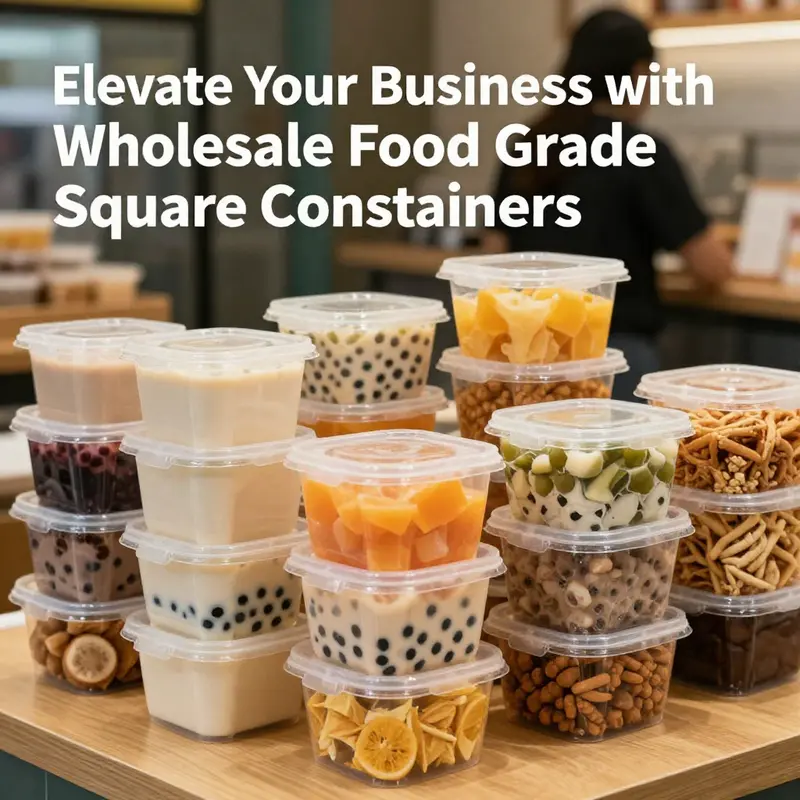
Wholesale food grade square containers are transforming the way businesses manage, store, and transport their food products. They are not just simple containers, but rather a culmination of thoughtful design, robust engineering, and strict safety standards that ensure food quality is maintained from production to consumption. The square design, with its efficient geometry and reliable sealing options, provides the dual benefits of enhanced safety and maximum space utilization, which are both critical for modern food industries.
In the world of food storage and distribution, protecting contents from dust, insects, and airborne contaminants is a priority. These containers are engineered to create an environment in which food remains pristine and uncontaminated. The quality of stored food directly impacts shelf life, so the added benefit of these containers is that they help extend the freshness of products. Through advanced leak-resistant seals, they virtually eliminate the risk of spillage and leakage, a characteristic vital when transporting liquids, semi-liquids, or delicate dry goods. This protective feature is especially important during long-haul shipping when environmental challenges are unpredictable.
Not only do these containers offer protective features for food safety, but their square design provides significant logistical benefits. Their shape allows for an especially efficient stacking system that maximizes storage space in warehouses, transport vehicles, and refrigerators. When products are tightly packed, wasted space is minimized and storage capacity is optimized, translating into lower shipping and storage costs. This aspect is particularly beneficial for industries that deal with high volumes. From large catering services to food processing plants, efficient space management can be a decisive factor in reducing operational expenses.
The versatility of wholesale food grade square containers is tied directly to the variety of materials used in their construction. Food-grade plastics such as polypropylene (PP) and polyethylene (PE) are popular due to their lightweight nature and durability. These plastic containers are not only cost-effective but also designed to withstand varying temperature ranges, making them suitable for the microwave, freezer, and dishwasher use. For businesses with a focus on high efficiency and bulk usage, the economic advantages of plastic are compelling. However, it is important to note that care must be taken to ensure proper handling to avoid degradation and potential chemical leaching, especially when exposed to high temperatures. By opting for BPA-free options, many suppliers have addressed these concerns, thereby ensuring a safer choice for both business operators and health-conscious consumers.
On the other end of the spectrum, glass containers emerge as a premium option for those who prioritize both aesthetics and performance. Made from borosilicate or tempered soda-lime glass, the non-reactive, odor-resistant, and stain-resistant properties of glass make these containers an appealing choice for brands that wish to highlight quality and an eco-friendly profile. Glass containers are recognized for their ability to withstand high temperatures, being safe for microwave and oven use while maintaining their integrity. This versatility makes them particularly suited for gourmet food storage, where the preservation of taste and appearance is critical. Although they are more fragile than plastic options, and heavier, the trade-off is a product that conveys a sense of luxury and safety. For establishments such as high-end restaurants, meal prep services, and niche artisanal stores, glass containers provide a combination of stringent food safety and upscale presentation.
Metal containers introduce yet another dimension to the practical application of food-grade square containers. Often used for specialty products such as teas, candies, or gift sets, metal containers offer superior barrier protection against external elements like air, moisture, and light. Typically crafted from aluminum or tin, these containers are chosen for their durability and aesthetic appeal. They are often equipped with child-proof designs and custom printing options, adding a layer of personalization and marketing potential. Although metal containers might be less suited for situations that require direct heating, their superior resistance to damage and ability to serve as protective packaging for delicate food products make them an excellent choice in premium markets.
Beyond the material considerations, the design elements of wholesale food grade square containers have been refined over time to meet a range of specifications demanded by diverse industries. One of the most important design features is the anchoring mechanism of the lids. Premium container designs incorporate airtight or snap-on lids that prevent exposure to contaminants while also facilitating easy visual inspection, which is essential for quick inventory checks. In many cases, these containers and lids are part of integrated systems that allow businesses to scale operations seamlessly. For example, numerous production facilities and catering services rely on containers with secure lids to manage bulk deliveries without compromising the quality or safety of food.
The economic appeal of these containers is another vital advantage. Because many suppliers offer competitive pricing for bulk orders—often with pricing tiers that reward larger volumes—purchasing these containers wholesale can result in significant cost savings. The combination of affordability and long-term durability means that over time, a business is likely to see a considerable return on investment. The cost-efficiency is complemented by the fact that many suppliers also provide samples and customization options, enabling clients to tailor packaging to specific operational needs. Small eateries and start-ups alike can benefit from these economies of scale, making wholesale food grade square containers a strategic investment for sustaining growth and improving operational efficiency.
In addition to these logistical strengths, the design of square containers also supports an organized system that simplifies inventory management. When containers are uniformly designed, it is easier for staff to organize, identify, and access stored supplies. This organizational ease is particularly important in high-demand environments where time is of the essence. Whether it’s sorting ingredients, preparing bulk meals, or packaging products for delivery, the streamlined process enabled by square container geometry helps reduce errors and increase overall productivity. The reliability of these containers in maintaining food integrity throughout the supply chain cannot be overstated, particularly as businesses strive to adhere to the most stringent food safety regulations.
Furthermore, the adaptability of wholesale food grade square containers extends to various environmental settings. They are designed to cope with fluctuating temperatures and humidity levels, ensuring that the quality and safety of food are maintained even under less than ideal conditions. The advanced sealing technology prevents the penetration of moisture and airborne pollutants, creating a microenvironment that preserves both the nutritional value and the sensory qualities of food. This characteristic is essential in reducing food wastage—a critical consideration in today’s world where sustainability is as much a priority as profitability. By extending the shelf life of food products, these containers help businesses reduce waste and optimize the use of their inventory, which in turn supports broader environmental and economic goals.
In practical applications, the use of these containers is evident in a variety of food-related industries. In large-scale meal preparation services, the fast and secure stacking of containers streamlines the process from storage to final presentation. In restaurants and catering businesses, reliable packaging that maintains food quality while offering aesthetic appeal plays an integral role in the customer experience. The ability to keep food safely contained and impeccably presented is especially crucial in retail settings, where consumer trust and brand reputation are closely linked to perceived product safety. The robust construction and protective features of these containers provide food operators with the confidence that their products will arrive in perfect condition, regardless of the challenges posed by transportation or long-term storage.
Moreover, this innovation in container design has contributed to more sustainable business practices. As companies adopt eco-friendly production methods and look for packaging solutions that reduce their environmental footprint, the role of these containers becomes even more crucial. For example, some suppliers offer eco-friendly variations of square containers that emphasize recyclability and reduced chemical use. This shift is not only vital for aligning with regulatory trends and consumer demand but also plays a part in fostering a more sustainable food ecosystem. Businesses that invest in these eco-friendly options can promote their commitment to environmental stewardship while still meeting operational demands.
The integration of technology in the manufacturing of food grade square containers has further refined their performance characteristics. Advances in production techniques have enabled the creation of containers with more precise dimensions, ensuring better fit and finish for lids, and more reliable sealing. The improvements in material science have also played a role in developing products that are resistant to high temperatures and chemical degradation, thus enhancing the longevity and safety of the containers. Such technological strides have allowed suppliers to maintain competitive pricing while ensuring that each container meets or surpasses industry guidelines. This interplay of affordability, durability, and advanced safety features has made these containers an invaluable asset in modern supply chains across the globe.
Many businesses have found that the consistent use of standardized, high-quality containers reinforces a brand’s identity. Uniform packaging not only reflects operational efficiency but also conveys a message of reliability, which is crucial for establishing lasting customer relationships. In an era where presentation and quality are key determinants of consumer choice, the aesthetic appeal and functional reliability of these square containers offer a competitive edge. Companies appreciate that through customization options—allowing logos, unique colors, or specific branding elements—the containers become a canvas for their brand story. This level of customization, often offered by suppliers on a wholesale basis, transforms a simple container into an integral part of the brand experience.
One must also consider the broader operational benefits of these containers. They are instrumental in streamlining workflows and reducing manual handling errors. With clear, uniform containers, employees can quickly identify contents, reducing the time spent searching for items and minimizing the possibility of cross-contamination. The integration of such containers into automated storage and retrieval systems further enhances operational efficiency, demonstrating how a well-thought-out packaging solution can impact multiple facets of food service operations. Businesses that invest in the right packaging infrastructure are likely to see improvements in overall productivity, accuracy, and safety.
It is significant to note that while various internal and external factors influence the selection of a container type, the underlying commitment to food safety remains paramount. Industry-specific certifications such as FDA and LFGB are benchmarks that underpin design and manufacturing processes. These certifications ensure that every component of the container—be it the material, lid mechanism, or even the printing inks used in branding—meets rigorous food safety standards. Such adherence not only guarantees the protection of consumers but also assists businesses in navigating compliance regulations more efficiently. The pursuit of certification and quality improvement is a dynamic process, where feedback from food service professionals continuously shapes the evolution of container design.
For those interested in exploring container options that highlight both sustainability and functionality, one excellent example is the range of products offered by suppliers that focus on eco-friendly customizable square salad bowls. To explore more about this innovative approach, you can check out the comprehensive guide on eco-friendly customizable square salad bowls, which details the integration of sustainable materials and smart design features.
Wholesale food grade square containers are clearly more than just storage vessels. They embody a shift towards packaging solutions that emphasize food safety, efficiency, and sustainability. As technology and design continue to evolve, these containers will maintain their pivotal role in protecting food quality, reducing waste, and supporting operational excellence. Whether a business prioritizes cost-effectiveness, premium quality, or environmental responsibility, the benefits of these containers are profound and far-reaching. For further information on how these innovations are paving the way for safer and more efficient food packaging, you may find additional insights at The Science Behind Food Safe Square Buckets.
Optimizing Food Safety and Efficiency: Inside the Materials of Wholesale Food Grade Square Containers
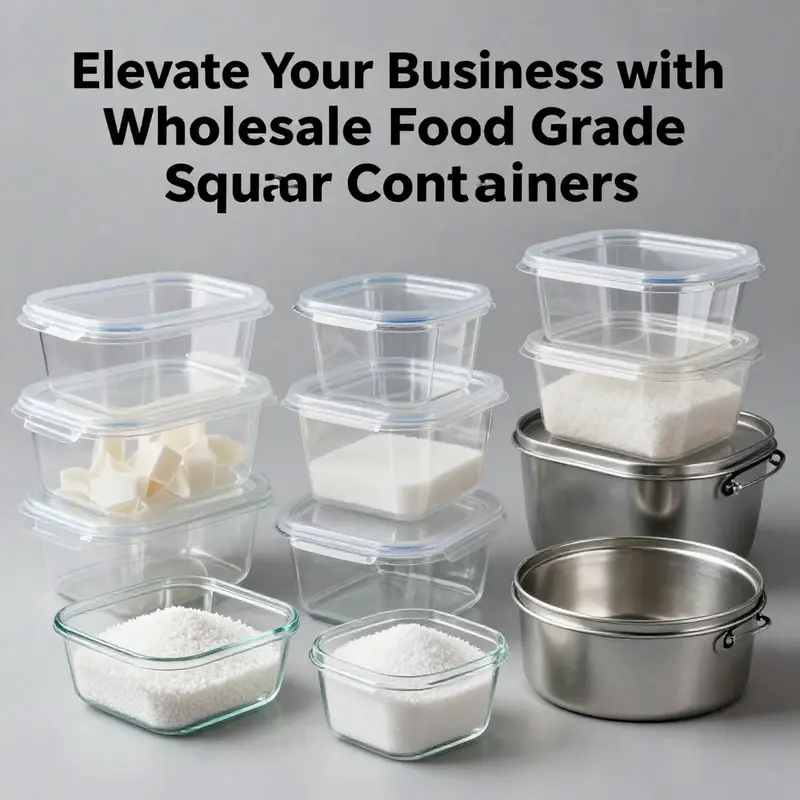
In the world of food packaging, the materials used in wholesale food grade square containers play a critical role in ensuring safety, efficiency, and versatility. Businesses ranging from bustling restaurants to specialized food delivery services rely on these containers to preserve quality and maintain the integrity of their products. The materials that go into these containers are chosen not only for their mechanical strength and adaptability but also for their ability to meet rigorous food safety standards and regulatory certifications. Understanding these materials—especially plastics like PET, HDPE, and PP—sheds light on the reasons behind their widespread adoption, and highlights the intersection of innovation and regulatory compliance in the food industry.
Food grade containers must adhere to the strictest standards to ensure they do not leach contaminants into food products. This is achieved by adhering to guidelines that are enforced by various regulatory bodies such as the FDA and LFGB. Among the plastic materials, PET (Polyethylene Terephthalate), HDPE (High-Density Polyethylene), and PP (Polypropylene) have emerged as the mainstays due to their unique characteristics that cater to the needs of temperature variations, durability, and chemical stability.
PET, celebrated for its clarity and lightweight nature, is an integral material in the packaging world. Its crystalline structure offers exceptional barrier properties against oxygen and moisture. This makes it an ideal candidate for containers that store beverages, salads, and other food products needing clear visibility to assess freshness. PET’s intrinsic recyclability adds another layer of appeal: as sustainability becomes a priority for today’s businesses, the ability to recycle PET containers not only reduces waste but also supports environmental responsibility. Even as PET is used for single-use containers in many applications, innovations in recycling pathways and improvements in material technology are paving the way for more sustainable practices. Companies sourcing these containers value the material’s capacity for maintaining a pristine condition of food items while also standing up to the demands of modern logistics.
In comparison, HDPE offers a robustness that is essential for many larger container applications. High-Density Polyethylene is renowned for its durability, high impact strength, and excellent resistance to chemicals. These properties make it an attractive option in scenarios where containers might face physical stresses—such as during transportation or when subjected to variable external temperatures over extended periods of storage. The chemical resistance of HDPE means it is less likely to degrade or react with the contents within, ensuring that food items remain safe for consumption. Further, HDPE’s capacity to resist moisture absorption makes it a commonly chosen material for bulk storage applications. Such characteristics are crucial for products that need to remain intact despite heavy use and varying storage conditions.
PP, on the other hand, stands out due to its heat resistance and adaptability in applications where the container might be exposed to high temperatures—whether in a microwave or during the hot-fill process of food production. Polypropylene’s inherent tolerance to elevated temperatures means that it can be used in applications where other plastics might fail. It exhibits excellent chemical resistance as well, ensuring that food products are not compromised by interactions with the container. The mechanical strength of PP is another advantage, particularly in reusable container systems where repeated use could otherwise lead to wear and tear. The combination of these properties makes PP exceedingly popular for food-grade containers, allowing manufacturers to deliver versatile products that can be safely used in a myriad of culinary contexts.
These three polymers are not only chosen for their functional benefits but also for their proven track record in safety and regulatory compliance. Each of these materials can be manufactured to meet stringent food safety certifications, such as the certifications provided by the FDA. For businesses that operate on a wholesale scale, knowing that the containers they purchase have undergone rigorous testing and quality assurance instills a level of trust crucial for operational success. When a container is certified for food contact, it means that it has met the applicable standards regarding migration limits and basic physical requirements such as temperature and mechanical stability. This is particularly important for businesses that serve food to large numbers of consumers, where the integrity of every container is paramount.
The journey from raw material to finished container is complex. Manufacturers must first source high-quality polymers that have been formulated specifically for food contact applications. Advanced processing techniques are used to create a product that not only mimics the exact specifications required for food storage but also optimizes environmental and economic costs. For instance, the precision in molding ensures that each container upholds the square design that offers enhanced stackability and a better use of space during storage and transportation. The square shape also directly translates into an efficient layout in both industrial and domestic refrigeration units, further safeguarding the quality of food during distribution.
Moreover, customization options are abundant within the realm of wholesale food grade square containers. Many suppliers offer the possibility of integrating special coatings or additives that can further enhance durability, UV resistance, or even antimicrobial properties. This has become an important selling point in today’s market where both safety and presentation matter. With increasing consumer demand for hygienically safe packaging, extra layers of protection that inhibit the growth of bacteria or other contaminants are increasingly sought after. Such features not only bolster the efficacy of the container material itself but also allow businesses to brand these containers in unique ways, offering customized prints or embossed logos that foster brand recognition. A link detailing eco-friendly options, such as in the reusable square salad containers available at this link to eco-friendly food-grade containers, can provide further insight into the innovative approaches taken by suppliers.
One of the major challenges in the industry is balancing cost-efficiency with product quality. For high-volume purchasers, the price per unit is a critical factor. Materials like PET, HDPE, and PP are produced in large quantities, making them cost-effective while still conforming to high safety standards. These economies of scale ensure that businesses ranging from start-ups to well-established food service providers can procure high-quality packaging solutions without exorbitant costs. Bulk pricing models often make it possible for companies to access highly standardized containers that are compliant with global regulations. These factors combined underscore the importance of strategic planning in material selection.
In addition to price and performance, the environmental impact of these materials has gained unprecedented attention. The widespread use of these polymers in the food industry has prompted a reassessment of recycling programs and material recovery initiatives worldwide. PET, with its high recyclability, is at the forefront of many green initiatives. Efforts to improve the recycling rate of PET include advancements in collection infrastructure, more efficient sorting technologies, and the development of closed-loop recycling systems. These initiatives help in reducing the environmental footprint associated with packaging waste. Meanwhile, HDPE and PP also have commendable recycling profiles, though they often require different conditions for effective recovery. With the global market moving toward greater sustainability, manufacturers are increasingly investing in research that seeks to create recycled or bio-based alternatives that retain the necessary durability and safety properties required for food contact applications.
The process of ensuring that a container is truly food grade entails rigorous testing. Manufacturers conduct a variety of assessments, including thermal stability tests, chemical migration studies, and impact resistance evaluations. These tests verify that the containers can withstand conditions such as microwave heating, freezer storage, and high-impact scenarios during transportation. Each of these tests is performed in accordance with internationally recognized standards, which are in turn referenced by regulatory bodies such as the FDA. For example, the FDA Guidance on Food Contact Substances provides detailed protocols that manufacturers must follow. By adhering to these guidelines, suppliers can guarantee that every container not only meets industry standards but also provides reliable service in harsh and variable conditions.
Beyond the initial manufacturing process, the durability of these containers during everyday use is a testament to the strength of the selected materials. In commercial kitchens, where containers are repeatedly washed, heated, and sometimes even subjected to mechanical stress, the choice of material becomes paramount. A container made of high-quality PP, for instance, might be favored for its resistance to repeated thermal shocks and its ability to retain its shape and structural integrity over time. Food service providers appreciate the assurance that even under continuous usage, the container will maintain its performance without compromising safety. Similarly, HDPE’s robustness is leveraged in environments where the container might be stored for extended periods or exposed to outdoor conditions that could degrade inferior materials over time.
Factory-grade quality and compliance are not the only selling points. The aesthetic aspect of wholesale food grade square containers also plays a role in the marketplace. Consumers are often drawn to products that signal quality and cleanliness, and high-quality plastics can be molded into designs that exude this impression. The sharp, clean lines of a square container allow for an organized presentation whether in a refrigerated display in a grocery store or on a bustling restaurant counter. An organized presentation, in conjunction with safety and durability, reinforces consumer confidence in the product being served, making material selection critical not just from a technical standpoint but also from a marketing perspective.
In recent years, technological advancements have allowed manufacturers to push the boundaries of what is possible with traditional polymers. Innovations include the integration of nanotechnology to enhance barrier properties or the development of composite materials that combine the benefits of multiple polymers. These breakthroughs have opened the door to new applications, such as containers that offer prolonged shelf life for perishable goods, or those with enhanced resistance to common contaminants. The evolution of these materials reflects a broader trend in the food industry: a continuous balancing act between safety, performance, and environmental responsibility. As regulations tighten and consumer expectations grow, the future of wholesale food grade square containers is set to be shaped by innovations that further blend utility with sustainability.
The careful engineering of these containers is representative of the many considerations faced by manufacturers and buyers alike. They must consider not only the inherent properties of the plastic material but also the downstream environmental impact, the cost of production, and the long-term benefits derived from enhanced durability and safety. In wholesale transactions, where order volumes are massive and every unit must perform flawlessly, these factors converge to influence decision-making from the supplier to the end-user.
Moreover, the design of the containers themselves, particularly the square shape, complements the material advantages. The square design maximizes stacking efficiency, reduces wasted space, and makes transportation more cost-effective. This efficiency is recognized by both manufacturers and logistics partners, ensuring that the containers can be stored safely during transport without compromising the structured nature that makes them so appealing to food service operations. The interplay between design and material properties thus becomes a critical factor in the overall performance and acceptance of these containers in the competitive food packaging market.
Integrating strict regulatory adherence with innovative material science, manufacturers continue to redefine standards in food safety and usability. The transformation in materials—from conventional plastics to engineered polymers designed specifically for high-demand applications—is a testament to the industry’s commitment to excellence. As trends in healthy eating, eco-conscious consumption, and on-the-go lifestyles shape market dynamics, the role of these carefully selected materials becomes even more central. With each batch of containers produced, manufacturers must validate that every unit meets the necessary criteria for chemical safety, mechanical performance, and durability. Such diligence not only preserves consumer trust but also bolsters the brand reputation of businesses that depend on these containers to deliver quality products.
The holistic approach to production, from raw material selection to final product testing, underlines the complex series of decisions involved in creating high-quality food-grade containers. Every aspect, whether it is the thermal tolerance of PP, the impact resistance of HDPE, or the clarity of PET, is influenced by both scientific research and practical usage data. In this light, food grade plastic containers are a fusion of art and engineering—where aesthetics, utility, and safety converge. Each container serves as a small, but critical, link in a larger supply chain that ultimately delivers safe and fresh food to consumers.
As companies continue to innovate and adapt to new market challenges, the emphasis on material quality remains unyielding. The careful integration of performance characteristics with environmental stewardship is not merely a trend; it is a sustainable pathway forward for the industry. Eventually, this results in containers that not only protect food but also support the operational efficiency of food service establishments, making them indispensable to modern culinary practices. For further detail on how eco-friendly practices are incorporated into container design, readers may explore additional resources that discuss the evolution of sustainable packaging solutions.
By evaluating the nuances of each material—PET for its lightweight clarity and barrier properties; HDPE for its robustness and moisture resistance; and PP for its heat resistance and versatility—buying organizations can make informed decisions that align with their operational needs. Each material offers its own set of advantages and distinct trade-offs, making the selection process a tailored decision that considers factors both economic and environmental. Ultimately, whether a business requires a bulk storage solution, a premium presentation container, or a design that enhances brand identity, the materials used in wholesale food grade square containers are key players in ensuring success.
In conclusion, the science behind each material used in wholesale food grade square containers is intricate and multifaceted. The emphasis on safety through rigorous testing and regulatory compliance, combined with the strategic use of design and material innovation, shapes an industry that is continuously responding to market demands and environmental concerns. By interweaving advancements in polymer technology with sustainable practices and robust quality assurance measures, manufacturers are setting new standards for food-grade containers that benefit both industry stakeholders and end consumers. As the supply chain evolves and new challenges emerge, these materials will remain at the forefront, ensuring that every container not only meets but exceeds performance expectations.
For those interested in the detailed guidelines and regulatory framework that underpins these food safe standards, the FDA provides comprehensive documentation. Refer to the FDA Guidance on Food Contact Substances to explore further details on compliance and testing protocols.
Navigating the Complex Landscape: Key Considerations When Sourcing Wholesale Food Grade Square Containers

Sourcing wholesale food grade square containers is a multifaceted process that demands attention not only to regulatory compliance and material safety but also to structural integrity, cost-effectiveness, and environmental sustainability. As businesses ranging from restaurants and meal-prep services to grocery stores and food delivery enterprises seek packaging that preserves food quality and meets industry standards, a comprehensive evaluation of each container’s features becomes indispensable. The journey begins with material compliance—a significant aspect that underpins consumer safety and regulatory adherence. By prioritizing materials that carry certifications such as FDA approval, BPA-free, and NSF/ANSI 51 compliance, businesses can be assured that they are handling products that do not leach harmful chemicals into food. For instance, containers made from food-grade polypropylene or polyethylene must be verified as free from substances like Bisphenol A, thus ensuring that every step from production to consumption upholds the highest standards of safety.
In addition to certification and compliance, understanding the various materials available in the market and the benefits each offers is critical when sourcing these containers. Plastic containers, widely used because of their lightweight and cost-effective nature, dominate the market. Their versatile design allows for microwave, freezer, and dishwasher safety, making them a practical choice for everyday kitchen use. However, seasoned buyers must balance these advantages with considerations over environmental impact, as improper recycling procedures can lead to significant ecological concerns. Some businesses may opt for BPA-free variants made from PET, which are favored among health-conscious consumers, yet even these require careful handling under extreme temperature conditions to avoid potential chemical leaching. By carefully reviewing product certifications and checking for BPA-free, phthalate-free, and additional safety labels, companies safeguard their reputation and customer trust.
No discussion on food grade containers is complete without addressing structural integrity. The resilient design of square containers offers notable benefits such as superior stackability and space efficiency that are essential in commercial kitchens and retail storage settings alike. Unlike other shapes, the square design promotes efficient use of storage space, making it easier for businesses to optimize their storage facilities, reduce handling complexity, and manage logistics more effectively. When evaluating container options, it is crucial to confirm that the product maintains its shape under various conditions. In particular, suppliers must demonstrate that their containers resist deformation even when subjected to the pressures of heavy or bulky goods. Testing for impact resistance, the ability to withstand temperature fluctuations, and moisture resistance are all essential factors that contribute to ensuring that containers remain reliable and robust during transit and storage.
Another key dimension in this sourcing process is cost-effectiveness and scalability. Bulk purchasing of food grade square containers can substantially reduce per-unit costs, but businesses must conduct a thorough analysis to ensure that storage capacity and predicted demand align with the volume of their orders. A careful review of minimum order quantities and pricing tiers is essential in order to achieve efficient cash flow and to meet operational needs without incurring unnecessary overheads. Supplier reliability also plays a central role in the cost equation—working with vendors who offer transparent pricing and consistent quality reduces the risk of overstocking or stockouts. A reliable supplier not only provides well-certified products, but also often offers free samples and flexible pricing structures which allow buyers to test product performance before committing to large orders. Ensuring that every container meets the rigorous standards required for food safety helps mitigate operational risks and supports long-term financial planning.
Sustainability is another growing concern in the food packaging industry and should be integrated as a core evaluation metric when sourcing wholesale food grade square containers. Businesses are increasingly expected to consider the environmental ramifications of their material choices. Many suppliers now offer containers that are recyclable or even biodegradable, highlighting an industry shift toward eco-friendly practices. This one aspect of container sourcing dovetails with corporate social responsibility initiatives, which in turn enhance brand image and broaden appeal among environmentally conscious consumers. By choosing suppliers with transparent environmental practices, businesses not only contribute to sustainable practices but also position themselves as modern, ethically responsible operators. This holistic approach to sustainability spans the full lifecycle of a container—from production through disposal—and encourages a circular economy where materials are repurposed instead of discarded.
Even as businesses compare suppliers and evaluate these various factors, the practicalities of daily operation must center on the container’s performance throughout the supply chain. Food grade containers must protect their contents effectively from mechanical abuse and external contaminants, ensuring that what reaches the consumer retains its freshness and quality. This is especially important for suppliers who handle various types of food products that range from hot, freshly prepared meals to long-stored gourmet ingredients. In these scenarios, the selection process is informed not only by the immediate cost and appearance, but by a rigorous assessment backed by comprehensive product testing and performance standards. Structural properties such as how well a square container preserves the shape and integrity under pressure, as well as its resistance to chemical interactions, directly impact product quality and customer satisfaction.
The decision-making process is further complicated by the range of container materials available. For instance, while plastic containers offer versatility and cost advantages, their susceptibility to wear and potential environmental concerns drive some companies to consider other options such as glass or metal. Glass containers provide an aesthetic edge combined with a high degree of chemical inertness, which minimizes the risk of odor absorption and contamination. However, their inherent fragility and increased weight pose challenges in fast-paced environments where durability is paramount. Metal containers, in contrast, deliver excellent barrier protection against light, air, and moisture and can often be customized with child-proof designs. Their premium feel makes them attractive for specialty packaging, yet cost considerations and practical limitations in contexts requiring direct heating sometimes reduce their appeal for everyday usage. Each material class, with its distinct benefits and drawbacks, necessitates a strategic evaluation that considers the overall operational context and specific end-use scenarios.
Beyond material considerations, suppliers who are proactive in offering customization options add an extra layer of value. For businesses seeking to build brand recognition, the ability to customize container size, shape, and printing is a key selling point. Branding on containers – whether through custom printing, logo placement, or unique design elements – can significantly enhance product differentiation in competitive markets. Such customization not only reinforces a company’s identity but also provides a seamless integration between packaging and marketing. A supplier that offers a variety of customization options can enable businesses to adjust their packaging to match seasonal promotions, corporate rebranding, or new product lines. This flexibility is also integral when a business responds dynamically to emerging consumer trends or logistical requirements.
When it comes to the ordering process, logistics such as minimum order quantities, production lead times, and shipping methods also carry great importance. A thorough evaluation of a supplier’s reliability often reveals not only the cost structure but also their capacity to scale production and deliver on time. In fast-moving consumer environments, delays in restocking can have ripple effects throughout operations. Therefore, clear communication on delivery timelines and contingencies is vital. Buyers must proactively engage with suppliers to confirm that timelines are realistic and that contingency plans are in place should unexpected supply chain disruptions occur. Selecting a consistent and reliable partner ensures that food grade square containers continuously meet operational benchmarks—a critical element in managing both short-term demands and long-term business planning.
Modern supply chains increasingly benefit from digital platforms and e-commerce, which have revolutionized the way businesses source packaging materials. Online marketplaces offer unprecedented access to diverse suppliers, but they also require buyers to be meticulous in verifying product quality. Reviewing detailed product specifications, certifications, and quality assurance processes becomes more significant when transactions are conducted virtually. Transparent supplier reviews and digital quality certifications help streamline the procurement process, ensuring that all claims made on product safety and durability are reliable. Through these platforms, businesses can compare products side by side, ensuring that pricing, customization options, and material quality are consistent with industry standards. This seamless integration of technology and traditional sourcing practices contributes to a more effective and efficient procurement process and reduces the risk of sourcing subpar products that might compromise food safety.
In examining the overall landscape of wholesale food grade square containers, it becomes evident that a successful partnership with suppliers goes beyond surface-level assessment. Buyers must actively engage in a dialogue with potential suppliers, request detailed product documentation, and, where possible, conduct on-site inspections or independent tests. The necessity of a rigorous quality assurance process cannot be overstated, as each container functions as a protective safeguard for food products that demand strict environmental controls. Often, investing extra time and resources in upfront quality assessments can save businesses from costly product failures and reputational damage in the long haul. The emphasis on thorough due diligence in supplier selection is essential, not only for compliance reasons but also to ensure stable operations across various stages of the supply chain.
Another noteworthy aspect is the balance between immediate cost savings and long-term value delivery. Although bulk orders can lead to lower per-unit prices, businesses must weigh the risks associated with excessive stock and significant upfront costs. Studies in the industry reveal that companies focusing solely on cost reduction often experience hidden challenges such as storage inefficiencies, cash flow bottlenecks, and even waste through expired inventories. Instead, a more balanced approach that considers quality, durability, and operational flexibility tends to yield better long-term returns. Buyers are encouraged to adopt a strategic approach that integrates cost analysis with risk management, ensuring that bulk orders are aligned with both forecasted demand and storage capabilities. This nuanced evaluation promotes operational resilience and a greater return on investment, providing a competitive edge in markets where quality and efficiency are paramount.
As the market trends toward increased environmental awareness, businesses are also rethinking the lifecycle of food grade containers. Sustainable practices are not merely a regulatory requirement—they are becoming a vital part of the brand’s value proposition. When suppliers provide recyclable or biodegradable options, they offer an opportunity to reduce the business’s overall environmental footprint. Moreover, sustainable sourcing and the adoption of eco-friendly materials are increasingly factored into purchasing decisions by both consumers and business partners. In this context, sustainable practices can also offer financial benefits through reduced waste management costs and by potentially qualifying for environmental incentives. Investing in sustainable packaging is not only a moral imperative but also a strategic business decision that resonates with a growing consumer base committed to environmental stewardship.
Throughout this evaluation process, it is beneficial to remain abreast of industry best practices and authoritative guidelines. For those seeking further insights into quality standards for food-grade packaging, exploring resources such as the comprehensive review available through this internal link on available durable food-grade container options can provide additional clarity. Such resources often delve deeper into compliance guides, material properties, and regulatory benchmarks that are vital for making an informed choice. Moreover, industry publications and recommendations from regulatory bodies help ensure that the selected containers continue to meet evolving standards over time, allowing businesses to adjust their procurement strategies as needed.
In conclusion, sourcing wholesale food grade square containers requires a nuanced and well-informed approach that spans several critical factors. From stringent material compliance and certifications to the practical considerations of structural durability, cost management, scalability, and sustainability, each factor plays an integral role in ensuring that the right containers support a business’s operational and strategic goals. When each element is carefully evaluated, companies can achieve not only immediate cost efficiencies but also long-term reliability and safety, thereby reinforcing their commitment to quality throughout the supply chain. The harmonious integration of technology, supplier transparency, and sustainable practices ultimately creates a robust framework for success in today’s competitive market. For readers interested in a deeper exploration of compliance and quality standards for food-grade plastics, authoritative guidance can be found in the Plastic Containers Guide: Types, Sourcing Tips, and Quality Standards.
Navigating Emerging Market Trends in Wholesale Food Grade Square Containers: Innovation, Sustainability, and Efficiency
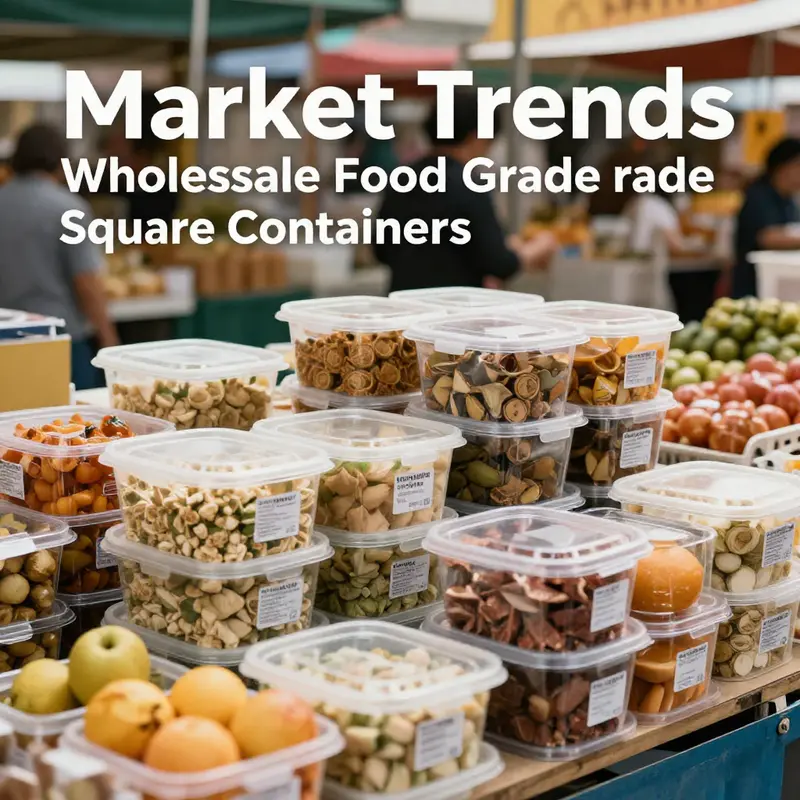
Wholesale food grade square containers have steadily evolved into a centerpiece for diverse industries, shaping a market that blends innovation, sustainability, and design efficiency. In this dynamic landscape, the containers serve more than a utilitarian purpose; they embody the priorities of modern businesses that are committed to food safety, operational efficiency, and environmental responsibility. Driven by changing consumer habits and advancements in material science, these containers are now integral to numerous sectors including restaurants, meal prep services, grocery establishments, and food delivery operations.
The market is undergoing a significant transformation fueled by a growing consumer preference for products that simplify life while being environmentally responsible. In many kitchens and food service operations, the square design of these containers stands out due to its remarkable ability to optimize space and ease of storage. The unmistakable geometry allows for efficient stacking, which minimizes wasted space in both commercial and domestic refrigerators, freezers, and storage units. This becomes especially important in high-volume commercial settings where space optimization and transport efficiency are crucial for maintaining freshness and reducing storage costs.
Current shifts in consumer behavior have also influenced container design and functionality. The modern consumer tends to be health-conscious, tailoring their food choices to maintain strict dietary habits, which often requires containers that can separate and compartmentalize different food items. Square containers, designed with compartments or segmented layouts, have proven extremely effective in ensuring that various components of a meal—such as proteins, carbohydrates, and vegetables—remain separate to prevent flavor mixing and reduce cross-contamination. This design benefit appeals to families, meal preppers, and individuals keen to maintain both nutritional integrity and visual appeal in their meals.
Parallel to these usability benefits is the emphasis on safety and compliance. The containers are typically manufactured from rigorously tested materials such as food-grade polypropylene, stainless steel, and occasionally glass. These materials are chosen after careful consideration of their ability to meet food safety regulations as defined by agencies such as the FDA and the European Food Contact Materials Regulations. Such adherence to international standards not only ensures that the containers are safe for storing consumable products under various conditions but also reassures the end user about the integrity and reliability of their meal storage solutions.
An especially significant trend in the market is the intensified focus on sustainability. As global environmental concerns come to the forefront, manufacturers and suppliers are shifting towards materials that are either reusable, recyclable, or derived from renewable sources. While traditional plastic options continue to dominate due to their cost-effectiveness and versatile functionality, an increasing number of market players are investing in innovative materials like biodegradable polyesters and even stainless steel, which promises longevity and a lower carbon footprint. These sustainable alternatives directly address the urgent need to reduce plastic waste, thereby appealing to eco-conscious consumers and businesses alike. In certain cases, suppliers offer containers that incorporate recycled content, bolstering the green credentials of brands that deliver gourmet meals or sustainable take-out options. One notable example in this context is the trend toward eco-friendly printed packaging that favors reduced environmental impact without compromising on branding opportunities eco-friendly printed logo paper ice cream cups.
Concurrently, technological advancements in material science have led to significant improvements in container longevity and functionality. Manufacturers are developing containers with superior heat resistance, enhanced leak-proof features, and sturdier construction which enables these products to transition seamlessly between refrigerated and heated environments. This progress opens up a wider range of applications, including microwave and oven use, which directly benefits consumers looking for versatile, all-in-one solutions for daily food storage and reheating needs. As these innovations roll out across the market, businesses gain a competitive edge by meeting increasing consumer expectations for both convenience and durability.
The industry is also witnessing a notable convergence between market trends and regulatory expectations. As corporate responsibility intersects with consumer demand, businesses are compelled to deliver packaging that not only preserves food integrity but also upholds high standards of environmental stewardship. The shift toward materials that are easily recyclable or biodegradable is complemented by supplier transparency regarding production processes and ingredient sourcing. This trend is further accelerated by global supply chain innovations that emphasize the integration of smart packaging elements. Smart sensors, for instance, are now being experimented with in some forward-thinking designs, enabling real-time monitoring of temperature, freshness, and even the traceability of the product through integrated QR codes. Such technological integrations promise to enhance supply chain efficiency, reduce waste, and provide valuable data to both suppliers and end users. The infusion of digital technologies into packaging may soon redefine the functional parameters of food storage containers, blending traditional uses with next-generation features.
For manufacturers and distributors, understanding the nuances of material quality, regulatory certification, and design functionality is paramount. Decisions regarding the choice of container – whether favoring cost-effective plastic variants, premium glass options, or robust metal designs – must be aligned with the specific needs of the target market. Consider the case of meal prep businesses and food delivery startups that operate on tight margins and require containers that not only perform consistently under varied conditions but also enhance brand visibility. For these enterprises, the ability to customize features such as lids (snap-on, airtight, or leak-proof) and incorporate unique branding elements offers a dual advantage: functional effectiveness and enhanced market differentiation. By aligning packaging choices closely with operational demands and marketing objectives, businesses can optimize their supply chain and bolster customer satisfaction.
The competitive landscape of wholesale food grade square containers reflects a delicate balance between practicality, cost, and quality. In regions where production is industrially scaled, suppliers often offer competitive pricing structures that provide economies of scale. Bulk orders enable companies to acquire containers at lower per-unit costs, an economic factor that is particularly appealing to large chain restaurants and national food service operators. Innovative pricing models, combined with the flexibility of ordering samples and running pilot programs, have further strengthened buyer confidence in these products. As market dynamics evolve, businesses are increasingly proactive in evaluating supplier credentials, verifying international safety certifications, and assessing environmental impact reports before finalizing procurement contracts.
Market forecasts indicate robust growth for food storage and packaging sectors in coming years. A related forecast from the global food storage container market suggests expansive growth trends influenced by digital transformation and sustainable practices. Although one digital market report notes a CAGR of 11.7% in a related technological field between 2026 and 2033, this optimistic scenario underscores the broader trend of innovation permeating traditional food storage solutions. As companies integrate smart features such as real-time freshness monitoring and digital traceability into their packaging systems, the emphasis shifts to a more proactive approach in supply management.
Yet, amidst this growth and innovation, challenges persist. One of the primary concerns remains the environmental impact of disposable containers. While many consumers and businesses are leaning towards reusable solutions, the market still grapples with the legacy of plastic waste and the complexities involved in recycling or disposing of non-biodegradable materials safely. This duality presents an ongoing conflict: balancing cost and convenience with long-term ecological responsibility. In response, many industry leaders advocate for compliance with advanced environmental standards, encouraging a shift in production practices towards biodegradable components and promoting recycling initiatives within their distribution networks.
Additionally, the role of government regulations continues to be a critical driver in the evolution of food packaging standards. As nations worldwide tighten safety and environmental guidelines, manufacturers are prompted to invest in research and development to stay ahead of compliance requirements. This regulatory evolution not only affects materials and design but also impacts labeling, traceability, and consumer information provision. For businesses operating in competitive markets, aligning their supply chain operations with these regulations becomes an essential part of their strategic planning. This integration of compliance and innovation ensures that the final product – the food grade square container – meets both safety standards and market expectations.
Beyond the regulatory and technological dimensions, cultural shifts are also contributing to the design and usage of food grade containers. Modern lifestyles, characterized by a growing emphasis on healthy eating and efficient meal management, have spurred interest in containers that facilitate portion control and dietary planning. Consumers who subscribe to specific diets or food plans appreciate containers that enable accurate serving sizes and reduce the likelihood of overconsumption. In domestic kitchens, these containers have transcended their original purpose, evolving into everyday tools for managing food quantities and maintaining freshness over prolonged periods. This cultural dimension reinforces market trends by intertwining practical benefits with lifestyle choices.
The resilience of wholesale food grade square containers in the marketplace is further enhanced by an adaptive supply chain and a broad distribution network. With the advent of global e-commerce platforms, companies are no longer restricted by regional limitations and can source high-quality containers from suppliers around the world. This global connectivity has led to increased competition, driving innovation and cost efficiency across the market. Manufacturers are now better able to bridge the gap between traditional production methodologies and modern supply chain logistics, offering products that are both reliable and competitively priced.
The convergence of innovative design, sustainable material choices, and robust regulatory compliance continues to shape the future trajectory of food grade square containers. As digital technologies continue to be integrated into the packaging process, a new era of smart and connected containers may be on the horizon. Through the use of sensors and data analytics, future models could provide real-time insights on product freshness and optimal storage conditions, thus opening up avenues for enhanced product performance and customer satisfaction. This potential leap forward is set against the backdrop of an industry already characterized by rapid change and a responsive adaptation to customer needs.
In summary, the market for wholesale food grade square containers stands at the confluence of tradition and innovation. It is a sector buoyed by strong consumer trends towards convenience, health, and sustainability while clearly reflecting the rigorous demands of modern food safety and storage protocols. The evolution of container design from basic storage solutions to complex, multi-functional products illustrates the dynamic interplay between market demand, technological advancements, and environmental imperatives. As businesses continue to refine their packaging solutions to better meet these intertwined demands, the future promises even greater innovation and efficiency in the realm of food storage containers.
For further details on market forecasts and the evolving landscape of food storage solutions, please refer to this comprehensive external resource: Global Food Storage Container Market Forecast to 2033.
Final thoughts
As the food and beverage industry continues to adapt to consumer demands for safety, convenience, and sustainability, the importance of selecting the right packaging cannot be overstated. Wholesale food grade square containers offer a robust solution that combines functionality with aesthetic appeal. By understanding the materials, benefits, and sourcing strategies discussed, businesses can make informed decisions that enhance their operational efficiency and customer satisfaction. Investing in these containers not only ensures food safety but also positions your brand as a modern and responsible choice in a competitive market.