
Introduction
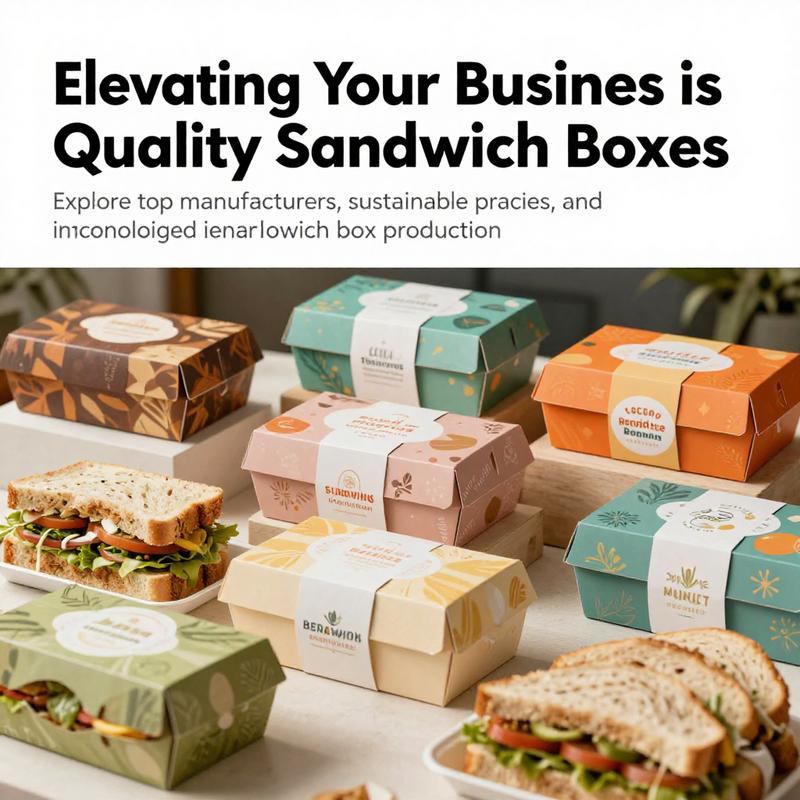
For business owners in the food service and retail sectors, choosing the right sandwich box manufacturer can greatly impact product presentation, customer satisfaction, and sustainability efforts. With growing consumer demand for quality and environmentally friendly packaging, understanding the capabilities of leading manufacturers becomes essential. This article delves into the top sandwich box manufacturers in China, highlighting their unique offerings and production methods. Additionally, we will explore sustainable practices within sandwich box manufacturing, emphasizing the crucial role of eco-friendly materials. Finally, we will discuss innovative technologies that are shaping the future of the packaging industry, ensuring that your business stays ahead of the curve in quality and efficiency.
Tables of Contents
Chapter 1: Exploring China’s Manufacturing Landscape: The Heart of Sandwich Box Production
- Key Manufacturing Regions Cultivating the Future of Sandwich Box Production in China
- Revolutionizing Production: How Technology Propels Sandwich Box Manufacturers in China Forward
Chapter 2: Sustainable Packaging Solutions in Sandwich Box Manufacturing
- Revolutionizing Sustainability: Advanced Material Innovations in Sandwich Box Production
- Optimizing Eco-Conscious Supply Chains: Strategies for Sandwich Box Manufacturers
Chapter 3: Harnessing the Future: Automation and Digital Innovations in Sandwich Box Manufacturing
- The Digital Revolution: Transforming Sandwich Box Production Through Automation
- The Evolution of Materials for Eco-friendly Sandwich Box Production
Chapter 1: Exploring China’s Manufacturing Landscape: The Heart of Sandwich Box Production
1. Key Manufacturing Regions Cultivating the Future of Sandwich Box Production in China
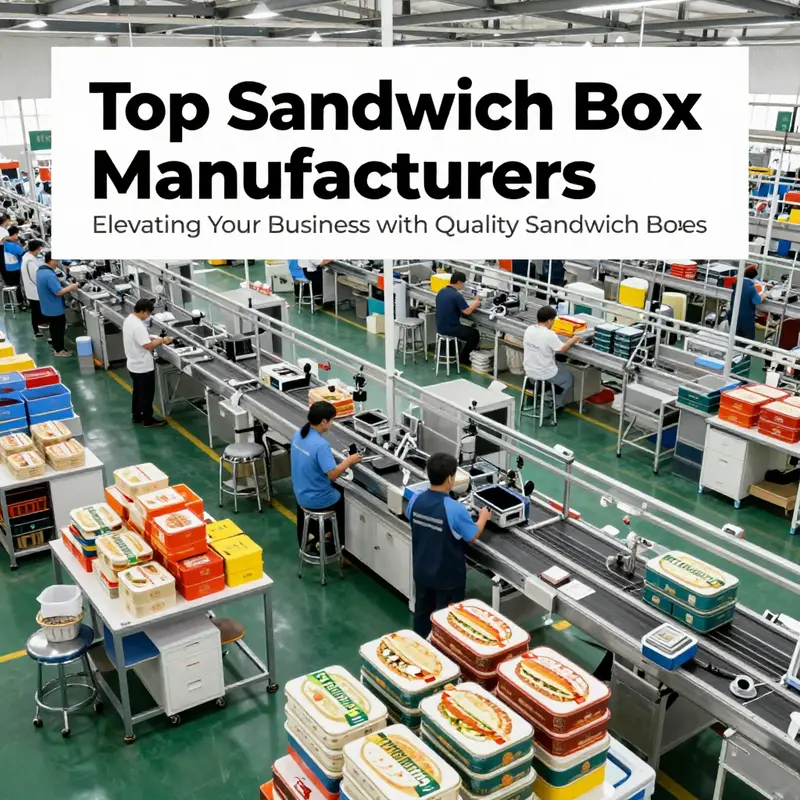
Understanding the manufacturing landscape for sandwich box production in China involves delving into the distinct strengths and characteristics of its key regions. This exploration reveals a triad of provinces—Shandong, Zhejiang, and Guangdong—each distinguished by unique capabilities that not only bolster the manufacturing of sandwich boxes but also cater to the diverse needs of the global market.
Shandong Province: Precision and Advanced Manufacturing
Shandong Province is often regarded as a linchpin of specialized and high-tech manufacturing. Home to numerous ‘hidden champion’ companies, this region excels in producing high-quality components ranging from automotive parts to precision engineering tools, which in turn play a crucial role in the production infrastructure for sandwich boxes.
For instance, the presence of Jinan-based JINMA Industrial Group, a leading supplier of core components for commercial vehicles, showcases Shandong’s tradition of industrial excellence. With the capability to manufacture almost 40% of the world’s commercial vehicle system components, their focus on innovation through years of dedicated research and development demonstrates the sophistication that can be found in this province.
The technological advancements extend to the robotics sector where companies like Qingdao’s Funguang Precision have pioneered miniature harmonic gear reducers. These innovations are not just isolated; they symbolize a fabric of high-precision manufacturing that threads through various sectors, including the production of consumer goods like sandwich boxes.
Weihai Guangtai, a leader in airport ground support equipment, signals the capacity for producing equipment that meets stringent global standards. The link between these advanced manufacturing capabilities and sandwich box production may not be immediately apparent, but it highlights Shandong’s infrastructure readiness.
Zhejiang Province: Innovation and E-Commerce
Zhejiang Province stands at the forefront of consumer product manufacturing, notably supported by its robust e-commerce ecosystem. This region is notably integral to the sandwich box supply chain, providing both innovation and responsive manufacturing processes, essential in today’s fast-paced market.
The presence of major industrial clusters, particularly around textiles, apparel, and consumer electronics, forms a solid foundation for the region’s manufacturing capability. These clusters offer synergistic benefits, creating a fertile ground for cross-industry innovations. Coupled with a proactive attitude towards integration, Zhejiang becomes a birthplace for innovative packaging solutions like sandwich boxes that can reflect the rapidly evolving preferences of consumers.
Moreover, Zhejiang’s proximity to Alibaba’s headquarters in Hangzhou enables unparalleled synergy between manufacturing and digital commerce. Companies here are not just producers; they operate within a digital ecosystem that efficiently translates consumer demand into production reality. This integration leads to the quick turnaround of customized packaging solutions, allowing manufacturers to respond swiftly to market trends and customer requirements. The marriage of traditional manufacturing with e-commerce innovation signifies a formidable advantage in scaling production while maintaining high standards of quality.
Guangdong Province: The Manufacturing Powerhouse
As the most significant manufacturing hub in China, Guangdong Province is synonymous with scale and efficiency. The extensive supply chains present in this province provide a robust landscape for sandwich box manufacturers. Known for its heavy industrial base, Guangdong has established itself as the go-to region for a vast array of manufacturing capabilities across multiple sectors.
Guangdong’s emphasis on high-tech production processes is vital for producing packaging solutions that require not just durability but also aesthetic appeal. This province houses manufacturers adept at integrating innovative technologies into their operations, resulting in products that meet international standards for quality and sustainability. Additionally, its logistic infrastructure is unrivaled, greatly enhancing the ability to export products globally, which is particularly beneficial for sandwich box manufacturers looking to tap into overseas markets.
What sets Guangdong apart is its of logistical advantages, including proximity to trade opportunities in Hong Kong and Macau. This positioning allows manufacturers to access global markets efficiently, thereby facilitating a seamless supply chain that other provinces may struggle to achieve. More than just a production ground, Guangdong is a launching pad for brands aiming for swift international penetration.
Conclusion: Interconnected Manufacturing Strengths
The interplay of specialized manufacturing capabilities across Shandong, Zhejiang, and Guangdong underscores the integrated manufacturing landscape of China. Shandong, with its emphasis on precision and advanced techniques, caters to high-quality production standards. Zhejiang pushes forward with innovation, like rapid product development through e-commerce synergies, while Guangdong provides the massive scale and logistics infrastructure that bring efficiency to both production and distribution.
For sandwich box manufacturers, these provinces offer a spectrum of advantages. The choice of a manufacturer may hinge on factors such as product specifications, required customization, and speed to market. By examining the manufacturing hubs of China, stakeholders in the sandwich box industry can make informed decisions that align with their operational needs, ensuring they choose a manufacturer that meets both quality demands and market expectations effectively. With the global demand for sustainable and innovative packaging solutions rising, these provinces position themselves as vital contributors to the future of sandwich box production.
As manufacturers in these regions evolve, they not only enhance their production capabilities but also their reputation in the global marketplace, reinforcing China’s role as a leader in innovative packaging solutions. For extensive product offerings and sustainable options, exploring manufacturers in these regions is essential for any business looking to stand out in the competitive landscape of food packaging.
2. Revolutionizing Production: How Technology Propels Sandwich Box Manufacturers in China Forward
The evolution of sandwich box manufacturing in China is a striking combination of tradition and technological advancement, positioning the country at the forefront of the global food packaging industry. As demand for efficiency, sustainability, and customizability continues to rise, top manufacturers are increasingly embracing state-of-the-art technologies to streamline production processes and enhance product appeal. These advancements are not just reactions to market pressures; they represent a strategic shift that reflects a broader trend within the industry.
In regions like Guangdong and Zhejiang, renowned for their robust manufacturing ecosystems, manufacturers are pioneering numerous technological innovations. Factories have begun incorporating advanced automation and digital tools that significantly enhance production efficiency. Technologies such as autonomous robotic systems, which can complete intricate tasks with minimal human intervention, are reducing labor costs while simultaneously increasing throughput. By integrating these automated solutions, manufacturers can now maintain consistent quality and tighten production schedules, critical for satisfying the fast-paced demands of major retailers and food service chains.
The manufacturing hubs in China, particularly in cities like Dongguan and Ningbo, are also leveraging innovative digital printing techniques to elevate the aesthetics of sandwich boxes. With the introduction of high-definition digital printing, manufacturers can craft vibrant, intricate designs that capture consumer attention, essential for brands aiming to stand out in a saturated market. This technology supports rapid prototyping, facilitating quicker design changes in response to evolving consumer preferences. As brands seek to distinguish themselves, this agile approach to customization enhances their competitive edge in the marketplace.
Beyond the immediate aesthetic benefits, advancements in technology are fundamentally reshaping the production landscape for sandwich box manufacturers via optimized supply chain processes. The implementation of Internet of Things (IoT) devices equips real-time monitoring of machinery, enabling companies to predict maintenance needs before breakdowns occur. Such proactive management minimizes downtime, ensuring that production lines operate smoothly. Additionally, the adoption of artificial intelligence systems allows manufacturers to forecast demand with greater accuracy, leading to better inventory management and improved customer satisfaction.
Sustainability remains a pivotal focus for manufacturers who are keenly aware of the growing consumer demand for environmentally friendly packaging solutions. The integration of biodegradable and compostable materials into sandwich box production is not merely an option but a necessity for those looking to maintain relevance in a socially conscious market. Leading companies are experimenting with alternatives to conventional plastic, employing sustainable materials like molded fiber and FSC-certified paperboard. These materials offer the dual benefit of being environmentally friendly while maintaining the structural integrity required for food packaging.
Advanced forming technologies further enhance the sustainability framework within which manufacturers operate. Techniques such as thermoforming and injection molding allow for the creation of complex structures with minimal material waste, thereby optimizing the use of resources. The ability to produce uniquely shaped sandwich boxes not only caters to a diverse array of food products but also minimizes environmental footprints through eco-design principles. As a result, the manufacturers can responsibly align their production methods with the increasing consumer preference for eco-conscious products.
Moreover, customization options have expanded as manufacturers deploy software like computer-aided design (CAD) and computer-aided manufacturing (CAM) systems. These systems facilitate the translation of ideas from concept sketches into final production-ready designs, offering brands unprecedented flexibility in their packaging. By allowing for mid-production adjustments, facilities can respond to trends in real-time, ensuring that their product offerings continually align with consumer expectations.
A significant aspect of this transformation is a powerful clustering effect evident in specialized manufacturing zones. In regions such as the Yangtze River Delta, companies benefit from the proximity of suppliers, technology providers, and skilled labor. This synergy fosters innovation, enabling manufacturers to share resources, ideas, and best practices, driving collective growth. The collaboration among businesses within these clusters results in shorter lead times and heightened capabilities. As companies work hand-in-hand, they are able to offer customized solutions that resonate more profoundly with their target audience.
The competitive landscape of sandwich box manufacturing is thus characterized by its technological sophistication. Manufacturers such as Ningbo Pinbo Plastic Manufactory Co., Ltd. and Dongguan Welm Environmental Protection Packaging exemplify this trend, employing pioneering technologies while prioritizing sustainability and design flexibility. These companies not only meet production demands but also align their objectives with the overarching concerns of environmental sustainability and consumer satisfaction.
As the landscape continues to evolve, stakeholders in the sandwich box manufacturing ecosystem are encouraged to explore novel collaboration opportunities that harness collective expertise and capabilities. Establishing strategic partnerships can lead to significant advancements in material science, machine reliability, and production techniques, fostering an environment of continual improvement. Moreover, sharing insights related to sustainable practices and consumer behavior will be increasingly critical in maintaining long-term viability.
For businesses looking to stay ahead in the competitive packaging arena, engaging with these cutting-edge manufacturers ensures not only cost efficiency but positions them to offer distinct, high-quality sandwich boxes tailored to align with modern consumer values. In an era marked by rapid change, those who can adapt and innovate will not only thrive but will shape the future landscape of the food packaging industry.
To explore more on the evolving trends in eco-friendly packaging solutions, visit cupbowlpack.com.
Chapter 2: Sustainable Packaging Solutions in Sandwich Box Manufacturing

1. Revolutionizing Sustainability: Advanced Material Innovations in Sandwich Box Production
In the rapidly evolving landscape of sandwich box manufacturing, the integration of innovative materials has emerged as a catalyst for sustainability. As industries face mounting pressure to reduce their environmental footprint, manufacturers are reimagining traditional packaging solutions through the lens of eco-friendliness and efficiency. The shift from petroleum-based plastics to biodegradable and compostable materials marks a significant milestone in the sector’s evolution, paving the way for a more sustainable future.
One of the most promising alternatives to conventional materials is the use of plant-based plastics. Derived from renewable resources such as cornstarch and sugarcane, these bio-based materials not only provide sufficient strength and durability for sandwich boxes but also expedite decomposition in industrial composting facilities. Unlike their petroleum-based counterparts, plant-based plastics break down more readily, significantly reducing landfill waste and contributing to a circular economy.
Molded fiber, crafted from post-consumer recycled paper or agricultural byproducts like bamboo, wheat straw, and sugarcane bagasse, also presents an exciting advancement in sustainable sandwich box production. These materials are lightweight yet robust, fulfilling the necessary criteria for both food safety and consumer convenience. With their capacity to decompose completely, molded fiber products align impeccably with sustainability goals, minimizing waste generation and enhancing resource recovery.
Moreover, the move towards sustainability is further bolstered by innovations in surface treatments. Water-based coatings and natural dyes are gaining traction because they eliminate toxic chemicals often found in traditional finishes. This advancement not only enhances the environmental profile of packaging but also assures consumers that their food is stored in a safe and non-toxic environment. As a result, brands that adopt these practices are likely to resonate better with health-conscious and eco-savvy consumers.
In recent years, consumer demand for sustainable packaging has surged, prompting manufacturers to amplify their research and development efforts. The quest for greener materials is not merely about replacing one type of plastic with another; it involves improving the overall performance and cost-effectiveness of packaging solutions. Companies are exploring avenues to enhance the tensile strength of bio-based materials, optimize production processes, and scale existing technologies to meet the ever-growing market demand.
An emerging trend within the sandwich box market is the incorporation of customizable designs that reflect brand identity while adhering to sustainability standards. With brands looking to differentiate themselves in a competitive marketplace, the ability to offer personalized and visually appealing packaging options has become critical. Sustainable materials lend themselves well to customization, enabling manufacturers to create distinctive packaging solutions that attract consumers without compromising ecological integrity.
Take, for instance, the case of manufacturers who produce environmentally friendly kraft sandwich boxes. These boxes can be tailored with printed logos or unique designs that align with a brand’s ethos while also being compostable. Such products serve as a compelling point of marketing for businesses focused on sustainability, allowing them to engage ethically conscious customers directly.
In the global context, companies like Dongguan Welm Environmental Protection Packaging Technology Co., Ltd. are at the forefront of this shift, offering custom food-grade kraft products that cater to environmentally aware enterprises. Their focus on sustainable options reflects a larger trend in the sandwich box manufacturing industry, which is rapidly evolving to meet both environmental and customer demands.
As the market matures, the emphasis on diverting materials from landfills becomes paramount. Manufacturers are increasingly exploring recycling initiatives and closed-loop systems that foster sustainability. The revival of post-consumer materials for new packaging production symbolizes a remarkable shift towards integrated waste management strategies, thereby reducing resource depletion and promoting environmental stewardship.
Another vital component in this progress is traceability. With consumers becoming more informed and concerned about the sourcing of their products, having transparent supply chains and material sourcing becomes a necessity. Companies embracing sustainable practices often utilize certifications and eco-labels to communicate their efforts and commitment to sustainability effectively. The adoption of certification processes ensures not only consumer trust but also enhances the brand’s credibility in an increasingly competitive marketplace.
The consensus within the industry is clear: sustainable innovations in material choices are no longer a niche but a vital element of business strategy. Companies focusing on sustainability have reported favorable outcomes, from improved customer loyalty to enhanced market relevance. Furthermore, with stringent regulations and increasing environmental awareness, those failing to adapt risk falling behind.
Parallel to these advancements is the economic argument for sustainability. As technology develops, the costs associated with sustainable materials are projected to decrease, allowing wider adoption across various sectors of the food service industry. Manufacturers are understanding that investing in sustainable material production does not just benefit the environment but can also lead to long-term economic advantages through enhanced brand loyalty and operational efficiencies.
In conclusion, the drive towards innovative material choices in sandwich box manufacturing reflects a transformative collective movement towards sustainability. As brands and manufacturers continue to innovate and experiment with new products, the focus will remain on fostering not only environmental responsibility but also consumer engagement. Transitioning to greener alternatives and incorporating sustainability into core business models will define the competitive landscape of the sandwich box industry in years to come. As businesses work towards this sustainable goal, options like compostable molded fiber and bio-based plastics provide promising avenues for reducing environmental impact while meeting consumer expectations. The journey toward sustainable practices in the sandwich box market is just beginning, and the path ahead is not only necessary but ripe with opportunity for manufacturers willing to adapt and innovate. Brands that invest in these sustainable practices today will undoubtedly shape the packaging landscape of tomorrow.
For any businesses looking to enhance their eco-friendly offerings, exploring sustainable packaging options is imperative. For instance, resources such as the Cofe Cup product line showcase various environmentally conscious packaging solutions that mark a step in the right direction, enabling companies to provide their customers with quality products that respect both consumer needs and the planet.
2. Optimizing Eco-Conscious Supply Chains: Strategies for Sandwich Box Manufacturers
In the evolving landscape of sandwich box manufacturing, optimizing supply chains through strategic sourcing is increasingly recognized as a cornerstone of sustainable practices. This is especially evident given the heightened global demand for innovative, environmentally-friendly packaging solutions. Manufacturers are now faced with the challenge of not only meeting consumer expectations for eco-friendly products but also navigating the complexities of sourcing materials and managing production logistics effectively. This includes choosing suppliers who align with sustainability principles while ensuring quicker turnaround times and cost-effectiveness in a highly competitive market.
The emphasis on sustainability has reshaped the way manufacturers operate, particularly in key regions like Zhejiang and Guangdong, two of China’s most notable manufacturing hubs. These regions have fostered the development of integrated green manufacturing clusters, where firms share resources and knowledge to minimize their environmental impact. Manufacturers in these areas have begun adopting renewable materials such as bamboo fiber, sugarcane pulp, and recycled paperboard, utilizing energy-efficient production processes powered by clean energy sources like solar and wind.
Establishing strong partnerships through strategic sourcing is essential. At the forefront of this movement are companies such as Dongguan Welm Environmental Protection Packaging Technology Co., Ltd., which focuses on sustainable products like custom food-grade kraft paper sandwich boxes. They prioritize low-impact materials, allowing brands to reflect their commitment to sustainability. Buyers also gain from working closely with their suppliers, fostering collaborative innovation to develop packaging solutions that are both functional and environmentally sound.
Supplier Evaluation and Compliance
To ensure success in these eco-conscious initiatives, it’s crucial for manufacturers to assess their suppliers thoroughly. This involves verifying compliance with international sustainability standards such as FSC certification for responsibly sourced wood pulp and ISO 14001 for environmental management systems. Such certifications not only demonstrate a commitment to sustainability but also serve as proof that suppliers are following industry best practices.
Moreover, manufacturers should conduct regular audits of their suppliers’ operations to ensure adherence to regulatory requirements. By requesting detailed Environmental Product Declarations (EPDs), which provide critical information about the environmental impact of products, manufacturers can make informed decisions about the materials they source and their suppliers’ practices. These evaluations should cover the entire lifecycle of the packaging, from raw material extraction to end-of-life disposal, ensuring that every stage meets sustainability criteria.
Supply Chain Efficiency
Proximity to ports in regions like Shanghai and Guangzhou provides an added advantage for supply chain efficiency. By reducing transportation emissions, manufacturers can support just-in-time delivery models that not only optimize inventory management but also lower their overall carbon footprint. As sustainability becomes a key differentiator in consumer choices, manufacturers who streamline their supply chain logistics through careful sourcing are poised to maintain a competitive edge in the sandwich box market.
By leveraging local suppliers and optimizing routes, manufacturers can significantly cut down on transportation-related emissions. This strategic advantage not only boosts operational efficiency but also contributes to a more sustainable supply chain overall.
Innovations in Material Science
In recent years, significant advancements have been made in material science, driving innovations in sustainable packaging for sandwich boxes. Manufacturers are encouraged to explore biodegradable and compostable materials. These alternative solutions not only meet consumer demand for sustainability but also align with the growing legislative pressures aimed at reducing plastic waste. For instance, Chaozhou Chaoan Jiapeng Paper and Plastic Products Factory, known for its OEM/ODM services, has expanded its portfolio to include luxury disposable packaging options suitable for various food products, emphasizing the versatility and aesthetic appeal of sustainable materials.
Additionally, innovations in printing technology, such as water-based inks, are strengthening the sustainability narrative by reducing harmful pollutants associated with conventional printing processes. Water-based inks have been recognized not just for their environmental benefits but also for their safety in food packaging contexts, providing a dual layer of compliance with health regulations and sustainability standards.
Building a Sustainable Brand Reputation
A well-defined procurement strategy that integrates sustainability metrics into supplier evaluation frameworks is essential for brands looking to enhance their market presence. In today’s consumer environment, eco-consciousness directly correlates with brand loyalty. Thus, brands must emphasize not only product quality but also their overall ecological impact. Consumers are increasingly inclined to support businesses that invest in sustainable practices. By demonstrating a commitment to environmental stewardship, manufacturers can build a strong brand identity that resonates with today’s socially responsible shoppers.
Manufacturers should educate their teams about sustainability trends and engage in continuous learning to remain ahead of market demands. Regular training on best practices in sourcing and supply chain management ensures that all stakeholders are aligned with the organization’s sustainability goals. By fostering a culture of sustainability within the organization, manufacturers can inspire innovation and commitment across every department, from procurement to marketing.
Engaging Customers Through Sustainable Practices
In addition to internal strategies, manufacturers also need to engage customers through their sustainability narratives. Transparent communication about the materials used, sourcing methods, and the overall impact of their sandwich boxes can significantly enhance customer trust and loyalty. Providing customers with practical information about how to recycle or dispose of packaging responsibly can also promote consumer participation in sustainability efforts.
As brands shift towards a sustainability-first mindset, targeted marketing campaigns can highlight their eco-friendly credentials, educating consumers about environmental issues related to packaging waste. Social media and other digital platforms can serve as effective channels for sharing these messages, drawing attention to sustainable practices while promoting products that align with consumer values.
Ultimately, by equipping themselves with the knowledge of sustainable sourcing and supply chain management, sandwich box manufacturers can not only meet the needs of today’s conscious consumers but also pave the way for a more sustainable future in the packaging industry. The integration of these strategies—focusing on material innovation, supplier compliance, transportation efficiency, and customer engagement—will enable manufacturers to thrive in an increasingly green-conscious market. As B2B buyers prioritize sustainability more than ever, these practices will not only enhance operational efficiencies but also elevate brand reputation and foster long-term success.
For more insights into how manufacturers are adapting to these trends, you can explore innovative products that are reshaping the landscape of sustainable packaging in food service, such as the biodegradable takeout solutions offered at cupbowlpack.com/shop/.
Chapter 3: Harnessing the Future: Automation and Digital Innovations in Sandwich Box Manufacturing
1. The Digital Revolution: Transforming Sandwich Box Production Through Automation
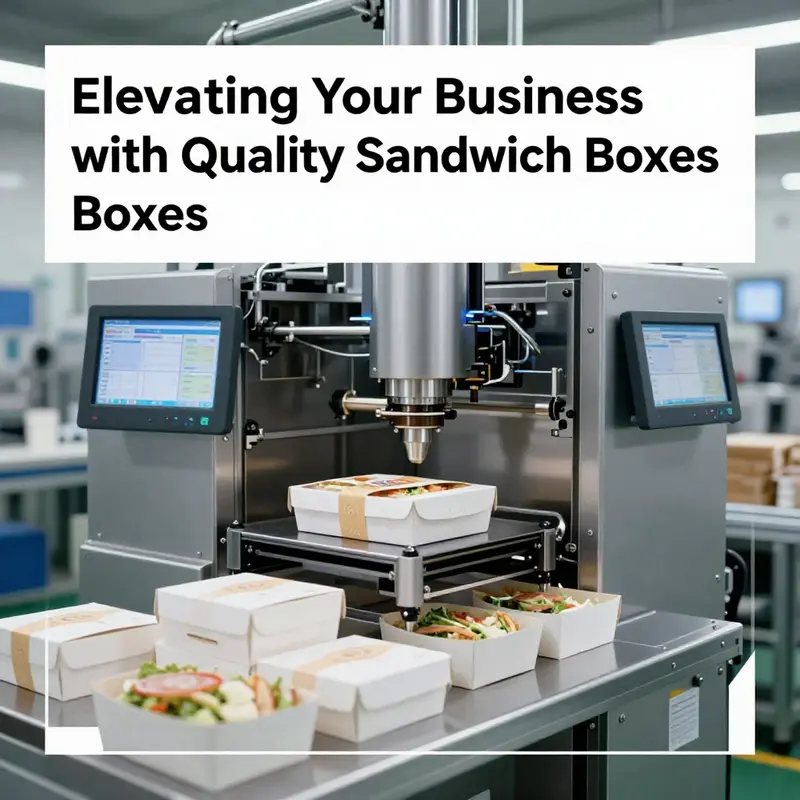
In recent years, the production landscape for sandwich boxes has undergone a remarkable transformation, spurred by advancements in automation and digital manufacturing technologies. These innovations have not only streamlined operations but have also enhanced the precision, efficiency, and scalability of production processes, enabling manufacturers to meet the growing demands of the food packaging market.
The Role of Robotics in Modern Manufacturing
At the heart of this transformation is the integration of robotic technology into the manufacturing process. Robotic systems have revolutionized the production of sandwich boxes, allowing manufacturers to achieve high-speed production with minimal human input. These robots are designed to perform repetitive and time-consuming tasks, such as sorting, packing, and even assembly, with a level of accuracy and consistency that is far superior to manual labor. With robotic integration, manufacturers can produce thousands of sandwich boxes per hour, drastically reducing production time and labor costs.
The benefits of robotics extend beyond mere speed; they also play a critical role in quality control. Automated systems can be programmed to inspect the boxes for defects while maintaining rigorous quality standards throughout the production cycle. In this way, manufacturers can ensure their products meet stringent safety and hygiene regulations, particularly crucial in the food industry.
Computer-Controlled Systems for Precision and Consistency
The rise of computer-controlled systems marks another significant leap in sandwich box manufacturing. These systems enable manufacturers to exert precise control over various aspects of production, from temperature settings to material flow. The application of computer numerical control (CNC) technology ensures that every sandwich box produced is consistent in size, shape, and finish. This level of precision not only reduces waste but also enhances the aesthetic appeal of the final product, aligning with contemporary consumer preferences for visually attractive packaging.
Moreover, the use of software solutions for production planning and scheduling optimizes the supply chain and ensures timely deliveries. Manufacturers can dynamically adjust their production schedules based on real-time demand data, making the supply chain more responsive and flexible.
Real-Time Monitoring for Enhanced Performance
Advanced production lines are increasingly equipped with real-time monitoring capabilities. These systems provide manufacturers with vital insights into production metrics, such as output rates and equipment performance. By leveraging data analytics and machine learning, manufacturers can predict potential issues before they escalate, allowing for timely interventions that minimize downtime. This proactive approach to maintenance and quality assurance is a significant departure from traditional reactive methods.
Furthermore, real-time monitoring enhances operational transparency. Stakeholders can track the production process at every stage, assuring them of the product’s quality and safety. This transparency can be especially beneficial for B2B buyers looking for reliable suppliers capable of meeting stringent compliance requirements.
Safety and Compliance in Automated Production
With the increasing reliance on automation, safety and compliance have become paramount concerns for sandwich box manufacturers. Automated production lines typically employ CE-certified machinery, adhering to international safety standards. The focus on operator safety has led manufacturers to adopt features such as emergency stop buttons, safety interlocks, and guarding systems. These precautions significantly mitigate the risk of workplace accidents and ensure a safe working environment.
In tandem with safety measures, compliance with food packaging regulations is non-negotiable in today’s market. Automated lines facilitate the use of materials that meet food safety standards, from BPA-free plastics to biodegradable options. As consumers grow more selective about sustainability, adhering to these regulations enhances brand reputation and consumer trust.
Innovations in Folding and Gluing Mechanisms
An essential aspect of sandwich box production is the integrity of the box itself. Advanced folding and gluing mechanisms integrated into modern manufacturing machines ensure that sandwich boxes are not only functional but also visually appealing. These systems utilize precision technology for seamless folding and reliable gluing, resulting in boxes that withstand the rigors of transportation while maintaining their shape and aesthetics.
Such advancements reduce the likelihood of product damage during shipping and handling, thus maximizing customer satisfaction. In a dining context, the visual appeal of packaging can significantly affect consumer choices at the point of sale, emphasizing the importance of investing in sophisticated automation technologies.
Digital Twin Technology: A Game Changer
One of the most exciting developments in sandwich box manufacturing is the implementation of digital twin technology. This innovative approach allows manufacturers to create a virtual replica of the entire production process. By simulating real-world conditions, manufacturers can analyze and optimize operations without the risks associated with physical changes.
The ability to experiment with different variables in a risk-free environment leads to improved efficiency and minimized production costs. Additionally, digital twins can help identify potential bottlenecks before they occur. In the rapidly evolving landscape of food packaging, this agility is essential for maintaining a competitive edge.
IoT-Enabled Sensors for Predictive Maintenance
The introduction of Internet of Things (IoT)-enabled sensors has further enhanced the capabilities of automated sandwich box production systems. These sensors monitor various parameters—such as temperature, pressure, and humidity—throughout the manufacturing process. By collecting data in real time, manufacturers can anticipate maintenance needs and prevent unscheduled downtime, which is crucial for maintaining operational efficiency.
Predictive maintenance minimizes disruptions in production schedules, ensuring that manufacturers can consistently meet demand. Furthermore, IoT technology also supports quality control initiatives by enabling continuous monitoring of product quality. As manufacturers continue to embrace these technologies, the future of sandwich box production looks increasingly efficient and sustainable.
Conclusion
In summary, the advancements in automation and digital manufacturing technologies have far-reaching implications for sandwich box production. As manufacturers integrate robotics, computer-controlled systems, and IoT-enabled sensors into their operations, they become capable of producing high-quality, safe, and aesthetically pleasing packaging at unprecedented speeds. This digital revolution is not only enhancing operational efficiency but also enriching the overall consumer experience.
For those looking to explore similar innovations in food packaging and other areas, detailed resources on related advancements can be found here: [Key Standards, Physical Properties, and Engineering Applications of Sandwich Panel Production Lines].
As the industry continues to evolve, staying abreast of these technological advancements will be crucial for sandwich box manufacturers aiming to thrive in a competitive marketplace.
2. The Evolution of Materials for Eco-friendly Sandwich Box Production
As the global landscape increasingly gravitates towards sustainability, the sandwich box manufacturing industry is undergoing a remarkable transformation driven by material innovation. This evolution is critical, especially as consumer awareness regarding the environmental impact of packaging continues to escalate. Manufacturers are stepping up to meet this demand, shifting from traditional plastics to more environmentally responsible materials that not only protect food but also contribute positively to the planet’s well-being.
The move away from conventional plastics is not merely a trend; it signifies a profound change in how manufacturers approach material selection in the sandwich box sector. For decades, plastic has dominated packaging due to its lightweight nature and cost-effectiveness. However, with growing evidence of plastic pollution accumulating in our oceans and ecosystems, the necessity for biodegradable and compostable alternatives has never been more urgent. The industry is responding with innovative materials that promise to deliver the functionality of traditional plastics while aligning with eco-conscious consumer preferences.
Among the most impactful innovations is the introduction of plant-based polymers. Derived from renewable resources, plastics such as polylactic acid (PLA) are produced from cornstarch, which not only reduces reliance on fossil fuels but also offers a biodegradable option for food packaging. When composted in industrial facilities, PLA can break down into natural components within a few months, drastically reducing the environmental footprint of sandwich boxes. This advancement is particularly appealing for producers aiming to enhance their brand identity around sustainability, potentially positioning their products favorably in a competitive market.
In addition to plant-based plastics, molded fiber materials are gaining traction as an appealing alternative for sandwich box production. Made from recycled paper or agricultural waste, molded fiber provides a natural look that appeals to consumers. Its inherent biodegradability means it can decompose and return to the earth without leaving harmful residues. Furthermore, this type of material does not compromise on structural integrity, making it robust enough to withstand the rigors of transportation and storage. With the dual benefit of being environmentally friendly and visually appealing, molded fiber sets itself apart as a versatile option for food packaging solutions.
Cellulose-based films are another innovative material that is making waves in sandwich box production. These films are created from natural cellulose, offering a biodegradable and compostable solution that maintains essential characteristics for food contact safety. By developing films that are moisture-resistant and robust enough to protect food items, manufacturers can ensure the quality and freshness of sandwiches while promoting an eco-friendly narrative. This advancement shows how material engineering can replicate and even enhance the functionality of traditional packaging materials, resolving one of the core challenges faced by sustainable alternatives.
While these innovations are commendable, there are overarching considerations that warrant attention in the quest for sustainable materials. Cost poses a significant barrier to widespread adoption. Biodegradable alternatives tend to have higher production costs than conventional plastics; hence, manufacturers must balance these expenses against potential financial gains from attracting environmentally conscious customers. Furthermore, the scalability of sustainable materials is crucial to meeting the increasing global demand for sandwich boxes. To truly replace conventional plastics, it is essential to ensure that new materials can be produced at a scale capable of satisfying market needs.
The lifecycle impact of packaging materials also warrants careful examination. From raw material sourcing and production processes to the end-of-life disposal methods, assessing the environmental consequences at each stage is necessary. Packaging that promotes compostability must also ensure that adequate composting infrastructure exists to handle it. In many regions, these systems remain underdeveloped, raising questions about where biodegradable materials ultimately end up.
Despite these challenges, the future of sustainable sandwich box production appears promising. Research and innovation within material science is ongoing, continually yielding improvements for packaging integrity and environmental performance. Companies like Ningbo Pinbo Plastic Manufactory Co., Ltd. are at the forefront of this innovation wave, emphasizing BPA-free and eco-friendly options that cater to both consumer preferences and regulatory guidelines. There’s a growing consensus among manufacturers that adopting sustainable practices is not just an ethical obligation, but a strategic business move that can drive long-term profitability.
Some manufacturers are also embracing the concept of customization in product design, which can further enhance brand identity while allowing customers to engage with their environmental commitments meaningfully. For instance, creating sandwich boxes that are not just functional but also bear custom prints or logos can promote brand recognition. This means sustainable packaging doesn’t have to sacrifice aesthetics or marketing potential; rather, it can amplify these aspects, transforming simple food containers into powerful branding tools.
Moreover, the industry is witnessing a burgeoning trend toward consumer education, aimed at promoting awareness about sustainable materials and their benefits. Brands can differentiate themselves by not only using eco-friendly materials but also through storytelling that conveys their commitments. Educating consumers about why certain materials are chosen empowers them to feel involved in the sustainable movement and reinforces their purchasing decisions.
Across the board, there is excitement surrounding the potential of sustainable materials to reshape sandwich box production. The innovations in biodegradable and compostable options illustrate a commitment to environmental stewardship that resonates with contemporary consumers. As the demand for ecologically sound practices continues to rise, those in the sandwich box manufacturing business are encouraged to explore these advancements and consider their adaptability within their operations.
Ultimately, the evolution of materials for sandwich box production encapsulates a broader narrative of innovation and responsibility in manufacturing practices. As businesses increasingly prioritize sustainable strategies, consumers will benefit from improved packaging solutions that address both their convenience and ecological concerns. Investing in these innovations is not merely a response to market pressures; it represents a fundamental shift toward a more sustainable industry that promises a healthier planet for generations to come. For companies looking to enhance their packaging solutions while maintaining ecological integrity, there is exciting potential in developing products that marry contemporary functionality with sustainable practices—transforming the sandwich box into an emblem of responsible consumption.
In conclusion, the trajectory of innovation in sandwich box manufacturing is steering towards a more sustainable future. By harnessing plant-based polymers, molded fiber, and cellulose films, manufacturers are not only expanding their material options but also actively contributing to a more sustainable planet. As cost and scalability challenges persist, the industry must remain agile and responsive, continuing to develop packaging solutions that align with consumer values and the growing demand for eco-friendly products. This intersection of innovation, functionality, and environmental consciousness will ultimately shape the future of sandwich box production and its role in the broader context of sustainable manufacturing.
Final thoughts
In the competitive landscape of business, understanding the dynamics of sandwich box manufacturing is pivotal for success. By exploring top manufacturers, embracing sustainable practices, and leveraging innovative technologies, business owners can enhance product offerings while meeting the ever-evolving demands of consumers and regulatory standards. Making informed choices in packaging not only elevates brand identity but also aligns with global sustainability goals. Thus, selecting the right sandwich box manufacturer becomes a strategic decision that can lead to increased customer loyalty and operational efficiency.
Choose our reliable disposable tableware and packaging solutions for your business. We offer quality products that meet safety standards, with fast delivery and flexible options. Partner with us today to elevate your service – contact our team now for a tailored quote!
About us
We specialize in manufacturing and supplying disposable tableware, packaging paper, and boxes. With years of experience, we prioritize safety, durability, and eco-friendly practices. Our goal is to provide businesses with trusted, cost-effective solutions backed by responsive customer support.