

Introduction
The increasing demand for bulk paper coffee cups is reshaping the packaging landscape, particularly for businesses in the food and beverage sector. Understanding the complexities of the supply chain, pricing dynamics, and effective sourcing strategies is crucial for business owners looking to capitalize on this trend. The rise of specialty coffee culture and heightened environmental awareness are key factors driving growth, especially in leading manufacturing nations like China. Each chapter of this article will delve into critical aspects of procuring paper coffee cups in bulk, providing valuable insights that can inform your purchasing decisions and enhance operational efficiency.
Tables of Contents
Chapter 1: Navigating Global Hubs of Bulk Paper Coffee Cup Manufacturing
- Exploring the Nexus of Paper Coffee Cup Production: Key Manufacturing Regions
- Fostering Trust Through Compliance and Quality in Paper Coffee Cup Sourcing
- Strategic Dynamics and Partnerships within the Bulk Paper Coffee Cup Ecosystem
Chapter 2: Navigating the Cost Landscape of Bulk Paper Coffee Cups
- Understanding Pricing Influences and Supplier Selection in Bulk Paper Coffee Cup Procurement
- The Greening of Paper Coffee Cups: How Environmental Concerns Influence Pricing Strategies
- The Interplay of Global Sourcing, Operational Reliability, and Pricing Strategies for Paper Coffee Cups
Chapter 3: Innovative Technologies Shaping the Future of Bulk Paper Coffee Cup Sourcing
- Harnessing Technology to Elevate Bulk Paper Coffee Cup Procurement Strategies
- Cost Efficiency and Value Optimization in Sourcing Bulk Paper Coffee Cups
- Understanding the Geopolitical Landscape in Sourcing Paper Coffee Cups
Chapter 1: Navigating Global Hubs of Bulk Paper Coffee Cup Manufacturing

1. Exploring the Nexus of Paper Coffee Cup Production: Key Manufacturing Regions
The landscape of bulk paper coffee cup manufacturing is a fascinating interplay of geography, resources, and emerging trends in sustainability. As global demand escalates for disposable coffee cups, several key manufacturing hubs have risen to prominence, each bringing unique advantages to the supply chain. These regions are not merely production facilities; they are ecosystems of innovation, collaboration, and sustainability that support the burgeoning specialty coffee culture while meeting the increasing environmental consciousness of consumers and businesses alike.
East Asia: The Powerhouse of Production
At the forefront of paper coffee cup production is East Asia, particularly China. The provinces of Guangdong, Zhejiang, and Jiangsu are the epicenters of this industry, hosting an extensive network of specialized suppliers. These manufacturers benefit from a highly integrated supply chain that includes access to premium raw materials such as kraft paper and advanced automated cup-making machinery. With food-grade polyethylene (PE) and alternative coatings like PLA also readily available, these suppliers can produce cups that meet both aesthetic and functional demands.
Additionally, the strategic proximity to major shipping ports such as Shenzhen, Ningbo, and Shanghai facilitates rapid logistics for exports, thus enhancing competitiveness in global markets. By maintaining high production capacities and integrating processes such as coating, printing, and molding under one roof, Chinese manufacturers not only reduce lead times but also foster a culture of continuous improvement. As a result, they are well-equipped to respond to fluctuating market demands and withstand geopolitical shifts that can influence supply chains.
Southeast Asia: Emerging Alternatives
As businesses look to diversify their supply chains, Southeast Asia is carving out a noteworthy niche in bulk paper coffee cup manufacturing, with Vietnam leading the charge. The country’s evolving paper and packaging sector, bolstered by favorable trade agreements such as the Comprehensive and Progressive Agreement for Trans-Pacific Partnership (CPTPP) and the European Union-Vietnam Free Trade Agreement (EVFTA), enables it to produce significant volumes of eco-friendly and compostable paper cups at attractive prices.
Manufacturers in Vietnam are increasingly investing in sustainable practices, aligning themselves with global trends towards environmentally responsible products, thus appealing to conscientious consumers. Brands looking for nearshoring options also find value in sourcing from Thailand and Indonesia, where burgeoning manufacturing capabilities fulfill regional market needs and allow for agility in supply chains. This shift towards Southeast Asia not only mitigates risks associated with heavy reliance on China but also taps into lower labor costs and a willingness to innovate.
North America: Balancing Local Demand and Sustainability
In North America, the United States and Mexico represent another critical component of the bulk paper coffee cup supply chain. The U.S. boasts a mature domestic packaging industry, with prominent manufacturers concentrated in states such as Georgia, Michigan, and Texas. These facilities prioritize sustainability, often holding certifications like Forest Stewardship Council (FSC) and Biodegradable Products Institute (BPI).
In Mexico, the geographical advantage near the U.S. border facilitates efficient integration into North American supply chains, a beneficial factor magnified by evolving trade agreements like the United States-Mexico-Canada Agreement (USMCA). Both the U.S. and Mexico are capitalizing on a consumer base increasingly focused on local sourcing and sustainable practices, thereby illustrating that regional producers can still compete effectively by emphasizing quality and environmental responsibility.
Europe: The Vanguard of Sustainability
European countries, particularly Germany, Poland, and Sweden, are setting the pace in the production of high-end, sustainable paper coffee cups. Here, innovation is tightly intertwined with environmental compliance, leading to the development of compostable and biodegradable cups made from renewable materials, such as bamboo and sugarcane fiber. Germany and Sweden are at the forefront, championing products that not only adhere to stringent EU regulations regarding single-use plastics but also promote a circular economy approach.
The growing European market reflects a consumer demand for products that reduce environmental impact, and manufacturers are responding actively by investing in greener production methods and materials. This commitment positions them favorably in both domestic and export markets, thereby reinforcing the bond between sustainability and marketability.
Strategic Considerations for Buyers
When sourcing bulk paper coffee cups, businesses must consider various factors in addition to price. Location plays a pivotal role in defining lead times, logistical costs, and alignment with sustainability goals. Collaborating with suppliers positioned in regions that prioritize both product quality and environmental standards can yield significant long-term benefits. A careful evaluation of suppliers based on their operational reliability, technical capabilities, and transaction transparency is essential for ensuring a consistent supply chain. For instance, manufacturers with high on-time delivery rates and proven scalability can mitigate risks and enhance customer satisfaction.
Ultimately, understanding the intricate dynamics of these manufacturing hubs allows buyers to make informed decisions that align not just with cost efficiencies but with a larger commitment to sustainability and quality in the ever-evolving landscape of disposable coffee cup production. Exploring partnerships with verified suppliers can provide a strategic advantage as businesses navigate this competitive market landscape: Customized Paper Coffee Products.
2. Fostering Trust Through Compliance and Quality in Paper Coffee Cup Sourcing
In the realm of bulk paper coffee cup production, compliance and quality assurance are essential elements that underpin a reliable supply chain. These components are not merely regulatory checkboxes; they represent a commitment to product safety, environmental responsibility, and customer satisfaction. As the global demand for disposable paper coffee cups escalates, particularly within China’s manufacturing sphere, a nuanced understanding of compliance standards and quality assurance practices becomes imperative.
China’s dominance as a manufacturing powerhouse is largely attributed to its expansive network of vertically integrated operations. Key regions such as Hubei, Guangdong, and Zhejiang host robust clusters of suppliers capable of executing multiple manufacturing processes—from pulp processing and food-grade coating application to printing and packaging—all within close geographic proximity. This integration offers remarkable efficiencies, significantly reducing logistics frictions and enabling production capacities that can exceed tens of millions of units each month. Consequently, buyers looking for bulk paper coffee cups must prioritize manufacturers that demonstrate a keen understanding of compliance and proven quality control systems.
In terms of compliance, businesses sourcing paper coffee cups for international markets must navigate an array of regulatory landscapes. In the United States, suppliers must adhere to FDA regulations, especially concerning materials intended for food contact. This includes stringent limits on material migration, which prevent harmful substances from leaching into food and beverages. Similarly, in Europe, compliance with the EU Framework Regulation No. 1935/2004 is essential. This regulation sets forth rules for materials that come into contact with food and emphasizes consumer safety. Moreover, buyers with environmental concerns are also encouraged to seek certifications such as BPI (Biodegradable Products Institute) for compostable options and FSC (Forest Stewardship Council) certification for sustainably sourced raw materials.
Beyond adhering to these regulations, suppliers are expected to furnish batch-specific Certificates of Analysis (COA) upon request. These documents affirm critical quality parameters including moisture content, microbial load, and the absence of hazardous contaminants like aflatoxins that could jeopardize the integrity of hot beverage applications. Such transparency not only fosters trust but also mitigates risks associated with sourcing non-compliant products.
Quality assurance within this sector plays a pivotal role in maintaining high standards throughout production. Leading manufacturers often pursue international quality management certifications such as ISO 22000, HACCP, or FSSC 22000. These certifications reflect systematic approaches to food safety management and can instill confidence in potential buyers regarding the reliability of their suppliers. Additionally, operational metrics serve as tangible indicators of supplier reliability. For instance, a successful supplier will typically demonstrate on-time delivery rates exceeding 97%, prompt response times, and high reorder rates beyond 25%. These performance metrics not only reflect logistical efficiency but also signal a supplier’s commitment to customer satisfaction.
Consider, for example, Hangzhou Jimi Packaging Technology Co., Ltd., a company that boasts a remarkable 100% on-time delivery rate alongside annual revenues exceeding $1.4 million. Such figures point to a mature supply chain capable of handling large volumes while maintaining stringent quality and compliance standards. It is this kind of robust operational capability that buyers should actively look for when evaluating potential suppliers.
Customization is another critical facet of the paper coffee cup market, where buyers may seek products tailored to their brand identities and sustainability goals. When exploring custom options, it is paramount to ensure that suppliers can clearly articulate the distinctions between conventional polyethylene (PE) coatings and more eco-friendly polylactic acid (PLA) alternatives. Comprehensive documentation supporting the use of environmentally compliant inks and food-safe adhesives furthers the integrity of the final product.
The importance of establishing a holistic supplier assessment cannot be overstated. In a world where consumers are increasingly conscientious about sustainability and ethical sourcing, buyers must weigh cost against the backdrop of compliance and verified quality assurance. By doing so, they can mitigate risks that might otherwise compromise sourcing effectiveness and operational viability. With careful consideration of these elements, businesses can achieve scalable procurement that aligns with both corporate objectives and consumer expectations.
In conclusion, navigating the complexities of compliance and quality assurance within the bulk paper coffee cup supply chain necessitates a comprehensive approach. As organizations and consumers alike become more discerning, building partnerships with suppliers who demonstrate unwavering commitment to these principles not only enhances brand reputation but also ensures the long-term viability of sourcing strategies in the competitive world of disposable packaging.
3. Strategic Dynamics and Partnerships within the Bulk Paper Coffee Cup Ecosystem
The supply chain for bulk paper coffee cups is not merely a linear process; it reflects a complex ecosystem characterized by strategic partnerships and regional specializations. As the demand for these cups grows, particularly in markets showing increased awareness of sustainability, suppliers in China have developed an intricate network of manufacturing operations across several provinces, predominantly Guangdong, Hubei, and Zhejiang. These regions stand out not only for their production capabilities but also for their unique offerings that can cater to a wide array of customer needs, further fueling their dominance in the global market.
China’s consolidated manufacturing base allows for significant advantages, including cost efficiencies and integrated supply chain processes. The journey of a paper coffee cup—from raw pulp sourcing to the final product—occurs within these densely populated industrial hubs. This vertical integration encompasses core activities such as paperboard production, coating, printing, die-cutting, cup forming, and lid molding, simplifying logistics and promoting reliable output.
With manufacturing processes being closely knit, suppliers can swiftly scale production to meet bulk order requirements, often ranging into the millions of units monthly. The standard use of food-grade paperboard, which is carefully lined with polyethylene for enhanced leak resistance, adds to the product’s dependability, ensuring satisfaction for both vendors and customers. The quality of materials has also evolved; many manufacturers now offer options such as water-based coatings and FSC-certified paperboard to accommodate shifting consumer preferences and regulatory standards.
In this dynamic marketplace, strategic supplier relationships are paramount. B2B buyers have transitioned towards valuing operational reliability and responsiveness over mere transactional relationships. Suppliers offering metrics such as on-time deliveries exceeding 97%, rapid response times, and consistent reorder rates are increasingly deemed trustworthy partners. These relationships blossom into strategic partnerships where suppliers provide more than just the commodity. Brands benefit from co-development opportunities through in-house design services, including graphic design support and color matching capabilities. This fosters an environment where businesses can innovate, customizing their cup designs to align perfectly with brand aesthetics and market trends.
The foundational trust embedded in these relationships enhances resilience in the supply chain, pacifying concerns on both sides regarding potential disruptions. Significant players, such as Hangzhou Jimi Packaging Technology Co., Ltd., maintain transparency through real-time performance metrics, demonstrating their commitment to service consistency. Furthermore, engaging suppliers through recognized platforms, such as Alibaba, enables buyers to access a plethora of verified manufacturers that streamline bulk procurement processes while ensuring compliance and quality assurance.
Regional specialization within the Chinese manufacturing landscape offers distinct advantages to buyers seeking cost efficiency alongside premium customization. For instance, Shenzhen has emerged as a hub for high-end disposable cups adorned with intricate finishes, while Yiwu caters to a more design-conscious clientele with artisanal drinkware tailored for lifestyle brands. These local ecosystems capitalize on rapid prototyping and lean manufacturing strategies, reflecting an agile response to market trends. Lead times for orders are typically reduced to between 15 to 25 days following sample approval, presenting significant advantages for brands operating in fast-paced retail environments.
Understanding the pricing strategies for bulk paper coffee cups further aids buyers in navigational decision-making. Basic white cups may begin at just $0.01 per unit, but prices can escalate considerably depending on features such as double-wall insulation, custom branding, or eco-friendly materials. Minimum Order Quantities (MOQs) generally start at 500 units, though many suppliers are becoming increasingly accommodating to smaller businesses or startups with lower thresholds.
As sustainable consumption continues to gain traction, suppliers who adopt eco-friendly alternatives, like compostable linings or recyclable materials, are positioned to succeed. These investments ensure compliance with growing environmental regulations, making them attractive partners for brands committed to sustainability.
To select the right suppliers, buyers should implement a structured evaluation framework focusing not only on pricing but also on critical factors such as technical capabilities and communication efficiency. Metrics that gauge operational performance—beyond traditional measures—will prove invaluable in fostering long-term partnerships that are essential for remaining competitive in a rapidly evolving market. With many suppliers embracing advanced technology and data analytics, these performance insights are more accessible than ever, benefitting buyers looking for reliable sourcing channels.
In summary, the complexities of the supply chain for bulk paper coffee cups are informed by strategic partnerships, regional specialization, and a keen awareness of market and environmental dynamics. As the sector evolves, those seeking to remain relevant and sustainable will need to prioritize these relationships, ensuring their operations align with the best practices in manufacturing and sourcing.
For further reading on sourcing sustainable packaging solutions in the coffee sector, refer to this detailed product guide on customized paper cups.
Chapter 2: Navigating the Cost Landscape of Bulk Paper Coffee Cups
1. Understanding Pricing Influences and Supplier Selection in Bulk Paper Coffee Cup Procurement
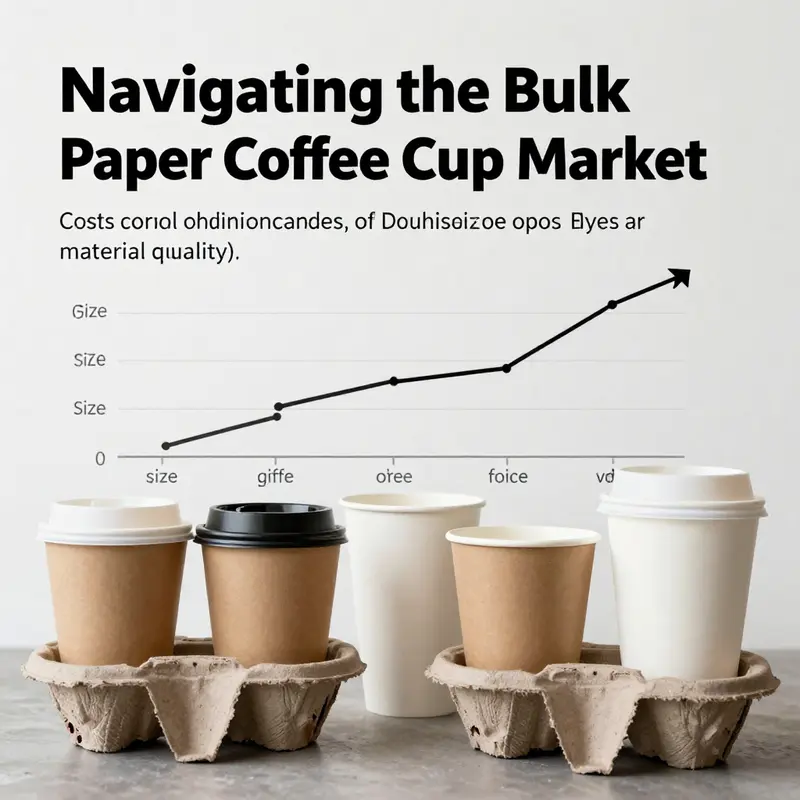
The landscape of bulk paper coffee cup pricing is shaped by a variety of factors that every buyer should understand to make informed purchasing decisions. Understanding these dynamics can not only help businesses optimize their procurement strategies but also help them establish long-term relationships with reliable suppliers. A paramount consideration is the Minimum Order Quantity (MOQ), which typically dictates the price per unit. In general, larger order volumes result in reduced pricing, allowing businesses to achieve significant savings as the scale of their orders increases. For instance, while standard disposable paper coffee cups may be available for as low as $0.01 per unit for large orders, pricing can escalate to $0.15 for smaller orders or more specialized designs.
Material quality serves as another critical parameter influencing the pricing structure of paper coffee cups. Most suppliers utilize food-grade paperboard, which varies between 180 to 280 gsm. The choice between basic material and more premium options—such as biodegradable or insulated variants—can also alter the cost significantly. Eco-friendly cups are particularly in demand as sustainability becomes a crucial factor for consumers and businesses alike. Suppliers are responding by providing biodegradable craft paper cups at competitive rates—often between $0.01 and $0.10 per piece when ordered in bulk quantities, especially if the order exceeds 5,000 units.
The type of coating applied to the cups further dictates pricing tiers. For instance, polyethylene (PE) lining is commonly employed to ensure leak resistance, but it may not cater to all companies focusing on sustainable outcomes. Several manufacturers are now offering plant-based alternatives for the coating, albeit at a slightly higher cost. Buyers seeking customization options—such as printing logos or specific designs—should note that this capability often results in additional fees. Custom-printed cups can run between $0.10 to $0.15 per unit, particularly at lower MOQs. However, negotiating larger orders, like 10,000 units, often translates to significantly reduced per-cup costs, making it a viable path for brands seeking to create impactful marketing experiences through custom branding.
Price comparisons across platforms are vital for making sound purchasing choices. Leading global marketplaces like Alibaba provide tools for potential buyers to conduct thorough assessments. The presence of tools such as Request for Quotation (RFQ) systems allows prospective buyers to solicit quotes from multiple vendors, fostering a competitive environment that drives costs down while ensuring quality remains uncompromised. This transparency in pricing empowers businesses to evaluate suppliers not only based on cost but also on factors such as production capacity, delivery timelines, and overall reliability.
When evaluating potential suppliers, key performance indicators (KPIs) related to their operational reliability and customer support must not be overlooked. Critical metrics include on-time delivery rates, response times, and reorder frequencies. For instance, suppliers boasting on-time delivery rates exceeding 97% are often viewed as dependable partners, which is crucial for businesses that rely heavily on consistent supply chains. Issues such as late deliveries can disrupt operations significantly, leading to customer dissatisfaction and possible financial losses. Examining real-time data from verified suppliers, like Hangzhou Jimi Packaging Technology Co., Ltd., which has achieved a perfect delivery rate, can signal a robust logistics framework and a commitment to customer satisfaction.
Moreover, businesses should be mindful of certifications like ISO 9001, as these reflect adherence to international quality standards. While formal certifications speak to the creditability of suppliers, actual performance metrics can offer deeper insights into the daily operations and reliability of a provider. Selecting suppliers who prioritize transparency can lead to better partnerships, ensure timely deliveries, and improve overall procurement efficacy.
Another avenue to explore is the direct purchasing route for immediate needs. Retailers may turn to platforms like Amazon Basics, which offers readily available products such as 1,000 count, 12 oz disposable paper coffee cups, providing a consistent choice for businesses that require dependable supplies. While this option may cater to enterprises needing immediate stock, cultivating partnerships with verified manufacturers remains the most flexible and often economic route for larger, customized orders.
When it comes to ensuring sustainable sourcing practices, buyers must delve into the attributes of offered products. The trend towards eco-conscious procurement is not just a passing fad; it reflects a paradigm shift in consumer preferences that companies are increasingly realizing they need to embrace. Investing in biodegradable or environmentally friendly options not only reflects corporate social responsibility but can also prove beneficial in engaging consumers who desire alignment with sustainable brands. As such, integrating environmental considerations within the procurement framework can yield both competitive advantages and improved customer perceptions.
In this complex and dynamic market, staying well-informed about the pricing dynamics of bulk paper coffee cups is essential for both cost management and supplier relationship development. As businesses navigate this landscape, an insightful approach to evaluating and selecting suppliers will facilitate smoother transactions and sustainable growth in the specialty coffee culture landscape.
2. The Greening of Paper Coffee Cups: How Environmental Concerns Influence Pricing Strategies
As the market for bulk paper coffee cups evolves, so does the conversation about their environmental impact. Increasingly, consumers and businesses demand sustainable products, which significantly influences pricing dynamics in this sector. The intricacies of environmental concerns range from the materials used to the production processes and end-of-life considerations for these cups. Understanding these factors is essential for businesses looking to strategically position themselves in an increasingly eco-conscious marketplace.
One of the primary environmental challenges surrounding bulk paper coffee cups is the use of plastic lining. These linings are typically created from polyethylene or bioplastic (PLA) and serve to reinforce the functionality of paper cups by preventing leaks. However, while they improve usability, they also contribute to longer-term ecological issues. Research suggests that these composite materials can break down into microplastics over time, raising alarms regarding soil and water quality. With growing regulatory scrutiny and public awareness, the presence of plastic-lined cups may compel manufacturers to reconsider their design choices, impacting overall production costs.
In light of these concerns, there has been a noticeable shift towards fully compostable alternatives. These cups, constructed from renewable resources and designed to break down naturally, are gaining traction among environmentally minded consumers. Yet, the transition to these eco-friendly options often incurs higher production costs. For manufacturers, adopting sustainable practices—while beneficial in the long run—requires an upfront financial commitment. This reality underscores the importance of pricing mechanics that reflect not just the materials and labor involved, but also the added value of sustainability that these cups represent.
Moreover, the sourcing of raw materials is another crucial factor. Choices made at the outset, particularly regarding the use of virgin versus recycled paper, have significant ramifications for both composition and pricing. Cups generated from post-consumer recycled content often exhibit a lower carbon footprint than their virgin counterparts; however, they may come with higher costs associated with the processing needed to meet hygiene and quality standards. Manufacturers are increasingly aware that sacrificing environmental integrity for cost reduction is no longer a viable option, as consumer expectations shift towards more responsible sourcing.
These evolving conditions highlight a fundamental shift in the pricing dynamics of bulk paper coffee cups. Manufacturers are under increasing pressure to adopt greener production methods, not merely in response to consumer demand, but also as part of compliance with tightening regulations aimed at mitigating environmental harm. Consequently, the real price of paper coffee cups extends beyond their conventional sticker price. Offering products that align with environmental values can lead to Long-term savings through enhanced brand reputation and increased customer loyalty.
Current market prices for bulk paper coffee cups vary widely, typically ranging from $15.50 to upwards of $30 per unit, influenced by attributes such as size, material quality, potential custom branding, and order volume. Interestingly, the growing demand for environmentally responsible options does not seem to deter businesses that recognize the associated long-term benefits. Investing in sustainable options often leads to improved public perception, translating into robust sales for businesses that embrace this narrative.
As the technology surrounding sustainable production methods advances, it is anticipated that pricing for these options may stabilize. Economies of scale could come into play, especially for companies that effectively integrate sustainable practices into their supply chains. Considerable strides in production efficiency and material innovation can contribute to lowering costs of these eco-friendly variants, allowing them to compete more effectively with conventional alternatives.
Thus, buyers seeking to source bulk paper coffee cups should remain attuned to these environmental considerations as part of their procurement strategies. Evaluating suppliers not merely on price but also on their commitment to sustainability can provide meaningful insights into future collaborations. With firms like Hangzhou Jimi Packaging Technology Co., Ltd. showcasing superior performance metrics—such as a perfect 100% on-time delivery rate and substantial revenue—potential partners can glean both reliability and a shared commitment to sustainability.
Ultimately, the conversation surrounding the environmental dynamics of bulk paper coffee cups will serve as a catalyst for industry-wide transformation. Companies that participate in this dialogue equip themselves to navigate a landscape where consumer preferences increasingly favor environmental consciousness. As awareness grows, so too will the need to balance cost with ecological responsibility, shaping the very future of how bulk paper coffee cups are priced and perceived in the global market. For those proactive in addressing these concerns now, the payoff may not only be economic but also reputational, aligning brand value with the shifting tides of consumer demand.
For anyone interested in exploring sustainable packaging options further, platforms like Cofe Cup offer a range of eco-friendly solutions that cater to the modern consumer’s expectations.
3. The Interplay of Global Sourcing, Operational Reliability, and Pricing Strategies for Paper Coffee Cups
The pricing of bulk paper coffee cups unveils a landscape shaped significantly by various interrelated factors, including global sourcing practices and the operational reliability of suppliers. Beyond what is reflected in unit costs—ranging generally from $0.01 to $0.08 per cup—the true essence of pricing in this sector is nuanced and deeply rooted in strategic operations and material access, particularly among leading manufacturers in China.
A significant aspect influencing pricing dynamics is operational reliability. For businesses looking to source paper coffee cups, a cheap unit price is not an absolute guarantee of cost-effectiveness. An unstable supplier who does not deliver on time can result in disrupted business operations and lost opportunities, leading to higher cumulative costs despite lower initial prices. Metrics that buyers should emphasize include:
- On-time delivery rates consistently above 97%
- Response times that remain under three hours
- Reorder rates exceeding 25%, which suggest a consistent satisfaction among customers.
Taking Hangzhou Jimi Packaging Technology Co., Ltd. as an exemplary case, this supplier reports a 100% on-time delivery rate along with impressive annual revenues indicative of its robust export capabilities. Such metrics can justify the perception of higher prices because they encapsulate added reliability and fewer risks of interruption in service. In contrast, suppliers with lower reliability may initially lure buyers with low prices; however, the hidden costs associated with delays and quality variances can escalate overall expenditures rapidly.
Compliance and certification are other cornerstone elements contributing to pricing strategies. In the realm of bulk paper coffee cup production, adhering to safety regulations is paramount. All paper cups meant for hot beverages require food-safe linings—typically polyethylene (PE) or biodegradable alternatives like polylactic acid (PLA). Suppliers must be prepared to provide verifiable documentation affirming that their products meet international safety standards, as non-compliance can lead to significant legal ramifications and brand reputation damage. Although certifications such as ISO 9001 demonstrate a commitment to quality management, relying solely on these static documents can be misleading. Increased focus on real-time performance data is vital: suppliers that can showcase ongoing compliance through rigorous practices offer compelling advantages in pricing discussions, particularly as global consumers become more conscious of safety and environmental concerns.
Manufacturing capabilities and sourcing of materials also wield substantial influence over pricing structures. Chinese manufacturers enjoy a strategic advantage due to their proximity to raw materials, including virgin kraft paper and eco-friendly options. By utilizing local resources, these companies optimize production costs while ensuring consistent quality. Many leading suppliers have invested in advanced technology that facilitates high-volume production, adept at accommodating custom designs along with fast turnaround times. This vertical integration enables manufacturers to manage costs effectively, buffering against fluctuations in global commodity prices. It becomes apparent that manufacturers investing in such capabilities can provide stable pricing despite external market pressures.
Furthermore, customization options may significantly impact pricing. Retailers seeking bespoke solutions often bear higher unit costs, reflecting the added labor and materials. Innovations such as digital printing allow businesses to enhance their branding on paper cups effectively. While producing a basic white cup might contribute to costs as low as $0.01 per unit, enhanced functionalities such as double-wall insulation and custom printed designs can prompt prices to rise to $0.08 or more. Thus, while the initial sticker price might appear attractive, understanding how these cost drivers align with operational reliability and supplier performance is vital.
As buyers navigate this competitive landscape, the presentation of options also matters greatly. Platforms like Alibaba offer comprehensive price comparisons and RFQ (Request for Quotation) tools, allowing buyers to evaluate multiple suppliers that meet their unique needs for quality and price. However, buyers need to remain vigilant: focusing indiscriminately on the lowest price may lead to overlooked risks tied to quality and supplier reliability, amplifying potential long-term costs.
The market for bulk paper coffee cups is undeniably complex, characterized by a myriad of factors affecting pricing. Successful sourcing hinges upon discerning the true implications of operational reliability, compliance burdens, and manufacturing efficiencies. In the end, the total cost of ownership for bulk paper coffee cups is significantly shaped by these operational characteristics, illustrating that it is crucial to strategically approach sourcing decisions to enhance value while minimizing risks.
For sustainable choices, consider brands actively engaged in eco-friendly practices, such as those offering biodegradable line options. This focus extends not only toward cost management but also speaks to a growing consumer base that prioritizes environmental responsibility, thus further defining a competitive edge in the market. For a deeper exploration into various options available in packaging, check out additional resources available online.
Chapter 3: Innovative Technologies Shaping the Future of Bulk Paper Coffee Cup Sourcing
1. Harnessing Technology to Elevate Bulk Paper Coffee Cup Procurement Strategies
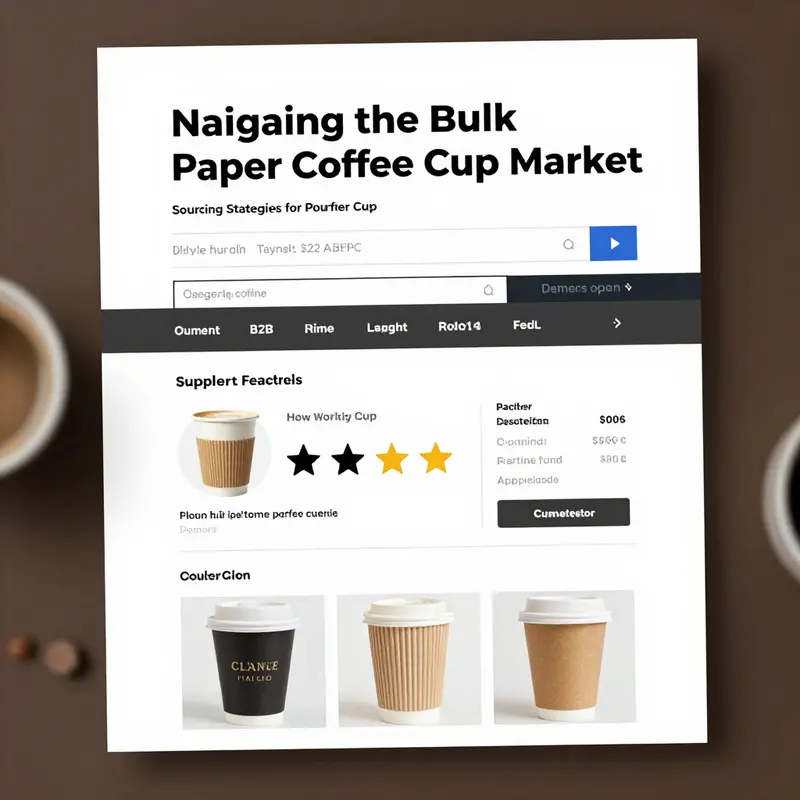
In the competitive landscape of sourcing bulk paper coffee cups, leveraging cutting-edge technology becomes a cornerstone for ensuring operational efficiency, product quality, and environmental sustainability. As coffee culture evolves and demands for high-quality, eco-friendly solutions surge, it is imperative that buyers not only consider the traditional aspects of supplier selection but also delve into the technological prowess of manufacturers. This not only aids in optimizing procurement strategies but also bolsters a brand’s commitment to sustainability, resonating with modern consumers who prioritize responsible choices.
At the heart of enhanced sourcing capabilities lie advanced manufacturing technologies. Suppliers in key regions, particularly in China, are embracing high-speed automated production lines which significantly elevate their output capacity and product consistency. These lines are engineered for efficiency, allowing manufacturers to maintain high-quality standards while producing in volumes necessary to cater to massive demands. Additionally, precision coating systems are crucial in the production process of paper coffee cups, enabling durable and sustainable coatings that meet safety and performance standards. Innovations such as Polylactic Acid (PLA) biopolymer coatings, found predominantly in Zhejiang, illustrate the strides being made in sustainable packaging. Such materials not only enhance the product’s environmental profile but also ensure compliance with increasing regulations and consumer expectations for eco-friendly products.
Regional innovations contribute greatly to the technological landscape of bulk coffee cup sourcing. Guangdong remains a powerhouse with its state-of-the-art industrial ecosystems centered on pulp processing and manufacturing of coated paperboard. The integration of digital technology within these manufacturing systems paves the way for superior operational performance. Smart factory systems, equipped with real-time monitoring capabilities, allow manufacturers to enhance their production processes through improved oversight and predictive maintenance. This means reduced downtime and increased operational readiness, which can ultimately lead to faster delivery times for buyers. For instance, suppliers like Guangdong Cundao Technology Co., Ltd. demonstrate the impact of this integration with rapid response to inquiries and orders, setting the stage for more seamless business transactions.
Beyond manufacturing, the integration of digital tools plays an influential role in refining procurement strategies. Automation in order fulfillment processes and data-driven analytics supports businesses in responding to market fluctuations swiftly. Suppliers equipped with automated order management systems can ensure timely transitions from order receipt to production, drastically minimizing lead times. Similarly, the use of predictive analytics allows for optimal stock management and better alignment with consumer trends and demands. As such, the presence of technology can directly correlate to economic advantages for bulk coffee cup buyers, making those suppliers who invest in digital modernization highly attractive partners.
Selecting suppliers who are forward-thinking and technologically proficient is vital for large-volume purchases. Economies of scale achieved through automation mean lower per-unit costs, thus benefiting the bottom line for businesses of all sizes. As production processes tighten, waste is minimized, and quality assurance becomes more rigorous. For instance, new machinery developed in regions like Henan that are customized for small and medium enterprises (SMEs) demonstrate this evolution in bulk sourcing. These compact, cost-efficient machines have features such as roll-to-sheet feeding, which allows for swift adaptations in the production line, catering to diverse cup designs with minimal setup time.
In the supply chain, the advantages of integrating advanced technologies can also facilitate faster time-to-market. In today’s fast-changing market dynamics, the ability to quickly launch new products or customized offerings can significantly impact a business’s competitive edge. Suppliers who invest in R&D to innovate continually are often better positioned to deliver new solutions that resonate with market demands. This innovative spirit is essential for brands aiming to appeal to eco-conscious consumers seeking alternatives to traditional packaging. For example, the ability to customize products—whether through brand-focused designs or materials—becomes achievable through advanced supplier capabilities. Buyers should thus seek out partners who not only understand these evolving needs but actively embrace the requisite technologies.
The nexus of technology and sourcing strategies paints a bright future for the bulk paper coffee cup industry. Buyers are encouraged to invest time in understanding supplier capabilities, emphasizing those who employ automation, eco-friendly practices, and robust classic logistics. Transparency in operations and data analytics will provide valuable insights into supplier performance, enhancing trust and paving the path for long-term partnerships. As businesses navigate this landscape, they must keep abreast of emerging technologies that can redefine sourcing practices, ensuring they stay competitive while meeting consumer demands.
In conclusion, effectively harnessing technology is essential in crafting an innovative and robust sourcing strategy for bulk paper coffee cups. As environmental concerns deepen, the stakes associated with product sourcing become immensely significant for both suppliers and buyers alike. Building relationships with technologically sophisticated suppliers not only streamlines procurement workflows but also elevates the entire product offering, catering to the environmentally-conscious consumer market effectively.
2. Cost Efficiency and Value Optimization in Sourcing Bulk Paper Coffee Cups
When organizations set out to refine their sourcing strategies for bulk paper coffee cups, they must navigate a landscape where economic considerations play a pivotal role. Understanding the interplay of various economic dynamics not only aids in managing costs but also enhances overall value derived from procurement efforts. Central to this discussion is the notion that order size significantly impacts pricing, as suppliers often leverage economies of scale. Larger orders can yield a distinctly lower cost per unit, thus emphasizing the importance of accurate demand forecasting.
Pricing structures in the paper coffee cup market reveal a significant range that can vary tremendously from as low as $0.01 per unit for basic designs to several dollars depending on features such as size, insulation, and customization. Suppliers typically implement tiered pricing, encouraging bulk purchasing by decreasing the per-cup cost as order quantities rise. This creates a compelling incentive for businesses to consolidate orders whenever feasible, aligning supply chain efficiency with procurement strategies.
However, as organizations strive for cost savings, it becomes imperative to weigh material quality alongside pricing. Cups manufactured from higher-grade materials—such as virgin fiber pulp or biodegradable coatings—may incur an initial premium. Yet, these choices can offer long-term benefits, including heightened brand reputation and alignment with rising environmental regulations. On the contrary, opting for inferior materials may result in short-term cost savings but carries risks that can adversely affect customer satisfaction, product integrity, and lead to potential liability issues. Therefore, understanding the total cost of ownership—factoring in both purchase price and lifecycle costs—becomes essential for maintaining quality alongside cost efficiency.
Customization is another critical aspect that can significantly alter the economic calculations involved in bulk sourcing. While personalized designs, logos, and unique sizes can elevate brand recognition and appeal, they often entail additional costs. These can manifest in the form of setup fees, specialized printing processes, and higher minimum order quantities. Businesses must judiciously assess the return on investment associated with these customizations versus the benefits of standardizing cup designs across various outlets. Sometimes, opting for a uniform cup design can present a more economical pathway without sacrificing brand identity, especially in a landscape where customer loyalty is crucial.
Transportation and logistics also deserve careful scrutiny as they contribute substantially to the total cost of procurement. Depending on sourcing strategies, buyers may find that partnering with local suppliers could reduce shipping costs and expedite delivery times. By minimizing overseas shipping expenses, companies can significantly cut inventory holding costs and enhance their supply chain responsiveness. However, global suppliers often provide substantially lower prices, which can sometimes outweigh higher shipping charges—challenging businesses to perform a meticulous cost-benefit analysis in their sourcing decisions.
A prudent practice for businesses is to engage in a comprehensive cost analysis that encapsulates all dimensions of procurement, including:
- Material sourcing
- Labor costs
- Customization expenses
- Packaging costs
- Transportation logistics
This holistic perspective facilitates a nuanced understanding of the best sourcing strategies available, ensuring that decisions are informed and beneficial. To further support this effort, leveraging data analytics tools can significantly improve demand forecasting accuracy, resulting in optimal inventory management and streamlined purchasing processes.
Moreover, as organizations ultimately strive to enhance their overall resilience in the marketplace, they should prioritize the establishment of robust supplier relationships. Choosing partners characterized by operational reliability and customer-focused practices can further enhance the procurement process. Suppliers that demonstrate on-time delivery rates surpassing 97% or possess high reorder frequencies (>25%) signify strong track records that can assure buyers of consistent product availability and quality.
In conclusion, the economic dimension in sourcing bulk paper coffee cups necessitates a multifaceted approach, where procurement decisions are carefully considered against a backdrop of material quality, customization, transportation, and supplier relationships. This attention to detail not only streamlines costs but ultimately positions organizations to thrive in a competitive marketplace, where informed decisions are not just advantageous—they are essential. By understanding and integrating these economic considerations, businesses can unlock the potential for both immediate savings and long-term success in the realm of bulk paper coffee cup procurement. For buyers looking for sustainable and cost-effective packaging solutions, click here for a comprehensive selection.
3. Understanding the Geopolitical Landscape in Sourcing Paper Coffee Cups
The sourcing strategies for bulk paper coffee cups are profoundly influenced by the complex geopolitical landscape that dominates today’s international trade environment. As the demand for these products surges alongside the rise of specialty coffee culture and growing environmental consciousness, understanding the political and economic factors affecting sourcing becomes essential for businesses intent on maintaining stability and competitive advantage.
Global Trade Dynamics play a pivotal role in shaping sourcing strategies. The paper cup market, integral to the coffee industry, is significantly impacted by geopolitical tensions that influence the availability and costs of essential raw materials, most notably pulp and recycled fiber. For instance, evolving trade relationships and agreements between major economies such as the United States, China, and the European Union can disrupt established supply chains. Changes to import tariffs or trade restrictions may lead to heightened production costs and supply uncertainty. Consequently, companies that rely heavily on certain regions for sourcing may find themselves vulnerable to these fluctuations, putting their operational effectiveness at risk.
Moreover, political instability in production zones is another crucial factor that companies should consider. Regions known for sourcing raw materials, particularly in the Asia Pacific, can become embroiled in social unrest or undergo sudden regulatory shifts. This volatility can severely disrupt sourcing strategies for companies that depend on single-source suppliers. As such, a diversified approach to sourcing becomes not just advantageous but necessary. Businesses that strategically extend their supplier network across different regions can effectively mitigate the risks associated with localized geopolitical strife or changes in policy.
The practice of diversifying sourcing strategies introduces a layer of resilience against potential geopolitical shocks. By sourcing from a broader array of suppliers, companies can reduce reliance on any one particular region. This strategy not only helps to counterbalance the risks of supply chain disruptions but also enhances supply stability. However, this diversification must be managed astutely, as it can lead to increased logistical costs and potential inconsistencies in quality—key considerations in high-volume procurement. Effective management becomes crucial to tackle these challenges, thereby ensuring that businesses continue to meet their quality standards while also maintaining cost-efficiency.
In adapting to these geopolitical dynamics, many companies are exploring agile sourcing models. This involves implementing strategies that enable them to respond swiftly to changing circumstances on the ground. For instance, real-time monitoring systems can allow businesses to correlate geopolitical risks with supplier performance and environmental compliance. Such systems contribute to maintaining operational continuity, even amidst significant fluctuations within the supply chain.
Aligning sourcing strategies with consumer demand for sustainability is another way that businesses can gain competitive advantages amid political and economic uncertainties. Today’s consumers increasingly emphasize the importance of ethical sourcing practices and sustainability. Companies that prioritize these values in their sourcing strategies not only cater to a growing market segment but also build brand loyalty and mitigate risks associated with negative perceptions regarding environmental impact.
Looking ahead, the future market dynamics of the paper cup industry appear robust, with strong growth projected from 2026 to 2033. This anticipated increase is underpinned by a growing coffee-on-the-go culture that further fuels the demand for disposable products like paper coffee cups. Therefore, as companies navigate this promising yet challenging landscape, understanding the geopolitical nuances will be increasingly critical to sustaining a competitive edge in bulk procurement.
In conclusion, the geopolitical implications surrounding the sourcing of bulk paper coffee cups require businesses to adopt comprehensive, forward-thinking strategies. Organizations that actively assess their supply chain for geopolitical risks, integrate real-time monitoring practices, and align with consumer preferences will not only weather the storm of potential disruptions but will also position themselves favorably in a growing market. This multifaceted approach to sourcing can lead to resilience and sustained success, enabling businesses to thrive in an increasingly interconnected global economy.
Final thoughts
Navigating the bulk paper coffee cup market presents both opportunities and challenges for business owners. By understanding the intricacies of the supply chain, recognizing the factors that influence pricing, and employing effective sourcing strategies, businesses can secure high-quality products that meet customer demands while optimizing costs. As the demand for sustainable packaging continues to rise, companies that stay ahead of these trends will not only enhance their operational efficiency but also improve their brand reputation in an increasingly environmentally-conscious market.
Choose our reliable disposable tableware and packaging solutions for your business. We offer quality products that meet safety standards, with fast delivery and flexible options. Partner with us today to elevate your service – contact our team now for a tailored quote!
About us
We specialize in manufacturing and supplying disposable tableware, packaging paper, and boxes. With years of experience, we prioritize safety, durability, and eco-friendly practices. Our goal is to provide businesses with trusted, cost-effective solutions backed by responsive customer support.