
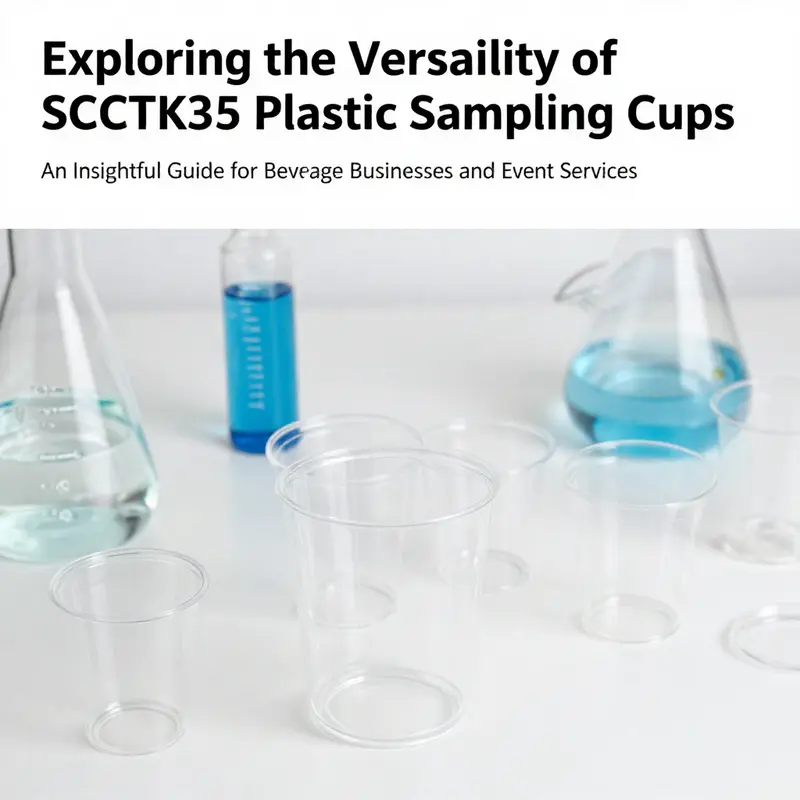
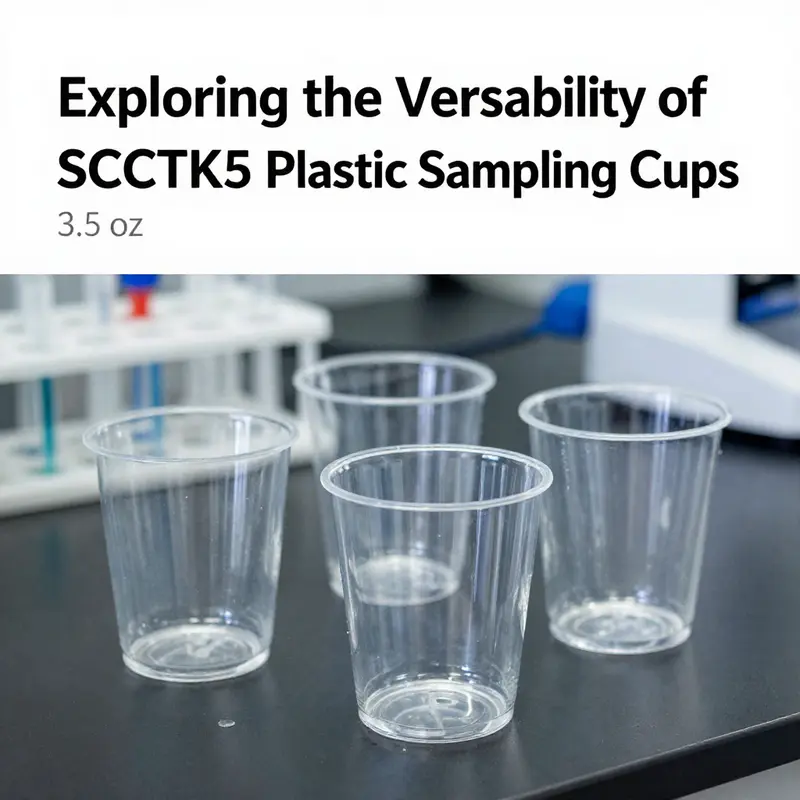
Sampling cups play a critical role in various industries, especially for bubble tea shops, restaurants, and catering services. The SCCTK35 plastic sampling cups, made of clear polystyrene and holding 3.5 oz, offer an innovative solution for showcasing offerings. This article delves into the features, comparisons, material characteristics, and real-world applications of SCCTK35 cups, providing valuable insights to decision-makers across beverage chains and event planning sectors. From understanding the unique aspects of the PerkinElmer sample cups to exploring alternatives from Fisher Scientific and Cole-Parmer, this discussion highlights everything you need to know about SCCTK35 sampling cups and their significance in laboratory and culinary contexts.
SCCTK35 Unveiled: The Subtle Tradeoffs of 3.5 oz Clear Polystyrene Sampling Cups in Lab Analysis
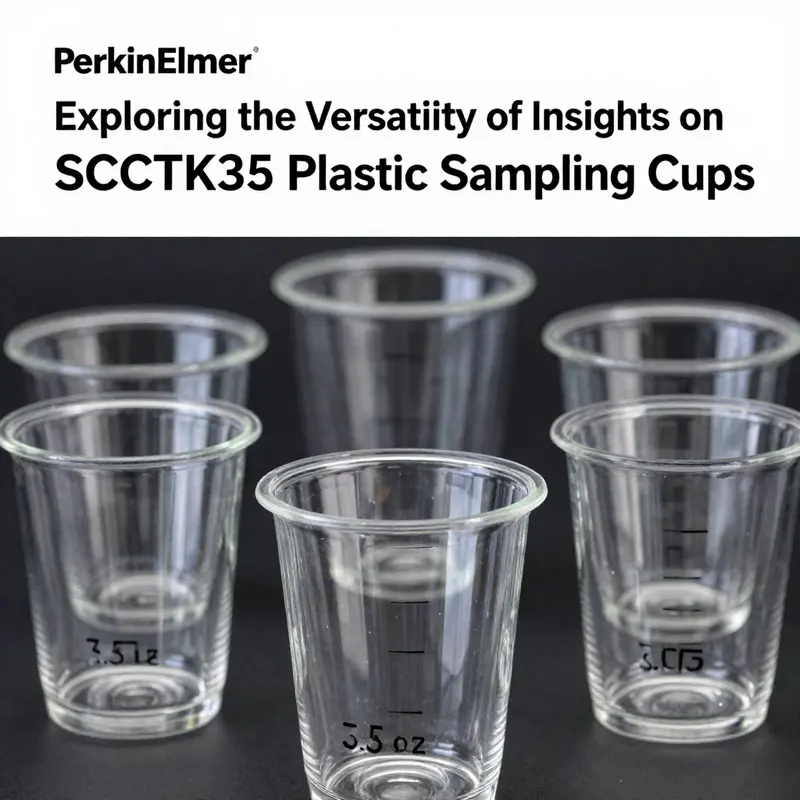
Within the quiet aisles of modern analytical laboratories, the humble sample cup acts as the first step in turning a liquid into data. When a researcher encounters a specification like SCCTK35 and the descriptor 3.5 oz clear polystyrene, the mind might jump to a precise instrument accessory. Yet in practice, the catalog lines often drift away from exact matches, revealing instead a family of cups designed for similar tasks: capturing, transporting, and presenting samples to spectrometric systems with minimal disturbance to the integrity of the specimen. The challenge is not merely finding a product with a particular label; it is understanding how a given cup’s geometry, material, and capacity align with the demands of the analytic workflow. In many catalogs, the same material—polystyrene, a transparent, rigid plastic—appears in sizes that range far beyond a single spec, making the SCCTK35 look almost like a riddle. The real question becomes how such a cup, regardless of its catalog code, shapes precision, accuracy, and repeatability in atomic absorption and related analyses, where every microliter and every contact surface matters.
Polystyrene is chosen for sample cups because its clarity lets technicians inspect the liquid without removing it from the container. Transparency matters when a sample’s color, turbidity, or the onset of precipitation must be observed before analysis. The material also has a relatively inert surface, which reduces the likelihood that the cup will leach contaminants into the sample. But the term inert in a lab setting is not an absolute guarantee. In practice, the cups are designed for aqueous or mildly saline solutions typical of preparation wells and autosampler vials. Strong acids or organic solvents can degrade polystyrene over time, altering surface characteristics and, in turn, potentially affecting transfer efficiency or residual adherence. This is why the operational envelope for such cups usually emphasizes short-term use, compatibility with routine lab solvents, and predictable surface energy that supports clean aspiration and complete dispensing. The combination of chemical compatibility, optical transparency, and low cost keeps polystyrene a staple in many analytical workflows, even as newer plastics appear in other contexts. For the user, this means the cup must perform its job without shaping the sample in unintended ways, preserving the traceability of each aliquot as it moves from hand to instrument.
Beyond the material, the geometry of a sampling cup matters as much as its capacity. The common conical or tapered profile is not merely about aesthetics; it reduces dead zones where residues can linger and ensures that aspirated volumes are representative of the entire sample. A shallow, widely open top can accelerate transfer, while a snug, well-defined neck helps fit onto autosampler arms or into fixed racks designed for robotic handling. The eggshell-thin walls used in high-volume packs balance stiffness with weight, keeping costs down while maintaining the snap of a fresh container. When labs purchase in bulk, bulk packaging becomes a factor in workflow efficiency: accurate counts per pack translate into predictable consumption, scheduling, and inventory control. In practice, operators notice how a cup’s profile influences stratification, surface tension effects at the meniscus, and the ease with which the sample can be removed without creating aerosols or splashes. A reliable cup thus serves as a quiet facilitator of analytic rigor rather than a flashy accessory—one that disappears into the background while enabling robust data generation.
One of the more confounding aspects of catalog descriptions is the labeling that mixes units. A model described as 3.5 oz may be intended to convey a large, grab-and-go capacity, yet the same line often appears with capacities expressed in milliliters that cluster around a few milliliters rather than a hundred. This discrepancy raises questions about labeling conventions, batch variations, or even clerical errors in marketing materials. It also highlights a broader precaution: when a lab builds an analysis plan around a given cup, it must verify the actual capacity, the permissible solvent exposure time, and the exact geometry that dictates aspiration height. If a listing hints at a 3.5-ounce capacity yet the practical use case calls for a much smaller volume, the analyst may be misled into planning solvent additions or dilution steps that are incompatible with the cup’s true size. In short, capacity is not just a number; it is a bridge between what the analyst intends to do and what the container can reliably support during repetitive sampling in an autosampler. This bridge is only sturdy when the user confirms the unit, the tolerance, and the compatibility with the instrument’s sampling protocol.
Even without a brand name attached, the tech logic behind choosing a polystyrene sample cup remains consistent across laboratories. The cups are intended for tasks such as capturing aspiration in an analytical sequence and delivering the sample to a graphite furnace or a similar detection system with minimal disturbance. In such flows, the cups must withstand rapid handling, be compatible with short exposure times, and present a surface that does not trap droplets or promote foaming. The consumer-facing language of catalogs may smile on a multi-pack bundle or a universal size, but the internal standard is alignment with the instrument’s autosampler. Operators evaluate whether the cup’s conical shape empties cleanly, whether the inner walls allow easy wall-wetting to prevent air pockets, and whether the material tolerates the small, controlled heating that accompanies certain dry-ashing steps. While sterileware is unnecessary for most sample cups, the emphasis remains on purity and repeatability: there should be no extraneous residues that could skew absorbance readings or introduce bias during spectral line analysis. In this sense, the cup is a quiet link in the chain from mixed liquids to meaningful numbers, a passive yet indispensable conduit for data integrity.
Practical selection goes beyond the raw numbers. The lab team weighs whether the cups fit into existing racks, whether the edges are free from burrs that might confound a precise pipetting sequence, and whether the surface finish supports the wiping steps that precede introduction to an instrument. A crisp, smooth interior surface reduces bubbles during aspiration, while a lightly frosted exterior might help employees recognize the orientation when selecting a cup from a crowded tray. The decision also factors in supplier reliability, lot-to-lot consistency, and the ability to source replacements without interrupting a critical analysis schedule. In real-world routines, a cup that performs consistently under the automatic handling of an instrument is worth far more than a larger volume that introduces drift or carryover. In this context, the 3.5 mL class of cups tends to feature a sweet spot: small enough to maintain sharp detection limits in trace analyses, large enough to handle routine dilution volumes without forcing frequent transfers. The art of selection, then, is less about novelty and more about harmonizing the container with the instrument’s mechanical precision and the analyst’s procedural discipline.
Given the fragmentation of catalog data and the occasional mislabeling of volumes, laboratories often approach the search for a specific cup with a two-pronged strategy: confirm with the supplier the exact capacity, material, and compatibility, and cross-reference with the instrument’s recommended sampling protocol. The latter step is crucial when the cups are intended for use with a particular autosampler or a specific furnace model, where the geometry and surface attributes—whether hydrophobic or hydrophilic—can influence capillary action and surface wetting. In many shops, the absence of a guaranteed one-to-one match with a catalog code does not halt progress; it simply shifts the focus to rigorous measurement and standardization. The lab team may decide to adopt a near-match with a clearly stated tolerance, then document the deviation and its expected impact on data quality. In turn, this disciplined approach strengthens reproducibility, enabling researchers to compare results across runs and across facilities with a shared understanding of the container’s behavior. The subtlety of even a small misalignment—in units, in wall thickness, or in inner diameter—can ripple through a workflow, affecting aspiration efficiency, rinse budgets, and ultimately the reliability of the spectral readings that define the study’s conclusions.
For researchers who want to situate the SCCTK35 discussion within a broader landscape, the essential takeaway is that polystyrene sample cups occupy a practical middle ground: inexpensive, transparent, and suitably inert for many routine aqueous analyses, yet not universal in solvent resistance or high-temperature tolerance. This reality urges a careful reading of specifications, a clear definition of intended use, and a preference for direct verification with vendors when a catalog entry promises a specific capacity in unusual units. In the end, the story is less about a single SKU and more about how the materials science of a disposable container interacts with the mechanics of modern analytical instrumentation. It is about ensuring that the first touchpoint of a sample—the moment it leaves a pipette tip and enters a cup—does not betray the integrity of the measurement that follows. For those who map the path from sample collection to data interpretation, the cup becomes an emissary of consistency, a tiny but pivotal cog in the machinery of evidence.
External resource: https://www.perkinelmer.com
Seeing Clearly, Acting Precisely: The Practical Integrity of 3.5 oz Clear Polystyrene Sampling Cups in Laboratory Practice
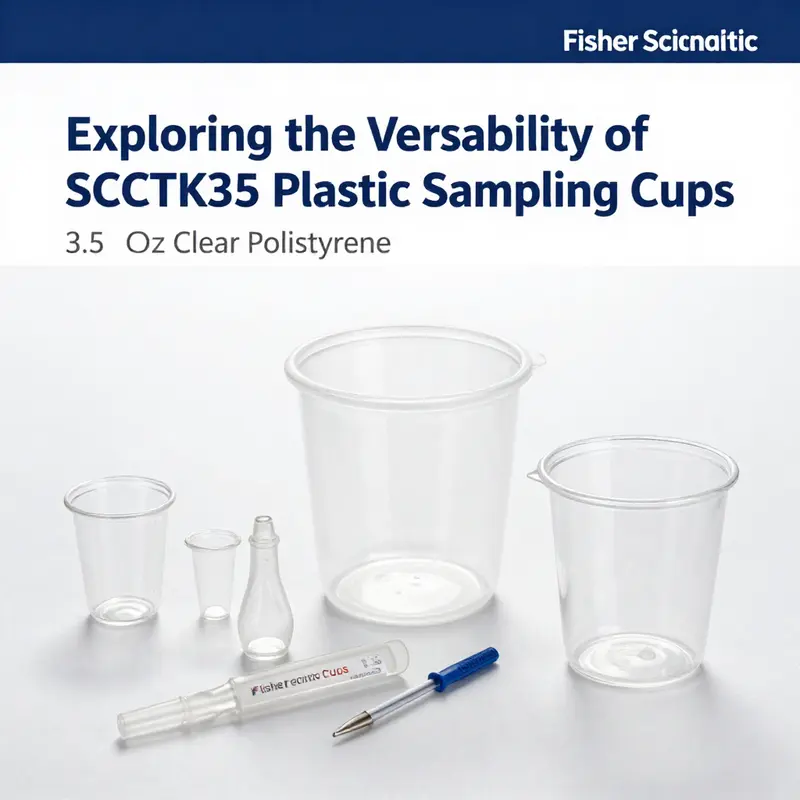
A chapter about a seemingly modest tool can reveal much about the way modern laboratories move from observation to inference. The 3.5 oz clear polystyrene sampling cup is one such tool. It sits at the confluence of form and function, where material science, handling discipline, and procedural rigor meet in a compact, disposable vessel. In many workflows, this cup is not celebrated for dramatic breakthroughs but relied upon for steady, repeatable performance. Its value emerges when teams need a transparent window into a sample, a predictable boundary for containment, and a reliable, sterile surface that minimizes the chance of cross contamination between steps. The context for appreciating this cup is not only chemistry or biology; it is the choreography of routine, the quiet but essential choreography that keeps experiments interpretable and results credible. And within that choreography, the cup embodies a careful balance of material properties, design choices, and practical constraints that together determine its suitability for a broad range of tasks from environmental monitoring to clinical testing, from quality control in food production to exploratory research in fluids and particulates.
The first feature that deserves attention is whether a cup can be trusted to reveal what is inside. Clarity is the most obvious attribute here, and it is not merely cosmetic. In many experimental settings, visual inspection is a decisive step. A sample’s color, turbidity, phase separation, or the presence of suspended solids informs subsequent handling, processing, or interpretation. Polystyrene, by its nature, offers high optical transparency. This makes the cup an intuitive choice when the next step depends on what one sees rather than what one assumes. A clear container reduces the need for transferring a sample yet again to another vessel for visualization, thereby limiting opportunities for contamination or loss. The tendency of a well-made polystyrene cup to stay transparent through routine handling contributes to traceability, a cornerstone of quality assurance in laboratories that track samples through time and across devices. A transparent shell also makes materials more amenable to imaging-based readouts where a quick glance at the container helps operators decide whether a sample is ready for analysis or requires further preparation.
Second, the material itself introduces a predictable interaction with the contents. Polystyrene is chemically inert to many common aqueous solutions, making it a versatile host for a range of liquids and suspensions. This inertness lowers the risk that the container will chemically alter the sample, a factor that would compromise analytical results. At the same time, it is essential to recognize the boundaries of that inertness. Some organic solvents or aggressive reagents can interact with polystyrene, and in those cases, the container may soften slightly or absorb trace components. The hallmark here is predictability: the cup’s performance should remain consistent under the normal temperatures and durations encountered in routine sampling workflows. Because polystyrene is relatively rigid, the cups resist deformation that could otherwise affect volume accuracy or create micro-leaks during handling. Those small mechanical assurances matter when volumes are rounded or marked, and a slight distortion could translate into systematic errors that echo through an entire dataset.
Volume accuracy is not merely a matter of numbers stamped on the side. It is about the relationship between wall thickness, surface finish, and the geometry of the cup. A well engineered 3.5 oz cup provides a reliable reference for small-volume sampling. In many labs, consistent volumes are critical for calculating concentrations, performing dilutions, and applying standard curves. The edges of the cup are designed to minimize the risk of cross-contamination when samples are transferred or swirling occurs during mixing. The interior surface should be smooth to reduce sites for particle adherence that would skew results or complicate later filtration steps. These design features, sometimes taken for granted, are the result of careful manufacturing choices that balance cost with integrity. The end user experiences this as a predictable, comfortable tool that behaves as expected, allowing hands to focus on the sample rather than on the vessel itself.
Thermal tolerance enters the conversation as soon as one contemplates sterilization or storage. A core limitation of polystyrene is its temperature sensitivity. While the material can handle typical laboratory temperatures and short exposures to modest heat, it is not well suited for high-temperature sterilization or long-term storage under elevated heat. The practical implication is clear: sterilization should be pursued through methods compatible with the material, and post-sampling storage should remain within a temperature window that preserves both the container and the sample. For workflows that involve hot liquids or frequent heat cycling, alternative materials with higher heat resistance provide advantages. Understanding these boundaries helps practitioners design protocols that preserve sample integrity and container performance alike. It is a reminder that a cup is part of a chain, and the weakest link—whether temperature, solvent exposure, or mechanical stress—can influence outcomes across multiple steps.
Sterility and single-use design form another axis of reliability. In many modern labs, sterility is achieved by employing disposable components to prevent cross contamination. A single-use cup reduces the risk of residual material or microbial carryover that could confound results or complicate regulatory compliance. The sterile barrier ensures that handling does not introduce extraneous variables, which is especially important in sensitive analytical contexts, such as trace analysis or clinical-quality testing. The simplicity of a disposable cup contributes to a robust workflow: there is little to assemble, little to maintain, and little opportunity for degradation through reuse. Yet the disposable nature also invites reflection on environmental considerations, a topic that has become increasingly salient even for tightly controlled laboratory environments. The trade-off between convenience and sustainability invites institutions to weigh recycling options, waste streams, and the lifecycle of plastics in their purchasing decisions.
From an applications perspective, the cup’s versatility is where it earns its keep. It serves as a versatile sampling module across diverse domains. In environmental monitoring, it captures water or soil eluates, enabling compact, portable field sampling that feeds into centralized analysis with credible chain-of-custody documentation. In biomedical and pharmaceutical contexts, it supports sterile, single-use sampling where integrity and traceability are paramount. In food safety, it functions as a straightforward vessel for collecting representative portions—small enough to be practical, clear enough to reveal quality cues, and compatible with downstream analyses. This broad applicability stems from its core combination of clarity, inertness, predictable geometry, and sterile single-use design. The cup becomes a pragmatic interface between a sample and a laboratory workflow, a small but critical point at which observation, handling, and measurement converge.
To maximize reliability, laboratories often align the cups with standardized marking systems and labeling practices. Volume markings that conform to recognized standards enable consistent aspiration and dilution across operators and shifts. The visibility of the measurement scale, the precision of graduations, and the durability of the ink or embossing all contribute to reproducible results. The interplay between markings and user behavior matters; when operators rely on familiar cues, they reduce the cognitive load associated with data capture and calculation. In many settings, the combination of material clarity and clear markings helps ensure that what is recorded on the data sheet truly reflects what is inside the cup, reducing the risk of misinterpretation that could derail an entire experiment.
An economic lens rounds out the practical considerations. The per-unit cost of a high-clarity, single-use container is a factor labs must balance against the review of alternatives. While polystyrene cups may be priced higher than some alternatives, their consistency, sterility, and optical properties offer a compelling return on investment for teams that prioritize data integrity and streamlined workflows. The cost differential often translates into fewer repeat samples, less rework, and clearer traceability, which in turn supports faster decision-making and compliance with quality assurance programs. In environments that emphasize rapid throughput without sacrificing accuracy, the capsule-like simplicity of these cups becomes a strategic asset rather than a mere expense.
Where design meets ethics and sustainability, practitioners consider end-of-life handling and recyclability. Polystyrene, despite its advantages in clarity and rigidity, presents challenges in recycling streams, particularly when contaminated with organic matter or with complex packaging. Many laboratories adopt disposal protocols that separate contaminated waste from clean materials, while some explore recycling streams that can accommodate clean, empty cups. This reality drives ongoing dialogue about how best to capture value from materials that serve critical roles in analysis while minimizing environmental impact. The debates around disposal are not just about compliance; they reflect a broader commitment to stewardship that accompanies careful science.
In sum, the 3.5 oz clear polystyrene sampling cup exemplifies how a straightforward tool can influence the reliability and efficiency of laboratory work. Its clarity supports immediate visual assessment, its inertness reduces chemical interference, its design delivers stable volumes, and its single-use nature safeguards sterility. The temperature sensitivity acts as a practical constraint that guides protocol design, even as other materials might expand thermal capabilities. The cup’s role in diverse applications—from environmental checks to biomedical checkpoints and food safety screenings—illustrates how a well-made container functions as a steady, unglamorous partner in research. The value it provides rests on this balance of material science, manufacturability, and disciplined handling. It is a reminder that rigorous science rarely hinges on a single breakthrough; instead, it relies on a coherent ecosystem of reliable instruments, all working in concert to produce trustworthy data.
For readers seeking a contemporary reference point on practical implementation and material choices for this category of disposable, clear sampling ware, see the official product overview that addresses similar cups and their intended use cases. This external resource presents a broader look at how suppliers frame single-use plastics in sterile, field-ready contexts, and it helps place the cup within a spectrum of compatible containers that laboratories routinely consider when designing sampling plans. https://www.fishersci.com/shop/products/scctk35-plastic-sampling-cup-3-5-oz-clear-polystyrene/1764957
Internal reference for further reading can be found on a related product page that highlights disposable, food-grade ware used in take-away contexts, illustrating how similar materials are repurposed across industries to meet clean handling standards. See for example the detailed page on sensory-labeled, lid-equipped, single-wall servings, which demonstrates how simple, clear vessels underpin large-scale operations in food service and research alike. senang05-food-grade-500-750-1000ml-take-away-bowl-with-lids-packing-food-single-wall-fast-food-salad-bowls
Rethinking 3.5-Ounce Clear Polystyrene Sampling Cups: Material Realities, Usability, and Substitutes in Modern Lab Practice

In the everyday rhythm of a modern laboratory, the humble sampling cup often remains an unsung workhorse. Laboratories rely on small, transparent containers to hold, mix, and transport droplets of solvent, reagents, and samples with minimal distortion. Among these, a 3.5-ounce capacity in clear polystyrene occupies a distinct niche. It sits at a crossroads where volume is sufficient for moderate composite samples and handling remains practical for routine measurements and inspection. The choice of material—clear polystyrene—brings a combination of advantages and caveats that echo through every workflow, from the moment a technician selects a container to the moment the data are recorded and the cup is discarded. This chapter does not merely catalog products; it traces the material logic that governs decisions about size, clarity, and compatibility, and it invites readers to think beyond brand labels toward a holistic understanding of how a seemingly simple cup can influence accuracy, efficiency, and even sustainability in the lab.
Polystyrene’s appeal for sampling cups starts with its optical clarity. When a sample’s color, turbidity, or fluorescence matters, a transparent wall is not a luxury but a necessity. In practice, the clear, rigid walls of polystyrene provide a stable backdrop against which color changes, phase separation, or particulate content are readily observed. This visibility reduces the need for opening cups during inspection, which can lower contamination risk and preserve the integrity of delicate samples. The rigidity of polystyrene also resists minor deformation during handling, which helps maintain a consistent internal volume and opening diameter. For many routine applications, this combination of transparency and rigidity translates into reproducible sample presentation and straightforward documentation on lab notebooks or instrument interfaces.
Yet material choice is never a one-way street. A critical reality of polystyrene is its interaction with solvents. Water and mildly polar solvents generally pose little trouble for a clean, non-load-bearing container, but the moment a solvent’s chemistry shifts toward aromatics or chlorinated species, questions arise. Some organic solvents can diffuse into polystyrene or trigger subtle swelling, which may alter the effective volume or wall thickness, change surface characteristics, or influence adsorption of solutes. In high-precision analyses, even minor changes in surface interaction can skew adsorption of trace compounds to the container walls or alter recovery during sampling. For this reason, researchers often design their protocols to limit prolonged exposure to aggressive solvents or to select alternative materials when the analytical window demands utmost inertness. Temperature is another factor. While polystyrene cups tolerate typical laboratory temperatures, freeze-thaw cycles or exposures near solvent boiling points can stress the material, potentially leading to cracking or changes in surface finish. These practical constraints illuminate why a 3.5-ounce cup—compact yet not ultra-small—emerges as a practical default: it offers enough internal space to hold representative aliquots while maintaining the mechanical simplicity that many instruments and holders rely on.
Size and geometry are not mere details; they shape compatibility with lids, racks, and autosampler injectors. The opening must be large enough to permit straightforward transfer of liquids or suspensions, yet small enough to minimize evaporation and minimize the risk of splashing or contamination. Wall thickness matters too: too thin, and the cup becomes fragile; too thick, and it may hinder heat transfer or complicate lid fit. In practice, many researchers prize cups that balance a smooth interior finish with a reliably uniform wall geometry, allowing easy aspirating or pouring without excessive residue. Labeling and tracking add another layer of consideration. A clear plastic surface supports legible hand-written marks or adhesive labels, but the surface must also resist smearing or peeling during storage. Sterility is another axis of variation. Some cups arrive sterile, pre-packaged to reduce contamination risk in microbiology or clinical settings; others are intended for general-use, non-sterile applications. The choice between sterile and non-sterile depends on the experimental demands, risk assessments, and regulatory considerations that shape every project’s risk profile.
The landscape of substitutes and alternatives widens when one contemplates the broader ecosystem of sampling options. Even if a lab’s standard practice favors polystyrene cups for their clarity and rigidity, there are scenarios in which alternative materials or formats are prudent. Some workflows benefit from materials with lower extractables for trace analyses, or from formats designed to minimize interaction with specific solvents. Others may require more aggressive chemical resistance, higher temperature tolerance, or sterile packaging that matches stringent quality systems. In such cases, researchers may explore alternatives that offer similar convenience in terms of disposability and cost, while delivering the chemical compatibility needed for particular solvents or analyses. The decision is rarely about a single property but about a balance: how a container’s physical form, its material science, and its supply chain align with the analytical goals, the instrument interfaces, and the lab’s quality protocols.
As laboratories navigate these choices, the supply landscape presents a spectrum of options that share a common purpose—providing reliable, inert, and easy-to-handle containers for sampling. In broad terms, major laboratory distributors and general-value suppliers can offer polystyrene cups in a variety of capacities and finishes, as well as related consumables such as lids and compatible racks. The practical takeaway is not to chase the exact model or capacity, but to align the container’s properties with the specific requirements of the analysis: solvent compatibility, sample volume, observation needs, storage conditions, and end-of-life handling. When evaluating alternatives, researchers often weigh the trade-offs between raw material behavior, economics, and logistics. A slightly different cup may resolve a solvent compatibility concern, while another option could streamline an instrument’s sample-aquisition workflow by offering more secure lid-fit or better labeling visibility. The most effective choices emerge from a careful, system-wide assessment rather than from a single favorable attribute.
In reflecting on alternatives that extend beyond the obvious, it is useful to consider scenarios where researchers want to broaden the spectrum of disposable cup formats without sacrificing performance. For example, for projects that involve mixed solvents or elevated temperatures, a researcher might opt for materials with proven resistance to sample carryover and reduced adsorption of hydrophobic compounds. Conversely, in studies centered on qualitative observation, the priority may be maximizing optical clarity and minimizing background interference from container material. The overarching principle is adaptable: select a container whose material behavior aligns with the analytical promise of the workflow, while keeping practicalities such as cost, supply stability, and instrument compatibility in view. The balance between material chemistry and laboratory logistics often dictates not only the success of a single experiment but the ease with which future experiments can be scheduled, replicated, and scaled.
To situate these considerations within a broader sense of laboratory pragmatism, imagine a workflow where the sampling step precedes automated analysis. In such a routine, the container must hold a representative aliquot long enough to be transported through intermediate handling steps, yet be simple enough to ship between different work zones without risk of leakage or cross-contamination. The translucent walls of a clear polystyrene cup support visual checks along the way, while a well-designed lid and base can prevent evaporation and minimize spillage during tray movements. The end-to-end efficiency of this process hinges on the synergy between container design and the instrumentation that will eventually read the sample. In this light, the 3.5-ounce form factor becomes more than a numerical specification; it encodes a balance of operational flexibility, optical visibility, and ease of use that supports day-to-day laboratory throughput.
For researchers exploring the broader universe of disposable cup formats, one can view the family of options as a spectrum rather than a fixed set of products. Some laboratories maintain complementary supplies—paper or other polymer cups—when workflows require different surface chemistries or when environmental considerations prompt a shift toward more recyclable or compostable materials. In such contexts, a conversation about cups becomes a conversation about process design: how to minimize cross-contamination, how to optimize sample recovery, and how to align procurement with sustainability goals without compromising analytical integrity. The practical upshot is that even a seemingly modest choice, like selecting a 3.5-ounce clear polystyrene cup, reverberates through the laboratory’s day-to-day rhythm, instrument readiness, and data quality. The decision-making lens thus expands beyond individual experiments to encompass standard operating procedures, quality controls, and the workflow’s resilience in the face of supply fluctuations.
Within this frame, a useful reminder emerges: the choice of container is not merely about what is available or what is cheapest. It is about aligning material behavior with analytical ambition, instrument sensitivity, and laboratory risk tolerance. It is about recognizing when a standard cup suffices and when a more specialized option is warranted. It is about acknowledging that the visual clarity of a container is only one facet of its value, and that the true measure lies in how consistently it supports reliable data and smooth operations across the lifecycle of a project. As you move from one chapter of your testing program to the next, let the container be a quiet enabler rather than a bottleneck. Let its properties reflect a deliberate balance between practicality and precision, a balance that ultimately sustains the integrity of the science you pursue.
For readers who wish to explore related formats that hint at the diversity of cup-based solutions in lab practice, consider a broader look at disposable cup options used in different contexts. This can provide a useful perspective on how other materials perform in parallel workflows, and it may encourage creative substitutions when standard options fail to meet a particular solvent or temperature demand. In the spirit of cross-pollination, this broader view reinforces the central lesson: the right cup is the one that harmonizes material science, workflow practicality, and analytical fidelity in your unique laboratory environment.
External resource: VWR’s overview of 3.5 oz clear polystyrene sampling cups offers a technical snapshot of typical features, including dimensions, wall thickness, and labeling compatibility. This external reference can help ground your comparison when evaluating alternatives and ensuring that your chosen container meets the specific demands of your methods.
Internal link: For a broader perspective on disposable cup formats beyond the polystyrene category, see this discussion of craft paper cup options: Senang disposable double-wall craft paper cups. Senang disposable double-wall craft paper cups.
Polystyrene Under the Lens: Material Characteristics Shaping the SCCTK35 3.5 oz Sampling Cup
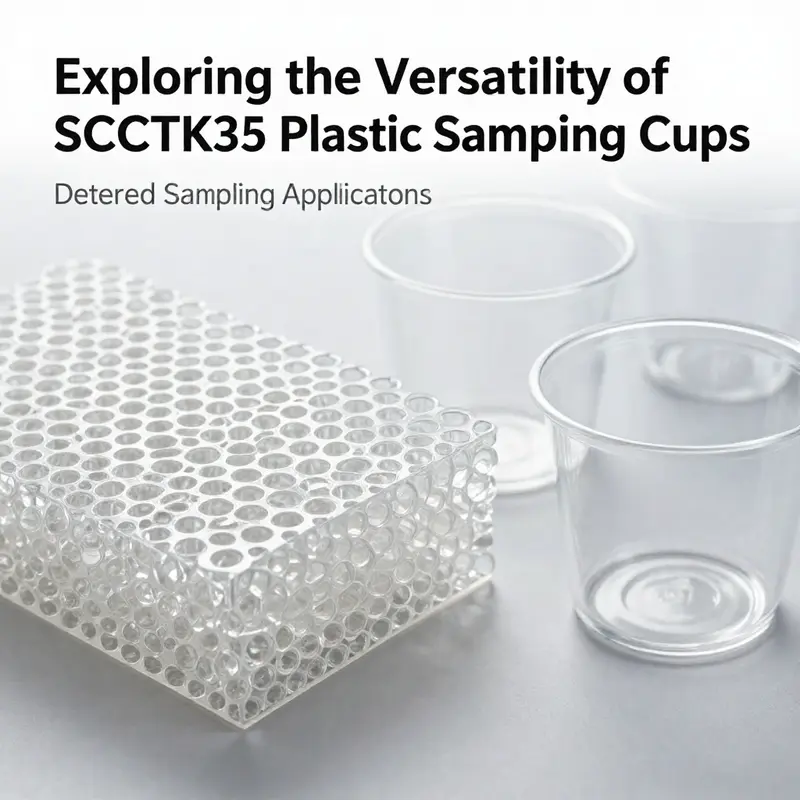
Polystyrene, in the context of the SCCTK35 3.5 oz sampling cup, emerges as a quiet workhorse of laboratory practice. Its material characteristics shape every decision from manufacturing tolerances to the moment a technician peers into the cup to inspect a sample. When we talk about a 3.5 oz capacity in a sampling container, we are not merely noting a volume. We are acknowledging a design brief: a compact, shatter-resistant, visually transparent vessel that preserves sample integrity while fitting neatly into automated workflows and field protocols. The chapter that follows looks at how the intrinsic properties of polystyrene align with the needs of precise sampling, clear observation, and reliable handling in routine laboratory tasks and more demanding analytical contexts. In doing so, it also situates the SCCTK35 cup within a broader ecosystem of disposable plastics, where decisions about weight, clarity, and ease of fabrication ripple through every step of use, disposal, and potential reuse within approved protocols.
One of the most immediate and practical advantages polystyrene offers is its low specific weight. For a cup meant to be carried, stacked, and transported across benches, laboratories, and sites with limited infrastructure, lightness translates into ease of handling without compromising stiffness. A 3.5 oz cup cannot be so heavy that it tires the technician or complicates automated sampling steps, yet it must resist deformation under typical use. Polystyrene’s relatively light mass provides that balance. The weight contributes to comfortable handling during routine tasks, enabling quick one-handed operations and efficient reorganization of samples in racks or autosampler carousels. At scale, this lightweight quality reduces the logistical burden of moving large batches of samples, especially when the sampling protocol requires many cups per run or per field expedition.
Equally central is the material’s exceptional visibility. Polystyrene’s high transparency and brilliance allow observers to see sample contents clearly, a factor that matters in both qualitative checks and instrument-driven analyses. In many sampling scenarios, users rely on visual cues—color, turbidity, particulate presence, or phasing—to make quick judgments about sample suitability or to note anomalies before proceeding to instrumental measurement. The near-invisibility of impurities or micro-variations in a clear polystyrene cup can produce more confident, reproducible observations. When a cup is used for light-based measurements or optical checks, the clarity of the container reduces stray light and optical interference, supporting cleaner baselines and more dependable data.
Colorlessness, another hallmark of polystyrene, further contributes to minimizing sample interference. A colorless container ensures that no pigment or hue from the cup itself distorts the appearance or measurement of the sample. In photometric or spectroscopic tasks, even subtle coloration can skew readings. The absence of color in the cup material helps preserve spectral integrity and supports accurate interpretation of results. This purity of appearance also matters when the sample is visually inspected for delicate features such as faint emulsions or subtle phase separations, where any extraneous coloration could be mistaken for sample characteristics.
Dimensional stability is another crucial attribute. Low shrinkage during molding means the cup maintains its intended geometry from the mold to the final form. This stability is essential when a 3.5 oz cup must consistently hold a precise volume and fit standardized racks or measurement devices. Tiny deviations in wall thickness or diameter can ripple into systematic errors, especially in high-throughput settings where many cups are produced and used in rapid succession. The SCCTK35 geometry relies on consistent wall thickness and accurate internal dimensions to ensure repeatable fill volumes, reliable sealing interfaces with lids or caps, and predictable evaporation rates across runs. In this sense, the material’s molding behavior becomes a performance criterion, not merely a manufacturing footnote.
Ease of fabrication underpins not only manufacturability but also consistency and cost control. Polystyrene is well-suited to high-volume, low-cycle-time production through injection molding. The polymer’s flow properties enable rapid filling of complex shapes while preserving surface finish and dimensional accuracy. For a sampling cup designed to be produced in large quantities, this fabrication profile translates into predictable cycle times, reduced waste, and tighter tolerances across lots. The result is a cup that looks and feels uniform from batch to batch, which in turn supports dependable sampling when many cups are issued for a single study or across multiple sites. The design implications of this manufacturability extend to downstream processes as well: a uniform cup surface interacts more consistently with adhesives, coatings, and labeling steps, if such features are needed for particular studies.
The electrical neutrality and chemical compatibility of polystyrene also contribute to its suitability for many laboratory contexts. While no single plastic is universally compatible with every solvent or reagent, polystyrene offers robust performance for a broad range of aqueous samples and mild organic environments encountered in sampling workflows. It resists absorption of most waterborne compounds and minimizes the risk of leaching that could compromise sample integrity. However, it is important to acknowledge limits. Strong solvents or certain aggressive chemicals can compromise polystyrene, causing swelling or crazing over time. In operational terms, this means practitioners select the SCCTK35 cup for its strengths in typical sampling tasks while adhering to guidelines that limit exposure to incompatible substances. In practice, the cup serves well for environmental water sampling, routine beverage testing, and many clinical or research preparation steps where the tested material is not a harsh solvent.
From the standpoint of the user, sterility and surface cleanliness are practical considerations that intersect with material choice. While the base polymer does not automatically confer sterility, polystyrene cups can be manufactured and supplied in sterile conditions or pre-sterilized formats to meet specific protocols. In many laboratories, disposable cups are intended for single-use to preserve sample integrity and to minimize cross-contamination. The combination of a sterile-ready surface alongside the cup’s rigid, non-porous interior surface helps ensure that contaminants do not become embedded in the container walls, supporting clean transfer of samples to analytical instruments. This is particularly meaningful when trace analysis is involved and the slightest background signal could influence results.
In the broader design context, the 3.5 oz capacity reflects a balance among sample volume needs, container strength, and compatibility with automated handling. The SCCTK35 cup is often positioned where a moderate pocket of sample must be held for a short period before processing, labeling, or instrument introduction. The geometry must accommodate robust stacking for efficient storage yet avoid crush risks during transport. The material’s rigidity helps, but the wall thickness must be optimized to prevent deformation under pressure. The interplay between polymer science and practical lab engineering is evident here: a seemingly simple cup embodies a careful compromise between weight, strength, clarity, and manufacturability. In this light, polystyrene’s material profile—clear, colorless, dimensionally stable, and easy to mold—becomes a foundational element of the cup’s reliability in everyday laboratory use.
Educationally, this material narrative also informs decision-making around alternative materials. While paperboard, polyolefins, and copolymers offer certain advantages, polystyrene’s combination of visibility and stiffness often outperforms under conditions requiring quick visual checks and clean demarcation of sample boundaries. Yet, practitioners must weigh environmental considerations and end-of-life disposal in the same breath as performance. The choice of material is not merely about how well a cup holds liquid; it is about how it integrates into a full workflow—from storage, through sampling, to data capture and waste management. In many facilities, this means clear policy on recycling streams, compatibility with waste segregation, and alignment with sustainability goals without compromising analytical integrity.
For readers who want a broader lens on the science behind polystyrene and its applications, additional background is available in specialized resources that discuss the material’s properties in detail. This can help contextualize why a clear, low-weight, dimensionally stable cup is favored in certain sampling scenarios. To explore related packaging materials and their design implications, you can visit the following resource that summarizes polystyrene in materials science and its varied applications: ScienceDirect – Polystyrene: An Overview.
Internal link note: for readers seeking a practical reference to similar disposable cup options and related product formats, see this example page on a related cup category: senang01-best-price-8oz-double-packaging-plastic-free-single-wall-craft-paper-food-grade-disposable-cup-for-wine-mineral-water. This link provides a sense of the breadth of disposable cup formats while illustrating how manufacturers translate a similar performance brief into different material families and designs. As this chapter makes clear, the polystyrene variant occupies a distinct position driven by clarity, stability, and handling efficiency, especially in the 3.5 oz class that supports precise sampling protocols. The chapter thus connects materials science with practical laboratory operations, illustrating how material choices directly influence measurement reliability and workflow efficiency.
null
null
Final thoughts
The SCCTK35 plastic sampling cups in clear polystyrene present a practical choice for businesses across beverage, restaurant, and event service sectors. Their features aligned with specific needs highlight their relevance in both sampling and presentation. Through comprehensive comparisons with alternatives like PerkinElmer and Fisher Scientific, as well as a deep dive into the characteristics of polystyrene, it becomes clear that these cups are worth considering. Moreover, understanding their usage scenarios ensures that businesses can effectively utilize them while recognizing any limitations, fostering a more informed decision-making process.