
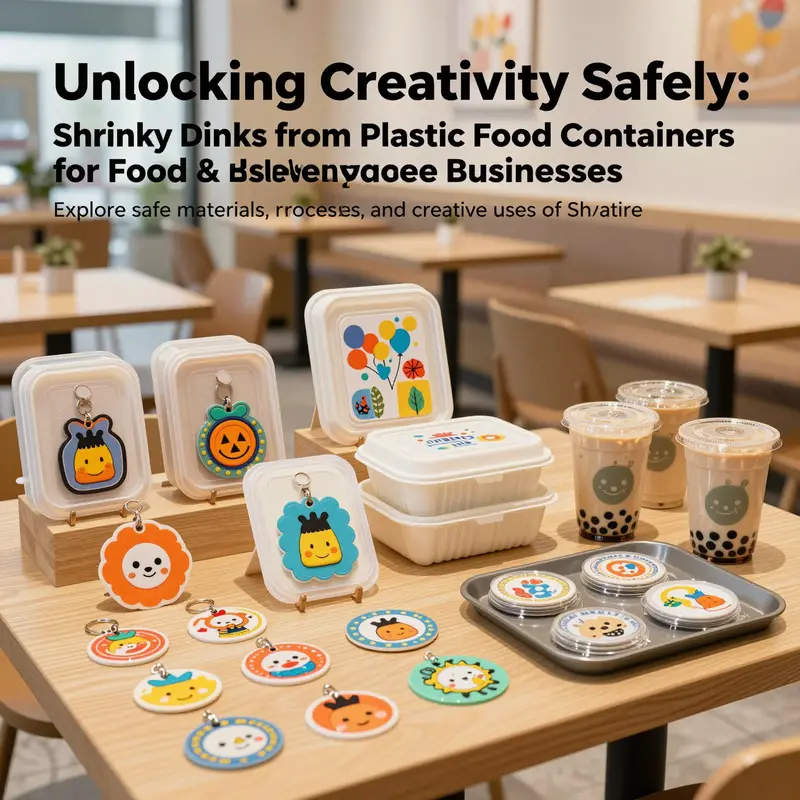
Using Shrinky Dinks made from plastic food containers offers an exciting opportunity for bubble tea shops, restaurants, food trucks, and event planners to create unique branding elements, decorations, and promotional items. Understanding the right materials, safety considerations, and crafting techniques ensures these creative endeavors succeed without compromising health or quality. Each chapter in this article guides you through the essential knowledge: first, identifying safe plastics and the importance of safety; second, mastering the crafting process for consistent results; third, comparing homemade Shrinky Dinks with commercial alternatives; and finally, exploring inspiring applications tailored for food and beverage businesses. Together, these insights enable you to innovate responsibly and effectively with Shrinky Dinks sourced from plastic food containers.
Shrink, Safety, and Substance: A Deep Dive into Materials When Making Shrinky Dinks from Plastic Food Containers
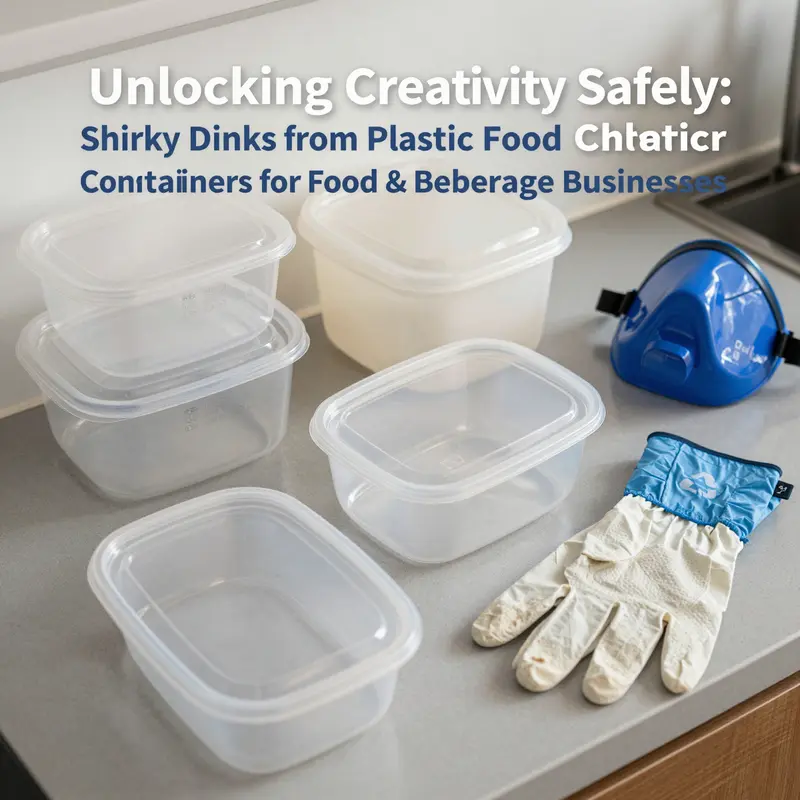
The lure of Shrinky Dinks lies in a simple truth: a flat, familiar sheet of plastic can become a tiny, durable sculpture under heat, a miniature world that mirrors the design one drew on the surface. The chapter you’re reading traces a careful path through the material logic that undergirds this craft. It asks not only how the shrinking happens, but what the material actually is, what it carries with it when heated, and why some plastics behave while others misbehave. The conversation begins with the most reliable anchor in this field: polystyrene, the polymer most deeply associated with Shrinky Dinks, and it moves toward a careful evaluation of whether a plastic food container can really stand in for a purpose-built sheet. The balance between opportunity and risk is delicate, and the best work rests on a clear understanding of chemistry, heat, and safety.
Traditional Shrinky Dinks are built from polystyrene that bears the recycling code 6. This designation signals a particular molecular structure and a known response to heat. The common craft sheets are slender, typically around a quarter of a millimeter thick, and they shrink to about one-third of their original size. The reduction in volume is even more pronounced, because the material’s thickness contributes to rigidity once it has shrunk. The visual result is a dense, glassy, sometimes translucent piece that can be colored with permanent markers or colored pencils and then sealed with appropriate coatings. The shrinking process is not merely a physical compression; it reorganizes the microstructure of the plastic, so the sheet becomes more rigid and less prone to bending in ordinary hand-crank jewelry or small sculptural forms. This predictable behavior—uniform shrinkage and hardening—makes polystyrene a reliable substrate for precise, repeatable outcomes and for the kinds of designs that graduates of art and engineering departments often admire.
If one is inclined to experiment beyond the standard sheets, the first question is which plastics might approximate that familiar shrink profile. The temptation to repurpose household plastics—especially containers that once held food—is strong, given the convenience and abundance of material. Yet this impulse must be tempered by a sober assessment of resin type, additives, and processing conditions. Not all plastics shrink; many melt, warp, or, worse, release hazardous fumes when heated. Polystyrene is special in part because it has a relatively clean performance: when heated, it behaves in a way that is compatible with the Shrinky Dinks technique, assuming residents of the household clean, unprinted, and uncoated PS are used. Other resins—pet, HDPE, PP, and the like—present a spectrum of risk. PET (polyethylene terephthalate) may soften or melt before shrinking becomes useful; high-density polyethylene often warps and does not yield a stable form; polypropylene can pill or distort unpredictably. Dyes, inks, adhesives, and food residues can also alter how heat transmits through the plastic, potentially creating blotchy patterns, uneven shrinkage, or off-gassing that is not present in the standard craft sheets.
The safety side of this equation cannot be overstated. The initial research into Shrinky Dinks from plastic food containers typically emphasizes using only clean, unprinted #6 polystyrene and avoiding any container made from other resins. The core concerns are twofold: chemical leaching and volatile emissions. When a plastic is heated, any additives in the resin or coatings—colorants, stabilizers, flame retardants, or surface treatments—can migrate to the surface or break down, potentially releasing compounds that are harmful if inhaled or ingested. In a kitchen or studio where ventilation is insufficient, the risk profile rises. The guidance to maintain proper ventilation, to avoid overheating, and to verify material identity before attempting the process is not merely cautious; it is a practical safety protocol grounded in material science. The safest line remains to use official Shrinky Dinks sheets or certified polystyrene craft sheets validated by the manufacturer. This approach minimizes the chance of unexpected fumes or degraded results and aligns with the broader craft community’s emphasis on predictable performance and safe practice.
That said, curiosity is a powerful driver for makers who want to push boundaries. In certain advanced academic contexts, researchers have experimented with Shrinky Dinks as a microfabrication substrate. A notable example involves Shrinky Dink microfluidics, where the same principle of shrinkage is used to create small, circular channels suitable for rapid prototyping of microfluidic devices. In this context, a larger, drawn pattern is heated to shrink into the microscale realm, and the researchers leverage the predictable contraction to shape microchannels without resorting to more expensive lithography methods. The principle is elegant: a simple, low-cost material can function as a high-precision fabrication tool when its thermal behavior is understood and controlled. This application, while academically interesting, also serves as a reminder that every material carries a history of uses and a potential for new roles when approached with appropriate safeguards and rigorous testing.
In the everyday crafting room, safety and material choice still trump novelty. The recommended workflow starts with material verification: confirm that the plastic is #6 polystyrene, ideally in sheet form or a container that is explicitly labeled as such and free from printed graphics, stickers, or adhesives that might contain solvent-based inks or other coatings. Clean the surface thoroughly to remove oils and residues, then cut or punch the material into shapes that will not contaminate the oven’s airflow and that will lay flat without warping during heating. Before any project, perform a small, controlled test with a scrap piece to observe shrinkage, surface integrity, and whether any fumes are emitted. If there is any doubt about the material’s identity, it is best to err on the side of caution and redirect the project toward official sheets designed for Shrinky Dinks. The time-temperature guidance remains a steady anchor: bake at approximately 325 degrees Fahrenheit (about 160 degrees Celsius) and monitor closely to prevent charring or melting. The aim is to obtain predictable shrinkage and a rigid, durable result that can be further embellished with markers, beads, or other craft components in a safe, controlled manner.
The safety discussion naturally leads to a broader reflection on how material choices influence the creative process. When a crafter chooses a sheet designed for Shrinky Dinks, the design space expands in reliable ways. The surface accepts inks and paints with predictable adhesion, and the final form can be sealed or varnished with products appropriate for polystyrene. The color behavior is relatively stable, and the risk of distortions caused by uneven heating is minimized. By contrast, repurposing a random plastic from a kitchen drawer introduces variables that may undermine the craft—flares of heat in localized areas, meltdowns, off-gassing, or odors that linger in a studio. The difference is not only about achieving a shiny charm or a perfectly curved pendant; it is about maintaining a safe environment for makers and their communities. The decision to reuse or upcycle plastic containers must be weighed against possible health and safety costs. The craft can still flourish under the right guardrails: verified materials, proper ventilation, controlled temperatures, and tested designs.
Within this framework, the act of design becomes a dialogue between material properties and aesthetic intent. One can draw a miniature animal, a geometric charm, or a delicate pendant, then plan the shrink to achieve the desired scale. There is a tactile joy in watching a flat sheet transform under heat, the crisp crackle that sometimes accompanies the surface as it contracts and solidifies, and the way color and transparency combine to create a piece that feels both fragile and enduring. Yet the process is not purely technical; it is also artistic, because the crafter’s decisions about line weight, negative space, and the relationship between color and shape hinge on how the material will behave. For those who pursue more formal or research-informed results, it helps to document each experiment—the thickness of the piece, the oven’s exact temperature, the time in the heat, whether the piece curled, and how it cooled. A few notes can turn experimentation into knowledge and reduce the risk of repeating unsuccessful trials.
The practical path culminates in a careful, responsible stance toward materials. If a container is clearly labeled as #6 polystyrene and is clean, unprinted, and free of coatings, it can be a candidate for test shrinking under controlled conditions. However, if the container bears logos, printed designs, adhesives, or residues from food packaging, those substances may contribute unwanted chemical interactions during heating. The prudent choice remains to work with dedicated Shrinky Dinks sheets or verified polystyrene craft sheets. The safety framework—ventilation, temperature control, and material verification—remains the bedrock of responsible practice. This is not a restrictive rule set but a map that helps makers explore without compromising health or the integrity of the final piece.
As the chapter closes on the materials and safety discussion, it is helpful to acknowledge the broader ecosystem in which Shrinky Dinks sit. The material science behind shrinking is part of a larger conversation about how plastics respond to heat and how additives within different resins influence outcomes. The practice of testing and documenting shrinkage is a form of quality control familiar to engineers and artists alike. The macro lesson is simple: when you respect the material’s identity, you gain predictability, which in turn frees you to push the boundaries of design with confidence. If you choose to test beyond standard sheets, remember that some containers may be salvageable with careful preparation, while others pose risks that simply aren’t worth taking for a hobby project. In short, curiosity should be paired with caution, and the craft should advance on a foundation of verified materials and safe technique.
For readers exploring related packaging materials and their role in everyday design, consider this practical note: even though the core discussion focuses on polystyrene and its suitability for Shrinky Dinks, it is not unusual for makers to turn to other packaging materials in adjacent disciplines. For a related exploration of packaging material choices and their properties, you can explore a product page focused on kraft paper octagonal bowls, which illustrates how design considerations persist across material families: Senang Kraft paper octagonal bowl product page. This link, while not about Shrinky Dinks themselves, underscores how material selection and packaging conventions interplay with safety, usability, and aesthetics in modern craft and design contexts.
In closing, the pathway from plastic food containers to Shrinky Dinks remains a small but meaningful frontier. The best practice blends respect for material identity with curiosity about form, cost, and safety. By anchoring experimentation in verified #6 polystyrene, maintaining clear ventilation, and observing careful temperature control, crafters can enjoy the transformative magic of shrinking while minimizing risk. The lesson resonates beyond the oven doors: materials tell a story, and listening to that story makes the maker’s journey safer, more reproducible, and more creatively expansive. For those who wish to verify the official stance on Shrinky Dinks materials and safe handling, consult manufacturer guidance and the official product information, which provide the framed recommendations that underlie both hobbyist projects and classroom activities. For a concise, authoritative overview of safe materials and techniques, see the Shrinky Dinks official product information, linked here as a resource for further reading and safety considerations.
Size, Shrink, and Safety: Why Plastic Food Containers Don’t Yield True Shrinky Dinks—And What Works Instead
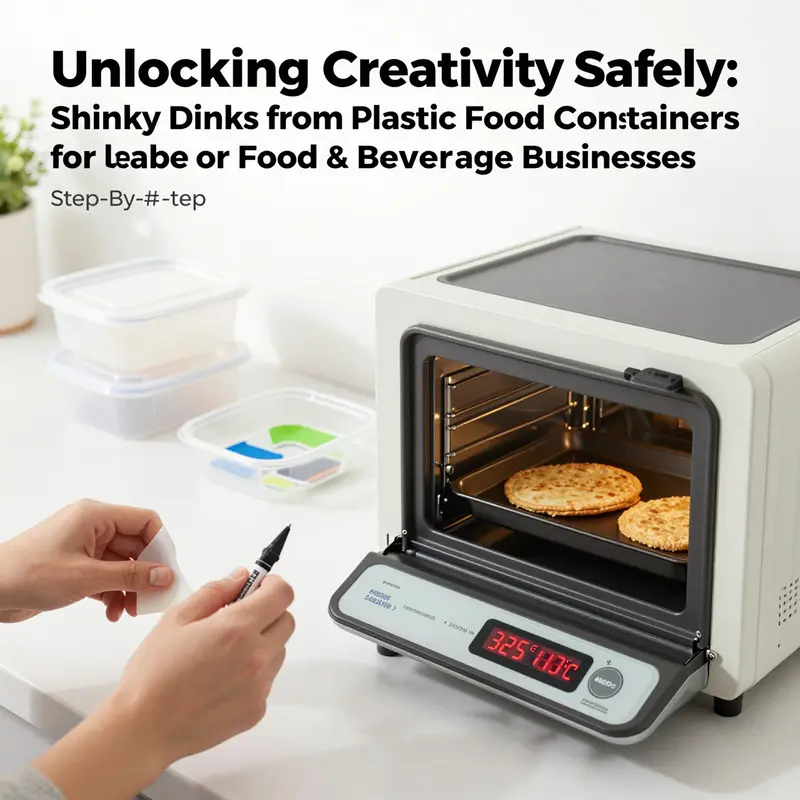
The allure of Shrinky Dinks lies in a simple magic: a flat sheet, a line drawing, a hot oven, and suddenly a tiny, durable charm appears where there was once a rectangle. The phenomenon is not a trick of whimsy alone but a careful interaction between heat and a very specific kind of plastic. Traditional Shrinky Dinks rely on polystyrene sheets that are engineered to shrink to about one-third of their original size when heated. In practice, that shrinkage is both predictable and repeatable, producing a rigid, durable form that holds lines and color with surprising permanence. The science behind this craft is not merely about shrinking; it is about material behavior. The polymer structures are arranged so that, under a controlled temperature, the chains contract uniformly, locking the new form into a compact, resilient state as the solvent-like additives evaporate and the material stiffens.
This is where the curiosity about repurposing plastic food containers often begins. A maker might wonder if the same shrinking magic could be coaxed from a common take-away container, a plastic tub, or a soup lid. Could the pantry be a treasure chest of Shrinky Dinks in disguise? The short answer is that, in practical terms, the answer tends to be no. The broader research and safety guidance converge on a clear distinction: Shrinky Dinks are built from a specific kind of polystyrene, typically labeled as #6 PS, designed to shrink uniformly and to become rigid when heated. Food containers, by contrast, are crafted from a spectrum of plastics—polyethylene (PE), polypropylene (PP), and other resins—that do not share the controlled shrink properties of Shrinky Dink sheets. When subjected to the temperatures needed to shrink Shrinky Dinks, many of these other plastics either fail to shrink properly or melt, warp, or release fumes that can be hazardous. The difference is not just about shrinkage; it is about the whole material behavior under heat and the potential for toxic residues that might migrate from the container into a workspace or into the air.
To understand why this distinction matters, it helps to visualize what happens inside the oven. Shrinky Dink sheets begin as a relatively simple, flat cross-section of polystyrene with a precise thickness and surface quality. When heated to about 325°F (160°C), the polymer chains gain mobility, allowing the sheet to contract. The timing of that transformation matters: typically a three to eight minute window is enough for dramatic yet controlled shrinkage, after which the piece is rigid and cool enough to handle. If the same heat is applied to a typical plastic food container, several outcomes are possible—and not the desirable shrinking of a crisp, tiny charm. Some plastics will simply melt, losing the crisp outline of the original drawing. Others may warp into irregular shapes, which can ruin the design and complicate attempts to layer colors or add fine lines. There is also the risk of releasing volatile compounds as the polymer matrix reorganizes under heat. In a well-ventilated kitchen or studio space, those fumes may be noticeable and, in some cases, harmful. The safety implications are not hypothetical: additives, colorants, and the residue of the original contents can all introduce chemical variables that a consumer crafter did not intend to mix into a decorative project.
This is not merely a theoretical problem. The practical reality is that there is no credible, reliable, or repeatable method that converts ordinary plastic food containers into authentic Shrinky Dinks. The core material mismatch—#6 PS versus the common resins used for take-away ware—produces outcomes that diverge from the kind of shrink that crafters expect. The result is not just a less satisfying craft piece; it is a process with real safety considerations. The guidance from makers and safety-focused resources emphasizes staying with the official, purpose-built Shrinky Dink sheets when the goal is a predictable shrink and a safe experience. Those sheets are designed to respond to heat in a controlled manner, with surface finishes and thicknesses that support color application and crisp edge definition. For a hobbyist who wants to explore the boundaries of material behavior, the path is to experiment intentionally and safely, rather than to repurpose containers that were designed for mass-produced packaging and food storage.
Of course, curiosity never rests, and some crafters do look for exceptions or safer “what if” scenarios. If one insists on experimenting with repurposed plastics, the research and caution converge on a set of strict limitations. Only clean, unprinted #6 polystyrene containers should even be considered, and even then the approach must be conservative. The rationale is simple: unprinted PS is less likely to carry dyes, pattern inks, or coatings that could bleed, volatilize, or morph under heat. Cleaning must be thorough, with residues removed so that any color or surface treatment does not transfer unpredictably into the oven. The baking should be performed in a well-ventilated space, with temperature control tightly managed around the typical Shrinky Dinks range, and with strict monitoring to prevent overheating. It is worth reiterating the official recommendation: for the best results and the safest process, use the genuine Shrinky Dink sheets designed for this craft. They bring the chemistry into alignment with the craft practice, ensuring predictable shrinkage and a finished piece that remains durable after cooling.
The design phase itself—the drawing, coloring, and cutting—often looks deceptively simple. Artists may use permanent markers, colored pencils, or watercolors on the polystyrene sheet to lay down the image. A key detail here is that the pigment or ink must adhere to the surface through heat without running or feathering, and the surface must be smooth enough to accept crisp lines. When the work is ready for the oven, the piece is placed on a baking sheet and heated evenly. The process is quick, and the shrinkage occurs in the manner expected from a well-behaved Shrinky Dink: the image tightens, the edges firm up, and new dimensionality emerges as the piece reduces to roughly a third of its original size. The final step—cooling—lets the material “set” into its new form. It is in that moment that a planar drawing becomes a tiny, durable pendant, keychain, or charm, ready to be sealed, drilled, or layered into jewelry or decorative art.
The cautionary tale here is not merely a set of warnings but a reminder of why material choice matters so profoundly in craft. The aesthetic appeal of a tiny, glossy charm can be undermined by fumes, warping, or unpredictable shrinkage—factors you cannot easily negotiate once the oven door is closed. The safer and more reliable path—both for learners and seasoned makers—is to honor the material boundaries that govern Shrinky Dinks. In practice, this means embracing the official sheets for the core process, while remaining open to safer, alternative storage or display options that align with heat safety and environmental concerns. As the craft community often notes, the look you want—the crisp lines, the smooth curves, the precise scale—comes from starting with the right material, following the tested steps, and respecting temperature and timing. Those elements together create the magic that makes shrinking truly magical, rather than merely a heat-induced accident.
For those who are curious about the broader ecosystem of craft-materials and packaging, there are safer pathways that blend sustainability with creativity. One accessible route is to explore heat-safe, low-risk storage and display options that honor the spirit of the project without risking unpredictable results. Some makers have found value in transitioning away from single-use plastics toward more sustainable containers for organization, display, and gift packaging. A practical example you might encounter in craft and food-service circles is kraft paper-based take-away containers, which offer durability, recyclability, and a lower chemical burden in everyday use. If you’re exploring packaging options for crafting supplies, you might investigate these kinds of containers as an alternative for storage or display purposes, such as a kraft paper octagonal bowl with a lid that supports neat, reusable presentation while avoiding the hazards associated with heating non-PS plastics. For a concrete example of such safer options, you can read about specific designs and capabilities here: Kraft paper octagonal take-away container.
While the sheltering logic of using official Shrinky Dinks remains strong, the broader craft conversation also touches on how to repurpose packaging materials in a responsible way. The key is to separate the play of shrinking from the practical concerns of food-contact plastics and to acknowledge that the science of shrinking is highly material-specific. The same warmth that invites a child to create a tiny fish or a miniature pendant should not blind a maker to the risk of melting, fumes, or unpredictable results when different polymers are pressed to the heat that triggers shrinking. The balanced stance—one that honors curiosity while prioritizing safety and reliability—becomes a practical philosophy for any maker who loves both science and art. If you want to deepen your understanding beyond the immediate craft room, you can consult the official Shrinky Dinks website for material-specific guidance and safety notes, which provide a framework for approaching heat-activated crafts with a materials-first mindset.
Ultimately, the chapter of the story that threads through every Shrinky Dinks project remains the same: the ability to transform a flat plane into a tiny, tangible object hinges on selecting the right material, applying heat with care, and respecting the limits and possibilities of the polymer world. The temptation to push boundaries—using a familiar household plastic in a new way—is a natural impulse for makers who want to innovate quickly. Yet the practical craft and safety considerations encourage a slower, more methodical approach. The result is not just a finished piece but a craft practice that grows with knowledge, discipline, and a willingness to pivot toward safer materials when necessary. In this sense, the Shrinky Dinks ritual—draw, cut, bake, cool—becomes less about the thrill of the shrink and more about the elegance of a well-understood material process executed with care. And in that careful space, the tiny charm remains a testament to how attention to material science can elevate any art form from mere pastime to a thoughtful, disciplined practice.
For readers who want to explore additional, credible sources about Shrinky Dinks and safe materials, the official site remains a cornerstone reference that outlines the recommended practices and cautions in a clear, accessible way. The conversation about using alternative plastics is important, but it is balanced by a strong emphasis on safety, control, and the value of established, tested materials when the goal is a reliable, repeatable craft outcome. In the end, the true art of Shrinky Dinks is as much about the process as the product: a dance of heat and polymer that demands respect for each material’s unique properties, and a willingness to follow best practices to keep the craft both enjoyable and safe for all who join the making.
External resource: https://www.shrinkydinks.com
From Food-Container Plastics to Shrinky Dinks: A Cohesive Exploration of Material Realities and Craft Possibilities
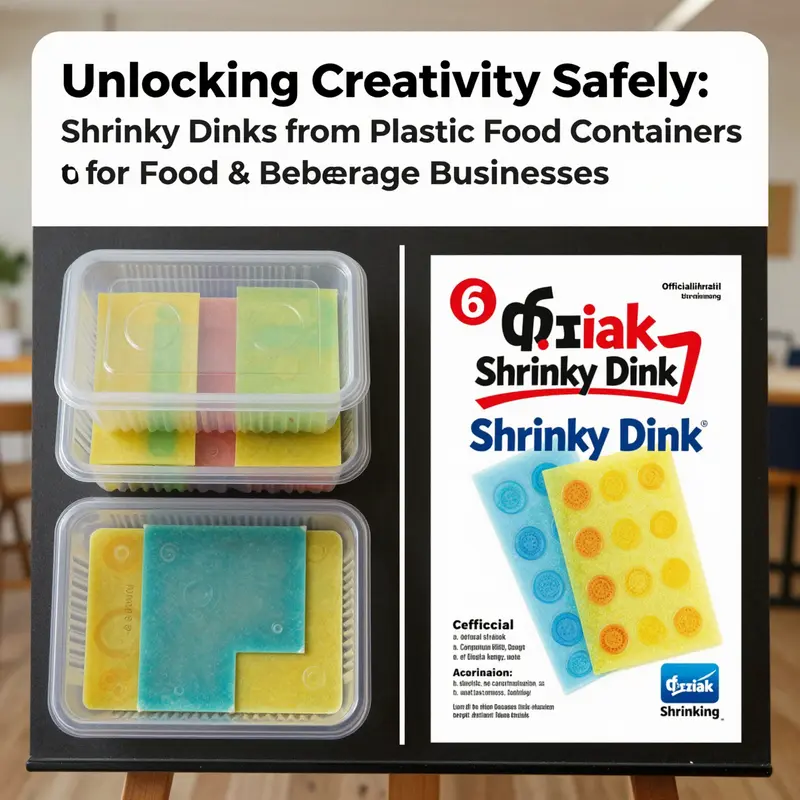
Shrinky Dinks have a quiet magnetic pull for crafters: a tiny piece of plastic, heated in an oven, that puffs, shrinks, and becomes a durable little charm or keychain. The romance of DIY plastic art often nudges hobbyists to look beyond the store shelves, to repurpose the items sitting in a kitchen drawer or a recycling bin. The question that threads through many maker conversations is not just whether this is possible, but how closely a repurposed food container can mirror the familiar results produced by officially labeled shrinky dink sheets. The answer, as a careful experimenter learns, is nuanced. The two options share a surface similarity—polystyrene can shrink when heated—but they diverge in composition, performance, and the kinds of surprises a crafter might encounter. This chapter does not simply pick a winner; it stitches together what the materials are, how they behave in the heat, and what that means for design, safety, and sustainability. What you gain from store-bought sheets is a predictable chorus of results: uniform shrinking, a clean edge, and a surface that takes pigment in a controlled way. What you gain from repurposed food containers is an invitation to sustainability and creativity, tempered by the need for rigorous cleaning, testing, and risk assessment. In the space between, there is room for both caution and curiosity, but the path you choose should be guided by clear principles: identify the plastic, prepare it thoroughly, and test in small batches before committing to a design you want to keep.
Store-bought shrinky dink sheets, widely recognized as being made from #6 polystyrene, are formulated to shrink consistently to roughly one-third of their original size. This predictable ratio matters not just for scale, but for lines, curves, and fine details. When a design uses tight lines or delicate lettering, consistent shrinkage means the final piece remains legible and faithful to the original concept. The surface of these sheets is typically optimized for marker, pencil, and paint, with a matte finish that resists ink bleed and allows colors to stay crisp. The down side is cost and accessibility; while much of the appeal is convenience, the expense adds up with larger projects or multiple experiments. Still, for beginners or anyone chasing reliable, repeatable results, the official sheets are often worth the investment because they remove a layer of variables from the craft process.
Repurposing food containers, on the other hand, is a doorway into a more experimental form of crafting, and a welcome one for sustainability-minded makers. The idea rests on a straightforward premise: if the container is made from the same #6 polystyrene, and if it has been cleaned, prepared, and handled with care, it might shrink and harden similarly to a traditional Shrinky Dink sheet. The reality, however, is more complex. Food-contact PS can vary widely due to colorants, additives, and manufacturing practices that were not designed with art in mind. Even when a container seems to be a pure, clean plastic, subtle differences in thickness, surface texture, or residual coatings can change how heat is absorbed and how the film behaves in the oven. Some recycled or repurposed pieces may warp, bubble, or cling to the baking sheet in ways that are not ideal for precise designs. In other words, the pursuit of sustainability in this craft often raises the need for meticulous testing, a few trial pieces, and an acceptance that not every design will translate cleanly from container to collectible.
A central thread in any comparison between these two paths is the material journey from sheet to shrink. The commercial sheets are engineered to behave like a reliable substrate, with predictable shrinkage, stable edge definition, and surface properties that cooperate with ink and paint. The food containers may be clean and well-made, but their resin system has been optimized for strength, clarity, and barrier properties related to food. When heat enters the picture, those optimized properties can drift. The result can be a uniformly reduced item for some designs, or, in less favorable cases, a distorted version where edges curl, corners buckle, or color changes occur in ways that were not foreseen. It is not merely a matter of size; it is a matter of how a line’s integrity holds up when the material unexpectedly thickens at certain points or when a pigment sits unevenly on a glossy surface that resists adhesion. For a crafter aiming for a polished, professional finish, the store-bought sheet offers a safer harbor. For someone exploring a more experimental, resourceful approach, the container route provides a fertile testbed—provided the pilot pieces are treated as experiments rather than final, ready-to-sell artworks.
The surface finish itself deserves careful attention. Store-bought sheets arrive with a consistent matte texture that accepts ink and pigment without excessive bleed. They also tend to hold paint and markers in check, allowing lines to stay crisp as the piece shrinks. Food containers are frequently glossy, or they may have a texture from molding or from the way the container was used. Glossy surfaces can present challenges for marker and paint adhesion; ink may bead, color may smear, or the final texture may be less predictable after shrinking. Cleanliness becomes more than a virtue in this context. Food-residue or labels on containers need more than a passing wipe; residues can burn, char, or even release odors during baking. The fact that containers can carry residues from sauces, spices, or packaging inks adds an additional safety dimension. In practice, the permitting factor is the thorough removal of any label adhesive and the complete removal of oils or food residue. Only then does the container approach the reliability of a purpose-made sheet. The craft becomes as much about preparation as it is about the heat and the shrinking itself.
Design clarity, an area many designers care deeply about, can also tilt toward one or the other option. The matte, ink-friendly surface of official shrinky dink sheets is deliberately chosen to maximize how color sits, how lines are perceived after shrinking, and how the pigment remains vibrant. A food container, even after cleaning, can still hold glossy sheen, small texture irregularities, or a micro-roughness from the molding process. For intricate designs, that texture can create micro-bleeds or color inconsistencies that are not acceptable in a finished piece. Yet there is a counterpoint: the texture can lend a sense of depth and interest to simpler shapes, and the ability to print or draw on a surface that is not perfectly flat can lead to a distinct, handmade charm when the maker embraces those quirks. The choice between reliability and character, between predictability and experimentation, often guides the project from the start.
If you decide to pursue the container route, a few practical steps can make a meaningful difference. First, identify the plastic with some confidence. The safest and most predictable candidate is #6 polystyrene, the same resin used for traditional Shrinky Dinks. If you are uncertain about a container, assume it is not the right candidate and proceed with caution. Second, ensure complete cleaning. This is not merely washing—it is thorough wiping to remove oils, residues, and any film from the interior or exterior surfaces. Third, trim away any features that might interfere with shrinkage. Labels, printed designs, or embossed logos should be removed by sanding gently and then smoothing the surface. If a container is colored or printed, the dyes and inks may present a risk when heated; in that case, you should either test a small sample first or refrain from using that piece for a design that will be exposed to heat.
In terms of the actual process, the steps parallel to Shrinky Dinks on store-bought sheets are straightforward but require more checking on the container route. Cut your shapes carefully, allowing for the shrinkage you expect. Place them on a non-stick baking sheet or parchment paper to prevent sticking and to catch any warping early. Use a low, controlled temperature around 325°F (about 160°C) as a starting point; some materials may tolerate higher temperatures, but this is the standard guideline that minimizes burning or excessive warping. Watch the shrink as you bake; unlike ready-made sheets, containers can vary in thickness. If you notice bubbling or curled edges, remove the piece and let it cool. It may not be salvageable for the exact design, but sometimes the result, with slight adjustments, can still be interesting as an experimental piece. Cooling is a crucial moment: the piece often becomes stiff, and this fixed shape will define how you handle finishing touches, such as sanding edges or applying a clear sealant for durability or colorfastness. The key is patience and an openness to the fact that your first few attempts may require redesigning parts of the pattern to accommodate the unpredictable shrink behavior.
The topic of safety cannot be overstated. Shrink-related fumes, while generally manageable in well-ventilated spaces, become more complicated when the substrate includes residues or additives from non-artistic manufacturing. The official guidance emphasizes clean materials and a controlled environment. Food-contact plastics may have additives that are not intended for heating, and even though the risk of acute toxicity is low with a small piece, it is prudent to bake in a ventilated area and to consider the long-term implications if you plan to keep and handle finished pieces around food or children. This is another reason why many hobbyists prefer the pre-made sheets; their composition is documented, and their performance has been tested and shared by a broad community of crafters. If you decide to experiment, start with small tests, use clean samples, and never leave a piece unattended in the oven. Use oven-safe mitts and dedicated tools so that you keep your workspace free of cross-contamination or confusion about which items were tested for shrinkage.
Apart from safety and function, there is the broader conversation about environment and resource use. Repurposing clean #6 plastic items is often described as a sustainable choice, a way to demonstrate a circular approach to crafting. The argument is compelling: you give new life to something that might otherwise be discarded, reducing waste and showing how everyday objects can be reimagined. Yet sustainability must be balanced with practicality. Store-bought shrinky dink sheets, while offering reliability and ease, require new plastic material, packaging, and shipping considerations. For many hobbyists, the eco-friendly choice might be a mix: reserve the repurposed path for non-critical experiments, carefully selecting containers that are truly clean and free of hazardous coatings, and keep the bulk of your more complex or colorful projects on official sheets. The decision can also hinge on the scale of the project and the significance of achieving precise replication in a design. If you are creating a small, decorative piece that benefits from a personal touch and a slight imperfection, the container method might be ideal. If you need consistent results for a run of designs or a project with tight tolerances, the store-bought sheets will likely save time and hassle.
In terms of results, expect a spectrum. A well-prepared container, used with care, can yield a piece that shrinks to a similar proportion, with crisp edges and strong edges. But you may encounter a slightly less uniform shrink across the surface, minor color shifts, or edge waviness. This is not a fatal flaw; it is a reminder that art rewards adaptation. The important thing is to document what works for your exact material and to adjust the design accordingly. If you notice a tendency for certain areas to puff or thin, adapt by adding more negative space to those sections in your original artwork so the final result remains legible and balanced. When you share your process with others, these observations help others decide whether they want to pursue the experiment themselves, and they create a small body of knowledge about which food containers perform best under heat when treated as shrinky dink-style substrates.
As the craft community has explored these possibilities, a common thread has emerged: be willing to test, document, and refine. The most successful experiments often hinge on three actions. First, selecting a candidate container that is truly #6 polystyrene, clean, and free of coatings that might contain non-food-safe inks or adhesives. Second, approaching the project with a design that respects potential shrinkage variance; assume a little more complexity in the planning phase, perhaps by adding slight offsets to lines or adjusting scale markers. Third, embracing the learning that comes from testing—keeping notes about temperature, time, thickness, surface treatment, and the final appearance. This approach makes the container route less a gamble and more a learning curve, a practice in miniature industrial art. It also helps frame the discussion around the best use cases: perhaps simple shapes, bold lines, and bright colors translate best, while intricate micro-detail work may be better suited to traditional shrinky dink sheets.
A final consideration is the broader ecosystem of craft knowledge. The official Shrinky Dinks website remains a reliable reference point for materials, temperatures, and safety protocols. For readers who want a structured baseline to compare with their hands-on experiments, this resource helps anchor expectations and offers a shared vocabulary for discussing results, challenges, and innovations. Even if the goal is to push the boundaries of repurposed materials, grounding your practice in caution and verified information makes the journey safer and more productive. If the aim is to nurture sustainability and creativity hand in hand, you can fold both paths into a single practice: begin with store-bought sheets to learn the basics, then gradually introduce select container-based experiments as you gain confidence—carefully tested, fully documented, and clearly separated from pieces intended for sale or gifting.
For those who want to explore further, consider approaching sustainability in a way that keeps the craft accessible and informative. The option to link to related material collections or product pages can help readers see practical avenues for responsibly sourced materials while preserving the integrity of the shrinky dink process. If you are curious about an example of eco-friendly packaging that aligns with responsible craft practices, you can explore a related product page that illustrates how sustainable design can complement a handmade craft project. This external reference supports readers in understanding how recyclable or compostable packaging choices intersect with the maker’s journey, and how a thoughtful selection process can reduce environmental impact while enabling creativity. eco-friendly kraft paper octagonal bowl product page
The bottom line—both pathways have their rightful place in a crafter’s toolkit. Store-bought shrinky dink sheets deliver dependable shrinkage, consistent surfaces, and a smoother path to a polished final piece. Food containers offer a chance to foreground sustainability, experiment with texture and surface, and develop a more resilient testing discipline. The best approach is not a rigid rule but a flexible philosophy: know your materials, test rigorously, and let your designs evolve with the material realities you encounter. In the end, the goal remains the same: to transform ordinary plastic into something small, beautiful, and enduring. The journey from a kitchen shelf to a pocket-sized trinket is as much about the learning as it is about the finished charm, and that learning—rooted in material science, practical technique, and thoughtful safety—gives the craft its durable charm. For those ready to dive deeper, the official resource is a trusted compass that can help map expectations, prevent accidents, and inspire confidently.
External resource: for more information on safe materials and techniques, refer to the official Shrinky Dinks site at https://www.shrinkydinks.com
Turning Trash into Tiny Treasures: Shrinky Dinks from Recycled Food Containers
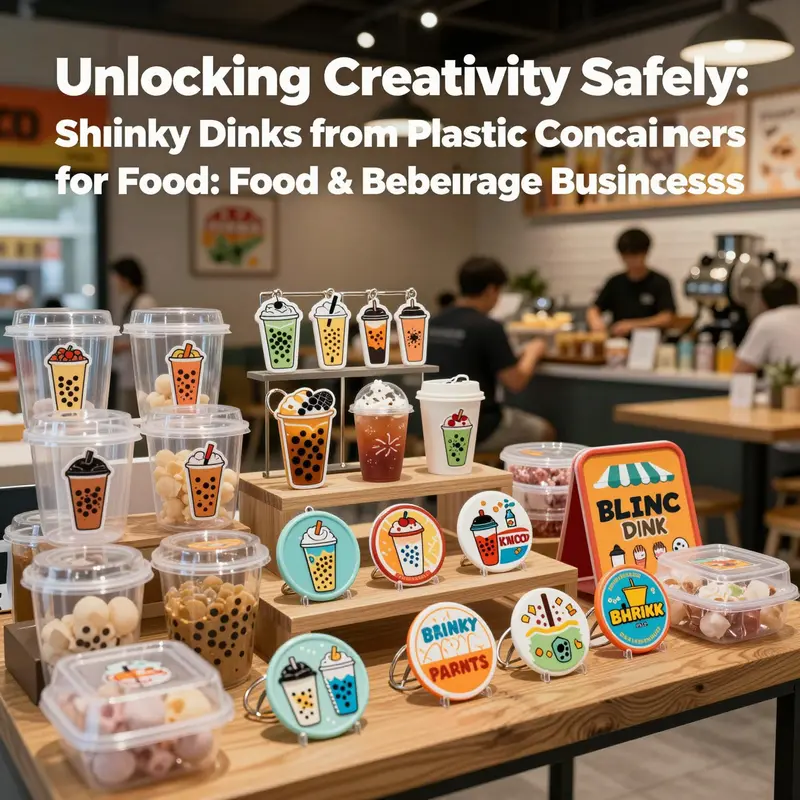
Shrinky Dinks built from recycled food containers open a door to thrifty, surprising art. By selecting #6 polystyrene containers, cleaning them thoroughly, and using heat to shrink, you can turn everyday waste into durable charms, tags, and mini artworks. The process relies on heat and careful handling. The plastics will shrink to about one-third of their original size and thicken, becoming rigid. For best results, start with clean, unprinted #6 PS plastic, avoid coated labels, and test small scraps to learn how your piece responds.\n\nThe steps are simple: cut the shapes you want, optionally sand the surface for marker adhesion, lay the pieces on parchment on a baking tray, and bake in a preheated oven around 325°F (163°C) for 3–5 minutes until the pieces lie flat. Remove with nonmetal tongs and let cool on a rack. Use permanent markers, heat-resistant inks, or laser-printed patterns that adhere to the plastic. Safety matters: vent the oven well, avoid fumes, never reuse cooking utensils that touched melted plastic for food, and supervise pets and children.\n\nApplications include pet IDs, small jewelry components, keychains, and decorative mini charms. Remember that shrinkage sharpens lines and colors, so bold outlines and simple shapes often read best after shrinking. Different brands or lots can vary, so start with one material and stay consistent for predictable results.\n\nThis craft blends reuse with curiosity about material science, inviting you to see everyday packaging as a resource rather than waste.
Final thoughts
Harnessing the potential of Shrinky Dinks made from plastic food containers can open up new avenues for creativity and branding within the food and beverage industry. By prioritizing safety—ensuring only #6 polystyrene plastics are used and maintaining proper ventilation during crafting—businesses can produce durable, personalized items that resonate with their customers. Understanding the process detailed in this guide ensures reliable results, while comparing homemade Shrinky Dinks to commercial sheets helps set realistic expectations. Most importantly, these creative accessories and decorations offer distinctive touchpoints that enhance customer engagement and event appeal. Responsible reuse paired with innovative design empowers bubble tea shops, restaurants, food trucks, and event planners to stand out while upholding safety and quality standards.