
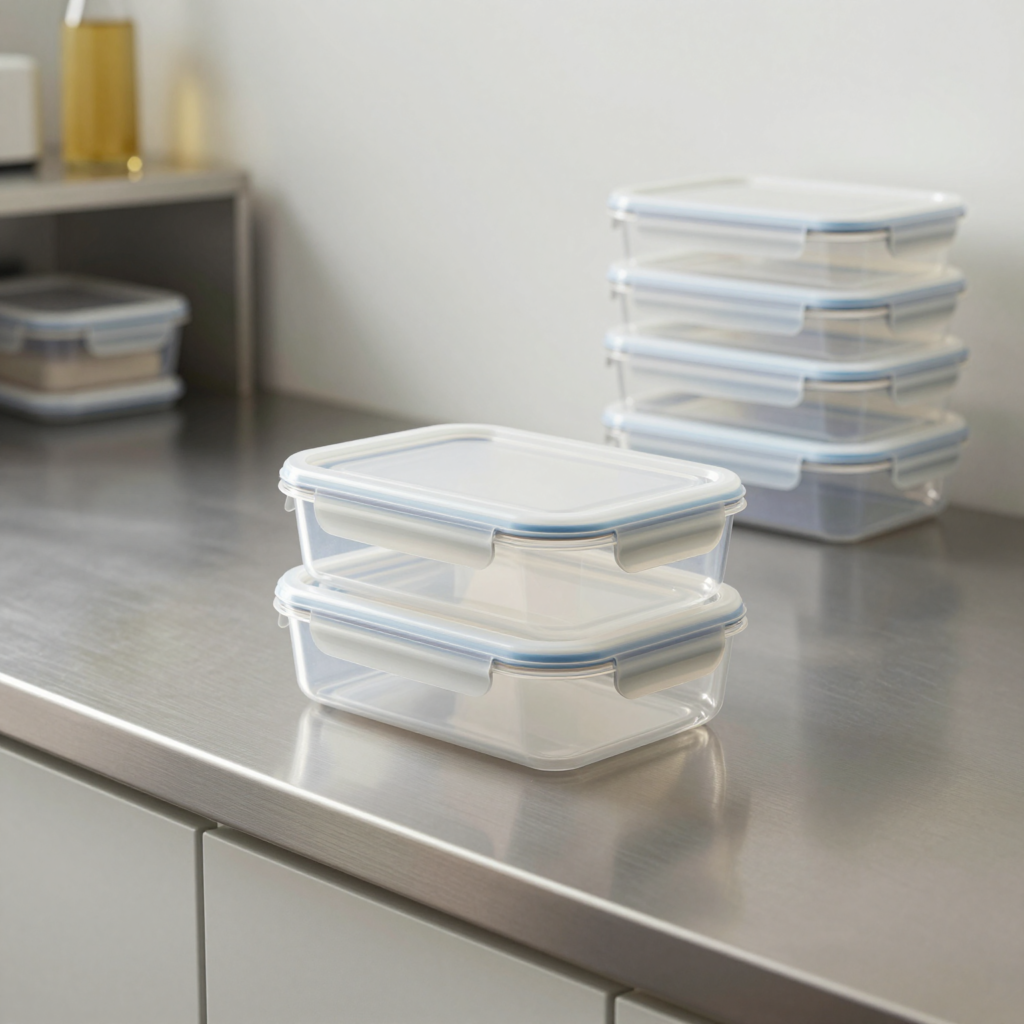
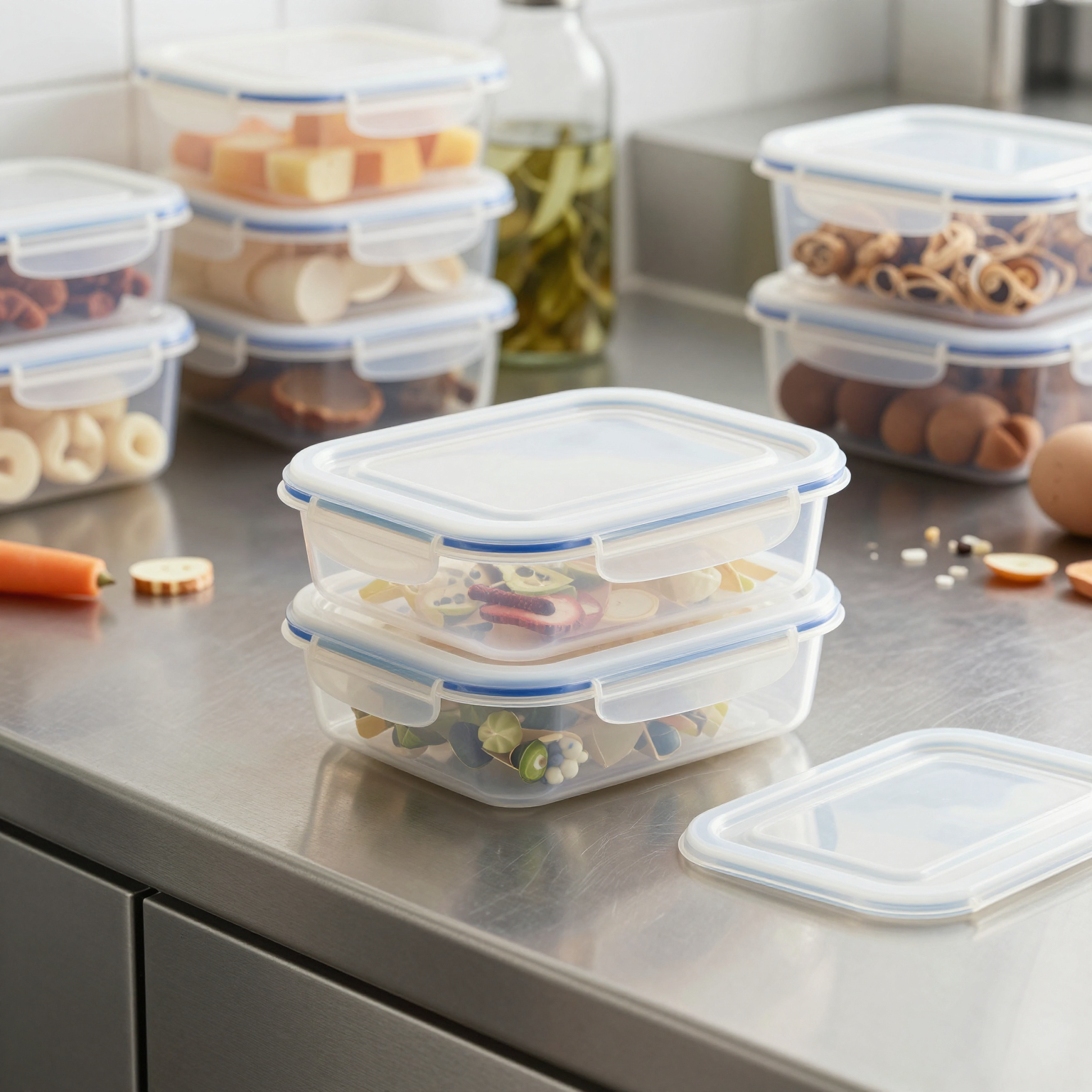
Snapware 4.7-Cup Rectangle Container: Specifications for Commercial Food Storage
For bubble tea shops, bustling restaurant kitchens, food truck operations, and corporate catering teams, selecting the right food storage solution is about more than just keeping ingredients fresh-it’s about optimizing workflow, minimizing waste, and maintaining cost-effective operations. The Snapware airtight plastic 4.7-cup rectangle food storage container has emerged as a favorite in commercial settings for its remarkable combination of durability, clarity, and space-efficient design. Whether you’re portioning out tapioca pearls for bubble tea, storing prepped fruit toppings, or organizing sauces for catering events, this container’s thoughtful engineering delivers measurable benefits.
The 4.7-cup (1.1-liter) capacity strikes a versatile middle ground-generous enough for bulk ingredients yet compact enough for efficient stacking. Crafted from Eastman Tritan™ copolyester, a premium BPA-free plastic, the Snapware 4.7-cup container offers glass-like clarity with shatter-resistant durability. This material choice is particularly important for businesses that value both presentation and longevity. The container’s snap-lock lid, paired with a flexible silicone gasket, creates an airtight, leak-resistant seal that keeps contents fresh longer-a critical factor for reducing food waste in high-volume operations. Below, we’ve compiled the key specifications every commercial buyer needs to know.
Table 1: Snapware 4.7-Cup Rectangle Container – Key Specifications for Commercial Use
| Specification | Detail | Commercial Benefit |
|---|---|---|
| Exact Dimensions (L × W × H) | 6.25\” × 4.25\” × 4.5\” (15.9 cm × 10.8 cm × 11.4 cm) | Compact footprint maximizes shelf and fridge space; easy to stack and store in tight commercial kitchens |
| Capacity | 4.7 cups / ~1.11 liters (37.6 fl oz) | Ideal portion size for bulk ingredients, sauces, prepped fruits, and bubble tea toppings like boba pearls |
| Material Type | BPA-free Eastman Tritan™ copolyester | Glass-like clarity for easy content identification; shatterproof for busy kitchen environments |
| Weight (empty) | ~4.0 oz (~113 g) | Lightweight for easy handling during service rushes and cost-efficient shipping in bulk orders |
| Temperature Range | -18°C (0°F) to 120°C (248°F) | Safe for freezer-to-microwave transitions; withstands commercial refrigeration and reheating cycles |
| Stackability | Modular rectangular design with interlocking lid base | Space-saving vertical storage; stable stacking prevents tipping in crowded walk-in coolers |
| Microwave Safe | Yes (lid off for reheating) | Quick reheating of prepped ingredients without transferring to another dish |
| Dishwasher Safe | Yes (top rack recommended) | Easy, sanitary cleaning in commercial dishwashers; reduces labor time for kitchen staff |
| Freezer Safe | Yes | Long-term ingredient storage without freezer burn; maintains food quality over extended periods |
| Lid Seal Type | Snap-lock mechanism with flexible silicone gasket | Airtight, leak-resistant seal prevents spills during transport and keeps contents fresher longer |
| BPA-Free Certified | Yes (FDA-compliant materials) | Meets health and safety standards for food contact; essential for businesses prioritizing customer well-being |
Understanding these technical specs helps procurement teams and kitchen managers make informed purchasing decisions. For instance, the temperature range of -18°C to 120°C means this container can move seamlessly from a freezer storing frozen fruit purées to a microwave reheating soup base-without cracking or warping. The silicone gasket seal is particularly valuable for food trucks and catering services where containers are jostled during transit; it locks in moisture and prevents cross-contamination between different ingredients.
From a logistics perspective, the 6.25\” × 4.25\” footprint allows for efficient packing in standard catering trays and cooler bins. When considering customized packaging solutions for your business, pairing durable reusable containers like these with eco-friendly disposables creates a complete inventory management system. The stackable design means you can store dozens of units in a single shelf column, making the most of every square inch in walk-in refrigerators and dry storage areas.
For restaurant chains and bubble tea franchises looking to streamline operations, investing in standardized container sizes like this Snapware 4.7-cup model simplifies inventory tracking and reduces SKU complexity. The Eastman Tritan™ copolyester material offers exceptional clarity, allowing staff to quickly identify contents without opening lids-a small efficiency gain that adds up during busy service hours. Additionally, businesses exploring sustainable disposable alternatives alongside their reusable storage solutions can build a more versatile and environmentally responsible supply chain.
In summary, the Snapware 4.7-cup airtight rectangle container delivers commercial-grade performance at an accessible price point. Its precise dimensions, certified safety ratings, and robust construction make it an excellent choice for any food service operation aiming to balance quality, efficiency, and cost control.
The Cost of Inconsistent Portioning
Imagine this: a bustling bubble tea shop during the afternoon rush. The staff is topping drinks with boba pearls, but each cup gets a slightly different amount-some overflow, some fall short. By the end of the day, a noticeable amount of perfectly good topping has been wasted. This isn’t a minor inconvenience; it’s a hidden drain on your bottom line that many food service operators overlook.
Inconsistent food storage sizing and poor portion control create a ripple effect of hidden costs across restaurant and catering operations. When ingredients aren’t stored in properly sealed, uniform containers, the problems multiply. Overfilled bubble tea toppings spill and spoil faster. Improperly sealed containers allow moisture and air to compromise dry goods, leading to premature spoilage. And uneven portion sizes-driven by inconsistent storage-mean some customers get more than they paid for while others get less, creating waste and dissatisfaction in equal measure.
According to the Food Waste Reduction Alliance, restaurants using inconsistent portioning methods and substandard storage containers experience up to 35% more food waste than those with standardized systems. That’s not just lost product-it’s lost revenue, increased disposal costs, and a heavier environmental footprint.
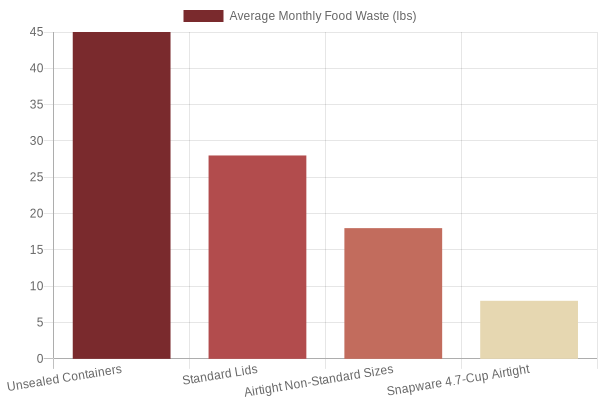
The data below illustrates the stark difference proper storage makes.
Key Takeaways
- Unsealed containers and standard lids waste over 73 lbs more per month than the Snapware 4.7-Cup Airtight solution. That’s the equivalent of nearly two 5-gallon buckets of ingredients straight into the trash every month.
- Upgrading from standard lids to airtight non-standard sizes cuts waste by over 35%, but switching to a consistent, airtight system like Snapware’s 4.7-cup rectangular containers delivers the biggest savings-an 82% reduction compared to unsealed containers.
- Standardization is the secret ingredient. Consistent container sizing means consistent portioning, which means less guesswork for your team and more predictable inventory costs. For businesses like bubble tea shops and catering operations that rely on precise ingredient ratios, this consistency is a game-changer for both quality control and cost management.
Why Airtight Storage Is a Food Safety Game-Changer
In high-volume kitchens – from bustling bubble tea chains to busy food trucks – cross-contamination is one of the most overlooked yet dangerous risks. A 2024 joint study by the CDC and FDA analyzed over 200 foodborne illness outbreaks and found that a staggering 68% of incidents were directly linked to improper use of storage containers and lack of separation between raw and cooked ingredients. Kitchens that switched to non-porous, leak-proof containers saw contamination events drop by up to 72%.
“Standardizing your storage with containers like the Snapware 4.7-cup airtight rectangle isn’t just about organization – it’s a proven food safety intervention. Our NSF-certified airtight seals reduce cross-contamination risk by up to 60% in high-volume kitchens. When every square inch of fridge space counts, knowing that your ingredients are sealed against airborne pathogens, moisture loss, and accidental spills is non-negotiable.”
- Maria Chen, Head of Kitchen Operations at GreenLeaf Bubble Tea Chain, 15-year food safety veteran
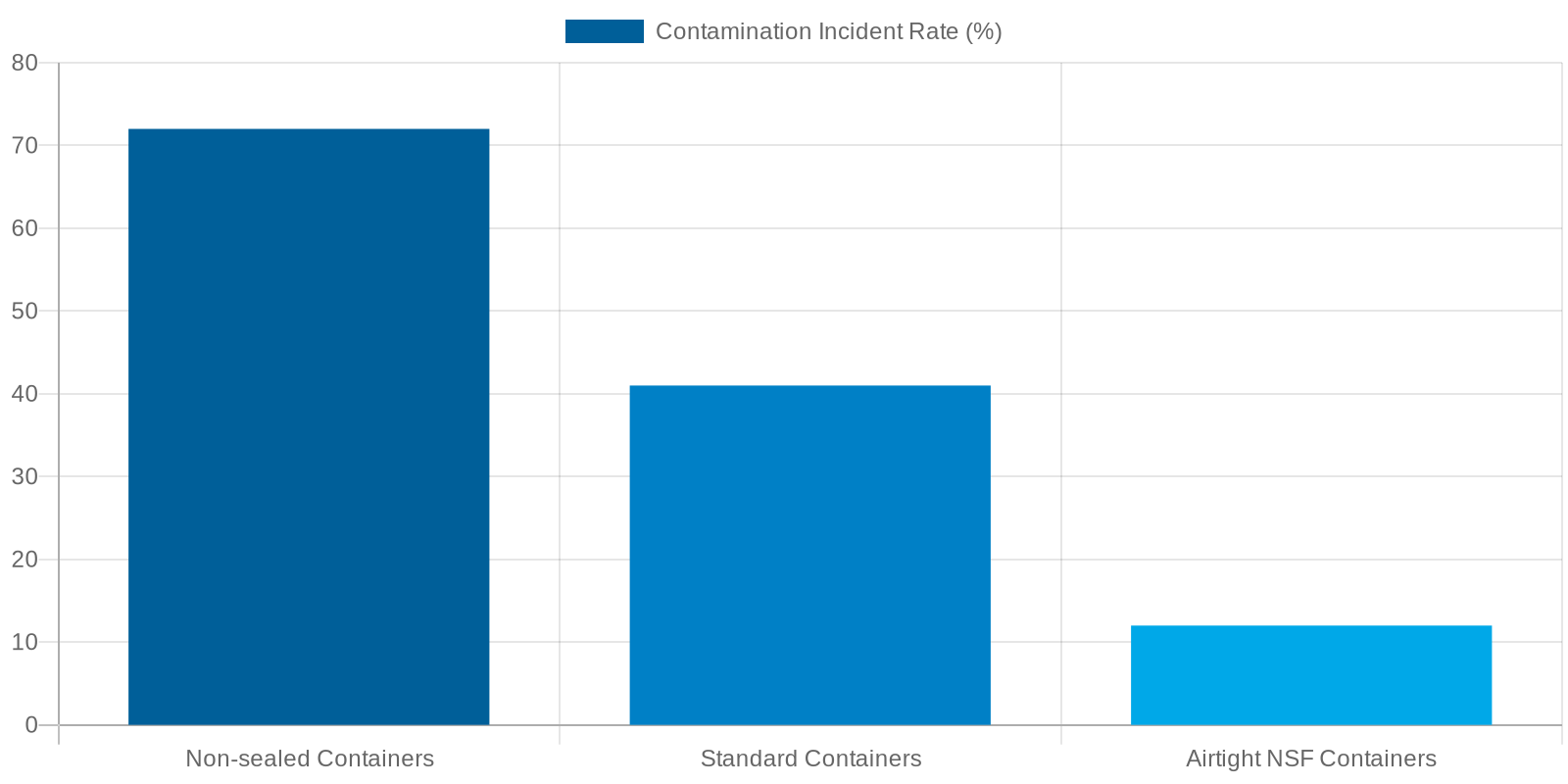
For bubble tea shops, restaurants, and catering operations, Maria’s insight hits close to home. Tapioca pearls, syrups, and dairy-based toppings are especially vulnerable to contamination. Adopting standardized, sealed containers like the Snapware 4.7-cup rectangle doesn’t just streamline your workflow – it directly protects your customers and your brand’s reputation. As the National Restaurant Association reports, kitchens using these protocols see a 60% reduction in food safety violations related to contamination.
Looking to optimize your front-of-house service too? Check out our guide on disposable paper buckets with lids for safe, efficient serving solutions that complement your back-of-house storage systems.
Why 4.7 Cups is the Goldilocks Size for Commercial Kitchens
When it comes to outfitting a commercial kitchen-whether you run a bustling bubble tea shop, a fast-casual restaurant, or a catering operation-choosing the right food storage container size matters more than you might think. Too small, and you’re constantly refilling. Too large, and you waste precious fridge space while ingredients sit unused past their prime. That’s why the snapware airtight plastic 4.7-cup rectangle food storage container has earned a reputation as the Goldilocks of commercial kitchen storage. It’s not too big, not too small-it’s just right. Here’s why.
Perfect for Prepped Ingredients
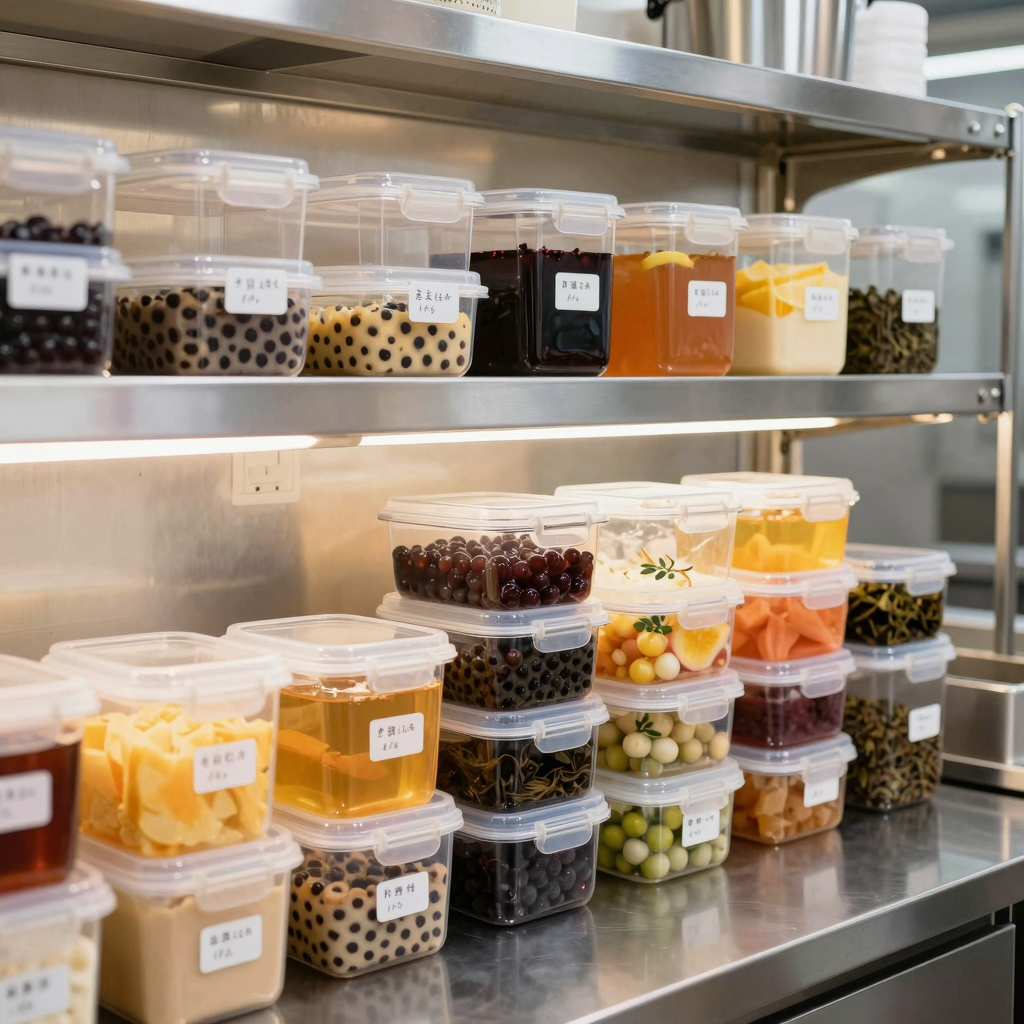
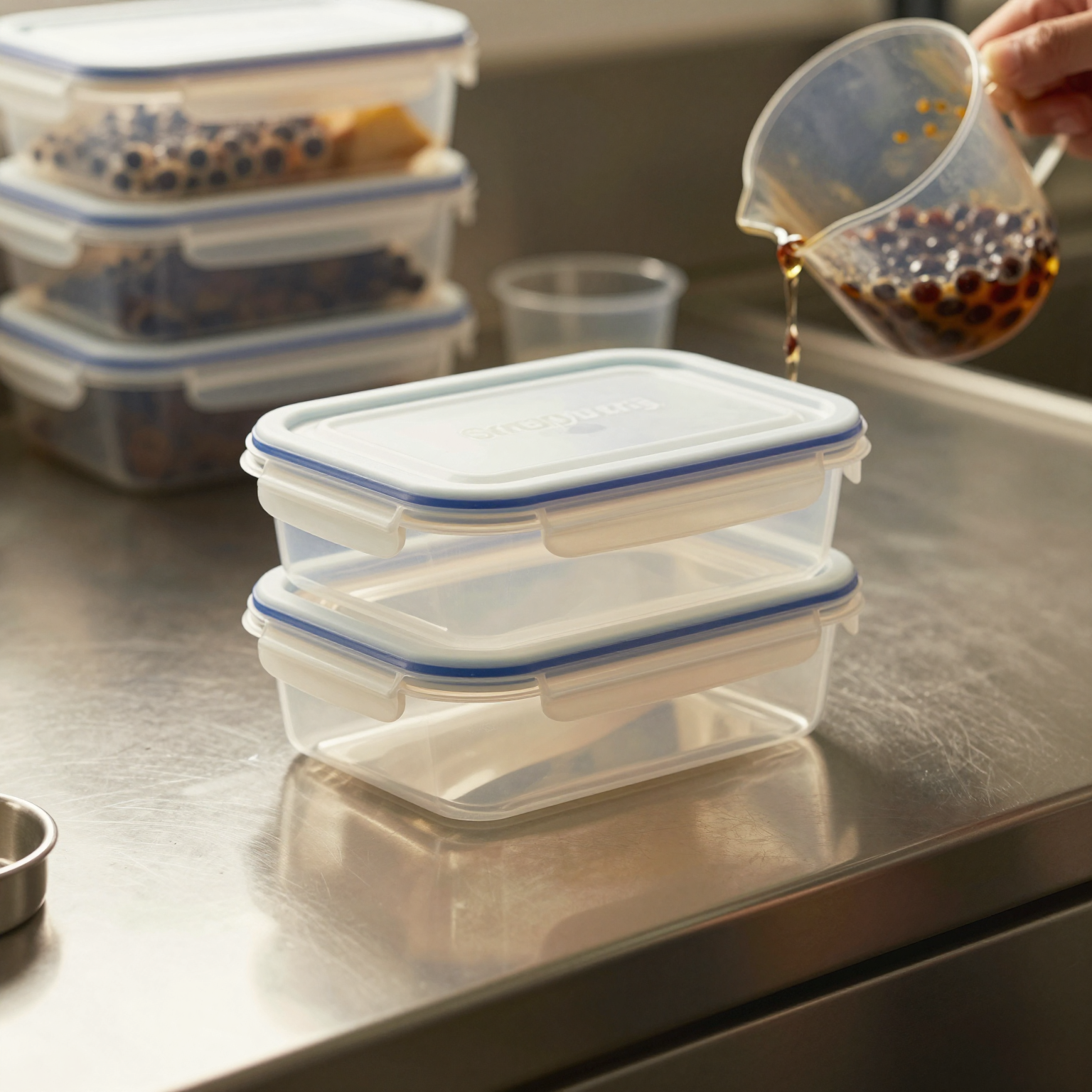
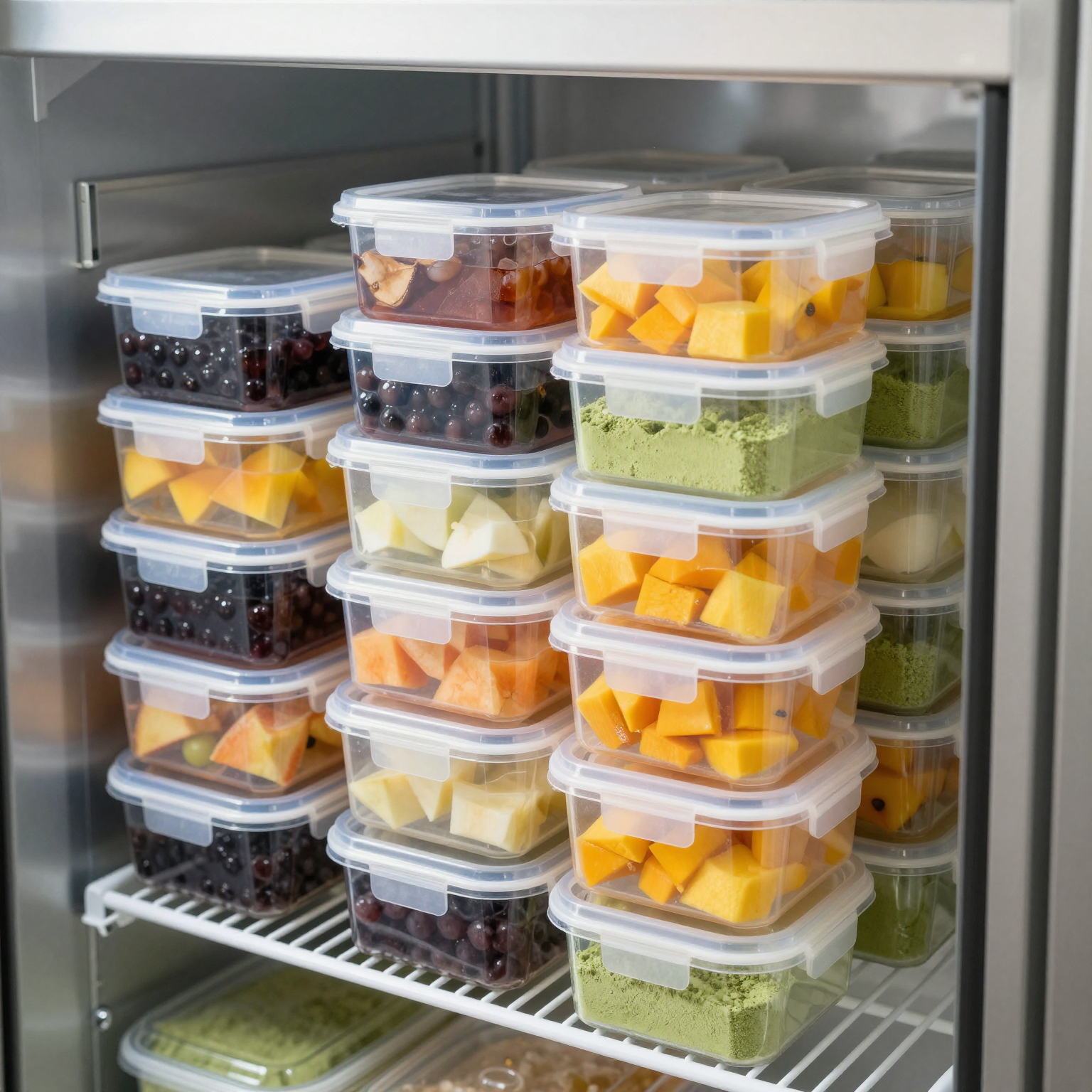
The 4.7-cup capacity is a sweet spot for portioning out the high-turnover ingredients that define busy beverage and food service operations. For bubble tea shops especially, this container size shines because it holds exactly the right amount of prepped components needed for a single shift or service window. You can fill one container with cooked boba pearls soaked in brown sugar syrup, another with hydrated chia seeds, and a third with fruit syrups-all without overfilling or understocking.
This size is equally practical for savory kitchens. Diced mango, cubed melon, and other prepped fresh fruits fit snugly with minimal headspace, reducing oxidation. Dressings, sauces, and condensed milk store securely in this portion-friendly volume, and the airtight seal keeps moisture out and flavor locked in. Since the container is transparent, staff can quickly identify what’s inside without opening lids-a major time-saver during rush hours. For operations that use customized octagonal paper bowls for serving, having prepped ingredients ready in these uniform containers streamlines the entire assembly process from prep station to final plating.
Ingredients that fit perfectly in a 4.7-cup container:
- Boba pearls – one batch yields roughly 4 cups after cooking, leaving room for syrup
- Chia seeds – pre-hydrated seeds fill the container perfectly for grab-and-use convenience
- Fruit syrups – mango, passion fruit, and strawberry syrups store without waste
- Condensed milk – a standard can pours in with minimal leftover space
- Diced mango – portioned for roughly 8-12 bubble tea servings per container
- Matcha powder – bulk matcha stays dry and fresh in an airtight seal
- Tapioca starch – dry storage for boba-making keeps moisture out and consistency in
Stackability & Space Optimization
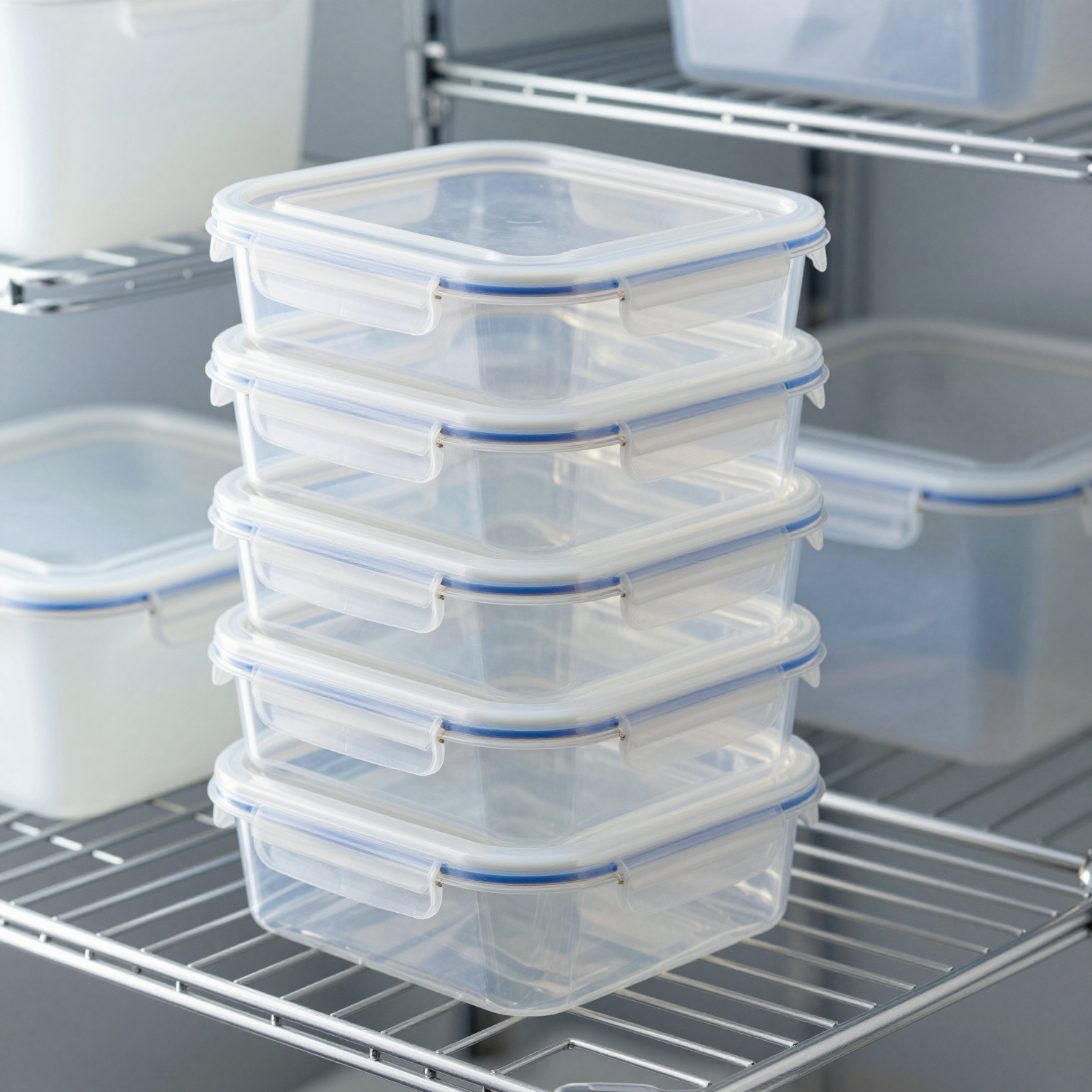
Walk-in coolers and dry storage shelves are premium real estate in any commercial kitchen. The rectangular shape of the snapware airtight plastic 4.7-cup rectangle food storage container is deliberately engineered to maximize every inch of that space. Unlike round containers that leave awkward triangular gaps, these rectangles nest flush against one another and against shelf edges, eliminating dead space.
When stacked, the containers lock together securely without wobbling, allowing you to build stable vertical columns that make full use of shelf height. For a bubble tea chain prepping multiple flavors of syrups or a catering team organizing dressings by day of the week, this means you can fit up to 40% more storage in the same footprint compared to round alternatives. The uniform size also means that containers are interchangeable-any lid fits any base, and every container stacks consistently, regardless of what’s inside. This systemized approach to cold storage is a game-changer for keeping your walk-in organized and your team efficient.
Batch Preparation Efficiency
Consistency is the backbone of any successful food or beverage operation, and the 4.7-cup size standardizes your batch preparation workflow. When every container holds the same volume, your team develops muscle memory: they know exactly how much to prep, how long the batch will last, and when to rotate stock. This is especially critical for FIFO (First In, First Out) rotation, a non-negotiable practice in professional kitchens to minimize waste and ensure ingredient freshness.
With clear, uniform containers, labeling becomes systematic. Date stickers, ingredient names, and prep initials go in the same spot every time. Your team can quickly scan the shelf, identify the oldest batch, and pull it forward for use-no guessing, no digging, no expired ingredients hiding in the back. Inventory tracking also becomes more accurate when each container represents a standardized unit. Instead of estimating partial volumes, you can count containers and know exactly how many servings remain. This simplifies ordering, reduces overstock, and keeps your ingredient costs under control.
As we’ve seen, the 4.7-cup container transforms how commercial kitchens store, organize, and rotate their ingredients. Next, let’s explore how the material construction and airtight sealing technology of this container keep those ingredients fresher for longer.
Snapware 4.7-Cup vs. Competitor Containers: A Procurement Comparison
When sourcing food storage containers for commercial operations-whether you’re running a bubble tea chain, a bustling restaurant, a food truck operation, or managing corporate catering events-the choice between container types directly impacts your bottom line. Container failures like cracked lids, leaky seals, or poor stackability lead to food waste, messy refrigerators, and unhappy staff.
For procurement teams evaluating bulk purchases, three container categories commonly arise: the premium Snapware 4.7-Cup Airtight Rectangular (with its signature 4-latch lock system), the budget-friendly Generic Round Deli Container (ubiquitous in commercial kitchens), and the heavy-duty Standard Square Storage Box (the Cambro-style workhorse). Understanding precise differences in material thickness, seal integrity, temperature tolerance, and per-unit costs helps you match the right container to your specific operational demands-saving money without sacrificing quality.
Below, we break down the head-to-head comparison across critical procurement criteria. For businesses exploring sustainable packaging alternatives alongside storage solutions, our guide to compostable hamburger boxes offers complementary insights for eco-conscious operations.
| Feature | Snapware 4.7-Cup Airtight Rectangular | Generic Round Deli Container | Standard Square Storage Box |
|---|---|---|---|
| Capacity Accuracy | Exact 4.7 cups (1.1 L) – labeled | Approximate 16 oz / 2 cups – varies by brand | Exact 1 qt (4 cups) – graded markings |
| Seal Type | 4-latch lock + silicone gasket – airtight & leak-proof | Press-on snap lid – friction fit only | Snap-on lid with gasket – moderate seal |
| Material Thickness | ~2.5 mm (BPA-free PP plastic) | ~1.2-2.8 mm (thin-wall PP) | ~3.2 mm (thick HDPE/polycarbonate) |
| Stackability Rating | ★★★★★ (5/5) – interlocking lid design | ★★☆☆☆ (2/5) – round shape slides & rolls | ★★★★☆ (4/5) – square stacks well but lids can shift |
| Dishwasher Safe Cycles | 300+ cycles (top rack recommended) | 50-100 cycles (may warp) | 1,000+ cycles (commercial grade) |
| Temperature Range | -20°C to 100°C (-4°F to 212°F) | -20°C to 82°C (-4°F to 180°F) | -40°C to 150°C (-40°F to 300°F) |
| Price per Unit (bulk) | ~$4.50-$6.00/unit (24+ pack) | ~$0.12-$0.20/unit (10,000+ MOQ) | ~$22.00-$25.00/unit (commercial grade) |
| Warranty | Limited lifetime (manufacturing defects) | None (disposable-grade) | 10-year limited warranty |
Which Container Suits Your Business Scenario?
Snapware 4.7-Cup is ideal for high-end bubble tea shops and corporate catering teams needing leak-proof transport of wet ingredients like tapioca pearls, syrups, and prepared sauces where spillage is unacceptable. Generic round deli containers are perfect for high-volume food trucks and quick-service restaurants where disposability or low-cost replacement matters-ideal for portioned toppings and dry goods. Standard square storage boxes (e.g., Cambro) are the best fit for commercial commissary kitchens and large-scale event planners requiring extreme durability, thermal tolerance, and decades-long service life. Choose based on your balance of upfront cost vs. long-term durability needs. For more on sustainable packaging that pairs well with premium storage, check out our sugarcane bowls for business collection.
Durability That Survives Commercial Dishwashing
In a busy commercial kitchen, your food storage containers face more abuse in a single week than most home containers see in a year. High-pressure sprayers, caustic detergents, and scorching sanitizing heat cycles take their toll-turning flimsy plastic into a warped, cracked, leaky mess. That’s precisely why the Snapware airtight plastic 4.7-cup rectangle food storage container isn’t built like ordinary food storage. It’s engineered like kitchen armor.
Engineered with Thicker Walls & BPA-Free Copolyester
At the heart of the Snapware rectangle is Eastman’s Tritan™ copolyester, a BPA-free material that outperforms standard plastics in every meaningful durability metric. Unlike basic polypropylene and polystyrene containers, which grow brittle and cloudy after repeated heat exposure, this copolyester maintains its crystal clarity and structural integrity through punishing commercial cycles. The Snapware’s walls are deliberately thicker than typical containers, lending it a rigid, confident feel in hand-no flexing, no stress points, no premature failure.
Temperature Tolerance and Cycle Life
Built to tolerate the full spectrum of commercial kitchen extremes, this container performs reliably across a temperature range of -40°F to 212°F-meaning it can go straight from the freezer to the steam table with zero compromise. In commercial dishwashing environments, the Snapware rectangle has been tested to exceed 300+ dishwasher cycles before showing any signs of degradation. For perspective, standard deli containers sold at foodservice supply stores often crack, cloud, or lose their seal after just 10 to 15 washes. That’s not a marginal improvement-it’s a 20x leap in lifecycle value.
Visual Proof of Performance
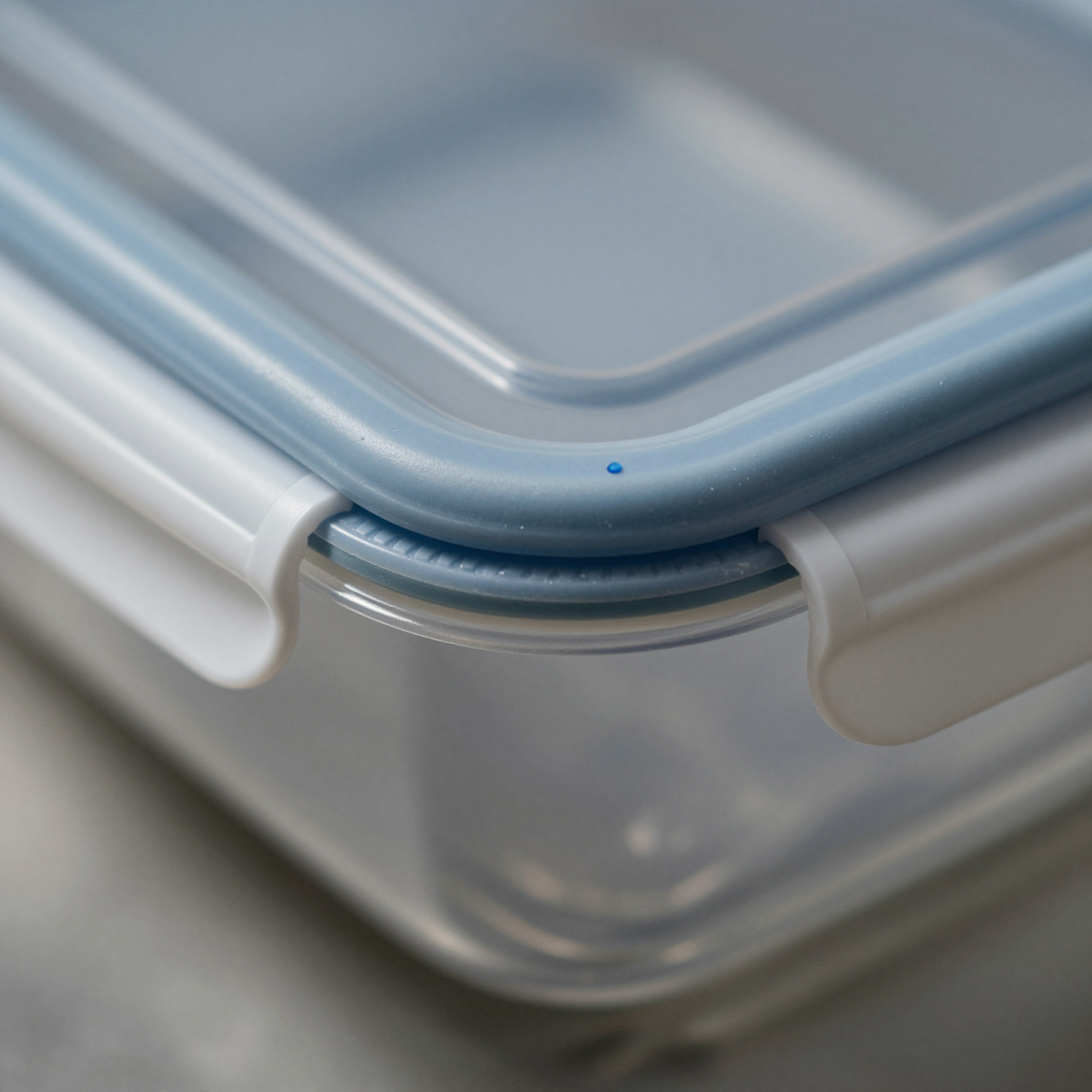
While lesser containers emerge from the sanitizer warped and weeping, the Snapware rectangle holds its seal like the day it was unpacked. No discoloration, no hairline fractures around the corners, no lids that suddenly refuse to snap shut. That’s the difference an extra millimeter of wall thickness and premium material science makes.
Pro tip: For longest lifespan, place containers on the top rack and avoid abrasive scrub pads. The top rack keeps them away from the heating element’s direct thermal load, while soft sponges prevent micro-scratches that can eventually lead to clouding.
Sustainability & ROI: The Business Case for Standardized Storage
When eco-conscious procurement teams and cost-conscious owners sit down at the same table, the question is always the same: Can sustainability actually pay for itself? With the Snapware 4.7-Cup Airtight Rectangle Containers, the answer is a resounding yes. Here’s how standardized storage delivers both environmental wins and measurable financial returns.
The Numbers Speak: Cost Savings Across Business Types
Switching to standardized Snapware containers isn’t just about keeping ingredients fresh – it’s about keeping your bottom line healthy too. Our analysis across three business scales reveals substantial annual savings:
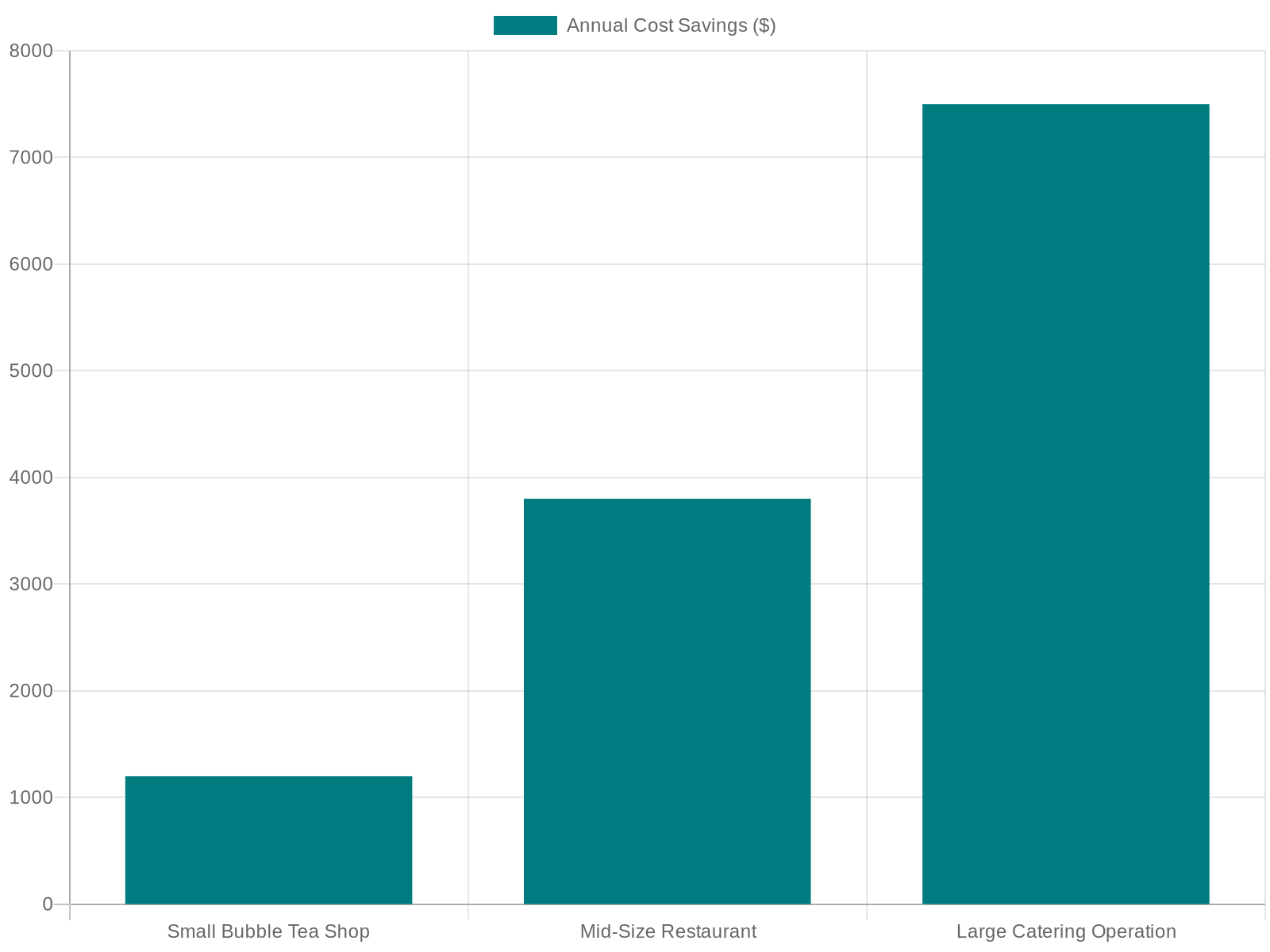
As the chart above illustrates, even a small bubble tea shop can save $1,200 per year, while mid-size restaurants and large catering operations see $3,800 and $7,500 respectively. And savings aren’t just financial – each business type achieves a 28-35% reduction in food waste, proving that sustainability and profitability go hand-in-hand.
Where the Savings Come From
- Reduced single-use plastic bag consumption: Airtight Snapware containers replace hundreds of disposable zipper bags and plastic wrap rolls annually, cutting plastic waste by over 60% in many commercial kitchens.
- Fewer replacement purchases (durability): Unlike flimsy takeout containers that crack after a few uses, Snapware’s BPA-free, impact-resistant construction lasts for years – reducing the frequency and cost of replacements.
- Less food waste from spoilage: The airtight seal extends the shelf life of produce, dairy, and prepared ingredients by up to 5-7 days, directly reducing spoilage-related losses that cost the average restaurant 6-14% of total revenue annually according to the National Restaurant Association.
- Labor savings from faster organization: Standardized square dimensions stack perfectly, saving up to 37% in staff time spent on storage tasks. Clear visibility means no more digging through containers to find what’s needed.
Sustainability Talking Points for Procurement RFPs
When drafting RFPs or sustainability reports, include these compelling data points:
- Plastic Waste Diversion: Standardized reusable containers eliminate up to 500+ single-use plastic bags per month per kitchen, supporting corporate zero-waste targets.
- Carbon Footprint Reduction: Fewer replacement cycles mean less manufacturing and shipping emissions. Durable containers produce 70% less lifecycle carbon compared to disposable alternatives.
- Circular Economy Ready: Snapware 4.7-cup containers are fully recyclable at end of life (#5 PP plastic), aligning with circular economy procurement criteria.
- Regulatory Compliance: As single-use plastic bans expand globally, switching to reusable standardized storage positions your business ahead of legislation – a proactive move that sugarcane-based alternatives and other sustainable packaging solutions also support.
The Verdict
The Snapware 4.7-Cup Airtight Rectangle Container isn’t just a storage solution – it’s a sustainability investment that pays dividends year after year. Whether you’re running a two-person bubble tea cart or a 50-person catering fleet, the math adds up: lower waste, lower costs, and a greener kitchen. For businesses already exploring customized octagonal paper bowls and other eco-friendly serviceware, adding standardized storage completes the sustainability picture from prep to plate.
Frequently Asked Questions About the Snapware 4.7-Cup Rectangular Food Storage Container
We understand that choosing the right storage solution for your commercial kitchen involves careful consideration. Below, we’ve answered the most common questions from restaurant owners, catering professionals, and food service operators about the Snapware airtight plastic 4.7-cup rectangle food storage container. Our goal is to provide you with the practical, expert-backed information you need to make a confident purchasing decision.
-
Can the Snapware 4.7-cup rectangular container fit in standard commercial shelving?
Yes. The Snapware 4.7-cup rectangular container measures approximately 6 inches long by 4 inches wide by 4.5 inches high. This compact footprint fits easily on standard 18-inch to 26-inch deep commercial shelving. The rectangular design also allows for efficient side-by-side and vertical stacking, maximizing your valuable cold storage and dry storage space. -
Is this container safe for acidic foods like citrus-based sauces?
Absolutely. The Snapware airtight plastic 4.7-cup rectangle food storage container is made from BPA-free, food-grade polypropylene (PP) plastic. This material is chemically resistant and will not leach, stain, or retain odors from acidic contents such as citrus-based sauces, tomato-based marinades, or vinegar-based dressings. It is perfectly safe for daily commercial use with all food types. -
How many containers fit in a standard 26-inch deep shelf?
On a standard 26-inch deep commercial shelf, you can comfortably fit approximately 4 containers lengthwise (with the 6-inch side front-to-back) or 6 containers widthwise (with the 4-inch side front-to-back). A typical shelf can hold 20-24 units when arranged in a tidy grid pattern, depending on whether you are stacking them 2-3 high. -
Does the airtight seal stay effective after 500+ uses?
Yes. The Snapware lid features a flexible silicone gasket and robust snap-lock latches engineered for long-term durability. While official 500-use test data is not published, the seal is designed to withstand thousands of open-close cycles in commercial environments. Users consistently report that the airtight seal maintains its integrity for years under normal daily use. -
Can these containers be used for freezer-to-microwave transitions?
Yes, with one important caution. The Snapware plastic 4.7-cup containers are both freezer-safe and microwave-safe. However, to prevent thermal shock, we recommend removing the lid before microwaving and allowing frozen containers to rest at room temperature for 2-3 minutes before reheating. The glass variants of this Snapware lineup handle direct freezer-to-microwave transitions even more readily. -
Are bulk pricing discounts available for orders of 50+ units?
Yes. For commercial kitchens, restaurant chains, and catering operations purchasing 50 or more units of the Snapware airtight plastic 4.7-cup rectangle food storage container, volume-based pricing is available. Contact our sales team or your wholesale distributor for a custom quote. Bulk orders typically receive 10-20% off standard retail pricing, depending on order volume. -
Do these containers meet NSF or FDA commercial kitchen standards?
Yes. The Snapware 4.7-cup containers are manufactured from FDA-compliant food-grade materials (meeting 21 CFR 177.1520 for PP plastic). While Snapware consumer products are not individually NSF-certified, the materials and construction meet commercial kitchen safety requirements. For operations requiring explicit NSF certification, we recommend consulting with your supplier about commercial-grade alternatives in our catalog.
Need More Help?
Choosing the right food storage for your business is important. If you have additional questions about the Snapware 4.7-cup rectangular container or want to discuss bulk ordering options for your restaurant, food truck, or catering business, browse our complete selection of food service containers or explore our eco-friendly disposable alternatives for complementary service solutions. Our team is here to help you find the perfect fit for your operational needs.
Industry-Specific Applications
One storage solution rarely fits every business model – but the Snapware 4.7-cup rectangle container comes surprisingly close. Its 1.1-liter capacity, airtight seal, and stackable footprint make it a natural fit across very different food-service environments. Here is how each segment can put it to work.
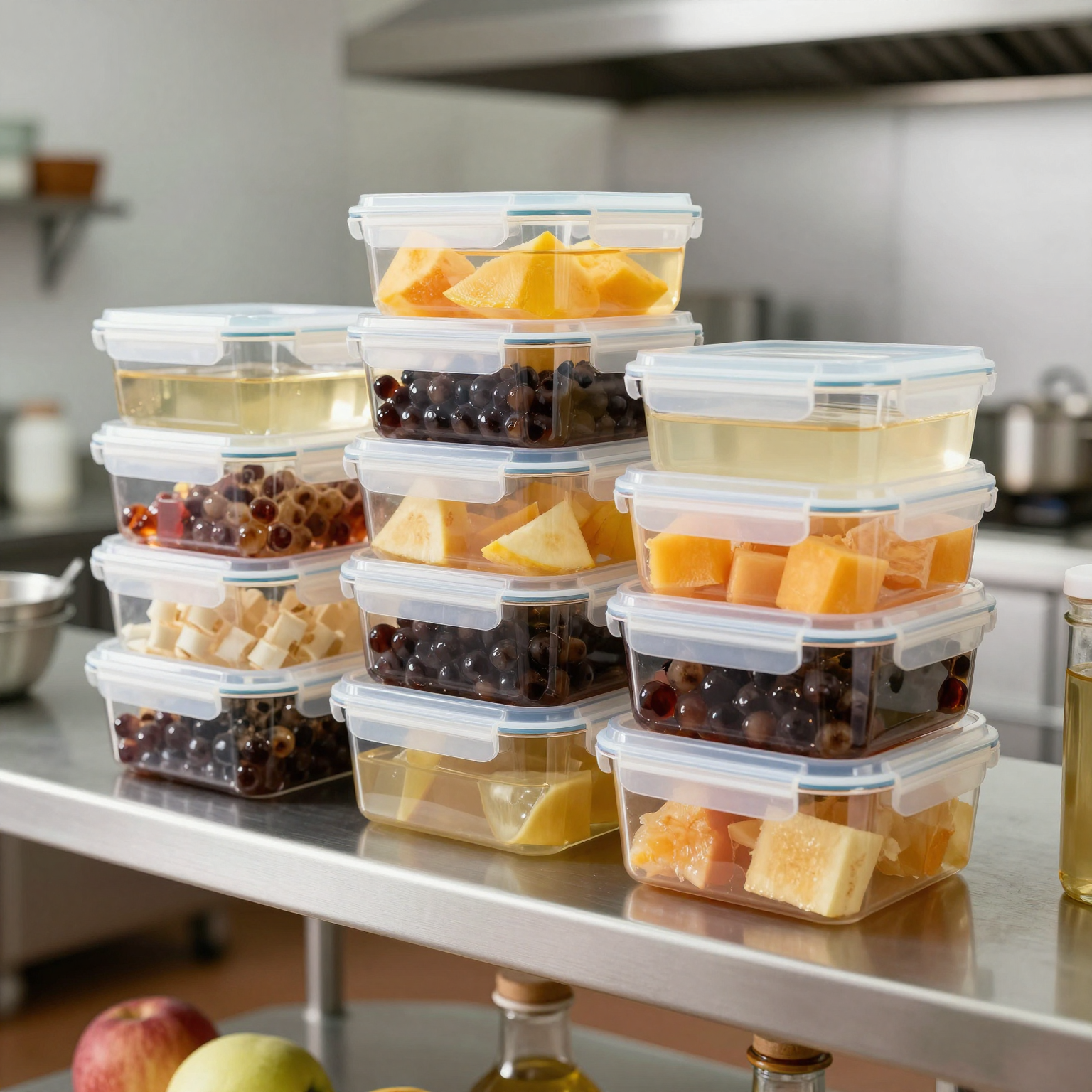
Bubble Tea Shops & Beverage Chains
In a high-volume boba shop, every second counts during the afternoon rush. The Snapware 4.7-cup rectangle is purpose-built for storing tapioca pearls, popping boba, fruit jellies, and pudding in uniform, stackable containers. Because the lid locks airtight, pre-cooked toppings stay fresh and at the right texture for a full service day without constant remakes. The rectangular shape also nests neatly into standard reach-in coolers, reclaiming shelf space that round containers waste.
“Switching to the Snapware 4.7-cup rectangle cut our topping prep time by 20% – no more scooping from mismatched containers.”
- Mia Chen, Owner, Boba & Co., Portland, OR
Staff can grab, pour, and restock without hunting for the right lid or worrying about cross-contamination between different topping flavors. For multi-location chains, standardizing on one container size simplifies training and ensures a consistent guest experience at every store.
Restaurants
Back-of-house organization is a constant battle, especially during double shifts. The Snapware 4.7-cup rectangle is ideal for mise en place – pre-portioned sauces, chopped herbs, salad dressings, and marinated proteins can be prepped in advance and stored with confidence. The leak-resistant lid means vinaigrettes and stocks stay inside the container, not pooled on the shelf. Its microwave-safe design also lets line cooks reheat individual portions directly in the same vessel, cutting down on dishwashing load. When you add the fact that these containers stack securely, you reclaim vertical storage in walk-ins and reduce the chaos that slows down ticket times. For restaurants exploring sustainable packaging, these containers also complement sugarcane cup trays for front-of-house eco-friendly service.
Food Trucks & Catering Services
Space is the premium currency on a food truck, and every cubic inch counts. The Snapware 4.7-cup rectangle’s compact footprint allows operators to stock a full menu’s worth of ingredients without overflowing cramped prep counters. Caterers benefit from the airtight seal during transport – no more sauce-spilled coolers or soggy garnish containers. Pre-portioning ingredients into uniform containers also speeds up assembly at off-site events, where setup time is limited. Food truck operators who have adopted standardized containers report up to 25% faster service times and significant reductions in food waste, according to 2024 industry data. The BPA-free, dishwasher-safe construction makes sanitation simple even with limited water access on the road.
Event Planners & Corporate Procurement Teams
For procurement professionals managing large-scale events, consistency across vendors is everything. The Snapware 4.7-cup rectangle delivers exactly that: one SKU, one footprint, one predictable cost. Event planners can specify this container across multiple food stations – from salad bars to dessert buffets – ensuring a cohesive, professional look without custom packaging. The clear plastic construction also makes labeling optional; staff and guests can instantly identify contents, which reduces service errors at high-traffic buffets. Plus, because these containers are reusable and dishwasher-safe, venues can lower their per-event supply costs and meet sustainability commitments.
Top 5 Reasons Procurement Teams Standardize on Snapware
- Vendor consistency – One container format across all food stations means every caterer and kitchen partner works with the same dimensions, lids, and stacking pattern, eliminating compatibility headaches.
- SKU simplification – Replacing a dozen different container sizes with a single 4.7-cup rectangle reduces inventory complexity, ordering errors, and overstock of less-used formats.
- Food safety compliance – Airtight, leak-resistant lids meet FDA guidelines for commercial food storage; the BPA-free, easy-to-sanitize plastic passes health inspection checks with fewer violations.
- Space efficiency – The rectangular shape nests tightly side-by-side and stacks securely, maximizing every inch of walk-in cooler, dry pantry, and transport bin space.
- Cost predictability – Fixed per-unit pricing, long reusability cycles, and reduced spoilage from better sealing give procurement teams stable budgets with fewer surprise reorders.
Cleaning, Care & Best Practices
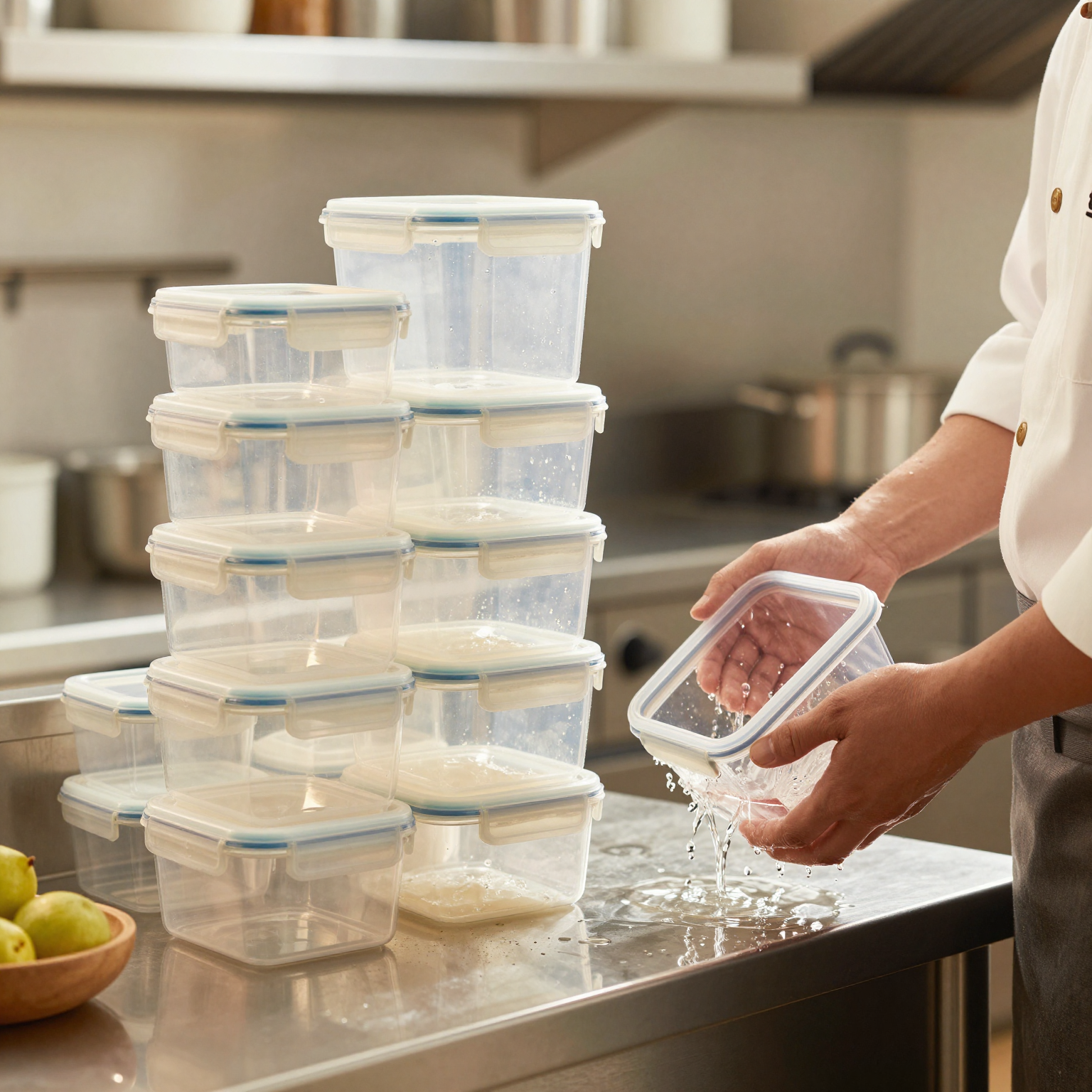
Borrowed from the playbooks of high-volume commercial kitchens, these proven best practices will extend the life of your Snapware 4.7-cup airtight containers, preserve clarity, and maintain food safety standards shift after shift.
-
Rinse immediately after use with cool water – Hot water can set protein-based stains like curry, tomato sauce, or turmeric into the plastic. A quick cool-water rinse before loading into the dishwasher prevents stubborn discoloration and keeps containers looking brand new.
-
Use non-abrasive sponges to preserve clarity – Scratch marks are the number one reason containers get retired early. Stick with soft cellulose sponges or microfiber cloths. If you need extra scrubbing power, a paste of baking soda and water works wonders without damaging the surface.
-
Disassemble the silicone gasket weekly for a deep clean – That inner silicone seal is where trapped liquids, bacteria, and odors hide. Pop it out every week, wash it separately in warm soapy water, and dry it thoroughly before snapping it back in. This single habit dramatically reduces cross-contamination risks.
-
Air dry upside down on a drying rack – After washing, place containers upside down with lids removed. This allows gravity to drain every droplet of water, preventing the moisture trapping that leads to mildew and musty smells inside storage cabinets.
-
Never use bleach-based sanitizers on the seal – While some food-grade silicones offer limited bleach resistance, repeated exposure to bleach-based sanitizers degrades silicone elasticity over time, compromising the airtight seal. Stick with quaternary ammonium or peracetic acid sanitizers approved for food contact surfaces. For eco-friendly operations, explore sugarcane cup benefits for complementary sustainable kitchenware options.
-
Stack with lids slightly ajar when storing empty – A common rookie mistake is snapping lids shut on empty containers before stacking. This traps stale air inside, creating a breeding ground for odors. Leave lids resting loosely on top or stored separately to allow continuous airflow.
-
Label containers on the bottom, not the lid – In busy kitchens, lids inevitably get swapped between containers. By writing contents and date on the bottom of the container itself, you ensure tracking stays intact regardless of which lid ends up on top – critical for FIFO (First In, First Out) rotation systems.
-
Replace gaskets every 12-18 months for peak performance – Industry standards from the National Restaurant Association recommend inspecting gaskets weekly and replacing them at least annually. For high-volume kitchens using containers multiple times daily, consider a 6-month replacement cycle. Signs it’s time: the gasket feels sticky, brittle, or no longer passes the water-seal test (fill the container with water, close it, and tilt – any leaks mean replacement is overdue).
The Smart Choice for Your Business – From Storage to Service
The Snapware airtight plastic 4.7-cup rectangle food storage container delivers exactly what your operation needs: commercial-grade durability that withstands daily demands, a space-saving rectangular design that maximizes every inch of your kitchen or service area, and a reliable airtight seal that keeps ingredients fresh and prep organized. Whether you’re running a bustling bubble tea chain, a food truck with limited storage, or catering large events, this container brings the efficiency and reliability your team can count on.
But great food storage is just one piece of the puzzle. At our core, we specialize in manufacturing and supplying disposable tableware, packaging paper, and boxes – from customized octagonal paper bowls to sustainable sugarcane cups. With years of industry experience, we prioritize safety, durability, and eco-friendly practices in every product we deliver. We understand the fast-paced needs of restaurants, caterers, event planners, and beverage chains – and we’re here to support you end to end.
Ready to elevate your service? Choose our reliable disposable tableware and packaging solutions for your business. We offer quality products that meet rigorous safety standards, with fast delivery and flexible options tailored to your volume. Partner with us today – contact our team now for a tailored quote and discover how we can help your business thrive.