
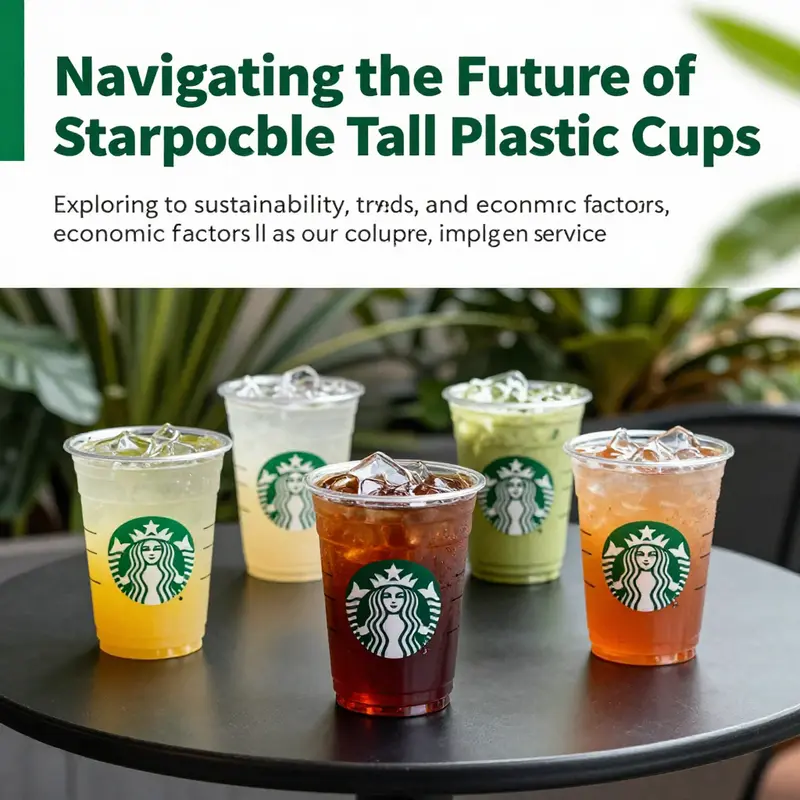
As disposable cups remain a staple in the beverage industry, Starbucks disposable tall plastic cups exemplify the balance between convenience and environmental responsibility. With significant changes impending, such as a transition to sustainable practices in regions like South Korea by 2025, understanding the implications of these choices is critical for businesses that rely on disposable tableware. This exploration will cover the environmental impact of these cups, consumer trends affecting their usage, economic factors at play, technological innovations that influence production, and the potential future policies surrounding disposable plastic cups.
Rethinking the Tall Cup: From Disposable Plastic to a Reusable Infrastructure for a Sustainable Coffee Network
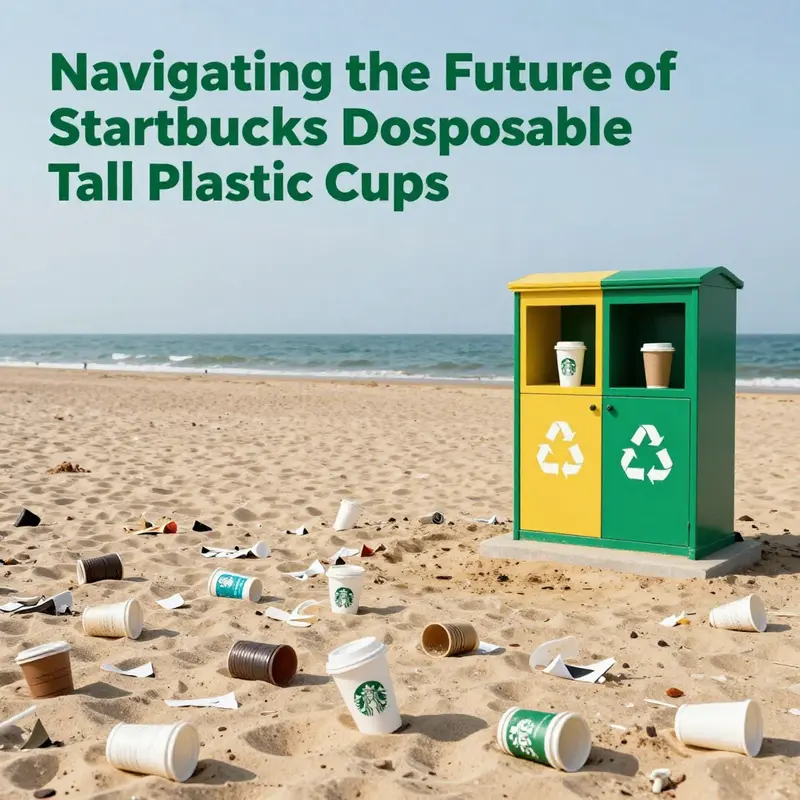
The tall disposable plastic cup has long been a quiet workhorse in the iced beverage world. Its transparent walls show the drink, its rigid form keeps beverages cold on the move, and the lid and straw setup makes a grab and go moment feel effortless. Yet beneath that everyday ease lies a set of environmental costs that many stakeholders are learning to manage rather than ignore. A cup travels from resin processing to manufacturing, distribution, consumer use, cleaning, and eventual disposal, with energy use, greenhouse gas emissions, and material leakage across the life cycle.
In response, the industry is exploring a reimagined cup ecosystem that focuses on durability, cleanability, and returnability rather than a single use, single life pattern. The aim is to create durable, reusable systems that can withstand repeated cycling and reintegration into production loops. Early pilots and supplier assessments point to the potential to significantly reduce virgin plastic demand while maintaining service levels and customer convenience.
Lifecycle analysis is guiding the shift. In a reuse scenario, the key questions are how many cycles the cup must survive and how the washing and retrieval system performs. This analysis calls for durable materials, reliable sanitization, and efficient collection. The result is a design envelope that favors modular components, standard interfaces, and clear incentives for customers to participate in the reuse program.
Materials and design choices matter. Reusable cups commonly use materials such as polycarbonate or stainless steel, each with strengths and tradeoffs. Polycarbonate offers light weight and strength but requires careful handling to ensure safety; stainless steel offers durability and heat resistance but can add weight and cost. Lids and seals must evolve to maintain spill resistance and beverage integrity across many cycles. The goal is to balance performance with safety, ease of cleaning, and prevent cross contamination.
Public health and consumer habits shape adoption. Health concerns during flu seasons or pandemics may initially slow progress, but standardized cleaning protocols, visible hygiene practices, and transparent customer communication can build trust and accelerate recovery to normal operations. A well designed reuse program uses centralized cleaning facilities or certified on-site washing with validated sanitation, clear labeling, and easy opt-in.
Consumer engagement matters. Encouraging users to bring their own vessel or participate in retailer hosted return programs creates a bridge between convenience and responsibility. When customers opt in, the system gains more predictable retrieval, leading to lower lifecycle impact. Retailers, universities, and cities can coordinate incentives, such as loyalty points or discounts, to sustain participation.
Interoperability across the supplier ecosystem is essential. A reusable cup system relies on compatible lids, seals, and cleaning standards so that cups and accessories from different producers can work together. The field is moving toward modular, interoperable platforms that reduce the risk of obsolescence and make it easier to scale across markets.
Looking ahead, a scalable reusable cup network will require a shared roadmap. It will rely on ongoing data collection, lifecycle assessments, and transparent reporting to refine targets and demonstrate progress. It will also demand collaboration among engineers, operators, policymakers, and customers to align incentives, ensure safety, and maintain a high standard of experience.
The practical takeaway is that the tall cup can become infrastructure for a sustainable beverage system rather than a disposable moment. When designed for longevity, supported by robust retrieval and cleaning pathways, and backed by clear consumer engagement, a cup moves from a single use artifact to a durable asset in a circular economy.
Turning the Tall Cup Tide: Reimagining Disposable Cups in a Global Coffee Culture
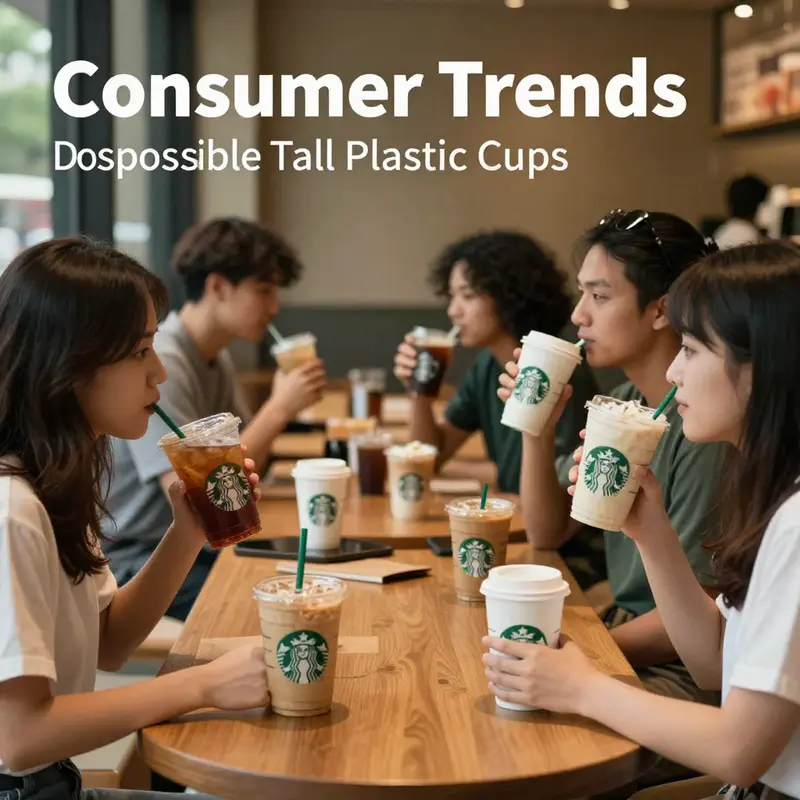
The tall plastic cup that accompanies iced coffee or smoothies is more than a disposable vessel. It is a symbol of a particular kind of commerce: fast, convenient, and embedded in daily rituals across continents. They are lightweight enough to carry through crowded streets, sturdy for chilled beverages, and designed to pair with lids and straws for sipping on the move. Yet their ubiquity makes them a critical lens for understanding how a modern coffee culture negotiates convenience, design, and responsibility. The tall cup, especially for iced drinks, sits at the crossroads of supply chain efficiency and environmental concern, enabling cold beverages while raising questions about waste, recycling, and the long arc of change society seeks. Across markets, disposable cups finish their life stories in ways that leave footprints in landfills and waterways. A typical 12-ounce tall cup is marketed as standard for iced beverages, a practical choice given size and temperature. Consumer demand for cold drinks remains strong, with a spectrum of options: plain transparent cups, sturdier variants for extra ice or thick smoothies, and branded or patterned cups. Online marketplaces still list 12-ounce disposable tall cups in bundles with lids and straws, even as reuse, reduction, and redesign gain momentum. The sustainability shift is an organized movement that brands and researchers have tracked over years, signaling a path away from disposable cups toward reuse and durability. Stores can offer borrow-and-return options for reusable cups, enabling customers to enjoy drinks while participating in a circular model. After use, the cups are cleaned and circulated, reducing the need to manufacture new disposables. Programs also encourage customers to bring their own reusable cups, reinforcing a culture where sustainability is part of everyday life rather than an add-on. The ambition is to minimize waste and normalize reuse across a broad customer base, reshaping the economics of a beverage industry that thrives on convenience. The shift aligns with broader commitments to reduce packaging waste, and the long-range plan envisions a future in which disposable cups play a smaller role. This is a transitional journey that requires changes at store operations, consumer habits, supply chains, and policy signals. Reusable tumblers of various materials become more than containers; they are statements about values and social responsibility. They come in durable polycarbonate or stainless steel and in finishes that match seasonal palettes and collaborations. For consumers, the reusable cup is a portable artifact of choice, a daily companion that allows taste, texture and design to coexist with environmental aims. The path forward is not simply about replacing one cup with another but about redefining its role and rebuilding the economics of consumption around reuse. Data from markets with heavy disposables show the scale of the challenge, underscoring the need for durable, cleanable options and circular systems. The consequences ripple through the supply chain, encouraging material innovations, redesigned store workflows, and new customer routines that prime the transition to reuse. Consumer preferences are shifting toward sustainability but also toward style and practicality in a reusable option. The new wave of tumblers often features seasonal colors and collaborations that give them a collectible feel, and craftsmanship matters because a reusable cup becomes a daily touchstone rather than a disposable artifact. In this sense the tall cup is at the intersection of design, behavior, and policy. Its future rests on a circular practice that reduces manufacturing of new disposables while preserving the experience of good coffee. The landscape is dynamic, with different regions testing approaches as policy, infrastructure, and culture shape adoption. The tall cup can become less a symbol of convenience and more a signal of a transition toward sustainable choices that preserve the pleasures of a cold beverage. A broader perspective on packaging systems and circularity can help readers understand how reuse, recycling, and redesign fit together, while practical touchpoints can connect readers to real-world options for eco-friendly materials and reusable strategies.
Cost, Compliance, and Quiet Change: The Economic Currents Behind Tall Plastic Cups in a Global Coffee Chain
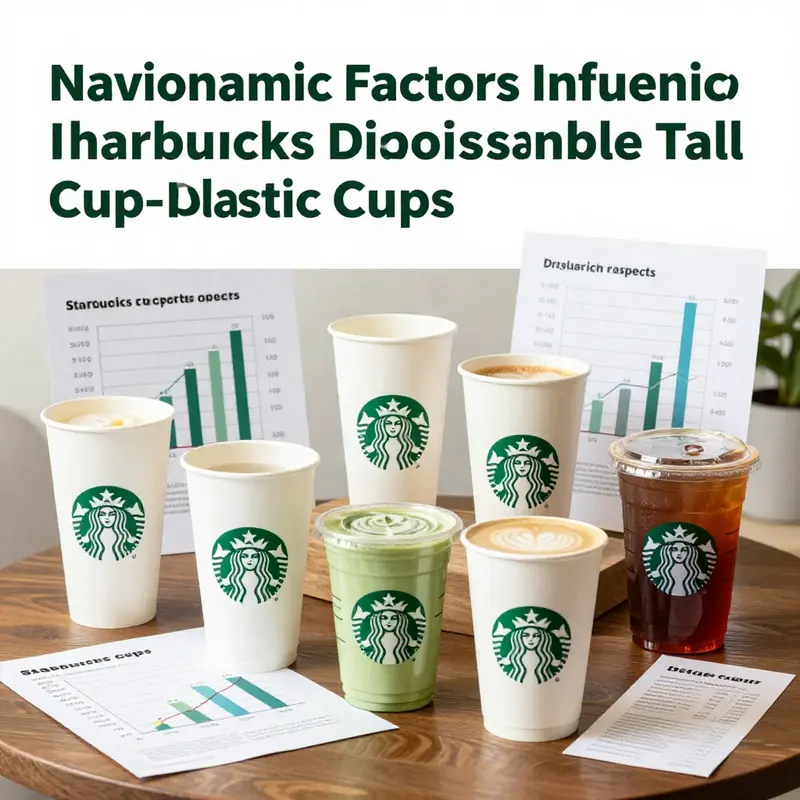
A tall plastic cup is more than a simple container. It is a node in a sprawling network of feedstock markets, manufacturing efficiency, labor, and policy that travels from oil refineries to street corners, from a roaster’s back room to a bustling store floor. In the daily rhythm of a global coffee chain, these cups do more than hold beverages; they embody the tension between convenience and responsibility, between short-term margins and long-term strategy, between consumer preference and the rules that govern production and waste. To understand the economics of disposable tall plastic cups requires tracing a fault line that runs through commodity markets, municipal budgets, brand promises, and the evolving expectations of customers who increasingly expect packaging to do more than just perform a job for a few minutes before being discarded. It is a story not of a single product, but of a system adapting to cost pressures, regulatory signals, and the social meaning of waste.
Material costs sit at the heart of the economics. The raw material for most single-use cups is a petroleum-derived polymer whose price is subject to the volatility of the global crude market. When energy markets swing upward, the cost of producing these cups rises in a way that can ripple through the entire supply chain. The geometry of this problem is simple and stubborn: more expensive input materials mean higher unit costs, which can squeeze margins unless pricing, packaging, or product usage shifts accordingly. The problem compounds when feedstock prices remain elevated for extended periods or when supply constraints occur due to manufacturing outages, port congestion, or disruptions to the wider petrochemical complex. In turn, those higher costs tend to feed through to the price of beverages, to the terms of supplier contracts, and to the financial calculus behind large-scale packaging decisions that, in a company with thousands of stores worldwide, must be scalable, reliable, and predictable.
Beyond the price of the plastic resin itself, waste management and recycling emerge as increasingly significant cost vectors. Municipalities around the world have begun to implement fees, restrictions, or outright bans on certain single-use plastics. These regulatory moves are not just symbolic gestures; they carry concrete financial implications for a global retailer that relies on a consistent, efficient packaging supply. Local rules can demand different disposal streams, require separate collection, or mandate investments in on-site or regional recycling infrastructure. The practical effect is a rising cost of doing business in regions where waste management regimes are tightening or where the end-of-life pathway for plastic is uncertain. In some markets, the economics of waste handling can even influence store-level decisions about packaging format, the feasibility of certain promotions, or the viability of certain product lines. The net is a more complex calculus than simply choosing the cheapest material; it is a balancing act—between the cost of waste, the value of recycling options, and the broader policy environment.
Consumer preferences also shape the economics in meaningful ways. Over the past several years, there has been a clear shift toward sustainability in many consumer segments. Convenience remains a powerful driver, but it coexists with a rising expectation that packaging should be more durable, more recyclable, or more reusable. This shift can alter pricing strategies and capital investments. A common response is to offer incentives for customers who bring their own tumblers or who select refillable or refillable-capable systems. Discounts and loyalty program adjustments can encourage behavior change while attempting to preserve profitability. Yet the feasibility of such programs rests on several conditions: customer participation rates, the operational costs of managing the program, and the risk that a portion of the customer base continues to choose disposables for convenience. The economics here hinge on multiple levers—pricing, promotions, and the ability to drive behavioral change at scale—each with its own cost and risk profile. The question becomes not only whether reusable options reduce material use, but whether the behavioral shift is large enough, durable enough, and cost-effective enough to offset the higher upfront costs of alternative systems.
Regulatory pressures add another layer of complexity that can redefine the profitability of disposable cups. Across major markets, governments have introduced taxes, restrictions, and outright bans on single-use plastics. The European Union’s directives, coupled with city-level efforts in places like New York or San Francisco, have nudged manufacturers and retailers toward rethinking packaging portfolios. Compliance requires not only changes in product lines but new reporting, certification, and supply-chain traceability. The economic consequence is a dual pressure: on one side, higher compliance costs and, on the other, potential revenue losses from reduced disposable cup sales in regulated environments. The policy environment thus creates a moving backdrop that shapes strategic decisions about where to allocate investment. When combined with consumer demand for sustainability, regulatory signals can incentivize a shift toward alternatives, even when those alternatives entail higher short-term costs or require new manufacturing capabilities to deliver at scale.
In response to these evolving conditions, research and development have become central to the strategic narrative around disposable cups. The search for alternative materials—such as plant-based bioplastics or compostable papers with renewable linings—reflects an attempt to reconcile environmental goals with economic realities. These innovations promise long-term benefits, including reduced environmental footprint and potentially lower life-cycle costs if end-of-life management improves. Yet the upfront costs for new materials, the need to retool production lines, and the challenge of ensuring performance standards under a wide range of beverage types and temperatures can be formidable. The tradeoffs are real: higher initial capital expenditures, uncertainties about material performance in real-world settings, and the need to establish reliable supply chains for new inputs. In the short term, these shifts stress traditional cost models, forcing corporate planners to weigh the near-term costs against longer-term sustainability objectives. For a global retailer, the balancing act is not purely financial; it encompasses risk management, brand integrity, and the capacity to deliver a consistent customer experience while navigating a changing regulatory and social landscape.
All of these factors converge on the central question: how should a large beverage retailer approach packaging in a world where cost volatility, waste concerns, policy shifts, and consumer expectations are in flux? The answer lies in a layered strategic approach rather than a single silver bullet. On one axis lies the management of commodity price risk and the efficiency of manufacturing and logistics. On another axis sits the adaptation to regulatory regimes and the ability to comply with diverse regional requirements without fragmenting the store network. A third axis considers consumer engagement and the economics of behavior change—whether discounts, loyalty incentives, or other program designs can meaningfully reduce disposable cup usage without eroding customer goodwill or sales. A fourth axis involves the pursuit of materials innovation and the readiness to pilot alternative packaging formats that align with environmental goals while delivering reliable performance and cost predictability. Each axis is interdependent: you cannot optimize one in isolation without affecting the others. And the timeline matters as well. In the short term, the focus may be on cost efficiency and regulatory compliance, while the medium to long term may shift toward a packaging portfolio that favors reusable or compostable solutions, supported by consumer education and incentives that make sustainable choices more convenient and economically sensible.
In the broader packaging ecosystem, suppliers offer options like eco-friendly disposable single-wall paper ice-cream cups with lid. This example illustrates a market response to both consumer interest in sustainability and the need for practical cold-beverage packaging in fast-service environments. By presenting a spectrum of materials and designs, the industry signals a willingness to replace or supplement traditional plastic with alternatives that may have different cost structures, performance characteristics, and end-of-life pathways. It is not merely a substitution problem; it is an optimization challenge that touches supplier relationships, capital expenditure, and the ability to scale solutions across thousands of locations. The implications for economics are clear: as markets shift toward alternatives, the relative cost advantage of conventional disposable plastics can erode, especially when lifecycle costs, waste handling, and regulatory penalties are factored in. For the retailer, this creates a strategic imperative to align packaging choices with long-term value rather than short-term price alone, to build resilience across diverse markets, and to cultivate a consumer base that understands and supports sustainable packaging as part of a broader brand promise.
Looking ahead, the economics of disposable tall plastic cups will likely continue to be defined by a dynamic interplay of input costs, waste management economics, consumer behavior, and policy design. The most successful paths will be those that integrate packaging choices with broader sustainability strategies, leveraging consumer incentives and transparent communication. A well-designed reusable program, for example, can reduce the per-use footprint while creating opportunities to strengthen customer loyalty and brand differentiation. Yet the success of such programs depends on operational feasibility: how easily staff can communicate the program, how reliably customers participate, and how the logistics of returning and cleaning reusable components are managed without disrupting service speed. In places where policy levers are strongest, the economics can tilt decisively toward alternatives that minimize waste. In places where consumer enthusiasm for sustainability is high but transactional friction remains, getting the balance right becomes a matter of clever design and thoughtful incentives. Ultimately, the chapter of this economic story is not written in a single policy or a single technology, but in the ongoing negotiation among costs, compliance, and culture.
For readers seeking a window into how these forces play out at the corporate level, one can consider the broader sustainability discourse that accompanies packaging strategies. The shift away from disposable plastics, the exploration of plant-based materials, and the emphasis on reusable options all point to a deliberate alignment of economic goals with environmental objectives. This alignment is not purely altruistic; it is a business calculus designed to protect long-term profitability while reducing exposure to future cost shocks and policy risk. The resulting picture is one of gradual transformation rather than abrupt revolution, a careful rebalancing of portfolios, and an emphasis on resilience in the face of changing consumer expectations and regulatory landscapes. The chapter that follows will continue to illuminate how these shifts unfold in practice, offering a closer look at how stores, suppliers, and customers participate in shaping the packaging ecosystem of a major coffee retailer, without losing sight of the practical realities that govern every day in the beverage service industry.
External resource for further reading: https://www.starbucks.com/responsibility/sustainability-report
Internal link for related reading: eco-friendly disposable single-wall paper ice-cream cups with lid
A Lighter Cup, A Greener Footprint: Tech-Driven Redesign of the Disposable Tall Cup Ecosystem
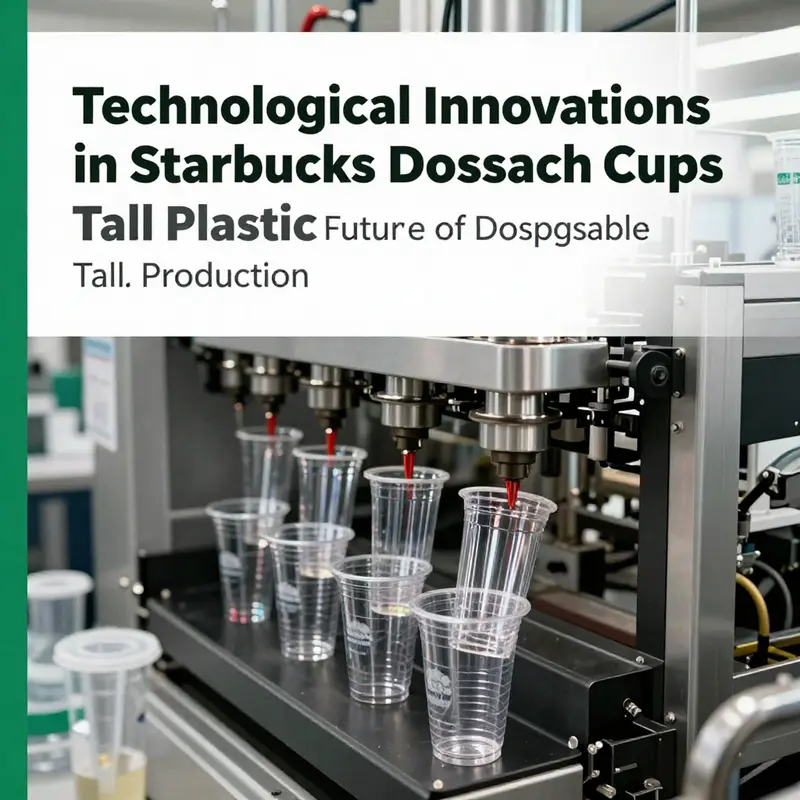
The disposable tall plastic cup, long a fixture of iced beverages and cold blends, sits at the crossroads of convenience and responsibility. In the wake of heightened scrutiny over single-use plastics, the object that carries beverages is becoming a test case for how design, material science, and manufacturing technology can reshape an everyday tool. This chapter tracks how innovations are reshaping the disposable tall cup, not merely to shed weight but to redefine the economics, environmental profile, and aesthetics of a product that travels from brand foundations in cafés to take away counters and into consumer hands. It is a story of precision engineering meeting scalable production, and of how a modest cup can embody a larger shift toward sustainability without sacrificing reliability or brand integrity.
At the heart of this shift is a straightforward but transformative idea: you can reduce plastic usage without compromising core performance. In practical terms, that means optimizing wall thickness, refining resin chemistry, and redesigning geometry to preserve stiffness, lid seal integrity, and containment of cold drinks. Industry collaborations have highlighted milestones such as cups containing up to 20 percent less plastic achieved through smarter design and material choices. The implication is not merely a lighter cup; it is a more efficient use of raw materials across the supply chain, reduced energy and water use in formation, and a smaller footprint from manufacture through end of life.
A critical lever is digital design and prototyping. Digital printing, coupled with rapid prototyping, lets designers iterate cup shapes, lids, and nesting configurations in days instead of weeks. This agility enables testing of variations that optimize material distribution, improve nestability on high speed lines, and enhance barrier performance against condensation without adding weight. In a global context, Zhejiang based producers play a pivotal role, providing a bridge from concept to scalable production and enabling rapid translation of improvements into real cup formats.
The move toward lighter cups sits alongside broader sustainability strategies and changing consumer expectations. Health concerns during crises sparked momentary pauses in some sustainability work, but the trajectory has shifted back toward reducing waste. The industry is pursuing thinner plastics but also smarter supply chains that emphasize reuse where feasible and recycling where not. In this framing, the cup becomes part of a system that includes better end of life handling and clearer messages about environmental impact.
A practical dimension is geometry optimization. A thinner wall is not a simple thinning; it must preserve rigidity, resist cracking in cold beverages, and withstand stacking stresses. The solution often combines refined geometry such as reinforced ribs or tapering with a polymer matrix engineered for a favorable stiffness-to-weight ratio. The result is a cup that feels substantial to the touch, performs reliably, and reduces material footprint without compromising consumer experience.
From a production standpoint, lighter cups require process optimization as well as new materials science. Advanced manufacturing platforms enable precise control over resin flow, wall uniformity, and seam integrity. The digital thread through design, tooling, and production helps sustain tight tolerances, reducing waste and rejects. Digital tools also support customization at scale, allowing brands to tailor packaging for campaigns or regional menus without breaking the economics of mass production.
A broader dimension is end of life and the supply chain. Lighter cups reduce the environmental load of manufacturing, but impact is maximized when recycling infrastructure is strong and post consumer handling is efficient. In markets with robust systems, reduced plastic content can improve processing and recovery; in others, collaboration with waste managers is essential to sorting and collection. The cup, in short, is part of a network rather than an isolated component.
The interplay with reusable options remains central. The industry must balance the demand for quick, reliable beverages with the appeal of reusable tumblers and multi-use options. The narrative now includes durability, reuse, and consumer education, with brands promoting reusable options alongside disposables, while maintaining compatibility with store ecosystems. This dual path keeps pushing material efficiency on disposables and expanding viable reuse choices.
A practical case study highlights how design flexibility can coexist with sustainability goals. A line of eco conscious double-wall craft-paper cups with lids demonstrates variations that address performance and environmental objectives. It illustrates how marketing and packaging teams weigh durability, thermal behavior, and user experience against a shift toward compostable or recyclable options.
Looking forward, the disposable tall cup will continue to evolve as a product of disciplines converging – materials science, digital design, precision manufacturing, and sustainable logistics. Weight reductions gained through smarter design will be matched by smarter end of life strategies and consumer reuse programs. The cup’s story is about a systemic shift toward responsible production and consumption, not just a thinner wall or a clever lid. Ongoing collaboration among designers, materials scientists, and operators will shape a cup that remains reliable, visually appealing, and aligned with reducing the environmental footprint of everyday indulgences.
For readers seeking a broader lens on sustainable consumer packaging beyond disposables, a complementary external resource offers a wider context for reusable and multi-use solutions that sit alongside disposables. This resource outlines trends, best practices, and evolving consumer expectations that inform the design choices discussed here and help explain why the industry has embraced a dual strategy of reducing material use while expanding viable reuse options.
External resource: https://www.starbucks.com/merchandise/reusable-tumblers
Circular by Design: Charting the Policy Path for Tall Disposable Cups in a Global Coffee Chain
A broad shift is underway in the stewardship of one of the coffee industry’s most visible touchpoints with customers—the tall disposable cup that once defined a quick service ritual. The chapter’s focus is not only on the cup itself but on the policy architecture that governs its use, lifecycle, and end-of-life fate. In recent years, policymakers and practitioners alike have pressed for packaging that does more than contain a beverage; they want systems that minimize waste, maximize recyclability, and, where possible, close the loop. For a major global coffee chain with thousands of stores and millions of cups touching daily lives, the trajectory toward compostable alternatives and a strong reusable culture is less a trend and more a strategic transformation—one that aims to harmonize business viability with environmental accountability. The direction is clear: by aligning with evolving waste directives and consumer expectations, the company is reorganizing its cup program around circularity rather than disposability, and the implications ripple through procurement, operations, store design, and customer engagement.
At the level of policy, the most consequential move is a deliberate shift away from single-use plastic and non-recyclable packaging toward materials and systems that can be composted in appropriate facilities or repurposed within a circular economy. This shift does not happen in a vacuum. It sits atop a regulatory landscape that has grown more stringent about packaging waste, with the larger European framework and other regions pushing for packaging that reduces environmental burden by design. The European Union’s packaging and waste-reduction directives, among other regulatory signals, are shaping not only what cups are made of but how they are tested for recyclability, how they are labeled, and how return or collection systems are integrated into store networks. The result is a policy narrative that treats cups as an asset class with environmental performance metrics rather than as a one-off commodity. In this frame, the emphasis expands from simply providing a beverage to managing a product that traverses homes, transport, and waste streams over its useful life.
Operationally, this translates into a phased rollout of compostable cup formats across global operations. The aim is to reduce the environmental footprint of every cup from production to disposal, and to minimize the amount of non-recoverable waste that facilities must process. In practice, this means standardizing cup designs so that composting is feasible where facilities exist, and ensuring that the material streams generated at scale are compatible with local waste infrastructure. It also means preparing for variability in regional capabilities. Some markets may have robust composting networks, while others rely more heavily on recycling or alternative disposal pathways. The policy framework therefore balances aspirational environmental goals with practical constraints, recognizing that a one-size-fits-all solution is rarely sustainable in a global operation.
The policy direction also includes concrete incentives and structural changes designed to nudge both customers and store teams toward reusable practices. In-store return systems, if implemented, would provide a convenient mechanism for customers to bring back cups for cleaning and reuse, or for collection by facilities that transform used cups into new products. Discount programs for customers who bring their own tumblers are another lever. These initiatives do more than reduce waste; they help establish behavioral norms around consumption. When a customer feels rewarded for reusing, the perceived value of a durable, well-designed tumbler increases, and the barrier to reuse—time, effort, or inconvenience—begins to diminish. The ergonomic design of reusable options plays a critical role here. Shapes that are comfortable to hold, lids that seal reliably, and finishes that stay clean through daily use all contribute to a positive user experience. In this transformation, product design and policy are inherently linked, each reinforcing the other’s objectives.
If we look at the material transition, compostable cups rise as a central element of the long-term plan. These are not merely new surfaces to print logos or color; they are engineered for end-of-life compatibility with composting facilities. The shift toward compostability is a response to both consumer preferences for sustainable packaging and regulatory expectations that discourage non-recyclable or difficult-to-recycle materials. Yet compostable cups come with their own set of challenges. They require appropriate industrial facilities, careful labeling to avoid contamination, and a supply chain capable of delivering consistent quality at scale. The company recognizes that the path to true circularity is not a single product swap but a portfolio approach: compostable options where feasible, high-recovery recycling where possible, and a robust system for reusing cups where cultural norms and infrastructure allow.
Alongside these material considerations, the policy is shaping the broader customer journey. Reusable cup programs are expanding beyond niche campaigns into widely promoted, customer-facing initiatives. The aim is to transform everyday behavior into a habit that persists beyond promotional windows. To support this cultural shift, the design of reusable cups has become a storytelling and brand-expression exercise as well. Modern palettes, ergonomic silhouettes, and subtle branding are crafted to appeal to varying tastes, from bold seasonal hues to restrained, minimalist finishes. Limited-edition artwork and collaborative designs help make the act of reusing not only sensible but desirable. These design choices are more than aesthetics; they serve as visible reminders that reuse can be a personal expression, a small but meaningful daily action with cumulative impact.
For readers who are curious about how such shifts translate into concrete resources, one practical path is to explore eco-friendly packaging options that align with current aesthetic and functional expectations. A representative resource explores the realm of eco-friendly printed logo paper cups and related formats, offering a sense of how a reusable or compostable option can be presented to customers while maintaining the clarity and portability that brands seek. eco-friendly printed logo paper coffee cups provides a concrete example of how designers and suppliers approach cup aesthetics, labeling, and lifecycle considerations. This kind of material-science and design thinking underpins the broader policy work, reminding readers that the shape and surface of a cup carry as much meaning as its composition.
The policy path also includes a recognition that waste management cannot be the sole solution. It must be complemented by upstream choices in sourcing and manufacturing, as well as downstream choices in waste collection and processing. The long-term plan envisions a spectrum of pathways that, collectively, steer the operation away from disposability and toward circularity. In-store logistics are being reimagined to reduce the volume of waste produced in the first place and to improve the recovery rates of cups and packaging when they do reach end of life. This means refining procurement strategies to secure materials that align with compostability goals, investing in processing partnerships that can handle post-consumer streams, and embracing data-driven methods to monitor performance and drive continuous improvement.
A crucial dimension of the future directions is equity in access to sustainable options. Recognizing that not all customers or stores have equal access to composting facilities or reusable programs, the policy framework contemplates phased implementation that prioritizes regions with stronger infrastructure while building capacity elsewhere. This approach reduces the risk of creating a two-tier system where some communities benefit more quickly than others. It also signals to suppliers and recyclers that investments in infrastructure, education, and quality-control systems are essential to realizing a truly global circular model.
The scope of change extends into the supply chain’s back end as well. Compostable and recyclable cup formats require careful supplier qualification, clarity in labeling, and alignment with local waste streams. The policy thus prompts manufacturers and packaging suppliers to design with end-of-life in mind, test materials for compostability, and deliver consistent performance under the rigors of daily store use. These requirements, while technically demanding, help ensure that cups do not become stranded as waste and that the downstream infrastructure can do its work effectively. In this way, the policy becomes a living framework that coordinates product design, store operations, community recycling and composting networks, and consumer behavior toward a common objective.
As the industry moves toward 2026 and beyond, the overarching narrative is one of transformation from a disposable culture to a circular economy practice. The company has signaled that the long arc of policy will culminate in a world where disposable cups are no longer the default. Instead, compostable formats and reusable systems form the backbone of everyday operations, supported by returns, incentives, and partnerships that knit together a network of stakeholders—from farmers and manufacturers to waste-management workers and local communities. This is not merely a compliance exercise; it is an opportunity to redefine the brand’s relationship with customers, communities, and the planet. It challenges the industry to think not only about how cups perform in the cup-to-coffee moment but how they live beyond that moment—whether they return to feed new products, or whether they become part of a municipal composting stream that strengthens urban waste systems.
For readers seeking a broader, official frame of reference on these sustainability commitments, the latest company-owned sustainability resources provide a comprehensive picture of progress, targets, and collaborations across regions. They underscore the intent to replace disposables with compostable options and to incentivize reusable cups as a core habit among customers. This narrative of policy, practice, and people is the backbone of the chapter’s argument: the future of tall disposable cups is not a simple transition to a new material, but a reimagined system designed around circularity, responsibility, and enduring customer value. The chapter thus threads together policy design, operational experimentation, consumer engagement, and the practical realities of supply chains in a way that speaks to both optimism and accountability.
In sum, the path forward for tall disposable cups in a global coffee chain is about reframing every cup as part of a larger system rather than a standalone product. It is about building the conditions under which compostable formats can thrive where feasible, and reusable programs can scale across thousands of stores. It is about minimizing waste, maximizing recovery, and making sustainability a visible, integral part of the customer experience. It is about learning from pilots, iterating on design, and aligning incentives so that customers and employees become active partners in a shared mission. Read as a whole, the policy and practice shifts illuminate a future where the cup plays a central, constructive role in a circular economy rather than a linear waste stream. For the most up-to-date information on these sustainability initiatives, refer to the official sustainability report and related resources. See also the accompanying external reference for the latest regulatory and industry context: https://www.starbucks.com/sustainability
Final thoughts
Transitioning away from the reliance on disposable cups, especially in light of Starbucks’ upcoming sustainability commitments, positions businesses for long-term success. Understanding the varied impacts of these cups—from environmental considerations to economic factors—allows beverage industry leaders to make informed decisions. Technological advancements will further influence manufacturing techniques as stakeholders strategize to balance convenience with ecological responsibility. Choosing sustainability could define the future landscape of beverage service, encouraging a collective movement towards a more responsible approach to disposable items.