
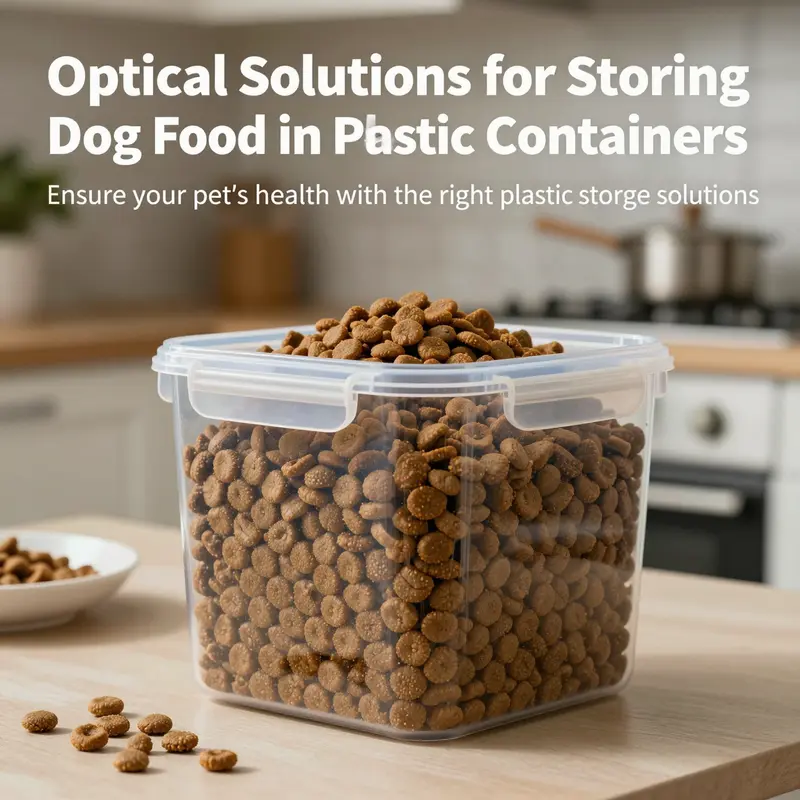
Storing dog food properly is crucial for maintaining its freshness and your pet’s health, especially for businesses like bubble tea shops, restaurants, food trucks, and catering services that also accommodate pets. The choice of plastic container used in storage plays a significant role in the overall quality of the dog food. This article delves into selecting the right plastic containers for dog food, highlighting health risks associated with low-quality plastics, and best practices for maintaining food safety. By the end, readers will be equipped with essential knowledge to ensure their dog food storage is effective, safe, and aligned with food safety standards.
null
null
Guarding the Bowl: Safe Dog-Food Storage in Plastic Containers
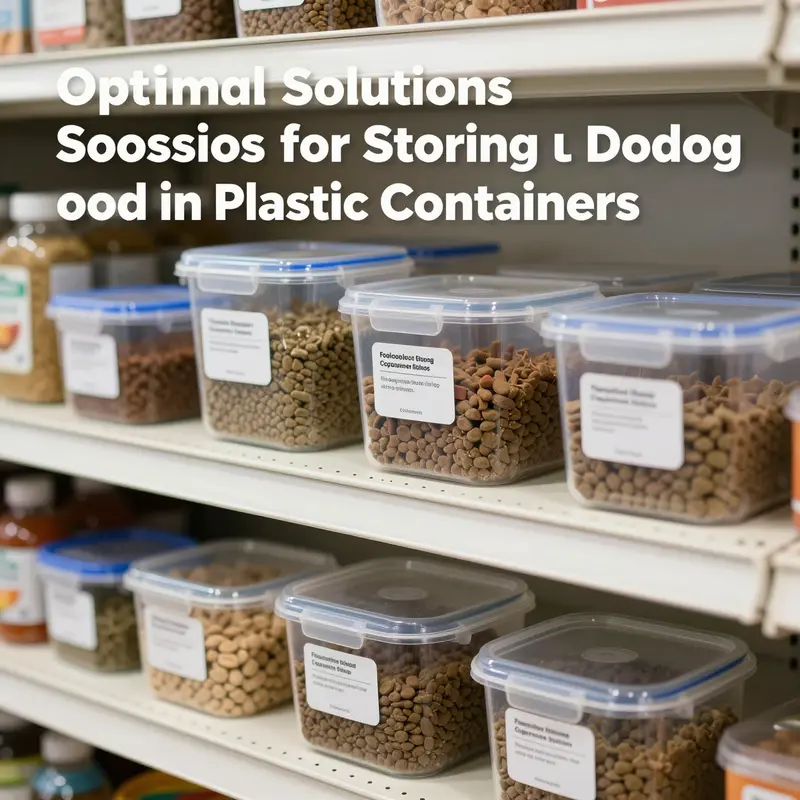
Pouring kibble into a plastic container and sliding the lid closed can feel like a simple, routine act of care. Yet beneath that gesture lies a web of chemical, physical, and microbial risks that can influence a dog’s health over time. The choice of container, how it seals, and how the storage routine is carried out all matter. The goal is to use food-safe, well-sealed containers, minimize exposure to air and heat, and adopt a discipline that preserves freshness rather than inviting deterioration. Dogs are sensitive to fats, vitamins, and even trace contaminants that may migrate from packaging materials into their bowls. A thoughtful setup can slow fat oxidation, curb moisture intrusion, and reduce opportunities for mold, bacteria, and other hazards that can trigger vomiting, diarrhea, or worse outcomes over time. Recent incidents emphasize that storage missteps can involve safety concerns for pets and even regulatory cautions for owners. The core issue rests on material quality, sealing effectiveness, and usage patterns, and not all plastics are created equal for food storage. Low-quality containers may harbor additives such as bisphenol A (BPA) or phthalates that can migrate into fat-rich dog food, especially when heat or repeated contact with fats is involved. These substances are known endocrine disruptors and, over the long term, have been linked to reproductive and developmental issues in animals, with potential links to other health risks as research evolves. Even if a single exposure seems minor, accumulation over months can be meaningful. The broader risk, however, comes from the absence of a proper seal. Without an airtight design, air and moisture creep in, accelerating the oxidation of fats in kibble. Oxidized fats degrade nutrients and vitamins, dull mouthfeel, and invite rancidity that dogs may reject or that can irritate the stomach when consumed. In a worst-case scenario, surface moisture can foster mold or bacterial growth, introducing new challenges to a dog’s digestion and overall well-being. The combination of chemical leaching and microbial contamination creates a spectrum of health concerns that responsible owners strive to avoid. The narrative grows more urgent when we consider real-world failures and recalls that underscore how storage choices intersect with safety. A March 2026 incident highlighted how packaging and storage lapses can introduce physical contaminants into pet food. In that case, a voluntary recall involved a frozen dog-food product after consumers noticed visible plastic contamination. While no illnesses were officially reported at the time, the warning from the regulatory body underscored the risk of ingestion of foreign materials and the potential for intestinal obstruction or systemic toxicity. This episode is a sobering reminder that storage solutions should be designed to minimize any chance of contamination, not merely preserve aroma or texture. It also reinforces the importance of using containers that are specifically designed for food storage and labeled as safe for that purpose. The takeaway is clear: storage is an active safety measure, not a passive act. In parallel, the growing discourse around microplastics adds another layer of concern. Tiny particles can migrate from degraded packaging and, through environmental and consumer pathways, enter food supplies. While the long-term effects on pets are still under study, early findings warn that these particles may accumulate in the body and contribute to chronic inflammation or organ stress. For dog owners, this translates to a cautious approach: reduce unnecessary exposure, limit the number of times a container is opened, and choose materials with proven barrier properties against air, moisture, and light. Light, heat, and oxygen are enemies of freshness, and the best food-storage devices counteract at least two of these threats. That is why the recommendations consistently point toward high-quality, food-grade materials with strong barrier performance and reliable seals. So what constitutes a sound storage setup for dog food? The guidance is practical and accessible. First, select containers made from food-grade materials such as high-density polyethylene (HDPE) or polypropylene (PP) that are explicitly BPA-free. These materials tend to resist fat migration and maintain structural integrity over time, especially when kept in a cool, dark place. A well-designed lid and gasket—often silicone—can dramatically improve airtightness, suppressing the ingress of air and humidity that drive rancidity and spoilage. These design features matter because, in studies and practical experience, a real reduction in fat-oxidation rates can be achieved when air exchange is minimized. The goal is not merely to store, but to stabilize the product as long as possible, maintaining palatability and nutritional content. A disciplined routine reinforces the container’s protective capabilities. The principle of “one pour, portion out”—pour the amount needed for a feeding session and limit repeated openings—helps preserve the internal environment. Cleanliness and dryness before loading are nonnegotiable. Any residual moisture or residue from previous batches can become a seedbed for microbial growth. Owners should also be mindful of light exposure; opaque or UV-shielded containers help shield fats from photoxidation, further preserving freshness. When possible, keep storage away from heat sources, such as sunny windows or warming appliances, especially in warmer climates or seasons. The cumulative effect of these practices strengthens the food’s stability, potentially extending freshness beyond what a casual approach would achieve. The practical choice of container should harmonize with broader care routines. For many households, a dedicated, sealed storage unit designed for pet food and labeled as food-safe becomes a tangible extension of responsible feeding. It is reasonable to prioritize containers that combine HDPE or PP construction, BPA-free labeling, airtight seals, and a robust lid mechanism. The aim is not to glamorize a feature but to build a dependable barrier against the elements that undermine food quality. When owners can access clearly labeled, food-grade storage options, the risk of contamination or rapid deterioration diminishes. In turn, dogs receive kibble that retains aroma and nutritional value, supporting steady appetite, efficient digestion, and optimal energy levels. On the governance side, owners should remain mindful of evolving safety standards and recalls. Regulatory bodies monitor packaging and storage practices closely, and they respond swiftly when indicators of contamination or material risk emerge. If a dog exhibits persistent vomiting, diarrhea, or a sudden loss of appetite, it can be a signal that something in the storage chain—perhaps an oxidized fat, a contaminant, or a microbe—has affected the food. A veterinarian can assess the situation and guide the next steps, which might include a temporary change in storage or a switch to a more robust container system. The intersection of science, regulation, and daily care is not abstract; it translates into healthier routines, fewer vet visits, and more reliable nourishment for pets. For readers seeking practical examples and options, consider exploring accessible storage solutions that emphasize safety and ease of use. A representative option worth reviewing is a food-grade take-away bowl with a secure lid, designed for reliable food storage and easy handling. The linked product demonstrates how design choices—tight-sealing lids, sturdy materials, and compact form factors—translate into real-world benefits for pet feeding routines. It is not a prescription, but a reminder that thoughtful tools make responsible pet care easier and more reliable. In closing, the chapter of safe storage is not a one-time choice but a sustained practice. It asks owners to weigh material quality, sealing performance, and daily usage patterns against the backdrop of pet health. By opting for food-safe, sealed containers, minimizing openings, keeping everything clean and dry, and staying informed about recalls and safety research, dog guardians can safeguard their companions from the hidden threats lurking in ill-suited plastic storage. The goal is simple: preserve freshness, protect health, and honor the trust a dog places in its human every time the bowl is filled. Such diligence turns storage from a mundane step into an ongoing act of care that supports a long, healthy life for beloved dogs. External resource: https://www.fda.gov/food/recalls-outbreaks-emergencies/fda-announces-recall-bonnihill-farms-beefibowls-frozen-dog-food
Guarding Canine Nutrition: Food-Grade Plastic Storage for Fresh Kibble
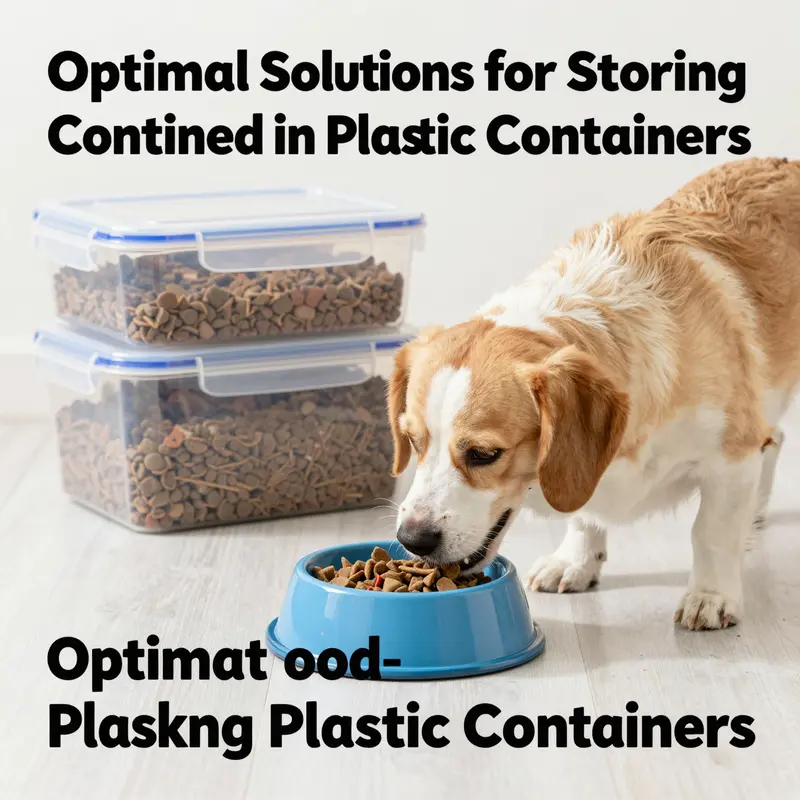
When you open a bag of dog kibble, you begin a race against time, moisture, light, and tiny pests. A practical answer is not merely about keeping the bag closed, but about choosing a storage system that acts as a gatekeeper for your dog’s daily nutrition. The core idea is simple: use a purpose-built, food-grade plastic container designed to block the four main culprits that degrade dry canine food. Air carries oxygen that oxidizes fats and vitamins; moisture invites softening and mold; light accelerates chemical reactions; and pests can introduce microbes. A container that seals tightly, stays dry, and remains in a low-light, stable environment can dramatically slow these processes, helping kibble preserve its taste, texture, and nutritional profile longer than an open bag would. This is not a cosmetic upgrade; it is a health-forward practice that translates into tangible benefits for a dog’s digestion, energy, and well-being.
The science behind this approach centers on materials and design. Food-grade plastics such as polypropylene and high-density polyethylene are engineered to tolerate contact with food safely. When paired with a silicone seal and a secure, clamp-type lid, they can create a near-hermetic environment. This is more than marketing claims. In controlled settings, such configurations slow fat oxidation and reduce moisture ingress, two common threats to dry kibble after opening. The practical takeaway is straightforward: less oxygen and less humidity inside the container means the food stays firmer, smells closer to the original kibble, and remains palatable for longer.
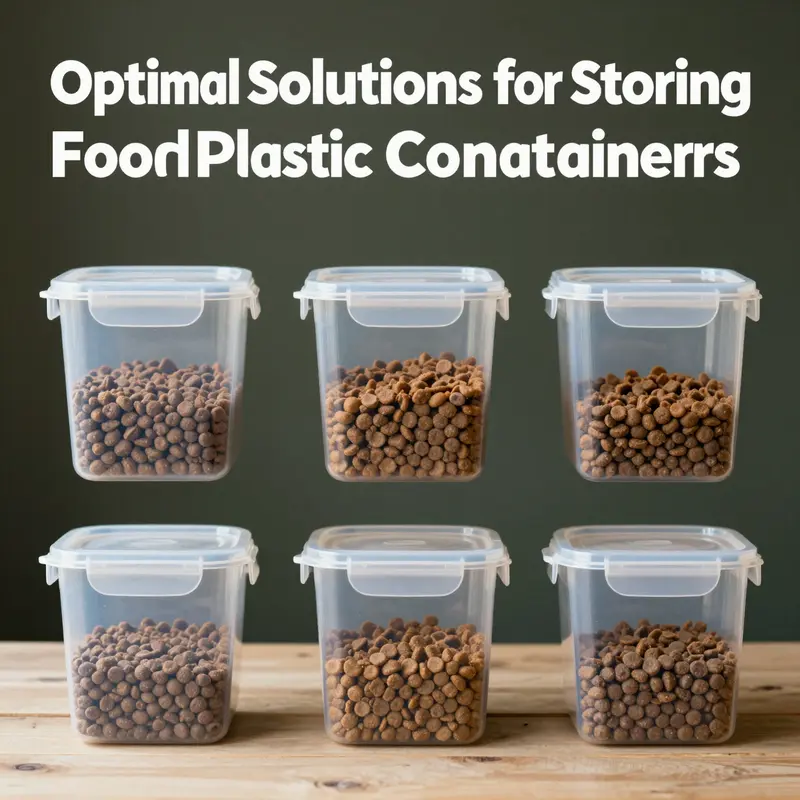
From a practical perspective, the clarity of a well-chosen container helps daily feeding. When you can see how much food remains, you gain confidence and reduce the risk of overfeeding or restocking too late. Many food-grade options also feature ergonomic openings and clear visibility to ease scooping, measuring, and cleaning. A tidy pantry and a dependable lid that stays shut during busy mornings reduce cognitive load and support a calmer kitchen routine.
Choosing the right container involves a few practical checks. Ensure the material is explicitly labeled as food-grade and BPA-free, with a design that minimizes air exchange when sealed. Look for a tight-seal lid, ideally with a silicone gasket, because this is the feature most directly linked to moisture and odor control. A clear body helps you gauge remaining food, supporting better planning. A compact footprint that fits in your pantry prevents clutter and mistakes.
To get the most out of storage, use the container correctly. Never pour food into a container that is not clean and dry. Open and close the lid sparingly to preserve the seal, and refill only what you need for a reasonable period. Keep the container in a cool, dry place away from direct sunlight and heat sources. A stable environment is as important as a solid lid.
For readers seeking practical examples, explore food-grade containers designed for pet food with airtight seals and clear visibility. Choose models with BPA-free plastics and robust lids. A representative design might feature a sturdy body with a snap-secure lid and a silicone gasket for a tight seal. The goal is a straightforward routine: quick, clean filling, secure closure, and a quick check before you head out the door. The effect is practical and health-forward, aligning feeding with consistent portions and nutritional needs.
Ultimately, science supports the benefits of a well-sealed, food-grade storage solution. Reducing exposure to air and moisture protects vitamins, fats, and overall quality while preventing mold and pest intrusion. It also supports better feeding management, cleaner storage, and a calmer kitchen environment. For those seeking options for pet food, look for PET- and PP-based storage solutions that balance visibility, seal integrity, and ease of use.
null
null
Guardians of Freshness: Material Matters When Storing Dog Food in Plastic Containers
Storing dog food is more than a matter of convenience. The container you choose can influence freshness, safety, and the ease with which you maintain a tidy feeding routine. Plastic is practical, but not every plastic is safe for food contact, especially when the kibble is oily. Low-quality containers can carry residues or additives, and in some cases, certain plastics may leach chemicals into the food. The health stakes are real: repeated exposure to improper packaging can affect digestion and, over time, may contribute to avoidable health issues. For responsible owners, the aim is clear: select a container that pairs safety with everyday practicality.
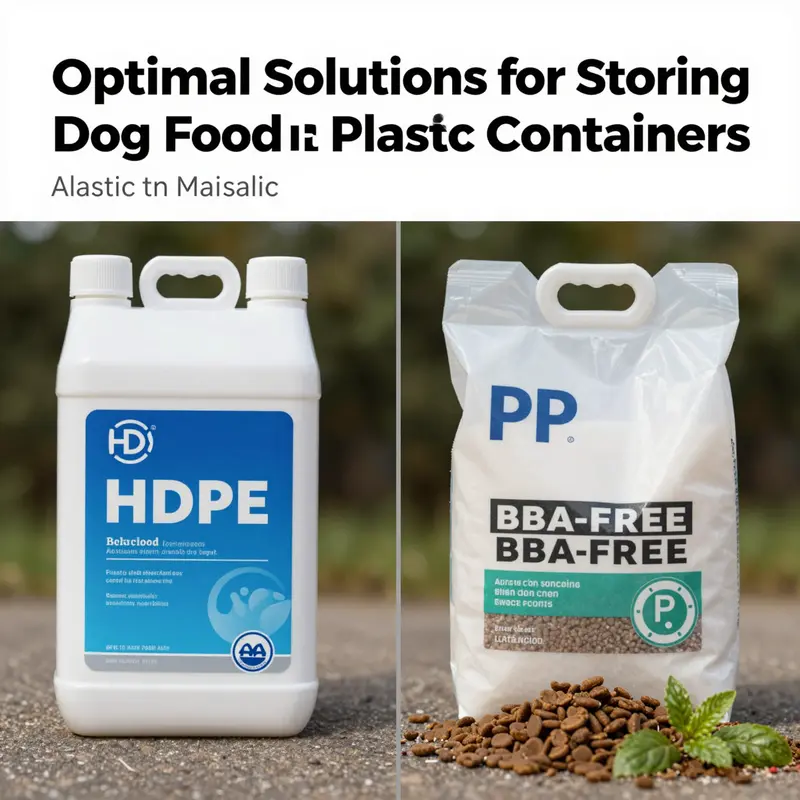
When it comes to the choices that most households actually use for long-term dog food storage, three materials stand out in guidance and research: HDPE, PP, and LDPE. Each brings a different balance of safety, barrier performance, and user-friendly features. This is not a matter of one best plastic for all situations; it is about matching the storage context to the material’s strengths. For bulk storage in a garage or pantry, the barrier against air and moisture becomes especially important, because fats in dog food are prime targets for oxidation. For containers you reach into every day, heat tolerance and cleanability matter too, especially if you ever need to warm leftovers or sanitize the container between uses. In all cases, choosing a BPA-free option and verifying food-contact safety standards matters as much as the color or embossed logo on the container.
HDPE is widely regarded as one of the safest and most suitable plastics for long‑term dog food storage. It delivers excellent chemical resistance, high impact strength, and a robust barrier against moisture and oxygen. Those properties are what slow fat oxidation and help preserve nutritional integrity over time. Importantly, when used for food storage, HDPE typically does not leach bisphenol A or phthalates. It also stands up to temperature variation, generally performing well from cold basements to warm kitchens. Regulatory guidance from agencies around the world recognizes HDPE as a safe option for food contact, which gives pet owners confidence when selecting large capacity storage bins. In practical terms, HDPE containers often keep kibble fresher longer, especially when the lid design includes a reliable seal. In studies echoing this understanding, HDPE packaging has been associated with a lower rate of lipid oxidation compared with ordinary plastic bags. A robust seal and a clean interior can translate into dramatic improvements in shelf life—for example, some controlled observations noted oxidation rates dropping by a substantial margin, around three-quarters, when a proper HDPE storage system is used. This is not a guarantee in every environment, but it is a meaningful indicator of what quality plastics can do when combined with good storage habits. For households, this translates into more predictable freshness and potentially reduced waste.
PP adds another set of strengths. Its heat resistance and durability mean containers made from PP can handle occasional sterilization or microwave-safe handling without warping. This makes PP an attractive choice for containers that need to sit on a kitchen counter, be washed thoroughly, or be used in environments where temperature swings are common. Oily foods, including kibble with higher fat content, tend to be gentler on PP while maintaining structural integrity. In terms of barrier properties, PP offers excellent protection against moisture and many gases, though it is slightly less effective than HDPE at blocking certain gas species. As a result, PP is often recommended for smaller, frequently accessed containers or for situations where the container will be cooled or frozen and then used repeatedly in day-to-day feeding routines. The ability to withstand repeated handling without degrading makes PP a pragmatic middle ground between bulk storage and everyday use, especially when combined with a precise sealing system.
LDPE brings flexibility and cost-effectiveness that can be appealing for certain roles, such as small-batch portions or short-term packaging. Its softness and pliability make it ideal for bags and pouches that are easy to store and transport. However, the same properties that give LDPE its convenience also undermine its barrier performance. Oxygen permeability is higher with LDPE than with HDPE or PP, which means dog food stored in LDPE overnight or in a sunlit corner can oxidize more quickly and lose aroma and some nutrients. For long-term storage of bulk kibble, LDPE is generally not the preferred choice. It shines, though, in applications like short-term portioning or interim transport—situations where the convenience of a flexible bag or pouch matters more than maximal shelf life.
Translating these material traits into daily practice requires attention to design and routine. For any chosen container, the presence of a tight seal matters as much as the material itself. A silicone gasket around the lid, combined with a secure snap or screw cap, can dramatically reduce air ingress and moisture intrusion. The best designs use a two-stage barrier: the container body with a strong gas and moisture barrier, and a lid that clamps down securely to maintain a near-hermetic seal. The interior surface should be smooth and easy to clean, free from crevices where kibble dust can settle. When you clean, use warm water with mild detergent, rinse thoroughly, and allow the container to dry completely before adding fresh food. A damp or not-quite-dry interior invites mold and microbial growth, undermining even the most robust plastic.
Beyond material and seal, how you fill and dispense kibble matters. The guideline of “one pour-in, one pour-out” or “fill once, retrieve often” minimizes the number of times you open the container, thereby limiting exposure to air. It also helps preserve aroma and freshness. If you routinely repackage or portion kibble for meals, consider dividing the supply into two or three sealed units that can be rotated, so the main storage bin remains sealed for longer periods. This approach, when paired with a high‑quality HDPE or PP container, reduces the overall oxygen exposure the food experiences and complements the barrier properties of the material.
The environmental conditions in your home play a decisive role as well. A cool, dry, dark pantry or closet often yields far better results than a bright, warm kitchen cabinet. Sunlight can heat the container and accelerate fat oxidation, while humidity can undermine seals and promote mold growth in small gaps. A stable climate supports the container’s barrier properties and makes the most of the material’s chemical resistance. As a practical note, you can explore a sample option that demonstrates the importance of labeling and storage design—this example uses a food-grade, sealed design suitable for older kibble and treats alike. For a concrete illustration of a food-grade option, you can browse this example: senang05-food-grade-disposable-kraft-paper-12oz-porridge-bucket-portable-microwavable-paper-soup-cup-with-lids. While this particular product is paper-based and not a direct plastic alternative, it serves to show how food-grade labeling and reliable sealing are central to safe storage across materials.
When you translate the science into daily choices, the takeaway is clear. For primary, long-term storage of dog food, prioritize containers made from food-grade HDPE or PP, with robust sealing systems and smooth interiors. Avoid relying on ordinary household plastic boxes, bags, or containers that aren’t explicitly rated for food contact, especially for high-fat kibble. LDPE can be acceptable in limited, short-term contexts, but it should not be your go-to for bulk storage. Ensure the product is BPA-free and bear in mind broader safety certifications such as GRAS status or recognized food-safety standards to support confidence in your choice. The goal is to keep fats from oxidizing, moisture out, and the interior clean, so the kibble stays fresh where it counts—in your dog’s bowl.
To manage risk of aging containers, set a routine: inspect seals every month, look for cracks, test lid tightness, and replace if you see wear. Keep a small log of when you first filled the container and when you last cleaned it. Rotate stock so older kibble is used first, and always dry a new container completely before loading. If you have multiple dogs or variable feeding patterns, consider separate units to minimize cross-contamination and to tailor storage conditions to different bags or formulas. Such practices reinforce the material advantages discussed above and help you maximize the shelf life of each batch of kibble.
For further, authoritative guidance on food-contact materials, you may consult official resources from the U.S. Food and Drug Administration. This external reference provides the framework for evaluating what counts as safe for food packaging and what to look for when selecting containers: https://www.fda.gov/food/food-contact-materials-labeling
Final thoughts
In conclusion, the proper storage of dog food in plastic containers not only ensures the food retains its quality and freshness but also safeguards your pet’s health. By selecting high-quality food-grade containers, understanding the associated health risks of low-quality plastics, and implementing best practices, businesses can provide safer environments for pets. This guidance allows food service operators to enhance their overall service quality, catering not just to humans but to our furry friends. Remember that taking the right steps in pet food storage can lead to healthier, happier pets and satisfied customers.