
Introduction
In a world increasingly focused on sustainability, business owners are re-evaluating their packaging solutions. Sugarcane cup holders, made from bagasse, offer a biodegradable, eco-friendly alternative that aligns with modern environmental values. These holders not only provide practical benefits but also signal to customers that a business is committed to reducing plastic waste. This article explores sugarcane cup holders across five insightful chapters, delving into their design, specifications, sustainability impacts, market applications, and how they compare to traditional packaging solutions, empowering business owners to make informed choices.
Tables of Contents
Chapter 1: Innovative Sustainability in Everyday Life: Sugarcane Cup Holders
- The Eco-Conscious Evolution of Sugarcane Cup Holders: A Sustainable Packaging Revolution
- Evaluating the Economic Viability of Sugarcane Cup Holders in the Green Packaging Revolution
Chapter 2: Environmental Benefits and Technical Attributes of Sugarcane Cup Holders
- The Green Revolution in Beverage Servicing: Evaluating the Sustainability and Environmental Impact of Sugarcane Cup Holders
- Strength and Reliability: Unpacking the Durability of Sugarcane Cup Holders
Chapter 3: The Transformational Role of Sugarcane Cup Holders in Combating Plastic Pollution
- Evaluating the Economic Influence of Sugarcane Cup Holders on Sustainable Waste Management Practices
- Navigating the Societal Shift: Unpacking the Implications of Sugarcane Cup Holders in Combating Plastic Pollution
Chapter 4: Greener Choices: Embracing Sugarcane Cup Holders for a Sustainable Future in Catering and Events
- The Environmental Promise of Sugarcane Cup Holders in Events and Hospitality
- Emerging Economic Opportunities for Sugarcane Cup Holders in the Hospitality Landscape
Chapter 5: Navigating Sustainability: Impact Analysis of Sugarcane Cup Holders on the Environment and Economy
- Balancing Green Innovations: Environmental and Economic Insights of Sugarcane Cup Holders
- Shaping the Future: Performance and Market Dynamics of Sugarcane Cup Holders Compared to Conventional Options
Chapter 1: Innovative Sustainability in Everyday Life: Sugarcane Cup Holders
1. The Eco-Conscious Evolution of Sugarcane Cup Holders: A Sustainable Packaging Revolution
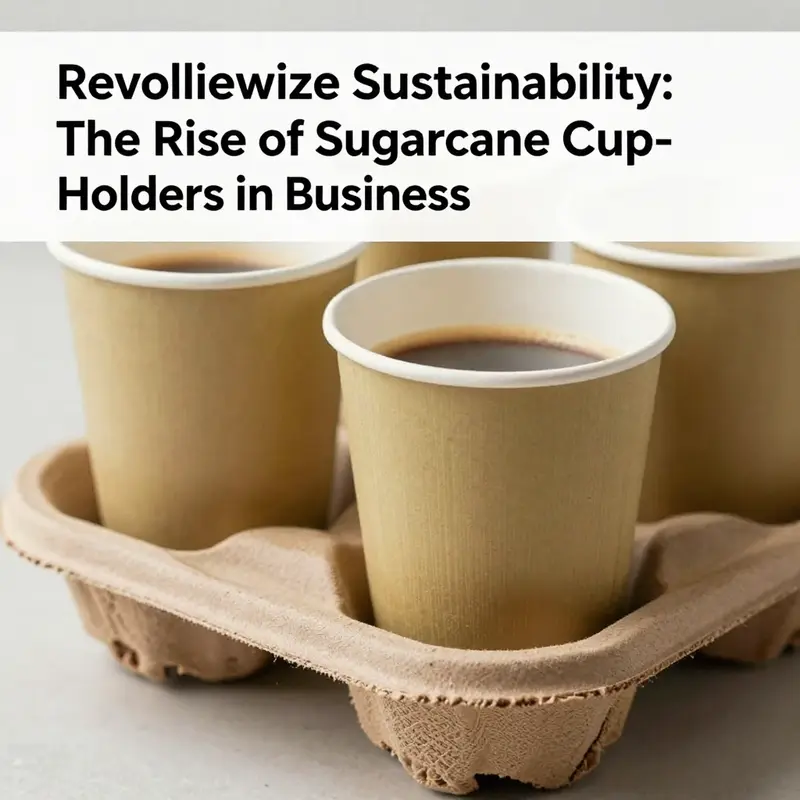
In an age where environmental consciousness has taken center stage, the emergence of sugarcane bagasse cup holders signifies a pivotal shift towards eco-friendly packaging solutions. These cup holders, crafted from the fibrous byproduct of sugarcane juice extraction, stand as a testament to innovation in sustainable design. Their ability to serve as 100% biodegradable and compostable alternatives to traditional plastic products elevates them as key players in the movement against pollution and waste.
The material utilized in sugarcane cup holders, known as bagasse, exemplifies a resourceful approach towards leveraging agricultural waste. When sugarcane is processed for juice, the remnants—previously considered waste—are transformed into a functional product, thus embodying principles of a circular economy. Unlike conventional plastic, which can persist for hundreds of years, sugarcane cup holders decompose naturally within 30 to 90 days, significantly reducing landfill congestion and environmental pollution. The ecological benefits of using bagasse extend far beyond disposal; they also contribute positively to soil health as they return nutrients upon decomposition.
Materials and Manufacturing:
The sourcing of sugarcane bagasse is a critical aspect of its sustainability. By utilizing what would otherwise be agricultural waste, manufacturers not only help mitigate the effects of waste burning—which releases harmful emissions—but also minimize the demand for virgin materials. The production process of sugarcane cup holders requires considerably less water and energy than that of petroleum-based plastics, presenting a more sustainable alternative for businesses and consumers alike. Furthermore, many sugarcane products obtain certifications from organizations such as the Biodegradable Products Institute (BPI) or meet ASTM D6400 standards. This ensures that they decompose safely in industrial composting environments without leaving toxins behind, offering consumers peace of mind in their eco-friendly purchases.
Performance Characteristics:
Beyond their environmental merits, sugarcane cup holders are designed with user experience in mind. Built with reinforced pulp structures, these holders provide excellent heat resistance, maintaining their integrity even when carrying hot beverages. This durability means that operators in cafés or at events can serve customers confidently without the worrying of leaks or messes, enhancing the overall customer experience. The aesthetic appeal of sugarcane cup holders further complements their functionality. The natural kraft paper color and texture resonate with the ethos of eco-conscious branding. Business owners can align their brand identity with sustainability, as bagasse holders can be customized to feature logos or specific shapes, allowing companies to promote their commitment to the environment while still maintaining a professional appearance.
The Larger Picture:
As the world increasingly gravitates towards sustainable living practices, the adoption of sugarcane cup holders represents a larger ideology that emphasizes environmental responsibility. Consumers are becoming more discerning and often prefer products that echo their values concerning sustainability, making sugarcane, and other biodegradable materials especially appealing. For businesses that aim to project a forward-thinking image, incorporating these eco-friendly packaging options can significantly enhance their reputation among environmentally conscious clients. In this regard, choosing sugarcane cup holders goes beyond mere functionality. It is a conscious decision to reduce reliance on single-use plastics, contributing to a larger narrative of sustainability within the packaging sector and beyond.
In conclusion, sugarcane bagasse cup holders encapsulate the potential for innovation in sustainable practices through both their materials and manufacturing processes. By bridging functionality with eco-friendliness, they provide a practical solution for businesses seeking to reduce their environmental impact. More than just a packaging option, these holders symbolize a commitment to preserving our planet for future generations. As we continue to navigate the challenges of waste management and pollution, utilizing sustainable products like sugarcane cup holders is a step toward a healthier planet. For those looking to explore more eco-friendly options in packaging, numerous products are available that utilize sugarcane, offering sustainable solutions from disposable food containers to custom packaging. Learn more about these options and how they can contribute to your business’s sustainability practices.
2. Evaluating the Economic Viability of Sugarcane Cup Holders in the Green Packaging Revolution
As the urgency for eco-friendly packaging intensifies, the economic implications of alternative products such as sugarcane cup holders take center stage. These innovative solutions—crafted from bagasse, the fibrous residue left after extracting sugarcane juice—position themselves not only as a preferred sustainable option but also pivot toward substantial market growth and new economic opportunities. The global appetite for sustainable packaging solutions is significantly reshaping economic dynamics, particularly in the food service and beverage sectors where disposables dominate. According to projections from a 2024 industry report, the global sugarcane-based packaging market, which encapsulates products like cup holders, is valued at USD 351.60 million and is poised to expand at a robust compound annual growth rate (CAGR) of 9.7% from 2025 to 2030. This forecast highlights a crucial trend: the market for sugarcane cup holders is not merely a response to environmental pressures but is also a lucrative business venture attracting investment and innovation.
The appeal of sugarcane cup holders lies in their dual advantage of sustainability and economic viability. Sugarcane, as a raw material, is abundant and renewable, enabling manufacturers to pivot towards a more sustainable supply chain that reduces reliance on traditional petroleum-based plastics. The use of bagasse not only ensures the responsible utilization of agricultural byproducts but also translates into reduced production costs in the long run. With advancements in processing technologies and burgeoning investments in sustainable manufacturing, the financial barriers associated with transitioning from conventional packaging solutions are gradually diminishing. Furthermore, municipalities and businesses benefit economically from the inherent biodegradability of sugarcane pulp. The significant reduction in waste management costs serves as an attractive proposition for cities facing increased disposal fees and landfill usage. As local governments and organizations aim to diminish their ecological footprint, the shift toward biodegradable and compostable packaging solutions like sugarcane cup holders is not just environmentally favorable, but also economically astute.
However, this economic transition is not without its challenges. Initially, production costs for sugarcane cup holders may exceed those associated with traditional plastic or paper containers due to the technological processes involved and the various certification requirements for compostability and biodegradability. These advanced production processes necessitate investment in new machinery and training, which may present as an obstacle for small businesses. Despite these challenges, businesses adapting to sustainable practices can leverage operational efficiencies as production scales up. With an increasing number of consumers prioritizing environmentally-friendly products, companies that embrace sugarcane cup holders are likely to enjoy enhanced brand loyalty and expanded market share.
Another noteworthy aspect of the economics surrounding sugarcane cup holders is their competitive advantage in the marketplace. As environmental regulations tighten globally and consumer preferences shift toward sustainability, businesses that implement sugarcane-based packaging can differentiate themselves from competitors still relying on single-use plastics. This shift not only allows for expanded clientele but also positions companies favorably to comply with regional regulations aimed at curbing plastics use. Emphasizing a commitment to eco-friendly practices can serve to strengthen brand reputations and attract environmentally-conscious customers. As such, the alignment between corporate sustainability goals and the manufacturing of sugarcane cup holders emerges as a strategic advantage, setting the stage for businesses to not only stay afloat but thrive in a competitive landscape.
For businesses observing these trends, it becomes essential to remain informed about market drivers and growth forecasts to navigate the burgeoning field of sugarcane-based packaging effectively. Such insights allow for proactive decision-making, ensuring that companies can capitalize on this sustainable wave. Investing in biodegradable packaging solutions, like sugarcane cup holders, can yield long-term benefits, both economically and ethically, aligning profit motives with planetary health.
In summary, the economic landscape exemplified by sugarcane cup holders showcases a promising shift where sustainability meets profitability. As the push for reducing plastic use escalates, the viability of sugarcane-based products becomes increasingly apparent, offering a once-in-a-generation opportunity for innovation in the packaging sector. Understanding the economics behind these holders not only highlights their environmental importance but also underscores the latent business potential they harbor in reshaping packaging norms. Companies interested in embracing this sustainability mantra can scout avenues such as those offered on dedicated platforms, where various eco-friendly alternatives can be explored more extensively.
Chapter 2: Environmental Benefits and Technical Attributes of Sugarcane Cup Holders
1. The Green Revolution in Beverage Servicing: Evaluating the Sustainability and Environmental Impact of Sugarcane Cup Holders
Sugarcane cup holders, derived from the fibrous remnants known as bagasse left after sugarcane juice extraction, embody a significant shift in the quest for sustainable packaging solutions. As businesses and consumers alike grow more conscious of their ecological footprints, sugarcane cup holders emerge not just as a viable alternative to traditional plastic and polystyrene products but also as an embodiment of a broader movement towards environmentally responsible practices.
The environmental benefits of utilizing sugarcane bagasse in manufacturing cup holders are profound. Firstly, the production of bagasse itself incurs minimal greenhouse gas emissions when compared to the energy-intensive processes required for petroleum-based plastics. This reduction in emissions plays a crucial role in climate change mitigation efforts, aligning perfectly with global sustainability goals. By choosing sugarcane-based holders, businesses contribute to a decrease in the very gases that threaten our climate.
In addition to their lower emissions, sugarcane cup holders boast impressive biodegradability and compostability characteristics. As an agricultural byproduct, bagasse integrates seamlessly into natural ecosystems, breaking down within 30 to 90 days in industrial composting conditions. This stands in stark contrast to traditional plastics, which can take hundreds of years to decompose, often ending up in waterways and oceans. By shifting towards sugarcane holders, companies help combat the long-term waste accumulation that poses significant risks to marine life and natural habitats. This aligns with the rising demand for eco-friendly packaging solutions driven by environmentally conscious consumers.
The role of sugarcane cup holders in promoting a circular economy is also noteworthy. By utilizing waste streams from the sugarcane industry, these holders foster resource efficiency, reducing reliance on fossil fuels. The circular economy model not only emphasizes the importance of recycling and reusing materials but also supports local agriculture and economy through the transformation of waste into functional products. This symbiotic relationship between agricultural production and packaging highlights the potential benefits of adopting sugarcane cup holders as a regular practice in food service.
Technically, sugarcane cup holders exhibit several important properties that enhance their usability. Heat resistance is one such attribute that ensures these holders can comfortably accommodate both hot and cold beverages without compromising structural safety. Unlike some traditional materials that may soften or melt under heat, sugarcane holders remain robust, thus guaranteeing consumer safety and satisfaction. The durability of these holders is another critical feature, allowing them to carry multiple cups without the risk of breaking. This ensures that businesses can confidently serve beverages in an aesthetically pleasing and practical way.
Manufacturing processes contribute significantly to the attributes of sugarcane cup holders. The typical method involves compression molding, which compresses raw fibers into a dense, moldable form. This enhances the mechanical properties, offering improved structural integrity—an essential factor for maintaining reliability during use. Furthermore, the ability to be microwave safe and waterproof increases their versatility, making them suitable for a variety of food service contexts, from casual coffee shops to formal event venues.
A closer look at Life Cycle Assessments (LCAs) of sugarcane bagasse cup holders indicates substantial environmental advantages. Studies reveal that substituting non-renewable materials, such as talc in composite materials, with sugarcane bagasse does not just meet existing performance standards but also significantly reduces overall environmental impact. From raw material extraction to end-of-life disposal, embracing sugarcane holders aligns perfectly with ecodesign principles that prioritize sustainability throughout product development.
As businesses strategize to align with evolving consumer expectations and regulatory frameworks tightening around single-use plastics, the transition to sugarcane cup holders is more than just an operational change—it’s a commitment to ecological responsibility and forward-thinking practices. In a market increasingly driven by sustainability, these holders offer both a practical and a profound solution for those wanting to contribute to a greener future. The path forward is clear: by adopting eco-friendly options like sugarcane cup holders, businesses position themselves to thrive in an era where environmental mindfulness is more than a trend—it’s a necessity.
2. Strength and Reliability: Unpacking the Durability of Sugarcane Cup Holders
Sugarcane cup holders crafted from bagasse—the fibrous remnants left after extracting juice from sugarcane—are designed not only to serve an eco-conscious purpose but to excel in durability and performance in various environments. These holders meet the increasing demand for functional yet sustainable packaging, particularly in the context of beverages served hot, like coffee and tea, where heat resistance is crucial.
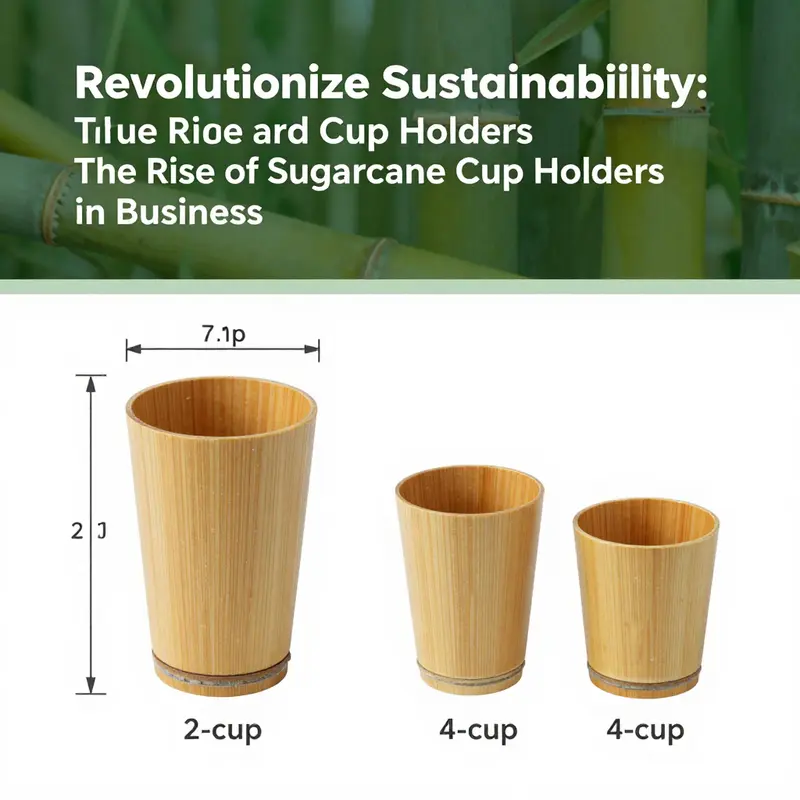
The material properties of sugarcane cup holders play a vital role in their ability to withstand demanding conditions. Their inherent rigidity contributes to maintaining structural integrity, especially important when these holders are tasked with supporting multiple cups. Available in configurations that suit different commercial needs, such as 2-cup and 4-cup designs, these holders prove ideal for bustling cafes, outdoor events, and on-the-go consumers. The choice of capacity ensures that businesses can accommodate varying demand while presenting their offerings in a sustainable framework.
One of the standout functional attributes of sugarcane cup holders is their waterproof and oil-resistant properties, which enhance their usability. This means that even when exposed to hot liquids or oily containers, the holders retain their form, preventing leaks that could compromise both the beverage and the consumer’s experience. This feature is particularly valuable during transport, as it ensures that both the holder and contents can be moved without risk of degradation.
To further establish their performance credentials, sugarcane cup holders adhere to strict strength standards. These standards not only focus on the holders’ ability to carry weight but also on their environmental sustainability. The manufacturing process involves precision: after molding, these holders undergo a drying procedure using controlled heat and airflow. This process removes any residual moisture and significantly enhances shelf stability, ensuring the final product can endure handling and stacking without warping or becoming misshapen. Such meticulous methods reflect an understanding of the importance of reliability in foodservice contexts where user experience directly impacts brand reputation.
Moreover, an exciting facet of advanced manufacturing techniques has been the introduction of high-performance sugarcane bagasse molding machines. These machines allow for the production of meticulously shaped containers, capitalizing on precise temperature and pressure controls throughout the production process. This level of detail not only improves the structural integrity of the cup holders but also optimizes their performance characteristics, ensuring they can be trusted for premium applications.
In today’s market, there is a growing preference for sustainable solutions that not only cater to environmental concerns but also maintain aesthetic appeal and functional reliability. Sugarcane cup holders fit perfectly into this landscape. The recent surge in demand for eco-friendly packaging materials has positioned these holders as suitable not just for coffee and tea but for a variety of products, including craft spirits and eco-luxury skincare items. Such versatility shines a light on their application, showcasing the blend of aesthetics and utility that modern consumers desire.
As discussions around environmental considerations take center stage, sugarcane cup holders are celebrated not only for their robust design but also for their ability to decompose naturally. They are fully biodegradable and can return to the earth within 30 to 90 days under industrial composting conditions. This rapid decomposition cycle is vital in aligning businesses with ever-increasing consumer and regulatory demands for sustainability—an aspect that will only grow in importance as environmental stewardship becomes a core value for businesses and consumers alike.
In conclusion, sugarcane cup holders encapsulate a significant advancement in packaging technology, offering a sustainable yet highly functional alternative to traditional plastic and polystyrene options. Their impressive range of durability, performance features, and eco-friendly credentials positions them at the forefront of the market, catering to businesses striving for greener practices. For those interested in exploring premium manufacturing methods further, additional insights can be found in guides focusing on sugarcane bagasse molding processes and applications.
For additional detailed technical information on creating high-performance products and understanding the manufacturing benchmarks of sugarcane-based food containers, you can refer to the comprehensive guide available here: Sugarcane Bagasse Food Container Machine: Technical Specifications, Production Process, and Applications.
Chapter 3: The Transformational Role of Sugarcane Cup Holders in Combating Plastic Pollution
1. Evaluating the Economic Influence of Sugarcane Cup Holders on Sustainable Waste Management Practices
As the world confronts the daunting challenge of plastic pollution, the economic implications of alternative products like sugarcane cup holders emerge as a critical area for examination. These eco-friendly, innovative packaging solutions not only foster environmental responsibility but also reveal an intricate relationship between sustainability and economics. By analyzing the potential cost savings, market demand, and ecological impact associated with sugarcane cup holders, we can better understand their role in advancing sustainable waste management practices.
To begin with, the use of sugarcane-derived products offers significant cost savings for businesses over traditional plastic and polystyrene options. Many companies are increasingly facing escalating waste disposal costs, particularly those reliant on single-use plastics, which are commonly criticized for their detrimental environmental impacts. With rising landfill taxes and the anticipated implementation of stricter regulations on plastic use, businesses transitioning to biodegradable options like sugarcane cup holders may find themselves avoiding these fees, leading to overall savings. Moreover, sugarcane cup holders can be more appealing as direct purchases often come with comparable or even lower price points than their plastic counterparts when considering the long-term economic effects, such as disposal costs and regulatory fees.
In addition to immediate cost advantages, the growing consumer preference for sustainable products translates into heightened market demand for sugarcane cup holders. Today’s customers tend to prioritize brands that demonstrate a commitment to environmental stewardship. This not only enhances customer loyalty but also opens new avenues for businesses that prioritize sustainability. By aligning their offerings with evolving consumer values, cafes, restaurants, and event organizers can attract a burgeoning market segment that is increasingly willing to pay a premium for eco-friendly alternatives. In essence, the choice to utilize sugarcane cup holders could simultaneously bolster a brand’s image and provide a competitive edge in a crowded marketplace, enhancing both sales and customer retention.
Another layer of complexity in the economic analysis of sugarcane cup holders can be attributed to their life-cycle impact. Unlike traditional plastic products that can take centuries to decompose, biodegradable sugarcane products can return to the earth within 30–90 days under proper composting conditions. This dramatic reduction in time and the associated resources required for disposal highlight an economic benefit that extends beyond mere financial calculations. As these products decompose, they contribute organic matter back into the soil, presenting potential advantages for local agriculture and reducing the need for synthetic fertilizers. This cycle of nutrient restoration could lead to lower agricultural costs, providing a synergistic economic benefit to communities and stakeholders in the agricultural sector.
While no specific economic analysis currently exists focused solely on sugarcane cup holders, examining their broader implications within the economy showcases a positive narrative of potential savings and market evolution. For instance, the switch to biodegradable options may reduce strain on municipal waste management systems, thereby reallocating public resources for better purposes, such as infrastructure or community programs. In this way, adopting biodegradable packaging also fosters a sustainable economy where circular practices are endorsed and championed, yielding long-term financial and environmental sustainability benefits.
To further highlight the significance of sugarcane cup holders in the quest for reduced plastic waste, a detailed exploration of case studies focusing on their implementation in various sectors could provide profound insights into real-world applications and outcomes. For instance, coffee shops that have fully integrated these holders with their takeaway offerings report not only decreased waste but also increased customer satisfaction as consumers recognize their role in choosing sustainable options. Additionally, event organizers who prioritize eco-friendly solutions experience positive feedback from participants eager to support sustainable practices. This synergy, created between producers and consumers, reinforces a marketplace increasingly predicated on sustainability, thus enhancing economic stability while addressing environmental concerns.
In conclusion, the intersection of economic principles and sustainable innovation shines through the example of sugarcane cup holders. They illustrate how moving towards environmentally conscious alternatives can yield both immediate and long-lasting economic advantages. As the market demands progressively shift towards sustainability and responsible consumption, the successful integration of such products can create a more resilient economy that not only diminishes reliance on plastic but also invigorates local markets through enhanced consumer engagement and resource optimization. Such a movement not only offers promise for the planet but also serves as a catalyst for economic transformation across diverse sectors.
2. Navigating the Societal Shift: Unpacking the Implications of Sugarcane Cup Holders in Combating Plastic Pollution
The shift towards biodegradable alternatives like sugarcane cup holders is reshaping societal perspectives on sustainability and waste management. With ecological awareness rising, the deployment of these products speaks to broader shifts in consumer habits and corporate responsibility. Sugarcane cup holders, made from bagasse—the fiber left after sugar juice extraction—are not just practical; they represent a commitment to reducing environmental footprints and challenging the status quo of single-use plastics.
As society grapples with plastic pollution, sugarcane-based products present a viable solution. Unlike petroleum-based plastics that linger in landfills for centuries, sugarcane cup holders decompose within 30–90 days under proper composting conditions. This rapid degradation is pivotal; it drastically reduces the long-term pollution associated with conventional plastic waste. Therefore, adopting sugarcane cup holders can lead to a substantial decrease in the accumulation of plastics in both marine and terrestrial environments, helping mitigate issues like microplastic contamination that have reached alarming levels in recent years.
Furthermore, this material shift nurtures a more informed consumer base, highlighting the importance of sustainable consumption habits. As cafes, restaurants, and events begin to embrace sugarcane products, they catalyze public interest in eco-friendly practices. This not only yields environmental benefits but also supports social change by shifting mindsets. Consumers are increasingly drawn to businesses that demonstrate environmental stewardship. As a result, companies prioritizing sustainability create a ripple effect, influencing even reluctant businesses to follow suit under increased public scrutiny and demand for ethical products.
The societal implications of adopting sugarcane cup holders extend beyond merely replacing one type of product with another. It promotes the concept of a circular economy, wherein waste materials are repurposed into new products. Sugarcane, an agricultural byproduct, exemplifies this idea; it transforms waste into functional, eco-friendly packaging. Such moves empower local economies by utilizing resources that might otherwise contribute to environmental degradation. This approach not only supports sustainable agricultural practices but also stimulates job creation in the bio-materials sector, fostering community resilience and local sourcing of materials.
Yet, the transition is not without its challenges. Access to industrial composting facilities is uneven, limiting the benefits of these biodegradable products in many regions. If sugarcane cup holders are disposed of improperly, they may end up in landfills, negating their environmental advantages. Moreover, the need for clear labeling and consumer education becomes paramount to ensure effective disposal practices and curb greenwashing. Without proper awareness, the potential benefits can be undermined, leading consumers to assume that merely using biodegradable products absolves them of responsibility for waste management.
Moreover, advancements in technology could elevate the efficiency of production and distribution of sustainable materials like bagasse. Initiatives discussed in Sugar Tech reveal how artificial intelligence (AI) can optimize supply chain processes, from predicting demand patterns to monitoring environmental impact. As AI integrates with agricultural and manufacturing sectors, it can help ensure that the lifecycle of sugarcane cup holders remains genuinely sustainable. This interdisciplinary collaboration showcases a growing recognition that addressing climate change and sustainability requires unified efforts across various fields.
In sum, the rise of sugarcane cup holders symbolizes a pivotal moment in societal attitudes towards consumption and environmental preservation. They are more than just disposable packaging; they are a catalyst for change that encourages consumers to rethink their choices in favor of sustainability. With industrial growth, educational initiatives, and community awareness, the challenge of managing waste and plastic pollution can evolve into an opportunity for societal improvement.
To deepen your understanding of how such innovations can influence product development, you can explore further insights and advancements in sustainable materials at cupbowlpack.com’s range of eco-friendly disposable products, cementing a relationship between consumption and environmental mindfulness.
Chapter 4: Greener Choices: Embracing Sugarcane Cup Holders for a Sustainable Future in Catering and Events
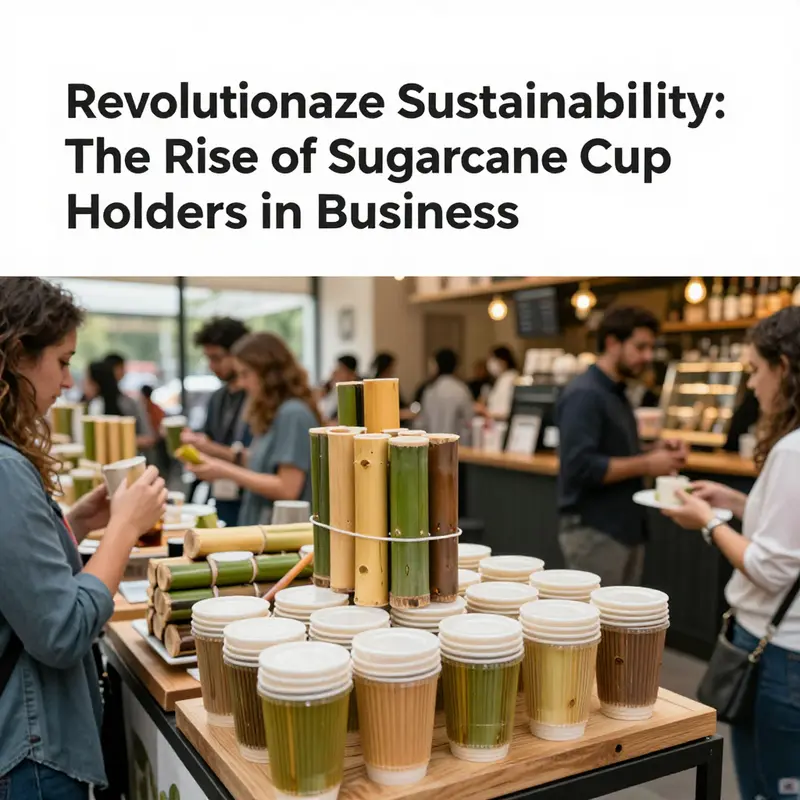
1. The Environmental Promise of Sugarcane Cup Holders in Events and Hospitality
The hospitality and events industry faces substantial pressure to reduce its environmental impact, prompting the search for alternatives to traditional disposable packaging that often contributes to pollution and waste. Within this context, sugarcane cup holders, made from the bagasse—the fibrous byproduct left after sugarcane juice extraction—emerge as a leading contender for eco-friendly solutions. Their prominence highlights a growing consumer preference for sustainability, making them essential in fostering a greener future for catering and event management.
Sugarcane is a rapidly renewable resource, and utilizing its byproducts not only supports waste reduction but also presents an alternative to petroleum-based plastics and polystyrene cups that dominate the market. The manufacturing process of sugarcane cup holders incurs significantly lower greenhouse gas emissions than their plastic counterparts, thus aligning with corporate sustainability goals. Customers are increasingly aware of environmental issues, making them inclined to choose businesses that prioritize eco-friendly practices over those that contribute to environmental degradation.
The biodegradation potential of sugarcane cup holders represents another vital aspect of their appeal. When disposed of in an appropriate industrial composting environment, these holders can decompose within 30 to 90 days, significantly lowering the chances of long-term waste accumulation in landfills. This rapid breakdown not only aids in reducing the burden on landfills but also enriches the soil, contributing to circular waste management practices that are vital in today’s ecological landscape.
However, the potential environmental benefits of sugarcane cup holders are contingent upon effective end-of-life management. The reality is that, in many regions, infrastructure for industrial composting remains inadequate or entirely lacking. Without proper disposal options, sugarcane holders may end up in regular trash bins, negating their ecological advantages and, in some cases, contaminating recycling streams. Businesses in the hospitality sector must advocate for more robust composting solutions or partner with local facilities to ensure that their eco-friendly products achieve their intended environmental benefits.
Furthermore, while sugarcane is indeed a renewable resource, its cultivation raises certain environmental concerns. These concerns include the risk of deforestation, excessive water usage, and the application of pesticides, especially in regions engaging in intensive cultivation. Large-scale monoculture farming can exacerbate biodiversity loss and soil degradation, presenting a paradox where a renewable resource may contribute to environmental challenges. Therefore, it is crucial for businesses using sugarcane cup holders to remain mindful of the sourcing practices, supporting sustainable cultivation methods that adhere to ecological best practices.
Another dimension of environmental impact lies within the carbon footprint related to the sugarcane cup holders’ production and distribution. Although the raw material used is sustainable, the energy consumed during processing and the emissions generated from transporting these products can counterbalance the positive aspects of using sugarcane as a resource. Hence, local sourcing and efficient manufacturing processes become vital strategies in minimizing their overall environmental impact.
As venues and event organizers consider adopting sugarcane cup holders, implementing best practices can significantly enhance their sustainability. These practices include selecting certified compostable products, which meet standards such as ASTM D6400 or EN 13432. Attaining such certifications validates their environmental claims and reassures consumers of their true eco-friendliness. Additionally, hospitality businesses should emphasize sourcing products locally whenever possible to reduce transportation emissions further.
To amplify the use of sugarcane cup holders, cooperation among stakeholders, from suppliers to consumers, is essential to streamline the adoption of environmentally sound practices. Educational campaigns can help inform the public about the benefits of these cup holders and their proper disposal, thus ensuring that consumers understand their role in achieving a greener planet.
In conclusion, embracing sugarcane cup holders within the hospitality and events arena offers promising ecological benefits alongside broad market potential. As the industry collectively shifts towards reducing plastic usage and improving waste management systems, these sustainable solutions play a crucial role in redefining how we think about disposables. Recognizing sugarcane cup holders as an integral part of broader sustainability goals not only helps businesses to meet changing consumer demands but also guides them in contributing effectively to environmental stewardship in the pursuit of a cleaner future for all. For businesses looking to explore more eco-friendly options, a variety of other sustainable products can be found, such as those offered at Cofe-cup, emphasizing the ongoing commitment to sustainability in all aspects of food and drink services.
2. Emerging Economic Opportunities for Sugarcane Cup Holders in the Hospitality Landscape
As the world becomes increasingly aware of environmental issues, the hospitality sector is evolving rapidly, shifting heavily towards sustainability. In this context, sugarcane cup holders emerge not only as an eco-friendly alternative to conventional disposables but also as a vehicle for economic innovation. Businesses are finding new ways to integrate these biodegradable products into their operations while catering to a clientele that values environmental consciousness.
Sugarcane cup holders, crafted from bagasse—the fibrous byproduct of sugarcane processing—are tailor-made for modern consumption patterns. They do more than just hold beverages; they symbolize a significant shift in consumer preferences and the hospitality industry at large. The steady decline in single-use plastics has created a market ripe for such sustainable innovations. According to reports, the global market for biodegradable packaging is projected to expand significantly, fueled by rising consumer demand for environmentally friendly products. Sugarcane cup holders fit seamlessly into this picture, representing a tangible solution to a pressing problem.
The growing cafe and catering sectors are key areas where sugarcane cup holders can capitalize on this momentum. Cafes, particularly those that focus on specialty coffee, are known for crafting unique customer experiences. In a landscape that increasingly values brand differentiation, offering beverages in visually appealing, eco-friendly cup holders can enhance a cafe’s appeal. Not only does this approach align with customer values, but it can also serve as a marketing point—establishing a brand as a pioneer in sustainable practices. Moreover, the versatility of sugarcane cup holders, available in various configurations (such as 2-cup and 4-cup designs), allows for customization which can further enrich customer experience.
Moreover, the economic viability of sugarcane cup holders can be linked to broader sustainability initiatives within the hospitality industry. Events and catering services are under pressure to shift towards practices that minimize their environmental footprint. Utilizing products made from renewable resources not only demonstrates a commitment to sustainability but can also contribute to cost savings. Sugarcane cup holders are certified biodegradable, breaking down within 30–90 days under industrial composting conditions. This means businesses can reduce disposal costs associated with traditional plastics, all while enhancing their reputations.
Despite the clear advantages, some challenges remain. Awareness regarding the benefits of sugarcane cup holders is still growing, and businesses must navigate this educational gap to ensure they make informed decisions about their supply chains. Marketing strategies must be employed effectively to inform both operators in the hospitality sector and consumers about the unique aspects of sugarcane holders—ranging from their compostable nature to the visual appeal they add to presentations.
The transition to sugarcane cup holders is also benefiting from technological advancements in production. As manufacturing becomes more efficient, the cost of these biodegradable products is likely to decrease over time, paving the way for wider adoption within menus across cafes, restaurants, and event spaces. In addition, partnerships with environmentally conscious distributors can lead to greater accessibility and integration into existing supply chains.
The trend toward sustainability extends into the economic realm as well, whereby businesses leveraging sugarcane cup holders can explore avenues like branding and product differentiation. For instance, cafes can collaborate with local organic coffee roasters, showcasing their commitment to both high-quality coffee and sustainable practices through the use of sugarcane cups. This synergy not only enhances consumer perception but also builds loyalty among patrons who are increasingly scrutinizing the environmental policies of the businesses they support.
Furthermore, as legislation surrounding plastics becomes more restrictive globally, the economic case for sugarcane cup holders strengthens. More regions are implementing bans and restrictions on single-use plastics, propelling businesses to seek viable alternatives. By being ahead of the curve, companies integrating biodegradable solutions into their operations can readily capture market share and position themselves favorably against competitors still reliant on traditional, environmentally harmful materials.
Therefore, the economic landscape surrounding sugarcane cup holders is not static—dynamic changes, driven by consumer preferences and legislative frameworks, are shaping its evolution. As hospitality businesses embrace the reality of sustainable practices, sugarcane cup holders represent not just a product but a strategic choice to foster innovation, connectivity, and ecological sensitivity within the industry. Tools like customizable biodegradable food packaging further demonstrate the ascendancy of eco-friendly options that align both with consumer desires and economic viability in an ever-competitive market.
Chapter 5: Navigating Sustainability: Impact Analysis of Sugarcane Cup Holders on the Environment and Economy
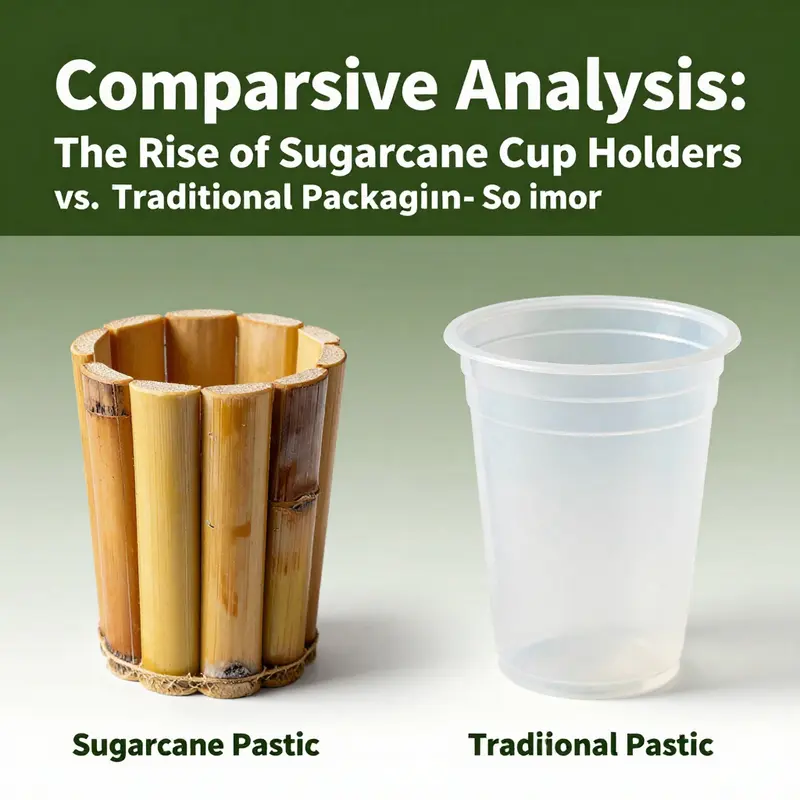
1. Balancing Green Innovations: Environmental and Economic Insights of Sugarcane Cup Holders
Sugarcane cup holders represent a fascinating intersection of environmental concern and economic opportunity. As part of a broader shift toward sustainable practices, these biodegradable alternatives serve not only as an innovative packaging solution but also as a crucial player in addressing ecological challenges and inspiring economic growth in agrarian communities.
The primary environmental advantage of sugarcane cup holders lies in their sustainable sourcing. Made from bagasse, the fibrous byproduct of sugarcane juice extraction, these holders are derived from a rapidly renewable resource. In contrast to traditional plastic products, which consume fossil fuels and contribute to depleting non-renewable resources, sugarcane pulp offers a responsible approach to material usage. Furthermore, sugarcane’s growth is notable for its ability to sequester carbon, which mitigates the greenhouse gas emissions typically associated with synthetic packaging production.
When examining the production process, the energy input required for manufacturing sugarcane-based holders is significantly lower than that for petrochemical-derived plastics. This reduced energy consumption reflects a smaller carbon footprint, contributing to their appeal among environmentally conscious consumers and businesses alike. Studies utilizing life cycle assessments highlight not only the reduced emissions during manufacturing but also the overall improved environmental performance of these bioplastics throughout their lifecycle, from cultivation to decomposition.
From an economic perspective, the adoption of sugarcane cup holders catalyzes rural development and creates job opportunities in regions heavily reliant on sugarcane cultivation. By investing in local agricultural practices, businesses can stimulate local economies while benefiting from a sustainable supply chain. This transition supports farmers, drives innovation, and fosters a sense of community as people collaborate to create sustainable products catering to modern consumer needs.
However, the economic viability of sugarcane-based packaging is contingent on several factors, including market demand, production scale, and the implementation of supportive policies. Initial investments in the infrastructure necessary for producing sugarcane cup holders may appear daunting; nonetheless, they pave the way for long-term economic benefits. Once established, such operations can reduce environmental compliance costs and position businesses to take advantage of carbon credits, reinforcing the incentives to shift toward sustainable practices.
Moreover, the agricultural methods employed in the cultivation of sugarcane for these products warrant consideration. Conventional farming techniques face scrutiny for their environmental impact, prompting an exploration of conservation tillage practices that balance profitability with sustainability. Emphasizing regenerative practices can maximize the ecological benefits of sugarcane, leading to an even greater reduction in net carbon emissions while ensuring a steady supply of raw materials for packaging solutions.
While the immediate environmental benefits of sugarcane cup holders are evident, these innovations also create ripples in the marketplace that shape consumer behavior. As awareness of environmental issues rises, consumers are increasingly seeking products that align with their values. Businesses that adopt sugarcane-based packaging not only enhance their brand image but also attract a growing segment of conscientious customers, positioning themselves favorably in a competitive market.
It is crucial to reinforce that the success of sugarcane cup holders relies on a broader commitment to sustainability within the packaging industry. Integrating biodegradable alternatives into existing distribution systems involves addressing logistical challenges and fostering partnerships across the supply chain. Transparency, education, and marketing play vital roles in promoting understanding and acceptance of these eco-friendly options.
Ultimately, the narrative surrounding sugarcane cup holders encapsulates the complexity of balancing environmental responsibility with economic realities. By harnessing the inherent properties of sugarcane and creating circular economic models, businesses can drive the shift toward a sustainable future. In this context, the move to sugarcane packaging emerges as not merely a trend but a strategic response to pressing environmental needs that offers real benefits to communities and markets alike.
For businesses considering the transition to eco-friendly packaging solutions, exploring options like these sugarcane cup holders provides an opportunity to align profitability with purpose. As seen in various examples across the industry, making the choice to adopt biodegradable packaging can yield significant advantages, from reducing plastic waste to supporting local economies. Explore available options today to be part of the change. For more sustainable solutions, visit Cofe-Cup’s shop to see a variety of innovative products designed with the environment in mind.
2. Shaping the Future: Performance and Market Dynamics of Sugarcane Cup Holders Compared to Conventional Options
In the quest for sustainable packaging solutions, sugarcane cup holders represent a groundbreaking step toward eco-friendly practices in foodservice. These holders, constructed from bagasse—the fibrous byproduct of sugarcane juice extraction—are not only biodegradable but also demonstrate impressive performance characteristics, positioning them as formidable competitors to traditional plastic and polystyrene (PS) cup holders. As the focus on sustainability intensifies, both consumers and businesses increasingly recognize the importance of shifting from single-use plastics to greener alternatives.
Performance and Durability
Sugarcane cup holders are designed to withstand the rigors of everyday use, offering excellent thermal insulation that can keep beverages warm and enjoyable for approximately 30 minutes. This duration is comparable to that of traditional plastic cup holders, which, while robust, fail in terms of environmental sustainability as they can take centuries to decompose. The structural integrity of sugarcane holders is commendable; they provide stability and a reliable grip for standard-sized coffee cups, although prolonged exposure to moisture can diminish their performance compared to wax-coated paper or plastic alternatives. Nonetheless, the innovations in material science are continuously improving the water resistance of sugarcane products, making them an even more dependable choice.
The journey from waste to valuable product significantly decreases the carbon footprint associated with sugarcane cup holders’ production. Lifecycle assessments reveal that these holders result in up to 70% lower carbon dioxide emissions during their manufacturing process when compared to traditional plastic counterparts. This impressive statistic is essential for companies striving to meet Environmental, Social, and Governance (ESG) targets, as sustainable practices are becoming more critical to business strategies globally.
Diverse Applications in the Foodservice Industry
Sugarcane cup holders are increasingly embraced by various sectors of the foodservice industry, particularly by cafes, restaurants, and drive-thru services that prioritize sustainability. Their natural and appealing aesthetics align well with consumer trends favoring minimalism and authenticity, making them perfect for businesses that wish to convey their commitment to the environment. The holders seamlessly facilitate the takeaway of hot beverages and can also support the packaging of diverse food items, from baked goods to salads.
Conversely, plastic and PS cup holders continue to dominate traditional high-volume environments due to their cost-effectiveness and reliability. However, with the mounting regulatory pressure against single-use plastics, such as bans instituted in New York and San Francisco, there is a palpable shift in market dynamics. Businesses once reliant on plastic are now exploring alternatives like sugarcane cup holders, which sit at the intersection of demand, compliance, and sustainability.
Emerging Market Trends
The global shift towards sustainable packaging has ignited remarkable growth within the sugarcane cup holder market, predicted to achieve a compound annual growth rate (CAGR) exceeding 12% through 2030. This surge stems from evolving consumer preferences, corporate responsibilities toward sustainability, and stringent governmental regulations. Major brands, including Starbucks and McDonald’s, are setting ambitious plans to phase out plastic packaging entirely, galvanizing the transition to biodegradable products such as sugarcane holders.
Furthermore, advancements in innovative technologies are enhancing the overall performance of sugarcane products. Recent breakthroughs involve developing water-resistant coatings from plant-derived waxes and optimizing fiber bonding techniques to bolster durability while preserving compostability. These enhancements ensure that sugarcane holders not only meet but exceed the functional benchmarks previously dominated by conventional materials.
Consumer awareness of sustainability is another driving force behind the market’s expansion. Surveys reveal that an impressive 68% of consumers are now willing to pay a premium for sustainable packaging solutions, and a striking 74% actively avoid brands associated with plastic waste. This evolving mindset is transforming sugarcane cup holders from niche products into mainstream packaging solutions that resonate with modern values.
In conclusion, the transition from traditional packaging solutions to sugarcane cup holders signifies more than just a shift in products; it reflects a larger movement toward a more sustainable future. As technologies advance and consumer preferences continue to shift, sugarcane cup holders are set to not only compete with but potentially surpass conventional options in various foodservice applications. This transformation may eventually herald a new era within the packaging industry, emblematic of a collective commitment to environmental stewardship for both businesses and consumers alike.
Final thoughts
Utilizing sugarcane cup holders represents a proactive approach to sustainability in business. These containers not only reduce reliance on harmful plastic products but also resonate with consumers seeking environmentally responsible options. By integrating sugarcane cup holders into your service, you position your business as a leader in eco-conscious practices while enhancing customer satisfaction. Embrace this innovative packaging solution and play a role in fostering a healthier planet.
Choose our reliable disposable tableware and packaging solutions for your business. We offer quality products that meet safety standards, with fast delivery and flexible options. Partner with us today to elevate your service – contact our team now for a tailored quote!
About us
We specialize in manufacturing and supplying disposable tableware, packaging paper, and boxes. With years of experience, we prioritize safety, durability, and eco-friendly practices. Our goal is to provide businesses with trusted, cost-effective solutions backed by responsive customer support.