
The sugarcane fork may not be a term familiar to many, but its relevance spans across various sectors, particularly in the beverage and food services industries. This article delves into what sugarcane forks might represent and their interpretations within agricultural, economic, and cultural contexts. From exploring modern tools used in sugarcane processing to understanding its economic impact, we traverse the multifaceted relationship between sugarcane and culinary practices. Each chapter enhances our understanding of the sugarcane fork, ultimately illustrating how it embodies the creativity and sustainability that food and beverage businesses can leverage to thrive.
Rethinking the Sugarcane Fork: Definitions, Misconceptions, and the Promise of Upcycled Diningware
The phrase sugarcane fork invites two kinds of curiosity at once: linguistic and material. On one hand, it sounds like a straightforward, even artisanal utensil. On the other, it triggers questions about origin, function, and sustainability. The current landscape of English terminology offers little consensus around this term, and that ambiguity becomes a useful doorway into a broader conversation about how agricultural byproducts can be reimagined as durable, practical items for everyday use. At its core, the sugarcane fork is a biodegradable utensil crafted from bagasse—the fibrous residue left after sugarcane juice is extracted. This material, when processed and formed, yields a tool that behaves like conventional cutlery in a dining setting while remaining firmly tethered to a circular economy logic. The reported standard length, 154 millimeters, is not arbitrary. It reflects ergonomic considerations that align with common tableware dimensions, ensuring that the fork feels familiar to diners while remaining compatible with standard place settings and consumer expectations for usability. In essence, the sugarcane fork embodies a practical intersection of agricultural waste valorization and consumer convenience, a small but telling example of how material streams can be closed-looped through design and manufacturing choices that emphasize low energy use and end-of-life compostability.
Yet the vocabulary surrounding this term matters as much as the object itself. A robust understanding requires distinguishing the claim that a spoon or fork is made from sugarcane stalks from the more precise assertion that the utensil is manufactured from bagasse—upcycled pulp left after juice extraction. The distinction is more than semantic. Mapping the path from raw byproduct to finished cutlery illuminates a broader set of sustainability questions: what energy inputs does production entail, what happens to the product at the end of its life, and how does the choice compare with conventional plastics or paper-based alternatives? In many discussions, the emphasis shifts quickly from the material’s origin to its performance characteristics, a shift that can obscure the environmental benefits embedded in the upcycling process. It is helpful to keep a simple rule in mind: if a product is derived from an agricultural residue rather than treated wood or virgin polymers, it often carries a different footprint profile, especially when it is designed for compostability and made with low-energy processing. Within this frame, the sugarcane fork becomes a case study in how upcycling can translate agricultural waste into durable, practical diningware that can decompose cleanly under appropriate conditions.
A practical point to a curious reader concerns how these forks actually perform in real life. The narrative that bagasse-based utensils are fragile or unsuitable for hot foods is common, but evidence and testing narratives counter this myth in meaningful ways. Reports align on a heat tolerance approaching 200°C (392°F), a threshold that covers most kitchen and dining scenarios, from serving hot soups to holding warm entrees. This heat stability, paired with the inherent strength of bagasse when molded under appropriate pressure, makes the forks viable for a broad spectrum of foods and service contexts. Such performance characteristics matter for catering, event settings, and casual dining alike, where guests expect reliability without the worry of bending, splintering, or imparting off-flavors. The practical takeaway is that the sugarcane fork can bridge the gap between compostable materials and everyday utility, offering a genuine alternative to plastics without sacrificing user experience.
However, the conversation does not end with the utensil’s immediate function. Sustainability thinkers stress the life cycle of product systems—the cradle-to-cradle or cradle-to-grave implications that define true environmental benefit. Bagasse, as a renewable agricultural byproduct, lends itself to a relatively low-energy manufacturing pathway when pressed and molded into forms like forks. The end-of-life story is equally important: because the bagasse-based forks are designed to decompose in composting conditions, they can significantly reduce plastic waste streams, especially in settings that rely on disposable tableware. In other words, the sugarcane fork is not merely a substitute for plastic cutlery; it embodies a broader design philosophy—minimizing resource input, maximizing material value through upcycling, and supporting compostable waste streams that feed soil health rather than landfills. That philosophy gains further resonance when considering the broader byproducts of the sugar industry itself. Bagasse has already found diverse uses beyond tableware, including applications in biochar production and soil amendment, where the residue becomes a functional input for carbon-rich, soil-enhancing materials. The scientific literature highlights how bagasse-derived biochar, especially when activated with suitable modifiers, can adsorb contaminants such as PFASs, illustrating a wider environmental remediation potential tied to the same agricultural chain that yields sugar and its co-products. From this vantage point, the sugarcane fork sits at the crossroads of consumer convenience and environmental stewardship, reminding us that even a small, everyday object can reflect a sophisticated, system-wide approach to materials management.
This broader view helps to dispel two persistent misinterpretations. First, there is a tendency to assume that all biodegradable cutlery shares identical sustainability traits. In reality, sustainability hinges on the energy balance of production, the chemistry of binding and molding, the resistance to moisture and heat, and the conditions under which composting is feasible. Bagasse-based forks generally benefit from quieter energy footprints during manufacture and a clean end-of-life pathway, but the actual outcomes depend on process details, supply chains, and waste-management infrastructure in a given region. Second, the notion that such utensils derive directly from whole sugarcane stalks is, technically, inaccurate. The capacity to upcycle bagasse into durable cutlery is a deliberate design choice that leverages post-extraction residues rather than the harvested stalk itself. This distinction matters for consumers who value precise sourcing narratives and for policymakers who aim to promote transparent, verifiable sustainability claims.
From a linguistic standpoint, the sugarcane fork underscores how language shapes perception. When readers encounter terms that suggest naturalness and simplicity, they may anticipate a flawless, all-eco option with minimal caveats. Yet the reality is more nuanced: the environmental profile of any bamboo, bagasse, or cornstarch-based product depends on how it is produced, transported, used, and disposed of. The sugarcane fork occupies a space where careful design meets practical constraints. It does not claim to be a panacea for waste, but it offers a demonstrable, incremental improvement over petroleum-based plastics in key dimensions: reduced plastic waste, a renewable feedstock, and a compostable end of life. In this sense, the fork becomes part of a conversation about how households, restaurants, and institutions can shift toward materials that are consistent with a circular economy—materials designed to return to soil or to a composting stream rather than lingering in landfills.
For readers who want to see these ideas translated into a broader context, it is helpful to connect the discussion to a practical resource that situates sugarcane-based products within current materials markets and sustainability research. The ongoing scholarship and industry analysis surrounding sugarcane as a resource provide a framework for understanding how bagasse-derived items fit into modern manufacturing and waste-management systems. A useful overview can be found in ScienceDirect’s exploration of sugarcane as a material and energy resource, which situates bagasse within the wider tapestry of engineering and environmental science. While the science is never simple, the core takeaway remains approachable: agricultural byproducts, when thoughtfully processed, can yield durable, functional products that support healthier waste streams and more resilient supply chains. External researchers and practitioners alike continue to refine processing methods, test material properties, and map end-of-life outcomes to ensure that such products deliver real, verifiable benefits beyond the marketing claim of “biodegradable.”
In practice, a reader who encounters the sugarcane fork should regard it as a tangible example of how upcycling operates at the intersection of design, ecology, and everyday use. It invites us to consider not only what we consume but how it is produced and how it leaves the system. From the moment the cane is harvested to the bagasse becoming a fork, and finally to composting or soil integration, the journey is a story about resource efficiency and responsibility. The sugarcane fork thus becomes more than a utensil; it is a prompt to reexamine assumptions about waste, material provenance, and the potential for small choices to ripple through environmental outcomes. As designers and manufacturers continue to optimize performance, cost, and end-of-life options, the dialogue around terms like sugarcane fork will mature into clearer, more informative language that helps consumers distinguish upcycled, compostable diningware from other biodegradable alternatives. The chapter thus invites readers to carry a cautious optimism: recognizing the value of agricultural waste as a feedstock, appreciating the material’s practical resilience, and supporting systems that return these resources to soil rather than to a landfill.
External resource: Sugarcane – an overview. https://www.sciencedirect.com/topics/engineering/sugarcane
The Sugarcane Fork: Tools, Techniques, and the Path to Sustainable Harvest
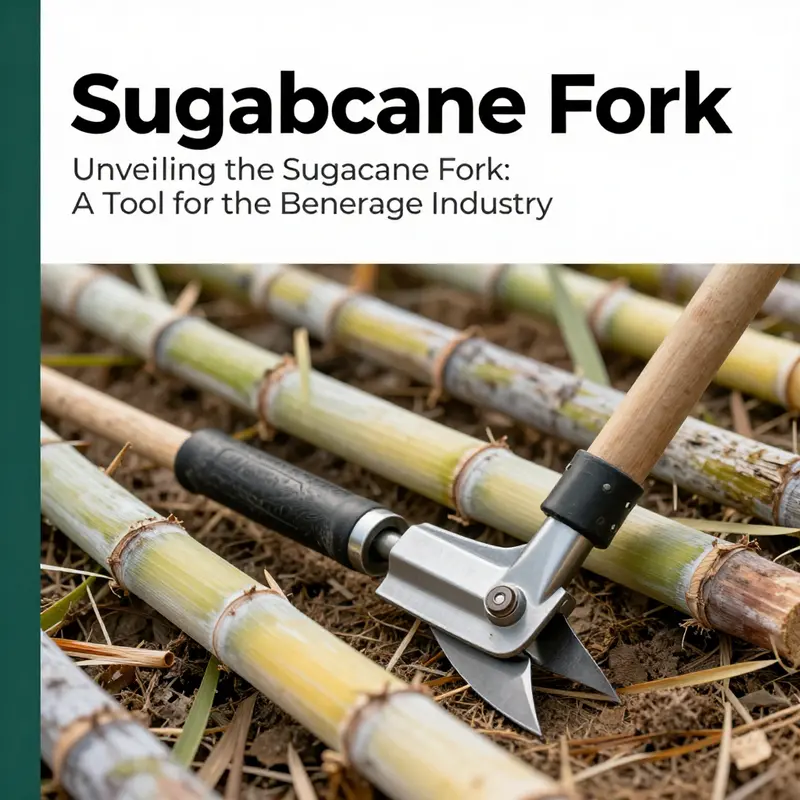
The sugarcane fork is not a literal tool but a way to think about the decision points that shape a season from field to refinery. It marks a path where traditional hands on know-how meets the precision of modern equipment and data-driven management. By focusing on the fork, farmers and researchers can trace how choices at planting, tending, harvest, and post harvest influence yield, quality, and environmental impact.
At the heart of the fork are two workhorses: the harvester and the tiller. Harvesters cut cane with minimal damage, operate across variable soils, and move efficiently through rows. Tillers prepare the seedbed, break crust, and manage residues to support ratoon crops. The balance between aggressive cutting and careful soil care determines both immediate throughput and long term soil health.
Beyond machines, the fork points to the lifecycle of inputs and outputs. Bagasse, the fibrous residue, is a resource rather than waste. It can be converted into energy, used to make bioproducts, or turned into soil amendments such as biochar. This creates a circular loop from field to product that reduces waste and enhances resilience against price swings and climate variability.
Technology amplifies the fork through sensors, hydraulic control, and data streams that optimize when to harvest, how deep to till, and how much water to apply. Operators must learn to read machine diagnostics, interpret soil moisture signals, and coordinate with irrigation schedules. The result is a moving decision tree where each field pass informs the next.
Ultimately the sugarcane fork is a lens on sustainability and profitability. It reminds us that sturdy machinery, skilled labor, and thoughtful management must work together to conserve resources, maintain soil health, and deliver a steady, high quality supply of cane from season to season.
From Field to Market: The Economic Footprint of Sugarcane and Its Tools
From field to market, the sugarcane economy is a story of forks in the road, not a single linear path. In many tropical landscapes, sugarcane is more than a crop; it is a livelihood, a source of cash income for families, and a substrate for local industry. Yet there is no tidy, authoritative term that captures the entire chain of sugarcane from the stalk in the field to the products in the hands of consumers. The phrase sugarcane fork has circulated informally as a way to describe the branching choices farmers face and the downstream work that follows harvest. The chapter that follows treats this concept not as a mere metaphor but as a practical lens for understanding economic impact. It asks how the field, the mill, the market, and the by products of sugarcane interact, and how those interactions either reinforce regional economies or leave room for growth. Across the archipelago of Indonesia, as in other sugar growing regions, the field is the starting point for more than sweet juice; it is the origin of employment, supplier networks, and the potential for value added at multiple points along the chain.
The economic footprint of sugarcane is multifaceted. In quantitative terms, its direct effects on local employment and incomes are evident, but its broader backward linkages into related industries often lag behind the sector averages. This means that while a harvest season can support a community with jobs on the farm, in the mill, and during collection, the spillover into ancillary services such as inputs processing equipment maintenance and transportation does not consistently shift the wider economy into a higher gear. These realities matter because they shape how policymakers and farmers evaluate risk, plan investments, and consider the road ahead. When the sugarcane fork is viewed through an economic lens, the discussion shifts from yields alone to the structure of the supply chain, the efficiency of processing, and the capacity to translate field labor into broader economic value. In practice, this translates into decisions about crop management, investment in milling capacity, and the kinds of by products that can be developed into new revenue streams rather than disposed of as waste.
Yet the most persistent challenge to unlocking greater economic returns is not a lack of opportunity but the threat posed by pests that undermine yields and raise costs. Among these pests, two borers stand out for their potential to reshape farm profitability. Sesamia inferens, commonly known as the stem borer, and Scirpophaga excerptalis, the top borer, have long tested the resilience of cane families and the communities that depend on them. When infestations rise, so do losses to yield, the need for chemical inputs, and the labor required for monitoring and control. In consequence, farmers must balance the imperative to protect standing crops with the realities of budget constraints and environmental considerations. The economic implications are not simply a matter of fewer stalks in the field; they extend to delayed harvests, reduced sugar content, and higher costs per unit of production. In districts where pest pressure is heavy, the same farm may toggle between the roles of producer of cane and user of pest management technologies, a shift that redefines the very face of agricultural profitability.
What emerges from pest management studies is a spectrum of strategies, each with its own cost structure and risk profile. Researchers typically set up treated plots beside untreated, naturally infested plots to measure the real world effectiveness of interventions. The outcomes are rarely black and white. They illuminate how certain interventions reduce loss risk and by how much, while also highlighting possible tradeoffs such as the need for repeated applications, potential resistance, and impacts on non target species. The central question is cost effectiveness: do the gains in yield and quality justify the upfront and ongoing expenses? In practice, this analysis informs not only farm decision making but also the design of extension programs and subsidy schemes that aim to smooth the volatility inherent in pest outbreaks. It is a story of economics meeting ecology, where each pest management choice alters the price of resilience for a farming household and ripples outward into the community through a modified pattern of employment and demand.
Beyond pest control, the sugarcane fork narrative includes the wider use of by products that can strengthen rural economies. Bagasse, the fibrous residue left after juice extraction, has long been a raw material for eco friendly products and energy generation. When properly processed, bagasse can yield biochar, become feedstock for bioenergy, or serve as a platform for value added materials. Recent research even points to the role of bagasse activated with magnesium chloride in environmental applications, such as adsorbing contaminants like PFASs. These technical findings open doors to diversification: farmers, cooperatives, and small enterprises may connect crop cultivation to downstream industries with a shared interest in sustainable development. The future profitability of sugarcane, in other words, depends not only on the stalks harvested each season but also on how well communities can repurpose the residuals into productive streams that complement traditional processing. This is where the metaphor of the fork becomes practical. The first fork lies in choosing how much to invest in pest control versus the risk of yield loss; the second fork lies in deciding how aggressively to pursue value added by products that rely on by products of the cane, rather than letting them sit as waste.
That is not to say the path is predetermined. The value chain is capable of expansion into markets that reward sustainability and circularity. Processing by products into consumer goods is not a distant dream but a live option for many rural economies. A tangible example is the use of bagasse as a base material in disposable tableware and related products. The concept of transforming agricultural residue into everyday items resonates with the idea of a productive fork: moving from farm gate to consumer goods that carry environmental benefits as part of their value proposition. This linkage is not just theoretical; it is visible in markets that prefer biobased packaging and eco friendly serving ware. In this context, product lines such as disposable dinnerware present a practical interface between cane cultivation and urban markets. The internal link to the category Disposable Dinnerware illustrates how a platform for bagasse derived products can connect farmers and processors with broader consumer demand, offering a route to higher value capture within rural economies. In a region where capital for expansion is often limited, such linkages matter because they provide a way to transform a seasonal harvest into year round economic activity and a hedge against price swings.
To translate these possibilities into real outcomes requires supportive policy and robust extension services. Reliable pest management, access to credit, and the diffusion of affordable proven technologies all contribute to lifting the economic potential of the cane sector. In practice this means investing in resistant varieties, efficient monitoring systems, and scalable biocontrol options that reduce reliance on costly chemical inputs while maintaining yields. It also requires attention to the logistical side of the chain: improving transport to mills, reducing post harvest losses, and enabling cooperatives to negotiate better prices for inputs and outputs. When these components align, the economic footprint of sugarcane expands beyond local employment to include meaningful backward linkages with suppliers, manufacturers, and distributors. The growth of such linkages, in turn, strengthens the resilience of rural economies, enabling markets to function more smoothly during periods of pest pressure and price volatility. The approach is pragmatic and grounded in data, but it is not merely technical. It is also social, because the benefits accrue to families who rely on cane farming as a primary or supplementary livelihood.
The Indonesian context adds specific texture to this narrative. Studies that map the economic impact of sugarcane through an input-output framework demonstrate both the potential and the constraints of the sector. They reveal that the cane economy produces measurable local effects while highlighting that its broader regional or national influence depends on a range of complementarities, including the performance of related agribusiness sectors, access to finance, and the capacity to scale processing and by product development. A thoughtful interpretation of these studies shows where the cane fork can be widened. It can be widened by upgrading pest management, expanding agro processing capacity, and fostering small enterprises that convert by products into market ready goods. It can also be narrowed by policy gaps in extension response, credit access, or inefficiencies in logistics. The research synthesis thus invites a pragmatic response: invest in a diversified, integrated approach to cane farming where the field is not the final word, but the starting point for a broader rural development agenda. For readers seeking the analytic backbone of this argument, an in depth examination of the economic impact of sugarcane in Indonesia offers a structured view of input-output relationships, inter-industry linkages, and the ripple effects of pest management costs across the economy.
The chapter would be remiss if it did not acknowledge that this economic portrait of sugarcane is also a story about adaptation. Farmers adapt not only to pests but to markets that increasingly demand sustainable and traceable supply chains. The sugarcane fork thus embodies a way of thinking about agricultural development that blends agronomy, economics, and local culture. It is a reminder that a crop native to tropical climates can dynamically interact with global demand for bio based products, renewable energy, and environmental stewardship. As communities combine field knowledge with new technologies, the potential gains become more tangible. The path forward requires patience, careful measurement of outcomes, and a willingness to experiment with value chains that connect the cane to consumer needs without compromising ecological integrity. It is a narrative of opportunity balanced by risk, and a reminder that real growth in agriculture comes from aligning incentives along the entire chain from the soil under the cane to the shelves on which sugar and sugarcane derived goods rest.
For readers who wish to pursue deeper reading about the economics of sugarcane in a real world setting, the detailed input-output analysis of the Indonesian cane economy provides a rigorous framework for understanding how each step, from planting to processing to distribution, contributes to gross domestic product and employment. External resources can illuminate the broader context and offer comparative perspectives from other cane growing regions. The path from field to market is not a straight line, but when communities cultivate the right mix of pest control, value added processing, and market access, the fork in the road can lead to a more resilient and prosperous rural economy. If you want to explore a particular angle further, see the Indonesian study through the link below. For a deep dive into the economic frame, consult the linked external resource: https://www.researchgate.net/publication/389451268EconomicImpactofSugarcaneinIndonesiaAnInput-Output_Analysis.
Forks in the Field: Navigating the Environmental Footprint of Sugarcane Production and Utilization
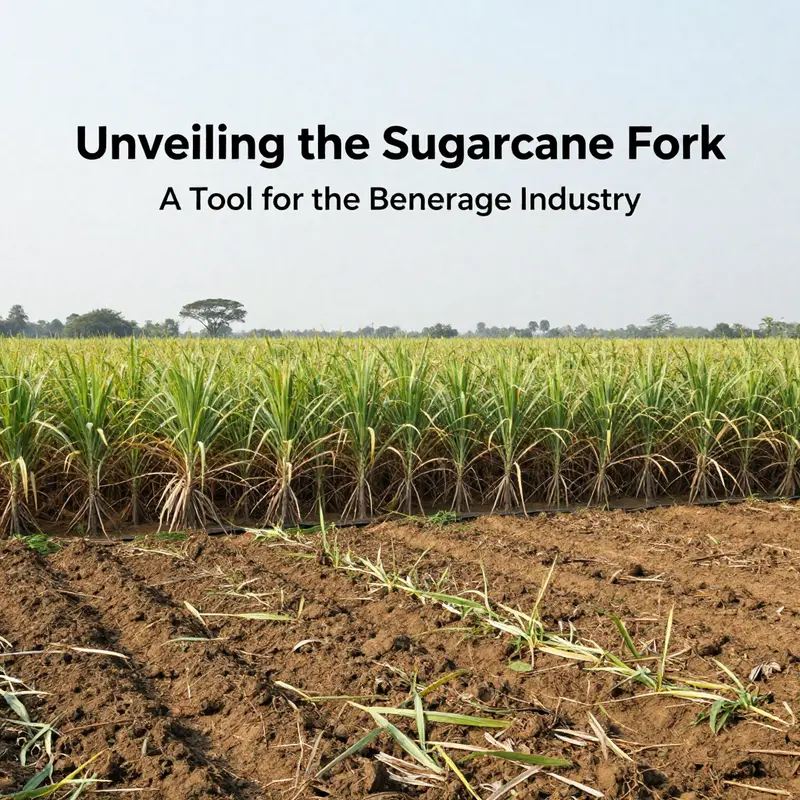
The image of a field bending to the wind, rows of tall stalks casting long shadows, is more than a pastoral scene. It marks the point where choices—forks in the field—shape environmental outcomes across a complex sugarcane system. The term sugarcane fork may not be a standard entry in technical glossaries, yet it captures something essential: every decision along the sugarcane value chain opens a branching path. Each fork—from where sugarcane is grown to how it is processed, from how by-products are managed to how packaging materials are produced—can either amplify ecological costs or steer the system toward greater resilience. To understand the environmental implications of sugarcane production and utilization is to recognize how tightly linked agronomy, processing, waste management, and consumption choices are in shaping air, water, soil, and biodiversity. In this chapter, the narrative moves beyond isolated concerns and toward a holistic view of how the field’s forks propagate through landscapes and communities alike, and how informed management can shift the trajectory toward sustainability without sacrificing the livelihoods that sugarcane supports.
The environmental challenges tied to sugarcane deployment begin well before harvest. Erosion is a persistent culprit in many cane-growing regions. The conspicuous soil loss during cultivation weakens land productivity and alters the structure of the soil resource itself. Erosion also carries off nutrients and organic matter that would otherwise sustain soil life and crop vigor. When land is cleared to accommodate expanding cane fields, the disruption of perennial habitats follows, leading to a decline in local biodiversity. The fragmentation of natural ecosystems often compounds water demand because the hydrological cycle remains sensitive to land cover changes. The result can be a cycle in which higher irrigation needs, driven by intense planting, feed back into soil salinity and nutrient imbalances, further stressing ecosystems and farmers alike.
Water, in particular, emerges as a central fork in the road. Sugarcane’s reputation for substantial water use reflects both the crop’s physiological needs and the contexts in which it is grown. In water-stressed regions, the competition for freshwater resources becomes acute, placing communities and wildlife in direct conflict with production needs. Agricultural water management thus becomes a pivotal decision point: it can either reduce strain through precision irrigation, scheduling, and crop choice adaptations or, conversely, intensify pressures when water is withdrawn without safeguards. The consequence is more than a local concern; it reverberates through downstream ecosystems, affecting fisheries, wetlands, and the quality of drinking water. When water governance is weak, or when farmers lack access to efficient technologies, the environmental repercussions of the sugarcane fork multiply across borders and generations.
Pollution sits alongside water as a consequence of intensification and harvest practices. The traditional method of burning cane before harvest, widely used in some regions, releases substantial greenhouse gases and degrades air quality. The smoke from field burning contains particulate matter and bushy emissions that can affect respiratory health in neighboring communities. Even when burning is not practiced, the processing steps that convert raw cane into sugar and other products can introduce pollutants to air and water. Runoff from fields, carrying nutrients and agrochemicals, can degrade surface and groundwater, while emissions from factories and vessels in the supply chain contribute to the atmosphere’s burden of pollutants. The cumulative effect of these emissions depends on management choices at multiple points along the value chain, revealing how a single practice can cascade into broader environmental challenges if not properly mitigated.
Fertilizer use adds another dimension to the environmental calculus. The drive to maximize yields often leads to high application rates, which can deplete soil structure over time and alter microbial communities essential to soil health. Nutrient runoff from over-fertilization can drive eutrophication in adjacent waterways, triggering harmful algal blooms and degrading aquatic ecosystems. The soil’s capacity to retain nutrients becomes a limiting factor if organic matter input does not keep pace with removals from harvest, forcing farmers to rely on synthetic inputs that may further destabilize soil chemistry and soil biology. The sugarcane fork, then, is a hinge on which soil health, water quality, and ecosystem integrity pivot.
Yet the chain does not end with the industrial processing of cane. By-products, especially vinasse—the dark, concentrated liquid remaining after juice extraction—illustrate how waste streams can become both environmental threats and opportunities. If vinasse is mismanaged, its high chemical oxygen demand and extreme acidity can impair soil and water systems. Its electrical conductivity reflects the concentration of dissolved solids that, in excess, can disrupt microbial activity and plant uptake when applied as a fertilizer without proper treatment. The emissions associated with vinasse storage and processing also contribute to the greenhouse gas inventory of the sector, predominantly through methane and nitrous oxide generation. These impacts remind us that the environmental footprint of sugarcane extends from the field to the anaerobic digesters, from the distillery vaults to the fields that receive residues.
In the face of these challenges, the sugarcane fork presents a set of pathways that can transform waste into value and steer the system toward sustainability. Sustainable production systems seek to align productivity with ecological integrity, balancing yield with soil conservation, water stewardship, and biodiversity protection. An early and promising strategy involves recovering and reusing vinasse through processes like anaerobic digestion to generate biogas. This approach not only mitigates odors and methane emissions but also provides a source of renewable energy that can offset fossil fuel use in processing facilities. It is a tangible illustration of turning a waste stream into an asset by closing loops in the production system.
Another fork moves toward agroforestry integration. By combining cane with perennial tree or shrub species, farms can reduce soil erosion, improve water infiltration, enhance habitat complexity, and diversify income streams. Vegetative diversity tends to stabilize nutrient cycling, supports beneficial insects, and improves resilience to pests and extreme weather. This systems-thinking approach acknowledges that cane does not grow in isolation but within a broader landscape, where the health of adjacent ecosystems feeds back into crop performance and community well-being. The diversification of land use thereby represents a strategic shift in the cane value chain—from a single-crop paradigm to a more resilient mosaic that can better withstand climate variability and market fluctuations.
The use of residues for energy and material recovery reveals a further fork in the field. Bagasse, the fibrous pulp that remains after juice extraction, offers feedstock for bioenergy, biochar production, and even high-value materials in some contexts. Biochar, for example, can improve soil properties and enhance carbon sequestration when applied under appropriate conditions, though its benefits depend on feedstock chemistry and application rates. The same residue can be redirected into packaging and disposable tableware streams, reducing reliance on virgin materials and lowering waste streams when properly designed and managed. The link between sugarcane and sustainable packaging is not accidental; it points to a broader shift toward circularity in agroindustry. The idea that bagasse can populate the shelves of a paper-based economy is not merely a fantasy; it is an emerging practical route that aligns agricultural outputs with a low-carbon, resource-efficient society. In this light, the packaging sector becomes a critical ally in the sugarcane fork, providing a tangible interface between farming practices and consumer waste streams.
In this context, one practical bridge is the adoption of alternatives that replace conventional plastics with plant-based, compostable, or bio-derived packaging materials. Among these options, the disposable tableware category offers a tangible example of how cane-derived materials can support waste reduction and resource recovery when designed for end-of-life considerations. By linking cane-based residues to packaging solutions, the industry can advance chemistry and design choices that lower environmental burdens across the product life cycle. This integrated perspective reinforces the idea that the environmental footprint of sugarcane is not fixed; it can evolve with smarter choices at every fork in the chain. It also emphasizes that the public, policymakers, and industry actors share responsibility for nurturing a system that rewards sustainable practices in cultivation, processing, and consumption.
Despite the opportunities, bridging the gap between potential and practice requires deliberate, evidence-based decision-making. Sustainable intensification, careful residue management, and technology-driven process improvements can collectively reduce the environmental costs associated with soil erosion, water use, and emissions. Yet these gains depend on local conditions, governance structures, and access to capital and knowledge. The sugarcane fork is not a single path but a network of decisions that must be reconciled with social equity, food security, and climate goals. In areas where land-use pressures intersect with livelihoods, the design of incentives, extension services, and community-based management becomes as crucial as technical innovations. The environmental story of sugarcane, and the chapter’s focus on its production and utilization, thus unfolds as a narrative of balance and adaptation—an ongoing negotiation among soils, waters, ecosystems, and human communities that must continue to evolve as market demands and climate realities shift.
To connect these threads with the realities of everyday practice, consider how the materials derived from cane can circulate within a more sustainable economy. The notion of packaging derived from bagasse and other plant fibers illustrates how a farm’s by-products can become inputs for consumer products, closing loops and reducing waste. In practical terms, this means prioritizing processes that minimize vinasse pollution, optimize nutrient use efficiency, and suppress emissions from burning. It means investing in land-management strategies that protect soil structure, conserve water, and maintain biodiversity. It also means designing supply chains that value end-of-life performance, encouraging the development of products that are easy to recycle or compost, and supporting the infrastructure necessary to keep materials out of landfills. Each of these actions represents a fork in the road, a decision point at which the environmental burden can be either amplified or alleviated, depending on how carefully the path is chosen.
The environmental implications of sugarcane production and utilization, therefore, cannot be understood in isolation. They emerge from a mesh of agricultural practices, processing technologies, residue systems, and consumer choices. The path forward requires recognizing these interconnections and seizing the opportunities embedded in the cane’s by-products. It calls for governance that rewards sustainability, investment in research that clarifies the conditions under which vinasse and other residues can be safely repurposed, and collaboration among farmers, processors, packaging designers, and waste managers. In this sense, the sugarcane fork becomes a map of possibilities rather than a constraint, guiding a transition toward systems that honor both ecological health and economic vitality. When managed with care, the cane’s lifecycle can contribute to a more sustainable footprint for energy, materials, and food systems, turning a potential environmental burden into a set of mutually reinforcing benefits.
For readers seeking a broader scientific context that delves into the environmental burdens across the sugarcane supply chain and evaluates strategies for sustainable intensification, the literature offers detailed, peer-reviewed analyses that align with the themes outlined here. See the external reference for a deeper dive into the trade-offs, risks, and opportunities that shape the cane’s environmental profile: Environmental Impacts of Sugarcane Production.
In addition to the scientific literature, practical design considerations in the sugarcane ecosystem are increasingly shaped by the packaging and disposable goods sector. A link to the packaging and disposable-tableware category illustrates how cane-derived materials can appear in consumer products, bridging field-scale practices with end-of-life outcomes and providing a tangible example of how sustainability can traverse the field to the table. For readers interested in exploring these material streams, the following internal resource offers a concrete starting point: disposable-tableware.
Forks of Flavor and Faith: The Cultural Ties of Sugarcane Across People and Palates
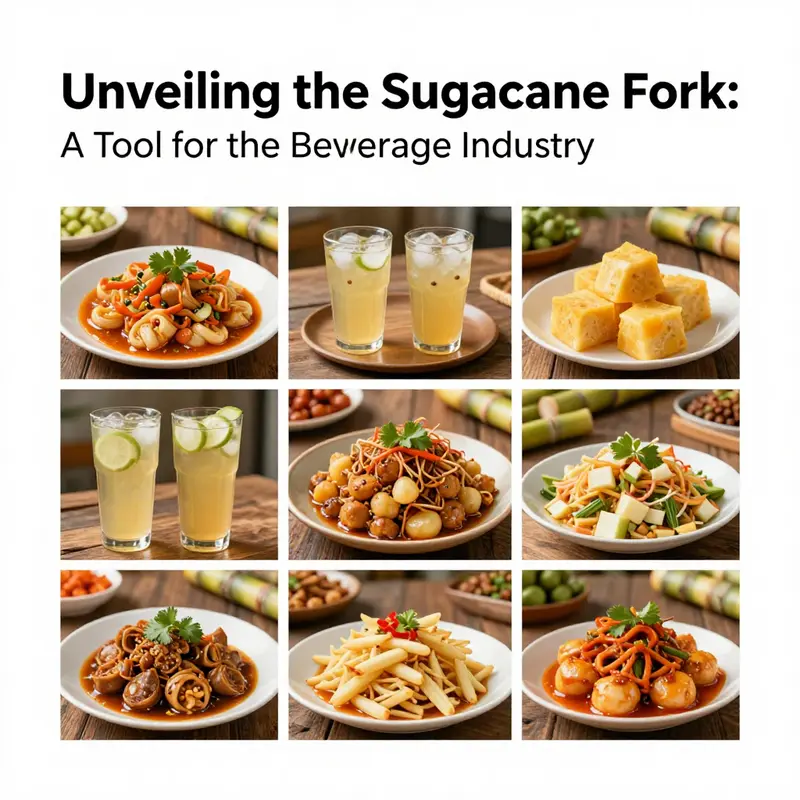
To call sugarcane a simple crop is to overlook the way a plant can become a lens through which people see history, memory, and appetite. The phrase sugarcane fork invites a double reading: it might point to a tool or a portion of a stalk, but it also hints at a moment of choice, a fork in the road where cultures decide how to use, savor, and pass on this tall, sugary grass. In many regions, sugarcane is not merely produced; it is performed, pulsing through rituals, feasts, and everyday routines. It becomes a living symbol that ties together farmers, families, and cooks across generations. As with any living tradition, the meaning of the sugarcane heritage embeds itself in the people who tend it, harvest it, and finally taste it.
On the Hawaiian islands, Native Hawaiians tended dozens of sugarcane varieties for nearly a thousand years before Europeans set foot on the shores. The diversity of stalks—variegated colors, leaf shapes, sweetness profiles—was not accidental; it reflected a sophisticated system of selection, memory, and exchange. Modern scientists map this genetic reservoir, yet the science exists alongside stories of place, kinship, and ritual offering. Heirloom cultivars are more than plant chemistry; they are living archives of ancestors who watched the land, negotiated water rights, and celebrated harvest moons. The preservation of such diversity is as much a cultural practice as a botanical one, and it makes sugarcane meaningful beyond the sugar bowl. The field becomes a classroom where elder memory and genetic inquiry talk in turns, a quiet demonstration that culture and crop can co-create resilience.
Across the seas in Malaysia during Ponggal, sugarcane arrives with the gravity of ritual and the brightness of a market sign. Families gather to prepare the crop in large quantities, choosing varieties praised for sweetness and crunch, notably the rich black cane that demands a higher price. The timing of the harvest, the textures tested by the tongue, and the ways cane is shared at temples and homes knit a social calendar into the agricultural cycle. The festival turns sugarcane into ceremony, transforming it from a field product into a participant in worship, gratitude, and communal celebration. The sweetness is never merely taste; it is an invitation to recount lineage, to recount the long days of sun and rain that fed the stalks, and to translate those memories into offerings and stories that travel across generations.
Farther inland, personal narratives from rural China tell of families weaving the harvest into daily life. Kids and grandparents work in the fields together, then transform the cane into juice, into chewy morsels, or into simple syrups that flavor tea and breads. The act of processing sugarcane becomes a social performance—laughter, shared tastings, lessons about seasonality, and the careful passing of know-how from one generation to the next. This is where the cane moves from field to kitchen table, from community to household, and from memory into habit. In these stories, the sugarcane is not an imported luxury but a neighborly staple, a plant that supports both health and happiness. A simple bite of fresh cane is thus a small ceremony, a reminder that foodways are inseparable from identity and place.
Beyond festivals and family rituals, sugarcane enters culinary practice through its sweetness and its juice. Fresh sugarcane juice becomes a refreshing beverage in tropical markets, while molasses and raw sugar anchor desserts and savory sauces around the world. In some cultural traditions, chewing on raw cane is thought to cleanse the teeth, a medicinal note that lingers in oral hygiene lore. The stalks’ fiber and juice carry not just flavor but a memory of labor—sweat on the brow of the harvester, the careful alignment of leaves to catch the sun, and the patient turning of the stalk to extract its liquid gold. The culinary repertoire grows with regional adaptations; yet the root idea remains constant: sugarcane is a plant that feeds both body and storyteller, bridging palate and tradition in a single, satisfying bite. The cane’s presence in a meal often signals hospitality, abundance, and a willingness to share a taste of the land.
People informally reference tools for handling sugarcane in ways that echo the notion of a fork, though such terms rarely appear in dictionaries. The practical world uses knives, machetes, and simple peeling devices to segment the stalk into chewable or juicable pieces. In some artisanal contexts, specialists fashion tools that can cradle a stalk as it is trimmed, split, or pressed. If a cultural moment ever embraces a sugarcane fork as a named implement, it would likely belong to a regional tradition rather than a universal standard. What remains constant across communities is the moment of selection—the fork in the road when farmers, cooks, and consumers decide how the cane will be prepared and presented. The choice shapes flavor, texture, and relationship to the land. In this sense, the fork is not only culinary; it is a symbol of cultural agency, a small act that keeps the living practice alive even as modern agronomy and food systems push forward.
Attention to the plant’s ecology mirrors attention to its culture. Sugarcane bagasse, the fibrous residue left after juice extraction, continues to play a quiet but pivotal role in sustainable practice. It can be transformed into biochar, enhancing soil health and carbon retention. In some studies, activated bagasse shows promise for adsorbing environmental contaminants, illustrating how a traditional crop can contribute to modern environmental stewardship. The same thread runs through culinary culture: the ways cane is cultivated, harvested, and processed are inseparable from ideas about stewardship and intergenerational knowledge. Preserving heirloom cultivars is not nostalgia but a practical strategy for resilience; it buffers communities against pests, climate shifts, and market fluctuations. When communities safeguard diversity, they preserve a spectrum of flavors, textures, and uses that future cooks may discover and reinvent. The sugarcane plant thus acts as a living archive that links field, kitchen, and table to a broader social and ecological agenda.
Thus, the sugarcane story resists a single narrative. It travels through rice paddies and city markets, across temple rituals and family kitchens, over technology-laden processing lines and humble backyard gardens. In contemporary life, even the utensils surrounding cane sit at the crossroad of culture and convenience. For a concise look at modern dining innovations shaped by convenience and design, see the discussion on disposable-cutlery. This link anchors the idea that utensils and serving habits are not incidental to culture but co-authors of it, shaping how sweetness is shared, how long a meal lingers, and how generations interpret hospitality in crowded, changing landscapes.
At its core, sugarcane is a narrative about branching futures—the countless forks of its genetic lineage, the varying rituals that honor it, and the evolving methods that bring its juice to the table. The cultural memory embedded in sugarcane invites us to consider not only what we eat but how we eat it, who tends the stalks, and what we owe to the soil and to one another. For a broader overview of sugarcane production and uses, researchers point to official agricultural syntheses that document the plant’s journey from field to fuel, fiber, and food. External resource: https://www.extension.org/articles/sugarcane-production-and-uses/
Final thoughts
The sugarcane fork, while lacking a clear definition in contemporary literature, embodies the potential for creativity and innovation in the food and beverage industries. By understanding its implications in agriculture, economics, environmental issues, and cultural practices, businesses can harness its spirit in their offerings. Embracing sustainable practices and innovative tools enhances not just product quality, but also shows a commitment to community and environment. As the evolution of food service continues, reflecting on the nuanced role of sugarcane paves the way for a more conscious and exciting culinary future.