

In today’s fast-evolving food and beverage industry, the significance of efficient and appealing take-out food containers cannot be overstated. For bubble tea shops, restaurants, food trucks, catering services, event planners, and corporate procurement teams, understanding the wholesale market for take-out food containers is crucial. The growth of food delivery services has led to a surge in demand for various packaging options, each designed to meet specific needs. This article delves into the myriad options available, effective sourcing strategies, sustainability trends, cutting-edge technological innovations, and market insights that are foundational for making informed decisions about packaging solutions, thus enhancing your service delivery and customer satisfaction.
Wholesale Container Choices: Materials, Uses, and Smart Sourcing for Take‑Out Food
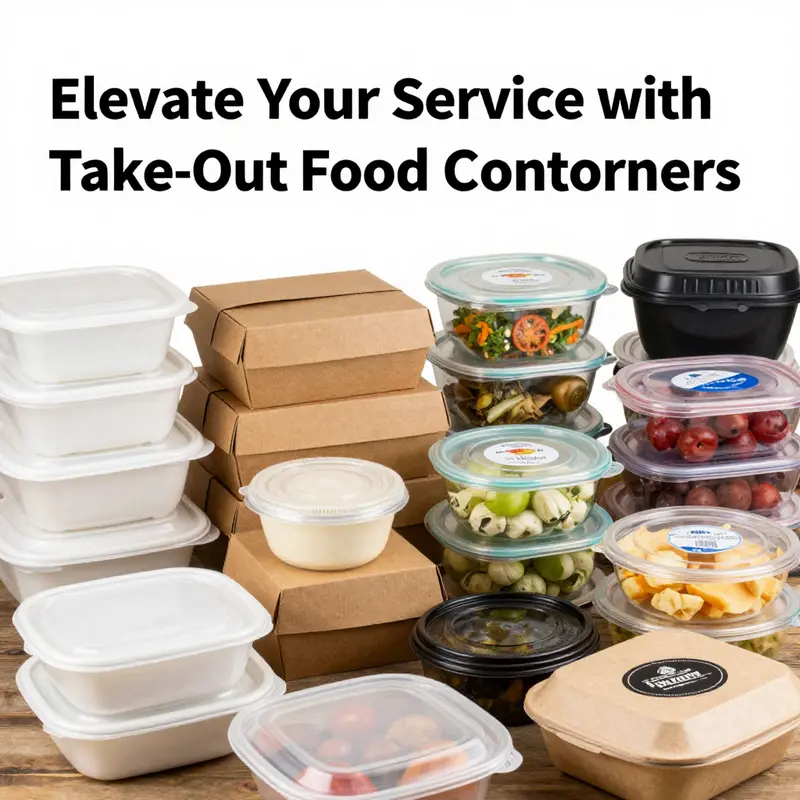
Balancing function, cost, and brand impact starts with the container material and design. When a food business selects containers at wholesale scale, it must weigh durability, barrier performance, presentation, and end‑of‑life options. These choices shape customer experience, operational flow, and margins. This chapter ties common container types to real use cases, explains trade‑offs, and highlights what to watch for when buying in bulk.
Plastic containers remain widespread where durability and low cost matter. Food‑grade polypropylene and polyethylene provide light, impact‑resistant options. They stack easily, resist breakage during delivery, and keep fragile items intact. Many feature integrated hinges, leak‑resistant lids, or divided compartments. These designs suit salad bars, quick‑service kitchens, and delivery operations where speed and minimal handling matter. The main limitations are heat tolerance and recycling complexity. Not all plastics are microwave safe, and local recycling streams may not accept every resin. For buyers, the practical benefits are lower unit cost and fewer returns due to breakage.
Paperboard and molded fiber containers answer a different brief. Made from recycled paper or molded pulp, they present a clear sustainability message. Brown kraft options, with grease‑resistant coatings or PE/PLA linings, handle soups and oily foods while remaining compostable in appropriate facilities. Molded fiber excels for cold or ambient foods like bakery items and salads. These containers often appeal to brands that promote eco credentials to customers. The trade‑off is durability under heavy moisture and higher per‑unit cost versus commodity plastics. For many restaurants, pairing a compostable bowl with a secure lid balances customer perception and function.
Clear rigid plastic containers deliver premium presentation without glass fragility. High‑clarity resins are shatterproof and lightweight. They allow immediate product visibility, which boosts impulse sales and helps staff verify orders quickly. Airtight seals and tamper‑resistant closures protect freshness for ready‑to‑eat meals and prepared food retail. The aesthetic benefit drives value for meal kits and premium delivery offerings. However, transparent resins can be costlier and often present recycling challenges similar to other plastics.
Health‑focused and family markets increasingly insist on BPA‑free materials. Containers labeled BPA‑free remove concerns about certain chemical leaching. They can be made from safer plastics or alternative compounds. While this improves perceived safety, the long‑term environmental picture depends on recyclability and local waste systems. For brands targeting families, the BPA‑free claim can be a decisive factor. Procurement teams should review material certifications and supplier test records.
Specialty containers exist to protect specific cuisines and formats. Ventilated dumpling boxes and steamer‑friendly trays manage condensation and retain texture. Multi‑compartment bento or meal‑prep boxes keep elements separate, preserving flavor and appearance. Niche shapes and inserts improve the transit condition for delicate items. These containers reduce refunds and complaints by protecting quality during delivery. Custom tooling often raises minimums, but the customer satisfaction payoff can justify the investment.
Across all types, barrier properties matter. Leak resistance, grease protection, oxygen barriers, and thermal insulation determine real performance. For hot soups and greasy fried foods, reinforced seals and laminations are essential. For chilled salads and desserts, airtight lids maintain freshness and prevent contamination. Procurement teams should specify barrier tests and inspect production samples. Confirming seal integrity and stacking strength prevents costly returns on large orders.
End‑of‑life considerations now shape buying decisions. Compostable materials such as bagasse or certain PLA‑coated kraft papers reduce landfill impact if a municipal compost stream exists. Reusable glass and durable rigid plastics fit subscription or return‑for‑refund programs. But practical availability of industrial composting or consumer recycling varies by region. Wholesale buyers should map local waste infrastructure before committing to a material on sustainability grounds alone.
Manufacturing scale influences cost, lead time, and customization. Large production hubs offer efficient injection molding, thermoforming, and automated assembly. These processes deliver high consistency and can meet monthly demands in the millions. Suppliers in established manufacturing regions also provide shorter lead times and integrated supply chains that lower logistics costs. When ordering custom shapes, expect higher minimums but improved brand differentiation. Off‑the‑shelf designs reduce tooling costs and lower the entry threshold for smaller orders.
Quality control and certification protect brands from regulatory and reputational risks. Look for food‑contact certifications and lab reports from recognized testing bodies. Certificates covering material safety, migration limits, and heat resistance reduce uncertainty. Insist on transparent QC processes, sample inspection, and third‑party test documentation. A clear quality agreement prevents disputes and aligns expectations for large shipments.
Presentation and branding matter in a crowded market. Printed kraft boxes, windowed dessert containers, and printed lids extend the customer experience. Custom print and embossing raise perceived value and support loyalty. However, customization adds cost and may extend lead times. Many suppliers offer a compromise: standard stock shapes with optional printed sleeves or stickers to brand individual runs.
Logistics and storage also affect container selection. Stackability, nesting efficiency, and weight reduce transport and warehouse costs. Bulky or heavy containers increase shipping and handling expenses. Suppliers that optimize packaging to ship nested pieces and use compact cartons will lower landed costs. Consider peak season inventory needs; a partner able to ramp production quickly avoids stockouts.
For procurement professionals, the decision becomes a matrix: match material to menu, confirm certifications, evaluate sustainability impact relative to local waste systems, and measure total landed cost. A functional plastic may cost less per unit but increase disposal concerns. Compostable kraft may align with brand promise yet require education for customers and staff. Specialty containers solve menu challenges but may demand higher minimums.
Selecting a wholesale supplier is part technical, part strategic. Prioritize suppliers with clear production capacity, documented testing, and flexible order terms. Ask for performance samples and run small pilot orders before scaling. When possible, align material choice with your operational realities and customer expectations to reduce waste, complaints, and hidden costs.
For examples of kraft paper solutions that balance durability and eco credentials, consider suppliers offering octagonal kraft bowls with secure lids for salads and warm dishes. These designs often pair grease‑resistant coatings with customizable printing, and they illustrate the practical middle ground between function and sustainability. kraft takeaway octagonal box
For broader industry context on manufacturing hubs and global market dynamics, see this analysis. https://www.globaltimes.cn/content/1389762.shtml
From Factory Floors to Front Doors: A Strategic Guide to Sourcing Wholesale Takeout Containers
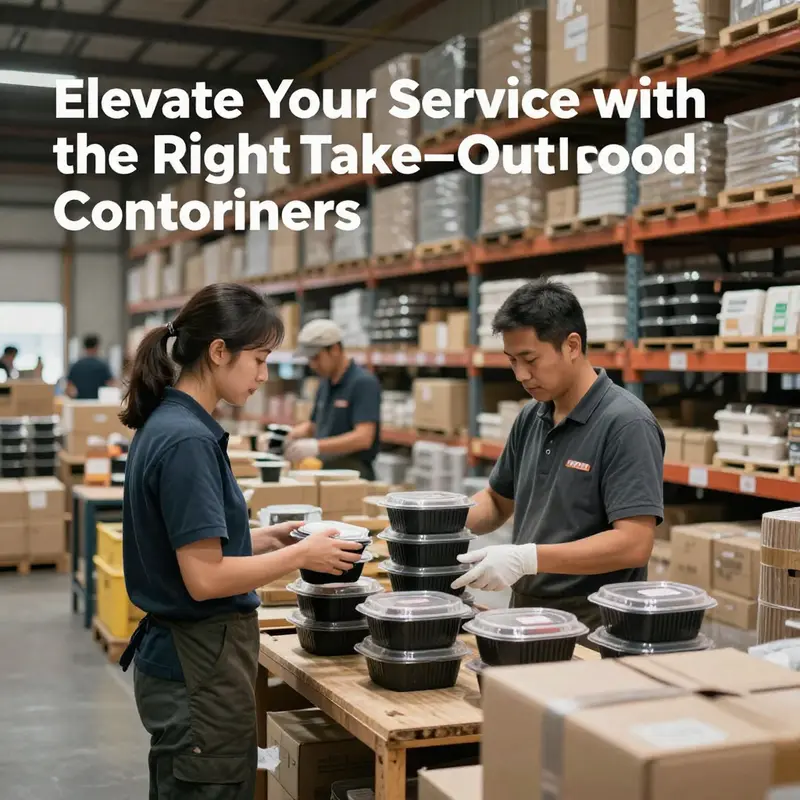
The wholesale takeout container market is not merely a backdrop for how meals reach customers; it is a strategic frontier where safety, sustainability, and speed converge to shape brand experience at scale. As food-delivery platforms extend their reach and consumers increasingly judge a brand by its packaging as much as by its menu, the task of sourcing becomes a core operational discipline. In this landscape, the choices a buyer makes about material, supplier, and process ripple through every link in the supply chain: from raw resin and sheet suppliers to mold makers, from converter plants to logistics partners, and finally to the restaurant, the private-label brand, or the meal-kit service on the receiving end. The objective is not simply to minimize cost but to build a resilient, compliant, and adaptable packaging program that preserves product quality, reinforces brand promises, and reduces environmental impact over the lifecycle of each container.
A robust sourcing strategy rests on a framework that transcends price alone. It is anchored in five interlocking pillars: compliance and certification, material innovation and sustainability, production capacity and scalability, customization and design capabilities, and supply chain reliability with risk mitigation. When these pillars are treated as an integrated system, a buyer can navigate the complexities of a rapidly evolving market without sacrificing safety or performance. The dominant production engines remain in concentrated manufacturing clusters in China, where clusters across several provinces—Guangdong, Zhejiang, Shandong, Shanghai, and Jiangsu—combine proximate access to raw materials, advanced processing technologies, and efficient export channels. The result is lead times that, for standard products, can shrink to a matter of weeks, and for more complex or large-volume runs, still offer predictable schedules backed by automated lines that deliver consistent quality at scale. The speed and reliability of these ecosystems underpin the feasibility of private-label programs and large-distributor networks that demand steady, auditable performance.
Compliance and certification are the non-negotiable baseline of modern sourcing. In every jurisdiction where these containers will be used, the center of gravity for safety shifts toward rigorous testing and documentation. Material safety data sheets, third-party test reports, and verifiable records of compliance with FDA, LFGB, and REACH standards are not luxuries; they are the entry ticket to the market. When a buyer asks for MSDS and batch-test results, the conversation shifts from best effort to proven track record. In practice, this reduces the risk of regulatory violations that can disrupt shipments, trigger recalls, or damage brand reputations. It also creates a clearer path for audits and supplier qualification programs, which become essential as procurement teams scale up their supplier bases to meet rising demand. The second pillar—material innovation and sustainability—reflects a broader consumer and regulatory trend: the desire for packaging that minimizes environmental impact without compromising performance. Sugarcane bagasse, PLA-lined papers, and plant-based bioplastics are increasingly mainstream, often deployed in dual-material lines that accommodate both conventional plastics and sustainable alternatives. The ability to mix materials in a controlled, design-appropriate way means brands can tailor barrier properties, moisture resistance, and heat tolerance to specific product types, whether a salad, a soup, or a hot-dressed meal kit. This flexibility is particularly valuable for multi-channel operators who want to standardize core shapes while customizing shells or inserts to reflect different campaigns or regions.
Production capacity and scalability come next, because in a world of peak weeks and promotional seasons, the capacity buffer is the difference between missed commitments and a reliable reputation. Vertically integrated producers in major Chinese clusters run fully automated lines capable of manufacturing millions of units each month. Lead times for standard designs can fall within a 15- to 25-day window, a range that enables both rapid prototyping and large-scale private-label production. MOQs, typically between 500 and 10,000 pieces, reflect design complexity and material choice rather than a generic rule. The scale and repeatability of production lines enable cost discipline that translates into competitive price bands without sacrificing quality. Yet capacity is not just about the number of units produced; it is also about the consistency of performance under real-world conditions. Leaks, grease, and heat exposure are not theoretical concerns when a meal must travel through multiple hands and refrigeration cycles. That is where the third pillar—customization and design capabilities—enters the frame with practical impact. High-performing suppliers offer end-to-end design support that extends from branding overlays to functional innovations like compartmentalized structures, snap-tight or leak-proof lids, and microwave-safe features. The demand for clever compartmentalization has grown as restaurants and meal-kit brands expand their portfolio of offerings. A well-designed container can accommodate dip containers, sauces, or dressing compartments without compromising integrity during transit. Similarly, a microwave-safe lid or a vented base may preserve texture and moisture, reducing the return rate of disrupted meals. Such features are not merely conveniences; they directly influence the customer experience and, ultimately, the likelihood of repeat orders.
A sourcing program also must manage risk and maintain uninterrupted supply. The fourth pillar—supply chain reliability and risk mitigation—concerns not only the supplier’s internal systems but also its geographic footprint and logistics network. Buyers expect transparent performance metrics: on-time delivery, defect rates, response times, and the ability to provide end-to-end traceability. Proximity to major export hubs and ports helps limit transit time and optimize freight costs, while working with freight-forwarding partners that can offer visibility across the supply chain strengthens resilience against disruptions. The best programs employ structured supplier evaluation that blends historical performance data with forward-looking risk indicators, such as supplier financial stability, diversification of sourcing for critical raw materials, and contingency plans for port congestions or raw-material shortages. When a supplier can demonstrate a continuous improvement mindset and a track record of operational discipline, it becomes a trusted partner rather than a simple transaction counter. In this sense, sourcing is as much about relationship management as it is about contracts and price.
To translate this framework into practice, procurement leaders lean on data-driven evaluation and real-world case studies from established manufacturers that operate within these ecosystems. Rather than pursuing the absolute lowest price, the modern buyer seeks a balance—a mix of cost efficiency, rigorous compliance, and long-term reliability. In practical terms, this means building a supplier portfolio around a core set of capabilities: robust testing regimes, flexible production lines, design and customization support, and a transparent quality-control narrative. It also means understanding the role of form factor in meeting brand and product objectives. A single container shape, with the right lid and barrier properties, can become a workhorse for multiple channels—dining-out, takeout, and home delivery—while enabling consistent branding across packaging lines. For instance, a rectangle take-away kraft paper octagonal box with lid represents a form factor that supports both restaurant-use practicality and private-label packaging ambitions. Its design can be optimized for stacking, shipping efficiency, and branding, while the paper-based material aligns with sustainability goals and consumer demand for greener options. When such a system is paired with a supplier able to deliver rapid prototyping, short-run trials, and scalable production, a buyer can move from concept to full rollout with confidence. A well-structured sourcing process also benefits from sharing performance dashboards with internal stakeholders—marketing for brand consistency, operations for packaging integrity, and finance for total-cost-of-ownership calculations. The transparency these dashboards provide helps align packaging decisions with broader business objectives and ensures that every container chosen supports the brand’s promise of quality and reliability.
In practice, the selection of suppliers in these ecosystems is not a one-off decision but an ongoing, iterative process. The emphasis is on early-stage collaboration, where suppliers participate in design reviews, test protocols, and pilot runs. This approach accelerates time-to-market for new packaging concepts and minimizes the risk of costly redesigns after a product has launched. It also enables a more nuanced evaluation of sustainability trade-offs, such as balancing moisture resistance with compostability or selecting barrier technologies that meet regulatory requirements while maintaining cost discipline. Across these considerations, the interplay between material science, process engineering, and logistics optimization becomes the engine of a resilient packaging program. The best programs combine rigorous supplier qualification with periodic revalidation, ensuring that a supplier’s capabilities evolve in step with regulatory expectations and customer needs.
As buyers navigate the current landscape, they should anchor their strategies in a few practical principles. Start with a clear compliance baseline, then expand toward material innovation that aligns with brand values and consumer expectations. Build capacity buffers through diversified sourcing and scalable manufacturing partners, and insist on design collaboration that enables differentiation without compromising performance. Finally, implement a structured risk framework that examines delivery reliability, lead times, and the potential impact of external shocks on the supply chain. When executed with discipline, this approach yields a sourcing program that supports growth, protects margins, and reinforces trust with customers who increasingly view packaging as an essential part of the product experience.
For readers seeking concrete examples of how these principles play out in real-world procurement, a current, data-driven guide to disposable food container sourcing offers a structured framework and practical benchmarks. It highlights the importance of a five-pillar evaluation—compliance, material innovation, production capacity, customization, and reliability—while illustrating how proximity to key export channels can reduce costs and lead times. In this vein, the field is moving toward more integrated supplier ecosystems, where manufacturers, designers, and logistics providers operate as a cohesive network rather than isolated entities. Such integration enables tighter control over quality, faster iteration cycles for new designs, and a more accurate assessment of true total costs across the packaging lifecycle. As demand for takeout solutions continues to grow across North America, Europe, and other regions, the ability to navigate these ecosystems with clarity and resolve will separate successful programs from those that merely chase the lowest price.
Internal link: For a practical example of a versatile take-away packaging option that blends form, function, and branding potential, see the salad rectangle take-away kraft paper octagonal box with lid. This container exemplifies how form-factor decisions can support multi-channel usage while maintaining sustainability goals. salad rectangle take-away kraft paper octagonal box with lid
As the packaging landscape continues to evolve, the most successful buyers will be those who couple a rigorous, data-informed evaluation with a collaborative mindset that invites suppliers to participate in the entire lifecycle of packaging—from concept and prototyping to scale and end-of-life stewardship. When this integrated approach is paired with the right suppliers and the right processes, wholesale takeout containers become more than a utility; they become a strategic asset that reinforces a brand’s commitment to safety, sustainability, and customer satisfaction. The result is a resilient supply chain that can adapt to changing regulatory climates, shifting consumer preferences, and the inevitable disruptions of global commerce. In short, strategic sourcing in this space is not just about obtaining packaging; it is about enabling consistent delivery of quality meals, every time, across markets and channels.
External resource: https://www.sourcingchina.com/guides/disposable-food-container-sourcing-2026
Sustainability at Scale: Redefining Green Packaging in the Wholesale Take-Out Container Market
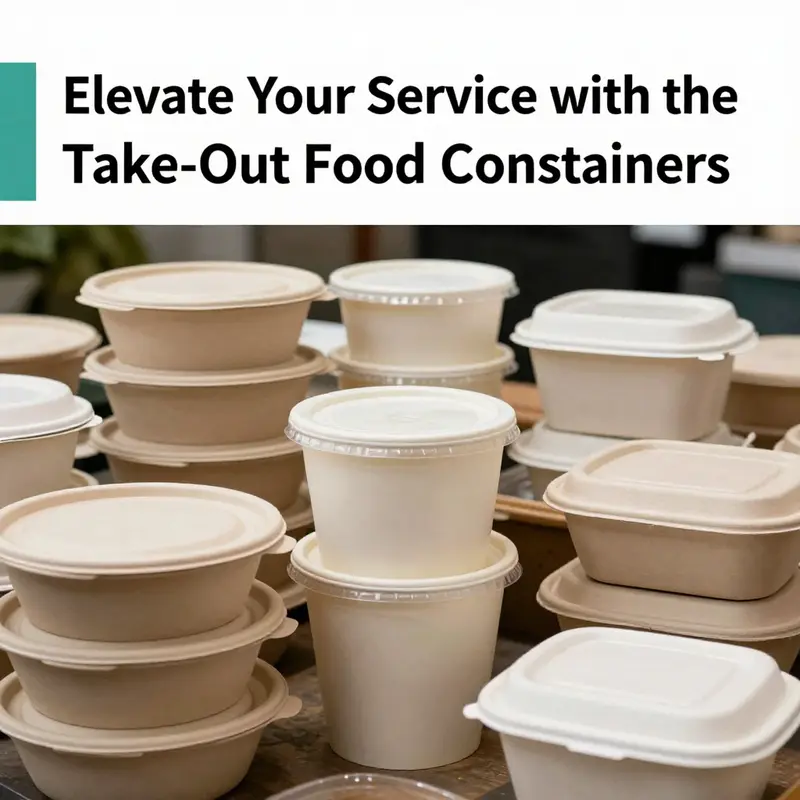
The shift toward sustainable packaging in take-out containers is no longer a niche conversation whispered in CSR meetings. It has become a defining driver of strategy across the wholesale market. In warehouses that once prioritized throughput and cost per unit, the lens has widened to include the life cycle of every container—from raw material selection through end-of-life disposal. In this evolving landscape, sustainability is not merely a moral stance; it is a market signal and a competitive differentiator that governs how products are designed, sourced, manufactured, and deployed across food service channels.
At the heart of this transformation is a convergence of consumer expectations, regulatory momentum, and the relentless pressure to reduce single-use plastic pollution. Consumers increasingly want brands to demonstrate responsible practices, not just in the taste and quality of food but in the footprint their packaging leaves behind. Regulators respond in kind, tightening standards on recyclability, compostability, and material safety. For wholesale buyers, this means that the cheapest option is no longer the default choice; the true cost now includes environmental impact, end-of-life logistics, and the reliability of supply chains to deliver sustainable solutions at scale.
Manufacturers have risen to the challenge by expanding the repertoire of sustainable materials and refining production techniques to maintain performance while lowering environmental impact. Biodegradable and compostable materials—ranging from molded fiber and recycled paperboard to plant-based plastics—are no longer experimental; they are mainstream options in factories that clock production volumes well into the millions of units per month. These facilities leverage automation and precision molding to achieve consistent wall thickness, barrier properties, and seal integrity. In practice, this translates to containers that keep sauces from leaking, meals from becoming soggy, and desserts from staining or losing shape—without compromising safety or convenience. The science of barrier performance is advancing at a rapid pace, enabling high-speed lines to handle moisture, fats, and heat while delivering products that meet stringent food-contact standards.
Regionally, manufacturing ecosystems that power wholesale take-out packaging have benefited from tightly integrated supply chains. In large parts of Asia, notably China, hubs centered in provinces with strong specialization—materials, molds, design, and logistics—have created a virtuous loop. The proximity of resin suppliers, tooling makers, packaging designers, and distribution networks shortens lead times and trims logistics costs. The efficiencies achieved in these clusters are not simply about lower unit prices; they are about predictable delivery schedules and consistent quality control that large, multi-location buyers demand. When a batch of 10 million units leaves a facility with traceable QC data and certified compliance, procurement teams can align production planning with restaurant rollout schedules, winter promotions, or seasonal menu changes—reducing waste and inventory risk on both sides of the transaction.
From a design perspective, sustainability is reshaping what a container can and should do. Paper and kraft boxes offer a robust, grease-resistant, and often microwavable option that appeals to brands with a strong environmental narrative. Yet, durability under heat and moisture remains a key design constraint, guiding the thickness of liners, the choice of coatings, and the feasibility of reuse or composting. Glass containers, while heavier, provide a premium, long-life option with non-porous surfaces that resist flavor carryover and staining. They speak to a different consumer segment—gourmet brands and home cooks who value durability and reusability. Beyond these, the rise of specialty containers—ventilated dumpling boxes, steam-insert designs, and modular configurations—demonstrates how sustainability and culinary quality can coexist without compromising food integrity. In all cases, the end user experience remains central: airtight lids, reliable seals, heat tolerance, and minimal leach risk are non-negotiable.
The lifecycle perspective also informs end-of-life considerations. Compostable options are not simply about breaking down in a consumer compost pile; many programs rely on industrial composting streams to achieve meaningful reduction in landfill mass. Recyclability depends on the presence of clear sorting streams and compatible materials. For wholesale buyers, this means evaluating not only the material properties but the ecosystem around the packaging—whether local facilities can process the material, whether there is adequate consumer education, and whether the supply chain can support circular flows. In this context, biodegradable and compostable materials become strategic tools for brands aiming to demonstrate credible sustainability claims, while recyclable options require strong collaboration with municipalities and waste processors to ensure end-of-life recovery.
Supply chain dynamics in this space matter as much as the materials themselves. The same regional strengths that fuel cost‑effective production also enable sustainable practices at scale. Regions with established polymerization or fiber-processing capabilities can pilot bio-based or recycled feedstocks, then scale the successful formats to global demand. Procurement teams increasingly rely on data-driven supplier evaluations, calling for transparent quality-control procedures, traceability, and third-party certifications. Certifications such as food-safety standards, environmental claims, and sustainability benchmarks help buyers discern genuinely responsible suppliers from those chasing a green gloss. The emphasis on certification is not merely a badge; it is a practical tool to ensure that packaging remains safe for food contact, meets regulatory expectations, and can stand up to the rigors of delivery, refrigeration, and microwave reheating when required.
For buyers navigating this space, two strategic imperatives emerge. First, there is a shift from single-sourcing to a diversified, material-agnostic sourcing strategy. Brands want flexibility to switch between materials as demand, availability, or regulatory landscapes shift. A resilient wholesale program, therefore, introduces a portfolio of options—grease-resistant paper, molded-fiber alternatives, plant-based plastics, and even reusable systems where feasible. Second, sustainability must be embedded into design briefs and supplier selection criteria from the outset. This means specifying end-of-life goals, preferred certifications, and the ability to provide performance data across temperature, moisture, and transit conditions. When manufacturers can couple performance metrics with environmental metrics, buyers gain a holistic view of value—one that weighs leakage risk against compostability timelines, or heat resistance against recyclability compatibility.
To illustrate how these principles translate into real-world sourcing decisions, consider the expanding availability of materials designed to align with sustainability goals. Molded-fiber, for instance, has gained traction in fast-service contexts due to its compostability and strength-to-weight advantages. Recycled paperboard offers a credible path for brands seeking a more sustainable top-layer or secondary packaging that remains functional in a high-turnover dining environment. Plant-based plastics, while still subject to regulatory and infrastructure considerations, are increasingly optimized to resist heat while remaining compostable in appropriate streams. Each material choice introduces a different supply-chain calculus—cost, processing compatibility, and the availability of industrial or home composting options—yet all share a common objective: to reduce environmental impact without compromising food safety or consumer convenience.
For teams charged with making these decisions, the path forward involves more than just selecting a material. It requires an integrated approach that considers supply reliability, testing, and the total cost of ownership. Material safety and barrier properties must be validated through standardized testing, while performance under stressors like shipping vibrations, freezing, and reheating must be demonstrated. Moreover, buyers should seek transparent quality-control processes from suppliers. The best partners publish clear specifications, batch-track information, and test results that verify both safety and environmental claims. In practice, this translates into collaborations where suppliers provide not just a container but a packaging solution—one that aligns with a brand’s sustainability narrative and supports a retailer’s or restaurant’s environmental commitments.
As sustainability becomes a strategic imperative, the wholesale market is also becoming more transparent about its own certifications and capabilities. Buyers are increasingly comfortable engaging with suppliers who demonstrate compliance with international food-safety standards, as well as certifications that attest to environmental responsibility. This transparency helps to reduce risk, particularly for large-scale deployments where uniform quality across thousands of locations is essential. It also builds trust with end customers who are increasingly aware of the packaging choices behind their meals. The outcome is a market that rewards those who can deliver safe, reliable packaging that also respects environmental boundaries and supports a circular economy.
For readers seeking practical pathways to deepen their sustainability commitments, consider how to blend design, materials, and process improvements. Start by mapping the lifecycle of each container type used across your channels. Identify where material switches could reduce carbon footprints, improve compostability, or enhance recyclability. Build a supplier scorecard that weights environmental performance and safety credentials as heavily as cost considerations. And when exploring new suppliers or formats, request performance data, third-party test results, and evidence of end-of-life stewardship. This approach does more than satisfy regulatory or CSR goals; it creates a robust framework for long-term viability in a moving market where consumer expectations and policy signals continue to evolve.
Finally, while the broader market research points to a sizable growth trajectory for takeout containers through 2034, sustainability is not a trend that will fade. It is a strategic discipline that shapes product design, sourcing strategies, and business resilience. For brands that view packaging as an extension of their promise, the wholesale route offers an opportunity to align scale with stewardship. The integration of sustainable materials, smart design, and transparent supply chains enables a more resilient, credible, and competitive packaging program that can withstand the pressures of modern food service—from the bustling Saturday lunch rush to the precise demands of cold-chain delivery. As this chapter has explored, the path to greener packaging at wholesale scale is not a single leap but a series of informed choices that accumulate into meaningful environmental and economic gains.
External reference for further context on market dynamics and sustainability expectations can be found at: https://www.gminsights.com/industry-analysis/takeout-containers-market. For readers looking to explore examples of sustainable packaging in practice, one practical entry point is a catalog of eco-friendly packaging options that offer recyclable or compostable formats suitable for various cuisine types. A useful internal resource that demonstrates the breadth of sustainably designed options is a reference to materials and formats that balance performance with environmental responsibility. For instance, brands exploring greener options can look at eco-friendly printed-logo paper ice cream cups with lid, which illustrate how branding and sustainability can converge on a viable packaging solution. This link provides a concrete example of how design goals translate into scalable production while maintaining food-safety standards and consumer appeal.
How Technology Is Rewriting Wholesale Take-Out Containers: Freshness, Sustainability, and Trackable Reuse
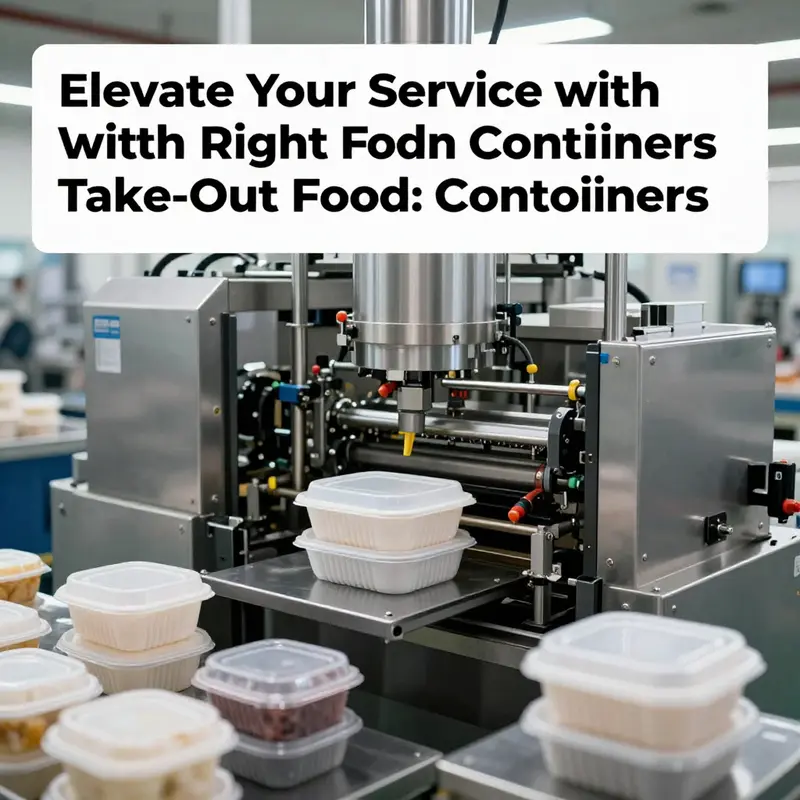
Technological advances are changing what wholesale take-out containers can do. The shift goes beyond shape and color. It involves materials science, embedded sensors, processing automation, and business models that rethink single use. For buyers sourcing containers in bulk, this is not a marginal trend. It alters unit economics, compliance, and brand opportunity.
Active packaging is one major area transforming the wholesale market. These systems include oxygen scavengers, moisture regulators, and antimicrobial layers built into liners or coatings. They slow spoilage during transit and lower the risk of leaks and microbial growth. For distributors and large-volume purchasers, active packaging reduces returns and food waste. It also extends acceptable delivery times, enabling operators to serve wider geographies without changing menus. Manufacturers incorporate these functions using lamination, surface treatments, or discrete sachets inside containers. Production lines adapt by adding inline lamination or introducing controlled atmosphere sealing stations. The result is wholesale units that look familiar but perform markedly better.
Smart packaging moves that performance into data. Simple QR codes can link a customer to ingredient lists, handling instructions, or recycling pathways. More sophisticated tags and sensors monitor temperature, humidity, or shock during delivery. Fleet managers and kitchen operators receive alerts when conditions deviate from safe ranges. At scale, these data streams enable predictive decisions: adjusting route priority for vulnerable orders, tweaking portioning, or identifying repeat damage points in transit. For wholesalers, smart packaging creates upsell opportunities. Higher-margin SKUs bundle sensors or authentication features for premium clients. It also supports traceability requirements many buyers now face.
Material innovation is equally consequential. Plant-based polymers, molded fiber, and compostable cellulose are replacing many traditional plastics in large orders. Options like PLA and bagasse-derived pulp provide grease and heat resistance while decaying under industrial composting. Molded-fiber processes now yield forms with defined rims and stacking geometry, matching expectations for rigidity and spill protection. These materials ask different things of production lines; drying protocols, forming temperatures, and coating chemistries all change. They also interact differently with logos and finishing, pushing printers and converters to adapt.
Bagasse and molded fiber products deserve special attention. These fibers come from agricultural residues and present compelling life-cycle advantages. They are lightweight, compatible with microwave use, and perform well for warm or oily foods. For wholesalers, bagasse offers a strong sustainability narrative without a steep price premium. If customers require a transparent sustainability claim, bagasse-backed SKUs meet many standards while being easier to scale than fully compostable polymer blends. For a practical example, suppliers now list bagasse self-erecting lunch boxes suitable for hot and cold food, with multi-compartment options that reduce the need for additional inserts. Such items illustrate how material choice and design combine to meet real-world service needs. (bagasse sugarcane biodegradable self-erecting lunch box)
Automation and production engineering determine which innovations scale reliably. Injection molding, thermoforming, and high-speed stamping produce millions of uniform units monthly. Inline inspection systems, vision sorting, and robotic packing keep quality high while trimming labor costs. These capabilities support both standard SKUs and custom-branded runs with short lead times. For wholesalers, the implication is clear: suppliers with modern automated lines offer tighter tolerances, faster turnarounds, and lower per-unit variability. That predictability matters for large chains and regional distributors managing complex inventories.
Reusable container programs are emerging as a complementary route to sustainability. Instead of single-use compostable items, some chains adopt durable containers that customers return. Digital tracking and kiosks or app-based deposit systems streamline collection. The wholesale opportunity lies in supplying the initial fleet and replacement parts. Durable containers require different materials—high-performance polymers or tempered glass—and a parallel supply chain for cleaning, inspection, and recirculation. Wholesalers positioned to support both disposable and reusable systems can serve a wider set of buyers, from quick-service restaurants to catered events.
Compliance and certification remain essential as technologies evolve. Buyers should require materials to meet recognized standards for food safety and compostability where claimed. Certifications reduce regulatory risk and ease B2B sales. Suppliers that provide transparent third-party testing, verified migration analyses, and chain-of-custody documentation will close deals faster. Certifications also support corporate procurement rules where sustainability metrics are scored.
Design integration is another often-overlooked factor. Innovations must be balanced with logistics realities. Stackability, nestability, palletization density, and weight all influence freight costs. A compostable clamshell that triples pallet height will raise shipping expenses, negating material savings. Wholesalers and buyers need a systems view. Material selection, wall thickness, structural ribs, and lid-fit all affect both performance and transport economics. Collaborative design sessions between buyers and manufacturers can reduce total landed cost while meeting performance targets.
End-of-life thinking is moving upstream. Buyers increasingly ask for packaging that fits local waste systems. Industrial compostability is valuable only where collection infrastructure exists. Recyclable polymers are useful where municipal mixed recycling systems accept them. Some innovations aim to bridge these gaps: monomaterial laminates, easily removable labels, and clear disposal instructions printed on packaging help reduce contamination and improve recovery rates. For wholesalers, offering regionally appropriate SKUs—compostable where facilities exist, recyclable where they do not—adds value and reduces returns from sustainability-conscious customers.
Cost and margin dynamics are shifting too. New materials and embedded technologies add unit cost. Yet they also reduce indirect costs—food waste, refunds, and reputational damage from failed deliveries. Buyers who model total cost outcomes often find technologically advanced packaging costs less when measured across the full order lifecycle. For wholesalers, the ability to present lifecycle cost comparisons becomes a sales advantage. It helps procurement teams justify higher upfront spend for measurable downstream savings.
Finally, strategic sourcing matters. Manufacturing hubs with integrated supply chains deliver the fastest innovation cycles and the most competitive pricing. Close coordination among raw material suppliers, toolmakers, and converters shortens time to market for new features. For bulk purchasers, partnering with suppliers who demonstrate rapid prototyping, stable quality control, and clear documentation is essential. As regulations tighten and consumer expectations rise, the companies that combine sustainable materials, active or smart features, and operational efficacy will command the market.
A recent industry report on retail food packaging trends highlights this convergence of sustainability, freshness extension, and digital features. It predicts broader adoption of combined solutions that deliver performance and measurable environmental benefits. For wholesalers and bulk buyers, the takeaway is straightforward: assess suppliers by their ability to integrate materials science, automation, and data-enabled services into scalable offerings. The right partner will provide certified materials, dependable lead times, and product options that align with local waste systems and brand promises. (Source: https://www.dow.com/en-us/insights/retail-food-packaging-innovations)
Economic Drivers and Market Shifts Shaping Wholesale Takeout Food Containers
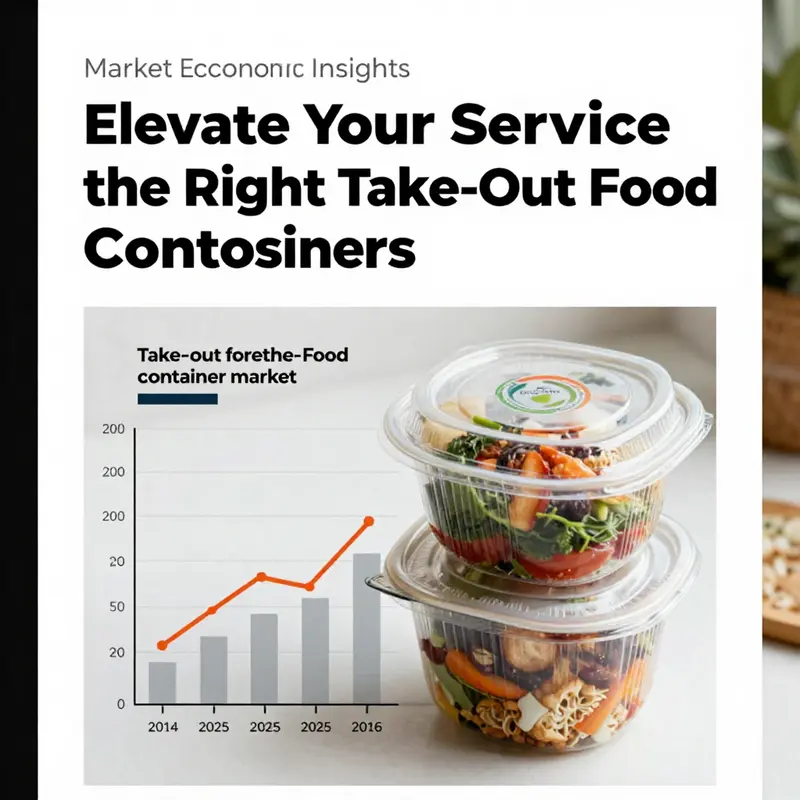
Market forces are redefining what wholesale takeout containers must deliver. The market is expanding in size and complexity. Growth is measurable: roughly a $60 billion global market in 2026, with a projected CAGR near 9.7% through 2033. That scale reflects more than consumption; it signals changing distribution channels, materials science advances, and new procurement behaviors among restaurants, meal-kit providers, and food platforms.
Demand remains driven by persistent growth in delivery and off-premise dining. Urban populations and shifting consumer lifestyles create steady order volumes. Retailers and cloud kitchens need containers that protect food, control costs, and support brand positioning. That trifecta—performance, price, and identity—now competes directly with sustainability preferences and regulatory constraints. Buyers who can quantify trade-offs gain an edge.
Regional dynamics shape supply and pricing. Manufacturing hubs in China benefit from deep supplier networks. These ecosystems reduce lead times and cut logistics expenses by as much as a quarter versus less integrated markets. High-output facilities use injection molding, thermoforming, lamination, and automated assembly to produce millions of units monthly. This scale translates into lower unit costs and easier fulfillment for large orders. At the same time, demand in North America and Europe is pulling the market toward greener alternatives, driven by regulations on single-use plastics and consumer expectations for recyclable or compostable options.
Material innovation has become a central battleground. Traditional plastics remain cost-effective and highly functional. Yet alternatives—molded fiber, bagasse pulp, kraft paper with moisture barriers, and PLA—are gaining share. Innovations address previous weaknesses: improved grease resistance, better heat retention, enhanced leak-proof seals, and stackability for transport. These performance gains make sustainable options viable for a wider range of applications, from soups to sauced entrees.
For procurement teams, the shift complicates vendor selection. Cost per unit is no longer the only metric. Barrier properties, recyclability, end-of-life pathways, and brand perception now factor into total landed cost. Buyers increasingly use data to balance these elements. They model scenarios that include disposal fees, potential regulatory penalties, and the marketing value of sustainable packaging. Predictive buying tools help set reorder points that reduce inventory risk while meeting fluctuating demand during peak delivery periods.
Minimum order quantities and customization capabilities also shape buying strategies. Large suppliers can absorb tooling and customization costs and offer lower per-unit pricing at high volumes. Smaller manufacturers and niche producers often focus on mid-volume bespoke solutions. For brands seeking unique shapes, embossed logos, or multi-compartment designs, the choice often comes down to lead time and MOQ negotiation. Integrating packaging designers early in product planning cycles reduces costly redesigns later.
Logistics and supply chain resilience are front-of-mind. Shorter lead times from clustered supplier networks lower working capital needs and help manage seasonal spikes. But geopolitical tensions, freight volatility, and raw material shortages can still disrupt flows. Many buyers diversify suppliers across regions and materials to hedge risk. Others maintain safety stock or secure staggered production runs to ensure continuity.
Quality assurance and compliance remain non-negotiable. Certifications and traceable quality control processes are essential for B2B relationships. Suppliers who can document FDA, LFGB, and ISO compliance, and who maintain transparent testing records, are more likely to build durable partnerships. Automated production lines support consistent quality, and third-party audits provide the documentation procurement teams require.
Smart packaging features are emerging as value-adds that influence purchasing decisions. QR codes, tamper indicators, and temperature-sensitive labels help brands extend traceability and improve customer experience. These features increase perceived value yet add cost. The decision often depends on the end market: high-margin gourmet offerings will absorb smart packaging costs more readily than commodity meal services.
Price pressure remains real. Material costs and labor dynamics influence pricing cycles. Economies of scale reduce unit costs, but environmental regulations can increase costs for certain materials. Buyers negotiating wholesale contracts must balance short-term savings with medium-term risks. Contracts that include price adjustment clauses tied to raw material indices offer predictable flexibility. Long-term agreements can secure capacity and price stability but may limit agility when demand patterns shift.
Sustainability metrics have matured from marketing claims to procurement criteria. Life-cycle assessments and third-party compostability certifications guide decisions. Some buyers prioritize end-of-life solutions that work with local municipal capabilities, such as industrial composting. Others favor recyclable formats that align with existing recycling streams. Clear communication about disposal requirements helps prevent customer confusion and reduces contamination in recycling and composting systems.
Innovation in container design is practical and strategic. Stackable clamshells with secure hinges reduce spillage and improve delivery efficiency. Multi-compartment trays keep ingredients separate and preserve texture. Special-purpose inserts for steaming or venting maintain food quality for specific cuisines. These design choices affect material selection and manufacturing methods, and they influence both unit cost and customer satisfaction.
For wholesalers and distributors, service levels matter. Short lead times, reliable fulfillment, and flexible MOQ options attract buyers. Value-added services—such as private labeling, warehousing, and drop-shipping—strengthen client relationships. Data visibility across order status and quality metrics builds trust and reduces disputes.
The strategic implication for buyers is to treat packaging as part of the product offering. Containers can protect food, convey brand values, reduce waste, and improve margins. Procurement teams that align packaging strategy with operational realities and sustainability goals will reduce costs and enhance brand differentiation.
A practical sourcing playbook includes several steps. First, map demand by SKU and seasonal variation. Second, define performance and disposal requirements for each use case. Third, benchmark suppliers on cost, lead time, certifications, and value-added services. Fourth, negotiate contracts that include quality audits and price adjustment mechanisms. Finally, pilot new materials or smart features before full-scale adoption to ensure operational compatibility.
The market outlook suggests further consolidation and specialization. Larger manufacturers will continue to leverage scale and integrated supply chains. At the same time, specialized producers will capture niches that demand bespoke designs or novel compostable materials. Buyers should watch for new material breakthroughs and regulatory changes that could shift cost advantages.
For teams sourcing wholesale takeout containers, success depends on a structured approach. Assess total landed cost. Prioritize verified sustainability claims. Secure suppliers that offer both scale and responsiveness. And use data to inform purchasing cadence and buffer policies. These actions align procurement with market realities and position brands to deliver consistent food quality, reduce environmental impact, and control costs as the market continues its rapid evolution. (Source: https://www.grandviewresearch.com/industry-analysis/takeout-container-market)
For an example of a widely used sustainable option, consider an eco-friendly 1000ml kraft paper serving bowl available through wholesale channels: eco-friendly 1000ml kraft paper serving bowl.
Final thoughts
As the demand for take-out food containers continues to soar, businesses in the food and beverage industry must remain proactive in understanding their options and sourcing strategies. By focusing on sustainable solutions and leveraging technological innovations, you can not only improve your service but also align with customer expectations for responsible packaging. Whether you represent a bubble tea shop or cater for corporate events, a well-chosen take-out container can transform your customers’ experiences, ensuring meals are delivered primed for enjoyment.