
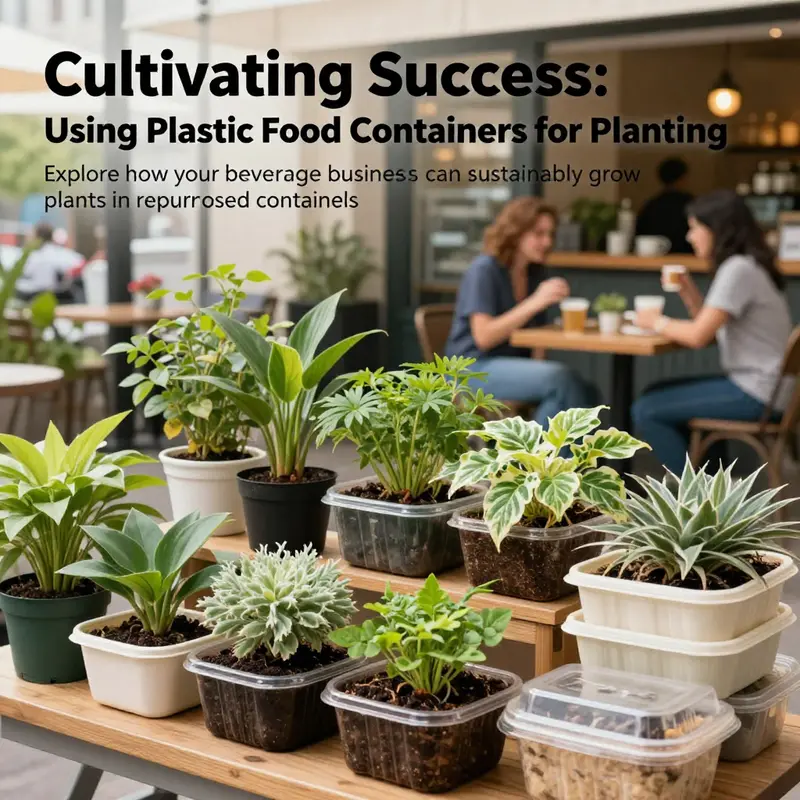
As sustainability becomes a focal point for many businesses, incorporating eco-friendly practices can elevate your brand’s connection to the community. For beverage chains, restaurants, food trucks, and event planners, reusing plastic food containers offers a creative way to engage with local gardening efforts while minimizing waste. This article delves into the types of plastics suitable for planting, key safety considerations, and the longevity of repurposed containers, all tailored to help your business make informed choices in sustainable gardening.
null

null
From Takeout to Take Root: Safety and Practicalities of Planting in Plastic Food Containers

Repurposing a plastic food container for garden use can feel like a small environmental win and a clever DIY project. The idea is simple: give a second life to a container that would otherwise be discarded, and enjoy the fresh taste of homegrown vegetables or herbs in a compact, low-cost setup. Yet the simplicity of the concept hides an essential layer of safety and practicality that deserves careful attention. This chapter moves through the core considerations—where the container came from, what it’s made of, how it will interact with sun and heat, and how to manage drainage, hygiene, and longevity—so that the practice remains both productive and safe. In doing so, the discussion stays grounded in the realities of repurposing plastic and the realities of growing in small, often temporary, planter spaces. The aim is not to discourage DIY gardening but to illuminate how to make it safer and more reliable, especially for edible crops. The first and perhaps most crucial question is about the container’s origin. Knowing what the container previously held matters far more than most people realize. Containers that have stored chemicals, pesticides, or heavy metals can leach residue into the soil over time. That residue may travel into the roots and, ultimately, into the edible portions of the plant. The safe path is unequivocal: avoid anything with a history of exposure to toxic substances, solvents, or industrial chemicals. Clean, food-grade containers are preferable. Practical examples include used water jugs and large oil bottles, which, if they’re clean and undisturbed by previous hazardous contents, can be repurposed with care. Foam boxes that previously housed fruits and vegetables can also be candidates, provided they are clean and intact. When the container’s history is unknown or uncertain, the safest course is not to plant in it. This precaution protects both the plant and the consumer, aligning with the core goal of home gardening as a safe, enjoyable, and trustworthy activity. Material quality and durability compound the safety considerations. Many plastic food containers are designed for single use and are not built to endure long exposure to sunlight or heat. Over time, UV radiation can degrade plastic, leading to structural weakness and, potentially, microplastics seeping into the soil. This is not merely a theoretical concern; it translates into tangible risks for soil health and plant safety, particularly in hot climates or direct-sun settings. A practical approach is to select containers with more stable plastic types when possible and to limit direct sun exposure. Look for containers made from plastics commonly considered safer for food contact, such as High-Density Polyethylene (HDPE, recycling code #2), Low-Density Polyethylene (LDPE, recycling code #4), or Polypropylene (PP, recycling code #5). These materials tend to resist leaching and chemical degradation better than other plastics. However, even these materials are not invincible, and their performance improves when they are used in-season rather than left in the garden for extended periods. The long-term reliability of repurposed plastic is inherently limited, which is why many gardeners treat such containers as short-term planters, especially outdoors. Sunlight and heat are particular enemies of older or less-stable containers. Direct sun accelerates both physical breakdown and chemical interactions in many plastics. During peak summer heat, a container can become hot to the touch, and soils in contact with moist plastic can reach unexpectedly high temperatures. Excessive heat can boost the rate at which any trace chemicals might leach, particularly if the plastic has already begun to lose its integrity. A straightforward mitigation is to place repurposed containers in areas with partial shade or to position them so that they’re not catching the harshest sun of the afternoon. If shade is scarce, consider a simple outer cover or a reflective mulch to lower soil temperatures. It’s not necessary to keep the container in shade at all times, but reducing direct, sustained heat makes a meaningful difference in the container’s life and the health of the soil and plants. Longevity is another important dimension. Plastic containers are not designed for long-term outdoor use. They will gradually break down, and the risk of debris entering the soil increases as edges wear or cracks develop. Because of this, many gardeners view repurposed plastic as a seasonal or short-term option rather than a permanent fixture in an outdoor bed. For a more lasting solution, transfer to a more durable pot or container mid-season or use the repurposed container as a temporary starter pot, with a plan to transplant into a sturdier container or bed after the initial seedling stage. Even with the best care, plan for the eventual need to retire the container and replace it with something more resilient. The practical upshot is to treat these containers as part of a rotating, budget-conscious approach to season-by-season growing rather than a permanent garden feature. Drainage is a factor that often gets overlooked but is essential for healthy roots. Most food containers don’t come with drainage holes, and seedlings or young plants can suffer quickly from root rot if water sits in the bottom. The straightforward solution is to drill appropriate drainage holes in the container’s base before filling it with potting mix. Keep the holes small enough to prevent soil from washing out, and consider adding a layer of coarse material—such as small stones or broken pottery—at the bottom to facilitate drainage and discourage soil from clogging the holes. For additional protection, you can place the repurposed container inside a larger tray or secondary pot that captures excess water during watering. This approach preserves foliage and roots from excess moisture and gives you a simple way to manage overflow. Hygiene and longevity also demand attention. Even when a container has been thoroughly cleaned, there is a nonzero risk of harboring pathogens or pests, especially if it previously held food or organic materials. A practical habit is to replace the growing medium between seasons and to give the container a fresh, thorough cleaning between uses. If a container shows signs of persistent staining, odor, or residue, it is wise to retire it and move to a new, clean option. This approach minimizes disease risk and helps keep your crop healthy. The cycling of cleaning and replacement is not only a guard against pests; it also reduces the chance that micro-debris from degraded plastic will accumulate in the soil. With these safety considerations in view, the actual planting approach can blend practicality with cautious optimism. Start with a clear plan about what you want to grow and the container’s capacity. A small, shallow dish works well for herbs and leafy greens, while deeper containers can accommodate root crops or larger vegetables. Even with modest-sized containers, a light, nutrient-rich potting mix—preferably unenhanced by unknown contaminants—will help seedlings establish quickly. You’ll want to cap the container’s interior with a liner or additional barrier if you suspect the plastic’s surface could interact with moisture in ways that aren’t ideal for plant roots. A simple landscape technique is to place a clean, inner container inside the repurposed plastic pot to separate the soil from direct contact with any potentially problematic surfaces while still allowing water to pass through the drainage holes. This layered approach keeps the soil cleaner and reduces the risk of soil contact with degraded plastic, which is especially important in hot, sunny environments. In terms of plant suitability, many herbs and compact vegetables thrive in container environments, but the safety constraints remain the same. Choose crops that do not require deep rooting and that tolerate partial shade if your container sits away from full sun. Lettuce, radishes, basil, parsley, and chives are common starter options that can perform well in a sheltered, well-drained container. For larger plants, the container’s capacity becomes a limiting factor, and you may want to consider moving to a more robust planting vessel as the season progresses. The goal is to achieve a balance: maximize plant health while minimizing exposure to potential leachates or degraded plastics. This balance makes a measurable difference in both yield and longevity, especially for home gardeners who are learning the ropes of container planting. If you’re curious about safer, food-grade packaging and its role in broader DIY gardening projects, you can explore related ideas that emphasize high-quality, durable materials. For example, a resource that highlights safe, food-grade options can be a helpful reference point. senang01-best-price-8oz-disposable-paper-cups-with-lid provides a sense of how similar packaging decisions are approached in different contexts. While the focus is not gardening, it reinforces the idea that choosing safe, food-grade alternatives is a common, transferable principle across projects. This reminder underlines a practical truth: when repurposing any container for edible gardening, prioritizing food-grade materials and known exposure histories helps maintain safety without sacrificing creativity. While it is not a gardening catalog, such references support the mindset that careful selection and mindful use are core to a successful, safe DIY planting approach. In pursuing safe and effective outcomes, it is helpful to frame plastic containers as temporary tools rather than permanent fixtures in the garden. The long-term health of soil and crops benefits from thoughtful planning, careful material selection, and disciplined maintenance. This perspective aligns with broader goals of sustainable gardening, where small, everyday choices—like reusing a plastic container for a season or two, rather than leaving it in place indefinitely—build toward a larger impact. If you want to broaden the conversation beyond containers and consider more durable, recycled, or biodegradable options, there are plentiful paths to explore. For example, consider using durable, reusable pots designed for outdoor use, or experiment with biodegradable pots that break down as plants establish their roots. Each option carries its own pros and cons, but the central principle remains constant: the container you choose should support healthy plant growth while minimizing risk to your soil and the plants themselves. The question of safety in this context is not about fear but about informed prudence. A careful, measured approach to repurposing plastic food containers can be both practical and satisfying. It allows you to test ideas, learn through trial, and gradually refine your approach to container gardening. You can begin with a single, clean, food-grade container and a small crop, paying close attention to any signs of heat damage, odor, or unusual rooting behavior. If you notice any issues—such as unusual leaf discoloration, growth stunting, or a persistent plastic odor—pause and reassess. Sometimes, the simplest adjustments, like moving the container to a shaded location, adding a protective liner, or switching to a more robust container, can resolve problems quickly. The key is to stay observant and responsive, turning potential concerns into opportunities to improve your method and safeguard the health of your plants. In closing, the practice of using plastic food containers for planting is a pragmatic, reachable option when approached with a clear set of safety guidelines. Start with understanding the container’s history, choose materials with safer codes (#2, #4, or #5), mitigate sunlight exposure, and plan for a finite lifespan that leans on seasonal usage rather than a long-term outdoor role. Address drainage through deliberate hole-making and liner strategies, maintain hygiene through regular cleaning and medium replacement, and select crops that fit the container’s dimensions while tolerating the care regimen you can provide. When in doubt about unknown histories or questionable materials, the safest choice is to step back and seek a more durable or clearly food-safe alternative. This measured approach doesn’t diminish the pleasure of DIY gardening; it instead heightens it, by ensuring your homegrown produce is grown in a way that respects both your health and your soil’s ongoing vitality. For readers who want a broader sense of safe, recycled packaging in related creative projects, there are compelling resources that complement this guidance and broaden your toolkit for eco-friendly cultivation. External resources such as tutorials and community guides can offer practical, hands-on ideas for turning repurposed plastic into thriving, edible plants while maintaining safety standards. External resource: Free Plant Pots From Recycled Plastic Food Containers
Plastic Pots, Real Seeds: Navigating Safety, Longevity, and Sustainable Practice When Planting in Food Containers
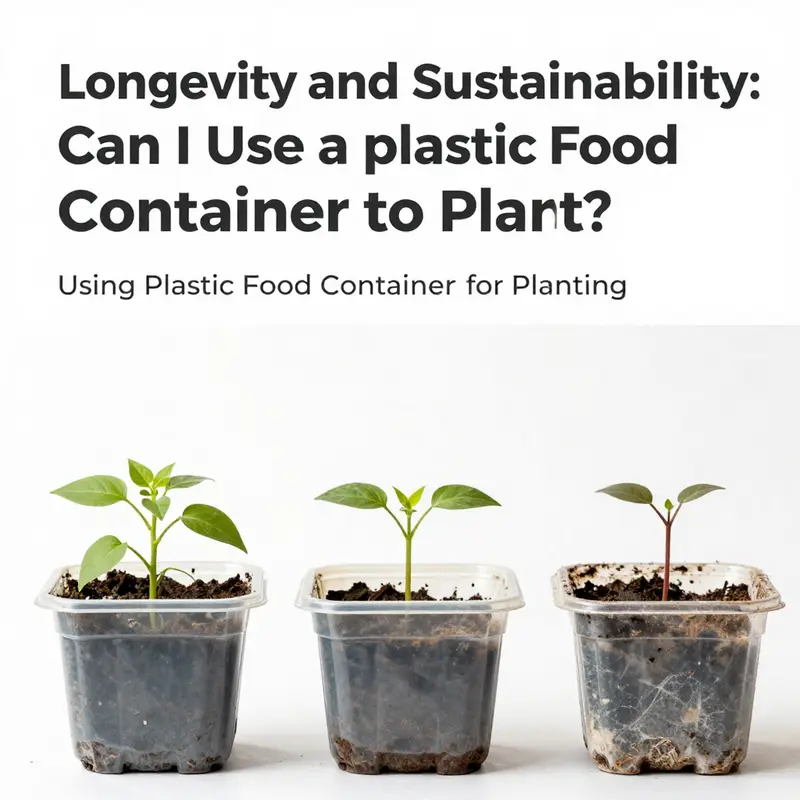
The impulse to repurpose a plastic food container as a planter taps into a practical mindset: waste not, want not, and in many yards and balconies, a makeshift bed for herbs, greens, or even compact vegetables takes root. Yet the question in front of gardeners and curious homeowners is not merely whether a plant will grow in a plastic tub. It is about how we steward that reuse so that the garden thrives without inviting harm to the soil, the plants, or the people who tend them. The core of this issue sits at the intersection of safety and sustainability. You can indeed plant in an old container, but the choice of plastic, the container’s past life, how long it will last in outdoor conditions, and how you manage sun, heat, and soil all shape the outcome. It is less about a single moment of planting and more about a continual, attentive practice that respects the material’s limits while honoring the plant’s needs.
To begin with, safety hinges on plastic type. Not every plastic is kind to soil or to the home gardener. Plastics are identified by resin codes, and those codes, while not a perfect guarantee, offer a helpful way to screen for materials that are more stable and food-safe in ordinary conditions. Containers made from high-density polyethylene (HDPE) and polypropylene (PP) are generally viewed as more stable for food contact and, under typical garden conditions, less prone to leaching hazardous additives than other polymers. In planting contexts, these plastics tend to hold up better against moisture and moderate heat, reducing the chance that contaminants migrate into the soil. Conversely, plastics such as polystyrene (PS) and polyvinyl chloride (PVC) are more prone to degradation under sunlight and fluctuating temperatures, and they can release additives or microplastics as they age. With this in mind, the paramount step is to verify the container’s material and avoid anything that previously housed toxic substances or products that introduced strong residues. The careful reader will remember to favor containers clearly marked as food-grade or at least made from codes #2, #4, or #5, which correspond to HDPE, LDPE, and PP—materials known for relative stability in everyday use.
Beyond the material itself, the container’s condition matters as much as its composition. A clean container with no cracks, deep scratches, or signs of warping earns more confidence than a battered tub. Scratches can harbor residues and micro-pockets that harbor bacteria or fungi, while cracks can deepen with moisture and temperature cycles, creating pathways for unintended chemical migration or soil leakage. The smell test is a simple but effective sanity check: a strong chemical or solvent odor is a red flag indicating that the container has absorbed or retained substances that should not be in contact with soil or edible plants. When you choose a plastic container for planting, you are not merely selecting a vessel; you are selecting a potential partner that will endure a cycle of wet, dry, hot, and cool, often under direct or partially shaded sun. That sun, especially in summer, is a second critical variable. Ultraviolet radiation from sunlight breaks down plastics gradually, a process that can accelerate leaching and release microplastics or additives into the soil. The risk is not always dramatic, but it exists as a continuum that increases with exposure. For this reason, many gardeners favor placing repurposed containers in locations that receive partial shade or shield them with light-colored mulch or shade cloth during the hottest part of the day. It is not just about keeping the plastic intact; it is about keeping the soil and roots from facing an excessive thermal burden that can stress plants and accelerate material wear.
The long view of sustainability adds a sobering dimension. Plastic containers are, in essence, transitional tools. They are convenient and eco-friendly when used as a bridge from waste to garden, particularly for short-term or seasonal planting. But the reality is that most plastic food containers are not designed for long-term outdoor use. Prolonged sun exposure and the heat of outdoor spaces will eventually degrade the polymer matrix, soften edges, and compromise structural integrity. When a container becomes brittle, discolored, or cracked, its ability to function safely diminishes. In practical terms, this means that even a well-chosen HDPE or PP tub will need to be retired after a season or two of outdoor life, depending on climate, exposure, and care. The magnitude of this limitation invites gardeners to weigh more sustainable long-term options—durable planters that can withstand sun and weather for many seasons, or alternative materials such as glass, ceramic, or recycled metal. Each material carries its own set of advantages and caveats, from weight and heat conduction to drainage and soil chemistry, but the key is clarity about longevity and environmental cost.
With these safety and longevity considerations in mind, how does a gardener translate theory into practice? First, preparation is essential. When you select a container, inspect it with eyes and nose as two instruments of inspection. Clean it thoroughly with soap and water, bypass any containers that show signs of residue or chemical smells that linger after washing. If there is even a hint of odor associated with a chemical or solvent, treat that container as unsuitable for planting. For a first pass, consider containers whose original purpose aligns with food contact or those explicitly marketed as food-safe. If the container’s prior life involved non-food substances or hazardous chemicals, it should be set aside in favor of something with a cleaner provenance. After ensuring material safety, you want to address the container’s structure. If the container will have to hold soil and moisture, you will need to provide drainage. Plastic containers often lack adequate drainage holes, making it essential to drill or puncture a few holes near the base. This drainage is not merely to prevent soggy soil but to promote air movement around the roots. A small piece of copper mesh or landscape fabric can be placed over the holes to prevent soil from washing out while still permitting water to escape. In addition, a shallow layer of gravel or small stones at the bottom helps with drainage, though it is not a substitute for holes that allow water to escape. A thin layer of potting mix, enriched for vegetable growth, is preferable to soil from a surrounding bed that might contain weed seeds or pathogens. The mix should be light, fluffy, and well-draining, with enough organic matter to supply nutrients as the plant roots begin to settle into their new home.
A critical step follows: plant selection. The capacity of a plastic container to support vegetables depends on root depth, anticipated growth, and the plant’s tolerance for constrained root systems. Shallow-rooted vegetables such as lettuce, spinach, radishes, and certain herbs often thrive in compact containers. Leafy greens, when harvested promptly and regularly, can provide a steady supply of fresh greens from a small container. For longer fruiting crops or plants with deeper root systems, the container’s depth and volume become limiting factors; in such cases, frequent harvesting and careful monitoring of soil moisture become essential management tasks. The size of the container, its drainage, and the microclimate of the planting site will collectively determine how much you can expect from a given tub. The watering routine is another axis along which sustainability and safety intersect. Plastic tends to heat up quickly, which can accelerate soil evaporation. Because soil dries faster in a small container, you must monitor moisture closely, ensuring that the surface remains slightly damp rather than bone-dry. A moisture-retentive potting mix can help; however, you should still expect to water more frequently in a compact container than in a larger, more spacious bed. If you notice the soil pulling away from the edges or cracking when dry, it is a sign to adjust watering or to incorporate organic matter that improves water-holding capacity.
The narrative of safety continues in the context of long-term use. Even when a container initially proves safe and stable, repeated season after season is not guaranteed. The idea of a one-off planting with a plastic tub might be appealing, but sustainability suggests planning for discontinuation and replacement. For this reason, many gardeners approach plastic repurposing as a transitional strategy. It yields immediate benefits—low cost, reduced waste, and a quick path to a usable planter—yet it is not intended to be a permanent fixture in the outdoor space. When the tub shows signs of aging—cracking, brittleness, yellowing, or a persistently strong odor after cleansing—it is prudent to retire it, clean a new container, and begin again, ideally with a more durable option. This mindset is part of a broader ethic: reuse when it makes sense, but never to the point where risk to soil or plant health becomes a hidden cost.
A separate but connected component of sustainable practice concerns the container’s end of life. If you repurpose a plastic food container for planting, avoid reusing it for food storage afterward. The act of garden use can alter the container’s surface, introducing residues and microcracks that are not suited to future food contact. Once the container has carried soil and plant life, treat it as a garden tool rather than a kitchen tool. This simple distinction helps prevent cross-contamination and keeps food safety intact in future culinary endeavors. For gardeners who aim to minimize waste, the story doesn’t end with a single season. It extends into a cycle of thoughtful replacement with materials designed to endure outdoors. In this light, sustainable practice shifts from a one-time clever hack to a conscious, ongoing strategy that couples safety with ecological responsibility. The key takeaway is that plastic containers can play a legitimate role, but their place is bounded by material limits, environmental conditions, and a practical plan for replacement.
In this broader arc, the practicalities of choice—container origin, material code, condition, sun exposure, drainage, and plant selection—combine into a single, coherent approach. The gardener learns to treat a repurposed tub not as a perfect substitute for a purpose-built planter but as a temporary, well-considered tool. The aim is to harness the benefits of reuse while recognizing the constraints that accompany plastics outdoors. The resulting garden can still be productive, even if its vessels are modest in size and fleeting in lifespan. The question of longevity thus becomes a negotiation: how long will the container last under the given conditions, and what will replace it when its useful life ends? The answer is personal and practical, rooted in climate, care, and a careful reading of the container’s material story. To help anchor these choices, consider the idea that you are not simply repurposing a container; you are shaping a micro-environment that supports roots, microbes, and growth. The container becomes part of the ecosystem you tend, and its safety and durability define the garden’s pace and seasonality.
The practical implications extend beyond safety and durability to the social and behavioral dimensions of gardening. A quick, low-cost project that uses a repurposed container can invite more people to experiment with growing food, especially urban dwellers with limited space. Yet the same project asks for responsibility: be mindful of heat, sun, and soil health; monitor moisture; and plan for a graceful transition to more robust containers as the garden expands. A small container, properly chosen and cared for, can yield a surprising harvest of greens, herbs, and compact vegetables, while teaching the gardener a set of habits that translate into greater sustainability over time. The broader lesson is not simply about whether a container is plastic or not. It is about how we approach reuse with a mind toward safety, soil health, plant vitality, and the planet’s resources. It is about balancing immediacy with foresight and about treating each container as a step in a longer, more deliberate gardening journey.
For gardeners who want to explore safer, more durable or more sustainable options while still embracing reuse, there is a bridge between the impulse to repurpose and the demand for longevity. If you are curious about other packaging options that combine practical usability with environmental considerations, consider sources that discuss food-grade materials and safe packaging practices. For example, one resource highlights the importance of choosing products designed for food safety and minimizing plastic exposure, which aligns with the caution and care described here. This approach allows you to maintain the spirit of reuse while reducing risk and extending the seasonality of your planting projects. When you weigh the costs and benefits, the conclusion remains clear: plastic containers can be part of a gardener’s toolkit, but their role is best understood as a provisional one, bounded by material realities, environmental stressors, and a disciplined replacement plan. Your garden, over time, will reflect that careful balance between ingenuity and caution, yielding lessons about how we live with the materials we use and how we choose to nurture living systems in small, practical spaces.
As you contemplate your next planting, consider the materials you choose, the care you give them, and the pace at which you allow them to age. The garden’s success does not hinge on a single clever container but on a reliable rhythm of safety checks, soil care, moisture management, and a readiness to upgrade to sturdier vessels when the moment calls. If used thoughtfully, a plastic food container can seed a successful, safe, and satisfying growing season, while also teaching a broader lesson about how small acts of reuse, properly executed, connect to larger questions of sustainability and responsibility. And as the season turns and you look out onto the green that has sprung from a repurposed vessel, you may find that the value of the project lies not only in what you harvest but in the attentiveness it cultivates—the habit of asking, again and again, how we can garden with care for people, plants, and the planet.
Internal resource: For a concise look at the broader conversation around safe, food-grade and plastic-free packaging as a complement to safe reuse in everyday projects, see plastic-free, food-grade disposable cups. This reference helps frame the safety lens without steering gardeners toward non-reusable or unsafe materials.
External resource: For additional context on plastic safety and information about plastics in the environment, consult external guidance such as https://www.epa.gov/sustainability/basic-information-plastics
Final thoughts
Utilizing plastic food containers for planting not only aligns with your business’s sustainability goals but also encourages community engagement through gardening initiatives. Understanding the types of plastics, ensuring safety precautions, and recognizing the lifespan of these containers are pivotal steps in making this practice successful. By adopting such eco-friendly measures, your beverage business can stand out as a leader in sustainability while contributing positively to your local ecosystem.