
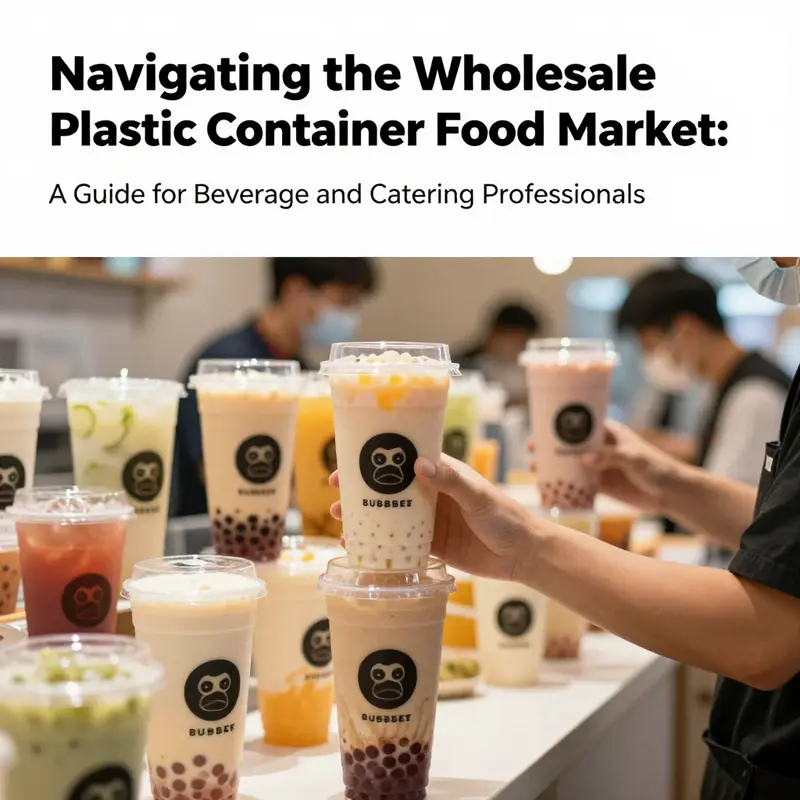
As the demand for efficient and sustainable food packaging continues to rise, understanding the wholesale plastic container market becomes essential for businesses in the beverage and food industries. From bubble tea shops to catering services, selecting the right containers can optimize product presentation and enhance customer experience. This article will provide a comprehensive look at current product trends and pricing, key procurement tips, and a comparison of plastic vs. glass containers, helping you make informed decisions that align with your operation’s needs and values.
Bulk Essentials: Price Trends, Materials, and the Maturation of Guangdong Wholesale Plastic Food Container Market
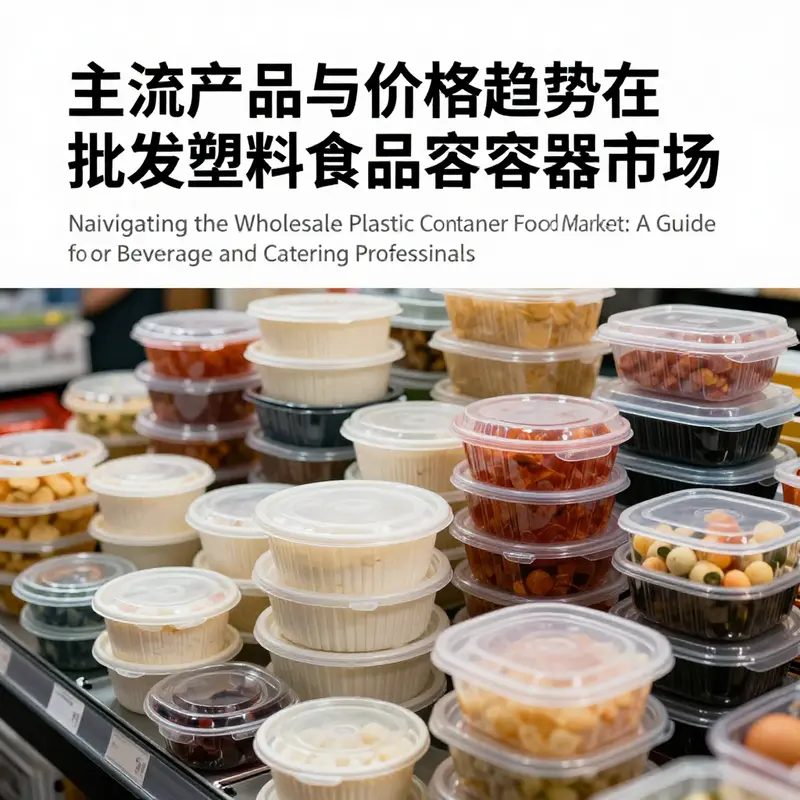
Across the Guangdong wholesale plastics ecosystem, bulk plastic food containers are the quiet backbone of foodservice, catering, and home delivery. In 2026, material science, manufacturing scale, and logistics discipline shape the market more than any single invention. The dominant workhorses remain PP and HDPE, with PS appearing in select legacy lines; the market prioritizes lightness, durability, and compatibility with both single-use and reuse cycles.
Price formation follows a tiered logic: low-end basic disposables with tight unit costs, mid-range containers offering better sealing and temperature tolerance, and premium lines with enhanced barrier properties or added features. Scale matters: large orders unlock meaningful discounts as tooling, molding cycles, and freight efficiency improve. Resin costs and energy prices inject modest volatility, but demand for bulk packaging tends to stabilize overall margins.
Sustainability considerations are moving from niche to mainstream. Recyclability and even bio-based blends are increasingly available, driven by regulation and brand expectations. Buyers increasingly demand clear material safety compliance, end-of-life plans, and supplier transparency, while manufacturers invest in testing protocols and pilot programs to shorten feedback loops and reduce waste.
For practitioners, the path is steady: specify use-case details, request samples early, and validate with real-world tests before large commitments. Leverage Guangdong’s scale for standard lines while keeping room for customization when strategic value justifies it. The Guangdong market’s maturity means reliable supply, transparent pricing, and a growing share of greener packaging options.
Smart Sourcing for Wholesale Plastic Food Containers: Compliance, Quality and Long-Term Value
在批发塑料食品容器领域,采购不只是比价和下单。优质采购是一项系统工程,涉及合规验证、材料与结构评估、供应链能力确认、质量控制流程以及与供应商的长期协作。一个稳健的采购策略能保障食品安全、降低运营风险并优化总体成本。以下内容以实践为导向,逐步阐述如何把合规、质量与成本三者整合为可执行的采购路径。
首先,合规是所有决策的底线。任何用于食品接触的塑料容器都必须满足适用的国家或地区食品安全标准。采购团队应要求并审核供应商提供完整的合格证明,包括材料成分报告和第三方检测结果。重点核查材料是否标示为食品级(如PP、PE、PS等),以及迁移物、重金属和增塑剂等关键指标的检测数值。缺乏合规证明或只提供厂内检测报告的厂商,应被列为高风险对象,并纳入额外抽样与试验流程。切记,单价再低也不能以牺牲食品安全为代价。
在合规之外,供应商资质与生产能力的验证直接影响交付稳定性与品质一致性。合格采购应覆盖三项核心核查:营业执照与经营范围、质量与食品安全管理体系认证、以及产能与设备能力。营业执照需明确覆盖食品包装制品;体系认证如ISO 22000或HACCP则表明企业有系统化的食品安全管理流程。产能评估不仅看年产数值,更要看生产线的完整性,包括模具开发、注塑或吹塑成型、后加工(印刷、贴标)与包装能力。拥有内建模具和全流程能力的工厂更能缩短交期,降低沟通成本,并在设计迭代阶段提供及时的技术反馈。
质量优先并非排斥成本意识,而是强调“总体成本视角”。采购不应只比较单件价格,而要计算使用周期成本、报废率、替换频率与潜在的食品安全损失。举例来说,可重复使用的食品容器初期成本高,但因耐用性与低替换率,长期采购成本往往低于大量购买一次性廉价产品。此外,容器的设计会影响使用效率:带有密封圈和防漏结构的盖子,能减少运输损失和客户投诉;抗冲击、耐堆码的容器能降低仓储破损率。把这些因子纳入总成本模型后,性价比最高的选项往往会不同于只看单价的结论。
定制能力是供应商筛选中的重要分项。食品类别繁多,内容物属性千差万别。某些食物需要避光包装,某些需要耐高温或耐溶剂材质,某些则要求特殊注塑成型以实现内置隔断。优秀供应商应主动提供材料改性建议,并能在模具和结构设计上提出可执行方案。评估时应要求供应商展示过往定制案例,并索取技术样板或材料说明。若客户计划在容器上印制品牌标识,还应确认印刷工艺(丝印、热转印、模内贴标)与耐洗耐刮性能。
样品测试必须是采购流程的一部分。切勿仅凭照片与彩页下大单。样品测试应包括但不限于:密封性测试、耐热与耐冷测试、耐冲击测试、材料迁移与气味评估、长期堆码疲劳测试,以及在实际使用场景下的清洗耐受性。对微波适用或冷链使用的产品,应进行有针对性的功能性试验。为确保测试科学性,建议使用独立第三方检测机构并保存完整检测报告作为合同附件。
质量控制流程要落地实施。合同中应明确检验标准、抽检频率、批次放行流程和不合格品处理机制。常用做法包括:首件检验(FAI)、批量中检以及出货前终检。对于大额或高风险订单,可以约定第三方检验公司进行预装箱检验。若供应商提供生产记录与批次追溯系统,则能在问题发生时快速定位责任并采取召回或补救措施。
谈判时,把交期、MOQ、包装和物流纳入条款中。很多供应商提供较低的单价,但最低起订量(MOQ)高到不适合短频次采购。明确包装规格和运输条件可以避免到港后产生额外费用或产品损伤。例如,塑料容器若采用内衬、或需防静电处理,均应在合同中注明包装方式。此外,货期差异会影响库存和现金流。在谈判中保留弹性条款,如分批交付、期货价格锁定或价格阶梯,以便应对原材料波动。
供应链风险管理是长期合作必须考虑的方向。塑料原料价格受石化市场影响波动显著。采购策略应包括多供应渠道、原材料替代方案以及库存缓冲计划。对重要零配件,如特制模具或密封圈,应要求供应商提供备件或明确替换周期。对于跨国采购,还需考虑关税、检验检疫要求与运输延迟风险。尽可能盘活本地或邻近区域供应资源,可以在紧急情况下缩短响应时间并降低运输成本。
验厂与合作关系建设同等重要。实地审核能核实生产能力、劳动与环境合规、以及管理流程的真实执行情况。审核不必每次都亲赴工厂;结合视频审核与第三方审计可有效节省成本。建立合作后,采购团队应推动供应商持续改进。通过KPI(如按时交货率、不良率、客户退货率)定期评估并开展问题改善会,能让供应链稳定性逐步提升,并在必要时实现产品迭代。
在可持续性日益受重视的背景下,采购决策需考虑环保与法规趋势。塑料容器的环保策略可以多元化,例如提高回收率、采用部分生物基材料、或优化设计以减少用料。采购方应明确环保要求,区分“可回收”与“可降解”两类术语,并要求供应商提供材料来源与回收说明。若客户品牌对环境表现有公开承诺,应将这些要求写入供应协议,并设置第三方验证机制。
对小型买家或试单场景,利用受信任的B2B平台进行初步供应商筛选具有实用价值。平台可提供供应商等级、交易保障与第三方买家评价。无论通过平台或直接联系,最终都应进行样品测试与合规验证。对长期战略合作,应优先选择那些具备本地化服务能力、技术支持团队与灵活交付策略的厂商。
在材料选择方面,聚丙烯(PP)与聚苯乙烯(PS)仍是市场主流。PP以耐热、耐化学性和良好的可回收性著称,适合微波加热和重复使用情境。PS透明且成型成本低,适用于展示性包装,但在耐热性方面不及PP。采购时应结合用途确定材料,例如需冷链稳定和透明观察性可以选择共挤或复合结构;需防油防渗则可考虑内层涂层或专用密封设计。必要时,要求供应商提供材料安全数据表(MSDS)与可回收代码标注。
将质量控制转化为持续性流程,关键在于双方的沟通机制。推荐建立定期技术对接、月度质量回顾和季度商务评审。技术对接聚焦产品改进、材料替代与新项目评估;质量回顾分析不良趋势并跟踪整改;商务评审则讨论价格、交期与产能规划。通过三层次例会,采购方可以提前感知生产风险并与供应商共同制定应对计划。
最后,采购决策应保留实操灵活性。市场价格和政策环境会随时间变化,采购策略也应随之调整。对于重点SKU,考虑签订长期框架协议以锁定价格与产能。对于新品或市场测试订单,采取小批量多批次试产与快速反馈的方式更为稳妥。无论采用何种方式,核心原则始终不变:确保食品级合规、以总体成本为评估基准、并建立与供应商的透明、可追溯长期合作关系。
若需要对可重复使用的塑料容器样品做快速比对测试,可查看一个示例产品页,了解带PP盖的方形可重复使用沙拉碗的规格与包装信息:food-grade reusable square salad bowls with PP lids。
有关行业趋势与更全面的市场分析,请参考权威研究报告以获得最新数据与政策解读: https://www.plasticpackaging.cn/research/2026-02-09
Wholesale Choices: Balancing Plastic and Glass Food Containers for Smart Procurement
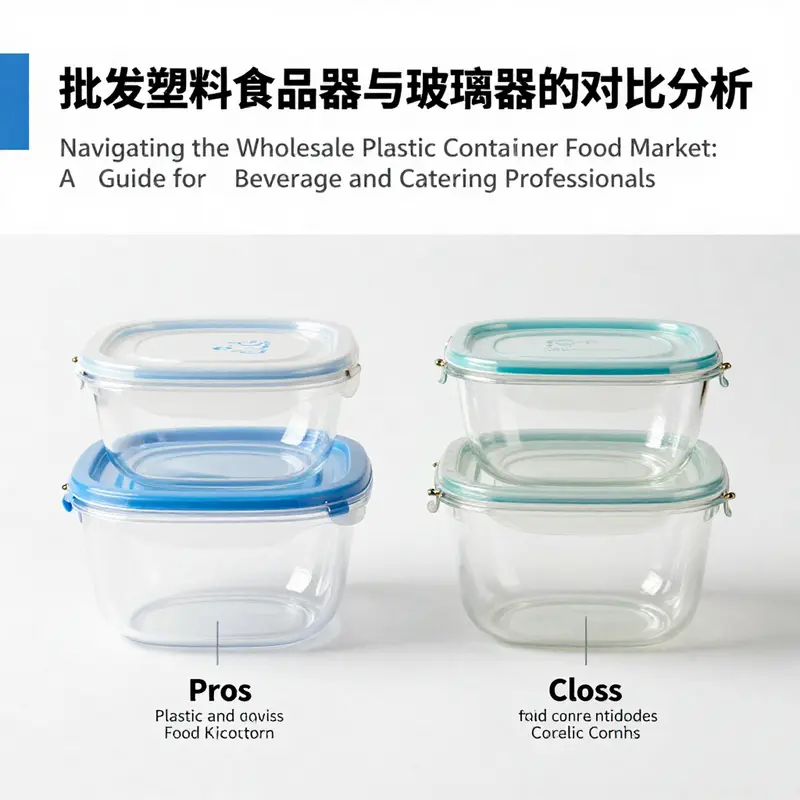
Optimizing container choice at wholesale scale demands clarity. Buyers must weigh cost, safety, logistics, and sustainability. This chapter walks through those trade-offs in practical terms. It focuses on everyday procurement decisions for foodservice, central kitchens, and processing plants. The goal is to help purchasing teams choose containers that match operations, budgets, and brand expectations.
The conversation often begins with headline differences: plastic is light and cheap; glass is inert and durable. Those labels hide nuance. Food-grade plastics like PP and HDPE resist acids and oils, and perform well in heavy handling. Glass resists chemical migration and heat, and preserves product integrity. When buying in bulk, the decision should factor lifecycle costs, handling patterns, regulatory compliance, and end-of-life plans. A single metric, such as unit price, rarely reflects true total cost.
Start with the operational profile. If containers move frequently across sites, are stacked during transport, or require fast turnover, plastics frequently win. They reduce freight weight and breakage losses. A 1000L polyethylene immersion tank, for example, offers high capacity with low handling stress, and adapts to pickling, brining, and temporary storage. Conversely, glass excels where product purity and temperature extremes matter. Glass tolerates repeated oven or microwave exposure and sterilization cycles with minimal material degradation. It suits long-term ingredient storage, display jars, and premium retail packages.
Safety and health considerations are central. Modern food-grade plastics comply with recognized standards and show good performance when used as intended. However, repeated heating or storage of aggressive solvents can increase the risk of chemical migration. Best practice is to avoid prolonged high-heat exposure and to prevent contact between high-proof alcohol or concentrated oils and thin plastic walls. Glass, being chemically inert, poses a lower migration risk. For food items that must remain unaltered in taste or aroma, glass is often the safer choice.
Procurement teams should insist on documentation. Certificates for food-contact safety, test reports for migration and heat resistance, and detailed material declarations are not optional. Confirm the specific polymer type, such as PP or HDPE, and that it meets the relevant standard for your market. When suppliers quote compliance with a standard, request the test reports and manufacturing traceability. Labelling that simply states “food grade” without supporting paperwork increases risk. This is especially true for private-label products where brand liability rises with scale.
Cost analysis requires moving beyond unit price. Plastics usually offer a lower purchase price. Many bulk plastic items are priced competitively, especially when ordered in large MOQ (minimum order quantity) lots. Low per-unit cost can be attractive but factor in damage rates, service life, and disposal fees. Glass has higher upfront cost and freight expense due to weight and fragility. Yet its longer lifespan can spread that cost over many cycles. For branded retail packaging, the visual and perceived quality of glass can enhance price realization and justify the higher initial investment.
Logistics and packaging influence total landed cost. Plastic containers reduce shipping weight, allow denser palletization, and tend to survive rough handling. Their reduced breakage lowers replacement orders. Glass requires stronger cushioning, careful packing methods, and gentler handling workflows. Buyers should ask suppliers for packaging specifications, pallet load plans, and recommended handling procedures. Confirm who bears responsibility for transit damage and whether replacements or discounts apply for breakage within agreed thresholds.
Customization needs shape supplier choice. Many plastic manufacturers offer extensive customization at scale. Coloration, custom lids, built-in sealing features, and printed branding are common. Thermoforming, injection molding, and blow molding each support different design goals and costs. Glass customization is more limited and costlier. Printed glass labels, embossed logos, and specialized closures are possible, but tooling and lead times are higher. For campaigns that require unique shapes or full-color branding at a low unit price, plastic often offers a faster route to market.
Environmental impact deserves careful assessment. The debate between plastic and glass is not binary. Both materials carry environmental costs. Plastic production is energy-intensive and creates persistent waste if unmanaged. Glass production uses high temperatures and fossil energy, but glass is infinitely recyclable without property loss. Lifecycle thinking helps. If containers will be reused many times and recycled effectively, glass can outperform plastic in carbon footprint per use. If a plastic container is reused repeatedly and enters a robust recycling stream, its environmental impact can improve significantly. Plan for end-of-life: whether through return programs, recycling, or composting for certified biodegradable alternatives.
Quality control at scale is non-negotiable. For plastics, inspect wall uniformity, lid fit, and sealing integrity. Thin walls or inconsistent thickness raise risk of deformation under heat or stacking loads. For glass, inspect annealing quality, presence of microfractures, and uniformity of finish. Request sample runs and perform accelerated aging tests if products will face repeated thermal cycles. A small sample test under simulated use conditions reveals far more than visual inspection alone. Confirm rejection criteria and remedy processes with suppliers before placing large orders.
Regulatory alignment matters across markets. Food-contact standards differ by region. Ensure materials and additives comply with the local regulations where products will be sold. Some regions restrict certain plasticizers or require dual-compliance for exported goods. Buyers who operate across borders need supplier commitments to multi-jurisdictional compliance. Clarifying this upfront protects against costly recalls and market restrictions.
Operational fit should guide material choice for specific use cases. Use plastics for large-volume temporary storage, fast-moving takeout packaging, and items that require low weight. Use glass for flavor-sensitive storage, high-temperature processing, long-term retail containers, and premium presentation. In many cases, combining both provides the best balance: use plastic for bulk transport and handling, and transfer to glass for final retail or prolonged storage.
Inventory management must reflect material behavior. Plastic parts may deform over time under load, especially if stored improperly. Glass needs stable stacking and protective separators. Warehouse teams should receive handling guidelines tied to container type. Stock rotation policies should account for plastic aging and potential heat exposure. Rework loops for damaged pieces must be clearly defined to prevent compromised containers reaching production.
Cost control strategies include negotiating on MOQ, seeking bundled services, and verifying packaging efficiency. Many suppliers offer price breaks for higher volumes. However, large lots increase storage costs. Balance order frequency and lot size against warehousing capability. A practical approach is to combine forecast-driven blanket orders with smaller, more frequent replenishments for fast-moving SKUs. Also, evaluate suppliers on their ability to offer samples, quality guarantees, and responsive logistics support.
Brand impact is often overlooked. The physical container speaks for the product. Glass conveys premium quality and permanence. Plastic can signal convenience and value. Packaging contributes to perceived freshness, safety, and sustainability. If brand positioning targets health-conscious or premium customers, glass may deliver marketing returns that offset higher costs. If the brand promise focuses on affordability and convenience, plastic often aligns better.
Sustainability programs can mitigate both materials’ weaknesses. For plastics, invest in recycled-content options and design for recyclability. Clear labeling, take-back incentives, and partnerships with recycling networks reduce leakage. For glass, invest in supply chains that prioritize post-consumer recycled glass content. Both approaches require supplier transparency about material sources and end-of-life processing pathways. Metrics such as recycled content fraction and local recycling capacity are practical decision factors.
Finally, procurement practice matters more than material ideology. Require documented material specifications and compliance certificates. Test samples under expected use. Negotiate clear warranty and replacement terms. Plan logistics with attention to fragility and weight. Incorporate lifecycle costing into vendor comparisons. Use pilot runs to validate assumptions before scaling orders.
Key procurement checklist
- Verify food-contact certifications and ask for test reports.
- Request representative samples and run thermal and mechanical tests.
- Confirm MOQ, lead times, and packaging details.
- Evaluate total landed cost, including freight and expected breakage.
- Assess recycling and end-of-life pathways in your market.
- Map operational fit to use case: transport, storage, display.
- Negotiate replacement and defect terms before purchase.
- Factor brand and consumer perception into material choice.
Choosing between plastic and glass at wholesale scale requires practical trade-offs. Plastics deliver cost efficiency and handling resilience. Glass offers chemical stability and lasting reuse value. The optimal route often blends both materials. Use plastic where movement, weight, and cost matter most. Use glass where safety, presentation, and longevity matter most. Insist on documentation, test samples, and supplier transparency. That approach reduces risk, optimizes cost, and protects brand reputation.
For an example of a reusable option compatible with bulk operations, consider a food-grade reusable square salad bowl design with PP lids as a reference for plastic-based reusable packaging. You can view one such example here: food-grade reusable square salad bowls with PP lids.
For deeper technical comparison and manufacturer perspectives on glass versus plastic, see this external resource: https://www.roetell.com/en/glass-vs-plastic-food-containers
Final thoughts
Selecting the right wholesale plastic food containers is critical for catering to modern consumer demands. With competitive pricing, multifunctional options, and eco-friendly materials available, businesses can find solutions that not only meet their operational needs but also resonate with environmentally conscious customers. By understanding the market trends, securing reliable suppliers, and weighing the benefits of plastic against glass, businesses can enhance their packaging strategy effectively. Take the next step to refine your product offerings and strengthen your supply chain by investing in high-quality, affordable containers suited to your brand.