
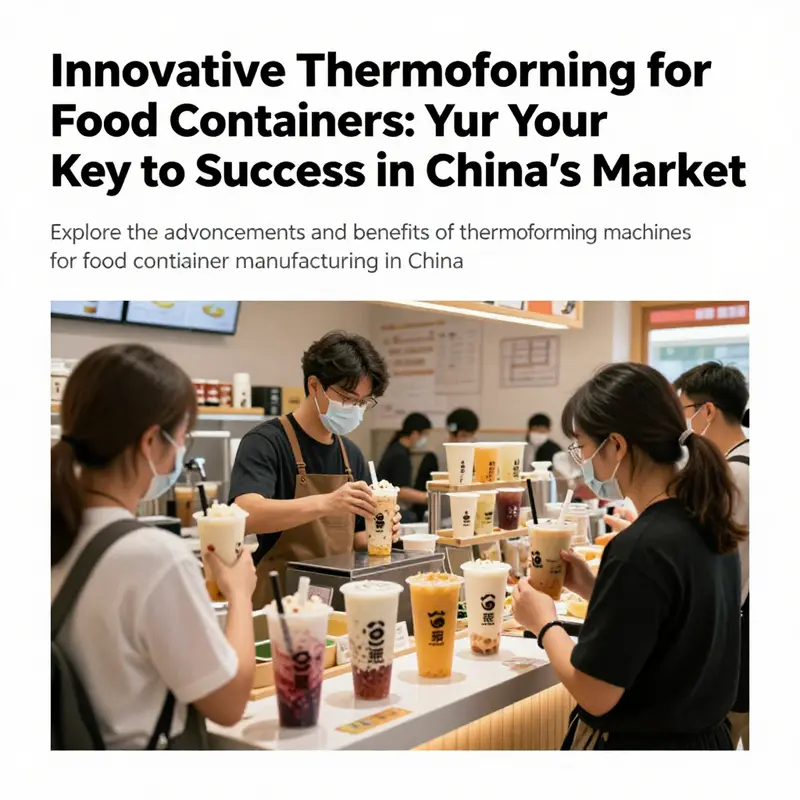
As the demand for quick and sustainable food packaging solutions surges, the role of thermoforming machines in producing disposable plastic containers becomes increasingly pivotal. In China, numerous manufacturers specialize in catering to this growing market, providing high-quality thermoforming systems designed to meet the unique needs of businesses ranging from bubble tea shops to corporate catering services. This article delves into the world of thermoforming machines for food containers, highlighting innovative technologies, economic implications, geopolitical considerations, and sustainability standards that shape the industry. Join us as we explore how these factors influence the production landscape and what they mean for your business.
Contours of a Global Supply Line: China’s Thermoforming Machines for Food Containers
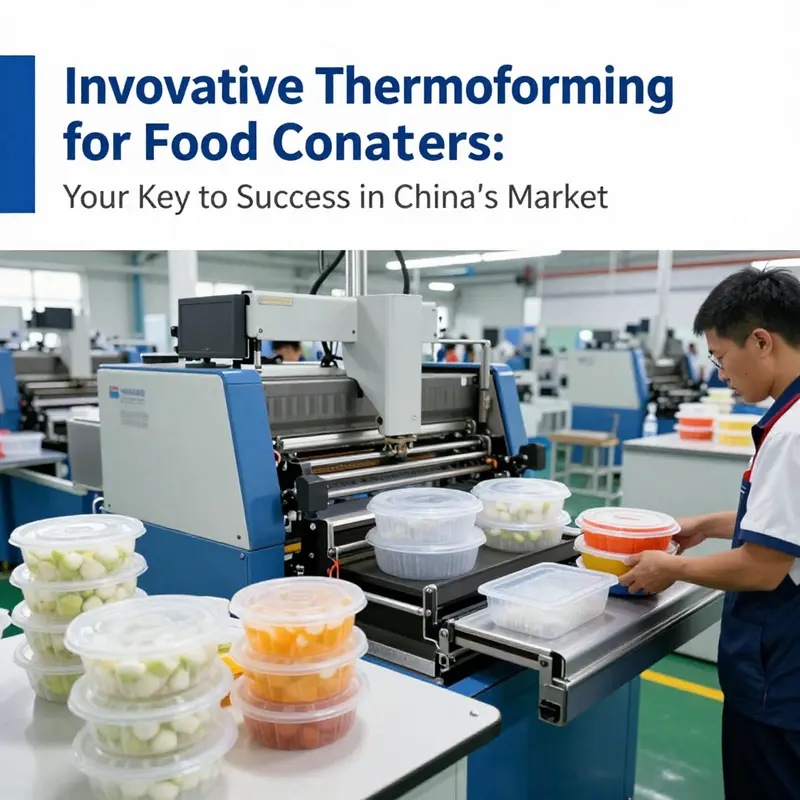
Global demand for convenient, hygienic, and affordable food packaging has tethered the fate of many production lines to the capabilities of thermoforming. In China, a dense network of manufacturers has emerged that specializes in machinery capable of turning raw polymers into a wide array of disposable food containers. This ecosystem—rooted in advanced automation, disciplined process control, and a logistics backbone that spans coastal hubs to inland delivery—has reshaped the way brands, retailers, and food-service operators source packaging equipment and, ultimately, products. The story is not simply about machines; it is about how a country with integrated clusters, shared standards, and a culture of continuous improvement has aligned technology, materials, and market access to create a robust, globally influential supply line.
At the heart of this narrative is the thermoforming machine, a device that can transform sheets of polymer into trays, cups, lids, clamshells, and myriad other shapes used to contain, protect, and present food. The key materials—PP, PE, PS, PET, PVC, and sometimes more specialized options like PLA and other bio-based composites—define the design envelope of each machine. Machines built in this milieu are not one-trick ponies; they are flexible systems that can process multiple materials, accommodate different thicknesses, and adjust to changing product sizes with minimal downtime. This flexibility matters because the food packaging sector continues to push for thinner walls, lighter weight, and better heat resistance, all while meeting stringent hygiene standards.
In practice, the manufacturing clusters spread across several provinces, each with its own specialization and advantages. Guangdong stands out for its high-speed automation and export readiness. Factories here are tuned for mass production, with an emphasis on rapid throughput and seamless integration with downstream processes such as polymer supply, extrusion, and logistics. The region’s infrastructure supports fast delivery to North America and Europe, trimming transit times significantly and improving responsiveness to seasonal demand spikes. The emphasis in Guangdong tends to be on machines that can handle common materials for everyday disposable containers, including PET, PP, and PS, and that can be rapidly scaled to meet large orders while maintaining consistent performance across multiple shifts.
Zhejiang contributes precision engineering and mature automation integration. The clusters in cities like Ruian and Pingyang benefit from a well-developed supply chain for components and control systems, allowing for fast assembly with dependable quality. Here, the emphasis is often on higher-precision applications and sophisticated control schemes, including IoT-enabled monitoring and predictive maintenance features. The advantages are twofold: first, tighter process control yields more uniform product quality; second, the ability to deploy smart monitoring reduces unplanned downtime and extends equipment life. For brands that demand premium packaging—whether for premium ready meals or electronics-related food-service products—Zhejiang-based lines offer stability, repeatability, and traceable performance metrics that are hard to match in lower-cost environments.
Shandong’s strength lies in durability and maintenance-friendly design for high-volume production. Manufacturers in this belt prioritize standardized, robust platforms and components that reduce the probability of failures and simplify service across long-running production cycles. In-house CNC machining, mold fabrication, and electrical integration capabilities shorten lead times, curtail dependencies on external vendors, and decrease total cost of ownership. The result is a family of thermoforming machines that deliver steady uptime and predictable performance, essential for operators who run tightly scheduled lines—producing everything from basic foam-style containers to more complex multi-part lids and trays.
Fujian shows another facet of China’s thermoforming industry: sustainability and materials innovation. This region has become an emerging hub for processing bio-based materials and compostable polymers, including PLA and rice husk composites. The ability to work with these materials positions Fujian as a strategic partner for brands aiming to navigate increasingly stringent environmental regulations in markets like the European Union and the United States. Proximity to major ports—Ningbo and Xiamen—also means that these manufacturers can offer favorable freight terms, which is a crucial consideration for buyers who balance machine cost with total logistics cost when sourcing equipment from abroad.
Across these provinces, the performance envelope of contemporary thermoforming machines is broad. Buyers encounter lines that can handle a spectrum of products—from lidded cups and clamshells to foam food containers and trays—often with the option to produce lids, inserts, and related components in a single integrated workflow. The technology stack typically includes programmable logic controllers (PLCs), human-machine interfaces (HMIs), and a suite of integrated process steps: feeding, heating, forming, and trimming or punching. The integrated approach reduces manual handling, minimizes material waste, and lowers the risk of hygiene breaches during the conversion from sheet to finished part. Energy efficiency, achieved through optimized heating elements and intelligent cycle control, is a recurring theme, particularly in facilities seeking to balance high output with sustainability goals.
The nature of the automation is more nuanced than it might appear at first glance. The best lines combine robust mechanical design with intelligent control logic that can adapt to different part geometries and material thicknesses without extensive retooling. In practice, this means quick-change molds and modular tooling that allow for rapid product family shifts. The ability to switch molds quickly is not merely a convenience; it translates into meaningful downtime savings and a reduced time-to-market for new packaging designs. This capability is especially vital for food-service operators who must respond to changing menu offerings, seasonal promotions, or evolving consumer preferences while maintaining compliance with hygiene standards and labeling requirements.
Procurement considerations for these machines go beyond the sticker price. A thoughtful buyer evaluates technical capability, after-sales support, and long-term partnership potential. Standards such as GMP and QS remain critical benchmarks for machinery intended to produce food-grade containers. In this environment, Chinese manufacturers have built reputations for providing not only machines but also robust service networks, training, spare parts availability, and responsive technical support. The decision often hinges on total cost of ownership: uptime, maintenance frequency, energy consumption, and the ease with which lines can be scaled or repurposed as demand changes.
To illustrate how buyers navigate this landscape, one can look at how the industry uses online platforms for sourcing and verification. Platforms such as Alibaba’s industrial machinery listings provide a starting point for comparing specifications, certifications, and factory credentials. The value lies in the ability to vet suppliers, review factory footage, and read customer feedback before engaging in a formal procurement process. This approach complements the regional strengths discussed above and enables buyers to assemble a package that includes not only the thermoforming line but also ancillary equipment such as material handling systems, heating modules aligned with chosen polymers, and downstream cutting or punching stations that complete a production cell.
For readers who seek a window into the types of products these lines can produce, the disposable lunch-box category offers a tangible snapshot of how lines are configured to address common packaging formats. The category showcases a variety of container geometries, lid designs, and tray configurations that thermoforming lines are capable of producing when configured for daily operation in a high-volume setting. Exploring such product families helps buyers imagine how a single machine platform could be adapted to multiple SKUs without compromising hygiene, weight, or structural integrity. It is a reminder that the true value of a modern thermoforming line lies not only in its current output but in its versatility for future product mixes.
From a strategic standpoint, buyers increasingly value the integration of digital features. IoT-enabled monitoring, remote diagnostics, and data analytics help teams anticipate maintenance needs, optimize energy use, and schedule interventions at opportune times. In markets where labor costs are rising or where skilled technicians are less available locally, these digital capabilities translate into meaningful reliability gains and smoother supply chains. The convergence of automation and sustainability—whether through energy-efficient heating systems, optimized material usage, or compatibility with biodegradable polymers—positions Chinese manufacturers as pivotal partners for brands that want to balance cost, compliance, and environmental stewardship.
As the global packaging market evolves, the role of sourcing decisions in thermoforming becomes more strategic. Buyers must weigh not only the machine’s technical specifications but also the surrounding ecosystem: the reliability of component suppliers, the consistency of quality across batches, and the ability to meet evolving regulatory and consumer expectations. The clusters described here provide a natural testbed for evaluating supplier capabilities: Guangdong for scalable throughput, Zhejiang for precision and smart control, Shandong for durability and uptime, and Fujian for sustainable material processing and logistical convenience. Together, they create a comprehensive manufacturing landscape that can supply the world with capable, adaptable thermoforming lines.
For those who want a grounded starting point in understanding market dynamics and supplier capabilities, the literature and industry reports emphasize the importance of evaluating total cost of ownership, post-sale support, and certifications in tandem with price. The jack-of-all-trades nature of modern thermoforming lines means buyers should look for a supplier that can offer not only a machine but a configured production cell with compatible auxiliary equipment, an accessible spare-parts strategy, and training that reduces startup risk. This approach helps ensure that a newly installed line reaches steady-state production quickly, meets quality targets, and remains resilient through demand fluctuations.
To connect this broader narrative to practical steps, consider the value of a targeted procurement plan that starts with a needs assessment: product formats, material choices, required output, and regulatory constraints. From there, a supplier scan should prioritize lines with flexible tooling, modular upgrades, and a proven record of fulfilling hygiene standards. A site visit, whether virtual or in person, can reveal the true state of automation and the readiness of the supplier’s after-sales network. The goal is not merely to purchase a piece of equipment but to establish a durable, performance-oriented partnership that supports ongoing product development and process optimization over the machine’s entire lifecycle.
In sum, China’s thermoforming machine sector for food containers embodies a dynamic blend of high-speed production, precision engineering, durable design, and forward-looking sustainability. The regional strengths—Guangdong’s export-driven scales, Zhejiang’s precision and smart control, Shandong’s reliability-focused platforms, and Fujian’s bio-based materials capability—form a composite that enables global buyers to assemble efficient, compliant, and adaptable packaging lines. This ecosystem, reinforced by reputable online marketplaces and a willingness to invest in service and training, makes Chinese thermoforming equipment not just a manufacturing choice but a strategic investment in supply chain resilience and packaging innovation.
Internal link: For buyers exploring ready-made packaging formats and line configurations, the Disposable Lunch Boxes category provides a tangible reference to how thermoforming lines are deployed to produce common container designs that meet everyday demand. Disposable Lunch Boxes.
External reading: https://www.alibaba.com/news/strategic-sourcing-of-thermoforming-machines-for-food-containers-b2b-guide-20251130?spm=a2700.14638298.0.0.1a1d1a1fQxYtKX
Shaping Sustainability and Precision: Technological Advances in Chinese Thermoforming for Food Containers
Across the sprawling landscape of modern manufacturing, China has emerged as a pivotal hub for thermoforming machines tailored to producing food containers. The machines themselves are more than mechanical assets; they are orchestration platforms that marry material science with automated control and process integration. In a sector where every gram of material saved and every microsecond shaved from a cycle counts, the latest innovations in thermoforming blend advanced engineering with practical, scale-driven production needs. What makes these developments particularly significant is not just the speed or the efficiency, but their cumulative effect on safety, sustainability, and accessibility of food packaging on a global scale. The journey from a raw polymer melt to a finished, ready-to-fill container is now punctuated by intelligent systems, modular design, and an expanding palette of materials that together redefine what is possible for food packaging in a high-demand economy.
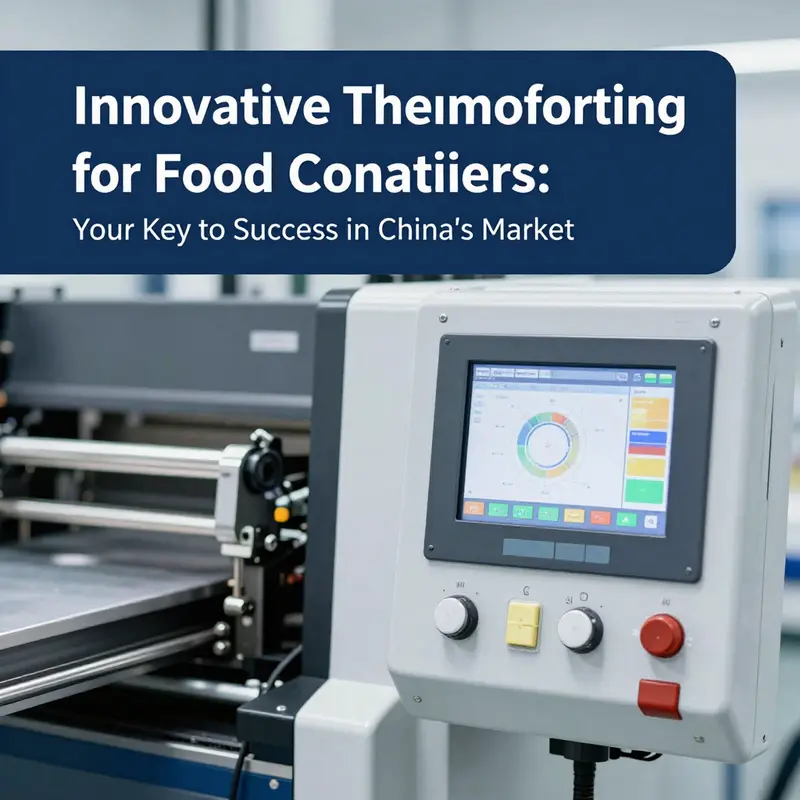
At the heart of modern thermoforming for food containers lies a convergence of control technology and integrated process flow. Traditional lines that once required manual intervention at various stages now operate with a high degree of autonomy. Programmable logic controllers (PLCs) manage a sequence that spans loading, heating, forming, and trimming. Operators interact with accessible human-machine interfaces (HMIs) that present real-time data on temperature zones, cycle timing, and tray-to-tray alignment. This digital backbone supports both semi-automatic and fully automated configurations, enabling manufacturers to scale output while maintaining uniform quality. The advantage is particularly clear when a plant pivots to accommodate different product families—dishes, lids, trays, cups—without compromising efficiency or the sanitary integrity demanded by food-contact applications.
A defining feature of the current generation of thermoforming equipment is its emphasis on integrated, end-to-end processing. The equipment is designed to handle feedstock, heating, forming, cutting (or side trimming), and even secondary operations in a single streamlined line. The result is tighter process control, less manual handling, and reduced risk of contamination—a critical consideration for food packaging. In facilities where GMP and QS standards are the baseline, such integrated systems translate to easier compliance, traceability, and hygienic manufacturing practices. As a result, manufacturers are able to demonstrate consistent product quality to customers and regulatory bodies across international markets, reinforcing trust in Chinese supply chains.
Energy efficiency is no longer a peripheral concern but a central design principle. In many lines, high-end configurations incorporate intelligent feeding devices and energy-conscious heat management. For example, precise heating zones can be modulated in real time to avoid overheating thin-walled sections or to accommodate different materials with distinct thermal profiles. The use of energy recovery features and optimized insulation reduces waste heat and lowers the overall energy footprint of the line. This is particularly important in a sector where margins are tight and energy costs influence the total cost of ownership. Even modest improvements in heat transfer efficiency or cooler run times can translate into sizable gains over a year of continuous operation, making the case for smart temperature control that responds to real-time sensor inputs.
One of the most transformative shifts in recent years is the increase in process flexibility. The market’s appetite for varied shapes and sizes—bowls, trays, lids, and cup bottoms—drives demand for rapid mold changes and modular tooling. Contemporary lines are built around plug-and-play molds and standardized quick-change components that minimize downtime when switching product families. In addition, automation vendors have refined the handling systems that feed, stack, and unload finished parts, reducing touchpoints and speeding up production cycles. The upshot is a manufacturing environment that can respond to changing consumer preferences and brand requirements without incurring prohibitive downtime or retooling costs.
From a materials perspective, the landscape has broadened beyond conventional thermoplastics to embrace bio-based and recyclable polymers. PLA and other bio-based resins have begun to appear in food-contact applications that require a credible environmental profile without sacrificing performance. The challenge, of course, is balancing biodegradability and recyclability with the mechanical and barrier properties essential for food safety. Advances in additives, structure design, and compatibilizers are helping to bridge these gaps, enabling containers that maintain their strength under hot-filling, cooling, and shipping conditions while still offering a clear path to end-of-life recovery. The move toward recyclable systems also aligns with broader industry shifts toward circular packaging models, recognizing that end-of-life outcomes are as critical as the initial manufacturing costs.
Within this materials and process ecosystem, automated precision heating systems powered by IoT sensors play a pivotal role. Real-time monitoring of temperature distribution across the forming surface ensures uniform material flow and dimensional stability. Sensors capture data on heating plate temperatures, platen pressure, and cycle timing, feeding diagnostics that can preempt defects before they occur. Operators can fine-tune cycle parameters on the fly, but the stronger value lies in predictive maintenance. With data analytics, a machine can forecast wear on heating elements, anticipate calibration needs, and schedule maintenance during non-peak hours. The result is less unscheduled downtime and a more consistent yield across long production runs. For manufacturers serving global markets, such precision translates to lower scrap rates, tighter tolerances, and a more robust ability to meet stringent product specifications.
Another major leap is seen in high-speed forming technologies, including multi-station vacuum forming and advanced cooling strategies. Multi-station vacuum systems shorten cycle times by distributing the forming and trimming tasks across several stations, enabling higher throughput without sacrificing product integrity. Rapid cooling techniques, sometimes employing controlled quenching or forced-air cooling, accelerate solidification of the formed parts. The combination of speed and stability is especially valuable for disposable food containers that must arrive at distribution centers promptly, while still protecting contents and ensuring compliance with food safety standards. In a global market, where demand spikes can arise from seasonal peaks or promotional campaigns, such high-throughput capability becomes a critical differentiator for manufacturers.
The industry impact of these innovations is pronounced in both sustainability and competitiveness. Cleaner production lines, improved material yield, and smarter energy use converge to lower the environmental footprint of packaging production. This matters not only for brand owners aiming to reduce their life-cycle emissions but also for manufacturers seeking to manage costs in an increasingly complex supply ecosystem. When lines can readily adapt to different shapes and sizes with minimal downtime, the supply chain becomes more resilient. The ability to scale up or down quickly, while maintaining consistent hygiene and safety standards, supports more reliable fulfillment for customers across regions and industries.
China’s role in this transformation is grounded in a robust ecosystem of engineering talent, supplier networks, and export-oriented manufacturing capacity. Many facilities are positioned to serve a global clientele with varied regulatory requirements, from GMP and QS certifications to more specialized sanitation regimes demanded by certain markets. The ability to produce food containers at scale while maintaining stringent quality controls has helped several manufacturers build reputations for reliability. Moreover, the ongoing investment in automation and digital control systems reflects a broader commitment to continuous improvement, quality assurance, and process transparency. In practice, this translates to lines that are easier to set up, operate, and document for customers who require traceability and consistent performance.
For designers and planners, the implications are clear: the future of thermoforming for food containers rests on the ability to combine material innovation with intelligent, adaptable equipment. The push toward bio-based composites and recyclable polymers promises lower environmental impact without compromising safety or functionality. At the same time, automated heating, multi-station forming, and rapid cooling keep the manufacturing cost per container competitive as demand grows. The result is a packaging system that can meet the rising expectations of sustainability-conscious consumers while delivering the reliability needed by global food brands and distributors.
Within the broader discourse of packaging technology, it is useful to recognize how these Chinese thermoforming lines intersect with consumer trends and regulatory developments. As more brands commit to sustainability goals, the demand for packaging solutions that can be responsibly sourced and efficiently manufactured increases. Thermoforming equipment designed to handle a wider range of materials, including future bio-based polymers, becomes an enabling technology for those commitments. Likewise, the industry’s emphasis on hygienic design and traceability aligns with evolving standards that require robust documentation of production conditions, material provenance, and process controls. This alignment helps Chinese manufacturers remain competitive in a marketplace that values both cost efficiency and environmental accountability.
To connect the discussion to tangible product solutions in the marketplace, consider the category of disposable lunch boxes and related packaging formats. These products illustrate how a single production line can support a family of items with diverse shapes and sizes, all while maintaining consistent sanitary standards and material performance. For readers seeking to explore related product categories and to understand how these lines translate into actual market offerings, a practical entry point can be found in the broader range of disposable lunch box products available online. This provides a concrete sense of how the science of thermoforming translates into everyday packaging used by households and foodservice operators alike. disposable lunch boxes
The trajectory of thermoforming technology in China suggests that the next wave will further blend material science with sensor-driven automation and modular tooling. Manufacturers will continue to push the boundaries of efficiency, enabling more sustainable packaging solutions that still meet the stringent safety and performance criteria demanded by global markets. As the industry moves forward, readers can turn to authoritative industry analyses that trace the evolution of thermoforming technology and sustainability breakthroughs, such as the recent explorations of how forming technology evolves to meet sustainability demands in 2026. For those seeking a detailed external perspective, see Packaging Digest’s coverage on how thermoforming technology is evolving to balance speed, cost, and environmental considerations in contemporary packaging. https://www.packagingdigest.com/processing/thermoforming-technology-evolves-to-meet-sustainability-demands-2026
Forging a Global Corridor: How Thermoforming Machinery Drives China’s Plastic Food-Container Economy
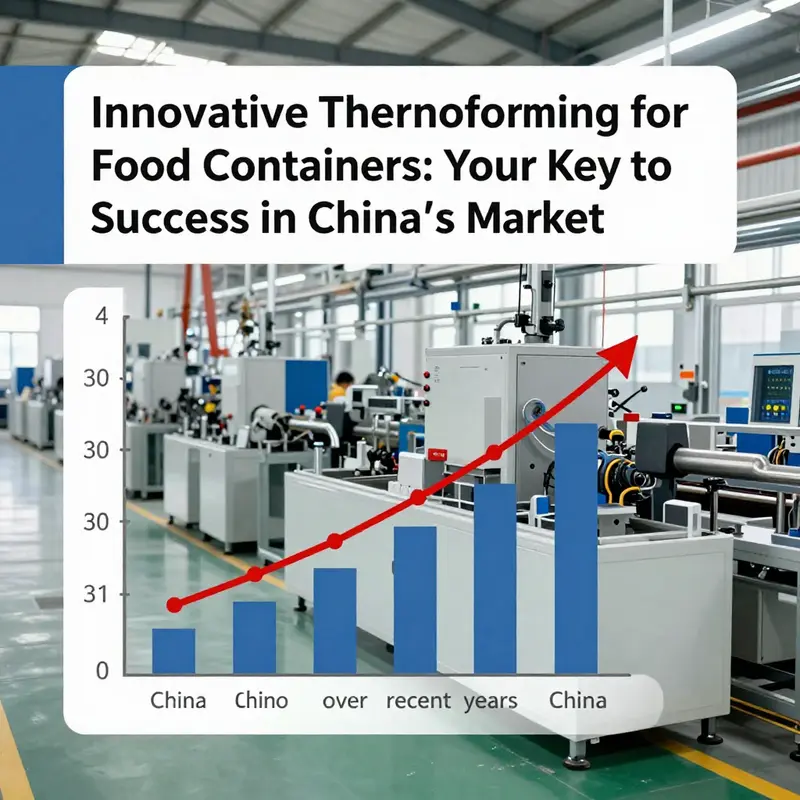
In the shifting geography of global packaging, the rise of thermoforming machinery manufacturing in China stands as a quiet but relentless force that reshapes not only what containers look like, but how value travels from workshop to shelf. The chapter of China’s plastic industry dominated by food-containers is not just about machines turning sheets of polymer into trays and lids. It is about the orchestration of clusters, processes, and export channels that convert material science into scalable, trustworthy packaging for countless meals, snacks, and medicines around the world. At the heart of this transformation lies a loop: efficient equipment enables faster production of standardized forms, which in turn sustains competitive pricing and reliability for buyers who demand sanitary, consistent products. When combined with automation, integrated processing lines, and flexible mold systems, thermoforming machinery becomes a platform for continuous improvement across the entire value chain. This is not merely a domestic evolution; it is a global business model that has reinforced China’s role as a supplier of ready-to-ship, GMP-compliant packaging solutions that feed demand far beyond its borders. The economic effects ripple through the industry in ways that are easy to overlook in a stock-ticker snapshot but are essential to understand for anyone tracing the health of the plastics economy or planning a manufacturing footprint in Asia.
Geography matters, and the engineering geography of China’s thermoforming clusters demonstrates how proximity, expertise, and logistics converge to accelerate performance. Guangdong, Shandong, and Henan are not just provinces; they are nodes in a well-wired ecosystem that blends machine fabrication, tool-and-die craftsmanship, control-system software, and end-market access. In Guangdong, particularly around hubs near Shenzhen and the coastal cities, high-speed, automated lines have pushed throughput to levels that make it feasible to offer fast deployment windows to global buyers. The region’s logistics network—ports, trucking corridors, and import-export services—creates a seamless chain from resin suppliers to machine builders and onward to end-users who need not only equipment but installation support and after-sales care. The practical consequence is a capability to deliver standardized and customized thermoforming systems in a matter of weeks, sometimes as short as a month, a cadence that shifts project planning for multinational food brands from months to weeks. When a buyer can count on rapid integration, it frees capital for other parts of the supply chain and reduces the risk that a customer will switch suppliers due to lengthy downtime or inconsistent downstream support. In this context, the promise of quick, reliable deployment becomes a strategic differentiator that quietly expands the market’s appetite for certain materials—PP, PET, PLA—because the machinery is ready to handle the next generation of packaging formats.
Shandong’s industrial architecture rests on a slightly different set of strengths. Here, vertical integration creates a compact, self-sufficient production blueprint. In cities like Longkou and Weifang, shops and factories house CNC machining, mold fabrication, and electrical integration under one roof. This convergence of capabilities translates into dramatic reductions in lead times—estimates often cited by regional players point to an improvement of up to thirty percent compared with offshore procurements. The effect is more than a schedule advantage; it is a catalyst for innovation in niche applications, from customized lid designs to packaging intended for biodegradable materials. The demand for new mold geometries, precise heat-transfer profiles, and tailored forming cycles grows in step with a factory’s internal agility. When a domestic supplier can prototype, test, and iterate quickly, a new design can move from concept to production in a matter of weeks rather than months. This dynamic strengthens domestic R&D, fosters specialized engineering talent, and creates durable, high-value manufacturing jobs that support a broader ecosystem of suppliers and subcontractors. The impact reverberates beyond the machines themselves, shaping the capabilities of downstream polymer processors and material suppliers who see demand for more sophisticated resins and compatibility with advanced sterilization or barrier technologies.
In Henan, the scale-up imperative takes on a different flavor, with emphasis on high-output automated lines and cost-effective engineering solutions. The province’s geographic position and logistics network—anchored by Zhengzhou as a central hub—offer a cost-competitive platform that appeals to startups and regional operators aiming to build high-volume capacity for disposable containers and lids. The economics of scale here are clear: lower operating costs paired with predictable logistics can unlock margins that are attractive in crowded segments like single-use packaging. This is not a race to merely produce more; it is a race to refine reliability, the ability to maintain consistent quality across hundreds of thousands of cycles, and to do it with a lower per-unit energy footprint. The cumulative effect is a robust domestic market for both the machines and the raw materials that feed them. In time, this expansion fosters a more resilient supply chain, less vulnerable to geographic disruptions, while also strengthening the nation’s standing as a partner for global food brands seeking continuity of supply.
Beyond the geographic clustering, the economic influence of thermoforming machinery in China rests on the acceleration of the entire manufacturing flywheel. Automation technologies—such as programmable logic controllers and human-machine interfaces—coexist with integrated processes that bring together material feeding, heating, forming, cutting, and even lid and tray finishing in a single, streamlined line. The efficiencies generated by this integration translate into lower unit costs, tighter process controls, and greater capacity to produce high-consistency products across diverse shapes and sizes. As producers become more adept at adopting quick-change tooling, they can reconfigure lines with minimal downtime to accommodate changing customer demands, reducing the likelihood that a buyer will switch suppliers due to delays or mismatch in product dimensions. This flexibility is not simply a feature; it is a strategic pillar that reinforces confidence among international customers and helps sustain long-term partnerships that extend across multiple packaging formats and regulatory regimes.
The export dimension of this story cannot be separated from quality and compliance. Chinese thermoforming equipment has evolved to support GMP/QS-compliant manufacturing scripts, ensuring that container performance—rigidity, heat resistance, moisture barrier properties, and cleanliness—meets the stringent expectations of food safety authorities around the world. The growing ability to couple robust machine design with reliable downstream processes, like aseptic handling and efficient sterilization workflows, means that Chinese factories can offer end-to-end solutions that minimize the risk of non-conformance, an important consideration for global buyers who must harmonize suppliers across continents. In practice, this translates into shorter supplier lead times, clearer documentation trails, and improved predictability in production schedules. When combined with the capacity to source materials quickly—PP, PET, PLA among them—the result is a packaging supply chain that moves with a balance of speed and steadfast quality. The rapid deployment capability, particularly evident in Guangdong’s close-to-export logistics network, aligns well with the needs of food-service industries that depend on timely replenishment and uniform packaging standards across many markets.
The financial implications of this machinery-driven acceleration go beyond factory-floor metrics. With higher output and reduced downtime, manufacturers can expand their product portfolios without proportionally inflating fixed costs. This translates into more competitive pricing and improved margins, especially for standardized container formats that benefit from economies of scale. The downstream effect is a reinforced ability for Chinese producers to capture a growing slice of the global packaging demand, including markets that previously relied heavily on imports for specialized food containers. The feedback loop extends to raw-material suppliers, mold makers, and components manufacturers, all of whom gain visibility into longer-term demand cycles and can invest with greater confidence. In turn, those investments strengthen the domestic plastics ecosystem, which then feeds back into even more capable equipment, so the cycle becomes self-reinforcing. In this sense, thermoforming machine manufacturing does not merely serve a manufacturing niche; it acts as a backbone for a broader industrial complex that underpins competitiveness in global packaging.
Amid this growth, a steady focus on sustainable manufacturing adds another layer to the economic equation. The industry’s trajectory now increasingly embraces biodegradable polymers and energy-efficient lines, driven by both policy signals and a demand from international buyers for greener packaging. Local material suppliers and manufacturers are expanding their capabilities to handle PLA and other bio-based resins, while automation helps minimize waste and optimize material use. This is not a marginal environmental concern; it is a material driver of business resilience in a market that rewards responsible sourcing, traceability, and waste reduction. The convergence of green materials with automated, adaptable equipment fosters a domestic capability that can position China at the forefront of sustainable packaging innovations. The outcome is a packaging economy that can sustain growth while reducing its environmental footprint, a balance that multinational buyers increasingly seek when evaluating suppliers.
To readers tracing the arc of the industry, the macro story is clear: thermoforming machine manufacturing has become a cornerstone of China’s plastic industry, elevating productivity, fuelling innovation, and reinforcing the nation’s leadership in packaging technology. The implications stretch from the shop floor to the trade lanes that carry containers to markets around the world. For those evaluating opportunities in the plastic packaging space, the China story offers both a proven track record of execution and a forward-looking path toward sustainable, high-value manufacturing. Within this context, the broader packaging landscape is not only a market to serve but a platform on which engineering talent, material science, and logistics prowess converge to create a resilient, responsive supply system. As markets evolve and the demand for flexible, efficient, and safe packaging grows, the thermoforming capability embedded in China’s industrial clusters will likely remain a crucial determinant of how quickly and reliably food containers reach consumers everywhere. The interconnected nature of supply, innovation, and global demand suggests a future where these machines do more than shape plastic; they shape the tempo of international commerce and the steady modernization of packaging solutions across diverse food ecosystems.
For readers who want a broader view of where this momentum sits within the packaging world, the landscape of plastic packaging remains a useful lens. It highlights how the Chinese thermoforming ecosystem interacts with material suppliers, mold makers, and downstream converters to accelerate adoption and scale. You can explore related material in the plastic packaging category here: https://cupbowlpack.com/product-category/plastic-packaging/.
External references illuminate the larger international context. industry observers note a surge in exports of thermoforming equipment from China, a trend that aligns with gains in efficiency, automation, and cost competitiveness observed across the regional clusters. This global perspective reinforces the understanding that China’s thermoforming machinery is not an isolated craft; it is a programmable, scalable, and globally integrated capability that supports the growth of packaging ecosystems worldwide. For researchers and industry stakeholders craving an external validation of these dynamics, a comprehensive analysis of recent export trends and market impacts can be found in external literature on the subject: https://www.globaltradereview.com/articles/178945-china-thermoforming-machine-export-surge-drives-plastic-industry-growth.
Shaping Global Packaging: The Geopolitics of China’s Thermoforming Machinery and Its Impact on Food Containers
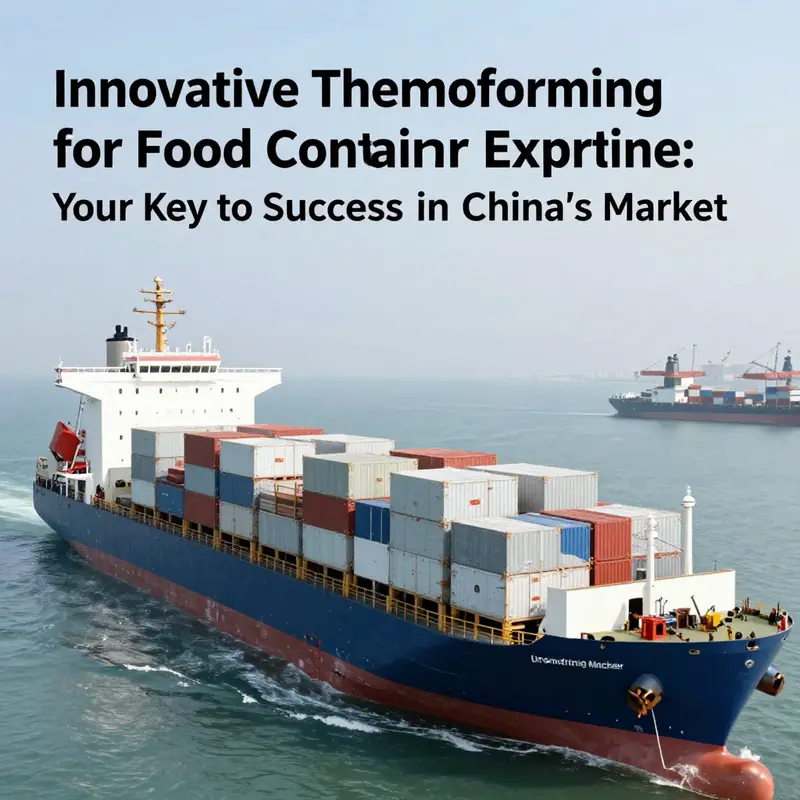
The story of China’s thermoforming machinery export is a story of manufacturing ecosystems, regional clusters, and evolving political economies that together determine how quickly a sheet of polymer becomes a ready-to-ship food container on a distant shelf. In this landscape, the machinery that shapes the future of disposable food packaging is not just a technical instrument but a node in a vast network of trade, risk management, and strategic partnership. The macro forces at play—global demand for affordable packaging, regional manufacturing strengths, and the frictions introduced by geopolitics—come together in the daily decisions of factories and buyers around the world. When we map these forces onto the specific geography of Chinese production, the pattern becomes clear: a concentration of capability in coastal and near-coastal hubs, a strong link to raw material and component suppliers, and a reputation for scalable, automated lines that can handle a range of plastics—from polypropylene and polyethylene to polystyrene and beyond. The industrial heartland behind these machines is not a single node but a network, with Shandong’s industrial belts and Guangdong’s mature electronics and automation ecosystems acting in concert to deliver integrated lines that can be tuned to different product families—lunch boxes, trays, bowls, cups, and lids—without a complete retooling of the core process. The geography matters because it translates into logistics efficiency, cost competitiveness, and the ability to respond quickly to shifting demand. Proximity to PS granules and other polymers, access to major ports, and deep supplier networks for motors, sensors, and heating elements reduce lead times and enable the large-volume production that exporters must harness to stay price competitive in a market where buyers are increasingly risk-aware and value-conscious. The outward-facing dimension of this manufacturing clustering is the capacity to export to multiple regions under a shared standard of quality. The reference point for many buyers remains cleanroom practices, GMP-like hygiene standards, and QS certifications that help bridge the gap between machine capability and the essential quality and safety requirements of food-contact surfaces. In practice, this means that the most successful suppliers are those that couple automation with traceable process control. A typical thermoforming line for food containers integrates feeding, heating, forming, trimming, and in some cases welding or sealing, into a single, continuous flow. The sophistication of the control system—often a programmable logic controller (PLC) with a human-machine interface (HMI)—allows operators to adjust cycle times, temperature profiles, and punch or die movements with precision. Such integrated lines can switch quickly between products of different sizes and shapes, a capability that is particularly valuable in markets where the demand for diverse packaging formats is steady and growing. This flexibility sits at the core of the price-performance balance that buyers seek when choosing a supplier in China. It is not simply about the machine’s upfront cost, but about the total cost of ownership: energy efficiency, still air or servo-driven automation, reduced scrap, and the ease of maintenance across a long service life. Energy and material efficiency matter, because even marginal improvements in feed systems or heater design can yield meaningful savings at scale. In a time when our digital and environmental expectations are increasingly integrated, buyers look beyond the machine’s physical performance. They expect transparent supply chains, verifiable quality documentation, and reliable after-sales support. Some buyers gravitate toward suppliers who can provide a clear picture of their manufacturing footprint, including the origin of components and the steps taken to ensure compliance with international standards for food-contact equipment. The geopolitical environment, with its mix of protective policies and strategic connectivity initiatives, shapes how buyers weigh these factors. Protectionist pressures in certain markets have led some buyers to diversify their supplier base, seeking alternative sources within and beyond China to mitigate the risk of supply interruptions or tariff shocks. In India and parts of Europe, for example, there is growing interest in automated thermoforming solutions that can meet rising demand for food delivery and disposable packaging, while also encouraging local manufacturing capabilities. This creates a dynamic wherein Chinese suppliers must demonstrate not just price and capability, but a robust, diversified supply chain that reassures buyers about continuity and resilience. The Belt and Road Initiative (BRI) has added another layer to the export calculus. By expanding trade corridors into Southeast Asia, Africa, and Latin America, China’s machinery makers gain access to new markets while reducing dependency on Western gateways. For buyers in emerging markets, the prospect of a well-supported supply chain along a familiar route matters as much as the machine’s technical specs. In this context, long-term partnerships become a strategic asset. A buyer does not simply purchase a line; they invest in a relationship that encompasses technical support, on-site troubleshooting, and ongoing upgrades to maintain competitiveness. This relational aspect helps explain why many Chinese manufacturers emphasise after-sales service and technical support as part of their value proposition. Trust is built not only on the machine’s reliability but on the demonstrable ability of the supplier to respond quickly to a breakdown, to provide spare parts, and to share knowledge that helps operators extract greater performance from the equipment over time. The governance of these relationships is increasingly mediated by due diligence and transparency. International buyers now routinely scrutinize supplier certifications, environmental and labor practices, and intellectual property protections. The risk calculus has expanded from delivery times and price to include governance indicators that signal a supplier’s reliability and ethical stance. In practice, this means that buyers may favor suppliers that can present clear documentation of production processes, quality control tests, and traceable component sources. The result is a subtle but meaningful shift in sourcing practice: even as price competitiveness remains critical, buyers are more willing to invest in a stable, transparent supplier relationship that promises lower total risk over the long run. Within this landscape, the export share driven by Chinese thermoforming equipment is also shaped by logistics and digital marketplaces. The efficiency of port facilities, the reliability of shipping routes, and the availability of digital procurement platforms all contribute to the perceived accessibility of these machines on global markets. International buyers who are new to sourcing in China often begin with a careful evaluation of the region’s capabilities, including the speed with which lines can be configured for different food-contact formats and the level of automation achievable without sacrificing quality. They also consider the downstream ecosystem: how an equipment supplier’s regional partners provide installation, commissioning, and operator training. The growing emphasis on regional clusters—Shandong’s manufacturing belts in Longkou and Guangdong’s related automation ecosystems—helps explain why price competition remains intense but progress in quality and service continues to outpace earlier cycles. This is not a story of a single factor—cost, technology, or policy—but a narrative in which each element amplifies the others. The result is a global market that rewards manufacturers who can combine scalable production with credible quality assurance and a transparent, service-oriented approach. For readers who want a fuller sense of the regional dynamics that shape export behavior, a regional guide prepared for B2B buyers offers a concise lens on how clusters influence logistics, supplier selection, and cross-border collaborations. A practical takeaway for purchasers is to look for suppliers that can demonstrate not only capability and cost efficiency but also coverage across the supply chain—from provincial sourcing to global after-sales networks. Within that frame, a buyer recognized for addressing intellectual property concerns, providing clear technical documentation, and offering dependable post-installation support reduces the perceived risk of partnering with a Chinese supplier. That risk management logic aligns with a broader trend: as markets become more interconnected and more sensitive to supply chain disruptions, the value proposition of Chinese thermoforming machinery increasingly hinges on a credible balance of price, performance, and partnership. The importers and converters who succeed, therefore, are those who treat the equipment purchase as the first step in a long-term collaboration. They evaluate not only the machine’s capacity to produce a given container configuration but also the supplier’s readiness to engage in ongoing optimization, spare parts availability, and continuous improvement programs that adapt to evolving regulatory requirements and consumer expectations for packaging safety and sustainability. At a practical level, this translates into a twofold strategy. First, buyers should prioritize suppliers with a demonstrated track record of consistent delivery and verifiable quality controls. Second, they should seek partners who commit to ongoing training, upgrades, and responsive technical support that help preserve uptime and yield. In other words, the value of the machinery extends beyond the initial installed base; it resides in the relationship that sustains performance, compliance, and competitiveness over the life of the line. For readers who are mapping their supply choices, it is useful to consider how domestic market demand for disposable packaging feeds into global export capacities. The domestic Chinese market continues to evolve, driving continuous improvements in automation, energy efficiency, and material utilization. Each improvement translates into a more appealing value proposition for international buyers who are balancing total cost of ownership against risk, speed, and reliability. In the end, the geopolitics of China’s thermoforming machinery exports are not only about tariffs or trade agreements. They are about the orchestration of regional strengths, the credibility of supply chains, and the trust that buyers place in the ability of a partner to deliver, adapt, and stand behind a technical system that underpins an increasingly centralized and consumer-driven packaging economy. Internal link to further context: a regional perspective on industrial clusters can be explored on the plastic-packaging category page. plastic-packaging page. External resource for further reading: Thermoforming Machine Suppliers in China: Regional Guide for B2B Buyers 2024. https://www.alibaba.com/showroom/thermoforming-machine-suppliers-in-china.html
Meeting Safety and Sustainability: Regulatory Reality for Thermoformed Food Containers from China
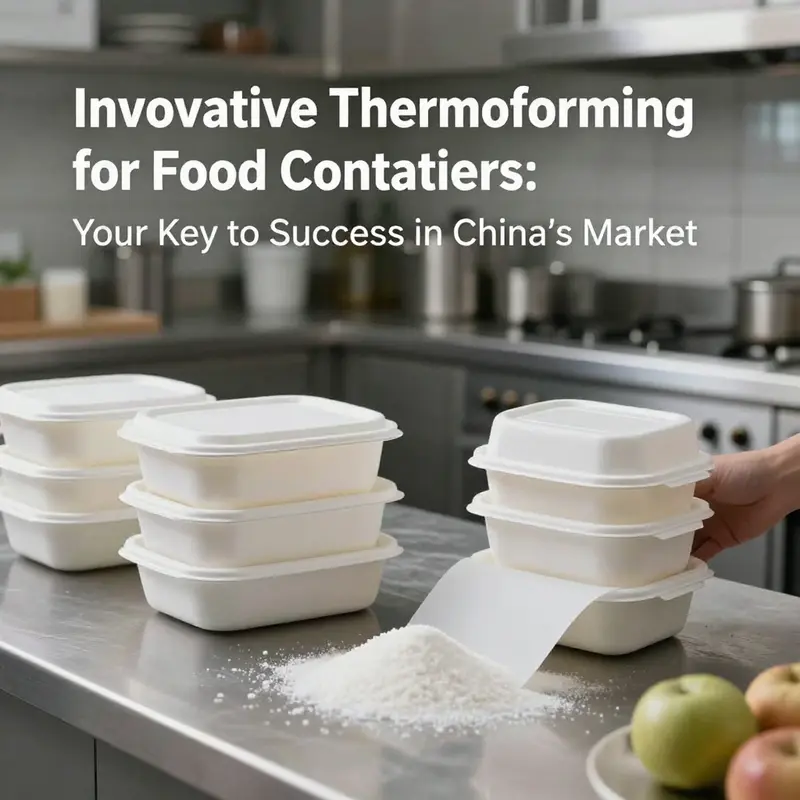
Safety and sustainability are twin imperatives for manufacturers of thermoformed food containers in China. The regulatory framework demands that materials used for food contact do not release harmful substances under normal use. At the same time, national policy and market forces push producers toward reduced waste, recycled content, and designs that aid recycling. For thermoforming machine suppliers and plastic container manufacturers, these dual pressures shape choices across raw materials, machine configuration, production processes, quality systems, and documentation.
China’s legal backbone for food contact materials rests on the Food Safety Law and a large body of GB standards. The general principle standard, GB 4806.1-2016, sets the basic safety expectations for all food contact materials and products. It requires evidence that a material will not transfer dangerous levels of chemicals or other contaminants to food during normal use. Complementary standards and technical rules then define migration limits, specific substance restrictions, test methods, and labeling requirements for plastics, adhesives, coatings, and auxiliary components used in thermoformed items. Compliance requires rigorous testing along the supply chain, from resin suppliers to thermoforming process parameters and finished-product validation.
Meeting these requirements in a thermoforming plant starts with polymer selection. Common resins used in thermoforming—such as polypropylene (PP), polyethylene (PE), polystyrene (PS), and polyethylene terephthalate (PET)—each carry distinct regulatory profiles and testing demands. Manufacturers must track resin grades and certificates, ensure additives and colorants comply with specific migration limits, and maintain traceable records. Using post-consumer recycled (PCR) materials introduces additional obligations: PCR streams must be segregated, validated for contamination levels, and supported by documentation that demonstrates safety equivalence to virgin material for the intended food application. For many buyers, documented evidence of controlled PCR sourcing is now a procurement requirement.
Process controls and equipment selection also influence compliance and sustainability outcomes. Thermoforming machines used for food containers must enable tight control of temperature, forming speed, and trimming accuracy to avoid defects that could compromise safety or recyclability. Automated systems with PLC and HMI controls help maintain consistent cycle conditions and produce uniform wall thickness—important for both product performance and reducing material waste. Energy-efficient heaters, optimized oven zoning, and accurate servo-driven material handling reduce power consumption and scrap. Where possible, machines should be configured to minimize off-cuts and allow nesting strategies that maximize yield from each sheet or roll.
Quality systems and documentation are the connective tissue that link machine performance, material properties, and final product safety. Manufacturers aiming to supply export markets or large institutional buyers implement formal quality management systems and maintain records from raw material certificates through in-process inspections to final product testing reports. Traceability is critical: batch numbers for resins, lot records for formed parts, and sanitization logs for tooling and contact surfaces must be readily available. Third-party audits by accredited labs or certification bodies provide additional assurance to customers and regulators.
Sustainability considerations are both strategic and operational. On the strategic side, national policy goals—such as carbon peak and carbon neutrality targets—encourage manufacturers to reduce greenhouse gas emissions in production. This translates to investment in energy-saving technologies, waste heat recovery, and, where feasible, renewable electricity sourcing. On the operational side, sustainability looks like lightweighting container designs without sacrificing function, specifying mono-material constructions for easier recycling, and optimizing nesting and mold layout to reduce material per part. Shifting from multi-material laminates or complex barriers to recyclable mono-polymer structures can simplify end-of-life processing and increase the likelihood that containers will enter recycling streams.
Regulatory and market drivers also encourage manufacturers to adopt circular practices. Using PCR content can answer both policy signals and buyer demands. Designing for recyclability—prioritizing uniform polymer types, avoiding incompatible labels or adhesives, and standardizing color palettes—facilitates downstream sorting and processing. Waste reduction at the factory level, including regrind reuse, centralized scrap handling, and closed-loop solvent or washwater systems, further reduces environmental footprint. These measures often yield cost savings, improving competitiveness while meeting sustainability objectives.
Transparency and credible certification strengthen market trust. While Chinese GB standards form the regulatory baseline, some customers require additional certifications or third-party attestations. Certificates related to material safety, factory hygiene, and product testing provide tangible proof points. Aligning test methods and documentation with international expectations can ease export compliance. Suppliers that invest in validated laboratory partnerships or obtain recognized certifications tend to win larger contracts and enter higher-value supply chains.
Supply chain engagement is essential. Thermoformed food container safety and sustainability depend on the entire upstream network: resin producers, additive suppliers, mold makers, and logistics providers. Manufacturers must work closely with material suppliers to ensure ingredient disclosure and conformity. Regular supplier audits, shared test protocols, and collaborative improvement plans reduce the risk of non-compliance and help scale sustainable practices. Strong supplier relationships also allow faster responses to changing regulations or buyer specifications.
Regulatory enforcement and market pressure mean non-compliance carries real consequences. Authorities may require recalls, impose fines, or restrict market access when products fail safety tests. Conversely, proactive compliance and visible sustainability improvements unlock opportunities. Buyers increasingly favor suppliers who demonstrate lower carbon intensity, use recycled content responsibly, and can document product safety. For thermoforming machine vendors targeting food container manufacturers, offering machines with documented energy savings, reduced waste features, and integration-ready controls for traceability can be a differentiator.
Practical steps for manufacturers seeking to align with both regulatory and sustainability imperatives include: implementing a robust materials verification program; designing products for mono-material recycling; investing in energy-efficient thermoforming equipment with precise process control; documenting every production batch for traceability; and engaging accredited labs for migration and safety testing. These steps create a defensible position in audits and support long-term market access.
Finally, staying informed about regulatory updates is essential. China’s standards landscape evolves, with ongoing revisions and new technical rules that affect allowable substances, testing procedures, and labeling. Active participation in industry groups and monitoring official sources help companies anticipate changes and adapt. For authoritative updates on the legal foundation and current standards, consult the National Health Commission’s official guidance on food contact materials: https://www.nhc.gov.cn/wjw/yzyg/202504/9b7e8d2a5f7d4c5ebd98f9d0d4e88e5c.shtml
For manufacturers and buyers navigating the thermoforming space, balancing compliance with sustainability is not optional. It is a design constraint, a procurement filter, and a market signal. Machines and processes that support safety, traceability, and reduced environmental impact position suppliers for durable success in both domestic and export markets. For practical packaging solutions and related product categories that align with sustainable packaging strategies, explore plastic packaging options available through this resource: plastic packaging category.
Final thoughts
The landscape of food packaging is changing rapidly, with thermoforming machines leading the way in providing cost-effective, versatile solutions for a variety of businesses. As China continuously innovates within this sector, the implications for bubble tea shops, restaurants, catering services, and procurement teams become increasingly significant. By understanding the advancements in technology, economic impacts, and the necessary regulatory standards, your business can make informed decisions that not only enhance operational efficiency but also align with sustainable practices. Embracing these advancements positions your brand to meet the demands of today’s conscientious consumers and stay competitive.