
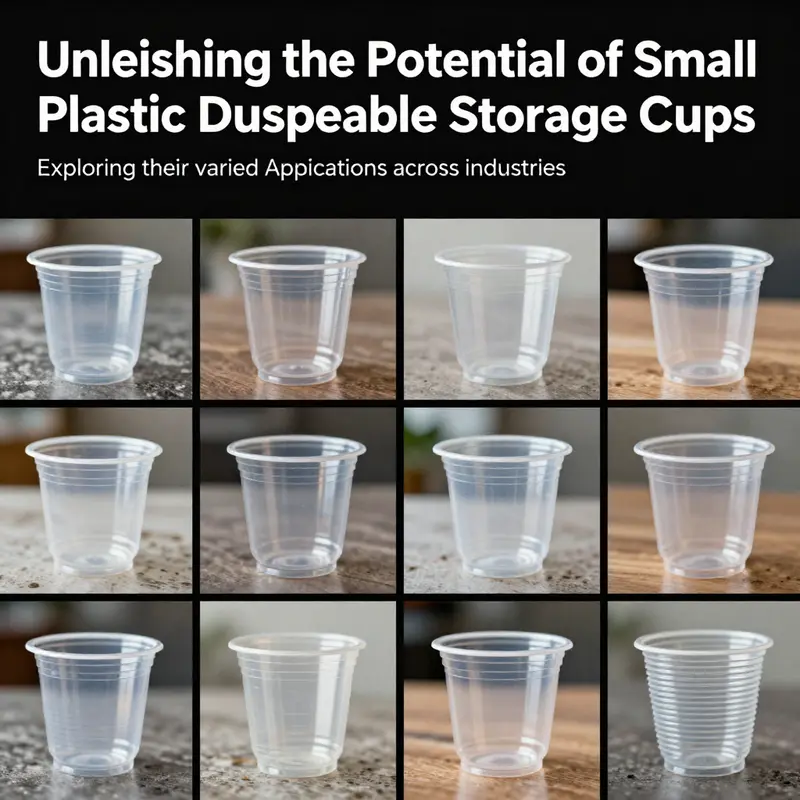
Small plastic disposable storage cups have become an integral part of various sectors, from food services to healthcare. Their affordability, convenience, and versatile applications make them a preferred choice for many businesses, including bubble tea shops, restaurants, and event planners. As consumer preferences shift towards quick service and organization, understanding these cups’ multifaceted roles is essential. This article will explore their widespread applications in the food service industry, their role in healthcare and laboratories, the economic aspects impacting the disposable tableware market, the environmental implications of their use, and the future trends shaping sustainable practices in manufacturing.
How Small Plastic Disposable Storage Cups Drive Food Service Efficiency and Choice
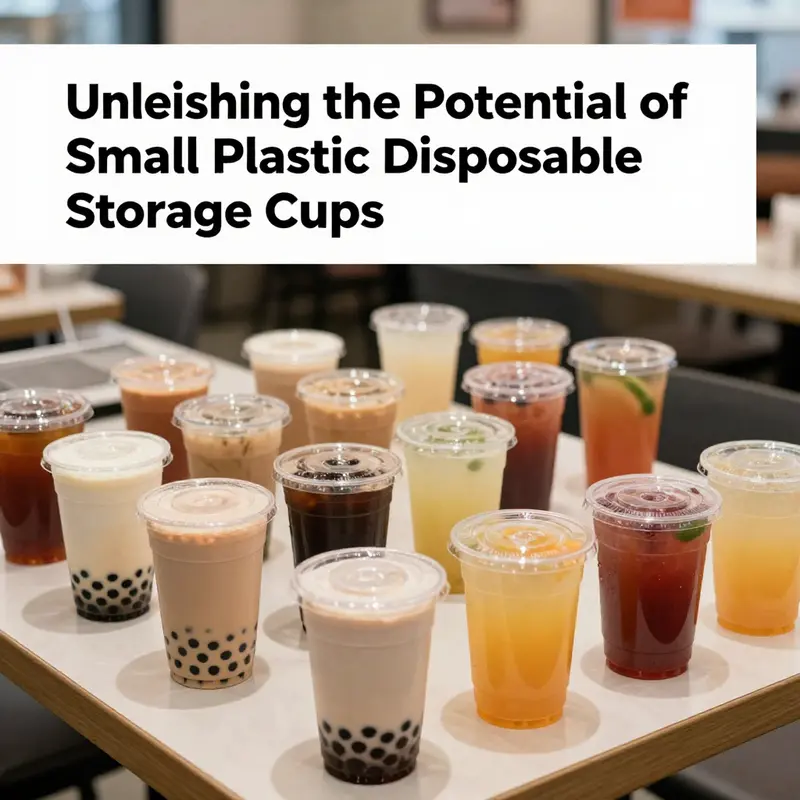
Practical roles and design choices that make small plastic disposable storage cups indispensable in food service
Small plastic disposable storage cups occupy a surprisingly broad role across food service. They are used where hygiene, portion control, mobility, and short-term containment matter most. Their appeal is not only practical; it also reflects a balancing act between cost, convenience, and evolving expectations about safety and sustainability. This chapter traces how these cups fit into daily operations, what their material and design choices mean for performance, and why the industry is shifting toward smarter options without sacrificing utility.
In fast-paced food environments, portion consistency matters. Small cups are ideal for condiments, sauces, and dressings because they simplify service and reduce variability. A standardized cup ensures the same amount of product is delivered every time, which protects margins and preserves customer experience. In many establishments, these cups replace glass or reusable ramekins when the priorities are speed and sanitation. For grab-and-go concepts and quick-service restaurants, they eliminate washing labor and reduce turnaround time for tableware.
Coffee shops and cafes employ small cups for add-ins like creamers, flavor shots, and small sides. They support one-handed service and fit neatly into takeaway trays and bags. For customers, the convenience is tangible: a compact cup can be slipped into a carrier or handed across a counter without fuss. Catering teams also rely on these cups during events for single-serve dips and dressings that keep guests moving. The disposability reduces cross-contamination risks at large gatherings and simplifies cleanup after the event.
Meal-prep and delivery models leverage the compact form factor for portioned sauces, toppings, and small sides. Stackability and nesting are key design features here. When cups nest, they save back-of-house space and reduce freight volume during transport. That lower volume translates into smaller shipments and lower logistics costs. For takeout and delivery services, stackable, lidded small cups secure contents and reduce leaks, improving customer satisfaction and limiting costly returns or refunds.
Material choice heavily influences where and how these cups are used. Polypropylene (PP) offers heat resistance and chemical stability, making it suitable for both hot and cold condiments and for short microwave use when reheating is necessary. Polyethylene terephthalate (PET) provides clarity, which helps when visual presentation of toppings or dressings is a selling point. Clear cups let staff and customers verify contents at a glance, speeding service and reducing mis-pours.
Design affects safety and durability. Food-grade plastics meet regulatory requirements and resist flavor transfer and staining. Rigid walls and secure lids prevent spills during transport. Some designs include tamper-evident seals that reassure consumers and meet certain hygiene protocols. For back-of-house storage, cups with tapered sides and uniform dimensions stack reliably in dispensers, enabling single-hand dispensing to speed assembly lines.
Beyond immediate service, small cups serve organizational roles. In kitchens they are used for mise en place—holding pre-measured amounts of spices, garnishes, and small ingredients. That use reduces prep time and enforces recipe consistency. In front-of-house scenarios, they transform into discreet carriers for items like olives, lemon wedges, or sample portions, improving the visual appeal of a dish without adding warewashing demands.
Outdoor and temporary venues rely on these cups because they are light, inexpensive, and simple to replace if lost. At festivals, food stalls, and pop-up events, single-use cups provide safe serving without infrastructure for washing and sterilization. They also permit waste management strategies where lightweight disposables are collected and processed differently than heavier mixed waste.
Sustainability now shapes procurement decisions more than before. Biodegradable alternatives, such as PLA-based cups, have entered the market. They appeal to operators who want to reduce long-term environmental impact while maintaining the single-use convenience. However, trade-offs exist. Some compostable materials require industrial composting facilities to break down effectively. Without proper waste streams, these alternatives can fail to deliver their promised environmental benefits.
Heat and safety concerns also influence material selection. Research shows that heating food in plastic containers can increase the risk of microplastic migration. This risk prompts operators to restrict microwave use with certain plastics and to choose materials that minimize migration under typical service conditions. For items that will be heated, PP is often preferred for its higher heat tolerance. Still, the industry is attentive to emerging science and adapts guidelines accordingly to protect consumers and staff.
Logistics and cost control remain central. Small plastic cups are inexpensive to produce and ship. Their low weight reduces fuel costs per unit during distribution. For high-volume operations, savings compound quickly. Manufacturers optimize tooling and inflation/blow-molding or thermoforming processes to reduce cycle times and material waste. On the retail side, bulk packaging and dispenser-ready cases reduce handling time and storage footprint.
Regulatory compliance is another factor shaping use. Food-contact approvals and traceability are required in many jurisdictions. Reputable suppliers provide certification and testing data to prove their cups meet migration limits and food-safety standards. Purchasing decisions increasingly rely on documented safety data, not just price. Operators select materials and suppliers that align with local regulations and with their own risk management policies.
The future of small disposable cups in food service will likely be hybrid. Operators will choose materials and designs tailored to specific tasks rather than one-size-fits-all solutions. Clear PET cups will remain a staple for visual presentation. PP will be used where heat resistance is needed. Compostable alternatives will expand as composting infrastructure improves and as material science reduces trade-offs. Meanwhile, innovations in barrier coatings, additive formulations, and recycling-compatible blends will aim to combine performance with reduced environmental footprint.
Operational protocols will adapt in parallel. Best practices for reheating, disposal, and portioning will be refined to reflect new evidence and sustainability objectives. Training staff on when to use a compostable cup versus a recyclable one, and how to collect each stream correctly, will become part of standard operating procedures. These small changes in handling can dramatically increase the real-world benefits of greener materials.
Choosing the right cup is ultimately about aligning function with values. For many food service operators, the decision balances hygiene, cost, logistics, customer perception, and environmental responsibility. Small plastic disposable storage cups will remain a practical tool for years to come, but their role will be shaped by smarter materials, clearer labeling, and better waste systems.
For more technical insight into composition, structure, and performance considerations that inform cup selection, refer to the detailed industry guide: Disposable Sauce Cups Guide: Composition, Structure, and Performance for Engineers (https://www.materials-engineering.com/disposable-sauce-cups-guide/). For related single-use drinkware options and accessories, explore the site’s disposable drinkware collection: disposable drinkware.
Sterile Convenience: How Small Plastic Disposable Storage Cups Support Healthcare and Lab Workflows
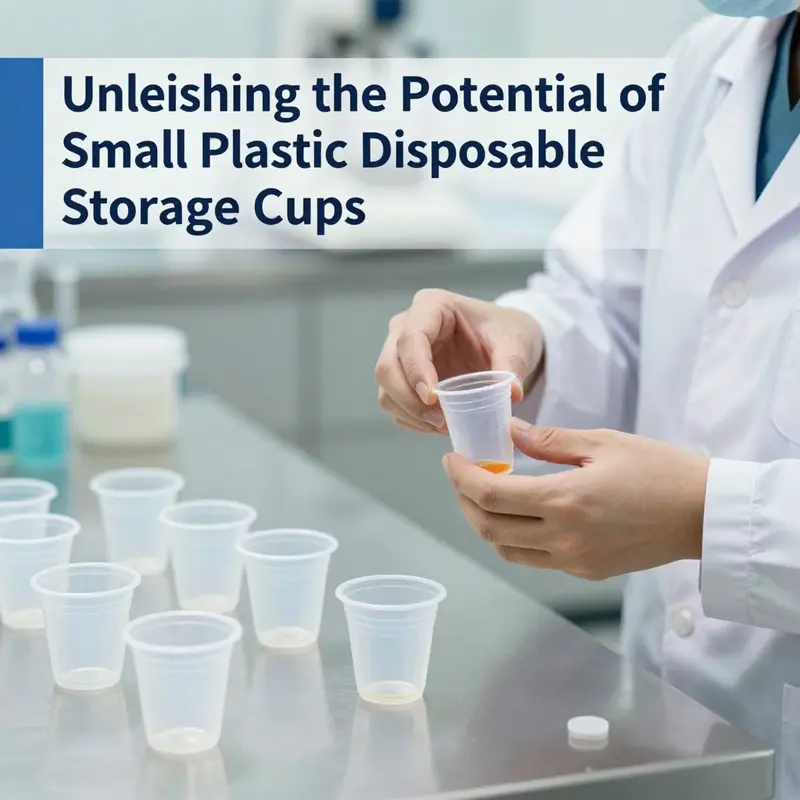
Small plastic disposable storage cups are a quiet backbone in clinical and laboratory environments, providing a blend of hygiene, precision, and efficiency that supports critical workflows without drawing attention. These cups serve as short-term vessels for liquids, reagents, and biological specimens, and their single-use nature addresses contamination risks that reusable containers cannot eliminate easily. In settings where even minor contamination can skew results or endanger patients, the disposability of these cups becomes an operational safeguard as much as a convenience.
In healthcare facilities, disposable cups are commonly used for specimen collection, medication dosing, and temporary storage during bedside procedures. Their clear walls often feature simple graduations, enabling clinicians to confirm volumes visually without transferring contents to larger measuring devices. This reduces handling steps and lowers the risk of spills or exposure. The cups’ lightweight construction helps staff carry multiple samples or doses during rounds, and their shatter-resistant properties make them safer than glass alternatives in fast-paced environments. Because many are made from chemically inert plastics, they remain compatible with a wide range of bodily fluids and topical agents without introducing interfering substances into assays or patient care routines.
Laboratory applications demand more from disposable cups than casual use. Labs routinely require accurate small-volume handling for reagent preparation, aliquoting, and short-term storage. A clear, graduated cup that resists leaching and maintains dimensional stability under typical lab temperatures simplifies these tasks. In research and diagnostic workflows, even small measurement errors can cascade into significant data variance. The ability to pipette directly into a disposable cup, visually verify volume, then cap and transport that sample to another station without multiple transfers can both speed processes and preserve sample integrity. For microbiology and clinical chemistry, cups produced from validated, non-reactive polymers reduce the chance of surface-mediated adsorption or contamination that could bias results.
Regulatory and safety considerations shape the selection of disposable cups in regulated environments. Materials that meet recognized standards for biocompatibility and food-contact safety are often preferred because they offer a baseline assurance that the cup will not introduce toxicants or bind analytes. Compliance with such standards also makes procurement simpler for institutions that must document the provenance and safety of consumables. Where sterility is required, cups may be supplied in sealed packaging, and users will choose lot-traced products that align with institutional quality controls. Even when sterility is not necessary, single-use disposables reduce the need for in-house sterilization cycles, saving time and resources while maintaining traceability through labeling and lot information.
Operational efficiency is a major, quantifiable benefit. Eliminating the cycle of washing, autoclaving, and re-inspecting reusable containers can free staff hours for direct patient care or core research tasks. In high-throughput settings, these efficiency gains compound: fewer downtime hours for equipment, fewer human-hours dedicated to logistics, and fewer opportunities for human error. Supply strategies that ensure a steady inventory of disposable cups help avoid disruptions that could delay testing or care. Institutions that implement standardized cup sizes and materials across departments also simplify ordering, storage, and training, further reducing waste and cost variability.
The practical design of these cups supports diverse uses. Graduations printed on the side offer quick measurement checks. Widely available capacity options let teams choose a size that fits a procedure, minimizing excess exposed volume. Some cups are compatible with snap-on lids, which enable secure short-term transport of samples between units, reducing spill risk and preserving chain-of-custody. Textured rims and stable bases improve handling ergonomics, particularly important during bedside procedures or in glove-intensive lab work. These small ergonomic details lower the likelihood of accidental drops and facilitate safer transfers of biological materials.
Sustainability has become an essential factor in procurement decisions. Historically, single-use plastics have been criticized for environmental impact, prompting manufacturers and purchasers to seek mitigations. Advances in polymer science and recycling infrastructure have made fully recyclable or partially bio-based disposable cups more viable. Institutions now balance infection control priorities with environmental stewardship by selecting recyclable options and engaging in recycling programs where local facilities accept medical-grade plastics. Even modest changes—choosing cups made from recyclable polypropylene rather than mixed polymers—can improve end-of-life outcomes without compromising clinical performance. For organizations aiming to reduce landfill contributions, partnering with suppliers that provide take-back or certified-recycling streams helps align daily practice with institutional sustainability goals.
Safety protocols intersect with material choice, too. Plastics that tolerate a range of temperatures and resist common disinfectants are advantageous when a brief rinse or containment is needed before disposal. Non-reactive materials reduce the risk of generating hazardous byproducts when cups contact chemical reagents. In toxicology or specialty chemistry labs, selecting cups with known compatibility helps prevent unexpected reactions. Clear labeling and consistent use of color-coded systems can also enhance safety: for example, using specific cup colors or markings for biohazardous samples versus benign materials reduces the chance of cross-handling errors.
Beyond technical attributes, logistical considerations determine the real-world impact of disposable cups. Compact packaging that maximizes shelf density reduces storage footprints in constrained supply rooms. Bulk purchasing options decrease ordering frequency and can lower per-unit costs. At the same time, modular supply planning prevents overstocking that might lead to material degradation in storage or unnecessary waste. Training staff in proper disposal pathways—particularly for cups that held biohazardous materials—ensures compliance with waste management regulations and protects downstream handlers.
Innovation in the space continues to target both performance and environmental concerns. New formulations aim to retain desirable mechanical and chemical properties while increasing recyclability or biodegradability. Design refinements pursue better stackability, clearer graduations, or improved lid seals. On the institutional side, workflow analyses often reveal that small changes—standardizing cup sizes across similar procedures, aligning cup choice with existing disposal streams, or integrating cup usage into electronic inventory systems—can yield outsized efficiency gains. These changes are especially valuable in settings where staff time is scarce and procedural throughput is critical.
A final consideration is the cup’s role in patient and staff experience. Clean, clear disposables project a sense of order and reduce anxiety for patients undergoing sample collection. For staff, predictable, reliable consumables lower cognitive load and reduce interruptions from equipment failures or missing items. When procurement decisions combine performance, compliance, and sustainability, disposable storage cups shift from a simple commodity to a strategic component of care and research infrastructure.
External resource: https://www.walmart.com/ip/Dealmed-Professional-5-oz-Disposable-Plastic-Cups-100-Recyclable-for-Healthcare-Dental-Veterinary-Food-Service-Use-Pack-of-400/986254773
For further reading on product categories and supply options, consult this overview of plastic cup options: https://cupbowlpack.com/product-category/plastic-cups/
How Small Plastic Disposable Storage Cups Shape the Economics of Disposable Tableware
How small plastic disposable storage cups shape the economics of disposable tableware
Small plastic disposable storage cups occupy a quiet but powerful position in the disposable tableware economy. They are not the largest category by revenue, yet their attributes and use cases create outsized effects on cost structures, purchasing behavior, and innovation incentives across the sector. Examining their economic impact reveals how a simple product can influence production decisions, supply chains, and market strategy for manufacturers, distributors, and end-users.
At the heart of their economic relevance is cost-efficiency. These cups are inexpensive to produce in high volumes. Materials like polypropylene (PP) and polyethylene terephthalate (PET) offer a mix of low raw material cost, good processing speeds on injection molding or thermoforming lines, and consistent quality. For manufacturers, those properties translate into lower per-unit costs when facilities operate near capacity. For buyers—restaurants, catering services, and e-commerce meal providers—the low unit price allows tighter portion control and predictable margins. A modest reduction in packaging cost per meal, multiplied across thousands of transactions, directly improves profitability. This creates sustained demand independent of broad market trends.
Their physical characteristics further amplify economic effects. Small cups are lightweight and compact, reducing warehousing footprint and shipping expenses. Distributors can stack and palletize them efficiently, lowering handling labor and transport costs relative to bulkier alternatives. In logistic network design, even small efficiency gains compound: lower shipping weight reduces fuel costs and can enable denser truckloads, improving route economics. For e-commerce platforms and food delivery services that rely on speed and margins, those savings are material.
Durability and leak resistance also matter economically. A single failed container in a high-volume food service setting creates waste, customer dissatisfaction, and potential replacement costs. The resilience of plastic cups minimizes spoilage and loss, stabilizing operational workflows. This reliability reduces contingency expenses—staff time, replacement packaging, and lost sales—making plastic cups attractive even when buyers consider higher-cost sustainable options. The net effect is that plastic cups preserve immediate operational efficiency, which often trumps longer-term environmental considerations in purchasing decisions.
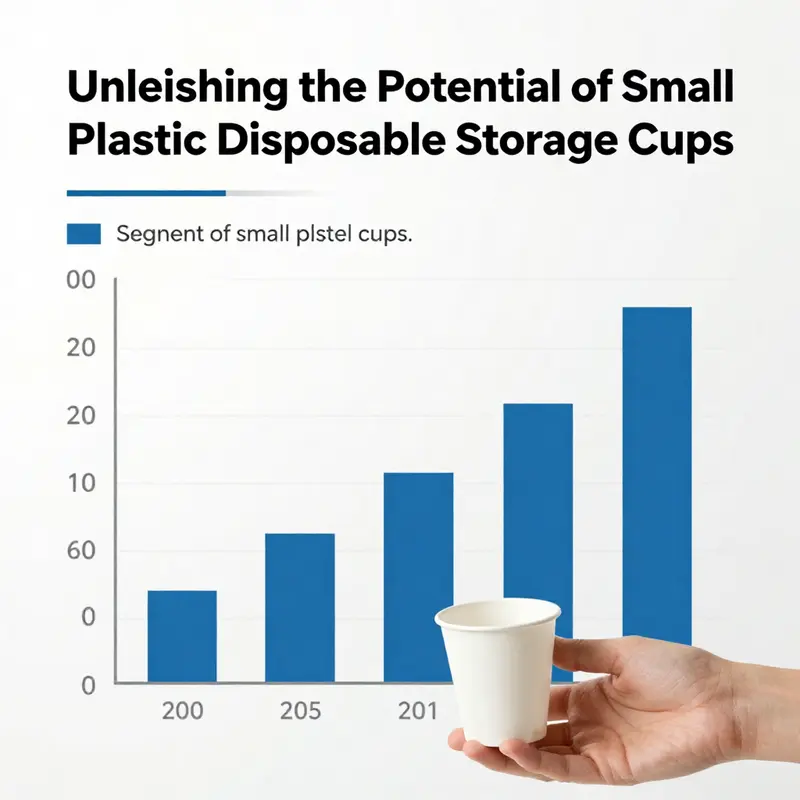
Market segmentation highlights how these cups sustain demand across channels. Fast-food chains and catering services use them for condiments, dressings, and sample portions. Retailers include them in prepackaged meals and sample kits. Healthcare and laboratories leverage them for temporary storage and dispensing. Home and office users adopt them for small-item organization. This cross-sector utility smooths demand cycles: when one sector slows, others continue purchases. For manufacturers, a diversified buyer base reduces revenue volatility and enables steadier capacity utilization.
Growth projections for disposable dinnerware as a category underpin strategic investment. With the plastic disposable dinnerware market valued at substantial levels and forecasted to grow, small plastic storage cups represent a reliable growth vector. Investors and producers interpret that stability as a signal to expand tool sets, adopt more automated lines, and optimize molds for faster cycle times. These capital investments further lower marginal costs and create barriers to entry for smaller players who cannot amortize tooling and automation expenses as effectively. The result is a market structure where scale and production efficiency confer a competitive advantage.
However, regulatory and consumer pressure on single-use plastics introduces countervailing forces. Bans, taxes, and extended producer responsibility schemes alter cost equations. When local legislation restricts single-use items or imposes disposal fees, the direct cost of plastic cups rises for buyers and producers. Anticipating such headwinds, some manufacturers diversify into compostable materials or hybrid designs. Transitioning production lines to new substrates requires capital and often yields higher per-unit costs until volumes justify the investment. This creates a tension: maintain low-cost plastic production to satisfy current demand or invest in sustainable alternatives to mitigate regulatory risk. The choice affects pricing, margins, and long-term market share.
Consumer preferences add complexity. A growing segment of purchasers favors biodegradable or plant-based options, willing to pay a premium. Businesses that target environmentally conscious consumers may adopt greener cups and pass costs to customers. Yet, price-sensitive segments resist higher prices, reinforcing the bifurcation of the market. For producers, this opens a two-track strategy: continue optimizing conventional plastic lines while developing specialty sustainable offerings for higher-margin niches. Economically, the coexistence of both tracks can stabilize revenues while capturing emerging demand, though it raises operational complexity.
Supply chain dynamics are central to cost management. Raw material price volatility—driven by petrochemical markets, trade policy, and supply disruptions—directly affects margins. Manufacturers manage this exposure through long-term supplier contracts, forward purchasing, and process efficiencies that reduce scrap. Efficient inventory management systems and just-in-time delivery reduce working capital needs, allowing manufacturers to be more competitive on price. On the distribution side, bundling small cups with other disposable products or offering tiered pricing for large-volume customers improves customer retention and order size, enhancing lifetime value.
Innovation in design and manufacturing shapes economic outcomes in subtle ways. Thinner walls, improved lids, and better stacking features reduce material use and increase pallet yield. Minor design tweaks that speed ejection from molds or reduce cooling time can shrink cycle times and boost output per machine. These micro-innovations multiply into macro-level cost savings when applied across millions of units. Thus, continuous product engineering becomes an economic lever as important as raw material sourcing.
Finally, the role of small plastic disposable storage cups in promoting product ecosystems matters. They often come paired with lids, trays, and cutlery, creating bundled purchases that increase average order value. Retailers and foodservice operators value suppliers who can provide integrated solutions. For manufacturers, selling complementary products raises revenue per customer and strengthens business relationships, making it harder for competitors to displace them.
Taken together, small plastic disposable storage cups exert a stabilizing economic influence on the disposable tableware market. Their low cost, logistical advantages, and cross-sector utility sustain demand and support investment in production efficiency. At the same time, regulatory shifts and changing consumer values are nudging the industry toward diversification and innovation. The resulting landscape favors producers who can exploit scale economies while adapting to sustainability pressures, maintaining competitiveness through both cost control and strategic product development.
For further analysis of standards, types, and industry performance related to these products, consult the comprehensive industry review at Benjamin Ross: https://www.benjaminross.com/plastic-disposable-chutney-cup-analysis. For a related catalog of complementary disposable products, see the disposable tableware collection.
Counting the Cost: Environmental Realities of Small Plastic Disposable Storage Cups
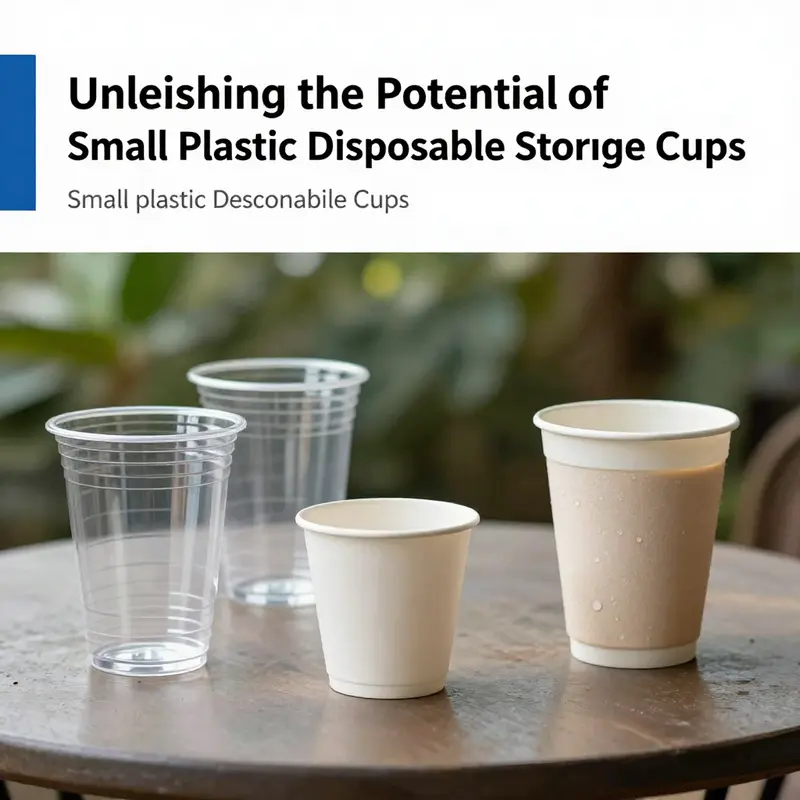
Understanding the environmental profile of small plastic disposable storage cups requires looking beyond convenience and cost. These cups are produced, used, and discarded in patterns that create persistent impacts across ecosystems, supply chains, and public health. Tracing those patterns clarifies where harm accumulates and where meaningful interventions can reduce footprint without losing the practical benefits that make these cups so widely adopted.
Manufacturing these cups depends largely on petrochemical feedstocks. Plastic resins such as polypropylene and polyethylene are derived from oil and natural gas. The extraction, refining, and polymerization stages consume energy and emit greenhouse gases. Manufacturing facilities also involve heat, pressure, and often solvent-based processes that demand significant energy inputs. On a per-unit basis, a single small cup might seem negligible. Yet when production scales to millions or billions annually, the cumulative carbon emissions and resource depletion become substantial. This underlying fossil-fuel dependency ties the life cycle of disposable cups to volatile energy markets and to the broader climate impacts associated with continued reliance on hydrocarbons.
Once in circulation, small plastic disposable storage cups reveal both strengths and weaknesses. Their light weight, resistance to breakage, and low cost make them useful across many settings. They reduce food waste by providing sanitary, single-use options for sampling or portion control. However, those same traits—light, cheap, and disposable—also make them prone to improper disposal. Many cups escape formal waste streams through littering, windblown dispersal from bins, or inadequate containment during transport. When they leave managed waste systems, they enter landscapes, waterways, and urban drains where they fragment under sun and abrasion.
Fragmentation leads to one of the most concerning outcomes: the formation of microplastics. Over months and years, physical and chemical weathering break larger pieces into microscopic fragments. These particles disperse widely and persist because conventional plastics resist biodegradation. Microplastics have been documented in freshwater systems, coastal waters, soils, and even in air. Their small size enables uptake by small organisms and incorporation into food webs. As microplastic loads increase, they carry surface-bound pollutants and can act as vectors for chemicals that adhere to plastic surfaces. The long-term ecological consequences are still being studied, but evidence shows impacts on feeding, reproduction, and growth in a range of species.
The human dimension of plastic persistence cannot be ignored. Microplastic contamination has been detected in seafood, drinking water, and agricultural soils. While definitive links between typical exposure levels and chronic human health outcomes remain an active area of research, there is growing concern about potential inflammatory responses, chemical exposure from additives, and the unknown effects of long-term accumulation. For products intended to hold food, these uncertainties raise ethical questions about acceptable trade-offs between convenience and potential risk.
Disposal pathways for small plastic cups determine much of their environmental consequence. In areas with well-managed recycling infrastructure, certain cup materials can be collected and reprocessed. Yet recycling rates vary widely by region, by polymer type, and by the presence of contamination. Small items often fall through sorting equipment or are rejected because their economic value is low. Mixed-material designs—such as cups with non-recyclable linings or composite lids—further complicate recovery. In many systems, single-use plastics are more likely to be incinerated, landfilled, or downcycled into lower-grade products than to become high-quality recycled material.
Landfilling delays the environmental cost but does not eliminate it. In a landfill, inert plastics may persist for centuries. They occupy space and can fragment into microplastics that leach into surrounding soil and water over time. Incineration reduces volume and can recover energy, but combustion must be carefully controlled to avoid releasing toxic byproducts. Where energy-from-waste systems operate effectively, incineration can be part of a managed approach. The choice between landfill, incineration, and recycling often depends on local regulations, economic incentives, and the design of waste management systems rather than on the environmental merits of the cup itself.
Addressing these challenges requires coordinated actions across design, policy, and consumer behavior. At the design level, selecting polymers that are easier to recycle and eliminating composite layers can improve recyclability. Lightweighting—using less material per cup—lowers raw material use but can exacerbate sorting difficulties; very light cups may be harder to capture and process. Innovations in compostable and bio-based materials offer promise but must meet stringent standards and be matched with compatible disposal systems. A compostable cup that ends up in a landfill or mixed recycling stream may cause more harm than good. Product stewardship programs, extended producer responsibility, and take-back schemes can shift the incentive structure so manufacturers bear responsibility for end-of-life management.
Policy levers also matter. Bans or taxes on single-use items have reduced consumption in many jurisdictions, but outcomes depend on availability of practical alternatives. Procurement policies that favor reusable systems in institutional settings—hospitals, cafeterias, and corporate campuses—can reduce single-use volumes dramatically. Education campaigns that promote correct separation and disposal, combined with improved collection infrastructure, raise recycling rates where feasible. Ultimately, policies that combine economic signals, infrastructure investment, and regulation produce the most durable change.
Consumers and organizations can make immediate improvements through choice and practice. Preferring reusable containers where hygiene and logistics allow is the most effective way to cut waste. Where disposables remain necessary, choosing designs that are recyclable in local systems, minimizing contamination, and collapsing cups for more efficient transport can improve their after-use fate. For bulk purchasers, specifying cups made from single, recyclable polymers and insisting on minimal additives or coatings can help recyclers accept the material.
The environmental calculus for small plastic disposable storage cups is complex. Their lifecycle ties together energy systems, material science, waste management, and human behavior. Solutions will not be one-size-fits-all. In some contexts, a carefully managed disposable cup may be preferable to an improperly cleaned reuse system. In others, a switch to reusable or compostable options, backed by the right infrastructure, offers clear benefits. What matters is aligning material choices with end-of-life systems, regulating and incentivizing producers to internalize disposal costs, and improving consumer options so low-impact choices are the easiest choices.
For practical guidance on the broader impacts of plastic waste and evidence-based approaches to mitigation, refer to the U.S. Environmental Protection Agency’s overview on plastic waste and its environmental impact: https://www.epa.gov/energy/understanding-plastic-waste-and-its-environmental-impact. For suppliers and buyers looking for alternative formats or different packaging types, exploring the range of available options in the plastic cups category can illuminate trade-offs and viable material choices: https://cupbowlpack.com/product-category/plastic-cups/.
From Thin Walls to Circular Futures: Designing Sustainable Small Plastic Disposable Storage Cups
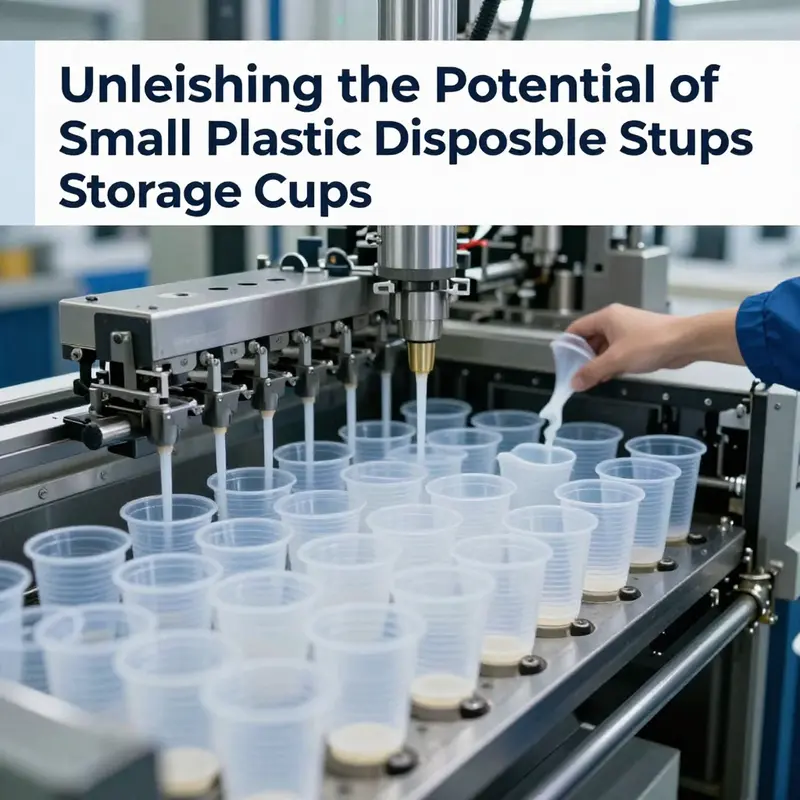
The small plastic disposable storage cup sits at the intersection of convenience and responsibility. Its compact form and low cost have made it a staple across food service, healthcare, laboratories, and even home organization. Yet the very markets that propelled its growth now demand more from it: cleaner life cycles, clearer end-of-life options, and a lighter environmental footprint. This evolving landscape invites manufacturers to reframe what counts as value, turning the cup from a simple one-way vessel into a component of a broader, circular system. The future, in this sense, rests on a careful balance of material science, product design, logistics, and policy—each strand reinforcing the others so that a cup used for a few minutes does not linger as waste for years. It is not merely about finding a new polymer; it is about orchestrating a series of design choices, recycling innovations, and regulatory alignments that collectively shift the industry toward sustainability without sacrificing performance or affordability.
Biodegradable and compostable materials have become a focal point of this shift. Polylactic acid, derived from corn or sugarcane, offers a lower carbon footprint in many life-cycle scenarios compared with traditional fossil-based plastics. The appeal is strongest in sectors that prioritize eco-conscious branding and strict hygiene standards, where the combination of food-safety compatibility and compostability can be a compelling proof point. However, the benefits are nuanced. Most bioplastics require industrial composting facilities, not the home composting that many consumers assume. They are not typically compatible with standard recycling streams, which means the end-of-life story for a bioplastic cup is very different from that of a conventional PP cup. This dissonance—between the promise of reduced cradle-to-grave impact and the logistical challenges of industrial composting—drives a need for coordinated systems. Companies, regulators, and waste managers must converge on routes that actually capture the environmental advantages of bioplastics, rather than simply trading one set of challenges for another. In practice, adoption is most effective when the cups are used in settings with established composting infrastructure or where customers are directed toward appropriate disposal streams. The ongoing development of certified compostability standards, and clearer labeling that communicates end-of-life expectations, helps ensure that these materials fulfill their environmental intent rather than ending up in a landfill.
While bioplastics gain traction, the industry is also pushing toward thinner, lighter designs that do not compromise barrier properties, heat resistance, or leak prevention. The push toward lighter cups is not only about material savings; it is about enabling more efficient logistics, reducing transport emissions, and decreasing raw material consumption over large production volumes. Advances in polymer engineering enable thinner walls through optimized molecular orientation, improved crystallinity control, and the use of recycled PET as a matrix or core in blended formulations. The outcome is a cup that retains stiffness, resists deformation under hot beverages, and maintains a reliable seal against leakage, all while using less resin per unit. This kind of design sophistication helps close the loop by reducing the amount of material that ultimately becomes waste and by enabling more efficient recycling streams where applicable.
Recycling strategies are evolving in tandem with material innovation. Mechanical recycling remains effective for post-consumer streams of PET and certain compatible polymers, particularly when contamination is minimized and standardized dimensions support automated sorting. Yet single-stream compatibility remains a challenge for many small cups, especially those incorporating multiple materials or additives for heat resilience and tamper evidence. Chemical recycling—recovery of monomers through depolymerization—presents a promising path to breaking down complex blends into reusable feedstock. Though currently more resource-intensive, chemical recycling could enable closed-loop systems that reclaim the feedstock for new cups rather than accepting downcycled materials. The trend toward closed-loop recycling is not a distant ideal but a practical objective influenced by capital expenditure, feedstock quality, and the development of robust collection and sorting infrastructures. In practice, leading manufacturers are piloting or partnering on pilot programs that demonstrate how a cup can be collected after use, processed through a dedicated stream, and returned as high-quality resin. These efforts hinge on standardized product dimensions, clear labeling, and collaborative governance with waste management systems to ensure that the materials are kept separate from other streams where possible.
A key enabler of the shift toward sustainability is intelligent design that anticipates end-of-life outcomes. Modern cups increasingly feature tamper-evident seals that preserve hygiene while remaining compatible with automated filling lines and capping processes. Standardized dimensions help packaging lines swap formats without retooling, enabling more flexible production that can respond to demand without creating additional waste. Labeling is becoming more informative—not only for consumer use but for industrial recyclers and composters. A simple dye code or resin identifier can steer materials into the correct processing stream, while explicit disposal instructions reduce the risk of incorrect disposal that sabotages recycling or composting efforts. In an era where digital labeling and scannable codes are growing, such features can be integrated into the cup’s lid or sleeve as well, nudging users toward the most appropriate end-of-life path without obstructing the user experience.
Policy and regulation are shaping the opportunities and boundaries of these innovations. The tightening of global regulations around single-use plastics has moved sustainability from a marketing claim to a compliance issue. The EU and other jurisdictions press manufacturers to decrease environmental impact, design for recyclability, and provide better information about disposal. This regulatory pressure acts as a catalyst for proactive redesigns that future-proof products against stricter rules and evolving waste-management capabilities. In this context, the concept of extended producer responsibility expands beyond packaging integrity to the total lifecycle, including waste collection and transformation. Companies that view regulation as a strategic driver rather than a constraint can align product development with the emergence of standardized sustainable packaging criteria and certification schemes, ensuring longer-term viability in a world that increasingly rewards responsible packaging choices.
The market implications of these trends are nuanced. On the demand side, consumers and clients in foodservice and healthcare increasingly expect packaging to reflect sustainability commitments. They want products that perform reliably, can be disposed of easily in the facilities they frequent, and do not contribute to visible litter or environmental degradation. On the supply side, the pressure to innovate sits alongside cost considerations. Bioplastics and recycled-content formulations often carry a premium, while the capital investment required for recycling and composting partnerships can be substantial. Yet the total cost of ownership can shift in favor of sustainable choices when waste handling becomes more efficient, when materials are lighter and easier to transport, and when regulatory incentives or penalties favor products designed for circularity. In this landscape, manufacturers who couple material science with practical logistics—such as establishing dedicated take-back or composting channels and coordinating with waste haulers—stand a greater chance of delivering financially viable, environmentally responsible cups.
A practical implication of this convergence is the opportunity for product portfolios to evolve from single-use solutions to adaptable, semi-permanent packaging families that maintain the same on-shelf familiarity. For instance, a cup line designed with a recyclable or compostable matrix can be offered alongside a variant that emphasizes high-clarity appearance and superior barrier properties from recycled content. By offering clear options, suppliers can assist buyers in choosing the material profile that aligns with their local waste infrastructure, consumer expectations, and regulatory context. Such a strategy requires transparent communication about performance trade-offs, processing requirements, and end-of-life pathways. It also invites collaboration with distributors and packaging consultants to help clients navigate the choices and to design ancillary packaging and lids that reinforce the sustainability narrative without compromising convenience or safety.
In the broader realm of packaging education, industry players increasingly emphasize life-cycle thinking. A cup is not a stand-alone object; it interacts with heat, light, humidity, and user behavior. It interacts with beverage distribution systems, vending networks, and micro-fulfillment centers in e-commerce. It interacts with waste-collection routes, composting facilities, and recycling streams that may vary by city or region. A holistic approach to design, therefore, requires considering these interactions as part of the product specification. Companies that articulate end-of-life scenarios—whether the cup is intended for industrial composting, for mechanical recycling, or for chemical recycling—help distributors, operators, and consumers make informed decisions. They also reduce the risk of mismanaged post-use outcomes, which can undermine the perceived value of sustainability initiatives.
In this evolving landscape, the small plastic disposable storage cup can still offer the practical benefits that have long defined its appeal: hygiene, reliability, and portability. The future, however, will reward those who pair these advantages with deliberate material choices, smarter geometries, and integrated systems for recovery and reuse. The path forward does not demand a single miracle material or a radical departure from current capabilities; it demands coherence across the product’s design, its manufacturing footprint, and the waste streams that receive it after use. When these elements are aligned, the cup becomes a tangible link in a circular chain rather than a disposable exception. For readers exploring the full range of packaging innovations and sustainable practices, the journey toward sustainable small plastic disposable storage cups invites a closer look at how each design decision influences environmental outcomes and how industry collaboration can translate ambition into real-world impact.
For a broader view of sustainable packaging innovations and the evolving landscape of disposable containers, see: disposable tableware.
External resource for further reading: https://www.plasticnews.com/sustainability/bioplastics/.
Final thoughts
The journey through the world of small plastic disposable storage cups reveals their pivotal role across diverse sectors—especially in food services and healthcare. As businesses continue to adapt to the evolving market and environmental challenges, these cups will remain core to operational strategies. The understanding of their applications, economic implications, environmental impacts, and future trends enables businesses to make informed decisions regarding their procurement and usage. Embracing sustainable practices in manufacturing and selecting the right products can enhance service delivery while addressing ecological concerns.