
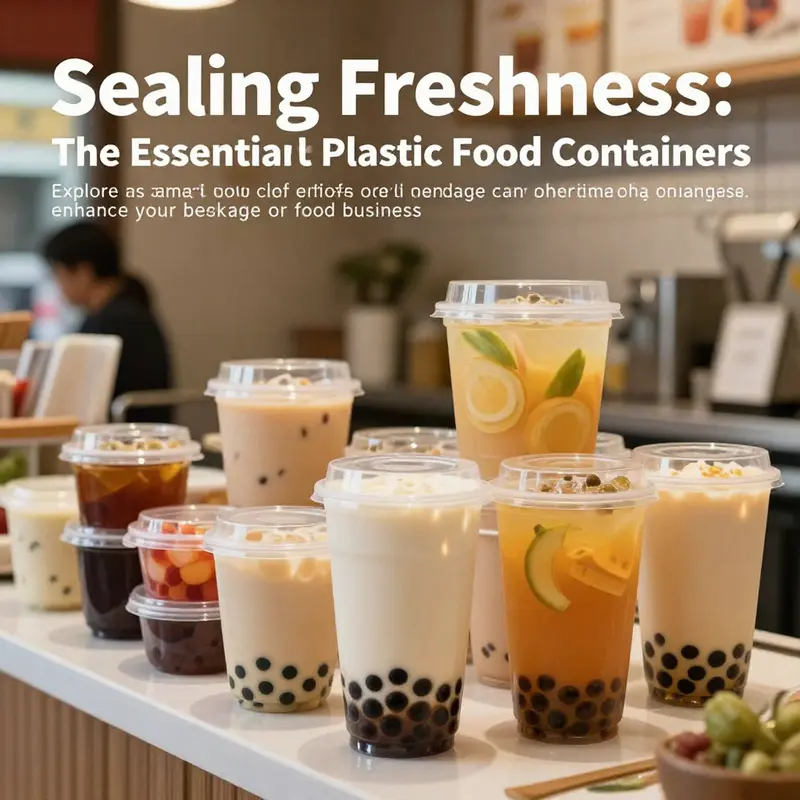
Maintaining freshness in food and beverages is crucial for businesses like bubble tea shops, restaurants, food trucks, and catering services. Watertight plastic food containers provide an excellent solution by ensuring that products remain uncontaminated and ready for serving. In this guide, we will explore not only the quality and materials foundational to these containers but also the latest market trends and consumer preferences. Additionally, we will uncover innovative design features and discuss the environmental impact of using these containers. Together, these insights will demonstrate the essential role that watertight containers play in modern food and beverage management.
Sealed with Confidence: Material Science, Durability, and Safety in Watertight Plastic Food Containers
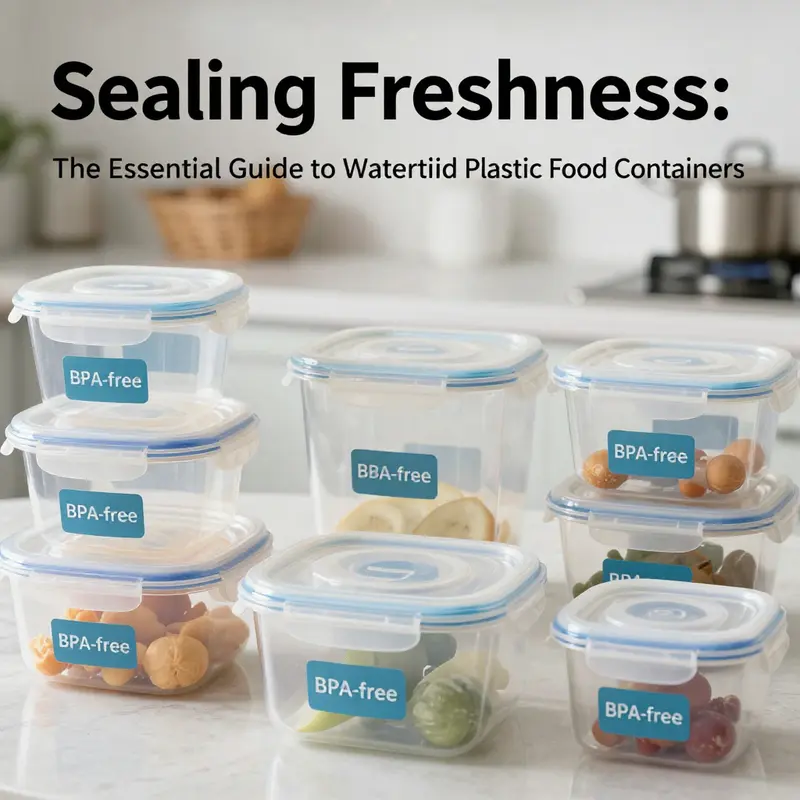
Selecting watertight plastic food containers begins with a careful eye on material quality. The container’s ability to keep liquids from leaking, preserve flavors, and withstand repeated handling hinges on a combination of physical performance, chemical compatibility, and the reliability of the sealing system. When these three threads are woven together, the result is a storage and transport solution that not only reduces waste but also protects hygiene and taste from the first use to the last. The discussion that follows treats these aspects as a continuum rather than isolated checkpoints, because real-world use rarely tests one attribute in isolation. Instead, a well-made container balances strength, seal fidelity, and chemical inertness in a way that matches the intended contents and the user’s environment, from a crowded backpack to a commercial kitchen.
Physical performance forms the foundation of long-term usability. A container must resist impact without cracking or deforming, especially during daily commutes, school lunches, or road trips where drops are almost inevitable. In quality designs, the walls and base are crafted from robust plastics with tightly packed molecular structures. Materials such as high-density polyethylene and polypropylene are favored because their crystalline configurations deliver resilience while remaining lightweight. Their performance under impact translates into a lower risk of microcracking, which can otherwise become sites for leaks or, worse, harbor food particles that attract bacteria. By contrast, containers built with recycled or lower-grade plastics often exhibit greater brittleness. They may handle gentle handling, but a small drop or a quick slam of a lid can produce fractures that compromise a seal or create crevices that trap residues and odors. The difference is not just cosmetic; it is a practical measure of reliability in everyday life.
Compressive strength is the counterpart to impact resistance when containers are stacked or nested, particularly in pantry shelves, fridge racks, or during bulk transport. A well-designed container maintains its geometry under pressure, preserving the mating surface between lid and body and keeping gasketing consistent. This matters because even a momentary distortion of the rim or a slight deformation in the lid’s edge can introduce gaps that undermine watertight performance. In turn, inconsistent sealing elevates the risk of leaks at the point of contact, especially when containers are packed tightly or jostled in transit. From a materials perspective, the choice of thermoplastic polymer and the presence of reinforcing ribs or a slightly textured lid edge can significantly influence compressive behavior. These design features help the lid snap or lock into place with predictable force, maintaining uniform compression across the seal and reducing the likelihood of tilt or wobble that could compromise the seal over time.
Sealing performance sits at the heart of watertight function. The interface between lid and body must be tight, secure, and resistant to both pressure and temperature fluctuations. High-quality containers rely on precision-molded lids paired with durable sealing components, typically elastomeric gaskets made from silicone or other food-grade rubbers. A well-engineered seal remains resilient after repeated use, cleaning cycles, and temperature shifts. Yet aging can erode sealing performance. Repeated opening and closing can compress or relax a gasket, causing minute gaps that allow leaks or harbor residual moisture and odors. Temperature changes—hot or cold—also stress seals differently, sometimes making them stiffer or more pliable than originally intended. A conscientious user will inspect seals for cracks, tears, or uneven compression and will replace gaskets when wear is evident. Material quality and seal design must work in concert: a rigid body with a brittle lid is as problematic as a flexible lid on a weak body. The best designs achieve a symbiosis where the lid, base, and seal act as a single, predictable system.
Chemical compatibility is the safeguard against unwanted reactions and unintended substances migrating from container to food. For most fresh and prepared foods, virgin-grade plastics such as high-density polyethylene and polypropylene offer broad compatibility with a wide range of ingredients, including acidic, fatty, and oily substances. These materials are chosen for their chemical resistance and inertness, which minimizes leaching risk under normal operating temperatures and durations. Still, not all foods are created equal, and certain contents can interact with plastic in ways that alter flavor, appearance, or safety. It is essential to consider the chemical nature of the stored material when selecting a container: acids, bases, high-fat contents, or solvents can stress the polymer matrix differently. In practice, HDPE and PP provide robust resistance for many common refrigerated or room-temperature foods, but care is warranted for strong oxidizers or unusual solvents. When a container is intended for longer storage, or when it will accompany a hot meal, the possibility of thermal degradation—though unlikely with high-quality virgin plastics—should be factored into the decision. This is why adherence to safety standards and material testing is pivotal; it ensures the chosen plastic remains inert when in contact with food and does not contribute unwanted constituents.
The guidance from safety and regulatory frameworks reinforces the principle that material choice should prioritize inertness and traceability. Virgin-grade polymers are generally preferred for food contact because they have a known composition and controlled manufacturing history. This reduces the risk of contaminants that can migrate into food over time. Compliance with recognized standards reduces the likelihood of adverse health effects and aligns with expectations for hygiene and safety in daily life and in broader supply chains. The overview from national safety authorities emphasizes not only the materials themselves but also the testing regimes and labeling that help consumers make informed decisions. By focusing on materials that are proven to be safe for food contact, manufacturers can provide clearer guidance about what is appropriate for particular foods and use cases. Consumers benefit when documentation accompanies packaging, offering reassurance about how a container should be cared for, cleaned, and used, including any temperature or dishwashing limitations. In essence, material choice is a form of communication: it tells users what the container can safely hold, how it should be handled, and what to expect in terms of longevity.
Beyond the basics of HDPE and PP, there are scenarios in which additional materials appear in the container design. Some hybrids blend a plastic body with metal or glass components for specific applications, such as oven-to-table or microwave use. While these configurations are less common in everyday lunchbox settings, they illustrate how material science drives versatility. The concept remains the same: each material brings its own strengths and limitations, and the overall performance depends on how well the different elements are integrated and cared for. Even when hybrids are used, the sealing system and the interaction with food remain central; a non-toxic, food-grade seal is still required to preserve watertight integrity, and any metal or glass portion must be chosen with safe handling, temperature tolerance, and ease of cleaning in mind.
In practice, what this means for a consumer is straightforward. Look for containers manufactured from virgin HDPE or PP when possible, and verify that the labeling indicates food-grade safety and compliance with relevant standards. Examine the seal: is it a durable gasket that remains flexible after repeated cleanings? Check for uniform lid alignment and a secure locking mechanism or snap fit that provides consistent pressure along the entire sealing edge. If you store liquids or sauces, test the container by filling it with water and performing a shake to confirm there are no drips along the seam. While this quick check cannot replace formal testing, it is a practical, low-cost approach to filtering out quickly disappointing designs.
The market has shown a clear trend toward durable, eco-conscious designs that emphasize longevity and responsible material choices. European-style lockable containers, in particular, have gained traction for their emphasis on airtight seals and rigorous build quality. These trends reflect a broader consumer demand for products that minimize waste and support sustainable living. A well-made watertight container can reduce the frequency of replacements, lower the amount of spoiled food, and encourage regular meal planning. In the end, the commitment to quality and material integrity pays dividends in reliability, user satisfaction, and environmental impact. While the initial price may reflect the added engineering and testing, the long-term savings from fewer leaks and less waste often justify the investment.
Design considerations extend beyond materials alone. The interplay of shape, rim geometry, lid edge design, and gasket placement all contribute to performance. A tight fit is not merely about a snug closing action; it requires a predictable, repeatable seal that remains effective across cycles of freezing, refrigeration, and heating. The gasket material should resist compression set, tearing, and chemical attack from the stored contents. A robust seal also benefits from a straightforward maintenance routine: hand washing or dishwasher-safe options, easy gasket replacement, and clear guidance on whether certain cleaning agents should be avoided. These practical attributes are as essential as the raw material choice because even the strongest polymer cannot compensate for a seal that degrades prematurely or a lid that warps with temperature changes.
From a consumer perspective, there is value in understanding not just what is inside a container, but how that container is built to hold it. Clear labeling about material type, safety certifications, and care instructions empowers informed decisions. A well-constructed container communicates reliability through its physical attributes—sturdy walls, well-defined rims, and a seal that remains uniform under stress. It also communicates responsibility through its messaging about safety standards and compliance. When material science and design align, a watertight plastic container becomes more than a convenient storage device; it becomes a trusted partner in everyday food management, supporting freshness, hygiene, and minimal waste across households, offices, schools, and beyond. For readers seeking a practical example of the type of container discussed here, consider exploring the following product page that highlights a food-grade take-away bowl with lids, illustrating how practical design translates into reliable performance: food-grade take-away bowl with lids.
The broader narrative of quality and material considerations thus circles back to the essentials: select virgin-grade polymers known for inertness and safety, ensure the sealing system is designed for repeated use, and recognize that robust physical performance underpins reliable sealing. When these elements are aligned, watertight plastic food containers deliver on their promise: to keep contents secure, hygienic, and fresh through countless adventures, from the daily lunch routine to extended travel and demanding work environments. By attending to material choice, seal integrity, and practical care, consumers and manufacturers alike can minimize waste, maximize safety, and enjoy the convenience that these containers are designed to provide. External standards and testing regimes provide the guardrails that maintain trust in these products, and ongoing research into material sciences continues to refine how plastics behave under real-world conditions. For readers who want to explore regulatory context further, the FDA’s plastics and food contact materials guidance offers foundational clarity on what makes a plastic suitable for contact with food, reinforcing the principle that safety begins with material selection. https://www.fda.gov/food/food-contact-materials/plastics-and-food-contact-materials
Sealed for Freshness: Navigating Trends, Trust, and Transformation in Watertight Plastic Food Containers
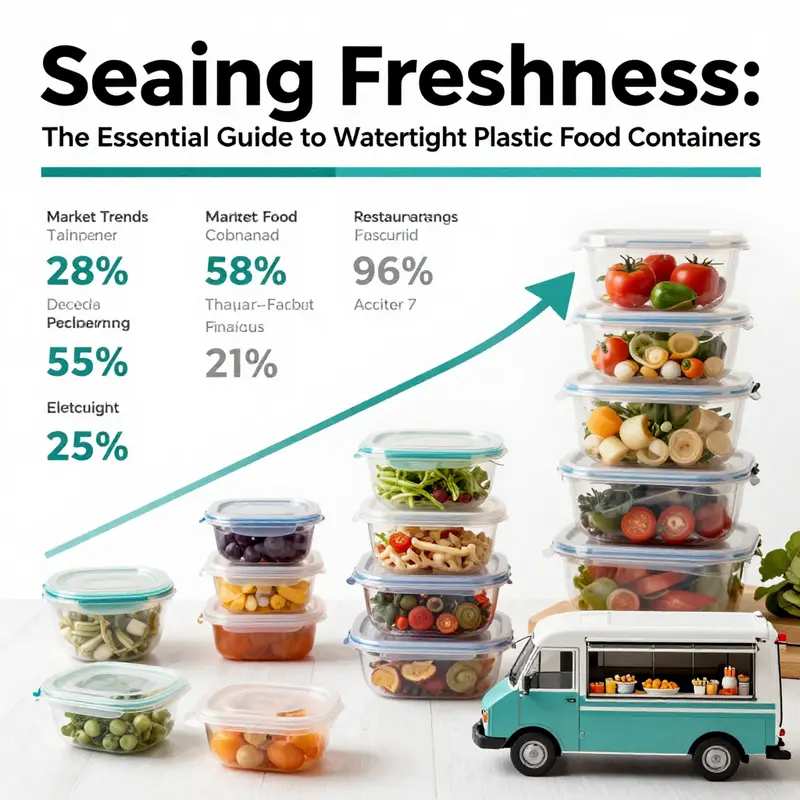
The market for watertight plastic food containers has moved beyond a simple need for containment. It operates at the intersection of daily practicality and heightened concern for health, safety, and sustainability. Consumers no longer buy on impulse; they evaluate performance across a spectrum that includes leak resistance, heat tolerance, and how a product fits into a broader lifestyle of meal prep, commuting, and outdoor activity. This shift is not a fad but a structured reorientation of expectations. Modern households demand containers that can handle liquids without compromise, that survive the rigors of a busy kitchen, and that respect the planet as they do so. In this context, watertight containers are becoming a hub where raw material science, clever design, and responsible production converge. The result is a class of products that must prove itself on several fronts at once: safety, durability, convenience, and environmental stewardship. Each of these dimensions weighs into how a consumer selects a set of containers for the week, how a family organizes leftovers, and how a business chooses packaging solutions for inventory, delivery, and reuse programs.
The https://www.fda.gov/food/packaging-labeling external resource provides a broader perspective on how packaging safety and food-contact materials influence product design and consumer confidence. Within the sector of watertight plastic containers, safety concerns have sharpened the focus on the kinds of plastics used, the nature of seals, and the long-term performance of containers under heat and acidity. Across markets, this attention manifests as a preference for food-grade materials such as polypropylene, polyethylene, and certain food-grade plastics that resist chemical leaching and microbial contamination. This preference aligns with the rising demand for materials that are chemically stable, easy to sanitize, and compatible with a range of storage conditions—from refrigerated shelves to microwave reheating. The emphasis on safety is not merely regulatory; it is a core consumer value that shapes product development, certification, and the credibility of brands that promise freshness without risk.
A central trend shaping the sector is the move toward high-safety, sustainable solutions. The industry is gradually abandoning the lowest-cost, single-use mindset in favor of durable, reusable, and recyclable designs. This shift is driven by consumer awareness of microplastics and potential chemical migration, including concerns about bisphenol A and related compounds. As a result, manufacturers are choosing materials and assemblies that stay stable across temperature ranges and acidic conditions, reducing the likelihood of contamination or flavor transfer. The move toward polypropylene, polyethylene, and PET-based systems reflects a strategic calculus: these materials offer a balanced profile of toughness, chemical resistance, and heat resilience while remaining widely recyclable where infrastructure exists. Beyond raw material choices, sustainability is increasingly integrated into product lifecycles through design for reuse, modularity, and the possibility of repair or refurbishment rather than disposal after a single use. The cultural shift here is significant: containers are increasingly valued less for their disposability and more for their potential to support a circular economy.
The regulatory landscape reinforces this direction. In China, for example, standards addressing packaging sustainability and labeling expectations—such as the Limitation on Over-packaging framework—push manufacturers to rethink how much material is used, how it is labeled, and how the product communicates safety and compliance to the consumer. These standards influence every stage of the supply chain—from resin selection and mold design to sealing mechanisms and tamper-evidence features. For producers, meeting stringent regulatory criteria means investing in quality control, traceability, and documentation that confirms conformity with food-safety guidelines. For consumers, clear labeling and transparent materials information build trust and reduce perceived risk when choosing a new brand or a new line of containers. The combination of rigorous regulation and strong consumer demand for safety creates a robust environment for innovation, where brands differentiate themselves not by price alone but by credibility earned through rigorous testing, independent certification, and verifiable material provenance.
Functionality, in this market, has grown from a simple “does it seal?” question into a more sophisticated conversation about performance in real life settings. A primary focus is secure, airtight sealing that prevents leaks during transport and storage, even with semi-liquid or moist foods. This calls for sealing technologies and lid-locking mechanisms that remain reliable after repeated use and cleaning. Consumers also expect heat resistance that supports microwave or oven use in some models, enabling a seamless hot-from-counter to table experience. Yet practicality does not stop there. Modern containers embrace modular systems that help households organize in shelves, fridges, and backpacks alike. Stackability reduces pantry clutter, while non-slip bases enhance stability on irregular surfaces—from office desks to car seats. Ergonomics matters too: comfortable lids that are easy to grip, clear visibility of contents, and shapes that maximize interior space while fitting snugly into standard kitchen or travel setups. The outcome is a family of products that function as practical tools in daily life, not as fragile add-ons to an already busy routine.
So, what makes a watertight plastic container feel revolutionary rather than merely adequate? The answer lies in the integration of smart features that translate data into action. The most forward-looking developments involve time-temperature indicator labels that visibly change color to signal storage temperatures, helping to prevent dangerous food conditions before they arise. Similarly, freshness-sensing inks promise to indicate nearing spoilage, providing a visual cue long before consumers notice odors or texture changes. These innovations align with a broader consumer desire to minimize food waste and to maximize the value of meals planned, prepared, and carried through a day. In practice, these features are not gimmicks but practical tools that support food safety and reduce waste, especially in households that rely on meal-prepping, takeout, or on-the-go eating. As packaging becomes “intelligent,” it also becomes accountable, giving consumers greater confidence that what is inside remains safe and appetizing.
The market’s structural dynamics are also shifting. The sector shows signs of consolidation, with a few large players leveraging automation, smart manufacturing, and green factory initiatives to elevate efficiency and quality control. The competitive landscape tends toward higher barriers to entry: scale, capability, and the ability to meet safety standards across diverse markets. This consolidation trend is not only about market dominance; it is about resilience and reliability. In a world of supply-chain volatility and evolving consumer expectations, larger manufacturers are better positioned to invest in standardized processes, rigorous testing, and end-to-end traceability. They can also more readily implement sustainable practices—such as reducing energy consumption, maximizing material recovery, and adopting circular-economy programs—that smaller entrants struggle to fund. For buyers, this translates into more consistent quality, greater reliability in delivery timelines, and a reduced risk of compliance gaps across international markets.
From the consumer perspective, safety and trust stand as non-negotiables. Modern buyers actively seek brands that are transparent about the materials used, the manufacturing processes, and the testing that backs claims about safety and performance. This transparency matters on a personal level: many households want to know exactly what touches their food, how the container will behave in a microwave or dishwasher, and whether the product is built to last beyond a few months. This emphasis on trust intersects with convenience. People want lightweight, easily portable containers that still feel premium, with clear content visibility and ergonomic lids. They want to know that a product’s life cycle reflects responsible choices—recyclability, use of recycled content, or designs that encourage reuse rather than disposal. Sustainability thus becomes a core attribute, not a secondary feature. When a container is designed with recyclability in mind, or with components that can be replaced rather than discarded, it appeals to a growing cohort of eco-conscious buyers who integrate packaging choices into a broader commitment to environmental stewardship.
Design sensibility also matters. Consumers are drawn to containers whose aesthetics align with contemporary kitchen design: clean lines, clear body walls that showcase food, and shapes that feel balanced in the hand. Aesthetics are not superficial; they influence perceived quality and user satisfaction. A well-designed container feels trustworthy. It suggests that the engineering inside matches the visual cues outside. The interplay between form and function—ergonomics, visibility, and modularity—becomes a differentiator in a crowded market where many products perform similarly in isolation. The consumers who will pay a premium for a system are those who want consistency across a family of containers, a cohesive look on the shelf, and the assurance that a container will fit a particular lunch bag, refrigerator drawer, or cupboard slot without drama.
Price remains a practical reality that shapes decision-making. The spectrum ranges from affordable, small-capacity options to more robust, high-capacity designs with extra safety features. In many cases, the higher price point reflects more sophisticated materials, stronger seals, and enhanced durability that can translate into lower long-term cost through reuse and reduced waste. Bulk purchasing and standardized specifications also influence the economics, particularly for households that meal-prep weekly or for small businesses managing daily deliveries. The market thus negotiates value not merely through sticker price but through perceived lifetime value: a container that lasts longer, performs more reliably, integrates into a sustainable lifecycle, and reduces the risk of leaks or contamination over time. Consumers weigh convenience against cost, but the premium for safety, reliability, and sustainability often aligns with a broader trend toward intentional consumption rather than impulsive purchases.
Looking ahead, the trajectory points to a holistic future in which watertight plastic containers deliver safety, intelligent functionality, and environmental responsibility in equal measure. The next generation of products is likely to be modular, interoperable, and connected to home ecosystems. Imagine sets that snap together with standardized locking mechanisms, allowing users to build customized storage configurations that fit their space and routine. Imagine lids that respond to temperature changes, indicating when a dish is safe to reheat or eat. Imagine containers made from recycled content that can be recycled again in a practical, scalable manner, supported by clear labeling and take-back programs in collaboration with retailers and municipalities. In this envisioned landscape, brands earn trust through demonstrable commitments: rigorous testing, transparent supply chains, and meaningful actions toward waste reduction and resource conservation. The consumer outcome is a more reliable, more intuitive, and more responsible storage solution that aligns with the expectations of a modern, health-conscious, and environmentally aware society.
In sum, the market for watertight plastic food containers is evolving toward a synthesis of safety, smart functionality, and sustainability. It is a shift driven by consumer demand for trust and convenience, reinforced by regulatory expectations and the realities of global supply chains. As brands respond with higher-quality materials, smarter seals, and more thoughtful designs, watertight containers expand from simple receptacles into essential tools for everyday life—a reliable partner in meal planning, travel, and the management of leftovers. The chapter of this market’s story is not closed; it is being rewritten with every innovation that makes storage safer, more efficient, and kinder to the world we share.
Lock, Seal, and Sense: The Next Wave of Watertight Plastic Food Containers
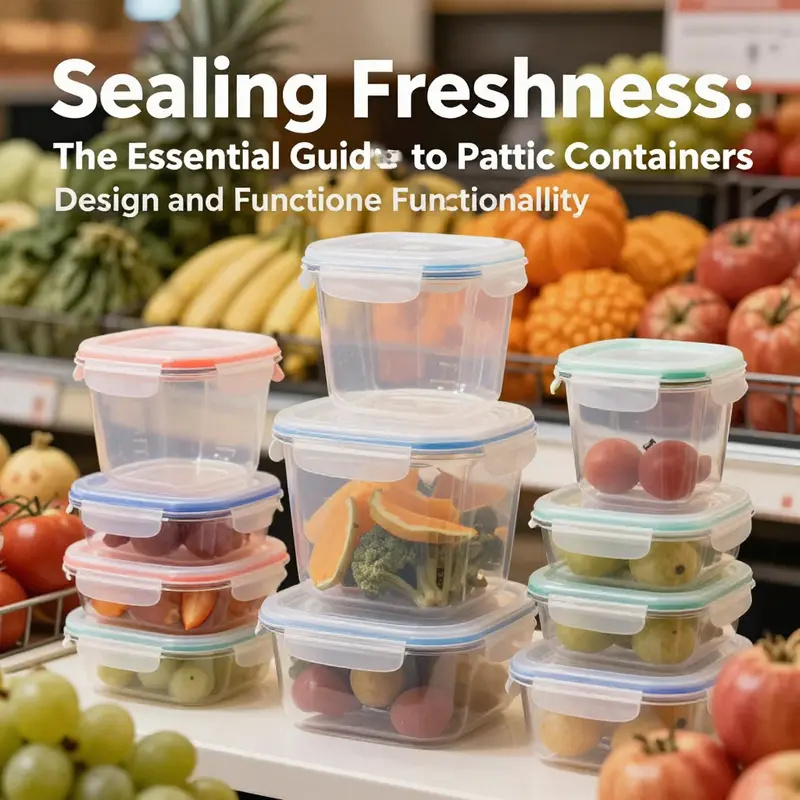
A new chapter is unfolding in the world of watertight plastic food containers, where the aim is not merely to keep soups from sloshing in transit but to orchestrate a living system of storage that respects safety, reduces waste, and adapts to how people actually use food at home, at work, and on the road. The arc begins with a simple truth: every new container is a promise of fresher food, fewer spills, and less clean-up drama. Yet as households become more serious about meal planning, and as the supply chain pushes toward leaner, cleaner logistics, the demand has shifted toward designs that marry durability with sustainability, precision-sealed performance with everyday convenience, and even smart features that bring new kinds of visibility to what’s inside the box. In this light, innovations in watertight plastic containers move beyond mere leak resistance. They become platforms for reliability across contexts—from commute-ready lunch kits to compact pantry systems and even to bulk storage in small studios or shared kitchens. The narrative now centers on how materials, seals, ergonomics, and occasionally digital sensing work in concert to improve safety, cut waste, and extend the utility of a single container through many meals and seasons.
Material choices have always defined the boundary between performance and practicality. High-quality plastic food containers have long favored BPA-free polypropylene (PP) and the sturdy clarity of Tritan™ for transparent visibility and impact resistance. These materials are prized for their resistance to moisture, mild heat, and a broad range of foods, from soups to sauces to marinated vegetables. Yet the conversation around materials has evolved. Consumers seek options that reduce environmental impact without sacrificing the integrity of the seal or the ease of cleaning. In response, researchers and manufacturers are exploring biodegradable alternatives that can withstand the rigors of daily use—dishwasher cycles, microwave reheating, and repeated occlusions in a lunch bag—without compromising the protective barrier around perishable contents. The challenge is real: biodegradable polymers must maintain toughness, prevent microleakage at the seams, and retain shape under pressure, even as their life cycle shifts toward compostability or advanced recycling streams. This balancing act—between durability and end-of-life considerations—has become a central thread in contemporary design.
Closely tied to material choice is the sealing paradigm. The airtight seal is no longer a mere gasket pressed between lid and body; it is a carefully engineered system that tolerates routine handling and environmental variability. Modern gasket systems, paired with pressure-lock or snap-on lids, create a near-impervious barrier against air ingress and liquid escape. The seal must perform reliably across a spectrum of temperatures, from cool fridge scenes to warm transport under sunlight. In practice, this translates into lids that lock with tactile confidence, gaskets that are resistant to staining and odor migration, and rims that resist warping after repeated cleaning. A notable example in consumer testing demonstrates how stackable, space-efficient designs with secure-fitting lids not only support pantry organization but also enable long-term storage of liquids, sauces, and marinated foods without spill risk. These design choices ripple outward: they reduce the chances of leaks inside backpacks, briefcases, or transit coolers; they simplify cleanup; and they support more predictable portions and meal planning. The net effect is a storage system that behaves like a set of well-made daily drivers rather than fragile accessories.
The frontier that has become most intriguing in recent years lies at the intersection of sensing technology and storage fidelity. Smart containers, though still a niche at the higher end of the market, illustrate a compelling trajectory: built-in sensors monitor temperature and humidity and relay data to a connected app. The promise is not simply to alert when a single item has spoiled but to provide a historical profile of storage conditions and to help users interpret what those conditions mean for a given food item. Such capabilities can support safer handling and reduce food waste, a practical concern for households and small offices alike. The human benefit is tangible—food safety becomes more proactive, and users gain actionable insight rather than relying on guesswork or routine sniff tests. This layer of intelligence sits on top of robust mechanical design, adding value without undermining the core benefit of watertight containment: predictable freshness and reliable transport.
In parallel with the consumer shift, innovation spills into the realm of scale and industrial transfer. The same principles at the heart of a home lunchbox—sealed containment, controlled dispensing, and easy cleaning—are informing larger formats and more complex liquid-handling solutions. Plastic barrels with fittings, designed for bulk containment, now feature integrated spigots or valves that enable precise dispensing with minimal contamination risk. The logic is that precision engineering in a kitchen-scale product can borrow from heavy-duty industrial practices, adapted to the constraints and rhythms of everyday living. The result is not merely a bigger version of a plastic container but a continuum of design that respects hygiene, controls exposure, and maintains a clean interface with the rest of the storage ecosystem. This cross-pollination is gradually narrowing the gap between professional-grade containment and household use, yielding products that feel almost artisanal in their fit and finish while remaining accessible in price and practicality.
Market dynamics, too, are nudging this evolution. A wave of interest in European-style lock systems and eco-conscious designs reflects a broader cultural emphasis on reducing waste while maintaining rigorous food safety standards. Consumers are no longer content with a container that merely keeps liquids in place; they want assurance that the container itself aligns with sustainable habits. This has pushed manufacturers to consider not just the end-of-life story of a product but its entire lifecycle—from resin choice and manufacturing energy to recyclability and post-consumer recovery. The new designs address a spectrum of use cases, from compact lunch kits that slot neatly into a commuter bag to larger containers that serve as refrigerator organizers, freezer-safe storage, or take-to-work solutions. The upshot is a more cohesive storage landscape where users can mix and match components with confidence, knowing that they share compatible sealing standards, cleaning protocols, and performance expectations.
Practical usage across daily life remains a central theme. A well-rounded system of watertight plastic containers covers a wide size range, from petite 16-ounce lunch cups to generous meal-prep tubs. Their true value emerges in how they fit into routine: they nest for efficient shelving, stack to maximize fridge volume, and often feature non-slip bases that keep them in place on busy kitchen counters or car trays. Features such as seat-back straps or other car-organizer integrations respond to real-world travel, where contents jostle and gravity asserts itself. The design philosophy embraces not only resilience under pressure but also ergonomics—lids that are easy to grip, rims that resist staining from sauces, and color-coding or labeling options that reduce morning confusion. In this sense, the container becomes an everyday instrument, part of a broader system that supports mindful eating, portion control, and time efficiency without compromising quality or safety.
The conversation around materials and sealing would be incomplete without acknowledging the tension between disposable convenience and environmental responsibility. Modern design strategies increasingly incorporate recycled content, more human-friendly resins, and even compostable layer concepts where feasible. The challenge remains to maintain the integrity of the seal, the ease of cleaning, and the safety of food contact while respecting evolving waste management infrastructures. Transparent dialogue around standards—what counts as food-grade material, how leakage tests are conducted, and how long a given polymer can retain its shape under heat cycling—helps consumers make informed choices. An authoritative guide on material standards and grades for takeaway packaging provides a framework for understanding these decisions, particularly for polypropylene (PP) and polyethylene terephthalate (PET) used in widely adopted containers. For readers who want a deeper technical dive, that resource can serve as a foundation for evaluating future developments and benchmarking new products against established performance metrics.
In this evolving environment, one practical implication for the average consumer is the way design reinforces or reshapes daily habits. A well-sealed container reduces the fear of leaking sauces in a bag and makes it easier to transport soups, stews, or smoothies without compromise. It also encourages better portion control and organized meal planning, since clear or lightly tinted bodies offer quick visual cues about contents, while durable seals protect against odor transfer that can otherwise linger in bags or drawers. When a container can be reliably used across multiple contexts—home storage, office lunches, gym bags, and travel—the value proposition grows beyond a single use. It becomes a modular framework for managing food across a life that moves quickly and frequently between different environments. The sustainability angle, while complex, is increasingly credible as materials improve and recycling channels mature. In practice, this means choosing containers that balance durability, ease of cleaning, and the potential for responsible end-of-life pathways, while still delivering the leak-proof assurance that underpins the everyday appeal of watertight plastic storage.
Looking ahead, the future of watertight plastic containers seems poised to blend familiar, trusted mechanics with emergent technologies and greener materials. The most compelling designs will not force compromises among safety, convenience, and environmental stewardship; they will enable all three. Expect breakthroughs in gasket materials that resist odor retention without becoming brittle after repeated dishwasher cycles. Anticipate smarter seals and lids that adapt to varying pressure during transport, and perhaps even color-changing indicators that reveal when a seal’s integrity has shifted. The value proposition expands as consumers demand not only clean, dry storage but also data-informed decisions about freshness, storage duration, and safe reheating practices. In short, the next generation of containers aims to be as reliable as a familiar kitchen tool while offering insights and resilience that align with the evolving expectations of modern living.
For those who want to explore the practical implications of material and design choices in more detail, product comparisons and design studies often point to real-world exemplars that emphasize airtight performance, ergonomic lids, and stackable efficiency. A representative example of how such designs translate into everyday use can be observed in a widely available take-away bowl with lids, a model that embodies the combination of food-grade safety, leak resistance, and user-friendly handling. You can learn more about that particular option here: food-grade 500-750-1000ml take-away bowl with lids. This link illustrates how a single product category can demonstrate broader principles: reliable sealing, compact storage, and practical reusability across meals, with a design language that respects both convenience and cleanliness. While no single container will perfectly suit every user, the trend toward integrated systems—where lids, seals, and bodies are harmonized for multiple uses—offers a persuasive pathway to more sustainable, efficient food management.
External resources can also deepen understanding of the standards that govern these innovations. A detailed assessment of material standards for takeaway packaging provides a broader technical lens for evaluating new materials and processes, helping readers connect the dots between everyday containers and the science that underpins their performance. For a deeper dive into material standards and performance, see the external resource: https://www.foodserviceequipment.com/guide-to-transparent-takeaway-food-packaging/.
In sum, the evolution of watertight plastic food containers reflects a converging set of priorities: stronger, more reliable seals; smarter, data-enabled storage; greener materials and lifecycle thinking; and the practical flexibility to support diverse eating and living patterns. The result is not a single invention but a continuum of improvements that empower people to store, transport, and enjoy food with greater confidence, while also aligning with a growing commitment to responsible consumption. As design teams continue to push the envelope—testing new gasket materials, refining locking mechanisms, and exploring the potential of biodegradable polymers—the everyday container remains a reliable ally in keeping food fresh, safe, and ready for the next meal. And as the ecosystem expands to include smarter monitoring, better ergonomics, and more responsible material choices, the humble watertight plastic storage box stands as a testament to how a simple idea can evolve into a sophisticated, user-centered technology that shapes daily routines without sacrificing simplicity.
Sealed for Freshness, Weighed by Footprint: The Environmental Trade-offs and Pathways of Watertight Plastic Food Containers
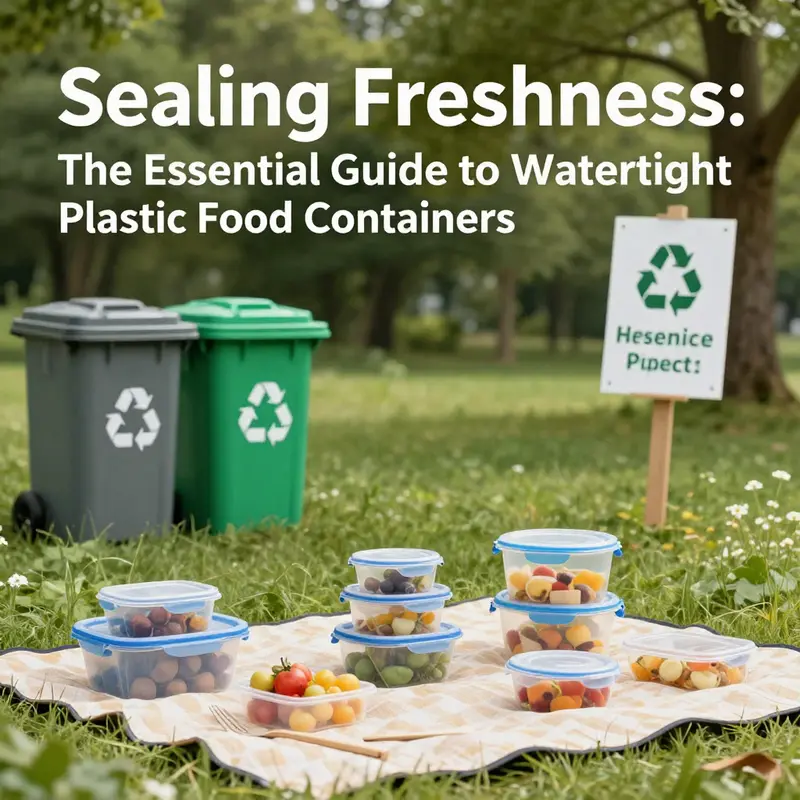
Watertight plastic food containers promise convenience, safety, and predictable freshness. They are designed to keep liquids contained, prevent spoilage, and travel cleanly from fridge to desk, car, or campsite. But every seal, hinge, and lid sits within a broader environmental context that is both intricate and consequential. To understand their true sustainability, we must read beyond the surface of airtight performance and consider the lifecycle from cradle to bin, including manufacturing, use, reuse, and end-of-life handling. In this light, the story of watertight plastic containers becomes a study in trade-offs, where the same features that protect meals can also carry hidden costs that ripple through ecosystems and energy systems. The central question is not whether these containers are indispensable, but how they can be used, designed, and disposed of in ways that balance the benefits of convenience with a cleaner, more resilient shared environment.
The material choices behind these containers illuminate the environmental calculus at play. Plastics such as polyethylene terephthalate (PET) and high-density polyethylene (HDPE) offer strong moisture and gas barrier properties, making them well suited for short-term storage. They are lightweight, affordably mass-produced, and capable of withstanding the rigors of transport. Yet their production hinges on fossil fuels, tying their existence to greenhouse gas emissions and resource depletion. Once released into the waste stream, plastic containers often face low recycling rates, meaning a substantial fraction ends up in landfills or, worse, in aquatic environments where they fragment into microplastics. Those pathways are not merely theoretical concerns; they translate into real environmental costs that can affect soil health, marine life, and even human well-being through food chains. The tension between the immediate utility of a secure container and the longer-term consequences of continued reliance on disposable plastics frames much of the current sustainability conversation in this space.
The literature on packaging sustainability provides a structured lens for these tensions. A pivotal study by a group led by Gallego-Schmid in 2019 evaluated multiple takeaway packaging options across a spectrum of environmental impact categories. The findings pointed to a notable pattern: single-use polypropylene containers tended to perform poorly in several domains, including global warming potential and resource depletion, among others. In practical terms, this means that the convenience of one-off use can be associated with outsized energy and material demands when viewed across a full life cycle. The takeaway is not that single-use plastics are universally monstrous, but that their environmental burden is highly context-dependent. When the functional objective is to minimize waste and energy use, the picture often shifts in favor of designs that encourage reuse, durability, and efficient waste management. In short, the environmental narrative surrounding these containers is not binary; it is a spectrum that depends on how the containers are produced, used, and eventually recycled or repurposed.
Beyond the question of single-use versus reuse, long-run sustainability hinges on the broader performance of reusable systems. A complementary line of inquiry, including life cycle assessments published in 2018, demonstrates that reusable containers—most notably glass—can substantially reduce environmental burdens when used repeatedly and washed efficiently. The key caveat is that the initial production impact must be offset by a sufficient number of reuse cycles. If a durable container is used only a handful of times, the higher production emissions can dominate the life cycle, erasing the environmental advantage. However, when reuse is embedded in routine behavior—whether for meal prep, office lunches, or outdoor activities—the cumulative effect can tilt the balance toward a lower overall footprint. This finding highlights a central principle of sustainable packaging: the environmental payoff increases with the scale and efficiency of use, not merely with the container’s durability in a vacuum.
Durability brings its own set of advantages and trade-offs. Glass containers, for instance, offer a non-porous surface that resists chemical leaching. They also tolerate microwaving, ovens, dishwashing, and freezing without significant degradation in performance. These properties make glass a compelling option for those who prioritize safety and longevity. Yet glass is heavier, more prone to breakage, and energy-intensive to manufacture. Plastic, by contrast, remains popular precisely because of its light weight and versatile molding capabilities. The environmental decision between glass and plastic thus becomes a question of use-case, lifecycle, and end-of-life infrastructure. If a household can commit to a high number of reuse cycles and has access to efficient cleaning systems, a glass-based approach can yield meaningful environmental savings. If, however, the system relies on high-volume, sporadic use with limited care in washing or disposal, the plastic option may register higher emissions and resource use over time. These nuanced trade-offs underscore why there is no one-size-fits-all answer to sustainable storage.
Another layer of complexity comes from the dynamic landscape of waste management and recycling rates. In many regions, the effectiveness of recycling programs for plastics remains uneven, with a significant portion of containers ending up in landfills or escaping collection systems altogether. The fate of these materials is not just a matter of recycling technology but also of consumer behavior, municipal policies, and market demand for post-consumer plastics. The environmental benefits of reusable solutions depend on robust support systems that enable collection, cleaning, and reprocessing. Without these infrastructure elements, even highly durable containers may fail to realize their potential to curb waste and emissions. In practice, the sustainability calculus for watertight plastic containers thus rests on a triad: the material and production footprint, the ease and frequency of reuse, and the strength of end-of-life pathways.
The European market narrative adds another dimension to this discussion. There has been a notable shift toward what the market sometimes frames as European-style, highly airtight containers that emphasize reliability and hygiene. Alongside this emphasis on performance, there is growing consumer sensitivity to eco-conscious design. The convergence of durability, airtight seals, and sustainability-oriented features—such as reduced emissions during transport, longer service life, and clearer labeling about recycling or disposal—reflects a broader trend toward packaging that does not sacrifice environmental responsibility for convenience. In practice, these designs encourage careful handling, better portion control, and reduced food waste, aligning some environmental goals with consumer habits. Yet even as airtightness improves, the ultimate environmental benefit depends on whether the product is reused frequently, recycled appropriately, or repurposed at the end of its life.
For consumers seeking tangible pathways to reduce their packaging footprint, the shift toward reusable systems remains central. Reuse hinges on behavioral patterns as much as on material resilience. To maximize environmental gains, households and organizations can adopt practices that extend the container’s life and minimize resource use during washing and storage. Efficient washing means using warm water with minimal cycles, avoiding aggressive or energy-intensive cleaning methods, and drying containers promptly to prevent mold and degradation. The broader implication is that sustainability is not solely a matter of selecting the right material; it is also about integrating a material into a routine that respects its design intent. A durable container becomes most effective when it is used across multiple domains—home cooking, office meals, and travel—so its lifecycle impact becomes a meaningful fraction of the alternative packaging options.
As designers and policymakers pursue better outcomes, they increasingly recognize the value of presenting consumers with clear, actionable information. Labels that convey not just safety and compatibility but also end-of-life guidance can empower more responsible choices. This includes guidance on whether a container is suitable for microwaves, whether it can withstand the oven, and what recycling or disposal options exist in a given jurisdiction. A transparent, informative approach helps align consumer expectations with the realities of waste streams and recycling infrastructure. It also supports a culture in which packaging decisions are made with a lifecycle perspective rather than solely on immediate convenience.
The practical takeaway for everyday use is straightforward but nuanced. If your goal is to minimize environmental impact, favor durability and reuse. Where possible, pair watertight plastic containers with routines that maximize their lifespans, such as meal-prepping in advance, portioning for regular consumption, and using containers across multiple settings. When disposal or recycling becomes necessary, align with local infrastructure and avoid mixing packaging types that complicate recycling streams. And when the opportunity arises, consider alternatives that align with your environmental values, such as packaging made from recycled or compostable materials for certain applications. The choice is not merely about choosing plastic or glass in a vacuum; it is about integrating a storage solution into a broader, system-wide approach to sustainability that values efficiency, waste reduction, and responsible end-of-life management.
For readers drawn to practical alternatives or complementary options, one avenue worth exploring is kraft paper take-away containers, which can offer a different sustainability profile in appropriate contexts. These paper-based options frequently emphasize eco-friendly design and can be suitable for certain dry or semi-dry foods, depending on their coatings and barrier treatments. When considering such alternatives, it is important to assess the full lifecycle impacts, including raw material sourcing, manufacturing energy, and composting or recycling possibilities. A careful comparison of the lifecycle footprints helps illuminate the conditions under which paper-based containers can outperform plastics, and where plastics might retain advantages in terms of durability or moisture resistance.
For readers who want to explore a concrete example of a paper-based option that aligns with the broader sustainability conversation, see this resource on kraft paper take-away containers. It provides practical context for how alternative materials can fit into a circular economy framework while serving the needs of modern food storage and transport. Internal linkage to resources that discuss eco-friendly packaging choices can support readers in making informed decisions that balance food safety with environmental responsibility. In applying these insights, households can cultivate habits that reduce waste, encourage reuse, and support systems that close the loop on packaging materials. The ongoing challenge is to translate life cycle concepts into accessible, everyday choices that mix durability, hygiene, and ecological consideration in ways that feel practical rather than abstract.
From a policy and industry perspective, the path forward involves improving recycling infrastructure, promoting durable, reusable designs, and ensuring that labeling communicates end-of-life options clearly. When a product is designed with a longer useful life and a clear plan for recovery or recycling at scale, the environmental benefits multiply. Consumers can participate by treating containers as assets to be cared for, rather than disposable commodities, and by supporting packaging that integrates well with existing waste-management workflows. The interplay among design, behavior, and policy determines how much progress is possible in reducing the footprint of watertight plastic containers without compromising the essential advantages they offer for freshness, safety, and convenience.
In sum, the environmental story of watertight plastic food containers is not a single verdict but a spectrum of outcomes shaped by material choices, reuse practices, and the strength of end-of-life systems. When managed thoughtfully, these containers can contribute to reduced food waste and better transport hygiene while aligning with a broader commitment to sustainable consumption. When mismanaged, they reinforce a wasteful cycle that burdens land, water, and climate. The challenge—and opportunity—lies in designing, using, and recycling with an informed, lifecycle-aware mindset that keeps food fresh and the planet healthier. External and internal conversations around packaging design, consumer behavior, and policy must stay connected so that practical decisions in kitchens and offices contribute to a resilient, low-impact economy.
External resource: Life Cycle Assessment of Disposable and Reusable Packaging: https://pubs.acs.org/doi/10.1021/acs.est.8b05764
Final thoughts
Watertight plastic food containers stand out as indispensable tools for businesses in the food and beverage sector. Not only do they enhance the storage and freshness of products, but they also cater to the evolving demands of environmentally conscious consumers. By incorporating high-quality designs and materials, these containers ensure your offerings remain safe and appealing. As you consider your operational needs, prioritizing the right storage solutions can significantly impact food safety and customer satisfaction.