

As the food service industry evolves, the demand for sustainable and efficient packaging solutions has intensified. In particular, wholesale pulp food containers that are oil and water repellent stand out as innovative alternatives to traditional plastic options. These containers not only align with growing environmental concerns but also cater to the diverse needs of restaurants, catering services, and beverage chains. This article delves into the advancements in manufacturing techniques, current market trends, and the significant environmental impacts of these eco-friendly containers. By understanding these aspects, businesses can better navigate the landscape of sustainable food packaging and make informed choices for their operations.
Liquid Defenders: Innovations in Wholesale Pulp Food Containers with Oil and Water Repellent Coatings
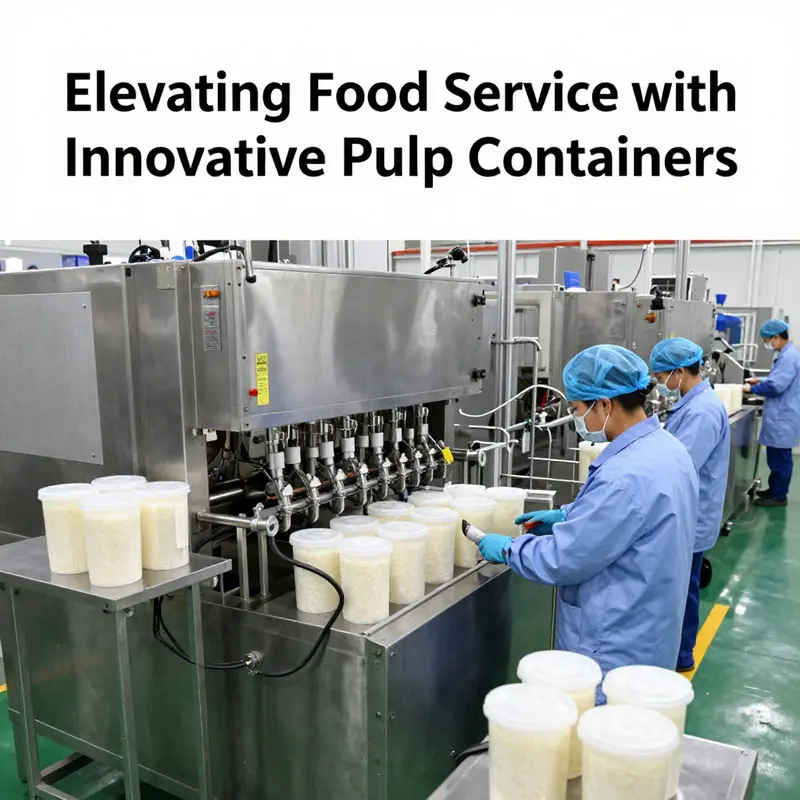
A quiet revolution is taking place in the world of wholesale pulp food packaging, a shift that reframes efficiency, sustainability, and performance in a single stroke. As restaurants, cafeterias, and catering services expand their takeout and delivery operations, the demand for packaging that can stand up to both oil and water without sacrificing compostability or recyclability has moved from niche curiosity to industry standard. The focus has shifted from simply containing food to actively defending its integrity from the moment it leaves a kitchen until it reaches the consumer’s hands. In this space, pulp-based containers are no longer merely an eco-friendly alternative; they have become a platform for high-performance packaging that aligns with circular economy principles and regulatory expectations. The innovations within wholesale pulp oil and water repellent manufacturing are not isolated technical feats. They are the culmination of careful material science, thoughtful design, and market dynamics that reward durability, safety, and environmental responsibility in equal measure.
At the heart of these advances is a balance between two seemingly opposing forces: the need for a robust, leak-resistant barrier and the obligation to preserve the recyclability and repulpability of the base fiber. The base material—natural fibers derived from wood pulp or other plant sources—offers biodegradability and a favorable environmental profile. Yet liquids, especially oils and hot foods, exert pressure that can compromise structural integrity and containment. The industry’s response has been a family of coatings designed to be applied to molded pulp or corrugated pulp forms. These coatings must perform under real-world conditions: exposure to hot steam, high-fat sauces, and the greasy residues that come with fried or grilled items. They must also survive repeated cycles of repulping and recycling without leaving residues that could hinder the processing stream.
One of the most significant breakthroughs in this area is the development of FDA-compliant coatings that are suitable for direct contact with food. This is not a minor compatibility check; it reflects rigorous testing around migration, surface safety, and regulatory acceptance across multiple jurisdictions. The coatings must pass migration limits for common food-contact scenarios and maintain their protective function throughout the container’s life cycle—from the moment the product is filled to the moment it is disposed of or returned for recycling. The FDA-compliant label on a coating is more than a badge; it signals a reliable safety perimeter that packaging designers can trust when they create vessels for takeout, bakery items, or ready-to-eat meals. The transparency of such coatings is equally meaningful. Clear or light-tinted coatings enable branding and printing without sacrificing performance. In a world where a container’s appearance can influence a consumer’s choice, the ability to marry aesthetics with functional barriers becomes a strategic advantage.
The environmental dimension of these innovations cannot be overstated. Companies designing coatings for repulpable and recyclable pulp containers are keenly aware that the sustainability story cannot end at disposal. The coatings themselves must fit within the recyclability stream, not become a contaminant that complicates recycling processes. Repulpable and recyclable solutions mean that the coating can be separated from the fiber during repulping and does not leave a residue that would impair fiber quality. This is particularly important for facilities that reprocess paper and pulp into new products. The coatings therefore operate in a life cycle that emphasizes compatibility with existing mechanical and chemical processes used in repulping and papermaking. When such coatings are properly engineered, they enable a closed-loop lifecycle in which pulp containers can be recycled into high-quality fiber products with minimal waste. This alignment with the circular economy elevates the material choice beyond a single-use convenience to a component of broader environmental stewardship.
Another dimension of these innovations concerns durability and functionality. For food delivery and takeout items, the coating must resist oil migration and water ingress while withstanding the thermal and mechanical stresses of transit. The challenge is not only to repel liquids but to do so without compromising the printed imagery, the integrity of the seal, or the ability of the container to withstand stacking and handling in busy kitchens and couriers’ hubs. The result is a robust barrier system that helps prevent leaks and grease staining, which in turn reduces consumer mess and waste. When combined with well-designed lids, seals, and container geometries, the coating contributes to a leak-proof experience that customers can trust, even under pressure during peak hours and in varied climate conditions. This reliability is increasingly crucial as foodservice operations expand into online ordering platforms where consumer expectations are calibrated to the precise delivery window.
Coatings are not mere defensive layers; they are proactive enablers of new packaging formats and applications. In mold-imprinted pulp products, coatings can be tailored to meet specific food categories, from fatty sauces to delicate, sauce-strewn salads. The versatility of modern coating chemistries allows packaging engineers to modulate properties such as surface energy, melt resistance, and oxygen transmission in controlled ways. While oil repellence is a critical feature for greasy foods, water repellence also holds equal weight for items that release condensation or are packaged with moist components. The ability to manage both oil and water interactions helps keep the container’s exterior cleaner, enhances consumer perception of product quality, and reduces the likelihood of leakage that could complicate retail and delivery operations. The interplay between surface science and material engineering here is subtle yet powerful: a well-tuned coating lowers the energy barrier for repulping, preserves fiber integrity at the edge of the container, and supports a smooth processing path in recycling facilities.
The move toward repulpable and recyclable coatings is also reshaping supply chain economics. In a wholesale context, bulk procurement rates and total cost of ownership are increasingly influenced by the efficiency of the coating process, the speed of application, and the compatibility of the coating with existing manufacturing lines. For buyers and manufacturers, the promise of cost savings lies not only in the price per container but in the savings generated by reduced product loss due to leaks, fewer customer complaints, and lower waste. When a coating enables a tighter seal and longer product stability, it can extend the usable life of prepared foods and reduce spoilage, a factor that becomes particularly meaningful for services that rely on cold-chain stability and on-time delivery. The economics of scale also encourage manufacturers to optimize solvent use, cure times, and post-coating handling. In practice, this means that bulk orders may unlock more favorable price brackets, which in turn accelerates the transition toward pulp-based solutions across a wide range of foodservice segments.
The environmental footprint of these innovations extends beyond end-of-life considerations. A comprehensive assessment considers embodied energy in the coating materials, the emissions associated with their production, and the compatibility with sustainable forest management practices that supply pulp. When coatings are designed to be repulpable, the processing energy and water use in recycling streams can be optimized, yielding lower net emissions per container. The industry’s trajectory toward lower carbon intensity is supported by ongoing research into bio-based or low-VOC chemistries, which reduce the ecological impact of coating manufacture and application. In addition, as consumer awareness about plastics reduction grows, pulp-based packaging with reliable oil and water repellence offers a tangible pathway to replacing high-volume plastic alternatives in many takeout and food-service contexts. The cumulative effect is a packaging system that aligns with evolving regulations, consumer expectations, and corporate sustainability targets, while preserving the functional guarantees that food service professionals rely on every day.
Critically, the coatings must harmonize with the mechanical realities of pulp materials. Pulp containers vary in thickness, density, and fiber orientation, all of which influence barrier performance. A coating that works beautifully on a dense, molded pulp form may perform differently on a lighter, corrugated variant. Therefore, manufacturers invest in compatibility testing that spans thermal cycling, mechanical stress, and humidity exposure. The objective is to deliver a standard of performance that does not require operators to alter their production lines or compromise on throughput. In practice, this means coatings with rapid cure times, simple adhesion characteristics, and low-energy processing requirements. The smoother the integration into manufacturing workflows, the more likely a wholesale buyer will adopt the new solution across multiple product lines. The outcome is a more resilient supply chain that can respond quickly to shifts in demand, whether that means scaling up for a busy season or adapting to new regulatory standards that tighten migration limits for certain substances.
The consumer experience is not neglected in this technical narrative. A container’s exterior bears branding and messaging, yet it also carries the weight of functional performance. When a consumer encounters a hot takeout sleeve or a steamed dumpling box, the perception of quality is shaped by how the container handles moisture and oil under practical conditions. A coating that repels oil reduces grease transfer to the package’s surface, helping to preserve logos, color vibrancy, and legibility of printed information. Water repellence helps prevent condensation from soaking the outer surface, which keeps hands dry and reduces slip hazards during transport. In addition, coatings that maintain clarity and prevent fogging on transparent windows or arcs of printing contribute to a more favorable brand impression. The overall effect is a packaging experience that feels sturdy, reliable, and responsible—precisely the combination that retailers, operators, and environmentally conscious consumers seek in today’s market.
The wholesale market for pulp-based, oil and water repellent containers continues to grow, driven by consumer demand for sustainable products and by policy shifts aimed at reducing single-use plastics. Businesses that scale through wholesale procurement can realize economies of scale, while still delivering the performance required for demanding foodservice applications. The ability to offer repulpable coatings at competitive prices without compromising food safety or recycling compatibility becomes a differentiator in crowded marketplaces. In this climate, suppliers emphasize not only the technical specifications of the coating systems but also the reliability of supply chains, the traceability of materials, and the transparency of environmental claims. Buyers increasingly seek documentation that supports eco-labels and circular economy narratives, from raw material sourcing to end-of-life outcomes. The coatings thus become a key intersection between performance, safety, and sustainability—a trifecta that shapes procurement decisions in wholesale channels and informs long-term sourcing strategies for operators who aim to balance guest experience with responsible stewardship of resources.
From a design perspective, the latest innovations invite packaging engineers to rethink how containers are shaped and used in real-world workflows. The coating’s performance can unlock new geometries, enabling thinner walls without sacrificing barrier integrity, or allowing more compact nesting configurations that improve space efficiency in storage and transport. The design flexibility translates into more efficient takeout fleets, with containers that stack securely, resist deformation under load, and maintain their protective qualities even when subjected to rough handling in busy delivery ecosystems. For manufacturers, this means exploring new process windows, adjusting curing temperatures, and refining post-coating treatments to optimize surface finish and readability. It also means embracing collaborative development with suppliers who can tailor coating chemistries to specific fiber blends and region-specific regulations, creating a localized pathway to market that reduces lead times and regulatory risk.
The topic cannot be fully understood without considering the broader ecosystem of packaging materials and substitutes. The corridor of opportunity extends beyond pulp to include hybrid or layered systems where coatings play a critical role in bridging materials. However, the emphasis on repulpability and recyclability anchors the pulp option as a forward-looking choice for processors who want to balance performance with environmental responsibility. The ongoing research into moisture resistance for molded pulp packaging, as highlighted by industry knowledge bases and technical forums, provides a blueprint for continued advancement. Teams are exploring how moisture management interacts with consumer handling, storage conditions, and the logistics of last-mile delivery. The aim is to deliver not just a coating but a holistic packaging framework that supports safe transport, keeps foods appealing, and enables end-of-life processing that minimizes waste.
In practice, the evolution of these coatings reflects a collaborative ecosystem. Material scientists, packaging engineers, regulatory specialists, and supply-chain planners work together to translate laboratory breakthroughs into scalable manufacturing realities. Production lines must accommodate precision coating applications, controlled drying cycles, and robust QA testing that ensures consistent barrier performance across batches. The commercial viability of such solutions depends on reproducibility, supply reliability, and the ability to integrate with existing equipment without excessive capital expenditure. Wholesale buyers who understand these dynamics are better positioned to forecast demand, negotiate favorable terms, and navigate seasonal fluctuations in foodservice activity. They also gain visibility into the lifecycle benefits of pulp-based containers, including reduced plastic waste, easier end-of-life processing, and alignment with corporate sustainability targets that increasingly influence vendor selection.
The narrative of these innovations is incomplete without acknowledging the regulatory and consumer dynamics that shape adoption. Governments and municipalities are tightening restrictions on single-use plastics and encouraging compostable or recyclable alternatives. Consumers, increasingly aware of packaging’s environmental footprint, are more likely to choose brands that demonstrate transparency about materials, coatings, and end-of-life scenarios. In this context, FDA-compliant coatings for direct food contact are not merely a compliance milestone; they are a signal of trust that supports brand integrity and customer loyalty. As the field evolves, there is growing emphasis on traceability and documentation—proof of the coating’s composition, its recyclability, and its performance history. This transparency helps wholesale buyers compare options, justify investments, and communicate the benefits of pulp-based packaging to their own customers and regulators.
The confluence of performance, safety, sustainability, and market economics creates a compelling case for wholesale adoption of oil and water repellent pulp containers. The coatings’ repulpable and recyclable nature ensures that the environmental gains are not lost at end-of-life. The durability and liquid barrier properties enable a wider range of applications, including hot, oily, or moist foods that demand reliable containment. The result is a packaging solution that supports the entire foodservice lifecycle—from kitchen to consumer to recycling facility—without compromising on food safety or environmental commitments. The conversation surrounding these innovations, therefore, moves beyond material choice. It becomes a discussion about system-level design, supply chain resilience, and the creation of packaging ecosystems that deliver performance, value, and responsibility in equal measure.
For those who want to explore related packaging categories and see how pulp-based solutions sit within broader product families, the content here dovetails with a comprehensive set of packaging options that include paper packaging and disposable tableware. A useful starting point is the collection of paper packaging solutions that this platform offers, which provides context for how coating technologies integrate with diverse product formats and end-use scenarios. paper packaging offers a window into the kinds of substrates and finishes that complement oil and water repellent coatings while maintaining recyclability. This alignment helps buyers assess compatibility across lines, from paper boxes and plates to lids and other ancillary components, ensuring a cohesive approach to sustainability and performance.
In sum, the ongoing innovations in wholesale pulp food container oil and water repellent manufacturing are reshaping what is possible in sustainable packaging. They enable pulp-based solutions to meet exacting standards for safety and performance, while reinforcing a commitment to circularity and responsible material stewardship. The story is about more than coatings; it is about reimagining the entire packaging system so that every link—from raw material sourcing to end-of-life processing—contributes to a cleaner, more resilient economy. As this chapter travels forward, it will intersect with broader discussions of logistics, cost efficiencies, and consumer expectations, ensuring that the dialogue remains grounded in practical realities while still imagining a future where sustainable packaging is the norm rather than the exception. For further technical context on moisture resistance innovations in molded pulp packaging, see the external resource linked at the end of this chapter.
External resource: https://www.moldedpulppackaging.com/innovations-in-moisture-resistance-for-molded-pulp/
From Fibers to Fortitude: How Oil- and Water-Repellent Pulp Containers Are Reshaping Food Packaging
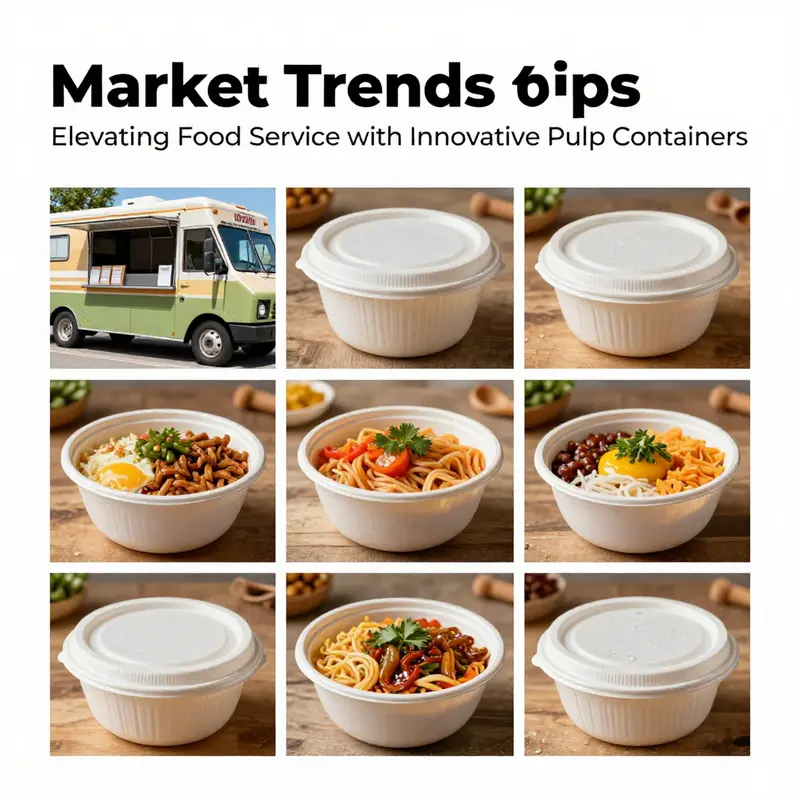
The market for wholesale pulp food containers with oil and water repellent properties is moving with a quiet but persistent momentum, driven by a convergence of sustainability imperatives, evolving consumer expectations, and a stream of technical innovations that push a humble material—pulp—into new realms of performance. As businesses look for packaging that sustains freshness, prevents leaks, and aligns with environmental goals, molded pulp products designed to resist both oil and water emerge as a practical, scalable solution. This shift is not a random trend but a calculated response to the twin pressures of regulation and preference that shape modern packaging strategies. The figures behind the shift are telling: a global molded pulp packaging market projected to rise from USD 5.57 billion in 2025 to USD 9.34 billion by 2033, a robust CAGR of about 6.68 percent. Such growth signals more than a niche demand; it points to a broader rethinking of how packaging can be both functional and sustainable, a rethinking that begins with the fibers themselves and extends into surface treatments, coatings, and end‑of‑life considerations. While plastics still service a wide range of packaging needs, the environmental narrative is increasingly steering buyers toward materials that can perform in the same contexts without compromising the planet. The oil and water repellency of pulp containers, when achieved through eco-friendly coatings and non-toxic formulations, becomes a fulcrum around which pricing, supply chain choices, and regulatory compliance pivot. In wholesale terms, this translates into a market where bulk procurement can yield meaningful cost efficiencies, encouraging restauranteurs, caterers, and large-scale foodservice networks to transition from conventional options to pulp-based solutions that meet both practical and ethical benchmarks. The interplay between performance characteristics and sustainability is central here. For a material derived from renewable fibers, the emphasis is on retaining mechanical integrity during use, resisting liquid ingress, and maintaining heat tolerance enough to handle warm foods or hot beverages without compromising structure. The coatings that realize these goals must perform without introducing chemical risks to food contact, and they must do so in a way that remains compatible with downstream recycling and composting or other end-of-life pathways. The balance between barrier performance and environmental responsibility is not a trivial engineering problem; it is a systems problem that involves raw material sourcing, coating chemistry, manufacturing processes, and consumer behavior.
Sealing Sustainability: Environmental Realities and Innovations in Wholesale Pulp Containers with Oil- and Water-Repellent Coatings
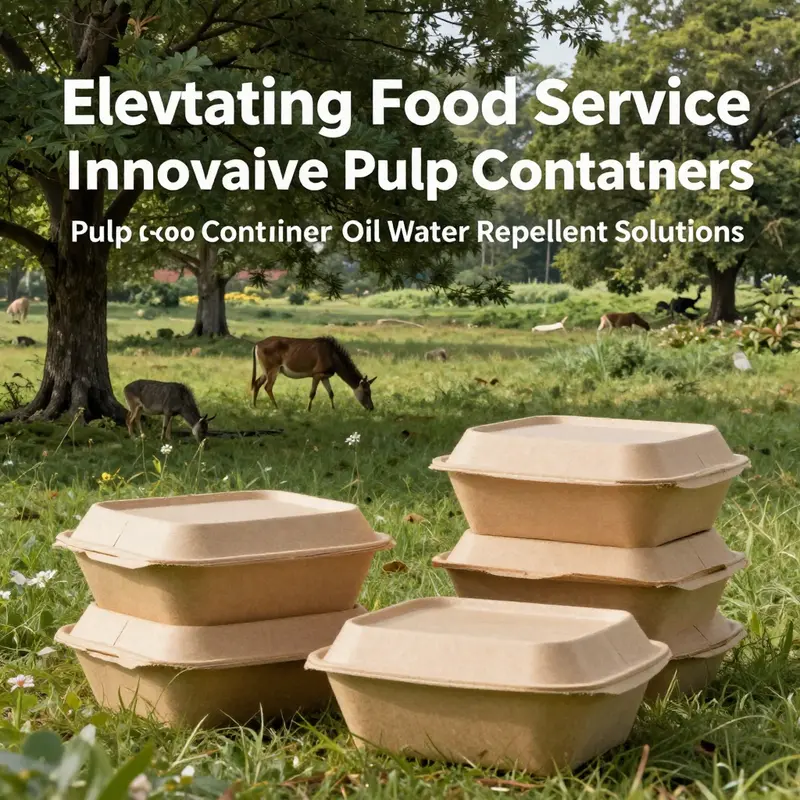
The rise of wholesale pulp food containers with oil and water repellency marks a pivotal shift in how the foodservice industry approaches packaging. It is a shift guided not merely by consumer demand for sturdier, grease- and moisture-resistant vessels but, more profoundly, by the need to reconcile practical functionality with a cleaner planet. In the rush to meet throughput and price targets, it would be tempting to assume that a simple coating can resolve every logistical hurdle. Yet the environmental footprint of those coatings, particularly when they rely on polyfluorinated substances, has become a central consideration that shapes procurement choices, supplier partnerships, and the very design of next-generation pulp packaging. The chapter that follows threads together the realities of wholesale dynamics, the chemistry behind repellency, and the evolving landscape of sustainable coatings. It seeks to illuminate how brands and buyers can align performance with responsibility across the full life cycle of pulp-based containers, from raw fibers to end of life, without treating oil and water resistance as an isolated feature rather than a system property integrated with sustainability goals.
Oil and water repellency are indispensable in pulp-based containers used for takeout, delivery meals, snacks, and ready-to-eat items. A grease barrier prevents saturation that would otherwise compromise the rigidity and stackability of the board, while a moisture barrier helps keep foods from wilting or leaking through the walls of a container. In wholesale markets, where businesses source in bulk to serve many locations, these capabilities translate into tangible value: reduced mess, lower need for secondary packaging, fewer returns due to product damage, and, importantly, heightened consumer confidence in the hygiene and reliability of packaging. The tension, however, emerges when the coatings that deliver these properties carry environmental tradeoffs. For years, traditional oil- and water-repellent coatings have relied on polyfluorinated surfactants. These substances—highly effective at repelling grease and water—have a track record of persistence and bioaccumulation that alarms environmental researchers and policymakers alike. The reasons are straightforward and unsettling: once released into wastewater streams or landfill leachate, such compounds resist degradation, travel through soils and waterways, and accumulate in flora, aquatic organisms, and ultimately humans through complex exposure pathways. The chain of custody is long and the consequences ripple far beyond the immediate act of packaging a hot meal.
Persistent, bioaccumulative, and toxic—these three terms, often abbreviated as PBT, distill the core concern around traditional fluorinated coatings. The very properties that preserve the integrity of a food container in a busy foodservice environment can, over time, contribute to environmental burdens that reveal themselves in multiple ways. Wastewater from manufacturing facilities can carry trace amounts of PFS into municipal treatment systems, challenging existing remediation strategies. Leachate from landfills—a result of discarded coated boards—can introduce oil- and fluorinated compounds into soil layers and groundwater. The ecological implications are not limited to distant ecosystems; they intersect with human health through exposure pathways that include contaminated water sources and foodchains. This is not an abstract debate about niche chemical classes; it is a real-world consideration that affects wholesale pricing, supplier risk, and the reputational calculus of brands that choose to package millions of meals annually.
A growing body of research and industry practice is pivoting toward sustainable alternatives that meet the same functional benchmarks while minimizing ecological footprints. The objective is not to abandon oil and water repellency but to reimagine it through coatings that are non-fluorinated, biodegradable, and derived from renewable resources. These innovations aim to deliver comparable barrier performance under typical foodservice conditions—hot grease, steam, quick-service handling, and frequent user contact—without leaving a lasting toxic legacy in the environment. The shift toward non-fluorinated coatings is not simply about substituting one material for another; it is about embracing a broader design philosophy that treats the packaging as part of a circular economy. If a coating can be designed to perform well during use and still break down harmlessly after disposal or recovery, it reduces the long-tail risks associated with PFS while preserving the practical advantages that wholesalers and retailers rely on every day.
From a lifecycle perspective, the environmental calculus widens beyond the chemistry in the coating. It encompasses the origin of the fibers, the processing steps that shape the pulp into a sturdy container, the energy and water inputs during manufacturing, and the management of end-of-life streams. The pulp-based model offers clear advantages over traditional plastics in terms of renewability and compostability, but these advantages are conditional on coatings that do not undermine the compostability of the base material or complicate recycling streams. A coating that forestalls biodegradation or complicates separation of fiber from ink, or one that inhibits the recyclability of a corrugated board structure, can remove much of the environmental benefit the pulp pathway offers. Consequently, the decision to adopt new oil- and water-repellent technologies must be guided by an integrated life-cycle assessment that weighs the tradeoffs between performance, cost, and end-of-life outcomes.
To grasp where wholesale markets stand today, it is useful to consider the economic forces at play. Bulk procurement creates pricing advantages that can soften the up-front premium sometimes associated with sustainable coatings. When buyers order large volumes, suppliers can achieve scale efficiencies, reduce unit costs, and pass some savings to customers who commit to greener formulations. This dynamic is more complex than a simple trade-off between price and sustainability. It also involves supplier transparency about chemical ingredients, third-party certifications for environmental performance, and the ability to demonstrate real-world results in terms of leak resistance, heat tolerance, and shelf-life impact. For wholesalers dealing with a broad client base—from small takeout operations to large stadiums—these assurances are currency. The more robust the data package on a coating’s performance and its environmental footprint, the greater the incentive to switch from legacy fluorinated systems to safer, more transparent solutions. In such markets, the credibility of sustainability claims matters as much as the claims themselves, because buyers must rationalize long-term cost of ownership and regulatory compliance with what is visible on the packing line and in the waste stream.
A central challenge in this transition is preserving the essential properties of oil and water repellency while eliminating or reducing the use of PFS. The industry has identified several promising approaches that align with broad sustainability goals. One path emphasizes non-fluorinated chemistries that create hydrophobic or oleophobic surfaces through renewable materials. For example, coatings derived from natural polymers, waxes, or modified starches can form barrier layers that resist oil absorption and water ingress while remaining more compatible with composting processes. Another approach explores biodegradable coatings that degrade under industrial composting conditions yet retain performance during the product’s life in a consumer’s hand. The goal is to achieve a functional parity with traditional coatings without compromising the handling characteristics of the container after its life in the marketplace ends.
In practice, adopting these alternatives requires careful material science and process engineering. The barrier performance of a coating is not determined by a single factor alone; it emerges from the interplay of coating thickness, surface energy, substrate porosity, and the distribution of hydrophobic components across the surface. When a coating is designed for pulp board, it must endure the rigors of hot grease and steam while resisting abrasion from handling and transportation. It must also avoid cracking or delamination under typical temperature fluctuations and humidity conditions encountered in kitchens, warehouses, and delivery environments. These constraints often drive trade-offs between coating durability and end-of-life compatibility. A thicker or more robust non-fluorinated coating may offer stronger barrier properties during use but could impede compostability or complicate recycling streams if it resists breakdown or separation from the fiber matrix. Conversely, a highly biodegradable formulation may degrade too quickly in a landfill or in the composting facility, compromising the container’s integrity before it can be disposed of properly if its shelf life or storage conditions are not ideal. The challenge, then, is to craft coatings that perform reliably during service and exit gracefully at the end of life, ideally entering a circular loop in which materials are recovered or safely broken down rather than accumulating in landfills.
The literature and industry forums converge on several important themes. First, the pursuit of non-fluorinated coatings is not purely a chemical substitution exercise but a systems-level redesign. The coatings must be compatible with the fibrous substrate, the inks used for branding and information, and any adhesives involved in forming the final packaging. A successful integration considers how the coating affects the board’s heat transfer characteristics, mechanical strength, and stacking stability during transport. It also considers how the coating influences the product’s consumer experience, including aroma, gloss, and tactile feel, which can subtly affect perception of quality. Second, there is growing attention to the upstream supply chain: the sourcing of renewable feedstocks, the availability of scalable manufacturing processes, and the reliability of supply in a market that increasingly prioritizes environmental performance. Suppliers are asked to provide transparent data on raw material origin, energy use, water footprint, and end-of-life outcomes. Third, regulatory and market incentives are nudging the market forward. Regulatory frameworks around persistent chemicals, landfill leachate control, and plastics policies create a supportive environment for greener coatings, while consumer demand and corporate sustainability commitments push brands toward greater accountability and traceability.
From a practical viewpoint, wholesalers can begin evolving their portfolios by actively seeking out coating technologies that demonstrate credible, independent verification of performance and environmental attributes. The long-run payoff includes not only reduced ecological impact but also improved resilience in the supply chain. When a coating is designed with recyclability and compostability in mind, it reduces contamination risks in downstream processing facilities and enhances the overall circularity of packaging systems. Such improvements can also yield cost savings over time, as waste management costs decrease and consumer perception strengthens the brand’s sustainability narrative. In this vein, it is worth considering actionable steps around product development and procurement. Retailers and foodservice operators can request from suppliers detailed lifecycle data, third-party certifications, and documented performance tests that mirror real-world conditions, such as repeated heating, exposure to grease, and friction from handling. They can also probe whether coatings are compatible with existing industrial composting or recycling streams in their regions, as mismatches can negate the environmental benefits that non-fluorinated technologies promise.
The pathway toward sustainable oil and water repellency in wholesale pulp containers is not a purely technical journey; it is a market and policy-guided evolution that requires collaboration among fiber producers, coating chemists, packaging designers, waste managers, and end users. The wholesale market, with its scale and reach, can accelerate this transformation by demanding standardized performance metrics and harmonized environmental declarations. When buyers insist on consistent data and verified environmental profiles, suppliers are compelled to invest in robust testing regimes, supply chain traceability, and continuous improvement programs. As a consequence, the industry can move beyond a posture of reactive replacement to one of proactive remodeling, where new coatings are chosen not only for their barrier efficacy but also for their compatibility with a circular economy and for their alignment with the broader climate and resource-use goals that define modern packaging ecosystems.
In this context, the broader implications for product design and procurement become clearer. A coating that achieves a sustainable balance between performance and end-of-life outcomes can unlock new markets and support long-term demand for pulp-based packaging on a wholesale scale. It can also reduce the externalities associated with packaging waste, particularly in dense urban areas where waste streams are concentrated and infrastructure for material recovery is continually evolving. The result is a packaging solution that remains fit for purpose in the moment of service while preserving the potential for recovery, reuse, or safe biodegradation after disposal. Nevertheless, there is no one-size-fits-all formulation. Different end-use scenarios—driven by cuisine type, temperature, spill risk, and consumer behavior—demand tailored solutions. The wholesale ecosystem, with its breadth of customers and geographies, will likely require a spectrum of coating families that collectively meet diverse performance and environmental criteria. This is not a retreat from innovation but a nuanced, evidence-based evolution that respects both the need for reliability on the front line and accountability at the back end.
For stakeholders exploring this transition, several practical considerations help anchor the decision-making process. First, engage in trials that measure real-world performance across multiple metrics, including grease resistance, water contact angle, thermal stability, and the rate of degradation under simulated composting conditions. Second, prioritize formulations that minimize hazardous byproducts and maximize the potential for safe disposal. Third, examine how coatings interact with inks and adhesives on the substrate, ensuring that branding and legibility do not suffer as barrier properties improve. Fourth, assess the full supply chain implications, including the sourcing of raw materials, energy intensity of manufacturing, and the availability of post-consumer waste processing options in target markets. Finally, cultivate transparent relationships with suppliers who can provide independent verification of environmental claims and who are committed to ongoing innovation aligned with circular economy principles.
In practical terms, a wholesale strategy that embraces non-fluorinated, biodegradable coatings can be implemented in stages. An initial focus on high-volume, high-visibility products—containers used in popular takeout formats with predictable temperature and grease exposure—can yield meaningful environmental and economic returns. As confidence and data accumulate, the portfolio can expand to include a broader range of stock sizes and product lines, with continuous refinement of formulations to optimize performance, cost, and end-of-life outcomes. The end goal is not merely a switch in chemical composition but the creation of a packaging system that performs reliably under demanding service conditions while contributing to a cleaner lifecycle with fewer hazardous residues and less long-term ecological burden. In this sense, the wholesale market becomes a platform for responsible innovation, enabling a broader range of foodservice operators to adopt pulp-based packaging that aligns with sustainability commitments without sacrificing the customer experience.
For readers seeking a concrete pathway toward sustainable options in this space, one practical route is to explore the broader ecosystem of paper packaging families that support environmentally conscious choices. The paper packaging category on wholesale platforms often aggregates solutions that integrate pulp substrates with eco-friendly coatings and sealants designed to reduce reliance on fluorinated chemistries. By examining these options, buyers can identify products that balance grease resistance with recyclability or compostability, then engage suppliers in dialogue about life-cycle performance, supply reliability, and end-of-life management. As part of this exploration, it can be valuable to consider how coatings interact with the board structure and adhesive systems used in the final package, as well as how branding and consumer information can be preserved without compromising environmental outcomes. The interplay between material properties, manufacturing processes, and downstream waste management is where the real opportunities lie for wholesale buyers seeking to align cost efficiency with ecological integrity. Although the path toward fully fluorine-free repellents may still be uneven across product lines and markets, the trajectory is clear: innovations that honor both performance and planet are becoming increasingly mainstream, and wholesale procurement is a primary lever for accelerating that trajectory. In this sense, adopting non-fluorinated, biodegradable coatings is not merely an alternative; it is a strategic choice that reflects a mature understanding of packaging as an instrument of sustainability, not just a barrier to product leakage. The viability of this approach depends on rigorous testing, transparent data sharing, and continuous collaboration among fiber producers, coating developers, machine operators, and waste managers, all aligned toward a circular vision for paper-based packaging.
As sustainability narratives grow in importance for brands and wholesalers alike, a transparent, evidence-based approach to oil and water repellency in pulp containers becomes a competitive differentiator. Buyers who can articulate the environmental tradeoffs, demonstrate credible performance data, and show progress toward circular end-of-life outcomes will be better positioned to secure long-term supply agreements, even in markets where the price sensitivity of bulk orders remains high. The opportunity is not to abandon the essential service of barrier protection but to reimagine it within a framework of responsible resource use and responsible disposal. In short, the wholesale adoption of pulp-based, oil- and water-repellent coatings will increasingly hinge on the capacity to deliver not only packaging that stands up to grease and moisture but packaging that can depart the life cycle with a lighter footprint, a clearer end-of-life path, and a stronger alignment with the environmental aspirations of both producers and consumers.
For readers who want to dig deeper into the science and policy shaping these developments, a broader set of resources is available in the academic and industry literature. A detailed examination of sustainable water- and oil-repellent coating technologies for disposable food packaging offers foundational insights into how non-fluorinated approaches can achieve barrier performance while reducing pollution and supporting circular economy objectives. This body of work highlights the tradeoffs, design principles, and performance metrics that matter most to decision-makers in wholesale packaging supply chains. In combination with practical supplier engagement and lifecycle thinking, these insights provide a robust framework for guiding procurement decisions that reconcile performance requirements with environmental responsibilities. As the field evolves, ongoing collaborations among researchers, manufacturers, and buyers will be essential to ensure that the packaging solutions entering the market meet both contemporary expectations for quality and the imperatives of a sustainable future.
External reference: Sustainable Water- and Oil-Repellent Coating for Disposable Food Packaging, MDPI, 2025. See also: https://www.mdpi.com/2073-4395/15/11/2585
Internal resource for further exploration: paper packaging options in the wholesale ecosystem can be explored here for compatible materials and coatings, which supports an integrated approach to sustainable packaging paper packaging.
Final thoughts
Transitioning to wholesale pulp food containers that are oil and water repellent offers a compelling solution for businesses aiming for sustainability without sacrificing quality. With innovations in manufacturing processes, an understanding of market trends, and recognition of the environmental benefits, food service providers can confidently embrace these eco-friendly packaging choices. This strategic shift not only meets consumer demands but also contributes to a greener planet, supporting the collective effort towards reducing plastic waste and promoting biodegradable alternatives.