
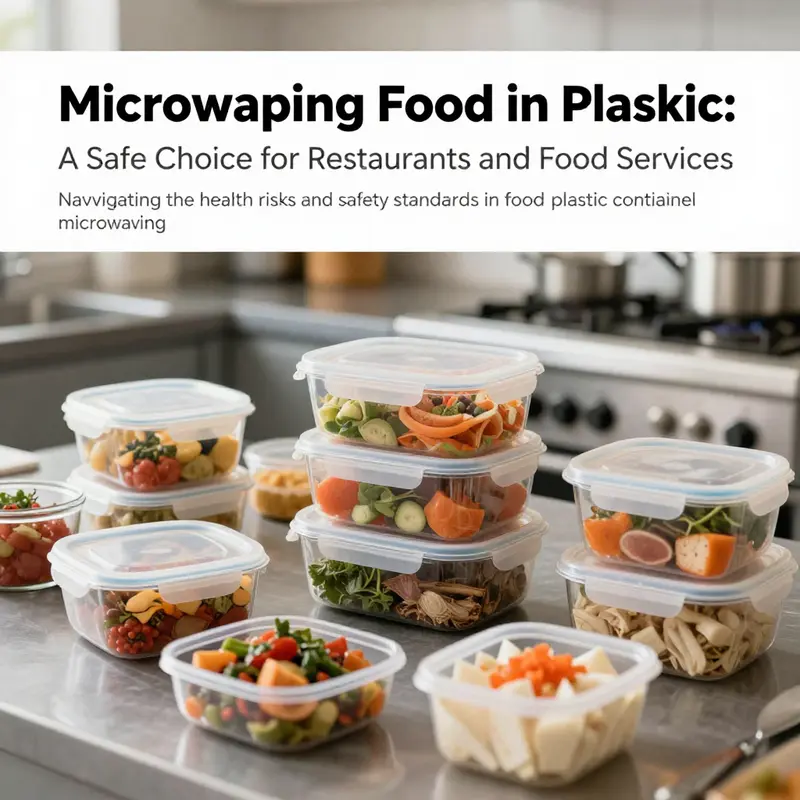
As a bubble tea shop owner, restaurant manager, food truck operator, or event planner, the efficiency of your operations often requires quick reheating solutions. Microwaving food in plastic containers is a common practice, but it’s essential to understand the potential health risks associated with plastic chemicals leaching into food. This article provides insight into these risks, the safety standards that govern plastic container microwaving, and best practices to maintain food safety while maximizing convenience. By focusing on these areas, you can ensure that your customers receive safe, high-quality beverages and meals without compromising their health.
Heat on the Plate: Unveiling the Hidden Dangers of Microwaving Food in Plastic Containers
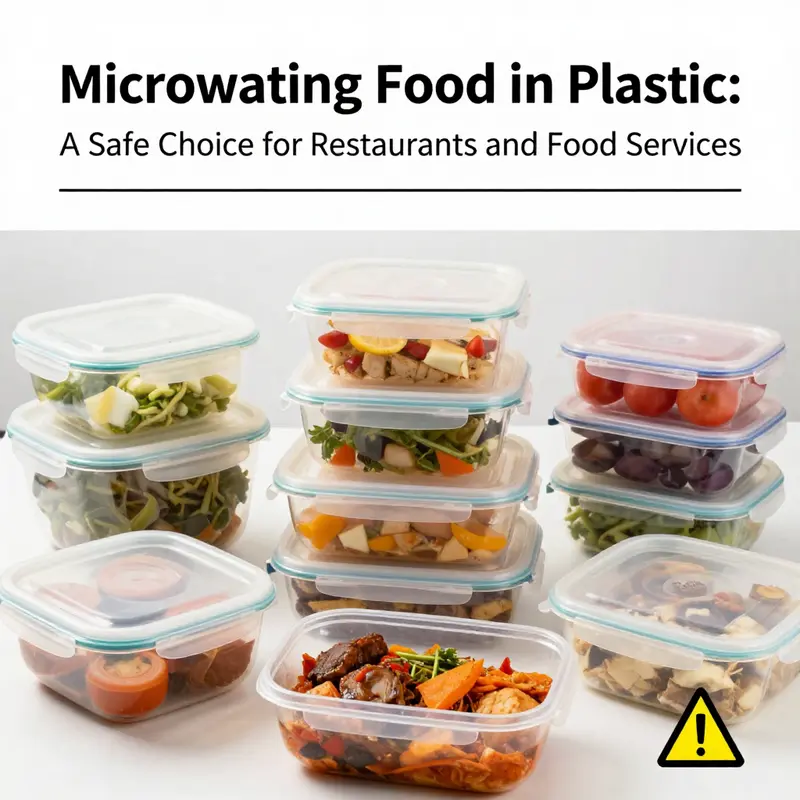
In kitchens around the world, the microwave hums like a small engine, turning leftovers into hot meals with a flick of a switch. Plastic containers, light and convenient, are the faithful sidekicks in this routine. Yet beneath the ease of reheating lies a web of chemical interactions that can unfold when plastics meet heat. The core concern centers on chemical leaching—substances that migrate from the plastic into the food as temperatures rise and the plastic structure shifts under microwave conditions. It is not simply a matter of melting or warping; it is about molecular migration that may alter the chemical composition of what we eat. The most scrutinized culprits are the family of chemicals known as bisphenols—BPA and its substitutes BPS and BPF—and the widely used phthalates, plasticizers designed to make plastics flexible. Together, they form a set of compounds that can behave as endocrine disruptors, interfering with hormone signaling in the body. The result, researchers warn, is a potential cascade of health effects that range from developmental and reproductive disturbances to metabolic changes that could influence cancer risk over time. While the public debate has often fixated on BPA, the contemporary concern extends to its substitutes and related additives, because replacing one problematic chemical with another may not reduce risk. In this sense, the safety of microwaving in plastic becomes less about a single ingredient and more about a broader pattern of exposure shaped by material choice, heating conditions, and the frequency with which plastic is used for heated meals.
The picture is further complicated by the fact that the term “microwave-safe” does not guarantee chemical safety. Regulatory agencies like the U.S. FDA require that containers labeled as microwave-safe meet certain migration thresholds for chemicals. Yet those thresholds are not zero. As Dr. Linda Birnbaum, a leading figure in environmental health, has stressed, even products marketed as microwave-safe do not eliminate all leaching. They are safe only to a regulatory standard that may still permit meaningful exposure if the containers are used repeatedly, or if heating conditions exceed typical use. A 2023 study in Environmental Science & Technology offered a stark reminder: polycarbonate and PVC containers labeled as microwave-safe still exhibited significant leaching of BPA and phthalates into food simulants under normal use. In practice, that means a cup of soup heated in such a container could introduce nontrivial amounts of potentially hormone-disrupting compounds into the very meal meant to nourish the body. The nuance is crucial: safety here is probabilistic rather than absolute, a matter of reducing risk rather than eliminating it entirely. The takeaway is not that all microwaving is dangerous, but that frequent exposure to heated plastic magnifies the chances of chemical transfer, and that the real-world scenario often exceeds the assumptions built into safety testing.
One of the most disquieting realities is the persistence of risk even when BPA itself has been removed from consumer products. BPA-free labels gained momentum as manufacturers responded to public concern, but the replacements—BPS and BPF—have emerged as common substitutes. Research suggests these alternatives can exhibit similar endocrine activity, meaning they can mimic or interfere with hormones in ways not obviously different from BPA. In practice, this translates into a broader, more subtle risk profile: the consumer may assume safety because a label says “BPA-free,” while the food remains in contact with materials that behave like endocrine disruptors under heat and stress. The migration process is not uniform; it depends on the specific polymer matrix, the presence of heat, the duration of heating, and the nature of the food being heated. Fatty and oily foods, as well as acidic items, are more likely to accelerate leaching because they can solubilize certain additives and help them migrate into the food more readily. The statistical reality is that even small daily exposures, when accumulated over years, can matter for long-term health, especially for sensitive populations such as developing fetuses, infants, and those with preexisting endocrine conditions.
The identification codes stamped on plastic containers offer a rough guide to risk, though they are not a foolproof map. The resin identification code system serves as a shorthand for the type of plastic, not a guarantee of safety under all conditions. For example, #1 (PET) is commonly used in beverage bottles and some food packaging; it is generally discouraged for microwaving because it can degrade and potentially release metals like antimony in some circumstances. #2 (HDPE) is generally considered safer, but even it is not designed for high-heat exposure. #3 (PVC) contains phthalates and should be avoided for microwaving. #5 (PP) is often cited as microwave-friendly when explicitly labeled for such use, while #6 (PS) can release styrene when heated and is typically off-limits. The catch-all category, #7 (Other), includes polycarbonates and many mixed plastics that may contain BPA or related compounds, so caution is warranted, especially if the label is not clear about microwave suitability. The practical advice emerges from this taxonomy: don’t assume that a container is safe to heat in just because it’s plastic. Treat microwave safety as a function of both the material and the context of use.
Beyond the resin codes, a broader picture of factors driving chemical migration emerges. Repeated use of a plastic container can degrade the polymer matrix, creating micro-scratches and aged surfaces that become hotspots for chemical migration. Scratches alter the physical landscape of the container, increasing surface area and creating microenvironments that facilitate leaching. Aging plastics, influenced by years of use and exposure to cleaning agents and dishwashing cycles, can also become more permeable to additives. The type of food being heated matters as well: acidic foods like tomato sauces or citrus-containing items can accelerate the breakdown of certain polymers, while fatty foods can solubilize and mobilize lipophilic additives such as phthalates and certain bisphenols. These dynamics explain why some laboratory experiments observe higher migration rates under heat, even when the container is labeled microwave-safe. The migration story is not just about the materials themselves; it is about how those materials interact with the edible substances they touch during heating, and how frequently that interaction occurs in daily life.
The regulatory lens shapes how we interpret risk. While the FDA and other agencies have approved many plastics for specific uses, the long-term, low-dose exposure that often accompanies regular microwaving remains a concern. The emphasis from experts is not a ban on all plastic use in kitchens but a shift toward minimizing exposure and adopting safer practices. In this light, safer meal preparation becomes a sequence of small, informed choices: prioritizing glass, ceramic, or stainless steel for reheating whenever possible; avoiding heating in damaged or old containers; and transferring food from plastic storage to non-plastic vessels when reheating. The message is pragmatic: reduce reliance on plastic for heated foods rather than insisting that all plastic work is inherently dangerous. Such an approach aligns with a broader precautionary stance that acknowledges evolving science while recognizing practical cooking realities.
For readers who want to ground their decisions in the latest science, several practical steps can guide day-to-day choices without requiring a full reinterpretation of one’s kitchen. First, always check labels for explicit microwave safety and integrity. Second, avoid heating fatty, oily, or acidic foods in plastic; these foods increase leaching risk. Third, do not reuse single-use plastic containers for reheating; their materials are not designed for repeated heat exposure. Fourth, minimize the use of plastic takeout containers, margarine tubs, or plastic wraps for microwaving. Fifth, if possible, transfer leftovers to glass, ceramic, or stainless steel containers before microwaving, then re-cover with a microwave-safe lid or a vented cover to reduce splatter. This practical conservatism is not a retreat from convenience but a rational retuning of daily habits in light of scientific findings about chemical migration. If readers want to explore a broader range of safer storage options, a curated collection of storage containers on our site offers a spectrum of durable, heat-safe choices that align with these recommendations. For more context on safe storage and heating options, you can explore our storage containers collection.
The narrative here is not a verdict against plastic outright. It is a call to reckon with probability and exposure. The science increasingly shows that micro-level chemical movements can accumulate in the tissues of the body over time, particularly when the same container is used repeatedly for heating. It is the cadence of daily life—the repeated reheating of meals in plastic—that matters most. The precautionary path emphasizes reducing frequency, improving material choice, and privileging alternatives that do not carry the same risk profile. Glass, ceramic, and stainless steel do not leach over the course of heating, offering a stable interface between hot food and the body. While these materials may demand a bit more care and maybe a touch more space in the kitchen, they provide a simple, tangible way to minimize exposure to hormone-disrupting chemicals in the long run.
The evidence base continues to grow, and each new study refines our understanding of how exactly these chemicals migrate during microwave heating. A 2019 study in the Journal of the Endocrine Society highlighted that heat exposure can dramatically accelerate the rate of chemical migration from plastic into food, a finding that resonates with the practical experiences of many households who notice plastic containers becoming warm to the touch during reheating. The broader implication is that the risk is not static; it scales with how often and how aggressively plastics are heated. This is not merely a problem for regulators or scientists, but a concern for households striving to balance convenience with health. The call to action is modest but meaningful: shift away from plastic whenever possible for heated foods, and when plastic must be used, do so conscientiously with the understanding that even “microwave-safe” labels are not a guarantee of chemical safety.
For those who want deeper technical grounding, a comprehensive synthesis on the topic is available in recent Environmental Science & Technology research, which documents migration patterns of BPA, BPS, and phthalates under microwave heating and discusses the limitations of current safety testing. This body of work emphasizes that our safety benchmarks are contingent on real-world usage patterns that may diverge from lab conditions. It also reinforces a critical point: substitutions for BPA may not eliminate risk if the substitutes have endocrine-disrupting potential as well. The chapter of science that concerns us here should thus be read with a cautious eye toward cumulative exposure and the evolving standards that aim to capture it. In shaping everyday choices, readers may find it helpful to anchor decisions to the broad principle of minimizing contact between hot foods and plastics, especially when the foods are fatty or acidic, and to favor non-plastic heat vessels whenever feasible.
In closing, the question is not whether plastic can be used safely in the microwave on occasion, but how often and under what conditions. The safest meal-prepping approach is a layered one: minimize reliance on plastic for reheating, select containers designed for higher heat when plastic must be used, and prioritize alternatives that do not release chemicals under heat. The science is clear enough to guide prudent behavior, and the practical wisdom—stick to glass or ceramic when you can, and treat plastic reheating as a transitional option rather than a default—remains sound. If readers want to explore broader safe-storage options in the context of daily meals, our repository on safe storage containers can serve as a practical reference, with a curated collection of options that align with these cautions. For deeper scientific grounding, consult the Environmental Science & Technology article linked in the resources section, which provides a detailed, peer-reviewed examination of leaching dynamics, including the behavior of BPA, BPS, BPF, and phthalates in microwave contexts: https://www.ncbi.nlm.nih.gov/pmc/articles/PMC10546887/.
Beyond the Label: Navigating Safety Standards for Microwaving Food in Plastic Containers
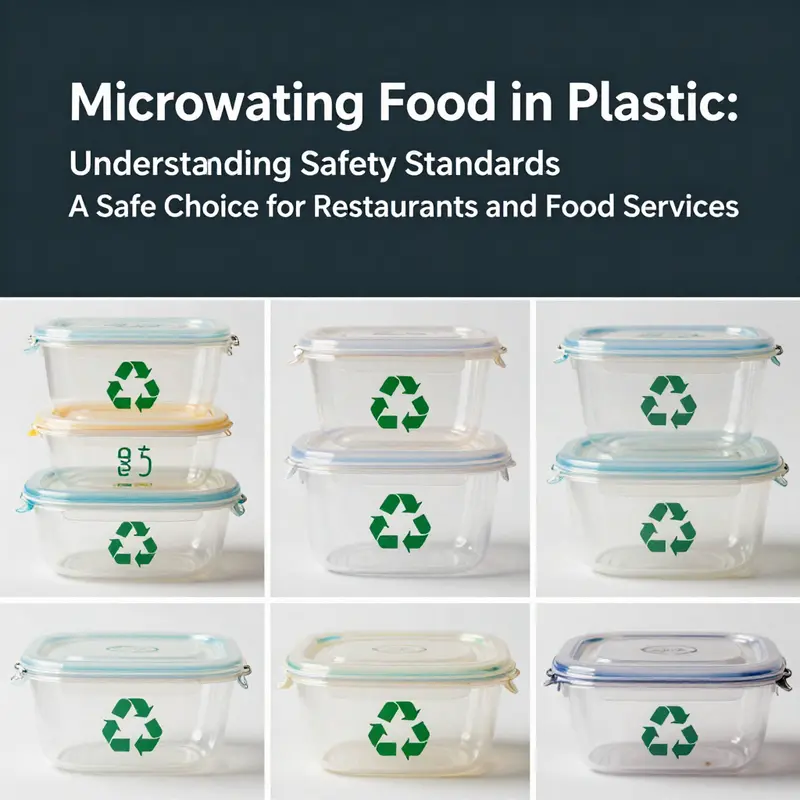
Every household reaches for a plastic container when leftovers demand a quick reprise in the microwave. The routine is familiar: pop in yesterday’s dinner, hit a button, and within minutes the scent of reheated comfort fills the kitchen. Yet beneath the familiar hum lies a web of safety standards, regulatory guardrails, and evolving science about what heat does to plastic—and what, in turn, it may do to food. This chapter does not scold a common habit, but it asks readers to recognize that safety standards are not a single verdict stamped on a box. They are a living balance among material science, regulatory thresholds, and everyday use. When we understand how those standards are built—and where they may fall short—we gain the agency to reduce risk without abandoning the convenience we rely on. The core concern remains chemical leaching: certain compounds embedded in plastics can migrate into food when heated, and those compounds have known or suspected effects on human health. Chief among these concerns are bisphenols, including BPA and its substitutes, such as BPS and BPF, and a broad class of plasticizers known as phthalates. Each of these substances has a distinct history in consumer plastics, and each raises questions about endocrine disruption, metabolic health, and developmental outcomes. The story is not only about science; it is about how that science is translated into labels, practices, and everyday decisions that influence exposure across the population.
Fundamental to this discussion is the concept that heat alters the relationship between plastic and food. Heating can cause the plastic’s molecular structure to loosen its grip on additives, allowing migratory pathways to open. The risk is not limited to one material or one use case. It is shaped by the chemical makeup of the container, the temperature and duration of heating, the type of food being heated, and how often the container is reused. The thorniest part of the story is that many containers are marketed as “microwave-safe,” yet that designation is not a guarantee of zero migration. Rather, it indicates that, under tested conditions, chemical migration remains below thresholds established by regulators. Those thresholds are intended to protect most people from harm, but gaps remain—particularly for frequent users or those who heat high-fat, high-acid, or highly processed foods.
To grasp the safety standards, it helps to see the two strands that weave through the regulatory landscape. First, the science of leaching: certain chemicals added to plastics are not permanently bound to the polymer matrix. When exposed to heat, light, or oil, they can migrate into the food. Bisphenols—BPA and its popular substitutes, BPS and BPF—have received the most attention because they resemble estrogen and can interfere with hormonal signaling across life stages. Phthalates, used to impart flexibility, behave differently: they are less tightly bound and can migrate more readily, especially into fatty or oily foods. The consequence is not a single health warning but a spectrum of concerns, spanning reproductive health, developmental outcomes in children, metabolic regulation, and potential cancer risks. The public health conversation has evolved from “Is this chemical present?” to “How much migrates under typical use, and what cumulative exposure might look like over time?” That shift matters because a detectable trace in a lab is not the same as a health risk in the home, yet the science increasingly supports concerns about chronic, low-level exposure.
Second, the regulatory lens that translates lab findings into practical guidance. The U.S. Food and Drug Administration (FDA) sets defaults for what constitutes safe migration levels in most consumer plastics and requires that products marketed as microwave-safe meet testing standards. The intent is to minimize migration to a level deemed acceptable for the general population, taking into account variability in use. But even the FDA’s thresholds are not a final word on safety for every individual. The scientific community recognizes that real-world usage can deviate from controlled testing: containers may be damaged, reused, or heated to higher temperatures than those used in baseline assessments. The former NIEHS director, Dr. Linda Birnbaum, has reminded us that “Even ‘microwave-safe’ doesn’t mean zero migration. It means the amount falls below current regulatory thresholds—which may still pose risks with frequent exposure.” This nuance matters for readers who routinely reheat in plastic or who heat multiple items in succession, which can accumulate exposure over time. A 2023 study in Environmental Health Perspectives adds weight to that caution, finding that nearly 40 percent of non-microwave-safe plastics released detectable levels of BPS and phthalate metabolites, and that trace amounts appeared in some labeled microwave-safe containers, albeit below FDA thresholds. The message is not alarmist; it is practical: labels reflect tested conditions, not every kitchen reality.
A key tool for decoding risk—and for making informed choices in the moment—lies in the resin identification codes. The number inside the familiar recycling triangle signals the type of plastic and, by extension, its behavior under heat. The codes tell a concise story about what to heat and what to avoid. For instance, #1 PET is not considered microwave-safe in most normal-use scenarios and can degrade with heat, potentially releasing antimony from the container; #2 HDPE is generally stable but not typically designed for high heat; #3 PVC contains phthalates and should be avoided when heating; #4 LDPE includes some microwave-safe variants; #5 PP (polypropylene) is commonly labeled microwave-safe because of its heat resistance; #6 PS can melt and release styrene when heated and is best avoided for microwaving; and #7 covers a broad category of other plastics, including polycarbonate that may contain BPA, so caution is advised, especially if the container is not clearly labeled as microwave-safe. The practical upshot is clear: a code can guide decisions, but it is only one part of a broader risk assessment. In this sense, the codes act as a first line of defense, not a guarantee of safety for every heating scenario.
Real-world use, however, complicates the picture. A container might bear a microwave-safe label and still release trace chemicals after repeated heating or at higher temperatures. Fatty foods, oils, and heat intensification can magnify leaching, simply because high-fat matrices can dissolve hydrophobic chemicals more readily than water-based foods. That nuance matters because meals and snacks in modern life often rely on sauces, cheese, butter, or meat to quick-heat—foods that inherently raise the potential for chemical migration. It is not that plastic is inherently dangerous in every instance, but rather that risk is a function of context: the chemistry of the plastic, the heat applied, the food being heated, and the frequency with which the container is used for reheating. The cumulative exposure question is particularly relevant as households navigate meal planning, portion control, and batch reheating throughout the week.
What does this mean for practical safety in the kitchen? First, always favor containers clearly labeled as microwave-safe by the manufacturer, and prefer those that specify a permitted temperature range. Second, inspect containers for signs of wear—scratches, cloudiness, or cracks increase the likelihood of micro-damage, which can alter migration dynamics. Third, limit heating in plastic when possible. For repeated reheating or for high-heat processes, glass, ceramic, or stainless steel containers offer a more favorable risk profile because they generally do not contain the same migrating additives and stand up better to high temperatures. Fourth, be mindful of the type of food you heat in plastic. Fatty, oily, and acidic foods elevate the risk of leaching, while neutral foods present a comparatively lower risk. Fifth, avoid heating single-use plastic containers, margarine tubs, or plastic wraps in the microwave, even if they claim microwavable credibility. These disposables are designed for single-use applications and may not tolerate the repeated heating cycles common in household practice.
For readers seeking a middle path that respects both convenience and caution, there is a practical toolkit emerging from the science and practice literature. One cornerstone is to adopt safer storage and reheating habits that align with how plastics perform under heat. This includes using durable containers designed for repeated heating, keeping a careful eye on the aging of plastic materials, and maintaining a habit of transferring leftovers to safer vessels before reheating. A powerful step in this direction is to view the kitchen as a system rather than a set of isolated tasks. The choice of vessel interacts with the heating method, the container’s age, and even the cookware used to plate a meal. It is not a single decision but a pattern of choices that cumulatively shapes exposure.
To translate this into action, consider the broader ecosystem of storage and reheating options. A robust approach emphasizes moving away from plastic for hot reheating whenever feasible and leaning toward glass or ceramic vessels that tolerate repeated cycles with less risk of migration. This is not about abandoning plastic altogether; rather, it is about applying a precautionary framework that prioritizes safer options for high-heat tasks and high-fat foods. When plastic must be used, choose containers that explicitly state compatibility with high heat and that carry a clear, unambiguous warning about reuse, damage, and intended duration of use. In addition, routine maintenance—washing without harsh abrasives and avoiding dishwasher cycles that degrade plastic over time—helps preserve the container’s structural integrity, which in turn reduces micro-damage pathways for chemical migration. Such maintenance also supports the overall durability of storage systems, including the reusable lids and containers that populate many kitchens.
In practical shopping and kitchen-choice terms, the conversation often comes down to trade-offs. Plastic remains favored for lightness, airtightness, and cost; glass and ceramic offer stability in heat but add weight and potential for breakage. The decision set is not about a universal prohibition but about calibrating the choices to use-case demands. For readers who want a specific, evidence-informed framework, the following reflection can guide decisions during shopping and daily reheating: first, assess whether the container is explicitly rated for microwave use and the temperatures it can tolerate; second, examine the container for signs of wear that would warrant replacement; third, weigh the likelihood of fatty or acidic foods in the reheating process; and fourth, consider safe alternatives when the meal demands higher heat and more frequent reheating. In short, the safest path blends practical limits with informed choices, reducing cumulative exposure while preserving the conveniences everyone relies on.
For readers who want to explore practical options beyond the default plastic path, a curated set of durable storage solutions can be a useful pivot. If you are seeking a broader range of storage options and want to see a curated catalog that emphasizes long-term use and safety perspectives, consider exploring a dedicated collection of storage containers that highlights durable materials and clear usage guidelines, such as Storage Containers. If a reader wishes to dive deeper into the regulatory context while keeping a practical eye on everyday use, the literature emphasizes that even with safe labeling, migration is a probabilistic phenomenon shaped by real-world use. A balanced approach blends caution with practicality: use microwave-safe choices, inspect containers regularly, and lean toward safer materials for frequent reheating or high-fat meals. In this way, the kitchen becomes a site of informed decision-making rather than a battlefield between convenience and concern.
For those who want to ground their understanding in official guidance, it is worth turning to established public health resources. The FDA’s Microwave-Safe Plastics page offers a clear framework for how plastic materials are tested and labeled, and it clarifies that “microwave-safe” is not a guarantee of zero migration. The page emphasizes that migration levels must remain within thresholds designed to protect consumers, while also acknowledging that actual usage can differ from test conditions. This dynamic relationship between science, labeling, and daily use is why many researchers advocate for better labeling and more robust testing protocols that reflect repeated-use scenarios and higher-temperature exposures. The tension between consumer ease and scientific nuance is not unique to plastics; it is a broader challenge for materials used in food contact and for the institutions that regulate them. The ongoing dialogue among scientists, regulators, manufacturers, and consumers is what gradually tightens the guidelines that govern what we heat with.
In summary, safety standards for microwaving in plastic containers are not a simple checklist but a living framework built on evolving science and regulatory practice. The core risk—chemical migration of bisphenols and phthalates—remains a central concern, particularly with frequent exposure or when heating high-fat foods. Microwave-safe labeling provides a guardrail rather than an absolute guarantee. The resin codes offer practical hints but require interpretation within the context of real-world use. The safest approach, especially for daily or high-heat reheating, is to favor glass or ceramic when possible, and to reserve plastic for conditions that align with the manufacturer’s stated limits and the container’s age and condition. By weaving together lab findings, regulatory standards, and everyday habits, readers can make choices that protect health without forfeiting the convenience that microwave reheating provides. As science advances and labeling evolves, the conversation will increasingly reflect how people actually heat and eat, translating complex material science into everyday decisions that matter for long-term well-being.
External resource: For an authoritative overview and current guidance, see the U.S. Food and Drug Administration’s Microwave-Safe Plastics page: https://www.fda.gov/food/food-contact-materials-labeling/microwave-safe-plastics
Best Practices for Food Plastic Container Microwaving: Safer Heating, Smarter Choices, and What the Labels Really Mean

Heating leftovers in plastic containers is a common, convenient routine for many kitchens, yet the practice sits at the intersection of daily practicality and evolving science about how heat interacts with plastic. The moment a container enters the microwave, the surrounding food and the container itself form a heated interface in which small chemical exchanges can occur. The consequences of those exchanges depend on the type of plastic, the condition of the container, the food being heated, and how long and how hot the heating cycle lasts. The overarching message from recent research and authoritative commentary is not a simple yes or no about safety, but a set of practical, evidence-informed guidelines that help people minimize risk while preserving the convenience of reheating. At the heart of the discussion are two families of chemicals that often come up in consumer and regulatory conversations: bisphenols, including BPA and its substitutes such as BPS and BPF, and phthalates, the plasticizers that give many plastics their flexible feel. BPA used to be common in polycarbonate plastics and epoxy resins, and even though many manufacturers have phased it out, substitutions have entered the market with their own uncertainties. The current concern is not merely the presence of these substances in plastics but their ability to migrate into foods under heat and, for some substances, their capacity to disrupt endocrine systems when consumed over time. Phthalates, meanwhile, are not chemically bound to the plastic matrix, so heat, oil, or acidity can enhance their release into meals. Studies have measured phthalates in foods heated in plastic containers, particularly in fatty or oily items such as cheese or meat, underscoring that the risk is not uniform across foods but depends on composition, temperature, and contact duration. Yet the practical takeaway is not only about avoiding the worst offenders; it is about making informed choices that reduce exposure without giving up the everyday usefulness of reheating. When we encounter the label microwave safe, the message can be reassuring, but it is not a simple guarantee of zero migration. Regulatory thresholds exist, and they are meant to ensure that migration remains below levels deemed safe by current science and policy. Still, the distinction between “below the threshold” and “no migration at all” matters because frequent exposure can accumulate. This nuance is especially relevant for households that rely heavily on plastic containers for reheating or for those who reheat the same leftovers repeatedly. A 2023 study in Environmental Science & Technology reinforced this point by showing measurable migration of BPA and phthalates from containers labeled as microwave safe, under typical usage conditions. The broader implication is clear: labeling should be interpreted as indicating performance within a regulatory framework rather than a promise of complete chemical invisibility. The science also emphasizes that not all plastics are created equal when heat is involved. The resin identification code system, the little number inside the recycling triangle found on many containers, provides a practical shorthand for evaluating heat stability and leaching potential. Code 1, PET or PETE, is commonly used for beverage and some food packaging and is generally not recommended for microwaving because it can degrade with heat and in some cases release substances such as antimony. Code 2, HDPE, is more heat-stable and less prone to leaching, though it is not always designed for very high heat. Code 3, PVC, contains phthalates and is best avoided for heating. Code 4, LDPE, and Code 5, PP, tend to offer better heat tolerance, with PP (code 5) often cited as microwave-friendly when the container is explicitly labeled microwave safe. Code 6, PS, including foam containers, can release styrene when heated, a concern that makes microwaving PS generally inadvisable. Code 7, the “other” category that includes polycarbonate and mixed polymers, often contains BPA, so caution is warranted, especially if the container is not clearly marked as BPA-free or microwave safe. This framework helps households make quick judgments in commerce and at home, but it also highlights the limits of a purely material-based rubric. For instance, even within the same code, the exact formulation, surface coatings, and integrity of the container influence how heat affects leaching. A container that has sustained scratches, cracks, or color changes can exhibit increased chemical migration due to micro-damage that alters the barrier properties of the plastic, supporting the guidance to replace visibly damaged containers rather than hoping for the best through continued use. The practical rule emerging from these insights is clear: use microwave safe labeling as a baseline, but not a guarantee of risk-free heating. The age and condition of plastic matter, as does the type of food. Fatty, oily, or acidic foods can drive greater leaching because fats can dissolve more hydrophobic additives, and acidic environments can alter polymer surfaces in ways that encourage migration. In a practical sense, that translates into a straightforward set of behaviors at the kitchen counter. When you heat anything in plastic, aim for the least aggressive heating cycle consistent with your needs. Shorter times at lower power tend to minimize thermal stress and slow the breakdown of any additives. If your dish can be heated evenly and safely in glass, ceramic, or stainless steel, those pathways reduce exposure altogether and are especially preferable for long reheating or higher-temperature tasks. It is worth noting that even the most modest plastic containers can be subjected to more intense heat than they were designed to endure if the user presses the wrong settings or relies on a shortcut. This is where the risk of physical damage intersects with chemical risk. Cracks and discoloration that come with aging or overuse can become focal points for migration, creating microenvironments where heat and chemical migration are more likely rather than less. The imperative is to retire containers that show visible wear rather than attempting to push them into longer service life simply for the sake of convenience. The guidance is practical and actionable. First, always prioritize containers clearly labeled microwave safe for heating tasks, and avoid containers with ambiguous labeling or unclear provenance. Second, consult the resin identification code with an eye toward the more heat-resistant options. In practice, this means favoring code 4 LDPE or code 5 PP for occasional reheating, while approaching code 3 PVC, code 6 PS, and code 7 mixed plastics with caution or avoidance. Yet even within these broad guidelines, there is nuance. For example, some manufacturers produce containers that combine materials but still provide accurate labeling for microwave use. In those cases, the label should be trusted, but the container should be checked for any signs of degradation over time. An additional layer of caution concerns containers that previously housed highly acidic or fatty substances. These substances can alter residues on the container’s interior and may affect how safely it can be used again. For households that want to maintain a high level of cleanliness and reduce chemical exposure further, transferring into a nonplastic option is often the most straightforward route. Glass and ceramic vessels, when properly vented and heated with suitable settings, do not contribute to chemical migration in the same way plastics can. They are inert in the sense that they do not release additives into the food, and their stability under heat is well documented, which is why many guidance documents recommend them as the safest choice for reheating. When using glass or ceramic, one still has to be mindful of heat distribution and potential thermal shock, but the risk of chemical leaching is negligible compared to plastic. For those who must continue using plastic due to space, cost, or convenience, it helps to think of plastic containers as a temporary solution rather than a long-term reheating shelf. The safer approach is to reheat in a microwave safe plastic container for a short period, then consider transferring to glass or ceramic for any further heating or for keeping leftovers. Another practical step is to avoid heating fatty, oily, or acidic foods in plastic because these foods can drive more rapid leaching. The very act of heating can also affect the container’s physical integrity over time, so staying mindful of wear and tear is prudent. A commonly recommended practice is to open the container and release steam periodically, especially when reheating, to avoid pressure build-up and to prevent warping or swelling that can accompany heat exposure. Even if a lid is labeled microwave safe, leaving a vent or ajar position helps to prevent pressure buildup and to minimize the inside environment that could push additives toward the food. In the broader frame of safer kitchen choices, glass and ceramic not only reduce exposure but sometimes offer better heat distribution, producing more even reheating with less energy. The shift toward these materials is, in part, a response to the recognition that while many containers pass regulatory thresholds, they do not offer a zero-risk profile. A critical piece of context is how people use these containers in daily life. Some households favor reusing single-use plastic containers for convenience; others rely on the same set of containers daily for months. In either case, the cumulative exposure becomes a factor, particularly for people who reheat the same meals repeatedly and across many cycles of use. This is not an indictment of everyday living but a call to align actions with what science currently knows about chemical migration and the uncertainties that remain. For readers seeking further reading on the topic, current health communication emphasizes that while microwave safe labeling provides a practical baseline, it does not guarantee complete safety, and that leaning toward glass or ceramic when possible reduces risk further. The literature also notes that substitutes for BPA in consumer plastics may not be substantially safer, which motivates a cautious approach to relying solely on labels like BPA-free as a proxy for safety. In practice, the decisions are nuanced, and the best approach is layered: minimize heating time, reduce the use of plastic for heated foods, and prefer nonplastic options when feasible. The overall strategy is not only about avoiding a single substance but about reducing cumulative exposure across everyday meals. For those managing busy schedules, there is a useful balance to be struck. If you must use plastic, do so with clear labeling, inspect containers for wear, and exercise restraint with heat and duration. If a container is damaged, if it shows discoloration, or if the interior has visible cracks, it is safer to retire it. If the context allows, consider moving more often to glass or ceramic reheating vessels. The guidance is consistent with a precautionary approach: use plastic as a temporary, opportunistic option with an awareness of the potential risks and the steps you can take to minimize them. The end recommendation is practical and clear: keep plastic use to the minimum necessary, choose containers that are explicitly microwave safe, and favor glass or ceramic for reheating whenever you can. For those who want to explore more about the latest guidance and round out their understanding with expert sources, one widely cited resource consolidates current thinking on the safety of microwaving leftovers in plastic and provides up-to-date guidelines. See the external resource at Healthline for a current synthesis of this topic. If you are looking for a concise overview that connects to practical choices across the kitchen, you can also explore the broader category of storage options to consider when planning meals and reheating strategies, such as the glass and ceramic pathways described above. For readers who want a quick in-text pointer to a practical collection of container options, the storage containers category offers a range of nonplastic and plastic solutions with clear labeling and usage notes that align with the cautions discussed here. This approach helps harmonize daily cooking with the evolving science on how heat interacts with plastic and what that means for long-term health considerations. External resource: https://www.healthline.com/health/microwaving-plastic-food-containers-safety
Final thoughts
Understanding the implications of microwaving food in plastic containers is crucial for maintaining the health and safety of your customers. By acknowledging the potential risks and adhering to safety standards, you can serve your delicious offerings with confidence. Implementing best practices in your business will not only protect your patrons but also enhance your reputation in the food service industry. Knowledge is power—ensure you and your team are equipped to make informed decisions regarding food safety today.