

Storing dog food is a crucial aspect of responsible pet ownership, especially for businesses like bubble tea shops, restaurants, food trucks, and catering services, which often handle a variety of consumables. It’s essential to realize that not all storage methods are created equal. In recent discussions among food service professionals, questions surrounding the safety and efficacy of storing dog food in plastic containers have emerged. This article delves into the risks associated with plastic storage, including chemical leaching, moisture barriers, and contamination concerns. It will also provide best practices to ensure the health and safety of dogs while considering the specific needs of businesses involved in food service and catering. Each chapter will contribute valuable insights to inform better decisions about pet food storage in the commercial setting.
When Plastic Stays Close: The Chemical Leaching Risks of Storing Dog Food
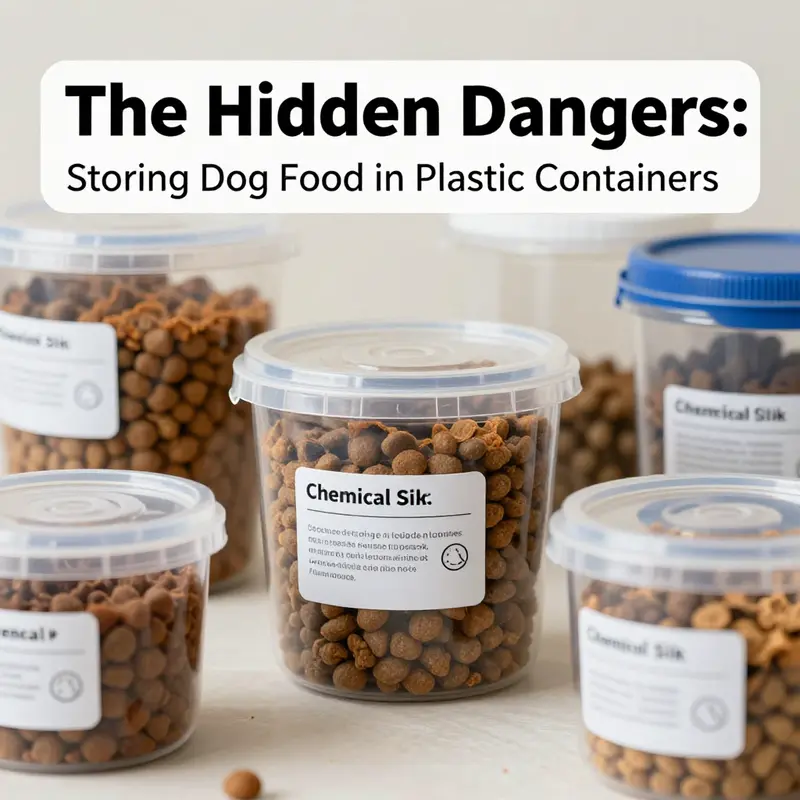
Storing dog food in containers that sit within reach of every meal might feel convenient, but the choice of container can quietly shape the quality of the food your dog relies on. The most concerning issue is chemical leaching. When dog food sits in plastic for extended periods, additives and residual substances from the plastic can migrate into the kibble. This is not just a theoretical problem. Research into plastics used for food contact has shown that substances such as bisphenol A (BPA), phthalates, and other additives can migrate over time, especially when the container is not designed for long-term pet food storage. BPA has been linked to hormone disruption and other health risks in animals and humans. Although many jurisdictions have restricted BPA in consumer products, it can still appear in cheaper or older plastic storage options, including some of the common, low-cost containers people repurpose for pet food. In controlled simulations, non-compliant plastics released phthalates at levels exceeding safety limits by as much as 2.8 times, a finding highlighted by the German Federal Institute for Risk Assessment. This is not a risk of a single event but a potential, ongoing exposure that accumulates with each meal. The consequence for a dog’s health can be subtle at first but meaningful over time, affecting hormones, metabolism, and overall well-being. When the container compromises the food this way, the dog’s body pays the price even if the pet seems fine at first. The best response is preventative: avoid plastics that are not clearly labeled as BPA-free and food-grade, and favor materials proven safe for long-term contact with dry pet foods.
A nuanced detail often overlooked is that not all plastics labeled as “safe” are necessarily perfect for every storage scenario. Polypropylene (PP) and high-density polyethylene (HDPE) are commonly cited as safer options for food contact, particularly when they carry clear labeling that they are BPA-free and food-grade. Yet even these sturdy plastics can have limits. Some studies and safety reviews have suggested that certain polypropylene products may still interact with a subset of chemical compounds, including quaternary ammonium compounds or oleamides, which, although not common in every plastic, point to a broader need for cautious interpretation of safety labels and ongoing research. This signals a broader truth: safety labels are helpful, but they aren’t a universal guarantee for every use case. For pet owners, it means prioritizing containers with strong, verifiable regulatory compliance and minimizing exposure by using opaque, high-quality materials and resistant seals.
The risk story does not end with chemical migration. Oxygen and moisture are equally critical enemies of dog food stored in plastic. A container with a simple snap-on lid may seem secure, but the truth is that many domestic plastic bins do not offer the kind of airtight protection that dry dog foods require. Fats and oils in kibble oxidize when exposed to air, losing nutritional value and developing off flavors that dogs notice on day one. In humid environments, the problem compounds. A study in the Journal of Animal Physiology and Animal Nutrition showed that unsealed dry dog food could experience a threefold increase in mold counts within 72 hours under high humidity. Oxidation can also generate mold and mycotoxins, further degrading the food’s safety profile and palatability. The combination of fat oxidation and microbial growth creates a dual pressure on the food, accelerating spoilage and increasing the risk of digestive upset for canine companions. Even if a container appears sealed, a surprising amount of air and moisture can seep in over time, undermining the bag’s own protective barrier and accelerating the degradation process. This means that reliance on a generic plastic bin is not just a minor convenience loss—it can be a substantive threat to nutritional integrity and pet health.
Another practical hazard lies in what happens when old residues from previous bags cling to the inner surface of a plastic container. If you transfer fresh food into a container without thoroughly cleaning it, residual oils and fats from earlier batches can remain on the walls. Over time, those residues may oxidize and become rancid, seeping flavor changes into new food and creating an atmosphere where bacteria or mold can thrive unnoticed. The consequence can be an inappetence in a dog that suddenly refuses its food, masking a deeper safety issue. This is more than a smell or taste problem; it is a sign that the storage system has become a conduit for spoilage rather than a safeguard against it. The takeaway is blunt but essential: never pour new dog food into a container without cleaning it first. Repeatedly layering fresh food atop old residues can set up a quiet, invisible loop of contamination.
With these risks in mind, practical storage solutions begin to take shape. The safest option is to use containers designed specifically for pet food storage. Ideally, these would be opaque and airtight, crafted from inert materials such as stainless steel or glass. These choices minimize the chances of chemical leaching, block light that can degrade fat-soluble vitamins, and provide robust barriers to air and moisture. When using a large container, a simple yet effective approach is to keep the original sealed bag inside the container rather than transferring the food out. This preserves the protective barrier of the bag and reduces direct contact with the container surface. After each use, seal the bag tightly with its own clasp or a vacuum seal to remove excess air. Keeping the food in its original packaging inside a sturdy container is a small step with outsized benefits for freshness and safety.
Storage conditions also matter as much as the container itself. A cool, dark, dry place is preferred. Aim for a temperature range around 15–21°C with humidity below 50%. Avoid kitchens, areas near heat sources, or windows with direct sun. To further manage moisture, desiccant packs that are food-grade can be placed in the storage area, provided they are used in a way that avoids direct contact with the food. The principle of First In, First Out helps ensure older batches are used before newer ones, reducing the time food spends in storage. Opened dry dog food should ideally be consumed within four to six weeks, depending on environmental conditions and the bag’s original seal integrity. The goal is not just to extend shelf life but to maintain the texture, aroma, and nutritional profile that dogs instinctively rely on when choosing to eat.
These practices align with a broader understanding of safe pet-food handling that goes beyond everyday convenience. The emphasis is on preventing chemical migration, protecting fats from rapid oxidation, and limiting microbial growth. In a practical sense, this means prioritizing design features such as true airtight seals, silicone gaskets, locking lids, and UV protection in the chosen storage solutions. It also means recognizing that glass or stainless steel containers, though heavier or less convenient to handle, offer a higher degree of inertness and do not risk leaching or interacting with the food. If a household prefers plastic for weight or cost reasons, the containers should be explicitly labeled as BPA-free and food-grade, with robust sealing mechanisms and a commitment to regular inspection for wear and tear that could compromise barrier properties. The goal remains simple: reduce exposure to harmful chemicals, preserve nutrient quality, and maintain a palatable product that dogs recognize and enjoy.
For those seeking practical, ready-to-use guidance on storage options, the broader category of storage containers offers numerous choices designed with safety in mind. You can explore storage solutions that emphasize durability, airtight performance, and UV resistance, keeping the dog’s food shielded from the elements. A helpful resource in this regard can be found in the storage containers category, which provides a variety of containers built to address the specific challenges discussed here. (internal link) storage containers. This reference highlights how design and material choices intersect with safety concerns and daily practicality, helping caregivers choose containers that meet both health standards and household needs. While no single container guarantees perfect safety in every scenario, combining thoughtful material selection with proper handling, diligent cleaning, and controlled storage conditions offers a robust approach to preserving dog food quality.
In sum, the risks associated with storing dog food in generic plastic containers are not merely theoretical. They reflect real mechanisms of chemical migration, oxidation, and contamination that can subtly erode the nutritional value and sensory appeal of kibble. By choosing food-grade materials, keeping the original packaging inside, maintaining airtight and UV-protected storage, and adhering to sensible temperature and humidity targets, guardians can shield their dogs from avoidable hazards. The chain of safety starts with the container you choose, but it is reinforced by the careful sequences of use, handling, and storage that follow. Making the right choices today translates into healthier meals tomorrow for the dogs that depend on us.
External resource: For a broader regulatory perspective on materials used in pet food storage, consult the U.S. Food and Drug Administration—official guidelines on food-contact materials and the safety standards for plastics used in pet food storage: https://www.fda.gov/food/food-contact-materials-regulation
Guardians of Freshness: Oxygen, Moisture, and the Fragile Barrier of Plastic Dog Food Storage
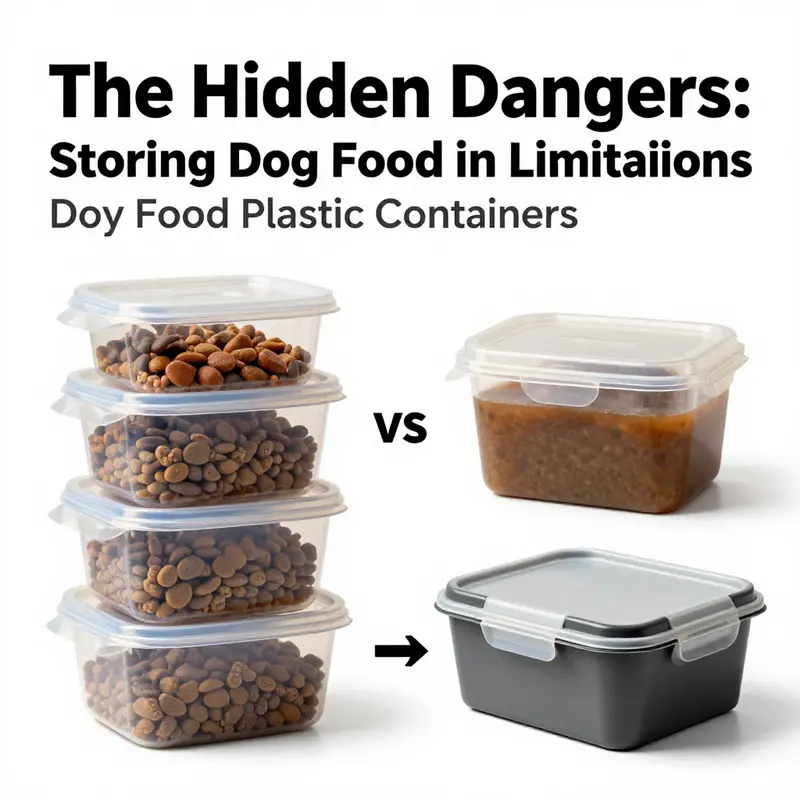
In households where a bag of dog food sits in reach, the choice of container often feels like a small, practical detail. Yet the research on oxygen and moisture barriers in plastic storage reveals a different picture: a choice that quietly shapes the quality of every meal your dog receives. The apparent convenience of a sturdy, cheap plastic bin can mask a more complex reality. Several questions come into play when you consider how long a bag of dry kibble stays fresh after the seal is broken, or how a container can influence flavor, texture, and even the safety of the food. The key issue is not simply whether plastic exists, but whether the plastic and its design provide a genuine barrier to two invisible enemies: oxygen and moisture. These elements, in concert, determine how fats oxidize, how molds take hold, and how vitamins degrade. The interplay between material science and daily care becomes a practical guide to preserving the integrity of dog food far beyond the moment you scoop a bowl. It is a topic that sits at the intersection of chemistry, microbiology, and everyday pet care, demanding a careful look at how materials behave under real-life conditions rather than in ideal laboratory settings.
Permeability is the first challenge to understanding plastic storage. Most consumer plastics, even those marketed as sturdy or recyclable, are not perfect barriers to gas and water vapor. Oxygen molecules begin to migrate through polymer chains, a process that accelerates when the container is moved, heated, or exposed to fluctuating environmental conditions. The consequence is fat oxidation inside dry dog food, a chemical reaction that produces rancidity and a characteristic off-flavor that dogs may tolerate poorly or outright refuse. The effect is more than sensory: oxidized fats lose nutritional value, and the rancid compounds can alter the dog’s palatability and digestion over time. While some high-end, multilayer barrier films exist in the market, the typical budget plastic bin lacks the robust, multi-layered protection needed for consistent long-term freshness. The distinction between a temporary, convenient storage option and a disease-resistant barrier is subtle in appearance but profound in consequence.
Moisture adds a parallel constraint. Water vapor migrates through many plastics at rates that escalate with humidity and temperature swings. In damp environments, moisture ingress supports microbial growth and accelerates spoilage of dry foods. A growing mold count not only risks taste and texture but also raises concerns about mycotoxins and the potential burden on a pet with a sensitive stomach or compromised immune system. The literature underscores that the mere act of sealing a lid is not the same as achieving a true airtight seal. A tight-looking snap-on lid can still fail to deliver the moisture-proof barrier that the product’s fat content and processing create a need for. In practical terms, a container that does not truly impede air and moisture exchange will expedite the degradation process, undermining the quality of the entire bag you’re hoping to safeguard.
The design reality behind many plastic storage options further compounds the problem. While a handful of containers on the market are engineered with enhanced barrier properties—sometimes using specialized coatings or multiple layers—these are not the standard. The everyday plastic bin you find on a shelf, often designed for quick, flashy use rather than long-term storage, may lack the airtight integrity or the UV protection that helps preserve fat-soluble vitamins like A and E. Even more subtle is the effect of light exposure. Clear or translucent plastics allow UV light to penetrate, which can catalyze photo-oxidative reactions in fats and vitamins. The combination of oxygen exposure, light, and humidity creates a trio of stressors that together erode freshness, aroma, and nutritional content faster than many owners expect. In pet food, where palatability can influence intake and, therefore, nutrition, this is not a trivial matter. The barrier that a container provides is not only about keeping the food intact; it is about sustaining the sensory cues dogs rely on when deciding to eat.
Environmental conditions in the home amplify these challenges. A container stored near heat, a window, or in a kitchen where seasonal humidity shifts are common experiences can intensify the rate at which oxygen and moisture creep into the food. Temperature fluctuations, particularly in rooms that lack climate control, alter the equilibrium of gases and moisture inside the container. Even the geometry of the container—its lid fit, gasket quality, and whether it is truly airtight—matters. A container that looks secure but relies on a flimsy seal can permit rapid exchange of air and moisture during even routine handling, such as scooping or refilling, thereby interrupting the protective linear path between production date and the day the dog finishes the bag. The practical upshot is that plastic, though accessible and versatile, is often not the long-term guardian of freshness that many owners assume it to be, especially when the goal is to preserve the integrity of fats, micronutrients, and aromatic compounds essential to the dog’s appetite and overall health.
Beyond the chemistry and physics of storage, there is a clinical reminder embedded in the data. Contaminants can emerge not just from the external environment but from how the food is introduced to the container. Transferring kibble directly into a plastic bin can leave residual oils and fats clinging to the inner walls. Over time, these residues can rancidify and mingle with new batches, potentially imparting off-flavors or promoting microbial activity. This is a subtle but real hazard that escapes casual inspection: visible signs such as discoloration or odor are late indicators, while by then the risk to the dog’s digestion and welfare may be higher than expected. The recommendation to avoid pouring fresh food into a container without a thorough cleaning is not merely pedantic. It reflects a fundamental precaution against creating a microenvironment where bacteria and mold can thrive, especially in the presence of the fats characteristic of dry dog foods. The practice of reusing a container without proper cleaning converts a simple storage decision into a latent risk that accumulates with each refill.
If one steps back from the specifics of plastic chemistry and considers what actually preserves food best, the evidence aligns with materials that tolerate oxygen and moisture far more effectively. Stainless steel and glass are widely recognized as inert, with no personal taste or odors that could affect the food. They offer markedly better barriers to both air movement and moisture intrusion, preserving aroma, texture, and nutritional content over longer periods. Stainless steel, in particular, provides a robust seal when paired with proper lids or silicone gaskets, and it does not abrade or shed microplastics into the food. Glass, while heavier and more fragile in some settings, presents a non-reactive, non-porous surface that does not degrade as fats do and does not become a reservoir for residues. These materials do not allow light to degrade contents, and their opacity is an advantage when paired with a sealed environment. The trade-offs—weight, breakage risk, and cost—are real, but so are the long-term benefits for maintaining food quality and supporting a stable, predictable feeding routine for a dog with sensitive digestion or particular dietary needs.
The overall guidance emerging from the synthesis of findings is clear and practical. The best practice is to use airtight, opaque containers made of stainless steel or glass. Keeping the original packaging inside the container, rather than dumping the bag into a plastic bin, helps to preserve the protective barrier of the bag itself and reduces the surface area exposed to the container. Sealing the bag between uses preserves freshness, and employing resealable closures or vacuum-sealing strategies further reduces the introduction of air. Storing in a cool, dark, dry place—ideally within a defined temperature range and humidity threshold—minimizes the environmental stressors that fuel oxidation and mold growth. The use of desiccant packs can add a layer of moisture control, though they should be used with caution and in packaging that permits their safe placement. The principle of First In, First Out remains a practical discipline: older batches should be used before newer ones, and opening dates should be tracked so that no portion lingers beyond its window of freshness. Taken together, these steps form a coherent, science-informed approach to keeping dog food at its best, avoiding the quiet degradation that can occur in suboptimal plastic storage environments.
For readers seeking a broader context on storage materials and freshness, the FDA’s pet food storage guidelines provide a framework that reinforces the emphasis on sealed, dry, cool storage and cautions against containers that compromise food integrity. While the details of specific container designs evolve, the core messages remain consistent: the barrier between food and the external world matters. The conversation about plastic versus metal or glass is not merely a matter of preference; it is a matter of preserving nutrition, flavor, and safety for the dog. When considering the practicalities of every-day care, a small shift toward materials that resist oxygen, moisture, and UV exposure can translate into meaningful improvements in the sensory satisfaction and nutritional value of a dog’s meals. This is where the choice of storage becomes a long-term investment in a pet’s health, not just a momentary convenience. If you are exploring options, you can find a range of durable storage solutions at the dedicated storage containers section, where you can compare features and select structures designed to minimize exposure to the very elements that erode freshness. The takeaway is simple: preserve what matters by choosing materials and closures that genuinely seal, shield, and safeguard the food you entrust to your dog’s daily nourishment.
External Resource for further reading: For a deeper examination of how glass and plastic compare in preserving freshness, see the analysis at https://www.sciencedirect.com/science/article/pii/S0268026623001234.
Sealed, Safe, or Suspect? Contamination Realities of Storing Dog Food in Plastic Containers
Storing dog food in plastic containers is common for convenience, but the safety and quality implications are more nuanced.
Plastic can help when used correctly, yet risks remain from chemicals, light, air, and microbes.
Chemical leaching is a real concern, especially with older or cheaper plastics and prolonged contact with fat-rich food. Choose food grade containers and avoid plastics that are not labeled for food storage or that are not clearly BPA-free.
Beyond chemistry, the physical barrier against oxygen and moisture matters. Dry dog food is vulnerable to oxidation, rancidity, and mold if air leaks in, and simple snap on lids often fail to provide a true airtight seal.
A residue from previous batches on interior surfaces can harbor bacteria and mold and attract pests. Thorough cleaning between batches is essential.
There is a nuanced view: high quality airtight plastic storage can reduce mite ingress and contamination for a period when used properly, but it is not a standalone safeguard. It works best as part of a broader system including a cool, dry location and careful handling.
If plastic must be used, select clearly food grade, BPA-free containers with tight fitting, locking lids and an opaque finish to reduce light exposure. Keep the original bag inside the container to protect the contents and maintain proper rotation, using older portions first and consuming opened bags within a defined window, ideally four to six weeks.
Stainless steel or glass containers offer inert surfaces and stronger barriers against air and moisture, and may be easier to keep clean over the long term. They are often worth the extra cost for dogs with sensitive stomachs or for households that store large quantities.
In the end, the container is part of a storage system. The original bag, the seal, the storage environment, and daily handling together determine the safety and freshness of the food. Plastic can be useful if treated as a temporary, controlled tool rather than a default solution. For readers seeking deeper information, follow established guidelines on sealed, dry, cool storage and consider dedicated pet food storage systems when possible. For further detail, see https://www.ncbi.nlm.nih.gov/pmc/articles/PMC3147520/.
Between Convenience and Canine Health: Navigating Plastic Dog Food Storage

Many households reach for a plastic storage bin the moment a bag of kibble is opened. It feels practical, sleek, and inexpensive, a quick way to clear counter space and keep portions accessible. Yet the question remains for conscientious pet guardians: is it okay to store dog food in plastic containers over the long term? The answer is nuanced. Plastic can be convenient, but not all plastics are equal, and not every plastic container is fit for food storage. The stakes go beyond a stale smell or a whiff of mystery when the bag is tossed back into a translucent cube. The way we store food can affect taste, nutrition, and, most important, a dog’s health. When we approach storage with care, we recognize that the safest path is often a blend of caution and practical design—choosing materials that minimize contact with air, light, and oils, and adopting routines that preserve freshness from the first scoop to the last crumb of the bag.
A central concern with plastic storage is chemical exposure. The spectrum of plastics ranges from BPA-containing varieties to newer, purportedly safer formulations. BPA, once common in many polycarbonate plastics, has been linked to hormone disruption in humans and animals. Although many regions have restricted or banned BPA in baby bottles and certain plastics, cheaper or older containers can still harbor residual risk, especially when used for pet foods over extended periods. A key warning from risk assessments emphasizes that non-compliant plastics can release additives, such as phthalates, under use conditions at levels well beyond safety limits. While the science varies by material, the prudent approach is to prioritize containers labeled as “BPA-free” and designated as food-safe, preferably with a clear indication of food-grade plastic such as polypropylene (PP, #5) or high-density polyethylene (HDPE, #2). In practice, this means avoiding transparent or translucent plastics for long-term storage in direct light where ultraviolet exposure can interact with fats and vitamins in dog food. Such cautions align with guidance offered by food safety authorities who emphasize sealed, opaque storage when possible, and the avoidance of containers not specifically certified for food contact.
Even when a plastic container seems sealed, it may not provide a true airtight or moisture-tight seal. Dry dog food contains fats and oils that are prone to oxidation when they meet air. Oxidation can degrade fats, diminish nutritional value, and, in some cases, contribute to a rancid aroma that can alarm even a well-trained nose. In humid environments, the risk is compounded. Research examining dry foods stored in non-airtight conditions finds that mold counts can rise rapidly—up to threefold within just a 72-hour window in high humidity. The practical takeaway is simple: a container that appears sealed may still fail to protect against air intrusion. The consequence isn’t just a smell; it’s a measurable shift in food quality and potential digestive upset for a dog that experiences a sudden change in texture or freshness.
A less visible but equally important risk arises from residue left behind when old batches meet new. When dog food is poured directly into a plastic container, oils and fats that cling to the inner walls can remain embedded even after cleaning. Over time, these residues can become rancid and mix with new food, creating off-flavors and accelerating spoilage. What’s more, residues and odors can attract pests such as pantry beetles or moths, compounding the problem. The danger here is not immediately apparent; visual cues are scarce, and a dog may eventually turn away from a container that has become associated with an unpleasant taste or odor. The warning is clear: never pour new food into a container without thoroughly cleaning it first. Adopting a disciplined routine—washing and drying containers before refilling—reduces microbial risk and helps preserve product integrity.
With these risks in mind, how should a responsible caretaker approach plastic storage, particularly given the convenience often offered by these containers? The best practice, endorsed by many food safety professionals, is to favor materials that act as inert guardians of freshness. High-quality, airtight, opaque plastic containers can be acceptable, but only when they are specifically designed for pet food storage and carry a reputable food-grade designation. When plastic is used, it is crucial to ensure the lid provides an airtight seal that passengers a true barrier against air entry, while the container itself remains opaque to protect contents from light. In addition to the material and seal, the design should support practical use: built-in handles for easy transport, clear measurement markings for portion control, and a secure mechanism that prevents accidental openings. In essence, the best approach is to treat plastic storage as a controlled option rather than a default, using containers that prioritize safety features over mere ease of access.
For those who still rely on plastic, there is value in combining this choice with the recommended practices that preserve freshness and reduce risk. First, when possible, keep the original packaging inside the container rather than removing it completely. The outer bag is designed to act as a protective barrier, and preserving it inside the container creates an additional layer of protection that reduces direct contact of food with container surfaces. Second, after each use, reseal the bag or container tightly and minimize air exposure. Some guardians use resealable bags or vacuum-seal methods to extract excess air, a simple step that can noticeably slow oxidation. Third, store the container in a cool, dark, and dry place. Temperature stability matters because heat can accelerate chemical reactions and degrade vitamins in the food. A practical range to aim for is comfortably cool room temperatures, away from stoves, heating vents, or direct sunlight, with humidity kept low. A dark pantry or a dedicated cabinet often serves as a reliable shelter from fluctuations that might occur in kitchens, garages, or sunlit corners.
Desiccants are another tool in the storage toolkit. Food-grade desiccants, properly positioned within the storage area, can help absorb residual moisture that otherwise promotes mold growth and texture changes. While desiccants are not a cure-all, they complement other protective measures by reducing the available moisture that could support microbial activity, particularly in humid environments. Implementing a First-In, First-Out approach ensures that older batches are used while they are still fresh, with opening dates tracked and older bags prioritized for use before newer stock. The practical rhythm of rotation helps prevent the accumulation of stale or degraded food within a container, reducing waste and maintaining the dog’s acceptance of meals.
Balancing the desire for practicality with safety also means recognizing when plastic should be avoided altogether. For both odor control and long-term protection of nutrients—especially fat-soluble vitamins that can be sensitive to light and oxygen—glass or stainless steel containers offer superior inertness and non-porosity. When dry kibble is the primary storage format, these materials minimize interactions with the food and present a surface that is easier to clean and sanitize thoroughly between refills. If you choose to switch to metal or glass, keep in mind that the containers should still be airtight and opaque to maintain the same protective benefits. For households that manage multiple pet foods or supplements, dedicated containers with sealed lids can simplify organization while still emphasizing the core principles of moisture, air, and light control.
Understanding where your storage choice fits within broader safety guidelines can be aided by consulting authoritative sources. The U.S. Food and Drug Administration provides pet food storage guidelines that emphasize sealed, dry, cool storage and a cautious approach to containers that compromise food integrity. These guidelines, while broad, reinforce the central idea: the goal is to minimize exposure to air, moisture, and light, while maintaining product integrity across the lifespan of the food. As you weigh options, consider how well a container supports these objectives rather than relying on appearance or convenience alone. In other words, the most important decision is not whether plastic is convenient, but whether your storage system reliably preserves freshness and safety across weeks and months.
If you decide to incorporate plastic storage in your routine, it pays to explore the features that truly matter. Seek high-quality, BPA-free plastic containers designed for pet food storage, with sealed lids that snap or lock firmly into place. Look for interior surfaces that are easy to clean and do not retain oils in microcrevices. Consider the practicality of measuring marks and handles that reduce spills during daily refills. And always be mindful of sunlight exposure: even opaque plastics can degrade over long periods if kept repeatedly in bright light, which is another reason to choose a cupboard, pantry, or closet that remains consistently shaded. If the container is clear, treat it as a temporary holding space rather than a long-term solution, rotating its contents swiftly to minimize the risk of vitamin loss and rancidity.
The overarching takeaway is straightforward: store dog food in a way that keeps air, moisture, light, and fats from interacting with the product for as long as possible. For many households, this means using airtight, opaque containers made of stainless steel or glass, with the original bag kept inside the container to preserve its protective barrier. It also means sealing the bag tightly after each use, placing the container in a cool, dark, and dry place, and adopting a FIFO approach to minimize the time any batch sits on the shelf. In the end, the health of a dog depends on the freshness and purity of its food just as much as on the quality of the ingredients themselves. A thoughtful storage routine protects those ingredients and helps ensure that meals remain appealing, nutritious, and safe.
For readers seeking practical shopping options and a wider array of storage solutions, a curated category of storage containers offers choices that emphasize durability, food safety, and ease of use. storage containers can serve as a starting point to compare features such as airtight seals, material composition, and design elements that support clean handling. When making a selection, prioritize opaque, food-grade, and well-sealed options that align with the storage principles described above. And when in doubt, lean toward non-plastic alternatives like stainless steel or glass for long-term stability, especially if kitchen space or humidity levels can fluctuate.
Finally, for readers who want to delve deeper into the technical standards and professional applications surrounding dog food storage, a more exhaustive guide is available in industry literature. External reference: https://www.petfoodindustry.com/articles/92758-inside-dog-food-storage-technical-details-standards-and-applications-for-professionals. This resource provides a detailed look at the standards and practical considerations that professionals weigh when designing storage solutions, including material selection, sealing technologies, and testing methodologies that ensure the integrity of pet foods from production to bowl.
Choosing Safe, Durable Storage for Your Dog’s Food
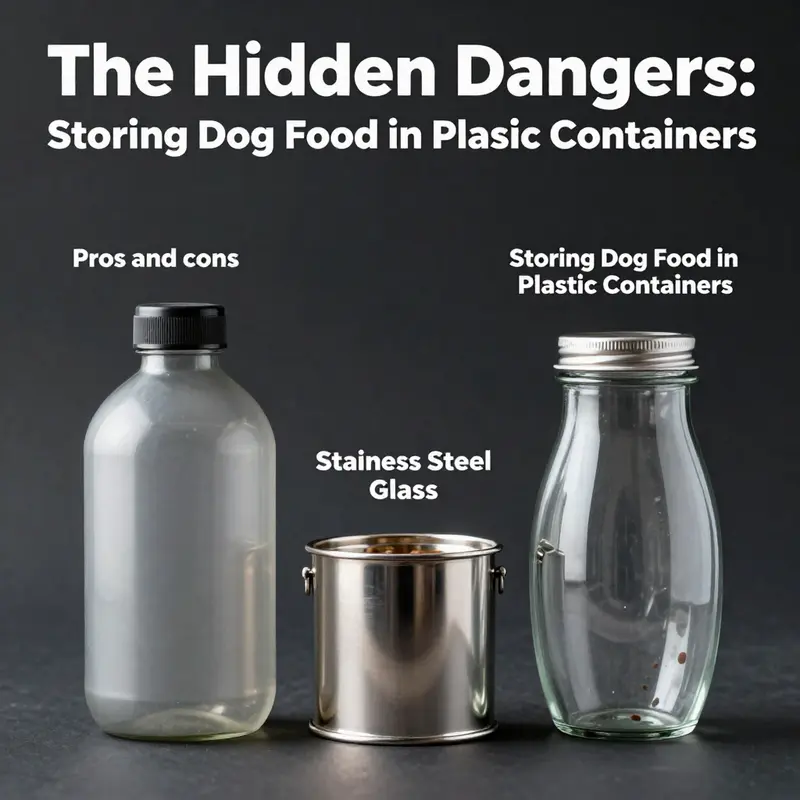
When you store your dog’s food, the material you choose matters as much as the food itself. Plastic, stainless steel, and glass each have strengths and risks that can affect freshness, nutrient integrity, and your dog’s health. The key is to pick a option that minimizes leaching, protects against air and moisture, and stands up to everyday use.
Chemical leaching is a central concern with plastic containers. Not all plastics are equal in food contact safety, and some cheaper options may release additives or residues over time, especially when exposed to heat, light, or repeated handling. Look for containers labeled BPA-free and food-grade, ideally with a designated resin type such as PP (polypropylene) or HDPE (high-density polyethylene). Clear plastics can expose contents to light that oxidizes fats, so opaque designs are often preferable for dog food. The safest practice is to choose opaque, food-grade plastics when plastic is used, and to minimize the duration and frequency of exposure to light and heat.
Beyond the material itself, the container’s seal and barrier performance matter. Oxygen and moisture drive spoilage and rancidity in dry kibble, so airtight seals and moisture barriers are essential. Simple snap-on lids often fail to provide true airtight protection, allowing oxidation and mold growth in humid environments. Look for silicone gaskets, locking mechanisms, and materials designed to resist permeation by air and moisture. A quality storage system can significantly extend freshness and nutritional quality.
Another practical concern is residue transfer when decanting food. Oils and fats can cling to inner surfaces, and over time these residues can become rancid and influence the taste of fresh food. To avoid this, minimize surface contact with old food, and thoroughly clean the interior before adding new portions. Easier maintenance and hygiene translate into fewer spoiled portions and happier, healthier dogs.
In contrast, stainless steel containers offer strong protection against moisture, air, and pests, and they are typically opaque, shielding contents from light. Stainless steel is durable and easy to clean, though heavier and often more expensive than plastic. Glass provides a non-porous, inert surface with excellent visibility and does not leach chemicals, but it can be heavy and breakable. For short- to medium-term storage, glass can be ideal for smaller quantities or specialized diets, but its practicality may be limited for large-breed households or bulk storage.
The practical takeaway is to align storage choices with your dog’s needs, household environment, and budget. If you choose plastic, select a certified food-grade, BPA-free option and prioritize opaque designs with a tight seal. If long-term durability and odor resistance are priorities, stainless steel is a strong choice. Glass is excellent for purity and monitoring when breakage risk is acceptable. In all cases, practice good storage hygiene: keep original packaging inside the bin, reseal after each use, store in a cool, dark, dry place, and consider moisture absorbers to reduce humidity. A well-chosen container is a small investment in your dog’s freshness and health.
For readers curious about real-world options, dedicated storage containers with airtight seals and UV resistance can provide clear advantages. You can explore practical differences in real-world usage and product features through trusted veterinary and pet-care resources. Your local retailer or trusted online catalogs will have options that fit your space and daily routine while keeping your dog’s food as fresh as possible.
Final thoughts
In conclusion, the method of storing dog food is critical not only for the nutritional quality of the food but also for the safety and health of our furry companions. This article illustrates the hidden dangers of using plastic containers for dog food storage, including risks associated with chemical leaching, moisture exposure, and contamination. Businesses in the food service sector must prioritize safe storage practices that benefit both pets and their owners. By following the outlined best practices and considering superior materials like stainless steel or glass, companies can ensure the integrity of the pet food they offer to customers while promoting overall well-being.