
In 2017, the launch of Kendall and Kylie Jenner’s leather clutch bag, resembling a Chinese takeout container, ignited a wave of criticism. This incident serves as a lens through which we can examine the intersections of culture, fashion, and community reaction. As the backlash unfolded, it created discussions significant not only to the fashion industry but also to food businesses that often celebrate cultural diversity in their products. Each chapter will delve into various aspects of this controversy including its cultural implications, consumer reactions, the fashion industry’s response, and a reflection on long-term impacts and cultural appropriations awareness, providing valuable insights for food-related businesses.
Takeout Motifs in Fashion: Brand Accountability and the Quiet Ecology of Cultural Signifiers
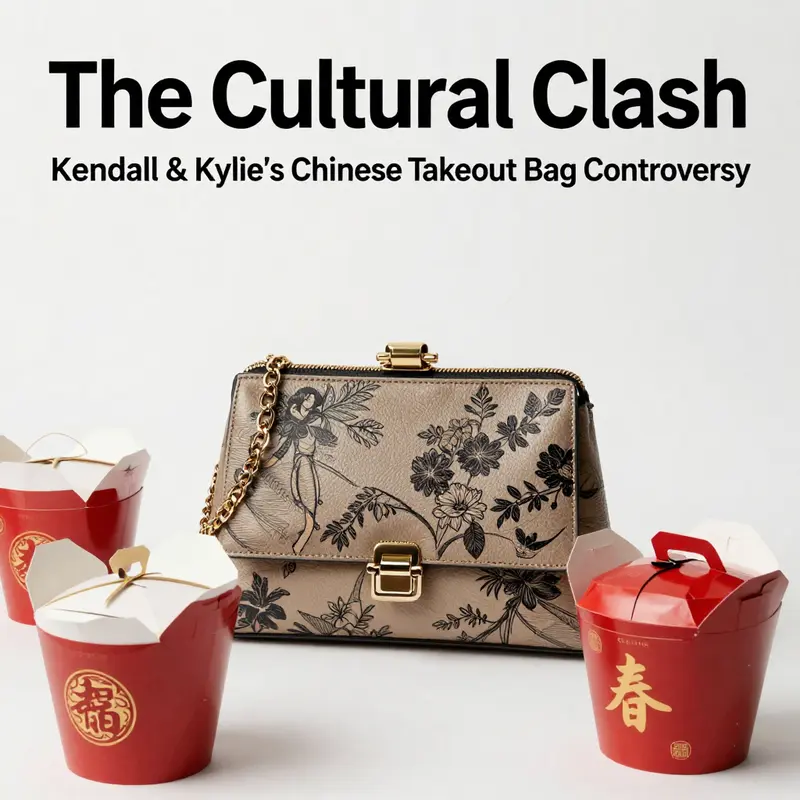
In the fast-moving, image-driven world of contemporary fashion, a single motif can travel beyond a formal statement. A red takeout-style box, bold lettering, and a playful graphic can ignite conversations about culture, power, and representation long after the season closes.
The episode around a takeout-inspired motif attributed to a high-profile design duo serves as a case study in how motifs circulate, how audiences interpret them, and how brands navigate the line between inspiration and cultural sensitivity. The absence of a documented controversy in accessible sources is itself a meaningful data point that invites careful interpretation.
Perception in fashion is not a binary of harm or innocence; it unfolds along a spectrum shaped by context, community histories, and the speed of online dialogue. Brands act as social actors, and the way they respond – or do not respond – can become part of the story itself. The ethical tension lies not only in the object but in the structures that determine whose stories are amplified and how symbols are commodified.
This chapter argues for an approach grounded in cultural literacy, collaboration, and transparent storytelling. When a motif echoes everyday packaging, it can communicate warmth and universality, yet also risk flattening complex cultural meanings if deployed without context. The responsibility lies in how designers, editors, and brands engage with communities, document intent, and invite ongoing dialogue rather than defensiveness.
In sum, the takeout motif illustrates a broader dynamic: aesthetics travel, cultural references require care, and accountability matters even when no formal dispute is visible. The goal is not to police imagination but to cultivate a more inclusive language of design that respects histories, invites conversation, and supports responsible experimentation.
Takeout Aesthetics and the Backlash: How Consumer Reactions Shaped Fashion’s Cultural Boundaries
In the fashion ecosystem, a single design moment can ignite debates about representation and power.
A high-profile release borrowed a recognizable visual language from daily life, becoming more than a stylistic choice. It prompted questions about where boundaries lie when symbols of a culture are repurposed for prestige or hype.
Critics argued that such designs risk erasing lived experiences and reducing cultural symbols to mere props, while supporters emphasized bold experimentation. The conversation shifted from aesthetics to ethics, context, and impact, with consumers rethinking brand accountability in real time.
Media coverage amplified the discussion, with outlets framing fashion as a conversation about race, identity, and power dynamics. Across regions, readers and viewers weighed in, pushing brands to justify choices and demonstrate cultural awareness.
Authenticity emerged as a touchstone: fashion can honor origins or circle back to caricature. When speed and spectacle trump context, communities may feel unseen or misrepresented. Brands were urged to involve communities early and adopt inclusive design processes.
The episode highlighted power dynamics in marketing: celebrity-backed lines, rapid-release cycles, and social amplification can magnify missteps. If a symbol is closely tied to a culture, designers faced heightened scrutiny and potential reputational costs.
Ultimately, the episode underscored a broader industry lesson: good design couples curiosity with responsibility. Future collections will be judged on how well brands listen, learn, and address concerns before products reach the market.
External resource: MTV Asia’s coverage of Kendall and Kylie Chinese takeout bag controversy provides a concise snapshot of the global reaction and the framing of the discourse in Asia. https://www.mtvasia.com/entertainment/kendall-kylie-jenner-chinese-takeout-bag-controversy/
Packaging as Provocation: The Kendall-Kylie Takeout Bag Incident and the Fashion Industry’s Path Toward Accountability
Design has a habit of becoming a cultural flashpoint when a piece of fashion intersects with everyday life. In the 2017 controversy surrounding a leather clutch styled after a red takeout box, critics argued that a lucrative star turn for a celebrity brand crossed a line into cultural stereotype. The design borrowed familiar packaging cues associated with a cuisine from East Asia, and for many observers it distilled harm into a single accessory. Members of the Asian-American community were particularly vocal, labeling the item as a caricature that reduced a culture to a playful motif rather than a lived reality. Although the moment faded from headlines over time, it left a bruise on how fashion brands think about meaning, symbolism, and the consequences of misreading cultural context. The episode is often cited not for its aesthetic critique alone but for what it revealed about brand responsibilities, cultural intent, and the risk of eroding trust when a business uses culturally loaded imagery for commercial impact.
In 2020, a second wave of controversy surrounded the same label when reports alleged that garment workers in Bangladesh had not been paid for some of the production because of its supply chain practices. The tension between fashion’s desire for rapid production and the need to uphold basic labor rights became a focal point for journalists, labor advocates, and consumers watching from afar. The label faced a two-front pressure: cultural sensitivity and supply chain accountability. On their official channels, the sisters behind the label acknowledged the concerns raised about working conditions and compensation and stressed that they were taking the matter seriously. They did not attempt a glossy apology but issued a measured statement affirming their commitment to ethical practices and announcing an internal review of their supply chain partnerships. The move reflected a broader pivot in the industry: consumers were no longer satisfied with vague assurances; they demanded transparency about who makes the goods and how those workers are treated. In this sense, the response was as much about process as it was about profit.
Public scrutiny in this moment functioned as a mirror for the industry. Journalists highlighted the fragmentation of supply chains, where a single bag can involve dozens of suppliers across multiple countries, each with varying wage levels and working conditions. Labor advocates pressed for clear metrics: living wages, timely payments, safe factories, and the observance of labor rights codes. Brands that responded with public accountability, even when it meant admitting gaps, began to gain credibility in the eyes of informed shoppers. The label’s statement marked a shift from denial to due diligence. By declaring an internal review, the company signaled that responsibility would extend beyond a single collection or season. The effectiveness of such a move, however, would hinge on what followed—real audits, concrete improvements, and a willingness to publish findings. In this way, the incident became a case study in how much weight consumer voices carry when they push for honesty about supply chains, not merely polished marketing messages.
Within the industry, the pressure to demonstrate ethical sourcing has become louder and more persistent. Brands now grapple with questions that extend beyond whether a design is provocative to whether its production practices align with stated values. Codes of conduct, third-party audits, and supplier risk assessments have moved from footnotes to essential components of brand strategy. The Bangladesh episode, along with the earlier cultural critique, underscored the fragility of brand reputations in markets that increasingly fuse fashion with ethics. For designers and executives, there is a growing recognition that a line cannot be responsibly marketed if its back end remains opaque. This realization has spurred concrete responses, from publishing supplier lists to engaging with worker representatives and non-governmental organizations to co-create better working conditions. The shift is not simply about appeasing critics; it is about building resilient supply chains that can withstand scrutiny from activists, regulators, and a more discerning global customer base. The internal link to a broader ecosystem—where product categories such as bags and cases are cataloged and tracked for ethical sourcing—becomes a practical reminder of how a brand’s entire product map must reflect its stated commitments. See the bags-cases category for related discussions on responsible sourcing and packaging choices: bags-cases category.
Ultimately, the conversations around the Kendall-Kylie collaboration’s two major missteps—one aesthetic and one ethical—point to a larger arc in modern fashion. The design world learned that provocative imagery can generate short-term buzz but can also alienate communities if it rests on stereotypes. The supply chain lesson was even starker: conflicts over wages and worker treatment translate into reputational risk, investor skepticism, and potential supply disruption. Brands that respond with transparency, collaborative remediation, and measurable improvements tend to recover more quickly, while those that cling to denial risk becoming cautionary tales. The 2020 statement did not erase the memory of the 2017 controversy, but it did position the label as willing to scrutinize its own practices and to invite outside voices into its decision-making process. The industry’s evolving playbook increasingly treats culture, labor, and branding as interwoven threads rather than separate challenges. Crafting a narrative that respects communities while delivering market-ready products requires more than clever packaging; it requires ongoing dialogue with workers, unions where represented, industry bodies, and consumers who expect brands to own the consequences of their choices. The path forward, then, rests on a blend of humility and discipline: humility to listen, discipline to audit, and openness to share results that illuminate the real costs behind every accessory.
From a marketing perspective, the episode also reframes how fashion communicates with its audience. Ethical branding is not merely about avoiding offense; it is about building legitimacy through visible commitments. When a label publicly acknowledges gaps and explains how it intends to address them, it invites customers to participate in a process of improvement rather than silence. The outcome is not guaranteed, but the logic is compelling: transparency creates trust, and trust translates into consumer loyalty in markets where buyers increasingly reward brands that align sentiment with behavior. In the wake of such incidents, retailers and designers alike are testing new tools—real-time supplier dashboards, worker-led audit models, and partnerships with advocacy groups—to help ensure that every step of production meets shared standards. The conversation has moved from a rumor mill to a governance framework, where accountability is measured by action as much as by rhetoric. For readers of this article, it is a reminder that fashion’s most lasting value may lie not in the next season’s silhouette but in the clarity with which a brand explains where its products come from and who makes them.
External reference: https://www.bbc.com/news/business-53298716
null
null
Final thoughts
The controversy surrounding Kendall and Kylie’s Chinese takeout bag serves as a poignant reminder of the sensitivity required in fashion branding, especially when cultural symbols are involved. By exploring the responses from consumers and the fashion industry, we see a growing awareness that can be impactful for food businesses. Food establishments must navigate cultural representations carefully to not only avoid backlash but also to celebrate diversity. As we move forward, these lessons in cultural sensitivity will be crucial in shaping more inclusive practices across industries.