
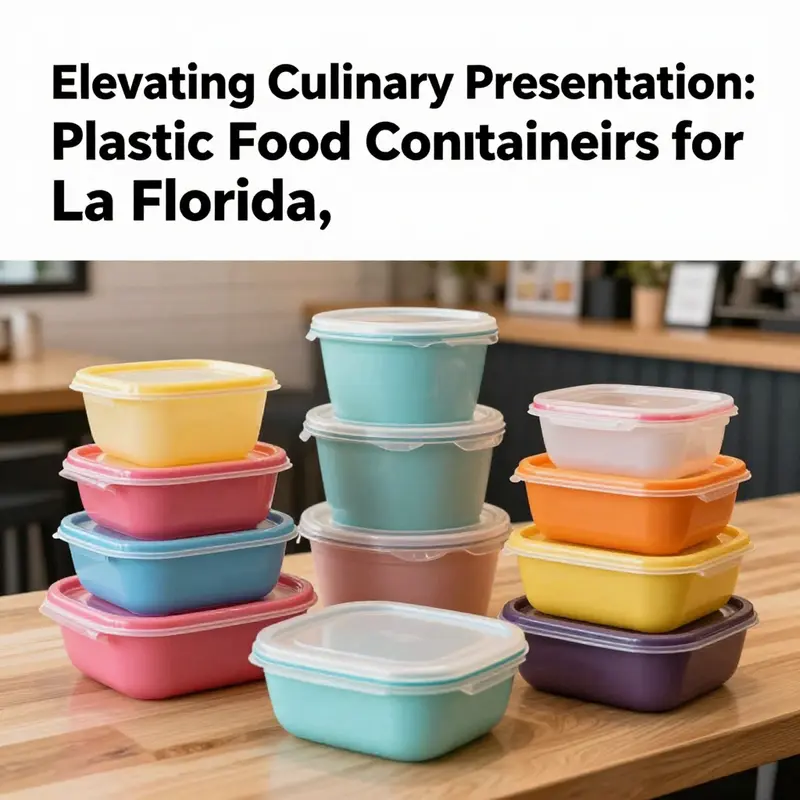
As the food and beverage industry in La Florida, Chile, continues to thrive, the demand for effective packaging solutions has never been more crucial. Plastic food containers play a vital role in maintaining food safety, enhancing presentation, and ensuring convenience for businesses ranging from bubble tea shops to corporate catering services. This article delves into the landscape of plastic food containers available in La Florida, highighting manufacturers, current market demands, and custom solutions that cater to various businesses in the food service industry. Each chapter will provide a unique perspective on how these containers can help elevate product offerings and streamline operations.
From Regulation to Reuse: The Plastic Food Container Shift in La Florida, Chile
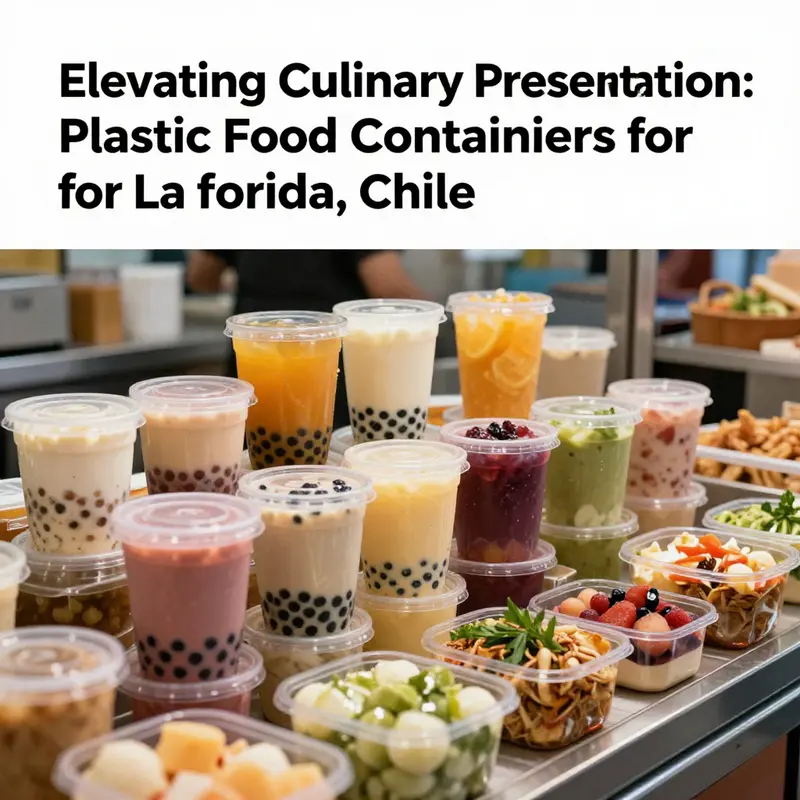
In La Florida, a commune in the Santiago Metropolitan Region, everyday food storage reveals how national policy and local habits are evolving toward reuse. Households, markets, and small eateries are shifting away from disposable plastics toward durable containers designed for repeated use. This change is driven not only by convenience but also by a policy framework that aims to curb plastic waste at the source and guide consumers toward safer, longer‑lasting options.\n\nThe regulatory backdrop is substantial. Chile has enacted a sweeping ban on most single‑use plastic products, a move intended to minimize disposable waste and to promote durability and end‑of‑life responsibility. The goal is to reduce environmental contamination while encouraging safer design and consumer choices. In La Florida, retailers and schools have adapted to new rules and to a culture that values reusability as part of everyday life.\n\nBeyond prohibitions, the shift centers on materials that can endure repeated use without compromising safety. High‑density polyethylene (HDPE) and polypropylene (PP) are among the preferred options because they resist wear and are widely recognized as suitable for longer‑term food storage when properly handled. Labeling of food‑grade plastics and clear safety signals help residents select containers that meet health standards, while municipal programs offer guidance on care and maintenance.\n\nMarket dynamics in Chile now feature durable, reusable clamshells and other designs sized for common portions. Containers around 500 milliliters and 1000 milliliters are common, balancing portability with product protection. Retailers emphasize compatibility with returnable or refillable models, while producers design for durability, ease of cleaning, and reliable supply.\n\nPublic education is a key part of the transition. The Ministry of the Environment and local authorities run outreach that helps families interpret labels, clean and dry containers properly, and retire items when wear compromises safety. The result is a culture that treats storage containers as instruments of health, safety, and environmental stewardship rather than as disposable goods.\n\nFrom a design perspective, HDPE and PP offer resilience, chemical stability, and clarity in many cases. The right container supports safe reheating, storage, and transport, while also reducing the frequency of replacements and waste. In La Florida, as in much of Chile, the container becomes a tangible interface where policy, consumer choice, and daily routine converge.\n\nThe broader narrative is one of gradual change toward a circular approach to materials—design for reuse, responsible disposal, and informed decision making that keeps food safe and waste to a minimum. The container in everyday life thus reflects a broader commitment to health, affordability, and environmental responsibility in La Florida and beyond.\n\nFor readers seeking practical references, resources on storage solutions highlight models built for durability and longevity, and emphasize BPA‑free, food‑grade plastics and proper care routines. While local regulations and product availability vary, the guiding principle remains: choose containers that balance safety, practicality, and durability to support sustainable living.\n\nExternal note: as Chile continues to refine its single‑use plastic ban, communities like La Florida contribute to a living experiment in sustainable living—where design, policy, and daily practice reinforce each other.
From La Florida to Global Shelves: Navigating Plastic Food Container Manufacturing for Chile’s Markets
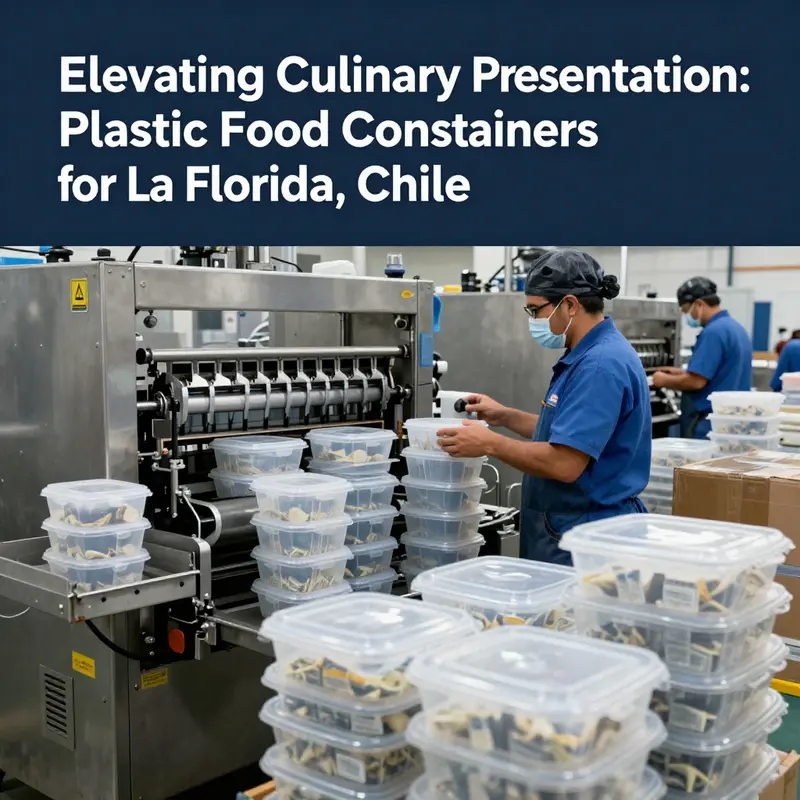
In the shadow of Santiago, the district of La Florida stands as a vivid microcosm of a larger truth: food packaging, especially plastic containers for delicate perishables, travels far beyond local kitchens and storefronts before it lands on shelves in Chile and neighboring markets. The demand here is not simply for a disposable box or a clear clamshell; it is for a dependable system that preserves freshness, protects safety, and communicates brand integrity in a crowded retail landscape. This chapter follows the path from a regional hub to global suppliers, where a web of suppliers, standards, and logistics meets the specific needs of La Florida’s diverse food economy. The story is less about a single supplier than about the patterns and pressures that shape how plastic food containers are conceived, sourced, and shipped to Chile, and how buyers in La Florida balance cost, quality, and regulatory compliance when they prepare a product to reach a Chilean consumer.
What emerges clearly from the broader industry context is that direct, locally produced options in La Florida are often scarce. The materials and equipment needed to manufacture plastic food containers at scale—precise resin blends, mold tooling, and validated production lines—are concentrated in a handful of regions with long-standing specialization. As a result, most buyers in La Florida rely on a global supply network. Large, established packaging suppliers and exporters typically manage the end-to-end process, from initial concepts and tooling to bulk manufacturing and global distribution. In practice, this means that a local pastry shop, a fruit seller, or a supermarket chain in La Florida can work with an overseas manufacturer or a regional distributor who acts as a bridge, translating local needs into specifications that can be produced in Asia, Europe, or Latin America with consistent quality controls. The OEM/ODM model, common in the packaging sector, allows a Chilean buyer to specify sizes, thicknesses, printing, and branding while a factory that specializes in food-grade plastics handles the production, testing, and labeling under the buyer’s guidance.
Design decisions here are rarely about novelty alone. They hinge on the practical realities of storage, stacking, transportation, shelf appearance, and compliance with safety norms. When a supplier proposes a plastic container, the conversation naturally moves toward material choice—polypropylene, polyethylene, or polyethylene terephthalate, each with distinct barrier properties, clarity, and heat tolerance. For many applications in La Florida, the practical sweet spot lies in lightweight, resilient containers that resist cracking under refrigeration and maintain their shape through the rigors of cold storage and transit. Important details surface quickly: the dimensions are often quoted in centimeter-based formats that fit standard display setups and loading rigs. In this sense, proposals frequently include multiple size options, such as trays or containers around 29×49 cm or 39×59 cm, paired with a thickness range commonly cited as 0.10 to 0.20 millimeters. These figures are not arbitrary; they reflect a balance between rigidity and flexibility, between material cost and the need to keep products safe and presentable without appearing bulky. The packaging design then extends into lid systems, sealing methods, and compatibility with labeling and branding requirements that a Chilean importer or retailer will insist upon.
The global nature of the supply chain means that the packaging industry’s standardization work matters as much as local aesthetics. A container produced for export to Latin America must meet a suite of expectations: food-grade safety, consistent resin quality, reliable seals, and predictable performance under the temperature fluctuations of domestic refrigeration and long-haul shipping. In practice, this places a premium on certifications and regulatory compliance. Buyers in La Florida are advised to seek confirmed evidence of ISO conformity, and where relevant, food-safety certifications that translate into confidence for Chilean inspectors and end consumers. Some buyers also look for traceability features, such as batch codes and material composition data, to reassure retailers and regulatory bodies that every lot can be tracked if a concern arises. For products destined for Chile, further due diligence often includes verification of standards recognized locally, which may involve SABER-related criteria and other national or regional requirements. The goal is straightforward: containers that perform as promised from the moment of packing to the moment a consumer opens a bag, box, or tray in the store.
In practice, the procurement journey commonly starts with a broader understanding of the packaging ecosystem that makes this possible. The largest packaging players maintain regional networks and distribution centers that reach across Latin America, including Chile. These networks arrange sample testing, provide material safety data, and coordinate with logistics teams to ensure that shipments arrive with the proper documentation and in the right containers. For buyers in La Florida, a key advantage is access to a spectrum of manufacturing partners who offer OEM/ODM capabilities. A brand owner can request a specific container shape and lid configuration, a chosen color or clear finish, and even branding marks that align with a company’s visual identity. The ability to customize is increasingly essential as retailers and food service operators in La Florida demand packaging that makes products instantly recognizable in crowded aisles or display cases. The trade-off, naturally, is that customization often carries higher minimum order quantities and longer lead times. A typical supplier discussion might reveal minimum orders that start around fifty thousand to several hundred thousand pieces, with lead times stretching from a few weeks to a few months, depending on tooling availability and printing schedules. These realities shape procurement strategies in meaningful ways, as buyers seek a balance between inventory levels, demand forecasts, and the cash flow necessary to finance a meaningful order. While the exact numbers will vary by supplier and product family, the underlying pattern remains consistent: global capacity, local demand, and the constant negotiation between cost and performance.
The idea of a fully domestic, La Florida–centered production line is appealing in principle, but the economics tell a different story. For many local entities, partnering with an overseas manufacturer who can provide large-scale production, tested molds, and robust quality control is the pragmatic path. In this arrangement, the Chilean buyer benefits from access to well-characterized resin systems, standardized testing protocols, and proven shipping routes. The supplier handles the heavy lifting—mold maintenance, automated production lines, and the extensive quality assurance procedures that ensure each batch meets safety and performance standards. The buyer then focuses on customization such as printing, branding, and packaging fit for shelf presentation. This collaborative dynamic—where local market knowledge and global manufacturing excellence intersect—helps ensure that La Florida’s packaging needs are met with both reliability and cost-effectiveness. The result is a packaging ecosystem that, while not locally produced in every instance, integrates tightly with regional distribution networks to deliver a consistent product to Chilean retailers and consumers.
For buyers and brand owners who want to connect more directly with the broader packaging landscape, the conversation often expands to the broader category of plastic packaging itself. The world of design, printing, and functional testing is interconnected with the wider ecosystem of plastic packaging materials. A practical starting point is to explore the broader category of plastic packaging to understand materials, finishes, and production processes at a high level. This larger context helps buyers in La Florida frame their specifications around what is technically feasible and commercially viable. For a broader view of the materials and applications in the field, see the plastic packaging category. plastic packaging.
As the procurement journey progresses, buyers in La Florida increasingly rely on the integration of regional distribution channels and the global manufacturing backbone to address diverse market needs. The role of distributors becomes especially important when buyers are negotiating with overseas producers. A competent distributor can translate a local demand into precise specifications: exact dimensions, desired thickness, closure type, printing requirements, and the ability to comply with Chilean labeling rules and food-safety norms. They can also coordinate samples, facilitate small-test runs, and manage logistics such as air or sea freight, customs clearance, and port-to-door delivery. The net effect is a smoother, more predictable sourcing experience that minimizes the risk of vendor miscommunication and accelerates time-to-market for new products. It is this intricate collaboration—between local buyers who understand La Florida’s retail realities and international manufacturers who can scale production and ensure consistent quality—that underpins the practical viability of plastic containers in Chile.
An essential ingredient in this equation is the attention to regulatory compliance and traceability. Chilean authorities place importance on food contact materials, requiring evidence that containers comply with safety standards and do not impart harmful substances to food. Even when suppliers declare compliance, buyers benefit from independent verification or third-party testing to confirm resin composition, migration behavior, and overall performance under typical storage conditions. This diligence is not merely bureaucratic; it translates into consumer trust, reduces the risk of product recalls, and supports long-term brand stewardship in Chilean markets. In parallel, buyers must consider the environmental dimension of packaging. With increasing emphasis on recyclability and waste reduction, the choice of resin, compatibility with recycling streams, and the presence of clear labeling all influence the packaging’s end-of-life handling. A well-considered packaging strategy in La Florida thus balances safety, performance, and environmental responsibility, while leveraging the advantages of a global manufacturing network that can deliver scale and consistency.
In this landscape, the packaging supplier’s capabilities become a decisive factor. The most effective partners are those who can combine technical competence with a deep understanding of Latin American distribution dynamics and a willingness to adapt to the specific rhythms of Chilean retail cycles. The ability to supply not only containers but also print-ready branding, regulatory documentation, and flexible terms helps ensure that a Chilean buyer can move from concept to shelf with minimal friction. The conversation frequently circles back to a practical triad: material performance, regulatory alignment, and supply reliability. A container that performs well in cold storage, supports robust seals, and prints clearly without fading will stand up to the daily pressures of the food supply chain in La Florida and beyond. In turn, retailers and ultimately consumers benefit from packaging that protects product integrity, communicates brand stories effectively, and aligns with expectations for safety and sustainability.
The broader market signals that the industry is continually adapting to new demands—from improved barrier properties and lighter weights to smarter labeling and enhanced transparency. For a district like La Florida, this means that procurement teams have to stay in close contact with their suppliers, testing new materials and configurations while maintaining the day-to-day reliability expected by retailers. It also means keeping an eye on global events that can ripple through the supply chain—currency fluctuations, shifts in trade policy, and evolving regional standards. The experience of sourcing plastic containers for La Florida thus becomes a case study in how local markets harness global manufacturing capacity to meet everyday needs with products that are safe, presentable, and affordable. In the end, the containers that leave a factory floor and traverse the journey to Chile are the culmination of many decisions, from resin choice to mold design, from labeling to shipment, all guided by a shared objective: to deliver packaging that protects what’s inside while helping the product make a confident, compliant, and compelling impression in La Florida’s vibrant marketplace. External resources can provide further clarity on the broader landscape of packaging solutions and standards as buyers navigate this complex space.
External resource: https://www.tetrapak.com/
From Storage to Takeout: Mapping the Demand for Plastic Food Containers in La Florida, Chile
La Florida sits within the bustling orbit of Santiago, a district where apartment blocks rise in neat rows, markets bustle with fruit stalls and prepared meals, and quick service options compete for attention as surely as grocery shelves compete for space. They are the quiet workhorses of daily life. They preserve leftovers, organize pantry staples, and stage takeout orders that arrive when the day runs late. The demand for these containers in La Florida is not a standalone blip on a market map; it is a lens into a larger set of forces shaping how households, small businesses, and food service operators think about storage, transport, and sustainability. The broader national trajectory of plastic packaging provides a backdrop against which local preferences and practicalities play out, and within that frame, La Florida offers a revealing microcosm of choice, behavior, and opportunity.
The Chilean plastic market reached about 1.3 million tonnes in 2024 and is projected to grow to roughly 1.6 million tonnes by 2032, with a compound annual growth rate around 2.6 percent. These figures illuminate more than macroeconomic inertia; they point to a persistent reliance on plastic containers across sectors, with food packaging standing out as a perennial engine of demand. In La Florida, this reality translates into steady consumption patterns across multiple channels. Households routinely stock up on containers for storing homemade meals, batch-prepared foods, and fresh produce. Small businesses, from neighborhood bakers to casual eateries, depend on a steady supply of affordable, lightweight, and portable packaging to extend shelf life, facilitate display, and simplify logistics for customers who favor convenience. Food service providers, including takeout-oriented outlets and delivery-oriented concepts, view plastic containers as a practical backbone of service delivery. The density of the district—a mix of residential blocks, small retail corridors, and vibrant street commerce—creates a steady cycle: households buy or reuse containers; small vendors refill and repack products; service outlets require reliable, low-cost packaging to maintain efficiency amid peak hours. The result is a demand pattern that values durability, affordability, and portability, while also contending with evolving expectations about environmental impact.
A key dimension of this dynamic lies in the balance between convenience and cost. Plastic containers remain popular because they deliver predictable performance at a price point that suits many households and small businesses. In La Florida, where prices for basic groceries and takeout can be sensitive to economic fluctuations, the affordability of standard containers matters. Containers that resist leaks, maintain shape during transport, and fit common portion sizes simplify operations for vendors and reduce waste from damaged goods. From fruits and vegetables to layered desserts and ready-to-heat meals, the versatility of plastic packaging makes it an attractive default for many local players. Yet, the same market environment that rewards low cost and reliability also invites scrutiny from consumers who are increasingly aware of environmental issues. Government initiatives aimed at advancing a circular economy—extending producer responsibility, setting waste reduction targets, and encouraging better end-of-life outcomes—are gradually shaping consumer expectations and business strategies. In La Florida, this translates into a growing, but still nuanced, preference for reusable or recyclable solutions, alongside the dominant convenience of single-use containers. The tension between these forces—ease of use and a desire to minimize environmental footprint—creates a landscape where packaging decisions are continually recalibrated in response to policy signals, consumer sentiment, and practical market realities.
From a logistical standpoint, La Florida’s packaging ecosystem is deeply influenced by the broader supply chain configurations that feed Chile’s urban markets. Many of the plastic containers used in the district are sourced through global manufacturing networks that span continents, with significant production volumes originating in large manufacturing hubs in Asia. These containers reach Chile through import channels that connect with distributors able to service urban communes like La Florida, meeting demand for standard sizes, common shapes, and quick turnaround times. The appeal of such containers lies in their compatibility with existing storage systems in homes and businesses, their lightweight nature for easy handling, and their compatibility with standard storage shelves and display formats. For individuals and small businesses seeking customization—whether to reflect branding, improve fit for particular product lines, or meet specific portion sizes—OEM/ODM-like arrangements become relevant in the Chilean context. The capacity to tailor dimensions, lids, and materials offers a path to differentiation even within a market dominated by generic, mass-produced options. However, customization also introduces cost and lead-time considerations, which may weigh more heavily on smaller operators with tighter margins.
In La Florida, consumer behavior is a central driver of how demand for plastic food containers evolves. Households are not merely end users; they are potential repeat customers for improved home storage systems, meal-prep solutions, and organized kitchen setups that reduce waste and streamline daily routines. The daily rhythm—weeknight dinners, weekend meal prep, and the quick packaging needs of family members who dine out or order in—creates recurring demand for containers in varied sizes and configurations. Small businesses respond to this rhythm with an emphasis on reliability and consistency. A baker might require dome-lidded or hinged containers for display and takeout; a deli or cafe might rely on a standard range of clamshells or rectangular tubs for portion control and safe transport. Food service providers, especially those operating in dense urban corridors, lean toward containers that maximize space efficiency during storage and transport, while also resisting the rigors of cold storage and temperature fluctuations. The ability to stack, seal securely, and resist condensation becomes a matter of operational discipline.
In this context, branding—though not always front-and-center for every customer—plays a subtle but influential role. Some operators pursue simple customization, such as a logo imprint or color-coding to distinguish product lines, while others rely on universal packaging compatibility to streamline procurement. The market’s appetite for customization is moderated by price, lead times, and supplier reliability. Here again the broader market environment matters. Chile’s ongoing push toward the circular economy influences both supplier behavior and consumer expectations. Producers and retailers face growing pressure to consider end-of-life outcomes—the recyclability of materials, the presence of recycled content, and the feasibility of reusing containers in service or home settings. In practical terms, this translates into greater interest in containers that can be recycled through municipal streams, that offer high recycled-content options, or that can be repurposed for reuse in households or businesses. Yet, given the realities of municipal recycling infrastructure, especially in densely populated urban areas, many consumers still opt for disposable containers because they are widely available, easy to procure, and affordable. This paradox—strong demand driven by practicality and a gradual tilt toward sustainability—defines much of La Florida’s current packaging decisions.
The environmental considerations shaping La Florida’s market are not merely abstract. They filter into purchasing decisions at the household and business levels. Consumers who have become more aware of waste generation, litter, and the environmental footprint of packaging are beginning to favor options that promise better end-of-life handling. The trend toward reusable systems—such as containers that can be cleaned and returned to service, or containers made from materials that lend themselves to repeated use—appears in pilot schemes and localized trials in urban districts, including La Florida. At the same time, there is recognition that single-use plastic containers retain advantages in terms of accessibility and price. In many cases, these advantages need to be balanced with a willingness to participate in or support recycling programs, which requires convenient access to collection points and clear consumer guidance. The net effect is a shifting demand curve where the lowest price point is no longer the sole predictor of market behavior; durability, reusability, and recyclability become part of the calculus for households and small businesses weighing short-term convenience against longer-term sustainability.
This evolving landscape has practical implications for how the market in La Florida evolves. Retailers and wholesalers who serve the district must navigate price competition while offering products that meet safety and quality expectations. They must also consider the cadence of demand—seasonal peaks around holidays, school terms, and festival periods—when planning inventory. Business owners who understand the value of standardized packaging that aligns with common consumer expectations will likely experience smoother procurement cycles and fewer overstock situations. Those who introduce a small range of sizes that cover a wide spectrum of use-cases—storage, meal prep, takeout, and gift packaging—may gain a competitive edge by offering practical solutions that minimize waste in daily operations. The ability to align packaging choices with the realities of urban life in La Florida—where space is at a premium, and every minute of the day counts—becomes a form of value creation in itself.
The supply landscape in Chile, including La Florida, is further shaped by policy and regulation. A growing emphasis on circular economy principles and extended producer responsibility frameworks pushes manufacturers and distributors to rethink packaging design, materials selection, and end-of-life management. This regulatory backdrop is not merely a compliance burden; it creates market signals that incentivize innovation and collaboration along the value chain. For instance, industry players who invest in recyclability, reuse, or recycled-content materials may reap benefits in the form of smoother permitting, improved access to certain markets, or favorable partnerships with municipal programs. In La Florida, these shifts translate into a cautious optimism about the role of packaging within a more sustainable urban ecosystem. While the short-term demand for price-competitive, standard-issue containers remains robust, the long-term outlook invites more diverse material choices, enhanced product stewardship, and a stronger alignment between procurement decisions and environmental outcomes.
The question of in-market adaptation—how local buyers and sellers translate macro trends into concrete actions—emerges clearly in this setting. For many households, the decision to use plastic containers is anchored in habit and practicality. The familiarity of certain shapes and closures makes shopping simpler and storage more predictable. For small enterprises, consistency and reliability in packaging are essential; the ability to forecast demand, secure steady supply, and avoid stockouts is a key driver of operational resilience. For food service providers, the capacity to deliver consistent quality under pressure—durability during transit, resistance to leakage, and compatibility with display and refrigeration protocols—becomes a proxy for customer satisfaction and repeat business. These micro-decisions accumulate to shape the overall market trajectory, reinforcing the central role of plastic containers in daily life while also sharpening the focus on more sustainable paths forward where possible.
Within this evolving narrative, it is useful to situate La Florida within the broader regional context while keeping an eye on local idiosyncrasies. Chile’s overall market dynamics—robust demand for plastic containers, a rising interest in recyclable and reusable formats, and a regulatory environment oriented toward waste reduction—create a framework in which La Florida can both absorb trends and contribute to their refinement. The district’s high population density—paired with a dynamic mix of residential life, small-scale commerce, and street-level food activity—produces a demand pattern that is steady enough to sustain retailers and distributors, yet flexible enough to accommodate shifts toward more sustainable consumption. In practical terms, this means packaging suppliers and buyers in La Florida are likely to favor containers that balance economy with practicality, while also seeking opportunities to align with recycling or reuse initiatives wherever feasible. The result is a market that may remain anchored in traditional, affordable plastic options, even as stakeholders explore incremental improvements to materials, design, and end-of-life pathways that reduce environmental impact without sacrificing everyday utility.
Finally, the narrative of La Florida’s plastic container market cannot be divorced from the consumer education and public awareness that accompany policy momentum. As residents encounter information about sustainable practices and waste management targets, there is potential for a gradual shift toward more conscious consumption. This shift may manifest as a preference for containers that are easier to recycle, containers made with a higher proportion of recycled content, or programs that encourage reusing containers for multiple purposes. Yet, the practical realities of urban life—time constraints, budget limitations, and the immediacy of need—will continue to sustain the current demand for widely available, cost-effective plastic packaging in the near term. The path forward, therefore, lies in a pragmatic balance: preserving the conveniences that plastic containers provide for everyday life while integrating more responsible choices wherever feasible. In La Florida, such a balance will likely emerge from collaborative efforts among households, small businesses, municipal programs, and national policy frameworks that recognize the indispensable role of packaging in daily routines, while also affirming the necessity of smarter use of materials and better end-of-life outcomes.
Within this intertwined ecosystem, the broad category of plastic packaging functions as a living, adaptable instrument—one that can be tuned to local realities without losing sight of national trends. For readers seeking a broader sense of the packaging category as a whole, exploring the wider range of plastic packaging solutions can be informative. See the Plastic Packaging category for a sense of the kinds of formats that commonly circulate in urban markets like La Florida, and how these formats intersect with storage, takeout, and shelf presentation. Plastic Packaging. This link offers a gateway to understanding how container design, material choices, and packaging efficiency come together in real-world applications, and how retailers and households adapt to changing preferences over time. As the chapter has shown, the story in La Florida is not simply one of demand; it is a narrative of adaptation, where convenience, cost, and evolving sustainability expectations converge to shape choices, supplier relationships, and the way a community stores and shares food.
Externally, the larger regional context anchors this local story in a broader policy and market progression. For a broader perspective on how governments are strategizing around the plastic value chain within the Latin American circular economy, scholars and practitioners may consult analyses that examine plans, targets, and implementation challenges across countries in the region. One such external resource offers a comprehensive view of the policy landscape and its potential implications for packaging design, material flows, and waste management strategies that affect La Florida and similar urban areas across Chile. External resource: https://www.researchandmarkets.com/reports/5987214/analyzing-government-plans-for-the-plastic-value-chain-in-the-latin-american. This context helps illuminate why the local market looks the way it does today and where it might head in the years ahead as regulatory expectations and consumer values continue to evolve. The interplay of market demand, regulatory direction, and consumer behavior will keep shaping how plastic containers for food are produced, distributed, and used in La Florida, reflecting a city and a country navigating toward more sustainable yet functionally efficient everyday packaging solutions.
Custom Solutions for Plastic Food Containers in La Florida, Chile: Navigating Regulation, Sustainability, and Packaging Innovation
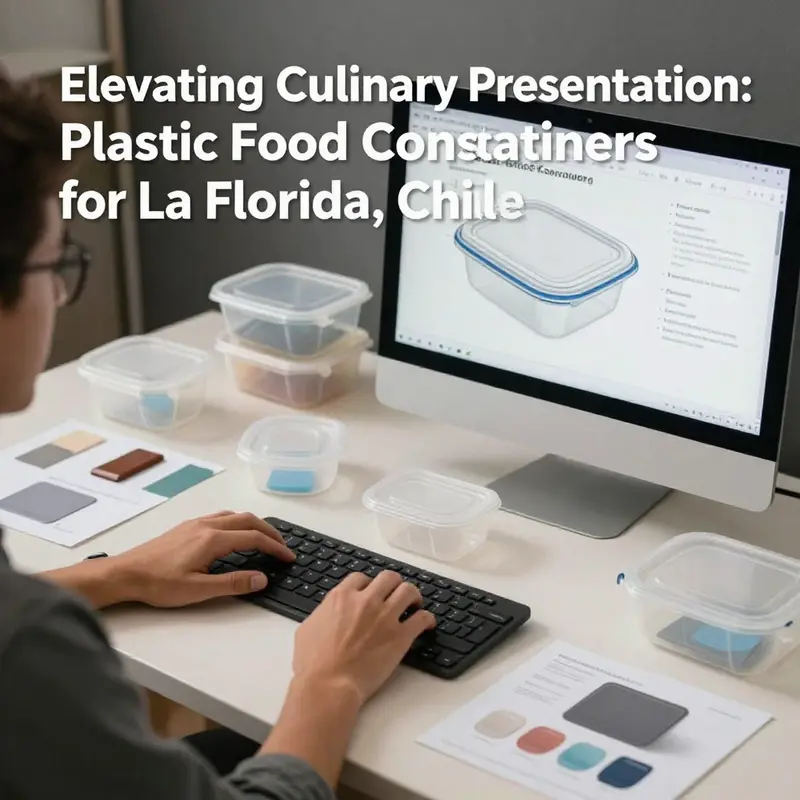
In La Florida, a growing suburb of Santiago, the landscape of food packaging is being rewritten by a confluence of regulation, consumer expectation, and a rising demand for customized solutions. The chapter on plastic containers for food in La Florida, Chile begins not with a catalog of materials or an inventory of suppliers, but with a condition of change. Chile’s broader environmental priorities—culminating in a national push to curb single-use plastics—have placed packaging designers, manufacturers, and retailers at a crossroad. The question is not merely what plastic container can hold a sandwich or a fish fillet, but which container can perform reliably under cold chains, display effectively in stores, align with environmental goals, and still be economical for small businesses and large supermarkets alike. In this context, the topic becomes less about a standard product and more about a program of customized solutions that respond to local realities while staying true to global best practices in packaging science and sustainability.
To understand why customization matters, it helps to map the regulatory terrain. Chile has moved decisively to regulate plastics, encouraging innovations that minimize waste and maximize reuse. The policy environment pushes companies to rethink the entire lifecycle of a container: its creation, its use, and its end-of-life management. In La Florida, this translates into a demand for containers that can perform across multiple stages of a product’s life. A seafood pack must resist moisture and salt, a dairy container must withstand cold temperatures without compromising texture, and a fruit box should remain rigid during transport while presenting the product attractively on shelf. All of these functional requirements exist within a framework that prizes transparency, safety, and environmental responsibility. The interplay between regulation and market demand is not antagonistic. It prompts a more deliberate design process, one that begins with a clean specification and ends with a solution that is both technically sound and socially responsible.
The most visible shift in material choice is toward eco-friendly alternatives that still meet the strict needs of food packaging. Biodegradable and compostable options, particularly those based on polylactic acid (PLA) derived from cornstarch, are gaining traction among La Florida manufacturers. These PLA-based containers address several objectives at once. They align with Chile’s environmental goals by reducing long-term plastic waste and supporting the circular economy through composting pathways where infrastructure exists. Yet packaging professionals in the region know that “biodegradable” or “compostable” is not a universal solution. The fate of a PLA container depends on the end-of-life infrastructure available to consumers. Industrial composting facilities, appropriate labeling, and consumer education all play a role. In practice, PLA containers can offer excellent performance for many applications—grease resistance, humidity tolerance, and color stability—while enabling brands to tell a sustainability story that resonates with local shoppers. The challenge, then, is to pair material choice with a practical, regionally appropriate disposal or return system. This requires careful lifecycle thinking and a candid assessment of the available composting channels in Chile’s urban and peri-urban zones.
Within this sustainable frame, customization emerges as a decisive advantage. In a market like La Florida, where retailers must balance shelf presence with space efficiency, a one-size-fits-all container rarely achieves the best outcomes. Custom solutions can tailor dimensions to specific product sizes, optimize stacking for display and transport, and incorporate features that reduce waste over time. A container designed for raw fish or meat may require a strong barrier to preserve freshness and prevent cross-contamination, while a container intended for fresh produce might emphasize gas permeability and venting to maintain quality. For frozen goods, rigidity and thermal stability become critical to prevent deformation and freezer burn. By engaging with a packaging designer early in the product development cycle, producers can specify wall thickness, seal integrity, lid geometry, and texture that not only protect the food but also reflect the brand’s identity. This is where OEM/ODM capabilities become particularly valuable. A local or regional supplier can adapt a design to the precise specifications of La Florida’s retail channels, while still leveraging the efficiencies of a scalable production process.
Another facet of customization concerns the integration of branding and consumer communication directly onto the container. In today’s competitive retail environment, packaging is a primary touchpoint for trust and quality. A container that can be branded with clear labeling, regulatory marks, and concise usage instructions tends to perform better on shelf and in social media. Customization can extend to forming features such as tamper-evident seals, easy-open mechanisms, and ergonomic grips that improve user experience. Importantly, these design elements must harmonize with production realities. The molds used to create bespoke containers represent a fixed cost that can be amortized across quantities. For La Florida’s market, where small- to mid-sized runs may be common, suppliers can offer flexible tooling and scalable production options to keep unit costs at a practical level. The result is a container that not only protects the food but also reinforces the product’s narrative—about safety, sustainability, and regional ingenuity.
A key design consideration in this locale concerns performance under the region’s climate and supply chain realities. Chile’s urban centers experience temperature fluctuations, and refrigerated transport is a daily norm for many perishable products. Containers must resist condensation and maintain integrity through the cold chain. They must also handle moisture and oily residues without losing form or leaching components into the food. In design terms, this translates into barrier properties, adequate seal integrity, and material choices that strike a balance between rigidity and transparency where brand messaging can be visible. The capacity to collaborate with local manufacturers offers a practical advantage here. When a container’s design is locked in with a nearby producer, any issues observed during pilot runs—such as warping under cold storage or cracking during stacking—can be addressed quickly. This is a core benefit of regionally oriented customization: faster iterations, shorter lead times, and a tighter feedback loop with retailers who observe consumer behavior first-hand in La Florida’s grocery aisles.
The supply chain context is equally critical. Custom containers require access to reliable molds, consistent material supply, and predictable quality control. A robust supplier network in the region can provide a spectrum of options—from standardized shapes to fully custom geometries—without the onerous costs frequently associated with global procurement. Importantly, customization does not imply complexity for its own sake. Sophisticated yet practical design choices can simplify packing lines and reduce waste. For example, stackable lids and basins improve warehouse throughput. A smooth, florist-style edge finish can enhance grip during manual handling, while a matte surface can reduce glare on refrigerated display ramps, improving product visibility. At the same time, compatibility with existing equipment—fill lines, sealing machines, labeling systems—must be verified. The goal is to enable retailers to deploy these containers across multiple SKUs with minimal changeover downtime, ensuring that the packaging remains a facilitator rather than a bottleneck in the supply chain.
The environmental education dimension should not be overlooked. Several packaging providers in or near La Florida actively support initiatives that promote reusable and returnable packaging concepts. These programs can help businesses meet government expectations while contributing to a broader culture of sustainability. When a community understands why a particular container is designed to be reused or properly disposed of, compliance becomes more natural and less burdensome. The packaging narrative thus expands beyond the container’s physical properties to include stewardship practices, recycling literacy, and consumer engagement strategies. In this sense, the container is not a stand-alone object but a component of an ecosystem that links producers, retailers, and customers in a shared commitment to responsible consumption.
From a branding standpoint, the ability to tailor containers provides a way to signal quality and local alignment. A La Florida retailer can choose a container that carries a subtle nod to the region’s identity, while maintaining the performance characteristics required by cold storage, moisture control, and product safety. This local relevance strengthens consumer trust and can support a broader marketing strategy that emphasizes regional resilience and environmental responsibility. The customization pathway also invites collaboration with international suppliers who offer design flexibility and scale. It is possible to blend local know-how with global materials science, achieving a balanced approach that respects Chile’s environmental ambitions while leveraging the efficiency of established production ecosystems. In practice, such collaborations often begin with dialogue about functional requirements, then move toward rapid prototyping, small-batch testing, and phased scale-up as regulatory and retailer feedback solidifies.
To look at the broader landscape of options, it is useful to consider where the market is heading. The emphasis is shifting toward containers that deliver reliable performance (in terms of barrier properties, temperature resistance, and food safety) while minimizing environmental impact. The PLA-based route is central to this evolution, though it is not a panacea. For some applications, blends or alternative bio-based polymers may offer advantages in cost, mechanical performance, or compostability. The design phase becomes a careful decision matrix: what is the intended use, what is the local disposal infrastructure, what message should the packaging convey, and what are the cost implications for producers and retailers? In La Florida, such a matrix is informed by a close read of consumer expectations and a pragmatic assessment of supply chain realities. The result is a container that speaks to quality, safety, and sustainability without sacrificing practicality on the factory floor.
In practice, a successful approach to custom plastic containers in La Florida begins with an iterative process. It starts with a clear brief that outlines the product category, the storage and handling conditions, required shelf life, and the regulatory considerations that apply in Chile. Designers translate this brief into a functional concept, then into a physical prototype. Pilot runs on existing lines reveal opportunities to optimize molding processes, adjust wall thickness, or refine closure systems. Feedback from retailers and consumers informs subsequent refinements, making the final container well-suited for real-world use. Throughout this process, the choice of materials remains central, but it is complemented by smart design features that reduce waste and enhance user experience. For instance, a container might feature a ribbed exterior that increases stiffness without adding weight, or a peel-away seal that maintains integrity while facilitating easy opening. The aim is to deliver a product that is as efficient in the hands of the worker who fills and seals it as it is in the hands of the shopper who purchases it.
The journey toward a sustainable and customized packaging solution in La Florida also invites a broader discussion about life-cycle thinking. A well-designed container is not simply a device to contain food; it is a lever for reducing environmental impact across its entire life cycle. This perspective urges businesses to consider the energy and materials used in production, the ease of recycling or composting at the end of use, and the potential benefits of reuse programs. It is this holistic view that informs strategic decisions about supplier relationships, capital investment in molds and machinery, and the development of educational resources for staff and customers. When stakeholders speak a common language about life-cycle performance, it becomes easier to align incentives, share best practices, and measure progress over time. In La Florida, where public awareness of environmental issues has grown, such alignment is not merely aspirational. It is practical and increasingly necessary to meet both regulatory expectations and market demands.
The chapter’s exploration of custom solutions in La Florida, Chile thus highlights a central truth: packaging is most powerful when it emerges from a disciplined design process that respects local constraints while embracing the opportunities of sustainable materials and intelligent manufacturing. The region’s shift away from single-use plastics does not demand a retreat from innovation. Instead, it invites a more intentional approach to container design—one that couples form, function, and responsibility in ways that support retailers, producers, and consumers alike. For businesses aiming to thrive in this landscape, the path forward is clear. Invest in understanding end-use conditions, engage with capable suppliers who can offer flexible tooling and scalable production, and pursue materials that honor Chile’s environmental goals without compromising safety or performance. In La Florida, the future of plastic food containers is not a fixed catalog of products. It is a dynamic, collaborative process that yields customized solutions with real, tangible benefits for people, planet, and prosperity.
As with any practical field, the best way to translate theory into action in La Florida is through access to reliable information and a network of collaborators. For readers seeking further context on regulatory trends and sustainability benchmarks in Chile, a useful external resource is UL Solutions’ overview of the plastic ban in Chile, which outlines how environmental standards are shaping packaging design and disposal practices. This resource provides a benchmark for the regulatory environment that informs every customization decision in La Florida. Relevant industry context can also be gleaned from regional packaging suppliers who maintain catalogs of plastic packaging options and highlight how customization can be pursued in a cost-conscious, scalable manner. In parallel, one may consult targeted sections of the packaging ecosystem—such as the plastic packaging category in broader product catalogs—that illustrate how different design families have evolved to meet safety, display, and environmental requirements. An internal reference that helps connect these ideas to practical supplier capabilities is a category page focused on plastic packaging, which offers insights into material options, performance criteria, and assembly methods.
Ultimately, the push toward custom plastic containers in La Florida is about more than functionality. It is about building a packaging system that respects Chile’s environmental commitments while enabling businesses to compete effectively. It is about choosing materials and designs that minimize waste and maximize reuse, where feasible, and about designing for efficiency in loading, storing, and transporting perishable goods. It is about engaging with stakeholders across the value chain to ensure that products reach consumers in optimal condition and with clear messages about safety and sustainability. And it is about recognizing that plastic containers can play a constructive role in a modern, responsible food system when their life cycle is thoughtfully managed and continually improved. In this light, customization becomes a central strategy—not only to meet local market needs in La Florida, but to contribute to a broader regional shift toward responsible packaging that serves people and the environment alike.
For readers who want to explore practical pathways to implement these ideas, a useful starting point is to browse packaging categories that align with plastic-based solutions and can be tailored to local requirements. A good anchor is the plastic packaging category, which showcases a spectrum of options that can be adapted to meet regulatory constraints, logistical realities, and consumer expectations. This resource can help teams think through container geometry, material choice, and production workflows in a way that supports efficient, compliant, and sustainable packaging programs across La Florida’s diverse retail landscape.
External resource: For regulatory context and sustainability benchmarks, visit UL Solutions on Sustainability and Plastic Ban in Chile: https://www.ulsolutions.com/en/sustainability/plastic-ban-chile
Internal link excerpt: To see a broad range of plastic packaging options that can be customized for local markets, explore the Plastic Packaging category: Plastic Packaging.
Final thoughts
The landscape of plastic food containers in La Florida, Chile, presents vast opportunities for businesses aiming to enhance their culinary presentations and operational efficiency. By understanding the various manufacturers, market demands, and the significance of tailored solutions, businesses can make informed decisions that set them apart. Investing in high-quality packaging not only safeguards food but also boosts brand visibility and consumer appeal.