
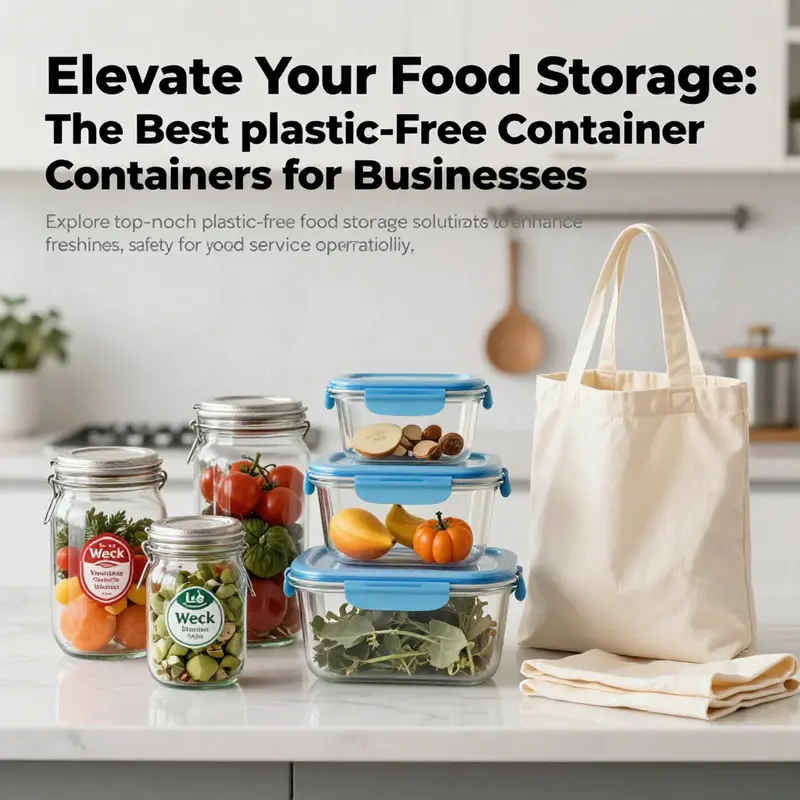
In today’s environmentally conscious market, the demand for safer, plastic-free food storage solutions is higher than ever, especially in the food service industry. Bubble tea shops, restaurants, food trucks, catering services, event planners, and corporate procurement teams are all uniquely positioned to embrace these sustainable practices. This article presents an in-depth exploration of the best plastic-free food containers, including Le Parfait, Bormioli Rocco, Weck, Vintage Pyrex, and organic cotton produce storage bags. Each chapter delves into specific products that not only prioritize health and environmental safety but also enhance the quality and longevity of your food offerings. Let’s dive into the world of sustainable food preservation.
Le Parfait and the Plastic-Free Pantry: Timeless Glass for Freshness, Safety, and Sustainable Living
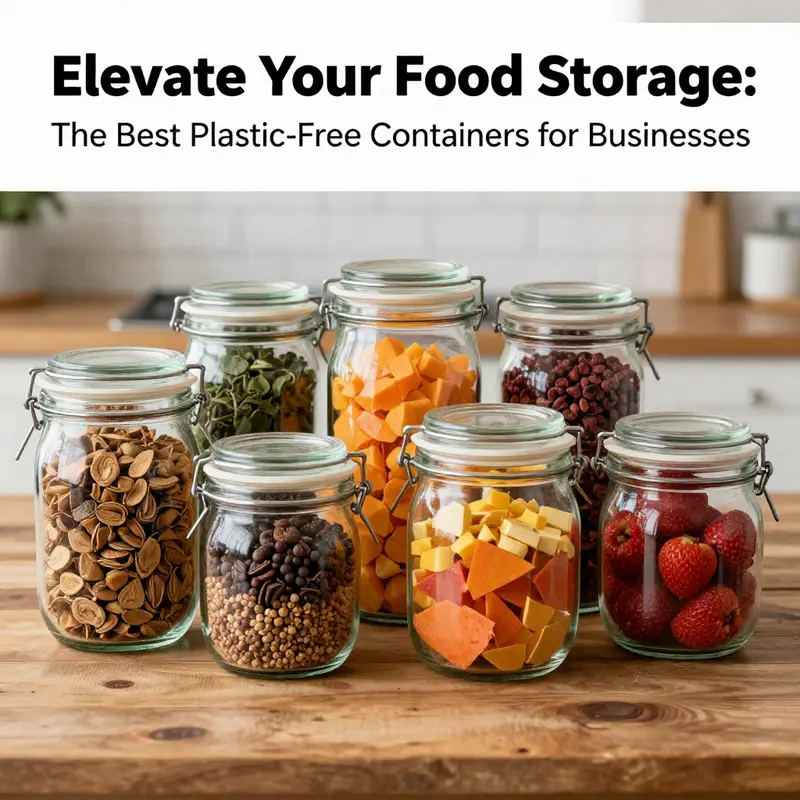
Le Parfait has long stood as a quiet emblem of how aesthetics can meet practicality in the realm of food storage. Since the 1930s, this line of glass containers has carried a sense of French craft into kitchens around the world. The promise is simple yet powerful: keep food fresh, protect it from outside contaminants, and do so with a material that supports a plastic-free pantry. The jars and canisters that bear the Le Parfait name are more than vessels; they are a statement about how we store, preserve, and enjoy our meals. In a landscape where plastic often dominates, their glass offers a straightforward alternative that reduces risk and enhances everyday routines. The underlying appeal is not merely about avoiding plastic; it is about choosing a material that behaves predictably in every temperature and every kitchen task. Glass does not release strange chemicals into food, and it does not trap aromas in ways that linger between uses. It remains inert, stable, and dependable, which is reassuring for families who plan meals weeks ahead or who simply want leftovers without a lingering aftertaste.
The core attributes that make Le Parfait stand out are grounded in material science and timeless design. The glass is BPA-free and non-porous, creating a barrier that resists odor absorption and flavor transfer. This means yesterday’s onions won’t haunt today’s pasta sauce, a common concern when storage surfaces harbor scents from prior contents. The absence of porosity also means the containers are easier to clean and less likely to harbor bacteria in micro-scratches. In practical kitchen terms, that translates into fewer lingering concerns about cross-contamination and a cleaner, more predictable storage environment. The lack of plastic components in the lid and seal adds another layer of confidence. The seal is typically a rubberized barrier that locks in freshness and guards against air exchange. And while the materials are simple, the engineering is purposeful: a snug seal that minimizes air leakage, a lid that remains durable after countless cycles of fill and reuse, and glass that resists shattering only when treated with the usual care we extend to all high-quality vessels.
A standout feature among Le Parfait offerings is the Super Terrine 125ml, a compact example of how form and function can align in a single container. Its wide mouth makes filling and cleaning a breeze, an everyday convenience that matters when you’re portioning soups, stews, or spreads. The secure rubber seal plays a critical role in maintaining freshness, especially for items stored in the fridge or used in meal-prep portions. The glass lid, sturdy and reliable, completes the simple, robust package. This design isn’t merely about safety; it’s about an experience: the ease of transfer from fridge to table, the assurance that the lid’s fit will endure, and the pleasure of seeing ingredients clearly and attractively displayed. The aesthetics are subtle but meaningful; the glass offers a clarity that invites you to plan by sight, not by guesswork. A jar like the Super Terrine becomes more than a container; it becomes a part of kitchen rituals, a familiar anchor in a space that often moves quickly between shopping, cooking, preserving, and serving.
The versatility of Le Parfait containers further elevates their practical value. They are equally at home hosting bulk groceries, seasonal produce, or homemade preserves. The glass’s non-porous nature ensures that what you store today will retain its character tomorrow, whether you freeze, refrigerate, or safeguard it on a pantry shelf. The absence of plastic components is a decisive advantage for households aiming to minimize plastic exposure without sacrificing convenience. When you prepare a batch of chutney or a dozen small jams, these jars offer predictability: consistent sealing, reliable storage, and an inviting presentation that makes the contents feel almost artisanal. Because the jars come in a range of sizes, you can build a modular system that scales with your cooking and shopping habits. The glass’s transparency also helps you keep an eye on quantity and quality, reducing waste through better inventory awareness.
Beyond the kitchen practicality, there is a broader narrative about sustainability embedded in Le Parfait’s philosophy. The brand emphasizes durability and longevity, inviting users to invest in containers that will outlast many single-use alternatives. Longevity matters because it shifts the cost calculus from monthly disposables to years of reuse. Fewer replacements mean less material consumption, less waste, and a smaller environmental footprint over time. In this sense, the choice of a plastic-free container becomes part of a larger commitment to responsible consumption patterns. The care instructions for glass storage—handwashing or gentle machine washing, avoiding sudden temperature shocks, and dry, thoughtful handling—are simple, but they reinforce the idea that quality deserves respect. When treated with care, glass containers can remain in service for decades, a tangible reminder that durability is as crucial as design and taste.
For many cooks, Le Parfait’s aesthetic resonates as much as its practicality. The kitchen can be a space of daily rituals where the beauty of a well-made jar encourages mindful cooking and deliberate preservation. The glass’s clarity invites curiosity about seasonal changes and the fruits of the harvest. Seeing the vivid colors of pickles, sauces, or grains through glass can inspire recipes and prompt new ideas about how to use what is on hand. The design’s elegance also makes the containers suitable for table display, transforming food storage into a gentle, decorative statement rather than a hidden, utilitarian task. This seamless transition from storage to serving is a meaningful advantage for households that value presentation as part of the cooking experience. In short, the Le Parfait system integrates health, safety, aesthetics, and sustainability into a single, coherent practice that aligns with the best plastic-free food container philosophy.
The broader context for readers of this chapter is the expanding ecosystem of plastic-free options. While several materials can serve well in a plastic-free pantry—glass, silicone, cotton, and stainless steel—Le Parfait helps anchor a disciplined approach to storage. Glass remains non-porous and inert, minimizing chemical risk and flavor carryover. The rubber-sealed lids provide a robust barrier against air and moisture, which is essential for extending freshness in a fridge or on a shelf. When paired with careful handling, these containers offer a predictable performance in everything from batch cooking to preserving seasonal harvests. This is not just about avoiding plastic; it is about choosing a system that supports healthful food storage as a routine practice rather than an occasional precaution.
For readers seeking to connect this chapter to the wider landscape of plastic-free storage, consider the broader category of storage containers as a practical hub. The category brings together vessels of varied sizes and materials, each with its own strengths. In the case of Le Parfait, you gain a story of durability, a commitment to safety, and a design principle that treats everyday storage as a craft rather than as a disposable act. If you are building a kitchen that prioritizes sustainability, starting with a few well-chosen glass pieces can set a tone for the entire pantry: a tone of clarity, reliability, and respect for ingredients.
To explore related options and see how these vessels fit into a broader plastic-free approach, you can browse the storage-containers category. This link, derived from our internal catalog, offers a gateway to a curated selection that complements Le Parfait’s philosophy and helps readers assemble a cohesive, plastic-free system: storage-containers.
In assembling a plastics-free pantry, Le Parfait serves as a touchstone—an emblem of a careful, crafted approach to storage that values food safety, longevity, and beauty. The brand’s emphasis on non-porous glass, reliable seals, and durable lids speaks to a broader consumer demand for containers that do not compromise health or the planet. It is a reminder that what we choose to store our meals in matters as much as the meals themselves. As readers move through the rest of this chapter and into the next sections of the article, they will encounter a spectrum of plastic-free options, each selected for distinct strengths and suited to different kitchen practices. The goal remains consistent: to support healthier storage habits through materials that honor both safety and stewardship.
External resource: https://www.leparfait.com
Timeless Glass, Modern Freshness: Durable, Plastic-Free Storage for Every Kitchen
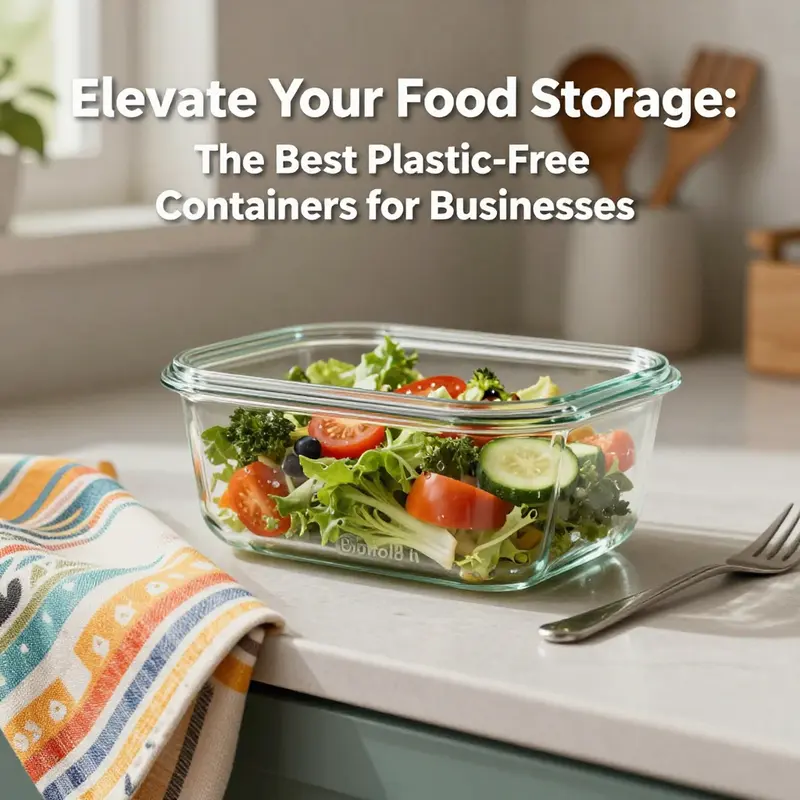
Glass storage has endured as a reliable counterpoint to plastic in home pantries for more than a century. In kitchens that prize clarity and simplicity, glass is valued not only for its transparency but for what it does not do: it does not shed flavors, colors, or chemical traces into food. Modern families, cooks, and eco-conscious homeowners seek containers that can stand up to daily use—freezer, fridge, microwave, pantry shelf—without sacrificing safety or taste. A significant portion of the plastic-free movement leans on glass as the foundational material, particularly borosilicate varieties, which resist thermal shock and help maintain stable temperatures as food moves from oven to table. In practice, this means jars and containers designed with thick walls, smooth rims, and consistently high-quality glass that remains inert under repeated heating and cooling cycles. The goal is not just to replace plastic with glass, but to reframe storage as a long-term partnership with materials that age gracefully, resist staining, and stay clear enough for quick visual checks of what is inside. And because glass is non-porous, it does not absorb oils or odors the way some plastics or imperfect ceramics can. This property makes glass a natural ally for everything from aromatic herbs and bright spices to roasted vegetables and leftover sauces, which often cling to the interior of other containers long after washing. The result is a storage ecosystem built on transparency—literally and metaphorically—where what you see is what you get: a simple, honest relationship with food.
Within this landscape, a particular style of glassware has become a reliable standard in households aiming for plastic-free efficiency. The design emphasizes airtightness, leak resistance, and odor containment, so that a jar stored with pasta remains dry, while a jar kept with broth holds its defining aroma without crossing into the neighboring shelf. The glass itself is the star: it endures chills from the freezer and heat from the microwave when used with non-metal lids, it resists warping, and it never degrades into microplastic particles. In practice, the most durable options are those crafted specifically for food storage, rather than glassware rescued from other uses. The distinction matters: ordinary glass that once housed craft cocktails or decorative vases will not always perform well as a daily kitchen container. The best choices are made to endure frequent washing, cold drops, and occasional rough handling, with surfaces that clean easily and lines that invite stacking to save space in compact kitchens. This combination of resilience and simplicity helps households shift away from disposables and toward a routine that preserves freshness week after week.
The material’s health profile also deserves attention. In recent years, public guidance has shifted away from plastics marketed as BPA-free, as a series of studies revealed that replacements can carry their own risks. Glass, by contrast, is inert and does not release endocrine-disrupting substances under typical kitchen conditions. That is not to say glass is perfect in every situation, but it provides a stable baseline for safe storage. When combined with natural rubber seals or food-grade silicone gaskets, glass jars become formidable tools for everyday cooking and meal prep. These seals, when properly fitted, limit air exchange and moisture movement, which helps keep bread crusts crisper, cereals drier, and soups clearer for days. And because the containers are transparent, you can quickly identify what’s inside, check for spoilage, and plan meals without the guesswork that opaque plastics often require. For families who rotate produce through the week, the option to see at a glance which items have the shortest window for use can help reduce waste and maximize freshness. In a kitchen where time is a scarce resource, fewer surprises mean better planning, and planning begins with the right container in hand.
A strong case for glass storage also rests on durability that does not demand constant replacement. The most robust designs feature a thick-walled body, silicone or rubber seals that resist drying out, and solid metal or glass closures that remain secure for years. They are stackable, which makes them especially appealing in tight spaces, and many are dishwasher-safe for convenience. They handle hot foods with care and allow you to move from oven or stovetop to refrigerator with minimal risk of cracking, provided you respect temperature transitions and do not shock the glass with sudden temperature swings. In effect, durable glass storage becomes a core habit in the kitchen: you cook, you portion, you chill or freeze, and you reheat—knowing that the container you chose will stand up to the cycle without compromising the food or the planet. The ability to reuse a set of sturdy jars for a decade or more aligns with one of the central aims of the plastics-free movement: to reduce waste and embodied energy. There is a quiet efficiency in this approach, a sense that quality matters more than novelty in day-to-day storage.
The practical features of these glass solutions merit careful attention. Airtightness is achieved through precise closures and well-engineered gaskets. A good lid forms a tight seal that prevents liquid leakage and keeps odors confined, which is essential when storing soups, stews, or leftover sauces. For many cooks, the rhyme and rhythm of weekly meal prep depend on these dependable lids. The seal must be robust enough to hold a vacuum state when desired, and it should reopen with ease for everyday access. When you stack several jars of various sizes, a standardized rim diameter helps maintain balance and reduces the chance of toppled heaps in a crowded cabinet. The ability to nest and stack elegantly is not a cosmetic feature; it makes the daily routine more efficient. It also means you can scale your storage with the season. The same set that holds your dried pasta can later cradle cookies and candies, then transform into a vibrant fermentation vessel for small-batch experiments with vegetables and grains. In this sense, glass containers invite experimentation rather than confinement, encouraging cooks to approach food storage as a warm dialogue between tradition and flexibility.
Another strength lies in glass’s resistance to staining and odor absorption. Brass and aluminum utensils can impart metallic notes to items stored in porous containers. Glass, with its impermeable surface, largely prevents that exchange. Spices with strong colors—think turmeric, paprika, or beet—may tint glass slightly, but a careful wash returns it to its original clarity. This attribute is particularly valuable for households that batch-prep sauces, pesto, or dressings, where repeated use could otherwise leave faint flavors lingering in the container. The clarity of glass is more than aesthetic; it supports evidence-based cooking. When you can see the exact level of sauce or the remaining crumb of a cookie, you can gauge how much you have left, plan your shopping list with precision, and reduce waste. This visibility also reduces the cognitive load of everyday kitchen management, freeing mental energy for more creative tasks.
The thermal performance of glass is another practical advantage. Borosilicate glass, well known for withstanding thermal shock, performs well when you move food from the oven to a glass container, or from freezer to plate. It tolerates rapid temperature changes better than ordinary glass, diminishing the risk of cracks. This makes it a suitable vessel for reheating or freezing, provided you follow the manufacturer’s guidelines. It also means you can use the same container for a broader range of foods, from hot pasta to cold desserts, which reduces the need for multiple specialized vessels. In addition, glass’s chemical inertness means you can store acidic foods like tomato sauces without fear of corrosion or flavor transfer. Over time, the combination of sturdy construction and thoughtful design reduces the overall environmental footprint. Fewer replacements, less waste, and more efficient use of storage space all contribute to a kitchen that is both practical and principled.
When it comes to maintenance, durability is matched by ease of cleaning. Many glass containers are dishwasher-safe, which simplifies routine care and supports hygiene. The absence of plastic components that degrade or harbor microplastics means fewer opportunities for contaminants to travel into food during washing. A straightforward washing routine not only prolongs the life of the container but also helps sustain a healthier kitchen environment. In practice, a glass set with metal or silicone lids remains easy to clean; handles stay cool, rims stay intact, and gasket surfaces can be wiped clean without damage. The goal is not to over-tinker with the design but to use products that require minimal effort to maintain. After all, a well-kept container tends to perform better over time, resisting cracks, clouding, or color transfer that would otherwise undermine the trust you place in it every day.
For readers curious about expanding their non-plastic collection, a simple route is to explore the broad family of glass storage options derived from time-tested methods and modern innovations. A practical starting point is the category of storage containers that focuses on everyday labors in the kitchen. These options cover a range of sizes, shapes, and closures, offering a unified system that is easy to adopt. To explore this category and find a solution that fits your rhythm, you can browse here: storage containers. The category page highlights jars, canisters, and other rigid vessels designed to hold dry goods, leftovers, and meal-prep portions with minimal risk of plastic involvement. The appeal lies not only in the materials but in the design: the dialed-in lid fit, the uniform rims for stacking, and the predictable performance across a range of temperatures and uses. As you assemble your kit, consider mixing sizes to accommodate everything from a handful of grains to a generous bag of greens, and you will see how a thoughtful system reduces clutter while promoting a low-waste lifestyle.
In line with responsible consumption, this chapter also underscores the importance of seeking alternatives to single-use plastic wraps. Reusable wraps woven from organic fabrics offer a breathable, adaptable cover for bowls and plates without sealing containment that could trap moisture undesirably. They excel in food preservation while being flexible enough to accommodate awkward shapes. They are an excellent complement to glass containers: you can cover a bowl of soup with a beeswax wrap and still maintain a plastic-free interior. When used together, these approaches create a cohesive storage strategy: glass for the sturdy keeping of contents, wraps for flexible protection of the open surfaces, and occasional silicone lids for the occasional tight seal. This synergy helps minimize waste and maximize freshness.
The environmental argument for glass storage extends beyond waste reduction. Durable glass containers minimize the need for frequent replacements and the energy required to manufacture new vessels. The production cycle for glass is energy-intensive, but the longevity of well-crafted jars means fewer items end up in landfills. Together with metal or silicone closures, they create a system that can last for decades with proper care. In homes that practice batch cooking, the habit of storing portions for the week reduces daily cooking energy. The result is a practical approach that aligns with broader sustainability goals: less plastic, less waste, and a kitchen that remains adaptable to changing routines. The narrative around plastic-free storage is not about wielding a single hero container; it is about cultivating a responsive framework that makes it easier to avoid disposables in the first place.
External considerations also shape how people decide which glass containers to adopt. For some households, dishwasher cycles and temperature limits are critical, while others prioritize the ability to reheat directly in the same vessel. In every case, the right glass solution brings consistency to a kitchen’s storage methods. And while no single design fits every pantry, the general principle remains: durability, safety, and ease of use should guide the choice when moving away from plastics. The end result is a storage ecosystem that heals with time, rather than one that breaks under it. The path to plastic-free storage is not a single leap but a cultivated practice that evolves as your cooking and shopping patterns change.
Finally, as you cultivate your collection, consider where these containers live in your home. Some keep a few jars on a pantry shelf for dry goods; others dedicate a small cabinet for weekly leftovers and batch-prep meals; and a few integrate with a kitchen island or prep space to keep ingredients close to hand. The common thread across these arrangements is clarity: a system where items are easy to identify, easy to access, and easy to repackage as needed. A tasteful, durable glass set becomes more than a utility; it becomes a quiet partner in daily life, reducing waste, supporting healthier eating, and shaping a kitchen that respects the planet.
External resource: https://www.bormiolirocco.com/en/
null
null
Timeless Glass, Lasting Practice: Reclaiming Vintage Borosilicate Jars for Plastic-Free Food Storage
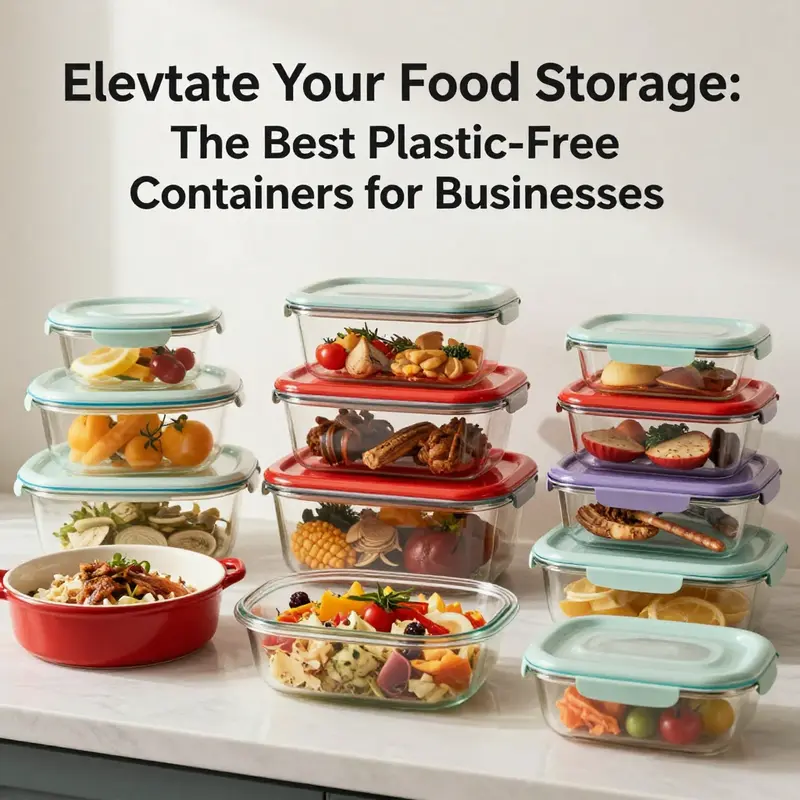
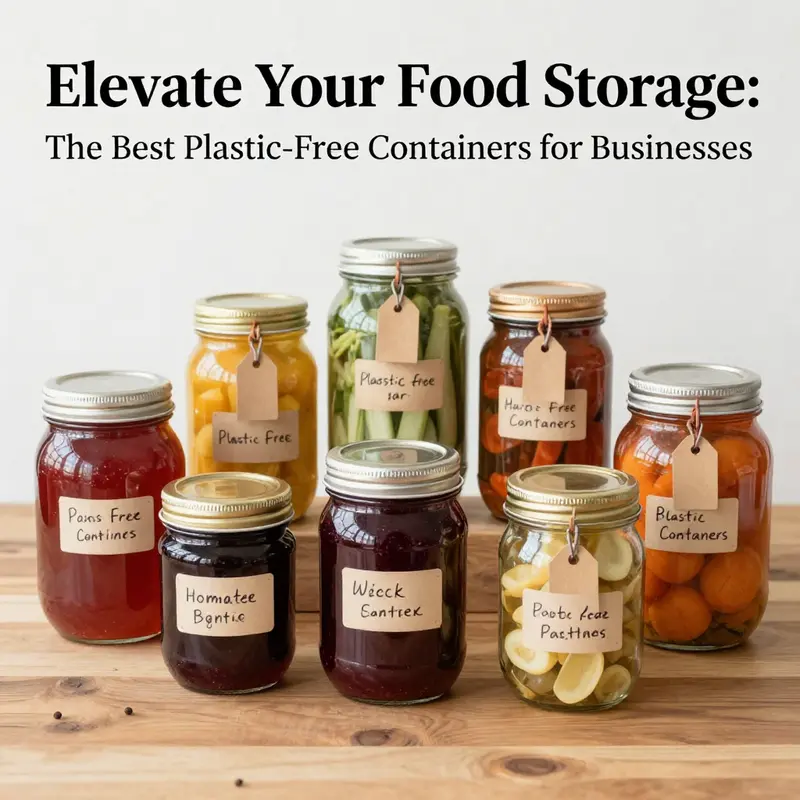
A quiet revolution travels through kitchens that refuse to settle for waste, and it often begins with a single, clear container. The story of plastic-free storage isn’t only about new materials or bold claims. It is also a narrative of the past meeting the present in the form of vintage borosilicate glass jars and bowls that endured decades of daily use. In cultural terms, these pieces embody a kitchen ethos where beauty and utility coexist, where homemaking is a craft as much as a habit. Dr. Laura Thompson, a cultural historian who studies domestic artifacts, has framed vintage glassware not merely as vessels but as tactile links to a time when everyday objects were designed to be seen, handled, and appreciated. Her observation—that vintage glassware represents more than function, but a form of craft and care—anchors the chapter. The jars and bowls from mid-century households carry memories of family suppers, improvised remedies for leftovers, and the quiet ritual of keeping foods safe and audible in the pantry. This cultural resonance is a reminder that plastic-free storage can be about more than reducing waste; it can be about reclaiming a sense of stewardship over the food we store and the dishes we prepare.
Borosilicate glass, the backbone of these enduring vessels, holds a particular appeal for anyone seeking a plastic-free approach. Glass offers a non-porous surface that does not impart flavors, odors, or chemicals to food. It is a material that endures, resisting the stains of time and the knocks of daily use. The clarity of glass makes contents instantly visible, a practical feature that supports mindful portioning and meal planning. When you can see the food clearly, you are more likely to monitor freshness, avoid overbuying, and adjust storage practices to the actual needs of the week. This transparency is not only functional but aesthetic, inviting a calm and organized kitchen atmosphere that aligns with a plastic-free ethos. The historical preference for glass in many households reflects an intuitive trust in safer materials, a trust that modern research continues to echo as experts encourage avoiding plastics altogether when possible and embracing glass, silicone, metal, or natural textiles as safer, longer-lasting options.
The practical dimensions of mid-century glassware extend beyond mere safety. These containers were designed with real-life kitchen rhythms in mind. They could go from freezer to oven, depending on their borosilicate composition, without the fear of cracking or leaching. The ability to perform across temperature extremes—freezing, reheating, and serving—made them versatile workhorses in the home. Their non-porous surfaces resist lingering smells and flavors, an advantage for batch cooking and recipe experiments that involve garlicky marinades, citrusy sauces, or strong cheeses. And because their glass bodies are durable, these pieces survived countless cycles of dishwashing, often outliving their current plastic counterparts by decades. The aesthetic dimension is hard to overlook, too. The glass catches light and reveals the true color of stored ingredients, from pale grains to dark dried beans. The experience of opening a glass jar and seeing crisp, unchanged contents creates a sense of confidence in the kitchen—a confidence that storage is safe, healthy, and respectful of the food itself.
In practice, a truly plastic-free kitchen often requires attention to the details of lids and closures. The mid-century approach that makes these vessels so compelling centers on glass bodies paired with reliable, sometimes minimal, closures. Glass canning jars, with rubber gaskets and metal lids that seal tightly, exemplify this fusion of safety and longevity. The two-piece gasket design provides an airtight seal when the lid is cranked down, helping to preserve freshness for dry goods, ferments, or prepared meals. This design speaks to a philosophy of storage that prioritizes long-term use over disposable convenience. Even when modern equivalents incorporate silicone seals or metal lids, the principle remains recognizable: a secure, durable closure that minimizes contact with potentially harmful plastics or additives. For those who want to minimize plastic entirely, choosing containers with metal lids and simple gasket systems, or opting for glass without any plastic components, aligns with the core idea of a plastic-free pantry. The result is a storage system that ages gracefully, like the glass itself, while continuing to serve a modern household with the same calm reliability it offered generations ago.
Yet the romance of vintage glassware does not erase practical considerations. The era that produced these containers existed alongside growing attention to environmental and health implications of plastics. It is important to acknowledge that while the glass remains plastic-free, some matching lids and seals introduced later were not. A few contemporary designs that pair glass bodies with lids incorporate plastics in ways that can complicate a strict plastic-free approach. The wiser path, in line with current health guidance, is to seek glass storage options that rely on non-plastic closures or on alternatives like metal, natural rubber, or silicone components where they are truly necessary and well-contained. In this sense, the vintage pieces offer a template for thoughtful modern practice: use glass where possible, minimize plastic in the closure system, and complement with safe, non-plastic storage practices for the rest of the kitchen. This mindset supports a practical, long-term transition toward safer storage that does not demand a wholesale abandonment of beloved glassware.
What strengthens the appeal of vintage glass is less about novelty and more about the human connection to daily life. The mid-century kitchen was a workshop where function, form, and care converged. In that sense, these containers function as artifacts that invite people to slow down and consider how they store the foods they love. They encourage portion control without the sting of waste, as their generous, often generous shapes make it easy to portion meals for the week. Their presence in the pantry or on the shelf also provides a tangible reminder of the value of durability. In a time when many households are reassessing consumption patterns and seeking durable, repairable solutions, vintage glass offers a model for resilience. The aesthetic of the old glass, with its clear lines and bright surfaces, helps to reduce the tendency to hide food behind opaque packaging. Instead, it invites a clear, organized approach to meal prep and storage that resonates with contemporary goals of safety, health, and sustainability.
Of course, the modern kitchen does not exist in a vacuum. It operates within a broader ecosystem of plastic-free options that range from breathable cotton produce bags to beeswax wraps and from silicone pouches to sturdy metal tins. The optical appeal of glass does not require choosing between tradition and practicality. Instead, it complements these other options, weaving a more robust and adaptable approach to storage. For those who are expanding beyond glass, the goal remains simple: minimize plastic contact with food and maximize reuse, durability, and safety. In practice, this means selecting a mix of containers and textiles that together support a low-waste workflow. A well-planned storage system might involve glass jars for dry goods and leftovers, cotton bags for produce, and beeswax wraps for covering bowls or wrapping items for refrigeration. Together, these choices create a cohesive, flexible, plastic-free environment that honors both past craftsmanship and present health concerns. For readers curious about a broader suite of plastic-free storage options, exploring the storage containers category can be a natural next step. It offers a practical gateway to expand capacity and variety while keeping plastic exposure to a minimum.
Together, these threads—the cultural memory of mid-century glassware, the material strengths of borosilicate, and the thoughtful integration with other plastic-free options—form a coherent philosophy of storage. The aim is not to live in the past but to borrow from it what remains valuable: durability, clarity, and a respect for the foods we keep. The vintage glass shapes our daily habits by encouraging careful handling, mindful portioning, and an appreciation for the way a well-made container can preserve the integrity of a meal. It is a reminder that plastic-free storage is not a set of sacrifices but a curated approach to kitchen life—one that honors craftsmanship, health, and the planet.
For those seeking a deeper historical lens, the narrative of vintage borosilicate glass in home kitchens is well documented and widely discussed in research that highlights its enduring status as a plastic-free material. The discussions emphasize how such glassware has inspired contemporary lines that respect the classic aesthetic while integrating modern convenience. This continuity shows that the value of plastic-free storage extends beyond the goal of eliminating plastics; it encompasses a broader appreciation for materials that stand the test of time, encourage reuse, and invite ongoing care and stewardship of our food. In this light, vintage borosilicate glass remains not only a practical choice but a cultural touchstone that informs current and future approaches to sustainable, plastic-free storage.
See the related discussion in the broader literature on the topic, which explores how early glassware became a symbol of both functionality and design fidelity in home kitchens, and how that legacy continues to influence contemporary choices in durable, plastic-free storage solutions. For broader historical context on vintage glassware and its collectibility, consult additional resources on mid-century kitchenware and the evolution of glass in daily use. This layering of history, practicality, and aesthetics helps to illuminate why plastic-free storage—anchored by glass—retains its vitality in modern kitchens. It invites ongoing experimentation with how best to combine glass, natural fabrics, and carefully chosen non-plastic closures to create a kitchen that is both beautiful and responsible.
External reference for further context on the cultural and historical value of vintage plastic-free glassware: https://www.museumofamericanhome.life/vintage-pyrex-collectibility
Breathing Fresh: Cotton Produce Bags as a Cornerstone of Plastic-Free Freshness in Everyday Storage
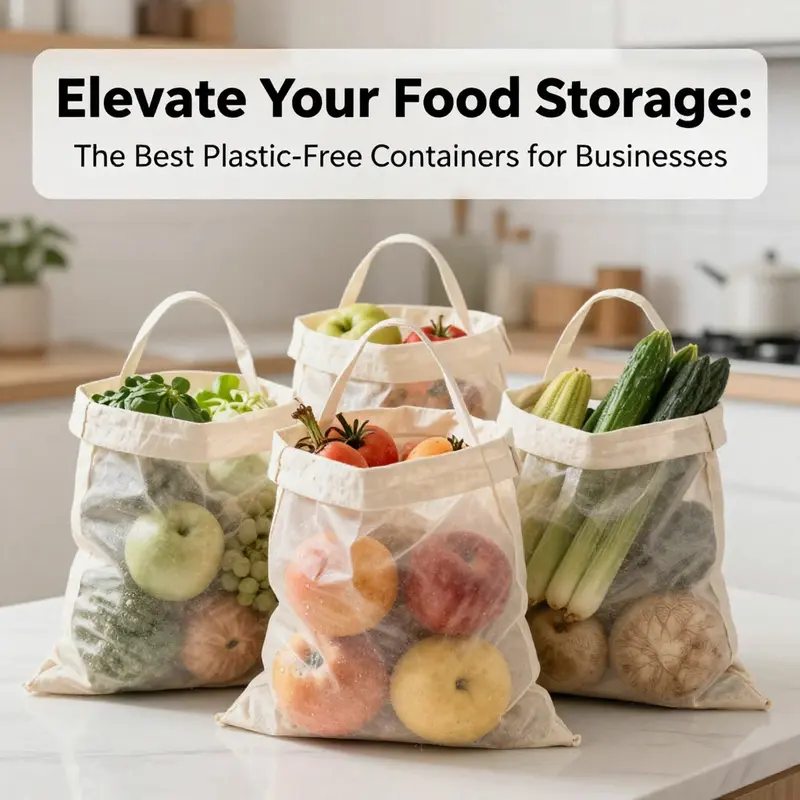
Cotton produce storage bags offer a tangible, everyday pathway toward a plastic-free kitchen without sacrificing practicality or convenience. They sit at the crossroads of health, environmental stewardship, and sensible design, appealing to households that want to reduce plastic without complicating the rhythms of grocery shopping, meal prep, and food preservation. In a broader chapter about the best plastic-free food containers, cotton bags occupy a distinctive niche: they address freshness at the source, the moment fruits and vegetables leave the market, while also aligning with the ethos of reuse and compostability that underpins the entire plastic-free movement.
At first glance, the appeal of these bags is straightforward. They are made from organic cotton, a material chosen for its breathability and durability. Breathability, far from being a mere feature, is central to how many fresh produce items stay appealing longer. When produce travels from the store to the fridge or the pantry in a sealed plastic pouch, moisture can become trapped and create a microclimate that encourages condensation, mold, or rot. Cotton, by contrast, allows air to circulate around each item. This airflow helps prevent moisture buildup and reduces the likelihood of anaerobic conditions that can hasten spoilage. The result is a kinder environment for delicate greens, berries, or herbs, and a more forgiving storage system for households that forget to check the crisper every day.
The fabric’s natural structure also contributes to a practical reality: these bags are wash-and-use, not single-use. After a shopping trip or a week of storage, a simple rinse or light machine wash followed by air drying can refresh the bag itself, ready for the next round of produce. This repeatability is at the heart of their eco-friendly appeal. Rather than discarding a plastic wrap or a disposable bag after a single use, you can reuse a cotton bag again and again. Over months and years, this continuity translates into less plastic entering landfills and fewer resources diverted to manufacturing disposable alternatives.
Size and flexibility are additional advantages. Cotton bags come in a range of sizes that accommodate everything from compact cherry tomatoes to large bunches of leafy greens. The drawstring closure is a small but meaningful design detail. It keeps contents secure during transport and storage while still enabling quick access when you’re preparing meals. Unlike rigid containers that require exact fits, these bags adjust to the shape of your produce, reducing bruising and optimizing cabinet or refrigerator space. In this sense, design thinking behind cotton produce bags mirrors the broader philosophy of plastic-free storage: simplicity, versatility, and respect for what you’re storing.
From a health and safety perspective, organic cotton is a sensible foundation for everyday food handling. Organic cultivation avoids some of the chemical residues associated with conventional cotton production, and the absence of plastic in direct contact with fresh produce reduces the risk of leaching or chemical transfer that can occur with certain plastics in contact with foods. While no material is perfect for every scenario, cotton bags provide a transparent and predictable option for non-liquids and semi-dry items. They are particularly well-suited for fruits, vegetables, nuts, grains, and bulk-bought produce that benefits from ongoing airflow rather than airtight secrecy. The goal is not to seal every item away from air but to balance freshness with accessibility, which is where cotton bags excel.
An important caveat follows from the inherent permissions of breathable fabrics. Because these bags do not seal in moisture, they are not ideal for liquids or highly viscous substances. They also require mindful use around damp produce; allowing fruit and vegetables to dry before tucking them into a cotton bag can preserve texture and reduce the risk of surface mold. The good news is that the everyday kitchen already teaches us to treat produce with care: wash before use, dry after washing, and store according to the item’s natural tendencies. Cotton bags simply offer a storage approach that complements these habits rather than complicating them.
In practical terms, the role of cotton produce bags extends beyond merely transporting groceries. They are a convenient solution for meal prep and household organization. Imagine a week’s worth of ingredients pre-bagged for different meals, ready to reach for from the fridge or pantry. The drawstrings keep contents tidy, and the soft, breathable fabric makes it easy to label or color-code bags by produce category or recipe. For families or solo dwellers who shop in bulk, these bags support a more intentional approach to consumption: buying what you’ll actually use, reducing food waste, and avoiding cling film or zip-top bags that contribute to plastic waste.
Another notable benefit lies in how these bags integrate into broader storage ecosystems. They pair naturally with other plastic-free options such as glass jars for dry goods, or silicone pouches for flexible storage needs. When you arrange a kitchen with a mix of sustainable containers, you create a visual and functional system that makes sustainable choices easier to maintain over time. For readers exploring this chapter, a practical entry point is to explore a curated range of storage options and observe how cotton bags complement, rather than replace, other plastic-free solutions. A convenient way to start is to consider insertion points where cotton bags shine: produce at the point of sale, bulk dry goods in the pantry, and lunch-packaging initiatives that emphasize reusability. If you’re looking to broaden the search for compatible storage solutions, you can explore storage containers within the same ecosystem, ensuring a cohesive, plastic-free workflow.
The environmental story of cotton bags is tied to the lifecycle of the material itself. Organic cotton represents a farming approach that minimizes synthetic inputs and supports soil health. While it doesn’t erase the ecological footprint of textile production, it reduces it relative to conventional cotton and many plastic alternatives over time. Reuse, ultimately, is the most powerful lever in this narrative. Each bag that stays out of a landfill and continues to serve multiple grocery cycles compounds the environmental benefit. And when the bag reaches the end of its usable life, it can be integrated into composting streams where available, or repurposed for non-food uses around the home. The point is not perfection, but progress that adds up as part of a broader commitment to lower-plastic living.
The chapter’s connective tissue with the rest of the article centers on a simple, customer-centered question: what should a plastic-free kitchen feel like in daily practice? Cotton produce bags answer with a light touch—easy to carry, easy to wash, and easy to integrate into a weekly routine. They invite a mindset shift away from disposable norms toward durable, responsive storage that respects both the food we buy and the environment we share. They also illustrate a broader principle of plastic-free design: embrace tools that play well with the things they’re meant to protect. In other words, the best plastic-free containers aren’t merely substitutes; they are thoughtfully matched partners that celebrate the inherent properties of different foods.
To help readers connect these ideas with concrete choices, consider the way cotton bags engage with a broader system of reusable options. For example, when planning an organized kitchen, think of the bags as flexible sleeves for produce that you can drop into a larger, plastic-free storage map. You might place herb bunches in a small bag that allows gentle airflow to keep leaves crisp and aromatic, while sturdier produce like apples or pears could inhabit larger bags with room for air circulation around each item. This adaptable approach reduces waste and keeps the kitchen calm, a quiet testament to how small changes accumulate into meaningful sustainability.
As with any component of a plastic-free storage strategy, awareness matters. Understanding what a cotton bag can and cannot do helps set realistic expectations. They are not a universal solution for every food type, but they shine where airflow, gentle handling, and repeat use are most valuable. They work best when combined with mindful shopping and responsible storage habits: washing after use, letting contents dry before closing the bag, and choosing appropriate sizes for different produce categories. Taken together, these practices create a living system that aligns with long-term goals for healthier meals and a healthier planet.
For readers who want to explore the broader landscape of plastic-free storage options that pair well with cotton bags, a noteworthy entry point is the category of storage containers where you’ll find a range of glass and silicone solutions alongside textile options like these cotton bags. This broader view helps you design a kitchen that reduces plastic without compromising ease of use or food safety, and it offers a practical path toward a more sustainable pantry without sacrificing everyday convenience. To learn more about related storage options, visit the storage containers category.
External resource: For a more detailed examination of organic cotton produce bags, see Sustainable Living’s guide at https://www.sustainableliving.org/organic-cotton-produce-bags-guide.
Final thoughts
Transitioning to plastic-free food storage containers not only enhances the sustainability of your business but also contributes to healthier food practices. As we analyzed the diverse options available—from Le Parfait’s stunning glass jars to the innovative designs from Weck and the timeless appeal of Vintage Pyrex—it’s clear that these alternatives provide superior safety and longevity for your food offerings. By adopting these eco-friendly solutions, food service establishments can uphold their commitment to sustainability while improving overall food quality.