

As the food industry evolves, the implications of plastic packaging food containers in Maisons-Alfort, France, become increasingly crucial for bubble tea shops, restaurants, food trucks, catering services, and corporate procurement teams. This article explores the significant concern of microplastics and their impact on food safety, the regulatory framework guiding these materials, the associated health risks, safer alternatives, and the vital role of consumer awareness. Each chapter provides a detailed examination of how these components interlink to form a comprehensive understanding of the current plastic packaging landscape in Maisons-Alfort.
When Food Is Contained: Microplastics, Health, and the Realities of Plastic Packaging in Maisons-Alfort, France
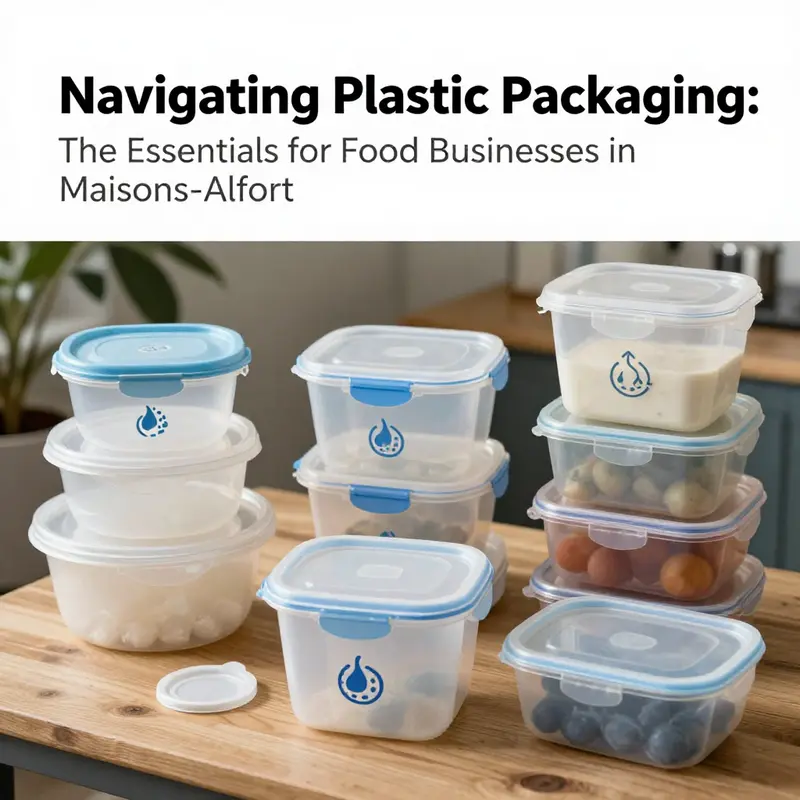
In Maisons-Alfort, as in much of France, the everyday act of storing, transporting, and consuming food increasingly unfolds within the quiet exchange between shelf and container. Behind the simple convenience of a take-out carton or a chilled storage tub lies a complex science about microplastics and chemical additives that migrate from packaging into the food we eat. The concern is not limited to a distant laboratory finding; it is embedded in regulatory patterns, local health advisories, and the lived experience of households who routinely rely on plastic containers for meals, leftovers, and small snacks. In this light, the chapter that follows examines how microplastics behave in the most intimate of spaces—the kitchen—and why Maisons-Alfort sits at the intersection of rigorous French oversight and a global conversation about safe materials in contact with food. Although direct, site-specific data for Maisons-Alfort remains scarce, the broader French and European evidence provides a coherent frame for understanding potential exposures and the pathways by which plastic packaging can influence food safety in this community.
Microplastics, defined as plastic particles smaller than five millimeters, can originate from a variety of packaging materials, including polystyrene (PS), polypropylene (PP), and polyethylene terephthalate (PET). In the French context, the Agency for Food, Environmental and Occupational Health & Safety (ANSES) has foregrounded the issue, underscoring that even containers labeled as BPA-free can still contribute to microplastic contamination. The physical and chemical processes that drive this leakage are well understood: heat, mechanical stress, and surface degradation conspire to shed particles, especially when containers are reused, abraded, or exposed to hot or fatty foods. In practical terms, that means the inner surfaces of a rough PS take-out box or a worn PP lidded jar can become a source of microplastics, particularly after repeated use or exposure to high temperatures.
A sober synthesis of the available evidence points to a few core dynamics. First, microplastic release is not a purely chemical event; physical wear and tear play a decisive role. The same surface roughness that makes a container easy to grip or a lid easy to twist can also become a cradle for microplastics when the container experiences friction, tumbling in a dishwasher, or contact with hot liquids during storage or reheating. Second, the leaching of microplastics is magnified by heat and by prolonged contact with food substances high in fats or oils. These factors converge in kitchens where leftovers are stored for days, or where meals are kept in containers for reheating in microwave or oven settings. The emphasis on heat is particularly salient in a climate like France’s, where family meals and take-out habits often involve warm or hot-served dishes, sometimes packaged for convenience rather than long-term storage.
The French regulatory and scientific stance is not merely descriptive; it translates into policy momentum. ANSES, headquartered in Maisons-Alfort, has been at the forefront of assessing microplastic presence in food-contact materials and the potential health ramifications. The agency has repeatedly highlighted not only particle release but also the co-occurrence of chemical contaminants such as phthalates and bisphenols (including BPA, BPS, and BPF) that may migrate into food alongside or independently of microplastics. The combined toxicological burden—physical particles plus chemical additives—can complicate risk assessments and underscores why even “BPA-free” claims may not guarantee safety. The simplification that plastics labeled BPA-free are automatically safer is no longer tenable in light of these findings; the picture is more nuanced and calls for a precautionary approach in daily life as well as stronger regulatory guardrails.
To illuminate the scale of potential exposure, researchers sometimes rely on proxy data from other urban centers to illustrate how microplastics accumulate in packaging. In urban contexts outside France, analyses of take-out containers have recorded a surprisingly high microplastic abundance, particularly within PS-based packaging. Some studies identified 3 to 29 microplastic particles per container, with rough inner surfaces correlating with greater shedding. While these figures come from Chinese cities, they offer a critical proxy for understanding comparable packaging landscapes in European settings such as Maisons-Alfort, where takeaway culture and consumer demand for affordable, lightweight containers are similarly pronounced. The practical implication is clear: even routine handling, or a modestly heated meal that sits in plastic for a brief period, can introduce microplastics into the edible contents. A frequently cited scenario—consuming take-out 4–7 times a week—has been associated with ingestion estimates of hundreds of microplastic particles weekly through packaging alone. Although these numbers are context-dependent and not directly transplanted onto French daily life, they function as a sober reminder of potential exposure pathways that can accumulate over time.
Beyond particles, chemical contaminants demand equal attention. Phthalates and bisphenols, among other additives, can migrate from plastic containers into food, contributing to risks that include endocrine disruption and interference with metabolic regulation. The reassuring label of “BPA-free” does not eliminate risk, because alternative bisphenols and related additives can exhibit similar behavioral patterns in migration and biological effect. In Maisons-Alfort, these concerns dovetail with a broader European regulatory trend that is progressively tightening testing standards, labeling requirements, and the materials allowed for direct contact with food. The regulatory trajectory is not merely about safety; it is also about transparency—giving consumers better information about what is inside the packaging they routinely use for storage and heating.
From a public health perspective, the lesson in Maisons-Alfort is not to shutter use of all plastics but to cultivate informed choices and safer practices. ANSES recommends stronger material safety standards, more robust labeling, and a shift toward alternative packaging solutions where feasible. This is not a call to abandon modern convenience; rather, it is a call to design and use packaging in a way that minimizes risk without sacrificing food security or accessibility. In practical terms for households and local institutions, it means prioritizing non-plastic or highly inert materials for longevity and exposure reduction, avoiding repeated use of fragile containers that show wear, and avoiding prolonged contact between hot foods and plastic surfaces. It also means paying attention to storage duration, especially for foods with higher fat content, which can facilitate both leaching and migration.
For the local reader, a practical touchpoint lies in the everyday ecosystem of packaging options available in the region. While the focus of national and regional authorities remains on assessing and mitigating risks, communities can begin to shift behavior by embracing packaging choices that reduce exposure potential. The packaging landscape includes options beyond plastics, such as glass or metal containers for certain storage needs, and the adoption of reusable systems that minimize single-use plastic exposure. The broader narrative is not a call for fear, but a call for informed decision-making in tandem with regulatory progress. In the meantime, households can practice simple habits that reduce risk: avoid heating food in plastic containers, transfer leftovers to non-plastic vessels for reheating, and label or date containers to prevent long-term storage that could promote degradation.
For readers seeking a deeper, official account that anchors this discussion in current science and policy, the ANSES publication provides a comprehensive, up-to-date synthesis of chemical and microplastic contamination in food packaging. It is a crucial resource for understanding how the regulatory environment in France and the European Union is evolving to address these interwoven risks. As the evidence base grows, so too will the emphasis on safer materials, clearer consumer information, and smarter design choices that keep food safe from the kitchen to the table. In this sense, Maisons-Alfort’s role in hosting ANSES underscores the city’s contribution to a national conversation about how modern consumption intersects with health and environment.
For further context, one can explore a broader catalog of packaging resources that discuss the array of materials, technologies, and practices shaping modern packaging choices. The internal packaging resources offer a spectrum of options and design considerations that may influence future decisions in households and institutions alike. Understanding the landscape of packaging categories helps illuminate why certain materials are favored in particular applications and how those choices ripple through health, safety, and environmental impact. As such, the conversation around microplastics in Maisons-Alfort is part of a larger, ongoing dialogue about how the simplest acts—storing a meal, reheating a plate, or packing a lunch—are embedded within a system that increasingly recognizes health as inseparable from the materials we choose to surround our food with. The path forward lies in balancing convenience with precaution, and in translating robust scientific findings into everyday practices that protect public health while respecting the practical rhythms of urban life.
Internal link for related packaging considerations: plastic-packaging
External reference for authoritative assessment: https://www.anses.fr/en/publications/chemical-and-microplastic-contamination-food-packaging
Guardians of Safety: Navigating the EU Framework for Plastic Packaging Food Containers in Maisons-Alfort
Maisons-Alfort, a town embraced by the Île-de-France corridor, sits at an intersection where science, regulation, and everyday life converge. The regulatory framework governing plastic packaging that touches food is not born in a single local decree; it travels from European directives into national French regulations and then through regional and local enforcement. In this sense, Maisons-Alfort functions as a microcosm of how policymakers translate high-level safety objectives into practical rules for manufacturers, retailers, and households. The story here is not only about compliance on paper but about how risk is understood, tested, and communicated in a way that protects public health while acknowledging the realities of modern material use. Within this frame, the chapter that follows traces how the EU’s evolving approach to food contact materials, reinforced by targeted nationwide assessments, shapes decisions made by laboratories, regulators, and consumers in Maisons-Alfort and beyond. It also foregrounds how new scientific findings about micro- and nano-scale contaminants intersect with regulatory advances, shaping both the perception of risk and the design of safer packaging systems for the food sector in France.
Two central pillars anchor the legal landscape. First, Regulation (EU) 2022/1616 delineates the governance of recycled plastics used in materials and articles intended to contact food. It defines criteria for safety, traceability, and process controls that must be demonstrable before a recycled stream can be used in contact with meals, dairy, and other everyday foods. Second, the ongoing refinement by Regulation (EU) 2025/2269, which corrects technical errors and clarifies Article interpretations, sharpens the oversight of these materials. The revised package intensifies labeling requirements so that consumers can readily identify recycled content and recognize conformity through standardized symbols, including the glass-and-fork emblem mandated by Regulation (EC) No 1935/2004. The changes also elevate transparency around the development of new recycling technologies. Developers are now expected to publish initial safety reports during the notification phase on public websites, an obligation that enhances accessibility to data and reduces information gaps that might obscure potential risks. In practice, these shifts mean that the local packaging market in Maisons-Alfort, and across France, must demonstrate a robust, auditable chain of custody—from the raw input through the cleaning, decontamination, and reconstitution processes—to ensure a finished container that can safely contact a range of foods over its life cycle. The net effect is a more transparent system where safety is built into design, manufacturing, and labeling, rather than being inferred after the fact. In this ecosystem, the simple act of purchasing a storage container becomes a decision informed by a constellation of regulatory signals and technical attestations rather than a cursory glance at price and appearance. The internal category of plastic packaging thus serves as a focal point for understanding how rules translate into real-world choices, guiding both producers and households toward safer materials and clearer information.
A pivotal thread in the regulatory fabric concerns nanomaterials, particularly titanium dioxide (TiO2) particles, which have historically found their way into various food-contact applications to modify appearance and transparency. In 2024, ANSES—the French Agency for Food, Environmental and Occupational Health & Safety—conducted a targeted investigation into the migration of TiO2 nanoparticles from food packaging, with the work carried out in Maisons-Alfort. The study’s outcome—that migration occurred from packaging used for common dairy products—highlights a critical nuance: even materials branded as safe on the basis of traditional chemical limits may pose exposure routes through nano-scale constituents, especially when recycled content is involved. The dairy context matters because dairy products, often high in moisture, interact differently with packaging layers than dry goods. Yet the implications ripple beyond dairy shelves. They touch on the broader question of how recycled plastics are decontaminated and reconstituted and what testing regimes are necessary to ensure that any residual nanoscale phases do not compromise hygiene, flavor integrity, or consumer safety. The ANSES findings feed into a broader risk-management dialogue that must balance the benefits of recycling with the imperative to prevent unintended migration and exposure. In Maisons-Alfort, as in other French jurisdictions, the result is a heightened emphasis on migration testing, material characterization, and the disclosure of technical data that could influence risk perception and regulatory acceptance. The conversation is not about banning recycled plastics; it is about building rigorous, verifiable safety cases around them and ensuring that labeling, documentation, and decontamination processes are sufficiently rigorous to reassure the public while enabling the circular economy. This dynamic is central to how local actors view product stewardship: the idea that safety milestones, like validated migration thresholds and transparent safety reports, become part of the everyday decision-making toolkit for manufacturers and retailers who operate within the EU framework.
The regulatory architecture extends from the EU and national French layers into the practical domain of enforcement and compliance. The European system requires member states to align with migration limits, hygiene criteria, and labeling obligations, while France implements these directives through national guidance, standards, and compliance checks. In Maisons-Alfort, inspections, audits, and testing regimes are performed in concert with the country’s consumer protection and food-safety authorities. The DGCCRF plays a key role in ensuring that packaging used in retail and food service adheres to the declared standards, that recycled-content claims withstand verification, and that decontamination steps in recycling lines are well documented and capable of being audited. The outcome is a compliance environment that privileges traceability—clear provenance of materials, demonstrable decontamination effectiveness, and accessible safety data—so that a consumer can trace a container back to its source materials and processing history if questions arise. In everyday terms, Maisons-Alfort residents benefit from this vigilance through clearer product labeling, and through a market that increasingly values materials that can demonstrate safety across a spectrum of uses, from dairy to ready-to-eat meals. The emphasis on risk transparency does not commoditize uncertainty; it seeks to structure it so that decisions are guided by data rather than trust alone. This is a shift toward robust communication about recycled-content goods, where the presence of recycled plastics is not a stigma but a data-point supported by evidence and open reporting.
For individuals and smaller enterprises in Maisons-Alfort, the regulatory narrative also translates into practical choices and responsible planning. The evolving framework does not render plastic packaging obsolete; instead, it encourages better design, cleaner recycling streams, and clearer disclosures that collectively reduce the chance of unwanted migration. Households may find reassurance in packaging that clearly discloses recycled content and conforms to the glass-and-fork symbol, while businesses can prepare for anticipated disclosures and data-sharing requirements as a condition for market access. The shift toward transparency fosters a culture of accountability, where materials are not treated as generic inputs but as products with a traceable history and a defined post-use path. In this light, the packaging ecosystem—ranging from suppliers of raw plastics to processors, recyclers, and retailers—works within a system that rewards safety-tested innovations and discourages opaque or misleading claims. The practical takeaway for residents is simple: seek out containers that provide clear safety information, prefer durable, non-plastic storage for hot or fatty foods when possible, and remain attentive to evolving labeling standards that reflect the EU’s and France’s shared commitment to safer food contact materials.
Looking forward, Maisons-Alfort and the broader French context can anticipate continued refinement of the regulatory scaffold. Expect stronger data-sharing obligations, more explicit decontamination process disclosures, and a continued emphasis on migration testing across a wider range of materials and food matrices. The combination of scientific assessments—like the TiO2 migration study in Maisons-Alfort—with a regulatory regime that prioritizes transparency and consumer information creates a robust platform for safer packaging choices. While the push toward recycled content supports environmental goals, it also demands rigorous safety documentation and proactive risk communication so that households, retailers, and manufacturers can navigate the transition with confidence. The regulatory journey in Maisons-Alfort thus illustrates a pragmatic equilibrium: embracing circular economy principles while maintaining high standards of food safety, hygiene, and consumer trust. It is a dynamic where policy, science, and everyday life inform and reinforce one another, ensuring that the small, everyday act of storing a meal remains consistent with a broader commitment to public health and environmental stewardship.
For a deeper technical understanding of TiO2 migration and the regulatory responses that shape it, see the ANSES assessment: https://www.anses.fr/en/content/assessment-tio2-nanoparticles-migration-food.
Thin Barriers, Thick Burdens: Health Risks of Plastic Food Packaging in Maisons-Alfort, France
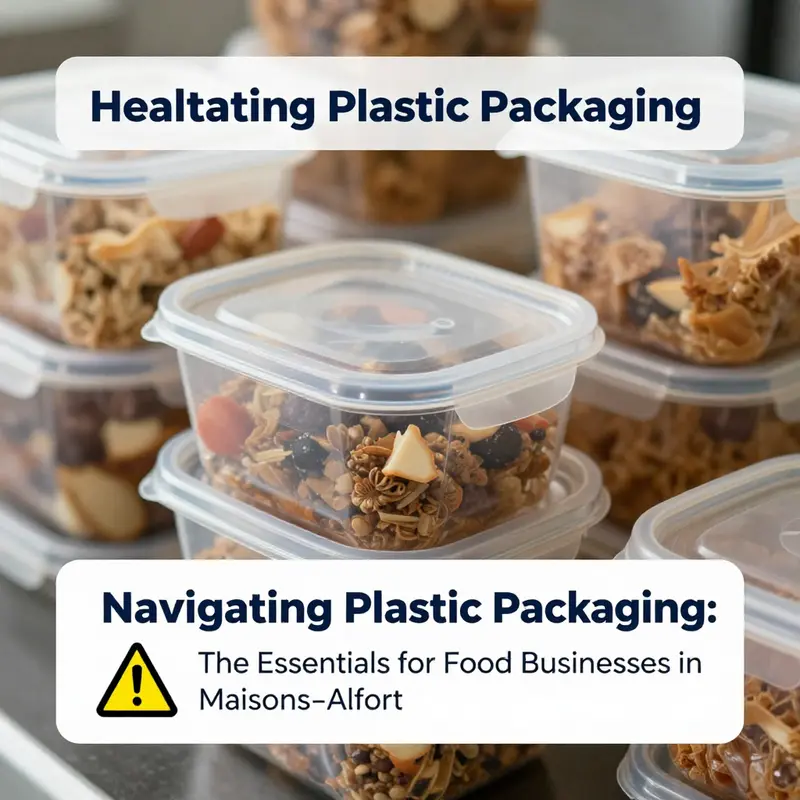
In Maisons-Alfort, as in many communities across France, the everyday act of storing, reheating, and consuming food often unfolds within a landscape dominated by plastic packaging. The convenience of transparent containers, the light weight of take-out boxes, and the affordability of disposable ware shape habits that echo far beyond a single meal. Yet beneath the surface of convenience lies a web of health concerns tied to food contact materials. While no local study may map every container used in Maisons-Alfort, the broader science landscape paints a consistent picture: plastic packaging can transfer chemical substances to food, and, over time, microplastics shed from packaging may be ingested with meals and drinks. The chapter that follows traces the scientific thread from chemical migration to microplastic exposure, anchoring it in the French and European regulatory environment and translating it into practical steps for households in a suburb just outside the capital.
At the center of chemical migration are substances long associated with plastics used in food contact materials. Bisphenol A (BPA) and phthalates have been the focus of regulatory scrutiny because of their potential to disrupt hormones and influence development, metabolism, and reproduction. Even when a product proudly claims BPA-free labeling, it can still harbor other additives with similar or unknown health implications. The concern is not merely about a single molecule but about a spectrum of compounds that can migrate into fatty foods, oils, or beverages, especially when the container is heated or subjected to prolonged contact with warm foods. In practical terms, a reheated sauce or a yogurt cup left in a warm car seat can create conditions that encourage a greater release of substances into the contents. The consequence is not only acute irritation but the possibility of longer-term health effects that can accumulate over a lifetime of exposure.
A parallel thread of risk concerns microplastics and nanoplastics. These tiny particles—less than 5 millimeters in diameter, and often far smaller—can detach from plastic packaging during use and storage. When consumed with food or drink, they become part of a complex exposure scenario that researchers are only beginning to fully understand. The evidence is building that digestion can incorporate these particles, and in some cases, they may interact with immune cells in the gut. In the latest scientific discourse, attention has increasingly turned to how these particles may pass through the gut barrier and enter systemic circulation, potentially reaching organs such as the liver and kidneys. A 2026 study conducted by researchers at the Medical University of Vienna adds a pointed dimension to this discussion: among individuals with pre-existing intestinal inflammation, the gut lining is more permeable, allowing micro- and nanoplastics—particularly those of polyethylene and polystyrene origin, common in yogurt cups, meat trays, and takeout boxes—to accumulate in damaged tissue. In those circumstances, immune cells like macrophages can respond by releasing inflammatory markers, potentially exacerbating chronic inflammatory conditions. The study also points to a broader concern: nanoparticles crossing the gut barrier can travel through the bloodstream and deposit in distant organs. Taken together, these observations suggest that plastic packaging may influence health beyond the obvious concern of food safety, touching systemic physiology in ways that deserve careful attention.
Regulatory frameworks in France and across Europe have not stood still in response to these risks. The European Food Safety Authority (EFSA) has conducted periodic re-evaluations of BPA and concluded that current exposure levels may be unsafe, particularly for infants and young children. In practical policy terms, this has translated into an accelerated shift away from BPA-containing plastics in products intended for babies and young children, and a broader push to ensure that food contact materials meet stricter testing standards and clearer labeling. France, aligning with EU direction, has seen a growing wave of voluntary and, where possible, mandatory changes. Retailers and manufacturers have increasingly phased out BPA-containing plastics in contexts deemed most sensitive, while the market simultaneously explores safer alternatives and more responsible end-of-life management. The overarching aim is to reduce exposure without sacrificing the benefits that modern packaging provides in terms of shelf life, safety from contamination, and food waste reduction. Those steps collectively reflect a shift toward materials with lower hazard profiles, improved recyclability, and greater transparency for consumers.
For residents of Maisons-Alfort, translating this regulatory momentum into daily practice involves a blend of cautious use, thoughtful material choices, and a willingness to adapt habits. A first, practical guideline is to avoid heating food in plastic containers, especially when those containers bear recycling codes associated with higher-risk polymers, such as #3 (PVC), #4 (LDPE), and #5 (PP). While these codes help with recycling logistics, they do not guarantee safety under heat. Instead, consider transferring leftovers to glass, ceramic, or stainless steel containers before reheating. This simple step can reduce the likelihood that heat accelerates chemical migration into foods. Second, be mindful of the fat content of meals stored or reheated in plastic. Fats can act as carriers for plastic additives, increasing the potential for migration. In this context, choosing low-fat storage options or using non-plastic alternatives for fatty dishes can meaningfully lower exposure.
Third, where feasible, favor non-plastic storage and preparation surfaces. Glass, stainless steel, and ceramic containers offer robust options for both storage and reheating, with the added advantage of reusable durability and reduced risk of microplastic shedding during everyday use. This does not imply abandoning convenience entirely; instead, it invites a deliberate trade-off: a modest increase in reuse and care now can translate into better health protection over the long term. Fourth, prioritize fresh, unpackaged produce when possible. Fresh fruits and vegetables not only reduce reliance on packaging but also foster a dietary pattern richer in fiber, micronutrients, and plant-based compounds that support gut health. In addition to choosing alternative materials for containers, consumers should be aware of personal care products that contain phthalates, as these compounds can contribute to overall body burden and may interact with endocrine pathways in ways that merit caution, particularly for pregnant individuals and young children.
The guidance above is grounded in authoritative sources that monitor food safety and exposure risks. Anses, France’s national agency for food, environmental, and occupational health safety, offers ongoing assessments and recommendations that reflect current scientific consensus. For readers seeking a reliable, English-language overview of these issues, the Anses portal provides up-to-date assessments on chemical risks in food contact materials, including plastics. This external reference complements the chapter’s discussion and anchors it in authoritative, national-level guidance that is directly applicable to households in Maisons-Alfort and beyond.
From a practical standpoint, the dialog between science and daily life can be made more tangible through a community-oriented approach. For those who want to explore broader packaging options without losing the convenience of modern dining habits, a helpful resource—one that delves into the wide range of packaging and storage solutions—offers a curated look at materials and products beyond plastics. Explore the plastic packaging category to understand the landscape of alternatives and to compare recyclability, durability, and safety considerations: plastic packaging category.
As the public health conversation evolves, it becomes increasingly important to balance the benefits of plastic packaging with the precautionary principle. In Maisons-Alfort, that balance translates into informed choices about storage practices, a preference for non-plastic options when heat is involved, and a vigilant eye on emerging scientific findings about microplastics and chemical migration. People who prepare meals for family members with special health considerations—such as inflammatory gut conditions, pregnancy, or early childhood—may find these guidelines particularly salient. In such cases, adopting glass or stainless steel containers and avoiding heating plastics can be a prudent precaution while continuing to enjoy the practical advantages of modern packaging.
Ultimately, the chapter invites readers to view plastic packaging not as an immutable inevitability but as a set of material choices with real implications for health. It is a call to align daily routines with the evolving body of evidence, to seek safer storage options, and to demand clear labeling and responsible manufacturing practices. This alignment is not merely about avoiding risk; it is about reinforcing a broader norm of food safety that protects communities like Maisons-Alfort while contributing to a more sustainable materials landscape. For researchers and policymakers, the onus remains to continue translating laboratory findings into accessible, actionable guidance for households, schools, and local businesses, ensuring that small changes at the kitchen table scale to meaningful public health benefits. In the next chapter, we will consider how local institutions in Maisons-Alfort can support safer storage choices through education, outreach, and practical demonstrations, bridging the gap between national regulations and everyday life. For now, the message is clear: informed choices about plastic packaging matter—and they matter most where people live, eat, and grow.
From Plastic to Planet-Savvy: How Maisons-Alfort Reimagines Food Container Choices
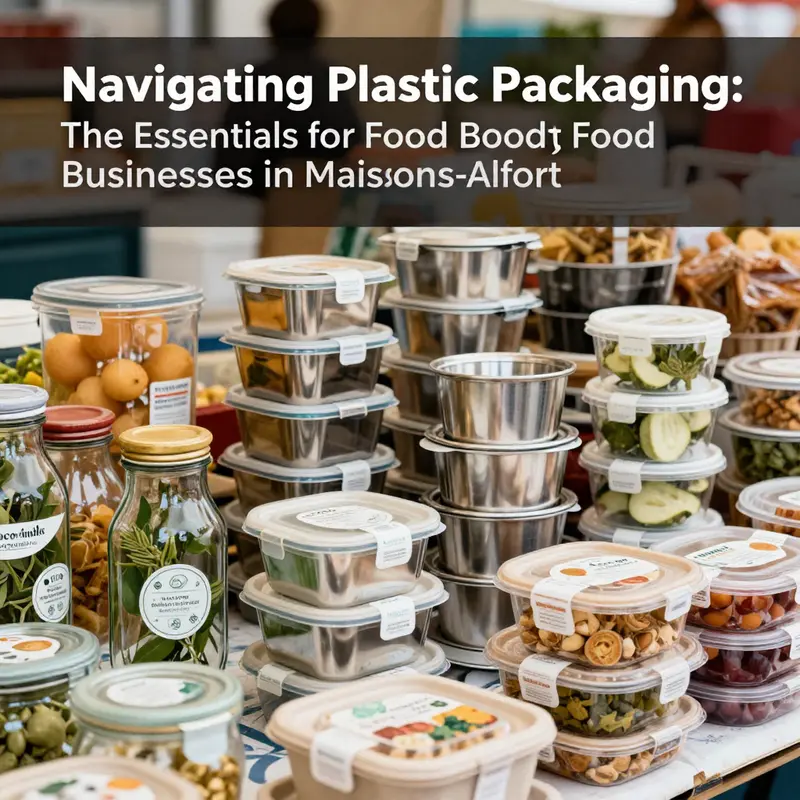
In Maisons-Alfort, a town tightly woven into the fabric of the Île-de-France region, the shuttle between convenience and responsibility in food packaging is a focal point of daily life. The broader European frame, especially the EU’s 2021 Single-Use Plastics Directive, has sharpened the lens through which residents and businesses view containers, plates, and takeaway solutions. This isn’t merely a regulatory impulse; it is a cultural invitation to rethink the life cycle of anything that holds, protects, or serves food. The local dialogue mirrors a global conversation about microplastics and the hidden costs of convenience. When households open their kitchens to refillable jars, compostable sleeves, or reusable boxes, they participate in a narrative that connects personal choices with municipal waste streams and the health of the surrounding ecosystems. In this way, Maisons-Alfort becomes a microcosm of a broader transition toward packaging that is as thoughtful as the meals it contains. The shift is not a single stroke but a careful choreography: reduce, reuse, and reinvent the way foods travel from producer to plate without leaving a persistent scar on soil, water, or air.
A primary thread in this evolution is the rise of compostable paper and cardboard containers. Across cafés, takeout windows, and meal-delivery hubs in Maisons-Alfort, molded fiber and corrugated cardboard have moved from novelty to common practice. These materials, sourced from recycled paper pulp, are designed to meet municipal organic-w waste streams that many towns now treat as a resource rather than a problem. The appeal is clear: a container that breaks down in a green bin, leaving little more than nutrients for the next cycle of soil and vegetation. Such containers are particularly well-suited for foods that travel briefly or are served at ambient temperatures. They perform well in the context of the town’s waste-management infrastructure, where composting facilities increasingly accept these materials and convert them into soil amendments. For diners, the practical advantage is evident—less mess, fewer worries about residue, and the ease of disposal in a single, familiar system. For local businesses, the switch signals alignment with a public-policy framework that rewards clarity and accountability in packaging, and it helps demystify the end-of-life story for customers who want their meals to leave a lighter footprint. The effect is cumulative: when several eateries adopt compostable paper-based options, the demand signal strengthens for suppliers to provide a steady stream of such materials, which in turn stabilizes the tracing of waste through the system. In this cycle, the municipality’s guidelines become a lever for market transformation rather than a barrier to operation.
Beyond paper-based solutions, plant-based bioplastics—most commonly polylactic acid (PLA) derived from corn starch—have carved out a niche in Maisons-Alfort’s food landscape. These containers typically appeal to cold or room-temperature offerings, where the risk of thermal deformation is lower and the appetite for shorter supply chains is higher. They are certified for industrial composting, which means they require specific facilities to reach their end-of-life potential. The appeal rests on a dual promise: a reduced reliance on fossil-fuel-derived plastics and a structured pathway toward higher recycling and composting yields. Yet the trade-offs are equally important to consider. PLA’s performance under heat, oil-rich foods, or prolonged contact with warm meals can be limited, and consumer awareness about appropriate disposal remains essential. In practice, this means educating both staff and customers about the appropriate contexts for PLA use and the correct streams for disposal. In the Maisons-Alfort context, the PLA option exists not as a universal replacement but as a complementary tool—useful for cold salads, baked goods, and other items that travel well in early-stage takeout without precipitating heat-induced softening.
A parallel thread in the local transformation is the expansion of reusable and returnable packaging. The municipal debate has increasingly embraced the “bocaux” model—customers bring their own glass jars or metal containers to participating stores and restaurants, with discounts or deposits offered in return for their ongoing participation. This approach aligns neatly with a circular economy mindset: the container becomes a durable asset, circulating through households and businesses rather than becoming waste after a single use. The initial costs of implementing deposit schemes are offset by longer-term savings, a reduction in single-use waste, and the opportunity to cultivate customer loyalty through a shared commitment to environmental stewardship. In Maisons-Alfort, pilot programs and city-supported incentives have encouraged eateries to test the waters of returnable systems, while residents have shown an encouraging willingness to adapt their routines. The social dynamic—where customers feel part of a larger environmental project—adds momentum that monetary calculations alone cannot capture. It also helps normalize a culture in which packaging is not ephemeral but part of a longer life cycle, easily tracked and respected by all parties involved.
New packaging concepts have also begun to appear in the periphery of Maisons-Alfort’s food scene. Edible wrappers and natural films, built from beeswax, rice paper, or seaweed derivatives, present intriguing alternatives for small quantities or single-use sachets. Edible films offer a curious bridge between convenience and sustainability, allowing a product to be consumed in its packaging or to leave a minimal environmental trace if discarded. Seaweed-based films, meanwhile, bring a marine-friendly option closer to reality for liquid condiments and small-packaged goods; these materials dissolve or biodegrade with minimal environmental impact, reducing litter and marine debris. Although these approaches are still emerging and not yet ubiquitous in the town, they illustrate a broader movement toward materials that participate more actively in natural cycles rather than demanding dedicated waste streams for disposal. In some parts of the Paris region, including areas near Maisons-Alfort, these innovations have started to appear in pilot formats within specialty shops and at select market stalls, signaling a willingness to experiment and learn from real consumer behavior.
Clay- and salt-based packaging represents a further frontier, with some specialty vendors in the wider Paris area exploring containers that are non-toxic and fully biodegradable. These options, though less widespread locally, are gaining attention for their potential to replace certain dry-snack or dessert packaging where rigidity and barrier properties are needed without compromising end-of-life outcomes. The clay-based concept has particular appeal for products that benefit from a natural, inert container that can be embedded in soil or composted in an appropriate facility. While not yet a mainstream solution in Maisons-Alfort, the interest from chefs, retailers, and ecoconscious consumers keeps the discussion alive and guides investment decisions in nearby markets. The convergence of these approaches—paper, bioplastics, reusables, edible films, seaweed films, and clay-based packaging—paints a landscape that is less about choosing a single hero material and more about fitting the right material to the right meal, the right temperature, and the right waste stream.
For readers seeking concrete ways to navigate this evolving scene in Maisons-Alfort, the key is to view packaging choices as a spectrum rather than a binary decision. Each option carries a different environmental profile, cost structure, and end-of-life pathway. Local businesses increasingly publish their packaging policies, enabling customers to make informed choices at the point of sale. Residents are encouraged to participate in municipal programs, bring their own containers to participating venues, and sort correctly to ensure that materials are recovered and processed as intended. The city’s ongoing action plan and grants aimed at accelerating the transition away from single-use plastics provide a framework for sustained progress, while awareness campaigns help align consumer expectations with infrastructure capabilities. In practical terms, individuals can begin by prioritizing non-plastic storage solutions at home—glass jars, metal tins, and reusable boxes—then looking for takeout options that favor compostable paper or card rather than polystyrene or traditional plastics. This layered approach reduces exposure to microplastics in daily life and reinforces a culture of careful material stewardship.
For those who want a tangible touchpoint when exploring options, the broader packaging ecosystem offers a spectrum of categories worth understanding. See the paper packaging category for examples and guidance on how to select materials that align with local recycling and composting streams. This resource can be a useful starting point for households and small businesses alike, helping to navigate the choices that best fit their routines while supporting a transition toward circular systems. paper-packaging In this context, Maisons-Alfort’s journey reflects a wider European trend toward materials that are designed for end-of-life clarity and environmental compatibility, rather than convenience alone. The path forward is not only about reducing waste but about reconfiguring how communities value and manage the substances that carry food from producer to consumer. The town’s progress depends on continuous collaboration among residents, retailers, waste managers, and policymakers, with the shared aim of safeguarding health and ecosystems while preserving the practical benefits that packaging offers.
External resource for further reading: https://www.ademe.fr/recherche/innovation/emballages-bio
Between Convenience and Caution: Consumer Practices and Perceptions of Plastic Food Containers in Maisons-Alfort, France
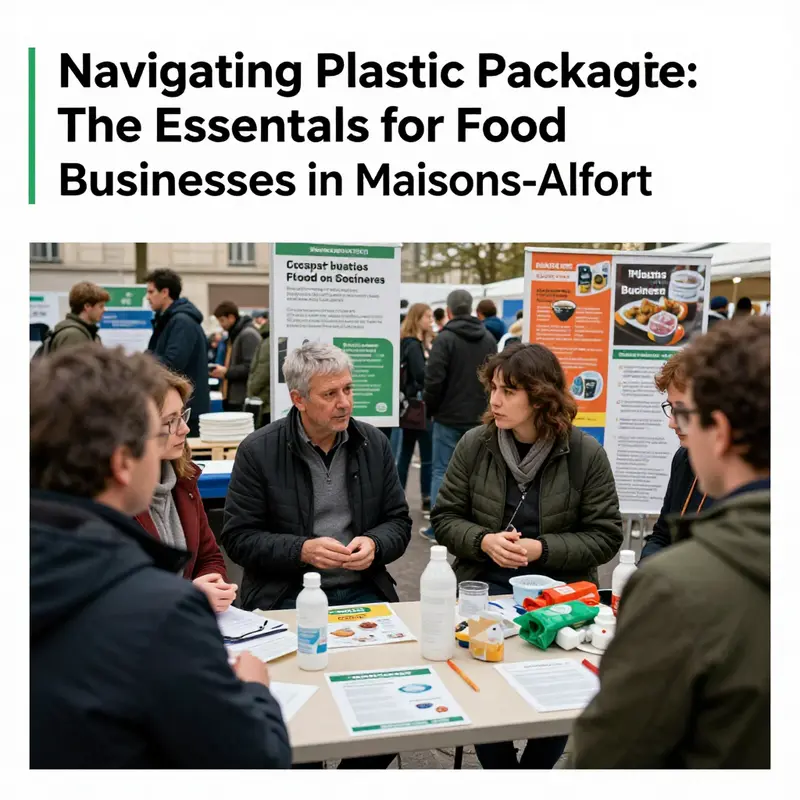
Maisons-Alfort, a commune on the edge of the Paris region, embodies the everyday dynamics of urban life where quick meals, takeaways, and grocery shopping intersect with household routines. In such a setting, plastic packaging for food and drink containers has become part of the fabric of daily life. Yet behind the everyday use of these containers lies a shifting set of beliefs, practices, and regulatory pressures that are gradually reshaping how residents perceive safety, convenience, and sustainability. The broader French and European conversation about plastic packaging has intensified in recent years, and Maisons-Alfort is a microcosm of that larger trend. While no localized, long-term study may pin down every nuance of behavior in this specific town, national surveys and regional analyses illuminate how residents approach plastic packaging and what motivates or limits their choices when they store, transport, and reheat food.
A key driver in this landscape is awareness. France has cultivated a robust regulatory and cultural conversation about plastic waste and its environmental and health implications. A 2023 assessment by the French Agency for Ecological Transition (ADEME) found that more than seven in ten French consumers express concern about plastic waste, and a substantial portion actively seeks products with reduced or recyclable packaging. This awareness translates into a willingness to change, yet it coexists with realities of convenience, cost, and habit. In Maisons-Alfort and similar urban settings, residents often balance the desire to minimize waste with the practicalities of daily life: commuting, school runs, and the need to prepare or transport meals quickly. PET bottles and lightweight plastic food containers remain popular due to their portability and perceived reliability, even as consumers express growing reservations about their environmental footprint and potential health implications.
The tension between concern and behavior is not unique to Maisons-Alfort; it echoes broader European findings. Convenience and price remain powerful determinants in packaging choices. Even in areas with strong recycling programs, the actual practice of sorting, rinsing, and returning containers hinges on everyday rhythms and available infrastructure. In the Île-de-France region, where Maisons-Alfort sits, municipal programs promote recycling, yet participation can vary with local communication, accessibility of collection points, and residents’ time constraints. The gap between knowledge and action underscores a common behavioral pattern: people often recognize the problem of plastic waste and microplastics, but translate that awareness into sustained changes in shopping or storage habits only when the alternative is clearly feasible and cost-effective.
Microplastics add another layer to how residents evaluate risk. Although many consumer packaging options now bear claims such as “BPA-free,” the health implications of alternative plastics and their additives remain an area of active scientific inquiry. Microplastics can originate from degradation processes that occur during storage, especially under high temperatures or with oil-rich or fatty foods that facilitate material breakdown. In practical terms, this means that even well-intentioned choices can inadvertently contribute to exposure, particularly when containers are reused beyond their intended life or when hot foods are stored in plastic containers. In Maisons-Alfort, as in other urban communities, households may encounter this paradox: containers that are convenient and affordable may also pose subtle exposure risks if used improperly or replaced only after visible wear.
Past the kitchen counter, the regulatory environment in France and the European Union helps shape consumer practice. Policymaking has increasingly emphasized safety, recyclability, and transparency of packaging materials. Regulations are pushing manufacturers to reduce high-risk ingredients and to disclose compatibility information for food contact. In parallel, broader policies encourage the shift toward more recyclable or recyclable-ready packaging and the use of materials that minimize environmental contamination. For residents, these policies translate into clearer labeling, more information about what can safely contact food, and a growing array of alternatives that align with environmental values without compromising practicality. The combined effect is a gradual transition: while many households still rely on plastic for its lightness and resilience, there is a parallel movement toward safer, more sustainable storage options as they become more accessible through local shops and public programs.
In Maisons-Alfort, the practical implications of this regulatory landscape show up in everyday decisions. Parents sorting household waste, students commuting with lunch containers, and workers stocking office fridges all navigate a mix of labels, recycling instructions, and storage guidance. Where feasible, households may experiment with non-plastic solutions, such as glass or metal containers, to reduce potential exposure and to align with environmental preferences. Yet broad uptake of alternatives depends on reliable availability, cost parity, and the comfort of returning to a familiar routine when time is tight. This dependency on practicality helps explain the persistence of plastic packaging in many daily tasks: it is, for better or worse, the most accessible technology for keeping food safe, portable, and affordable in a crowded urban ecosystem.
To better understand how residents of Maisons-Alfort engage with these issues, one can look at the pathways through which information travels and how choices are framed. Public campaigns, school programs, and local municipal information efforts contribute to a shared vocabulary about packaging safety and waste reduction. This environmental literacy gradually informs consumer behavior, even if it does not instantly translate into a wholesale replacement of plastic with alternatives. The result is a community that is increasingly aware of the risks associated with plastic packaging and microplastics, while still negotiating the practicalities of everyday life in a metropolitan area where quick meals and convenient packaging persist as important factors of daily routine. In this context, it is helpful to consider the resources available to residents who want to explore safer storage options without sacrificing convenience. An examination of broader packaging categories and consumer options, including non-plastic alternatives, can illuminate choices at the household level; for example, broader packaging insights can be found in the plastic-packaging category of related resources. plastic-packaging
The conversation in Maisons-Alfort also points to a practical synthesis between awareness, behavior, and regulation. Consumers who are cognizant of the environmental and health implications of plastics generally seek to reduce unnecessary packaging and to recycle more effectively. Yet the same consumers often confront gaps in the system: inconsistent sorting practices across municipalities, insufficient access to recycling facilities in specific neighborhoods, and the ongoing affordability of sustainable alternatives. These gaps are not unique to this town; they reflect a complex mosaic of urban life where policy, industry, and individual choices intersect. The presence of robust recycling infrastructure in France, coupled with a growing market for recyclable and reusable storage solutions, creates a backdrop in which Maisons-Alfort residents can progressively shift toward safer storage habits without sacrificing the practicality that everyday life demands. In this transition, residents can draw on local guidance from municipal services, public information campaigns, and community networks to align their routines with evolving standards for food contact materials and waste management.
Ultimately, the experiences of Maisons-Alfort residents reveal a nuanced picture: a community increasingly aware of plastic-related risks, yet navigating the balance between convenience, cost, and safety. The path forward likely involves a combination of better labeling, easier access to safe non-plastic storage options, and a continuous renewal of public messaging that helps residents translate knowledge into consistent practice. The broader French and European trajectory hints at continued improvements in packaging safety standards and recycling efficiency, which will gradually affect the day-to-day decisions of people living in Maisons-Alfort and comparable urban settings. For readers seeking additional context on how these dynamics are playing out across France, an external resource provides a comprehensive overview of awareness and behavior related to plastic packaging. https://www.ademe.fr/en/awareness-and-behaviour-plastic-packaging-france
Final thoughts
The dialogue around plastic packaging food containers in Maisons-Alfort highlights a significant intersection of health, safety, and environmental consciousness. Understanding the implications of microplastics and adhering to stringent regulations is critical for businesses within the food industry. As alternatives to traditional plastic packaging become more prevalent and consumer awareness surges, businesses can pivot towards safer practices that not only protect health but also appeal to a growing base of eco-conscious consumers. Embracing these changes can lead to better sustainability and consumer trust, fostering long-term growth in the food sector.