

As the global movement towards sustainability grows, more businesses in the food and beverage industry are recognizing the importance of using plastic-free food storage solutions. Plastic waste has become a significant environmental issue, prompting consumers to seek alternatives that do not compromise health or quality. This article will explore popular materials in plastic-free food storage containers—perfect for bubble tea shops, restaurants, food trucks, and catering services. We’ll highlight top brands that meet these needs and discuss the key benefits and considerations to make informed decisions for your business. Join us as we delve into this vital shift towards a greener future.
Everyday Choices: Why Glass and Silicone Lead the Plastic-Free Food Storage Movement
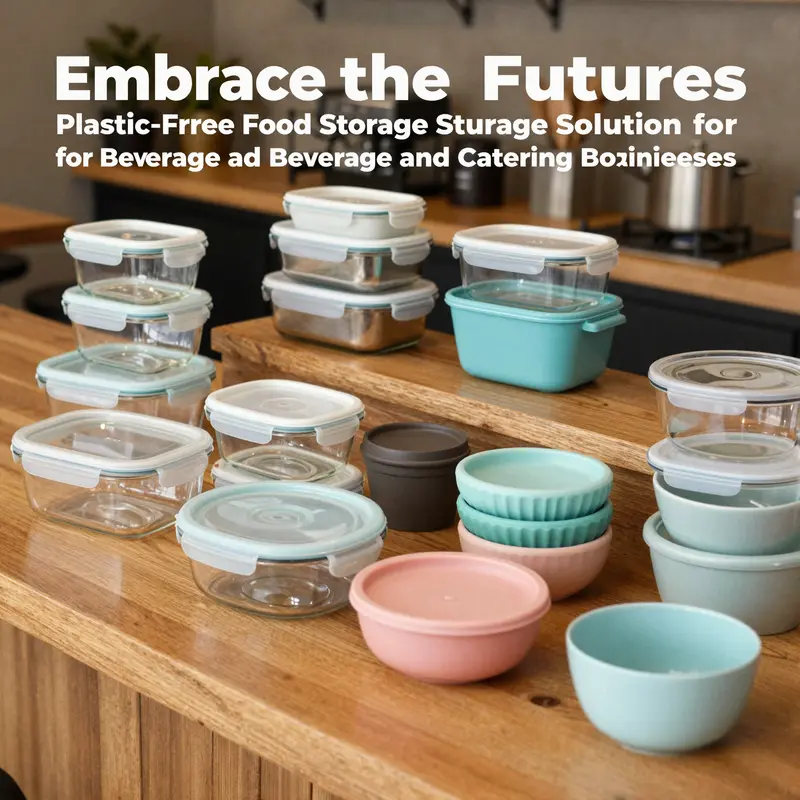
Choosing how to store food is a small daily decision with outsized consequences for health, convenience, and the planet. As more households commit to cutting plastic from their routines, two materials stand out for replacing single-use and household plastics: glass and food-grade silicone. Both offer compelling combinations of safety, durability, and versatility that make them ideal for a wide range of food storage tasks. This chapter traces the practical reasons these materials are popular, explores how each performs in real kitchens, and outlines thoughtful considerations so readers can match choices to needs without compromising convenience.
Glass and silicone share a key advantage: they are inert compared with many plastics. That means they do not leach chemicals into food under normal use, especially when exposed to heat. For people concerned about chemical migration from containers—particularly when warming leftovers or storing acidic foods—this difference matters. But the appeal extends beyond safety. Glass and silicone address distinct practical requirements: glass excels at long-term storage, preserving flavor and resisting odors; silicone shines where flexibility, lightweight handling, and airtight seals are priorities. Understanding the interplay between these strengths helps households build a coherent, plastic-free toolkit.
Glass has earned its place as a household mainstay for good reasons that are as functional as they are aesthetic. It is non-porous and chemically stable, which means it neither absorbs food odors nor stains from spices, tomato sauces, or beet juices. Those qualities keep foods tasting as intended and reduce the need for harsh scrubbing or repeated replacements. Glass containers tolerate temperature changes well when properly tempered, so they move easily from refrigerator to oven or from freezer to microwave in many modern designs. This thermal versatility reduces the temptation to transfer food between containers, which in turn cuts waste and saves time.
Durability in glass is not just about resisting chemical breakdown; it is about preserving form and clarity over years of use. Good-quality glass retains its transparency instead of developing a cloudy surface that hides residues or makes containers unattractive. For pantry staples—dry beans, rice, flour, or nuts—clear glass jars make inventory obvious at a glance and simplify meal planning. For leftovers, glass maintains moisture balance without the risk of plastic imparting off-flavors. The heavy, reassuring weight of glass also communicates stability in the cupboard, and many users value the tactile sense of quality.
There are practical trade-offs. Glass is heavier than plastic and will break if dropped, so it is less ideal for backpacks, children’s lunchboxes, or rough outdoor use. Yet, for everyday kitchen storage and countertop organization, glass often outperforms plastic because it reduces long-term replacement cycles. A set of well-chosen glass containers can last for decades, offsetting the higher initial cost. Cleaning is straightforward: glass tolerates the high heat and detergents of dishwashers and resists staining when washed promptly. When selecting glassware, look for tempered or heat-resistant formulations for oven use and pay attention to airtight sealing mechanisms if storing perishable items. For dry goods and preserves, wide-mouth jars with secure lids are highly effective at keeping moisture and pests out.
Silicone approaches the storage problem from a different angle. Its flexibility and resilience make it an excellent substitute for single-use plastic bags and certain soft containers. Food-grade silicone keeps its shape under stress and returns to its original form repeatedly without cracking or breaking down. It’s lightweight and virtually unbreakable, which makes it a practical choice for travel, lunch packing, and meal prep. Reusable silicone pouches can replace dozens of disposable baggies over their lifetimes, offering substantial waste reduction with minimal behavior change.
Silicone’s temperature tolerance is notable. High-quality food-grade silicone withstands a wide range of temperatures, making it suitable for freezer storage, boiling water, and oven use in many cases. That enables cooks to bake, freeze, and reheat in the same pouch or container when the product is specifically designed for such ranges. Its leak-resistant seals help prevent spills and protect food from freezer burn when properly closed. The material’s flexibility also allows for easy packing and storage; for instance, empty silicone bags can be flattened or folded to save space in cupboards, an efficiency many households appreciate.
Lifestyle fits differ. People who prioritize portability and ruggedness often find silicone the more practical choice. For families with children, silicone containers and utensils are less likely to shatter and therefore reduce the risk of injury. In meal-prep routines that involve sauces, smoothies, or marinated ingredients, silicone’s leak-proof qualities and ability to be squeezed clean give it real utility. Users should prioritize certified food-grade silicone and avoid lower-quality imitations, which may contain fillers or additives that reduce longevity or introduce unwanted chemicals.
Both materials also support a more mindful relationship with food. Clear glass jars on open shelving encourage visibility, which leads to less forgotten food and fewer impulse purchases. Silicone’s collapsibility and stackability streamline kitchen organization, making it easier to maintain a system where everything has a place. These behavioral effects compound: better organization tends to reduce single-use purchases and food spoilage, magnifying environmental benefits.
Health and safety concerns often drive the switch away from plastic. Many plastic containers can contain bisphenols or phthalates—chemicals that have raised health questions because of potential endocrine-disrupting properties. Glass and food-grade silicone avoid that conversation by being chemically stable under usual conditions of household use. Of course, not all glass or silicone products are created equal. The manufacturing process and choice of seal materials can introduce weak points. Metal lids with non-food-safe coatings or rubber gaskets made from inferior materials can compromise the overall safety of a glass jar. Similarly, some silicone products rely on plastic zippers or trims. A considered purchase focuses not only on the primary material but also on accompanying components.
Durability across both materials also offers environmental advantages. Longevity matters in sustainability calculations: a container used for years replaces dozens or hundreds of single-use items. Glass, while breakable, tends to have a very long service life when cared for, and it is widely recyclable at the end of its life. Silicone’s durability and resistance to biodegradation mean it won’t contribute to microplastic pollution the way many plastics do, but it is harder to recycle through conventional municipal streams; specialized recycling or take-back programs are less common. When evaluating environmental impact, weigh frequency of replacement, local recycling infrastructure, and end-of-life options alongside production impacts.
Practicality often dictates choosing both materials, not one or the other. A well-rounded, plastic-free storage setup commonly includes sturdy glass jars for pantry staples and refrigerated leftovers, complemented by silicone bags and flexible containers for day-to-day transport and use. This hybrid approach lets households enjoy the best of both worlds: the inertness and visual clarity of glass where permanence and presentation matter, and the lightness and adaptability of silicone for mobility and compact storage.
Everyday maintenance habits extend the lifespan of both materials. For glass, prevent thermal shock by allowing a hot dish to cool slightly before placing it on a cold surface or beginning to wash it in cold water. Use lids and gaskets that are inspected regularly and replaced if damaged. For silicone, avoid abrasive scrubbers that can create surface irregularities and trap food particles. Both materials benefit from prompt cleaning after high-staining foods to prevent staining or lingering odors. While glass resists staining more than most, certain residues left for long periods can dull the surface; occasional deep cleaning with baking soda or mild vinegar can restore clarity without harsh chemicals.
Affordability and accessibility are also part of the adoption story. Upfront costs for quality glass can be higher than for basic plastic sets, but total cost of ownership typically favors glass because of its longevity. Silicone products often sit in a mid-range price bracket and repay their cost quickly relative to the ongoing purchase of disposable bags. Market availability has expanded rapidly; many kitchenware suppliers now dedicate whole sections to plastic-free storage, with a growing range of sizes and form factors. For readers looking to start, a practical pathway is to acquire a few versatile glass containers for refrigerated meals and dry goods plus several silicone pouches to replace disposable sandwich bags. Over time, adding specialized glass pieces—such as wide-mouthed jars for bulk grains—or larger silicone molds for freezing stocks can make the system both robust and elegant.
A final consideration is aesthetics and cultural fit. Glass lends a classic, timeless look to organized pantries and open shelving. It photographs well, which matters for people who share recipes or want a curated kitchen look. Silicone comes in a range of colors and shapes that appeal to families and active users. Both materials can convey values—prioritizing health, supporting sustainability, and investing in products built to last. These visual cues reinforce habits; when storage looks good and functions well, people are more likely to use it consistently.
Glass and silicone are not silver bullets. They require thoughtful selection and occasional maintenance. But they do provide clear pathways away from single-use plastics and toward safer, longer-lasting food storage. By matching the material to the task—glass for long-term pantry and refrigerated storage, silicone for flexible, portable, and leak-resistant needs—households can design systems that reduce waste, protect food quality, and simplify daily life. Practical guidelines—prioritize tempered glass for thermal tasks, choose certified food-grade silicone free from fillers, inspect seals and gaskets, and plan a mixed-material kit that suits routines—help turn good intentions into durable habits.
For readers looking to build out a cohesive, plastic-free kitchen, consider beginning with a modest set of glass jars and a handful of silicone bags. Use jars for staples and refrigerated meals; reserve silicone for snacks, on-the-go lunches, and flexible freezer tasks. As needs evolve, expand thoughtfully: higher-capacity glass containers for batch cooking, specialized silicone molds for freezing stocks or portions, and reliable, replaceable lids and gaskets for longer service life. This measured approach minimizes upfront expense while ensuring each purchase displaces many single-use items.
A practical next step is to integrate storage choices with broader kitchen organization systems so containers are easy to reach and return. For inspiration or to source suitable items, explore kitchen storage resources that focus on sustainable options and organizational strategies. One helpful place to start is this kitchen storage collection, which highlights durable, reusable solutions that complement a plastic-free approach: https://cupbowlpack.com/product-category/kitchen-storage/.
Adopting glass and silicone as cornerstones of plastic-free food storage is less about perfection and more about intention. Each container choice nudges daily routines toward lower waste, healthier storage, and a clearer sense of what remains in pantries and refrigerators. Over time, those small changes add up—less clutter, fewer disposables, and a kitchen that reflects a values-driven relationship with food and the environment.
Beyond the Veil of Plastic: A Practical, Brand-Led Path to Plastic-Free Food Storage
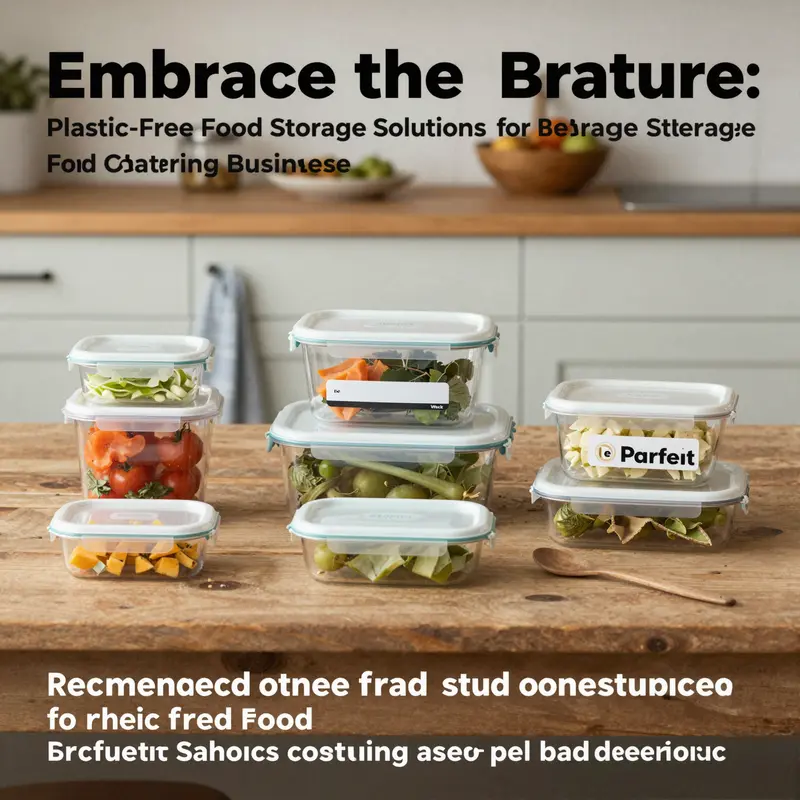
A quiet but powerful shift is taking place in kitchens around the world. Home cooks, families, and even professional kitchens are rethinking the way they store food, not just to trim waste but to shield meals from unwanted chemicals and to embrace a simplicity that ages well. The debate about plastic has moved beyond aesthetics or pragmatism. It sits at the intersection of health, sustainability, and design. At this juncture, the market for plastic-free storage is less about a single miracle material and more about a curated ecosystem of trusted brands that blend safety, durability, and convenience. In this landscape, the most enduring satisfaction comes from containers that perform consistently, that clean easily, and that refuse to degrade the flavors and textures they cradle. The most trusted brands in this space—though not named here by product line or vanity—share a common creed: they offer glass for the pantry, rigid ceramic or tempered glass for serving, and silicone for the on-the-go and the freezer. They pair form with function, and they recognize that a kitchen is a high-stakes environment where the choice of container matters not only for today’s lunch but for the long arc of a family’s health and resource use.
Just as chefs select ingredients with care, so too should the containers that hold them. Glass forms the backbone of plastic-free storage because it is inert, non-porous, and remarkably durable when treated with respect. Its non-reactivity means it does not leach flavors or residues into foods over time, a quality that becomes particularly important when storing sauces, pickles, or soups that mature in the fridge or freezer. Glass containers often come with airtight lids made from materials compatible with heat and humidity, ensuring a seal that protects aromas and keeps moisture at bay. In culinary terms, a well-sealed glass jar acts like a reliable pantry partner, preserving dry goods such as grains, flours, oils, and legumes for months without absorbing the scents around it. The material’s ability to withstand a wash cycle in conventional dishwashers and to perform in a microwave or a freezer, depending on the lid construction, translates to everyday practicality. The aesthetic of glass carries an understated elegance that complements a range of kitchen decors—from minimalist modern to rustic pantry charm. It invites a kind of mindfulness: you see the contents clearly, reduce the guesswork, and extend the life of staples that often go unnoticed until the shelf begins to thin.
Ceramic, too, claims a substantial place in plastic-free storage, especially in settings that value a natural, artisanal look. Ceramic containers can be both functional and decorative, offering a neutral palate that highlights the food it cradles. Their porous surface, when unglazed, can be a drawback, but many ceramic options on the market today are glazed and sealed, providing easy cleaning and microwave safety in many cases. Ceramic’s weight and heft communicate a sense of permanence; they feel substantial in hand and in use. They are particularly well-suited for short-term storage in the fridge and for serving at the table, where presentation matters as much as preservation. Yet ceramics, like glass, require mindful handling. They are less forgiving of drops and rough trips to the oven or the car trunk. When chosen with care, however, ceramic containers deliver a timeless utility that continues to earn a place in households seeking longevity and a tactile, natural companion to temperature-controlled storage.
Stainless steel offers a very different—yet equally important—set of advantages. It is exceptionally durable, resistant to stains and corrosion, and it excels in contexts that demand resilience, such as outdoor picnics, school lunches, and office meal prep. Stainless steel containers shine in their ability to maintain the integrity of hot meals for longer stretches, depending on the line and lid system used. They also have the practical benefit of being inherently food-safe, with a minimal risk of chemical interactions that plastics often pose when heated. The trade-off is weight and, in some cases, heat retention patterns that differ from glass. For those who crave a rugged, travel-friendly option that remains visually simple, steel is a dependable pillar of a plastic-free repertoire. The modern steel designs available in the plastic-free space focus on efficiency—stackable shapes, secure closures, and thoughtful interior geometries that maximize usable space in a fridge, freezer, or pantry.
Silicone marks a flexible counterpoint to rigid materials. Food-grade silicone is prized for being lightweight, adaptable, and heat-resistant. It shines in two broad roles: flexible bags and stretchable lids that can seal irregular shapes, and durable silicone trays and molds that translate into convenient portioning and freezing. When used as bags, silicone extensions replace disposable plastic bags with a leak-proof, microwave-safe, and reusable alternative that wipes down easily and compresses for compact storage. Silicone lids, meanwhile, can transform glass or ceramic containers into versatile, spill-resistant vessels, enabling you to reheat and repurpose leftovers without swapping vessels or creating waste. The silicone category is the one that most often travels with you—from lunch bags to camp kitchens—because its resilience and pliability marry well with modern routines that demand speed and adaptability.
Another important piece of the plastic-free picture comes from natural fibers. Produce bags woven from cotton and wraps coated in beeswax or plant-based waxes offer breathable, short-term storage for fruits, vegetables, and bread. They are light and inexpensive, and they reduce reliance on single-use produce bags for day-to-day shopping and storage. They are not meant for liquids or wet foods, but they complete a thoughtful triad of storage strategies: a robust, non-porous core materials for long-term and refrigerated foods, a versatile, flexible secondary kit for on-the-go and travel, and a breathable, simple wrap system for the freshest produce. The overall message is not that any one material dominates; rather, it is that a well-rounded kitchen benefits from a curated mix that minimizes plastic exposure while maximizing durability and ease of use.
Within this broader material landscape, the social and design conversation centers on brands that have earned trust through consistent performance. In the plastic-free kitchen, credibility is earned by three things: the stability of the seal, the food safety of the materials, and the containers’ capacity to endure repeated use and cleaning without compromising their integrity. Consumers increasingly look for a seal of reliability that guarantees the absence of leaching chemicals during heating or prolonged contact with food, as well as a design that makes culling and organizing easier. This is where the most-discussed brands—conceptualized here in a way that respects the need for a non-promotional narrative—demonstrate leadership. A renowned line that pairs glass with a silicone lid, for example, offers a robust seal that makes microwaving and reheating feasible, while keeping the dish free from leaks. An iconic European glass collection emphasizes clarity and stackability, with lids designed to stay attached in practical, space-saving ways. A German-origin glass-jar system with a rubber gasket and a weighted lid embodies the canning ethos, built to preserve dry goods for extended periods with a minimal risk of moisture intrusion. And a silicone-bag-based system stands out for portability and on-the-go storage, a lifeline for school lunches, travel, and busy workdays. There are also dedicated silicone trays designed to portion and freeze meals neatly, turning bulk batches into easily reheated servings that slot cleanly into any freezer layout.
These brand archetypes illustrate a simple truth: plastic-free storage is not about chasing a single best product. It is about selecting a family of containers that together cover the lifecycle of food—from pantry staples to fresh leftovers and from hot meals to frozen portions. When you map out a kitchen’s storage needs, you realize that the strongest setups blend a primary glass or stainless-steel core for everyday meals with silicone accessories that handle the more fluid, on-the-go moments. And because durability is inseparable from how you clean and care for them, the best brands in this space put a premium on end-to-end usability. They design handles that stay comfortable after a decade of cups, jars, and lids, and they engineer gaskets and seals that resist hardening or drying out. In practice, this means choosing a glass jar system with a secure, attachable lid designed for repeated use, a keeper-style locking lid for canning and long-term storage, and silicone bags that can be rinsed or recycled with a low environmental footprint. It means choosing a set that you can grow into, rather than a one-off purchase that you outgrow in a season.
If you are building a practical starter collection, consider three core components that anchor a plastic-free kitchen: a reasonable assortment of glass containers for dry goods and liquids, a compact silicone bag set for snacks and small items, and a set of silicone lids or a lid system that fits your most-used glass or ceramic vessels. This trio offers immediate benefits: it reduces the need for single-use plastics, supports safer heating and reheating, and brings a cohesive look to the pantry and fridge. It also keeps the process of storage clean and predictable. You can see how a curated set builds confidence—how each piece fills a distinct function while complementing the others. The practical challenge, of course, is choosing from a field that is broad and continually expanding. The right choice depends on your day-to-day routines: how often you cook at home, how often you freeze leftovers, whether you microwave directly in the storage container, and how much weight you’re willing to carry when you shop or travel. If you frequently meal-prep for a family, a sturdy glass jar system with a reliable locking lid can anchor your dry goods and bulk staples. If you value portability for lunches or weekend trips, a silicone bag assortment can replace many plastic bags without sacrificing convenience. If you prepare and freeze meals in advance for the week, a silicone tray setup for portioned meals ensures that each portion thaws quickly and evenly.
The brands that shape this space are careful not to overwhelm the consumer with complexity. They understand that a plastic-free kitchen must work in real life, not just on a showroom shelf. They design with interchangeability in mind, so you can mix and match elements across styles and sizes. A common thread across these brands is a commitment to longevity. The idea is to create containers that justify their upfront cost by lasting for years, if not decades, when cared for properly. That care usually means following gentle washing guidelines, avoiding thermal shock by not moving directly from oven to fridge, and paying attention to lid materials and gasket maintenance. It also means recognizing when a piece has earned its upkeep: replacing a worn seal, reconditioning a lid, or choosing a new size or shape to better fit your evolving storage needs.
For readers who want to explore this with more specificity, a practical approach is to examine your kitchen’s most frequent storage bottlenecks. Do you find yourself storing a lot of liquids, or do most of your items lean dry? Do you need small containers for snacks or larger jars for pantry staples? Are you regularly reheating meals in the container, or do you prefer to transfer to a dish before heating? Answering these questions helps you identify which material combinations will serve you best. A glass core often serves daily tasks well, thanks to its clarity and heat resilience. A locking-lid glass system can be a reliable choice for pantry and fridge storage, particularly for items you want to keep dry and fresh for longer. If you want to reduce the likelihood of leaks and spills when carrying meals, a silicone bag solution could become your everyday workhorse. For freezing and portioning, a silicone tray or a flexible set of molds can be invaluable. Finally, for serving and presenting leftovers with minimal fuss, a ceramic option can add an element of charm to the table while providing practical durability.
Choosing is also a matter of budget and values. The initial cost of glass or steel containers is higher than a mass-produced set of plastics. Yet these prices reflect a longer useful life and the absence of toxic leaching under heating. The careful buyer understands that the value proposition is not a single price tag, but a long horizon of durability, reduced waste, and improved food safety. The more you plan to reuse a handful of containers across many meals and seasons, the more the math tilts in favor of a plastic-free pantry. You also gain an opportunity to elevate your kitchen aesthetics. The glass lines, the crisp shapes of the jars, and the clean silhouettes of silicone bags create a visual language that aligns with careful, intentional cooking. In this sense, a plastic-free kitchen becomes less about abstinence and more about a thoughtful, sustainable routine that respects both the food and the planet.
As you consider the top brands and their various design philosophies, it becomes clear that the best approach is not to chase perfection in every vessel but to build a cohesive system that covers different storage needs without relying on plastic. This means selecting a primary jar-and-lid duo for dry goods and liquids, adding a flexible silicone bag set for snacks and on-the-go use, and keeping a small collection of silicone-lidded containers for reheating and serving. The resulting kit feels like a natural extension of your cooking practice rather than a separate set of accessories. It makes it easier to group by category, to label and reorganize with the seasons, and to explain your choices to guests who ask about your kitchen ethics. And because many of these brands have earned trust through consistent performance, you’re not reinventing the wheel with each purchase—you are gradually expanding a durable, design-savvy system that ages gracefully as your family’s routines evolve.
To connect this narrative to a living catalog, readers can explore a curated range of plastic-free storage options in the storage containers category, where a spectrum of shapes, sizes, and lids awaits. This online reference helps translate the theory of a healthy, low-waste kitchen into practical shopping decisions. Each piece in such a category is designed to complement the others, reinforcing the idea that a cohesive system is more than the sum of its parts. The goal is not to amass the largest collection of containers, but to assemble a core toolkit that supports reliable, month-after-month performance. If you are new to this shift, you might start with a small glass jar set for pantry staples, a couple of silicone bags for snacks, and a compact silicone portioning tray for freezer-friendly meals. You can then assess how well the pieces interlock with your routine and gradually broaden the system as your needs become clearer.
In closing, embracing plastic-free storage is less about branding and more about choosing a sustainable, practical toolkit that aligns with daily life. It is about recognizing that the kitchen is a space of ongoing care—care for the food, care for the health of those who eat it, and care for the planet. By centering your decisions on durability, safety, and usability, you position yourself to reap long-term benefits: fewer plastics in the home, less waste in the trash, and a culinary environment that supports healthier choices. The brands that lead this space do so by offering a spectrum of solutions rather than a one-size-fits-all answer. They acknowledge that storage needs are diverse and that a mindful kitchen is built piece by piece, with pieces that endure. If you choose wisely, your plastic-free kit will not only protect your meals but also stand as a quiet testament to a kitchen that values quality, responsibility, and enduring design.
External resource: For a broader understanding of chemical considerations related to plastic in food contact materials, see https://www.who.int/news-room/fact-sheets/detail/bisphenol-a. For readers seeking a practical entry point to explore related products in the recommended category, you can browse the storage-containers section of the site here: storage-containers.
null
null
Final thoughts
Adopting plastic-free food storage solutions is not just a responsibility, but also a significant opportunity for businesses in the food and beverage industry. By utilizing materials such as glass, ceramic, stainless steel, and silicone, companies can provide safer, more sustainable options to their customers. With top brands leading the way in quality and innovation, the journey towards a plastic-free kitchen is both viable and rewarding. Making this transition not only enhances your brand’s reputation but also contributes positively to the environment, aligning with the values of many consumers today. Start small with essential pieces and build toward a more sustainable future.