
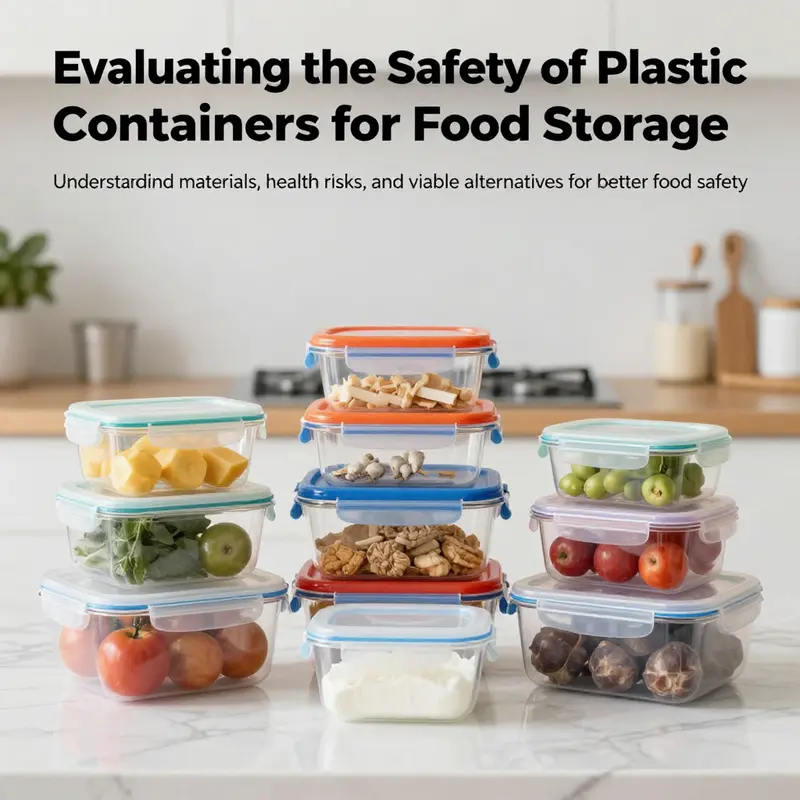
As restaurants, beverage chains, food trucks, and catering services look for efficiency and innovation in food storage, the question of whether plastic containers are safe becomes increasingly relevant. This inquiry requires a nuanced understanding of the materials used in these containers, the potential health risks associated with their use, and the various alternatives that may offer superior safety and functionality. In the chapters that follow, we will discuss the crucial aspects of food-grade materials, assess health concerns linked to specific practices when using plastic containers, and explore safer alternatives available in the market today. By the end of this exploration, decision-makers in food service industries will be better equipped to choose wisely for the health of their clientele and the sustainability of their operations.
Material Matters in Food Storage: Navigating the Safety Landscape of Plastic Containers
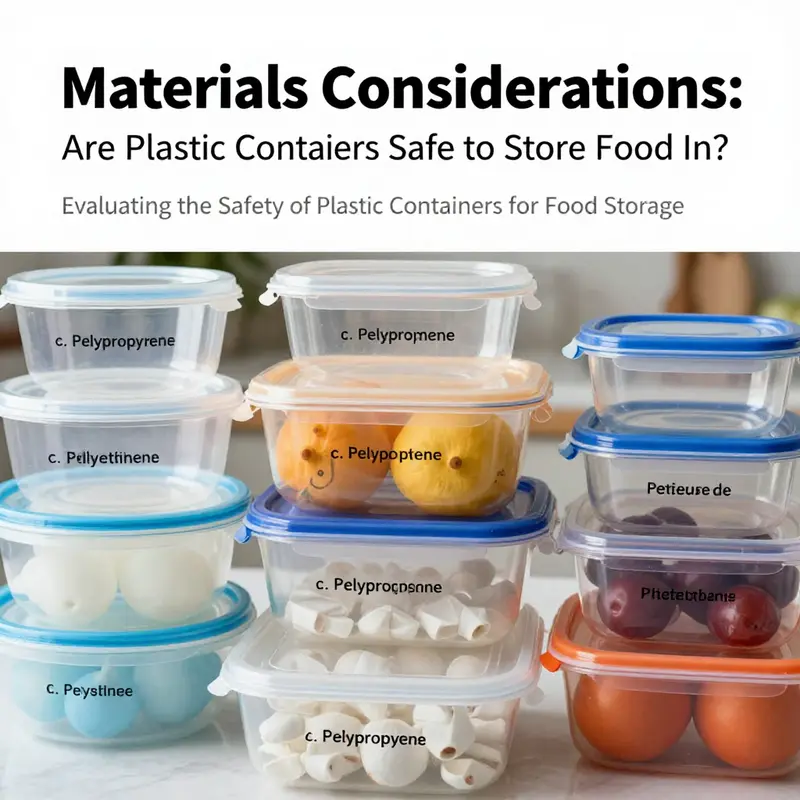
The question of whether plastic containers are safe for storing food demands a careful, layered answer. It is not a simple yes or no, but a nuanced examination of materials, use, and care. Modern plastics come in a spectrum of polymers and formulations, each with its own history, performance, and potential for interaction with food. For most people, plastic can play a convenient role in daily storage, but the safety of that role hinges on recognizing how its properties interact with temperature, duration of contact, and the nature of the food being stored. The central idea is not to demonize plastic as a whole but to understand where it is most predictable and where it becomes risky. At its core, the safety equation depends on material choice, labeling, and disciplined handling. When these elements align, plastic containers can be a practical option. When they misalign, they can introduce hazards that are hard to notice until a problem arises. The first layer of this conversation is the material itself. The safest plastics for food storage are those labeled as food-grade and made from specific polymers that have demonstrated chemical stability and low migration into food. Polypropylene, for example, is a polymer favored for many food storage applications because of its heat resistance, chemical stability, and relatively low tendency to release additives into food. Polyethylene exhibits similar traits in many of its forms. These materials are designed to minimize the migration of everyday food constituents and processing aids into the food they contact. The emphasis, then, is on labeling and the polymer family. It is important to recognize that not all plastics marketed for food use meet the same standards. Older or cheaper containers may rely on different stabilizers, plasticizers, or additives whose behavior under heat or over time is less predictable. The label food-grade is meaningful, but it is a starting point, not a guarantee, unless the product also carries a temperature rating and clear usage instructions. Understanding this distinction helps explain why a container that is perfectly adequate for cold storage can become a source of risk when temperatures climb or when the food’s chemistry becomes more aggressive. Temperature is another critical variable. In everyday practice, many plastic containers are designed to endure chilling and freezing. They can often withstand temperatures well below freezing, and many are designed to be microwave safe for short-term heating. The appealing side of this capability is obvious: prepared meals, sauces, and leftovers can be portioned and reheated quickly. The caveat is that the same plastic that resists cold can, under heat, alter in ways that enable migration of substances. The risk is not constant across all use cases. A container that tolerates a brief, moderate microwave reheating can still be unsuitable for repeatedly reheating strong or fatty foods. The chemistry of fats and oils is especially pertinent here; fatty foods can act as carriers for certain additives, making leaching more likely than with water-based foods. This reality helps explain why many health and safety guides emphasize avoiding high-heat exposure of plastic containers when foods are hot, greasy, or highly acidic. The guidance is not about avoiding plastic altogether but about choosing the right container for a given culinary circumstance and acknowledging when a more protective approach is warranted. The nature of the food itself matters as much as the temperature. Acidic foods—tomato products, citrus, pickles, and certain marinades—have a particular propensity to interact with plastics. Over time, and with ongoing contact, some plastics can show signs of chemical migration or staining. While a lot of this risk is modest on a day-to-day basis, repeated exposure through regular storage of acidic foods in non-designated containers is a pattern that health professionals caution against. Fatty foods present a separate challenge. Oils and fats can solvate certain plasticizers and other additives, increasing the potential for migration beyond what water-based foods might exhibit. This is one reason many experts advise transferring hot or fatty foods to non-plastic containers after cooking, especially if you plan to store them for longer periods. The duration of contact compounds risk: the longer the food sits in contact with a container, the more likely migration becomes, particularly if the container has any micro-scratches, cloudiness, or signs of aging. Degradation is another factor that often travels under the radar. Plastics are not inert indefinitely. Repeated washing, especially in dishwashers that generate high heat and aggressive detergents, can accelerate wear. Ultraviolet exposure from sunlight can also degrade plastics over time. Scratches, cracks, or discoloration are not cosmetic flaws alone; they are functional red flags indicating the material’s protective barrier properties may have weakened. Cracked containers can harbor bacteria in crevices and microcracks, making them harder to clean and increasing the risk of cross-contamination. As the container ages, micro-fragments and additive migrations become more plausible, a reality that underscores the prudent practice of replacing old or compromised containers rather than extending their usable life beyond a reasonable point. There are clear, practical implications for everyday use. For certain foods and situations, plastic is simply a poor choice. Hot leftovers, especially those with high fat content, should not sit in ordinary plastic containers for extended periods. The high heat can increase chemical migration and microplastic release, a concern echoed by environmental and toxicology research. Acidic and highly reactive foods should be treated with caution, as they can interact with certain plastics. Strong-smelling foods such as onions or garlic can embed odors into the plastic and then release them again later, affecting other foods stored in the same container. Fresh produce may be better stored in containers that won’t trap moisture and harbor aerobic organisms; plastics can retain moisture in ways that hasten spoilage of delicate greens and berries. And raw meat or fish, which carry high microbial loads, demands rigid contamination control; plastic surfaces can harbor bacteria in micro-crevices, and cross-contact risks are higher when containers are reused without thorough cleaning. All of these nuances converge on a core guideline: check and respect the label. Containers labeled as food-grade and microwave-safe with clear maximum temperature ratings are the baseline. But relying on a label alone is not enough. The context matters. If you heat food, let it cool to a safe handling temperature before transferring to plastic, or choose a heat-tolerant alternative for the reheating step. If the food is acidic or fatty, consider switching to a non-plastic container for storage, at least for longer durations. If the container has seen better days—cracks, cloudiness, or warping—it is prudent to replace it. Regular, visible cues from the container can guide safer decisions more than any general rule could. The practical upshot is straightforward: use plastic with intent, and be prepared to switch materials when the food’s characteristics or the storage duration makes the risk-to-benefit ratio unfavorable. The safer alternatives are not merely a theoretical consolation but a practical pathway that many households adopt for peace of mind. Glass containers, prized for their inertness and non-porous surfaces, do not leach chemicals in typical use. They are compatible with microwaves and ovens and are straightforward to clean, with the advantage of showing contents clearly for quick identification. Stainless steel offers durability and a long lifespan; it resists odors and stains and remains safe across a wide temperature range, though it can be less convenient for liquids and soups unless properly sealed. For those seeking flexible, reusable options that reduce plastic waste, food-grade silicone bags and pouches are a viable middle ground; they tolerate a wide temperature range but are not necessarily suited for high-heat cooking. Even these alternatives, however, demand attention to their own limits—for example, silicone’s performance with certain oils and heating methods can vary, and care instructions must be followed to preserve their integrity over time. Choosing among these options often becomes a matter of balancing convenience, durability, environmental considerations, and personal tolerance for risk. In this broader frame, the question becomes not whether plastic can ever be safe for food storage but under what conditions it remains a reasonable choice. Practical usage often centers on short-term, cold storage of non-acidic, non-fatty foods in well-labeled, intact containers. For items that will be heated, heavily fatty, or acidic, or for long-term storage, safer materials tend to provide more predictable results. The aim is to limit chemical migration and microbial risk while maximizing ease of use and cleanliness. A disciplined approach—one that includes selecting appropriate containers, avoiding heating in plastic, acknowledging the limitations of old or damaged items, and using safer materials for the foods most likely to cause problems—offers the most reliable path forward. For readers exploring this topic further, a concrete practical option to consider is a shift toward packaging materials designed with food safety in mind. A notable example is paper-based, food-grade options that are engineered for minimal chemical interaction with foods and for reliable performance in both cold and short-term warm conditions. These products, such as disposable kraft paper cups and bowls with lids designed for takeout and storage, illustrate how safer alternatives exist without sacrificing convenience. If you want to explore one such option in more depth, you can learn about a representative food-grade kraft paper solution here: https://cupbowlpack.com/product/senang05-disposable-kraft-paper-soup-cup-bowl-with-paper-lid-takeaway-lunch-packing-takeout-food-packaging-bucket-bowl/. The broader message remains: prioritize materials that minimize contact risks, apply the least amount of heat necessary, and favor alternatives when the food’s chemistry or storage duration increases the likelihood of leaching, odor retention, or microbial growth. These practices not only protect health but also simplify decision-making in the kitchen. The discussion cannot be completed without acknowledging the accumulating body of consumer guidance that continues to shape everyday choices. As researchers and health professionals weigh evidence about chemical leaching and microplastics, practical advice has coalesced around three anchored truths: minimize exposure to heat and fatty foods in plastic, rotate and replace worn containers, and favor safer materials for long-term storage or for foods with characteristics known to challenge plastics. This pragmatic stance is complemented by mindful cleaning practices—hand washing with mild soap or a gentle cycle for plastics that tolerate it, avoiding abrasive scouring that can scratch the surface, and allowing containers to dry completely before stacking. In sum, plastic storage does not automatically imply risk, but risk does rise when practice ignores the material’s limits. The goal is not perfection but prudence: use the right container for the right food, keep it clean and intact, and be ready to switch materials when the situation demands it. From a broader societal perspective, the environmental implications of plastic use for food storage cannot be ignored. Even when used safely in the short term, plastics contribute to environmental waste and resource concerns. This reality reinforces why many households gravitate toward reusable, non-plastic storage options as a sustainable habit—glass and stainless steel have the advantage of longevity and recyclability, while silicone and other advanced materials offer flexibility with lower long-term waste footprints in some contexts. The discipline of care—buying high-quality containers, using them within their rated temperatures, and replacing them when damaged—translates into both personal health benefits and environmental responsibility. The conversation also invites ongoing attention to label literacy, because the safety of a container rests as much on how it is labeled as on the material alone. Consumers who invest a little time in understanding labeling, temperature ratings, and recommended uses are empowered to make choices aligned with both health and sustainability aims. The overarching takeaway is not a rigid prohibition on plastic but a curated, informed approach to storage that honors the food’s chemistry, the container’s properties, and the meal’s intended use. Short-term storage of cold, dry foods in well-marked containers can be wholly reasonable. Even then, a careful eye toward the container’s condition and a readiness to transition to glass or metal for foods that demand durability and inertness helps maintain safety. For longer storage of acidic or fatty foods, or for reheating and handling hot items, alternatives often provide clear advantages. In all cases, avoiding heat exposure to plastic where possible, selecting containers with robust labeling, and replacing worn items promptly are the shared practices that reduce risk and enhance the confidence with which households store and rewarm their meals. The final message is modest but practical: plastic storage can be part of a safe kitchen, but it thrives under thoughtful, informed, and disciplined use. If readers want a broader, comparative view of the risks and safer alternatives beyond plastics, a comprehensive guide on safer storage materials is worth consulting to complement this chapter’s guidance and to support ongoing, informed decision-making. For more on this broader perspective, see House Digest’s guide on alternatives to plastic food containers: https://www.housedigest.com/alternatives-to-plastic-food-containers/
Beyond Convenience: Decoding Health Risks and Safe Use of Plastic Food Storage
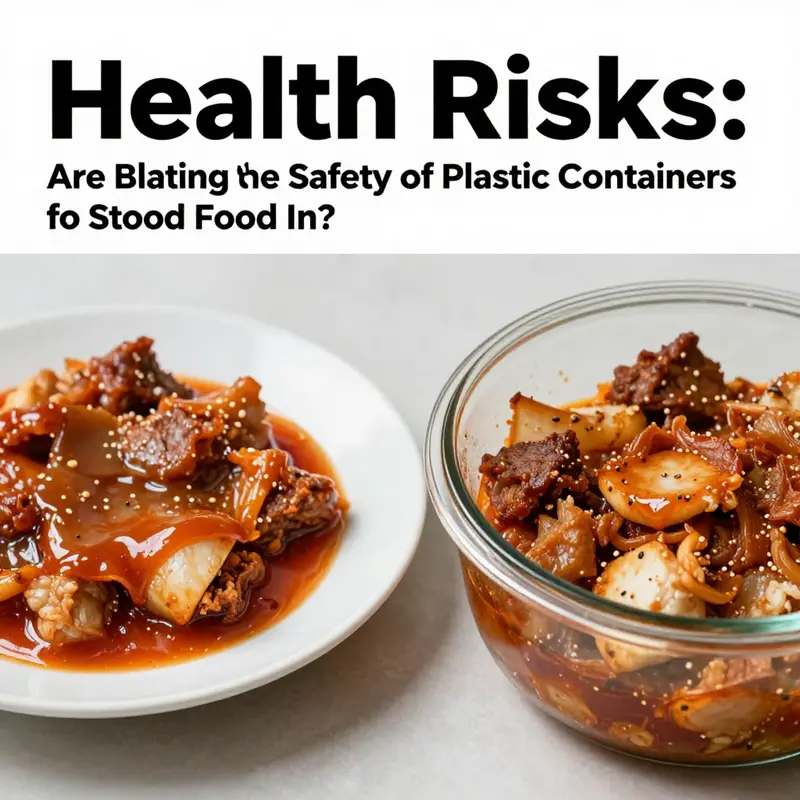
Plastic has become a silent steward of daily life, quietly shaping how we store, transport, and heat the foods we eat. Its ubiquity often masks a more complicated truth: safety is not a blanket guarantee but a carefully negotiated set of conditions. The question, are plastic containers safe to store food in, invites a nuanced exploration that blends polymer science, kitchen habits, and emerging health research. When approached with attention to material, use, and handling, many plastics can perform safely for routine, short-term storage. Yet the same category carries meaningful risks if used outside its intended boundaries. Understanding these boundaries begins with the very material at hand, because not all plastics behave the same way under heat, acid, or repeated use. Food-grade labeling matters, but it is not a magic seal; it is a promise that must be honored by how the container is employed. In offices, homes, and schools, the everyday choice between plastic, glass, or metal storage tools hinges on this balance between convenience and caution, a balance that science is continually refining.
At the core of the safety conversation is material science. Plastics used for food contact belong to specific polymer families chosen for stability, durability, and low migration potential. Polypropylene (PP) and high-density polyethylene (HDPE) are commonly cited as among the safer options when used properly. These polymers resist many solvents, tolerate a range of temperatures, and are designed to limit the migration of substances into food. When a container is clearly labeled as food-grade and made from PP or HDPE, it usually signals a higher baseline of safety compared with older, unmarked, or degraded plastics. The practical implication is modest but real: the right polymer can withstand typical refrigeration and even microwave use—provided the container is used within its temperature envelope and for the kinds of foods it is intended to hold.
What counts as the intended use, though, is more than a label. It translates into clear, everyday rules. Refrigeration and freezing are generally safe with polypropylene or high-density polyethylene containers that are meant for cold storage; these materials can often endure temperatures down to -20°C. Microwave heating is another common use case, but with a caveat: microwave-safe labeling is a helpful guide, not a license to ignore the food’s chemistry or the container’s limits. In practice, many PP containers tolerate temperatures up to about 120°C, enough to warm foods gently but not enough to mimic high-heat cooking. For short-term storage of cold or room-temperature foods, these containers can serve well, especially when used with lids that seal to limit moisture exchange and odor transfer. The bigger point is that safe use rests on pairing the right material with the right activity and avoiding the kinds of misuses that science shows can undermine safety.
Yet the comfort of a convenience-driven system can blur the line between safe practice and risky behavior. A significant portion of the risk literature centers on how heat interacts with plastic, particularly when hot or fatty foods are involved. Heating plastic in contact with high-fat foods—think curries or rich sauces with oil—has been shown to increase the rate at which substances can migrate from the container into the food. This is not a universal catastrophe scenario; rather, it is a conditional risk that rises with the presence of heat and fat together. In such scenarios, chemicals a container may contain can leach more readily into the food, especially if the container is older or not explicitly labeled for repeated heating. And this is where ongoing concerns about substances like Bisphenol A (BPA) enter the discussion. BPA has a long history of concern due to its estrogen-mimicking properties, a feature that has earned it scrutiny for potential links to hormonal disruption, metabolic effects, and inflammatory pathways when exposure accumulates over time. The broader problem, however, is not BPA alone but the fact that many products now labeled BPA-free can still harbor problematic replacements such as Bisphenol S (BPS) or Bisphenol F (BPF). As Dr. Sarah Thompson, an environmental health scientist, has noted, “Even BPA-free doesn’t always mean safe. Some replacement chemicals, like BPS and BPF, behave similarly in the body and may pose comparable risks.” That insight helps explain why consumer guidance now emphasizes not just avoiding BPA but understanding the body’s response to related compounds that can migrate from plastics under the right conditions.
Phthalates—chemicals used to soften certain plastics, especially PVC-based formulations—also figure into the safety conversation, particularly for containers that are older or not clearly labeled for food contact. Phthalates have been linked to hormonal disruption and developmental issues in some studies, and their migration into food can occur when the packaging undergoes repeated use or heating. This positions the risk not as a single event but as a pattern: long-term storage, repeated washing, exposure to heat, and acidic or fatty foods can all contribute to greater chemical migration. The take-home message is not that plastic inevitably harms every time, but that the tools we use to store food can, under certain patterns of use, contribute to exposure that compounds over time.
Two additional dimensions shape practical decision-making. The first is aging and quality. Old or low-quality plastics—especially containers without clear food-grade labeling—may harbor a higher likelihood of additive migration as the materials degrade with time, sun exposure, or repeated dishwashing. The second dimension is the specific food itself. While many foods are perfectly compatible with plastic storage, others warrant caution. Hot leftovers can be a red flag if the container is not designed for heat. Fat-rich sauces or dishes increase the chance of chemical leaching during heating. Acidic foods such as tomato sauces or lemon-based dressings can interact with certain polymers and cause staining or subtle changes in flavor. Highly fragrant foods, such as onions and garlic, can leave persistent odors in the container, complicating future storage. Fresh produce, particularly berries and leafy greens, can trap moisture and promote quicker spoilage within some plastics. Raw meat and fish present cross-contamination concerns because plastic surfaces can harbor bacteria and otherwise defy thorough cleaning if the container is not robust enough to withstand repeated washing.
To navigate these risks, practical guidance centers on several overlapping questions: Is the container truly food-grade? Is it used within its heat and chemical tolerance? How long will it contain the food? Is the food itself compatible with the polymer? And when in doubt, is there a safer alternative? The first practical step is to read labels carefully. A “food-grade” designation, a “microwave-safe” label, and an explicit maximum temperature rating all offer essential guardrails. But even with these guardrails, the risks of heating plastic remain. The literature consistently points to higher leaching potential when plastic is warmed with hot, fatty, or acidic foods. Therefore, a failure to observe heat-related cautions is one of the most common pathways through which safety is compromised. Another straightforward precaution is to avoid long-term storage of perishables in plastic, especially when they are acidic or highly processed. The advisability of storage methods thus becomes a risk-management exercise: use plastic for short-term storage and easy-to-clean, non-acidic, non-fatty foods; for anything that will sit for days, or for foods with acid or fat, orient toward safer options.
A useful framework emerges from combining the science with everyday practice. First, if a container is old, cracked, discolored, or clearly non-food-grade, replace it. Second, prioritize glass for foods that are acidic or stored for longer periods, or for items that you plan to reheat repeatedly. Glass offers inertness and stability that plastic cannot always guarantee. Third, stainless steel serves as a robust, durable alternative that avoids plasticizers altogether, though it must be used with care when washing and with foods that could impart strong odors or flavors. Fourth, for a flexible, reusable, and less heat-tolerant option, food-grade silicone can be a viable compromise for certain storage needs, though it is not universally suitable for high-heat cooking. The overarching principle is clear: the safer the storage vessel, the fewer questions you need to ask about the chemistry of what’s inside.
In the everyday choreography of home kitchens, making safer choices often means rethinking packaging choices beyond the familiar plastic box. While plastic can be safe under the right conditions, the best practice is to minimize risk through mindful use. For many households, this translates into a tiered approach: use PP or HDPE containers for cold or brief storage, reserve glass for longer storage or heating, and keep silicone or other alternatives as backups for specific tasks. It also means accommodating the realities of modern life, where convenience intersects with health considerations. The advice is not to abandon plastic altogether, but to use it wisely: avoid heating plastic containers, avoid storing acidic or highly fatty foods in plastic for extended periods, and replace aging containers promptly. Above all, recognize that the labels are guides, not guarantees.
Even as research narrows or expands the list of concerns, consumer behavior plays a critical role in translating knowledge into safety. Label literacy becomes a practical skill. When you see a container described as “food-grade” or “microwave-safe,” you should ask: what is the type of plastic, what are the temperature limits, and what foods are considered safe for contact with this material? If the packaging is not explicit about temperature or food type, treat it as a signal to proceed with caution. And if a container shows signs of wear—cracks, clouding, or staining—that is a cue to retire it. Beyond individual responsibility, broader shifts toward safer storage ecosystems are also under way. The shift toward reusable, non-plastic options aligns health considerations with environmental ones, yielding potential benefits for personal health and planetary stewardship alike.
In the spirit of practical adaptation, many households are turning toward safer packaging ecosystems that reduce reliance on plastic. One practical avenue is to explore alternatives that maintain functional ease while offering chemical inertness. For instance, glass storage jars and containers provide a familiar, inert matrix that preserves flavor and color without chemical migration. Stainless steel offers strength and durability for both storage and transport, making it a strong option for packed lunches or travel. For those who still crave flexibility or reduced clutter, silicone bags and wraps can replace single-use plastics in many non-heat-intensive contexts. The core message is not absolutism but strategic substitution, guided by the type of food, the duration of storage, and the conditions under which the container will be heated or washed. In this sense, the decision becomes a conversation about safety, practicality, and environmental responsibility rather than a simple verdict on plastics alone.
For readers who want to explore safer packaging options in a concrete, actionable way, consider the move toward safer, low-migration packaging alternatives. For example, you can look at context-specific packaging choices such as kraft paper containers that emphasize disposability with a emphasis on more inert material composition. A practical example of this approach is the use of kraft-paper-based bowls and containers with reliable lids for light storage needs. If you are considering this path, you might explore options like kraft paper octagonal bowls with lids, which offer a sturdy, inert surface for cold or room-temperature items and can serve as an interim replacement for certain plastic storage tasks. Kraft paper octagonal bowl with lid could be a starting point for evaluating how fiber-based packaging performs in everyday use, especially when communicating with family members about dishware choices and food safety expectations.
Ultimately, the decision to store food in plastic should be grounded in a careful assessment of the specific plastic and the context of use. Plastic containers are not inherently unsafe; they become risky when misused or relied upon for unsuitable foods or reheating scenarios. The safest approach combines a clear understanding of the material, strict adherence to temperature and food-type guidelines, and a thoughtful willingness to switch to safer alternatives when the situation calls for it. It is a practical equilibrium—one that respects the benefits of plastic for short-term, cold, or non-fatty storage while embracing alternatives when the chemistry of heat, acid, or fat is likely to challenge safety. This approach aligns with a growing consensus among researchers and health professionals that the path to safer home storage lies in informed choices and adaptive habits rather than a single, universal rule.
For further authoritative context on how to minimize chemical leaching from plastic containers, you can consult the Johns Hopkins resource on plastic container safety. It emphasizes that even with BPA-free products, replacement chemicals may pose similar risks, and it reinforces the principle that heat and food chemistry are central to the leaching process. This body of evidence helps readers understand why labels alone cannot guarantee safety and why practical storage choices matter. External guidance from reputable public health sources continues to shape consumer practices toward safer, more durable storage solutions while acknowledging that ongoing research may refine recommendations in the years ahead.
External reference for deeper reading: https://www.jhsph.edu/research/centers/environmental-health-sciences/news/2026/plastic-container-safety.html
Rethinking Safe Food Storage: Weighing Plastic, Heat, and the Case for Safer Alternatives
Plastic is a familiar companion in kitchens around the world, a material that promises convenience, lightness, and affordability. Yet those benefits come with questions that do not disappear with a glance at a label or a quick rinse under warm water. The safety of plastic containers for storing food is not a single verdict but a layered assessment that depends on what the container is made from, how it is used, and how it ages over time. The core concern is not merely whether a container is labeled as food-grade but what that label implies in real terms: the chemistry of the polymer, the presence or absence of certain additives, the conditions under which the container is used, and the likelihood that any substances can migrate from plastic into the food it cradles. In the current landscape of consumer products, it is no longer sufficient to rely on a single assurance like BPA-free; the deeper conversation centers on the entire ecosystem of materials, migration, and exposure, and how everyday practices can either minimize risk or unknowingly amplify it. A thoughtful approach to plastic storage begins with clarity about material matters, then moves through use patterns, aging, and, finally, the more practical alternatives that are increasingly recognized as safer for long-term, hot, acidic, or fatty foods. When viewed through this lens, the question Are plastic containers safe to store food in? can be reframed as a continuum of safety that shifts with context, purpose, and attention to product integrity.
At the heart of any safety assessment is material science: the type of plastic, how it is manufactured, and the conditions to which it is exposed. The most commonly cited plastics for food storage are the resilient, lower-permeability polymers such as polypropylene and polyethylene. These materials are selected for their heat resistance and chemical stability, and they are often labeled as food-grade to convey that they meet certain standards intended to minimize migration of undesirable substances. In practice, PP containers are typically designed to tolerate refrigeration and even freezing, sometimes down to -20 degrees celsius, and many are marketed as microwave-safe, commonly able to withstand temperatures up to roughly 120 degrees celsius. What this means in everyday terms is that these plastic options can handle cold or room-temperature foods with little risk of significant chemical migration under ordinary use. Yet safety is not guaranteed simply by a label. The real-world picture includes how much heat, fat, or acidity the plastic experiences during storage and use. A hot curry, a tomato-based sauce, or any high-fat, high-acid meal can interact with plastic in ways that increase the potential for substances to migrate into food. Studies highlighted in ecotoxicology and environmental safety literature have shown that heating plastic with high-fat foods can promote the release of microplastics and a suite of chemicals, including Bisphenol A and phthalates such as DEHP. While many manufacturers have reformulated products to remove BPA, the replacement chemistries—BPS and BPF, for example—are not necessarily safer, and research increasingly questions their endocrine-disrupting potential as well. The practical takeaway is not a blanket ban on plastics but a calibrated use that respects the chemistry of the container and the chemistry of the meal it holds. In other words, the safety question is not only about the plastic itself but about what the plastic is asked to store and how it is heated or aged.
Beyond chemical migration, there is the matter of aging and degradation. Plastic is a dynamic material; over time, it undergoes physical changes that can alter its performance and safety profile. Scratches, cloudiness, warping, or lingering odors can signal micro-damage that accelerates migration pathways. Repeated dishwashing, ultraviolet exposure, and general wear all contribute to a gradual breakdown of the barrier properties that keep chemicals from leaching into food. The longer a container is used, the more likely it is that micro-fractures or degraded surfaces will form, providing more surface area for substances to escape. In practical terms, this means that even a container that started its life well enough may, after months or years of use, become a less reliable barrier, particularly if the contents are hot, fatty, or acidic. The implication for everyday habits is clear: do not assume perpetual safety from a plastic container simply because it has a food-grade label when it has aged beyond its prime. An observant cook or caregiver may notice subtle cues—staining, odors, or a loss of transparency—that should prompt replacement before those cues translate into risk.
Another layer to consider is how people actually use containers in their kitchens. The everyday pattern of behavior—reheating leftovers in the same container, transferring hot sauces into plastic, or letting containers sit with acidic residues—can markedly change the risk profile. For many, the convenience of microwave reheating must be weighed against the fact that micro-waves, even when the container is labeled microwave-safe, can drive higher migration rates in certain circumstances. The same logic applies to fatty foods and acidic foods; tomato sauce, lemon juice, and citrus marinades can slowly compromise polymer integrity over time, particularly if stored in older or lower-quality plastics. The practical advice here is straightforward: if you must store hot leftovers, cool them briefly and transfer to a container rated for higher temperatures or, better yet, to a glass option that is less likely to participate in any chemical exchange with the food. Similarly, for long-term storage of acidic or fatty items, consider using a non-plastic option to sidestep the migration risk entirely.
The safety dialogue becomes more nuanced when we consider the broader range of plastic additives. Even as BPA has become less common in consumer products, manufacturers have moved toward alternative bisphenols, such as BPS and BPF, or other plasticizers that help achieve the same practical outcomes—flexibility and resilience. A growing body of research indicates that these substitutes may share many of the same endocrine-disrupting effects as BPA, raising concerns about the reliability of BPA-free assurances. The same caution applies to phthalates, used to increase flexibility in plastics; phthalates can migrate into food, especially under heat and with fatty or acidic content. This isn’t to suggest that every plastic container will poison a dish, but it does mean that the blanket confidence many shoppers place in green or safer labels can be misplaced if the underlying chemistry remains inadequately understood. The cautious consumer learns to parse the living, evolving documentary of the container’s lifecycle: what polymer is used, what additives are present, how the container will be used, and whether the packaging has been tested under scenarios that mimic real cooking and reheating practices.
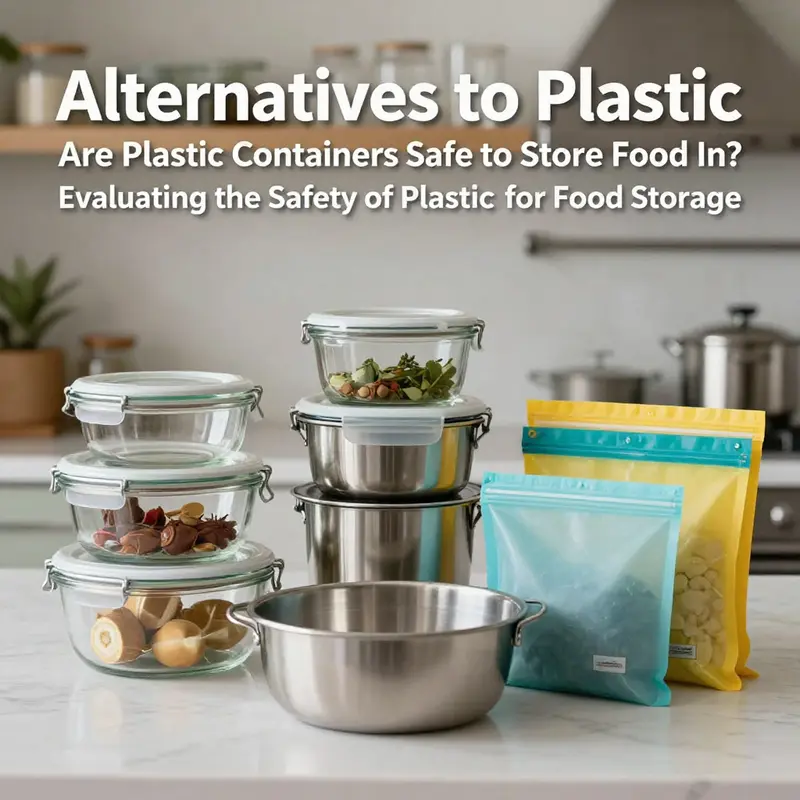
In light of these complexities, safer alternatives have gained traction in both professional and domestic kitchens. Glass containers stand out for their inertness; they do not leach chemicals into food under normal use, they resist staining, and they maintain a non-porous surface that cleans easily. Glass is widely compatible with various environments: it can be used in the microwave, oven, freezer, and dishwasher without the same concerns about chemical migration that plastics carry. Stainless steel offers a durable, long-lasting option that remains robust in a wide range of temperatures and is free from plasticizers altogether. While metal does not provide the same level of visibility as glass, it excels in durability and transport, making it ideal for meals on the go and for households that prefer metal containers for environmental reasons. For those seeking a flexible compromise, food-grade silicone bags or pouches present another reusable alternative. They are useful for storing dry goods or preparing meals ahead of time, and they hold flavor well and resist tearing. Yet silicone, like plastics, has limitations; it is generally not recommended for high-heat cooking, and some people have concerns about long-term stability and heat tolerance. Taken together, the non-plastic family of options—glass, stainless steel, and silicone—offers a spectrum of trade-offs between safety, practicality, and sustainability. The central message remains consistent: when the priority is reducing chemical exposure, especially for hot, acidic, or fatty foods, non-plastic storage choices are often the safer route.
Safety is not only about avoiding risk; it is also about choosing solutions that align with broader values, including environmental stewardship and cost-effectiveness. A growing majority of health educators and environmental advocates argue that switching away from single-use plastics and toward durable, reusable materials helps reduce microplastic pollution and the demand for new plastic production. Glass and stainless steel deliver not only health advantages but also long-term economic and environmental benefits when used conscientiously. They can be reused for years, and their end-of-life scenarios tend to be more favorable for recycling or repurposing than many plastics, which may degrade or release microplastics as waste. However, the transition to non-plastic storage is not a one-size-fits-all cure. People who live in small apartments with limited kitchen space, or families that require portable containers for school lunches, may still rely on plastic options for logistical reasons. The key is to use those options for appropriate purposes and to retire containers that show wear, cracks, or a loss of clarity. In short, the safest practice is a layered strategy: use the right container for the right job, replace aging items promptly, and lean toward glass or stainless steel for high-risk scenarios while reserving plastics for lower-risk tasks cold storage non-fatty contents or temporary disposables when other options are impractical.
To illustrate how this thinking translates into everyday decisions, consider a typical week in a kitchen with varied meals, storage durations, and reheating needs. A batch of vegetables stored in a PP container in the refrigerator may pose a low-level risk if the container remains pristine and the contents are cold. However, if the same container is used to store a hot curry, reheated in the same container, and then left at room temperature for several hours, the likelihood of chemical migration increases. The risk is compounded if the curry contains high fat and the container shows signs of wear—scoring, clouding, or warping—because these cues indicate structural degradation that can accelerate leaching. A separate example involves storing tomato sauce, an acidic medium, in a plastic container for several days. The acids can begin to interact with surface layers or micro-cracks, potentially altering the taste of the sauce and the integrity of the container. In such a scenario, much of the risk can be mitigated by transferring the sauce to a glass container before refrigerating, especially if the storage duration extends beyond a few days. The practical implication is clear: know the limits of your containers, respect the thermal and chemical boundaries in which they perform best, and be prepared to switch materials when the original choice begins to show its age.
Within this framework, it is worth acknowledging the broader consumer learning curve. Even as many households migrate toward safer methods, there remains a wealth of confusing messaging about what is truly safe. The evolving science around BPA substitutes, migration dynamics, and chronic exposure demands ongoing attention. Consumers benefit from staying informed through reputable sources and from recognizing that safe storage is not a fixed label but a practice that adapts to new evidence and individual circumstances. The guidance emerging from recent research is nuanced. It suggests that, while plastic containers are not inherently unsafe, a cautious approach anchored in knowing the material, limiting high-heat or prolonged acidic storage, and replacing aging items offers a practical path to healthier outcomes. For those seeking a concrete example of non-plastic options in action, consider a practical packaging choice that aligns with these principles. senang05-food-grade-disposable-kraft-paper-salad-bowl-with-pp-lid-takeaway-lunch-packing-takeout-food-packaging-bucket-bowl This page illustrates how non-plastic containers can blend usability with safety, offering a take-away or storage solution that minimizes chemical interactions with food. The objective remains to make the most informed choice possible in light of the evidence, balancing health considerations with practical needs and personal values.
The conversation about plastic safety in food storage would be incomplete without acknowledging the most robust, external synthesis of current knowledge. For readers who want to explore expert guidance and the latest findings in a concise, authoritative format, an external reference from a leading public health institution provides a helpful synthesis. It situates the discussion within a broader framework of how chemicals migrate from packaging into food under various conditions and why simple labels do not capture the full risk picture. This external resource complements the practical recommendations offered here, helping to ground day-to-day decisions in scientifically validated conclusions. In the end, the practical pathway that emerges is neither radical nor restrictive but moderate and informed: prioritize non-plastic options for hot, acidic, or oily foods and long-term storage; use plastic only when conditions are safe, and replace aging containers before their integrity is compromised. The objective is to protect health while also acknowledging the realities of household life and the environmental footprint of our choices. Safeguarding food through thoughtful container selection is a simple, ongoing practice that can yield meaningful benefits over time, both for personal health and for broader ecological well-being. External reference: https://publichealth.jhu.edu/news/2026/01/safe-food-storage-plastic-containers
Final thoughts
In summary, while plastic containers offer convenience, their safety for food storage requires careful scrutiny. Understanding the types of plastics used, recognizing the health risks associated with improper usage, and considering alternative materials can profoundly influence food safety for businesses in the food sector. Prioritizing safe options ensures not only the well-being of your customers but also promotes a healthier environment. By keeping these key factors in mind, businesses can make informed decisions that support both their operational needs and the health of their patrons.