
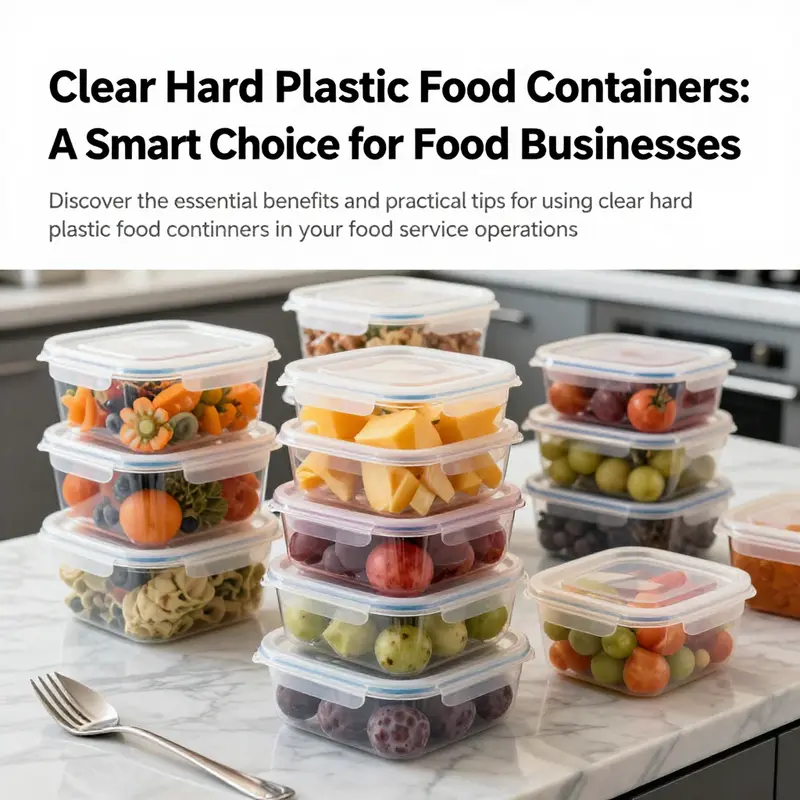
Clear hard plastic food containers are essential tools for various food service businesses, including bubble tea shops, restaurants, food trucks, and catering services. Their transparency, durability, and practicality make them particularly useful in maintaining food quality while ensuring easy visibility for customers. As we explore the material composition and advantages of these containers, understand the safety regulations governing their use, learn how to care for them properly, and discover the latest market trends, you’ll be equipped with the necessary knowledge to make informed decisions for your food service operations. By recognizing how these aspects interlink, you can enhance both the safety and appeal of your offerings.
null
null
Seeing Standards Clearly: How Safe, Clear Plastic Food Containers Meet Global Regulations Without Compromising Freshness

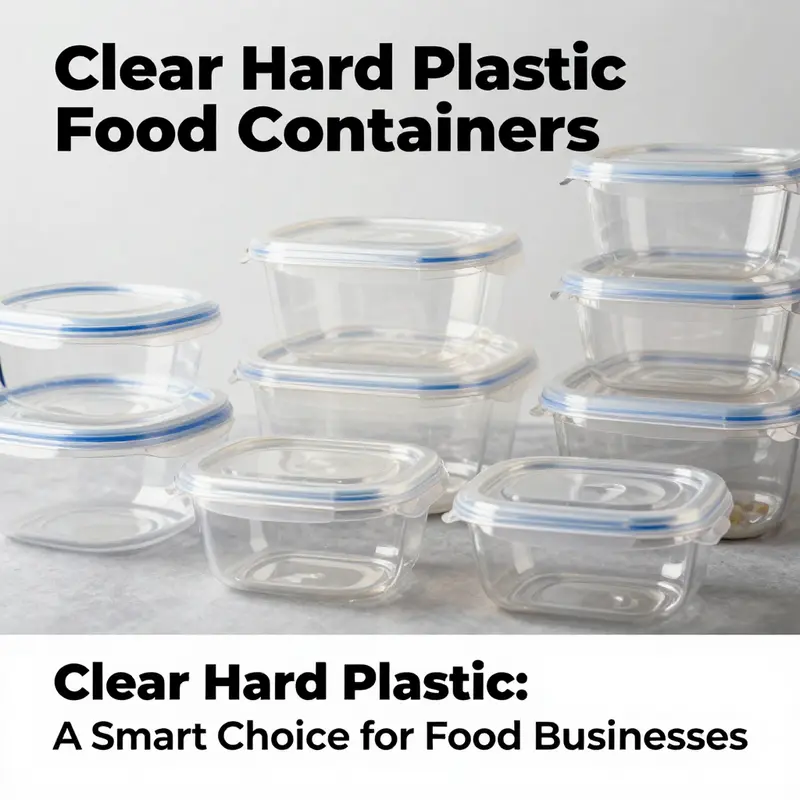
The transparency of clear hard plastic food containers is more than a visual feature; it is a promise. When you can see the contents, you can assess freshness, portion size, and organization at a glance. Yet that clarity comes with responsibility. Behind every crystal-clear tray or lid lies a complex framework of safety standards designed to protect consumer health, ensure consistency across producers, and maintain the integrity of the food itself. This chapter follows the thread from material choice to regulatory compliance, showing how clear plastic containers remain trustworthy tools in kitchens, cafeterias, and commercial packaging lines without diluting the very thing they help protect: the food inside.
In the United States, safety begins with what the material is allowed to touch. The FDA regulates substances that come into contact with food, and only plastics specifically approved for food contact may be used in those roles. Among the resins most commonly considered safe for food contact are high-density polyethylene (HDPE), low-density polyethylene (LDPE), and polypropylene (PP). Each resin carries distinct advantages that map to different uses. HDPE is renowned for chemical and moisture resistance and high impact strength, qualities that make it a practical choice for containers that must survive rough handling, stacking, or long-term storage. LDPE offers flexibility and excellent barrier properties, often used in liners or inner seals, while PP combines heat resistance with a favorable clarity that supports reutilization in hot filling or reheating contexts. This trio—HDPE, LDPE, and PP—appears frequently in the regulatory discussions because their performance in contact with foods aligns with stringent safety expectations while also supporting the practical demands of home and commercial use.
The European Union maintains its own rigorous framework under Regulation (EC) No 1935/2004. Like its American counterpart, the EU regulation centers on avoidance of harmful migration from packaging into food. It requires that materials or articles do not transfer their constituents to food in quantities that could endanger health or alter the composition, taste, or odor of the food. Those requirements are not merely about keeping plastics inert; they are about preserving the sensory and nutritional integrity of the product from the moment of packaging through to the final bite. The implications for clear plastic containers are palpable. Clarity should not be achieved at the expense of safety. A container that looks pristine but allows unapproved substances to migrate into a sauce or salad is not fulfilling its role in a safe food system. The EU framework, in concert with U.S. standards, creates harmonized expectations for manufacturers who operate across borders and must satisfy multiple regulatory regimes.
One central concern in both regulatory landscapes is migration—the movement of additives or residual monomers from plastic into food. Migration risks rise with heat, acidity, and fat content. For example, PET, one of the most familiar clear plastics, can pose leaching concerns if subjected to high temperatures beyond its intended use. That reality underscores an important principle: use the right resin for the right application. Clear, rigid containers meant for cold storage and display may perform well with PET, but heating those same containers without explicit microwave-safety labeling can invite unwanted migration. Experts consistently emphasize using resins with proven food-contact histories for specific applications, and avoiding heat exposure unless the container is clearly labeled as microwave-safe. In practical terms, this means understanding not just the material’s innate properties but how the product is labeled and intended to be used.
Beyond the resin itself, the design of the container and its closure system contributes decisively to safety and compliance. Aesthetics aside, a well-sealed lid forms a barrier that prevents leakage and reduces the exchange of vapors with the surrounding environment. Airtight seals help preserve freshness, reduce spoilage, and minimize cross-contamination during transport—critical factors for both consumer confidence and regulatory compliance. The design also often incorporates features for stackability and stability, reducing the risk of leaks during handling and ensuring predictable performance in freezers, refrigerators, and microwaves when used as directed. The regulatory dialogue thus extends from the polymer’s chemical compatibility to the physical architecture that keeps contents secure and uncontaminated.
Recyclability and environmental considerations increasingly intersect with safety and compliance. While the primary aim of food-contact regulations is to protect health, many regions also expect packaging to be recyclable or reusable where feasible. HDPE and PP, in particular, enjoy broad recyclability profiles, which supports circular economy goals alongside safety mandates. Manufacturers that pursue sustainable packaging strategies frequently align their product lines with both safety standards and recycling infrastructure in their markets. The result is a packaging ecosystem where clear containers can deliver a transparent view of contents while fitting into responsible disposal streams. Keeping this balance requires thoughtful material selection, precise labeling, and an understanding of regional recycling capabilities, all of which influence the end-of-life experience as much as the initial use.
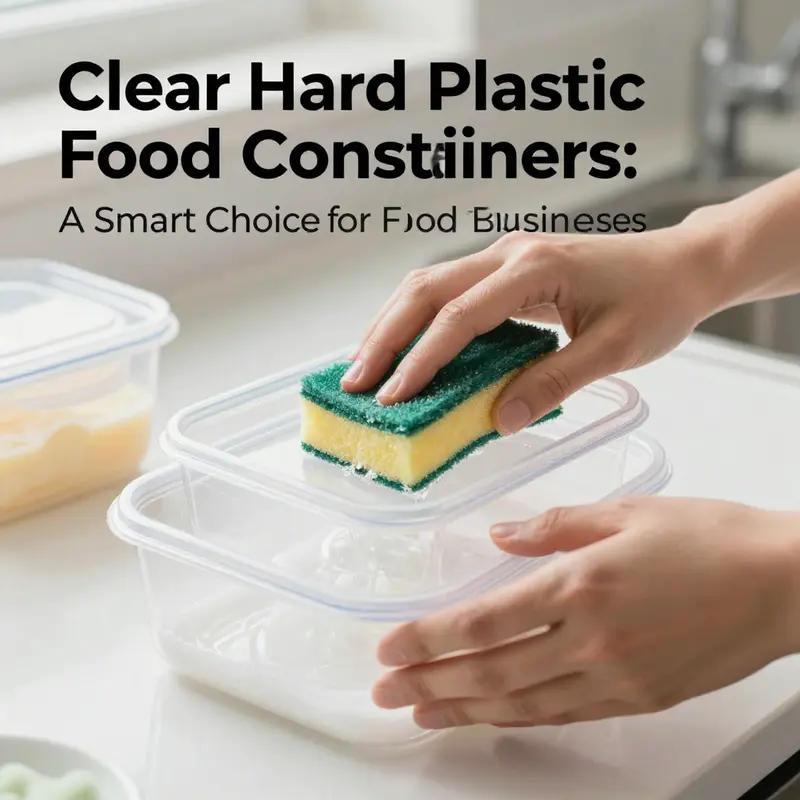
Given the central role of consumer use in risk management, proper cleaning and maintenance of clear containers deserve emphasis. Clarity is not only a matter of optics; it is a hygiene issue. Cloudiness in containers often signals mineral buildup from hard water or residues from detergents and foods. Regular, careful cleaning helps preserve transparency and prevents micro-scratches and staining that can harbor bacteria and odors. The recommended approach favors mild dish soap, soft sponges, and thorough rinsing. When mineral buildup is present, a rinse with vinegar can help dissolve deposits without introducing aggressive scrubbing that might mar the surface. Importantly, avoidance of abrasive scrubbers protects the container’s surface, reducing micro-scratches where residues can anchor. A well-kept container not only maintains its visual appeal but also sustains its barrier properties and ease of inspection, reinforcing the trust that transparency is meant to convey.
The regulatory narrative also has practical implications for bulk procurement and customization. In commercial settings, suppliers offer a spectrum of clear rectangular and other structured take-away containers designed to withstand microwave use, cold storage, freezing, and transport. The alignment between safety, performance, and cost drives choices for large kitchens and catering operations. For any organization, the key decision factors include material compatibility with the intended foods, the heating or cooling pathways anticipated, the required seal quality, and the container’s compatibility with existing cleaning protocols. When a container’s labeling states compliance with food-contact standards, it signals that both the resin and the design have undergone assessment for the intended use. In the realm of bulk, verified compliance reduces the risk of nonconforming packaging entering the supply chain, supporting consistent consumer experiences and protecting brand integrity.
To connect this discussion to practical, real-world examples, consider the range of packaging configurations that feature clear visibility alongside reliable lids and seals. While the specific products and brands circulating in markets vary, the underlying principle remains constant: clarity must be paired with verifiable safety. An illustrative reference point for understanding resin choices and their practical implications is the subset of packaging configurations that employ PET-lid assemblies in transparent formats. These configurations highlight how clear plastics can maintain their appearance while still adhering to regulatory expectations for food contact, migration control, and safety labeling. The intersection of material science, mechanical design, and regulatory compliance creates a coherent pathway from raw resin to consumer experience, ensuring that the promise of visibility does not come at the expense of safety.
For readers seeking a concrete example of how these considerations translate into packaging choices in the broader ecosystem, one can explore PET-lid-enabled clear containers that emphasize 1-liter capacity in a compact, stackable form. This example reflects a broader principle: the integration of clarity, security, and compliance in a way that supports efficient storage, transportation, and reuse. The dialogue between what is seen and what is approved is not a mismatch but a carefully engineered partnership between science, policy, and practical usage. Such alignment is essential when containers move through multiple hands and touch points—from production lines to home kitchens, from catering events to school cafeterias. Each stage depends on consistent materials, predictable performance, and unambiguous safety signals embedded in the product’s design and labeling.
In summary, clear hard plastic food containers do not merely house food; they carry a regulatory story embedded in their very construction. The safe and compliant use of HDPE, LDPE, PP, and, where appropriate, PET hinges on a combination of scientifically vetted material properties, rigorous design standards, and transparent labeling. Migration potential is mitigated by choosing the correct resin for the intended use and by avoiding inappropriate heating. Seals and closures support both containment and freshness, while recyclability considerations ensure that environmental responsibilities are not sidelined. Maintenance practices that preserve clarity reinforce safety by keeping inspection easy and effective. When these elements converge, the result is packaging that is both visually informative and scientifically sound—a rare but essential attribute in a world where consumer expectations for safety and transparency are higher than ever. For practitioners in manufacturing, distribution, or food service, this integrated view helps align product development with regulatory requirements, ensuring that the appeal of a crystal-clear container is matched by its safety and reliability.
Internal link example: for a practical look at resin- and lid-related packaging options in a real-world catalog, one can review PET lid containers 1L, which illustrate how clear plastics can combine visibility with trusted performance in a single offering. PET lid containers 1L.
External resource for official guidance: the U.S. Food and Drug Administration’s food-contact materials page offers comprehensive information on regulations, approved substances, and best practices for safe use of packaging materials. https://www.fda.gov/food/food-contact-materials/food-contact-materials-and-regulations
Crystal Clarity, Lasting Hygiene: Mastering Care for Clear Hard Plastic Food Containers
Crystal clarity in the kitchen is about more than aesthetics; it signals hygiene, reliability, and readiness for every meal. Clear hard plastic food containers are convenient precisely because you can see what’s inside without opening them, streamlining meal prep, storage, and cold-chain management. Yet clarity can fade with time if care is inconsistent, and foggy or yellowed surfaces can undermine not only the look of your containers but also perceptions of cleanliness and safety. This chapter explores the arc from understanding why cloudiness happens to applying practical, consistent care that preserves both the appearance and the performance of clear plastic in real kitchen use. It is a narrative of habit, not a single trick, because the life of a container is a sequence of small decisions about heat, detergents, storage, and handling that compound over years. By aligning everyday actions with the science of plastics, you can keep your containers transparent, durable, and hygienic across countless cycles of use.
At the core of this maintenance ethos is recognizing that the same properties that make clear plastics so versatile—their clarity, light weight, and moldability—also make them susceptible to subtle forms of wear. A container that remains clear is often a sign that you have established routines that minimize residue buildup, prevent surface damage, and shield materials from degradation. When you understand the mechanisms behind cloudiness, you can tailor cleaning and care to address each factor with precision. The most common culprits fall into a few broad categories: absorption of oils from food, mineral deposits from water, mechanical wear from cleaning, excessive heat exposure, and exposure to light. Each of these, in its own way, scatters light or alters the surface chemistry of the plastic, diminishing translucence and gloss. The good news is that most issues are reversible at least in part, and many can be prevented altogether with thoughtful practices.
Oil and fat are natural challenges for clear plastics. Foods rich in fats—salads with dressings, creamy sauces, fried items—leave residues that can migrate into microscopic pores or microcracks in the surface. Over time, this can lead to a faint haze or a yellowish cast, especially if residues are left to sit or are cleaned with abrasive agents. The first defense is prevention: wipe or rinse containers soon after use, especially after storing fatty foods. When cleaning, lean toward warmer—not boiling—water and a mild detergent. A gentle, thorough wash with a soft sponge helps lift oils without scratching. If a haze persists after washing, a paste of baking soda and dish soap can be introduced as a mild abrasive to lift embedded oils without harsh scrubbing. The key is to stay gentle and systematic: avoid circular scrubbing that only shifts stains around; instead, cover the surface with a thin, even layer of cleansing power and rinse clean.
Mineral deposits from water are almost invisible until they catch the light. Hard water leaves a chalky film on glass and plastic alike, and in plastics this film can trap odors or create a dull surface sheen. Regular rinsing with clean water after washing helps, but the problem often requires a little extra work. A vinegar-water soak—one part white vinegar to four parts water, allowing the container to sit for 10–20 minutes—can dissolve mineral buildup without harming most food-contact plastics. After soaking, a final rinse with plain water should remove any acidic residue. If you use a dishwasher, consider the settings: most manufacturers recommend avoiding high-heat cycles for clear plastics, as repeated high-temperature exposure can accelerate microcracking and dullness. When in doubt, hand wash or opt for a lower-heat wash to preserve clarity over the long term.
Scratches and abrasion are another frequent source of cloudiness because they disrupt the surface’s smoothness, causing light to scatter in different directions. Abrasive sponges, steel wool, or aggressive cleaning tools can etch the surface, magnifying any existing residues and inviting more buildup. The solution is to replace aggressive tools with non-scratching alternatives and to handle stacks with care. If you must use a scrub pad, choose a soft, non-abrasive sponge and use light, even pressure. In the dishwasher, avoid placing clear containers in the top rack where harsher jets and higher heat can increase abrasion and warping. A simple practice of gentle cleaning with soft cloths or sponges, paired with immediate drying, goes a long way toward preserving surface integrity and clarity.
High heat is a risk that often appears as brittle edges, yellowing, or a permanent loss of transparency. Clear plastics can tolerate some heat, especially when they are formulated for hot applications, but repeated cycles of high heat—such as long dishwashing runs or microwaving in non-microwave-safe containers—can degrade molecular bonds, leading to discoloration and reduced strength. The implication for daily use is clear: use heat-appropriate containers for hot foods, and whenever possible, heat foods in the container only if it is explicitly labeled microwave-safe. When not certain, transfer to a microwave-safe vessel. This attention to heat not only protects transparency but also reduces the risk of leaching, which, although uncommon with modern food-grade plastics, remains a concern whenever plastics are subjected to heat for extended periods.
Light exposure, particularly direct sunlight or strong indoor lighting, can also compromise clarity. Ultraviolet radiation can gradually break down polymer chains, yielding a faded, yellowish tint and increased brittleness. The practical action is simple: store containers in a shaded cabinet or a drawer away from windows and avoid leaving them in sunny spots or on sunlit countertops. If you routinely display meals in glass-fronted refrigerators or in sunny kitchens, consider rotating containers to keep the most transparency-prone surfaces away from direct light and make a habit of storing items in opaque or darker containers when possible. The cumulative effect of this habit—curbing UV exposure—translates into noticeably longer-lasting clarity and structural integrity.
With a sense of what drives cloudiness, the cleaning and maintenance routine becomes more straightforward. The most effective approach is a combination of regular, gentle cleaning, immediate post-use care, and mindful storage. Start with hand washing whenever possible, using mild dish soap and a soft sponge. This simple ritual minimizes the risk of micro-scratches and reduces exposure to aggressive heat and hard water minerals that a dishwasher cycle might spread or concentrate. Rinse thoroughly to remove all soap residues, which can attract minerals and soils during subsequent storage. Dry with a lint-free towel or air-dry on a rack in a clean, dust-free space. If you notice cloudiness or odor, address it promptly rather than letting it become a recurring pattern; early intervention not only restores clarity but also reduces the risk of cross-contamination and staining.
When cloudiness is more persistent, consider a targeted cleaning plan. A baking soda paste applied gently to the interior surfaces can help lift stubborn grease and grime embedded in tiny crevices. A vinegar-water soak can dislodge mineral films that cling to inside walls. After such treatments, avoid abrasive tools and be sure to rinse and dry thoroughly. For regular preventive care, you can integrate a simple routine: after every use, rinse, wash with mild soap, rinse again, and dry before stacking or storing. If you notice that a particular container shows persistent yellowing or cracking despite careful care, this may indicate aging or material fatigue rather than surface staining. In such cases, replacement should be considered to maintain hygiene and food safety standards.
A forward-looking approach to care involves selecting containers crafted from materials that offer improved resistance to staining, odors, and chemical degradation while preserving clarity. Modern clear containers are typically made from polymers such as PET, HDPE, or PP. Each material offers distinct advantages: PET is valued for its clarity and lightness; HDPE for chemical and moisture resistance and impact strength; PP for a balance of heat resistance and clarity. When purchasing containers for long-term use, consider these material properties in relation to your typical applications. If you regularly freeze, microwave, or store hot foods, seek containers explicitly rated for those conditions and with tight-sealing, airtight lids to maintain freshness without compromising the container’s surface.
During maintenance, it is useful to keep a simple diagnostic checklist in mind. Inspect for cracks or warping that could harbor bacteria or compromise sealing integrity. Examine the lid seals for consistency and absence of gaps, as ineffective seals can accelerate staining by letting in moisture and odors. Monitor the interior for staining that could indicate oil penetration or odor retention, especially after storing strongly scented foods. These checks, done routinely, prevent minor issues from becoming major concerns and help preserve both hygiene and clarity over the container’s lifespan. If you follow these habits, you will often find that cloudiness becomes a reversible, rather than an inevitable, fate for clear plastic storage.
For those who plan to scale up storage or customization, it’s worth noting that a growing array of options exists—containers designed with greater resilience to stains, odors, and chemical exposure while preserving a transparent appearance. When evaluating options, prioritize products with clear labeling about material composition, heat tolerance, and compatibility with food contact regulations. A responsible choice combines practical performance with regulatory awareness, ensuring peace of mind for home cooks and professional kitchens alike. The U.S. FDA provides guidance on food contact substances that helps clarify what is acceptable for contact with food, including the regulatory framework around materials and substances used in consumer containers. Understanding these guidelines can inform maintenance decisions by reinforcing the standard that containers should be food-safe under normal use. The objective is not simply to maintain appearance but to maintain a safe, hygienic interface between food and container throughout repeated cycles of use.
In closing, the care of clear hard plastic food containers is a routine of small, thoughtful actions that accumulate into long-term clarity and reliability. Gentle cleaning, timely attention to oils and minerals, careful handling to prevent scratches, prudent heat use, and strategic storage away from UV exposure all work together to keep transparency intact. The science behind these practices is straightforward: protect the surface, minimize harsh chemical contact, and respect the material’s limits. By weaving these practices into everyday cooking and meal-prep routines, you protect not only the look of your containers but the integrity of the foods you store and reheat. This approach contributes to a kitchen ecosystem where clarity, hygiene, and efficiency reinforce one another rather than competing for space. For readers seeking deeper regulatory context, the FDA’s food contact materials guidance offers detail on safety standards and compliance expectations that underpins confidence in using clear plastic storage in both home and commercial settings.
External reference: For safety standards and regulatory context related to materials used in food-contact objects, you can review the FDA guidelines on food contact substances at https://www.fda.gov/food/food-contact-materials/food-contact-materials-and-regulations.
Crystal Clarity in the Kitchen: How Clear Plastic Containers Shape Use, Design, and Sustainability
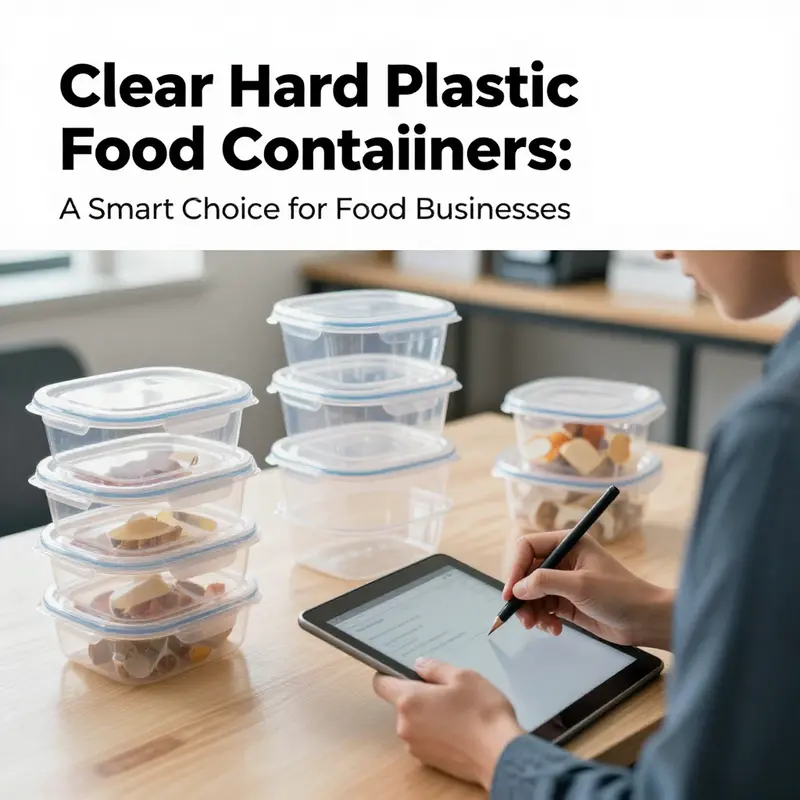
The appeal of clear hard plastic food containers goes beyond glass-like visibility. In kitchens across homes, schools, offices, and commercial settings, transparency becomes a practical ally. When a container’s body is crystal clear, the contents narrate their own story at a glance: leftovers, portioned meals, ingredients in mid-prep stages, and the exact level of storage progress. This visual access reduces guesswork, speeds up decision-making, and minimizes waste, because you can see if a dish has drifted toward dryness, moisture, or spoilage long before any label or date tag is consulted. The underlying chemistry of these containers—primarily PET, HDPE, and PP—lets this visibility coexist with durability and utility. PET offers exceptional clarity and light weight, making it ideal for ready-meal trays and salad compartments where presentation matters. HDPE delivers robust chemical and moisture resistance, along with high impact strength, which is why it underpins many everyday storage solutions that see heavy daily use. PP provides a balanced blend of heat resistance and clarity, which makes it a favorite for microwave-safe applications. Taken together, these materials create a spectrum of options that can be tuned to different cooking, storage, and reheating routines, rather than forcing a one-size-fits-all approach on the user. The practical payoff is straightforward: containers that stay legible and usable through the full life of the food they cradle, from fresh harvest to the moment a meal returns to life in a microwave or oven.
Yet clarity alone does not determine whether a container earns a permanent place in the kitchen. The most enduring designs acknowledge a broader ecosystem of use—one rooted in safety, convenience, and sustainability. Food-grade plastics, especially those compliant with regulatory standards such as the FDA’s food contact substances guidelines, are not merely about preventing contamination; they are about enabling confident handling across the lifecycle of a meal. When a container is designed with appropriate seals, gasket integrity, and leak-proof lids, its utility expands from simple storage to reliable transport and even simple reheating. The ability to heat foods directly in the container, where permitted, can shave minutes from a tight routine and reduce the need for transferring hot contents to other vessels. The result is a more streamlined workflow, whether you are portioning meals for a week, packing a lunch for a child, or staging ingredients for a cooking project. In practice, the alignment of material properties with user needs shapes how households and food-service operations think about organization: stackable, space-efficient designs become not just containers, but organizational systems that help kitchens breathe.
From the standpoint of safety and compliance, the link between material choice and regulatory standards remains central. Clear hard plastic containers are widely marshaled under food-contact regulations that ensure compatibility with food substances and processing steps. A growing subset of products emphasizes not just compliance but performance in challenging environments—microwaves, freezers, and dishwashers—while preserving clarity and integrity of the container body. When a product bears labeling that references food safety standards, it provides a layer of assurance that the container is engineered to behave predictably under typical kitchen conditions. This confidence matters as meals move through different stages: from refrigerator to thaw and through reheating, sometimes in a single day. Consumers can appreciate that their investments in storage systems are safeguarded by thoughtful design considerations such as appropriate wall thickness, smooth interior surfaces that resist staining, and lids that form tight, reliable seals. It is not merely about keeping food pristine; it is about maintaining the sensory and nutritional quality of the food so that the experience of eating remains consistent and enjoyable.
Sustainability conversations increasingly intersect with the practicalities of clear plastic storage. The market’s attention to environmental impact has shifted some momentum toward recyclable, biodegradable, or bio-based alternatives. In theory, a transparent container can be recycled more easily if it is made from a material with established curbside or community recycling channels. In practice, compatibility with recycling streams depends on the material family and local infrastructure. Beyond end-of-life considerations, the industry is exploring materials such as polylactic acid (PLA) and other bio-based blends as potential substitutes or blends that maintain transparency and performance while reducing reliance on petroleum-based feedstocks. The trade-offs are nuanced: while some bio-based or biodegradable options promise lower environmental footprints, they may not always deliver the same heat resistance, stiffness, or long-term clarity under repeated dishwasher cycles or exposure to oils and acids. This ongoing material evolution invites a nuanced decision-making process for buyers who must balance clarity, performance, and sustainability in a way that suits their specific use patterns.
When it comes to design, the market has seen a quiet but meaningful shift toward minimalist aesthetics that pair transparency with clean lines and restrained typography. In essence, the container becomes a neutral stage for the food it holds. This approach suits contemporary kitchen decor while also supporting practical labeling inside the lid or on the side of the container. The minimalist design philosophy is not purely cosmetic; it aligns with psychological preferences for order and simplicity. A clear body with simple, legible labeling helps users rapidly identify contents and expiration cues, especially in busy households or service settings. The visual language of such containers—clear walls, subtle curves, and rational proportions—also lends itself to modular stacking. When lids nest or lock securely with the body, a kitchen can transform vertical space into a tidy, accessible grid, which translates into time saved during busy mornings and during service periods when speed and accuracy matter most.
At the frontier of what some markets call smart packaging, a subset of clear containers begins to experiment with features that extend beyond physical containment. Temperature-indicating labels or microtags embedded in the lid or rim provide at-a-glance cues about whether a food’s storage conditions have deviated from the desired range. In contexts where food origin, handling, and storage recommendations are critical—such as meal kits or delivered groceries—these indicators can add a layer of transparency that would otherwise require separate thermometers or manual records. QR codes or scannable tags can be used to relay information about sourcing, shelf life, and storage suggestions, inviting consumers to engage more deeply with the story of their food. While not ubiquitous, these innovations reflect a broader industry trend: packaging that communicates more than just containment, embedding data that supports safety, traceability, and informed consumer choices.
The practical implications for daily life are subtle but meaningful. Clear containers can be used across multiple stages of the cooking and dining cycle: prepping ingredients, storing portions, freezing leftovers, reheating meals, and presenting desserts or snacks. The versatility is aided by materials that tolerate a range of temperatures and by lids with secure seals that minimize leaks during transport. This multipurpose character meets a modern demand for convenience and reliability in a single family-friendly package. It matters in a world where many households juggle school schedules, work commutes, and social obligations, leaving little time for mismanaged storage or wasted food. In such a context, the balance of visual clarity, durability, and practical features becomes a doorway to calmer, more organized routines.
From a purchasing perspective, the market acknowledges that different settings call for different capacities, shapes, and sealing technologies. For household kitchens, a spectrum of small, medium, and large rectangular or square containers typically covers most needs: ready-to-eat meals, chopped vegetables, leftovers, and portioned meal-prep sets. For catering, takeout, and food-service contexts, larger sizes, robust seal mechanisms, and compatibility with commercial dishwashers often take precedence. Suppliers frequently highlight the tolerance and precision of manufacturing processes, including injection molding and consistent wall thickness, which influence both performance and lifespan. The ability to source containers in bulk or with customization options—such as specific lid colors, logo placement, or printed storage guides—serves brands and operations that aim to present a cohesive, professional image while maintaining practical storage efficiency.
For readers navigating channels to acquire these containers, the landscape offers both broad online marketplaces and specialized wholesale platforms. When choosing a channel, consider not only price and availability but also the flexibility to obtain exact dimensions, tolerances, and customization needs. Bulk orders may be the most economical route, but they require careful attention to lead times, minimum order quantities, and long-term storage considerations. Home users often prioritize convenience, rapid delivery, and a straightforward selection of sizes and lid types. In either case, the decision should hinge on how well the container system integrates with daily routines, the dishwasher cycle, and the freezer and microwave usage patterns that define a household’s culinary rhythm. A well-matched system reduces friction, improves portion control, and ultimately supports healthier, less wasteful eating practices.
The broader culture surrounding packaging also impacts how people perceive and use clear containers. The rise of meal-prep culture, combined with a growing interest in home organization, makes visible storage both a practical necessity and a design statement. A container that is easy to identify in the fridge or freezer reduces the cognitive load required to plan meals and track freshness. That cognitive ease translates into fewer discarded ingredients and better adherence to dietary goals. In workplaces and educational settings, the same logic applies: clear containers help reduce misplacement, improve inventory control, and support hygiene protocols by making contents immediately observable. As long as the containers are used in compliance with safety guidelines, their clarity becomes a quiet ally in daily life, enabling people to keep a healthier, more organized approach to food.
When considering sources for more information or examples of how design choices translate into real-world benefits, it can be helpful to look at curated collections that emphasize the practical and aesthetic sides of clear storage. A well-chosen selection can illustrate how minimalism, durability, and user-friendly features intersect in everyday use. For readers seeking further context on standard-setting and safety, the U.S. FDA’s guidelines on food-contact materials offer a foundational reference point that clarifies what makes a container appropriate for handling foods and beverages. This external resource provides the regulatory framework behind many of the claims about safety and performance, helping readers understand the boundaries within which manufacturers operate. In parallel, exploring bulk and wholesale channels can yield insights into how large-scale operations balance cost with durability, customization, and supply reliability. These channels are not just about price; they shape the availability of standardized solutions and the ability to scale storage systems as needs evolve.
As a practical takeaway, the best approach to selecting clear hard plastic containers is to start with a clear view of how they will be used. If the primary value is rapid visual identification and portion control, prioritize transparency, minimal interior textures, and a reliable seal. If the use-case involves frequent reheating, confirm heat tolerance, microwave compatibility, and dishwasher resilience. If you anticipate long-term storage or frequent transport, seek robust sealing systems and stackable designs that maintain space in a crowded kitchen. Above all, ensure that the material family and the sealing system align with your anticipated cleaning regime and storage environment. A well-chosen system becomes more than a set of boxes; it becomes a dependable workflow that reduces waste, saves time, and preserves the sensory qualities of the foods you prepare and share.
For a concise reference on where to begin exploring a curated range of clear plastic options, you can examine an example collection described on a major online catalog, which highlights the balance of clarity, durability, and design. The discussion there centers on the practical realities of everyday use and how a simple, transparent package can support a calmer, more efficient kitchen life. This chapter’s focus remains on the practical and experiential aspects of how clear hard plastic containers help shape cooking, storage, and transport practices, while also acknowledging the evolving material science that continues to refine the balance between visibility, safety, and sustainability. The evolving story is not merely about containers; it is about the people who use them, the meals they prepare, and the moments of connection that happen around the table when food is neatly organized and easy to share.
If you want a concrete starting point that keeps the focus on the functional, aesthetic, and regulatory aspects—without venturing into targeted brand promotion—you can browse a representative collection of clear plastic containers that prioritizes visibility and practical performance. In this context, an internal link here provides an entry point to a widely accessible reference that aligns with the themes of this chapter without overshadowing the broader discussion of materials, design, and use. The link also serves as a reminder that the real value lies in how these containers integrate into everyday life: enabling quick decisions, preserving freshness, and supporting sustainable practices through thoughtful design and responsible manufacturing.
External resource: For foundational safety and regulatory context on food-contact materials, see the U.S. Food and Drug Administration guidelines. https://www.fda.gov/food/food-contact-materials/food-contact-materials-and-regulations
Final thoughts
Embracing the use of clear hard plastic food containers can significantly enhance your food service operations. From safeguarding food integrity to providing a visually appealing experience for your customers, these containers meet both practical and regulatory needs. By understanding the materials and proper maintenance required, as well as staying updated on market trends, you will be better prepared to select the right containers for your business. With careful consideration, you can make clear hard plastic food containers a cornerstone of your food service strategy, ensuring both safety and satisfaction.