
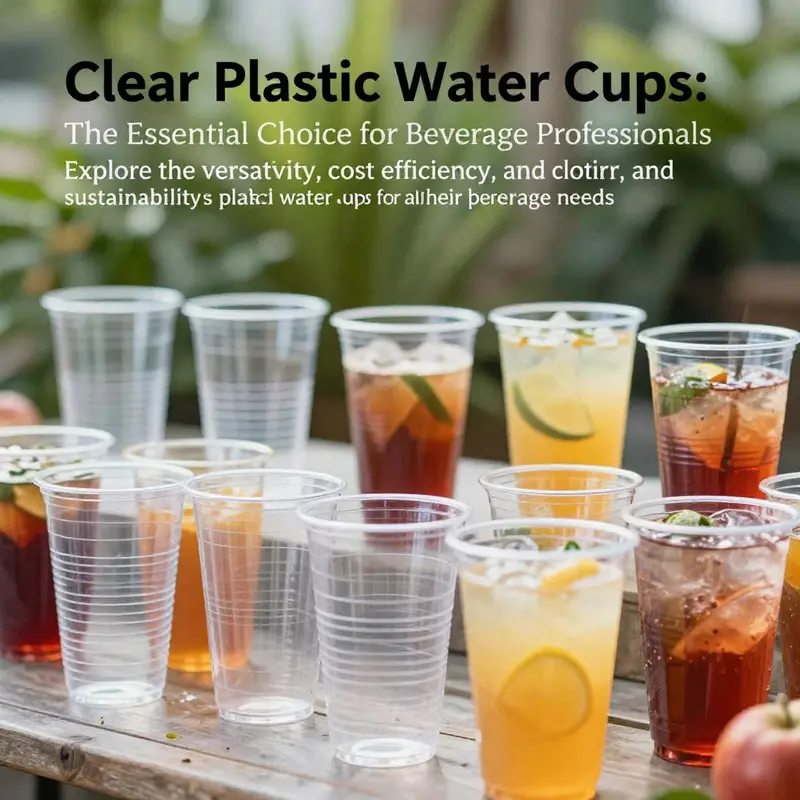
Clear plastic water cups have become a staple in the beverage industry, serving everything from coffee to cold drinks. Their transparent design captures attention, while their sturdy construction offers reliability in any environment, from bustling restaurants to food trucks. In the following chapters, we will delve into the materials that make these cups safe and durable, explore their versatility across various beverages, analyze their cost benefits for bulk purchases, and discuss the environmental impact of using disposable cups. Together, these elements create a comprehensive understanding of why clear plastic water cups are an essential investment for beverage shops and catering services.
Clear Choices: How Materials Shape Safety, Performance, and Sustainability in Clear Plastic Water Cups
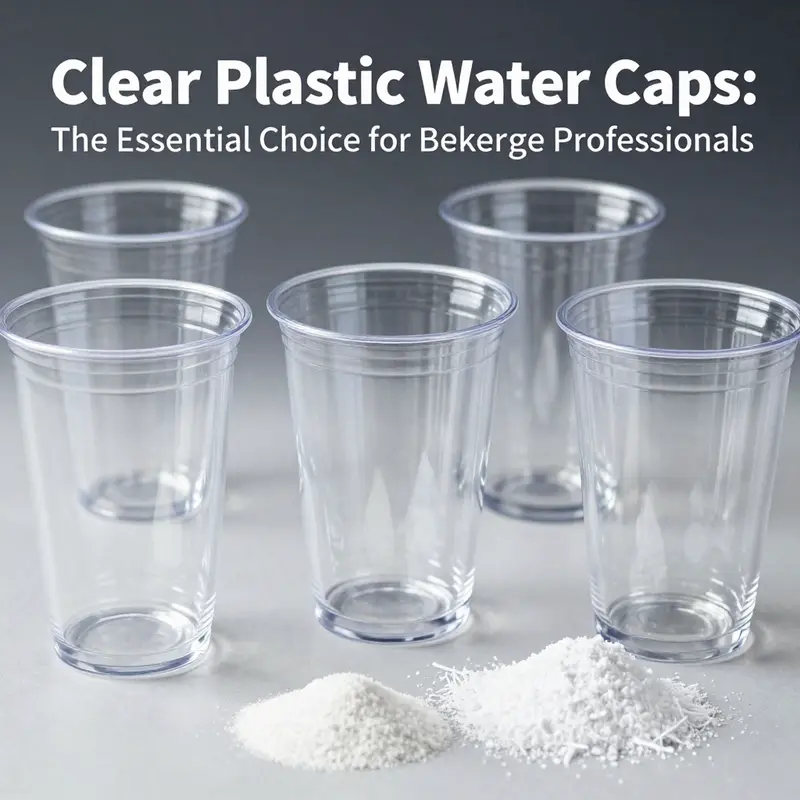
The everyday act of reaching for a clear plastic water cup is shaped far more by the material beneath the surface than most users realize. The transparent shell that allows us to see the level of our drink is a window into a broader world of polymer science, safety considerations, and practical trade-offs. When a cup is chosen for a restaurant, a festival, or a busy coffee shop, the decisions hinge on how well the material balances clarity, strength, heat tolerance, and environmental footprint. In this chapter, we weave those threads into a seamless understanding of how the common clear cup is not merely a disposable vessel but the culmination of material choices that determine safety, usability, and sustainability in the long run. The journey begins with the most familiar family of plastics used in single-use cups and then broadens to include options that increasingly inform reusable applications, all while staying rooted in the tangible realities of everyday consumption.
Polyethylene terephthalate, or PET, is perhaps the most recognizable material in the realm of clear cups and bottles. Its popularity in single-use formats is driven by exceptional clarity that makes beverages look appealing and appetizing. The appearance is not merely cosmetic; it matters to the perceived freshness and cleanliness of the drink. PET is light, shatter-resistant, and surprisingly tough for a disposable item. Yet these attributes come with important caveats. PET performs best when it remains within its designed temperature window. Exposing PET cups to high heat or repeated heat cycling can lead to chemical leaching or structural changes over time. For this reason, guidelines often discourage using PET cups for repeated use or for hot liquids. Recycling streams widely recognize PET as a valuable material, and the familiar recycling symbol code “1” marks many of these cups. Still, even within the recycling system, the fate of PET cups depends on local infrastructure, collection rates, and consumer participation. The end-of-life story for PET is not simply about recycling; it is about the entire chain—from production to disposal and potential reuse in other products.
HDPE, or high-density polyethylene, offers another pathway for clear or near-clear cups. While the classic image of HDPE is opaque or semi-opaque, selective manufacturing can yield clear variants that meet the demand for visibility and ease of cleaning. The inherent strengths of HDPE—robust chemical resistance and mechanical durability—often translate into safer storage for beverages. In particular, HDPE’s chemical resistance reduces the likelihood of interactions between contents and the container, a key consideration for flavored waters or beverages with added acidity. However, HDPE’s clarity typically does not rival PET; even when clear, HDPE can have a touch more haziness. Recycling codes for HDPE are commonly marked with the number “2,” signaling strong recycling streams in many regions. For bulk operations and reusable programs, HDPE’s resilience makes it a practical option when repeated handling, stacking, and washing are expected.
Polypropylene, or PP, has risen as a central material in discussions about hot liquids and repeated use. PP cups are known for their comparatively high heat resistance, which translates into safer handling for warm beverages or soups that stray toward the upper end of room temperature. This durability also makes PP a practical choice for reusable or semi-reusable cup programs, where cups can be washed and reused multiple times without fear of rapid wear. PP’s chemical resistance complements hot beverage scenarios well, reducing concerns about lipids or flavor compounds migrating into the cup. The recycling code most often associated with PP is “5,” signaling its place in modern recycling schemes while also noting that some streams treat PP differently from PET and HDPE. From a consumer safety perspective, PP is widely regarded as one of the safer options for repeated use in food and beverage storage, provided the plastic is certified food-grade and free from additives that could pose risks during heating or storage.
Polycarbonate, historically a staple in reusable clear bottles, occupies a more nuanced position today. Concerns about bisphenol A, or BPA, prompted a shift away from PC in many consumer applications. Even as BPA-free PC variants emerged, the broader market moved toward alternatives that demonstrably reduce BPA exposure risk. The story of PC is a reminder that perceived clarity and stiffness must be weighed against long-term safety considerations. For cups intended to endure many cycles of washing and handling, a material that can reliably resist deformation and maintain optical clarity without introducing BPA remains highly attractive, but producers have increasingly favored safer alternatives when it comes to disposable or semi-disposable use.
A newer family of materials—often positioned as safer, more durable BPA-free options for reusable systems—offers attractive properties for clear water cups. These high-performance copolyesters, developed by major chemical companies, deliver exceptional clarity, strong impact resistance, and improved thermal stability. They are designed to withstand repeated washing and occasional exposure to hot liquids while maintaining the clean transparency shoppers expect. In practice, this class of materials supports a more ambitious vision: cups that can be reused multiple times without compromising safety or aesthetics. However, as with all plastics, the benefits hinge on proper handling, labeling, and consumer awareness. Clear, BPA-free alternatives provide a compelling route for venues that want to minimize waste while preserving the recognizable, premium feel of a transparent cup. The take-home message is that the material choice matters not only for what you can see but for what you can safely do with the cup over time.
Beyond the chemistry, the practical design elements contribute to the user experience in meaningful ways. A clear cup is only as good as its ecosystem—lids that seal without leaking, rims that offer a comfortable grip, and surfaces that resist fingerprint smudges while remaining easy to clean. For cold beverages, dome lids can create a convenient drinking experience on the go, enabling hotels, events, and cafes to offer spill-resistant service without sacrificing visibility of the drink’s color and clarity. For hot beverages or soups, some designs embrace heat-tolerant plastics and vented lids to reduce pressure buildup, making the experience safer and more pleasant for customers who carry drinks in transit. The synergy between material choice and accessory design is subtle yet powerful; a cup that looks pristine can quickly degrade in perceived quality if the lid fails to seal or if the surface becomes dull after a few passes through a dishwasher.
From a safety perspective, the conversation around cups often intersects with concerns about chemical migration, especially when heat or repeated use is involved. Consumers seeking the safest path tend to prioritize food-grade plastics and label claims that emphasize BPA-free formulations. In practice, choosing a material with a proven track record for food contact, appropriate heat resistance, and clear labeling reduces risk for both frontline staff and end users. This is not merely about avoiding a chemical; it is about ensuring that the container does not alter the beverage’s taste or pose a health concern after multiple uses or over extended storage. The better approach is to view the cup as part of a system: the material, the lid, the cap, the straw, and the cleaning protocol together determine whether a drink remains simply refreshing or becomes a source of worry after a few uses.
The environmental footprint of clear cups also demands attention. In a world wrestling with plastic waste, the end-of-life path matters as much as the performance in use. PET’s strong recycling streams make it a popular choice for one-time use in many regions, but the sheer scale of consumption means millions of cups still end up in landfills or as litter. Recyclability alone does not guarantee sustainability; it requires robust collection, sorting, and processing systems. PP’s reputation for safety and heat resistance complements its role in durable, reusable programs that can shrink overall waste when managed responsibly. HDPE’s potential for reuse and its chemical resistance further support circular use scenarios. The challenge, as always, is aligning product design with recovery infrastructure, consumer behavior, and meaningful labeling that helps users separate and recycle appropriately. When cups are designed with recyclability in mind, and when businesses invest in education and proper waste streams, the environmental benefits become tangible rather than theoretical.
From the perspective of a bulk buyer or event organizer, the economics of material choice are intertwined with operational realities. Cost per piece for large orders often serves as a decisive factor, but it must be weighed against performance, safety, and waste handling. A low-cost cup that forks through a busy service environment with frequent washing may end up costing more in labor and replacement due to wear or leakage. Conversely, investing in a slightly higher upfront cost for a cup with higher heat resistance, stronger lids, and clearer labeling can translate into fewer spillages, better customer satisfaction, and reduced waste through reuse programs. The balance between cost and value is not a single equation; it is a dynamic assessment fueled by the event’s duration, the beverage lineup, the expected traffic, and the venue’s commitment to sustainability.
In practice, suppliers often present a spectrum of options, from simple, transparent, single-use cups to more durable, reusable designs designed for repeat washing. The choice depends on the specific context: a festival with short beverage windows may favor economical single-use PET cups with secure lids, while a corporate campus or a café offering a reusable program may opt for a tougher, BPA-free copolyester system that can withstand daily cleaning and frequent handling. The decision also hinges on labeling and information for consumers. Clear, visible labeling about material type, heat tolerance, and care instructions helps users make informed choices, particularly when cups are repurposed for different drinks or meals throughout a day. The transparency that makes the cups appealing also invites responsibility: the more information you share about how to use and care for the cup, the more likely it is that users will extend its life and minimize waste.
For those seeking practical guidance on sourcing, the landscape offers a range of verified inputs for clear cups and related ware. When evaluating suppliers, buyers often look for clear documentation of food safety compliance, temperature ratings, and the ability to supply cups with compatible lids and seals. This is particularly important for operations that rely on a steady supply chain and consistent product performance. A practical path is to approach sourcing with a holistic view: select a material that aligns with your safety standards, your service style, and your waste management capabilities, then ensure that the accompanying lids, films, and seals are designed to complement the cup’s performance. In this context, the interconnections between material science and daily service become visible; the choice of polymer is not an abstract decision but a direct influencer of how smoothly a beverage program runs, how customers perceive quality, and how efficiently waste is managed after service.
For readers who want a tangible example of compatible, compliant accessory options in the broader ecosystem, consider exploring related take-away ware that follows the same safety and packaging logic. Food-grade options with lids can provide a practical template for how a complete service package can function. A relevant resource that showcases such solutions is a product page detailing food-grade take-away bowls with lids, which can serve as a reference point for understanding how lids and vessels must align for secure, spill-resistant service. You can learn more here: Food-grade take-away bowls with lids.
The narrative of materials in clear cups ultimately returns to a simple but powerful idea: the choice of polymer affects what you can do with a cup, how safely you can use it, and how responsibly you can dispose of it. A clear cup can be a showcase of science when it blends high clarity with a responsible safety profile. It can be a workhorse when it resists heat and stands up to repeated cleanings. It can be a conscientious choice when its end-of-life journey is planned and supported by recycling streams and consumer education. The better cups deliver more than a crisp look; they deliver confidence that what is poured into them will remain true to the drink, to the consumer, and to the larger effort to manage plastic use more wisely. In this sense, the material is not simply a container—it is the quiet partner in every sip, shaping taste, experience, and responsibility in equal measure.
As a closing reflection, the landscape of clear plastic water cups is a crossroad where clarity, safety, and sustainability converge. The materials discussed—PET for clarity and lightness, HDPE for strength and chemical resistance, PP for heat tolerance and reuse potential, and the safer, modern alternatives that emphasize BPA-free performance—provide a spectrum of choices. The right selection follows the context: the type of beverage, how it will be served and transported, how it will be cleaned, and how it will be disposed of. This is not a decision to be taken lightly, but a deliberate balance of performance, safety, and environmental responsibility. The cup becomes more than a container; it becomes a statement about how we, as consumers and providers, approach the everyday act of drinking and the broader life cycle of the products we use. And in a world increasingly attentive to waste and health, the clarity of the cup’s material shines as a small but meaningful factor in a larger, ongoing conversation about materials, safety, and stewardship. The choices we make today shape the cups we hold tomorrow, and the opportunities for safer, smarter, and more sustainable consumption grow stronger as we understand the materials under the surface.
External resource: https://www.eastman.com/products/tritan
Crystal Clarity, Practical Power: The Versatile World of Clear Plastic Water Cups

Clear plastic water cups sit at a surprising crossroads of simplicity and sophistication. They look unassuming, yet their transparency invites a visual simplicity that many serving scenarios crave. When a beverage is poured into a cup, the liquid becomes the focal point, whether it is the pale swirl of a citrus-infused water, the rich tones of a fruit smoothie, or the darker shimmer of iced tea. This clarity is not merely aesthetic; it signals freshness and cleanliness, helping diners gauge temperature, volume, and even the absence of impurities at a glance. In a marketplace saturated with disposable options, the clear plastic cup has carved out a niche built on visibility, reliability, and convenience, which translates into a consistent user experience across venues and occasions.
At the core of this usability is the choice of materials. Most clear plastic water cups are manufactured from food-grade polymers such as polypropylene or PET. These polymers provide a balance of safety, rigidity, and clarity that is well suited to cold liquids and, in many designs, to a broader range of temperatures. Polypropylene, with its slightly higher heat tolerance, is favored for cups intended to handle warmer beverages or tall iced drinks, while PET offers excellent clarity and strength for cold applications. The precise formulation influences how long a cup maintains its transparency, how it resists clouding from condensation, and how well it resists cracking when handled in busy service environments. For consumers, this translates into a cup that remains pristine under the pressure of a fast-paced cafe or a bustling event, where drinks are poured, swapped, and carried with minimal interruption to service.
The practical elegance of the clear cup extends beyond material science into design features that matter in daily use. A dome lid with a secure seal, or a snugly fitting flat lid with a straw slit, can transform a spill-prone drink into a reliably portable beverage. In settings such as food trucks, festivals, and outdoor catering, a lid is not a luxury; it is a necessity that reduces waste and protects the drink from dust, wind, and accidental tipping. The smooth, rounded rims of many clear cups also contribute to comfort during extended use, whether a guest is sipping at a concert or a busy restaurant table. The ergonomic grip, often achieved through carefully tuned wall thickness and curved sidewalls, helps prevent slips and makes the cup feel balanced in hand, even when it’s full of a viscous smoothie or a chilled tea.
Speaking of performance, temperature tolerance remains a central theme. The beverage world does not always respect the neat dichotomy of hot and cold. In practice, many clear plastic cups are designed to handle cold drinks, but a subset also accommodates a range of warm to hot beverages. This versatility makes the cups suitable for bubble tea or iced coffee, where ice and syrup interact with the cup over time, as well as for soups or broths in certain service models. The capability to endure heat without deforming or imparting an unwanted flavor is not universal, however; it is a property that varies with the polymer choice, wall thickness, and lid design. Users selecting cups for mixed offerings—hot soups one hour, iced beverages the next—must pay attention to these specifications to avoid issues such as warping, sweating, or condensation that can compromise both appearance and function.
Bulk buyers encounter a different kind of practicality: pricing that makes large-scale deployment feasible without sacrificing quality. The economics of clear plastic cups are intertwined with how they are produced, packaged, and shipped. For orders of substantial volume, economies of scale can drive the per-piece cost down to modest levels, enabling cafes, caterers, and event organizers to outfit hundreds of tables or multiple venues with consistent glass-like clarity. In this space, the interplay between cost and performance matters almost as much as the hydration experience itself. A cup that provides reliable performance at a low unit price can be a critical factor in planning for large events or seasonal promotions where margins are tight and customer expectations remain high. When a crew is setting up a festival or stocking a concession stand across the city, every container’s reliability reduces the likelihood of spillage, leakage, or breakage at scale, and that reliability compounds into smoother operations and happier guests.
The range of sizes and configurations available for clear plastic cups further amplifies their adaptability. Typical offerings extend from compact seven-ounce portions to generous 24-ounce options, with intermediate sizes filling gaps in between. The smaller cups excel at sample tastings, fruit-infused waters, or gym and office settings where a quick refill is part of the routine. The larger options serve the needs of vending machines, smoothie bars, and casual dining where a bigger drink is the norm. The ability to mix and match sizes within a single service plan elevates the overall guest experience, enabling a restaurant or event organizer to tailor the beverage presentation to specific moments in a program—whether a quick break during a conference or a festive social hour at a reception.
Beyond the basic cup and lid, the market has embraced variations that expand the scope of use. Some cups are designed to withstand both hot and cold drinks, broadening their applicability to boba tea, iced coffee, or even warm soups in kiosk-style eateries. The option to pair with dome lids, flat lids, or sealing films adds a layer of versatility that supports both on-the-go consumption and dine-in service. The presence or absence of a straw, as well as the size of that straw relative to the cup, affects not just user comfort but also the efficiency of service during peak times where speed matters as much as presentation. The net effect is that a single clear cup can function across multiple channels—from a sit-down café to a street stall to a corporate event—reducing the number of SKUs a business must manage while maintaining a cohesive guest experience.
The branding and marketing implications of clear plastic cups are often understated but strategically important. Clear cups provide a blank canvas that allows the color and texture of the beverage to shine through, reinforcing the visual appeal of the product itself. For many operators, customization goes beyond color and typography; it includes printing the cup with logos, event branding, or seasonal artwork. OEM and ODM services offered by suppliers enable a brand to extend its identity across a disposable format, turning a simple cup into a portable marketing touchpoint. This characteristic is especially valuable in settings where the beverage is the central product, and the cup merely frames it. A vendor can leverage the transparency to reinforce a premium perception, particularly for beverages that rely on natural hues—green teas, vibrant fruit blends, or layered smoothies—where the crisp, clean lines of the cup elevate the overall presentation.
Sustainability is a thread that runs through every consideration, from material choice to end-of-life disposal. The market recognizes a spectrum of environmental labels and certifications, and this can influence how a cup is perceived by diners who are increasingly conscious of packaging. Some clear cups emphasize recyclability, relying on widely accepted plastics that can be reprocessed in municipal facilities. Others pursue certifications or formulations aimed at reducing environmental impact, including biodegradable or compostable options under specific industrial conditions. It is important to understand that the term biodegradable or compostable often comes with caveats. It may require industrial facilities with controlled conditions to achieve the intended end-of-life outcomes. For this reason, operators should align their packaging choices with local recycling capabilities and composting options, so expectations about disposal and sustainability are realistic and accurate.
All of these factors—clarity, material selection, temperature performance, ergonomic design, lid configurations, size variety, branding potential, and sustainability—converge in a single, practical conclusion: clear plastic water cups deliver a reliable, visually appealing, and adaptable solution for a wide spectrum of beverage service needs. Their transparency is more than a stylistic feature; it is a functional cue that signals purity, freshness, and volume, supporting both the producer’s and the consumer’s confidence. The economics of bulk supply make them accessible to small cafés and large events alike, while the design versatility means they can be deployed in ways that align with brand identity and customer expectations. In a world where the drinking experience can be shaped by small details, clear plastic cups help ensure that the beverage—the star of the show—remains front and center, unobstructed by clutter or ambiguity.
For readers weighing alternatives to keep a consistent aesthetic across their serving channels, it is worth noting that other cup formats offer their own advantages. Paper-based options, for instance, can present a distinct branding opportunity and a different sustainability footprint. If you want to explore a disposable single-wall paper cup with lid as part of a broader packaging strategy, you can view a representative option here: Disposable single-wall paper cup with lid. This reference can help balance decisions about visibility and environmental considerations when selecting vessels for a particular event or venue. The conversation around cups is not about a single winner; it is about choosing the right tool for the job, with an eye toward consistent quality, guest experience, and efficient operations.
Finally, for those who want to deepen their understanding of safety, material specifications, and the broader supply landscape, there are external resources that explore the technical dimensions of clear plastic cups. An external reference provides a detailed overview of commonly used materials, manufacturing processes, and safety considerations in the context of disposable drinkware. External resource: https://www.alibaba.com/product-detail/Disposable-PP-Thermoforming-Clear-Plastic-Water_1600593586252.html
Balancing Budget and Function: The Economics of Buying Clear Plastic Water Cups in Bulk
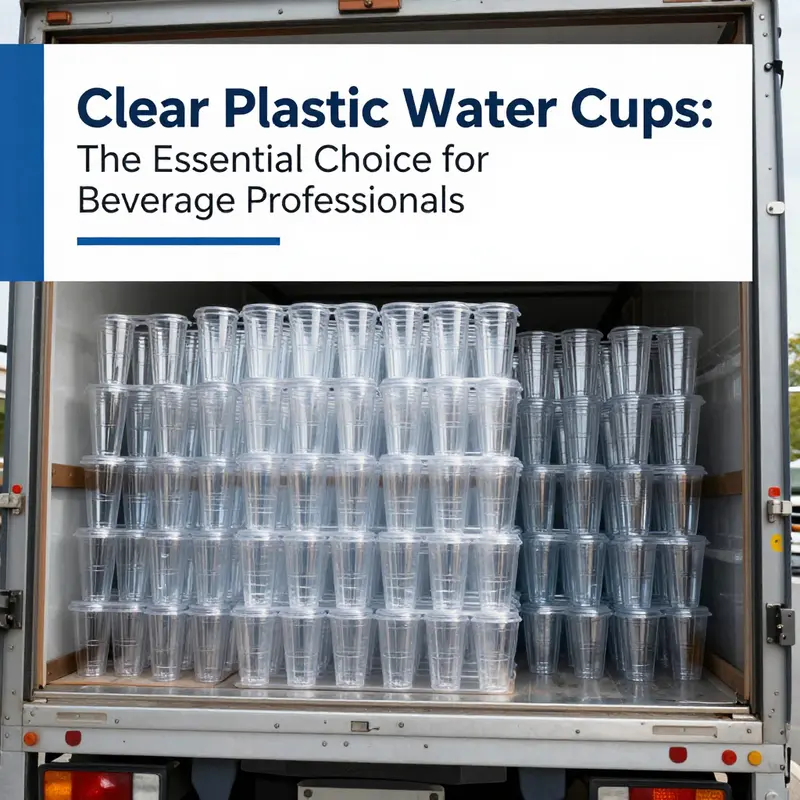
Cost efficiency sits at the heart of decisions about disposable serviceware. For venues, caterers, event planners and workplaces, clear plastic water cups are a recurring line item that touches daily operations and one-off events alike. Their appeal is obvious: transparency, light weight, and low per-unit price. Yet the real savings emerge only when procurement choices are considered in context—material type, order volume, reuse potential, disposal costs and regulatory constraints all shape the effective cost. This chapter walks through the full economic picture of bulk purchasing for clear plastic water cups so buyers can weigh short-term savings against longer-term value.
Start with the unit economics. When ordered in volume, clear plastic cups commonly fall into a price band that makes them highly attractive for single-use scenarios. Typical wholesale rates range from around $9.50 to $12.50 per 1,000 units, though prices shift by size, wall thickness and substrate. That means an event serving 1,000 guests can cover basic beverage service for only a few dollars per hundred attendees. With even larger orders, incremental discounts kick in, driving the per-cup cost down and improving margins for businesses that resell or provide complimentary refreshments.
Volume discounts are the most direct lever for cost efficiency. Suppliers often publish price breaks at common thresholds—1,000, 5,000 and 100,000 units—each tier slicing the per-piece price. Minimum order quantities (MOQs) vary; some vendors accommodate smaller MOQs for customization or testing, while manufacturers offering factory-direct channels may set higher MOQs but deliver the best per-unit price. Buyers who can forecast demand with confidence should plan purchases to hit discount bands. Consolidating orders across departments or events is a simple administrative strategy that unlocks those savings without sacrificing flexibility.
Material choice influences both sticker price and lifecycle costs. Clear cups are typically made from PET (polyethylene terephthalate) or PP (polypropylene). PET offers clarity and rigidity at low cost, making it common for cold drinks and visual merchandising of beverages. PP is tougher and withstands more handling; some grades are recyclable in more facilities and tolerate warmer liquids. BPA-free, food-grade options are widely available at only a modest premium, so safety certification rarely drives a major price differential. When comparing quotes, request the material grade, food-safety certifications and recyclability details, because these attributes affect disposal options and potential compliance costs.
Durability and thickness are closely related to perceived value and waste. Thin-walled cups minimize manufacturing costs and pack tightly for shipping, but they tear or buckle more easily. Thicker walls add cost per unit but reduce breakage during service and lower the probability of complaints or replacement needs mid-event. In many cases, the few cents more per cup for a sturdier option translates into lower total cost of service when you account for lost product, guest dissatisfaction and labor to replace damaged cups. It is practical to model expected breakage rates by cup grade to compare effective cost per served drink rather than sticker price alone.
Shipping and logistics often hide the largest expenses for bulk purchases. Clear plastic cups pack with high density, which helps, but freight costs can climb for overseas sourcing or for expedited delivery. Lighter cups reduce shipping weight, yet large orders still occupy volume and may attract pallet charges, customs fees and handling costs. Smart buyers consolidate shipments, schedule deliveries to minimize warehousing, and negotiate Incoterms that clarify who pays for each stage of transport. For very large and recurring needs, establishing a direct relationship with a manufacturer can secure better freight terms and smoother replenishment.
Storage and handling affect lifecycle economics, too. Cups stored in climate-controlled, dry environments maintain integrity. If inventory sits on damp floors or under fluctuating temperatures, deformation or contamination may increase waste and force earlier replacement. Accounting for appropriate storage space is essential. Offsetting storage costs against per-unit savings on larger orders will identify an optimal purchase cadence: too small and you miss savings; too large and holding costs erode returns.
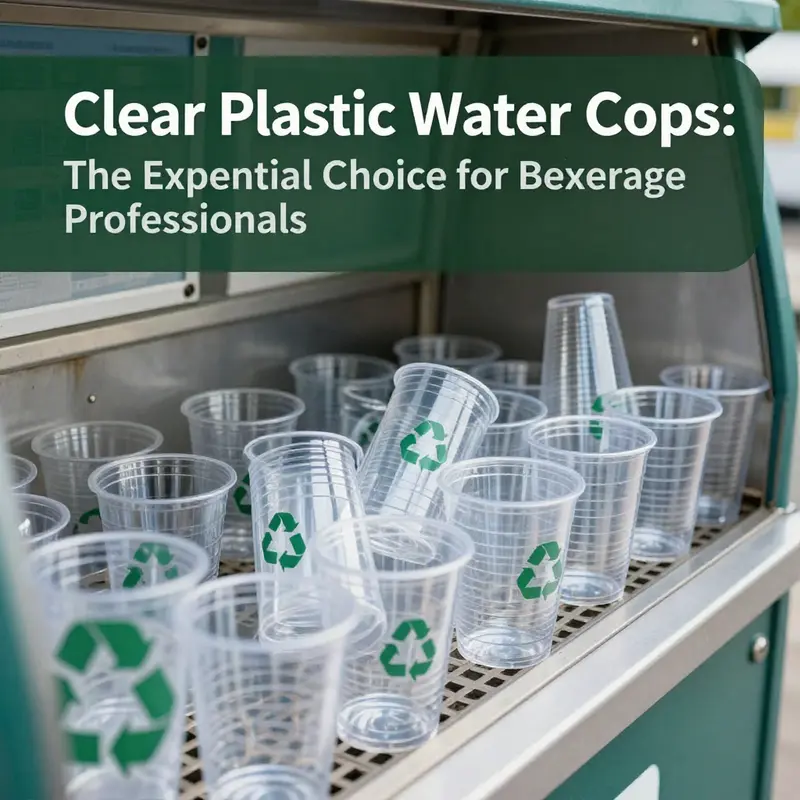
Disposal and recycling are part of the economic equation, especially as municipalities tighten waste management rules. Single-use cups often end up in landfill when local recycling streams cannot accept certain plastics. That creates a downstream cost to communities and, increasingly, to businesses through disposal fees or mandatory stewardship programs. Polypropylene products sometimes qualify for local recycling where PET does not, so material selection can influence post-consumer fate and potential recovery of value. When recycling is available, the environmental benefit may translate into brand value and reduced waste disposal fees; when it is not, the social cost can exceed the original purchase savings.
For organizations looking beyond single use, a hybrid approach can yield strong long-term savings. Reusable plastic drinkware crafted from dishwasher-safe PP or similar materials costs more upfront but amortizes over many uses. For example, bulk purchases of reusable cups that survive weeks or months of repeat service will offset their higher initial cost if turnover and washing logistics are well managed. This model suits institutional settings with centralized dishwashing and robust inventory control. For mixed models—where some events demand disposable convenience and others can absorb cleaning overhead—maintaining both stock types creates flexibility while containing total spend.
Customization and branding influence both cost and return on investment. Custom-printed cups carry higher unit prices due to setup and printing costs, but branded servings can function as mobile advertising. If cups leave the venue with customers, they extend brand visibility. Buyers should weigh the incremental cost per printed cup against the marketing value and the expected number of impressions. Short runs for seasonal promotions may justify higher per-piece cost, while ongoing branded service often benefits most from longer print runs that reduce setup amortization.
Risk management is another economic factor. For large events, the cost of running out of cups far exceeds the cost of carrying a safety buffer. Vendors often require minimum lead time; emergency purchases from retail channels are significantly more expensive. Maintaining a modest emergency reserve—calculated as a percentage above anticipated use—mitigates the risk of supply interruptions. Insurance against supply volatility, whether through multiple suppliers or contractual guarantees, adds stability at a small premium and protects event budgets from unexpected spikes.
Finally, procurement strategy should align with broader sustainability goals and local regulations. Many buyers now internalize environmental externalities into purchasing choices. Choosing recyclable materials, working with suppliers that offer take-back programs, or shifting some purchases to compostable alternatives can create downstream savings in disposal or compliance while preserving public trust. Even if per-unit costs are slightly higher, the total cost of ownership that includes regulatory compliance, disposal, and reputational risk may favor higher-grade or recyclable options.
In practice, a cost-efficient purchasing plan for clear plastic water cups blends several elements: accurate demand forecasting, strategic order consolidation, material selection tailored to end-of-life options, and a pragmatic balance between disposables and reusables. Modeling true cost per served beverage—accounting for breakage, shipping, storage, customization and disposal—reveals the options that deliver the most value. For many buyers, simple bulk purchases in the $9.50 to $12.50 per thousand range will remain the baseline for economical short-term service. Where sustainability or reuse is feasible, a modest increase in up-front spend can yield lower lifetime costs and better alignment with policy and customer expectations.
For buyers exploring alternatives or complementary products, consider eco-friendly paper cups and lids as a potential match for certain service styles, particularly where composting infrastructure exists; an example of such alternatives and packaging formats can be found in this resource on eco-friendly paper cup options. For real-time pricing and a view into wholesale sourcing models, the following supplier platform provides current listings and bulk ordering options: https://www.alibaba.com/product-detail/Wholesale-10-Liter-Clear-Plastic-Bucket-Great_1600377579484.html
null
null
Final thoughts
Clear plastic water cups stand out in the beverage industry not only for their functionality and aesthetic appeal but also for their adaptability and affordability. As businesses enhance their offerings while meeting consumer expectations, these cups provide a practical solution across various applications. Additionally, as the industry moves towards more sustainable practices, understanding the materials and recycling options available becomes vital. Clear plastic water cups are more than just a convenience; they are the backbone of service in cafes, restaurants, food trucks, and catering. Investing in the right cup can lead to improved customer satisfaction and operational efficiency.