

The plastic disposable cup market in South Africa is booming, driven by a surge in demand from beverage chains, food trucks, restaurants, and event planners. These cups are versatile, catering to various needs, from indulgent bubble tea to professional catering services. As consumers and businesses become increasingly conscientious about environmental issues, understanding the dynamics of plastic disposable cups, including safety standards, market trends, and environmental considerations, is essential for informed choices. This exploration provides insights into how businesses can align their practices with consumer expectations while ensuring safety and quality.
Cups Under the Southern Sky: Navigating South Africa’s Plastic Disposable Cup Market, Design Innovation, and Safety
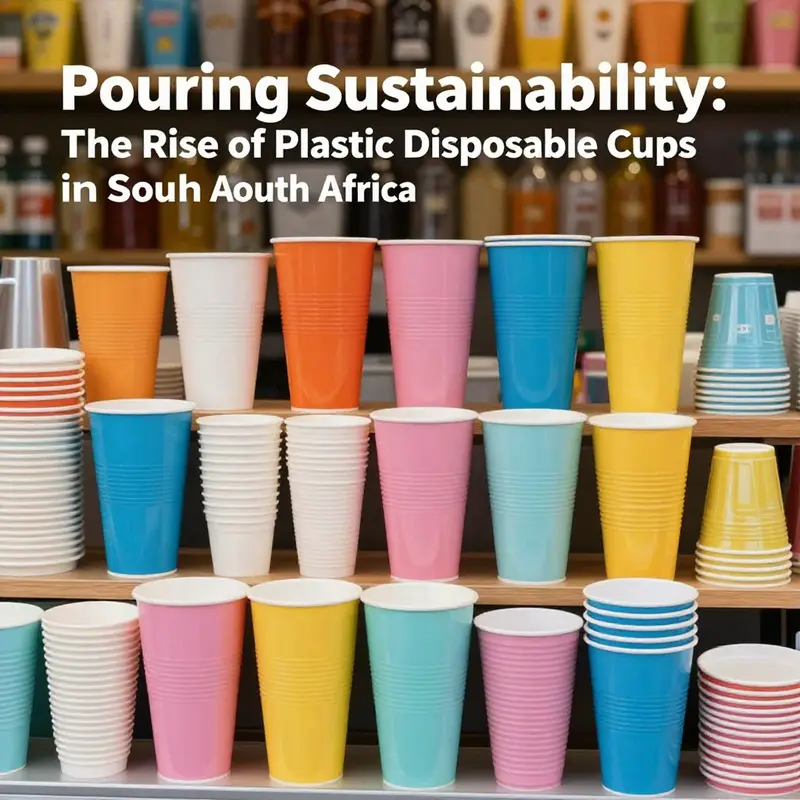
South Africa’s landscape of plastic disposable cups is more than a catalog of shapes and sizes. It is a living picture of how a dynamic economy, diverse consumer cultures, and a robust service sector converge to shape everyday objects that travel from a bustling restaurant front to a crowded festival yard. In recent years, the market has shown a steady tempo of growth, and 2024 data point to a revenue height of around USD 137.7 million, with forecasts nudging the total toward USD 166.3 million by 2030. This upward trajectory does not arise from a single force but from a blend of needs that span quick-service eateries, event planning, catering for outdoor and indoor gatherings, and the fast-evolving take-away and delivery segments. Across the country, operators are seeking cups that not only perform reliably under cold beverages, fruit punches, or iced coffee but also align with safety expectations and cost considerations that vary with scale. The resulting market is a tapestry of options—PET and PP variants, clear and transparent cups, a spectrum of capacities from compact 12-ounce servings to 20-ounce choices, and a growing residual demand for designs that reduce spill, improve grip, and simplify handling for both staff and guests. In this environment, the conversation about plastic disposable cups becomes a conversation about reliability, presentation, and responsibility, all bound together by the practical realities of South African logistics, retailer expectations, and consumer preferences.
Safety and regulatory compliance act as the invisible framework that makes these conversations possible. A core driver in choosing cups is whether a product meets international safety standards, because many food-service operations in South Africa engage with suppliers who export or import materials that must pass rigorous checks before they reach the table. The presence of certifications such as FDA 21 CFR 177.1520 and EU No 10/2011 is not merely a box to tick; it is a signal to operators that the cup has been evaluated for contact with food, resistance to typical cold beverages, and compatibility with the kinds of handling typical in busy kitchens and event venues. These standards provide a cross-border assurance that the cups can travel with confidence, enabling domestic caterers and international partners to collaborate without friction. The South African market, in turn, benefits from suppliers who can present documentation and traceability that meet these benchmarks, creating a sense of continuity from a party of friends at a private home to a large-scale corporate function held in a convention center.
Material choices in these cups reflect a balancing act between clarity, strength, cost, and environmental impact. PET remains a staple for cold beverages, prized for its clarity, rigidity, and shatter resistance—qualities that matter when a unit must hold a bright fruit juice on a crowded table or endure a long service life on a transport rig. PP, with its lighter weight and robust heat resistance in certain applications, is another common option, often favored for its stacking efficiency and cost-effectiveness in bulk production. As buyers become more attuned to sustainability, there is a noticeable tilt toward materials that offer improved environmental profiles or lower overall lifecycle impact, even as performance remains a non-negotiable criterion. This shift is not an indictment of traditional plastics but rather a reflection of a broader conversation about waste, reuse, and waste management infrastructure that can handle the volumes generated in the hospitality and events sectors.
Design innovations have evolved to meet practical demands with minimal friction in service flow. Among the most notable developments are ribbed bases, which improve grip and stability on tabletop surfaces. The visible benefit is a reduction in spill risk during bustling service moments, especially in party settings or busy cafe counters where staff multitask and customers are in a hurry. Stability becomes even more critical when cups are used in take-away contexts, where a quick hand-off and a secure lid can often determine whether a beverage arrives intact or ends as a spill near a seat or car door. In response to the demand for organized and efficient presentation, some concepts blend shallow, compartmentalized formats with cup sets that make it easier to present a complete beverage-and-snack package in a single, cohesive unit. While these designs can be most prominent at social gatherings or casual dining spaces, their influence extends into takeaway venues and micro-restaurants that prize modularity and a streamlined, appealing customer experience. The emphasis on ergonomic design—grip-friendly textures, stable bases, and user-friendly assembly—reflects a broader service philosophy: the cup should support the beverage, not complicate the moment of purchase or consumption.
The spectrum of materials also opens doors to discussions about sustainability and end-of-life options. PET remains favored for its optical clarity and rigidity, which make it an attractive choice for cold drinks that rely on visual appeal to drive consumer choice. However, the green thread in the market is the exploration of sustainable alternatives and the rethinking of plastic’s role in a society increasingly sensitive to waste streams. The dialogue includes plant-based biodegradable options and polypropylene variants designed to minimize environmental impact, alongside more robust discussions about reusability and the practicalities of reusing small-volume cups in professional settings. For some segments, this translates into a careful cost-benefit analysis: the short-term expense of a more sustainable cup may be justified by a reduction in waste handling costs, improved brand perception among eco-conscious customers, and the logistical advantages of suppliers who can deliver consistent quality at scale. In a country with a complex waste management landscape, retailers and caterers are compelled to weigh the immediate convenience of disposables against the longer-term implications of waste generation, recycling opportunities, and compliance with local regulations that encourage responsible disposal.
As these technical and ethical conversations unfold, the economic dimension remains a constant force shaping choices. The South African market has to navigate import dynamics, currency fluctuations, freight costs, and the capacity of domestic suppliers to maintain steady inventories that can meet both seasonal peaks and routine demand. The appeal of plastic disposables lies not only in price per unit but in total cost of ownership: the ease of procurement, the predictability of supply, the speed with which cups can be stocked and distributed to various points of sale, and the intangible advantage of a consistent consumer experience. In a sector where margins can be tight and competition fierce, the ability to source reliable cups that meet safety standards while delivering the right temperature performance and visual appeal becomes a strategic asset. The market’s resilience to these economic variables is reinforced by the breadth of options—materials, sizes, features, and the option for customized printing or labeling—that enable businesses to tailor their packaging to specific brand narratives, promotional campaigns, and event themes without overhauling their entire sourcing pipeline.
The design and material diversity dovetails with a clear trend toward customization and branding, particularly as consumer experience becomes a differentiator in a crowded market. A growing subset of suppliers can offer customization services, including print and labeling, to help operators convey identity and messages directly on the cup. This capability supports marketing efforts that aim to engage customers, reinforce brand recall, and deliver a coherent packaging story across channels. The ability to print or label cups with logos, colors, or messages aligns with broader trends in experiential retail and event hospitality, where packaging is an extension of the service concept and the brand’s personality. Such customization, while enhancing perceived value, must be balanced against lead times, minimum order quantities, and the compatibility of inks and finishes with the cup material to maintain food-safety compliance and print durability under cold beverage conditions.
Yet, the narrative remains anchored in practicalities. For many operators, the choice of cup is driven by a need for predictable performance in a range of environments—from a fast-casual chain’s daily lunch rush to a coastal festival’s sunlit afternoon. The ribbed-base design, the integrity of the seal on a lid, and the ease of stacking for back-of-house efficiency all contribute to a smooth service experience. Beyond the table, environmental and regulatory considerations guide decisions about which cups to deploy in specific contexts. Local waste management realities, consumer expectations, and the availability of recycling streams influence whether a venue prioritizes a clear, recyclable PET option or a more quickly degradable alternative when feasible. In all cases, the underlying message is that the “right” cup is not a single product but a carefully chosen configuration that aligns with operational realities, safety standards, consumer preferences, and the institution’s commitment to responsible consumption.
To appreciate the breadth of options while maintaining a grounded sense of what matters in practice, it helps to consider how a South African business might navigate a typical procurement cycle. A buyer begins with a clear understanding of the beverage type, serving context, and expected throughput. They then assess cup specifications: capacity, transparency, lid compatibility, grip quality, temperature tolerance, and whether the design supports a cohesive branding approach. Compliance documentation becomes essential as well; having readily available evidence of FDA and EU certifications can expedite procurement, especially when suppliers operate across borders or target export markets. Then comes the cost calculus: per-unit price, minimum order quantities, storage considerations, and logistics. A decision is rarely about the cheapest option but about the most reliable choice that fulfills safety requirements, delivers a consistent customer experience, and fits within the business’s financial and sustainability goals.
On the sustainability horizon, food-service operators increasingly weigh not only what the cup can do for a beverage in a moment but also how it behaves as waste. The conversation has evolved from “Is it cheap and pretty?” to “Does it align with our waste management plan, our brand’s environmental commitments, and our customers’ expectations for responsible practices?” The market’s evolution suggests that a growing share of buyers will favor cups that can be easily recycled or that come from materials with lower lifecycle impacts, alongside the potential for reuse or extended-use options in professional settings where hygiene and cost considerations permit. This is not a simple transition, but a gradual reconfiguration of supply chains, production streams, and customer education that accompanies better communication about disposal choices and recycling options.
All of these currents—the demand from the hospitality and events sectors, the insistence on safety compliance, the drive toward smarter and more stable designs, and the evolving expectations around sustainability—coexist in a market that remains both pragmatic and forward-looking. South Africa’s plastic disposable cup sector is not a monolith; it is a spectrum of products tuned to meet varied contexts, from high-volume outlets to one-off celebrations, each choosing its path through the same regulatory wilderness and the same global conversation about plastics and the environment. The result is a market where decisions about cups reflect broader themes—the reliability of a cold, clear beverage served at a major city venue; the tactile assurance of a ribbed bottom that guards against spills in a crowded, lively setting; and the quiet confidence that comes with certifications that connect local kitchens to international safety standards. This is the texture of everyday commerce in a country with a vibrant service economy and a nuanced approach to materials, packaging, and consumer experience.
For readers who want to explore related avenues beyond the quick-turnaround world of disposables, there is value in considering the wider packaging ecosystem, including eco-friendly paper-based options that can complement or, in some cases, substitute for conventional plastics. These alternatives reflect a broader willingness to experiment with materials that may offer different advantages in branding, disposal, and consumer perception. To illustrate this avenue, you can explore eco-friendly printed-logo paper cup options that provide branding opportunities while aligning with sustainability messaging. This linked resource offers a practical entry point into how businesses are integrating printed-paper solutions into their packaging mix and how such options sit alongside traditional plastic cups in a shifting market landscape. eco-friendly printed-logo paper cups.
External resources inform the broader context as well. For a deeper dive into the global availability and regulatory considerations that shape plastic disposable cups, the following external source provides a comprehensive look at market offerings and safety certifications that have become standard across many markets. https://www.alibaba.com/product-detail/Clear-Plastic-Disposable-Plates-and-Cups_1600592899347.html?spm=a2700.19073494.0.0.3e1c4d2eYiWqVw. This external reference helps situate the South African market within a larger supply chain that vendors and buyers navigate as they seek reliable, compliant, and cost-effective solutions for cold beverages and related uses.
In the end, the story of plastic disposable cups in South Africa is one of balance. It is a balance between speed and safety, between the clarity of a cup that shows a vibrant beverage and the quiet integrity of certifications that ensure that beverage is served without hazard. It is a balance between the convenience of disposables and the responsibility to manage waste in a landscape of diverse recycling capabilities. It is a balance between a market that wants customization and branding, and the practical demands of large-scale operations that require consistency and affordability. As the market grows and matures, it will continue to be defined by how well suppliers can harmonize design ingenuity, material science, and regulatory compliance with the day-to-day rhythms of South Africa’s food service culture. The cups will remain small objects with outsized influence, shaping not only how beverages are served but also how brands tell their stories in a competitive, ever-evolving marketplace.
Between Convenience and Contamination: The Environmental Reality of Plastic Disposable Cups in South Africa
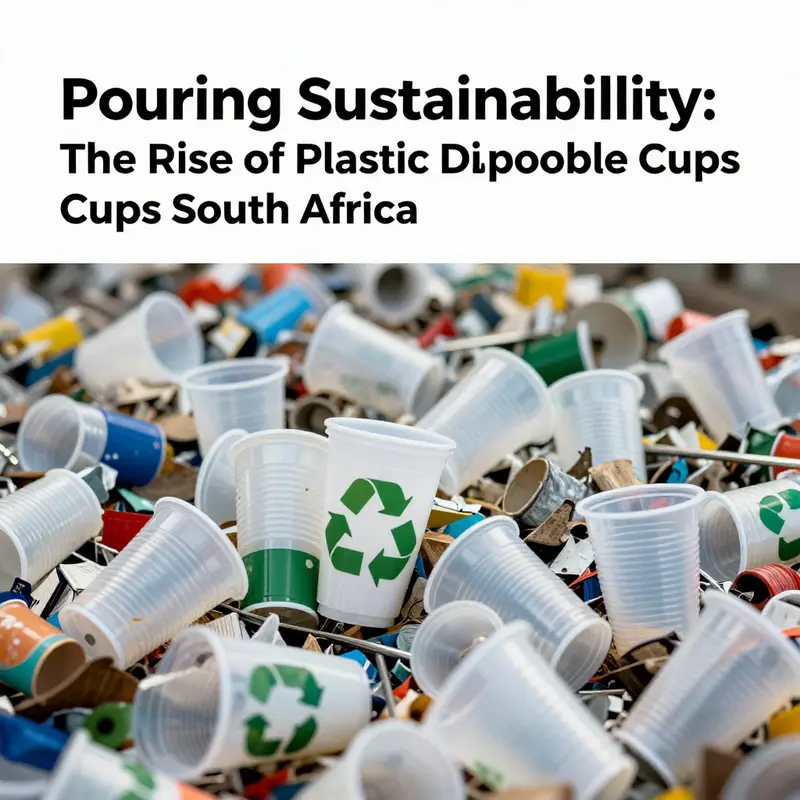
The chapter that follows for this section of the article takes a long view of a familiar, everyday object: the plastic disposable cup. In South Africa, as in many fast-moving consumer contexts around the world, these cups are celebrated for their convenience and cost-effectiveness. They power busy kitchens, cater to large events, support takeaway food, and enable quick service in a way that few other packaging options can. Yet beneath the surface of that convenience lies a complex environmental equation. The lifecycle of a single cup—from its production to its ultimate fate in the waste stream—embodies a set of tensions that are particularly acute in a country where urban expansion, informal economies, and uneven waste-management infrastructure intersect. This chapter explores those tensions with a view toward how policy, industry, and everyday behavior shape outcomes, and it considers how the push for environmental responsibility can coexist with the realities of a growing economy and a diverse society.
Plastic cups are rooted in a material reality that is durable but not easily reversible. They are designed to withstand cold beverages, to resist moisture, and to be manufactured at scale with relatively predictable performance. But durability, in the context of the environment, translates into longevity once the cup leaves a consumer’s hand. These items are non-biodegradable, persisting in the landscape for centuries. In cities and townships alike, discarded cups frequently escape orderly collection systems. They accumulate along streets, clog drainage networks, ride wind currents into open spaces, and end up in watercourses or informal dumpsites. The volume is not just a statistic; it is a visible footprint that communities contend with daily. As urban areas expand and consumption patterns intensify, the probability that a single-use cup will become litter increases, and with it the potential for environmental degradation that is both local and cumulative. The local consequences are tangible: clogged drainage channels during heavy rains, degraded streetscapes in commercial districts, and the continuous need for cleaning and maintenance that drains municipal resources and public patience.
The pollution that results from poor disposal is more than an eyesore. It constitutes an environmental health risk that can manifest in several ways. When waste streams are not adequately captured or processed, plastic cups break down into smaller fragments, eventually entering soil and water bodies. Microplastics—tiny particles shed from larger plastics—can travel through drainage systems and end up in rivers, lakes, and even coastal ecosystems. Wildlife may ingest these fragments, mistaking them for food, which creates a web of ecological disruptions that can travel up the food chain. For communities that rely on local waterways for livelihoods or recreation, the health dimension becomes personal. The problem multiplies where waste management is inconsistent or under-resourced, a reality in parts of the country where formal collection services operate alongside informal waste-picking networks. The cumulative effect is not merely aesthetic nuisance; it is an ecosystem service challenge that translates into higher cleanup costs, potential contamination of water sources, and broader concerns about environmental justice.
Against this backdrop, government action in South Africa has sought to curb the environmental footprint of disposable cups while recognizing the practical needs of a dynamic economy. The policy landscape blends regulatory steps with incentives intended to shift behavior and drive system-wide improvements. Regulatory actions—ranging from restrictions in specific contexts to standards that steer material choices—aim to reduce single-use plastic waste and make alternative packaging viable for high-volume operations. At the same time, incentives and targeted programs are meant to strengthen waste-management infrastructure, improve collection efficiency, and expand access to recycling facilities. The overarching aim is not only to discourage a disposable habit but to foster a more circular approach to packaging that keeps materials in use, for longer, and reduces leakage into the environment. Yet policy by itself cannot guarantee outcomes. Real-world change depends on effective implementation at municipal levels, clear signaling to industry, and sustained engagement with communities that produce and manage waste.
If policies are the scaffolding, markets and behavior are the living parts of the structure. The promise of alternatives—especially disposable paper cups—has gained prominence as a means to reduce plastic waste. Nevertheless, the environmental trade-offs of paper cups can be substantial. Paper production typically requires significant water use and forest resources. The sustainability calculus becomes more intricate when coatings, inks, and barrier layers are added to improve performance and shelf-life. Those coatings can complicate recycling, reducing the end-of-life value of the cup and sometimes requiring specialized processing. In other words, what looks like a greener choice on a single axis may incur costs elsewhere in the process. The takeaway is not simplistic dichotomy but a recognition that lifecycle thinking matters. The ideal solution combines material and design choices with efficient, accessible recovery systems, so that cups can be collected, sorted, and recycled with high yield.
To illustrate, the debate about plastic versus paper is not only about material properties but about system design. Better recovery requires reliable, well-distributed collection infrastructure, clear labeling, and efficient sorting mechanisms. In high-throughput environments such as large events or busy urban venues, operationally feasible recycling and composting require careful planning and staff training. Where open-waste streams exist, public education about proper disposal and the availability of nearby recycling options can significantly reduce the probability that a cup will end up where it should not be. These practical considerations remind us that a cup is not just a container; it is a node in a broader waste-management network that depends on the behavior of individuals, the capacity of institutions, and the incentives that guide all participants in the value chain.
From a market standpoint, the South African landscape has shown a growing interest in materials that balance performance with environmental responsibility. The diversity of use scenarios—ranging from takeaway beverages to packaged catering, to on-site service in venues—drives demand for cups that meet criteria of leak resistance, temperature stability, and branding potential. At the same time, customers increasingly expect packaging choices to align with sustainability goals. This tension pushes suppliers and manufacturers toward innovations in materials, coatings, and production processes that preserve function while reducing environmental impact. Yet the realized environmental benefits depend on whether end-of-life systems can capture and redirect used cups back into the production loop. Without robust recycling streams or robust reuse programs, even a seemingly greener option risks limited impact. In other words, the full value of any packaging choice emerges only when use is paired with recovery and reintegration into manufacturing cycles.
Business and consumer responsibilities become critical levers in this narrative. Companies that depend on disposable cups have a professional obligation to minimize waste through smarter material choices, efficient operations, and take-back or reuse programs where feasible. Consumers can contribute by making mindful disposal decisions, supporting brands that demonstrate clear commitments to sustainability, and participating in accessible recycling or return schemes when available. The discourse around extended producer responsibility highlights a framework under which producers shoulder accountability for end-of-life outcomes. In practice, that accountability can stimulate investment in design for recyclability, easier sorting, and partnerships with waste-management entities that enhance collection and processing efficiency. Real-world adoption of such frameworks requires coordinated policy guidance, measurable targets, and transparent reporting so that progress can be tracked and benchmarked over time.
Branding and customization add another layer to the environmental discussion. On the one hand, cups offer a powerful canvas for identity, enabling operators to communicate values and differentiate themselves in a crowded market. On the other hand, customization can introduce materials and finishes that complicate recycling. The choice between branding impact and environmental performance is not inherently zero-sum, but it does demand careful design decisions. For instance, opting for finishes that remain compatible with existing recycling streams can preserve value at the end of life, while still delivering the branding benefits that customers expect. The strategic implication is clear: packaging decisions should consider end-of-life scenarios as an integral criterion in the procurement process, not as an afterthought.
Beyond policy and design considerations, practical action at the local level matters deeply. Investments in waste-management infrastructure—such as expanded recycling facilities, improved collection networks, and more robust waste-education campaigns—can transform disposal from a daily nuisance into a manageable, collective responsibility. Priorities include ensuring that high-density urban areas and underserved regions gain consistent access to services, expanding the reach of sorting facilities, and creating predictable pathways for cups to re-enter the production stream. Such actions require collaboration across multiple actors: government agencies, municipalities, private sector partners, non-governmental organizations, and the communities that generate waste. When aligned, these efforts can yield tangible benefits, including reduced litter, cleaner public spaces, and lower environmental risks associated with discarded cups.
The dialogue about plastic disposable cups in South Africa thus interweaves environmental science, policy design, market dynamics, and behavioral change. It is not enough to insist that one material is better than another; the real challenge is to create a packaging ecosystem in which use is linked to responsible recovery. In practice, this means combining smarter material choices with accessible disposal options, investing in infrastructure that can handle high volumes, and cultivating a culture of reuse and recycling that becomes second nature for businesses and individuals alike. The objective is a practical, scalable pathway toward a more sustainable cup economy that still accommodates the country’s vibrant economic activity and diverse consumer habits. The journey is ongoing, and the tasks are many, but the direction is coherent: design for end-of-life, support effective collection, and foster reuse where possible, all while maintaining the essential conveniences that cups provide in everyday life.
For readers seeking a broader, external view on market dynamics and policy evolution, the 6Wresearch report on the South Africa disposable paper cup market offers a structured analysis of momentum, challenges, and future outlooks. External resource: https://www.6wresearch.com/reports/south-africa-disposable-paper-cup-market-outlook-2024-2030
Internal note for linked content: for a real-world example of eco-friendly, branded paper cups available through a sustainability-focused supply chain, see this related option with branding and lifecycle considerations: eco-friendly paper cups.
Shaping Demand in a Changing Landscape: Market Trends for Plastic Disposable Cups in South Africa
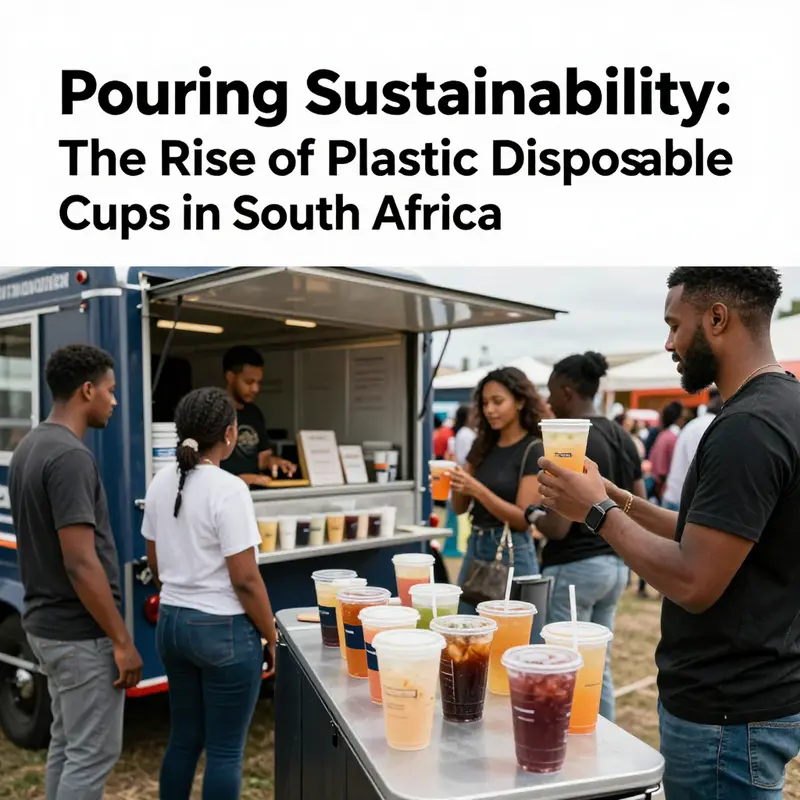
South Africa’s market for plastic disposable cups sits at a crossroads where convenience and cost once defined growth, but environmental accountability and shifting consumer expectations are now steering demand in new directions. In many urban and peri-urban areas, plastic cups have become a practical solution for fast-food outlets, coffee shops, and a wide array of event catering. They offer speed, uniformity, and a predictable price point that appeals to high-volume operators and to informal traders who seek reliable packaging for cold beverages, fruit drinks, and take-away purchases. Yet the same factors that fuel rapid adoption—accessibility and low upfront cost—also render these cups vulnerable to regulatory and social pressures. As small businesses and larger chains alike navigate price sensitivity, supply chain stability, and evolving consumer norms, the South African market is gradually recalibrating its expectations around what constitutes responsible packaging without sacrificing the operational advantages that single-use cups have historically delivered.
The current use patterns reflect a fragmentation of demand across sectors. Quick-service restaurants and coffee outposts remain the mainstay customers, but the footprint of plastic cups extends to festivals, street-food markets, and corporate events where speed and low cost per serving are decisive. In these contexts, the immediate economics of disposable cups strongly influence procurement choices. The affordability of single-use options is especially critical in informal platforms where margins thin and customer volume is high. Operators often favor standard sizes and straightforward branding because consistency reduces training time and waste. This pragmatic approach sustains broad, if uneven, consumption across the country’s varied ecosystems. At the same time, buyers increasingly weigh the total cost of ownership, including waste handling and potential regulatory compliance, which begins to shift some buyers toward alternatives when the price gap narrows or when sustainability credentials become a differentiator in customer perception.
Environmental concerns have risen from background discussion to a central platform for decision-making. The government has signaled intention to tighten plastic waste policies through potential measures like a national plastic tax and extended producer responsibility (EPR) schemes. Such initiatives would elevate the cost of conventional plastic cups and heighten the responsibility of manufacturers to manage end-of-life outcomes. For businesses, this means not just a shift in purchase price but a broader recalibration of procurement strategy. Retailers and caterers who repeatedly encounter regulatory checks may see compliance as part of their brand promise, while others in more price-sensitive segments may delay transition to greener options until regulatory clarity and market pricing align more favorably. Public awareness campaigns and civil-society pressure add nuance to these dynamics. When consumers understand the environmental footprint of disposable packaging, they begin to favor places that demonstrate accountability, even if the immediate price of a cup is unchanged.
Against this regulatory backdrop, market alternatives have gained traction, though their adoption is not uniform. Biodegradable or compostable cups, often made from paper with PLA or plant-based polymers, present a compelling environmental narrative. They address end-of-life concerns more directly than conventional plastics, aligning with consumer preferences that favor sustainability. However, these eco-friendly options typically carry a higher price tag, which can constrain uptake in cost-sensitive markets. The premium may be justified in segments where brand image and consumer goodwill translate into higher sales or repeat business, yet for everyday take-away scenarios in lower-income neighborhoods, the price differential can impede rapid scale-up. Businesses are therefore balancing environmental aspirations with practical budgeting, sometimes layering green options with conventional cups to maintain coverage across customer segments. The result is a cautious, staged approach to substitution rather than an abrupt pivot, with some operators testing pilots in higher-end venues or seasonal campaigns before broader rollout.
Brand influence in South Africa is increasingly shaped by alignment with international sustainability norms. Global operators embedded in local markets face pressure to demonstrate responsible packaging practices as part of a credible corporate social responsibility narrative. This is not merely about meeting regulatory minimums; it is about meeting evolving consumer expectations for transparency, traceability, and stewardship. As standards converge globally, the local market eyes not only compliance but also the strategic advantage of sustainability leadership. Retailers and food-service brands increasingly seek packaging configurations that balance performance, cost, and environmental impact. In many cases, this translates into a preference for materials that offer safety assurances and ease of recycling or composting, without compromising the reliability of single-use solutions in busy service environments. The overarching effect is a gradual shift toward packaging ecosystems that integrate materials science with waste management principles, even as traditional plastic cups remain deeply entrenched where margins depend on speed and predictability.
Beyond just material choice, design features have emerged as practical responses to the realities of South Africa’s dining and take-away culture. For instance, cups and related serving ware now commonly feature ribbed or grooved bases and anti-slip textures to improve grip and stability on crowded tabletops, a detail that matters in fast-paced service settings and in outdoor events where wind and uneven surfaces can pose challenges. These design refinements support a smoother service flow, reducing spillage and customer dissatisfaction—critical factors in high-volume venues and takeaway channels where every millisecond of efficiency translates into tangible cost savings. The integration of ribbed bottoms with compatible lids and closures underscores a broader trend toward modular packaging solutions that can be combined with different cup sizes while preserving performance in diverse environments. Operators who adopt such design considerations often discover a small but meaningful improvement in customer experience, which, in turn, reinforces demand across mixed-use venues.
The competitive landscape remains shaped by a tension between scale-driven efficiency and the growing appetite for responsible packaging. Large distributors and supermarket-led chains may foster economies of scale that favor conventional plastics, yet regional retailers and independent caterers increasingly explore sustainable options as a means to differentiate themselves. Availability and consistency across the supply chain influence decisions as much as price and environmental claims. When eco-friendly alternatives are readily accessible, clearly labeled, and competitively priced, more buyers will test the waters. Conversely, if supply is patchy or lead times extend, operators facing peak demand periods may revert to familiar, lower-cost options to avoid service gaps. In this environment, the most resilient players are those who blend a pragmatic, cost-aware approach with a credible narrative about environmental responsibility, aligning product choices with both business goals and broader societal expectations.
Within the South African context, a pragmatic emphasis on accessibility remains central. The informal sector—the entrepreneurial backbone of many towns and townships—relies heavily on cost-effective, reliable packaging. For these businesses, the availability of standard cup sizes, predictable quality, and straightforward procurement processes matters more than long-term environmental rhetoric. Yet even here, consumer pressures and municipal waste-management conversations filter through; vendors who can credibly present options that reduce litter, improve waste separation, and support recycling initiatives are likely to see incremental advantages. The market will not abandon affordability or accessibility, but it may gradually diversify product lines to include greener options that are sensibly positioned for specific applications, such as premium beverages, event catering, or corporate functions where environmental branding adds real value.
An important thread in this evolving tapestry is information accessibility. As consumers and business buyers gain more information about packaging life cycles, recycling capabilities, and waste-stream realities, their choices reflect not only upfront price but also long-run costs and societal impact. Confidence in health and safety standards remains non-negotiable; materials that meet recognized safety criteria offer peace of mind to operators and customers alike. The dual pressures of affordability and accountability will continue to shape the trajectory of plastic disposable cups in South Africa, pushing the market toward a more nuanced equilibrium where traditional plastic cups coexist with higher-value, lower-impact alternatives in a way that supports diverse business models and consumer preferences. In this sense, the current moment is less about an abrupt transition and more about a managed evolution toward packaging systems that honor both practicality and responsibility.
For readers who want to explore specific pathways toward sustainability within this market, industry catalogs and trade literature frequently showcase options that emphasize eco-friendly design and modularity. One path involves offering customized branding on kraft-based serveware that signals a commitment to responsible packaging while maintaining functional performance. The opportunity here is not merely to replace plastic cups but to broaden the packaging ecosystem in which beverages and foods travel from vendor to customer. In practice, this means combining reliable containment with clear labeling, recycling compatibility, and branding opportunities that reinforce a value proposition built on quality and care. See an example of such a sustainable option here: eco-friendly kraft paper disposable cups with custom logo. The approach is not universal, but it provides a tangible route for operators who wish to align their packaging with environmental claims without sacrificing speed, hygiene, or customer satisfaction.
Looking ahead, the market’s evolution will be guided by a combination of policy signals, price dynamics, and consumer sentiment. If regulatory momentum accelerates, and if the cost gap between conventional plastics and greener alternatives narrows through technological improvements or economies of scale, uptake of sustainable options could rise more quickly. Conversely, in periods of economic strain or supply turbulence, buyers will gravitate toward familiar, low-cost solutions that meet essential service standards. In the medium term, the trend is likely to be a diversification of packaging options rather than a single universal replacement. Operators will increasingly segment their offerings by setting, allowing for a mix of cup types that optimize for price, performance, and environmental credentials across different touchpoints. The strength of the South African market lies in its adaptability, and that adaptability will be tested and refined as waste-management infrastructure, consumer awareness, and policy design continue to evolve in tandem with market realities.
External resource: For a broader policy and market context that shapes these trends, readers may consult a comprehensive review of plastic waste management and market dynamics in South Africa. See the analysis at https://www.sciencedirect.com/science/article/pii/S0956053X23001742 for a detailed, peer-reviewed perspective that complements this chapter’s discussion of regulatory pressures, consumer attitudes, and substitution opportunities.
null

null
Final thoughts
As the demand for plastic disposable cups continues to grow in South Africa, it is crucial for businesses within the beverage and catering industries to stay informed about the available options and evolving standards. With a delicate balance between convenience and sustainability, there lies a future where eco-friendly practices and high-quality product offerings can thrive together. Understanding market dynamics, consumer preferences, and regulatory requirements will empower businesses to make informed decisions that enhance their reputation and align with a forward-thinking approach.