

Food stains can be a persistent challenge in the hospitality industry, particularly for bubble tea shops, restaurants, food trucks, and catering services. Clean, stain-free plastic containers not only present a professional appearance but also ensure food safety and hygiene. In this guide, we address effective methods for removing food stains using everyday household ingredients. Each chapter focuses on a specific ingredient’s role, starting with baking soda for tough stains, followed by vinegar for odors and mineral deposits, and concluding with lemon juice for freshness. By harnessing these techniques, your business can maintain clean and safe practices while impressing customers with attention to detail.
Gentle Alkaline Cleanser in Action: How Baking Soda Liberates Stains and Restores Clarity to Plastic Food Containers
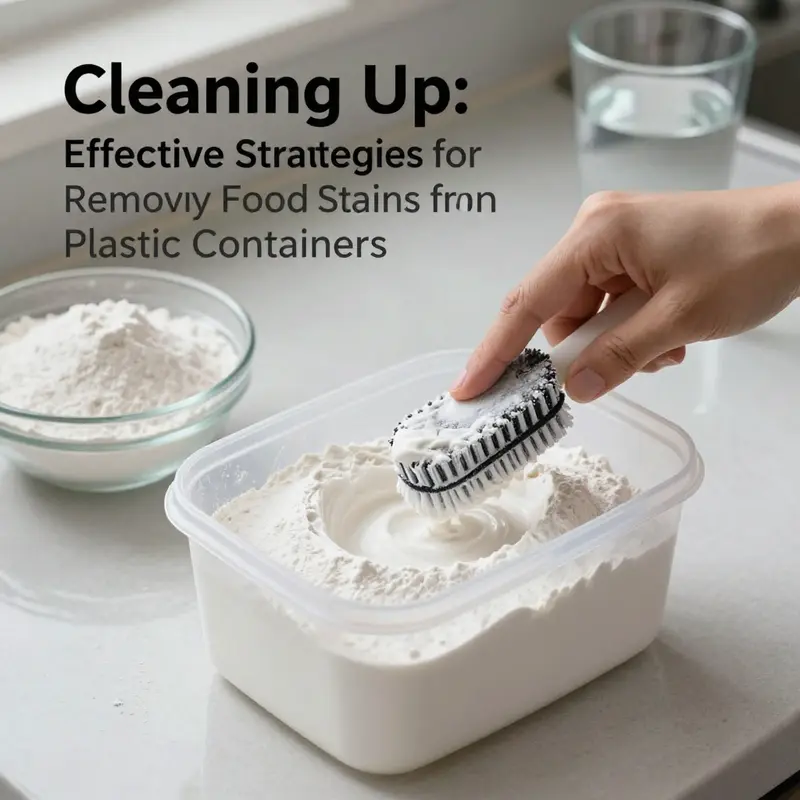
Baking soda sits quietly in many kitchen cupboards as a pantry staple, yet it carries a surprising strength for a mild, everyday cleaner. When it comes to removing food stains from plastic containers, this pale, powdery compound acts as a gentle abrasive and a subtle chemical aid. Its mild abrasive quality helps lift grime without scratching the surface, while its weakly alkaline nature helps break down acidic residues left by tomato sauces, citrus, coffee, or curry. Taken together, these traits make baking soda a versatile first line of defense for many common staining scenarios that plague reusable plastic containers used to store leftovers, packed lunches, and meal-prep portions.
The science behind baking soda is simple enough to translate into practical kitchen tactics. The mechanical action comes from its fine granules, which nibble away at surface residues that cling to the plastic. The chemical side follows as the alkaline environment helps neutralize acids in food residues, turning stubborn stains into something easier to rinse away. The result is not a dramatic instant erase, but a reliable improvement in cleanliness and brightness that can be achieved with a few patient steps. This makes baking soda particularly well suited for plastics like polyethylene (PE) and polypropylene (PP), which are common in many food storage containers. It is worth noting, however, that plastic durability can vary. If a container is older, unusually thin, or has a delicate finish, a cautious approach is prudent: test a small, inconspicuous spot first and adjust pressure and contact time accordingly.
Beyond its standalone use, baking soda becomes more powerful when paired with another familiar kitchen staple: white vinegar. The fizz produced by mixing these two compounds is not just a satisfying reaction; it also helps dislodge embedded grime and mineral deposits that cling to the crevices of containers that have seen hard water or mineral-rich liquids. A common method is to create a paste with baking soda and a little water, apply it to the stained areas, and then, for persistent grime, add a vinegar soak afterward. The two substances complement each other by delivering both abrasion and chemical attack, which can be especially effective for residue that has baked on or weathered into the plastic’s surface. While this combination is potent, it should be used with care. Rinse thoroughly afterward to remove any lingering smell or residue, and never mix baking soda with bleach or other harsh chemicals that could react in potentially unsafe ways.
In practice, the approach often begins with simpler, everyday stains and progresses to a more robust treatment when needed. For oily or greasy residues, a thick paste made from baking soda and water is a dependable starting point. Spread the paste over stained areas and let it sit for 10 to 15 minutes, longer for stubborn marks. Gently scrub with a soft sponge or cloth, then rinse thoroughly. The gentle abrasion avoids micro-scratches while the paste’s alkalinity helps lift grease from the surface. For more embedded or cloudy staining caused by repeated use with fat and oil, a longer soak can help. Some people opt to soak the container in a baking soda and water solution for a few hours or even overnight. This extended contact time gives the cleaner a chance to soften and loosen embedded film before a final rinse and a light scrub.
Despite its effectiveness, baking soda has limits. It can address surface-level stains and hazy films caused by oil buildup, but it is less likely to fully reverse deep-set discoloration or odors that have seeped into the polymer’s matrix over long periods. In such cases, a broader cleaning routine that includes other methods—such as a vinegar soak, lemon juice for odor, or a dish soap routine for routine cleaning—may be more effective. The key is to know when to combine approaches and how to sequence them to avoid overexposure of the plastic to any single treatment. This is particularly important for older or more delicate containers, where long soaking times or abrasive scrubs could compromise integrity. The overarching principle remains: start with the gentlest method that yields results, then escalate only when necessary.
To illustrate how baking soda can be integrated into a broader cleaning strategy, consider a scenario involving the lingering haze and odor from a tomato-based sauce used repeatedly in a plastic storage container. Begin with baking soda paste to address surface stains, scrub gently, and rinse. If any haze persists, transition to a baking soda and vinegar soak for several hours, followed by a thorough rinse and air-dry. Lemon juice can be a subsequent step if odor remains, as its citric acid and fresh oils help neutralize lingering smells. This kind of layered approach—paste for spots, soak for buildup, citrus for odor—aligns with the practical wisdom of combining methods to maximize effectiveness while minimizing risk to the container.
When selecting a specific approach, it is useful to keep a few practical guidelines in mind. First, always check the container’s care label before applying any cleaning method. Some containers carry warnings about particular cleansers or restrictions on soaking duration. Second, avoid harsh abrasives or aggressive scrubbing that could scratch the plastic, especially on older or thinner pieces. The goal is to remove stains without damaging the container’s integrity, which could compromise food safety or shorten the life of the item. Third, efter cleaning, a thorough rinse is essential. Baking soda residue or vinegar odors can linger if not fully rinsed away, and any residue could affect future uses or taste. Finally, drying is an important finishing step. Air-drying is often best to reduce moisture-related mold risks, though you may towel-dry as needed if you are in a hurry.
An internal reminder about safety—and a nod to broader guidelines—helps keep practices aligned with good food hygiene. Bleach and other harsh chemicals should be avoided on plastic containers used for food storage. High heat should also be avoided unless the container is specifically labeled dishwasher-safe or heat-tolerant. These cautions are echoed across reputable sources that discuss safe handling and cleaning of food-contact materials. As you refine your routine, it is worth considering a complementary source that offers practical guidelines on safe cleaning of plastic storage items and materials. For a deeper dive, you can explore a comprehensive guide that consolidates best practices for handling and cleaning food-contact materials. This external resource provides broader context on safe care and cleaning practices that support reliable, long-term container performance. senang05-disposable-26oz-kraft-paper-soup-cup-bowl-with-paper-lid-takeaway-lunch-packing-takeout-food-packaging-bucket
For readers who want a concise, practical framework, the baking soda approach is most effective when it remains part of a broader, thoughtful routine. It begins with assessment—what kind of stain is it, what is the plastic type, and how persistent is the residue? It continues with a measured sequence: a gentle paste for surface stains, a soak for buildup, and a careful rinse and dry. In this sense, baking soda is less a miracle cure than a reliable workhorse, one that translates a handful of kitchen basics into cleaner containers and clearer storage outcomes. The real strength lies in its accessibility, its compatibility with common plastics, and its remarkable ability to cooperate with other methods rather than replace them entirely.
As the chapter progresses, it is natural to remember the broader context of plastic-cleaning science—the balance between effective stain removal and material preservation. Baking soda, when used judiciously, reduces the risk of damage that could accompany harsher cleaners. It remains gentle enough for regular use while still delivering noticeable results for stubborn marks. The method also aligns neatly with a broader ethic of sustainability: using a common pantry ingredient to extend the life of reusable containers reduces waste and promotes careful stewardship of kitchenware.
In an era when households juggle multiple types of containers—from durable PE and PP vessels to more delicate PET elements—the need for a versatile, forgiving cleaning approach is real. Baking soda gives you a tool that adapts to many scenarios: an oily smear from a lunch bean burrito, a smoky smear from grilled vegetables, or the red-toned stain from marinara. The technique does not demand costly additives, specialized tools, or long wait times. A simple paste, a short soak, and a thorough rinse can transform a once-stained vessel into a brighter, more hygienic container. The tactile experience matters too. The sensation of rubbing a soft sponge over a baking soda paste evokes a sense of control and progress. When the container is finally rinsed, the absence of gritty residue and the return of a clean surface are tangible confirmations that a practical, science-informed approach works.
No single method is an absolute guarantee for every container, but the baking soda pathway offers a reliable starting point that balances effectiveness and caution. It is worth repeating that persistent stains or strongly absorbed odors may require more time or a more integrated regimen involving vinegar or lemon, or even the occasional dish-soap routine to maintain general cleanliness. The goal is not just to remove marks but to preserve the container’s material integrity and safe use for future food storage. That aspiration guides every choice, from how long a soak lasts to how much pressure is applied during scrubbing. If a cleaning cycle feels uncertain, it is prudent to pause, reassess, and consider a milder option before attempting a more aggressive approach. In this way, baking soda becomes part of a measured, thoughtful routine rather than a reckless quick fix.
The broader takeaway is clear: baking soda is a robust, accessible tool for managing surface stains and hazes on plastic containers without resorting to harsher chemicals. It shines in everyday applications and stands ready to partner with other methods when stronger action is needed. For the reader who wants a simple, repeatable routine, baking soda can be the anchor—the starting point that makes subsequent steps more straightforward and more likely to succeed. When used with patience and a respect for the container’s material, it helps keep plastic containers looking better, lasting longer, and remaining safe for food storage. And if the path ever grows more complex, the underlying principle remains the same: gentle action, informed choices, and a flexible approach that honors both cleanliness and material integrity.
External resource for broader context on safe handling and cleaning of food-contact materials can be consulted for additional guidance and nuance on cleaning practices. https://www.healthline.com/health/food-nutrition/cleaning-plastic-containers#baking-soda
null
null
Citrus Clarity: Harnessing Lemon Juice to Lift Stubborn Stains from Plastic Containers

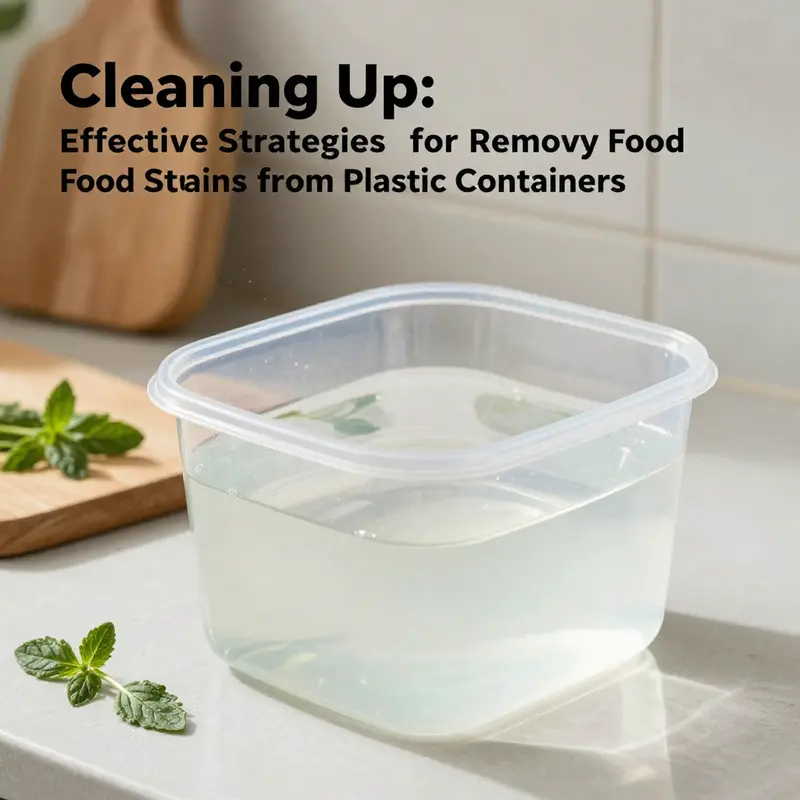
Lemon juice stands out as a bright, practical ally in the quiet work of restoring plastic containers. It is inexpensive, widely available, and surprisingly effective at lifting those stubborn grease and sauce stains that cling to the inner walls after meals. This chapter follows a simple, steady rhythm: apply fresh lemon juice, work with the cut side of the fruit, let the acidity do its careful work, then rinse and wash as usual. The result is not only cleaner containers but a fresher kitchen routine that relies on natural ingredients rather than harsh chemicals. The science behind lemon’s effectiveness lies in the citric acid it carries. Citric acid is a mild bleaching agent. It helps dissolve mineral residues and stubborn surface oils that accumulate from sauces and dressings. When you rub the cut lemon against a stained area, you bring the juice and the zest’s oils into contact with the surface. The mechanical action of rubbing helps the liquid work into roughened areas where stains hide. In practice, this is a gentle, almost ceremonial act of restoration, not a single, aggressive scrub that risks wear on the plastic. The method is particularly well suited to PET and many other food-safe plastics. As long as the container is clearly labeled for food contact, lemon therapy can be a safe choice. Yet there are important caveats to consider. Lemon juice is acidic, and plastic comes in many shades and finishes. Colored plastics can respond differently to acid exposure. If you notice any fading or a change in tint after treatment, switch to a milder approach next time or test on a small, inconspicuous area first. This is not a universal panacea, but when used correctly, lemon juice shines where other methods may seem dull or excessively aggressive. The approach aligns with a growing preference for natural, household-based cleaning solutions. It also resonates with the broader idea that everyday ingredients can deliver real cleaning power without introducing new chemical concerns. The lemon method, when used with care, reduces the need to reach for stronger products, and that reduction matters for households seeking gentler environmental footprints. The practice is not merely about stain removal; it is also about smell management. Citrus naturally carries a clean, fresh aroma. If the container once held strong-smelling foods like fish, garlic, or onion, a lemon rinse often helps neutralize odors as well as brighten the surface. After the lemon treatment, a quick rinse with warm water and mild dish soap completes the process, leaving the interior ready for future use. The overall flow remains simple and repeatable, which makes it an attractive option for families, students, or anyone who wants reliable results without elbow grease or chemical fragrances lingering in the kitchen air. The method becomes especially empowering when you recognize that lemon juice is part of a larger toolkit. It is a complementary option that harmonizes with other gentle techniques. For stubborn stains, you can follow the lemon step with a light baking soda scrub. The combination leverages two mild abrasives—one chemical, one physical—to lift residues that stubbornly cling to the inner surface. This pairing should be used carefully, particularly on older or thinner plastics. A small amount of baking soda paste applied after a lemon treatment can help lift baked-on residue without scratching the surface. The two methods, when sequenced, work with the grain of the plastic rather than against it. In practice, a typical lemon routine begins with squeezing a fresh lemon and pouring or directly applying the juice to the stained area. You then rub with the cut side of the lemon in gentle, circular motions. The friction helps the acidic juice access the tiny crevices where stains collect. After ten to twenty minutes, the lemon’s acidity has had time to loosen the stain’s grip. The next step involves a thorough rinse with clean water, followed by the usual wash with warm water and mild dish soap. The container is then rinsed again to remove any lingering citrus scent. If you want to intensify the effect, a second pass with fresh lemon juice can be performed, but avoid excessive exposure. Prolonged contact with lemon juice on certain plastics can gradually dull color or finish, particularly if the container has a bright or unusual hue. To be safe, perform a quick spot test on a small, hidden area before applying the method to the entire interior. The test is a simple safeguard, and it pays off by preventing unintended changes to the container’s appearance. Another reason lemon juice performs well is its compatibility with routine cleaning cycles. It is a natural companion to standard washing, not a replacement for it. After the lemon treatment, you still benefit from a conventional rinse and wash, especially for containers that will contact food again. The lemon method works best when you treat the container promptly after staining. The sooner you address a stain, the higher the likelihood that the lemon’s acidity will lift it cleanly before it sets deeper into the plastic’s microtexture. There is also a practical rhythm to this approach. Fresh lemon juice, a quick rub, and a short wait create a predictable, repeatable cleaning ritual. If you routinely deal with stained containers, you will appreciate the predictability: the lemon method is not a guess; it is a repeatable sequence that yields consistent results when followed with care. The method’s adherence to natural ingredients also means it aligns with many households’ safety and environmental preferences. Lemon juice leaves no harsh chemical residues that could transfer to food, provided you rinse thoroughly. People often choose this method precisely because it avoids chlorine, ammonia, or other aggressive cleaners that labor to remove their own residues later on. Calibrating expectations is part of the process. Lemon juice is effective, but it does not instantly erase every stain. It shines on light to moderate staining, particularly where oil, sauces, or tomato-based residues are involved. For baked-on or deeply set stains, you may need to repeat the process or pair it with another gentle method, like a baking soda paste or a vinegar soak on non-porous surfaces. Unlike some harsher cleaners, lemon juice does not risk warping thin plastics when used correctly. The key is moderation, patience, and a readiness to test. By adopting lemon juice as part of a broader cleaning repertoire, you preserve the container’s integrity while keeping your cleaning routine straightforward and safe. In this sense, lemon becomes less a single fix and more a hygiene philosophy—one that honors simple, natural ingredients while delivering reliable results. When language about household cleaning enters the conversation, “natural” and “safe” can sometimes seem ambiguous. Lemon juice, in this context, is a practical example of how natural ingredients can harmonize with modern plastic materials. It offers a reminder that the kitchen can be a workshop for problem solving, not a showroom for exotic solvents. The approach is also a reminder to respect the material you are cleaning. Plastics, especially those used for food storage, have their limits. They respond well to gentle, repeated care rather than aggressive scrubbing with strong chemicals. The lemon method supports this principle by providing a mild, repeatable improvement rather than a dramatic, one-time fix. The broader takeaway is that preserving the container’s clarity and function owes as much to the method as to the material. For many households, lemon juice becomes a trusted companion across multiple tasks: a light deodorizer, a gentle brightener, and a practical stain remover. It demonstrates how a single, familiar ingredient can cross the boundary between cooking and cleaning, offering a small but meaningful improvement in daily routines. Finally, there is value in recognizing when lemon juice is the right tool versus when other methods may be preferable. Lemon works well for light to moderate, oil-based stains and for surfaces that tolerate acidity. It is less ideal for certain colored plastics or for older, more brittle containers where exposure to acids could cause micro-cracking over time. The guidance to test on a hidden area is prudent and necessary. In the end, lemon juice is a friendly, effective option that embodies the spirit of practical, low-impact cleaning. It is not about heroic effort; it is about thoughtful, repeatable care that keeps plastic containers looking and performing as they should. This approach resonates with the broader conversation about safe kitchen maintenance, where quality materials and simple habits converge to protect both health and the environment. For further reassurance about safe handling and materials in food contact contexts, consider reviewing the guidance from reputable health authorities that address how to manage and clean food-contact materials responsibly.
Final thoughts
Maintaining clean and hygienic plastic containers is crucial for any food service business. By employing methods using baking soda, vinegar, and lemon juice, you can effectively combat various food stains and ensure your containers remain in top condition. These simple, cost-effective solutions not only enhance the presentation of your food but also contribute to the overall hygiene of your establishment. Incorporating these cleaning strategies into your routine can elevate your service standards, impressing both customers and staff alike.