
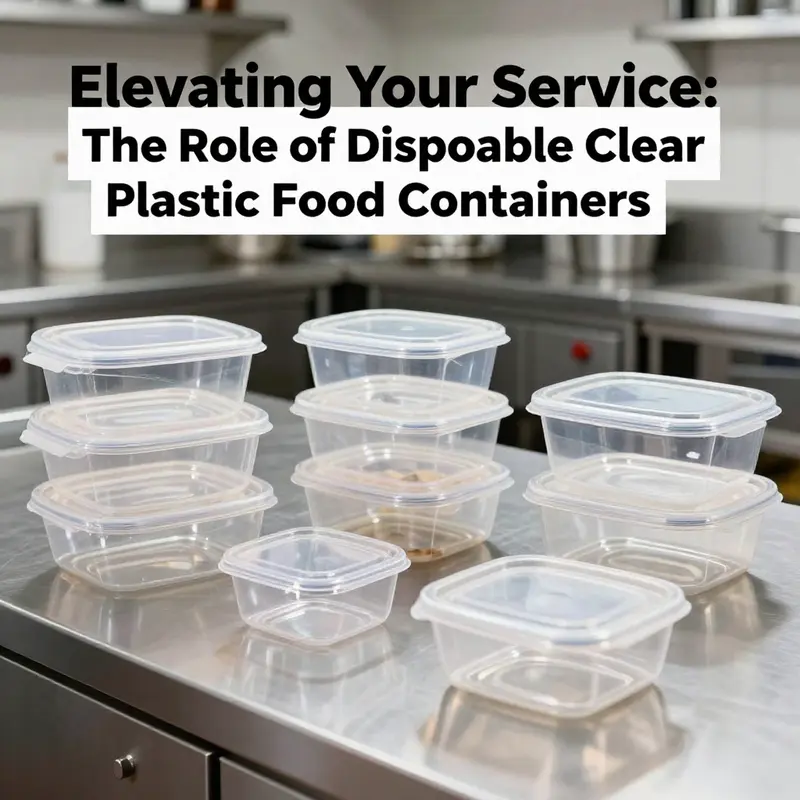
In today’s fast-paced food service environment, the choice of food containers can significantly impact customer satisfaction and operational efficiency. Disposable clear plastic food containers have emerged as essential tools for businesses aiming to meet the diverse needs of their clientele, whether they’re a bubble tea shop, restaurant, food truck, or catering service. These containers not only offer practicality and durability but also enhance the presentation of your products. In this piece, we will delve into various types of disposable clear containers, including bento boxes, clamshells, and compartmentalized options, and assess their unique benefits. We will also explore the growing concerns surrounding environmental impact and health safety, ensuring that you are well-informed for sustainable decision-making in your packaging practices.
Bento Boxes and the Clarity Economy
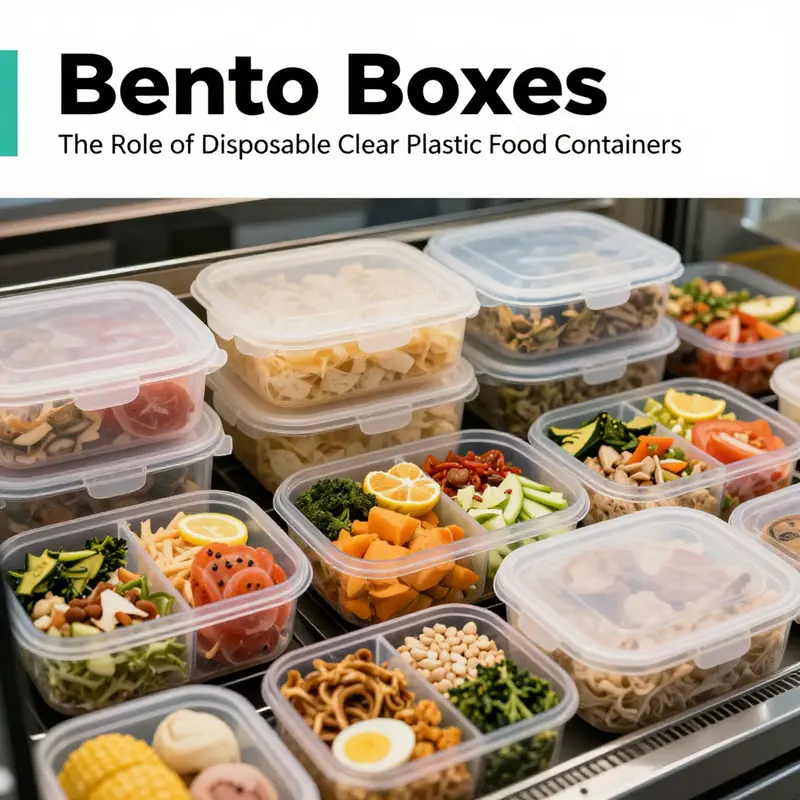
Bento boxes have become more than a convenient vessel for lunch on the go; they embody a design philosophy that leverages the transparency and multi-compartment logic of disposable clear plastic containers to redefine how meals are assembled, presented, and transported. The bento box is like an operating system for modern takeout and meal-prep culture: a modular unit that organizes diverse flavors, textures, and temperatures into a single portable narrative. The clear material lets the eater know what is inside before they open the lid, while distinct compartments guide portions and presentation. The result is a meal that reads clearly and travels with ease. The sustainability conversation, while urgent, is balanced by a vision of reuse and recyclability, as many containers rely on PP, PET, and PS formulations that can be recycled in the right programs. In practice, the market supports a range of configurations—from two- to six-compartment designs—designed for leak resistance, ease of stacking, and quick service. In this ecosystem, customization through OEM/ODM programs helps institutions scale packaging to their menus while preserving branding. The practical realities of daily use emphasize hygiene, containment, and the ability to maintain texture, with careful lid design playing a critical role in preventing leakage and preserving crispness. For readers exploring the broader takeout packaging landscape, the bento box stands as a clear example of how transparency, portion control, and efficient packaging shape consumer expectations and service design.
Clamshell Containers: Preserving Freshness and Visibility in Disposable Clear Packaging
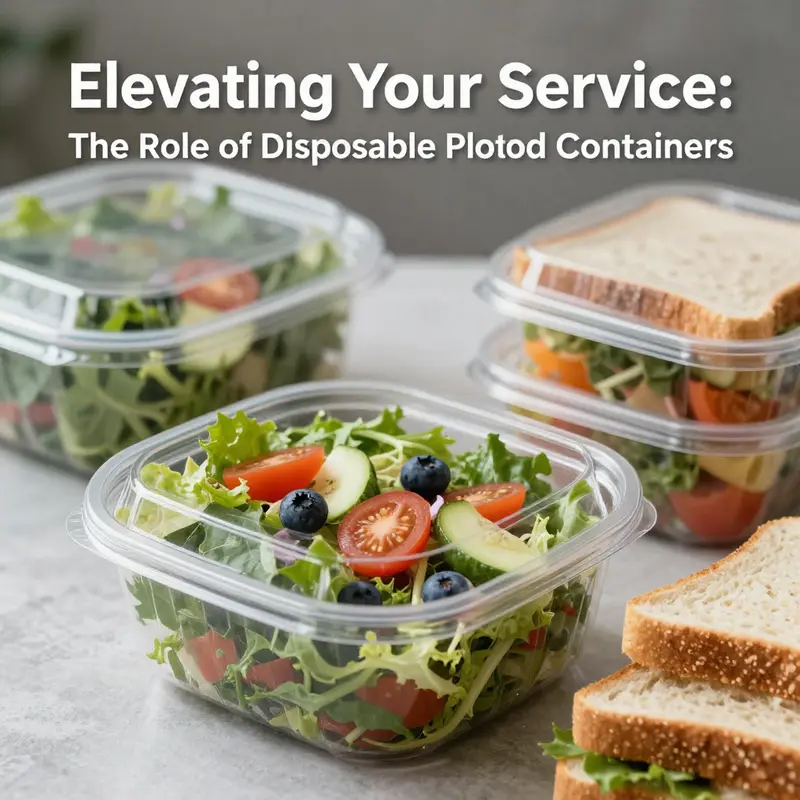
Clamshell containers sit at a quiet crossroads in the world of disposable clear plastic food packaging. They are designed not just to hold food, but to protect it, present it clearly, and travel with it without fuss. In a system built on speed and reliability, the clamshell’s hinged lid and transparent body offer a combination that resonates with both operators and customers. These containers are typically manufactured from food-grade materials such as PET, PVC, or PP, each chosen for a balance of clarity, strength, heat tolerance, and recyclability. PET, prized for its light weight and almost crystal clarity, is commonly used for fresh produce and salads because it lets the product speak for itself. PP, with its higher heat resistance, becomes the go-to when reheating or serving hot options is part of the service model. PVC and other clear polymers also appear, especially in markets where cost and rigidity are prioritized, though they carry different recycling considerations and regulatory nuances. The choice of material matters beyond aesthetics; it shapes performance during storage, handling, and even the consumer’s perception of safety and freshness. The clear exterior is more than a cosmetic feature. It becomes a trust signal. When a consumer can see the exact arrangement of a salad, a sandwich, or a tray of berries, the packaging supports the impression of cleanliness and quality. Visibility is no small thing in retail display and takeout, where the product must compete for attention in a crowded setting. Yet transparency must be coupled with durability. The clamshell format has evolved to resist impacts during transit, prevent spillage, and maintain a tidy presentation on crowded shelves or in stacked delivery orders. The result is a packaging solution that serves both the front-of-house demands of busy service and the back-end needs of inventory control and waste reduction.
The clamshell’s most distinctive feature is the secure hinged lid, which enables one-handed operation and a confident seal. This design simplifies the user experience, whether a customer is grabbing a grab-and-go snack or a prepared meal from a deli counter. The one-handed opening also reduces the risk of accidents such as dropped lids or spilled contents, a practical advantage when orders are picked up in transit or consumed on the go. The clear shell, married to the lid’s seal, supports better product visibility while also contributing to a perception of freshness that can influence a buyer’s decision. Product protection extends beyond looks. Clamshells provide a robust barrier against external contaminants, helping to maintain hygiene standards from kitchen to carriage and finally to consumer hands. For delicate items like cherry tomatoes or berries, the interior geometry of some models is engineered to cradle individual pieces and prevent shifting that could bruise or crush them during transport. This level of design precision matters because even small disruptions to the arrangement can affect the perceived freshness and overall dining experience.
While the advantages are compelling, it is important to acknowledge that not all clamshells are perfectly airtight in every scenario. Some models perform exceptionally with salads, sandwiches, or baked goods, where liquids are minimal and the product can be kept dry. Others use thicker walls, improved gaskets, or engineered seals to accommodate light sauces or juicier ingredients, but still may require careful handling to avoid leakage in long journeys or rough handling. This nuance matters for operators who ship orders across town or across regions. It guides decisions about which clamshell to choose for a given menu item and how best to present and protect the food throughout the supply chain.
The versatility of clamshells is remarkable. Many modern variants are microwave-safe and heat-resistant, broadening their utility beyond cold storage to reheating or serving warm items directly from the package. This feature supports takeout services and consumer convenience, allowing a single container to transition from kitchen to consumer plate with minimal transfer and mess. The lid’s hinge helps with stacking and storage, while the clear body ensures that even when containers are set on a shelf or a cart, the contents remain easily identifiable. The accustomed pairings of container and lid contribute to efficient inventory management; boxes stack neatly, occupy compact footprints, and maintain a tidy appearance when stored in back rooms and display coolers alike.
These advantages are complemented by robust safety and regulatory assurances. Containers intended for food contact often carry certifications that validate their suitability for direct contact with edible products. Whether the model aligns with FDA standards or other regional safety frameworks, such compliance underpins confidence for chefs, retailers, and consumers. In practice, this means the packaging has passed tests for chemical migration, surface cleanliness, and general sanitary performance, which are essential when food safety programs hinge on reliable packaging. In parallel, ongoing attention to environmental stewardship is reshaping how clamshells are designed and marketed. Eco-conscious options—whether recyclable content, reduced material weight, or the incorporation of partially recycled or post-consumer materials—are increasingly highlighted as core selling points. Some solutions advertise significant eco-friendly improvements compared with non-recyclable plastics, aligning with buyer expectations that packaging should respect the broader ecosystem. The recycling narrative for clamshells sits alongside the realities of local recycling streams. PET is widely recognized as recyclable in many jurisdictions, earning the #1 resin code in consumer recycling systems. PP, identified by the #5 code, is also widely recyclable in the right facilities and, in some cases, offers better heat resistance and chemical compatibility for certain foods. Polystyrene, while rigid and cost-effective, carries more pronounced environmental drawbacks and recycling challenges, leading some producers to explore alternative materials or improved end-of-life options. In this evolving landscape, the market increasingly rewards packaging that reduces waste, enhances recyclability, and minimizes embedded energy while preserving performance and presentation.
For brands seeking to tailor clamshell packaging to their unique identity, there is a growing ecosystem of customization options. OEM and ODM services allow firms to specify dimensions, thickness, lid geometry, and branding features, translating a business’s visual language into packaging that reinforces its narrative from shelf to door. This level of customization can influence consumer recall and loyalty, turning a simple container into a recognizable extension of a brand’s promise. In practice, the path from concept to finished product often involves close collaboration with suppliers who can translate technical requirements into manufacturable designs, complete with tested fit and reliable sealing performance. Minimum order quantities and lead times can vary, but the general trend is toward scalable production that supports both trials and full-scale launches. The capacity to source these containers in bulk enables cost efficiencies and consistent quality across large operations, promoting a stable packaging backbone for meal prep services, catering, and retail packaging programs.
Beyond the nest of technical considerations lies a broader strategic choice: the balance between convenience and responsibility. The clamshell’s transparency supports a straightforward, appetizing presentation, which can drive impulse purchases but also places a subtle obligation to maintain cleanliness and hygiene at every step. Operators are increasingly mindful of transit realities, such as stacking height during delivery, the potential for liquid leakage in some configurations, and the need for compatible lids and packing materials that maintain integrity under heat and cold. In response, manufacturers continue to refine seal tolerances, edge geometry, and interior textures to reduce movement and protect delicate contents, all while preserving the visual showcase that makes clamshell packaging so effective.
Ultimately, the clamshell container represents a pragmatic fusion of visibility, protection, and ease of use. It aligns with the industry’s demand for reliable, disposable food packaging that can support a busy service model without sacrificing quality or customer trust. The material choices, from PET to PP to PVC, provide trade-offs that buyers can navigate with a clear understanding of storage conditions, heating needs, and end-of-life goals. As markets push for clearer presentation and more sustainable practices, clamshells will likely continue to evolve, incorporating higher recycled content, improved recyclability in regional streams, and design innovations that further reduce waste while preserving the freshness and appeal of the food they cradle. For operators who want to explore customizable options or bulk procurement, one related packaging page offers a practical gateway to see how dimensions, branding, and material choices can be aligned with a brand’s service model. Kraft paper octagonal bowl product page.
An external industry resource provides a broad view of clamshell options that are widely used by food-service operators seeking reliable, sanitary, and compliant packaging solutions. While every market has its own preferences and regulatory landscape, the core principles of performance—clarity, protection, and user-friendly operation—remain consistent across regions. Consider how the best clamshell packaging aligns with your food offerings, your supply chain realities, and your customers’ expectations for freshness, convenience, and responsible disposal. External resource: https://www.alibaba.com/product-detail/Wholesale-PP-PVC-Clamshell-Blister-Boxes1600487953264.html?spm=a2700.galleryofferlist.pis_seller&src=1&clickTrackInfo=ZT1NcGJxVlR1S2pKU1FJbW5iWkVwV09oQmNjOGRtUjBhV3V5a2NvYzZ2d3dXUk9PbHhyL2tqZ3F1QVlVZy9rZDQxU0R3WkV5VStuT0dEeHpyT1dUcEd1YThKZ3RvVUxuQXp1Zy90VUdJL1I1ZlV2RldCZncj1mb3JfdGV4dF9jb250ZW50JmNvbG9yPWJsb2I%3D&productId=1600487953264&isFromGallery=true
Clarity, Control, and Courier-Ready Meals: The Subtle Power of Compartmentalized Clear Plastic Containers in Modern Meal Service
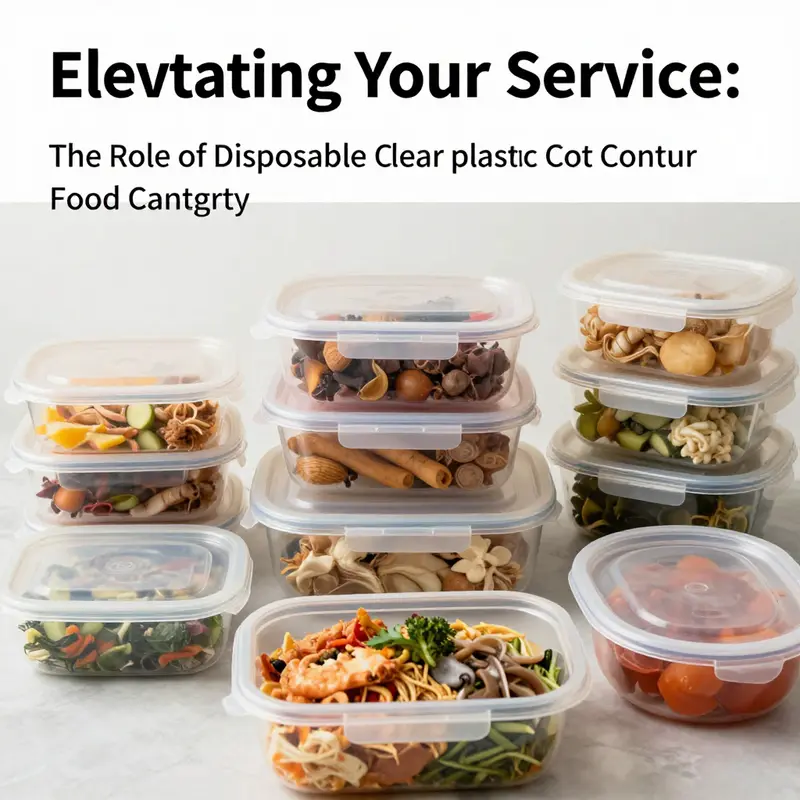
Compartmentalized, clear disposable containers have become a quiet backbone of the modern food service ecosystem. They do more than hold food; they structure the experience of eating on the go. The transparent walls invite the eye to scan the contents, and the divided interiors guide the mind through a planned sequence of bites, textures, and flavors. In this way, the design serves both function and perception. A well-ordered layout communicates care, portion discipline, and an intention to preserve the integrity of each element from kitchen to consumer. When a dining encounter hinges on speed, accuracy, and reliability, the container itself can either smooth or complicate the moment. Compartmentalized designs address this tension by providing discrete spaces for sauces, grains, vegetables, and proteins, helping to prevent cross-contact of flavors and textures while keeping sauces from pooling and colors from bleeding together. The upshot is a meal that remains visually appetizing and true to the chef’s intent, even after hours on the road or a long line at a counter service window. In practice, those visuals matter. A clean, multi-section tray offers a sense of order that reassures customers about portion control and freshness. It also reduces the cognitive load of choosing a well-balanced plate, because the packaging itself suggests a structured, complete meal rather than a sloppy mash of items. The impact of this clarity is not merely aesthetic. The act of identifying each compartment at a glance speeds up retrieval, enhances accessibility for all customers, and minimizes the need to open multiple containers to confirm what is inside. A well-designed compartmentalized container often supports a faster, smoother service flow, which is a crucial advantage in high-volume environments where every second counts. The design is especially valuable in takeout, catering, and meal-prep operations where speed and presentation can determine repeat business. The transparent, segmented approach also aligns with the growing expectations around portion control and dietary transparency. In many menus, customers seek visible cues about ingredients, sauces, and portion sizes. A clear, partitioned container provides those cues without the need for extra labeling or secondary packaging, reducing waste and keeping lines lean. This is not simply about aesthetics; it is about creating a predictable user experience that can be replicated consistently across thousands of orders. The container becomes a tactile extension of the kitchen’s organization, reflecting the discipline of a well-run operation. The materials used for these containers—primarily polypropylene (PP) and polyethylene terephthalate (PET)—are chosen for reasons that extend beyond mere cost. PP offers heat resistance, microwave safety, and cold-storage compatibility, which makes it a strong candidate for meals that are pre-portioned and reheated in a mobile or office setting. PET, with its lightweight character and high clarity, lends itself to display-worthy presentation, making the contents instantly legible at a glance. The combination of transparency and resilience supports a broader range of service scenarios. In a storefront, the clarity helps a customer identify the exact items in each compartment. In a delivery context, it helps maintain the intended separation of flavors and textures, reducing the likelihood of sogginess or flavor migration that can occur when foods mingle during transit. Yet the promise of compartmentalized containers is tempered by practical limits that every operator must weigh. Leaks remain a concern when liquids or sauces are involved. Most disposable versions, even with sealed lids and hinged mechanisms, are not fully leakproof under all transport conditions. The risk is not necessarily a consequence of poor design but of the fundamental physics of multi-compartment systems: liquid movement, pressure changes, and the jostling inherent in courier trips can challenge even the best seals. This reality shapes how kitchens configure meals for delivery. Sauces may be placed in dedicated, well-sealed sub-compartments, while items with higher liquid content are kept within channels designed to minimize movement. The result is a choreography of containment that prioritizes both presentation and practicality. When a container is opened, the one-handed operation feature—common in hinged-lid designs—transforms the unboxing moment into a quick, efficient action. Operators report that this capability can shave time off service, sometimes by as much as a third, which is a meaningful gain in fast-paced environments like busy bistros or campus eateries. The mental model here is simple: speed and ease do not have to come at the expense of order. The capacity to access food with a single motion while maintaining a clean, organized interior reinforces a dining experience that feels seamless rather than hurried or careless. The visual appeal of a clear, multi-compartment layout also supports brand storytelling, particularly for businesses that emphasize portion control, balanced meals, and fresh ingredients. When customers can see each component clearly, they infer that the contents were prepared with care and measured portions. This transparency is especially important for meal-prep services that position themselves around consistency and predictability. The container becomes a visible record of the kitchen’s standards, a portable synopsis of what the eater can expect in terms of texture and moisture throughout the journey from prep to plate. In terms of material sustainability, the choice between PP and PET influences both performance and environmental footprint. PET’s clarity and lightness make it ideal for cold or room-temperature items, where visual appeal is a shared goal with safety standards. PP’s heat resistance makes it more suitable for reheating and for meals that may be consumed hot. The presence of these materials in a single family of containers allows operations to tailor packaging to the specific needs of a meal, a capability that in turn supports better menu engineering and waste management. Of course, any discussion of disposable plastics invites concerns about waste, reuse, and the fate of packaging after use. Compartmentalized containers shine in presentation and transport efficiency, but they do not inherently solve the broader sustainability puzzle. Recyclability depends on the resin type and local facilities, and repeated reuse can degrade performance, complicating cleaning and sanitation. Discerning buyers often weigh the trade-offs between premium presentation, leak resistance, and the promise of recyclability when selecting a packaging system. The takeaway is not to seek perfection in one attribute but to pursue a balanced approach that aligns with the business’s operational realities, customer expectations, and environmental commitments. For buyers, procurement platforms offer access to a spectrum of options, including wholesale, multi-compartment designs that can be customized for size, lid type, and internal configuration. This flexibility supports a wide array of service models—from single-serve meals to tightly packed family-size offerings. When considering customization, the trade-off between cost and functionality becomes a central consideration. Labels, branding, and even lid aesthetics can be calibrated to reinforce a brand’s identity while preserving the container’s practical advantages. In practice, the optimal choice hinges on an integrated assessment: how the container performs during prep, handling, and delivery; how well it keeps foods separate and visually appealing; and how it aligns with the company’s sustainability targets and regulatory compliance needs. A thoughtful selection process also appreciates the role of suppliers who understand the nuances of food contact safety, clearance for heat exposure, and the reliability of lid mechanisms. For buyers navigating this landscape, the path often leads to wholesale options that offer scalability without compromising on core capabilities. The ability to source in bulk, with predictable performance across thousands of units, supports a stable operations rhythm. In this context, even the smallest design decisions—such as the hinge strength, seal geometry, or the exposure of the interior surface to light and moisture—can influence the end result. An underperforming lid, a misfitted divider, or a slightly hazy clear wall can alter the perceived value of a meal and, ultimately, customer satisfaction. To illustrate the broader market dynamics, consider how suppliers frame these products within the growing demand for ready-to-eat packaging that can travel, be stored, and displayed with minimal fuss. The emphasis is on a reliable, visually clear, multi-compartment system that supports portion control and food safety while meeting the practical realities of fast service and doorstep delivery. In summary, compartmentalized containers serve as both stage and safeguard in the meal journey. They present a disciplined approach to presentation and portioning, while also offering tangible operational advantages—the speed of access, the guard against intermingling, and the ability to maintain a neat, appetizing appearance from prep to consumption. They are not a panacea for all packaging challenges, but when chosen with an eye toward material compatibility, leak management, and environmental considerations, they help bridge the gap between culinary intention and consumer experience. For teams seeking practical procurement guidance, a wealth of wholesale options exist, including multi-compartment configurations that can be customized to fit varied food formats and service models. If you are exploring options for accessible, visually clear packaging that supports meal integrity, look for designs that balance the three Cs: clarity, containment, and compatibility with existing kitchen workflows. See how a carefully chosen, compartmentalized system can streamline operations, elevate presentation, and contribute to a more satisfying carry-through from kitchen to customer. For additional context on compliant, bulk-ready clamshell-style packaging and related formats, external researchers point to widely available resources in the packaging marketplace. External reference: https://www.alibaba.com/product-detail/Wholesale-PP-PVC-Clamshell-Blister_1600578924425.html?src=1600578924425&productType=1
Clear Footprints, Hidden Costs: The Environmental Toll and Health Questions Behind Disposable Clear Plastic Food Containers
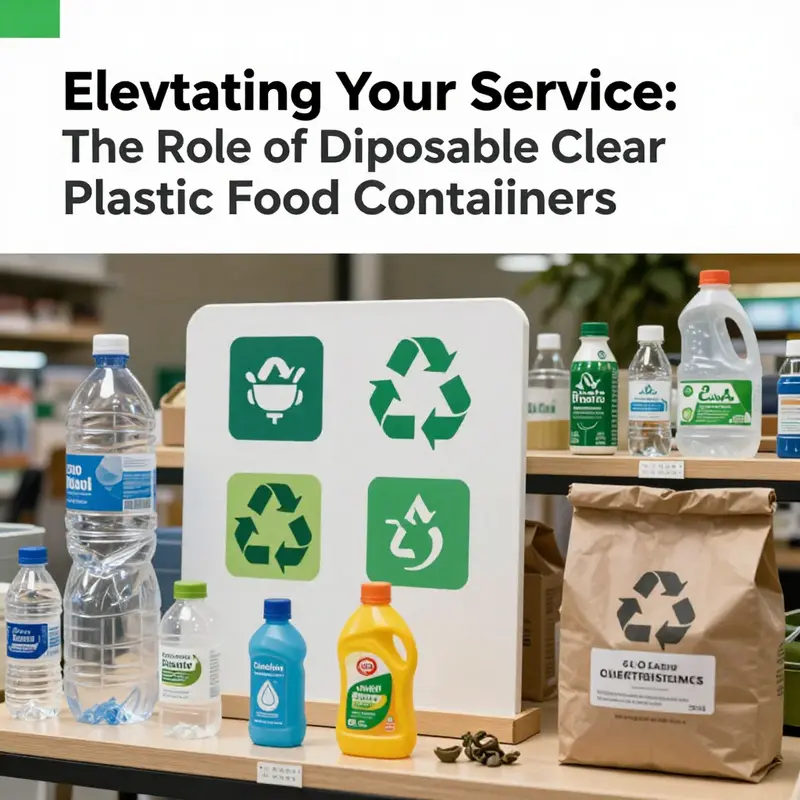
Disposable clear plastic food containers are a familiar part of modern dining, from quick-service meals to grocery-store takeouts. Their clarity, lightness, and everyday practicality have made them indispensable in the food system, enabling easy identification of contents, straightforward stacking, and predictable performance across cold, warm, and ready-to-eat formats. Yet beneath the convenience lies a more complex picture. As these containers move through the lifecycle from production to disposal, they leave footprints that extend beyond the immediate shelf and kitchen. The environmental toll accumulates in ecosystems and waste streams, while human health concerns linger in the background, driven by questions about what escapes from these plastics when heated, torn, or degraded. Reading the landscape of impact requires tracing the journey of materials like polypropylene, polyethylene terephthalate, and polystyrene, and recognizing how each step—from raw extraction to end-of-life—can shape both planetary health and personal safety over time. In this chapter, the discussion flows as a single, continuous arc rather than a checklist, linking production realities, environmental dynamics, health considerations, and the shifting tides of industry and policy toward safer, more responsible packaging futures.
The environmental impact begins with the materials themselves. Clear plastic containers are predominantly made from polymers such as PET, PP, and PS. Each of these materials carries different implications for recyclability and ecological persistence. PET, often associated with transparency and lightweight strength, is commonly marketed as recyclable and is designated as a #1 plastic in many systems. PP, identified by the #5 code, adds heat resistance and microwave safety, broadening the range of acceptable uses but complicating end-of-life sorting in some jurisdictions. PS, frequently chosen for rigid, rigidly structured containers, can offer stiffness and cost advantages but presents notable recycling challenges and lasting visibility in the waste stream. Taken together, these materials symbolize a broader tension: the same properties that make disposables appealing—clarity, durability, low weight—also contribute to long-term environmental persistence if not properly managed after use. In oceans, soils, and urban waterways, the residue of markets that rely on single-use plastic can accumulate in ways that degrade habitats and alter microbial and chemical processes in unpredictable ways.
The production phase compounds these concerns. The creation of clear plastic containers hinges on fossil-fuel-based feedstocks and energy-intensive manufacturing processes. Every kilogram of resin carries a carbon footprint tied to extraction, refinement, polymerization, and molding. Even as recycling streams expand, they do not erase the climate costs of producing new resin, nor do they guarantee avoidance of leakage or missorting in the vast system of waste management. In many places, recycling rates for PET and PP remain far from universal, and polystyrene faces additional hurdles due to limited compatibility with recycling streams and concerns about additives. When plastics are not recovered, the environmental consequences extend beyond the visible litter; they permeate soils and marine environments, fragmenting into microplastics that can be transported vast distances by wind and water. The microplastics problem is particularly complex because these tiny particles can be ingested by a wide range of organisms, from plankton to larger wildlife, and eventually make their way into the food chain that humans depend on for nutrition.
A key environmental dimension is the persistence of plastic in ecosystems. Unlike biodegradable materials that break down relatively quickly under certain conditions, conventional single-use plastics can endure for decades, if not centuries. The long dwell time increases the probability that fragments will accumulate in shorelines, estuaries, and deep-sea environments, where they may interfere with feeding, nesting, and growth in wildlife. The aesthetic and physical impairment caused by plastic debris also complicates coastal economies by affecting tourism and fishing. As these containers degrade under heat, UV exposure, and mechanical stress, they release micro- and nanoplastics that can permeate soil and water systems. This gradual erosion of material integrity raises questions about cumulative exposure—whether microplastics in drinking water or seafood translate into measurable health risks for people remains an area of active investigation, but early signals point toward caution and further study.
Health concerns associated with disposable clear plastic containers are intertwined with both chemical composition and exposure scenarios. Clear plastics are not inert; they can contain or interact with additives such as plasticizers, stabilizers, and colorants. When containers are heated, come into contact with acidic or oily foods, or experience prolonged storage, certain substances may migrate from the polymer matrix into the food. Among the chemicals that have attracted scrutiny are bisphenol A and related compounds, which have been linked to endocrine disruption and various health issues in some studies and regulatory contexts. Styrene, a component of polystyrene, has been categorized as a possible human carcinogen, prompting ongoing debates about safe exposure levels and the conditions under which migration is most likely. Formaldehyde, associated with some manufacturing processes or additives, has implications for developmental health and cancer risk in certain exposure scenarios. Beyond these specific chemicals, the broader concern centers on microplastics themselves: when ingested, they can provoke inflammatory or cytotoxic responses in cells in laboratory studies, and there is growing interest in how chronic exposure may interact with gut health and immune function in humans.
The risk profile is not static; it shifts with how containers are used. Heating food in a clear plastic container, especially in a microwave or oven, can elevate the potential for chemical leaching. Similarly, contact with acidic or oil-rich foods can enhance migration of additives. The materials differ in their tolerances: polypropylene is generally recognized for greater heat resistance and microwave safety, which makes it attractive for reheating, but even PP is subject to limits. PET offers excellent clarity and moisture resistance for cold and room-temperature storage, yet its performance under heat is more constrained. Polystyrene’s rigidity and low cost come with concerns about recyclability and leaching under heat. These material-specific dynamics illustrate that a single category of packaging cannot be assumed safe across all uses; context matters—temperature, duration of storage, and food type all shape outcomes. The health landscape thus reflects a precautionary logic that guides both consumer practices and regulatory oversight.
Regulatory and market responses have begun to address these concerns, though progress is uneven. In some regions, efforts to phase down BPA-containing resins and to limit certain migration pathways reflect growing precaution around chemicals of concern, particularly for vulnerable populations such as children and pregnant individuals. At the same time, the pressure to maintain performance and cost competitiveness keeps the door open to a broad spectrum of packaging options, including biodegradable and compostable alternatives. These alternatives—often based on plant-derived polymers or bagasse, a pulp fiber from sugarcane byproducts—promise lower environmental footprints in some stages of the lifecycle. Yet they bring their own questions about durability, barrier properties, compostability in real-world conditions, and end-of-life infrastructure. The reality is that a truly sustainable path requires not only material innovation but also improvements in collection, sorting, and processing systems that can handle a greater diversity of packaging streams and avoid contaminating high-value recyclables.
In this context, a shift away from purely disposable solutions toward safer and more sustainable choices is already visible in design and procurement mindsets across the industry. Businesses increasingly weigh life-cycle costs, not just sticker prices, and consider compatibility with local recycling capabilities, soil- or compost-based disposal facilities, and consumer willingness to participate in extended producer responsibility schemes. The logic is practical as well as ethical: reducing the volume of single-use plastics and widening the palette of packaging materials can lower the risk of environmental accumulation and minimize potential health surprises associated with leaching and microplastics. However, the transition is not a simple plug-and-play swap. Packaging performance—such as leak resistance for sauces, the ability to stack and transport securely, and the visual appeal that supports brand trust—continues to matter. The goal becomes finding packaging systems that meet safety standards, preserve food integrity, and reduce environmental burdens without imposing prohibitive costs on small operators or consumers.
To illustrate the practical shift toward safer, more sustainable packaging options, consider the growing availability of kraft-based and other paper-forward solutions that emphasize recyclability and biodegradability. These options aim to decouple the environmental and health risks associated with traditional clear plastics by offering compostable or recyclable pathways that integrate more smoothly with existing waste management structures. The broader implication is clear: when the market expands to include high-performance, low-risk alternatives, the pressure to extend the life of single-use plastics diminishes. This dynamic matters not only for environmental and public health outcomes but also for the resilience of the food system itself, which depends on reliable packaging to keep foods fresh, safe, and appealing during storage and transport. The shift is a signal of evolving consumer expectations as well as corporate accountability, reflecting a broader movement toward packaging that harmonizes safety, utility, and environmental stewardship.
As the debate continues, it is essential to connect the dots between material science, waste streams, health science, and consumer behavior. The science suggests that chemical migration and microplastic exposure are not abstract ideas but real considerations that can vary with use scenarios. The waste-management reality shows that even well-intentioned recycling systems struggle with contamination and capacity constraints. The health research points to possible risks that warrant cautious handling and further study, especially as diets become increasingly dependent on packaged foods. The practical path forward combines better product design with smarter consumption: reducing unnecessary use of disposables, choosing materials with safer migration profiles, reuse where feasible, and ensuring that end-of-life options are accessible and effective for communities. The aim is not to demonize all plastics, but to illuminate where improvements can yield meaningful gains for ecosystems and people alike, while maintaining the functionality that modern food service relies on.
For readers seeking deeper context on how microplastics and chemical leaching may influence health outcomes, a peer-reviewed analysis provides a rigorous synthesis of current evidence and knowledge gaps. This body of work emphasizes the importance of ongoing monitoring, transparent labeling, and robust regulatory frameworks that keep pace with scientific findings while supporting safer, more sustainable packaging choices across the food supply chain. If you would like to explore this further, see the external resource linked at the end of this chapter for a detailed examination of the health risks associated with disposable plastic food containers.
Internal reference for further reading on safer packaging options can be found in discussions of eco-friendly kraft-based solutions. Consider the following page as an example of the shift toward compostable and recyclable packaging that aligns with contemporary safety and environmental goals: eco-friendly kraft packaging option.
External resource: https://www.ncbi.nlm.nih.gov/pmc/articles/PMC10426857/
Final thoughts
Incorporating the right disposable clear plastic food containers into your business not only streamlines operations but also enhances your brand image. From versatile bento boxes that promote healthy eating habits to airtight clamshell containers that maintain product freshness, each container type plays a pivotal role in your service offering. As businesses increasingly prioritize sustainability and safety, being informed about the environmental impacts and health concerns related to food packaging is essential. By choosing high-quality, reliable containers and considering eco-friendly options, you can position your brand for success now and in the future.