
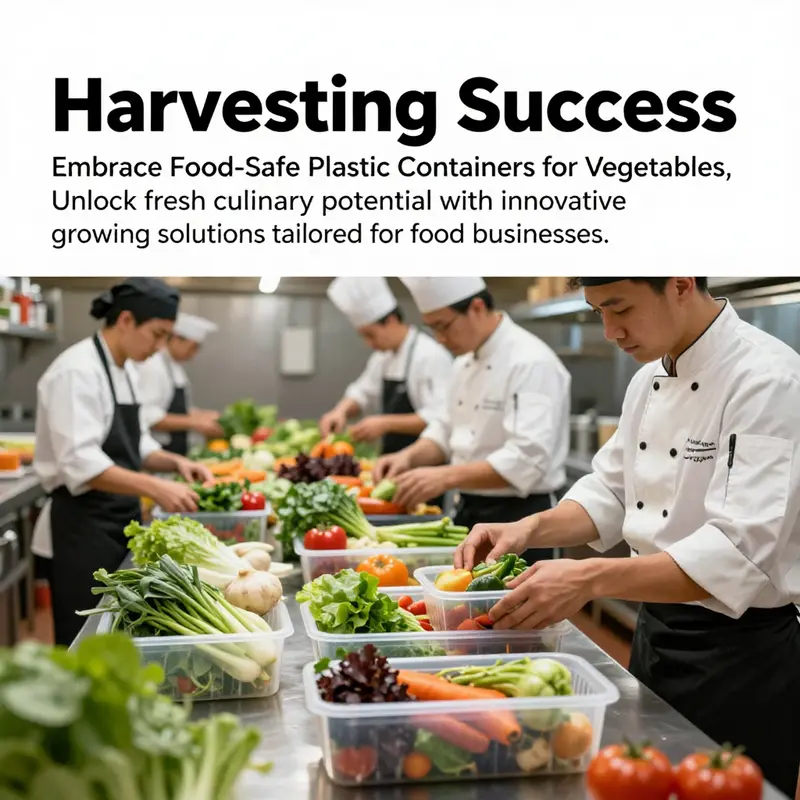
Food-safe plastic containers are transforming how restaurants, food trucks, and catering services source their fresh vegetables. As urban farming and locally sourced ingredients gain popularity, these practical containers offer a way to grow edible greens directly at your venue. This article dives into the advantages of food-safe plastic containers, safety regulations, best practices for optimal growth, and innovative uses within food service settings. Whether you’re looking to enhance your menu or reduce costs, understanding how to leverage these containers can elevate your business.
Portability, Safety, and Sustainability: Food-Safe Plastic Containers for Vegetables
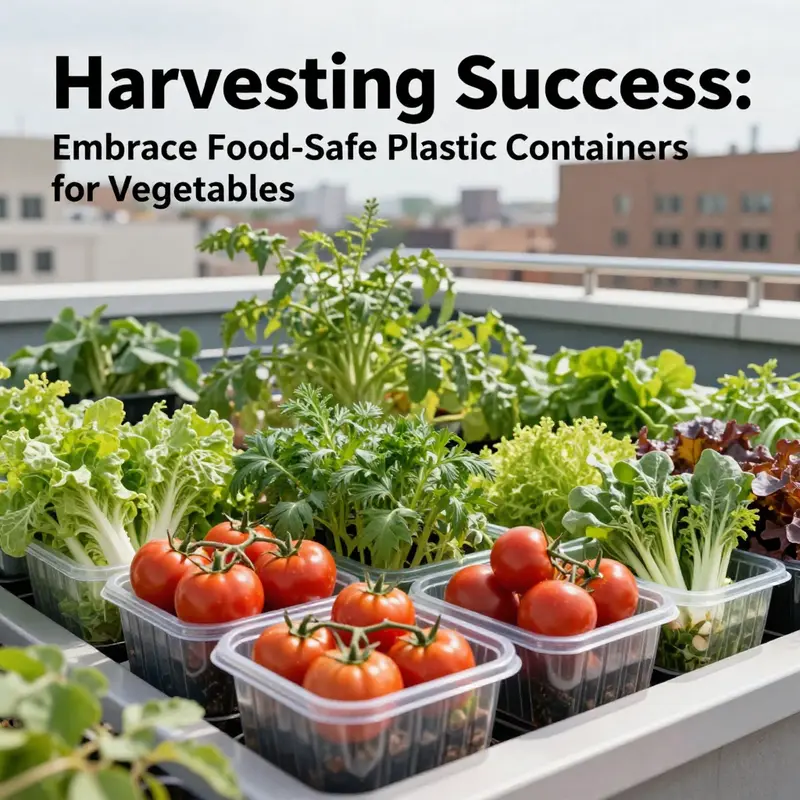
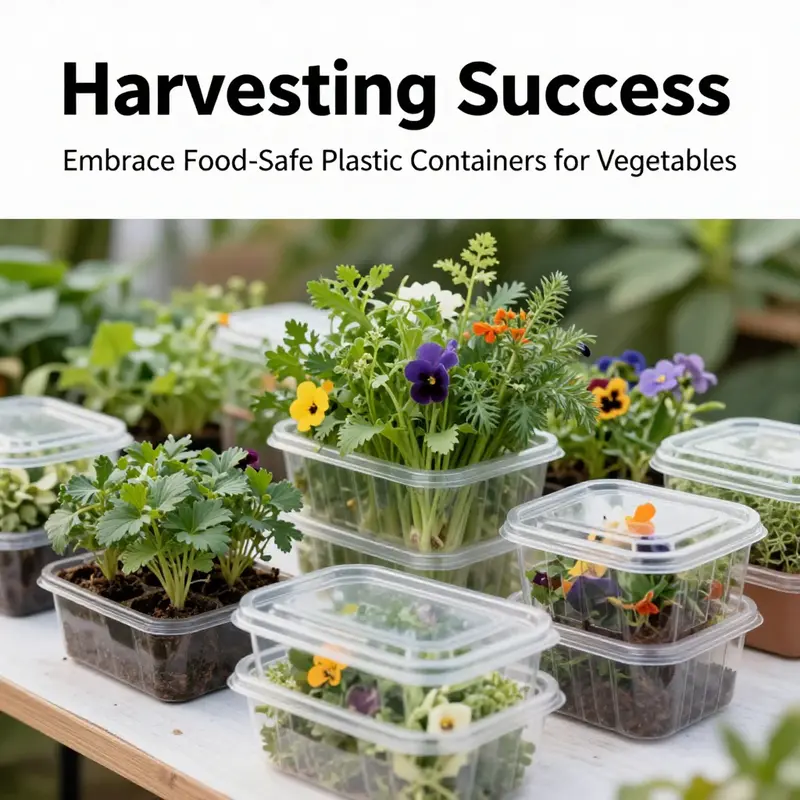
Across compact urban spaces, food safe plastic containers designed for direct plant contact offer practical benefits. From sturdy 5-gallon pots to breathable grow bags and soft sided planters, these containers help gardeners move, stack, and adapt to changing light and space. They support a wide range of vegetables in tight spots while keeping the setup light and manageable.
Material choice favors stability and safety. High density polyethylene and polypropylene are common because they resist wear from soil moisture, cleaning, and repeated use. Durable plastics reduce waste over time and align with sustainable gardening habits.
Portability allows quick reconfiguration to suit sun, wind, or microclimate shifts. In apartments and balconies, being able to move pots daily enables more consistent yields without heavy lifting.
Air circulation around the root zone is enhanced in certain container designs like grow bags. Better aeration supports healthier roots and helps prevent issues from overwatering.
Safety and cleanliness matter. Use containers labeled for food contact and avoid unknown recycled plastics. Proper cleaning between seasons – mild soap and water, thorough rinsing, and complete drying – helps maintain safety.
Maintenance includes drainage management, using a well balanced potting mix, and a simple routine for reuse across seasons. Rotate crops in the same container to refresh nutrients and reduce soil-borne problems.
For readers seeking extra assurance, many food safe plastics meet labeling standards such as HDPE and PP for food contact. When used as intended, these containers provide a reliable platform for vegetables in homes, balconies, and windowsills.
Bottom line: plastic containers designed for food contact offer mobility, efficiency, and safety for vegetable growing in spaces where traditional garden beds are not feasible. They can be part of a thoughtful, sustainable gardening approach when chosen and cared for responsibly.
Growing with Confidence: Safety, Standards, and Practical Wisdom for Food-Safe Plastic Containers in Veggie Gardens
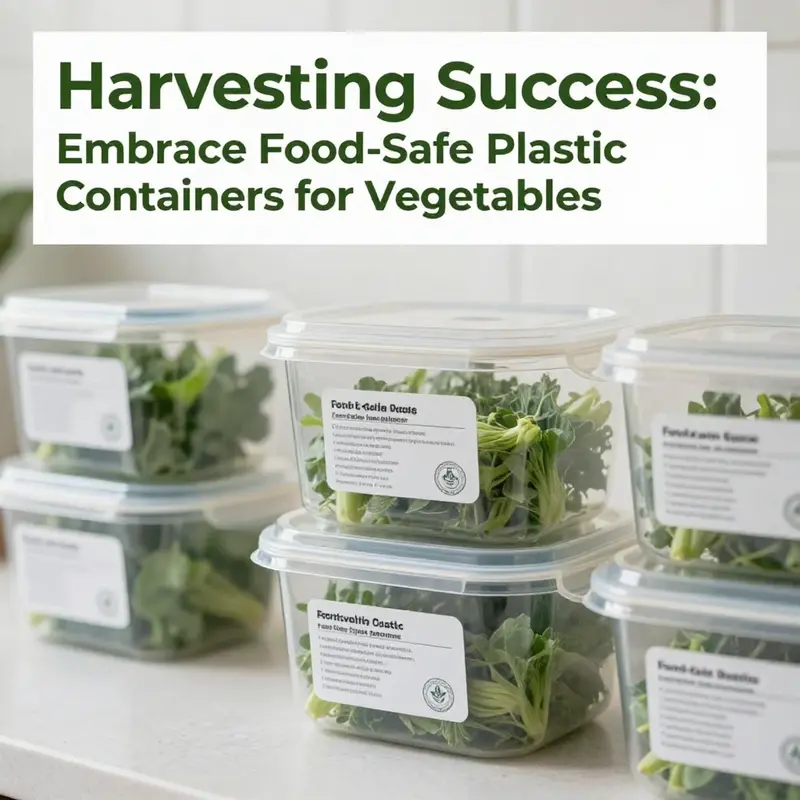
The idea of growing vegetables in plastic containers labeled as food-safe invites both practicality and curiosity. Gardeners often cultivate in small spaces, on balconies, or in urban plots where mobility matters as much as yield. Plastic containers, including food-safe buckets and flexible grow bags, offer lightness, ease of movement, and the ability to fit irregular spaces. Yet questions linger about safety and regulation. The chapter that follows weaves together what we know about safety labels, regulatory contexts for food-contact materials, and pragmatic practices that help gardeners minimize risk while enjoying the benefits of portable, soil-friendly containers. It is not a guide to every possible regulation, but a grounded exploration of how to think critically about what makes a container appropriate for growing vegetables.
A starting point is the meaning of “food-safe.” In consumer packaging and kitchen-use contexts, the label generally signals compliance with standards that limit the migration of substances from plastic into food under typical use conditions. Those conditions often involve heat or acidity, where migration may be more likely. What matters for gardening, however, is different. The soil, roots, and plant tissue all interact with the container material, but not in the same intense way as heated soup or a hot sauce. Studies focused on migration of chemicals like Bisphenol A (BPA), phthalates, or styrene primarily come from research on containers used for food preparation or storage. They illuminate how certain plastics behave when heated, when acidic foods are involved, or when plastics are compromised. What those studies do tell us is valuable for gardeners: choosing materials that are stable, non-reactive in soil, and labeled as food-safe reduces exposure to potentially problematic substances. Importantly, there is currently no robust, widely accepted evidence showing that BPA or other harmful substances migrate from food-safe containers into crops grown in them under ordinary gardening conditions. This is good news, but it does not absolve gardeners of due diligence. It simply frames the risk as low when basic precautions are followed and recycled or unknown plastics are avoided.
The practical takeaway begins with material choice. For many gardeners, HDPE (high-density polyethylene) and PP (polypropylene) are the workhorses of food-safe containers. These materials are known for stability and resistance to the kinds of degradation that can encourage chemical migration. When a container is clearly labeled as food-safe and made from HDPE or PP, it yields a level of reassurance that aligns with standard gardening practices. It is worth noting that the term “food-safe” in this context does not necessarily mean the container is designed for every possible gardening scenario. It means that, under typical use, the material is appropriate for direct contact with soil and plant roots, and it does not readily release substances harmful to humans or plants. Gardeners should avoid containers with vague labels or those sourced from uncertain supply chains, as those may incorporate recycled materials or industrial byproducts not intended for contact with edible crops.
From this foundation, a gardener then builds a set of sensible practices. First, ensure that containers have proper drainage. Roots crave air and moisture balance, and stagnant water can create anaerobic zones that stress roots and alter microbial communities in the potting mix. Adequate drainage holes, sized for the container, help prevent waterlogging while supporting robust root systems. Second, fill with a high-quality potting mix tailored to the chosen crop. A good potting mix provides structure, water retention, and nutrients while reducing the likelihood that soil conditions will interact unfavorably with the container material. Third, consider the scale and depth of the container. Five-gallon buckets or similarly sized vessels can offer ample space for root growth while remaining manageable to move and rotate for sun exposure. The goal is to provide roots with enough space to develop without forcing the gardener into oversized, bulky setups that undermine mobility and accessibility.
A subtle dimension of safety concerns engages with potential chemical migration in more dynamic garden conditions. In some cases, gardeners experiment with warmer climates or months when soil temperatures rise, and sun exposure intensifies. It is important to recognize that heat can accelerate migration in certain plastics, particularly if the material is not stable or if the plastic is a low-grade or recycled variant. This is part of the reason many gardening guides emphasize choosing containers that are specifically marketed as food-safe and appropriate for direct soil contact. Even with such labeling, monitoring soil temperature, avoiding prolonged exposure of containers to heat sources (such as heat lamps or direct sunlight in the hottest part of the day), and rotating crops can help keep conditions favorable for plants and minimize any potential risk.
The regulatory landscape for plastic materials used in contact with food typically involves agencies and frameworks designed to protect consumers when plastics are employed for packaging and storing edible products. In many jurisdictions, regulatory staff distinguish between materials used to hold processed foods and those used for growing or handling raw agricultural products. For containers used in gardening, the direct regulatory guidance may be sparse. That does not render the issue moot; it simply reflects the fact that the agricultural use of plastic containers intersects with broader food-contact material safety standards in a unique way. In the United States, many of the safety assurances for consumer plastics derive from FDA guidelines and Good Manufacturing Practices that govern migration in the context of food packaging and processing. In Europe, analogous frameworks exist under Regulation (EC) No 1935/2004 and related guidelines that monitor how materials in contact with food may transfer substances under typical use conditions. The upshot is that the regulatory system prioritizes substances that could migrate into food, while the specific scenario of plant growth in soil uses is less centrally regulated. This absence of explicit, granular rules for gardening uses should not be taken as a license to ignore safety. Rather, it invites gardeners to rely on well-established principles: use clearly labeled food-safe plastics, avoid unknown or recycled debris, and maintain sound cultural practices that minimize stress on plants and risk exposure.
Beyond regulatory talk, there is a practical mindset that helps gardeners navigate uncertainty. The soil acts as a complex mediator between container material and plant uptake. Microbial communities, soil chemistry, and root exudates interact with the container indirectly through moisture and temperature regimes. In most ordinary home-garden contexts, this intermediary layer tends to discourage rapid leaching of additives from sturdy, food-safe plastics. Yet this is not a reason to be complacent. If a container shows signs of wear—cracks, warping, or chalking—replacement is prudent. Reusing containers from unknown sources or repurposing non-food-grade plastics for horticultural use increases the chance of introducing contaminants into the growing medium. If a gardener is curious about a specific scenario, such as growing in containers in a region with extreme heat, it is reasonable to test a small planter with a crop and monitor plant health and soil characteristics over time before scaling up.
Indoor microgreen setups illustrate another facet of the conversation. Microgreens thrive in compact spaces and often benefit from access to consistent light and temperature. In such environments, even simple arrangements can become a practical experiment in safety. One approach is to use cardboard boxes lined with a food-safe plastic liner, coupled with LED grow lights to provide stable illumination and warmth without generating excessive heat. This kind of setup underscores the core principle: with thoughtful design and careful material selection, small indoor gardens can be both productive and safe. The emphasis remains on using containers that are clearly labeled as food-safe, ensuring that the chosen liner or interior layer does not introduce incompatible substances into the soil.
Another layer of practical wisdom concerns the lifecycle and environmental footprint of containers used for growing vegetables. Gardeners increasingly weigh convenience against sustainability. Reusable, durable containers that can be washed and maintained after harvest align well with long-term gardening goals. When reuse is part of the plan, it is especially important to inspect plastic integrity and to avoid materials that degrade with washing or repeated soil contact. Lightweight options, such as grow bags made from breathable materials, may offer advantages in root aeration while also presenting considerations about lifespan and stability in certain climates. The idea is to balance mobility and performance with responsibility for soil health and human safety. In this balancing act, the gardener remains the steward of the garden ecosystem, selecting materials that support plant vigor while minimizing potential exposure risks.
The literature gap that the research materials frankly acknowledge—namely, the lack of targeted studies on safety and regulatory specifics for plastic containers used for growing vegetables—has a useful, humbling consequence. It invites gardeners to rely on widely accepted best practices from adjacent domains: select food-safe materials, avoid unknown or recycled sources, provide proper drainage and high-quality potting mix, and monitor crop health as a measure of safety. This approach does not overpromise certainty, but it does offer a practical, disciplined path to safe, productive gardening. The core idea is simple: choose materials with recognized stability, keep the growing environment controlled, and respect the interface between container, soil, plant, and human. In doing so, the garden becomes not just a source of fresh produce but a living demonstration of how thoughtful choices in materials can support safe, enjoyable cultivation.
For readers who want to explore concrete examples and product contexts—without getting lost in marketing claims—consider this practical anchor. A food-grade, disposable kraft-paper bucket or a similarly labeled container can serve as a starting point for small-scale vegetables in limited spaces. Such containers illustrate how a simple change in material choice can align with both safety priorities and gardening goals. If you wish to peek at a real-world product page that demonstrates how a labeled, food-grade option looks in practice, you can view this page: senang05-food-grade-disposable-kraft-paper-12oz-porridge-bucket-portable-microwavable-paper-soup-cup-with-lids. It exemplifies how packaging-grade materials are described and marketed, offering a touchstone for thinking about comparable fruit- and vegetable-growing applications. While the product in this link is positioned for take-away use, the labeling mindset—clear safety assurances, material designation, and avoidance of unknown sources—translates conceptually to the gardening context. This is not a recommendation for substitution, but a reminder of how best-practice labeling and material transparency inform safe gardening choices.
As a capstone to this discussion, the wider reader can pursue broader reading on the topic of safety in food-contact materials and practical guidance for gardeners who want to integrate recycled or alternative containers into their practices. A reputable outside resource that speaks to growing vegetables in recycled and food-safe containers provides a broader frame for what many gardeners face when evaluating unconventional options. For further reading, see Garden.org’s article on safely growing vegetables in recycled and food-safe containers: https://www.garden.org/articles/17423/ . This external reference complements the internal reflections here by offering additional context about material feasibility, safety considerations, and practical approaches that align with responsible gardening.
In summary, while direct regulatory specifics for plastic containers used strictly for growing vegetables may be sparse, the convergence of food-safe labeling, material stability, and prudent gardening practices offers a clear path forward. By prioritizing HDPE or PP containers with explicit food-safe labeling, ensuring proper drainage and soil quality, and keeping a vigilant eye on wear and tear, gardeners can enjoy the mobility and adaptability of plastic containers without compromising safety. The garden then becomes the testing ground for responsible material choices, where safety is not a bureaucratic checklist alone but an ongoing practice of mindful cultivation and informed use of the tools at hand.
null
null
From Bottle Gardens to Self-Watering Bins: Practical, Food-Safe Plastic Solutions for Growing Vegetables
Flexible containers, smart water systems, and space-saving designs
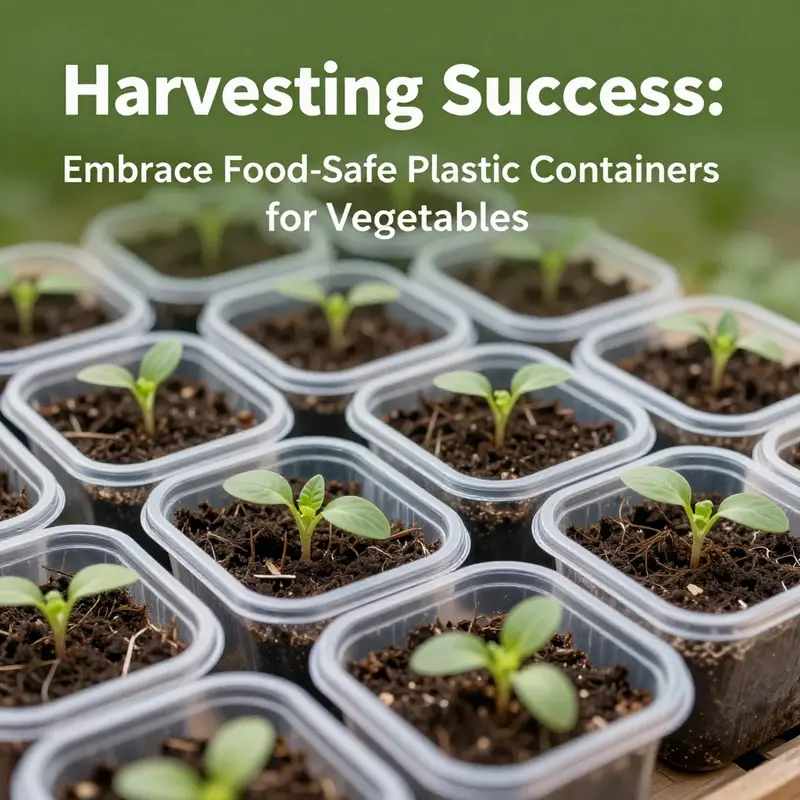
Food-safe plastic containers unlock creative ways to grow vegetables in tight spaces. They make gardening accessible, light, and mobile. With the right choices and simple modifications, these containers support healthy roots and strong yields. The most successful setups share a few traits: stable, food-safe material; good drainage; a quality growing medium; and a watering plan that suits the plant. This chapter presents practical, proven approaches you can adapt. It blends vertical ideas, self-watering systems, no-transplant techniques, and educational projects. It also covers safety tips, container selection, and maintenance practices that extend the life of your containers.
Repurposed plastic bottles are among the most inventive tools for micro and small-space gardens. Cut vertically to form a hinged planter, add small drainage holes in the lower third, and fill with a light potting mix. Use twine or brackets to hang the bottles on a balcony railing or wall. This design turns a narrow footprint into a living vertical strip. It suits herbs, salad greens, and trailing small varieties like baby tomatoes. When hung in tiers, bottles create a microclimate that conserves water and channels cooler air to roots. For best results, line the bottle’s interior edges with a thin strip of breathable fabric. That keeps the soil in place and improves aeration without blocking drainage.
Large recycled plastic containers can be modified into efficient, low-effort self-watering systems. Cut a sturdy container in half and invert the top into the base, creating a reservoir. A wick of cotton rope or fabric pulls water into the soil as the plant needs it. This simple capillary action prevents both overwatering and drought stress. Use a high-quality potting mix with compost or worm castings to hold nutrients. Check the reservoir periodically and top it up. Self-watering designs are especially useful for larger vegetables, including peppers, compact tomato varieties, and eggplants grown in 5-gallon or larger containers. These systems reduce daily maintenance and lengthen harvest windows, ideal for busy urban growers or those who travel.
Food-safe tubs, storage bins, and buckets excel for direct-sow vegetables that mature quickly. Sow lettuce, spinach, arugula, and radishes directly in clean containers. Adding a few drainage holes prevents root rot. Because these crops mature within weeks, they seldom need transplanting. Choose a container depth that matches root habits: shallow trays for microgreens and deeper buckets for roots. When working with compact spaces, stackable shallow trays let you grow multiple harvests vertically. For small home kitchens, consider dedicated salad bowls or food-grade tubs reused as planters. They are easy to handle and clean between crops, which reduces disease carryover.
Collapsible pots and soft-sided planters bring another advantage. Many are made from breathable or semi-permeable food-safe plastics and fabrics. These containers cradle roots in air-pruned environments. Air pruning reduces circling roots and promotes dense, fibrous root systems. That leads to vigorous tops and faster nutrient uptake. Soft-sided planters also conform to irregular spaces on balconies and patios. Use them for potatoes, beans, and bush cucumbers. Because they drain freely, they require more frequent watering. Pair them with mulch or a reservoir system to keep moisture steady.
Self-contained vertical towers combine multiple plastic containers into compact columns. Stack drilled containers or repurposed bottles around a central column or stake. Plant each level with a complementary crop mix. Put deeper-rooted plants at the bottom and shallow-rooted greens near the top. These towers are efficient with water when their drainage is directed into a shared reservoir. They are also easy to harvest and maintain. For added stability, anchor towers with a simple frame or tie them to a wall.
Indoor microgreen setups benefit from food-safe linings and shallow trays. Cardboard or wooden flats lined with food-grade plastic provide structure and a safe surface for edible greens. Use LED grow lights to supply consistent light that indoor windows often cannot provide. Microgreens require steady moisture and high germination rates. A humidity dome or a reusable clear lid helps at the seedling stage. When harvesting, remove the plastic liner for cleaning and reuse. This approach keeps indoor spaces tidy and prevents contamination between crops.
A crucial component of any plastic-container garden is the material. Choose high-density polyethylene (HDPE) or polypropylene (PP) whenever possible. These plastics are stable and widely accepted as food-safe. Avoid unknown plastics or containers that once held industrial chemicals. Do not use unverified recycled plastics from unknown sources. Labels or resin identification codes can help you identify safe materials. When in doubt, use new food-safe containers or select ones marketed explicitly for food contact. This minimizes the chance of unwanted residues and keeps your edible harvests safe.
Concerns about chemical transfer from plastics into soil and plants are common. Available scientific evidence does not show a direct transfer of harmful chemicals like BPA from food-safe HDPE and PP containers into vegetables. That said, simple precautions reduce risks further. Use containers labeled food-safe, wash new containers before use, and avoid heating plastic planters under intense sun for prolonged periods. If you paint or decorate plastic, use only water-based, nontoxic paints approved for food-contact surfaces when possible. Removing decades of wear and tear, and replacing brittle containers, also reduces risk.
Watering strategy drives container success. Aim for even moisture without waterlogging. Combine drainage holes with a coarse layer at the bottom or use a mesh barrier to stop soil from escaping. For self-watering builds, keep the reservoir screened to prevent mosquitoes. Add a layer of mulch over the soil to slow surface evaporation. For vertical systems, place drips or small basins at each level so water distributes evenly. If you travel, place containers in grouped layouts so one drip or reservoir can support several pots.
Crop selection matters. Fast-growing greens, herbs, and compact tomatoes are natural fits for bottle and small-container systems. Root crops and sprawling varieties need deeper or wider containers. When planning, think in terms of root volume rather than surface area. A five-gallon bucket supports most single vegetable plants and small companion herbs. Tomatoes often thrive in this size. Salad greens do well in shallow trays and repurposed salad bowls. Consider succession planting to maintain a continuous harvest. Replace harvested plants quickly and rotate families to reduce pest and disease buildup.
Pest and disease management in plastic containers follows standard organic principles but with container-specific tweaks. Inspect containers regularly. Use physical barriers like row covers for small pests. Clean containers between plantings with diluted vinegar or a mild bleach solution, rinsing thoroughly afterward. Replace potting mix every few seasons or topdress with compost annually. For root-prone diseases, switch to a sterilized medium and rotate crops to non-host families for a season.
Sustainability and life cycle thinking improve both garden and planet. Reuse durable, food-safe plastic containers for many seasons. When a container ages, recycle it according to local guidelines. Prioritize containers that are easy to clean and repurpose. If you buy disposable or single-use items intended for food service, choose food-grade reusable bowls that can be repurposed as planters. These versatile containers are stable, shallow, and ideal for greens and herbs; they also clean easily between uses for successive crops. For an example of such containers, consider using food-grade reusable salad bowls as practical small planters: https://cupbowlpack.com/product/senang-130-disposable-eco-friendly-food-grade-reusable-square-salad-bowls-with-pp-lids-for-pet-food/.
Maintenance and storage extend container life. Drain and dry containers before winter storage to avoid cracking in freezing weather. Store collapsible pots flat to save space. Label containers with planting dates and amendments to guide future soil management. Keep a small tool kit for drilling new drainage holes and patching minor damage with a food-safe silicone sealant.
Food-safe plastic containers open opportunities for education and community projects. Simple bottle gardens are excellent classroom activities. They teach recycling, plant biology, and stewardship. Community programs can distribute container kits and create balcony gardens in dense neighborhoods. These small gardens can improve food access while building local knowledge. Stories from urban centers show that consistent, low-cost container gardening can transform roofs and walls into productive landscapes.
Across methods, the same principles apply: start with food-safe material, prioritize drainage and aeration, use quality soil, match container size to plant needs, and maintain a regular watering rhythm. With modest effort, plastic containers become long-term partners for growing vegetables. They give you flexibility and control. They let you garden where space is limited and harvest fresh produce close to the kitchen. For more guidance about using food-safe containers and recycled materials for growing vegetables, see this practical resource: https://www.garden.org/articles/17423/.
Final thoughts
Incorporating food-safe plastic containers into your growing strategy can provide significant advantages for your culinary business. With debunked safety concerns, established best practices, and innovative applications, these containers pave the way for fresh and sustainable vegetable sourcing. Elevate your offerings, reduce costs, and contribute to a greener environment with this simple yet effective approach to urban gardening.