
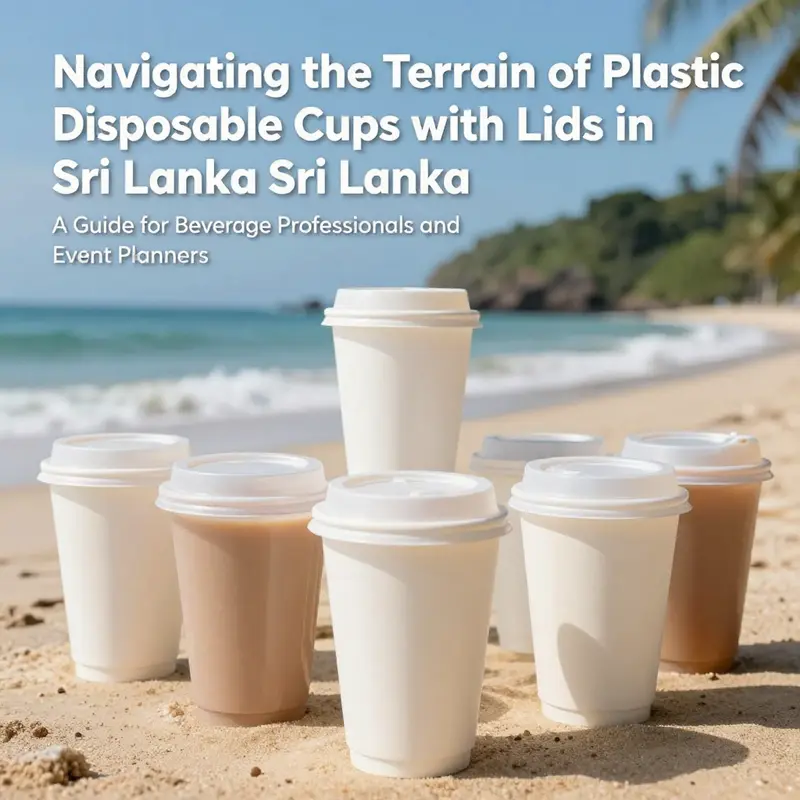
Plastic disposable cups with lids are integral to the beverage and food service industry in Sri Lanka. With the rise of bubble tea shops, cafes, restaurants, food trucks, and catering services, the demand for reliable, aesthetically pleasing, and functional cup solutions has surged. These products provide not only practicality but also a way to enhance brand visibility through customization. In the following chapters, we will explore the nuances of these products in Sri Lanka’s market, delve into the pressing environmental issues related to their usage, and outline the essential B2B supply chains that support our local businesses.
The Slow Currents of Convenience: Navigating Sri Lanka’s Market for Disposable Plastic Cups with Lids
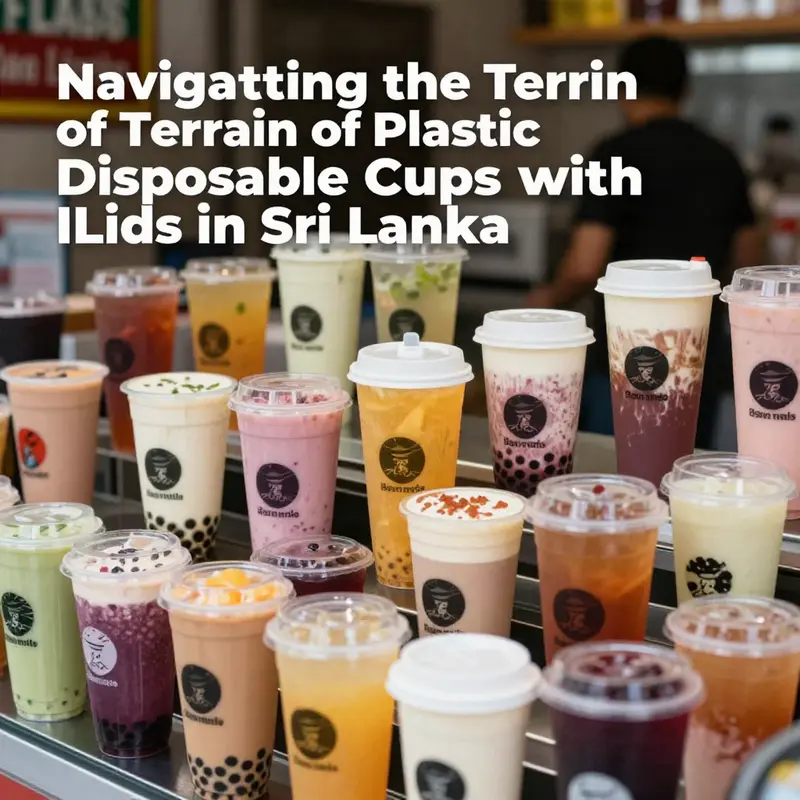
In the busy tempo of Sri Lanka’s food and beverage landscape, disposable plastic cups with lids have settled into a quiet, everyday practicality. They are the kind of product that disappears into the background of bustling streetside stalls, corporate events, and university gatherings, yet their presence shapes how beverages are served, transported, and perceived. The appeal lies in an understated combination of convenience, affordability, and versatility. For many operators—from mobile carts to large-scale caterers—the right cup and lid can make the difference between a smooth serving experience and a spill-stretched setback that damages a brand’s reputation and a business’s bottom line. The market that supports these cups is aware of their fragility as well as their value. They are cheap enough to be disposable, yet that very disposability creates a social and environmental footprint that businesses can neither ignore nor overlook when shaping their procurement choices.
A practical place to begin is with the price reality. In bulk, these cups commonly sit within a narrow band, affordable enough to encourage frequent use yet not so inexpensive that quality becomes a casual afterthought. Buyers frequently see a price range that hovers around the lower single digits to the mid-teens per piece. This spread reflects a blend of scale, material grade, and lid design. For many operators, the decision calculus is not simply about the per-piece price but about the total cost of ownership: the reliability of the seal, the ease of stacking and transport, and the degree to which the product aligns with consumer expectations for a clean, professional presentation. In Sri Lanka, where logistics networks weave from maritime hubs to inland markets, bulk purchasing often becomes a matter of strategic efficiency. When a business buys in larger quantities, it reduces per-unit logistics costs and can ensure a steadier supply, a critical factor during festival seasons, tourist peaks, or promotional campaigns that rely on consistent branding and dependable service levels.
The materials chosen for these cups—most commonly polypropylene and PET—are selected for lightness and durability under cold beverage use. The polypropylene offers a balance of strength and flexibility, enabling a thin-walled cup to resist the squeeze of a hand and the pressure of a straw insertion without cracking. PET, with its clear, glass-like appearance, lends a certain premium feel that brands in the catering and events sector often seek. The lids are designed for practical integrity: a pop-on mechanism that minimizes spills during transit, and in some designs, a flat lid with a small hole that accommodates a straw without sacrificing the tight seal. Other lid configurations emphasize maximum leakage protection through a fully sealed flat design, which can be critical when the beverage is destined for busy commutes or longer travel periods. This flexibility in lid design is not merely about aesthetics; it translates into real-world outcomes. A reliable lid can prevent embarrassing leaks in packed bags, while an understated yet secure seal can preserve beverage temperature for longer stretches, enhancing the customer experience.
The practical uses stretch across a wide spectrum. Food trucks, pop-up stalls, university cafeterias, festival organizers, and promotional campaigns all rely on these disposable cups as a standard tool of service. Their appeal lies partly in the ease of transport: a stack of cups, modest weight, and straightforward lids that minimize the risk of drips and spills when a customer carries a cup through a crowd. They also serve as a canvas for branding and promotions. Even in a market where the trend toward sustainability is increasingly visible, the ability to customize—whether through color, patterns, or branded logos—remains a key driver for many operators seeking to reinforce a memorable customer experience or to align with an event theme.
Yet, the narrative around these cups is not one of uncritical praise. The limitations are real and widely acknowledged. The insulation they offer is limited; a cold drink may stay cool, but the cup is not designed to keep hot beverages warm. Repeated use degrades the structural integrity of the cup, and its temperature resistance is not suitable for hot liquids. This restricts the cups to cold beverages, ruling out a broad swath of potential offerings. In consumer markets where after-use disposal is a matter of convenience, the environmental implications are front and center. The non-biodegradable nature of many disposable cups frames a tension between the benefits of short-term convenience and the long-term responsibilities of waste management and resource conservation. That tension has fueled a rising interest in reusable options—BPA-free plastics and stainless steel—especially for brand-building efforts that are meant to leave a durable impression rather than a temporary trace. The shift toward reusable cups does not erase demand for one-time-use solutions; instead, it reframes the decision, inviting brands to evaluate lifecycle costs, brand messaging, and the environmental expectations of their customers.
To understand the Sri Lankan market’s dynamics, it helps to think about the broader supply chain forces at work. The global production ecosystem for disposable cups is characterized by a mature, capacity-driven supply chain where manufacturers in large scale economies can offer a range of customization—from material selection to printed designs. This capacity makes it possible for buyers to tailor products to their branding, regulatory, or logistical needs. The logistics of importing such goods into Sri Lanka involve navigating import duties, shipping timelines, and the reliability of inland distribution. In many cases, buyers secure their stock through bulk channels that are designed to secure steady access to a uniform product specification. The procurement approach becomes crucial in ensuring supply chain resilience, especially for operations with high service levels or those that rely on tight event schedules. A strong procurement strategy focuses on supplier reliability, quality compliance, and consistent packaging that reduces breakage and waste during handling and transit. It also means selecting partners who can offer flexible ordering patterns, rapid replenishment, and clear communication about any potential disruptions. While such considerations are not glamorous, they underwrite the smooth, predictable service that customers have come to expect, and they protect the brand from the reputational risks that come with delays and stockouts.
Pricing, as mentioned, is a critical variable, but it is by no means the sole determinant of value. For businesses seeking long-term cost efficiency, the decision calculus tends to expand beyond the initial purchase price to consider waste management, storage space, and the environmental narratives that customers respond to. In Sri Lanka’s market, this often translates into a dual path: continuing to meet short-term demands with affordable disposables while progressively integrating sustainable alternatives for brand-building and loyalty programs. The push toward sustainability does not eradicate the demand for single-use cups; rather, it reframes how businesses think about usage patterns. Some operators view disposables as a practical tool for high-volume, time-sensitive operations, where quick turnover and clean service matter more than the marginal environmental cost per cup. Others see a longer horizon where reuse, recycling, and responsible sourcing become part of the brand’s story—especially in contexts where consumers, particularly younger ones, expect environmental stewardship as part of the corporate persona.
In the background, the global manufacturing ecosystem continues to evolve. The traditional production centers behind these items have developed robust supply chains capable of turning raw materials into finished cups and lids with remarkable speed. Provinces known for their manufacturing ecosystems have built out capabilities that cover everything from resin choices to printed designs, enabling end-to-end service—from material selection to product finishing. The result is a marketplace in which providers can tailor products to local tastes and needs while maintaining global economies of scale. This capacity is both a strength and a risk. It offers affordability and customization, but it also means the market can swing with global input costs, currency fluctuations, and shifts in international trade policies. Buyers in Sri Lanka, therefore, often balance local demand with the realities of supply from abroad, negotiating lead times, minimum order quantities, and flexibility in color and branding when it makes sense for their business model.
One thread that runs through this chapter is the importance of strategic sourcing. For buyers who serve the catering sector, event planning, or retail environments, there is real value in engaging with channels that aggregate bulk demand, standardize quality, and provide dependable fulfillment. The phrase ‘bulk procurement through specialized B2B supplier channels’ captures a practical truth: the world of disposable cups with lids is not a mere commodity market but a carefully curated supply network. This network is where decisions about quality control, packaging integrity, and compliance live. As a result, the conversation frequently shifts from simply choosing a cup to shaping a supply relationship that can adapt to changing event calendars, evolving consumer expectations, and the emergence of new alternatives. It is a conversation about building resilience into the very packaging that carries a brand’s beverage across time and space.
In parallel with these supply dynamics, consumer perceptions are steadily shifting. People are increasingly mindful of packaging waste and the environmental footprint of the products they purchase. The rise of reusable options has not erased the demand for convenient disposables, but it has elevated the conversation around how to use them responsibly. For beverage vendors, this means more than choosing a lid that prevents leaks. It means thinking about how cups are disposed of, where their end-of-life path lies, and how a business communicates its values through packaging choices. Some operators incorporate messaging that encourages recycling or supports take-back programs. Others partner with venues or events that emphasize sustainability, using the disposable cup as a bridge between fast service and durable brand values. The result is a nuanced landscape in which packaging choices can reinforce a brand’s commitments and help shape consumer expectations without sacrificing operational efficiency.
The exploratory path for Sri Lankan buyers thus winds through both practical and aspirational terrain. On the practical side, they must navigate material properties, lid designs, leak resistance, and temperature limits. They must also manage storage and turnover, ensuring that bulk orders align with demand cycles and do not overwhelm inventory. On the aspirational side, they must consider the narrative they tell with their packaging. The cups and lids become not just tools for serving beverages but tools for storytelling—about convenience, reliability, and a responsible approach to waste. In a market where small decisions accumulate into larger outcomes, each choice about cup type, lid design, and procurement strategy has the potential to influence customer satisfaction and, in time, a brand’s reputation.
For those who are responsible for sourcing in fast-moving environments, the challenge is to balance the short-term gains of affordability with the longer-term implications of sustainability and supplier reliability. It is a balancing act that requires careful supplier evaluation, clear specifications, and honest conversations about expectations. When a purchaser can articulate the precise requirements—volume commitments, lead times, packaging formats, and the boundaries of customization—relationships with suppliers can become productive, even when market conditions shift. In these conversations, the role of a seasoned procurement professional becomes clear: they are not just buying cups; they are shaping the operational rhythm of an organization. They ensure that beverage service can keep pace with demand, that packaging aesthetic aligns with the brand, and that the environment remains a consideration in every dollar spent.
From a consumer education perspective, there is value in recognizing that the market for disposable cups with lids is not a monolith. There are subtle differences in how a lid fits and seals, how a cup resists distortion under pressure, and how the color and finish of a cup’s exterior influence perceived quality. A well-designed, visually appealing cup can enhance the consumer experience, even at a quick-serve counter. It can convey a sense of care and competence, signaling that the business takes its service seriously. Conversely, the perception of flimsy materials or inconsistent sealing can undermine confidence, undermining a customer’s willingness to purchase again. In this sense, packaging becomes a silent ambassador for a brand’s competence and reliability, even before the first sip is tasted.
To illustrate the broader ecosystem without anchoring to any single product line, consider the way these cups travel from factory floors to a city festival. The cups are layered into a journey that begins with raw materials, proceeds through molding and quality checks, and ends in a distribution network that spans regional hubs and local retailers. In Sri Lanka, where distributors often synchronize with event schedules or seasonal tourism pulses, the ability to forecast demand and align stock with event calendars becomes a tangible asset. The practical knowledge of lead times, minimum order quantities, and return or replacement policies turns from abstract procurement jargon into actionable practice that keeps service levels high and customer satisfaction intact.
In closing, the Sri Lankan market for disposable plastic cups with lids operates at the intersection of convenience, economy, and responsibility. It is a space where operators must weigh the immediate benefits of low unit cost and reliable leakage protection against the longer horizon of environmental stewardship and brand storytelling. The most resilient strategies in this space blend pragmatic supply chain discipline with an openness to evolving consumer expectations and regulatory landscapes. They recognize that the cup is more than a container; it is a small but potent instrument of brand experience, a token of reliability carried through crowded streets and bustling markets. As the market continues to adapt to new materials, new lid designs, and new approaches to end-of-life management, Sri Lanka’s beverage ecosystem will likely see a continued emphasis on balance—balancing cost with quality, convenience with sustainability, and speed with care. In this balance, the chapter’s throughline remains clear: the disposable cup with lid is a practical tool, but it also carries a larger story about how a community chooses to serve, to share, and to sustain itself in a world where every detail matters.
From Convenience to Consequences: Tracing the Environmental Footprint of Plastic Disposable Cups with Lids in Sri Lanka
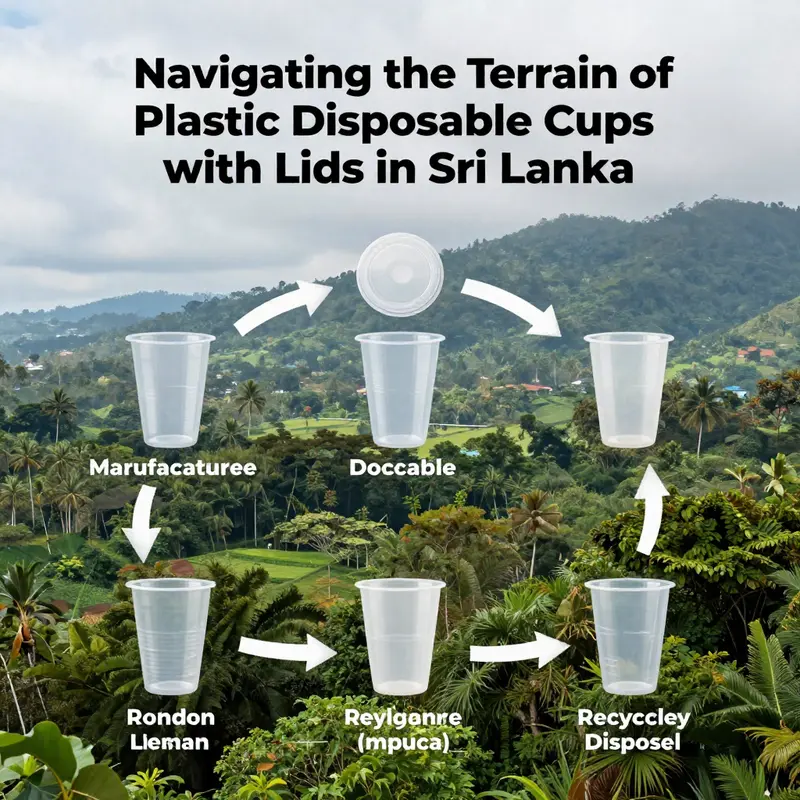
Sri Lanka sits at a crossroads where the rhythms of a bustling urban cafe culture meet the realities of plastic waste. Across streets lined with tea stalls, fast food kiosks, and takeout windows, plastic disposable cups with lids have become a quiet backbone of everyday commerce. Their lightweight structure, low cost, and practical design make them ideal for quick service and on the move consumption. Yet beneath this veneer of convenience lies a trajectory of environmental pressures that communities across the island increasingly feel in the form of litter, clogged drainage, and the lingering presence of discarded cups along coastal edges and inland waterways. The chapter that follows traces this trajectory with care, not to deny the benefits of a product that serves millions, but to illuminate the long term costs and the pathways toward a more sustainable equilibrium for Sri Lanka’s economy, people, and ecosystems. In doing so the focus remains on the lifecycle of these cups, from raw materials to end of life, and the pressures and possibilities that shape policy, business decisions, and everyday behavior alike.
At the heart of the environmental footprint is material choice. The cups used in many outlets are typically fashioned from polypropylene or polystyrene, plastics chosen for their lightness, rigidity, and resistance to liquids. The lids, designed to prevent spills during transport, often accompany these cups in a way that reinforces single use. The economics of production and distribution make these items highly accessible, enabling the speed and scale of service that modern food and beverage businesses count on. But the same properties that confer practicality also complicate waste management. PP and PS plastics are durable, resisting natural degradation for centuries in some cases. In a country with evolving waste collection and processing systems, this durability translates into a stubborn persistence that can persist long after the cups have fulfilled their immediate function. The chalk outline of a city’s street, a beachside promenade, or a rural waste heap can reveal a quiet statistic about this everyday object: its presence often grows where waste collection is insufficient, where littering remains a social norm or where disposal streams are fragmented and irregular.
The environmental degradation linked to single use is neither abstract nor distant. On land, mismanaged cups accumulate in parks, along roadways, and in agricultural fields where they can impede soil health and impede drainage. In water, they contribute to the broader problem of plastic pollution that travels through streams to rivers and eventually to seas. Once in ecosystems, these plastics fragment into microplastics or shed additives that can be taken up by soil organisms, benthic life, and aquatic species. The consequences chain outward through food webs, potentially affecting the health of wildlife and, in ways that communities increasingly monitor, human health as well. The visibility of trash is the most immediate reminder—crisp plastic sleeves glinting in sunlit gutters, or a sea wall strewn with fragments after a storm—but the subtler harm operates beneath the surface: the slow, persistent release of chemicals, the alteration of microbial communities in soils and sediments, and the disruption of natural processes that keep watersheds healthy.
Microplastics, a term that has moved from laboratories to everyday conversation, loom as a particular concern in the Sri Lankan context. Plastics do not simply vanish when discarded; they drift, fragment, and accumulate. Over time they become part of the sediment and water column, and some end up in organisms that humans rely on for food. The potential for substances added during manufacturing to leach into the environment compounds the risk. This is not merely an ecological issue but a public health one as well. Biodiversity thrives in complex ecosystems because of the delicate balance among predators, prey, and decomposers. When plastics accumulate, they alter that balance, sometimes providing surfaces for biofilms that attract pests or changing the physical properties of soils and sediments. The ripple effects touch beaches and estuaries where communities have long lived off the sea, and they reach inland through rainfall patterns and urban runoff that channel plastics into freshwater systems.
The waste management challenges in Sri Lanka amplify these risks. Infrastructure for collection, sorting, and processing of waste remains uneven across urban and rural areas. In cities, dense populations overwhelm existing systems, and informal waste workers often bear a heavy burden of service gaps. In rural regions, access to consistent waste services can be limited, making open burning or indiscriminate disposal more likely. Drainage systems, designed to channel stormwater, can become clogged with litter during the rainy season, leading to localized flooding and water quality concerns. The result is a cycle in which plastic cups contribute to both visible pollution and hidden costs: longer cleanup times, more frequent maintenance of drainage and waterways, and a greater burden on municipalities and communities trying to protect public health and safeguard fragile coastal economies that depend on tourism and fishing.
Policy responses in recent years reveal a growing willingness to rethink plastic use in the country. Governments and regulatory bodies have started to restrict certain non biodegradable materials, including plastic coated options, as a step toward reducing environmental harm. The policy logic rests on the assumption that curbing the most persistent and problematic forms of single use will ease the pressure on waste systems and the environment. This shift also acknowledges the importance of life cycle thinking: decisions about whether to replace a single use cup with a similar option, or to adopt a reusable alternative, should account for energy, water, and emissions across production, transport, use, and end of life. Life cycle assessments conducted on single use plastic products support policy development by highlighting where environmental costs accumulate and where substitutions can yield meaningful benefits. The takeaway is not simply to ban or restrict, but to guide a transition toward products with lower overall footprints, including those designed for reuse or for compostable and biodegradable pathways where appropriate, while still recognizing the practical realities of local waste streams and consumer needs.
In parallel with policy, there is a quiet but persistent pressure from civil society, industry players, and researchers to broaden the palette of options available in the Sri Lankan market. A key strand of this evolution is the move toward reusable cups made from BPA free plastics or stainless steel, materials chosen for durability and a lower long term environmental impact when used repeatedly. The logic is that a reusable cup, used many times, can reduce the cumulative waste produced by countless single use cups. This transition, however, is not merely a matter of substituting one material for another. It requires a rethinking of consumer behavior, service models, and supply chain infrastructure. Cup sharing models, in-house washing facilities, and refilling stations could become part of a more sustainable hospitality and food service ecosystem. For businesses, the shift holds potential for brand differentiation through commitments to sustainability, and it presents opportunities to engage customers in environmental advocacy and responsible consumption.
To move from aspiration to action, the procurement channel for bulk purchases becomes crucial. For commercial operators in catering, events, and retail, bulk purchasing through specialized suppliers can ensure not only cost efficiency but also the ability to specify life cycle considerations, including material choices, lid designs to minimize leakage, and packaging configurations that support recycling or reuse. The supply chain’s robustness matters as much as any policy signal. A reliable supplier network reduces the risk that sustainability goals will be sidelined by short term price pressures or supply disruptions. It also facilitates the adoption of lids and cup designs that are optimized not only for user experience but also for end of life. The design of packaging, even down to the color and finish, can influence recovery rates and recycling options, shaping the chance that take out culture becomes a force for environmental improvement rather than a contributor to pollution.
The social dimension cannot be ignored. Consumers, vendors, and workers all participate in shaping the outcomes of disposable cup use. Education and awareness campaigns that emphasize proper disposal, recycling, and the environmental consequences of litter can empower individuals to change behavior. Local initiatives, community cleanups, and school programs can reinforce norms that favor careful waste handling and a preference for reusable options where feasible. Yet education alone is not sufficient. It must be paired with practical options on the ground: accessible waste collection, conveniently located recycling facilities, and incentives for businesses to adopt reusable cup programs or to adopt plastics that are easier to recycle or compost. The balance between convenience and responsibility remains delicate, and in many communities the path forward will require policy pilots and partnerships that test different approaches in real world settings before scaling up.
In the broader regional and global context, Sri Lanka is one node in a global supply chain that has historically depended on inexpensive plastics produced in large-scale manufacturing hubs. The international market pressures, trade policies, and evolving consumer expectations all feed into local practice. The demand for low cost, reliable, and leak-proof cups with lids helps explain why single use persists, even as the environmental costs become clearer. Yet the same global dynamics also offer pathways for change. Collaborative commitments among governments, businesses, and civil society can unlock investments in alternatives, create standards for recyclable or compostable packaging, and align procurement with environmental performance. In this sense the Sri Lankan experience becomes part of a wider conversation about how to reconcile the benefits of disposable convenience with the planet’s finite resources.
For readers looking to broaden their understanding of how such products fit into a sustainable economy, one promising direction is to explore the available alternatives in the packaging landscape. Papers, bags, and bowls crafted from recyclable or compostable materials can offer comparable user experiences while reducing long term environmental costs. There is also potential in embracing design innovations that minimize waste from the outset. For instance, lid designs that reduce leakage while enabling efficient recycling, or cup shapes that ease sorting and processing at end of life. The goal is not to eliminate all plastic use overnight but to shift the balance toward options that align with local waste management realities and consumer demand for responsible choices. Within this shift lies an opportunity for Sri Lanka to position itself as a leader in sustainable serving solutions that balance affordability with ecological integrity.
The journey toward sustainability also requires honest recognition of barriers. The immediate appeal of disposable cups with lids lies in the speed and convenience of service. In a country grappling with climate variability, where urban and rural communities experience different realities, a one size fits all approach is unlikely to succeed. Any transition must be nuanced, allowing for regionally appropriate solutions that reflect local waste infrastructure, cultural practices, and economic constraints. This means supporting pilot programs that test reusable cup uptake in dense urban corridors while simultaneously improving waste collection and recycling in periurban and rural areas. It also means recognizing the value of local innovation, including small and medium sized manufacturers who can adapt quickly to demand for alternatives and who may collaborate with venues to implement take-back schemes or refill models that reduce waste while preserving service quality.
The discussion returns to the core question that frames this chapter: what is the environmental footprint of plastic disposable cups with lids in Sri Lanka, and how can that footprint be reduced without compromising the everyday benefits that cups provide? The answer lies in a portfolio of strategies that combines policy reform, market transformation, and behavior change. Policy reform sets the boundaries within which business can operate and shifts the risk calculations toward more sustainable options. Market transformation expands the range of feasible choices, including reusable and recyclable designs, while ensuring that supply chains can support these options at scale. Behavior change, driven by information, incentives, and visible examples of success, turns policy and market signals into real action in homes, workplaces, and public spaces. The synergy of these approaches holds the most promise for reducing the environmental footprint of disposable cups with lids while preserving the practical benefits that fuel Sri Lanka’s vibrant service sectors.
Within this integrated vision, the story of the Sri Lankan cup is not simply one of loss but one of adaptation. It is a narrative about communities learning to demand products that are kinder to the land, the water, and the people who rely on them. It is a story of entrepreneurs who see opportunity in sustainable design and in new ways of doing business that incentivize reuse, recycling, and responsible disposal. It is also a reminder that the smallest object—a cup with a lid—can illuminate larger truths about supply chains, governance, and the shared responsibility to care for the environment that sustains every citizen. The road ahead is not a straight path but a landscape of choices, tradeoffs, and opportunities to redefine what convenience means in a country where nature and industry are deeply intertwined.
For readers seeking concrete pathways that connect the chapter to practical options, consider the potential of embracing alternatives that mirror consumer confidence in single use while reducing environmental impact. This includes adopting reusable cup programs in venues with adequate washing capacity, selecting lids and cups designed to be more easily recycled, and investing in education campaigns that emphasize proper disposal and the benefits of reuse. It also involves leveraging B2B supplier networks that can provide sustainable options at scale and aligning procurement practices with broader environmental goals. In doing so, Sri Lanka can preserve the efficiency and value of beverage service while strengthening the resilience of its ecosystems for future generations. The challenge is to translate these ideas into everyday choices that businesses, communities, and individuals can adopt without sacrificing the accessibility and convenience that shape daily life.
In closing, the environmental footprint of plastic disposable cups with lids in Sri Lanka is a tangible reflection of the broader tension between progress and preservation. The cups are a symptom of rapid service economies and consumer expectations, yet they also reveal opportunities for change that can align economic vitality with ecological stewardship. By embracing a mix of policy clarity, market readiness, and behavior change, Sri Lanka can steer toward a future where convenience and responsibility go hand in hand. The path forward is illuminated by the evidence of life cycle thinking, by the experience of communities that have already begun to shift toward alternatives, and by the persistence and creativity of businesses that recognize sustainability as a strategic asset rather than a constraint. The story continues as stakeholders collaborate to design a system where cups serve people well today while leaving a healthier planet for tomorrow.
For a deeper dive into how single use packaging is shifting in Sri Lanka and what that means for future market dynamics, see the external study on life cycle assessment of selected single use plastic products. This broader context helps ground local discussions in a global framework of environmental accountability: https://www.6wresearch.com/reports/sri-lanka-disposable-paper-cup-market-2022-2031.html. And to explore a related option in the packaging family, you can view eco friendly packaging solutions such as paper ice cream cups with lids that offer a sustainable alternative in certain applications: eco-friendly printed-logo paper ice cream cups with lid.
Building an Efficient B2B Procurement Pathway for Plastic Disposable Cups with Lids in Sri Lanka
A practical procurement narrative for Sri Lankan buyers
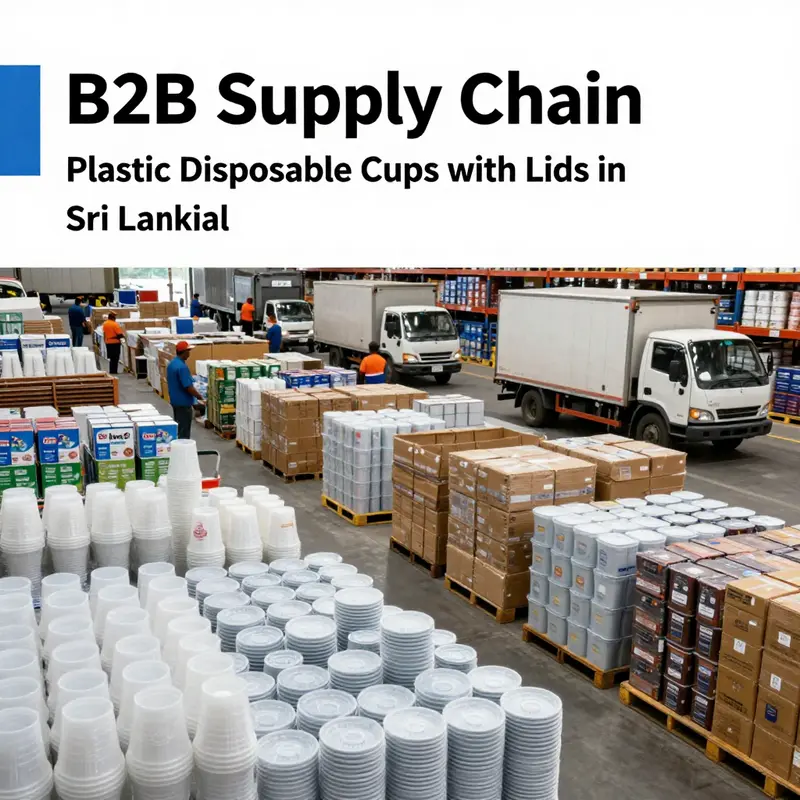
Sourcing plastic disposable cups with lids for commercial use in Sri Lanka means working across borders. Local capacity for large-scale production is limited. Most professional suppliers and the full manufacturing chain are overseas. For businesses that need volume, custom prints, or tight compliance, importing is the most realistic route. The challenge is not only to find competitive unit prices. It is to design a procurement pathway that reduces lead time, controls quality, manages costs, and mitigates environmental and regulatory risks.
Start by defining procurement objectives precisely. Quantity, product specifications, lid style, and finish determine the supplier category. Will you purchase plain transparent cups for a café chain? Or custom-printed double-wall cups for a promotional campaign? Are you prioritizing a lid with a straw hole, a fully sealed lid, or a snap-fit dome for beverages with cream? Decide on tolerances for color consistency, material composition, and food-grade certification. A clear brief reduces back-and-forth with manufacturers and shortens sampling cycles.
Next, map the supplier landscape. While Sri Lanka has small packaging workshops and local traders, they lack the integrated tooling, molding, and high-volume injection capacity found in major manufacturing regions. As a result, the pragmatic model is cross-border sourcing from proven exporters. That means structured supplier screening, sample validation, and an end-to-end logistics plan. Use reputable international marketplaces for initial supplier discovery, and then validate through direct communication, factory tours when feasible, and third-party audits.
Supplier selection should prioritize three pillars: technical capability, compliance, and consistency. Technical capability covers mold design, injection molding precision, lid tooling, and printing or labelling. Compliance refers to food-contact approvals, material certificates, and adherence to recognized standards. Consistency is about capacity to meet repeat orders, minimum order quantities, and reliable lead times. Ask for documented certifications, production reports, and quality control procedures. If a supplier claims food-grade material, require supplier-provided test certificates and independent test results from recognized agencies.
Sampling is a non-negotiable step. Order functional samples that replicate the intended production run. Test the lid fit on random samples. Test how lids behave under temperature variations, during transit, and when stacked for storage. Run spill and pressure tests to evaluate sealing performance. If printing or logo application is required, request a pre-production proof and a short pilot run. Sampling will expose gaps in material quality, deformation issues, and mismatches between quoted and actual product. Use a third-party lab for materials testing if food-safety claims are critical.
Quality assurance through inspection reduces downstream risk. Engage an independent inspection service for pre-shipment checks. Inspectors should verify dimensions, wall thickness, lid fit, printing accuracy, and batch-marking. Random sampling from production lots should be tested to ensure compliance with agreed standards. For long-term partners, schedule periodic audits focusing on traceability, raw material sourcing, and waste management. A supplier that can demonstrate a robust internal control system and traceable lot numbers is preferable for recurring orders.
Negotiation goes beyond unit price. Consider tooling costs, minimum order quantities, lead time penalties, and packaging. Tooling for lids can be costly and may require significant lead time. To reduce per-unit cost, negotiate shared tooling amortization for repeat orders. Discuss flexible MOQs that scale with forecast growth. Secure clauses for rework allowances and defect thresholds. Payment terms should balance risk and cash flow. For new suppliers, a standard approach is 30 percent deposit and balance against B/L or inspection report. For established partners, longer credit terms may be arranged.
Logistics planning is pivotal. Sea freight is the default for large volumes due to cost-effectiveness. Air freight is an option for urgent replenishments, prototypes, or small high-value batches. Build transit time into reorder points to avoid stockouts. Consolidation programs can reduce per-unit freight cost by combining orders from multiple suppliers or SKUs. Choose Incoterms carefully. FOB places export responsibility on the supplier until the ship, while CIF shifts more transport responsibility to the importer. Work with freight forwarders experienced in FMCG packaging to navigate port handling, fumigation rules, and inland distribution.
Customs and regulatory compliance require meticulous attention. Ensure that product documentation matches customs declarations and certificates. Labeling must comply with local food-contact restrictions, language requirements, and import codes. Tariff classification affects duty rates, so classify products accurately and maintain documentation for origin, material composition, and manufacturer invoices. Factor in import duties, VAT, and clearance agent fees when calculating landed costs.
Inventory strategy should reflect the balance between holding cost and supply risk. Cups are lightweight but occupy volume. Warehousing for large orders must account for stacking, humidity control, and avoidance of direct sunlight to prevent deformation. Rotate stock by batch, and maintain traceable lot records to enable recalls if a safety issue arises. For seasonal demand spikes, plan buffer stock in advance and negotiate staggered shipments with suppliers to smooth warehousing requirements.
Sustainability and circularity concerns increasingly shape procurement decisions. Plastic cups are convenient but raise waste-management questions. Sri Lankan buyers can respond with a multi-pronged approach. One option is to source lids made from recyclable resins and to request resin identification marking. Another approach is to reduce virgin plastic content by specifying a percentage of recycled polymer, if the supplier can assure food-safety compliance. A third option is to diversify offerings by including eco-friendly alternatives, such as certified paper cups with lids. For product comparisons and alternative packaging ideas, review eco-friendly printed paper cup options that illustrate how buyers can blend conventional and sustainable SKUs to meet diverse customer preferences.
Risk management must address geopolitical and market volatility. Relying on a small number of suppliers concentrates risk. Diversify by qualifying suppliers in multiple manufacturing regions. Consider backup suppliers with smaller capacities to handle emergency reorders. Financial risk can be hedged by negotiating fixed-price periods or by splitting payments with letters of credit. Operational risk is mitigated through contractual service levels covering lead times and penalties for late deliveries.
Branding and customization require early planning. Custom printing, logo embossing, or color matching add complexity and extend lead times. For artwork, provide vector files and color references. Expect longer tooling lead times for embossing or specialized lids. Use digital proofs and approve a physical pre-production sample before mass runs. If your campaign needs short lead times, consider investing in small buffer stock of base cups and ordering custom-printed sleeves locally for faster turnarounds.
Costing must be comprehensive. Unit price appears attractive for bulk orders, but landed cost determines competitiveness. Calculate total landed cost per unit by including product, tooling amortization, inspection, freight, duties, inland transport, warehousing, and potential wastage. For pricing strategies, understand breakpoints where higher MOQs yield lower per-unit cost. Use total cost modeling to compare small frequent shipments against large infrequent deliveries.
Contracting should be precise and enforceable. Clearly define product specifications, acceptance criteria, inspection procedures, lead times, and penalties for non-compliance. Include intellectual property protection for logo and design work. Use sample-based acceptance clauses and outline remedies for rejected lots. For long-term suppliers, include review periods to renegotiate prices or specifications.
Finally, consider the potential for local capability development. Although full-scale domestic production of plastic cups is limited now, opportunities exist for niche services such as secondary assembly, local printing, and labeling. Investing in local finishing capabilities can shorten lead times and add flexibility. Collaborating with regional manufacturers can reduce reliance on a single country and build resilience in the supply chain.
The procurement pathway for plastic disposable cups with lids in Sri Lanka must be built deliberately. Define specifications clearly. Screen suppliers rigorously. Test samples thoroughly. Insist on independent inspection. Plan logistics and customs carefully. Build sustainability into sourcing choices. Negotiate contracts that protect both parties. With the right approach, Sri Lankan buyers can secure high-quality cups and lids at competitive landed costs, while managing environmental and supply risks effectively.
For further context on manufacturing clusters and the global supply footprint for disposable plastic cups, consult this industry overview on manufacturing concentration and export ecosystems in China: https://www.globalpackaginginsights.com/industrial-clusters-china-plastic-cups
Final thoughts
Plastic disposable cups with lids have significantly shaped the beverage and food service landscape in Sri Lanka, providing essential solutions for businesses while presenting environmental challenges. As we navigate through these challenges, it is crucial for bubble tea shops, restaurants, and catering services to remain proactive in making responsible choices regarding materials and suppliers. By understanding the dynamics of the market and the implications for our environment, we can collectively work towards creating a more sustainable future.