

Choosing the right disposable cup can significantly enhance the experience for customers in beverage-focused businesses. Solo Ultra Colors Clear Plastic Cups combine aesthetic appeal with practicality, making them an excellent choice for bubble tea shops, beverage chains, restaurants, food trucks, catering services, event planners, and corporate procurement teams. This article explores the key features of these cups, their versatile applications across different events, and offers a comparative analysis with alternative brands to provide a holistic understanding of their value.
How Ultra-Clear PET Cold Cups Deliver Clarity, Strength, and Practicality for Beverage Presentation
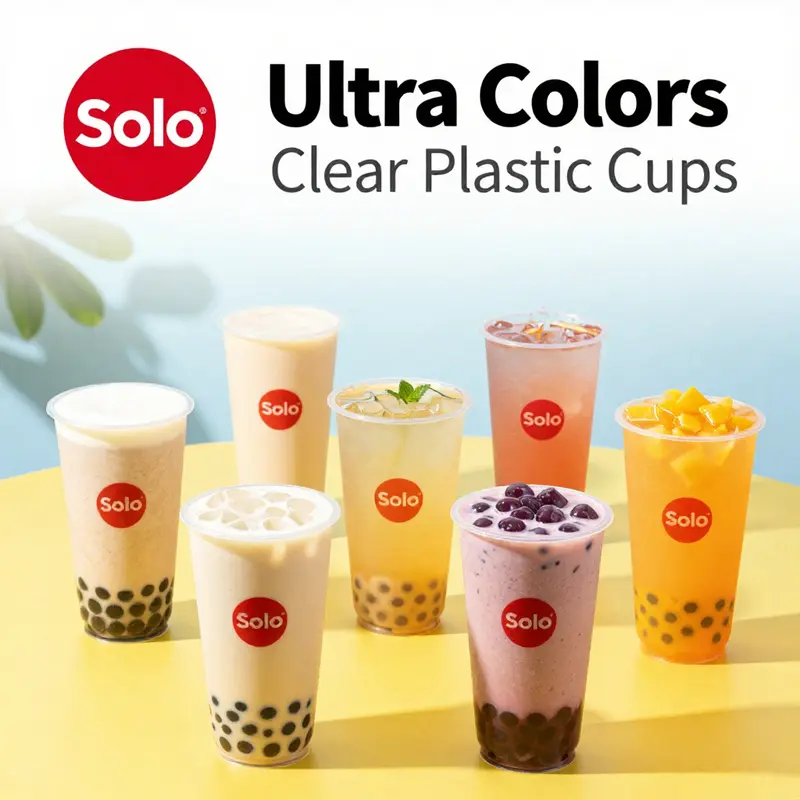
Exceptional clarity and the material behind it
The most immediate quality that defines a great clear disposable cold cup is transparency. When a drink appears as intended, its color, layers, and garnishes become part of the experience. High-clarity polyethylene terephthalate (PET) achieves that crystal-like view. PET refracts light in a way that minimizes haze, so even richly colored sodas, iced teas, or fruit-infused waters look vivid and true. That optical purity is not merely cosmetic. It helps servers, baristas, and customers identify contents quickly and reduces mistakes when handling multiple orders.
PET clarity is a function of polymer quality, the absence of impurities, and processing controls during molding. When manufacturers optimize those variables, the resulting cup presents a brilliant window into the beverage without introducing visual distortion. For operations where presentation matters — seasonal menus, layered drinks, or visual merchandising — that window becomes a practical advantage as well as an aesthetic one.
Balance of durability and lightness
Clear PET cold cups are engineered to do two things at once: resist damage while feeling light and comfortable in the hand. The inherent toughness of PET provides impact resistance that prevents cracks and deformation during normal use and transport. Unlike brittle materials, well-made PET tolerates the flex and stress that occur when cups are stacked, carried, or jostled in a catering box.
Design choices such as wall thickness, lip geometry, and base reinforcement determine how a cup performs under load. A slightly thicker wall at stress points improves resistance to crushing while keeping the overall weight down. That means cups can survive the short, rough life of single-use service without feeling heavy or wasteful to the customer.
Rim geometry and lid compatibility
A subtle design element makes a major difference in function: the rim. A uniform, even rim allows for consistent lid fit and predictable stacking. Lids that snap on with an audible seal reduce spills and make grab-and-go service reliable. When the rim profile is standardized across sizes, it enables compatibility with a common set of snap-on or screw-on lids, simplifying inventory for operators.
This compatibility matters for multiple service models. Mobile beverage carts, cafés with high turnover, and retail outlets that bundle drinks with food all benefit from lids that lock in place without complex fiddling. A well-designed rim also contributes to comfort during drinking and improves stability when the cup is set on flat surfaces.
Taste and odor neutrality
An often overlooked attribute of PET is its ability to preserve a drink’s original flavor profile. High-grade PET does not impart off-flavors or odors to beverages, which is essential when serving delicate teas, fruit juices, or craft sodas. The polymer’s inertness helps maintain ingredient integrity, particularly with chilled content, where subtle flavor notes are more perceptible.
For operators, this means fewer complaints and a more consistent customer experience. It also allows for more creative menu offerings, such as infused waters and mocktails, without worrying that the vessel will interfere with the intended taste.
Stackability, storage, and transport efficiency
Catering and event service hinge on logistics as much as on presentation. Clear PET cups with consistent nesting geometry stack tightly and predictably, saving space during storage and transport. Stable stacking reduces the risk of collapse in transit and makes on-site setup faster. Because cups are lightweight, a volume of them can be transported with minimal added weight, which can reduce shipping costs and simplify loading.
Designs that guard against sticking — where cups adhere too tightly when nested — make separation smooth during busy service periods. A slight taper and carefully controlled surface finish ensure the cups separate easily while still nesting compactly.
Resistance to cracking and environmental variability
Use environments for disposable cups vary. From sunlit outdoor fairs to air-conditioned indoor cafés, temperature and handling conditions are inconsistent. PET’s resilience to temperature swings and mechanical stress helps cups retain their shape and functionality. Impact resistance reduces breakage during loading, unloading, and stacking, while the polymer’s dimensional stability keeps lids fitting as designed.
This resistance does not imply suitability for hot beverages. PET is optimized for cold service; hot liquids can cause distortion or compromise integrity. For hot beverage service, operators should choose containers specifically designed for higher temperatures.
Size range and portion control
A practical cup range includes multiple volumes to match portion and price points. Smaller sizes are ideal for tastings and kids’ servings, while medium and large sizes suit iced coffees, smoothies, and fountain drinks. Vendors often package cups in bulk counts that align with common service needs, such as 50s or larger increments. Having predictable size increments simplifies recipe scaling and inventory planning.
Portion control also supports cost management. When recipes are calibrated to specific cup sizes, staff can produce consistent servings that protect margins. Clear volume markings or simply matching cup sizes to menu designations helps avoid under- or over-pouring.
Visual merchandising and branding opportunities
Clear cups are inherently a marketing canvas. They show the drink and any layered effects, which can become a visual selling point. Clear vessels highlight color contrasts and garnishes, making beverages more shareable on social media and more enticing at point of sale. For retail operations, this visibility can increase impulse purchases.
Although printing directly on PET can be more complex than printing on paper, there are practical branding options. Adhesive sleeves, printed shrink bands, and removable labels can carry logos and regulatory information without obscuring the drink. For special promotions or limited-time offers, clear cups let the product itself become part of the advertisement.
Practical considerations for event service and high-volume use
Service staff need cups that are easy to handle and simple to deploy. Uniform rim profiles speed lid attachment. Predictable stacking reduces time spent searching for the right size. Cups that separate smoothly allow multiple team members to prepare orders in parallel without fighting stuck nests.
For outdoor events, condensation is a common issue. Clear cups show condensation quickly, which can be addressed by providing sleeves for grip or serving on small trays. When condensation accumulates, consider offering lids and straws that reduce spillage and make the drink easier to carry.
Environmental context and end-of-life
PET is widely recyclable and has an established recycling stream in many regions. That recyclability is an important environmental advantage relative to some other single-use plastics. When disposed into appropriate recycling systems, PET can be processed into fibers for textiles, strapping, and other products, helping to close the material loop.
Recycling rates vary by location, however, and a recyclable label does not guarantee recycling. Operations that prioritize sustainability should pair PET use with clear consumer-facing information about recycling and provide accessible collection points where possible. Complementary strategies include reducing single-use consumption, sourcing recycled-content PET where available, and exploring reusable systems for high-frequency events.
For clients and planners seeking compostable alternatives, the trade-offs include changes in clarity and durability. Compostable materials typically lack the optical properties of PET and may not perform well with cold, wet beverages over time.
Selecting the right cup for your needs
Choice depends on several interacting factors. Prioritize clarity when visual presentation is essential. Choose reinforced rims and slightly thicker walls for high-traffic environments where impact resistance matters. Match cup volumes to menu designs to control portions and costs. If lid compatibility is critical, insist on rim standards and request fit validation with your preferred lids before large purchases.
Also consider storage and transport logistics. Compact nesting saves space on-site, but extremely tight nesting can slow dispensing. Ask suppliers about packing counts, box dimensions, and how the cups perform when nested across dozens of stacks.
Operational tips for maximizing performance
Store cups in a cool, dry place to prevent any warping due to heat. Avoid stacking heavy items on cup boxes. When transporting prepared beverages, use trays with indentations sized for the cup base to reduce tipping. Train staff on gentle separation of nests to speed service and reduce breakage. For events with a lot of walking traffic, prioritize lids that snap firmly and provide straws sized to the lid port to prevent spills.
Consider pairing clear cups with a small supply of compatible lids and sleeves to address condensation and mobility. When branding is desired, plan for label or sleeve applications rather than direct printing on the cup unless the supplier supports specialized print runs.
Where to learn more about materials and industrial applications
Understanding the material science behind clear PET helps decision-makers choose the right product for their operation. Industry resources explain how polymer selection, processing conditions, and design choices influence optical clarity, strength, and recyclability. For a deeper technical overview of clear PET cups and their industrial uses, consult the industry association resource on PET applications and performance.
For related packaging options and clear-lid takeout containers that integrate visual presentation with protective lids, see this supplier resource on clear-lid takeaway containers: https://cupbowlpack.com/product/senang03-disposable-kraft-paper-takeaway-box-clear-lid-custom-print-matt-lamination-for-sushi-salad-wholesale-food-container/
External reference: Plastics Industry Association overview of industrial applications of clear PET cups: https://www.plasticsindustry.org/industrial-applications-of-clear-pet-cups
Making Every Pour Count: How Ultra-Clear PET Cups Elevate Events and Streamline Service
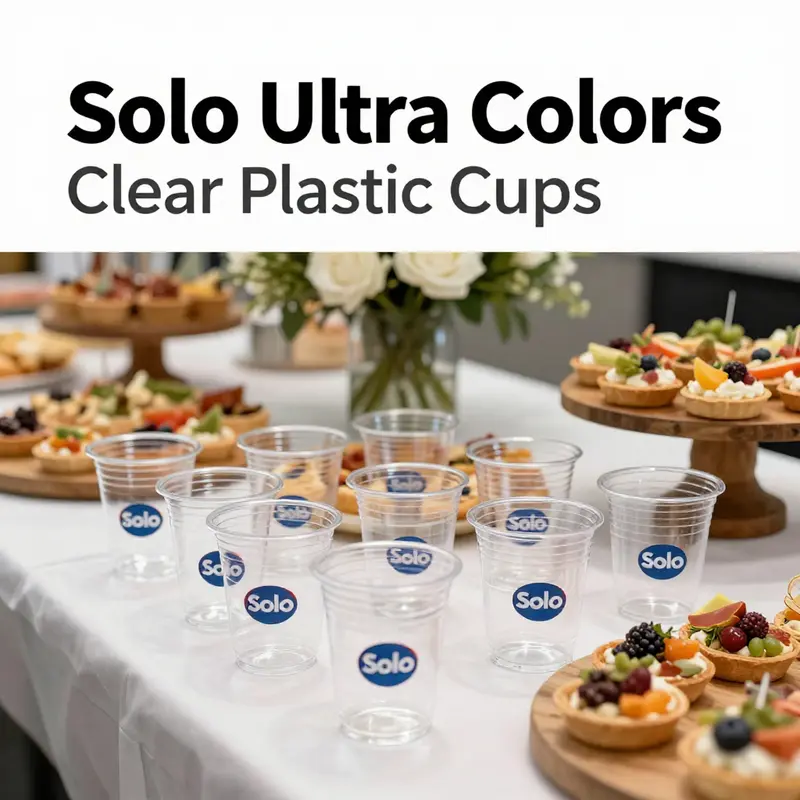
Practical Uses and Event Strategies
Ultra-clear PET cups combine visual appeal, practical performance, and cost-efficiency in ways that make them indispensable for many events. Their crystal-like transparency showcases color, texture, and garnish, turning ordinary beverages into a visual element of the presentation. At gatherings where aesthetics matter, these cups let hosts and caterers treat drinks as part of the décor without committing to fragile glassware. They are light to handle yet sturdy enough to resist cracking when stacked, passed around, or tucked into coolers. Those properties allow event teams to design menus and service flows that take advantage of visibility, mobility, and fast turnover.
When planning a wedding or a formal celebration, consider how a clear cup transforms a beverage station. Champagne, mocktails, infused waters and colorful punches become part of the visual storytelling. Clear vessels show layers, garnishes and bubbles, adding motion and depth to photographs. Reception layouts that use clear cups can coordinate liquid colors with floral arrangements and linens, creating a cohesive palette without custom glassware. The right cup size also matters: a mid-size option delivers an elegant pour and sensible portion control, avoiding overfilling and limiting waste while still feeling generous for toasts or refills. In high-traffic moments, such as cocktail hour, the crack resistance of PET means fewer interruptions from brokenware, keeping the event running smoothly.
For corporate gatherings, conferences and networking events, the practical advantages go beyond looks. Clear cups present a professional, uniform appearance that matches varied beverage stations and catering styles. They are convenient for walk-and-talk formats where attendees carry a drink while moving between sessions. Branded sleeves, adhesive logos, or printed labels can turn a simple cup into a marketing touchpoint without disrupting the clean aesthetic that clear cups provide. Because the liquid is visible, service staff can quickly identify which items need replenishing and which drinks are in demand, helping to optimize inventory during the event.
Outdoor festivals and large public events place a premium on durability, cost and logistics. Ultra-clear PET cups weigh less than glass, reducing shipping and handling costs. Their ability to retain shape and clarity even when stacked or jostled in coolers or crates makes them a practical choice for spaces with heavy foot traffic. Where beverage stations are temporary or mobile, these cups simplify cleanup and storage. Event planners can prioritize speed: pre-filled portions, grab-and-go bars, and walk-up kiosks operate more efficiently with lightweight, stackable cups that still lend a polished look to each serving.
From the bar perspective, clear PET cups are surprisingly versatile. Bartenders can pour cocktails layered with syrups, juices and carbonated mixers and trust that the glasslike clarity will highlight the drink’s composition. For signature cocktails, visible garnishes—fruit slices, citrus wheels, herbs—become part of the branding. Visual appeal can drive sales: guests are more likely to order a drink they can see and appreciate. For venues that require strict portion control and speed, measured pours into standard-sized clear cups maintain consistency while reducing spillage and waste.
Food-pairing and cross-presentation are other areas where clear cups shine. Small appetizers, parfaits, and layered desserts presented in small clear cups add variety to a buffet without needing glassware. The transparency invites guests to preview contents and choose according to taste or dietary preference. When packaged with lids, clear cups can double as takeout vessels for chilled items—this flexibility supports multi-use workflows that simplify service and reduce the number of different container types an event needs to stock.
Logistics and storage considerations are often overlooked until the day of an event, yet the right cup can ease many operational pressures. Stackability reduces crate and shelf space, allowing for larger orders to be stored efficiently. Lightweight cups reduce the strain on staff during setup and breakdown. Because many ultra-clear cups are manufactured from PET, they can be transported in bulk with less risk of breakage than glass, and their stiffness reduces crushing during transit. These factors speed setup and minimize last-minute complications.
Sanitation and hygiene are practical selling points that influence cup choice. Single-use clear cups eliminate the need for onsite washing systems for glassware at many outdoor and temporary events. That reduces labor and potential contamination risks. In settings where washing facilities are limited or where event turnover is rapid, disposable clear cups ensure each guest receives a clean vessel. When used alongside proper waste management and recycling programs, they provide a hygienic compromise between convenience and environmental responsibility.
Waste and recycling need attention when selecting disposable cups. PET is widely accepted in many recycling streams, but availability varies by location. Event planners should confirm local recycling rules and provide clear signage and bins to encourage proper disposal. Where recycling infrastructure is weak, pairing clear PET cups with compostable or recyclable foodware can minimize the environmental footprint. Thoughtful zone design—placing beverage stations near recycling points and training staff to direct guests—improves recovery rates for recyclable materials.
Customization and branding offer creative ways to elevate the guest experience. Clear cups are receptive to labels, sleeves, stickers and removable wraps that carry event logos, sponsor messages, drink names and ingredient lists. This approach supports themed events and seasonal campaigns while keeping the base cup a neutral, elegant canvas. For promotions and conferences, a durable adhesive label can turn a cup into a keepsake, extending the event’s visibility beyond the venue.
Pairing clear cups with complementary packaging extends their usability. For dessert or pastry presentations that require both a sturdy enclosure and a view of the contents, combining kraft-based boxes with clear lids merges sustainability with display. This hybrid approach preserves visual merchandising while offering recyclable or compostable exterior materials. Such combinations let catering teams highlight product appearance and protect items during transport and service; they are especially useful for dessert bars, grab-and-go stations, and merchandising at markets and pop-ups. For an example of a packaging option that pairs visibility with eco-friendly exteriors, consider a disposable biodegradable kraft paper and clear-plastic dessert combo that blends a recyclable kraft body with a transparent lid.
Portion control is another practical consideration. Clear cups provide predictable volumes and visible fill lines, which simplify cost control and reduce overpouring. For events with many guests or limited drink budgets, choosing a cup size that accommodates typical portions—soft drinks, iced tea, cocktails—helps maintain margins while keeping guest satisfaction high. Servers and bartenders can train to standard pours that are visually confirmed by cup fill level, reducing waste and speeding service.
Aesthetics are not only about color; texture and garnish presentation matter. Clear cups emphasize the suspended elements in a drink: herbs stirring in syrup, floating citrus wheels, and layered ingredients. This visual dimension can be exploited for seasonal menus—rose-infused beverages in spring, citrus-forward spritzers in summer, warm-colored cider blends in autumn. Coordinating the beverage’s appearance with the event’s theme reinforces the overall design language, making the drinks a deliberate component of the guest experience.
Safety and compliance should be addressed in any event plan. While ultra-clear PET cups resist cracking, they are not suitable for hot liquids unless specifically designed otherwise. Labeling stations clearly and training staff to avoid inappropriate uses prevents mishaps. For events with children or outdoor activities, selecting cup styles with rolled rims reduces the risk of sharp edges should a vessel be damaged. Ensuring cups meet food-contact safety standards and storing them in clean, dry conditions minimizes contamination risks.
Cost dynamics play a critical role in large events. The unit price of clear cups, combined with their lightweight shipping and low breakage rates, often makes them more economical than glass for large guest counts. Budgeting should account for the balance between the perceived quality of glass and the practical gains of disposables: faster turnover, simpler cleanup, and fewer staff hours for washing and handling. When factoring in event labor and potential losses from breakages, many planners find that a clear, disposable option is the smarter financial choice.
Service flow and guest behavior also influence cup selection. For festivals, assigning cup return or recycling stations incentivizes reuse where refill programs are feasible. For ticketed functions, offering a reusable cup option with a deposit or souvenir program can reduce total waste while enhancing guest value. Clear disposable cups integrate well into hybrid strategies that combine one-time disposables for certain areas and reusable ware for controlled, seated dining.
Accessibility and ease of use must be considered. Lightweight cups are easier for older guests and those with mobility issues to hold. Textural choices—such as a rolled rim or slight contour—enhance grip without compromising the clean lines of a transparent vessel. For events catering to diverse audiences, the ergonomic benefits of a well-chosen cup can improve comfort and reduce spills.
Finally, coordinating clear cups with broader event design—table settings, lighting and menu engineering—amplifies their impact. Under warm lighting, chilled beverages capture glow and refraction; under ambient string lighting, the same cups contribute to atmosphere. Event designers can plan drink stations as focal areas, using the transparency of cups to draw attention to signature flavors and showmanship. In short, ultra-clear PET cups are not merely containers; they are a tool for storytelling, efficiency and practical event management.
For detailed specifications and a commercial listing that reflects the typical features discussed here, see the product reference available on the retailer page: https://www.walmart.com/ip/Solo-TP16D-16-oz-Plastic-Ultra-Clear-Cold-Drink-Cup-1-Pack-of-50/149358722
Crystal Clarity on a Stage: How Ultra-Clear PET Cups Shape Color Perception and Service
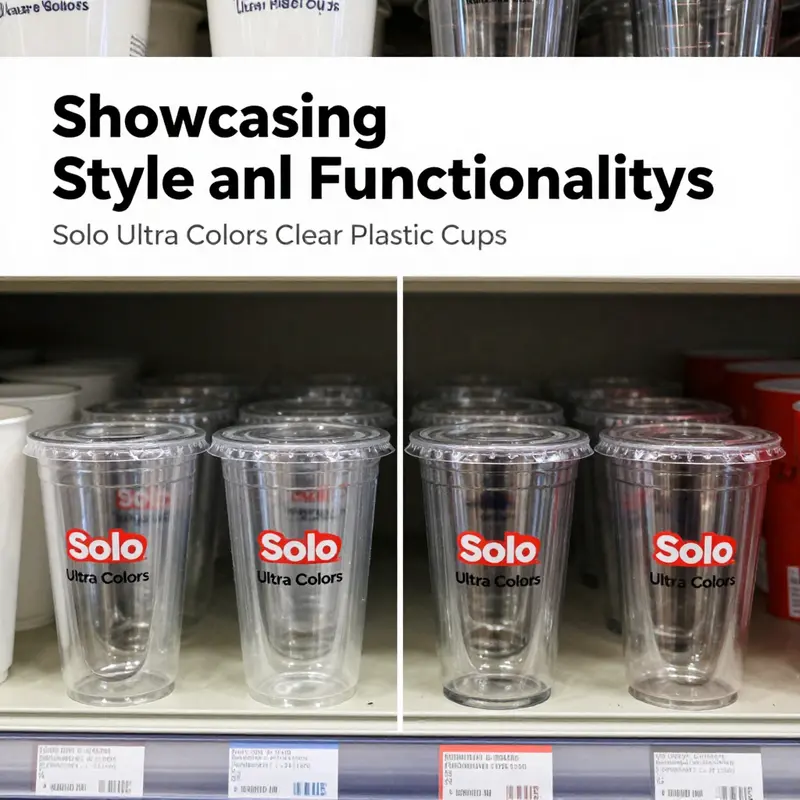
The moment a guest glances at a beverage, the cup itself begins to perform as part of the presentation. In a world where color, light, and texture compete for attention, the cup is not a mere container but a canvas that can either amplify or dull the drink’s appearance. This chapter examines the allure and practicality of ultra-clear plastic cups, a category designed to maximize visual fidelity while delivering dependable performance in busy service environments. The focus is not merely on aesthetics. It is also about how clarity, material chemistry, and structural design intersect to influence flavor perception, aroma integrity, and overall customer satisfaction. In doing so, we move beyond the surface of “how transparent is transparent” to ask how a cup can preserve the drink’s color, prevent unwanted flavors from seeping in, and survive the rigors of real-world handling from the bar to the banquet hall, or from the street-lined festival to the restaurant’s back service station.
A beverage’s color is more than a hue. It communicates freshness, flavor profile, and even sweetness. A transparent vessel can showcase a vibrant orange of fresh juice, a deep amber of cola, or the emerald glow of a lime-infused spritzer with minimal distortion. The science behind ultra-clear cups centers on the selection and treatment of PET, the polymer known for its clarity and relative inertness. Ultra-clear formulations are engineered to minimize haze and yellowing, which can creep in under heat, light, or repeated temperature changes. The goal is to deliver a glass-like window into the liquid while maintaining the plastic’s practical advantages: lightness, break resistance, and cost efficiency when consumed in large volumes.
Clarity is not a single measure but a balance of optical quality and material stability. When a drink sits in a cup, the liquid’s color is filtered through the cup’s walls. If the walls contain micro-impurities, or if the polymer tends to haze over time, the beverage loses its crisp appearance. Ultra-clear PET cups employ clarifying technologies that reduce impurities and align the polymer chains in a way that scatters less light. The result is a blue-tinge-free, crystalline transparency that preserves the true color of the beverage. This becomes especially critical for beverages whose appeal rests on color cues—fruit juices, carbonated sodas, and layered or blended drinks where visual separation signals freshness and quality. A cup that blurs or dulls those colors can unintentionally undermine a drink’s perceived flavor and aroma even before a guest takes a sip.
Beyond optics, the materials science of ultra-clear cups emphasizes odor and taste neutrality. A serving cup should not contribute perceptible flavors or off-notes to the beverage. PET has a long-standing reputation as a food-safe polymer, but not all PET is created equal. The ultraclear variants are produced with careful control of additives and stabilizers to prevent leaching under cold and warm service scenarios. This is especially important in environments where beverages may be iced, shaken, or stored for longer periods between preparation and consumption. The absence of flavor contamination helps ensure that a lime juice remains bright and tart, that a berry smoothie tastes like the fruit it is, and that a simple water or soda does not pick up an unintended finish from the cup itself.
Durability and service practicality complete the picture. A cup used in a café, a caterer’s kit, or a festival booth travels through a range of temperatures, from ice to room temperature, and sometimes to slightly warmer holding areas for service. Ultra-clear PET cups are designed with reinforced walls and a sturdy foot that supports grip and reduces the risk of deformation when a cup is filled with ice or handled with gloved hands. This structural integrity translates into fewer bent rims, less leakage risk, and greater confidence for servers who need to set down a stack of cups without wobble or collapse. The cups’ rigidity also supports stable stacking, which matters in fast-paced service lines where space is at a premium. In a crowded setup, the last thing a server needs is a fragile cup that may crack under a casual squeeze or tip when a tray is jostled by a crowded crowd.
From a cost perspective, the economics of ultra-clear cups matter in both everyday service and large-scale events. Bulk purchasing tends to drive unit costs down, making it feasible to equip a team with consistent quality without inflating the price of beverages. In concrete terms, bulk pricing can bring costs to a few cents per cup, depending on volume and packaging. The arithmetic of bulk consumption becomes part of event budgeting: how many guests are you serving, how many cups do you need in reserve, and what are the expected turnover rates for drinks across the event’s duration? The value proposition for ultra-clear cups rests on a combination of clarity, neutral taste, and durability. When all three align, operators can present a beverage program that feels premium without compromising on efficiency or cost, a combination that matters whether the setting is a high-volume concession stand or a mid-sized casual dining operation.
One way to understand the practical value of ultra-clear cups is to contrast them with standard clear alternatives. In many everyday cups, haze can appear after several minutes of exposure to light or after several rounds of ice and liquid exchange. Some lower-cost options may appear clear at first, yet develop a cloudy or yellowed cast as the day wears on, especially in environments where cups are prepped early and used over a span of hours. This subtle degradation can alter color perception and, by extension, the perceived freshness of a drink. In contrast, ultra-clear PET cups tend to maintain their transparency across a wider range of temperatures and use conditions. In addition, the robust construction helps prevent warping around the rim or sides, a small but real hazard in busy service lines. That resilience matters when servers need to stack, transport, and present beverages to customers without delays. Clarity, stability, and strength together reduce the need for replacement cups mid-service, a factor that also contributes to smoother workflow and improved guest experience.
The cultural and social dimensions of color in beverages add another layer of importance to ultra-clear cups. Color is a social cue. It signals flavor expectations, seasonal appropriateness, and even the mood of the occasion. When a beverage is presented in a crystal-clear vessel, its natural color becomes the story. A bright orange juice communicates vitality; a ruby-red sangria signals richness; a pale lemonade hints at lightness and refreshment. In a world where social media and photography shape perceptions, the precise presentation of color in a glass is a form of nonverbal communication. A cup that distorts or dulls color can dampen social engagement, while a vessel that preserves color can invite more confident tasting, more enthusiastic toasts, and more shareable photos that reflect the drink’s true character.
This is not a call to ban colored cups or to pretend that color has no place in servingware. Rather, it is an invitation to consider how different cup families meet different needs. Ultra-clear cups excel when the beverage itself is the star and when the service environment demands speed, reliability, and a pristine appearance. On days when the aim is to illuminate the drink’s hue through light games or layered visuals, these cups offer an uncompromising window. In contexts where branding and ambiance require color coordination—such as tinted cups that align with a brand palette—operators might pair clear cups with colored garnishes, rims, or printed sleeves to achieve the desired aesthetic without compromising the liquid’s appearance. There is seldom a one-size-fits-all answer. The best approach is often a hybrid: use ultra-clear cups for beverages where color fidelity matters most, and reserve colored options for specific occasions or themed menus where the cup becomes part of the overall color story rather than a neutral backdrop.
The decision to choose ultra-clear cups also interacts with sustainability considerations. In practice, many venues consider packaging choices through the lens of environmental impact. PET cups are widely recycled where recycling streams exist, though the actual end-of-life outcomes depend on local infrastructure and consumer behavior. For operators, the question extends beyond the cup’s immediate performance to its lifecycle implications. While ultra-clear cups deliver clarity and reliability, their environmental footprint is shaped by material choice, reuse policies, and recycling practices. Some venues balance these concerns by investing in recycling education for staff and guests, ensuring that cups are disposed of in appropriate streams. Others explore lightweight designs that reduce material usage without sacrificing strength. Each choice has trade-offs, and the best decisions emerge from a clear understanding of the operation’s specific volumes, handling practices, and community infrastructure.
In the broader discourse of servingware, the central tension often boils down to visibility versus versatility. Ultra-clear cups maximize visibility, enabling the drink to be the focal point. But sometimes service requires versatility in presentation, whether that means using a tinted cup for a particular celebratory event or pairing with accessories that shift the perceived color balance. The design vocabulary of plastic cups—wall thickness, ribbing, lip shape, and base geometry—matters as much as the material itself. A cup’s lip geometry can influence drinking comfort and spill resistance, while a robust base supports stable placement of filled cups on crowded trays. In fast-paced settings, even small refinements in shape can yield meaningful gains in speed and reduce spillage risk. For instance, a cup with reinforced walls may withstand a routine impact from a bumped tray more reliably than a thinner counterpart. These subtleties accumulate into a tangible difference in service performance and guest impressions over the course of an event.
Turning back to cost considerations, the economics of ultra-clear cups become a lever for planning and scale. The per-unit cost declines with higher volume, but the decision to scale rests on usage patterns. For a vendor serving thousands of guests weekly, the incremental savings from bulk purchases can be significant. Yet, it is essential to factor in storage space, waste from damaged or unused inventory, and the time staff spend managing supplies. A well-structured inventory approach, with clear rotation and pre-counted stock, can prevent overstocking fragile items or underestimating demand during peak periods. In practice, teams that synchronize their cup choice with their menu mix—offering ultra-clear options for high-clarity beverages and alternative cups where color or branding is a priority—often realize smoother operations and more predictable costs. The overarching message is straightforward: clarity aligns with quality in perception, while a disciplined approach to inventory aligns cost with customer experience.
The research-aligned vantage point supports a practical takeaway for operators who weigh the merits of ultra-clear cups against alternatives. Ultra-clear PET cups provide exceptional visual fidelity, stable performance across temperature variations, and neutral taste and odor characteristics. They are well-suited to beverages where the color is a key selling point and where guests expect a crisp, unaltered presentation. However, budget constraints, branding goals, and environmental objectives will shape whether this category remains the default choice or sits alongside other options that emphasize color, branding, or sustainability in different ways. In any case, the underlying consumer expectation remains consistent: a beverage should look as good as it tastes, and the vessel should respect the drink’s integrity rather than compromise it. The clarity of the cup becomes a silent partner in that promise, enabling color, aroma, and flavor to travel from the glass to the guest’s perception with minimal modification.
To connect this discussion to broader considerations around visual merchandising and guest experience, consider the role of lighting, tableware arrangement, and service tempo. The interplay of light with a crystal-clear surface can intensify the appearance of a drink, making shades pop under warm or cool lighting. The way cups are stacked at point-of-service can influence the perceived efficiency of the operation; tidy stacks project professionalism and readiness, while tangled piles may convey disorder. In events where beverage lines move quickly, even small advantages in stacking and handling—such as a cup’s rim shape that reduces snags during pickup—translate into shorter wait times and higher guest satisfaction. The practical upshot is clear: product choices are not isolated decisions. They affect the choreography of service, the guest’s emotional reaction to the beverage, and the bottom-line metrics that operators track.
A chapter like this naturally invites questions about alternatives and complementary strategies. When color becomes a deliberate design element rather than a mere outcome, operators might explore tinted or colored options to create atmosphere or to segment menus by beverage family. Yet the strength of ultra-clear cups lies in their ability to preserve the beverage’s inherent color and to keep taste and aroma neutral. For many operators, that neutrality is precisely the asset needed to maintain a consistent flavor experience across the offerings on a menu. It also means that colors achieved through garnishes, fruits, or syrups can stand out more vividly, free from interference. In events with a dynamic beverage program, the capacity to switch between clear and colored options, depending on the drink and the context, becomes a strategic tool rather than a constraint.
The narrative here is deliberately anchored in practicalities. It speaks to front-of-house teams balancing speed and presentation, kitchen staff coordinating drink preparation with plating, and procurement managers aligning supplier relationships with event calendars. It invites readers to consider how the virtues of clarity interact with the realities of daily operations. The result is a more nuanced view of disposable servingware—one that recognizes the visual power of a clear vessel while acknowledging that color strategy, branding, and sustainability goals all coexist in a busy service ecosystem. In this frame, the ultra-clear cup is not merely a passive vessel; it is an active partner in shaping perception, experience, and value.
For those who seek a concrete point of reference to further explore this category and its performance in real-world settings, a detailed product analysis from industry sources highlights the key attributes discussed here. The emphasis on crystal clarity, durable construction, and neutral taste and odor aligns with the core advantages described in that analysis. The discussion also notes that, at scale, the economics of bulk purchasing can make these cups a compelling option for high-volume operations seeking consistency and reliability in beverage presentation. The practical upshot is simple: when the objective is to showcase color and flavor with minimal interference, ultra-clear cups offer a compelling combination of aesthetics and function that supports both craftsmanship and efficiency in modern beverage service.
As this chapter threads through the themes of clarity, color perception, and service practicality, it is important to keep sight of the broader implication: materials choice shapes the guest’s experience, and that experience begins the moment the cup meets the drink. The cup is where science meets service, where the chemistry of the polymer meets the choreography of a bustling service environment. It is where a drink’s color is observed, its aroma is detected, and its taste is judged. In that sense, ultra-clear cups are not simply containers; they are stage lighting, frame, and audience all in one. They enable the drink to be judged on its own merits, rather than being colored or distorted by the vessel. And in a landscape where every host, caterer, and retailer seeks to deliver a memorable guest encounter, such clarity is a quiet but meaningful advantage that can accumulate into lasting impressions and repeat business.
For readers who want to explore related considerations—such as how paper or biodegradable options compare in terms of color presentation, or how branding strategies intersect with cup choice—these topics form a natural extension of the dialogue started here. The business of servingware is a spectrum rather than a single point: it includes materials science, design, sustainability, and operational discipline. By focusing on clarity as a primary performance criterion, operators can set a baseline from which other considerations—branding, sustainability, price, and availability—can be layered in a thoughtful, strategic way. In practice, teams that approach cup selection with this holistic frame tend to achieve more consistent beverage presentation, fewer service hiccups, and a more confident guest experience across diverse service contexts.
To contextualize the discussion with a concrete, consumer-facing reference that captures the essence of ultra-clear PET cups, consider the broader documentation available on the topic. This external resource emphasizes the central benefits outlined here: exceptional transparency that preserves color, a neutral taste and odor profile, and robust durability suitable for cold beverages and ice. Readers who want to compare specifications, performance notes, and bulk purchasing options can consult the official product details linked in the external resource section below.
Internal link note: for readers interested in related packaging solutions that emphasize eco-friendly materials and clear presentation, you can explore this resource focusing on eco-friendly printed-logo paper cups with lids, which discusses how design choices can harmonize branding with practical beverage serving needs. eco-friendly-printed-logo-paper-ice-cream-cups-with-lid.
External resource for further reading: the detailed analysis of ultra-clear PET cups highlights the core attributes discussed here and provides practical performance context for operators evaluating high-clarity servingware. Official product pages and supplier briefs can offer insights into pricing scales, packaging formats, and compatibility with different beverage types. For a direct reference to the formal analysis and product specifications, see the external resource linked below.
External resource: https://www.amazon.com/SOLO-Ultra-Clear-PET-Cups-Tall/dp/B001C4T9BQ?th=1
Final thoughts
In conclusion, Solo Ultra Colors Clear Plastic Cups stand out not only for their aesthetic vibrance and practicality but also for their versatility across various beverage service contexts. From bubble tea shops aiming to showcase their colorful drinks to event planners seeking reliable, attractive disposables, these cups meet a broad range of needs. Understanding their features and potential applications can help businesses enhance their customer experience, providing both functionality and visual appeal that is sure to impress.