
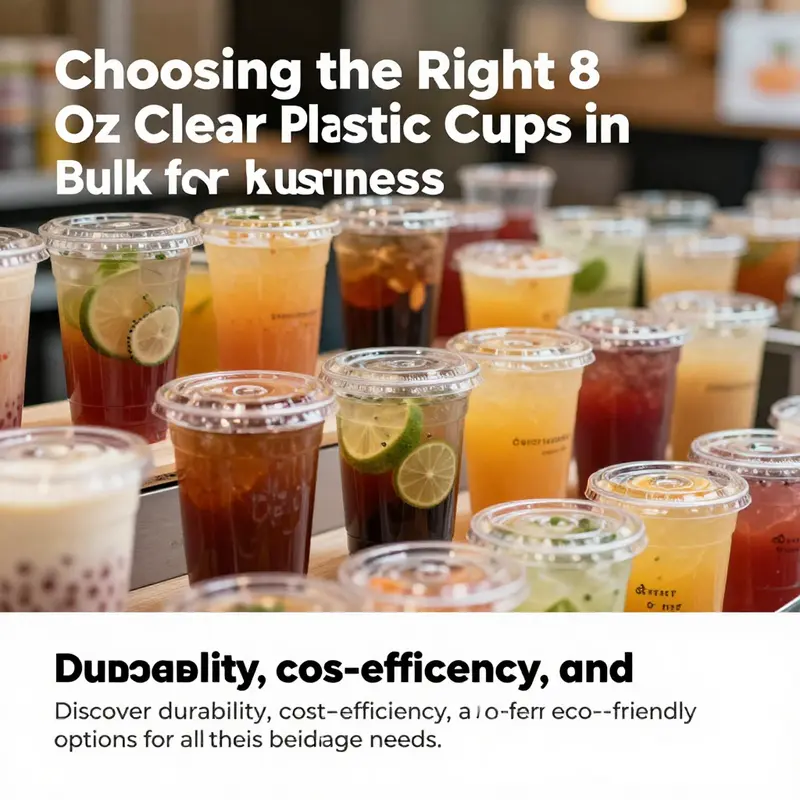
8 oz clear plastic cups are essential for beverage services across various industries. From bubble tea shops to catering services, these cups enhance the customer experience while ensuring reliability in every sip. In the first chapter, we’ll explore the material options behind these cups, focusing on durability and functionality. Next, we’ll dive into cost-effectiveness and purchasing strategies to maximize your investment. Finally, we will address the environmental considerations of using plastic cups and how to choose responsible options. Together, these insights will help you make informed decisions for your business.
Clarity, Durability, and Value: Choosing 8 oz Clear Plastic Cups in Bulk
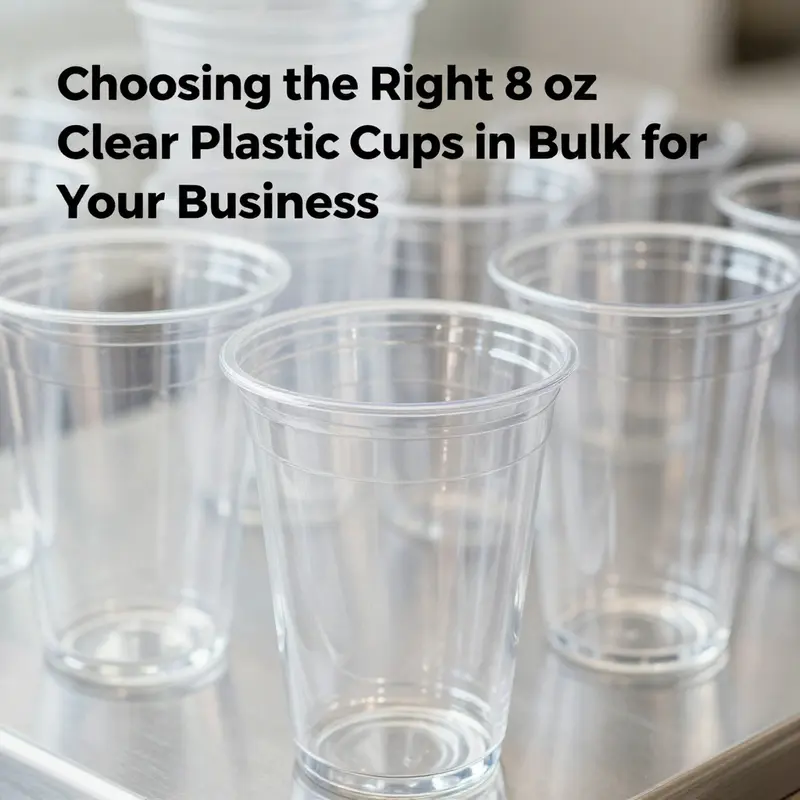
The quest for reliable 8 oz clear plastic cups in bulk begins with visibility. In busy service environments, the cup is the first moment a beverage is judged. Clear PET provides glass-like transparency, helping drinks look appealing and fresh. Beyond aesthetics, material choice affects temperature tolerance, leak resistance, and durability in high-volume operations. Bulk procurement is about reliability as much as price, ensuring consistent performance across thousands of cups, packs, or pallets.
PET is widely valued for clarity and barrier properties, helping preserve flavor and reduce staling during multi-day events. It shines with cold and room-temperature beverages, and many programs offer strong recycling options. However, heat can deform PET cups, so hot beverages often push buyers toward polypropylene (PP) or double-walled designs for better heat resistance and insulation. PP offers improved heat tolerance and chemical resistance, and often carries similar clarity, though not quite as crisp as PET. Double-walled constructions add insulation and grip, at the cost of higher price and heavier weight, and may require compatible lids and stacking considerations.
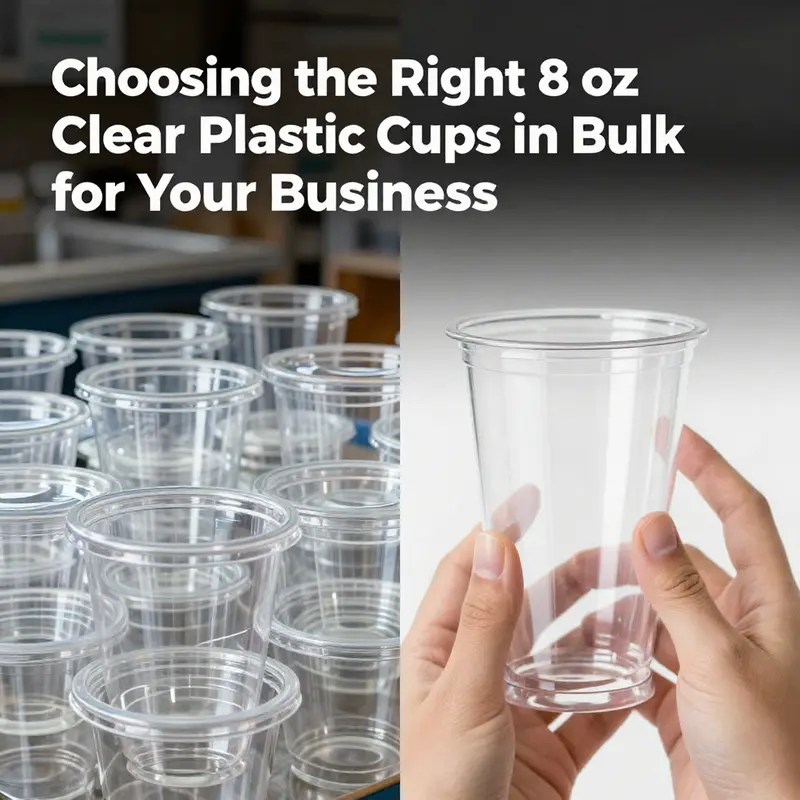
In addition to material, wall geometry and base strength matter in bulk use. Thin walls can warp or crack under load; reinforced bases and subtle ribbing can improve durability without sacrificing clarity. Lids and sleeves are part of the ecosystem, a snug-fit lid reduces leaks and maintains temperature, while sleeves can improve handling comfort in outdoor settings. The optimal bulk choice balances clarity, strength, temperature tolerance, and end-of-life considerations, while remaining economical enough for frequent rotation of stock.
Environmental considerations color purchasing decisions today. PET’s recyclability can be a selling point, but local recycling infrastructure varies. PS offers cost advantages but can be less compatible with recycling streams. PP can deliver hot-beverage performance with a broader range of recycling programs in some markets. For many buyers, the best approach is to align material selection with the service context, expected temperature range, and sustainability goals, then validate choices with pilot testing across representative service scenarios.
Finally, a practical bulk strategy emphasizes supply reliability and total cost of ownership. Seek suppliers who can deliver consistent batch quality, predictable lead times, and packaging that minimizes breakage. In practice, consider a short pilot run with PET, PP, and a double-walled option to observe performance in real-world use, from cold counter-service to outdoor events. You can also benchmark against packaging compatibility with common lids and straw sizes, and verify compliance with food-contact regulations. The end goal is a clear presentation and dependable performance at scale, with a disposal path that fits your local waste infrastructure.
For researchers and managers seeking a quick reference, the core takeaway is simple: choose the cup that matches the beverage, venue, and sustainability commitments, then test in practice to confirm it delivers the desired balance of clarity, durability, and value across the bulk lifecycle.
null
null
Balancing Convenience and Responsibility: Environmental Considerations for Bulk 8 oz Clear Plastic Cups
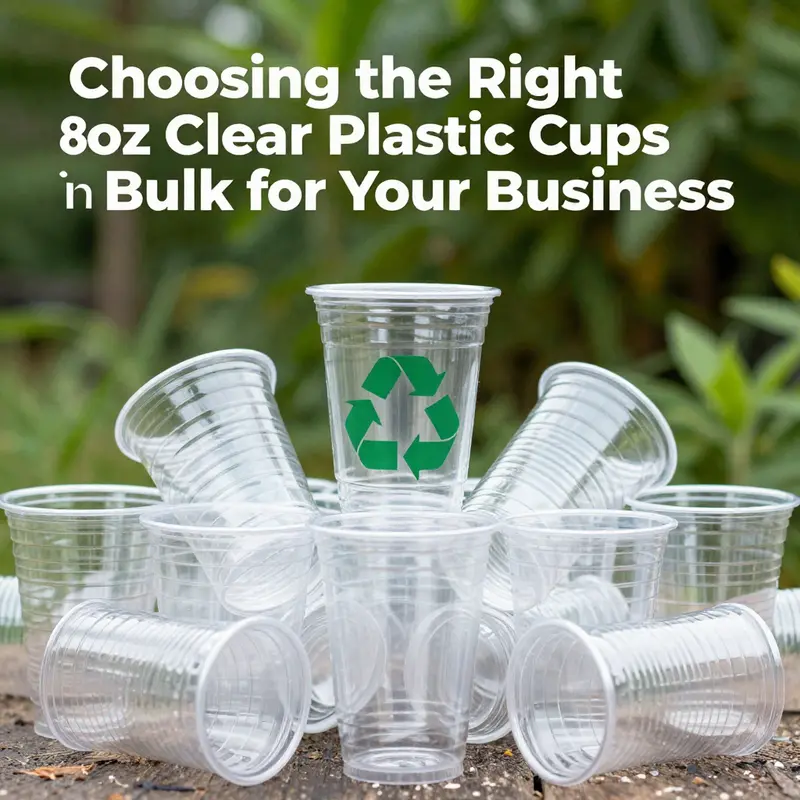
Choosing clear 8 oz plastic cups in bulk is often a practical decision. They are lightweight. They stack easily. They show a drink’s color and texture. For many events and businesses, that transparency matters. Yet the environmental consequences are real. This chapter explores those consequences. It also lays out pragmatic steps buyers can take to reduce harm while retaining many benefits of bulk procurement.
Plastic cups’ environmental story begins with materials. Most clear single-serving cups are made from polystyrene (PS) or polypropylene (PP). PS is lightweight and inexpensive. It provides excellent clarity. PP is more rigid and tolerates higher temperatures. Both are derived from fossil fuels. Their production consumes energy and emits greenhouse gases. Once made, the cups face a difficult end-of-life path. They are non-biodegradable and can persist in landfills for centuries. Recycling rates worldwide remain low for these materials. Many recycling systems do not accept lightweight single-use cups, or they treat them as contamination. Even where facilities exist, collection rates are poor.
Compostable alternatives have gained attention. Materials like polylactic acid (PLA) are plant-based and industrially compostable. They break down under controlled conditions. However, industrial composting facilities are not universally available. PLA thrown into a regular landfill behaves like conventional plastic. It also cannot be mixed with conventional plastics in recycling streams. Misplaced PLA can disrupt recycling processes. Certificates that claim compostability often refer to industrial standards, not backyard or municipal composting. Buyers choosing compostable cups must confirm that end-of-life systems are in place. Without that, the environmental benefit is theoretical rather than real.
Recycled-content plastics present another path. Cups made with post-consumer recycled (PCR) content reduce demand for virgin resin. They lower embodied carbon per unit. Yet sourcing PCR-clear cups has limits. Clarity and food-safety standards can constrain the share of recycled material. Supply can also be inconsistent. When available, PCR cups are a step forward. They require clear labeling and supplier documentation. Procurement teams should ask for content percentages and chain-of-custody documentation.
Bulk purchasing itself carries both pros and cons for environmental impact. On the positive side, buying in larger quantities reduces packaging and transport emissions per cup. Consolidated shipments use less fuel per unit. Bulk handling can also lower manufacturing runs, which can reduce waste from packaging production. On the negative side, bulk buying amplifies the total amount of single-use material entering a system. If demand patterns do not change, purchasing 10,000 cups in one order means 10,000 more cups will reach landfills or recycling systems. The key is to pair bulk procurement with a strategy for lowering total single-use consumption over time.
Practical decisions at the procurement stage can shift outcomes. Start with an audit of actual use. Track daily cup consumption across shifts and events. Identify moments where cups are used unnecessarily. Small behavioral changes, like offering water only on request, can reduce overall volume. Next, match cup specification to real needs. If drinks are served cold, PP or recyclable PET may be appropriate. If clarity is not essential, consider paper or compostable alternatives that better suit available waste systems. Request product data sheets and end-of-life guidance from suppliers. Ask whether cups include recycled content. Demand transparency about the producer’s waste and energy practices. This documentation helps turn sustainability claims into verifiable benefits.
End-of-life infrastructure must guide material choices. If the local waste system accepts industrial compostables and processes PLA, a compostable cup can make ecological sense. If not, a PCR plastic cup or well-labeled recyclable cup may perform better. Many communities accept rigid plastics but reject contaminated or soiled items. To maximize recycling chances, keep cups free of food residue. Consider separate collection bins and staff training at events. Clear signage makes it easier for guests to sort correctly. Where recycling is not available, reducing single-use volume should take priority.
Reusables deserve a serious look. A reusable cup program can dramatically cut waste from single-use cups. On-site washing stations and pick-up logistics are the main barriers for many small businesses. Yet for regular, predictable trade—cafes, catered office events, and festival vendors—reusables can pay back both financially and environmentally. Even partial reuse systems reduce single-use counts. For example, offering durable, branded cups for in-house consumption and keeping disposable cups only for takeout reduces waste and maintains customer convenience.
Design choices influence environmental performance too. Thicker walls increase durability but add material. Double-wall insulated cups reduce condensation and improve user comfort. They may reduce the need for sleeves and minimize spills. However, they use more plastic. Lids and straws often account for a significant share of waste. Switching to compostable or reusable lids and eliminating unnecessary straws reduces waste further. When choosing lids, prioritize compatibility with the cups and with local recycling or composting systems.
Certifications and standards help separate meaningful claims from greenwashing. Look for compostability standards recognized in your region. Common references include industrial composting standards for certification. For recycled content, require documentation from suppliers about post-consumer resin sources. Food-contact safety certifications and testing results matter as well. These ensure compliance with regulations and protect customers.
Communicating policy to customers and staff closes the loop. Label disposal streams clearly. Explain why certain cups are used. If a cup is compostable only in industrial facilities, say so. Offer incentives for customers who bring reusables. Train staff to remind customers politely about reuse options. Consumer behavior changes when choices are simple and well-signed.
Cost considerations often drive decisions. Bulk clear plastic cups are cost-effective per unit. Switching to compostable or higher-PCR cups may raise per-unit costs. Reusables require capital expenditure for cups and washing equipment. When calculating costs, include waste handling, disposal fees, and reputational impacts. A life-cycle lens reveals hidden costs of single-use options. Higher initial costs for sustainable alternatives can become savings through lower disposal fees and stronger customer loyalty.
Supplier partnerships extend impact. Work with vendors willing to discuss materials, packaging, and end-of-life logistics. Request reduced outer packaging or consolidated pallets to cut transport emissions. Ask suppliers to provide collection and take-back options if available. Some manufacturers offer programs that take back used cups for recycling or composting. Long-term contracts can include sustainability clauses that phase in increased recycled content or biodegradable materials as infrastructure improves.
For large events, planning is vital. Map waste flows before the event. Place recycling and composting bins where they are obvious. Ensure vendors know which materials are allowed. Consider central collection points monitored by trained volunteers. If industrial composting is part of the plan, coordinate collection with the processing facility. Keep records of diversion rates after the event. Those numbers justify future investments in sustainable cups and systems.
Marketing and branding must align with environmental truth. Avoid broad claims that cannot be substantiated. If a cup is marked compostable, ensure follow-through with a composting pathway. Use labels like “industrially compostable” rather than implying home compostability when that is not accurate. Honest messaging builds trust and reduces the risk of reputational harm.
A broader perspective recognizes systemic change. The best environmental outcome often comes from reducing overall demand. Policy levers—such as deposit-return schemes, extended producer responsibility, and local composting infrastructure—shape long-term outcomes. Businesses can advocate for better local systems. Joining local sustainability networks amplifies influence. Collective action can expand recycling acceptance and composting availability.
Operational tips that make an immediate difference include these: optimize order quantities to avoid overstock and waste; choose packaging that reduces secondary waste; request minimal or recyclable outer packaging from suppliers; and store cups in dry, protected spaces to avoid spoilage or contamination. Encourage staff to reuse cups for in-house sampling rather than opening a new cup for each taste test.
Finally, measure and iterate. Track cup purchases and disposal outcomes. Set realistic reduction goals and timelines. Pilot reusable programs in low-risk settings before scaling up. Use diversion data to renegotiate supplier terms. Transparency in reporting progress keeps stakeholders aligned and accountable.
An example of a practical alternative that many buyers consider is an 8oz plastic-free craft paper cup designed as a single-use option with improved end-of-life characteristics. When paired with a local industrial composting program, this cup can perform better than a clear PS or PP cup. For those interested in an eco-friendly single-use option, consider the available craft paper cup solutions that match portion size and regulatory needs, such as an 8oz plastic-free craft paper cup available from sustainable packaging suppliers 8oz plastic-free craft paper cup.
The environmental calculus for bulk 8 oz clear plastic cups is not binary. There is no single perfect choice. Each option has trade-offs. The wise path is informed procurement. Pair material selection with knowledge of local infrastructure. Reduce total single-use demand where possible. Favor recycled content when recycling is feasible. Choose certified compostables only when composting pathways exist. Invest in reusable systems for predictable, repeat use.
These combined measures lower the ecological footprint of serving beverages in 8 oz portions. They also build resilience against shifting regulations and rising public expectations. Businesses that act now gain operational experience and credibility. They also help shape the market toward better materials and infrastructure. Ultimately, the most responsible approach balances convenience, cost, and real environmental outcomes.
For more detail on the broader impacts of plastic pollution and waste management, consult the EPA’s overview on plastic pollution and environmental impacts: https://www.epa.gov/earthday/plastic-pollution-and-its-environmental-impact
Final thoughts
In conclusion, integrating 8 oz clear plastic cups into your beverage service can drastically enhance customer satisfaction while maintaining cost efficiency. With several durable material options, purchasing bulk packs can save you money, especially when ordered through trusted platforms. Lastly, being mindful of environmental considerations allows your business to operate sustainably. Implement these insights and elevate your service, ensuring every drink is presented beautifully.