
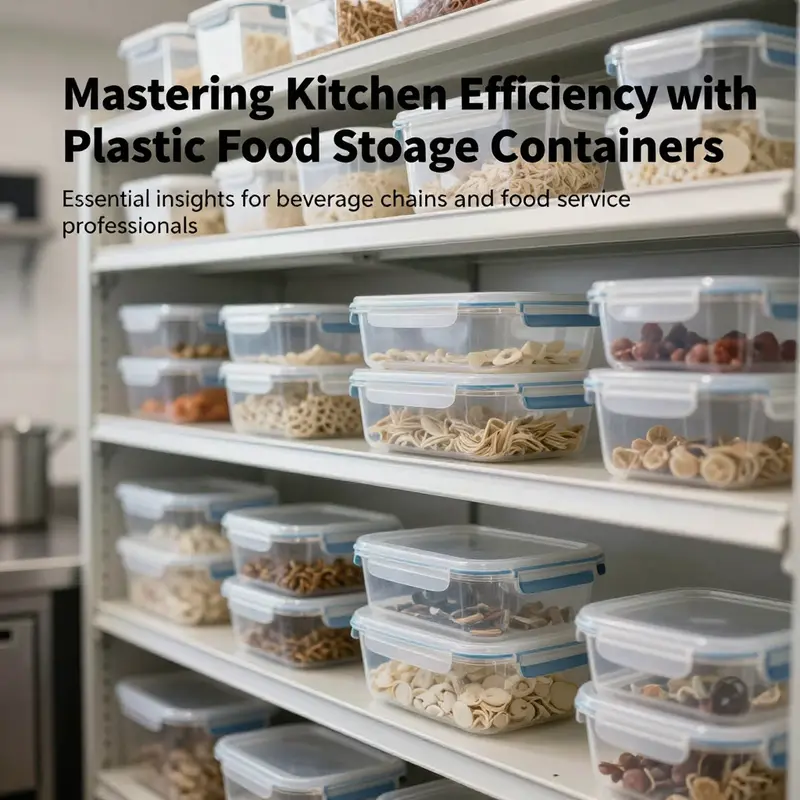
Plastic food storage containers are an indispensable tool for beverage chains, restaurants, food trucks, and catering services. These versatile containers enhance kitchen organization, streamline meal prep, and maintain the quality of ingredients, directly impacting business efficiency and customer satisfaction. In this exploration, we will delve into the materials and types of these containers, discuss the relevant safety and environmental considerations, outline the industry standards and regulations that govern their use, and compare them with alternative materials. Each chapter will build a comprehensive understanding, equipping you with the knowledge to make informed decisions for your food service operations.
What Plastic Is Made Of: Choosing Safe, Durable Materials for Food Storage
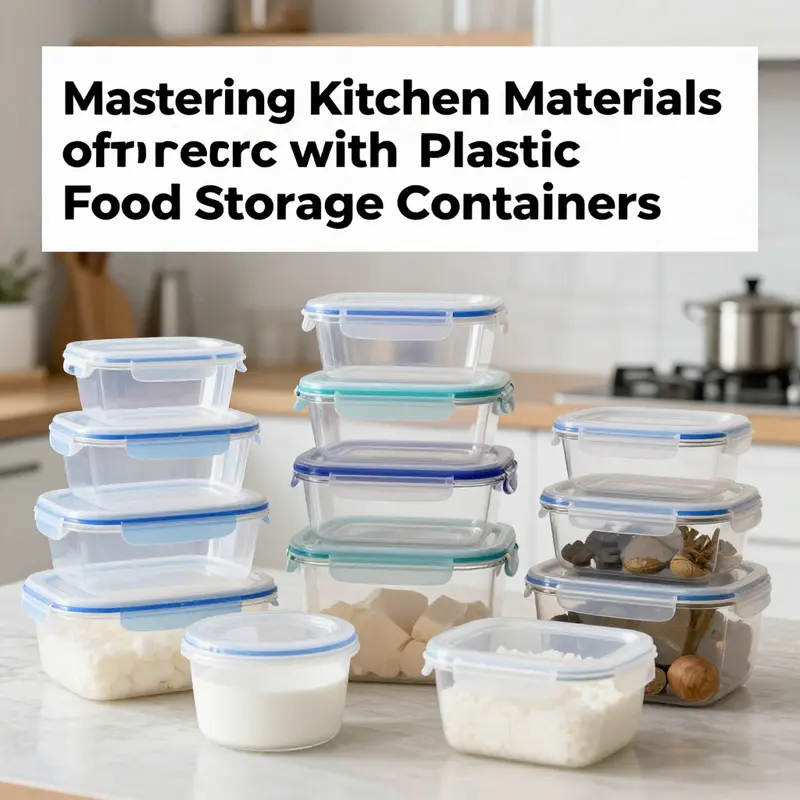
Understanding the building blocks of plastic food storage helps you make safer, longer-lasting choices. Different polymers have distinct strengths and limits. Picking the right material reduces health risks, improves longevity, and lowers environmental impact.
Polypropylene and high-density polyethylene are the most reliable materials for reusable food containers. Polypropylene (PP, resin code #5) stands out for heat resistance, clarity, and chemical stability. It tolerates temperatures up to about 160°C and resists many acids and oils. That makes PP a good fit for reheating in the microwave and for repeated dishwasher cycles when labeled safe. High-density polyethylene (HDPE, #2) is tougher and more impact-resistant. HDPE is less transparent than PP, but it performs well with liquids and heavy use. It handles cold and room-temperature storage with ease and resists many common food-related chemicals.
Low-density polyethylene (LDPE, #4) is flexible and lightweight. It is common in wraps and bags, and it suits short-term storage at room temperature. LDPE should not be used for hot foods or routine microwave reheating. Polyethylene terephthalate (PET, #1) delivers excellent clarity and is ideal for one-time use with cold beverages and single-serve items. PET’s strengths diminish with repeated use, heat, and UV exposure, which can accelerate breakdown and increase migration of undesirable substances.
Other plastics carry clear warnings. PVC (#3) can release phthalates and other additives when heated or damaged. Polystyrene (PS, #6) may leach styrene into hot or fatty foods. Polycarbonate and other mixed plastics (often coded #7 as “other”) historically raised concerns about bisphenol compounds. Many manufacturers now offer BPA-free alternatives, but mixed or unknown resins still pose uncertainty. For this reason, food-contact applications commonly prioritize PP and HDPE, and avoid PVC, PS, and ambiguous #7 plastics.
Beyond safety, consider functionality. Transparent plastics like PP and PET make it easy to visually identify contents. Opaque HDPE is more forgiving in rough handling and stackable systems. Flexibility matters too: LDPE-based bags compress and save space. Rigid containers, however, provide predictable seals and reliable stacking. Lid design, gasket quality, and locking mechanisms often determine how well a container performs for liquids, freezers, and transport, regardless of the base polymer.
Thermal behavior determines suitable uses. PP’s higher melting point and stability make it the go-to for microwave-safe containers. Still, “microwave-safe” is a manufacturer claim that relies on testing. Avoid heating beyond recommended cycles. Reheated plastic that shows warping, bubbling, or odor changes should be retired. For freezing, both PP and HDPE perform well at low temperatures. PET can embrittle when frozen and may crack under stress.
Migration is a core safety concept. Migration means chemicals move from plastic into food. The rate depends on polymer type, temperature, fat content of food, and the age or condition of the container. Fatty and acidic foods both encourage migration. Hot temperatures increase migration rates. Old, scratched, or cloudy containers with surface damage are more likely to release substances. Choosing polymers with proven low migration—PP and HDPE—helps reduce exposure.
Labeling and regulatory cues simplify selection. Look for “food-grade” markings and the resin identification code. A clear microwave-safe icon, dishwasher rating, and temperature range are useful. Regulatory approvals from recognized bodies indicate that the material meets migration and stability benchmarks for food contact. When reuse is intended, prefer containers explicitly rated for multiple cycles. For heavy-duty or high-frequency industrial use, consider alternatives such as stainless steel or certified food-grade polycarbonate replacements, where the relevant safety data are provided.
Environmental considerations also influence material choice. Recycling rates vary by resin. HDPE and PET are among the more commonly recycled plastics in many regions. PP recycling infrastructure is improving but remains less consistent globally. Actual recycling outcomes depend on local programs. Even when technically recyclable, thin films, mixed-material lids, or contaminated containers may still end up in landfill. Reducing single-use plastics and choosing durable reusable containers is an effective mitigation strategy.
Practical care extends material life and reduces risk. Avoid using damaged containers for hot food. Do not subject thin, low-quality plastics to repeated microwave cycles. When freezing, leave headspace for expansion in rigid containers. Label containers with dates and intended use to prevent long-term storage of pungent or oily foods in plastics that could stain or retain odors. Swap in glass or stainless steel for long-term storage of strongly flavored items.
Where plastic is necessary, small choices matter. Pick containers with fewer mixed materials, such as a single resin body and a compatible lid. When lids include gaskets or clips made from different polymers, check for replaceable parts and the manufacturer’s care guidance. Clear containers can make meal prep easier, but take care with sunlight exposure that can accelerate degradation. For food service or takeout, consider designs that combine recyclable paper with a PP lid; these hybrids can balance convenience with improved compostability of the paper portion. A practical example is a reusable salad bowl design with a polypropylene lid that offers secure sealing while minimizing single-use plastic in the main body. For one source of such hybrid packaging concepts, see this example of PP-lidded reusable salad bowls: https://cupbowlpack.com/product/senang-130-disposable-eco-friendly-food-grade-reusable-square-salad-bowls-with-pp-lids-for-pet-food/.
When longevity is the priority, glass and stainless steel are strong alternatives. They do not absorb odors, they resist staining, and they generally perform across wider temperature ranges. For heavy-duty transport or high-frequency institutional use, look for stainless steel containers and heavy-duty polymer systems designed for repeated sanitation and thermal stresses. Natural and compostable options such as bagasse and molded fiber address single-use concerns. They can be microwave-safe under the right coatings, but check for oil and water resistance and the presence of any polymer lining.
Finally, adopt a maintenance mindset. Inspect containers regularly. If a container becomes cloudy, warped, cracked, or retains strong odors, recycle it if possible and replace it. Match the polymer to the intended use. For daily reheating, prioritize PP. For rough-handling liquid storage, choose HDPE. Avoid PET for reheating and avoid PVC and PS for hot or fatty foods. Read manufacturer guidance on temperature limits, disassembly, and gasket care.
Choosing the right plastic starts with a few clear steps: verify the resin code, confirm food-grade status, check the temperature ratings, and prefer PP or HDPE for reusable applications. Combine those choices with sensible care and occasional substitution with glass or steel. That approach yields safety, durability, and better environmental outcomes.
For official guidance on food contact regulations and material approvals, consult the relevant regulatory authority for your region, such as the U.S. Food and Drug Administration, which provides standards and testing information for food-contact materials: https://www.fda.gov/food/packaging-food-contact-substances-fcs
Seal, Shape, and Safety: The Core Features and Varieties of Plastic Food Storage Containers
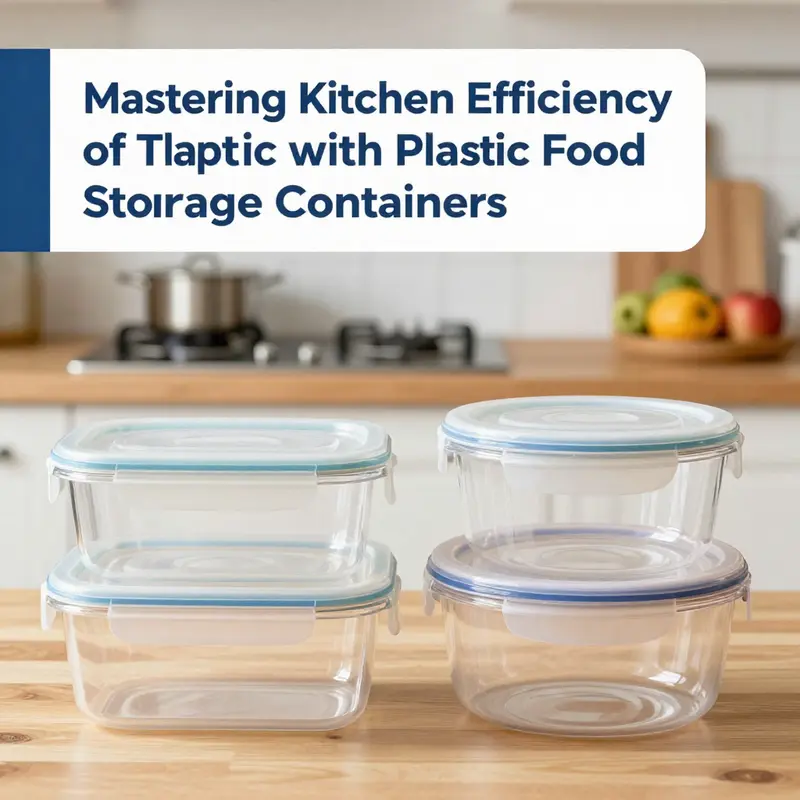
Plastic food storage containers have become the unsung workhorses of modern kitchens. Their value isn’t just in keeping leftovers out of sight; it lies in preserving flavor, controlling moisture, and turning ordinary ingredients into meals with predictable freshness. A thoughtful container system can cut down waste, streamline meal prep, and reduce trips to the grocery store by making ingredients easy to locate and reuse. But behind the everyday convenience lies a careful balance of materials, designs, and safety considerations that determine how well a container will perform in real kitchen life. Understanding this balance helps explain why certain shapes, lids, and plastic families recur across homes and food service operations, and why, even with a range of alternatives, plastic remains a dominant option for many users who value durability, lightness, and resilience in the face of busy days and fluctuating temperatures.
At the heart of any plastic storage choice is material safety. The containers most commonly used for direct food contact are made from food-grade polymers, with polypropylene (PP), high-density polyethylene (HDPE), and polyethylene terephthalate (PET) leading the way. PP, often identified by the recycling code #5, is praised for its heat resistance and stability. It can tolerate repeated cycling through dishwashers and microwaves better than many other plastics, while remaining relatively lightweight. HDPE, marked as #2, offers strong chemical resistance and durability, making it a reliable workhorse for bulk storage and sturdy daily use. PET (#1) is widely used for beverages and some single-use packaging; while it performs well for certain applications, it isn’t typically chosen for repeated heating or long-term storage. These material families differ not just in heat tolerance and rigidity, but in how they interact with foods over time. The safest components are those that minimize leaching risks while retaining their shape and clarity after many uses. To that end, many manufacturers now emphasize BPA-free formulations and non-toxic additives, a shift driven by growing consumer awareness and stricter regulatory standards.
Seal quality is a defining feature that often separates good containers from great ones. A dependable seal protects flavor and texture, keeps odors contained, and prevents leaks when a container is tipped or transported. Seals come in several broad styles, each with its own strengths. Snap-closure lids—whether latch or clamp type—provide a straightforward, durable locking action that you can hear and feel when the lid snaps into place. Rising lids with integrated silicone gaskets offer a tight seal that expands as needed to lock in freshness, and are particularly effective for foods with strong aromas or high moisture content. Screw-on lids, with threads that engage the container rim, can deliver an exceptionally consistent seal and are favored for longer storage cycles or when containers are stacked in tight spaces. When shopping, consider not only the seal type but how well the lid fits the body, how easily it is removed, and whether the seal material holds up to repeated washing and oven or microwave use where permitted. The willingness of a seal to endure repeated opening and closing is as important as the initial tightness; degradation from heat or UV exposure can gradually erode performance, and that slow decline often isn’t visible until a spill occurs or a batch of leftovers loses aroma.
A related design consideration is how the container handles heat. While many plastic containers are built to withstand common kitchen temperatures, not all plastics are suitable for microwaving or oven heating. Polypropylene is often highlighted as a material that can endure microwave use, with typical heat tolerance near 160°C (320°F) under practical conditions. Yet even within PP, users should heed temperature guidelines, avoid sealing lids during microwave heating, and vent or remove lids to prevent pressure build-up and warping. This practical nuance—removing or slightly tilting the lid during microwaving—helps preserve lid integrity and avoids unpleasant plastic odor transfer into foods. In environments where heating is frequent, a container’s heat endurance, coupled with the lid’s gasket stability, becomes a decisive factor in overall performance.
Visibility and organization are more than conveniences; they are functional necessities in busy kitchens. Transparent or translucent walls let you identify contents at a glance, reducing the need to open containers and release cold air. Stackability further boosts efficiency, enabling a compact refrigerator or pantry. Rectangular or square shapes maximize cabinet and shelf space and tend to nest neatly when not in use, still preserving the ability to seal tightly when filled. Round containers, while often sturdier in commercial settings and well-suited to certain food types, can be less space-efficient in domestic storage. Some users seek tall cylindrical forms to keep long items like carrots or bread upright, while multi-compartment designs help separate ingredients within a single vessel, an approach that can simplify meal prep and reduce cross-contamination risks in busy kitchens or school lunch programs.
The material choices layer into these functional traits as well. PP is widely regarded as the gold standard for reusable containers due to its heat tolerance, chemical stability, and general dishwasher compatibility. HDPE’s high strength and chemical resistance make it the preferred option for more rugged, frequently handled containers that won’t shatter if dropped. PET, often chosen for single-use or limited-reuse contexts, trades durability for clarity and lighter weight in lighter-usage applications. In contrast, several plastics—PVC (#3) and PS (#6)—are less desirable for food contact in many settings due to stability concerns and heat sensitivity. Polystyrene, for instance, has poor heat resistance and is generally avoided for hot foods or microwaving. These material profiles inform everyday decisions, from choosing a lunch box for a child to mapping out a restaurant’s bulk-storage strategy.
Beyond shapes and seals, the broader ecosystem of standards and certifications frames how containers are used and reused. The resin identification code system helps consumers identify material type for recycling, while food-contact safety regimes in different regions, such as the FDA in the United States and EFSA in Europe, require migration testing and assessments of thermal stability. In industrial contexts, hygiene, durability, and transport requirements govern procurement of containers, with stainless steel and more robust plastics often preferred for high-frequency, long-term use. The regulatory environment pushes manufacturers toward designs that minimize chemical migration, resist staining and odors, and maintain performance across a range of temperatures and wash cycles. These standards don’t just protect consumers; they guide designers to embed better sealing systems, safer materials, and smarter shapes that integrate with modern kitchens and supply chains.
Even as households embrace durable plastic options, the conversation about storage inevitably involves environmental considerations. Plastic waste remains a pressing challenge, with significant quantities entering landfills each year and recycling rates lagging behind desired targets. In this context, the appeal of eco-friendly alternatives—glass, stainless steel, bamboo, or plant-based composites—grows, particularly for long-term storage or items subjected to repeated heating or washing. The idea that “eco-friendly” equals “less functional” is increasingly outdated. As Dr. Lena Patel of the Green Living Institute notes, switching to higher-quality, eco-conscious food storage doesn’t compel a trade-off in function. In fact, durable, well-sealed containers can outperform cheaper plastics in terms of sealing efficiency and longevity, reducing the total life-cycle burden by cutting down on disposables and repeated purchases. Still, consumers and institutions alike should weigh reuse potential, end-of-life scenarios, and the feasibility of recycling or repurposing materials in their own communities.
Integral to this broader conversation is the awareness that alternatives exist within the plastic family itself. For many, the question is not whether to use plastic but how to choose the right plastic for a given use, and how to maximize reuse and safe handling. The choice of shape often has a practical basis: rectangular and square formats align with fridge and freezer grids, while round options may accommodate sauces or pantry staples more naturally. Inner dividers, snap-on clamps, and vented lids all contribute to a more flexible, multi-functional system that can adapt to daily meal prep and weekly shopping patterns. The interplay of lid design, material behavior under heat, and the ease of cleaning all feed into a container’s real-world performance. In households where space is at a premium, the appeal of stackable, transparent, and highly sealable designs becomes even more pronounced, turning what seems like a simple organizational tool into a strategic element of kitchen efficiency.
For readers looking to explore alternatives while staying within a sustainability frame, a practical example of eco-conscious packaging solutions can be found in disposable kraft-based bowls designed for take-away and meal distribution. These products illustrate how a shift toward renewable, compostable or recyclable options can coexist with the demand for reliable storage and serving functionality. eco-friendly kraft paper disposable serving bowl with lid serves as a reference point for how design aims to balance performance with material stewardship—clear lids for visibility, secure closures for transport, and a finish that handles heat and moisture in practical ways.
In summary, the best plastic storage containers fuse safe, durable materials with practical sealing, space-saving shapes, and features that support everyday life. They offer microwave safety where appropriate, maintain freshness through reliable lids, and provide visibility that makes kitchen routines smoother. While no single container is perfect for every scenario, a thoughtful combination—sturdy PP or HDPE bodies, robust sealing systems, and shapes that fit both the refrigerator grid and the pantry shelf—can unlock noticeable improvements in food preservation, organization, and everyday convenience. This approach also lays the groundwork for considering environmental trade-offs and exploring safer, more sustainable options where feasible, without sacrificing the essential functions that make plastic storage containers a cornerstone of contemporary kitchens.
External resource: https://www.fda.gov/food/packaging-labeling-guidance/food-safety-issues-when-using-plastic-containers
Balancing Health and Planet: Safety and Environmental Impacts of Plastic Food Storage
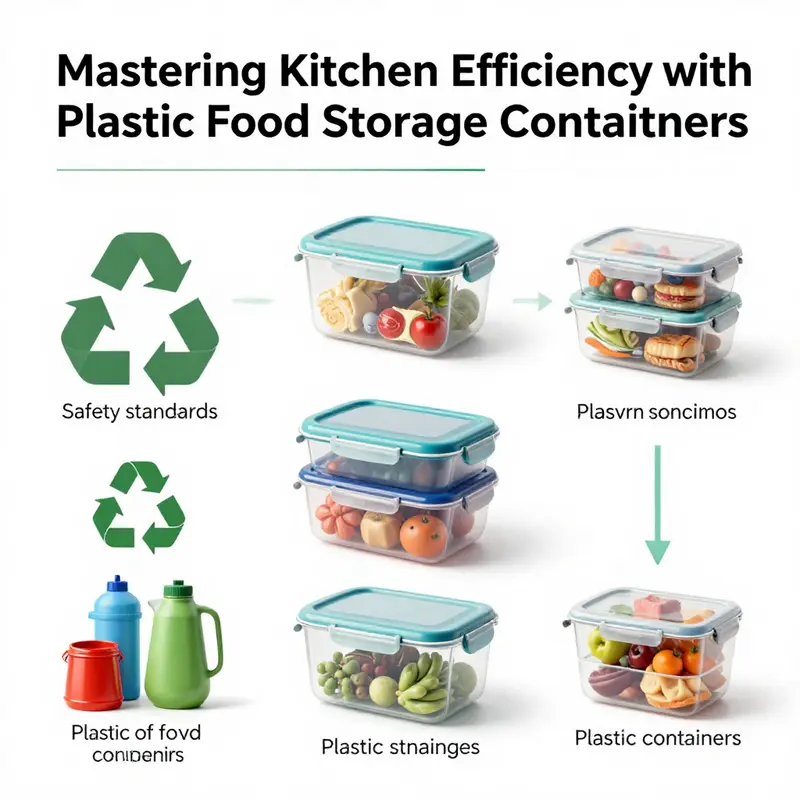
Safety and Environmental Considerations of Plastic Food Storage Containers
Plastic food storage containers deliver clear benefits: they are light, shatterproof, and easy to stack. Yet those practical strengths come with trade-offs that affect human health and the environment. Understanding those trade-offs helps you make daily choices that protect family health and reduce ecological harm. This chapter walks through chemical and physical safety concerns, explains how plastics behave in real-world kitchens, and outlines sustainable alternatives and sensible habits to lower both risk and waste.
Chemical migration from plastics into food is central to safety debates. Plastics are not inert. They often contain additives—plasticizers, stabilizers, and colorants—introduced during manufacturing to improve performance. Under certain conditions these additives can migrate into food. Heat, high fat content, and acidity accelerate this migration. Repeated use, surface scratches, and the aging of containers also change material properties, increasing the likelihood of leaching. Scientists have found compounds such as bisphenols and phthalates in food and human tissue. Some of these compounds act on hormonal systems even at low doses. Regulatory agencies set safety thresholds and testing conditions. However, controlled lab tests rarely capture the full spectrum of real-world use. For instance, microwaving a container many times, subjecting it to dishwashing cycles, or storing acidic meals for days can push exposure beyond tested parameters.
Labels like microwave-safe and BPA-free matter. But they are not absolute guarantees. A microwave-safe marking means the container passed tests under defined conditions. It does not mean the container will remain unchanged after repeated misuse. Likewise, BPA-free products may use alternative bisphenols. Emerging research suggests some alternatives can exhibit similar endocrine activity. The safest choice is to limit scenarios where migration is most likely. Transfer hot or oily food into inert vessels. Avoid placing damaged, cloudy, or pitted containers in microwaves. Use glass or stainless steel for prolonged storage of acidic or fatty meals.
Physical safety and hygiene are separate but linked issues. Scratches, warping, and micro-cracks create crevices that trap food and bacteria. Harsh scrubbing can wear protective coatings and speed degradation. Heat cycles from dishwashers can warp lids and compromise seals, increasing contamination risks and leaks. Proper cleaning and timely replacement extend safe use. If a seal no longer closes securely, or a container becomes permanently discolored, it is time to replace it.
Beyond direct health risks, the environmental footprint of plastic containers is profound. Most food-grade plastics come from fossil fuels. Their production consumes energy and greenhouse gas emissions. After use, many end up in landfills, incinerators, or the natural environment. Recycling rates vary by resin and local programs. Mixed-resin products and contaminated containers often fail to be recycled. Plastics can persist for centuries. During that time they fragment into microplastics. These tiny particles spread through soil, freshwater, and marine systems. They also enter the food chain, raising concerns about long-term ecological and human health impacts.
Recyclability depends on resin type and local infrastructure. Resin codes like #2, #4, and #5 more commonly enter recycling streams. Codes that indicate mixed materials, or containers with bonded plastic and silicone parts, complicate processing. Even when collected, downcycling often occurs. Recycled plastic may be converted into lower-grade products rather than new food-grade containers. This limitation underscores the importance of design for recycling and of consumer habits such as rinsing and sorting materials.
Lifecycle thinking helps weigh choices. A reusable plastic container may use resources to produce but then replace many single-use items. However, its true environmental cost depends on the number of reuses, how it is washed, and whether it is ultimately recycled. Glass and stainless steel often require more energy to manufacture. But they tend to last longer and can be recycled with less quality loss. Materials such as plant-based composites and biodegradable pulp products offer alternatives in single-use contexts. These can reduce fossil-fuel dependence and ease waste handling when managed properly.
Practically speaking, a layered strategy reduces both health and environmental risks. Use glass or stainless steel for hot foods, long-term storage, and reheating. Reserve plastic containers for dry goods, short-term storage, or transport where weight and break-resistance matter. Replace single-use packaging with durable alternatives whenever possible. For disposable situations, choose compostable or recyclable options that match local waste systems. For businesses and catering operations, consider suppliers that provide recyclable kraft or bagasse bowls and lids to cut single-use plastic volumes—one relevant example is an eco-friendly disposable kraft paper salad bowl with a PP lid that balances convenience with compostability in many systems (eco-friendly disposable kraft paper salad bowl).
Small habits deliver measurable benefits. Avoid heating plastic in a microwave unless the manufacturer explicitly permits it. Do not store hot or oily food in aged plastic. Wash containers gently on lower dishwasher cycles if they are dishwasher-rated. Discard items with deep scratches or persistent staining. Label and rotate containers in the fridge to avoid prolonged storage in plastics. For families, create a routine to transfer leftovers from takeout or single-use packaging into a long-lasting, inert container within a few hours.
On a policy and industry level, change is underway. Regulators continually evaluate migration data and adjust guidance. Manufacturers are reformulating materials and improving lid seals. Design for recyclability is getting more attention, with simpler mono-material constructions preferred. Yet progress varies globally. Consumers can accelerate change through informed purchases and by choosing brands and suppliers committed to safer materials and better end-of-life solutions.
Putting theory into practice is straightforward. Prioritize glass or stainless steel for reheating and storage. Use high-quality polypropylene or HDPE only for short-term uses and clearly follow product guidance. Phase out single-use plastics where feasible. Support systems that improve recycling and composting in your local area. Encourage food service partners to adopt recyclable or compostable packaging. These steps reduce exposure to chemicals and shrink the flow of plastic into the environment.
The interplay between convenience, safety, and ecology demands thoughtful choices. Plastics remain practical for many uses, but they are not a one-size-fits-all answer. By understanding conditions that increase chemical migration, by choosing alternatives for sensitive uses, and by adopting better disposal habits, you can protect health and reduce environmental burden. For deeper scientific context and evidence on migration and long-term effects, see the comprehensive review at the National Institutes of Health: https://www.ncbi.nlm.nih.gov/pmc/articles/PMC10086274/.
Regulatory Frameworks and Practical Standards for Safe Plastic Food Storage
Plastic food storage containers must satisfy more than buyer preferences. They must meet legal requirements, science-based safety tests, and practical standards that protect consumers and support circularity. This chapter explains how regulators and industry standards shape material choices, design, labeling, testing, and end-of-life handling for plastic containers used with food. It links material performance to compliance, and it clarifies what manufacturers, buyers, and food-service operators should expect from safe, legal containers.
Standards begin with the materials and intended use. Regulatory bodies set rules for food-contact materials so plastics do not transfer harmful substances into food under expected conditions. In practice, that means manufacturers must select polymers and additives with documented histories of safety for the intended use. Common polymers for storage containers include polypropylene (PP), high-density polyethylene (HDPE), polyethylene terephthalate (PET), and polycarbonate (PC). Each has distinct properties that affect migration behavior, thermal tolerance, and recyclability. Choosing a material is therefore an early compliance decision linked to both performance and regulatory testing.
Beyond material selection, regulation focuses on migration: the movement of chemicals from plastic into food. Rules distinguish overall migration, which measures total non-volatile substances released into food simulants, from specific migration, which targets identified substances of concern. Limits for specific migrants are often expressed in milligrams per kilogram of food. Testing protocols emulate real-world contact by exposing the material to food simulants under set temperatures and durations. For repeated-use containers, regulators require testing that reflects multiple heating cycles and extended storage, rather than only a single-use scenario. Manufacturers need documented test reports and retention samples to demonstrate ongoing compliance.
Traceability and documentation form the backbone of regulatory compliance. Good Manufacturing Practice (GMP) expectations require that suppliers maintain records on raw materials, production batches, and quality checks. Traceability helps during audits and when products are returned or recalled. Labels and technical files must indicate material identification, intended uses, temperature limits, and any restrictions. Clear labeling reduces misuse that might otherwise void safety assumptions. Typical label elements include symbols for microwave and freezer safety, dishwasher suitability, and the resin identification code—a simple numeric system that helps recyclers and regulators identify the plastic family.
Resin identification codes carry dual importance. They inform recyclers about material type and guide end-users on appropriate disposal pathways. Codes such as #2 for HDPE, #1 for PET, and #5 for PP are common on containers. While these codes do not guarantee recyclability in every region, they support waste-sorting systems and circular-economy goals. Increasingly, standards and purchasing policies favor materials that fit established recycling streams. That means choosing HDPE or PET where possible, or specifying recycled-content grades that demonstrate closed-loop potential.
Design standards address more than materials and labels. Lids and seals are scrutinized for their ability to prevent contamination and leakage. Containers intended for transport or commercial storage must meet hygiene and durability requirements. These standards often specify surface finish, crevice minimization, and resistance to repeated cleaning. For food-service and industrial users, standards also cover stackability and structural integrity during handling. Containers used for hot-holding or freezing must retain their shape and sealing performance across the specified temperature range. Where containers are intended for microwave use, testing must show they will not overheat, melt, or release hazardous migrants under typical microwave conditions.
Testing and certification bodies provide practical verification. Independent laboratories perform migration testing, mechanical durability tests, and thermal cycling. Some manufacturers pursue third-party certification to demonstrate compliance to major buyers. Certification frameworks vary by region and market. They may assess factory hygiene, quality-management systems, and product testing records. For many buyers, documented third-party testing reduces procurement risk.
Regulatory landscapes differ across regions, yet they share common themes. The foundational expectation is that materials are safe for the declared use. In the European context, framework regulations require that materials do not alter food composition or contaminate it under normal conditions. Regulators maintain lists of permitted substances and set conditions for their use. In other regions, agencies apply analogous principles and require notifications or dossiers for new food-contact substances. Manufacturers that sell internationally must reconcile multiple rule sets and sometimes adopt the strictest applicable limits to maintain market access.
Environmental regulation increasingly intersects with food-contact standards. Waste generation and low recycling rates have prompted initiatives that combine safety with sustainability. Authorities encourage recyclable polymers and clear material labeling to improve recovery. At the same time, regulators scrutinize alternative materials for safety before endorsing them as replacements. Compostable or plant-based blends must meet both food-contact safety testing and end-of-life criteria. For many procurement teams, the practical route is to choose containers that meet safety tests and that also fit local waste infrastructure. That approach supports circularity without trading away consumer protection.
For manufacturers and specifiers, compliance is an operational process. It begins with selecting resins and approved additives with documented migration profiles. It continues through production controls and in-line quality checks, where dimensions, seal performance, and surface quality are monitored. Finished goods are sampled for migration testing and mechanical evaluation. Records are kept according to regulatory timelines, and labels are verified for accuracy. Buyers should request certificates of compliance and test summaries that match the intended use and region of sale. When sourcing for catering, retail, or delivery, contract specifications should list temperature limits, cleaning instructions, and whether lids are included.
Labelling and user guidance protect both consumers and manufacturers. Labels must state usage limits clearly and unambiguously. A container labeled “microwave-safe” should be safely usable in domestic microwaves. Where limitations exist, they must be explicit, such as “do not use with high-fat foods in microwave” or “not for oven use.” Clear symbols and short instructions are preferable to ambiguous marketing claims. Proper labeling reduces misuse, helps regulators, and supports transparent marketing.
Finally, the industry is shifting towards better alignment between safety and sustainability. Choosing recyclable polymers, designing for easy cleaning, and reducing additive complexity all advance regulatory compliance and environmental goals. Industry standards and trade schemes increasingly reward producers who maintain documented safety while improving recyclability and recycled content. Buyers who demand both safety documentation and circularity credentials incentivize manufacturers to invest in cleaner formulations and transparent supply chains.
For a practical example of market options that support recycling and clear labeling, see this recyclable kraft paper take-away bowl listing. For detailed regulatory guidance on food-contact materials, consult official agency resources such as the FDA’s guidance on food-contact substances: https://www.fda.gov/food/food-contact-materials
Material Trade-Offs: Choosing Between Plastic Food Storage and Sustainable Alternatives
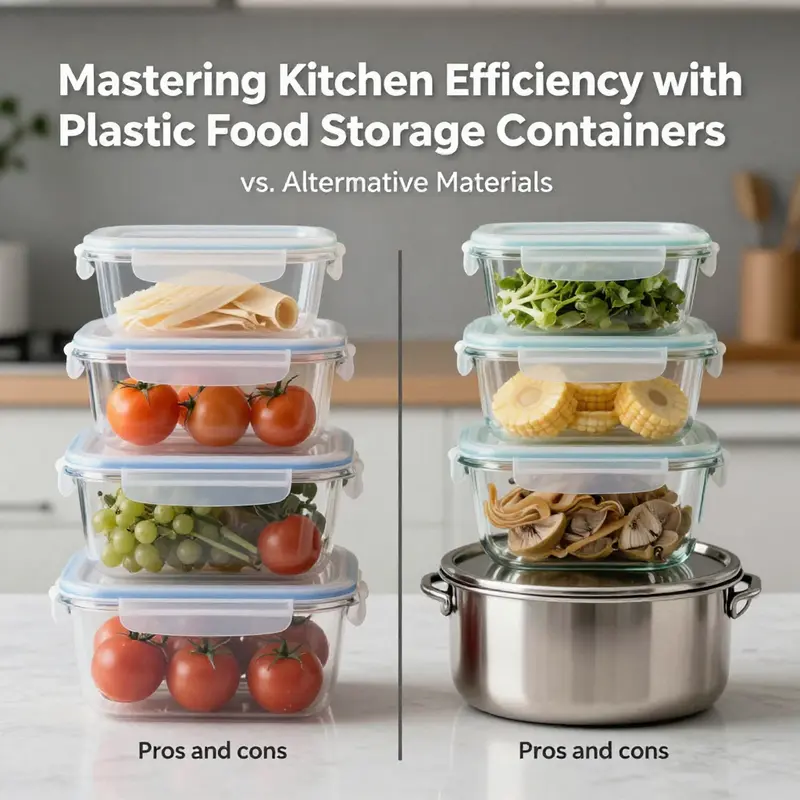
Material Trade-Offs: Choosing Between Plastic Food Storage and Sustainable Alternatives
When deciding how to store food at home or in a commercial setting, the material of the container matters more than most people realize. The choice affects freshness, safety, convenience, and the long-term health of both people and the environment. Plastic containers have dominated kitchens for decades because they are light, inexpensive, and versatile. Yet, alternatives such as glass, stainless steel, and compostable materials are increasingly viable. This chapter explores the practical trade-offs among these materials, weighing performance, health considerations, and environmental impact to help readers make informed choices.
Plastic’s appeal is rooted in utility. Thermoplastics like polypropylene and polycarbonate are resilient. They resist impact, withstand a range of temperatures, and are easy to mold into stackable, space-saving shapes. For meal prep, rectangular plastic containers often win because they fit neatly in refrigerators and maximize shelf space. They come with locking lids that reduce spills and preserve moisture. Microwave-safe plastics simplify reheating. For food service operations, large-capacity round plastic containers offer durability during transport and handling. These attributes make plastic a cost-effective option for both individual households and high-volume kitchens.
But the strengths of plastic come with important caveats. Many plastics break down when repeatedly exposed to heat or sunlight. That degradation can accelerate the release of microscopic particles and trace chemicals into foods. Concerns around compounds historically used in some plastics, and the broader issue of microplastic contamination, have changed how safety is assessed. Regulatory agencies require migration testing to ensure food-contact materials meet thresholds for chemical transfer. Still, long-term exposure and the cumulative effects of tiny fragments remain areas of active study. Consumers who rely on plastic for daily reheating, freezing, or acidic foods should be mindful of wear and of manufacturer guidance regarding lifespan and safe temperatures.
Glass stands out in the trade-off analysis for its chemical inertness. It does not absorb odors or colors and does not leach chemicals. Glass containers are ideal for long-term storage of flavored or aromatic foods. They are also excellent for wet or acidic dishes, where plastic can sometimes retain taste. On the environmental side, glass is infinitely recyclable without loss of quality. The major downsides are weight and fragility. Glassware demands more careful handling and can be less convenient for transport. Yet, for storage at home and for repeated use over many years, glass often proves cost-effective when longevity is considered. For households prioritizing taste integrity and chemical safety, glass is a strong choice.
Stainless steel offers a different set of advantages. It is virtually indestructible under normal kitchen use and resists staining and corrosion. For hot or cold storage and for repeated washing, stainless steel is exceptionally durable. It resists odor transfer and does not leach harmful compounds. This material is especially useful in settings where durability and hygiene are paramount. The principal disadvantages are opacity and cost. Because stainless steel containers are not transparent, contents cannot be identified at a glance. Meal-prep routines that depend on visual inventory benefit less from steel. However, in contexts where longevity and rugged performance matter most, stainless steel can deliver the lowest total cost of ownership.
Compostable and plant-based materials are closing gaps in performance, but with important caveats. Bioplastics made from plant starches, bagasse (sugarcane fiber), and other agricultural residues offer the promise of reduced landfill persistence. When routed to industrial composting facilities, many of these materials break down more quickly than traditional plastics. They are increasingly used for single-use or short-term applications, such as takeout packaging and event catering, where large volumes of waste are inevitable. However, not all biodegradable claims are equal. Some materials require specific industrial conditions to degrade and will not compost effectively in home systems. Additionally, their heat tolerance and moisture resistance can be lower than conventional plastics. For consumers looking to reduce plastic waste from disposables, certified compostable products are a useful option, but they work best when supported by proper composting infrastructure.
Beyond materials themselves, design features influence performance across the board. Lid seals, gasket materials, and locking mechanisms determine how well a container prevents leaks and slows oxidation. Transparency enables quick visual checks, while stackability improves storage efficiency. Consumers often overlook end-of-life considerations. A heavy, long-lived glass set may have a much smaller lifetime environmental footprint than dozens of short-lived plastic containers. Conversely, a durable plastic system used for many years can perform well economically and functionally if it is well cared for and replaced infrequently.
Economic factors also shape choices. Plastics remain economical for bulk purchases and large-scale food service, where unit cost and break-resistance matter. In contrast, the higher upfront cost of glass or stainless steel is offset by longevity. For households that meal prep heavily, a modest investment in durable containers reduces replacement frequency and can lower lifetime spending. For commercial operations, a mix of materials often makes sense: rugged plastic for transport and stainless steel for long-term storage and hygiene-critical tasks.
Environmental responsibility requires looking beyond the kitchen. Plastic production relies heavily on fossil feedstocks. Poor waste management leads to persistent pollution in landfills and oceans. Recycling rates for many plastics remain low, and mechanical recycling can degrade material quality over repeated cycles. By contrast, glass and metal recycling loops are more established and retain material quality. Compostable materials reduce reliance on recycling systems but demand composting infrastructure to realize their benefits. Choosing alternatives to single-use plastics reduces the strain on waste streams and lowers the risk of microplastic generation.
When deciding which material to use for a given purpose, priorities must guide choices. For reheating and convenience, microwave-safe polypropylene with clear usage limits still delivers value. For chemical safety and flavor preservation, glass is the best choice. For rugged, long-term use where visibility is less important, stainless steel wins. For disposable applications where waste volumes are high, certified compostable containers derived from agricultural residues are preferable when composting facilities are available. Practical strategies blend these materials: use glass or steel for everyday storage at home, maintain a few reliable plastic containers for transport, and opt for compostable disposables when necessary.
Practical stewardship also matters. Maintain containers according to manufacturer guidance. Replace plastics that show scratches, clouding, or warping. Support municipal recycling and composting programs. For businesses, vet suppliers for certified materials and appropriate end-of-life handling. For households, choose a small set of durable containers matched to common tasks, and treat them as long-term investments in safety and sustainability.
For readers exploring plant-based disposable options, consider certified bagasse items that are designed for compostability and food service. One example of such an option can be found here: biodegradable bagasse food container.
For broader context on plastic waste and policy, the U.S. Environmental Protection Agency provides data and guidance on plastic waste generation and management. See their overview here: https://www.epa.gov/epawastes/plastic-waste
Final thoughts
In conclusion, plastic food storage containers serve as essential assets to the operations of beverage chains, restaurants, food trucks, and catering services. By understanding the materials used, key features, safety considerations, industry standards, and comparing them to alternative materials, food service professionals can make informed choices that optimize efficiency and maintain food quality. As we navigate an era of heightened environmental consciousness, exploring eco-friendly alternatives can further enhance operational sustainability. Adopting the right food storage solutions will not only elevate service standards but also ensure better serving practices for every dish prepared and delivered.