
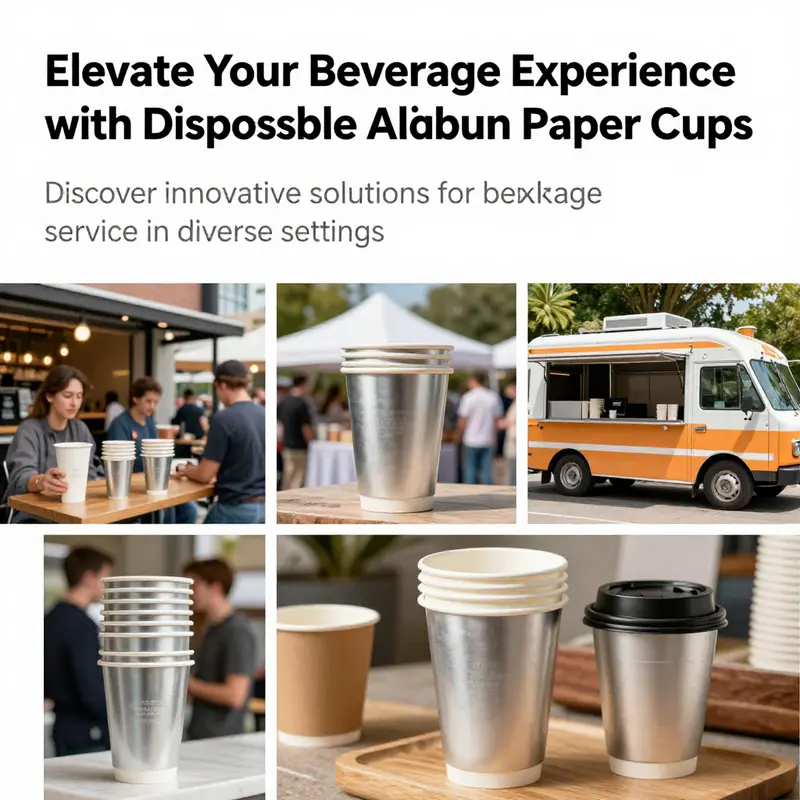
In a world where presentation and functionality go hand in hand, disposable aluminum paper cups are rapidly becoming a favorite among beverage-focused businesses. These versatile containers not only retain heat and resist sogginess but also present an opportunity for branding and sustainability in your beverage service. This article takes a comprehensive look at the latest innovations in disposable aluminum paper cup technology, current market trends, their environmental impact, consumer preferences, and the challenges faced by businesses in adopting them. Each chapter aims to provide insights that will empower bubble tea shops, beverage chains, restaurants, food trucks, catering services, event planners, and corporate procurement teams to make informed decisions about their beverage service needs.
The Aluminum-Lined Paper Cup: A Reimagined Vessel for Hot and Cold Beverages
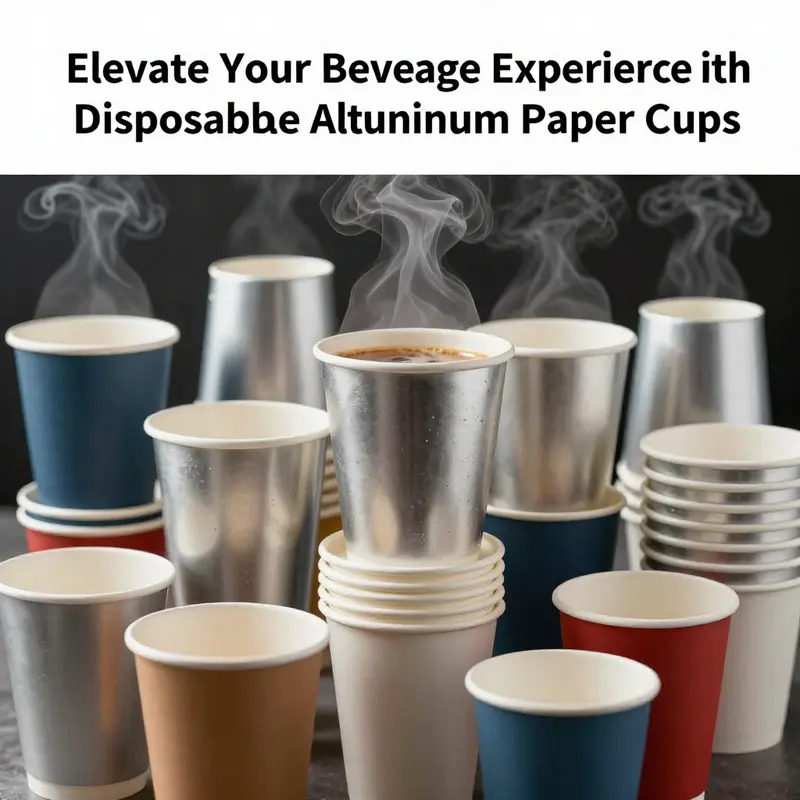
In the landscape of take-away drinkware, the disposable aluminum-lined paper cup occupies a distinct place. It is not merely a single-use vessel but a carefully engineered composite that folds the best of two worlds into a practical unit: the rigidity and printability of paper and the barrier properties of aluminum foil. The goal is simple in intention, even if the execution is intricate in practice. Cups of this kind are designed to handle both hot and cold beverages, a versatility that matters in a fast-casual environment where speed, spill resistance, and temperature control converge. The aluminum lining functions as a heat seal barrier that prevents the inner liquid from wicking into the paper, thereby averting sogginess and structural collapse when a hot beverage—like coffee or tea—is poured. At the same time, the exterior remains fabricable and printable, which means branding opportunities can be realized without sacrificing performance. The result is a compact, disposable package that can travel through a bustling service line, into a customer’s hand, and back to a container for disposal, all while maintaining form and function across a range of volumes from small to substantial.
The construction of these cups rests on a layered logic. Inside, a paperboard or kraft-based liner provides the immediate contact surface for the beverage. This is coated or laminated in a thin aluminum foil layer that acts as a robust barrier against moisture transfer and heat leakage. The aluminum, though slim, is crucial: it dramatically reduces heat loss in hot drinks, which helps preserve aroma and temperature during short to medium-term service intervals. On the exterior, another layer of paper or cardboard—often with a decorative or branded exterior—offers printability, tactile appeal, and a second line of balance against heat buildup. The interface between these materials is not merely a simple stack but a carefully engineered laminate. Adhesives, coatings, and lamination processes are chosen to minimize delamination risk, ensure food safety compliance, and support the varied temperatures the cup is expected to withstand.
With this structure comes practical implications for use and consumer experience. Lids in this category typically feature a sip opening or vented mechanism that works with the cup’s flat rim or a molded lip. The lid design is essential to leak resistance and user safety, especially when hot liquids are involved. In many markets, these cups come in standard sizes—from a compact 4-ounce option for sampling or espresso-style beverages to the more common 8-, 12-, and 16-ounce configurations that align with daily café routines and takeaway orders. A larger 22-ounce option often serves the appetite of long-distance commuters or families on the go. The lid-sip interface must be secure, with minimal risk of spillage when the cup is bumped, stacked, or carried in a bag.
From a consumer standpoint, the appeal of an aluminum-lined cup extends beyond temperature and leak resistance. The exterior surface can be printed with branding, messaging, or promotional graphics, enabling a brand to carry its identity through the entire consumer experience. The ability to customize the exterior—while retaining reliable performance inside the cup—adds a dimension of value for operators who want the same container to serve multiple beverage lines, from hot coffee to cold iced tea. The interplay between branding and practicality is a delicate balance, and it is here that the design team must consider tonality, colorfastness, and ink adhesion on a laminated surface that will experience heat and moisture. An added layer of complexity is the potential for eco-friendly or recyclable variants of these cups. The market has seen a push toward coatings and substrates that support recyclability or compostability, aligning with broader sustainability goals while preserving necessary barrier properties.
In the broader context of beverage packaging, the aluminum-lined paper cup emerges as a response to a persistent consumer expectation: beverages should stay hot or cold, and the vessel should stay intact during transport. Consumers do not want to compromise on temperature while also wanting to avoid leaks that could spoil a bag, a car seat, or a hand-held moment. The presence of aluminum as a barrier makes a difference here, providing a relatively impermeable shield against vapor transmission and oil migration that could otherwise degrade the paper’s integrity over time. Yet the sustainability dialogue surrounding these cups cannot be ignored. While aluminum is highly recyclable, the lamination with paper complicates end-of-life processing. In many recycling streams, the composite is difficult to separate, and the presence of any non-paper layer can hinder efficient separation. This tension has led to ongoing exploration of recyclable laminates and alternative materials, including biodegradable coatings and sustainable paperboards, which aim to maintain barrier performance while improving recyclability or compostability.
One of the notable challenges in the transition toward more sustainable variants is ensuring that innovations in barrier performance do not come at the expense of user convenience or cost. For hot beverages, maintaining heat within a reasonable range while preventing exterior surfaces from becoming uncomfortably hot is essential for comfort and safety. For cold beverages, condensation management and grip comfort matter just as much. The aluminum layer contributes to both by reducing heat flux and helping to stabilize the cup’s shape under pressure from a hot liquid. However, the heat transfer characteristics depend on the exact thicknesses, materials, and adhesives used in the laminate. Any shift toward thinner laminates to save material could alter barrier efficiency, while thicker laminates might improve heat retention but complicate recycling.
Sustainability narratives play an increasingly decisive role in consumer choices. Operators are looking for packaging solutions that can deliver on performance while projecting responsibility to the environment. In response, several manufacturers and suppliers are experimenting with coatings that allow for easier separation in recycling streams, or with substrates that are derived from responsibly sourced fibers and are designed to be compostable after a defined service life. The drive toward a circular economy in the foodservice sector means that the best-performing disposable cups will not simply be the ones that keep beverages at the desired temperature; they will be the ones that can be reintegrated into the material cycle with minimal waste and maximum resource recovery.
In this evolving space, the line between traditional, fully paper-based cups and aluminum-lined cups is blurring. Some operators are seeking alternatives that preserve the user experience while simplifying disposal. Biodegradable coatings, plant-based binders, and dairy- or food-grade laminates are being studied for compatibility with recycling streams and composting infrastructure. The question of whether aluminum-laminated cups can be designed to be fully recyclable in standard municipal programs remains central to ongoing research and industry debate. The answer is not uniform across regions, as local recycling capabilities, collection systems, and consumer participation rates vary widely. The practical takeaway for practitioners is to weigh the benefit of enhanced barrier performance and temperature retention against the realities of end-of-life processing in their own market.
From a branding and supply-chain perspective, aluminum-lined paper cups offer a versatile platform for customization without sacrificing function. The capability to inject brand identity on the exterior surfaces means operators can translate a café’s aesthetics into a disposable, portable experience. The market also accommodates variations in lid architecture, with sip-tabs or vented openings designed to optimize flow control and user safety. The combined effect is a packaging solution that supports quick service and consistent beverage quality, while also inviting questions about material origins, recycling, and the potential for market-ready, greener alternatives.
In the end, the aluminum-lined cup represents a deliberate design choice that prioritizes performance—temperature stabilization, containment, and reliable integrity—without ignoring the environmental and logistical realities of disposable packaging. The industry’s trajectory seems to favor a continuum rather than a single destination: improved barrier performance through smarter laminates, more thoughtful end-of-life design, and branding capabilities that do not sacrifice sustainability. And while innovations in aluminum-foil paper cup technology may require specialized sources to fully map, the path forward is clearly rooted in collaboration among material scientists, packaging engineers, operators, and waste-management systems to align beverage experience with environmental responsibility.
For readers seeking tangible examples of how branding and sustainability intersect in paper-based packaging, consider exploring eco-conscious printing options that align with the broader objective of responsible take-away consumption. A representative example of how branding and sustainability can be combined in a cup format is discussed in this resource, which highlights how brands can deliver visual impact while maintaining environmental considerations. eco-friendly printed-logo paper cup.
As the conversation about disposable aluminum paper cups continues, the industry will likely see deeper explorations into barrier chemistries, recyclable lamination strategies, and regional approaches to end-of-life processing. The balance between performance, cost, and sustainability will shape which cup formats prevail in different markets, and how operators communicate the value of their packaging choices to increasingly informed customers. The future may bring a family of solutions—some embedding aluminum where it matters most for performance, others trading some of that barrier strength for enhanced recyclability or compostability—so long as the consumer experience remains seamless and the environmental footprint is progressively reduced.
External resources can provide technical depth beyond this overview. For deeper technical background on packaging barriers, recycling challenges, and sustainability considerations in disposable cup design, see a comprehensive industry resource: https://www.packagingdigest.com.
Heat, Hygiene, and the Circular Path: Market Currents in Disposable Aluminum Paper Cups
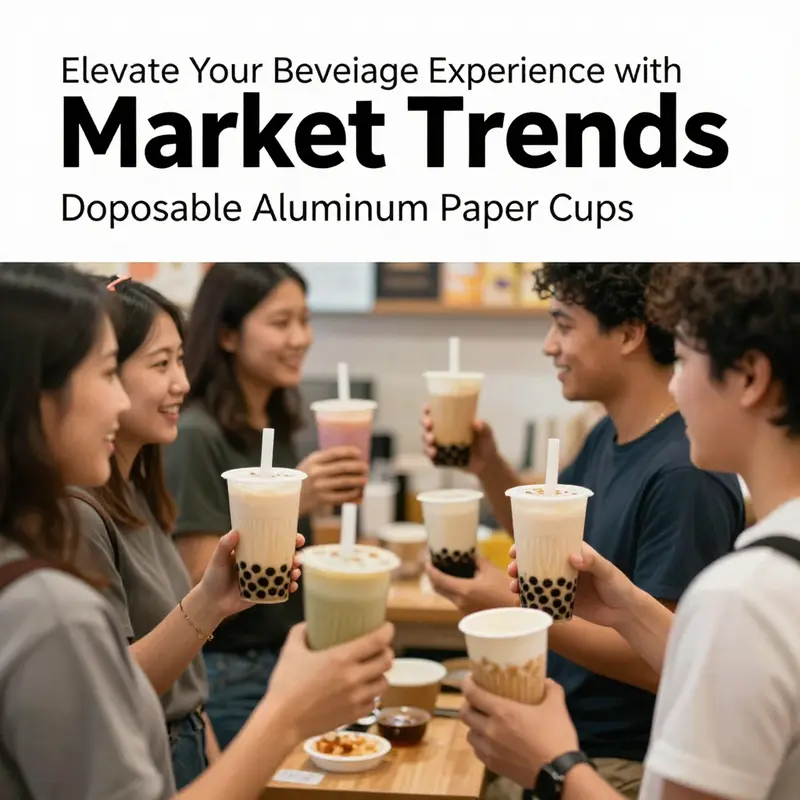
A shift is quietly taking shape in on-the-go beverage culture. The disposable aluminum paper cup sits at the crossroads of heat retention, hygiene, and the promise of a circular economy. It is not merely a vessel for coffee or tea; it is a modular system that blends the familiar comfort of paper with the protective, reflective shield of aluminum. In cities with fast rhythms, these cups offer a reliable single-use solution that keeps beverages hot or cold while preserving the cup’s integrity.
Recyclability remains a central thread. Aluminum can be recycled indefinitely without quality loss, positioning these cups as an appealing alternative to plastics and composites that often end up in landfills. The end-of-life story matters to brands and regulators who want clear recovery pathways, and the aluminum layer becomes a signal of recyclability and a practical path to reduced material waste when infrastructure accepts it.
Manufacturing advancements have reshaped what is possible. Improvements in forming techniques, materials integration, and process control have driven down costs and enabled precise customization. The cups can be produced with consistent wall strength, reliable seals, and uniform dimensions across a range of sizes. This manufacturing maturity expands the addressable market beyond the quick-service sector to include grocery store delis, coffee-to-go counters, and hospitality operations that demand hygienic, leak-tight, single-use solutions.
Consumer demand continues to push the market forward in a nuanced way. Modern consumers seek convenience and portability without sacrificing hygiene. A disposable cup that can be sealed, carried, and disposed of with minimal touchpoints aligns with on-the-go living. The exterior surface becomes a canvas for branding, signaling sustainability through recyclable construction while reinforcing brand identity.
Regulatory dynamics are shaping the landscape as jurisdictions tighten restrictions on single-use plastics. The disposable aluminum paper cup sits well within this framework because its aluminum component connects to established recycling streams in many regions. Designs emphasize straightforward material composition, lids and sleeves that are easy to sort, and inks and coatings that do not complicate recycling streams. When regulations align with consumer and industry incentives, adoption accelerates, creating a virtuous cycle of investment in technology, capacity, and distribution.
In practical terms, the aluminum lining provides a robust heat seal that protects the paper core from becoming soggy when hot beverages are poured. For cold beverages, the insulating properties help maintain chill during transport. The design also supports leak resistance, an essential attribute for take-away and delivery contexts where a spill would otherwise undermine the customer experience. Collectively, these performance characteristics create a reliable platform that operators can standardize across outlets, enabling consistent service and predictable handling.
Beyond performance, the spectrum of sizes, ranging from small to large, supports a variety of use cases. From a quick sip to a full serving, the compatible lids, often with sip tabs or vented openings, enable controlled pouring and safer consumption. The opportunity to scale volume without sacrificing container integrity broadens the appeal to coffee shops, casual dining, and even mobile vendors that require efficient, space-saving packaging. In practical terms, this means operators can simplify inventory, reduce the number of SKUs, and streamline procurement while offering a consistent consumer experience across formats and outlets.
A growing portion of the market conversation centers on sustainability innovations. Eco-friendly coatings and sustainable paperboard substrates designed to support recyclability or enhanced recyclability reflect an industry-wide effort to balance performance with environmental stewardship. Some designs employ biodegradable coatings and responsibly sourced paperboards to reduce ecological footprints while preserving the thermal and mechanical benefits of aluminum. These innovations are not about replacing the aluminum layer but about enabling circular pathways that align with a broader sustainability agenda. They are part of a broader trend toward packaging that can participate more effectively in recovery streams, supporting recycling or composting where feasible, and promoting responsible consumer behavior through clearer labeling and guidance.
The market’s forward trajectory is shaped by a complex set of conditions—technological capability, consumer expectations, and policy signals—that interact to shape growth rates and regional adoption patterns. While some regions exhibit rapid uptake driven by strong recycling infrastructures and supportive regulations, others pursue gradual acceptance as infrastructure catches up and awareness grows. The global narrative, however, is one of rising relevance. A broader shift toward sustainable packaging, accompanied by a willingness to invest in advanced manufacturing and design for recyclability, positions disposable aluminum paper cups as a durable option for the next wave of beverage service. They become part of a larger toolkit for the food-service ecosystem—a toolkit that seeks to balance convenience, safety, brand differentiation, and environmental responsibility.
For readers who want a deeper set of analyses beyond this discussion, a comprehensive market sector review provides broader context on growth drivers, regional dynamics, and technology-driven innovations shaping the future of disposable aluminum cups. The analysis highlights how recyclability, manufacturing efficiency, and evolving consumer preferences interact with regulatory pressures to steer investment, R&D, and capacity expansion across the industry. These insights help explain why brands increasingly converge on packaging choices that deliver reliable performance while enabling responsible end-of-life outcomes. In practical terms, this translates to more standardized products, more consistent branding opportunities, and a packaging ecosystem that supports rapid adaptation to policy and market shifts.
Beyond the Barrier: Reassessing the Environmental Footprint of Disposable Aluminum Paper Cups
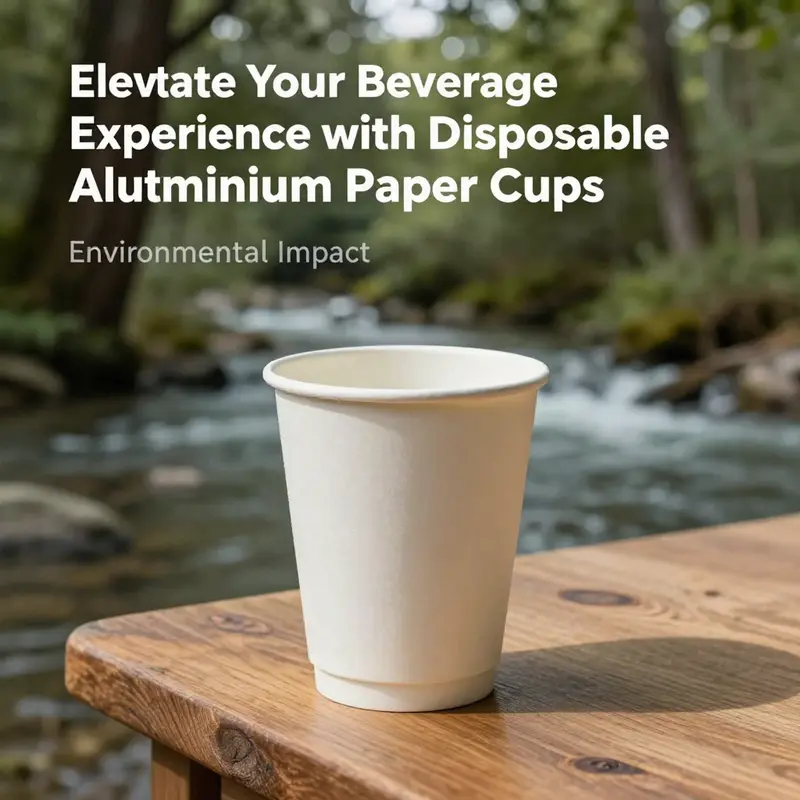
The promise of disposable aluminum paper cups rests on a simple idea: combine the convenience of a paper cup with an aluminum barrier to prevent leaks and preserve heat. In practice, that combination creates a lifecycle that is more complex than it appears. The aluminum layer provides liquid resistance and strength, making these cups attractive to fast casual venues and delivery services, but it also complicates recyclability and life cycle assessment. The result is a packaging option that often behaves more like a transitional technology than a durable recycler of resource use.
To understand the footprint, recycling is central. Paper and aluminum form a composite that is hard to separate in standard streams, and adhesives and coatings complicate recovery. In many places these cups do not end up in recycling, and may go to landfills or be subjected to energy intensive incineration, depending on local infrastructure. This reality erodes the environmental advantage claimed for aluminum containing cups.
Chemistry matters inside the cup. The inner lining is often a thin polymer coating designed to keep liquids from soaking into the paper and to protect flavor. While practical, this layer raises questions about chemical leaching and microplastic release, particularly with hot beverages and aggressive stirring. Some studies point to trace migration of additives, and while precise exposure from a single cup is small, it adds a dimension to risk assessment that some stakeholders want to see addressed.
Beyond chemistry, production and end of life carry substantial costs. Aluminum processing and paper manufacture are energy intensive, coatings and adhesives add water use and emissions, and the limited recyclability increases the chance of waste ending in landfills or being incinerated. The circular economy ideal faces friction here because separation can be technically challenging and economically unattractive in many regions.
Solutions vary by region and policy. Some manufacturers experiment with biodegradable coatings, recycled content in paper and metal layers, or compostable options; however, the benefits depend on local waste systems and behavior. The idea of biodegradable or compostable coatings can mislead if cups end up in facilities without industrial composting, or if coatings hinder recycling.
From a policy and consumer perspective, honest labeling and lifecycle thinking matter. End of life outcomes, not marketing claims, should guide choices. Even small design decisions, such as coating type or adhesive, can affect recyclability and emissions when scaled across millions of cups.
Looking ahead, reuse is repeatedly raised as a potentially transformative path. If cups or mugs can be returned and washed with efficient logistics, the environmental impact can shrink substantially, but only if reuse rates and cleaning processes are favorable. Where reuse is not practical, improving separation technologies and expanding industrial composting and better recycling infrastructure become priorities. Cross disciplinary research in materials, logistics, and behavior can yield integrated solutions that maintain performance while improving end-of-life outcomes.
Ultimately, the best approach combines caution about material advantages with investments in waste system improvements, transparent labeling, and realistic alternatives that reduce single use. The goal is to balance heat retention and leak resistance with actual end-of-life performance, enabling practical reuse where feasible and responsible recycling elsewhere. For those seeking concrete context, industry pages and case studies illustrate how brands balance function and sustainability in real products while highlighting the importance of waste system realities.
Balancing Heat, Cost, and Consciousness: Understanding Consumer Preferences for Disposable Aluminum Paper Cups

The modern beverage service landscape exists at the intersection of performance and perception. Disposable aluminum paper cups present a blend of features that traders prize: the familiar feel of a paper-based construct coupled with an aluminum lining that acts as a heat seal, insulation, and barrier against leakage. This combination promises a reliable experience for both hot and cold drinks, preserving temperature longer than plain paper and providing the structural integrity that keeps a drink from becoming soggy or collapsing under pressure. In practice, this means a cup that can cradle a hot beverage without scalding the hand, while still remaining light enough to carry through a busy pickup line or a delivery route. The design intent behind these cups is not merely functional; it is a response to a specific set of expectations held by customers who want beverages served with confidence, whether they are grabbing a quick fix in a cafe or receiving a drink through a curbside service. The durability of the vessel matters because it underpins the overall user experience, influencing perceptions of quality, reliability, and the perceived care invested in the product being consumed.
Consumer preferences, however, are rarely guided by performance alone. They are shaped by a constellation of considerations that include environmental consciousness, the ease of use, cost, and the perceived alignment of the product with broader values such as circular economy principles and corporate responsibility. When we talk about environmental awareness in this context, the emphasis is not only on whether a cup can keep a drink hot or cold, but whether its life cycle minimizes waste, supports recycling streams, or aligns with biodegradable or compostable alternatives. For many customers, the presence of a robust heat seal and leak resistance is essential, yet it does not absolve the product from scrutiny about material choices and end-of-life options. The tension between performance and sustainability plays out in everyday purchasing decisions: a cup might excel at temperature retention and durability, but if its materials are perceived as non-recyclable or if the production process is thought to squander resources, consumer enthusiasm can quickly wane.
Economic considerations carry equal weight in shaping preferences. The production costs of disposable aluminum cups tend to be higher than those of plastic-based alternatives, particularly in a market where price sensitivity is acute and margins are narrow. This gap in cost translates into a real-world decision point for operators who must balance short-term expense against long-term customer satisfaction and brand perception. The literature suggests that fees or surcharges on single-use cups can significantly influence consumer behavior, nudging people toward reusable options or toward more economical single-use alternatives in some contexts. The behavioral response to pricing signals is not uniform, of course. It varies by consumer segment, by the perceived convenience of using the cup in a given situation, and by the availability of coinvested incentives that reward sustainable choices. In practice, cafes and delivery services can either absorb, amortize, or transmit these costs to customers, and each approach sends a distinct message about what the brand stands for and what kind of consumer behavior it hopes to nurture.
The environmental dimension of preference is increasingly nuanced. A growing portion of the market gravitates toward biodegradable coatings and sustainably sourced paperboard components, reflecting a broader shift toward materials that can be integrated into circular economy frameworks without sacrificing performance. In some instances, manufacturers are experimenting with biodegradable coatings and coatings that promote compostability, alongside paperboard substrates designed to strengthen recyclability. In other cases, the trend moves toward recyclable aluminum or layered systems where the aluminum lining supports thermal performance while the outer paperboard remains compatible with recycling streams. Consumers who prioritize sustainability tend to favor options that present clear end-of-life benefits, whether that means a cup that can be composted, recycled, or efficiently recovered in existing infrastructure. The challenge for producers is to align these eco-friendly features with price and performance so that responsible choices do not feel like trade-offs. For brands, that alignment is both a strategic and a communications problem: how to tell a credible sustainability story without overpromising on capabilities that are difficult to verify in real-world use.
Industry discourse also reveals an important design insight: taste neutrality and sensory experience. The choice of coating technologies and materials is often scrutinized for any potential impact on the beverage’s flavor, aroma, or mouthfeel. While modern coatings have advanced to minimize any sensory influence, uncoated versions remain relatively rare in the disposable cup segment when hot beverages are involved. The implication is that consumers can often be confident that the cup’s internal interface won’t impart off-flavors, especially for coffee and tea where flavor integrity is closely tied to user satisfaction. Still, the conversation around coatings is not purely about taste; it encompasses odor, texture, and the user’s perception of quality. A cup that feels sturdy and well-made can elevate the drinking experience, even when the beverage is the same across different vessels. In organizations where branding and customer experience are tightly interwoven, this subtle but meaningful distinction becomes part of the value proposition.
Branding and consumer engagement also intersect with sustainability in nuanced ways. The capacity to customize packaging—branding messages, logos, or promotional art—adds a layer of value for businesses seeking to differentiate their service in a crowded market. Yet customization must be weighed against cost and lead times. Eco-conscious consumers respond to visible signals of responsibility, and a well-executed branding approach that also communicates environmental stewardship can reinforce a positive perception of the brand. In practice, operators can leverage design and messaging to convey a commitment to sustainability without compromising convenience or performance. For example, a dedicated line of packaging that emphasizes recyclability or compostable components can resonate with customers who want to support responsible choices, especially when the messaging is reinforced by real solid outcomes in waste reduction and recycling rates. The takeaway for practitioners is clear: the most effective packaging stories are those that connect performance with responsibility, not those that present performance in isolation from its environmental context.
A practical path for addressing these diverse preferences lies in recognizing the spectrum of consumer priorities and designing confidence into the packaging system. For some customers, convenience and price will dominate, and a robust, well-sealed cup that travels well without leaks will be the decisive factor. For others, the environmental story—the materials, the production footprint, and the end-of-life options—will be decisive. The best outcomes may emerge from a portfolio approach, where different cup configurations address different segments and occasions. In this scenario, a fast-casual venue might rely on a core line that guarantees reliability at a reasonable cost, complemented by eco-friendly variants for customers who value sustainability and branding opportunities. The strategic implication is that a one-size-fits-all approach is unlikely to satisfy the diverse preferences that converge around disposable aluminum paper cups. Rather, the market rewards thoughtful product differentiation, transparent communication about environmental performance, and flexible pricing models that reflect the true costs and benefits of these materials.
From a design and manufacturing perspective, the path forward involves aligning material science with consumer expectations. Coatings that preserve flavor and ease of use while supporting recyclability will continue to evolve, and coatings that enable compostability may open new channels for waste management in jurisdictions with robust composting infrastructure. Paperboard choices that maximize recyclability while maintaining thermal performance will be scrutinized, and innovations that reduce material usage without compromising integrity will attract attention from operators seeking to optimize both environmental and economic performance. These shifts are not merely technical; they are cultural and operational, influencing how customers think about daily routines that include coffee runs, tea breaks, or a quick hot-chocolate fix on a cold day. The evolution of consumer preferences will be closely tied to regulatory signals, such as fees or phased restrictions on single-use cups, and to the availability of credible, independent assessments of environmental impact. The chapter’s throughline is that the future of disposable aluminum paper cups rests on a dynamic balance: the fusion of reliability, cost-efficiency, and demonstrable commitment to sustainability. When these elements align, consumer confidence follows, and the product category can expand beyond niche adoption toward broader mainstream use without eroding environmental value.
Within this framework, there is room for brands to shape preference by offering clear, honest information about what happens after the cup leaves the consumer’s hand. For those seeking to merge branding with sustainability, there are opportunities to showcase environmental stewardship through packaging choices that do not compromise the drink experience. The question remains: how can operators translate the complexity of consumer preferences into everyday decisions that guide product selection, supplier relationships, and waste management practices? The answer lies in a continual dialogue among customers, policymakers, recyclers, and producers, guided by data that illuminate how price, performance, and environmental outcomes interact in real-world settings. By listening to the nuances of consumer sentiment and ensuring that packaging decisions reflect both practicality and principle, the industry can present disposable aluminum paper cups not merely as a utility item but as a conscious, value-driven choice that aligns with evolving expectations about what it means to drink well and responsibly.
As a practical note for readers and practitioners, brands can consider accessible design strategies that acknowledge the trade-offs and opportunities described above. For instance, highlighting recyclable components can reassure consumers who prioritize end-of-life handling. Leveraging branding that communicates care for the environment—without overstating capabilities—can build trust. Offering a range of options, including lower-cost, higher-performance configurations alongside more eco-focused variants, can help capture diverse consumer segments while signaling a broader commitment to sustainability. In sum, consumer preferences for disposable aluminum paper cups are not a monolith; they are a mosaic of needs and values that require thoughtful product stewardship, transparent communication, and a willingness to innovate in ways that preserve both the beverage experience and the planet’s resources. This approach positions the cup not just as a utility but as a statement about how a business chooses to serve customers today while investing in a more sustainable tomorrow.
For readers seeking a related facet of this landscape, packaging choices that blend environmental responsibility with branding options can provide practical pathways to meet evolving expectations. See an example of eco-friendly, branded, single-use paper cups with lids that illustrate how design and sustainability can converge in a single, market-ready solution: eco-friendly-printed-logo-paper-ice-cream-cups-with-lid. This kind of integration demonstrates that consumers are receptive to packaging that communicates care for the environment without sacrificing the convenience they expect from a grab-and-go experience. The broader literature also points to the role of policy signals in shaping behavior, and it is worth noting how pricing strategies and disposal incentives can influence adoption patterns across markets. For a comprehensive industry perspective, see the detailed external resource on aluminum cups, which provides deeper context on types, grades, and best practices in the sector: https://www.azom.com/article.aspx?ArticleID=24349.
Between Heat, Barriers, and Regulation: Navigating the Complex Landscape of Aluminum-Laminated Paper Cups
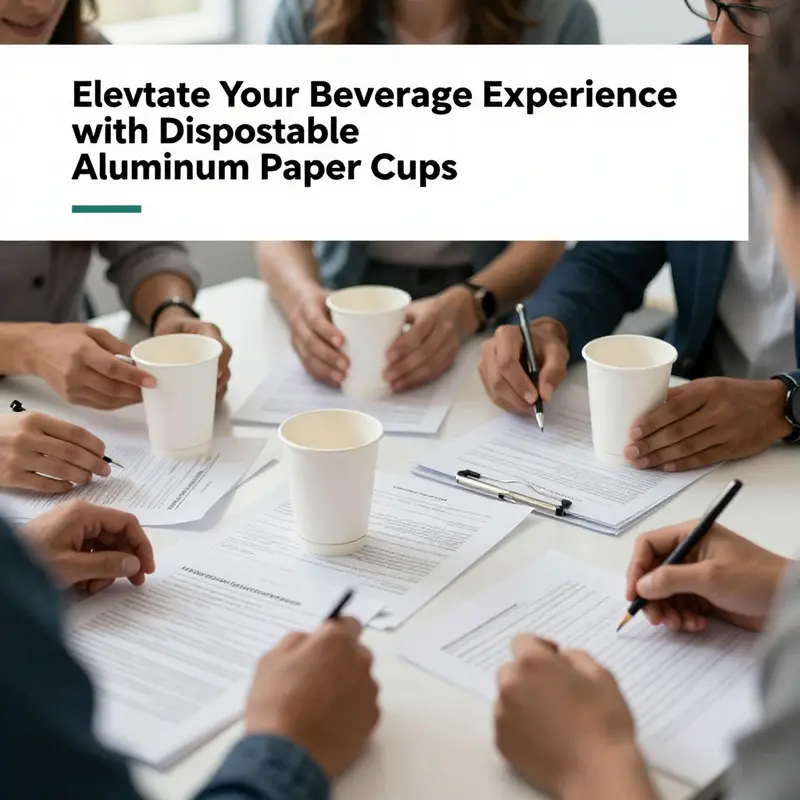
A disposable aluminum paper cup sits at the crossroads of convenience, performance, and public policy. It promises the warmth of a hot beverage and the reliability of a leak-resistant vessel, all wrapped in a familiar, paper-tinged package. The technology is straightforward on the surface: a thin layer of aluminum foil laminated to paperboard, creating a composite that resists moisture, seals in heat, and provides a rigidity that keeps the cup from buckling under pressure. In practice, though, that same laminate becomes a supply-chain and policy challenge. The very attribute that makes the cups appealing—an effective barrier and heat retention—also complicates their end-of-life fate. The 2025–2026 regulatory landscape and the evolving expectations of consumers are converging on a simple, stubborn truth: what works in the kitchen or the café may not be easily processed by waste streams designed for single-material recycling or industrial composting. The result is a quiet but persistent tension between the advantages of aluminum-laminate cups and the realities of circular material flows.
From a materials science perspective, the aluminum layer shields the contents from oxygen, light, and moisture, enabling reliable temperature maintenance and preventing sogginess or leakage when hot liquids meet the barrier. The paperboard provides form, rigidity, and printability, which brands often lean on for branding and consumer recognition. The combination works well for short-lived use in high-volume environments, where speed and durability trump prolonged material separation after use. But after the cup has served its purpose, the recycling corridor widens into a maze. Most municipal facilities lack the capability to detach aluminum from paper effectively. The lamination creates a composite that single-stream recycling systems cannot easily separate, which in turn reduces the likelihood that the cup will be recovered as a precious metal and a clean fiber stream. In urban markets, the consequence has been striking: a small fraction of such cups finds its way back into recycling streams, while the majority ends up diverted to landfill or incineration, even when the materials themselves are technically recyclable in other contexts.
The environmental narrative around aluminum-laminated paper cups is further complicated by contamination and sorting behavior. Food residues cling to interiors even after rinsing, and consumer sorting habits are inconsistent at best. A 2025 study by the Environmental Protection Agency highlighted a sobering reality: less than 15 percent of aluminum-laminated paper cups were actually recycled in urban U.S. markets. The culprit was not a lack of recyclability alone, but a mix of incomplete disposal with misinformed or absent sorting cues. The lesson is twofold: even technically recyclable products can perform poorly in practice if consumer behavior and waste-stream infrastructure do not align. That misalignment is precisely what policymakers and regulators are trying to address as they recalibrate expectations for single-use packaging.
Regulatory trajectories across regions reflect a broad pivot away from single-use, contaminant-prone systems toward designs that either promote material separation, encourage reuse, or favor materials that can be readily composted or recycled at scale. In the European Union, directives aimed at reducing the environmental footprint of disposable containers are pushing manufacturers away from non-recyclable linings and toward formats that can participate in established recycling or composting streams. The emphasis is not simply on ending the use of a given material but on rethinking packaging architecture so that it fits within circular economy objectives. As a result, there is a growing propensity to ban or restrict certain non-recyclable linings, such as polyethylene, and to mandate higher recycled content in packaging. The EU’s approach has in part catalyzed a design shift toward compostable coatings or molded-fiber solutions that can be industrially composted or recovered in a more straightforward manner.
In North America, regulatory momentum mirrors these aims, though the pace and specific measures vary by jurisdiction. Several regions are introducing or evaluating regulations that require higher minimum recycled content, clearer labeling about end-of-life options, and frameworks that push brands toward reusable systems or alternative materials. The essence of these shifts is not an outright ban on aluminum-laminated cups, but a push toward designs whose end-of-life pathways are clearer and more predictable for waste workers and consumers alike. The EPA guidance on sustainable management of disposable products has become a touchstone for many these discussions, clarifying how agencies interpret recyclability, compostability, and the broader environmental footprint of disposable packaging.
The regulatory calculus is not only about what cannot be done but what can be adopted as a viable, scalable alternative. This is where the industry has observed a diversity of responses. Some manufacturers experiment with fully compostable cups crafted from plant-based materials such as polylactic acid (PLA) or molded-fiber solutions that rely on agricultural byproducts rather than petrochemical inputs. These alternatives can align better with composting infrastructure and circular economies, especially when used in institutions and municipal programs that require robust end-of-life processing. Others lean into the reuse model, offering durable systems where cups are rented or returned, sanitized, and reused—an approach that sidesteps the single-use problem entirely while demanding significant logistics and consumer engagement. Yet for many operators, the economics and practicality of a switch—from a familiar laminated cup to a compostable or reusable system—must be weighed against cost, performance, and the reliability of disposal streams in their service locations.
The practical implications for brands and cafés are pronounced. Lids with sipping mechanisms, vent holes, and reliable heat seals must perform under similar regulatory scrutiny, ensuring that what reaches the consumer is not only safe and convenient but also designed with a clear end-of-life course in mind. Clear labeling and consumer education become essential tools in the regulatory toolkit. If a cup is marketed as recyclable, the accompanying disposal instructions must reflect the realities of its material composition and the capabilities of local facilities. Misleading claims or vague guidance can undermine policy goals and erode consumer trust. In this sense, regulatory bodies and industry players share a common objective: to create packaging that maintains performance for the user while advancing higher recovery rates and lower environmental impact.
The market’s response to these conditions has been nuanced and varied. Some brands lean into the aesthetics and branding potential of eco-conscious cups by offering designs that emphasize responsible end-of-life messaging, while others pursue technical adjustments to reduce contamination risk. For example, coatings and adhesives are being re-evaluated to ensure they do not impair recycling streams or, where possible, to enable easier separation at the post-consumer stage. The design challenge becomes a balancing act: preserve the barrier properties and heat performance while aligning with evolving processing realities. In practice, this has encouraged a broader ecosystem where suppliers, waste-management services, and policy-makers collaborate to identify packaging formats that satisfy operational needs without compromising recyclability or compostability.
For businesses contemplating a path beyond aluminum-laminated cups, there is a growing portfolio of alternatives that address both performance and end-of-life considerations. Fully compostable options, especially those employing plant-based coatings or molded-fiber architectures, can offer compatible handling within industrial composting networks. Yet these solutions demand access to appropriate infrastructure and clear compostability claims that withstand regulatory and consumer scrutiny. The interplay between material science, waste management capabilities, and policy incentives means that decisions are increasingly made within a framework that evaluates life-cycle impacts rather than isolated attributes such as heat retention or moisture resistance. This broader lens is essential if the sector aims to meet stricter sustainability standards while preserving the speed and reliability that modern food-service operations rely on.
Amid these shifts, it is worth noting the pivotal role of consumer disposal habits. Even when a cup’s materials are technically recyclable or compostable, confusion about proper disposal can derail recovery efforts. The 2025 EPA findings underscored how consumer education and straightforward disposal pathways are integral to achieving meaningful recycling outcomes. As a result, some operators invest in simplified, clearly labeled recycling or composting bins, while others partner with local waste programs to pilot deposit-like or return systems that encourage consumers to participate in the circular economy rather than default to single-use disposal. The challenge remains substantial: changing habits is often as important as changing materials.
In sum, the regulatory and practical landscape surrounding disposable aluminum paper cups in 2025–2026 is less about banning a particular form of packaging and more about reshaping the systems that handle it. The goal is to ensure that the cup’s performance in use does not outpace the ability of communities to collect, sort, and recycle or compost it. The industry’s response—ranging from material substitutions and design refinements to new collection and reuse models—reflects a broader shift toward packaging that serves today’s commercial needs while meeting tomorrow’s environmental expectations. For brands seeking to learn more about available eco-friendly alternatives and to browse options that emphasize responsible end-of-life handling, the market for eco-friendly, printed-logo paper cups offers avenues that balance branding with end-of-life potential, such as the linked offering under eco-friendly printed-logo paper cups. Interested readers can explore that path here.
External resource: For a comprehensive overview of federal and regional guidance on disposable products and their management, see the EPA’s guidance on sustainable management of disposable products: https://www.epa.gov/sustainable-management-disposable-products
Final thoughts
In conclusion, disposable aluminum paper cups represent a harmonized blend of functionality and environmental consciousness that addresses the needs of modern beverage services. With ongoing innovations and growing consumer demand for sustainable options, these cups offer businesses a competitive edge. As the industry evolves, embracing these solutions will not only enhance customer experience but also align with sustainable practices. For beverage businesses looking to elevate their service, disposable aluminum paper cups are indeed a promising choice.