
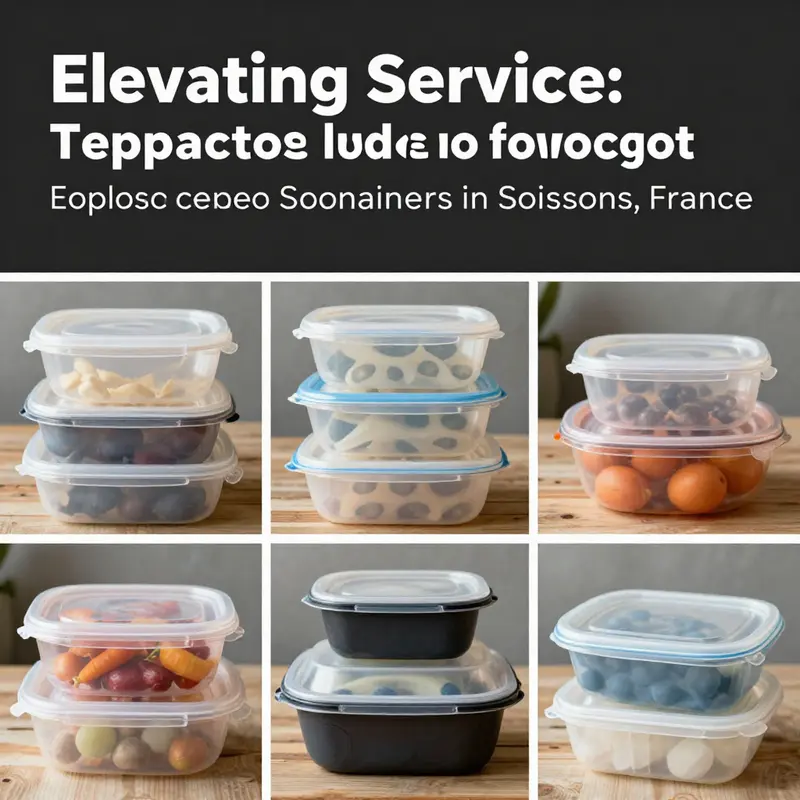
Plastic packaging food containers play a vital role in the food service industry, especially in vibrant regions like Soissons, France. As dining trends evolve and health regulations tighten, these containers are becoming more than just a utility; they represent a branding opportunity for bubble tea shops, restaurants, food trucks, and catering services. This article delves into the current market trends, the materials and standards involved, the recyclability and sustainability factors, the economic impact on local businesses, and the future innovations being adopted in Soissons. Each chapter offers insights that are crucial for businesses looking to enhance their packaging strategy while aligning with customer expectations and environmental responsibility.
Soissons and the French Plastic Food Container Revolution: Navigating Sustainability, Regulation, and Local Supply Chains
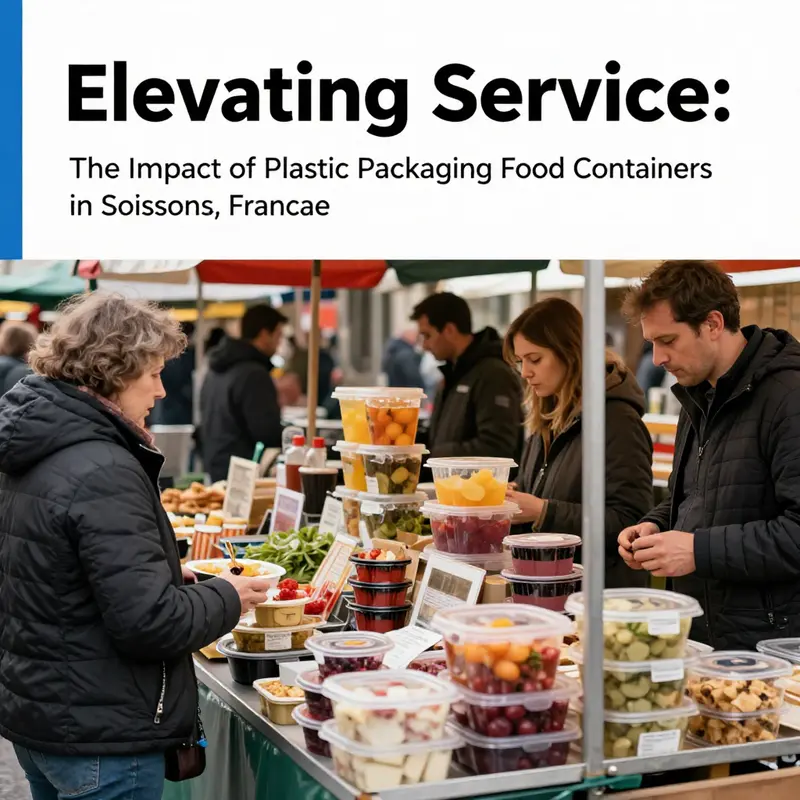
Soissons sits at a quiet intersection of history and modern convenience. In the realm of plastic packaging for food, this northern French town mirrors a broader national arc: demand from retailers and diners, policy pressure from Brussels and Paris, and a rapid tempo of innovation that reshapes what ends up on store shelves and restaurant counters. While there is no single Soissons-based manufacturer commanding headlines, the surrounding supply ecosystem—distributors, packaging shops, and service providers—reflects the same set of pressures that are reshaping France’s plastic food containers countrywide. The result is a market that looks familiar on the surface—a staple of rigid and disposable packaging designed for food-contact safety, sealing performance, and easy handling—yet increasingly defined by sustainability requirements, recyclability goals, and smarter materials engineering.
Regulatory frameworks cast a long shadow over the design choices available to local buyers and suppliers. The European Union’s Single-Use Plastics Directive has moved from aspiration to enforcement, nudging producers toward lighter, more recyclable formats and encouraging a shift away from layers that hinder end-of-life processing. France has translated these directives into national policy that pushes both manufacturers and retailers toward materials and packaging designs with clear end-of-life pathways. One of the most consequential benchmarks is the upcoming rule that by 2030 a substantial portion of recycled content will be required in commonly used plastic bottling, a policy signal that reverberates through containers beyond bottles and into food-contact packaging. This policy landscape is not a distant horizon; it shapes the R&D agenda, the capital projects in regional production facilities, and the procurement choices of restaurants, supermarkets, and distribution centers that operate in and around Soissons. It creates a cascading incentive to pursue recycled-content plastics, to explore bio-based alternatives where compatible with food safety, and to invest in better separation and sorting streams that improve post-use outcomes.
When one looks at market dynamics from a regional vantage, the trajectory is coherent with national and European expectations. The disposable food packaging segment in France is projected to grow at a robust pace in the coming years, driven by continued demand in retail and food service channels. The growth is not a license to abandon sustainability, but a prompt to improve the recyclability of products and to reduce reliance on virgin resin where possible. In practical terms this means more packaging designed for easy separation from other waste streams, more products engineered to withstand the stresses of cold-chain transport and reheating, and more emphasis on food-contact safety across a wider range of materials. Plastic remains a dominant revenue generator in this space as of the mid-2020s, but the emphasis is shifting toward designs that meet stringent recyclability criteria and higher rates of recycled content. The economics—bulk orders securing competitive prices while unit costs rise or fall with supply dynamics—also influence how local buyers in Soissons and neighboring areas specify containers. For example, large orders of takeaway packaging can reduce unit costs, but the affordability trend is increasingly tethered to the ability to recover, sort, and reprocess packaging at scale.
Technology is advancing rapidly, and its influence is felt in markets as localized as Soissons. The broader packaging industry is embracing chemical recycling and material modification techniques that unlock the performance of recycled plastics in food-contact applications. Ultrasonic treatments, enhanced polymer blends, and improved barrier properties are among the innovations that allow recycled streams to meet safety and shelf-life requirements once reserved for virgin materials. Such developments are cascading down from global players to regional suppliers and converters who serve the local catering and retail networks. The effect is subtle but meaningful: containers that can be recycled more readily, or that incorporate higher percentages of post-consumer content without compromising seal integrity, can become viable options for both institutional buyers and small cafés that operate in towns like Soissons. The implication for local businesses is practical: the choice set expands beyond traditional virgin-plastic options to include recycled-content formats and perhaps bio-based alternatives where regulatory approval and cost align. This shift is not a fad; it is embedded in policy expectations, consumer preferences, and the ongoing refinement of materials science in the packaging sector.
For decision-makers in Soissons, translating these national and European imperatives into local practice requires both awareness and partners. The region is characterized by a mosaic of distributors, packaging shops, and service firms that connect food-service operators with broader supply chains. Where a restaurant or a small retailer once relied on familiar single-use or rigid plastic containers, there is now interest in a spectrum of options designed to deliver performance while aligning with end-of-life goals. The practical challenge is balancing safety, convenience, and cost with evolving standards for recyclability and recycled content. This is where a well-informed sourcing approach helps: selecting containers that are compatible with local recycling streams, easy to sort in municipal facilities, and capable of withstanding the rigors of transport and chilling. It also means recognizing that the market is not static. New materials and processing methods continually alter what is possible, and capacity for small- to mid-sized European towns to access advanced packaging is progressively improving through regional suppliers and cross-border trade.
Local buyers often use digital platforms to explore options beyond the traditional local catalogs. In the search for suitable plastic food containers, they may encounter a wide array of designs aimed at safe food-contact performance, efficient stacking, and reliable sealing. The designs are evolving: containers with clip-on or snap lids, stackable bases that save space, and variants optimized for specific food types—from fresh-cut produce to ready meals. This evolution reflects a broader trend toward convenience without compromising safety or sustainability. It also underscores the need for clear labeling, compliance documentation, and compatibility with recycling or waste-collection streams in each municipality. For a concrete illustration of design variety and commercial viability in this space, consider a representative example of take-away bowl concepts that emphasize durability and ease of use. take-away-bowl-with-lids.
Looking ahead, the path for Soissons and similar communities will hinge on several converging factors. Policy certainty will give manufacturers confidence to invest in scaled facilities that can deliver recycled- content plastics and robust post-consumer streams. Consumer expectations, shaped by rising environmental awareness, will push retailers and food-service providers to favor packaging that is easy to recycle, clean, and compliant. Meanwhile, ongoing research into chemical recycling and material science promises to broaden the range of plastics that can safely carry out food-contact functions while improving the environmental footprint. In this context, the local market in Soissons is less about chasing a single breakthrough and more about threading together a network of suppliers, converters, and waste managers who can translate policy objectives into practical packaging choices for everyday use. The result is a quieter, yet clear, transformation: a shift toward packaging that maintains performance and safety while advancing the circular economy in the city’s streets and kitchens.
Beyond policy and technology, the human element matters: training for staff, clear procurement specs, and a culture of waste-conscious operation. Local councils in northern France are pushing municipal recycling programs to better handle rigid plastics; retailers that adopt standardized containers reduce contamination in sorted streams. In Soissons, the negotiation between cost and compliance often lands on the ability to source packaging that aligns with the local waste infrastructure. The town’s packaging buyers may prefer suppliers who can certify that their products meet food-contact safety standards while offering documentation for end-of-life handling. This is not merely regulatory compliance; it is a signal to the supply chain that circularity is non-negotiable in the region’s economic model. As such, small and mid-sized enterprises in and around Soissons increasingly demand packaging that is designed with recyclability in mind from the outset, including the choice of polymer, the thickness of walls, and the presence of any coatings that complicate recycling streams. The dialogue between retailers and packaging suppliers thus expands to include waste management partners, who can offer sorting guidance, a breakdown of the local processing options, and strategic advice on product life-cycle assessments. In this context, the packaging decision becomes a collaborative, cross-functional process that touches procurement, operations, marketing, and sustainability reporting.
For readers tracing the chain from policy to pantry, the Soissons case shows how global trends land in a small city: in the end, packaging choices matter as much for the environment as for the daily operations of kitchens and shops. The shift to recyclable and higher-content plastics does not erase the need for reliable performance; instead, it reframes performance around durability in recycling streams as well as shelf-life preservation. Operators who understand this dual requirement are better positioned to navigate fluctuating resin prices, evolving compliance regimes, and consumer expectations that increasingly favor transparent, sustainable packaging narratives. The evolution in Soissons mirrors a broader movement across France: a move away from single-use convenience only toward packaging that can be productively reintegrated into the economy after use, with minimal environmental footprint and clear consumer reassurance about safety and traceability. This narrative of gradual, practical transformation helps explain why the local market remains busy, even as its vocabulary changes—from rigid plastic containers designed for one-way use to mixed-material systems that emphasize recyclability, reusability, and better end-of-life outcomes. The lessons are transferable: wherever a city sits within the French packaging ecosystem, the path forward lies in aligning materials choices with recycling realities, investing in process improvements for sorting and recovery, and cultivating relationships with partners who can translate policy into everyday practice.
External resource: For a broader view of the French packaging market and its regional dynamics, see Grand View Research’s industry outlook. https://www.grandviewresearch.com/industry-analysis/france-packaging-market
Shaping Safety and Sustainability: How European Standards Define Plastic Food Containers in Soissons, France
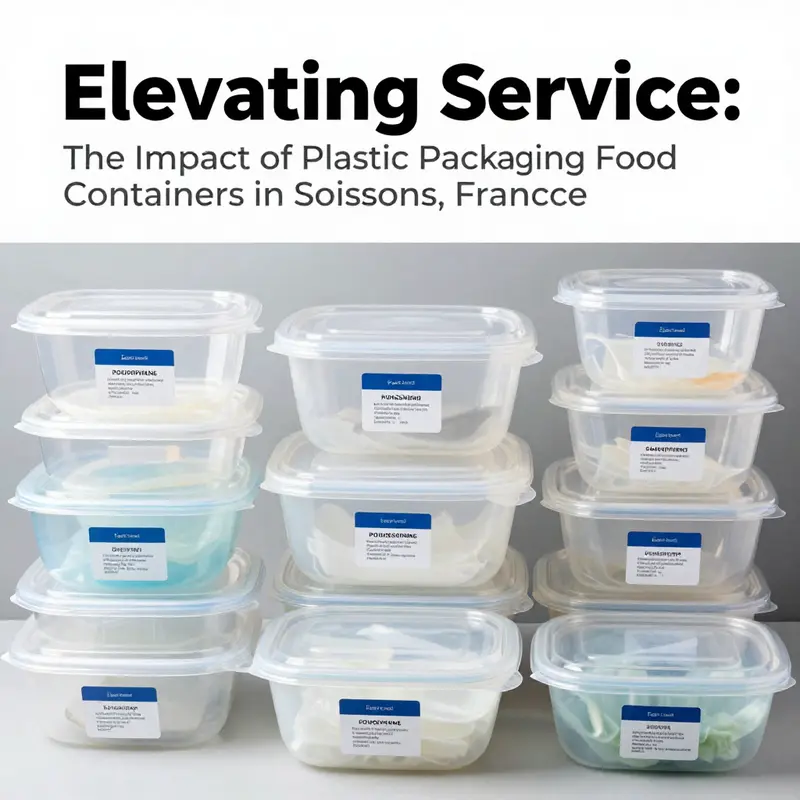
In Soissons, a historic hub at the heart of northern France, the story of plastic packaging for food containers unfolds within the broader sweep of European standards and national governance. The city itself does not exist in isolation from the continental framework that guides how containers are designed, manufactured, tested, and used to protect food from farm to fork. Across France and the European Union, plastic remains the dominant material in food-contact packaging because its light weight, strength, and barrier properties help keep foods fresher longer. Yet its role is continually shaped by evolving regulatory science, shifting consumer expectations, and a growing emphasis on sustainability. When we examine Soissons, we are really looking at a nexus where local industry meets transnational rules and a circular economy mindset that seeks to balance performance with responsibility.
From a materials perspective, the go-to polymers in this region are polypropylene (PP) and polyethylene terephthalate (PET), with occasional use of high-density polyethylene (HDPE) for containers that require higher heat resistance. PP is favored for its robustness under microwave and hot-fill conditions, as well as its favorable chemical resistance and stiffness. PET provides excellent clarity for prepackaged goods and strong barrier properties that help preserve freshness in chilled distributions. These materials are often engineered into take-away boxes, ready-to-serve meals, fresh fruit and vegetable trays, and frozen packaging that must withstand the rigors of cold storage and rough handling during transport. The choice of material is rarely a single-factor decision; it is a balance among barrier performance, mechanical durability, thermal compatibility with the intended use, and the end-of-life pathway that the packaging ecosystem in Soissons can realistically support.
Crucially, the European regulatory fabric governs how these materials may contact food. Food contact materials (FCMs) in the EU are subject to a risk-based safety framework designed to prevent any migration of substances that could compromise health. The European Food Safety Authority (EFSA) continually assesses substances used in plastics for food contact, updating opinions as new scientific evidence emerges. The overarching aim is to ensure that everyday packaging does not introduce toxic or harmful elements into food during normal use. In 2026, EFSA issued a formal reassessment of styrene-based components, examining the potential health implications of styrene that might migrate from plastic packaging into the digestive system. While the conclusion generally supports continued use under strict conditions, it also highlights the importance of ongoing surveillance in a field where chemistry, exposure, and consumer behavior are in perpetual motion. In 2025, EFSA also produced a comprehensive literature review on microplastics and nano-plastics released from food contact materials during use, which underscored emerging concerns and the need for advanced material science to stay ahead of potential risks.
European standards extend beyond the core plastics themselves. The framework encompasses compatibility with food safety, traceability of materials and additives, and rigorous testing for performance under typical handling scenarios. This means that a container designed for Soissons’ fast-casual sector must perform reliably through a sequence of events: filling, sealing, storage, transport, display, heating or cooling as required, and, finally, disposal or recycling. In practice, this translates into a design discipline that prioritizes barrier properties to moisture and oxygen, minimization of potential leachables, and compatibility with recycling streams that French and European waste systems increasingly support. Even in contexts that do not involve direct food contact—such as packaging used in trade shows or exhibition stands—the fire-resistance and flame-retardant characteristics may come under scrutiny. Industry manuals and national guidelines have begun to reflect a tighter integration of fire safety with material safety, acknowledging that the broader ecosystem of packaging and packaging-adjacent components must meet elevated safety expectations.
Soissons sits within this regulatory ecosystem, but it also benefits from a robust local supply chain that understands both the science and the logistics of packaging. While there may not be publicly disclosed Soissons-based manufacturers dominating the headlines, the region shares in France’s broader capacity for producing and distributing packaging solutions that meet EU standards. Local packaging suppliers, contract manufacturers, and distributors in and around the city typically emphasize materials that are recyclable or recyclable-compatible, with designs that optimize material use and minimize waste. This aligns with the continental shift toward circular economy principles, where the goal is to keep plastics in use longer, improve collection and sorting, and reduce overall environmental impact without sacrificing the integrity of food safety.
For buyers and users in Soissons, the procurement logic often centers on bulk or wholesale orders that enable consistent supply while driving unit costs down. In wholesale contexts, the economics of scale matter: larger orders can unlock lower per-unit prices, which is a practical appeal for busy food-service operations, supermarkets, and co-packers who rely on predictable packaging performance at a reasonable cost. This intersection of price, performance, and compliance drives conversations with packaging suppliers, many of whom operate across Europe and connect to local businesses through B2B marketplaces and regional distributors. When selecting a container, operators weigh the trade-offs: a lighter material may reduce weight during transport, but it must still meet the barrier and heat tolerance requirements for the intended product. A tougher material may deliver superior durability, but it must remain compatible with the recycling stream and avoid introducing contaminants into the waste stream that could complicate processing downstream.
The Soissons environment also reflects the city’s industrial and commercial dynamics. It is a place where logistics, manufacturing, and retail converge, and where regulatory awareness translates into practical compliance. In this context, the design of plastic food containers becomes a living practice rather than a purely theoretical exercise. It requires a keen understanding of what the local food sector needs—whether it is short-shelf-life fresh products, ready-to-heat meals, or frozen goods that travel across regions—and how that demand aligns with EU and national rules. The modernization of packaging in this region is not only about meeting standards; it is about embracing a culture of safety, recyclability, and informed consumer choice. The emphasis on recyclability, coupled with attention to the mechanical and barrier properties of materials, allows Soissons to stay relevant in a market that increasingly values life-cycle thinking and transparent material information.
For readers seeking a practical glimpse into the wholesale landscape of takeaway packaging that intersects with these standards, one example of the broader, commonly available options can be explored here: Disposable Kraft Paper Soup Cup Takeaway Packaging. This kind of resource illustrates the kinds of disposable, recyclable-friendly containers that many food-service operators in regions like Soissons consider as they balance cost, performance, and environmental responsibility. The available designs underscore a broader principle: packaging must do its job—protect the product, maintain safety, and remain tangibly connected to a circular economy vision.
As the European regulatory environment continues to evolve, the interplay between materials science and policy will intensify. The EU’s emphasis on food contact safety, the ongoing scientific assessments by EFSA, and the push toward reducing microplastics will shape not only what is permissible but also what is preferred by retailers and consumers. In practice, this means ongoing attention to formulation, testing, and the end-of-life fate of packaging used in Soissons and beyond. It also means staying attuned to the practical realities of local businesses—the need for reliable supply chains, the desire to minimize waste, and the demand for transparent, science-backed information about what is inside a container and how it behaves under real-world conditions. The result is a packaging landscape that is safer, more efficient, and more responsible, even as it remains deeply committed to the performance that makes plastic packaging indispensable for modern food distribution.
External resource: for a concise overview of safety standards and assessments shaping European food contact materials, see EFSA’s latest summary of key standards and safety considerations at https://www.efsa.europa.eu/en/press/news/260601.
Soissons at the Crossroads of Packaging: Recyclability, Responsibility, and the Pursuit of Sustainable Food Containers
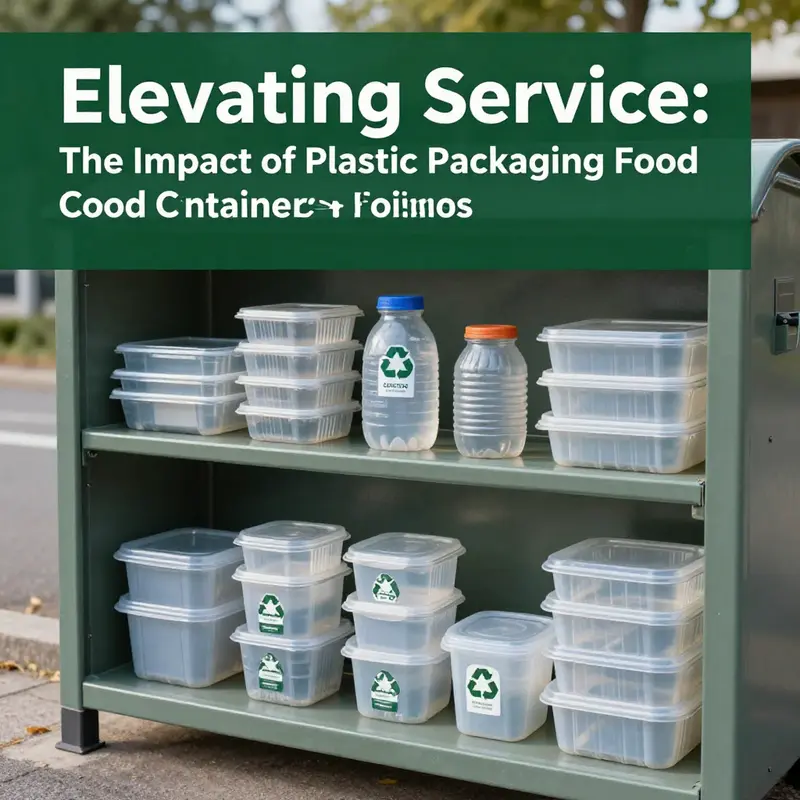
Soissons, a historic city in northern France, sits at a practical crossroads where everyday dining habits meet waste streams and policy aims. In 2026, the way residents sort plastics for recycling is shaped by national laws and EU directives, translated through local municipal practice. A standardized labeling system, the TriMan symbol, has replaced the older Möbius loop in most communities, guiding households to separate recyclable packaging from residual waste. In Soissons, this symbol is not mere decoration; it functions as a concise map for the yellow-lidded bins that collect plastic and metal packaging. The goal is to minimize contamination and keep the value in the material loop as long as possible. Yet the symbol also embodies a tension: not all plastics accepted in the curbside stream are equally valuable for recycling, and the economics of sorting still matter as much as the technology.
Public policy in France emphasizes producer responsibility schemes and incentives for recycled content. Companies that place packaging on the market must contribute to end-of-life management and invest in material recovery. The result is a patchwork of programs run at national and local scales, with Soissons aligning to the broader EU framework that seeks to reduce overall plastic waste and to keep more packaging material in use. Retailers and food-service providers in the city respond by exploring alternatives and by designing products to fit within existing municipal capabilities. The shift is not simply about replacing a material; it is about rethinking how take-out, meals, and snacks reach the consumer. This is particularly visible in the everyday decisions of restaurants, grocers, and households that balance safety, convenience, and environmental impact under the watchful eye of municipal waste planners.
Two plastics dominate the recycling stream in many French cities: PET and HDPE. PET, widely used for beverages, is relatively straightforward to recycle, turning back into fibers and new bottles under controlled processes. HDPE, common in larger containers and jugs, also has robust recycling streams when bottles are clean. But many other plastics—PVC, PS, and multi-material laminates—do not fit easily into the standard municipal systems. Multi-material packaging, such as some take-out containers, complicates the separation process because the layers resist easy de-assembly. In practice, this means that while a takeaway container might do a good job at keeping foods fresh, it is more likely to end up in residual waste or be directed to energy recovery facilities rather than a clean recycling loop. Residents might notice this in the city’s waste calendars and on the Mon Déchet app, which guides where each material goes. The logic is not punitive; it is pragmatic, rooted in the realities of processing capacity and market demand.
Sustainability concerns extend beyond what goes into the bin. While plastic offers advantages such as moisture barriers, light weight, and reduced transportation emissions, its origins in fossil fuels and the potential for microplastic leakage remain central issues. France’s approach to this challenge is to push for a genuinely circular economy: design for recyclability, invest in facilities that can handle a diversity of streams, and encourage products that can be reintroduced into production cycles. In Soissons, this translates into a careful mix of policy instruments and market responses. Some packaging suppliers and manufacturers in the wider region are experimenting with designs that use recycled content without compromising safety or performance. Meanwhile, retailers and food-service operators increasingly consider reusable or compostable alternatives for single-use items, especially for items used in quick-service contexts. The outcome is not a monolith but a spectrum of options, each chosen to fit the local waste system and the expectations of customers who increasingly favor sustainable choices.
Home practices, too, are evolving. Residents are encouraged to reduce single-use plastic reliance, choosing reusable vessels, jars, and fabric wraps for storage and transport. The Ministry of Ecological Transition has long promoted repurposing clean glass jars from sauces or jams into kitchen storage as a simple, scalable habit. Such micro-choices accumulate into meaningful shifts when practiced across neighborhoods. Beyond personal habits, the broader conversation about sustainability touches production, logistics, and energy use. Lightweight plastics indeed lower freight emissions, yet their downstream impact—ranging from feedstock extraction to final disposal—requires ongoing attention and innovation. The city’s planners and citizens thus participate in a shared learning process: identifying which materials can most effectively be recovered or repurposed and which alternatives best align with local capabilities.
Disposal guidance remains a practical touchpoint for households. Soissons residents consult the official waste calendar and, where available, the Mon Déchet app for real-time collection schedules and material-specific guidance. The TriMan labeling system simplifies decision-making at a glance, but the deeper truth is that some plastics simply cannot be captured by standard curbside recycling. In such cases, residents learn to separate those streams that can be recovered from those better suited for energy recovery or residual waste. This ongoing sorting discipline, aided by digital tools and clear labeling, strengthens the link between daily behavior and municipal infrastructure. It also highlights the critical role of consistent policy and well-targeted investments in sorting lines, transportation logistics, and post-consumer recycling capacity.
The question of recyclability in Soissons is inseparable from market dynamics and design choices. Recyclability is not merely a function of what a label says; it reflects the material’s compatibility with local facilities, the purity of the stream, and the price signals that drive recycling markets. In this light, France’s push toward a circular economy serves as an important backdrop. It creates demand for packaging that is easier to separate, cleaner to process, and more compatible with recycled-content materials. In the local context, this has begun to reshape the packaging supply landscape. While the city does not host a single dominant producer, it benefits from a spillover of regional activity focused on sustainable alternatives and bulk supply chains that serve the hospitality and food-distribution sectors. The demand for recyclable or compostable packaging in bulk is increasingly paired with a desire for predictable pricing, reliable availability, and clear compliance pathways—factors that matter greatly for small businesses and municipal programs alike. This is where the sector’s next phase appears: a closer alignment of product design with recovery infrastructure, so that every container has a well-defined route back into a usable material loop rather than ending up in a landfill or energy recovery stream.
To illustrate how this alignment can manifest in practice, consider packaging options that reduce reliance on traditional plastics while still meeting the needs of food safety and delivery. There is growing interest in biodegradable kraft-based packaging and related compositions that balance performance with end-of-life options. These designs aim to maintain barrier properties and food integrity while offering pathways to recycling or composting, depending on the local waste framework and consumer behavior. Such options are part of a broader catalog of packaging choices that potential suppliers and food-service operators explore when planning for bulk orders and long-term contracts. For a concrete example of how biodegradable kraft-based packaging can be offered within a market context, see a representative product category that emphasizes compostability and recyclability together. disposable-biodegradable-kraft-paper-matt-lamination-clear-plastic-combo-pastry-dessert-tiramisu-cake-food-container-packaging. This kind of option signals a practical pathway for integrating performance with cleaner end-of-life outcomes, albeit with considerations about local composting capacity and municipal rules.
The broader lesson from Soissons is that recyclability and sustainability are inseparable from governance, infrastructure, and everyday habit. Policies that require or incentivize recycled content push the market toward solutions that can be recovered and reintroduced with confidence. Municipal programs must communicate clearly and transparently, guiding residents through the complexities of what can be recycled and how to prepare it for the stream. At the same time, packaging designers and manufacturers are offered a clearer demand signal to innovate—creating products that perform reliably in the short term and endure as valuable feedstock in the long term. In this way, Soissons serves as a microcosm of a wider European moment: a shift from disposable convenience to durable, recoverable practices that hold the promise of reduced environmental impact without sacrificing food safety or consumer experience. The path forward will require continued collaboration among households, retailers, waste managers, and policymakers, ensuring that each container carries within it the potential to contribute to a regenerative system rather than a legacy of wasted resources.
For readers seeking authoritative policy context and practical guidance, ADEME provides extensive resources on plastic recycling standards, waste management, and the transition toward a circular economy in France. External resource: https://www.environnement.ademe.fr/
From Shelves to the City: The Economic Footprint of Plastic Food Containers in Soissons, France
Soissons sits at the crossroads of daily commerce and durable supply chains. Its streets echo with the rhythms of cafés, bakeries, small grocers, and busy take-out windows, all of which rely on packaging that protects, preserves, and presents food—from the moment a sauce-thickened curry is handed across a counter to the last glide of a cold, prepackaged fruit cup into a customer’s bag. In this urban-rural corridor, the economic impact of plastic food containers is not a mere footnote; it is a persistent driver of costs, efficiency, and competitiveness for local businesses. The argument runs beyond the material itself. It is about how packaging choices shape inventory discipline, product accessibility, and even how small-scale suppliers participate in regional markets that stretch far beyond Soissons’ historical arc.
The most immediate financial effect of plastic containers is cost reduction through a combination of lightness, durability, and mass production. Plastic packaging lowers the weight of the total transported load, which translates into tangible fuel savings for distributors, wholesalers, and retailers that move goods across town and through the surrounding agricultural belt. In a market town where many operators balance tight margins with high expectations for freshness, even incremental savings accumulate over a week, a month, and a year. The lighter footprint of plastic containers also reduces handling costs in stacking, loading, and warehousing. For a café with several daily turnovers and a local grocery that stocks ready-to-serve meals, these savings offset purchase prices and help sustain profitability during periods of price volatility in raw ingredients. The broader lesson here is that plastic packaging acts as a lever on operating expense, particularly for businesses that rely on regional supply networks and just-in-time replenishment rather than large, distant distributions.
But cost savings are not limited to purchase price alone. The very design of plastic containers—often molded to fit common portion sizes and shapes—can simplify workflows across the value chain. Quick-practice packing and uniformity reduce the time staff spend on assembly, labeling, and presentation. In a town where restaurants and shops frequently operate with lean staffing, even small gains in productivity can yield bigger downstream benefits. Another dimension of cost reduction relates to spoilage. The barrier properties of well-engineered plastic packaging help preserve product quality, especially for perishable items and freshly prepared meals that pass through multiple hands before reaching the consumer. By slowing moisture exchange, limiting oxygen exposure, and providing reliable seals, these containers help reduce food waste—a factor that is increasingly weighed against sustainability goals and consumer expectations. For a small retailer in Soissons, minimizing waste is not just an environmental aim; it translates into lower disposal costs and improved inventory turnover.
The improved shelf life enabled by packaging translates into tangible economic advantages for local businesses that must balance assortment breadth with rotation speed. Fresh-cut items, prepackaged meals, and ready-to-eat foods demand reliable preservation to extend their market window. In Soissons’ vibrant but compact retail environment, packaging that preserves freshness supports steady demand across colder months and seasonal peaks. As managers optimize stock levels, they can reduce overstock scenarios that chew into cash flow. In practice, this means less markdowns at the end of the week and fewer unsold items at the end of the day. The synergy between packaging performance and inventory discipline is especially important for family-owned shops and neighborhood eateries that depend on predictable selling cycles. When shelf life is safeguarded, these businesses can plan more accurately for production and procurement, which, in turn, creates a more resilient local food economy.
Beyond the shop floor, plastic containers influence Soissons’ broader competitive landscape by enabling a more responsive, multi-location supply chain. A multi-objective optimization approach to food supply chains demonstrates that the selection of packaging affects not only costs but also environmental footprints. In practical terms, a packaging choice that minimizes waste and accelerates throughput can simultaneously lower energy use in storage, reduce the need for excess cold chain capacity, and diminish emissions associated with shrinkage and spoilage. For local businesses that connect with regional producers—fruit, vegetables, dairy, and prepared foods—the ability to move products quickly and maintain quality becomes a competitive differentiator. In a market economy where consumers increasingly value sustainability alongside price, packaging choices can tilt preference. A store or restaurant that communicates responsible packaging practices without sacrificing practicality can cultivate trust among eco-conscious customers, a growing segment in and around urban centers like Soissons.
Sustainability alignment is not a distant ideal but a practical management objective that dovetails with financial performance. The dual benefit of plastic packaging—protecting product quality while enabling efficient logistics—fits a broader shift toward sustainable growth when implemented with mindful design and transparent practices. Local businesses can blend material choices with waste reduction strategies, recycling streams, and supplier collaboration to situate themselves within a responsible regional narrative. The literature on plastics emphasizes that resilience in food supply chains comes from a system that recognizes trade-offs and makes deliberate, data-driven decisions about packaging configurations, materials, and end-of-life pathways. This is not a blind defense of plastic as a universal solution; rather, it is an acknowledgment that plastic packaging, when coupled with sound logistics and waste management, can support both profitability and stewardship.
To frame these observations, consider the wider context offered by global analyses of plastics in the economy. The New Plastics Economy: Rethinking the Future of Plastics, published by the World Economic Forum, highlights the need to redesign plastic systems so that they serve business needs while reducing environmental impacts. The chapter’s conclusions are not a manifesto against plastic; they are a call for integrated strategies that align product design, supply chains, and consumer behavior with sustainable outcomes. For Soissons and similar municipalities, this means weighing the immediacy of cost advantages against the longer horizon of regulatory changes, recycling infrastructure, and consumer expectations. In practice, local success will come from a combination of precise cost accounting, reliable supply chain partnerships, and transparent communication about packaging choices to customers.
Given the absence of a clearly identified Soissons-based plastic packaging producer in the current knowledge base, the path forward for local businesses involves engaging with regional distributors and evaluating packaging options through a local lens. B2B platforms and regional industrial parks can connect independent retailers, small manufacturers, and service providers who understand the local rhythm. When considering packaging options, firms can favor designs that are compatible with existing cold chains, minimize the volume of packaging waste, and incorporate features that support quick turnover at the point of sale. For those who wish to explore alternatives, the option of using eco-friendly kraft or paper-based packaging as a complement to plastic offerings can be a pragmatic step toward balancing performance with sustainability concerns. A practical example of this approach is to explore supplier pages offering customizable, windowed packaging options that help maintain product visibility while aligning with environmental goals. Such avenues emphasize how packaging decisions influence not just costs, but also branding, customer experience, and local employment in related service sectors. For readers seeking concrete examples of how packaging suppliers position themselves in regional markets, see the resource that discusses factory-direct eco-friendly kraft food packaging bowls and similar solutions. This internal link offers a glimpse into how packaging providers are aligning with retailers’ needs for practicality and customization while emphasizing sustainability.
As Soissons and its surrounding communities continue to evolve, local businesses will benefit from a clear understanding that plastic packaging is a facet of a broader system. The conversation touches on transport efficiency, shelf stability, and the ability to respond rapidly to consumer demand, all of which shape profitability. It also intersects with public discourse about environmental responsibility, recycling infrastructure, and the circular economy. The takeaway is not a simple endorsement of plastics, but a nuanced appreciation of how packaging choices shape the economic fabric of a city. In this sense, the success of Soissons’ food sector rests on the capacity to integrate packaging strategies with operational excellence and community values. The economic footprint of plastic containers becomes meaningful not as a standalone metric but as part of a dynamic, regionally grounded ecosystem where efficiency, quality, and stewardship reinforce one another.
For practitioners seeking further reading, the external resource linked here provides a broad framework for evaluating the trade-offs involved in plastics within food supply chains. It offers a lens through which local decision-makers can assess how packaging choices influence cost structures, waste generation, and long-term sustainability goals. While the specifics of Soissons’ market conditions will shape outcomes, the fundamental principles—cost efficiency, shelf-life optimization, and responsible environmental performance—remain universally relevant for the city’s food economy as it negotiates increasingly complex consumer expectations and regulatory landscapes.
Future-Proofing Soissons: Imagining Next-Generation Plastic Packaging for Local Food Containers
Soissons stands at a crossroads where tradition meets the demand for packaging that protects food while reducing waste. The future of local plastic packaging likely centers on materials that provide strong barrier properties with a clearer end of life, including biobased and recyclable options. European policy and France’s research ecosystem push toward materials that can be composted industrially or recycled in established streams, provided labeling and consumer participation are clear. Designers are working toward monomaterial constructs and compatible adhesives to ease sorting and prevent multilayer laminates that clog recycling streams. Local pilots could test modular packaging systems that combine safety with easier disassembly, enabling higher recovery rates in municipal waste programs. The success of such packaging paths depends on infrastructure for collection and processing, clear consumer guidance, and regional collaboration among manufacturers, retailers, and waste managers. For Soissons, the practical path blends regulatory awareness with technical pragmatism, aiming for packaging that can be recycled or composted in the appropriate stream and that demonstrates measurable benefits in safety, shelf life, and resource use. The city could become a testbed for regional partnerships that scale up circular loops and align with EU extended producer responsibility. In short, a future Soissons embraces design for end of life, standardized material families, and local experimentation to move away from linear take, use, dispose toward a loop that supports both people and the planet.
Final thoughts
The landscape of plastic packaging food containers in Soissons, France, reflects a dynamic intersection of innovation, sustainability, and economic significance. As local businesses navigate the demands of modern consumers and regulatory expectations, the choices they make regarding food packaging can either hinder or enhance their operational success. By understanding market trends, embracing eco-friendly materials, recognizing the economic ramifications, and looking ahead to future innovations, businesses in Soissons can position themselves favorably in the competitive food service industry. Staying informed on these factors is not just beneficial; it’s essential for long-term viability and customer satisfaction.