
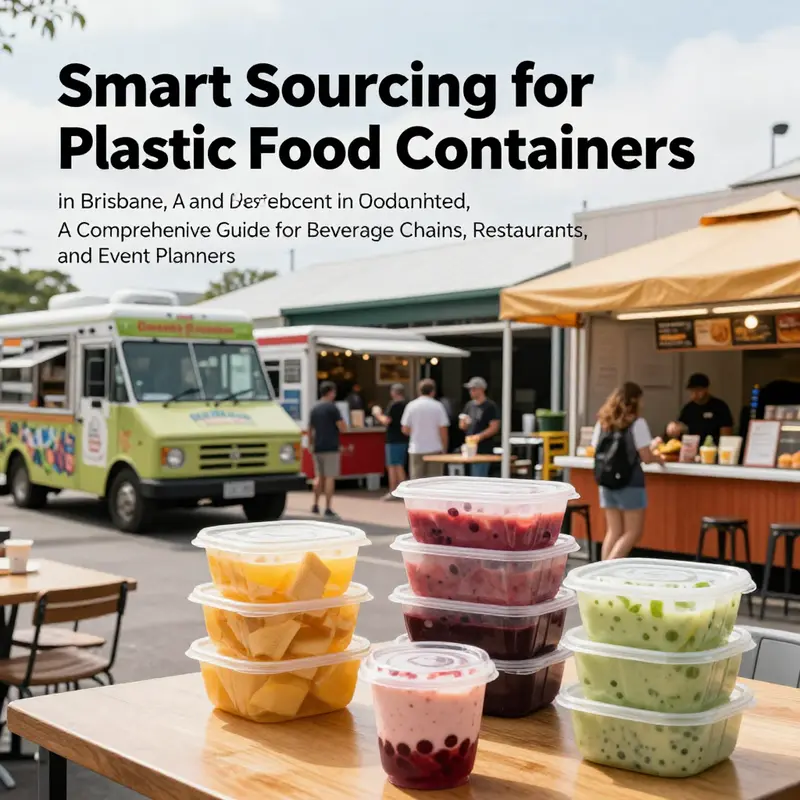
As the food and beverage industry continues to evolve, the demand for high-quality, cost-effective plastic food containers in Brisbane grows stronger. Bubble tea shops, restaurants, food trucks, catering services, event planners, and corporate procurement teams all rely heavily on these containers not just for functionality but also for brand presentation. Understanding how to efficiently source, comply with regulations, select appropriate materials, and analyze costs will ensure your operations run smoothly, maintain customer satisfaction, and align with sustainability goals. This guide is crafted to illuminate the essential aspects of procuring plastic food containers in Brisbane, spotlighting strategies, compliance protocols, material selection, and cost analysis to empower your business decisions.
Beyond Local Shelves: A Brisbanebased Sourcing Playbook for Durable, Safe Plastic Food Containers
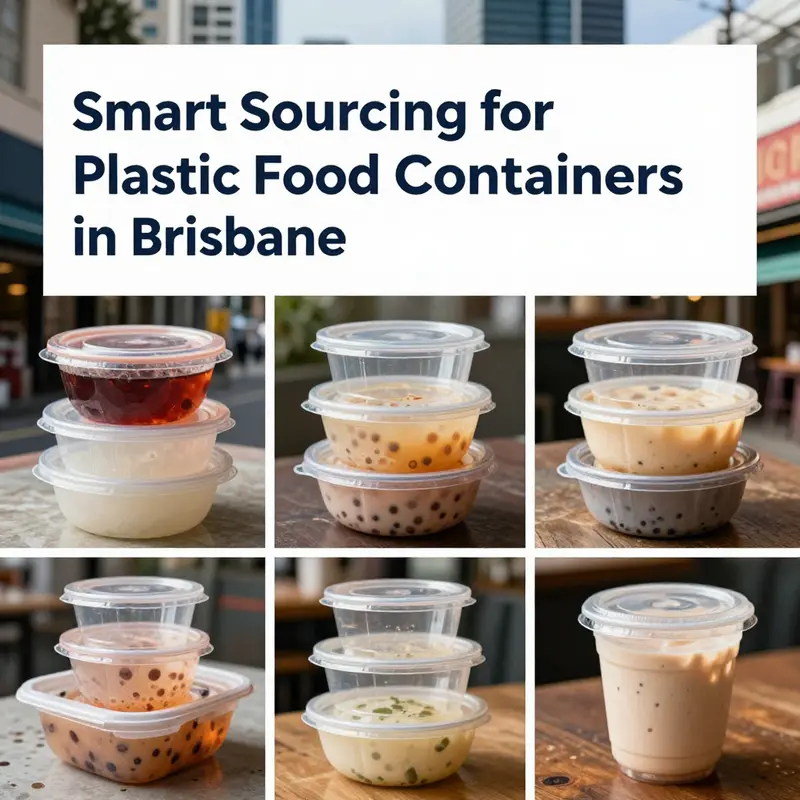
Brisbane businesses face a balancing act when it comes to plastic food containers. On one side lies proximity—the quick turnarounds, easier quality checks, and simpler freight planning that local manufacturing promises. On the other side sits scale and cost efficiency, particularly for growing demand or fluctuating orders. A robust sourcing strategy, therefore, must weave together local responsiveness with the breadth of capabilities found in established international ecosystems. For many Brisbane operators, the most reliable path to this balance is to look beyond borders and into China’s specialized industrial clusters, where vertically integrated factories combine resin processing, mold engineering, blow molding, and logistics under one roof. These hubs—anchored in regions such as Guangdong, Zhejiang, and Fujian—offer a mature, tightly knit network of suppliers that can deliver high-quality containers at competitive prices while maintaining stringent safety standards. In practice, this means access to a comprehensive ecosystem where raw materials, caps, labels, and other components are available within a short geographic radius, dramatically reducing lead times and enabling a seamless flow from sampling to mass production without the painful bottlenecks that can disrupt a Brisbane operation.
The strategic advantages here go beyond price. Guangdong, with its Shenzhen corridor, is renowned for advanced production lines and smart factory integrations that push precision and volume to new levels. Zhejiang’s Taizhou cluster has built a reputation for modular, stackable designs that suit retail and warehouse operations, enabling efficient stock turns and space optimization. In Fujian, particularly the Jinjiang area, facilities emphasize process control and food-grade compliance, often backed by strong certification programs and clear quality management practices. The result is a set of ecosystems where resin processing, mold making, blow molding, and even final assembly are tightly synchronized, shortening the path from concept to container and, crucially, delivering consistent performance across repeat orders. For Brisbane buyers, this translates into the ability to scale quickly yet maintain uniform product quality, a combination that is harder to secure when piecing together disparate suppliers in more fragmented markets.
Material safety remains non-negotiable. For food contact applications, resin choices typically center on food-grade, BPA-free options such as PET, HDPE, or PP. These resins are well understood, widely certified, and commonly compatible with recycling streams, supporting sustainability objectives. It is essential to verify explicit adherence to international safety standards, including FDA alignment for food contact, EU Regulation 10/2011 for materials in contact with foods, and RoHS directives governing restricted substances. In practice, this means requiring third-party testing and certifications from recognized laboratories, and ensuring that the supplier can provide documentation that traces resin batches, process controls, and final product testing. While polycarbonate may be suitable for certain high-performance applications requiring durability and clarity, its use in direct food contact is more tightly regulated due to migration concerns. A careful risk assessment and transparent certification trail are therefore essential when considering such materials for food containers.
For hot-fill or heat-intensive applications—think soups, sauces, or beverages that undergo pasteurization—thermal stability and barrier properties become critical. The supplier must demonstrate that containers can withstand repeated thermal cycles without warping, cracking, or losing barrier integrity. This is where the value of a vertically integrated operation becomes evident: the same facility that processes resin and runs molding can also validate performance under hot-fill conditions, run accelerated aging tests, and document results in a way that is auditable by safety regulators and end customers alike. A procurement framework that starts from material safety and extends through process capability, reliability in production scheduling, and the ability to sustain consistent output through supply fluctuations will serve a Brisbane operation far better than chasing the lowest unit price alone.
Beyond the core materials and processes, the design and architecture of the containers matter. Zhejiang’s clusters have earned a reputation for modular, stacking-friendly designs that optimize shelf space and warehouse flows. Guangdong’s factories emphasize automation and precision, enabling high-volume output with tight tolerances. The combination of disciplined process control and flexible design modules allows Brisbane buyers to tailor container families for different segments—takeout, meal prep, or retail-ready packaging—without triggering a full redesign for each new line item. In practice, this means being able to offer a consistent suite of sizes and lids, while still accommodating custom branding and labeling requirements that protect a retailer’s and a food service operator’s identity. The result is not merely a set of containers but an adaptable packaging system that scales with demand and aligns with evolving store layouts and food safety expectations.
Cost efficiency remains a compelling driver, but it is most effective when paired with rigorous due diligence. Australian importers routinely report unit cost reductions in the range of 20–40 percent when sourcing from vetted Chinese manufacturers, provided the selection process emphasizes not just price but capability, compliance, and reliability. A robust supplier evaluation should weigh three pillars: technical capability, operational reliability, and communication effectiveness. Technical capability includes the supplier’s ability to meet exacting food-contact standards, reproduce complex geometries, and maintain process controls across high-volume runs. Operational reliability covers on-time delivery, consistency of production schedules, and robust inventory management practices that reduce stockouts. Communication efficacy reflects responsiveness, clarity of documentation, and the ability to translate requirements into actionable manufacturing steps. Together, these pillars support a supply chain that remains resilient even in the face of shipping delays, port congestion, or sudden demand shifts.
The due diligence process should also demand clear evidence of safety compliance. Certifications and third-party test reports, ideally from recognized laboratories, provide essential assurances about material safety, performance, and contamination controls. A practical approach is to request factory audits and a curated set of test reports that cover material composition, migration testing for food contact, and packaging performance under relevant service conditions. While the specific tests will depend on the container design and targeted markets, a baseline should include documentation that correlates resin credits, processing temperatures, and final product results with traceability from batch to finished part. This traceability is central to the ability to isolate any issues and to implement corrective actions quickly across the global supply network.
In addition to safety and performance, sustainability considerations are increasingly shaping procurement decisions. Metal closures and plastic components that are readily recyclable help align packaging strategies with circular economy goals. Where feasible, selecting resins that are compatible with established recycling streams and encouraging supplier transparency about end-of-life handling can reduce the environmental footprint of Brisbane packaging programs. This is particularly relevant for the takeout and meal-prep segments, where consumer demand for responsible packaging continues to grow and can be a differentiator in competitive markets. The integrated production ecosystems in China support such sustainability agendas by enabling close coordination with recycling streams at the material and packaging levels, thereby facilitating more efficient end-of-life processing.
To operationalize these insights, the procurement framework should extend beyond unit price comparisons. It should incorporate a rigorous evaluation rubric that covers technical capability, operational reliability, and communication efficiency, as well as material compliance and safety certification. The framework should also establish clear expectations for hot-fill performance, thermal stability, and barrier properties, and it should require ongoing oversight through supplier quality programs, regular factory audits, and periodic third-party testing. The combination of a well-structured framework and the scale and sophistication of the supplier ecosystems in Guangdong, Zhejiang, and Fujian can yield a resilient, cost-efficient, and compliant supply chain for Brisbane-based food container programs.
In the spirit of practical application, consider how a Brisbane buyer might navigate the sourcing journey with this framework in mind. Start with a technical capability assessment that maps the supplier’s capacity against the required container family, including compatibility with lids, labels, and other components that may be sourced locally or regionally. Verify the supplier’s process controls, resin sourcing strategies, and mold maintenance programs to ensure consistency across batches. Establish a reliable communication protocol, including regular status updates, change-control procedures, and access to nonconforming reports, so the end customer never experiences surprises in product quality or delivery timelines. Confirm safety compliance through a documented certification package, with traceability from resin batch to finished container, and ensure that testing results cover the food-contact performance under anticipated service conditions. Finally, implement a formal supplier development plan that includes periodic factory audits, corrective action tracking, and a clear escalation path for any quality or supply issues. This disciplined approach is what turns a cost advantage into sustainable value for a Brisbane operation over time.
For those exploring the broader packaging landscape, a linked example from a packaging supplier demonstrates how adaptable designs can support a range of formats while maintaining compliance and performance. senang02-disposable-eco-friendly-kraft-box-boat-shape-pla-coated-custom-packaging-for-fast-food-cookie-sugar-tray provides a window into how modular packaging concepts can be translated across materials and use-cases, illustrating the value of integrated design thinking even when the primary focus is a different packaging family. Such references help underline the principle that a resilient Brisbane packaging program benefits from connectors across ecosystems—whether that means sharing design learnings, standardizing interfaces across containers and lids, or coordinating with regional suppliers to synchronize lead times and quality benchmarks.
As Brisbane businesses build out these sourcing capabilities, the emphasis should be on reliability, regulatory alignment, and long-term value. The integrated supply networks in China’s major clusters can deliver not only cost advantages but also a deeper stability of supply, provided rigorous due diligence is maintained. Factory audits, third-party testing, and transparent quality control mechanisms should be viewed not as compliance chores but as foundations for enduring partnerships. When these elements are in place, Brisbane-based companies can access a steady stream of compliant, safe, and durable plastic food containers that meet the evolving needs of food-service operators, retailers, and consumers alike. The outcome is a supply chain that feels local in its responsiveness and global in its capabilities, a combination that helps protect margins, safeguard safety, and support sustainable growth over time.
For robust verification and safety testing, refer to external industry resources that provide independent testing and certification services, which can supplement supplier documentation and audits as part of a comprehensive compliance program. SGS Services offers a spectrum of food and beverage testing and certification that can help validate the safety and performance credentials of packaging materials and finished containers. This external resource can be a valuable part of the due diligence toolkit as you build a Brisbanebased sourcing strategy that stands up to regulatory scrutiny and consumer expectations over the long term.
Compliance by Design: Navigating Brisbane’s Food-Contact Packaging Standards for Plastic Containers
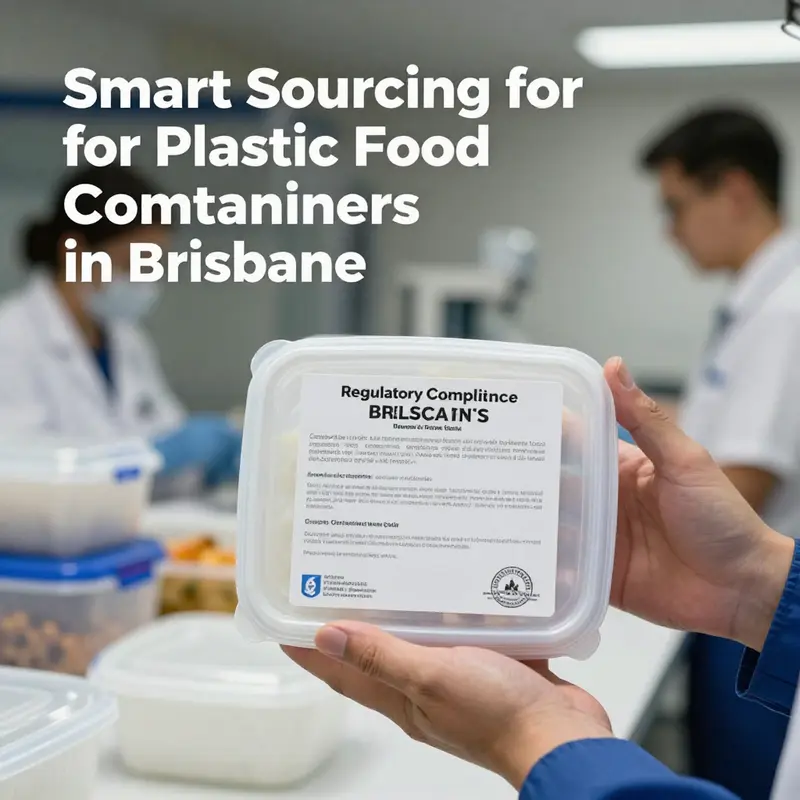
In Brisbane, packaging for food contact sits at the intersection of safety, traceability, and environmental responsibility. It is not enough to source containers that perform well in the kitchen; the law and the market demand dependable, verifiable compliance from the first design sketch to the final dispatch. This coherence between product integrity and regulatory posture shapes how businesses evaluate materials, certify processes, and maintain continuous oversight across supply chains that increasingly cross international borders. The regulatory framework blends Australian standards with international benchmarks to create a robust, but navigable, map for producers, importers, and retailers alike. Understanding this map helps Brisbane operators manage risk, protect consumers, and sustain growth in a marketplace where cost pressures meet stringent safety expectations.
At the core of the Australian regime is the Food Standards Code, with Standard 1.1.2 – Food Contact Materials setting out the hygienic and chemical requirements for substances that may contact food. This standard is explicit about what may be present in resin systems and related packaging when they touch food, including restrictions on potentially problematic substances. For containers used in hot-fill scenarios—think soups, broths, and pasteurized beverages—BPA-related concerns are not theoretical; they are regulatory variables that sway resin selection and processing methods. The code emphasizes that materials must be appropriate for their intended use, with migration limits that safeguard consumer health and align with public-health goals. Brisbane-based buyers who understand this frame will design their sourcing to minimize risk of non-compliance while still achieving the practical benefits of modern packaging.
Material choice is a predictable way to embed compliance from the outset. Suppliers should be able to demonstrate that the resins used are food-grade and BPA-free. The trio most commonly referenced in this context are PET, HDPE, and PP. These polymers have long been recognized for safe food contact when processed correctly, and they offer recyclability that fits Brisbane’s sustainability milieu. PET is valued for clarity and strength, while HDPE’s toughness and chemical resistance suit many everyday take-away needs. PP provides a favorable balance of heat resistance and cost. The emphasis on BPA-free formulations is not merely a regulatory tick box; it is a consumer expectation that informs brand reputation and retail viability. Recyclability codes—HDPE with code #2 and LDPE with code #4, for instance—signal a packaging system’s end-of-life prospects and help align procurement with municipal and regional waste strategies.
Where the regulatory conversation intensifies is in migration and safety testing. It is not enough to claim a resin is safe in principle; one must demonstrate that the specific formulation, additives, colorants, and recycling streams do not introduce unacceptable levels of substances into food under realistic use conditions. In practice, this means the supplier maintains rigorous material compliance programs, including traceability from resin to finished container, documented batch records, and credible third-party testing. For Brisbane operators, this is more than compliance for its own sake; it is a framework for predictable performance, consistent quality, and the ability to verify claims during audits or customer inquiries. When a container is intended for hot-fill or prolonged contact, migration limits become even more critical, and the testing suite expands accordingly to reflect the higher kinetic activity in hot applications.
Beyond the Australian standard, many importers and retailers in Brisbane also align with EU Regulation 10/2011 on food contact materials. While the European framework operates in a separate jurisdiction, its stringent migration criteria offer a valuable benchmark for quality and safety. Importers sourcing from Chinese manufacturers or any overseas supplier frequently use EU-level expectations as a design target to reduce the risk of non-compliance upon arrival in Australian markets. Adopting this alignment is a disciplined way to constrain risk around chemical migration, residual solvents, and restricted substances. It also helps suppliers demonstrate global competence, which can be a decisive factor when negotiating with Brisbane buyers who require robust international safety credentials.
A practical consequence of this regulatory environment is the need for explicit supplier requirements. Buyers in Brisbane commonly seek documentation that confirms FDA-style approvals for food-contact applications, even when the primary market is Australia. They also look for evidence of RoHS-like controls that ensure the absence of restricted heavy metals and hazardous substances in the finished product and its components. Even though RoHS originated in the electrical sector, the underlying principle—clear limits on certain hazardous materials—resonates with food-contact packaging, where trace-level contaminants can have disproportionate consequences for consumer trust and regulatory scrutiny. Vendors who can present credible certifications, batch release data, and independent test reports tend to win favor, not only for current orders but for ongoing replenishment cycles that demand reliability.
For Brisbane’s businesses, supplier vetting is not a one-off exercise but an ongoing discipline. The procurement framework should embed technical capability assessments, operational reliability checks, and transparent communication protocols. A compliant supplier is not only evaluated on the finished container’s performance but on the traceability of every step: resin sourcing, additive decisions, molding practices, sterilization or post-processing steps, and packaging for transport. Third-party testing reports become a regular feature of supplier dossiers, and audits—whether conducted by the buyer, by a third party, or by a government body—are the natural cadence of continuous compliance. To keep a steady finger on the pulse, it helps to establish a documented procedure for supplier audits, including corrective action plans and time-bound follow-ups. This approach minimizes the likelihood of non-conformances slipping through the cracks and creates a landscape in which quality and safety are expected, demonstrated, and repeatable.
In the broader supply-chain context, these regulatory expectations interact with the realities of global sourcing. For Brisbane-based importers, the lure of cost efficiencies from regions with mature plastics ecosystems is real. Guangdong, Hebei, and Jiangxi host integrated networks that can deliver resin processing, mold design, blow molding, and logistics under one umbrella, enabling rapid turnarounds and flexible order sizes. However, the same advantages that come from proximity and scale can be offset by gaps in compliance, inconsistent labeling, or limited documentation across suppliers. A disciplined sourcing strategy, therefore, combines the financial and logistical benefits of global manufacturing with the discipline of local compliance. It is not enough to secure a low unit price; buyers must verify that the entire chain upholds Australian and international standards, and they must ensure that this assurance is durable under changing regulatory expectations. This is where transparent documentation, in-field audits, and ongoing supplier development become strategic capabilities rather than administrative tasks.
An essential component of this compliance architecture is the willingness of suppliers to provide robust evidence of testing and certification and to participate in audits. Brisbane buyers expect a clear line of sight from resin to final container. This means batch-level certificates of analysis, material safety data sheets, and confirmation of the food-grade designation for every resin used. It also means evidence of proper handling, storage, and transport of resins and finished products to avoid contamination or degradation that could undermine safety. In practice, a well-structured supplier relationship includes a formal quality agreement, defined acceptance criteria, and a remedy framework for any deviation. The goal is not perfection in every shipment but resilience—an ability to detect, correct, and prevent issues before they reach the consumer.
To tie these strands together, the Brisbane procurement team can lean into a few practical principles. First, design the specification with compliance as a primary attribute, not a downstream afterthought. This ensures that the chosen resin and processing method are compatible with migration limits, heat exposure, and cleaning regimes. Second, insist on end-to-end traceability—every batch should be traceable to its resin lot, colorant, and molding lot, with records kept for the statutory and customer-facing retention periods. Third, require third-party testing and maintain a current, easily accessible library of certificates and test reports. Fourth, engage in joint development with suppliers to refine formulations and processes toward safer margins and clearer labeling. Finally, align procurement with external oversight through engagement with local authorities such as the Queensland Government’s Department of Agriculture and Fisheries, which provides guidance on approved materials and testing protocols. This engagement is not a compliance nuisance; it is a proactive way to anticipate regulatory changes and to keep operations out in front of risk.
For those Brisbane-based businesses exploring import-led models, the regulatory picture offers both guardrails and opportunities. While the cost advantage of sourcing from mature Chinese manufacturing clusters is compelling, the payoff rests on the ability to verify and maintain compliance throughout the life of the product. A disciplined approach—integrating material choices, migration testing, certifications, and a continuous improvement mindset—transforms compliance from a hurdle into a performance differentiator. It builds consumer trust, supports sustainable packaging goals, and reduces the likelihood of regulatory disruption that could interrupt supply and erode brand equity. In this sense, compliance is not a constraint but a strategic capability that underpins long-term viability in a market where safety, sustainability, and transparency are the new currency of consumer confidence.
As a practical signal of how to navigate this landscape, consider a representative example of compliant packaging options that aligns with safety standards and performance needs. Such examples illustrate how material selection, design considerations, and testing protocols come together in a tangible product family. For more detail on a specific compliant option that reflects these design choices, you can explore the following product page: Senang05 food-grade take-away bowls.
Looking ahead, Brisbane’s packaging ecosystem will continue to evolve in response to stricter international migration limits, broader consumer demand for safe and sustainable packaging, and the ongoing push toward transparent supply chains. The next phase of growth will hinge on the ability of buyers to harmonize global sourcing with local compliance expectations, and on the capacity of suppliers to demonstrate safety and quality through consistent, auditable processes. In practice, this means refining supplier selection criteria, expanding sampling and testing programs, and embedding regulatory thinking into product development cycles. The result is a more resilient packaging system for food contact in Brisbane—one that protects public health, supports environmental stewardship, and sustains commercial competitiveness in a global market.
External reference: Food Standards Code (FSANZ) provides authoritative guidance on food-contact materials and related safety measures. https://www.foodstandards.gov.au/code/Pages/default.aspx
null
null
Counting the Cost: Navigating Brisbane’s Plastic Food Container Procurement from China with Precision and Compliance
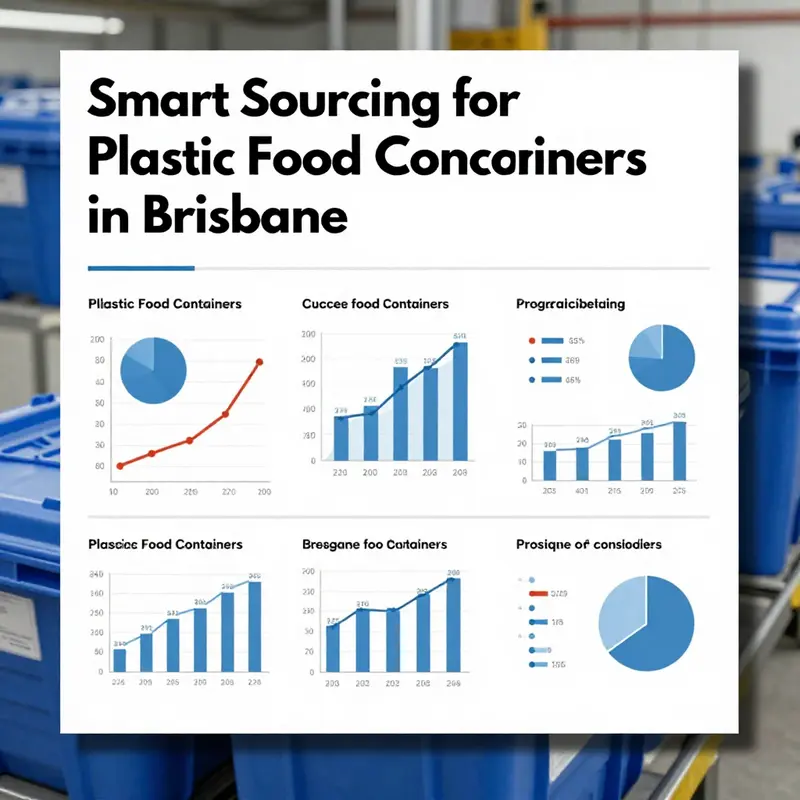
Brisbane businesses seeking plastic food containers operate in a market where every penny saved in procurement can translate into a more competitive menu price, a steadier supply, or a sharper sustainability claim. The cost landscape for plastic food packaging in Australia, and Brisbane in particular, is shaped by a blend of material choice, container design, production scale, and the ever-present delta between inbound logistics and local regulatory requirements. As of early 2026, the broader Australian plastic packaging market sits at roughly USD 2.91 billion and continues to grow at a prudent pace, with a projected CAGR of about 2.11% to 2031. Those macro numbers set the stage for more granular, concrete decisions on how Brisbane operators source from international suppliers, especially those clustered in China’s resin processing, mold engineering, blow molding, and logistics ecosystems. Within this framework, the most practical cost story often unfolds where high-volume efficiencies meet strict safety and quality guarantees—where 20% to 40% unit-cost savings from offshore manufacturing can be realized, but only if due diligence keeps pace with scale and complexity.
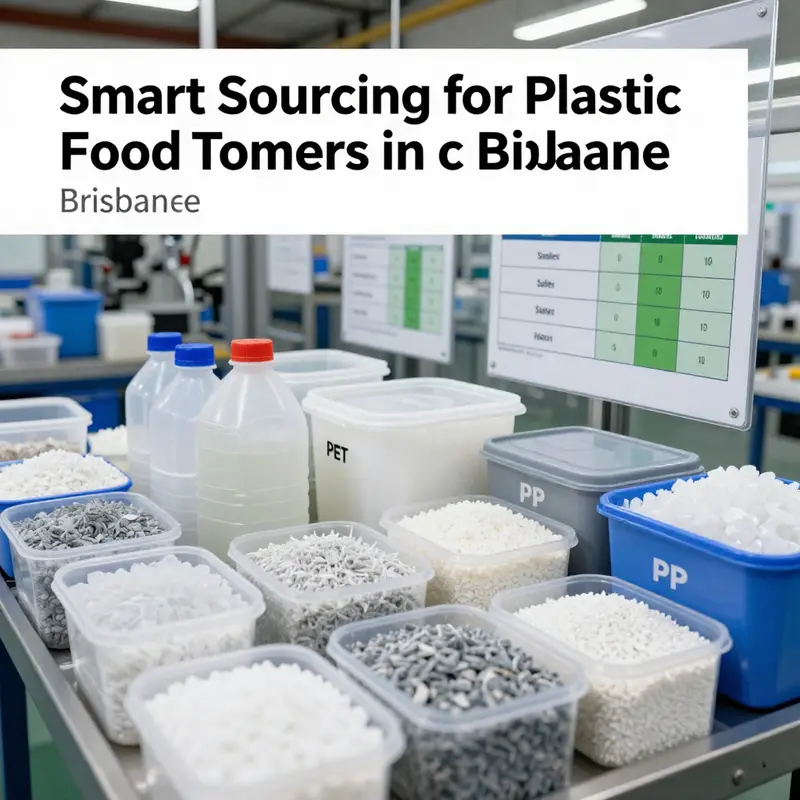
The first lever in cost is material type and its suitability for the intended use. For everyday takeout and meal-prep containers, resin choices such as PET, HDPE, and PP are typical. These materials are widely regarded as food-safe when properly certified, and they offer a balance between cost, performance, and recyclability. HDPE, for instance, carries the widely recognized recycling code #2, while LDPE bears code #4; these codes matter for downstream recycling programs and circular economy commitments that many Brisbane operators increasingly emphasize. PET and PP bring clarity, rigidity, and heat resistance that suit different formats—from clamshells and hinged-lid containers to microwavable bowls. In high-performance or hot-fill applications, some buyers explore polycarbonate (PC) for durability and clarity; however, PC’s direct-contact-food migration concerns require heightened scrutiny and more robust third-party testing to comply with Australian and international rules. The upshot is that a well-informed procurement decision hinges not only on unit price but also on lifecycle considerations, compatibility with existing supply chains, and the ease with which material traceability can be demonstrated to regulators and customers alike.
Because the Brisbane cost picture is so sensitive to volume and lead-time, proximity to mature Chinese supply clusters matters in practical terms. Guangdong, Hebei, and Jiangxi host ecosystems where resin processing, mold engineering, blow molding, and logistics coordination have evolved into tightly integrated networks. This clustering yields shorter lead times and flexible order sizes—from small sampling runs to large-scale production—without sacrificing quality. In today’s market, suppliers near these hubs can deliver lower per-unit costs, thanks to scale and a more efficient materials pipeline. Conversely, provinces such as Fujian often target mid-tier buyers who value engineering options and design optimization that stretch value without pushing overall cost too far upward. The key for Brisbane buyers is to map these regional strengths to their own product specs, ensuring that what is negotiated in price does not undercut the essential attributes of safety, functionality, and regulatory compliance.
That regulatory backbone is non-negotiable. Australian safety standards require transparent evidence of compliance with food-contact regulations, including third-party testing and robust certification packages. While offshore sourcing can deliver cost advantages, it also transfers risk: if suppliers cut corners on resin quality, packaging integrity, or documentation, the downstream costs—returns, recalls, and brand damage—can erase any unit-cost savings. Practically, this means a disciplined procurement framework is not an extra step but a prerequisite. It should begin with a clear technical capability assessment—confirming the supplier’s access to food-grade, BPA-free resins and their ability to produce containers that meet defined heat tolerance, sealing performance, and leak-resistance criteria. It continues with rigorous operational reliability checks: process control plans, supplier audit results, and the presence of a documented quality management system that aligns with international best practices. In addition, ongoing quality control must be built around pre-production sampling and a staged ramp-up program that allocates time for line stabilization and process validation before full-scale orders proceed.
The economics of sourcing are inseparable from the logistics and global trade landscape. In practice, most Brisbane buyers are negotiating with Asian manufacturers who operate across the full spectrum of capabilities—from simple one-piece blow-molded containers to more complex multi-component assemblies with fitted lids, labels, or tamper-evident features. A major cost driver is not only the raw resin price but also the ancillary costs that travel with each shipment: tooling, molds, caps and closures, printed labeling, and packaging for shipment itself. Then there are the freight costs, the volatility of sea freight rates, and the obligations under Australian import regimes. Currency fluctuations, duties, and insurance all weave into the final landed cost. The net effect is that the true cost of a container is a function of both the design details and the logistical choices—whether it’s a direct ocean shipment, a multi-country transit plan, or a staged replenishment schedule designed to smooth demand variability.
To navigate this, a robust procurement framework matters as much as the price tag. Brisbane-based teams should demand not only a price quote but also a comprehensive bill of materials, a clearly defined testing regime, and a documented quality assurance plan that can withstand cross-border scrutiny. Technical capability assessments should verify that the supplier is equipped to process the requested resins, to meet migration and migration-related constraints, and to deliver consistent color, clarity, and mechanical performance. Operational reliability checks should confirm supplier capacity, equipment age, and the resilience of supply through peak periods when demand spikes—such as seasonal promotions or city-wide food-service cycles. Communication protocols are equally vital. Clear lines of accountability, defined lead times, and shared digital dashboards for order status help keep expectations aligned and reduce incident-driven delays that can erode margins.
From a cost-management perspective, it is also important to understand the way regional market dynamics shape price trajectories. The Australian plastic packaging market’s growth signals reflect steady demand across the food sector, which in turn sustains competition among suppliers both locally and overseas. The proximity advantage to Guangdong-based operations manifests not only in lower unit costs but also in shorter supply chains and more frequent production runs that support flexibility in order quantities. At the same time, the mid-tier suppliers in Fujian often win favor with buyers seeking value engineering—design tweaks that optimize material use, reduce waste, or simplify lids and seals without compromising safety. These nuanced differences in supplier capability translate into real-world pricing discipline: once the supplier ecosystem is thoroughly vetted and aligned with regulatory expectations, procurement teams can negotiate favorable terms across pricing, lead times, and service-level commitments.
For broader market context, consider that industry platforms and market reports consistently show a trend toward cost efficiency through scale, combined with stricter quality and safety expectations. As long as due diligence keeps pace with scale, the cost premium attached to premium compliance remains manageable. A practical approach is to segment orders by container type and size, and to align supplier selection with the specific performance requirements of each segment. In other words, a single-price assumption is rarely appropriate. Rather, cost models should reflect a portfolio view: some containers may justify higher upfront tooling investments for improved durability or clarity, while others can leverage off-the-shelf designs for fast-turnaround needs.
As part of the decision-making process, consider the broader sustainability and end-of-life implications of the packaging mix. While many Brisbane operators prioritize plastic containers for their strength and seal integrity, consumers are increasingly attuned to recyclability and material efficiency. The use of BPA-free resins aligns with safety expectations and often with consumer demand for transparent, responsible sourcing. Recyclability codes and the ease of processing by local recycling streams should influence material selection and design decisions. Where high-volume, steady-demand formats are concerned, the prospect of integrating recycled-content resins—where permitted and certified—can offer additional cost and environmental benefits over the product life cycle. This is not merely an ecological preference; it is a business one, shaping brand perception, regulatory alignment, and potential eligibility for sustainability-linked financing or incentives.
Even with cost leverage from offshore production, there is value in complementing a plastic container strategy with adaptable packaging solutions that suit a multi-material approach. In practice, this could mean selecting one or two plastic formats for reliability and performance, while also incorporating paper-based or semi-rigid alternatives for secondary lines or value-added concepts. To illustrate how such a multi-material approach can be communicated to procurement and product teams, consider one example of an eco-friendly packaging option that embodies the broader trend toward responsible material choices: an eco-friendly gold-foil kraft-coated paperboard sushi tray. This packaging alternative, demonstrated through one available packaging solution, showcases how design features can reinforce a brand’s sustainability narrative while offering dependable protection and portion control. eco-friendly gold-foil kraft-coated paperboard sushi tray This internal link serves as a reference point for teams weighing plastic versus paper-based packaging in a cohesive procurement strategy.
The practical upshot for Brisbane operators is a disciplined, data-driven approach to cost management that does not sacrifice compliance or product performance. The procurement plan should articulate specific milestones—target landed cost ranges by container type, agreed-upon testing and certification schedules, and a measured ramp-up plan that aligns with production forecasts. With a well-structured vendor qualification process, procurement teams reduce the risk of disruption during peak demand and improve predictability across supplier performance, quality, and delivery timelines. The final cost picture will therefore reflect not a single, static price but a dynamic balance of resin prices, tooling and molding costs, transportation, regulatory compliance, and ongoing quality assurance activities. When managed with rigor, offshore manufacturing can deliver meaningful cost advantages while maintaining the safety, reliability, and brand integrity that Brisbane customers expect.
External resource: For a broader market benchmark and ongoing cost trends in Australian plastic packaging, consult industry data such as the Statista Australia Plastic Packaging Market Report, which provides up-to-date market values and growth projections. https://www.statista.com/statistics/1475867/australia-plastic-packaging-market-value/
Final thoughts
Brisbane’s landscape for food service and packaging is rapidly changing, especially with the increasing reliance on plastic food containers across various sectors. By embracing effective sourcing strategies, ensuring adherence to regulatory standards, selecting appropriate materials for specific applications, and conducting thorough cost analyses, businesses like bubble tea shops, restaurants, food trucks, and event planners can secure a competitive edge. In an industry where quality, safety, and sustainability are paramount, making informed procurement decisions is essential. This holistic understanding will not only enhance operational efficiency but also cultivate consumer trust and loyalty.