

In an era where convenience meets compliance, plastic disposable cups have become indispensable across various sectors, from bubble tea shops to catering businesses. This article delves into the multifaceted world of plastic disposable cup manufacturing, highlighting how manufacturers are evolving to meet the diverse needs of beverage chains, restaurants, food trucks, event planners, and corporate teams. Each chapter focuses on key elements that drive the market forward: a global overview of manufacturers, the technological innovations shaping production, the economic impact on markets, and the environmental and regulatory challenges faced. Together, these insights will equip you with the knowledge to make informed decisions for your operations, ensuring quality and sustainability.
null
null
Smart Tech, Lean Lines, and the Sustainable Shift: Innovations in Plastic Disposable Cup Manufacturing
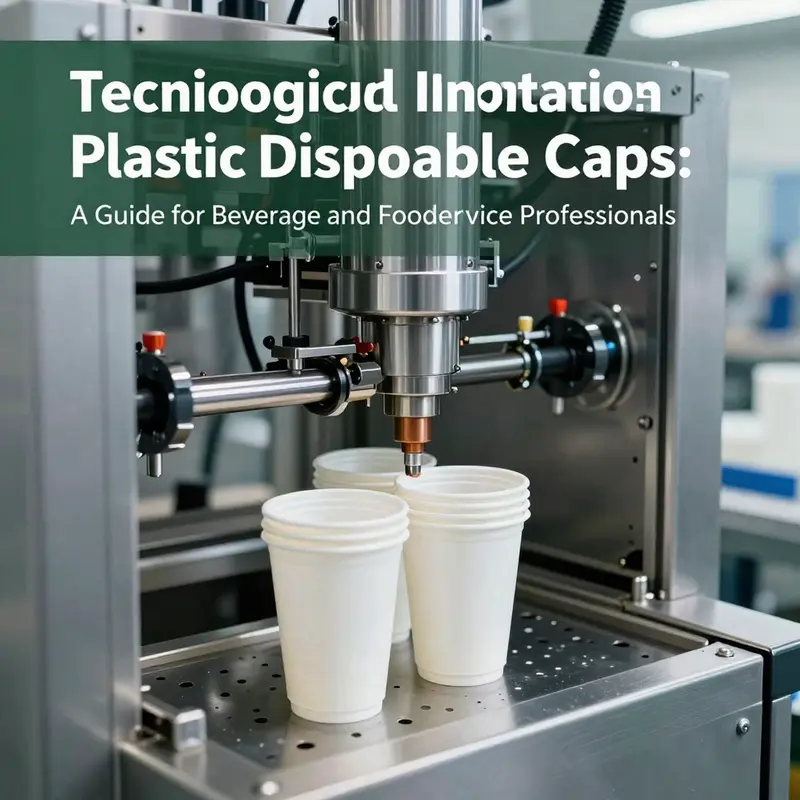
A new era is unfolding in plastic disposable cup manufacturing, one where the pursuit of convenience coexists with the discipline of data, automation, and environmental responsibility. The ubiquity of disposable cups in coffee shops, catering operations, and event services has always depended on a balance between on-demand production and predictable performance. Today, that balance is increasingly achieved through a deliberate convergence of smart technology, optimized process design, and a more nuanced understanding of what happens to a cup after it leaves the service counter. The industry is moving from a simple belief in high-volume output to a holistic view of value—where efficiency, consistency, traceability, and sustainability are intertwined across every stage of a cup’s journey. In this sense, the current wave of innovations is less about a single breakthrough and more about a systems mindset: a factory floor that speaks in data, a line that adapts in real time, and a material strategy that aligns with diverse regulatory landscapes and consumer expectations.
Industry 4.0 principles have become a practical framework for the cup-making ecosystem. Smart sensors, embedded tracking, and digital interfaces connect the production line with upstream resin suppliers and downstream logistics. This creates a fabric of information that can be stitched into stronger quality controls, lower waste, and better forecasting. When sensors monitor temperatures, pressures, and cycle times, they reveal the subtle dynamics that govern defect formation. A few milliseconds of delay or a slight shift in cooling rate can escalate into scrap if not detected early. The value of such data multiplies when it is linked to environmental reporting and lifecycle analysis. Brands and manufacturers increasingly seek to quantify the environmental footprint of each batch, and the traceability enabled by sensors helps to claim accountability with credibility. In a sector where the unit cost of material is tightly managed and margins depend on efficient throughput, the ability to preemptively address anomalies translates into tangible economic and ecological benefits.
Automation has become the backbone of scalable, repeatable performance. Modern cup lines are built around advanced control systems and modular configurations that can be retooled with relative ease for different cup sizes, wall thicknesses, or insulation layers. Real-time dashboards translate complex process data into actionable insights, guiding operators through optimal settings and alerting maintenance teams to potential risk factors before they cause downtime. Predictive maintenance, supported by machine-learning analysis of vibration signatures, energy use, and thermal trends, keeps equipment healthier longer and minimizes unexpected interruptions. This combined approach—enabling high-speed production with disciplined maintenance—delivers consistent product quality while reducing waste. It also lowers the barrier to entry for smaller companies. The emergence of compact, modular machines allows new entrants to establish a foothold in the market without sacrificing precision or repeatability. In many regions, this has broadened the competitive landscape and accelerated experimentation with new cup concepts, sizes, and configurations.
The functional performance of cups has evolved in parallel with manufacturing capabilities. Thermal management remains a critical driver, particularly as service environments demand reliability across hot and cold beverages. Double-walled and foam-insulated designs have gained traction because they retain temperature more effectively and reduce condensation on the exterior. This improves user comfort and helps service operators deliver a more consistent experience, whether serving at outdoor events, through drive-thrus, or in busy catering settings. Material science advances have yielded PP and PET-based formulations that resist deformation and maintain strength at elevated temperatures. These materials offer a favorable balance of rigidity, lightness, and chemical compatibility with common beverages, contributing to predictable performance on the line and in use. The design evolution is not purely about insulation. It also encompasses improved sealing, lid compatibility, and surface treatments that manage moisture transfer and keep the cup aesthetically consistent across a range of branding options. In short, the functional performance improvements are the result of an integrated strategy that marries material behavior with process capabilities and user experience.
A thread of material efficiency runs through every facet of the modern cup’s development. Resins are used more efficiently, gates are engineered to minimize waste, and cooling strategies are tuned to maximize cycle efficiency. The outcome is a cup that meets or exceeds mechanical requirements while using less resin per unit and generating less scrap. Energy efficiency is pursued through smarter heating profiles, better heat exchangers, and opportunities to recover energy from cooling cycles. These gains accumulate in a lower per-unit energy cost and a smaller environmental footprint. Yet industry researchers and practitioners also recognize the demand for options beyond traditional plastics. Biodegradable and compostable alternatives remain central to ongoing R&D, even as they pose challenges related to scale, performance parity, and end-of-life infrastructure. The aim is not to force one material system across markets but to offer a portfolio of choices that align with local disposal capabilities, regulatory expectations, and consumer preferences. Designers consider not only how a cup performs in a tray or a car seat but how it can be integrated into a circular system that recovers materials and rebinds them into future products. In practice, that means defining a plan that includes recyclability, compatibility with existing recycling streams, and the potential for material recovery without compromising food safety or consumer convenience.
The economics of innovation are inseparable from policy and market forces. Resin prices, shipping costs, and currency fluctuations influence the cost of cup production and the viability of new line configurations. Health and safety standards remain a universal baseline, ensuring that materials in contact with beverages meet stringent criteria for food contact. Regional regulatory differences push manufacturers toward equipment that can be configured for different resin grades, recycled-content mandates, or alternative barrier layers. Companies increasingly view circularity as a strategic differentiator, not just a compliance obligation. The ability to trace material origins, quantify post-consumer recycling rates, and demonstrate seamless integration of scrap back into the feedstock contributes to a lower total cost of ownership and stronger customer trust. As a result, the machinery landscape is evolving: lines that can switch quickly between products, accommodate recycled resins, and maintain consistent cycle times—without sacrificing quality or speed.
Geopolitical dynamics also shape how innovations are deployed. Globalization has introduced fragility alongside opportunity; suppliers and manufacturers must cultivate resilience through diversified sourcing, regionalized production networks, and flexible logistics. The result is a factory floor that is more than a place where cups are formed; it is a hub of information, capabilities, and partnerships designed to withstand disruption while continuing to innovate. When a line is designed with modularity in mind, it can adapt to new sizes, barrier requirements, or disposal regimes with relatively modest capital expenditure and lead time. This adaptability is crucial for the segments of the market that experience rapid shifts in demand due to events, seasons, or evolving health and safety norms. The modern cup manufacturer thus negotiates a delicate balance: investing in advanced equipment and data-driven processes while maintaining the agility to respond to markets and policy changes with minimal friction.
As innovation deepens, there is a growing recognition that the most significant gains may come from connecting the cup itself to a broader lifecycle narrative. If a cup carries traceable data about its production, usage conditions, and end-of-life fate, it becomes a node in a larger system that informs logistics, waste management, and consumer education. Such connectivity supports a more precise allocation of resources, reduces unnecessary transport, and clarifies disposal pathways for users. At the same time, the factory floor continues to evolve toward greater autonomy, with control systems that learn from repeated production histories and automatically adjust setups for new product families with limited downtime. This progression does not erase the role of skilled operators; it augments human judgment with robust data, repeatable processes, and faster feedback loops. The outcome is a manufacturing discipline that treats every cup as a well-defined entity within an ecosystem of materials, machines, and systems designed to deliver reliability, performance, and accountability at scale.
In sum, the current trajectory of plastic disposable cup manufacturing is not a race to sheer speed alone. It is a convergence of smart sensing, automated dexterity, durable yet efficient materials, and a strategic embrace of sustainability. The platforms and methods that emerge from this convergence enable a more transparent supply chain, better end-of-life stewardship, and a more responsive market capable of aligning convenience with responsibility. The cup, in this frame, becomes more than a disposable good; it becomes a traceable artifact that embodies data-driven optimization, environmental accountability, and an ongoing dialogue between producers, service providers, and consumers. As the industry continues to innovate, cross-disciplinary collaboration among materials scientists, automation engineers, logistics experts, and policy thinkers will be essential to translate technical potential into practical, scalable solutions that meet the evolving expectations of a world hungry for both efficiency and stewardship.
For more on eco-friendly disposable options within the broader packaging ecosystem, see the following internal link: senang01-hot-sale-customized-disposable-single-wall-paper-ice-cream-cups-with-lid-eco-friendly-food-grade.
External resource: https://www.marketsandmarkets.com/Market-Reports/plastic-cup-making-machines-market-169875585.html
The Global Economic Footprint of Plastic Disposable Cup Manufacturers: Markets, Innovation, and the Path to Circularity
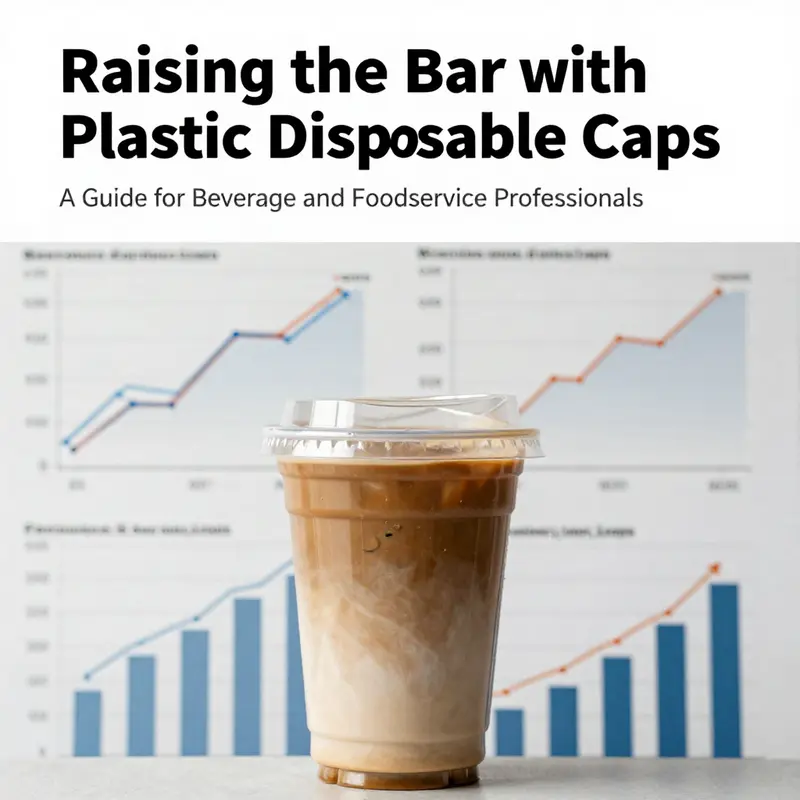
The global economic footprint of plastic disposable cup manufacturers stretches far beyond the gleam of a factory floor. It threads through urban logistics, hospitality operations, medical supply chains, and the daily choices of millions of consumers. In many regions, the demand for convenient, single-use packaging has become a marker of modern living, a signal of speed and efficiency in service sectors ranging from quick-service eateries to large-scale catering. The economic story is not simply one of volume; it is a tale of supply chains, capital cycles, and the response of an industry under simultaneous pressure to perform and to reform. The measurable scale of this market is evident in recent estimates that place the global disposable cups market at about USD 17.4 billion in 2024, with a forecast rise to roughly USD 26.8 billion by 2035, representing a compound annual growth rate of around 4 percent. Those numbers, drawn from industry analyses, underscore how deeply single-use cups are embedded in contemporary consumption patterns, especially in dense urban environments and in the burgeoning ready-to-drink beverage segment. Yet the same dataset hints at a future that cannot be understood by looking at growth alone. It signals an inflection point where economic momentum must be harmonized with environmental accountability and evolving policy frameworks.
Behind the headline figures lies a web of drivers. The proliferation of quick-service formats, the expansion of take-away and delivery paradigms, and the normalization of convenience in daily routines sustain demand for lightweight, cost-efficient cups. Materials chosen for performance, notably polypropylene and polystyrene, have long offered the right balance of rigidity, temperature tolerance, and cost. Automation has amplified the reach of manufacturers, enabling higher throughput and tighter tolerances while curbing waste through process optimization. The economic calculus for a modern cup producer now begins with raw materials pricing, moves through capital investment in machinery and plant, and ends with the ability to adapt to shifting consumer preferences and regulatory landscapes. In an industry where margins can be razor-thin, the efficiency gains from robotics, automated quality control, and just-in-time logistics are not merely technical advantages; they are imperative components of long-term competitiveness.
But this market is not a one-way street of growth and efficiency. It sits at the crossroads of environmental concern and policy intervention. Plastic waste and the broader carbon footprint associated with single-use items have drawn the attention of regulators and publics alike. Across many jurisdictions, bans, taxes, and extended producer responsibility schemes alter the cost calculus and the likelihood of demand for traditional disposable cups. The conversation is increasingly framed by the circular economy: a model that prizes durability, reuse, and high recycling rates over disposability. In this context, producers confront a choice between doubling down on conventional lines or pivoting toward circular systems that can sustain profitability while reducing environmental impact. The green turn is not a boutique add-on but a strategic imperative, reflected in how companies design products, structure partnerships, and reimagine revenue models. Green pressure has become a driver of economic strategy as much as environmental ethics.
A pivotal piece of the discourse comes from independent environmental assessments that compare single-use cups with reusable cup systems. Greenpeace’s 2023 findings, for instance, indicate that even with a minimum reuse frequency of 20 times, reusable cups outperform single-use plastic cups across climate change, resource use, and ecological toxicity indicators. The implications for manufacturers are profound. Recycling and reuse are not only about waste diversion; they recast the value proposition of the product itself. If a circular system can demonstrate a lower total environmental footprint, it can also deliver cost advantages through waste management savings, enhanced brand value, and compliance with stricter emissions and waste regulations. The commercial logic, therefore, tilts toward circular economy models that integrate product design, collection, cleaning, and redistribution into a cohesive flow. Those models require investments in durable materials, robust return-and-refill networks, and collaborations with retailers and waste managers. In short, the long-run economic viability of plastic disposable cup production is increasingly tied to a manufacturer’s ability to participate in circular systems rather than to simply scale conventional single-use production.
The economic dynamics extend beyond design and policy. Global supply chains, the volatility of raw material prices, and the patchwork of regional regulations create a complex operating environment. Countries with abundant plastic production capacity may benefit from cost leadership, while regions dependent on imports face exposure to exchange-rate movements and tariff regimes. Trade tensions, shipping costs, and the availability of recycled content can all sway competitiveness. Moreover, regulatory trajectories differ widely. Some markets move toward outright bans on certain single-use items, while others emphasize extended producer responsibility and recycled-content mandates. For manufacturers, the challenge is not only to deliver reliable products but also to navigate a regulatory mosaic that affects packaging materials, labeling, and end-of-life responsibility. The consequence is a need for flexible manufacturing footprints, capable of switching between materials, or at least of blending primary plastics with recycled or bio-based content where feasible. This adaptability is not purely environmental; it is an economic safeguard that helps mitigate risk from policy shifts and supply chain disruptions.
The economics of the sector are also influenced by consumer behavior and competitive differentiation beyond price. In a crowded market, brands seek to stand out through design, imprimatur of safety and hygiene, and assurances of supply chain integrity. This has spurred investment in quality control, traceability, and even customizable branding for disposable cups, aspects that can create additional revenue streams or premium pricing opportunities. In markets where disposable cups are entrenched as a convenience staple, manufacturers may explore value-added features such as heat resistance coatings, cling-free lids, and compatibility with cold or hot beverages, all while maintaining a strict standard for food-grade compatibility. Yet there is no escaping the central tension: the same demand that fuels growth also intensifies scrutiny over environmental impact. The economic path forward for many players lies in marrying efficiency with responsibility, ensuring that growth is not achieved at the expense of social license to operate or long-term resource security.
Within this tension lies a strategic opportunity. Circular systems can redefine profitability in ways that extend beyond the cost savings of reduced waste management. They can foster brand differentiation and consumer loyalty by demonstrating responsibility and resilience in the face of regulatory change. This is not merely a compliance play; it is a market positioning move. Retailers increasingly favor partners who can provide cradle-to-cradle assurances, reliable take-back logistics, and consistent performance across a spectrum of usage conditions. The return on investment in such systems can be substantial when measured by waste diversion, lower disposal fees, and stronger consumer trust. For manufacturers, the lesson is not to abandon single-use cups but to innovate around the end-of-life pathway, to design for durability where appropriate, and to partner with waste-management networks and retailers to close the loop. The economic argument for circular design gains strength as data accumulates on disposal costs and the benefits of recycled content for future tolerance to price shocks in virgin resin markets.
The broader market outlook, then, is one of moderated growth subject to structural shifts toward sustainability. The projected annual growth rate of about 4 percent signals steady demand, but it also suggests that winners will be those who can translate scale into value through smarter design, resilient supply chains, and responsible end-of-life strategies. The consumer environment, which rewards convenience yet increasingly rewards transparency and environmental accountability, places a premium on producers who can offer sustainable options at competitive prices. The internal calculus thus blends engineering, logistics, and public policy into a single margin-relating equation: how to deliver reliable cup performance while reducing the environmental footprint and complying with a changing regulatory regime. In this sense, the fate of plastic disposable cup manufacturers aligns with the ambitions of a broader shift in packaging toward circularity, where materials are kept within productive loops and products are designed with reuse as a core principle.
For readers seeking a concise map of the market’s quantitative backbone, consider the external perspective that frames these shifts. The global disposable cups market is expected to grow, but the pace will be tempered by policy, consumer values, and the economics of circular systems. The numbers tell a story of potential, tempered by the realities of waste management, recycling infrastructure, and the capital needed to pivot toward durable, reusable solutions at scale. As demand for convenient packaging persists, the economic narrative will increasingly hinge on how quickly and cost-effectively manufacturers can reconfigure operations to embrace reuse and recovery while maintaining safe, hygienic standards. In this transition, the industry’s most valuable asset will be its capacity to innovate with materials, processes, and partnerships that unlock sustainable growth without sacrificing the efficiency that underpins modern service models. The road ahead is not a simple path from production to disposal but a loop that begins with thoughtful product design, flows through circular systems, and closes with responsible end-of-life management.
Internal link note: as the industry sharpens its focus on sustainable packaging, many stakeholders look to practical, scalable options in eco-friendly formats. A relevant exploration of such options can be found here: eco-friendly paper cups.
For a broader quantitative view of market dynamics, the scientific and industry analyses provide a helpful ballast. External reports project continued growth while detailing regulatory trajectories, material price volatility, and the efficacy of circularity strategies across regions. These resources underscore that the sector’s profitability will increasingly depend on how well manufacturers align product design, supply chain resilience, and environmental stewardship. The result is a market that remains essential to daily life, yet evolves in response to shared concerns about resource use and climate impact. In this evolving landscape, the capacity to innovate responsibly will separate those who simply scale from those who sustain and prosper over the longer horizon. External resource: Global Disposable Cups Market Industry Report 2025 – 2035 offers a comprehensive framework for understanding the macro forces at play and the operational implications for producers seeking to navigate this transition.
The Thin Line Between Efficiency and Accountability: Navigating Environmental and Regulatory Currents in Plastic Disposable Cup Manufacturing
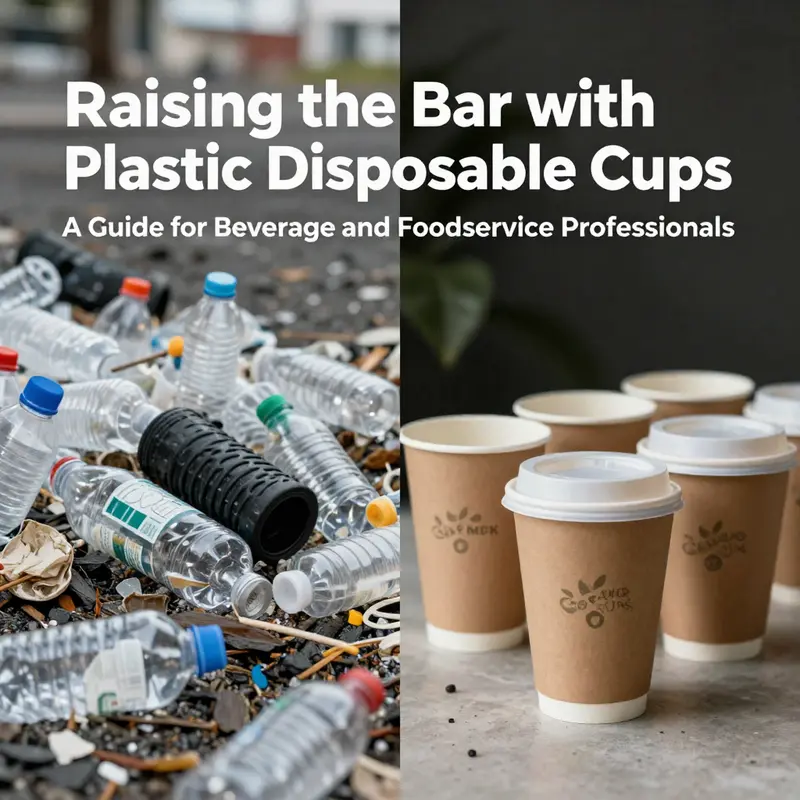
The plastic disposable cup industry has long thrived on speed, scale, and the predictable economics of mass production. Yet as sustainability conversations intensify and policy instruments tighten, manufacturers are navigating a complex current of environmental scrutiny, shifting consumer expectations, and evolving regulatory regimes. The chapter that follows peels back the layers of this evolving landscape, not as a refrain of doom but as a map for conscientious optimization. It traces how regulatory reforms, extended producer responsibility, and the practical realities of end-of-life management intersect with core manufacturing decisions. It also shows how a sector built on convenience is increasingly compelled to demonstrate responsibility, innovate with purpose, and rethink how products are designed, produced, and perceived by markets that increasingly insist on accountability alongside performance.
Regulatory scrutiny has moved from a backdrop into the foreground of strategic planning for cup manufacturers. In regions with ambitious environmental policies, single-use plastics are subject to stringent controls, bans, and performance-oriented requirements. The European Union, for instance, has implemented directives that curb the most easily discarded items and require producers to contribute to the collection, sorting, and recycling of plastic waste. This creates a dual pressure: on one side, to reformulate products toward more recyclable or compostable materials; on the other, to invest in collection and end-of-life infrastructure that can handle a broader mix of plastics. The immediate business implication is not merely compliance costs but a recalibration of product portfolios, supplier ecosystems, and manufacturing configurations. In practice, this means rethinking resin choices, wall thickness, liner compatibility, and lid-to-cup interfaces to ensure recyclability or compostability without sacrificing performance. These adjustments ripple through procurement, quality assurance, and logistics, shaping who the suppliers are, how they are audited, and how products are packaged for end markets that demand traceability and transparency.
Extended Producer Responsibility (EPR) programs compound the regulatory challenge by shifting responsibility for waste management from municipalities to the producers themselves. While well-intentioned in its aim to restore value from discarded packaging, EPR introduces new financial and operational layers that cup manufacturers must manage. Fees, reporting obligations, and the need for robust take-back or recycling partnerships translate into higher overhead and more complex supply chains. In markets where recycling rates remain uneven, the incentive to design for recyclability becomes acute; non-recyclable or poorly recyclable cups carry not just disposal costs but potential penalties or reputational risk. In this context, the decision to pursue alternative materials or hybrid solutions—such as combining barrier coatings with recyclable substrates or exploring more widely accepted compostable options—appears less as a marketing preference and more as a regulatory necessity wrapped in a business case. The economic calculus grows more nuanced when one considers the lifecycle costs associated with disposal, transport, and potential import duties tied to waste streams that regulators increasingly monitor.
Compounding regulatory and EPR considerations is the imperfect state of composting infrastructure in many regions. Even when a cup is labeled biodegradable or compostable, the real-world fate hinges on the availability of industrial composting facilities and the compatibility of the chosen material with existing waste streams. PLA, for example, promises compostability under controlled conditions, yet in settings without composting capacity it can contaminate recycling streams or linger as litter. The practical takeaway for manufacturers is that material innovations cannot stand alone; they must be paired with a clear, region-specific plan for end-of-life management. This often entails collaboration with municipal programs, third-party recyclers, and waste processors to ensure that new materials can actually be recovered and reused rather than diverted into landfills or stray into ecosystems. The environmental performance of the product, then, becomes inseparable from the broader waste-management system in which it operates, underscoring the need for holistic product design that aligns material science with waste infrastructure realities.
Consumer demand for sustainability remains a potent force, even as it evolves. In many markets, there is growing awareness that the convenience of single-use cups comes with a higher environmental footprint than commonly acknowledged. Studies and industry analyses emphasize resource use and emissions associated with production, distribution, and end-of-life handling. This awareness has catalyzed a broader shift toward reuse ecosystems, supported by brands and retailers that invest in reusable cup programs, take-back schemes, and deposit-based models. For manufacturers, this is not a surrender of the single-use market but a strategic invitation to diversify offerings and partner with customers on responsible solutions. Design for reuse can coexist with channels that require single-use options, provided products are engineered for durability and maintain food-safety standards across multiple reuse cycles. In this shifting context, the competitive edge accrues to suppliers who can deliver reliable, versatile, and well-documented performance—safeguarding quality, hygiene, and lifecycle accountability in a way that resonates with producers who bear responsibility for the product after it leaves the line.
From the production floor to the policy desk, the implications for operations are profound. Manufacturers are compelled to invest in materials research and process engineering that expand the palette of viable substrates while preserving safety and performance. This may involve exploring polymers beyond traditional choices or refining the surface chemistry of coatings to improve recyclability. Automation technologies, already central to achieving high throughputs and consistent quality, take on added significance when sustainability objectives are integrated into production planning. Real-time monitoring across resin supply, extrusion, molding, and finishing stages allows for rapid adjustments that minimize waste, optimize energy use, and reduce solvent or water footprints. In a sector where waste itself can carry significant cost, the ability to capture, sort, and redirect scrap into value streams becomes not just an efficiency measure but a resilience strategy against volatile feedstock markets. The capital expenditure is sizeable, yet the return manifests not only in reduced waste and energy costs but also in stronger compliance posture and more predictable regulatory exposure.
A meaningful part of the narrative is how packaging design and end-of-life considerations are integrated early in the development cycle. Product developers increasingly embed recyclability assessments, cradle-to-grave cost analyses, and compatibility tests with common waste streams into the design brief. The aim is to avoid the traps of “greenwashing” that can accompany reformulations that sound virtuous but fail practical delivery in the real world. This is where the discussion about eco-friendly options becomes inseparable from conversation about infrastructure. A material that seems appealing in isolation may underperform if the waste system cannot capture it efficiently. Conversely, a slightly more modest material choice could deliver greater environmental dividends if paired with robust recycling or composting networks. Done well, such alignment reduces risk, shores up reputation, and creates a platform for long-term growth that is less vulnerable to regulatory reversals or policy discontinuities.
In this environment, the industry’s learning curve accelerates. Companies learn to read policy signals early, mapping regulatory trajectories to product roadmaps and supplier contracts. They recognize that a single policy instrument rarely delivers the desired environmental outcome on its own; rather, it triggers a cascade of changes in material selection, manufacturing footprints, and logistical partnerships. This means rethinking packaging not just as a container but as a nexus of environmental performance, consumer expectations, and public policy. The result is a more deliberate approach to what to produce, how to produce it, and where to price the associated value. Such deliberate strategy also has reputational dimensions. Firms that can demonstrate transparent life-cycle data, credible recycling partnerships, and clear end-of-life pathways may gain preferred access to markets where mandates become de-facto standards. In contrast, firms slow to adapt risk penalties, reduced market access, and greater scrutiny from investors and regulators who increasingly value sustainability credentials as a proxy for long-term viability.
The journey toward sustainable yet functional cups is not a simple linear path. It involves a mesh of collaboration across supply chains, local policies, and social expectations. The path forward calls for a few core commitments: investing in materials that balance performance with recyclability, aligning packaging design with end-of-life realities, and building operational capabilities that support waste reduction and energy efficiency. It also means choosing partners who share a disciplined approach to sustainability data, compliance, and continuous improvement. In this frame, the cup becomes more than a product; it becomes a measure of how well a manufacturing sector can translate environmental responsibility into reliable, scalable, and economically viable outputs.
As the industry continues to evolve, the narrative around plastic disposable cups will increasingly center on how to harmonize convenience with stewardship. The tension between the immediacy of one-time use and the imperative of responsible resource management will shape investment priorities, regulatory expectations, and consumer trust for years to come. The most resilient manufacturers will be those who treat regulation not as a constraint but as a catalyst for innovation—turning policy pressure into material advances, process improvements, and better engagement with the communities where these products are used. They will also be those who recognize that end-of-life outcomes are not merely a compliance checkbox but a competitive differentiator in markets that demand accountability as a condition of continued access to customers and licenses to operate.
For further reading that contextualizes the broader environmental and littering dynamics associated with disposable cups made from polypropylene and other polymers, see the MDPI Sustainability study cited in the literature. This work provides a rigorous, regionally focused assessment of how disposal practices, recycling, and material choice interact with environmental outcomes, reinforcing the point that manufacturing decisions reverberate through entire waste streams and ecosystems. https://www.mdpi.com/2071-1050/17/8/3456
Internal reference for industry-specific packaging approaches to sustainability can be found in sector-oriented materials and design discussions. For a practical example of eco-conscious cup packaging that aligns with sustainability goals and branding without compromising functionality, consider a path toward eco-friendly, printed-logo paper cups that are designed with reuse and recyclability in mind. See more at this resource: eco-friendly, printed-logo paper cups. This reference illustrates how design choices can support brand narratives while remaining faithful to environmental objectives and regulatory expectations.
Final thoughts
The landscape of plastic disposable cup manufacturing is evolving rapidly, driven by technological advancements, economic pressures, and environmental considerations. As we explored in this article, understanding the global market, embracing innovative technologies, recognizing economic contributions, and addressing environmental challenges are pivotal for businesses in the beverage and foodservice sectors. By choosing the right manufacturing partner, companies can not only enhance service offerings but also take a step towards more sustainable practices. The journey towards optimizing the use of disposable cups is critical for the future and presents an opportunity to align business success with broader societal values.