
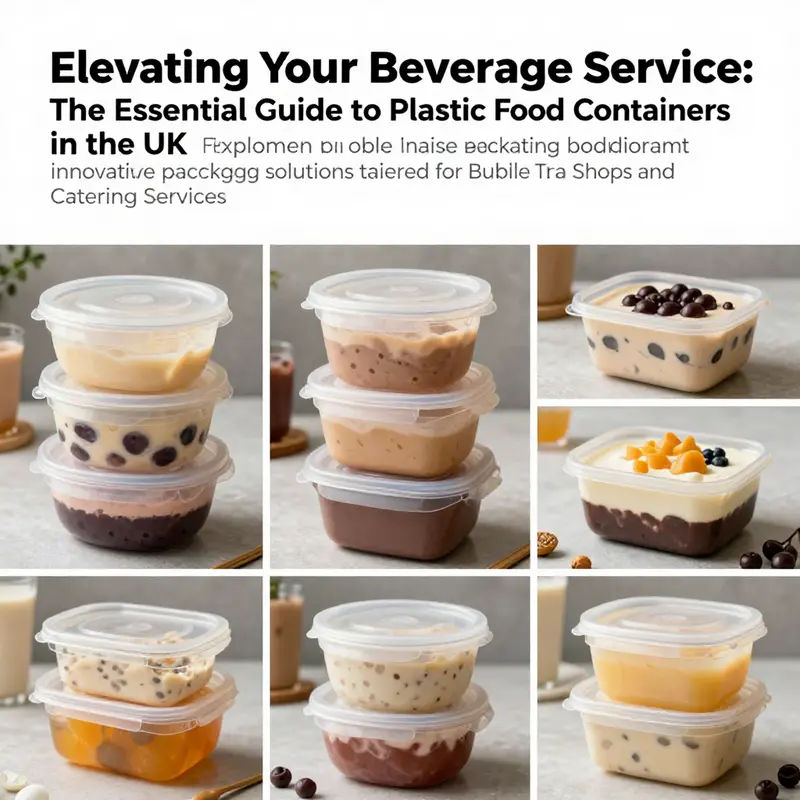
The market for plastic food containers in the UK is not just robust, but it’s also brimming with opportunities for businesses in the food and beverage sector. From bubble tea shops to catering services, the efficiency of how you package and serve your products can significantly impact customer satisfaction and operational success. Understanding the trends in wholesale purchasing, retail options available, sustainability efforts being adopted, and the overall market dynamics is crucial. Each chapter of this article delves into a distinct aspect of plastic food containers, providing insights and practical information that can help your business thrive in a competitive landscape.
Bulk, Compliance, and Confidence: Navigating Wholesale Plastic Food Container Purchases in the UK

The wholesale landscape for plastic food containers in the UK is not a simple large-scale version of retail buying. It is a market shaped by consolidation, regulatory nuance, and a growing but uneven demand for sustainability. In practical terms, buyer decisions in this space hinge less on the sticker price of a single item and more on the reliability of supply, the ability to scale, and the long-term alignment of packaging with brand values and regulatory requirements. The market’s maturity is visible in the way the top five players collectively command a sizable share of revenue, signaling both the advantages of scale and the risks of supplier dependence. For businesses that rely on consistent stock and predictable performance, this concentration translates into a thin line between competitive advantage and supply disruption. It pushes wholesale buyers to think about supplier relationships as strategic assets rather than mere arithmetic of unit costs.
That strategic lens changes how procurement teams approach requests for proposals and ongoing supplier management. In a market where quality, safety, and traceability are non-negotiable, buyers increasingly evaluate suppliers on capacity and lead times, not just on price per unit. A reliable supplier with robust manufacturing capacity can absorb sudden spikes in demand—such as those driven by seasonal promotions or shifting consumer habits—without sacrificing fill rates. Likewise, a partner that operates under stringent quality management systems and food-safety certifications provides a layer of risk mitigation that price alone cannot deliver. In practice, this means audits, supplier scorecards, and regular performance reviews become standard tools in the wholesale buying toolbox. The objective is not only to secure containers but to cultivate a predictable, auditable supply chain that supports the business’s own operating hygiene and customer satisfaction metrics.
From a standards perspective, certification matters as much as cost. Buyers now look for evidence of compliance with recognized food-safety frameworks, and they expect suppliers to demonstrate consistent process controls, allergen management where applicable, and transparent documentation. In the UK and across Europe, these expectations are increasingly tied to broader regulatory trends that press for greater accountability in packaging materials and end-of-life options. The erosion of the once-linear “use and dispose” model has nudged many wholesalers toward suppliers who can articulate a credible sustainability story without compromising performance. This is not about abandoning plastic; it is about choosing a path that balances cost, durability, and environmental considerations in a market where policy and consumer sentiment are converging toward responsibility and resilience.
Sustainability, in particular, has become a pivotal criterion for wholesale buyers. Traditional plastics still dominate because of their light weight, impact resistance, and cost efficiency. Yet the pressure to reduce waste, improve recyclability, and explore compostable alternatives has intensified. Suppliers are responding with a spectrum of options—from conventional polyolefin containers that are highly recyclable to newer materials such as bio-based polymers and biodegradable bagasse-based trays. The regulatory landscape, including EU-wide directives and UK implementation, reinforces these shifts by incentivizing recyclable or compostable packaging and by promoting circular economy principles. For wholesale purchasers, this means a two-tiered decision framework: maintain the operational benefits of proven plastics while evaluating the long-term alignment of packaging with sustainability targets, corporate social responsibility commitments, and potential regulatory changes.
This evolving mix of priorities is filtering into procurement strategies in tangible ways. Price remains important, especially for high-volume orders where the per-unit cost can be negotiated downward through quantity, long-term commitments, and bundled orders. However, price now coexists with hard-to-quantify factors like supply assurance, compatibility with existing equipment, and the ability to support private labeling programs. A supplier who can deliver not only the right containers but also private labeling options, rapid reordering, and flexible lot sizes gains a distinct advantage. This shift reflects a more nuanced market reality: buyers seek partners who can scale operations, guarantee consistent quality, and adapt to changing demand without creating bottlenecks or compliance gaps. In practice, wholesale buyers increasingly favor suppliers who can provide scalable production capacity, visible capacity planning, and clear lead-time guarantees that align with inventory targets and production schedules.
The design and functionality of containers themselves are not static either. Market consolidation has not dulled innovation; it has concentrated it in areas such as enabling tighter tolerances for leak resistance, improving stackability for space-saving warehousing, and enhancing durability in cold-chain applications. Yet the push for simplification and sustainability nudges product development toward compatibility with recycling streams and waste management infrastructure. For retailers and food-service operators, the decision matrix widens to include not just the container’s performance in use but its post-use fate. A growing cohort of buyers now requires evidence of recyclability in the UK and Europe, plus assurances about the end-of-life options for the packaging they source. That means suppliers must map the full lifecycle of their products—from resin selection to end-of-life processing—and communicate it clearly to customers.
In this setting, strategic sourcing becomes a critical discipline. Buyers are urged to look beyond unit pricing and to evaluate a supplier’s certifications, production capacity, lead times, and private-label capabilities. A well-chosen partner can deliver a reliable supply plan, be flexible with order volumes, and support the brand’s storytelling around sustainability and responsible sourcing. The best vendors in a consolidated market understand that their value proposition extends into the realm of risk management and brand reputation. They offer robust contingency plans, transparent quality metrics, and responsive customer service that can pivot as market conditions change. For food-service operations, this translates into fewer stockouts, more consistent product performance, and a stronger ability to promise customers reliable packaging experiences—dimensions that ultimately influence customer satisfaction and loyalty.
In recent years, the wholesale conversation has also embraced the realities of cross-border trade and regulatory alignment post-Brexit. While the UK has retained many European standards, there are nuanced divergences that wholesalers must monitor when sourcing containers. Compliance alone is not a competitive differentiator; it is a baseline expectation. Buyers expect suppliers to keep pace with evolving regulations and to offer documentation that supports audit trails, sustainability claims, and product safety. The ability to provide a robust chain-of-custody record, proof of testing, and third-party certifications is increasingly treated as a value-add rather than a luxury. In practice, this translates into ongoing due diligence during supplier selection, regular re-certifications, and clear, up-to-date technical data sheets that can be shared with customers and regulators alike.
The marketplace’s attention to sustainability does not negate the practical realities of running a high-volume packaging operation. For many wholesale buyers, plastic remains the most cost-effective and performance-robust option for a wide range of applications—from leak-proof meal containers to durable takeaway trays. Yet the alternatives are gathering pace. Biodegradable materials and compostable plastics are increasingly offered as options for those customers seeking to minimize environmental impact. The decision to adopt such materials is rarely simple; it requires evaluating cost differentials, processing compatibility with existing equipment, and the local ability to compost or recycle at the end of the container’s life. In a mature market, the choice is less about which material dominates and more about how the total cost of ownership stacks up when factoring in handling, logistics, regulatory compliance, and the potential reputational benefits of a sustainability-forward stance.
For wholesale buyers, one practical pathway is to maintain a diverse supplier base that can cover both conventional plastic needs and more sustainable alternatives. A diversified portfolio reduces exposure to market shocks and offers a menu of packaging solutions tailored to different product lines, service models, and customer expectations. It also enables a retailer or caterer to calibrate procurement strategies around seasonal demand patterns, promotional campaigns, and product mix shifts without compromising on safety or service levels. Importantly, this approach requires careful supplier governance. Buyers should seek partners who are not only price-competitive but who can demonstrate measurable improvements in waste reduction, recyclability, and responsible sourcing. The emphasis on governance extends to the ability to support private-label arrangements, helping preserve brand consistency across multiple SKUs and packaging formats while enabling greater control over sustainability messaging.
As buyers navigate these considerations, a practical cross-check emerges: the balance between cost, capability, and confidence. The most successful wholesale strategies treat packaging as a strategic enabler of the business model, not just a cost center. They align packaging choices with broader supply chain goals, such as minimizing storage and transport costs, reducing damage rates, and accelerating product turnaround. They also integrate packaging decisions with marketing and corporate responsibility agendas, ensuring that the packaging speaks to the brand’s commitments around waste, emissions, and social value. In a market where the top players sway much of the supply landscape, building a reliable, transparent, and sustainable supply relationship becomes the cornerstone of long-term competitiveness. It is, in essence, a disciplined art of sourcing that blends economic reasoning with risk management, supplier collaboration, and a forward-looking view of packaging’s role in shaping customer experience.
For readers exploring the wholesale space, a practical touchstone is the availability of supplier options that can balance sustainability with cost control. Some buyers explore factory-direct eco-friendly disposable kraft packaging options, which can complement plastic container strategies where appropriate and help broaden a brand’s sustainable packaging narrative without sacrificing performance. This approach does not replace the value of high-quality plastic containers but rather extends the toolkit available to procurement teams, enabling a more nuanced, multi-material packaging strategy that aligns with evolving consumer expectations and regulatory horizons. It also underscores the importance of a deliberate, evidence-based sourcing process that weighs certifications, private-label capabilities, and the capacity to meet demand with minimal lead-time variability.
Ultimately, wholesale purchasing in the UK plastic food container sector is about building confidence across the supply chain. Buyers seek partners who can deliver reliability, scalability, and compliance while still offering cost-effectiveness in the long run. They rely on market signals provided by industry data and trend analysis to anticipate regulatory shifts and consumer preferences. And they recognize that the most resilient strategies are those that harmonize the functional demands of day-to-day operations with a thoughtful, transparent narrative about sustainability and responsibility. In this light, the chapter’s core message is clear: success in wholesale procurement is less about chasing a single best price and more about cultivating a portfolio of trusted suppliers who can support growth, uphold safety, and adapt to a changing packaging landscape with both courage and clarity.
External reference for broader context: Statista provides a market size perspective on UK disposable plastic food containers, illustrating the scale and evolution of the sector. See the external resource here: Statista market size report.
Choosing Wisely in the UK: How Consumer Values Are Reshaping Plastic Food Container Trends
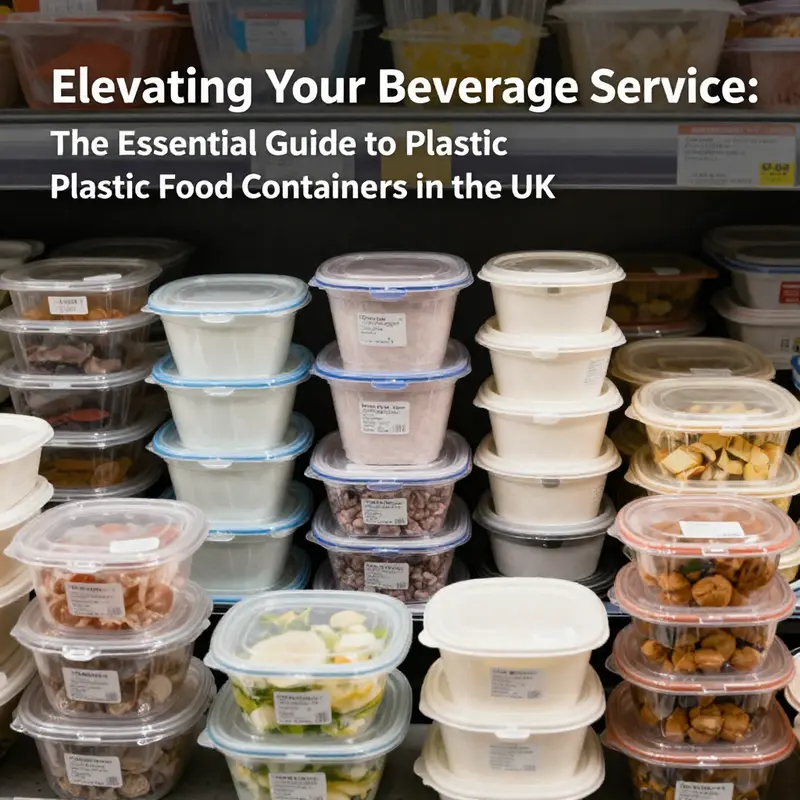
In the United Kingdom, the story of food containment unfolds at the intersection of practicality, price, and a rising sensitivity to environmental impact. Consumers who once prioritized convenience above all now increasingly weigh the ecological footprint of their choices. A growing willingness to pay a premium for packaging that can claim compostability, recyclability, or a reduced life-cycle burden is changing the way shelves are stocked and how retailers present options. This shift is not simply a trend; it reflects a broader recalibration of value where end-of-life considerations and the story told by packaging matter as much as the contents inside. The result is a retail landscape that must balance familiar performance—the leak-proof seal, the resilience of plastic in cold or heat, the lightness and stackability of containers—with a longer horizon view that considers waste streams, recycling infrastructure, and consumer responsibility. In this setting, the plastic food container remains a dominant player, yet the space is increasingly crowded with alternatives that promise lower environmental impact, better end-of-life outcomes, or both. The tension between cost and conscience is palpable, especially for households but also for the thousands of small cafes, pop-up eateries, and delivery kitchens that rely on reliable, cost-effective packaging to keep meals intact as they travel from kitchen to customer. A nuanced understanding of consumer preferences suggests that the smarter retailers are those who offer a spectrum: dependable conventional options for everyday use, alongside clearer, better-labeled sustainable choices for those who want to minimize waste or signal a commitment to responsible sourcing. In practice, this means more visible differentiation on pack features such as recyclability, compostability, and the presence of recycled content, as well as clearer guidance on disposal. When shoppers can see not just what a container does, but what happens to it after use, the decision process becomes more transparent and more aligned with personal values. This is particularly evident in the way households compare the performance of containers against the total environmental cost of disposal. A container that leaks, cracks, or fails in the freezer can trigger a cascade of additional waste, undermining trust and raising the perceived cost of sustainable choices. Conversely, packaging that reliably protects food, while also offering straightforward disposal options, strengthens consumer confidence and encourages repeat purchases. The result is a marketplace that rewards clarity and accountability as much as it rewards durability. Retailers are responding by expanding assortments to include materials that perform well under common conditions—refrigeration, freezing, microwaving, stacking in a crowded fridge—while also presenting a narrative of responsibility. The consumer’s assessment often begins with a practical pressure: a container must keep food fresh, be leak-proof, and withstand daily handling. It ends with a more aspirational question: what is the packaging doing beyond storing food? Is it recyclable in local streams? Is it compostable in home or industrial facilities? Can it be reused in some form without compromising safety? These questions are guiding shelf layouts and labeling strategies across online platforms and brick-and-mortar stores alike. In this context, sustainability is not a niche concern; it is becoming a baseline expectation that influences both the perceived value and the actual long-run cost of packaging through waste reduction and potential savings in disposal or recycling fees. The dynamic is further amplified by regulatory signals aimed at reducing plastic waste. While the push is broader than the plastic category alone, plastic packaging is a focal point because of its ubiquity, its well-known end-of-life challenges, and the sector’s capacity to innovate. The regulatory tempo in the UK reflects a tighter emphasis on waste prevention, improved collection, and more responsible design. This translates into packaging guidelines that encourage lighter materials, easier separation for recycling, and reduced use of additives that complicate recycling streams. For retailers, compliance is not just about avoiding penalties; it is about aligning with consumer expectations and building trust through transparent claims about recyclability and compostability. Consumers, in turn, are becoming more attuned to the lifecycle story of a container. They want to know whether a product is made with recycled content, whether it can be recycled in their local facility, and what kind of end-of-life options exist for composting or reuse. Such awareness has a disciplining effect on the market, pushing manufacturers and retailers to avoid ambiguous labels and to invest in clearer, more actionable disposal guidance. It is here that the shopping experience can shift from a simple choice to an informed decision that reflects personal values and local infrastructure. On major online marketplaces, a broad spectrum of plastic containers remains widely available. These platforms offer a range of sizes, shapes, and sealing mechanisms designed for different uses—from meal prepping to takeaway services. Yet alongside these dependable options, there is a noticeable expansion of sustainable alternatives, including containers designed for easier recycling, reuse, or compostability. The coexistence of traditional plastic solutions and greener options signals a market in transition rather than a market divided. Consumers who prioritize sustainability are turning to packaging that not only protects food but also communicates responsibility. They may accept modest premium pricing if it means a product that aligns with environmental goals and can be disposed of in a straightforward manner. For households, the draw of sustainability is often balanced against price and convenience. A premium may be acceptable if it accompanies clear disposal guidance and if the product proves durable enough to justify its cost over time. This preference for value over novelty, particularly in a budget-conscious context, is shaping the kinds of options retailers expand. Retailers recognize that the audience for eco-friendly packaging is diverse. Some customers want fully compostable containers that can be broken down in industrial facilities, while others seek containers with high recycled content, or ones that can be reused safely for multiple meals. The market is responding by building more explicit product narratives around end-of-life options, durability, and safety. In some cases, this means labeling that clarifies whether a container can be microwaved or frozen without compromising integrity, and whether the lid and base are made from compatible materials to avoid separation during recycling. The clarity of these messages matters; vague or contradictory disposal guidance can undermine consumer confidence and erode any perceived environmental benefit. The consumer’s decision is also influenced by how well a retailer communicates the total value proposition. For instance, a costlier option that demonstrably reduces waste, extends reuse opportunities, or simplifies recycling can appeal to a consumer who wants to balance daily practicality with longer-term environmental goals. This is especially true for meal prep and home-cooking routines, where containers may be used repeatedly, cleaned, and repurposed. In such contexts, the choice becomes less about a single purchase and more about a small but meaningful commitment to reducing the household’s plastic footprint. The retail response to these evolving expectations is to curate assortments that speak to both ends of the spectrum. On one side, core, reliable plastic containers continue to serve as the backbone of everyday needs, offering the low cost per use that households and small businesses rely on for routine storage and transport. On the other, retailers broaden the range of eco-friendly options—packaged to convey sustainability through materials, manufacturing processes, and disposal pathways. The aim is not to force a binary choice but to illuminate a continuum of options that meet different priorities: price, performance, and environmental impact. Within this continuum, guidance matters. Consumers benefit from straightforward disposal information, explicit statements about recyclability in local systems, and transparent discussions of any trade-offs involved in choosing a particular material. As awareness grows, so does the sophistication of the marketplace. Shoppers increasingly evaluate containers by considering the full life cycle: sourcing, production, use, and ultimate fate. End-of-life considerations are not afterthoughts but integral to the value proposition. A well-informed consumer weighs how a container travels through the waste stream, whether it can be separated easily for recycling, and whether the disposal method aligns with local infrastructure. This shift in awareness has practical consequences for product development. It pushes suppliers toward designs that minimize mixed materials, simplify separation, and maximize compatibility with recycling streams. It also motivates the exploration of alternative materials, including those derived from plant-based fibers or those that offer compostability in specific facilities. Even as plastic remains the primary material in many contexts due to its advantages in weight, resilience, and cost, the market is increasingly comfortable presenting eco-friendly options as legitimate, not marginal, choices. The consumer-led demand for sustainable packaging also intersects with wholesale and consumer education. For small businesses and households alike, price remains a crucial consideration. Wholesale purchasing continues to offer compelling value for businesses with high-volume needs, enabling economies of scale that keep per-unit costs down while maintaining consistent performance. This is important because the affordability of packaging directly affects menu pricing, delivery costs, and overall service quality in a competitive market. Yet the wholesale equation is not solely about price. It includes reliability, supply security, and the ability to source containers that meet evolving sustainability criteria. When suppliers can guarantee a steady supply of sustainable options at a predictable price, retailers and food service operators gain confidence to invest in packaging that aligns with consumer expectations. The practical takeaway for readers is that the UK retail landscape for plastic food containers is a study in balance. It balances the enduring practicality of conventional plastics with a growing appetite for packaging innovations that reduce environmental impact. It balances affordability with responsibility, ensuring that even as consumers seek more virtuous options, they do not have to sacrifice safety or convenience. And it balances local realities with global innovations, recognizing that disposal infrastructure, recycling streams, and consumer habits vary across regions even within the same country. In this evolving space, one path forward is visible: retailers who succeed will be those who transparently communicate the benefits and trade-offs of their packaging choices, who broaden their offerings to include both durable plastics and sustainable alternatives, and who empower customers with knowledge about end-of-life options. For readers exploring these choices, a practical starting point is to consider not only the container’s immediate function but also its journey after use. If a shopper can identify a clear disposal pathway and sees that the packaging aligns with their values, the purchase feels more consequential and more satisfying. This mindset can gradually shift the market, encouraging suppliers to invest in designs that optimize both performance and sustainability. While the landscape continues to evolve, the message remains consistent: informed choices, clear information, and options that reflect a spectrum of priorities are what will sustain consumer confidence and keep the UK’s food container market dynamic, ethical, and responsive to the needs of everyday life. To readers seeking concrete examples of eco-friendly packaging variants beyond conventional plastics, a representative pathway is to explore durable, recyclable, or compostable alternatives that can fit into familiar food service workflows. For those curious about specific product types that illustrate these principles, one accessible reference is the disposable-26oz kraft paper soup cup with lid, which demonstrates how non-plastic options are presented as practical alternatives in real-world packaging. disposable-26oz-kraft-paper-soup-cup-bowl-with-paper-lid. This example underscores how packaging can preserve value while signaling a commitment to reduced plastic reliance, even when plastic remains a core component of the market. External context remains essential, and readers will benefit from following ongoing research into consumer willingness to pay for sustainable packaging. A recent external insight highlights how readiness to invest in greener options continues to rise, reflecting a broader cultural shift toward responsible consumption. For those who want to explore this trend further, the linked analysis provides a broader lens on consumer priorities and market responses in the UK. https://www.foodnavigator.com/News/2025/11/28/UK-consumers-willing-to-pay-premium-for-alternative-food-packaging
Sustainability in UK Plastic Food Containers: Innovations, Transparency, and Consumer Awareness
Sustainability in UK plastic food containers is not a single technology but a moving ecosystem of materials, processes, and behaviors. It sits at the intersection of how we design, manufacture, use, and ultimately recover packaging that keeps food safe, preserves freshness, and minimizes waste.
In the United Kingdom, the pressure to balance performance with environmental responsibility has accelerated investment in smarter plastics, smarter recycling, and smarter consumer communication. Plastic remains favored for its lightness, durability, and versatility, yet the goal of a truly circular lifecycle is shaping a new norm where every container is designed with end-of-life in mind and every consumer action is part of a broader system. That shift is visible not only in the materials science labs and recycling facilities but in the language brands use with shoppers and the way retailers curate choices for businesses that depend on reliable, economical packaging.
At the heart of these changes is a growing emphasis on the circular economy for plastics. PET, a common workhorse in food packaging, is being reimagined through initiatives that promote design for recyclability and higher recovery rates. Groups like PET Planet are pushing for standards that keep bottles and containers in productive loops, rather than letting valuable polymers become waste. The aim is to increase the proportion of recycled content in new packaging, reduce the environmental footprint of production, and extend the useful life of materials through better sorting and handling at end of use. This is not merely a technical pursuit; it translates into real choices on the shop floor and in the back room of large kitchens where containers are routinely washed, refilled, or recycled. When a manufacturer can guarantee a higher recycled content without sacrificing safety or performance, the economics tilt toward a more sustainable equilibrium. That balance matters because affordability and reliability remain essential drivers for both households and high-volume food service operations.
Industry collaboration is another pillar of progress. No single organization can reinvent the lifecycle of plastic packaging alone. Manufacturers, recyclers, and sustainability experts are increasingly joining forces to share data, optimize collection streams, and harmonize standards. Such cooperation aims to reduce the friction in the recycling chain, from how a container is designed to how it is sorted and processed after use. The results are tangible in better material recovery rates and more consistent streams of recyclate that can be fed back into new products. For businesses, this closer alignment across the supply chain helps stabilize pricing and improve overall environmental performance without compromising the core benefits of plastic packaging. In a market driven by both cost pressures and sustainability expectations, this kind of cross-sector collaboration is essential for keeping plastic containers viable while we accelerate toward lower-wastage and higher-recovery pathways.
Consumer awareness stands as a catalytic force behind these shifts. A 2025 study conducted by researchers at the University of Manchester highlights a notable shift in public understanding. More than 65 percent of UK consumers express a preference for products packaged in materials that are recyclable or contain recycled content. This is not a simple trend; it reflects a demand for transparent storytelling about packaging choices. People want to know not only that a product is recyclable but that the recycling system is functioning in a way that actually recovers and reuses materials. Yet the study also reveals a gap. Many shoppers still struggle to distinguish which plastic types are truly recyclable and which require special facilities. The result is a need for clearer labeling and more explicit information about end-of-life options. Brands and retailers are listening. The demand for transparency is pushing companies to communicate sustainability efforts more effectively and to align product claims with demonstrable improvements in recyclability and reuse. In the UK, this combination of consumer expectations and corporate response is reshaping how packaging is designed, marketed, and supported by recycling infrastructure.
These dynamics have meaningful market implications. When consumers are well informed, they reward brands that demonstrate genuine sustainability through credible packaging choices, accurate labeling, and consistent recycling guidance. For businesses, the message is clear: invest in materials and systems that deliver verifiable environmental benefits, and communicate those benefits in a way that is accessible to everyday users. The economics of packaging also plays a critical role. Bulk purchases and wholesale containers will continue to dominate for food service, meal prep, and bulk storage precisely because they offer cost efficiencies that make sense at scale. Yet even within wholesale and bulk contexts, the pressure to improve recyclability and reduce environmental impact remains strong. This means choosing container designs that can be readily sorted by municipal streams, selecting materials with established recycling markets, and ensuring that any additives or colorants do not hinder a container’s recyclability. The interplay between practical performance and ecological responsibility is where many UK suppliers are seeking to differentiate themselves.
The conversation about sustainability also invites a broader consideration of what counts as a viable alternative when plastics do not meet every need. For those seeking even greater durability or distinct environmental benefits, alternatives such as glass remain available, though they often come with higher upfront costs and heavier weight for transport. In many settings, however, plastics continue to offer unmatched balance between cost, convenience, and protecting food quality. The key is not to abandon plastics but to rethink how they are used, recovered, and reinvented. This rethinking extends to the design phase, where packaging engineers increasingly favor features that support circularity: containers that stack efficiently, lids that facilitate secure sealing while enabling steam escape when heated, and materials that tolerate repeated washing and reuse in commercial kitchens. In a world where waste disposal options and recycling capability vary regionally, design choices that maximize compatibility with local infrastructure are essential.
The branding and labeling landscape is also evolving as part of sustainability leadership. Consumers want straightforward signals about end-of-life. Ambiguity around recyclability can erode trust and hinder sustainable behavior. In response, many manufacturers are adopting clearer icons, standardized language, and claims grounded in traceable recycling performance. This effort dovetails with the broader push toward transparency that is reshaping how packaging sustainability is communicated. When a container is marketed as recyclable, there is a growing expectation that it will be accepted by mainstream curbside programs and that the recycling stream will handle it effectively. This alignment between packaging claims and real-world recycling outcomes is crucial for maintaining consumer confidence and ensuring that sustainable packaging becomes a practical, repeatable habit rather than a marketing narrative.
Within this evolving framework, the UK market is also witnessing a nuanced conversation about how to reconcile consumer convenience with ecological responsibility. The reality is that plastic packaging often remains the most practical option in many scenarios—especially for preserving food safety, preventing leaks, and enabling efficient warehousing and transport. The answer, therefore, is not a blanket shift away from plastic but a strategic shift toward smarter plastics and smarter systems. That means prioritizing plastics with robust recycling streams, designing for end-of-life, and ensuring that food packaging is easy to clean, hardy in use, and compatible with cold storage and microwaving where appropriate. It also means selecting designs that reduce overall material use without compromising performance—for instance, opting for lighter-weight containers that still withstand the rigors of wholesale handling and consumer use. In practice, this translates into packaging that supports both the business case and the environmental case, a dual objective that many UK suppliers are increasingly pursuing.
There is also a practical dimension to sustainability that locals can observe in everyday life. Consumers encounter a spectrum of packaging choices in groceries, takeaways, and meal-prep kits. Some containers are designed for reuse in professional kitchens, while others emphasize recyclability after a single use. The visibility of these choices matters because it affects habits. When shoppers see clear recycling instructions and reliable performance, they are more inclined to participate in recycling programs and choose products that align with their values. On the wholesale side, businesses can leverage sustainability as a differentiator in a crowded market, offering packaging options that meet both cost constraints and ecological expectations. The win lies in packaging that delivers dependable performance, reduces waste, and communicates credibility to customers who are increasingly attentive to the lifecycle story behind the products they buy.
Looking ahead, the trajectory of UK plastic food containers will continue to be shaped by continued innovation, stronger collaboration, and a more informed consumer base. The design process will increasingly treat end-of-life as an essential design constraint, guiding choices about materials, thickness, and compatibility with recycling streams. The recycling infrastructure will become more capable, aided by policy alignment and investments that streamline sorting and processing. And consumers will increasingly demand packaging that is not only functional but also transparent about its environmental footprint. This is a complex transformation, but it is also an opportunity. When the supply chain coordinates around recyclability and when shoppers are empowered to participate in recycling programs with clarity, plastic packaging can deliver reliable food protection while contributing to a more sustainable economy.
In this landscape, a practical takeaway for readers and practitioners is to recognize that sustainability is a product of many small, coordinated decisions across supply chains. It is about choosing materials and designs that fit local recycling capabilities, about communicating honestly with consumers, and about partnering across sectors to close the loop on plastics. The UK market is already moving in this direction, leveraging innovations in material science and recycling processes, while embracing consumer education as a powerful driver of change. For those who want a tangible example of how sustainable packaging can manifest in product choices, consider the broader ecosystem of packaging design and supply that includes options like kraft-based packaging where appropriate. For instance, one example of a packaging option that combines practical utility with sustainable design is a kraft food packaging bowl with window, which illustrates how non-plastic materials can complement plastic strategies in a holistic approach to packaging sustainability. kraft food packaging bowl with window.
The conversation about sustainability is ongoing, and the UK context highlights how industry, government, and consumers are becoming more aligned in the pursuit of packaging solutions that perform well and respect the environment. As recycling rates improve and labeling becomes clearer, the consumer experience will continue to evolve toward greater simplicity and reliability. The end result will be a packaging system in which plastic containers remain central due to their benefits when used responsibly, while the opportunities to recover and repurpose plastics expand in scale and efficiency. In time, that balance will define not only the resilience of food logistics but the trajectory of how a modern economy manages waste and resources. For anyone seeking a broader understanding of how these trends are advancing in the UK, the evolving conversation around sustainable packaging trends provides a useful roadmap and a reminder that transparency and collaboration are essential to meaningful progress. External resource: sustainable packaging trends in the UK food industry.
External reference: https://www.foodsafetynews.com/2025/10/sustainable-packaging-trends-in-the-uk-food-industry/
Market Dynamics and Sustainability in UK Plastic Food Containers
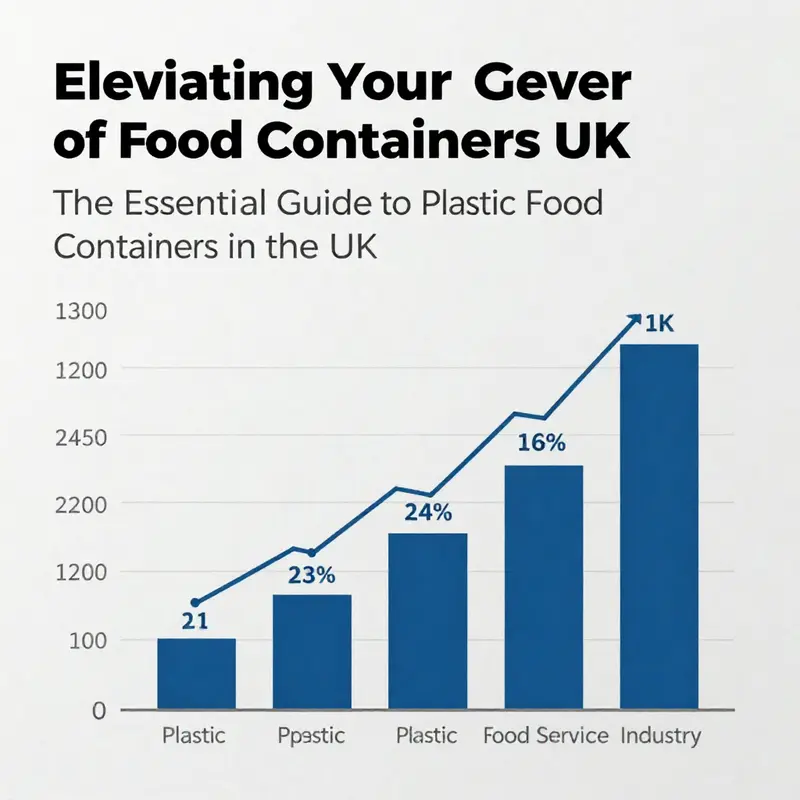
The UK plastic food containers market sits at a juncture where economics, practicality, and regulatory focus converge. It values steady demand, ongoing product improvement, and a growing emphasis on sustainable design. Manufacturers pursue scale to reduce unit costs and improve supply chain resilience, while retailers, policymakers, and consumers seek clearer end-of-life pathways and reusable options. This tension shapes what is produced and how the market evolves.
Industry structure shows some consolidation, with the leading players accounting for a substantial share of revenue, which supports scale, distribution, and reliability. Pricing and innovation cycles are often aligned with capacity planning and recycling developments. When a few firms hold influence, margins become sensitive to changes in demand, regulatory costs, and the ability to absorb new requirements.
Growth outlook for household packaging remains robust, with demand driven by convenience and durability. The market has seen value in recent years and projections point to continued growth through the 2030s, albeit with increasing scrutiny of environmental impact and end of life management. Companies are balancing performance with recyclability, exploring recyclable blends and safer materials, while aiming to keep costs competitive.
On the policy side, extended producer responsibility and recycling infrastructure continue to shape the economics of packaging. Recyclability, reusability and clear labeling help define what counts as good value in a circular economy. Consumers respond to leak resistant, microwave safe and easy to use containers, while bulk purchasing by businesses reinforces economies of scale but also highlights responsibilities for end of life.
Looking ahead, the sector will depend on innovation in materials, processing and design that reduce waste and support reuse. The goal is to sustain the benefits of plastic where it makes sense, while improving recyclability and lifecycle outcomes. The narrative will hinge on aligning value, performance and environmental responsibility within a dynamic regulatory environment.
Final thoughts
Understanding the various facets of plastic food containers in the UK marketplace is essential for businesses aiming to optimize their operations and appeal to their customers. As trends shift towards wholesale purchasing, sustainability becomes a focal point, and the variety of retail options expands, businesses can leverage this knowledge to enhance their service offerings. The insights provided in this article serve as a valuable resource for bubble tea shops, food trucks, catering services, and event planners, helping them to navigate the evolving landscape of food packaging successfully.