

Clear plastic pencil cups are not just for the classroom; they have become essential organizational tools across various industries, including beverage chains, restaurants, food trucks, catering services, and event planning. Their transparent design and functional versatility make them an ideal solution for keeping pens, markers, and other essentials readily accessible, ensuring streamlined operations. In our exploration of this overlooked yet impactful tool, we will delve into the design and functionality that make clear plastic pencil cups indispensable for your workspace, examine current market trends and consumer preferences that highlight their popularity, and discuss the diverse use cases for these organizers in everyday life.
Clarity in the Desk: The Design Logic and Everyday Function of Clear Plastic Pencil Cups
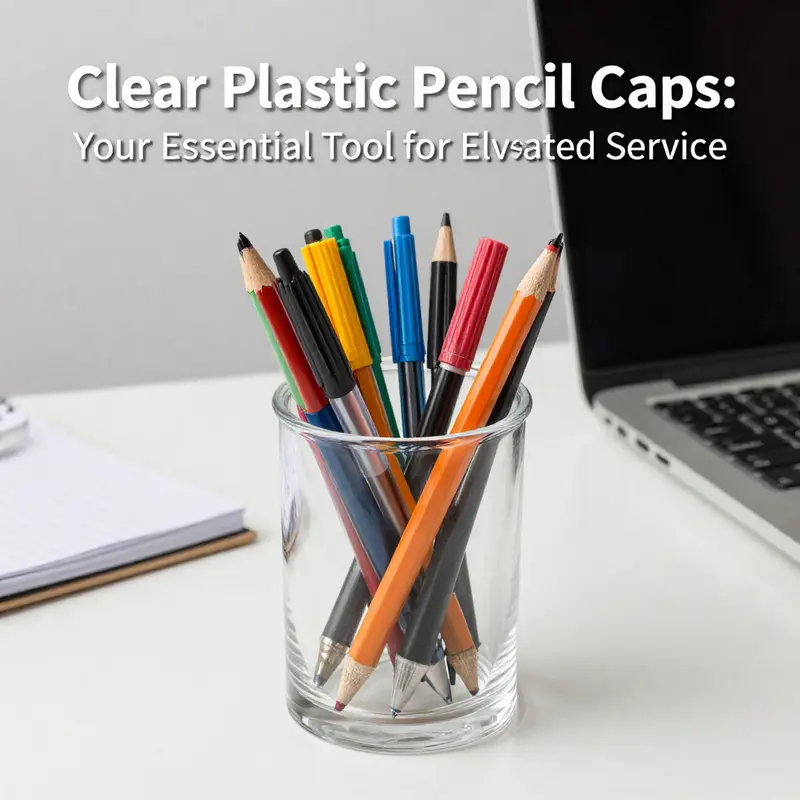
The desk is a stage where ideas take shape, and a clear plastic pencil cup sits at the center, not as a mere container but as a quiet facilitator of daily thinking. When you glance across a workspace and can instantly identify the exact pen, pencil, or marker you need, the mind spends less time rummaging and more time refining thought. A clear plastic pencil cup is not just a tool for storage; it is a bridge between intention and action. Its transparency is a deliberate design choice that invites quick recognition, reduces cognitive load, and supports a smoother workflow. In this chapter, we explore how such cups balance simplicity and sophistication, how their forms influence use, and why these containers endure as a staple in homes, classrooms, and offices alike. We will consider how the shape, material, and features work together to create a small object with outsized impact on everyday tasks, from drafting a sketch to grading a stack of papers or planning a project timeline.
The most immediate attribute of a clear plastic pencil cup is, of course, visibility. The see-through quality comes from the material’s optical clarity, which allows every pen cap, pencil ferrule, and even the tiny linchpins of a shared workstation to be scanned in an instant. This visibility does more than simply help locate tools; it communicates status. When a cup looks full, it signals abundance; when it hosts only a few items, it nudges a reminder to replenish. Such feedback is subtle but meaningful in a setting where time is a resource and attention is precious. The design leverages this psychological cue to keep tasks moving forward rather than stalling at a cluttered surface. The effect is not merely practical; it also contributes to an overall sense of order that can influence mood and motivation on a busy day.
From a form perspective, the typical clear cup favors clean lines and an uncluttered silhouette. The open-top configuration is common, because it invites tactile engagement. You reach in to grasp a rolling pencil or a marker with a familiar, almost ritual motion, and the act becomes nearly automatic. This is not accidental. The ease of insertion and retrieval is a direct result of a shape that favors a stable, accessible rim and a generous opening diameter. Cylindrical and rectangular profiles each offer their own ergonomic advantages. A cylindrical cup distributes weight evenly and sits confidently on the desk, while a rectangular version can nestle into corners or along edges where space is at a premium. In either case, the simplicity of the exterior—no sharp corners that snag or crannies that trap dust—contributes to effortless maintenance and a consistently tidy look.
Material choice reinforces that sense of reliability. The cups are typically crafted from durable, lightweight plastics, including acrylics and high-grade polycarbonates. These materials resist everyday handling, resist minor bumps, and resist the kind of scuffs that can accumulate on busy desks. The trade-off between durability and weight is carefully managed so that the cup remains a practical, transportable companion for students who move between classes, professionals who shuttle between meetings, and makers who move from concept to prototype on a single surface. The clear finish, often polished and smooth, enhances the perceived quality of the tool and, by extension, the space it inhabits. A surface free from snagging textures also means easier cleaning—dust, tiny paper shreds, or stray glitter can be wiped away with minimal effort, preserving the cup’s clarity and the desk’s overall crispness.
Yet visibility alone does not define the best plastic pencil cup. A well-considered internal organization system can dramatically increase efficiency without sacrificing the aesthetic appeal of transparency. The simplest version relies on a single, open cavity that holds a mix of writing implements, but more sophisticated variants introduce internal dividers or multiple compartments. Dividers enable you to separate pencils from highlighters, rulers from erasers, and fine-tipped markers from broad markers. This arrangement mimics the mental categories we use when planning a task, making it easier to assemble a set of tools tailored to a given activity. Even within a single compartment, the right internal geometry can guide the user. Slightly convex bases or subtly tapered walls can encourage upright placement, reducing the chance that items slip toward the center or lie on their sides, where retrieval requires a longer reach. The net effect is a system that is both forgiving and precise: forgiving because it accommodates a variety of tools, precise because it promotes a consistent orientation that speeds up access.
The open design has its downsides, of course. Dust and debris can settle inside, and in shared or high-traffic environments there is a non-negligible possibility that small items will slip free or fall out during transport. These concerns can be mitigated by optional lids and handle features that preserve visibility while adding a layer of protection. A lid with a simple, ergonomically friendly latch or a gentle fingertip grip can keep the contents shielded from dust while the cup remains portable. The lid does not pretend to hide the contents; rather, it lightly disciplines them, preserving the clean look of the desk when moved or stored away. A thoughtful lid design can also address spill concerns in more dynamic environments, such as classrooms or lab spaces where movement is frequent and tools are actively passed between hands.
Customization is another layer that elevates the basic clear cup from a utilitarian container to a personalized workspace accessory. Even within the constraints of a transparent aesthetic, operators and users can dial in character and mood through subtle tweaks. Decorative touches like external wraps, adhesive designs, or even the color of the material used for handles or lids can transform the object into a focal point or a discreet supporting actor that harmonizes with a broader interior palette. The customization ethos often emphasizes durability and ease of maintenance. Textured exteriors or frosted finishes are possibilities that retain visible contents but alter the tactile and visual experience. It is important to note, though, that customization should not compromise clarity. The appeal of a pencil cup rests in the ability to scan its contents quickly, so designers generally preserve the see-through advantage while layering on personality through shape, proportion, or accessories rather than through opaque inks or heavy patterns.
Beyond the desk and into the broader ecosystem of organization, the clear plastic pencil cup demonstrates versatility by dissolving rigid boundaries between uses. It is not limited to pens and pencils; it can host color-coded markers, small brushes, craft tools, or spare components like batteries and connectors in an electronics project. Some users find it useful for non-writing tasks as well: it becomes a container for makeup brushes in a compact vanity setup, or a tray for small hardware in a workshop, keeping screws, nuts, and fasteners in view and within reach. This adaptability reflects the design’s adherence to the core principle of visibility plus accessibility. When a container does not demand constant rearrangement to accommodate new items, it sustains a steady rhythm of work rather than interrupting it with clutter management.
From a practical standpoint, the choice of shape influences how many items can be stored and how easily they are retrieved. A tall, narrow cylinder may excel at holding long, slender tools and minimize tipping, but it can constrain the mix of items to those of similar height. A squat, wide-mouth design invites a broader assortment—short markers, erasers, small rulers—yet it can be less stable when loaded heavily on one side. The decision between cylindrical and rectangular profiles is often dictated by the surrounding desk geometry and the user’s habits. In a corner, a compact, square footprint can maximize surface real estate without sacrificing vertical capacity. On a broad desk, a taller form with a generous opening might keep frequently used tools within arm’s reach while leaving room for the keyboard and monitor in front of it. The beauty of a well-considered object lies in its ability to accommodate a routine rather than force one.
Of course, craftsmanship matters. The finish of the inner surfaces affects both aesthetics and function. A smooth interior reduces friction, which helps when items are moved from one zone to another during a busy day. It also minimizes wear on tool ends that might otherwise catch on rough edges. Good manufacturing practice ensures that the rims are free of sharp edges, the base is stable, and the walls are uniformly transparent. When quality control is strong, the cup remains a low-friction partner in daily tasks rather than a source of frustration. These attributes contribute to a long service life, which in turn enhances sustainability by reducing the frequency of replacements and the volume of waste produced by a bustling workspace.
The social dimension of a clear pencil cup should not be overlooked. In shared spaces, its transparency can act as a visual invitation to take part in a communal workflow. When everyone can see where things belong and where they are returned, the culture of the desk shifts toward collaboration rather than competition for scarce resources. The cup becomes a quiet cue for responsibility: return a tool to its place, and the surface remains clear for the next mind to begin. This behavioral dimension supports a kinder, more organized environment, especially in classrooms or team studios where group norms matter as much as personal preferences.
From a design perspective, one could argue that the most compelling clear cups are not those that shout with novelty but those that disappear into the background while quietly enabling action. The most effective products in this category embrace restraint, prioritizing function and longevity over transient trends. They invite use and adaptation, recognizing that the user will shape the object’s meaning through daily habits rather than through a flashy feature list. In this sense, the design evolves with the user, mirroring how work evolves—from rough drafts to polished final copies, from scattered ideas to structured plans. A clear plastic pencil cup, in this sense, becomes a microcosm of organized thinking itself: simple in appearance, sophisticated in effect, and enduring through repeated use.
For educators, students, and professionals alike, the value proposition rests on a straightforward calculus. A well-chosen cup reduces time spent locating tools, lowers the cognitive load associated with desk chaos, and supports a workflow that feels controllable and deliberate. The result is not merely increased efficiency; it is a small but meaningful lift in confidence. When a desk feels orderly, ideas can breathe. When ideas breathe, momentum often follows. In classrooms, a shared cup with a tidy, legible arrangement can become a quiet tutor, guiding students toward habits of organization without the need for constant instruction. In homes, it softens the boundary between study and life, keeping tools accessible yet unobtrusive, allowing the person at the desk to stay in the current moment instead of losing time to search and shuffle.
The design vocabulary of the clear plastic pencil cup also invites contemplation about how everyday tools shape our environment. The choice to reveal contents through transparency reflects a broader philosophy about accessibility and openness. It says that organization should not be something hidden behind a barrier but something visible, navigable, and approachable. When you can see what you have, you can plan what to do next. The cup thus acts as a silent facilitator of productivity, a small but reliable partner in turning intention into action. In this light, the object transcends its materiality and becomes part of a larger practice: arranging, selecting, and deploying tools with intention, pace, and care. The result is not simply a cleaner desk but a workflow that feels thoughtful and capable.
As we consider the broader family of desk organizers, the clear pencil cup has a distinctive, almost timeless role. It is neither fussy nor flashy, but it is consistently useful. Its clarity aligns with contemporary aesthetics that favor minimalism and functional elegance. It also aligns with a practical optimism: that a small, sensible object can support routine tasks so that larger, more complex challenges can be faced with clarity and calm. The design choices—shape, material, openness, and optional protections like a lid—do not exist in isolation. They respond to real-world needs: the desire for quick access, the need to maintain focus, and the wish to keep a workspace presentable and inviting. In this way, the clear plastic pencil cup embodies a design principle that many everyday objects strive for: to be useful, accessible, and enduring without demanding attention beyond what is necessary for function.
For readers who crave a tangible touchpoint in evaluating these cups, observe how the container interacts with the tools it holds. Are the pencils standing upright with their tips safely shielded by a broad rim? Do the compartments, if present, provide meaningful separation or merely add bulk? Do the edges feel comfortable to grip, and does the overall weight of the cup ensure a stable presence on a lively desk? Are the materials resistant to yellowing under bright light, a common concern in spaces with large windows or intense daylight exposure? These questions guide a practical assessment that goes beyond appearance. A truly well-executed clear cup balances form with function so that it becomes a reliable partner in work and study rather than a decorative afterthought.
In closing, the clear plastic pencil cup represents a purposeful intersection of visibility, ease of use, and durability. Its design is simple on the surface, yet the implications of that simplicity compound across daily tasks. It is a tool that respects the user’s time, supports organization as a habit, and remains adaptable across a spectrum of environments—from the quiet corner of a home office to the active rhythm of a classroom desk. When we attend to the small details—the quality of the finish, the smoothness of the rim, the stability of the base, the balance between open access and protective containment—we begin to appreciate how such an unassuming object can quietly upgrade the everyday practice of thinking, planning, and creating. The pencil cup, clear as its purpose, invites us to keep things visible, keep things accessible, and keep our minds focused on the next step rather than the next search. For designers and end users alike, this is a reminder that good design often resides in the simplest choices—choices that hold back nothing but clutter and reveal everything needed to move forward.
Internal link: For a broader look at how similar container designs balance function with decoration in everyday settings, you can explore content about eco-friendly printed-logo ice cream cups with lids. eco-friendly-printed-logo-paper-ice-cream-cups-with-lid.
External reference: To view a related example of a transparent desktop cup with lid in a consumer catalog, see the product page at https://www.alotmall.com/transparent-desktop-pencil-cup-with-lid.html.
Seeing Through Organization: How Clear Plastic Pencil Cups Reflect a Modern, Sustainable Desk Ecosystem
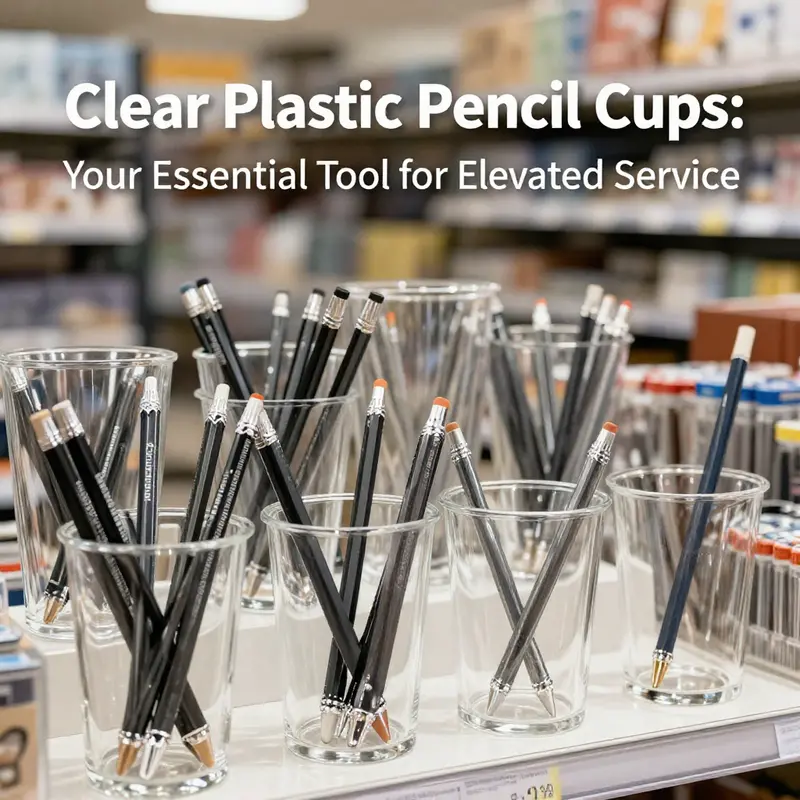
The rise of the clear plastic pencil cup is not merely a matter of gadgetry or a petty preference for transparency. It sits at the crossroads where function, form, and a shifting ethos of sustainability converge to shape how people design and inhabit their working and learning spaces. A desk organizer that is virtually invisible, or at least visually unobtrusive, has a peculiar power: it reveals what is inside without shouting for attention. In a world where clutter can drain focus, the ability to glance at a desk and immediately locate a pen, a highlighter, or a delicate drawing tool becomes a small but meaningful productivity boost. The clear cup, with its simple cylinder or gently tapered silhouette, embodies a design brief that favours clarity over ornament, utility over novelty, and resilience over disposability. This approach mirrors a broader consumer move toward minimalism that still accommodates the many micro-chores of daily life—picking up a pencil, sharpening it, returning it to its proper slot, and moving on with confidence and a sense of control.
From a materials perspective, the appeal of clear pencil cups rests on several practical advantages. The transparency makes contents legible at a distance, which reduces the time spent searching and the mental friction of a cluttered workspace. Clear plastics and acrylics offer a lightweight feel, making them easy to reposition during a desk reorganization or a classroom setup at the start of a new term. They are robust enough to withstand the daily rhythms of a busy home office, a student dorm, or a shared classroom desk. And because the interior is visible, it becomes a visual prompt to maintain order, a subtle cue that steady habits begin with a straightforward, reachable tool. In essence, the cup becomes less of a container and more of a cognitive ally—a simple, tactile reminder that organization can be effortless and aesthetically neutral, yet deeply effective.
Yet honesty in design also means acknowledging the imperfect balance between transparency and practicality. Clear plastic is prized for its clarity, but it must also endure the bumps and spills of real life. A good clear pencil cup resists clouding after exposure to cleaning solutions, oils from hands, or occasional ink smudges. It should be easy to wipe and quick to dry, because a desk that invites maintenance is a desk that invites longer use. Durability matters because the most sustainable choice is the one that lasts. A well-constructed cup reduces the need for frequent replacement, cutting down on waste and the energy that goes into manufacturing, shipping, and disposal. In that sense, the popularity of these organizers is not just about how they look on a desk; it is about how they perform over time, quietly supporting routines that keep people focused on their tasks rather than their tools.
The market’s current trajectory for clear pencil cups is shaped by a blend of functional expectations and a growing sensitivity to environmental impact. Design preferences cluster around three interlocking ideas: visibility, versatility, and longevity. Visibility remains paramount; users want to see what they own and to access it quickly. This is especially true in school environments where students juggle pencils, markers, scissors, and rulers. A transparent container allows not only teachers and students to identify tools at a glance, but also for administrators to monitor inventory without pulling items from shelves. Versatility follows naturally, as many reducers of waste prefer one accessory that can handle multiple tasks. A single, clean cup can serve as a pencil holder, a makeup brush cup, or a small supply bin for erasers and clips. In homes with limited desk space, this flexibility is a practical virtue that translates into fewer purchases and less clutter. Longevity—built into the materials and the joinery—completes the triad. A durable, well-made cup resists cracking and warping under temperature shifts and daily handling, making it a candidate for long-term use rather than a short-lived trend.
The aesthetic language of these organizers has evolved as well. Minimalist transparency remains at the core, but the market has learned to embrace subtle accents that do not overwhelm the core promise of clarity. Some designs present a crisp, singular profile that relies on the purity of the material to convey sophistication. Others experiment with soft edges, gentle contours, or multi-compartment configurations that pivot around the same central idea: order without visual noise. The small details—the way a rim catches light, the evenness of a base, the balance between a cup’s height and its mouth—become the differentiators in a crowded category. Even with the predominance of a clear aesthetic, designers are exploring how color, texture, and form can harmonize with the transparent body to create a desk accessory that feels intentional rather than incidental. In practice, this means fewer glitzy gimmicks and more thoughtful proportions, smooth surfaces, and easy-clean edges that invite daily use.
Sustainability is not merely a background concern but a narrative thread that increasingly informs consumer choice. The appeal of a reusable, durable item aligns with a broader cultural shift away from single-use plastics toward materials that can be repaired, repurposed, or recycled. Manufacturers and retailers alike are paying attention to the lifecycle of these cups, seeking options that minimize environmental impact while preserving the visual and tactile benefits of transparency. Recyclable plastics or plastics with higher recycled content are becoming more prevalent in the product mix, and there is growing interest in clearer indicators of a product’s end-of-life journey. In other words, consumers are asking not just how a product looks today, but what happens to it after its useful life ends. This forward-thinking approach pushes the category toward innovations in material sourcing, production methods, and aftercare—rituals of maintenance that extend the life of the item and reduce waste.
An additional layer to the sustainability conversation is the broader function of these organizers within sustainable office and school ecosystems. Clear pencil cups are often purchased as part of a larger program to declutter, streamline, and encourage efficient, responsible work habits. When schools and offices emphasize reuse and durability, they create a culture in which students and employees become more mindful about how they interact with everyday objects. The simplicity and neutrality of the clear cup lend themselves to environments that prize clean lines and calm spaces, which in turn can influence the pace of work and study. The cup’s unobtrusive presence helps keep attention on the task rather than on the container, subtly reinforcing a disciplined approach to learning and productivity. What might appear as a small, even trivial object thus becomes a symbol of a more intentional way of organizing time, space, and materials.
Alongside durability and sustainability, the adaptability of clear pencil cups is a practical advantage that resonates in classrooms and study corners alike. In educational settings, where supplies shift with the school year, a transparent, modular tool makes resizing and reconfiguring a desk or a workstation straightforward. Teachers can reorganize materials on a whim, students can customize their own spaces within shared desks, and parents can introduce a simple, consistent system that translates well across rooms and days. The multi-compartment variants—though simple in concept—address real-world needs by separating categories of tools, such as pencils, markers, and scissors, ensuring that the surface remains uncluttered while the essential items stay within easy reach. The result is not simply an object of utility but a facilitator of habits—habits that students and professionals alike can translate into better focus, steadier routines, and longer attention spans during tasks that demand concentration.
From a retail and consumer-behavior perspective, the way these cups are presented online and in stores matters as much as their physical properties. The transparent aesthetic harmonizes with contemporary product photography that emphasizes clarity, light, and clean lines. On digital shelves, where shoppers rely on first impressions and quick judgments, a clear cup communicates its value instantly: you can see what you own, you can judge its size at a glance, and you can envision it on your own desk. This immediacy supports confident purchase decisions and reduces the cognitive load involved in evaluating organizational tools. In turn, retailers benefit from faster decision-making, higher conversion rates, and lower return rates because customers feel certain about what they are buying before it arrives at their doorstep.
Looking forward, designers and manufacturers appear poised to push the clear pencil cup beyond its traditional role. The ongoing dialogue between aesthetics and care for the environment is inspiring innovations in both texture and finish. Clear plastics may be complemented by subtle frosted elements that preserve visibility while softening glare, creating a tactile quality that feels more premium. There is also room for smarter, modular configurations that lock into larger organizers or sit alongside other accessories in a coordinated system. These developments respond to a growing desire for cohesive, well-planned work and study ecosystems in which every tool has a precise place. In this sense, the clear pencil cup is not a standalone accessory but a node in a larger network of desk gear that supports focus, habit formation, and sustainable choice.
For readers curious about how these ideas translate into real-world shopping and product development, consider the broader trend toward eco-conscious packaging and transparent design. You can explore related concepts and examples that echo the same aesthetic and functional logic at this link: senang07-eco-friendly-printed-logo-paper-ice-cream-cups-with-lid-ice-cream-paper-bowl-paper-ice-cream-cups-with-lid.
Ultimately, what makes a clear plastic pencil cup compelling goes beyond its immediate use. It is the way the object communicates a philosophy of space—an invitation to keep one’s tools visible, organized, and ready for action without demanding attention. In doing so, it supports the slow, steady work of learning, creating, and producing. It is a small but meaningful component of a desk that fosters calm, focus, and a sense of control over one’s day. As designers continue to refine material choices, optimize for durability, and integrate sustainability into the lifecycle narrative, the clear cup will likely become not just a staple of desks everywhere but a quiet ambassador for modern work and study habits that honor both efficiency and responsibility. The desk, after all, is a stage where clarity matters as much as capability, and the clear plastic pencil cup is one of the simplest, most effective props in that ongoing performance.
External resources and further reading can deepen understanding of the broader ecosystem in which such organizers operate. For an example of how clear, minimalist organizers fit into a wider retail and design conversation about reusable, sustainable containers, see the following external reference: https://www.amazon.com/dp/B0CQ5YXZ4V.
Clarity in Motion: The Widespread Versatility of Clear Plastic Pencil Cups in Work, Study, and Everyday Life
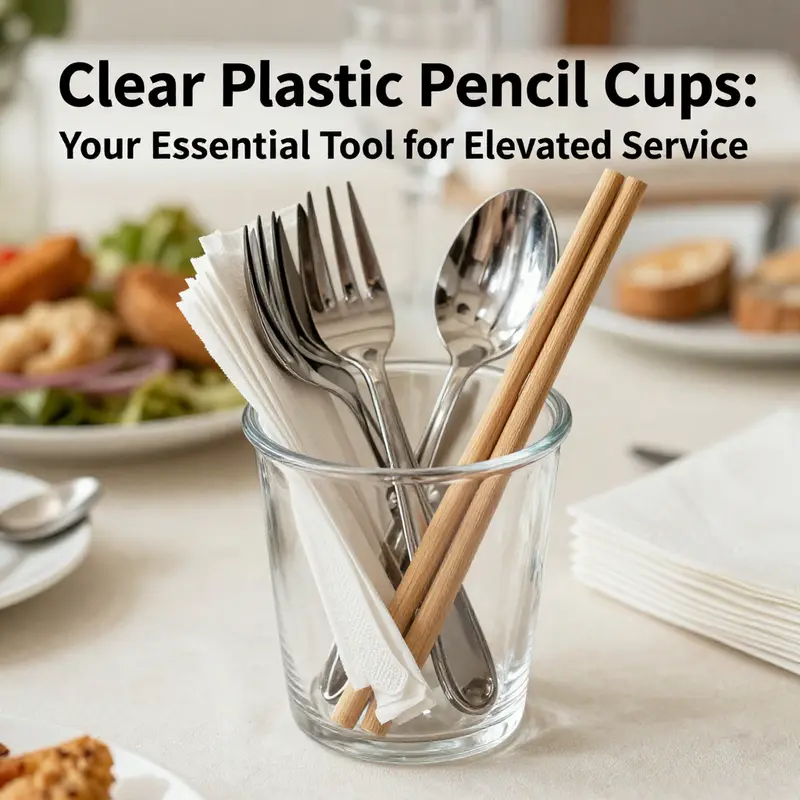
A clear plastic pencil cup is more than a simple receptacle for pens and pencils. It is a small, quiet instrument of organization that translates the abstract idea of order into a tangible, sight-ready system. When a desk is populated with a spectrum of tools—ballpoint pens, mechanical pencils, highlighters, scissors, USB drives, erasers—the presence of a transparent container becomes a kind of visual punctuation. It signals that the space can be navigated with intention rather than rummaged through with impulse. The transparency of the cup does something more than display contents; it reduces cognitive load. In offices where people must switch rapidly between tasks, the ability to locate a needed tool in a glance helps maintain momentum. The cup becomes a focal point of functional aesthetics, a small sculpture on the desk that also serves a practical workflow purpose. In this way, the humble clear plastic pencil cup contributes to how people think about work and study spaces alike, shaping not just what sits on the desk but how users interact with it over the course of a day.
The materials that give these cups their signature clarity—durable plastics and acrylics—do more than resist wear. They preserve the perception of space itself. Clarity encourages cleanliness; it makes clutter visible and, by contrast, makes tidy arrangements look effortless. When a workspace is dominated by glassy surfaces and pale light, a clear cup becomes a mirror of that minimal restraint, catching glints of overhead lamps and the soft hue of nearby screens. Yet there is more at stake than aesthetics. Durability matters deeply, especially in environments that demand both resilience and quick access. A well-made clear cup remains sturdy through daily handling, fits securely on a desk without slipping, and can withstand the occasional bump or spin as a person reaches for a tool mid-task. Lightweight construction matters here, too. It allows a user to reposition the cup easily, whether to shift emphasis to another work zone, to share the toolset with a teammate, or to travel with the cup tucked into a bag for a meeting away from the main workspace.
In the simplest configurations, a clear plastic cup holds a handful of pencils and pens; in more elaborate versions, it becomes a modular organizer with multiple compartments, a lid, or a non-slip base. The range of sizes and styles makes it possible to tailor a desk to its particular rhythms. For someone who uses a blend of writing tools and small instruments—gel pens, brush-tip markers, highlighters, erasers, tiny screwdrivers—the multi-compartment design is not a luxury but a necessity. It segments tools into categories with an intuitive arrangement that aligns with daily routines. A professional who must switch seamlessly between drafting notes and reviewing contracts benefits from a cup with dedicated sections for different tool types. An educator, who moves between lesson planning and classroom demonstrations, can keep markers, chalks, and classroom-appropriate tools within easy reach while maintaining a clean, open surface. In both cases, the tool’s ability to reveal its contents at a glance matters as much as how well it keeps those contents organized.
The practical versatility of clear plastic pencil cups extends well beyond the traditional office or classroom. In home offices or study nooks, these cups perform as compact, portable storage that travels with the user rather than dragging the tools along behind. The lightweight design, coupled with a low-profile silhouette, means the cup can slide into a suitcase or backpack without adding bulk. In travel contexts, a small, transparent cup becomes a reliable way to carry essential items—a couple of spare writing instruments, a compact calculator, a USB drive, or a handful of sticky notes—in a single, organized pocket. Carrying this kind of compact organization reduces the risk of misplacing small items in transit, which is especially valuable for professionals who work across different locations and need a consistent, recognizable system.
In educational settings, students often contend with a fluctuating inventory of supplies. A clear pencil cup helps maintain a steady classroom rhythm by making supply levels obvious. When a class begins, teachers can instantly gauge whether certain items are running low and reallocate resources without entering a lengthy inventory process. Students, too, benefit from the transparency of the container. A pupil who sees that erasers are dwindling or that certain colors of markers are missing will be prompted to replenish or adjust their supplies before a critical assignment begins. The cup, in this sense, becomes a small instrument of classroom efficiency, supporting a smoother flow of activities and reducing the time spent hunting for materials during lessons or independent work. It is not a substitute for careful planning, but it is a practical ally that complements thoughtful preparation.
The scope of use also includes craft and creative work. Artists, designers, and hobbyists often exchange the rigid boundaries of office supplies for broader, more dynamic categories of small tools. A clear acrylic cup can hold a mix of sketching pencils, graphite sticks, sculpting wires, small rulers, clips, or glue sticks. The transparent surface allows for quick assessment of what is on hand, while the compartmentalized design prevents cross-contamination of materials that could affect performance or finish. In these contexts, the cup becomes a stage for a set of tools that might otherwise scatter across a worktable, inviting a more deliberate approach to tool selection and work sequencing. The ability to see everything at once supports iterative processes, where the next step hinges on what is readily accessible in reach.
Even beyond writing and drawing tools, the clear cup adapts to a surprising breadth of small items that people rely on day to day. In a shared workspace, it can store USB drives, SD cards, adapters, and spare batteries—items that can vanish into a drawer depths if left uncontained. In a personal setting, it can be repurposed to organize makeup brushes, nail files, or grooming implements, showcasing how the value of clarity transcends traditional categories. The enduring appeal lies in the simplicity of the concept: one transparent container that can be filled, emptied, and reconfigured with minimal effort and minimal friction. Its appeal rests less on trend than on a dependable philosophy of visibility, accessibility, and ease of maintenance.
Maintenance and upkeep are often overlooked parts of the usability equation, yet they determine how long a clear cup remains a productive fixture on the desk. Cleanliness is straightforward, thanks to smooth interiors that resist residual grime. A quick rinse and wipe can restore transparency after a spill or dust accumulation, and the absence of intricate textures or patterns reduces the likelihood of staining that can plague other materials. Practical considerations also extend to the physical footprint of the cup. A stable base, sometimes equipped with a non-slip pad, helps prevent unwanted movement that could disturb nearby devices or spill delicate contents. In shared environments, where several users interact with the same workspace, the ease of cleaning and the straightforward design reduce the likelihood of cross-contamination or grime transfer between users. All of these factors—cleanability, stability, and low maintenance—enhance the cup’s long-term value as a reliable organizational tool.
From a design perspective, the appeal of clear cups lies in how they interact with light and space. The glassy or translucent surface reflects ambient illumination, creating bright highlights that can make a workstation feel more open and welcoming. The reflective properties of the material can complement other desk accessories—metallic paper trays, matte-finish notebooks, and the soft glow of a computer screen—by providing a counterpoint that prevents the desk from appearing too subdued or heavy. The aesthetic effect is subtle but meaningful: it helps evoke a sense of order that is approachable rather than austere. In many professional environments, where the impression of efficiency matters, this understated elegance can contribute positively to how a space feels and how its occupants perceive their own productivity.
As with any organizational tool, choosing the right clear plastic cup requires attention to context. The best option aligns with the user’s specific needs: the number and type of tools to be stored, the available space on the desk, and how much portability or modularity is desired. For a compact desk with limited real estate, a smaller cup or a compact multi-compartment model can house essential items without overwhelming the surface. For larger workstations or shared desks, a bigger cup with deeper compartments can accommodate a broader assortment of tools or a small inventory—such as spare cables, adapters, and notepads—without becoming a secondary source of clutter. In environments where hygiene and ease of cleaning are paramount, the choice of material and finish matters. A high-clarity acrylic that resists clouding will preserve the visual benefits of transparency over time, while a design with rounded edges and a smooth interior will facilitate thorough cleaning and reduce friction in daily use.
The internal logic of these cups—transparency, modularity, and ease of access—also lends itself to integration with broader organizational systems. When paired with other desk organizers, such as shallow trays, labeled bins, or cable organizers, the clear cup can anchor a coherent toolkit for productivity. The visual consistency across different storage elements helps users quickly interpret where items belong, reinforcing a routine that reduces time spent searching and re-sorting. In effect, a simple cup becomes a keystone in a larger architecture of efficiency, supporting workflows that require speed, clarity, and reliability. The value proposition is not merely about keeping pencils off the desk; it is about cultivating an environment where work, study, and daily tasks unfold with a sense of intentional order.
Within this wider ecosystem of organization, it is useful to recognize how the principle of visibility extends beyond the desk into other small-scale containers and storage ideas. The same logic that makes a clear cup effective for pencils can inform how we approach other objects that benefit from quick access and easy inspection. A transparent container for spare hardware, glue sticks, color swatches, or craft components, for example, echoes the same design intent: keep items visible, organized, and ready for immediate use. This cross-contextual relevance underscores the adaptability of the concept and helps explain why such a simple object has lasting appeal across varied settings. The clear cup thus functions not just as a tool for one particular task, but as a small, enduring embodiment of a broader philosophy of practical clarity.
In practice, this means that the clear plastic pencil cup remains most valuable when it is chosen with a clear sense of purpose and a practical understanding of its role within a larger system. It is not a singular solution for every organizational challenge, but a reliable component that, when used thoughtfully, can reduce friction, speed up routine tasks, and contribute to a workspace that feels open, orderly, and alive with possibility. As environments evolve—whether an executive office, a bustling classroom, or a home study corner—the cup can be reimagined to meet new demands. Its adaptability is a testament to the enduring appeal of simple design: something that works because it respects the user’s time, attention, and need for reliable access to tools when they are most needed.
Internal linking note: for an illustration of the broader logic of accessible, well-designed containers and their role in everyday life, you can explore related takes on simple, practical storage solutions. For a related example in a different but conceptually similar category, see the page dedicated to take-away bowls with lids, which captures the same emphasis on visibility, accessibility, and streamlined handling. food-grade take-away bowl with lids
External resource: A practical lens on clear, durable organizers and their real-world utility can be found in product pages that emphasize simple, robust design and straightforward maintenance. For a concrete example of the kinds of materials and construction that support long-term clarity, see this product page: https://www.amazon.com/dp/B0CQ6VZL4F?th=1
Final thoughts
Incorporating clear plastic pencil cups into your business not only enhances organization but also creates a visually appealing environment for both staff and customers. Their design caters to modern aesthetics while delivering practical functionality suitable for various contexts—from beverage shops to event planning. As consumer preferences lean towards stylish and efficient solutions, embracing these organizers can lead to improved operational efficiency and customer satisfaction. Consider how integrating clear plastic pencil cups can transform your workspace into a neatly arranged hub that ultimately delights in both service and appearance.