
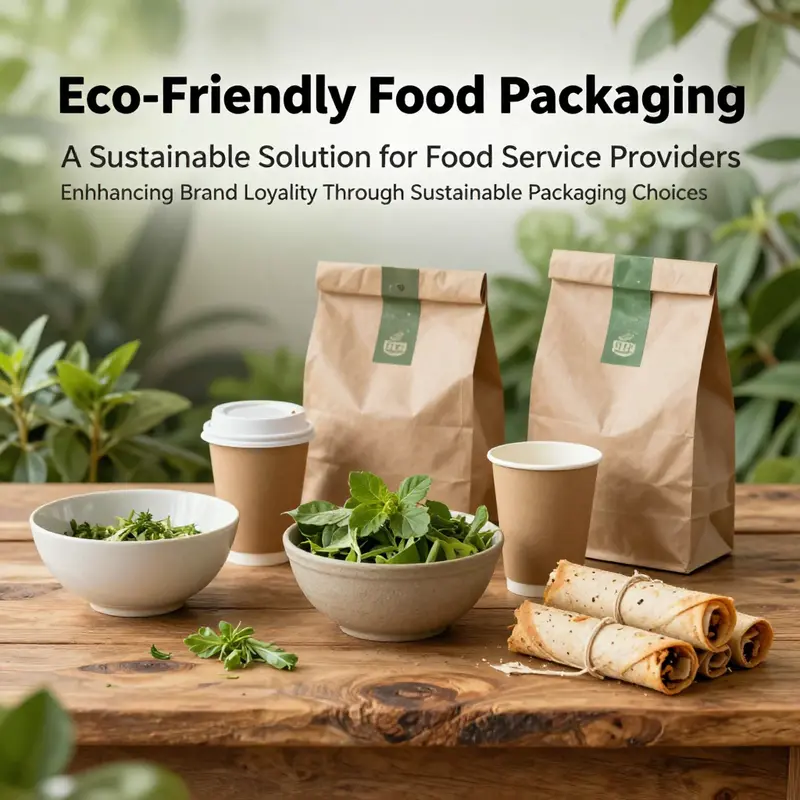
The demand for eco-friendly food packaging solutions is on the rise as food service businesses strive for sustainability. With increasing environmental awareness among consumers and the rapid growth of the eco-friendly packaging market, wholesalers have a pivotal role in connecting innovative sustainable materials with businesses in the food service industry. As we explore the dynamics of this market, we’ll learn how materials innovation, regulatory compliance, and shifting consumer preferences guide the choices that bubble tea shops, beverage chains, restaurants, food trucks, catering services, and event planners make in their packaging procurement decisions. Furthermore, we’ll address the economic challenges and strategic considerations that shape the landscape of eco-friendly food packaging wholesaling.
How Market Forces Shape Successful Eco-Friendly Food Packaging Wholesalers
Market Forces and Wholesaler Strategies
The market for eco-friendly food packaging is not static. It moves as a single current shaped by environmental awareness, regulation, technology, and shifting buyer priorities. Wholesalers operating in this niche must read that current constantly. Their survival depends on interpreting trends quickly, aligning inventories with demand, and translating sustainability claims into verifiable benefits for food service clients. This chapter traces how those forces interact and describes practical strategies wholesalers can use to stay competitive while advancing the green transition in food packaging.
Environmental concern is a foundational driver. Public discourse about plastic waste and landfill impacts has reached a level where restaurants and caterers feel direct pressure to act. Foodservice buyers look for options that reduce visible waste but still protect food quality. That creates demand for items like fiber-based bowls, bagasse trays, and compostable cutlery. Wholesalers who maintain a deep catalog of renewable-material options can capture business from operators trying to switch quickly. Yet supply alone is not enough. Buyers expect credible claims and tangible proof that a product meets performance and end-of-life expectations. This is where certification, testing, and transparent sourcing matter.
Regulation compounds demand unpredictably. Laws restricting single-use plastics or mandating compostable packaging reshape purchasing overnight in some regions. Wholesalers who monitor legislative calendars and maintain compliance-ready product lines win new accounts during regulatory shifts. They also mitigate risk for clients by offering alternatives that align with emerging local rules. To do this, wholesalers must invest time in understanding certification schemes like OK Compost, ASTM D6400 compliance, or chain-of-custody standards. Stocking certified items reduces the friction that buyers face when evaluating substitutes. It also protects the wholesaler by reducing post-sale disputes about recyclability or compostability.
Consumer preferences feed the cycle. End consumers increasingly associate sustainability with brand trust. Studies show a willingness to pay more for greener packaging, which motivates restaurants and grocery chains to source responsible materials. Wholesalers that package the sustainability story access a value-add: they help clients claim environmental leadership. This means providing point-of-sale information, digital assets, and verified sustainability data. It also means offering a range of price points. Not every client can absorb a large cost increase, so wholesalers must curate affordable options alongside premium, high-performance lines. The goal is to enable gradual transitions rather than one-time purchases that strain client budgets.
Technology and material innovation further redefine what is feasible. Advances in bioplastics, compostable coatings, and pulp processing have closed many performance gaps with conventional plastics. New laminations and barrier technologies preserve shelf life while keeping papers recyclable. Wholesalers who follow R&D developments can forecast which materials will scale affordably. They can also partner with manufacturers that invest in continuous improvement. This partnership model helps wholesalers time their inventory investments and manage technical questions from customers. Being able to explain why a bagasse tray resists grease or why a compostable liner needs specific industrial facilities becomes a sales asset.
The competitive landscape is therefore multi-dimensional. Price, product range, certifications, and logistics all influence purchasing decisions. Purely competing on price often fails when clients demand traceability and reliability. Conversely, a wholesaler that offers exclusive or certified products can justify a premium, but only if it also demonstrates supply consistency. Building strategic supply chain partnerships is essential. Long-term agreements with manufacturers, shared forecasting, and collaborative inventory planning reduce stockouts and lower unit costs. Wholesalers should also diversify suppliers to avoid single points of failure. Geographic sourcing diversity helps when tariffs, shipping delays, or raw material shortages hit.
Operational capabilities back up market positioning. Efficient warehousing, fast order fulfillment, and clear product data feeds reduce friction for B2B customers. Digital platforms that show real-time inventory and estimated ship dates improve buyer confidence. Integration with clients’ procurement systems speeds reordering. Many foodservice buyers operate on tight margins and schedules, so reliability equals value. Wholesalers who combine sustainability with speed and predictable pricing will stand out.
Another important element is circularity. The circular economy is more than a buzzword. It reframes how packaging is sourced, used, and reclaimed. Wholesalers that help their clients close material loops gain a competitive edge. This might mean offering take-back programs or partnering with local composting facilities. It could also involve advising buyers on waste segregation and labeling to ensure materials end up in the correct streams. Such services change the whistle-to-receipt relationship into a partnership capable of delivering measurable waste diversion outcomes. These outcomes strengthen client retention and create case studies that attract new business.
Education and sales enablement are practical levers for expansion. Many foodservice operators know they want greener packaging but lack the technical knowledge to choose materials correctly. Wholesalers that provide clear guidance on selection, food safety, and disposal keep customers from making costly mistakes. Sales teams should be fluent in explaining trade-offs between compostable and recyclable options. They should be able to recommend packaging based on menu items, temperature requirements, and local disposal infrastructure. Product samples, technical data sheets, and on-site training sessions all convert curiosity into committed orders.
Pricing and margins remain tricky. Sustainable materials often cost more than their plastic counterparts. Wholesalers must balance margin preservation with market competitiveness. Volume discounts, subscription purchasing models, and bundled offers can ease transitions for buyers. Some wholesalers create tiered pricing that rewards long-term commitments with lower unit costs. Others use predictive analytics to optimize reorder quantities and reduce holding costs. Transparency about cost drivers helps clients weigh environmental benefits against financial implications. This transparency builds trust and easing the path to broader adoption.
Risk management cannot be overlooked. Material shortages, regulatory changes, or shifts in consumer sentiment can affect demand. Wholesalers who stress-test their business models fare better. This includes scenario planning for sudden regulatory bans, hedging contracts for raw materials, and flexible warehousing solutions. Digital tools for demand forecasting and supplier performance monitoring reduce exposure to volatility. Wholesalers who treat sustainability as both a market opportunity and an operational challenge build resilient businesses.
Finally, examples matter. When buyers can see familiar items that meet green standards, transition friction lowers. Offering commonly used items in eco-friendly formats demonstrates practicality and scalability. For instance, a widely used salad bowl made from sugarcane pulp shows that compostable options can match conventional products. Linking product types to verified performance helps sales conversations and shortens procurement cycles. For a practical example of a renewable fiber option designed for food use, consider a natural sugarcane bagasse pulp salad bowl available from wholesale catalogs.
Taken together, these forces demand that wholesalers act as more than distributors. They must be market interpreters, compliance advisors, logistics experts, and circularity partners. The wholesalers who succeed will combine an expansive but vetted product range with operational excellence, real-time transparency, and client-focused services. They will invest in certifications, supplier relationships, and educational programs that turn interest into durable purchasing. As the market grows, those capabilities will separate wholesalers who merely supply from those who shape the sustainable future of food packaging.
External resource: For a complete analysis of market size, trends, and growth projections relevant to eco-friendly food packaging, see the Grand View Research report: https://www.grandviewresearch.com/industry-analysis/eco-friendly-food-packaging-market
Innovating at the Core: Material Breakthroughs Redefining Eco‑Friendly Food Packaging for Wholesalers
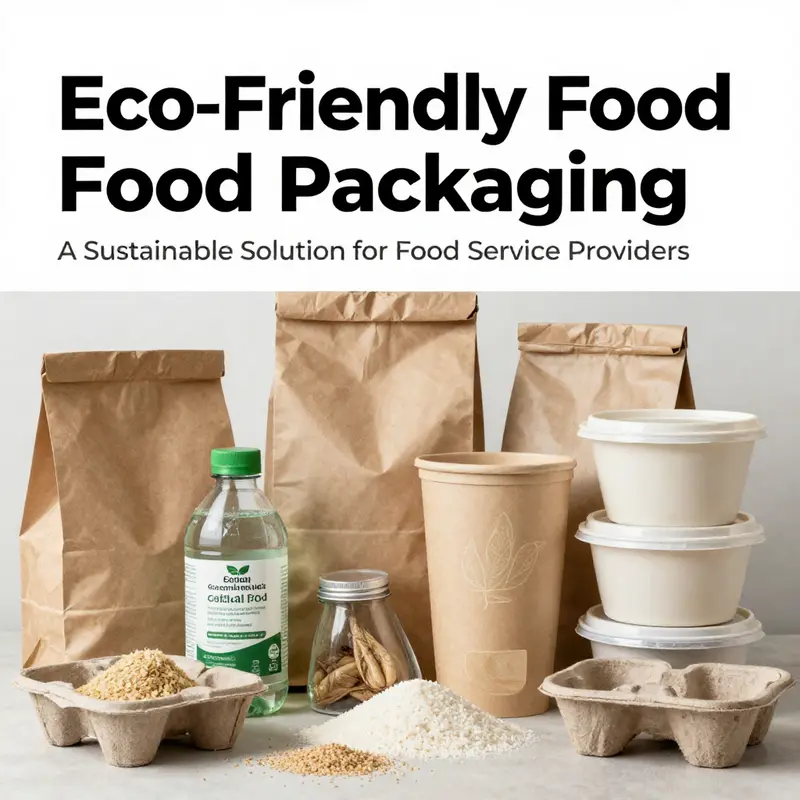
The global push toward sustainability has rewritten the vocabulary of food packaging, and the wholesale sector stands at the center of this transformation. For ecologically minded wholesalers, material innovation is not a niche interest but a core capability that shapes supplier choices, product mix, and cost trajectories. The market now rewards packaging that can perform reliably in real-world conditions while remaining friendly to the environment and the end-of-life streams that communities and regulations increasingly prioritize. In this landscape, breakthrough materials—biodegradable and compostable films, recyclable metals, mycelium-based foams, bio-coated papers, algae-derived films, and even edible concepts—are not just buzzwords. They are practical options that reduce waste, shrink the environmental footprint of food service operations, and unlock new pathways for brand differentiation. Wholesalers who understand how these materials interact with processing equipment, storage conditions, and consumer handling can steward adoption across varied food service segments, from quick-service outlets to large institutional kitchens, without sacrificing reliability or margins. The regulatory context reinforces the need for thoughtful materials selection. Standards bodies such as ASTM and ISO set performance and disposal criteria, while policy measures—ranging from single-use plastic directives to regional composting programs—shape which materials are preferred in different markets. Wholesalers must navigate this terrain with due diligence, ensuring that what they stock not only meets current rules but remains adaptable as standards evolve. This requires a blend of technical literacy, supplier collaboration, and clear communication with customers about how a given material behaves through its life cycle. It also means embracing a systems view: materials, end-of-life infrastructure, and consumer behavior together determine whether a given solution actually delivers on its sustainability promise. In practice, that means combining innovations to balance performance, cost, and scalability, rather than chasing a single perfect material that might not fit every application.
Biodegradable and compostable films have moved from laboratory curiosity to mainstream options in wholesale catalogs. Polylactic acid (PLA) derived from corn, bagasse from sugarcane, and cellulose-based films now underpin wrap films, bags, and even some rigid containers. They allow manufacturers and food service operators to reduce reliance on conventional polyolefins, especially where industrial composting streams exist. The real-world consideration, however, is composting infrastructure. Industrial facilities can break down these materials, but home composting rarely achieves reliable results. For wholesalers, the implication is twofold: first, educate buyers about the end-of-life pathway and local composting capabilities; second, pair compostable options with clear labeling that helps end users separate streams correctly. The regulatory environment intersects here as well. Regions with robust composting programs tend to favor compostable options, while areas lacking such infrastructure may see greater uptake of recyclable or reusable solutions. In this light, a selective portfolio that includes compostable films alongside recyclable paperboard options helps foodservice customers tailor their packaging to local waste ecosystems.
Recyclable metals, including aluminum and tinplate, are experiencing a renaissance as well. Modern coatings and engineering approaches reduce material thickness while preserving barrier performance and durability. The advantage of metals lies in their high recyclability and long shelf life for certain products—coffee, tea, and snack items leap to mind when considering metal packaging. For wholesalers, this translates into reliable, high-margin opportunities with a mature recycling stream. Coatings that resist corrosion and maintain appearance over time extend product integrity and consumer appeal, while careful design can minimize material use. The challenge is in balancing weight, cost, and compatibility with existing recycling streams. Education becomes essential: customers must understand that metal packaging is often recyclable infinitely when directed to proper infrastructure, but requires correct sorting at the consumer level.
Mushroom-based packaging, or mycelium composites, represents a striking example of cradle-to-cradle thinking. Grown from agricultural residues, mycelium forms a protective, cushiony structure that is fully compostable and lightweight. For e-commerce fulfillment and retail display, mycelium packaging offers robust impact protection with a lower carbon footprint than many foam alternatives. Wholesalers can include these materials as protective inserts, rigid shells, or stand-alone containers, depending on the application. The growth path for mycelium is data-driven: suppliers are continually refining growth cycles, thickness control, and surface finishes to meet varying barrier and heat tolerance requirements. Adoption hinges on demonstrating reliable performance during shipping, ease of disposal by the end consumer, and a cost profile that remains competitive as volumes scale.
Paper and cardboard with bio-coatings are widening the perimeter of plastic-free options. Advances in plant-wax and biopolymer coatings deliver grease resistance and water resistance without the need for plastic liners. This development is particularly impactful for takeout boxes, sandwich packaging, and cereal lines where consumer-facing aesthetics matter as much as barrier properties. For wholesalers, coated papers offer a familiar manufacturing ecosystem and can be integrated with existing carton production lines with modest adjustments. The key is selecting coatings that are compatible with downstream recycling streams and, where applicable, composting programs. This aligns with consumer expectations for transparency and sustainability without sacrificing printability, branding potential, or stackability in warehouses and point-of-sale contexts.
Algae-based materials are moving from niche demonstrations toward practical films and foams with carbon-sequestering credentials. Algae can be grown rapidly, sequestering carbon as it develops, and the resulting materials can offer competitive barrier and mechanical properties for short-term storage and single-use items. The wholesale opportunity here is clear: diversify offerings with films and foams that appeal to buyers seeking innovative narratives and clear environmental benefits. The execution requires careful testing of barrier properties, tear resistance, and scent neutrality, plus alignment with waste streams that can handle algal composites. For certain segments, algae-based options can be paired with other sustainable materials to produce hybrid systems that balance performance with environmental gains.
Edible packaging is among the most provocative directions in packaging science. Thick films made from starch, seaweed, or protein-based formulations can, in principle, be consumed with the product, eliminating waste. The concept remains most viable for specialized applications—single-serve condiments, dessert coatings, and novelty packaging—where consumer behavior supports consumption alongside the food item. Wholesalers evaluating edible packaging must weigh shelf-life implications, potential allergen considerations, and regulatory labeling. The market remains exploratory, but it signals a broader shift toward packaging that participates in the culinary experience rather than merely containing it. The wholesale path is to monitor advances, pilot limited ranges where the product mix and supply chain can accommodate the novelty, and scale those offerings where consumer demand and logistical feasibility align.
For wholesalers, translating material innovations into practical value requires strategic thinking about supplier ecosystems and customer education. A robust approach blends multiple innovations into end-to-end packaging systems that meet diverse needs. For instance, a compostable PLA liner might be used inside a recyclable cardboard box, delivering moisture control and barrier performance while preserving recyclability. Such multi-material systems demand clear labeling, design compatibility, and a logistics plan that keeps costs predictable as volumes rise. Close collaboration with material suppliers becomes essential, not only to secure favorable pricing but to ensure that performance specifications—heat tolerance, grease resistance, and seal integrity—are consistently met across batches. This is where certification and standardization play a pivotal role. ASTM D6400, ISO 18606, and related guidelines help wholesalers verify that the materials they promote align with disposal infrastructures and regulatory expectations. The goal is to create a dependable supply chain where customers can substitute traditional plastics with sustainable alternatives without disruption to operations or product quality.
Beyond technical performance, consumer expectations are a major driver. Market data show that a large share of shoppers are willing to pay more for products that arrive in sustainable packaging. That willingness translates into brand differentiation opportunities for food service operators who partner with eco-conscious wholesalers. Transparently communicating the lifecycle benefits of a chosen material can unlock loyalty and price resilience in a competitive market. Wholesalers, in turn, gain credibility by providing not only products but a clear rationale for material choices, including end-of-life paths, recycling or composting options, and any certifications that support claims of sustainability. This communicative role is reinforced by careful guidance around labeling and consumer instructions, helping ensure that the disposal process is as straightforward as possible for end users.
Operationally, cost management remains a reality. Sustainable materials often command a premium, and supply chains can be more complex when dealing with new feedstocks, specialized coatings, or novel manufacturing steps. To mitigate these pressures, wholesalers should pursue diversified supplier networks, regional sourcing where feasible, and scalable pilot programs that demonstrate economies of scale. Education is essential here as well; helping customers understand the total cost of ownership, including waste disposal, potential waste-avoidance opportunities, and the reputational benefits of sustainability, supports smarter buying decisions. In parallel, wholesalers can negotiate bundled solutions that combine multiple innovations into a single packaging system, offering convenience and price predictability to buyers while preserving margins. The most effective strategies recognize that sustainability is a system property, not a single material property. The integration of compostable films with recyclable outer packaging, or the use of bio-coated cartons within a reusable tray ecosystem, exemplifies how materials, processes, and end-of-life practices must be planned together.
Finally, the role of the wholesale channel is evolving toward being a trusted advisor on the front lines of environmental stewardship. By curating a portfolio that spans bioplastics, bio-coated papers, mycelium foams, and algae-based options, wholesalers empower food service operators to experiment with confidence and scale gradually. They also help their customers align with regulatory expectations and consumer demand, enabling a transition that supports both business viability and ecological goals. In this sense, materials innovation becomes a form of value-added service—one that extends beyond product assortment to encompass technical guidance, compliance assurance, and strategic packaging design. As regulations tighten and sustainability ambitions rise, the most resilient wholesalers will be those who continuously test, validate, and refine material choices in close collaboration with processors, brand owners, and waste-management partners. The resulting packaging ecosystems can deliver not only reduced environmental impact but enhanced brand narratives and stronger connections with conscious consumers.
For readers seeking a practical touchpoint within this expansive landscape, a real-world example of how a wholesale partner can engage with innovative packaging is to explore a range of eco-friendly kraft paper containers that pair recyclable boards with plant-based coatings, illustrated by a versatile line of multi-purpose packaging options. These solutions demonstrate how a single product family can support multiple channels—from takeout and delivery to premium baked goods—while maintaining a clear path to recycling or composting where available. The emphasis is on compatibility, performance, and transparency, ensuring that every link in the chain—from material supplier to end consumer—knows how to maximize environmental benefits without compromising experience or safety. In the end, the success of eco-friendly packaging hinges on the ability to orchestrate these innovations into coherent, scalable offerings that meet the needs of diverse food service operators and their customers.
External resource for broader context on sustainable packaging materials: https://www.epa.gov/sustainable-management-waste/eco-friendly-packaging-materials
Internal reference for a concrete example of a practical packaging option: senang-kraft-paper-octagonal-bowl-pet-lid-waterproof-eco-friendly-disposable-snack-pet-food-salad-containers-1l
Navigating Regulations: Compliance Strategies for Eco-Friendly Food Packaging Wholesalers
Regulatory compliance is a business imperative for eco-friendly food packaging wholesalers, not just a legal checklist. Wholesalers operate at the junction of material innovation, food-safety law, and cross-border trade. They must translate complex regulatory regimes into reliable product assortments, clear documentation, and operational practices that protect buyers and end consumers. This chapter examines the practical requirements and strategic choices wholesalers face while showing how compliance can become a source of trust and differentiation.
Wholesalers deal with three overlapping regulatory domains: environmental rules that restrict or promote materials, food-contact safety standards, and trade and labeling obligations. Each domain has its own tests, certificates, and timelines. Environmental rules may ban specific single-use plastics or set recycled-content targets. Food-contact rules focus on migration limits and material composition. Trade and labeling laws require clear claims, proper disposal instructions, and import/export documentation. Managing all three simultaneously requires systems, people, and relationships.
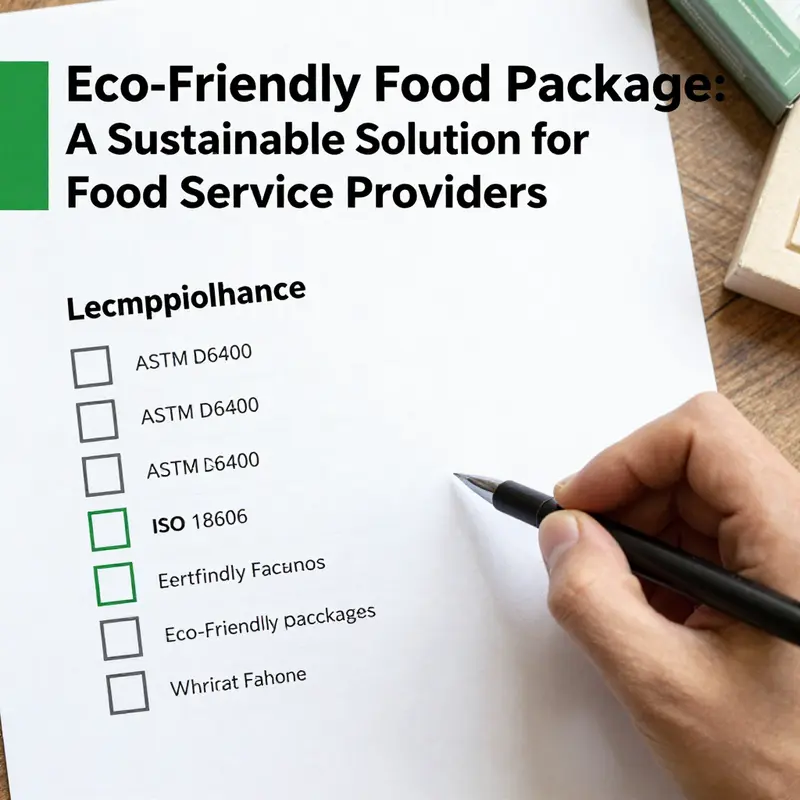
Standards and certifications create a foundation for compliance. Recognized specifications for compostability, biodegradability, and recycling help wholesalers verify claims and reassure customers. For compostability, standards such as ASTM D6400 and EN 13432 define required disintegration and ecotoxicity tests. Third-party marks from accredited bodies provide independent verification. Wholesalers should insist on accessible, current certification documents for every product line, not just verbal assurances. Keeping a searchable library of certificates, test reports, and material declarations makes responses to buyer queries fast and accurate.
Food-contact safety is often the most technical requirement. National food safety authorities set rules for substances that touch food. In the United States, for example, materials intended for food contact fall under agency review and may require specific approvals. Even plant-based or recycled materials must demonstrate they do not transfer harmful substances to food. Wholesalers should require suppliers to supply declarations of compliance, test data from accredited labs, and full material ingredient lists. When a product is sold into multiple markets, confirm it meets the strictest applicable standard. This practice reduces risk and simplifies inventory segregation.
Labeling and claims must be handled with precision. Consumers and inspectors read labels closely. Misleading statements about biodegradability or recyclability can trigger enforcement action and reputational damage. Labels and product listings should clearly state end-of-life instructions, applicable certification, and region-specific guidance. For example, a container labeled “compostable” should indicate whether it is industrially compostable only or also home-compostable, and whether local municipal systems accept it. Clear, evidence-backed claims help retailers educate their customers and reduce contamination in recycling streams.
Cross-border differences elevate complexity. Regional laws vary in scope and definition. The European Union’s directives may outlaw categories of single-use plastics that remain legal elsewhere. Some jurisdictions require minimum recycled content, while others emphasize producer responsibility schemes. Wholesalers that source from manufacturing hubs must map which products meet which market rules. That mapping should cover materials, certificates, labeling, and required testing. A product compliant in one market may need modification or additional documentation to satisfy another. Planning for this variance avoids rejected shipments and costly relabeling.
Supplier management is the most important control. Wholesalers should qualify suppliers through a consistent process. That process includes on-site audits where feasible, documentation reviews, and periodic testing. Verify supply-chain traceability from raw material to finished product. For bio-based materials, confirm origin declarations and any processing additives. For recycled-content items, validate the feedstock and recycling process. Contracts should require suppliers to notify the wholesaler of any regulatory changes or certificate expirations. This contractual clarity creates shared accountability.
Documentation is the currency of compliance. Beyond certificates, maintain Material Safety Data Sheets, certificates of analysis, and third-party laboratory reports for migration testing. Keep retention schedules that align with statutory requirements in key markets. When shipping internationally, assemble export documentation that customs and regulators expect, including origin proofs and export licenses if required. Digital systems that store and tag these documents by SKU and batch make audits and customer inquiries straightforward.
Testing and quality control are ongoing needs. Even with trusted partners, periodic independent testing reduces risk. Establish a testing schedule keyed to product criticality and regulatory complexity. For food-contact materials, prioritize migration and extractables testing. For biodegradability claims, verify performance under the standard conditions relevant to your markets. Keep failure protocols ready: if a product fails a test, have a system to quarantine inventory, notify affected customers, and arrange corrective action with the supplier.
Operationalizing compliance requires clear internal roles. Assign a compliance lead responsible for monitoring regulatory changes and maintaining the document library. Empower procurement to select suppliers based on compliance metrics, not just cost. Train sales teams on permitted claims and labeling. Equip customer service with templated responses to common regulatory queries. Regular internal audits ensure the system works, and they surface gaps before regulators or customers do.
Practical risk mitigation includes product segmentation and messaging. Offer clearly labeled product lines: food-contact certified, industrially compostable, recyclable, and recycled-content. Categorize inventory by market suitability. This approach avoids accidental cross-selling of a product into an incompatible jurisdiction. Use SKU-level metadata to flag where a product may require bespoke documentation or relabeling.
Compliance also shapes commercial strategy. Although sustainable materials often cost more, compliance can justify premium positioning. Many buyers prefer suppliers who reduce their regulatory and reputational risk. Wholesalers that proactively provide certified, well-documented options shorten procurement cycles for their customers. In competitive bids, the ability to supply certified, compliant packaging with traceable documentation can win contracts, even at a higher price.
Regulatory change is continuous. New rules will create both challenges and opportunities. Wholesalers should view regulatory trends as signals for innovation. For instance, increased bans on certain plastics accelerate demand for bagasse and other plant-fiber containers. Anticipate shifts by diversifying supplier bases and investing in products with broad compliance footprints. Maintain close dialogue with clients to understand their horizon and help them transition smoothly.
Practical investments yield high returns. A compliance playbook, digital document management, regular training, and periodic third-party testing reduce legal exposure. Establish partnerships with laboratories and certification bodies. Build long-term supplier relationships with clear contractual commitments. These investments reduce transaction friction and increase customer confidence.
Finally, transparent communication underpins long-term success. Provide buyers with concise compliance summaries for each product. Include certificates, test results, and correct disposal instructions. Educated buyers will use the packaging correctly, reducing contamination and returns. Strong communication cements the wholesaler’s role as a trusted advisor, not merely a vendor.
For wholesalers trying to translate policy into practice, real-world examples help. For instance, items made from sugarcane bagasse often meet industrial compostability requirements and are attractive where single-use plastic restrictions apply. When listing such an item, include evidence of compostability, food-contact safety data, and clear disposal instructions. One product listing that illustrates material choice and end-of-life clarity is the bagasse sugarcane biodegradable lunch box listing, which demonstrates how a single SKU can present certification, use case, and disposal guidance in one place.
Regulatory compliance for eco-friendly food packaging wholesalers is a moving target. Yet, with structured supplier programs, robust documentation, precise labeling, and a culture of continuous testing and training, wholesalers can turn compliance into an operational advantage. Meeting legal requirements protects the business. Doing so transparently also builds trust and speeds adoption of sustainable packaging across the food service industry.
External reference: For deeper regulatory guidance and updates relevant to packaging advisers, see the Food Packaging Bulletin regulatory adviser’s resource at https://www.foodpackagingbulletin.com/regulatory-advisers/.
Demand-Driven Waves: How Consumer Trends Shape the Eco-Friendly Food Packaging Wholesale Landscape
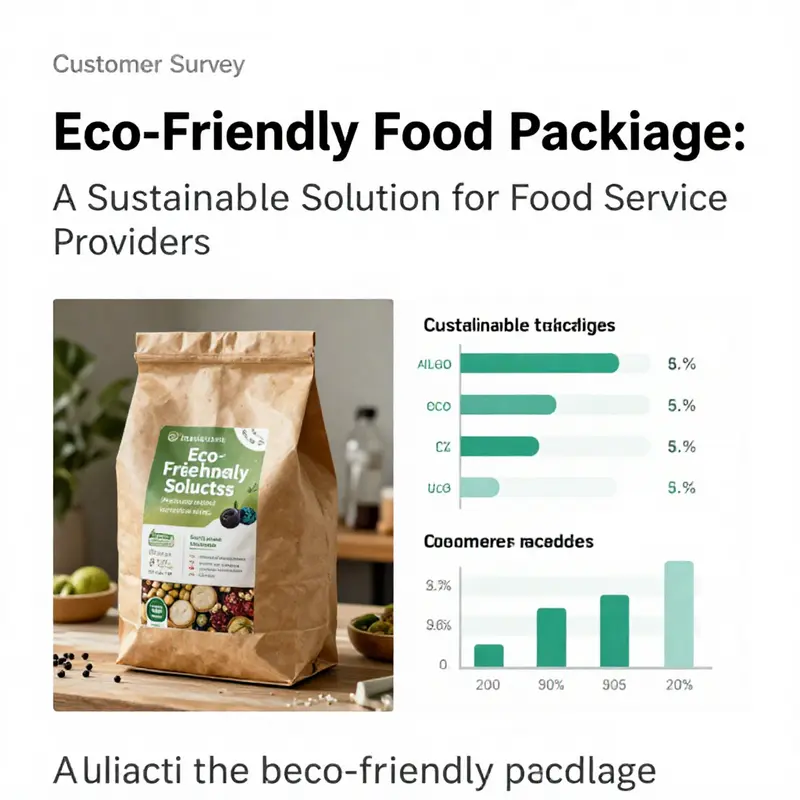
A shift in consumer mindset is the most powerful driver of the eco-friendly packaging market, and wholesalers sit at the center of that shift. What began as a niche concern about waste and cost has evolved into a broad expectation that packaging should be responsible, transparent, and capable of telling a story about its origins and end of life. For the wholesale channel serving food service providers, this means more than offering sustainable options. It means curating a portfolio that aligns with evolving consumer values, regulatory pressures, and the realities of modern supply chains. Each decision in product selection, information provision, partnerships, pricing, and education amplifies the shift from trend to standard. The result is a dynamic ecosystem where consumer demand guides decisions from product development to shelf placement in kitchens, back rooms of restaurants, and institutional kitchens.
One of the clearest forces is rising consumer awareness. Across markets, awareness translates into willingness to choose brands and venues that visibly commit to sustainability. Wholesalers respond by expanding the materials they offer and the assurances they provide. Consumers want credible signals—traceability, certifications, and narratives about how a package is made, how it performs, and how it is disposed of. This demand for transparency is a demand for trust, built through verifiable information and consistent performance.
Core material categories have solidified: bioplastics, recycled paper, and compostable films. Bioplastics have moved from fringe to core in many catalogs, not as a single solution but as part of a broader strategy. Recycled paper offers balance of performance and environmental benefit; compostable films provide barrier properties for foods with shorter shelf lives or specific handling. The way wholesalers present these materials matters as much as the materials themselves. They articulate environmental footprints, from feedstock sourcing to energy use to end-of-life outcomes, and pair this with credible third-party verifications.
Regulation also plays a role. The European Union’s Single-Use Plastics Directive has raised the bar for plastic waste reduction and signals to markets worldwide. In regions without equivalent rules, operators anticipate future policy moves and prepare accordingly. Wholesalers must ensure offerings comply with current laws and are adaptable to evolving standards, which means ongoing product development, material switching, and packaging configuration changes that reduce environmental impact.
Practically, wholesalers translate demand into supply by expanding scalable sustainable solutions, working with manufacturers able to meet large-volume requirements with consistent quality and compliance, and embracing modular designs that let operators switch materials as dynamics shift. They also prioritize transparency as a core service, supplying lifecycle information, end-of-life guidance, and third-party certifications. The strongest partnerships demonstrate cradle-to-grave responsibility and enable buyers to communicate a credible sustainability story to customers.
Education is central. Operators vary in familiarity with sustainable packaging and in procurement capacity. Wholesalers educate by providing technical guidance, example case studies, and cost models that compare traditional materials with sustainable alternatives. Education becomes a bridge between intent and action, covering not only environmental benefits but operational realities—how packaging behaves in busy kitchens, how it handles heat and moisture, and how it affects waste streams in a circular economy context.
Lifecycle data and traceability follow. Buyers want to know where materials come from, how they are processed, and what happens after disposal. Verified certifications and independent verification grow in importance. Wholesalers incorporate lifecycle assessments, supplier audits, and data-rich product sheets, and connect buyers with networks that support credible claims about compostability, recyclability, or energy efficiency. This depth of engagement strengthens trust, differentiates brands, and builds loyalty.
As demand rises, wholesalers shape the market by identifying niches where sustainability and practicality meet—packaging configurations that optimize portion control, reduce leakage, or improve heat retention without compromising compostability or recyclability. Design flexibility becomes a strategic advantage, allowing operators to align with their menu and waste-management infrastructure. The best wholesalers position themselves as design partners, offering options across materials, weights, and end-of-life pathways so each operator can find a tailored fit while regional regulations evolve.
Finally, visibility matters. Credible data, clear narratives, and real-world performance documentation help operators justify procurement choices and reassure customers that packaging aligns with broader values. The wholesale channel curates this information and presents it in buyer-friendly formats for quick decision-making in fast-moving procurement cycles.
Looking ahead, wholesalers will continue balancing demand with supply realities, regulatory trajectories, and the imperative to reduce environmental impact across the lifecycle. They will expand portfolios to include renewable feedstocks, recycled content, and packaging designed for accessible recycling or composting in municipal streams, while deepening partnerships with transparent suppliers who provide robust certifications and responsive support for kitchen teams.
This is not a passing trend. Consumer demand is a lasting shift that redefines how the food service sector operates, and the wholesalers who adapt fastest—combining credible environmental claims with reliability, price accessibility, and practical guidance—will help shape a more sustainable and resilient wholesale ecosystem.
Between Green Promise and Global Supply: Navigating the Economic and Strategic Terrain of Eco-Friendly Food Packaging Wholesalers
Wholesalers in eco-friendly food packaging operate at a critical junction where environmental ambition meets the practical realities of scale, cost, and credibility. The broader market has surged as consumers demand more sustainable options and regulators push for lower waste. Yet the very factors that can unlock long-term growth—advanced materials, transparent sourcing, and proven performance—also introduce a layer of complexity for wholesalers who must balance price, availability, and trust. In this landscape, the chapter unfolds as a single, continuous narrative about how economic pressures and strategic decisions shape the ability of eco-friendly packaging to move from niche curiosity to standard practice across food service networks.
The most immediate economic challenge is cost. Biodegradable and plant-based materials, often sourced from renewable feedstocks, carry price premiums compared with conventional plastics. These premiums reflect not only raw material costs but also the capital intensity of the production facilities necessary to process bio-based polymers, compostables, and recycled content into food-grade packaging. Because these materials have historically operated in smaller production runs, they frequently lack the mature economies of scale enjoyed by fossil-based counterparts. For a wholesaler, the price gap translates into a delicate pricing calculus: undercutting with aggressive discounts risks eroding margins; absorbing higher costs risks making sustainable options unattractive to price-sensitive buyers. The result is a marketplace where margin management, long-term sourcing commitments, and value-added services become essential levers.
Beyond unit price, scale and reliability loom as substantial barriers. A material that performs well in prototypes may falter under mass production’s demand cadence. The production lines for eco-friendly packaging often require specialized equipment, unique process controls, and rigorous quality assurance to meet food safety standards. When demand climbs, supply constraints emerge quickly if manufacturers operate without diversified capacity or contingency planning. Lead times lengthen, and stockouts become a real risk. In response, successful wholesalers pursue a multi-pronged approach: they cultivate relationships with a broader ecosystem of suppliers, build safety stock for critical formats, and develop modular product families that share common components to streamline procurement and production planning. They also invest in demand forecasting technologies and collaborative planning with food service clients to smooth order patterns and reduce last-minute rushes that spike costs.
The governance of regulatory stringency and standardization adds another layer of economic and strategic complexity. Environmental claims—whether a material is compostable, biodegradable, or recyclable—are not uniformly defined across regions. In some markets, certifications vary by standard, by testing method, or by the composting facility available nearby. This creates a dual risk for wholesalers: possible misrepresentation if claims outpace certification, and market access constraints when a region clamps down on ambiguous labeling. The consequence is a need for rigorous due diligence, third-party testing, and a transparent chain of custody for materials. Wholesalers who invest in robust documentation and credible certifications can reduce the likelihood of greenwashing accusations and build trust with food service operators who must communicate value to their own customers. The payoff is a more resilient value proposition that can command premium pricing where buyers perceive actual reliability and environmental benefit.
Consumer expectations compound these regulatory dynamics. The market research that underpins wholesale strategy shows that a substantial share of consumers are willing to pay more for products wrapped in sustainable packaging. Yet acceptance hinges on perceived performance. Food service operators cannot afford packaging that compromises shelf-life, leak resistance, or heat tolerance. When a container fails, it undermines trust in the sustainability narrative and invites scrutiny of the supplier base. Wholesalers counter this risk by prioritizing materials with demonstrated performance data, investing in performance testing, and sharing transparent information about how products behave under typical service conditions. They also assist clients with packaging design considerations—such as barrier properties, heat stability, and stackability—that affect both product integrity and operational efficiency in kitchens and transport.
Supply chain risk is another dimension that must be managed with nuance. Geographic concentration of manufacturing, particularly in major hubs that dominate bio-based materials, exposes wholesalers to geopolitical tensions, currency fluctuations, and transportation disruptions. The global nature of supply chains means a single disruption can ripple through lead times, pricing, and inventory levels. Diversification becomes a core strategic objective: sourcing from multiple regions, developing regional warehousing, and aligning procurement with multi-sourcing strategies that reduce dependency on any one origin. Nearshoring or regionalized manufacturing can offer gains in reliability and responsiveness, even if the unit costs are higher. The overarching goal is to construct a supply architecture that sustains continuity, preserves quality, and shields price stability during market volatility.
As the economy of eco-friendly packaging evolves, wholesalers must calibrate their product portfolios to reflect both demand signals and certification realities. One practical implication is that a wholesale catalog cannot be built solely on the most advanced or trendiest materials. It must also include formats that meet common performance benchmarks—durability, leak resistance, and compatibility with standard operating equipment—while maintaining a clear, verifiable environmental claim. This balancing act requires ongoing education with clients and a willingness to guide them toward choices that align with budget constraints and sustainability targets. Such guidance can translate into longer-term contracts, cooperative marketing, and joint trials that demonstrate performance under real-world conditions rather than laboratory ideals.
A crucial dimension of strategic thinking is the narrative wholesalers present to food service operators. The sustainability story is more credible when it includes a credible plan for disposal and municipal waste programs. Operators are increasingly asked to justify not just the packaging itself, but the end-of-life pathway. Wholesalers who can articulate a credible lifecycle perspective—where materials originate, how they are processed, and what happens after use—gain credibility with operators who must answer to customers, regulators, and corporate social responsibility teams. This requires transparency about supplier certifications, testing results, and supply chain traceability. The payoff is not only reduced risk of brand damage but also the potential to differentiate through data-driven sustainability metrics that resonate with operators and end customers alike.
An illustrative but carefully framed example helps ground these abstractions. Consider the choice to stock a set of compostable or recyclable containers that are compatible with standard cold-chain logistics. The decision hinges on both cost and reliability: can the format withstand typical shelf-life requirements, does it perform under pressure during peak service periods, and what is the end-of-life story in major markets? A wholesale decision to favor such formats should be supported by depth in supplier qualification, including third-party test data, region-specific certifications, and a clear understanding of facility capabilities. The internal procurement discipline then translates into a more predictable value proposition for clients and a more stable revenue model for the wholesaler. This is not merely about offering eco-friendly products; it is about offering a credible, well-supported eco-system that reduces risk for the entire supply chain.
To anchor this discussion in a practical, real-world context, one might examine the ongoing evolution of wholesale packaging formats designed for takeout and delivery. A key consideration is how to optimize for both performance and sustainability in a way that aligns with kitchen workflows and transport logistics. A representative option, such as a disposable kraft paper container with an integrated lid, illustrates the tension between cost and function. The material choices influence heat retention, moisture resistance, and the ability to stack efficiently for delivery fleets. While such formats contribute to sustainability goals, their procurement must still navigate certification landscapes, regional disposal infrastructure, and the preferences of operators who want consistent results night after night. The strategic lesson is clear: sustainable packaging success is as much about process, data, and supplier governance as it is about the materials themselves.
In sum, eco-friendly food packaging wholesalers face a landscape where economic constraints intertwine with strategic imperatives. High production costs, limited economies of scale, and longer lead times must be managed through diversified sourcing, stock optimization, and partnerships that extend beyond simple product sales. Regulatory complexity and inconsistent environmental claims require rigorous verification and transparent communication with clients. Consumer demand for sustainability, tempered by expectations of performance, demands ongoing education and data-driven assurance. And supply chain risk—geographic concentration, macroeconomic volatility, and transport costs—calls for resilient architectures that blend regional capacity with central oversight. When wholesalers align pricing strategies with credible certifications, offer reliable performance data, and build collaborative planning with food service operators, they transform eco-friendly packaging from a niche option into a dependable component of modern foodservice operations. The journey is ongoing, and the pace of change suggests that the most durable advantages will come from disciplined sourcing, rigorous testing, and an unwavering commitment to integrity across the value chain.
Final thoughts
The eco-friendly food packaging landscape is quickly evolving, presenting substantial opportunities for food service providers to align with sustainable practices. By capitalizing on the growth of this market and understanding the materials available, regulatory requirements, and emerging consumer trends, wholesalers play a crucial role in supporting these businesses. As economic challenges are navigated, a commitment to providing high-quality, eco-conscious products will not only drive profitability but resonate with a growing base of environmentally aware consumers.